
Last updated on August 19th, 2026 at 04:15 pm
A quilted dog bed does more than give your pup a soft place to curl up—it turns naptime into a handmade statement. Stitching together layers of fabric adds warmth, texture, and a personal touch that mass-produced beds just can't match.
Whether you're a seasoned quilter or a beginner with a sewing machine, these nine ideas let you craft something cozy and custom. From scrappy patchwork to upcycled denim, each project brings its own charm and practical perks.
Ready to transform leftover fabric into your dog's favorite spot? Let's get started.
1. Patchwork Charm: Scrap Fabric Quilted Bed
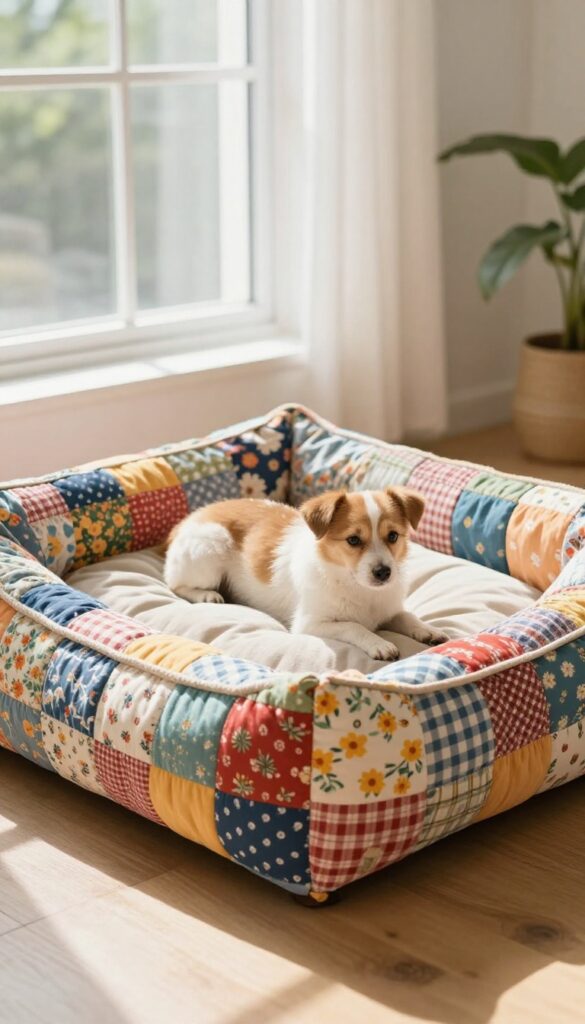
Dig into your fabric stash and give those leftover scraps a second life. This patchwork bed is all about mixing colors and patterns into a one-of-a-kind quilt that’s as unique as your pup. Plus, it’s a smart way to reduce waste while crafting something totally custom.
Start by sorting your scraps by color or pattern to create a pleasing layout. Cut them into squares or rectangles—any size works, but 5-inch squares are a good starting point. Arrange them in a grid, then sew them together with a quarter-inch seam allowance.
Once your patchwork top is ready, layer it with batting and a soft backing fabric, then quilt through all layers to keep everything secure. Finish with a simple binding around the edges, and you’ve got a cozy, colorful bed cover that’s ready to be stuffed with a cushion or pad.
Why Scraps Work So Well
Using scraps means every bed is truly one of a kind. You can mix bold florals with classic plaids or stick to a single color family for a more cohesive look. It’s also budget-friendly—no need to buy new fabric.
Plus, the patchwork texture gives your dog a variety of tactile surfaces to snuggle into, which many pups love.
Tips For A Durable Finish
Since dogs can be tough on their beds, choose sturdy fabrics like cotton or denim for the patchwork. Pre-wash everything to prevent shrinking later. Use a dense batting to add cushioning and durability.
When quilting, keep your stitches close together—about an inch apart—so the layers stay put even after repeated washings.
Customizing For Your Dog's Size
Adjust the number of squares based on your dog’s measurements. For a small pup, a 20-inch square bed might work, while a large breed may need a 36-inch square. Simply calculate the area and plan your grid accordingly.
You can also add a contrasting border to make the bed look even more polished.
2. Modern Minimalist: Solid Color Quilted Bed
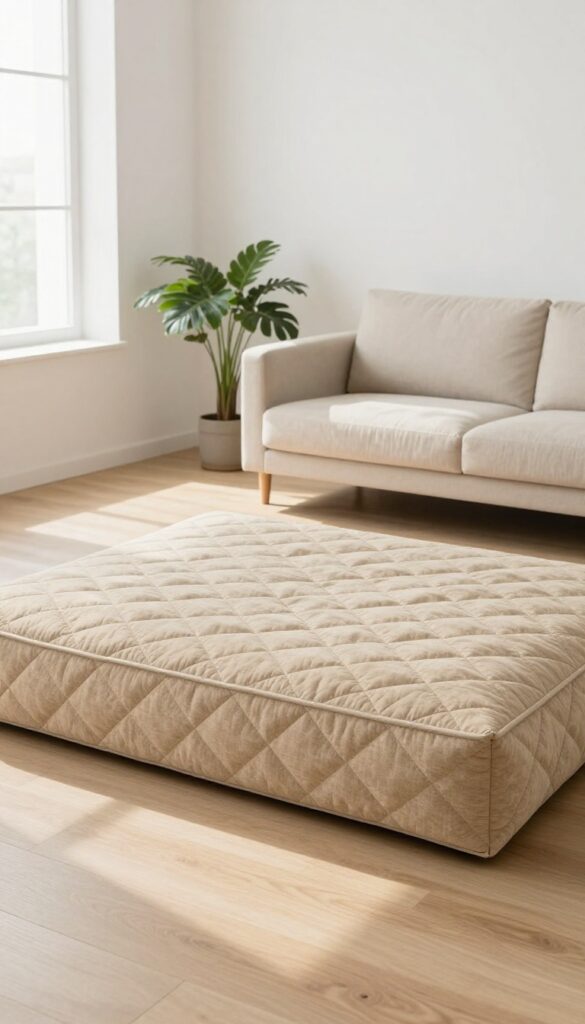
Not every quilted bed needs to be a riot of pattern and color. Sometimes the quietest designs make the biggest impact. A solid color quilted bed in a neutral tone—think oatmeal, slate gray, or warm taupe—brings a calm, refined look that fits right into contemporary spaces.
The beauty of this approach is how it lets the quilting itself become the star. The texture of the stitching adds depth and interest without shouting for attention. It's a perfect choice if you want something that feels intentional and polished, yet still cozy and handmade.
A solid color quilted bed is all about understated elegance. The monochromatic palette creates a seamless blend with modern interiors, making the bed feel like a natural part of the room rather than an afterthought. Plus, the quilting texture adds a subtle tactile quality that dogs love to nestle into.
When you choose a solid color, you also open up styling possibilities. You can easily change throw pillows or blankets without worrying about clashing patterns. And because the bed is so versatile, it works in living rooms, bedrooms, or even home offices without feeling out of place.
Choosing The Right Fabric
For a modern minimalist look, fabric choice matters. Opt for natural materials like cotton or linen in a tight weave—they hold up well to washing and have a smooth, matte finish. A quilted cotton canvas or a soft brushed twill adds durability while keeping the aesthetic clean.
Avoid shiny or overly textured fabrics that might distract from the minimalist vibe.
Quilting Pattern Ideas
Even with a solid color, the quilting pattern can make a big difference. A simple grid or diagonal lines creates a clean, geometric look that feels contemporary. For a softer touch, try a subtle diamond or wave pattern.
The key is to keep the stitching regular and even, so the texture looks intentional rather than random.
Color Palette Suggestions
Stick to muted, earthy neutrals like greige, sage, or dusty blue. These tones blend effortlessly with most modern color schemes and don't compete with other décor. If you want a hint of warmth, a terracotta or ochre can add a pop without overwhelming the space.
Just remember: the goal is to complement, not dominate.
3. Rustic Farmhouse: Plaid and Gingham Quilted Bed
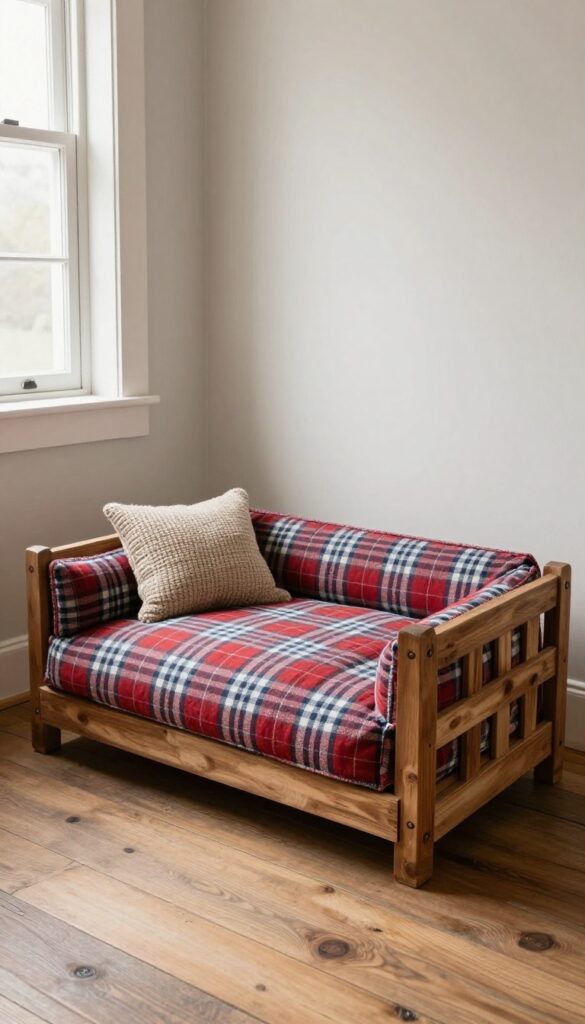
Plaid and gingham bring instant farmhouse warmth, and they work beautifully on a quilted dog bed. The classic patterns feel right at home in a cozy nook, and they hide fur and dirt surprisingly well. Plus, the structured look of these fabrics gives the bed a tidy, handmade quality that fits right into rustic decor.
Start by choosing a plaid or gingham fabric that matches your room's palette—think muted reds, navy, or sage green for that authentic farmhouse feel. Pair it with a solid coordinating fabric for the bed's sides or backing to keep the pattern from overwhelming the space. You can use a simple patchwork layout or keep the fabric whole for a cleaner look.
The key is to let the pattern shine while ensuring the bed is sturdy enough for daily use.
Picking The Right Fabric
Look for medium-weight cotton or cotton-blend fabrics that hold up to washing. Flannel plaids add extra softness, but they may pill over time. If your dog is a digger, choose a tighter weave that resists snags.
Pre-wash the fabric to prevent shrinking after you've sewn the bed.
Quilting Pattern Ideas
For a simple look, quilt straight lines across the fabric every few inches. If you're feeling adventurous, try a diamond or crosshatch pattern to echo the plaid design. A contrasting thread color can add subtle detail, or use matching thread for a seamless finish.
Farmhouse Styling Tips
Place the bed in a wooden crate or a galvanized tub to reinforce the rustic vibe. Add a chunky knit throw pillow nearby for extra coziness. Keep the surrounding decor neutral—think burlap, wood, and soft whites—so the plaid bed becomes the focal point.
4. Boho Chic: Earthy Tones and Textured Quilting
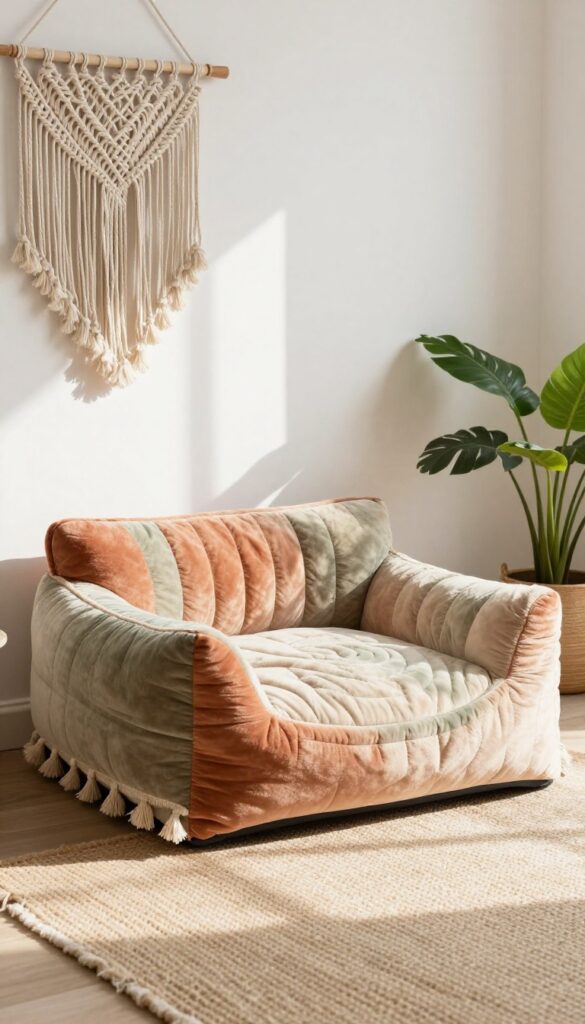
If your style leans toward laid-back, artistic, and full of natural texture, a boho-inspired quilted dog bed will fit right in. Think warm terracottas, sage greens, and creamy neutrals, paired with quilting techniques that add depth and movement. Echo quilting or spiral patterns give the surface a handcrafted, slightly imperfect look that feels cozy and inviting.
This bed doesn't just give your dog a comfy spot—it becomes a subtle piece of decor that blends with your space.
Start by choosing a palette that feels earthy and grounded. Mix solid fabrics in muted tones with a few subtle prints like small geometrics or delicate florals. For the quilting, echo quilting—where you stitch parallel lines that ripple outward from a central shape—creates a lovely organic texture.
Spiral quilting, on the other hand, adds a gentle swirl that's both soothing and visually interesting. Both techniques are beginner-friendly if you take it slow, and they make the bed look like a thoughtful artisan piece.
Picking The Right Fabrics
Look for natural fibers like cotton or linen blends. They breathe well and soften with each wash, which is perfect for a dog bed. Stick to a cohesive palette—maybe warm ochre, rust, and olive, with a few off-white accents.
Avoid busy prints that clash; instead, let texture do the talking. You can even add a touch of fringe or tassels along the edge for extra boho flair, but keep them securely attached so your pup doesn't chew them off.
Quilting Patterns That Pop
Echo quilting is a great choice for this style. Start with a simple shape in the center, like a leaf or a circle, then stitch around it repeatedly, spacing the lines about half an inch apart. The result feels hand-drawn and organic.
Spiral quilting is another option—just stitch a continuous curve that winds outward. Both methods add dimension without needing intricate piecing, so you can focus on the soothing rhythm of the stitching.
Adding A Cozy, Layered Look
To amp up the boho vibe, consider adding a removable cover with a tie or button closure. You can quilt the top and pair it with a simple solid base in a complementary earthy tone. Add a plush insert or a soft fleece lining for extra warmth.
A few decorative stitches in a contrasting thread, like a warm mustard or dusty pink, can highlight the quilting and give the bed a personalized touch.
5. Seasonal Sensation: Holiday-Themed Quilted Bed
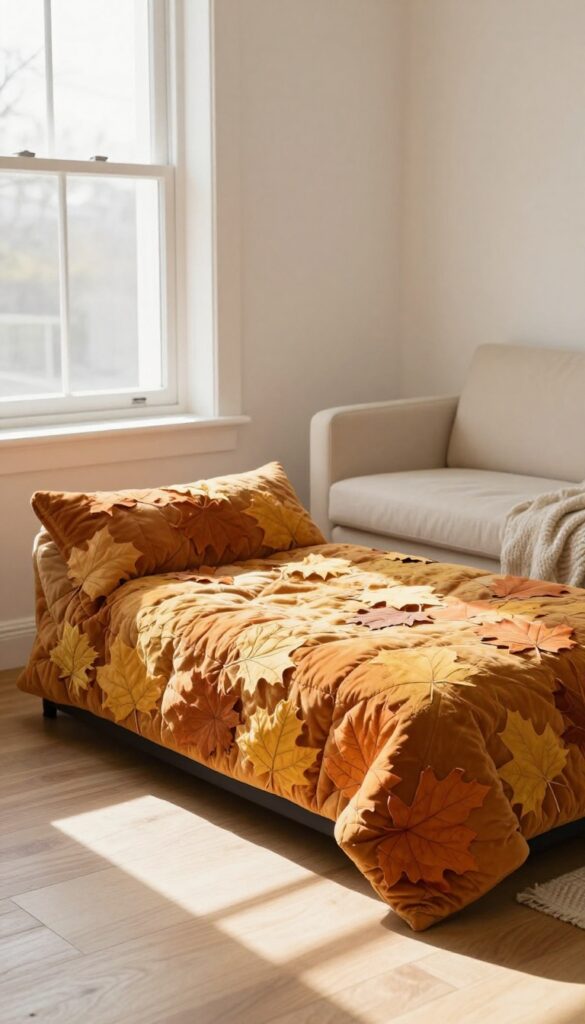
Why should your dog's bed stay the same all year? Swapping in a holiday-themed quilted bed adds a festive pop to your living room and gives your pup a fresh spot to snooze. It's a simple way to celebrate each season without redecorating the whole house.
Think snowflakes in December, hearts in February, or autumn leaves in October. You can make one bed and change the quilt cover, or stitch a few different beds and rotate them as the holidays roll around. Either way, your dog gets a cozy, seasonal retreat that feels special.
Holiday-themed quilted beds are all about timing and charm. You can pull out a bed with reindeer prints for Christmas, then switch to a pastel Easter version in spring. The key is picking motifs that match your dog’s size and your home’s vibe.
If you’re short on storage, make a single bed with a reversible quilt—one side for winter, the other for summer. Or keep it simple with a few interchangeable quilt covers that slip over a basic bed base. That way, you get the festive look without cluttering your closet.
Pick A Palette That Pops
Bright reds and greens scream Christmas, but they might clash with your neutral sofa. Instead, choose a muted palette like sage green with cream snowflakes, or dusty blue with silver stars. For fall, go with burnt orange and mustard yellow.
The goal is to add a seasonal touch without overwhelming the room.
Make It Easy To Swap
Sew a simple envelope closure or add a zipper to the quilt cover so you can change it in seconds. If you're making a whole bed, use a removable cover with ties or buttons. That way, you can wash the cover after the holidays and store it flat until next year.
Involve Your Dog's Comfort
Holiday fabrics are often stiffer or have glitter, which can irritate sensitive skin. Line the inside with soft cotton or fleece, and keep embellishments like sequins or buttons off the sleeping surface. Your dog will appreciate a cozy, safe place to curl up, no matter the season.
6. Personalized Touch: Appliqué and Monogram Quilted Bed
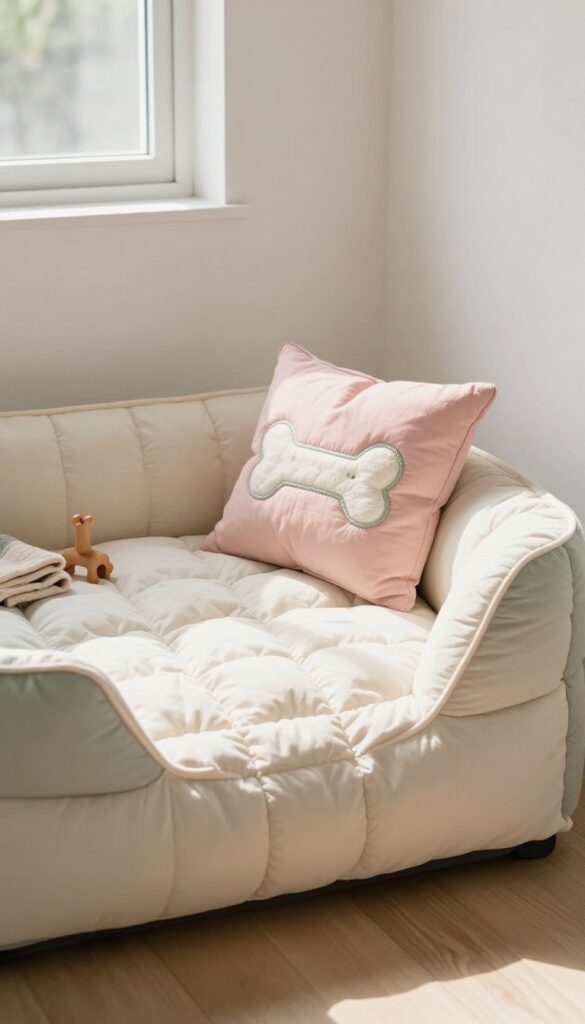
A quilted dog bed becomes extra special when you stitch in your dog's name or a cute appliqué shape. This idea turns a simple project into a heartfelt gift or a keepsake that celebrates your furry friend. Plus, it's easier than you might think—even if you're new to appliqué.
Adding a personal touch to your dog's bed makes it truly one-of-a-kind. Whether you choose a bold monogram or a playful bone shape, the result is a bed that reflects your dog's personality and your creativity. This section covers how to plan, stitch, and finish a personalized quilted bed that will be treasured for years.
Choosing Your Appliqué Design
Start by picking a design that suits your dog. A simple bone, paw print, or heart are classic choices, but you could also match the appliqué to your dog's breed—like a tiny squirrel for a terrier or a fish for a water-loving pup. If you're feeling ambitious, try a silhouette of your dog's head.
Keep the design manageable: large, simple shapes are easier to stitch and look bolder from a distance.
Stitching Techniques For Beginners
For a clean, durable finish, use fusible web to attach your appliqué shape to the quilt top before quilting. Then, secure the edges with a tight zigzag stitch or a satin stitch. If you prefer a more rustic look, a simple running stitch around the shape adds charm and texture.
Don't forget to use a stabilizer underneath to prevent puckering, especially if you're working with stretchy fabrics.
Monogramming With Style
Monogramming your dog's name adds an elegant touch. You can embroider the name directly onto the quilt top using a hoop and embroidery floss, or use a sewing machine's built-in lettering function. For a more modern look, try a bold, blocky font in a contrasting color.
Place the monogram in a corner or centered on the bed—just make sure it's visible when the bed is in use.
Finishing Touches And Care
Once your appliqué or monogram is in place, quilt the layers as usual. When the bed is finished, add a label with your dog's name and the date—it's a sweet touch that makes the bed even more personal. To keep it looking great, spot clean as needed and wash on a gentle cycle if the fabric allows.
Avoid harsh detergents that might fade the appliqué over time.
7. Reversible Design: Two-in-One Quilted Bed
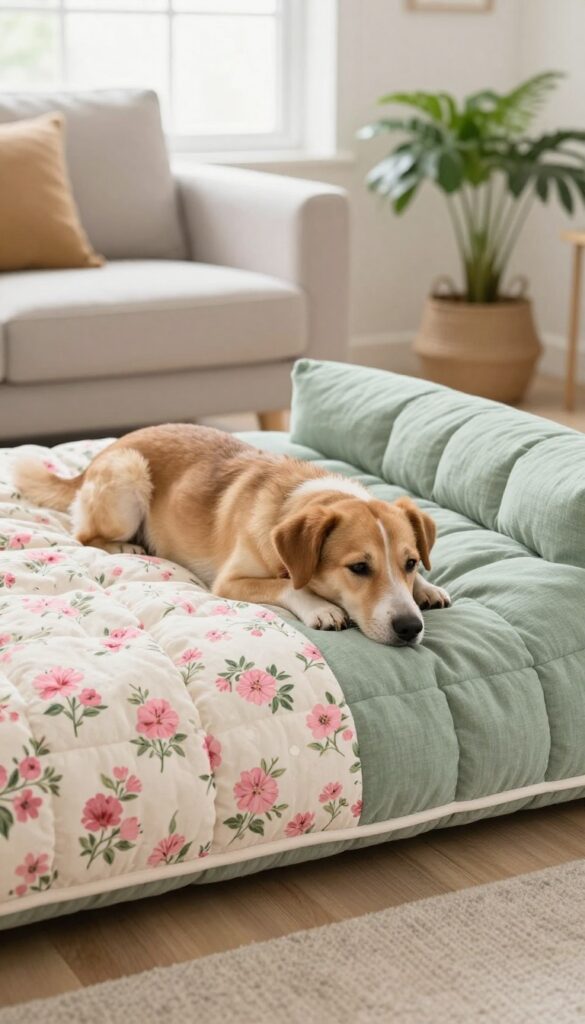
Sometimes you want a quick change without sewing a whole new bed. A reversible quilted dog bed gives you two looks in one piece, so you can flip it to match your mood, the season, or your living room refresh. It's also a smart way to use up fabric you love but don't have enough of for a full project.
Making a reversible bed is easier than it sounds. You'll quilt two separate tops, then sew them together with the batting in between, leaving an opening to turn it right side out. Once you close the opening and add a few ties or buttons, you've got a bed that's cozy on both sides.
The key is choosing fabrics that coordinate but still feel distinct—like a bright floral on one side and a neutral linen on the other.
Fabric Pairings That Work
Think about contrast. A soft cotton in a solid sage pairs well with a playful polka dot in cream. Or go seasonal: flannel plaid for winter, lightweight quilting cotton for summer.
Just make sure both fabrics are durable enough for daily dog use—canvas, denim, and home-dec weight cottons are great choices.
Quilting Tips For Reversibility
Keep your quilting stitches simple and symmetrical. A grid or diagonal lines look good from both sides and won't pucker when you flip the bed. Avoid heavy embellishments like buttons or beads that could be uncomfortable for your dog to lie on.
Instead, use quilting stitches to add texture and interest.
Quick Flip, Easy Care
One of the best perks of a reversible bed is that you can extend time between washes. If one side gets dirty or stained, just flip it over for a fresh look. When it's time to clean, both sides are machine washable if you pre-wash your fabrics and use a quality batting.
Just remember to air dry to keep the shape.
8. Memory Foam Insert: Quilted Cover for Extra Support
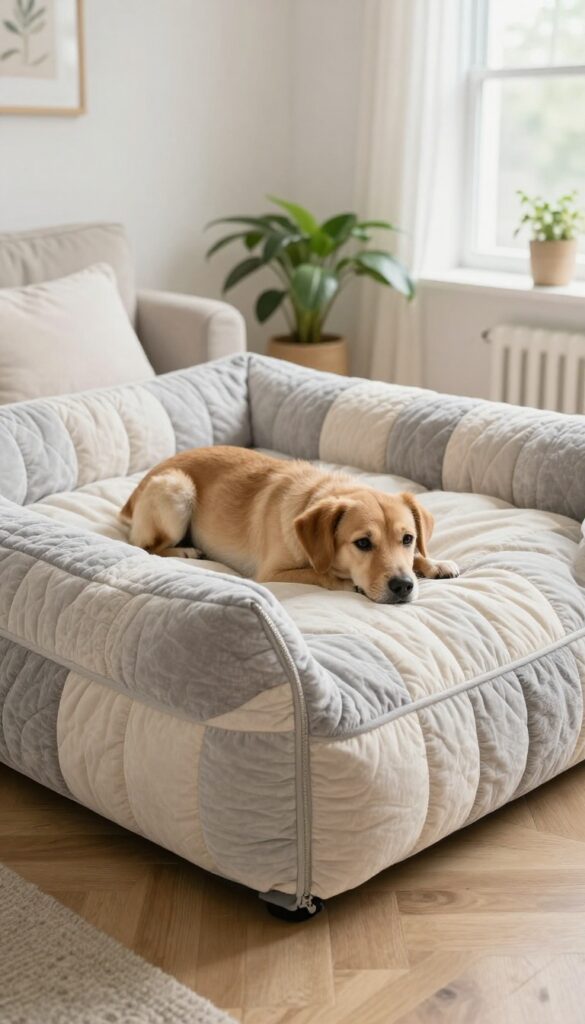
Some dogs need a little extra support, especially as they age or if they have joint issues. A memory foam insert can be a game-changer, and pairing it with a quilted cover gives you the best of both worlds: orthopedic comfort and handmade style. The quilted exterior adds a soft, textured layer that protects the foam and looks great in any room.
Building a memory foam dog bed with a quilted cover is more straightforward than you might think. You can either buy a pre-made memory foam pad and sew a custom quilted cover, or make your own foam base from a high-density foam block. The key is to ensure the cover fits snugly but can be removed for washing.
A zipper or Velcro closure makes it easy to take off and clean, which is a must for any dog bed.
Choosing The Right Foam
Not all memory foam is created equal. Look for a high-density foam that offers good support without being too firm. A thickness of 4 to 6 inches works well for most dogs.
If your dog is a senior or has arthritis, consider a foam with gel infusion to help regulate temperature and provide extra pressure relief. You can find foam pads online or at fabric stores, and many come with a removable cover—but you'll be making your own quilted one.
Quilting The Cover
The quilted cover is what gives this bed its handmade charm. You can quilt the top panel with a simple grid or free-motion design, using cotton fabric and batting. Make sure the quilted panel is slightly larger than the foam pad to allow for seam allowances.
For the sides, you'll need a strip of fabric that matches the height of the foam plus seam allowances. Attach the quilted top to the sides, leaving an opening for the zipper. Add a zipper along one side or the bottom for easy removal.
Adding A Washable Liner
To keep the memory foam clean, consider adding a washable liner between the foam and the quilted cover. This can be a simple cotton casing that fits around the foam and can be unzipped and thrown in the wash. It adds an extra layer of protection and keeps the foam from absorbing odors or stains.
The quilted cover itself can also be washed, but the liner makes it even easier to maintain.
9. Upcycled Denim: Quilted Bed from Old Jeans
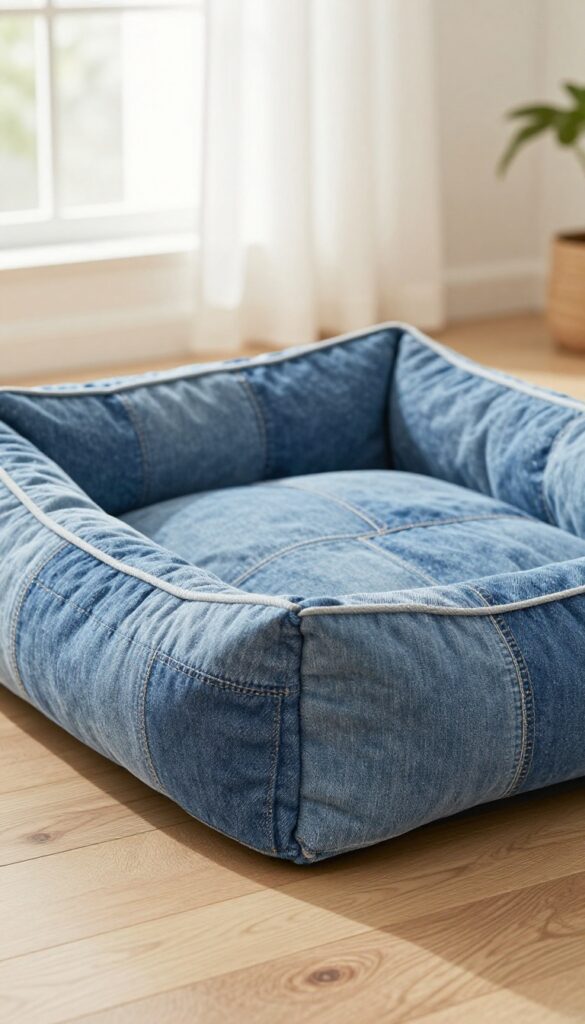
If you've got a pile of worn-out jeans that are too stained or torn to donate, turn them into a rugged, one-of-a-kind dog bed. Denim is tough, easy to clean, and gets softer with every wash, making it a smart choice for active pups who love to dig and sprawl. Plus, upcycling keeps fabric out of landfills, so your project is as eco-friendly as it is cozy.
Start by collecting old jeans in similar weights, or mix light and dark washes for a patchwork effect. Cut the legs into large squares or rectangles, removing zippers and thick seams. You'll need enough denim to cover the top, bottom, and sides of your bed—think of it as a big quilt sandwich with a soft filling in the middle.
Prepping The Denim
Wash and dry the jeans to shrink them and remove any lingering odors. Cut off the hems and waistbands, then slice the legs open to create flat panels. Trim away bulky seams and pockets, but keep the back pockets if you want a fun detail for the bed's exterior.
Press everything flat with an iron to make sewing easier.
Building The Quilt Sandwich
Layer your denim pieces with a batting or foam core. For a washable bed, use a removable cover—sew a simple envelope closure or add a zipper. If you're making the whole bed washable, use cotton batting and quilt the layers together with straight lines or a simple grid.
This keeps the filling from shifting during washes.
Adding Durability And Style
Reinforce the edges with double stitching or a contrasting thread for a rugged look. You can also add a non-slip fabric on the bottom to keep the bed from sliding on hardwood floors. For extra charm, topstitch a pattern, or leave the raw edges exposed for a frayed, casual vibe that matches your dog's adventurous personality.
FAQ
What type of fabric is best for a quilted dog bed?
Cotton and cotton blends are ideal because they're durable, breathable, and easy to wash. Avoid delicate fabrics like silk or velvet that can tear easily.
How do I make a quilted dog bed washable?
Create a removable cover with a zipper or Velcro closure. This way, you can easily take off the quilted top and wash it separately from the inner cushion.
Can I use a regular quilt pattern for a dog bed?
Yes, but adjust the size to fit your dog. You can scale down a lap quilt pattern or design your own simple grid to match the bed dimensions.
What size should a quilted dog bed be?
Measure your dog from nose to tail and add a few inches for comfort. For example, a small dog might need a 24×18 inch bed, while a large breed could need 36×24 inches.
How do I keep the quilting from bunching up?
Use a walking foot on your sewing machine and baste the layers together securely. Also, choose a batting that's appropriate for the bed's use, like a low-loft polyester for easy washing.
Conclusion
Quilted dog beds are a wonderful way to combine your love for crafting with your pup's comfort. Each idea offers a unique style, so you can pick one that matches your home and your dog's personality.
Start with a simple pattern and work your way up to more complex designs as you gain confidence. Your furry friend will appreciate the extra love and softness, and you'll enjoy the satisfaction of creating something beautiful and useful.

I’m Pallab Kishore, the owner of Little Pets Realm — an animal lover and pet care enthusiast sharing easy tips, healthy recipes, and honest advice to help every small pet live a happy, healthy, tail-wagging life.