
Last updated on August 19th, 2026 at 04:15 pm
When your dog starts slowing down, you notice the little things—the extra pause before jumping on the couch, the careful way they circle before lying down. That's when a good bed becomes more than a luxury; it's a daily comfort that can ease stiff joints and encourage deeper sleep.
Memory foam is a popular choice because it molds to your dog's body, reducing pressure points. But not all memory foam beds are created equal, and the right one depends on your dog's size, sleeping style, and health needs.
Here are nine ideas to help you find the perfect spot for your senior companion.
1. Orthopedic Support with Raised Edges
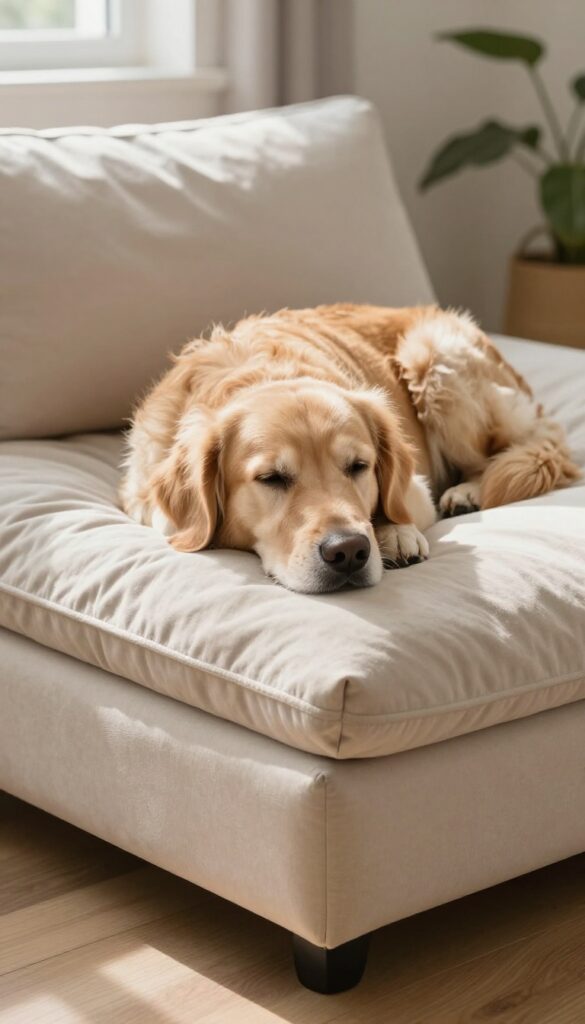
A bed with raised edges does double duty for a senior dog. The bolstered sides give your pup a comfy place to rest their head, which many older dogs love. More importantly, those edges offer a subtle sense of security, making it easier for a stiff or anxious dog to settle down for the night.
Raised edges aren't just for looks—they're a practical feature for dogs with arthritis or joint pain. The bolsters provide a gentle barrier that supports your dog's neck and spine when they curl up, and they also act as a handy brace when your dog is getting in or out of bed. That extra support can make a big difference for a dog who's a little unsteady on their feet.
Why Raised Edges Help Senior Dogs
Think of the raised edges as a built-in pillow and a supportive frame. When your dog rests their head on the bolster, it takes pressure off their neck and shoulders. The edges also give your dog something to lean against when they're lying down, which can reduce the effort it takes to get comfortable.
For dogs with hip dysplasia or arthritis, that extra support can mean less pain and better sleep.
How To Choose The Right Height And Firmness
Not all bolsters are the same. Look for edges that are firm enough to offer support but not so high that they're hard to climb over. A good rule of thumb is that the bolster should be about the same height as your dog's shoulder when they're lying down.
Memory foam bolsters are ideal because they contour to your dog's body while still holding their shape. If your dog likes to stretch out, consider a bed with a lower edge on one side for easy access.
Extra Features That Make A Difference
Some beds come with a removable, washable cover—a lifesaver for senior dogs who may have accidents. Others have a non-slip bottom to keep the bed from sliding on hardwood floors. A cooling gel layer can also be a nice touch if your dog tends to overheat.
Look for these extras to get the most out of your bed.
2. Low-Profile Design for Easy Access
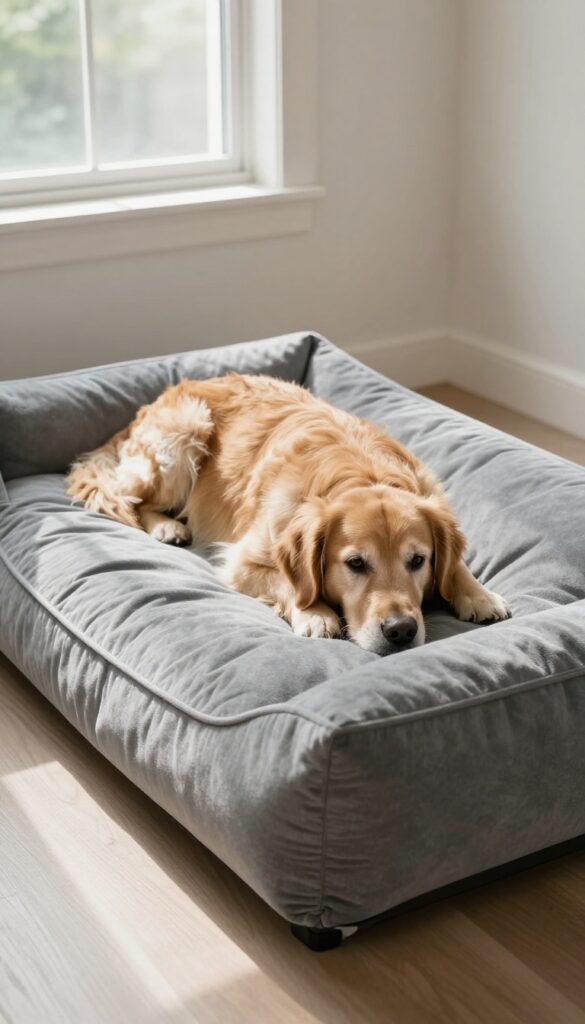
Getting in and out of a tall bed can be a real struggle for a senior dog with arthritis or hip dysplasia. A low-profile memory foam bed sits close to the floor, so your pup can step in without jumping or straining. That thin base still provides plenty of cushioning, making it a smart pick for dogs who need comfort without the extra height.
Low-profile beds are a simple solution that can make a big difference in your dog's daily comfort. They reduce the risk of injury from falls and make it easier for your dog to settle down on their own, preserving their independence and dignity.
Why Height Matters For Senior Dogs
As dogs age, their joints stiffen and their muscles weaken. Climbing over a tall edge can cause pain or even lead to a fall. A low-profile design eliminates that hurdle, letting your dog step directly onto the bed.
This is especially important for dogs with conditions like arthritis or degenerative myelopathy, where any extra strain can be harmful.
What To Look For In A Low-profile Bed
When shopping, check the bed's overall height—aim for no more than a few inches. Look for a dense memory foam base that won't bottom out, even with a heavier dog. A non-slip bottom is also key, so the bed stays put when your dog steps in or out.
And make sure the cover is removable and washable, because senior dogs are prone to accidents.
Placement Tips For Maximum Benefit
Put the bed in a spot your dog already loves, like a sunny corner or near your favorite chair. Avoid high-traffic areas where your dog might get bumped. If your dog has trouble seeing, keep the bed in the same place so they can find it easily.
You can even add a soft ramp or steps if your dog still struggles with the small step up.
3. Cooling Gel Memory Foam for Overheating Seniors
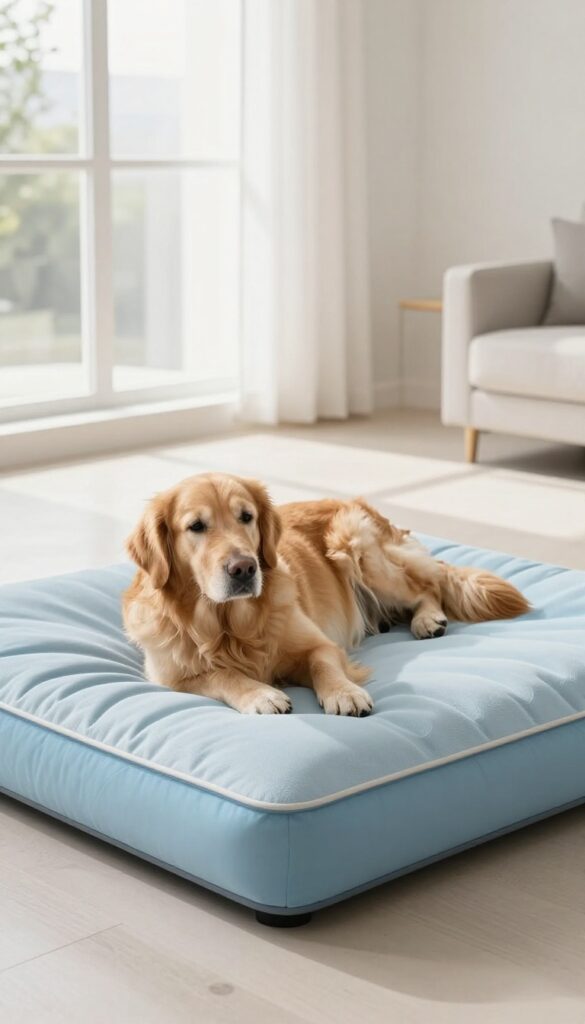
Senior dogs often struggle to regulate their body temperature, especially during warmer months or after a bout of exercise. A bed that traps heat can leave them restless and panting, which isn't restful. That's where a cooling gel memory foam bed steps in—it actively pulls heat away from your dog's body, helping them stay comfortable and sleep more soundly.
These beds combine the pressure-relieving support of memory foam with a layer of cooling gel that sits on top or is infused into the foam. The gel works by absorbing and dissipating body heat, so your dog doesn't overheat while lying down. This is especially helpful for seniors with thick coats, arthritis (which can cause inflammation and warmth), or those who simply run hot.
The result is a cooler, more comfortable sleeping surface that encourages longer, deeper sleep.
Why Cooling Matters For Older Dogs
As dogs age, their metabolism slows, and their ability to regulate body temperature can become less efficient. They may also have less muscle mass, which means less insulation against heat. A cooling gel bed helps offset this by providing a consistently cool surface, which can reduce panting and restlessness.
It's a simple way to make a big difference in their comfort level.
Choosing The Right Gel Bed
When shopping for a cooling gel memory foam bed, look for one with a removable, washable cover—senior dogs are prone to accidents or drooling. Also, check the density of the memory foam; a higher density offers better support for achy joints. Some beds have a non-slip bottom, which is great for dogs who struggle to get up.
Finally, consider the gel layer: some are infused into the foam, while others are a separate gel pad on top. Both work, but a top layer may provide more immediate cooling.
When To Use A Cooling Bed
A cooling gel bed is ideal for summer months, but it can also be used year-round if your dog tends to overheat indoors. It's particularly beneficial for breeds with thick fur or those living in warm climates. If your dog seems to seek out cool tile floors or shady spots, a cooling bed might be just what they need to feel comfortable in their favorite resting place.
4. Washable Cover with Waterproof Liner
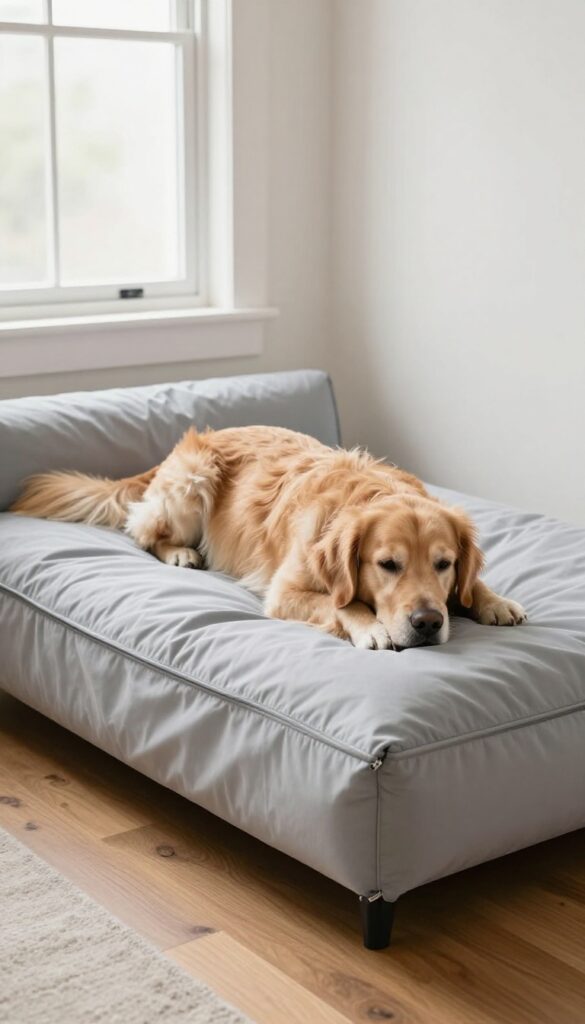
Accidents happen, especially with older dogs who may have bladder control issues or simply get too comfortable to move. A bed with a removable, machine-washable cover and a waterproof liner is a game-changer. It protects the foam from moisture and odors, making cleanup quick and easy.
When your senior dog has an accident, the last thing you want is a bed that soaks up the mess and holds onto the smell. A waterproof liner acts as a barrier, keeping the memory foam dry and fresh. The cover can be unzipped and tossed in the wash, so your dog's bed stays clean and inviting.
Why Waterproof Matters
A waterproof liner is essential for senior dogs, as they may have incontinence issues or drink more water due to medications. Without it, moisture can seep into the foam, leading to mold, mildew, and unpleasant odors that are hard to remove. A good liner keeps the bed hygienic and extends its lifespan.
Machine-washable Convenience
Look for a cover that is truly machine-washable and can withstand frequent washing without losing its shape or softness. Being able to unzip the cover and throw it in the washer is a huge time-saver. It means you can keep the bed fresh without having to hand-wash or spot-clean, which is a relief for busy pet parents.
Choosing The Right Fabric
The cover's fabric matters too. Choose a durable, breathable material like cotton or a soft microfiber that is gentle on your dog's skin. Some covers are also water-resistant on the outside, which adds an extra layer of protection.
Make sure the zipper is sturdy, as it will be used frequently.
5. Heated Memory Foam Bed for Achy Joints
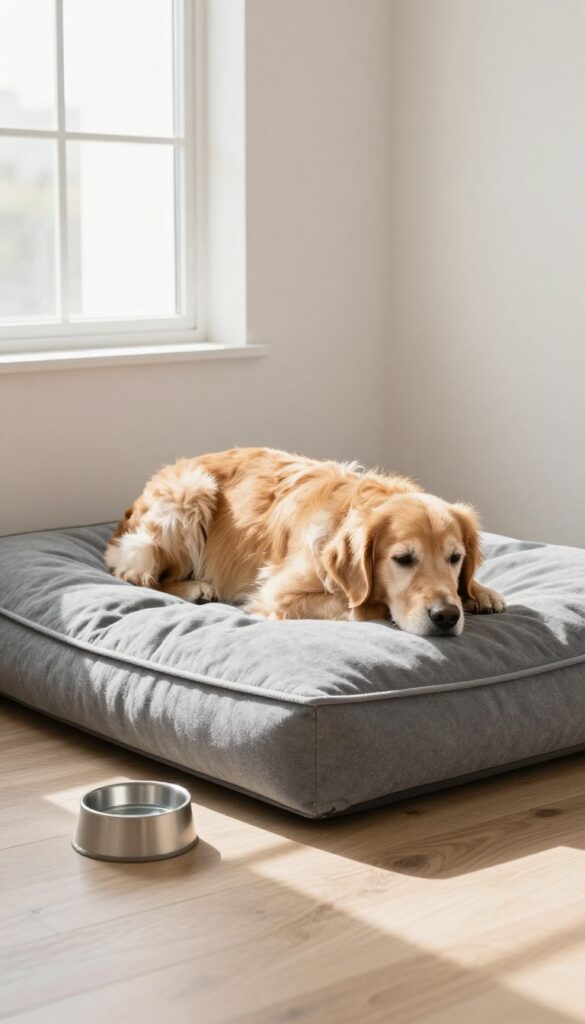
Warmth can be a game-changer for a senior dog with stiff joints. Heat helps increase blood flow, which can reduce inflammation and ease the pain of arthritis or hip dysplasia. A heated memory foam bed combines the contouring support of memory foam with a gentle, low-wattage warming pad that radiates soothing heat right where your dog needs it most.
Heated beds aren't just for winter. Many senior dogs struggle with joint pain year-round, and the consistent warmth can provide all-day relief. The key is to choose a bed with a low-wattage heating element that stays at a safe, comfortable temperature—not too hot, not too cold.
Look for beds with chew-resistant cords and removable, washable covers for easy maintenance.
Why Heat Helps Senior Dogs
Heat therapy is a well-known remedy for aching joints. It relaxes muscles, improves flexibility, and can even help your dog fall asleep faster. For dogs with arthritis, the warmth can reduce stiffness, making it easier for them to get up after a nap.
Unlike a human heating pad, a dog bed warmer is designed to be safe for prolonged use, so your pup can enjoy the benefits all day and night.
Choosing The Right Heat Setting
Not all heated beds are the same. Some have adjustable temperature controls, while others have a fixed low setting. For a senior dog, a fixed low setting is often safest, as it prevents accidental overheating.
If you opt for an adjustable model, start on the lowest setting and monitor your dog's reaction. You want the bed to feel like a warm hug, not a hot stone.
Safety First: Features To Look For
Safety is paramount when adding electricity to your dog's bed. Look for beds with a UL or ETL certification, which ensures the heating element meets safety standards. Also, check for an auto shut-off feature, which can be a lifesaver if your dog chews or if the bed gets accidentally left on.
A chew-resistant cord is another must-have, especially for dogs who like to nibble.
6. Crate-Compatible Memory Foam Mat
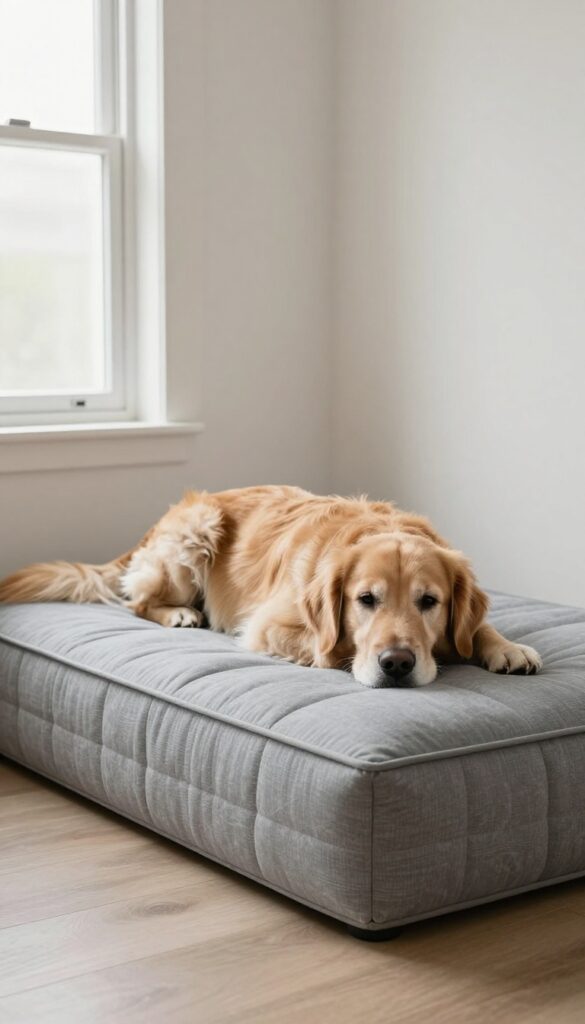
Crates can feel like a safe den for many senior dogs, but the hard floor inside isn't kind to aging joints. A memory foam mat that fits the crate floor exactly gives your dog that same cushioning comfort without taking up extra space. It's a simple swap that can make a big difference in how your dog settles in.
A crate-compatible mat is more than just a thinner version of a regular bed. It's designed to sit flush against the crate walls, so there are no gaps or bunched edges that could trip up a wobbly dog. The foam still contours to your dog's body, relieving pressure on hips and elbows, while the low profile makes it easy for your dog to step on and off without a big jump.
Why A Mat Beats A Full Bed In A Crate
A plush bed with high sides can take up too much room in a crate, leaving your dog with less space to stretch out. A mat, on the other hand, gives your dog the full floor area to move around while still providing cushioning. It also stays put better than a bed that might slide around when your dog shifts position.
Getting The Right Fit And Thickness
Measure the inside of your crate before ordering. You want the mat to cover the entire floor without curling up the walls. Thickness matters too—a mat that's too thin won't offer enough support, while one that's too thick might make it hard for your dog to get in and out.
Look for a mat around 2 to 3 inches thick for a good balance of comfort and accessibility.
Easy To Clean For Accidents
Senior dogs can have the occasional accident, so a mat with a waterproof cover is a lifesaver. Many crate mats come with removable, machine-washable covers that zip off in seconds. That means you can keep the crate fresh without having to scrub the whole bed.
Just toss the cover in the wash and it's ready to go.
7. Elevated Memory Foam Bed with Breathable Mesh
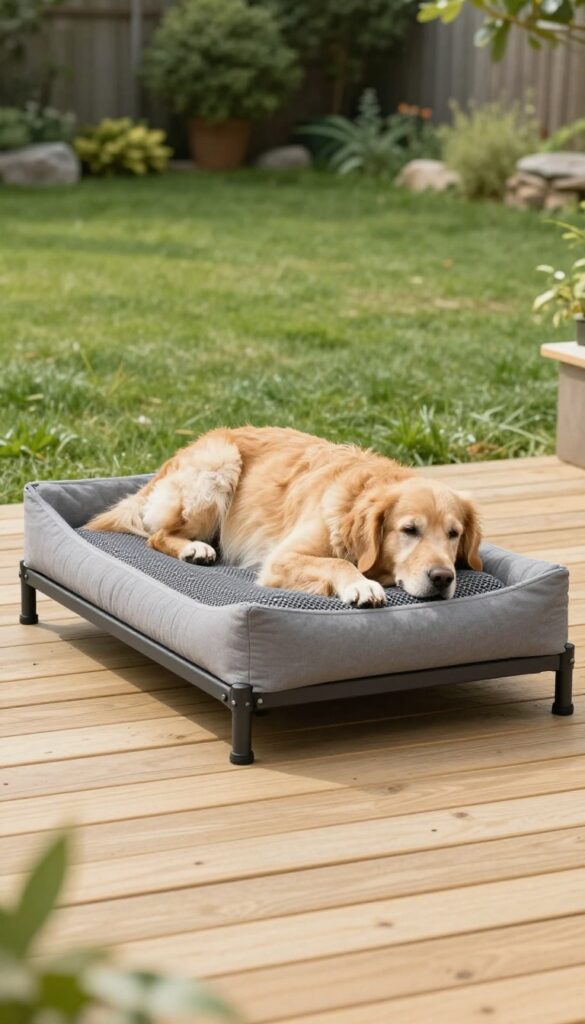
Some senior dogs just run hot, especially when their joints are sore and they're carrying a little extra weight. If your dog tends to sprawl out on the cool kitchen floor instead of their cushy bed, an elevated option with a memory foam topper might be the sweet spot. It lifts them off the ground, lets air move all around, and still gives their hips and elbows that soft, supportive surface they need.
An elevated bed with a mesh center isn't just for summer—it's a year-round comfort solution for older dogs. The frame keeps your pup a few inches off the floor, which can make a real difference if you have cold tile or hardwood that seems to seep into their bones. The breathable mesh allows air to circulate underneath and around your dog, preventing heat from building up like it can in a plush, enclosed bed.
Plus, the slight bounce of the mesh, combined with a memory foam topper, gives gentle support that adapts to their body without feeling too firm or too squishy.
Why Airflow Matters For Senior Joints
Older dogs often have trouble regulating their body temperature, and a bed that traps heat can make them restless. A mesh base promotes airflow, which helps keep their muscles relaxed and their skin cool. This can be especially helpful for dogs with arthritis, as heat can sometimes increase inflammation.
The breathable design also reduces the chance of moisture buildup from drool or accidents, keeping the sleeping area fresher and more hygienic.
Choosing The Right Height And Frame
When picking an elevated bed, look for a sturdy frame that sits low enough for your dog to step onto easily, but high enough to get them off the cold floor. A height of 4 to 6 inches is usually a safe bet for senior dogs. The frame should be made of strong materials like aluminum or reinforced steel, and the mesh should be tightly woven to support your dog's weight without sagging.
Some models even come with a removable memory foam pad that sits on top of the mesh, giving you the best of both worlds.
Great For Indoors And Outdoors
This style of bed isn't just for the living room. Because it's elevated and breathable, it works well on a patio, deck, or even in a garage during warmer months. It keeps your dog off hot concrete or damp grass, and the mesh allows any dirt or fur to fall through, making cleanup a breeze.
Just make sure to bring the memory foam topper inside if it's not waterproof, or choose a model with a water-resistant cover.
8. Calming Donut-Shaped Memory Foam Bed
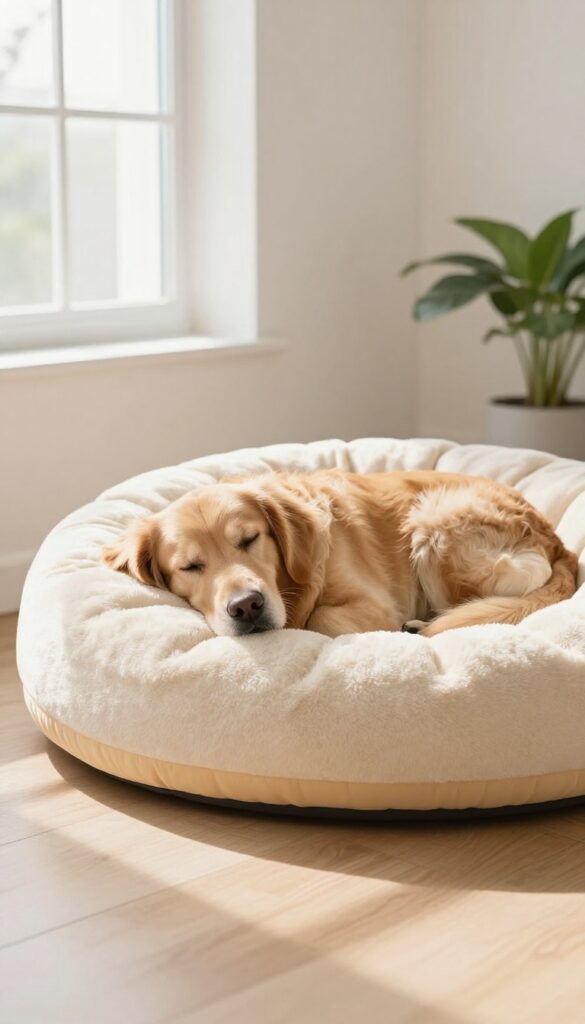
A donut bed is more than a cozy circle—it’s a built-in hug. The raised rim cradles your dog’s body and gives them a natural place to rest their head, which can be deeply soothing for anxious or nervous seniors. The memory foam base still offers the pressure relief older joints need, so comfort and calm go hand in paw.
Donut beds are a favorite for dogs who love to curl up or need a little extra security. The round shape mimics the way dogs sleep in the wild, tucked into a ball to protect their vital organs. For a senior dog, that instinctive comfort can translate into better sleep and less restlessness at night.
Why The Raised Rim Helps
The raised rim acts like a pillow, supporting your dog’s neck and head while they sleep. That support can reduce strain on arthritic joints and make it easier for them to get comfortable. It also creates a sense of enclosure that many older dogs find reassuring, especially if they’re dealing with cognitive decline or hearing loss.
Choosing The Right Size And Fill
Size matters more than you might think. A bed that’s too small forces your dog into an awkward position, while one that’s too large can make them feel exposed. Measure your dog from nose to tail and add a few inches for a snug fit.
Look for high-density memory foam that won’t flatten out quickly—senior dogs need consistent support.
Materials That Stand Up To Senior Life
Older dogs can have accidents or drool more, so a removable, washable cover is essential. Look for a cover made from durable, breathable fabric like cotton or a soft microfiber. Some beds even come with a waterproof liner underneath, which protects the foam from moisture and odors.
Easy cleaning means you can keep the bed fresh without a hassle.
9. Extra-Thick Memory Foam for Deep Pressure Relief
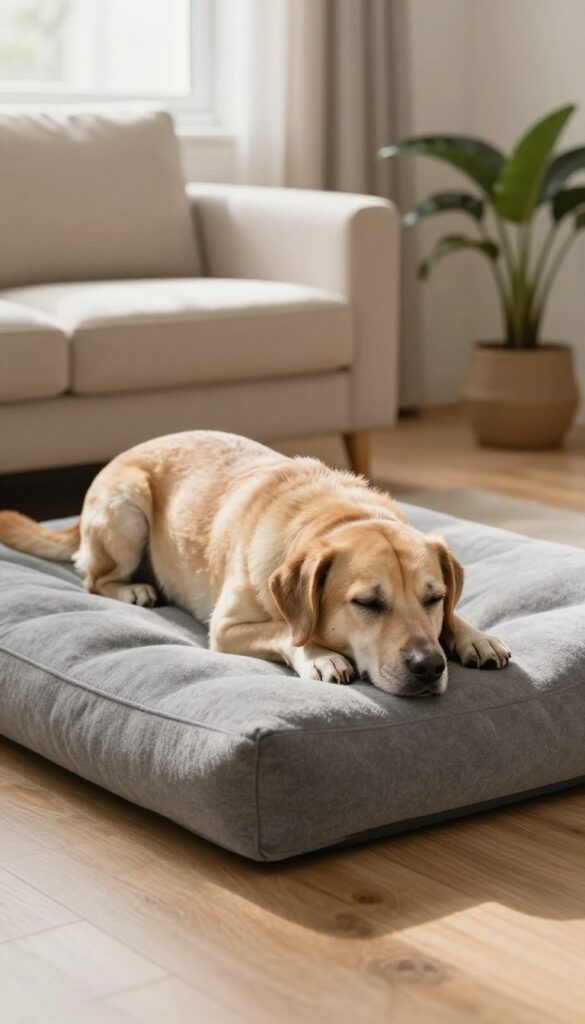
Some senior dogs need more than a standard mat—they need serious cushioning to take the load off tender hips and shoulders. An extra-thick memory foam bed, typically 4 inches or more, can make a real difference in how comfortably your dog settles down for the night. Thicker foam means deeper support.
Instead of bottoming out, the material cradles your dog's body and spreads weight evenly, which helps reduce pressure on sore spots. For dogs with arthritis or joint pain, that extra layer of give can turn restless nights into peaceful ones.
When your dog has trouble getting comfortable, the thickness of their bed matters more than you might think. Standard beds often compress too much, leaving your dog's joints pressing against the floor. Extra-thick memory foam keeps your dog elevated and supported, so their body isn't fighting the surface while they try to rest.
This kind of bed is especially helpful for larger breeds or dogs that carry extra weight. The deeper foam absorbs more impact and provides a stable, plush surface that feels like a gentle hug. It's not just about luxury—it's about giving your senior dog the orthopedic support they need to wake up feeling better.
What To Look For In Thick Memory Foam
Not all thick foam is created equal. Look for high-density foam that springs back slowly and doesn't lose its shape easily. A density rating of at least 2.
5 pounds per cubic foot is a good benchmark. Also, check the foam's thickness—4 inches is a solid starting point, but some beds go up to 6 or 7 inches for extra support. Make sure the foam is wrapped in a durable, removable cover.
Senior dogs can have accidents or get dirty, so a washable cover is a must. Look for a cover that's waterproof or water-resistant to protect the foam underneath.
Matching Thickness To Your Dog's Size
A small dog might do fine with a 3-inch bed, but larger breeds need more depth to keep their hips and shoulders from hitting the floor. As a rule, the heavier your dog, the thicker the foam should be. A 70-pound Labrador will sink deeper into a 4-inch bed than a 20-pound terrier, so consider your dog's weight when choosing.
Also, think about your dog's sleeping position. Side sleepers often need extra cushioning for their hips, while back sleepers may prefer a slightly firmer surface. Watch how your dog lies down and adjust accordingly.
Balancing Softness And Support
Memory foam should be soft enough to conform to your dog's body but firm enough to provide support. If the foam is too soft, your dog will sink too far and feel like they're on a hammock, which can strain joints. If it's too firm, it won't relieve pressure points.
A good test is to press your hand into the foam—it should slowly spring back, not immediately. Some beds have a gel-infused layer that helps with temperature regulation, which can be a bonus for dogs that overheat. But the core foam's thickness is what really matters for pressure relief.
FAQ
How do I choose the right size memory foam dog bed for my senior dog?
Measure your dog from nose to tail while they're lying down in their favorite position. Add 6-12 inches to that length to ensure they have enough room to stretch out comfortably. Also, consider their weight and the bed's weight limit.
How often should I replace my senior dog's memory foam bed?
Memory foam beds typically last 2-3 years, but if the foam starts to lose its shape or you notice your dog seems uncomfortable, it's time for a new one. Also, replace it if the cover is torn or the foam is stained or smells.
Can memory foam beds help with arthritis in dogs?
Yes, memory foam beds can help by reducing pressure on joints and providing even support. They can also help with circulation and reduce pain, making it easier for your dog to rest and recover.
Are there any safety concerns with heated dog beds?
Heated beds are generally safe, but always follow the manufacturer's instructions. Look for beds with chew-resistant cords and automatic shut-off features. Also, supervise your dog the first few times to ensure they don't overheat or chew on the cord.
What's the best way to clean a memory foam dog bed?
Most memory foam beds have removable, washable covers. Remove the cover and wash it on a gentle cycle with mild detergent. Spot clean the foam with a damp cloth and mild soap, then air dry completely before reassembling.
Conclusion
Finding the right memory foam bed for your senior dog can make a world of difference in their comfort and quality of life. Whether they need extra support, warmth, or easy access, there's a bed out there that fits their needs.
Take your time to observe your dog's habits and consult your vet if you're unsure about specific health concerns. A good bed is a simple way to show your furry friend how much you care.

I’m Pallab Kishore, the owner of Little Pets Realm — an animal lover and pet care enthusiast sharing easy tips, healthy recipes, and honest advice to help every small pet live a happy, healthy, tail-wagging life.