
Last updated on August 19th, 2026 at 04:15 pm
A calm, confident puppy doesn't happen by accident—it's built through small, consistent choices from day one. The first few months shape how your dog handles new people, noises, and everyday routines, so getting it right early saves you years of frustration.
These ten tips focus on practical, gentle methods that work with your puppy's natural instincts, not against them. From crate training that feels like a cozy retreat to bite inhibition that keeps playtime fun, each step is designed to build trust and good habits.
You'll see progress faster than you think, and your puppy will thank you with a wagging tail.
1. Start with a Routine That Feels Like a Rhythm
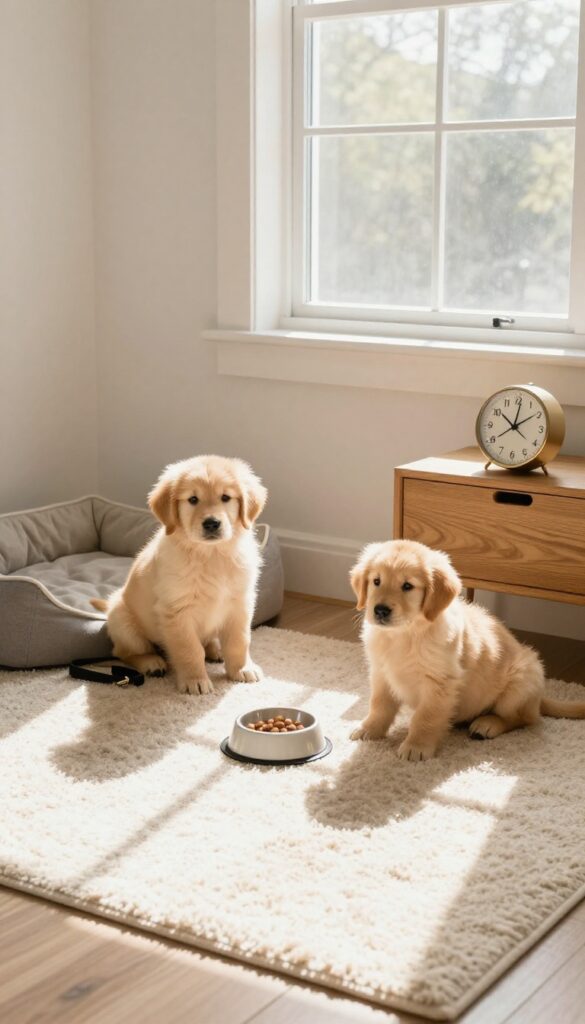
Puppies are creatures of habit, and a predictable daily schedule is one of the best gifts you can give them. When meals, potty breaks, and playtime happen at the same times each day, your pup learns what to expect—and that sense of security does wonders for their confidence. A routine also makes training easier because you're working with your puppy's natural rhythms, not against them.
Think of your puppy's day as a gentle rhythm rather than a rigid timetable. The goal isn't to live by the clock, but to create a flow that your pup can rely on. This consistency helps reduce accidents, curbs anxiety, and builds a foundation of trust.
When your puppy knows what's coming next, they're more relaxed and open to learning.
Set Fixed Meal Times
Feed your puppy at the same times every day—usually three to four meals for young pups. This not only regulates digestion but also makes potty training more predictable. You'll know when they need to go out, which means fewer accidents and more opportunities to praise good behavior.
Schedule Potty Breaks Like Clockwork
Take your puppy out first thing in the morning, after every meal, after naps, and before bedtime. Add a few extra trips during the day. Consistency here is key—your pup will start to associate certain times with going outside, and that's when the lightbulb clicks.
Reward every successful potty trip with a treat and a happy voice.
Make Playtime A Daily Ritual
Set aside dedicated play sessions each day, even if it's just ten minutes. This isn't just about burning energy—it's about bonding and teaching your puppy how to engage with you. Use these moments to practice simple commands like 'sit' or 'come' in a fun, low-pressure way.
A tired puppy is a calm puppy, and a calm puppy learns faster.
2. Crate Training: Make It a Cozy Den, Not a Cage
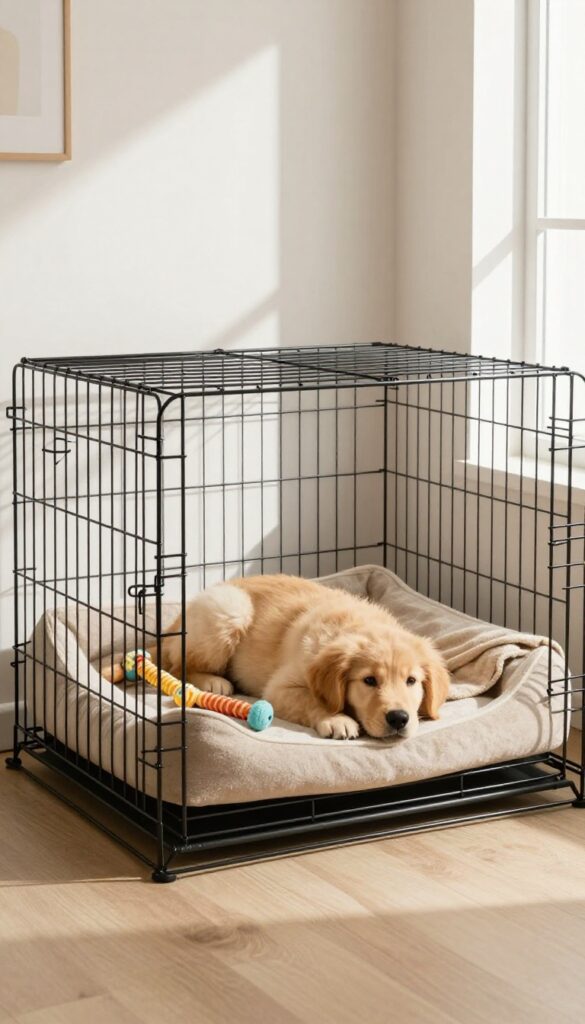
Crate training often gets a bad rap, but when done right, it's one of the kindest things you can do for your puppy. Think of it as giving them their own bedroom—a quiet, safe spot to retreat when the world gets overwhelming. The key is to introduce it slowly and positively, so your puppy sees it as a reward, not a punishment.
Start by making the crate inviting. Toss in a soft blanket, a favorite toy, and a few treats. Leave the door open and let your puppy explore at their own pace.
You can even feed them their meals near the crate, then gradually move the bowl inside. Once they're comfortable, close the door for a few seconds while they're eating, then open it again. Build up the time gradually, always staying nearby and talking in a calm, reassuring voice.
Never force them in or use the crate as a timeout—that turns a safe haven into a place of fear. With patience, your puppy will start choosing the crate on their own, especially when they're tired or need a break.
Start Slow And Sweet
Introduce the crate gradually, starting with short, positive sessions. Leave the door open and let your puppy wander in and out. Toss treats inside and celebrate every step.
The goal is to create a positive association, so never rush or force it. Over a few days, you can start closing the door for brief moments while they're distracted with a chew toy, then gradually extend the time.
Make It A Happy Place
Fill the crate with things your puppy loves: a cozy bed, a safe chew toy, and maybe a piece of your clothing that smells like you. Feed them their meals inside with the door open, and give them special treats only when they're in the crate. This builds a strong positive connection, so they see it as a treat, not a trap.
Never Use It As Punishment
It's tempting to send a misbehaving puppy to their crate, but that's a big mistake. If the crate becomes linked to anger or isolation, your puppy will fear it. Instead, use the crate for naps, quiet time, or when you need a safe break.
If your puppy is acting out, address the behavior directly and calmly, then guide them to the crate when they're calm.
3. Master the Art of Positive Reinforcement
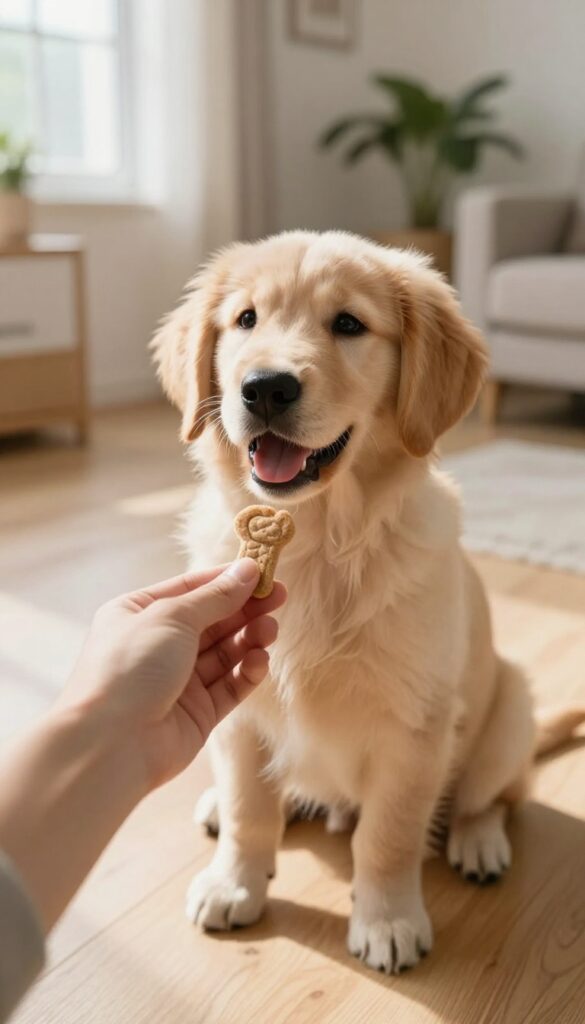
Positive reinforcement is more than just treats and belly rubs—it's a whole mindset that shapes how your puppy sees the world. When you reward the behaviors you want, you're not bribing; you're teaching. Your puppy learns that good things happen when they make good choices, which builds confidence and trust.
This approach turns training into a game you both enjoy, and it's the foundation for a calm, happy relationship.
Positive reinforcement is the most effective and humane way to train a puppy. It works because dogs repeat behaviors that lead to pleasant outcomes. By rewarding good behavior immediately, you make it clear what you want, and your puppy feels good about doing it.
This method strengthens your bond and builds a confident, eager-to-please companion. Avoid punishment—it can create fear and anxiety, which undermines trust and slows learning. Instead, focus on what your puppy does right and reward generously.
Timing Is Everything
The magic of positive reinforcement lies in timing. Your puppy associates a reward with the exact behavior they just performed, so you need to mark the moment. Use a clicker or a consistent word like "yes" the instant they do what you want, then follow with a treat.
This clear signal helps your puppy understand precisely what earned the reward. If you're too slow, they might think they're being rewarded for something else, so keep treats handy and stay focused.
Choose Rewards That Really Motivate
Not all treats are created equal. Find what your puppy goes crazy for—small, soft training treats, bits of chicken, or even a quick game of tug. Use high-value rewards for new or challenging behaviors, and save lower-value ones for easy stuff.
Mix it up with praise and play, too. Some puppies prefer a belly rub over a biscuit. The key is to keep your puppy excited and guessing what's coming next.
Set Up For Success
Make it easy for your puppy to do the right thing. If you're teaching "sit, " lure them with a treat and reward the moment their bottom hits the floor. Start in a quiet space with few distractions, then gradually add more.
Break behaviors into small steps and celebrate every tiny win. If your puppy is struggling, go back a step and make it simpler. The goal is to set them up for success, not frustration.
Skip The Punishment, Boost The Bond
Punishment—yelling, leash corrections, or scolding—can damage your puppy's trust and make them fearful. Instead of learning what to do, they learn to be scared of you. That's the opposite of confidence.
If your puppy makes a mistake, calmly redirect them to the right behavior and reward that. For example, if they jump on guests, ask for a "sit" and reward it. You'll build a stronger bond and a happier, more confident dog.
4. Socialize Early, Socialize Often
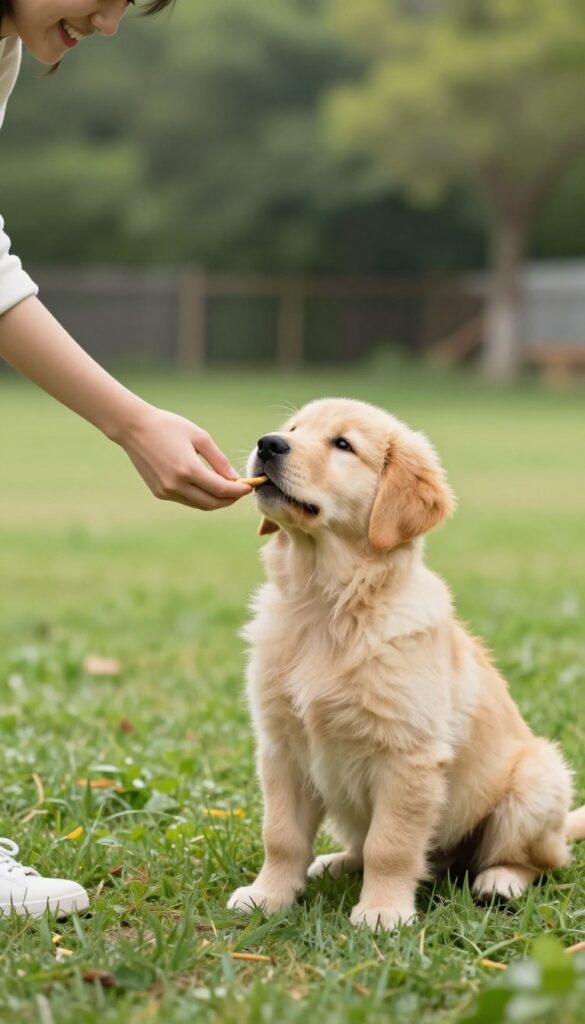
The window for prime socialization closes faster than you think, so every day counts. This isn't about throwing your puppy into a chaotic dog park and hoping for the best. It's about carefully planned, positive exposures that teach your pup the world is a safe, friendly place.
Early socialization is the foundation of a calm, confident adult dog. It's not just about meeting other dogs—it's about exposing your puppy to a wide variety of people, sights, sounds, and surfaces. Done right, this prevents fear-based reactions and builds a resilient, adaptable companion.
Start Before 16 Weeks
The critical socialization window closes around 16 weeks of age. During this time, puppies are most open to new experiences. Missing this window can lead to lifelong fear and anxiety.
So, begin as soon as your puppy is home, but always prioritize safety and positive experiences.
Introduce People And Dogs Gradually
Meet new people and friendly, vaccinated dogs in controlled settings. Let your puppy approach at their own pace. Use treats to create positive associations.
Avoid overwhelming situations—quality over quantity. A few good encounters beat a dozen stressful ones.
Explore Different Environments And Sounds
Take your puppy on short car rides, strolls through busy streets, and visits to pet-friendly stores. Expose them to household noises like the vacuum, doorbell, and kitchen appliances. Pair each new sound with something pleasant, like a treat or playtime.
This builds a dog that stays calm in any situation.
5. Teach Bite Inhibition Before It Becomes a Problem
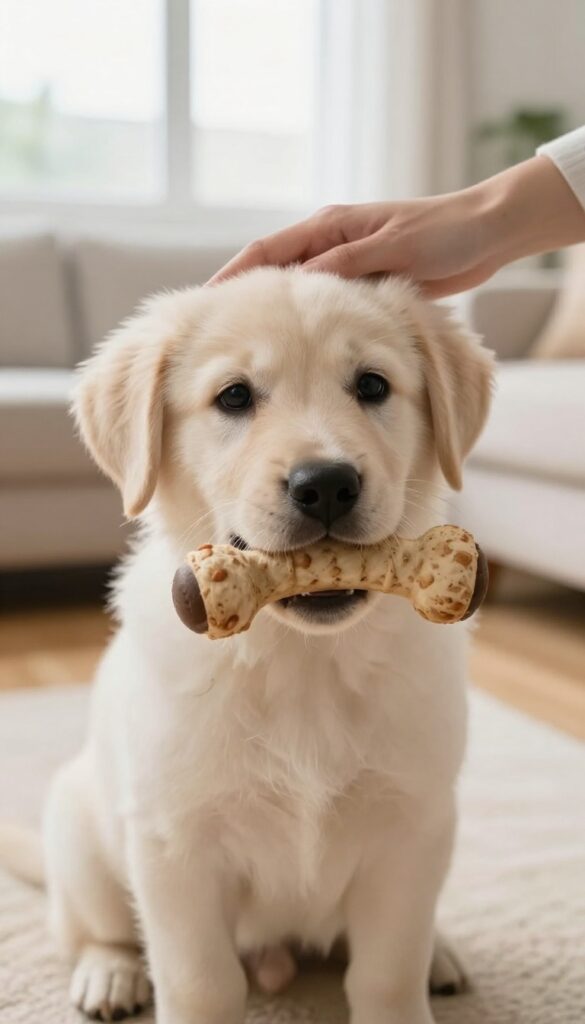
Puppies explore the world with their mouths, and those needle-sharp teeth can leave a mark—on your hands, ankles, and furniture. But biting isn't just a phase to survive; it's a chance to teach your pup how to use their mouth gently. Bite inhibition is the skill that tells a dog how much pressure is too much, and it's one of the most important lessons for a calm, confident adult.
When your puppy bites too hard during play, let out a high-pitched yelp—just like a littermate would—and immediately stop the game. This mimics natural feedback and teaches your pup that rough play ends the fun. Over time, they learn to control their jaw pressure, leading to a gentler adult dog that can be trusted around kids and strangers.
Why Yelping Works
Puppies learn bite inhibition from their littermates. When one pup bites too hard, the other yelps and stops playing. This teaches the biter that rough behavior has consequences.
You can mimic this by yelping in a high-pitched tone and withdrawing your attention for a few seconds. Consistency is key—every time your puppy bites too hard, respond the same way.
The 'ouch' Method
If yelping doesn't get the message across, try a firm 'ouch' in a low, calm voice. The goal isn't to scare your puppy but to interrupt the behavior. After saying 'ouch, ' turn away and ignore your puppy for 10–15 seconds.
This teaches them that biting ends playtime, which is a powerful motivator.
Redirect To Appropriate Chews
Sometimes puppies bite because they're teething or just need to chew. Keep a variety of safe chew toys on hand and redirect their mouth to an appropriate item. When your puppy mouths your hand, gently swap it for a toy.
This reinforces that chewing on toys is good, while chewing on people is not.
Practice Makes Perfect
Bite inhibition isn't learned overnight. Practice during calm moments and play sessions, and be patient. If your puppy gets overly excited and bites harder, take a break to let them settle.
Over time, your puppy will learn to control their bite pressure, making them a safer and more enjoyable companion.
6. Keep Training Sessions Short and Sweet
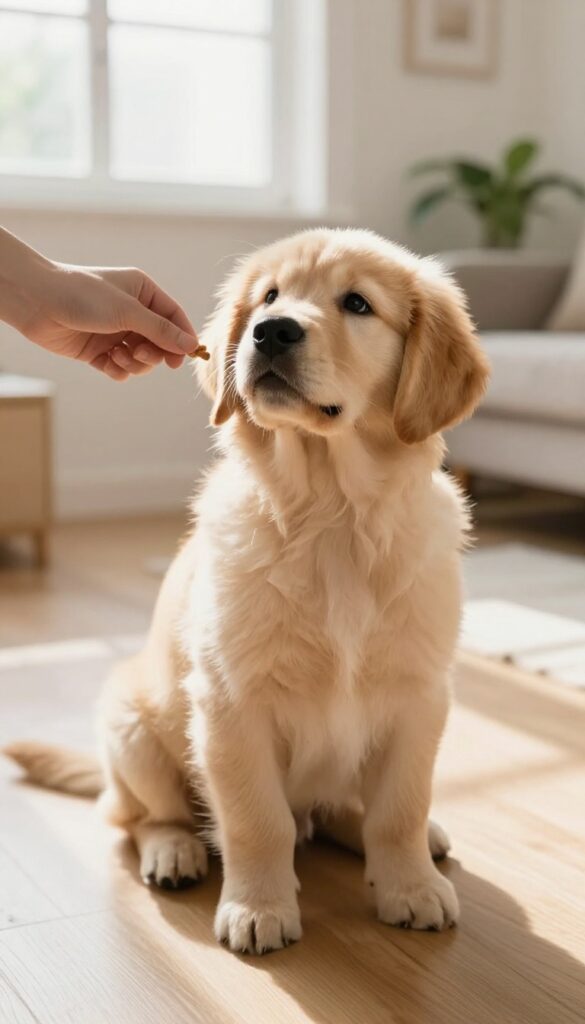
Puppies have the attention span of a goldfish on a sugar rush—and that's totally normal. Trying to force a 30-minute training marathon will only lead to frustration for both of you. Instead, aim for several mini-sessions scattered throughout the day, each lasting just a few minutes.
This keeps your pup engaged, prevents burnout, and makes learning feel like a game rather than a chore.
Short, frequent sessions work because they match your puppy's natural rhythm. A five-minute burst of focused learning is plenty, and you can sneak in extra reps during everyday moments like meal prep or commercial breaks. The key is to stop while your pup is still eager, not when they're exhausted or bored.
End on a high note with a simple command they already know, followed by praise and a treat. That way, your puppy associates training with positive feelings and will be excited to try again next time.
Why Five Minutes Beats Fifty
Think of your puppy's brain like a tiny cup—it fills up fast. After a few minutes of focused learning, they need time to process and rest. Cramming more information in just makes the cup overflow, and your pup starts to tune out or get frustrated.
Short sessions respect their limits and help them retain what they've learned. You'll actually cover more ground with five minutes three times a day than with one long, draining session.
Make Every Minute Count
Since time is short, choose one skill per session and stick to it. If you're working on 'sit, ' don't throw in 'down' and 'stay' all at once. Keep the environment quiet and free of distractions, especially when teaching something new.
As your pup gets better, you can gradually add mild distractions to build focus. And always have high-value treats ready—tiny, soft, and irresistible—so your puppy stays motivated.
End On A High Note
The last thing your puppy experiences in a session is what they remember most. If you end when they're tired or frustrated, they'll start to dread training. Instead, wrap up with a command they already know well, like 'sit' or 'touch, ' and reward them generously.
Then let them run off and play. This creates a positive feedback loop—your puppy will look forward to training because it always ends with fun and treats.
7. Use a Consistent Cue for Potty Training
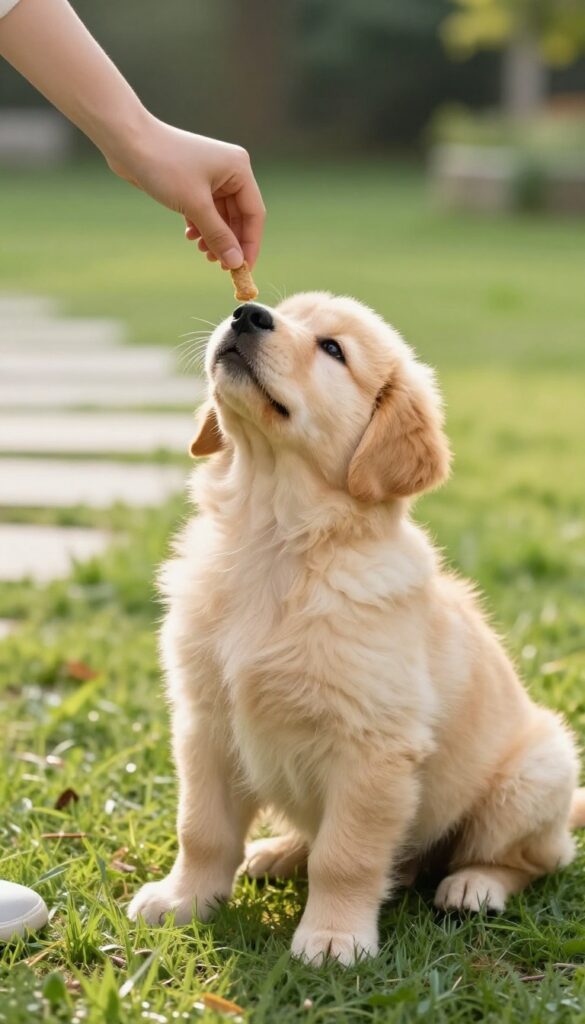
Potty training can feel like a never-ending game of guesswork, but a simple verbal cue can change everything. When you use the same word every time your puppy eliminates, you're teaching them to connect that sound with the action. Over time, they'll learn to go on command, which makes those rainy morning walks a whole lot easier.
Pick a word like 'potty' or 'hurry up' and stick with it. Say it in a cheerful, encouraging tone right as your puppy starts to squat or sniff around. The key is timing—you want to say it while they're in the act, not before or after.
Then, the moment they finish, reward them with a treat and a happy 'yes! ' This builds a strong mental link between the cue, the behavior, and the reward.
Why A Cue Works
Dogs are brilliant at picking up patterns, especially when food is involved. By pairing a specific word with the act of going potty, you're essentially teaching them a command. This isn't just about convenience—it's about clear communication.
Your puppy learns exactly what you want, which reduces accidents and builds their confidence. Plus, it's a handy trick when you're traveling or in a new place.
How To Introduce The Cue
Start by standing in your puppy's usual potty spot and wait. When they start to go, say your cue word in a calm, happy voice. Don't shout or sound demanding—you want them to associate the word with a positive experience.
After they finish, immediately give a treat and some praise. Repeat this every single time, and within a week or two, your puppy will start to understand.
Troubleshooting Common Mistakes
One common mistake is saying the cue before your puppy actually goes, which can confuse them. Another is using different words like 'go pee' one day and 'do your business' the next. Consistency is everything.
Also, avoid using the cue when you're rushing or frustrated—your tone matters. If your puppy doesn't seem to catch on, just be patient and keep practicing. It's a skill, and like any skill, it takes time.
8. Leash Training: Start Indoors, Then Outdoors
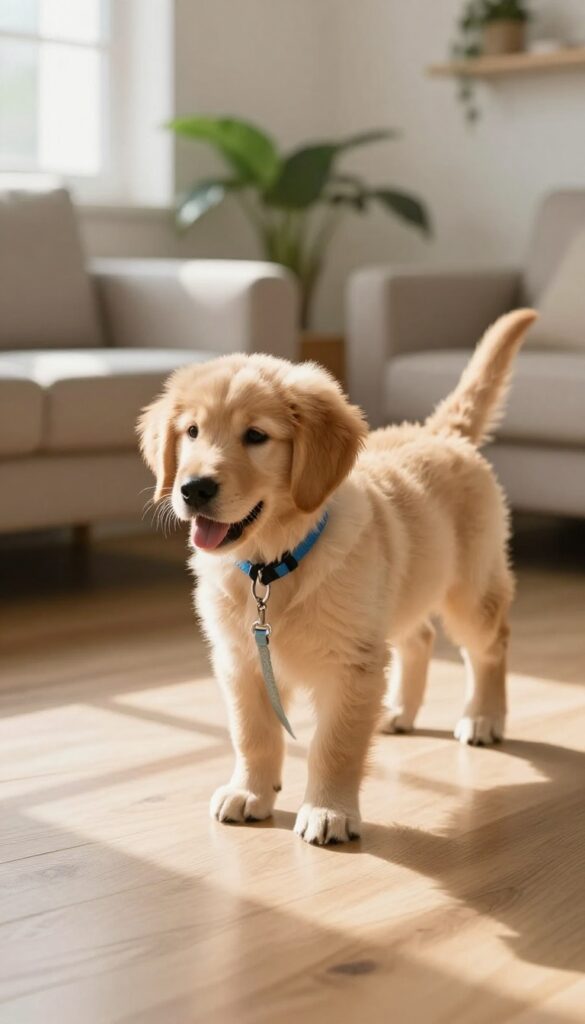
Leash training doesn't have to be a battle of wills. The secret is to start in a place where your puppy already feels comfortable—inside your home. By practicing in a low-distraction environment first, you set your pup up for success and build a positive association with the leash.
Begin by letting your puppy wear a lightweight collar and leash around the house for short periods. Let them drag it behind them while you supervise, so they get used to the feeling without any pressure. Once they're comfortable, pick up the leash and practice following you as you move around.
Reward every loose-leash step with a treat and a cheerful "yes! " to reinforce the behavior.
Why Start Indoors?
Inside your home, there are fewer distractions—no squirrels, cars, or strange dogs to pull your puppy's attention away. This controlled setting lets your puppy focus on learning the mechanics of walking on a leash without feeling overwhelmed. It also helps you build a strong foundation of trust and communication before you venture into the big, exciting world.
Gradually Add Distractions
Once your puppy walks nicely indoors, move to a quiet backyard or a calm park at off-peak hours. Keep sessions short—five to ten minutes—and always end on a positive note. As your puppy gets better, slowly introduce more stimulating environments, like a busy sidewalk or a dog park entrance.
The key is to increase difficulty gradually, so your puppy never feels like they're failing.
Reward Loose-leash Walking
The goal is a relaxed, loose leash, not a tight one. Whenever your puppy walks beside you without pulling, reward them with a treat and praise. If they start to pull, stop moving and wait until they come back to you.
This teaches them that pulling gets them nowhere, while walking politely moves them forward. Consistency is your best friend here.
9. Prevent Resource Guarding Early
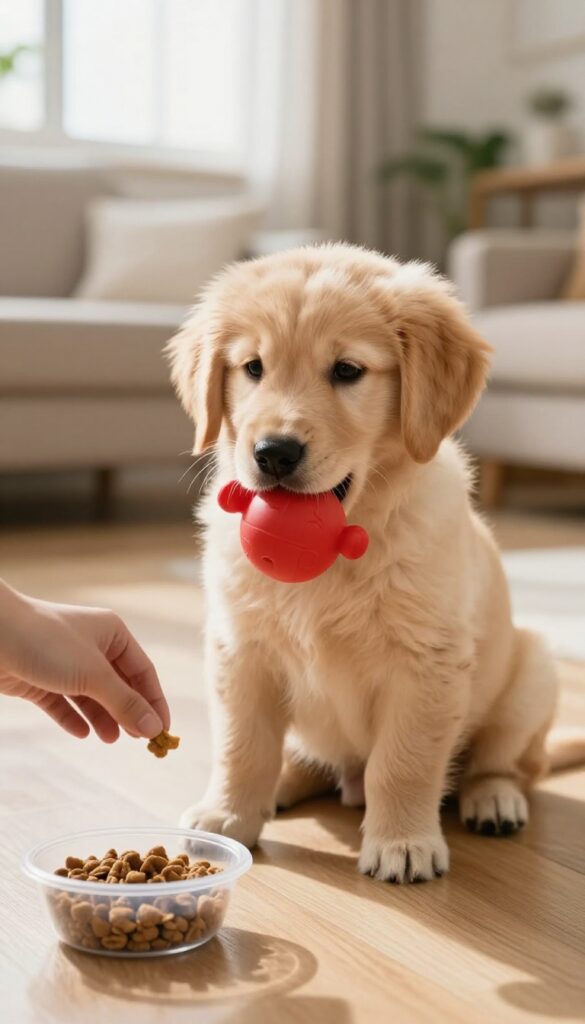
Resource guarding sounds scary, but it's actually a natural dog behavior. Your puppy might growl or stiffen when you approach while they're chewing a prized bone or toy. It's their way of saying, "This is mine!
" The good news is you can prevent this from becoming a problem with a simple, positive habit.
The trick is to teach your puppy that your approach means good things, not that you're going to take their stuff away. Start by trading a high-value treat for whatever they're guarding, then give the item right back. This builds trust and shows them that your presence is a bonus, not a threat.
The Trade-up Game
When your puppy has something they love, like a bully stick or a favorite toy, walk over with an even tastier treat—think chicken or cheese. Say "trade" in a cheerful voice, offer the treat, and when they drop the item, pick it up, let them enjoy the treat, then hand the original item back. Repeat this often.
Your puppy will learn that when you approach, they get something awesome, and they don't lose anything.
Practice With Everyday Items
Don't just practice with high-value chews. Use their food bowl, a squeaky toy, or even a random sock they've grabbed. The more you trade, the more your puppy generalizes the lesson: humans near my stuff = good things.
This also helps prevent future issues with stolen items, because your puppy will be more willing to give things up voluntarily.
What To Avoid
Never punish growling. If your puppy growls when you approach, that's their way of saying they're uncomfortable. Punishing it can make them skip the warning and go straight to a bite.
Instead, take a step back and make a mental note to work on trading more often. Also, avoid chasing your puppy to get something back—that turns it into a game. Use the trade method instead.
10. Build Confidence with Simple Obstacle Courses
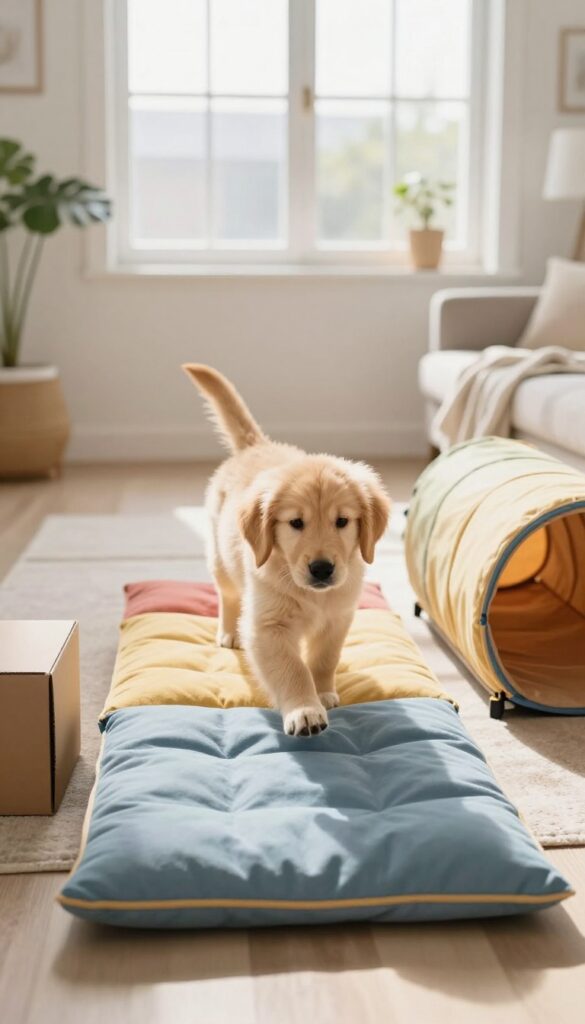
Confidence in puppies comes from mastering small challenges. A homemade obstacle course is a fun way to teach your pup that new situations are manageable and rewarding. You don't need fancy equipment—just a few household items and some tasty treats.
Setting up a mini obstacle course at home is easier than you think. It's not about building an agility arena; it's about giving your puppy safe, controlled experiences that stretch their problem-solving skills. Each time they navigate a cushion or crawl through a tunnel, they learn to trust their bodies and their judgment.
That trust carries over into everyday life, making them less reactive to surprises and more resilient in unfamiliar settings.
Start Simple: Cushions And Boxes
Begin with low, soft items like couch cushions or sturdy cardboard boxes. Place them flat on the floor and guide your puppy over them with a treat. Keep the height low so they can step or hop easily.
As they get the hang of it, stack a couple of cushions to create a gentle incline. This helps develop coordination and body awareness without overwhelming them.
Add A Tunnel For Adventure
A children's play tunnel or a row of chairs with a blanket draped over them makes a perfect tunnel. Toss a treat through and encourage your puppy to go after it. If they're hesitant, sit at the other end and call them with a happy voice.
The key is to let them explore at their own pace. Once they master the tunnel, they'll gain a big boost of self-assurance.
Turn It Into A Game
Make the course part of a fun routine. Use a clear cue like 'Let's go! ' and guide your puppy through the course with treats and praise. Keep sessions short—five minutes is plenty.
End with a favorite toy or a cuddle session so they associate the course with positive feelings. Over time, you can change the layout to keep things interesting and challenge their memory and adaptability.
FAQ
When should I start training my puppy?
Start basic training as soon as you bring your puppy home, usually around 8 weeks old. Puppies are like sponges at this age, so begin with simple cues like 'sit' and 'come' using positive reinforcement.
How long does it take to housebreak a puppy?
It varies, but most puppies can be reliably housebroken within 4 to 6 months. Consistency, a regular schedule, and frequent potty breaks are key. Some breeds may take longer.
What should I do if my puppy bites?
When your puppy bites, let out a sharp yelp and stop playing for a few seconds. This mimics how littermates react. Then redirect to a chew toy.
Consistency helps them learn bite inhibition.
How much socialization does my puppy need?
Aim for at least one new experience per day during the critical socialization window (up to 16 weeks). This includes meeting new people, dogs, and visiting different places. Keep experiences positive and short.
Can I train my puppy myself, or should I hire a professional?
Many owners successfully train their puppies at home with patience and consistency. However, if you encounter behavioral issues or feel overwhelmed, a professional trainer can provide guidance and support.
Conclusion
The first few weeks with a puppy set the tone for everything that follows, and these tips give you a clear path forward. You don’t need to master them all at once—pick two or three that feel most relevant and build from there. Consistency and patience will do more than perfection ever could.
As your pup starts to settle and respond, you’ll notice the calm confidence growing in both of you. That’s the real reward. Keep sessions short, celebrate the small wins, and enjoy the journey—you’re laying the groundwork for a lifelong partnership.

I’m Pallab Kishore, the owner of Little Pets Realm — an animal lover and pet care enthusiast sharing easy tips, healthy recipes, and honest advice to help every small pet live a happy, healthy, tail-wagging life.