
Last updated on August 19th, 2026 at 04:14 pm
Between work, errands, and the occasional Netflix binge, finding time to train your puppy can feel like a juggling act. But you don't need hour-long sessions to see real progress.
These 11 ideas are built around the pockets of time you already have—morning coffee, lunch breaks, even couch time. Each one is short, practical, and easy to slot into your real-life routine.
No rigid schedules, no guilt. Just small, consistent wins that add up to a well-mannered pup.
1. The 10-Minute Morning Boost
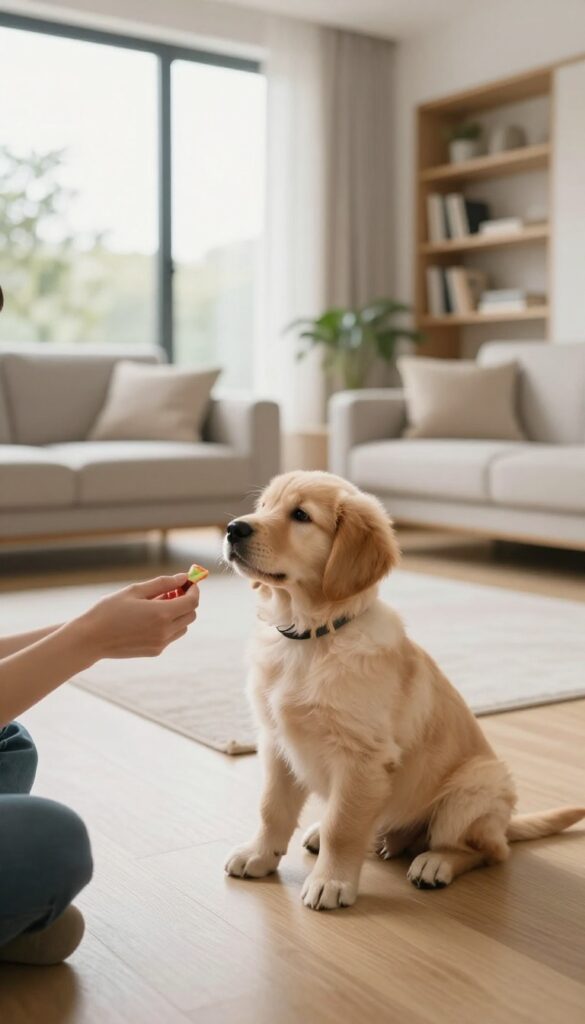
Mornings are chaotic, but they're also a golden opportunity. A short, focused session before the day takes off can work wonders for your puppy's focus and your sanity. Think of it as a mental espresso shot for your pup—quick, energizing, and it sets a positive tone for the hours ahead.
You don't need a lot of time; you just need a plan and a pocket full of treats.
The 10-Minute Morning Boost is all about starting the day with a tiny win. Pick one cue—like 'sit' or a quick recall in the living room—and practice it with high-value treats. This isn't about drilling; it's about building a habit of attention and cooperation before the world gets loud.
Keep it light and fun. Use a happy voice, reward generously, and end on a high note. Even five minutes of focused work can make a difference, but ten gives you room for a few repetitions and a little play.
The goal is to leave your puppy wanting more, not feeling overwhelmed. This session works because it's realistic. You're not carving out an hour; you're using the time you already have.
And when your puppy learns that good things happen early in the day, they'll be more ready to listen later on.
Why Morning Works
Dogs are naturally more alert and receptive after a good night's sleep. Their energy is fresh, and they're eager to engage. A quick session in the morning taps into that natural rhythm, making learning easier and more memorable.
Plus, it's a great way to burn off a little early energy before you head out the door. A tired puppy is a calm puppy, and a calm puppy is less likely to get into trouble while you're gone.
What To Practice
Stick to one or two simple cues you're already working on. 'Sit' is a classic, but you could also practice 'down', 'come', or even a fun trick like 'spin'. The key is to keep it short and sweet. Use treats your puppy doesn't get every day—tiny pieces of chicken, cheese, or freeze-dried liver work great.
The higher the value, the more focused your pup will be. And always end with a quick play session or a chew toy to keep the mood positive.
Making It A Habit
The magic of this idea is consistency. Try to do it at the same time each day, even on weekends. Before you know it, your puppy will start looking forward to that special time with you.
Keep a small treat pouch near the door or on the kitchen counter as a visual reminder. And if you miss a morning, don't stress—just pick it up the next day. The goal is progress, not perfection.
2. Lunch Break Refresher
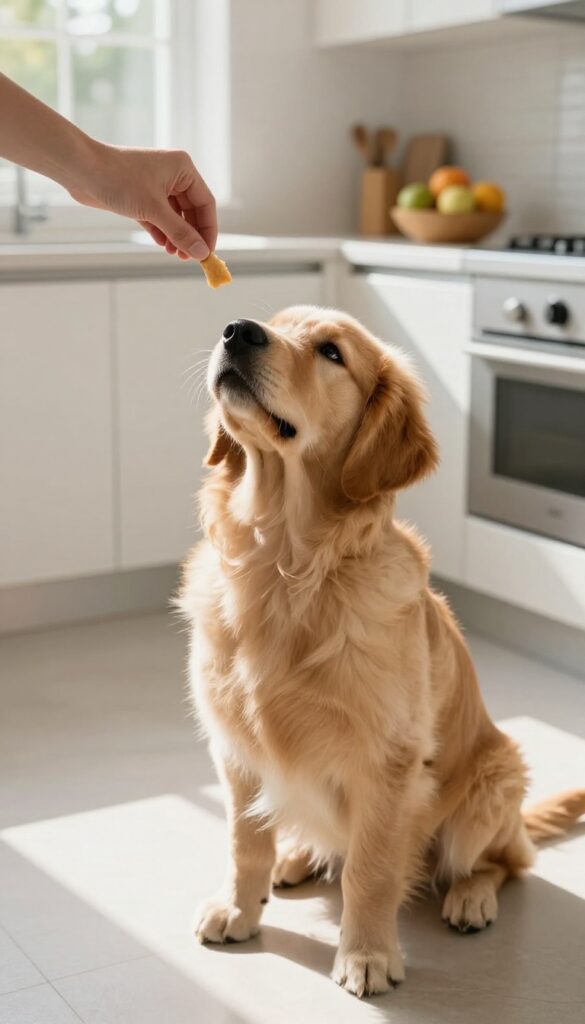
If you're lucky enough to head home for lunch, you've got a built-in training window. Even five minutes can make a difference. Use that time to review a cue your puppy already knows, like 'down' or 'stay. ' It's a quick win that keeps skills sharp without eating into your break.
Lunch breaks are often underused. Instead of just rushing through a sandwich, spend a few minutes with your pup. It's not about adding pressure—it's about consistency.
Short, focused sessions are more effective than occasional long ones anyway.
Pick One Cue To Review
Choose a single behavior to practice, like 'down' or 'stay. ' Keep it simple. If your puppy nails it, reward with a treat and some praise. If not, go back to an easier version.
The goal is a positive, low-stress refresher, not a full training session.
Make It A Mini Routine
Tie the refresher to a consistent part of your lunch, like right after you eat or before you head back. That predictability helps your puppy learn faster. Even three minutes of focused practice can reinforce good habits.
Use It To Break Up The Day
For puppies, a long stretch alone can be boring. A short training session gives them mental stimulation and a chance to connect with you. It's a great way to burn a little energy and reduce separation anxiety later.
3. After-Work Wind-Down Walk
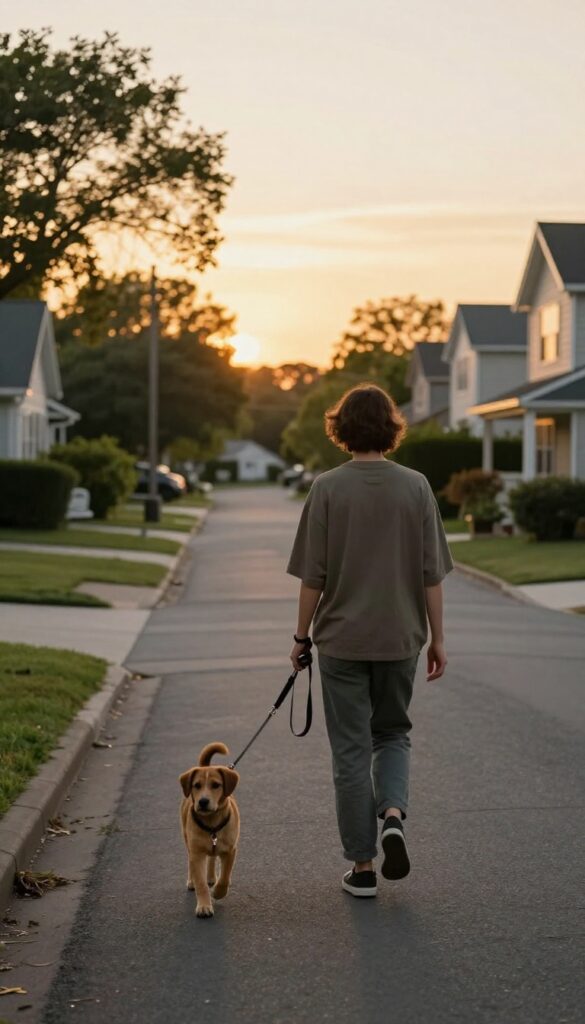
The end of the workday often brings a tired pup and an even more tired you. But that evening walk is more than just a bathroom break—it's a chance to reinforce good behavior when you both need to decompress. By turning this routine stroll into a low-pressure training session, you can tackle loose-leash walking, polite greetings, and focus without adding extra time to your day.
The after-work walk is a prime opportunity to practice skills in a real-world setting. Your puppy is likely full of pent-up energy, and you're ready to unwind, so the pace naturally slows. Use this time to work on loose-leash walking by stopping whenever the leash tightens, and reward your pup for checking in with you.
Practice polite greetings by asking strangers to wait until your puppy sits before saying hello. This turns a simple walk into a training session that feels more like a relaxing ritual than a chore.
Start With A Calming Ritual
Before you even step out the door, set the tone. Have your puppy sit and wait while you grab the leash, then reward calm behavior. This small ritual signals that the walk is a cooperative activity, not a frantic dash.
It also gives you a moment to breathe and shift from work mode to pup mode.
Practice Loose-leash Walking In Short Bursts
Don't expect a perfect heel for the entire walk. Instead, aim for short bursts of loose-leash walking—maybe 30 seconds at a time. When your puppy walks nicely, reward with a treat or a happy "yes.
" If the leash tightens, stop and wait until your puppy comes back to you. These micro-sessions build muscle memory without overwhelming either of you.
Turn Greetings Into Training Wins
Every person you pass is a chance to practice impulse control. Ask your puppy to sit before allowing a greeting, and reward them for staying calm. If your puppy jumps, simply step back and wait until all four paws are on the ground.
This not only teaches manners but also makes walks more enjoyable for everyone involved.
4. Dinner Time Obedience
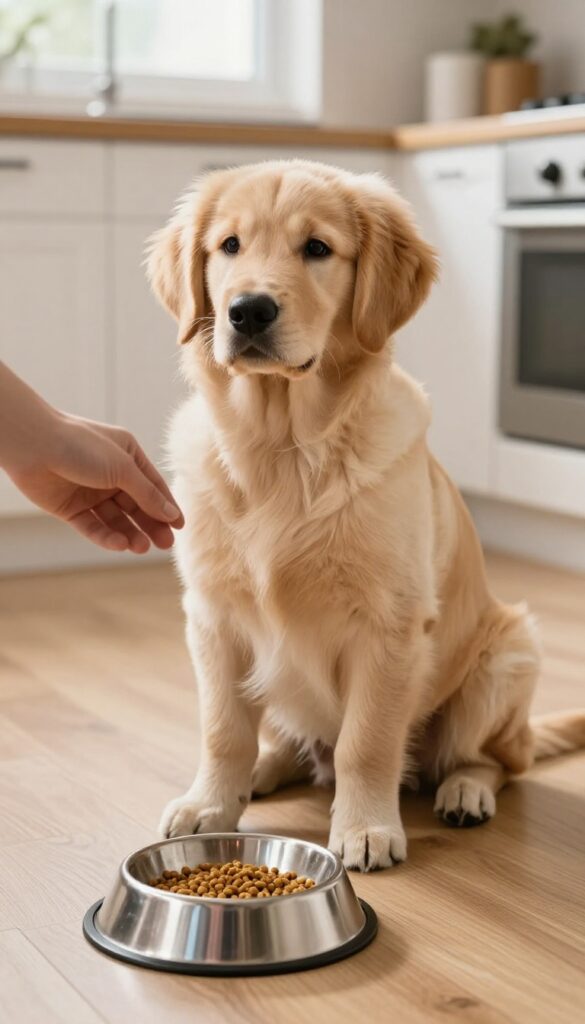
Mealtime is more than just a chance for your pup to refuel—it's a built-in training session that happens every single day. Instead of rushing to plop the bowl down, use those few minutes to reinforce good manners and impulse control. It's a simple habit that pays off in a big way, especially for puppies who tend to get overly excited around food.
Turning dinner into a mini obedience drill doesn't require extra time or special treats. It's all about adding a few seconds of patience before the bowl hits the floor. Your puppy learns that calm behavior earns the reward, not jumping or barking.
Over time, this translates to better self-control in other situations, too.
Start With A Simple Sit
Before you even reach for the food bag, ask your puppy to sit. If they're too excited to listen, wait a moment and try again. The key is to be consistent—don't put the bowl down until those little paws are on the ground and their rear is planted.
It might take a few tries at first, but puppies catch on quickly when they realize that sitting makes the food appear.
Add A Wait Command
Once your pup has mastered the sit, add a 'wait' cue. Hold the bowl just out of reach and say 'wait' in a calm, clear voice. After a few seconds of stillness, release them with an 'okay' or 'free' and let them dive in.
This teaches patience and helps prevent food bowl guarding down the line. Start with a short wait and gradually increase the duration as your puppy gets the hang of it.
Practice During The Meal
You can even work on obedience while they're eating. Pause the meal by gently lifting the bowl and asking for a sit or a look at you. Then return the bowl.
This reinforces that you're in charge of the food, and it helps build a strong foundation for resource guarding prevention. Just keep it light and positive—you don't want to make mealtime stressful.
5. The 5-Minute Couch Session
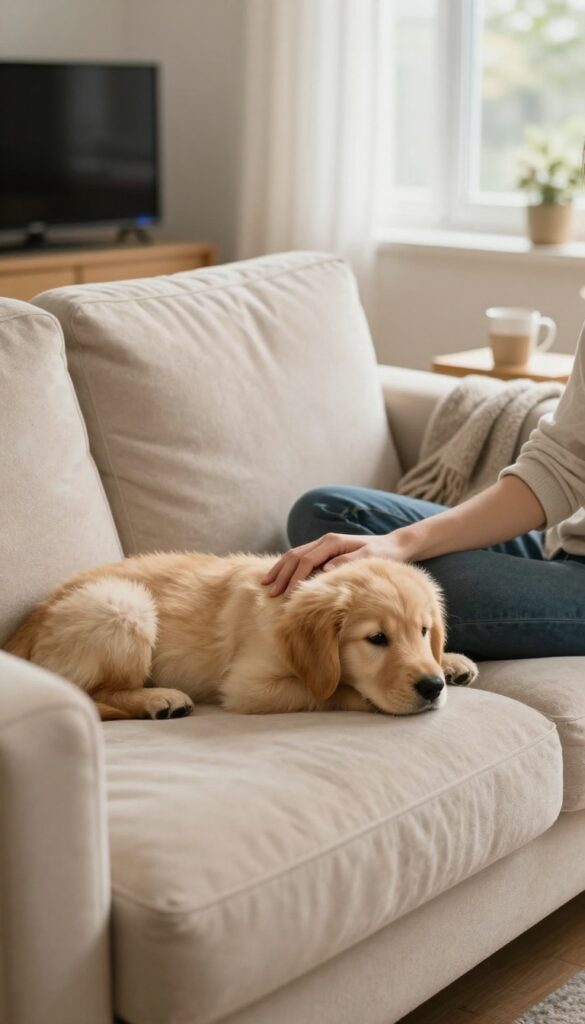
TV time doesn't have to be wasted time. While you're unwinding on the couch, your pup can learn that calmness pays off. These short, low-effort sessions are perfect for busy evenings and build a rock-solid foundation for relaxation.
Settle in, grab the remote, and let your puppy learn that being calm is its own reward. The couch session is all about capturing those quiet moments and turning them into training wins. You don't need treats in hand every second—just a few minutes of focused attention can make a big difference.
Start With 'settle'
Pick a simple cue like 'settle' or 'chill. ' When your pup lies down and relaxes on their own, say the word and drop a treat. Repeat a few times, then let them just be. Over time, they'll associate the word with the calm state, and you'll have a handy tool for future chaos.
Add A Little 'touch'
Touch is another great couch cue. Hold out your hand, and when your pup noses it, mark and reward. It's a fun, low-energy game that reinforces focus and gives you a way to redirect attention without getting up.
Plus, it's a handy trick for vet visits or when guests come over.
Keep It Short And Sweet
Don't overdo it. A few minutes here and there is plenty. The goal is to practice calm, not to exhaust your pup.
If they're getting restless, that's your cue to stop. End on a good note, and they'll be eager to try again next time.
6. Weekend Adventure Training
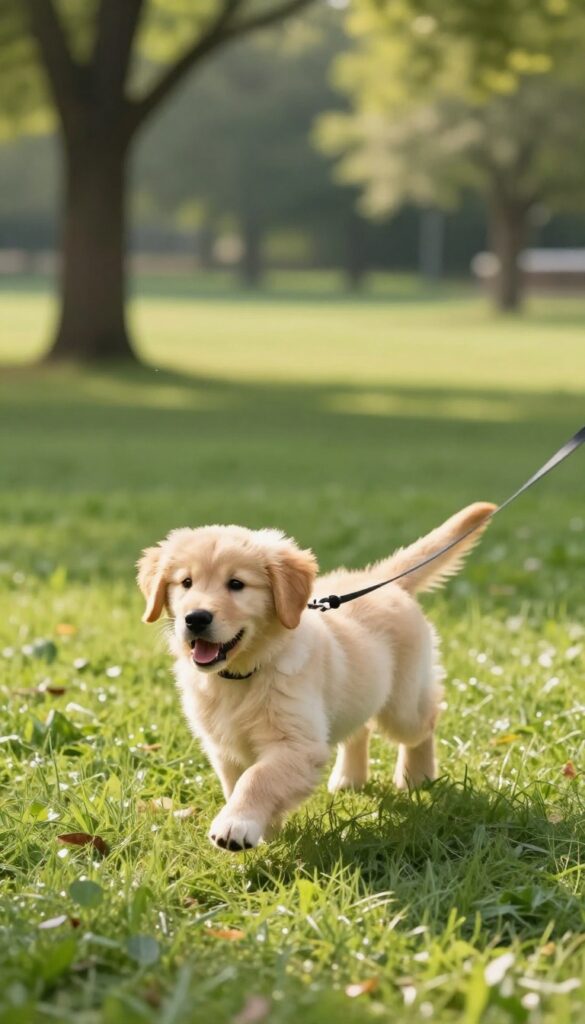
Weekends are made for adventures, and your puppy can learn a ton while you're out having fun. Instead of saving all training for home, take it on the road. A change of scenery is exciting for your pup, but it also brings new distractions that are perfect for real-world practice.
Weekend training doesn't have to feel like a chore. It's about weaving quick lessons into your normal outings—whether that's a hike, a trip to the park, or just running errands. The key is to keep sessions short and playful, so your pup stays engaged and you both enjoy the time together.
Practice Recalls In Open Spaces
A reliable recall is one of the most important skills your puppy can learn, and a park or open field is the perfect place to practice. Start with a long leash to keep your pup safe, then call them back with a happy voice and a high-value treat. Reward every successful return, and gradually increase the distance and distractions.
Keep it fun—never call your pup to you for something they don't like, like nail trims or ending playtime.
Work On Neutrality Around Distractions
Real-world settings are full of triggers—other dogs, bikes, kids, and noises. Use weekend outings to teach your pup to stay calm and focused on you. Find a spot with a moderate amount of activity, sit with your pup, and reward them for looking at you instead of reacting to the world.
Start far away from the action and slowly move closer as your pup gets better. This builds impulse control and makes walks easier during the week.
Turn Errands Into Training Sessions
Even a quick trip to the pet store or a coffee shop can be a training opportunity. Practice polite greetings with strangers, sitting calmly while you chat, or walking nicely on a loose leash. These mini-sessions are perfect for reinforcing good manners in public.
Just keep them short and end on a positive note, so your pup learns that outings are fun and rewarding.
7. The Bedtime Routine
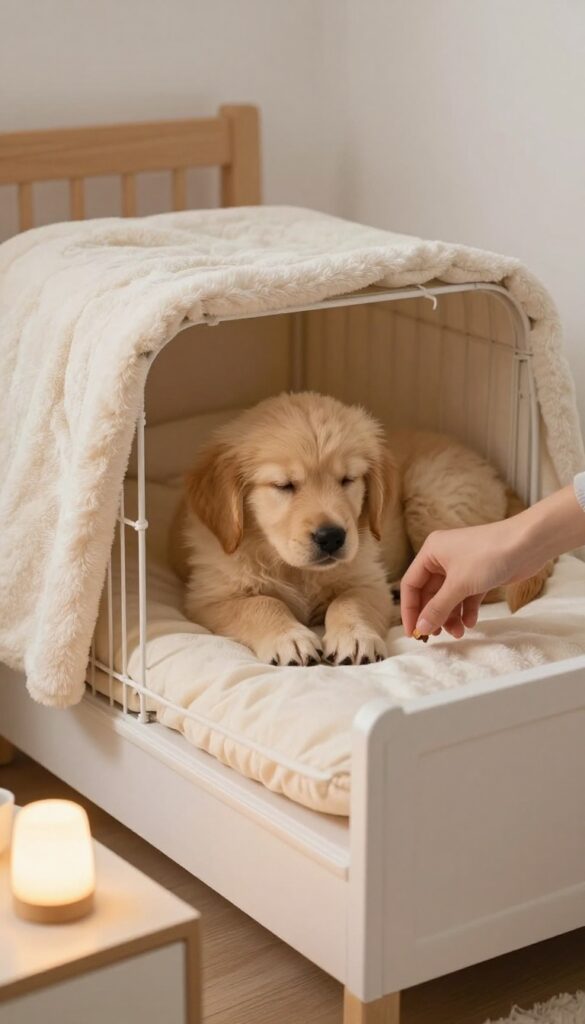
The day's last moments can be just as valuable as the first. A calm bedtime routine helps your puppy wind down and reinforces that their crate or bed is a safe, cozy place. Plus, a tired puppy is a good puppy—and a good sleeper.
Wrap up the day with a short, calming session. Use a quiet voice and low-energy movements. Practice 'crate' or 'go to bed' by tossing a treat into their sleeping area and giving a gentle cue.
This isn't the time for high-energy games or new tricks—keep it soothing.
Keep It Short And Sweet
A bedtime session should last no more than five minutes. Your puppy is already tired, so you're just reinforcing the habit. A quick 'crate' cue, a treat, and a soft 'good night' is plenty.
This consistency helps them associate the cue with settling down.
Use A Calming Cue
Pick a word like 'settle' or 'bedtime' and use it every night. Say it in a low, gentle tone as your puppy gets comfy. Over time, that word alone can trigger a relaxed state.
Pair it with a treat or a favorite toy to make the routine even more positive.
Troubleshoot The Fussy Pup
If your puppy resists going to bed, check for last-minute needs—a quick potty break or a sip of water. Then try a calming chew or a stuffed Kong to occupy them. If they whine, wait for a quiet moment before giving attention.
This teaches them that calm behavior gets rewarded.
8. The 'Wait for It' Game
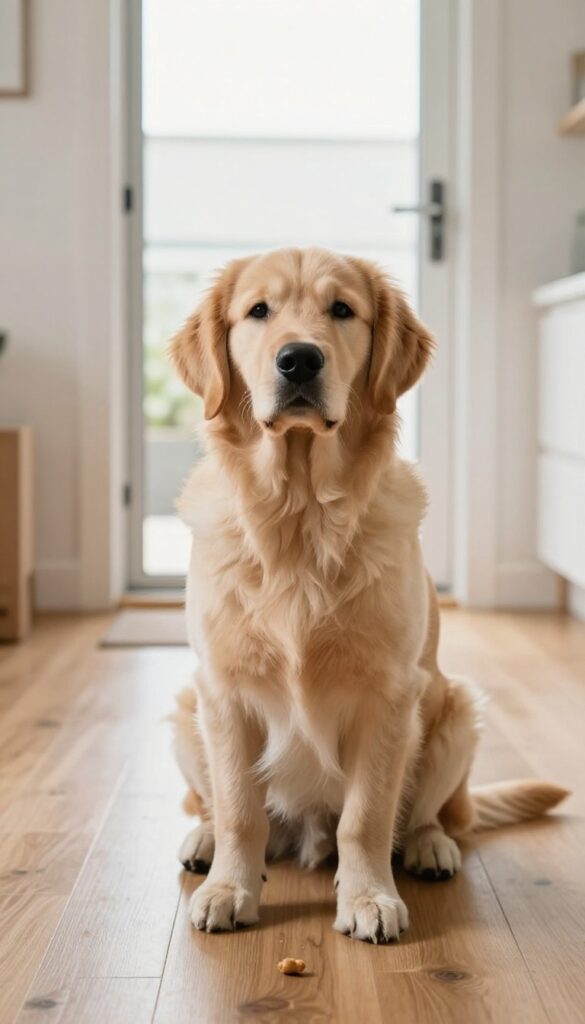
Ever feel like your puppy is always one step ahead, bolting out the door or lunging for their food bowl? That's where the 'wait' game comes in. It's a tiny exercise with a big payoff: it teaches your pup that patience earns them what they want.
Start With The Door
Pick a moment when you're about to head outside. Ask your puppy to sit, then say 'wait' in a calm, firm voice. Open the door just a crack.
If they stay put, reward them with a treat and a happy 'okay! ' to release. If they move, close the door and try again. You don't need a long session—just a few reps before your actual walk.
Over time, they'll learn that waiting at the door is the fastest way to get outside.
Turn Mealtime Into A Mini Lesson
Before you set down their bowl, ask for a sit and a 'wait. ' Lower the bowl slowly. If they lunge or break the wait, lift it back up. Once they hold still for a couple of seconds, say 'okay' and let them eat.
This reinforces that good things come to those who wait—plus it makes mealtime a little less chaotic.
Practice At Crosswalks And Curbs
When you're out on a walk, use each crosswalk as a training moment. Stop at the curb, say 'wait, ' and reward them for staying put while you check for cars. It's a real-world skill that could literally save their life.
Plus, it gives you a natural pause to catch your breath and reset the walk.
9. The 'Find It' Nose Game
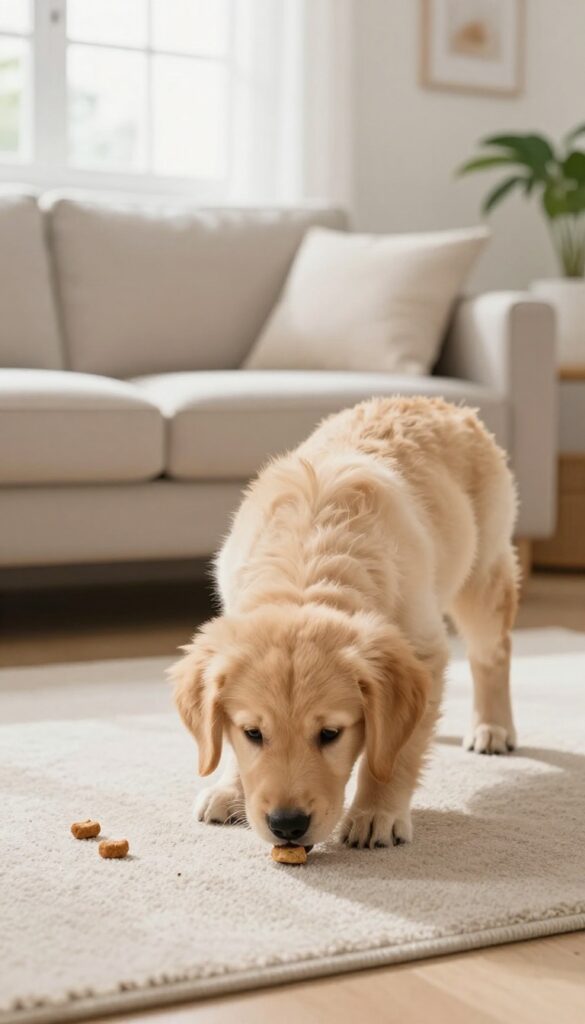
A few minutes of sniffing can be more draining than a long walk. This game taps into your puppy's natural instincts and builds confidence. It's perfect for days when you're short on time or energy.
Start by showing your puppy a treat, then let them watch as you place it a few feet away. Say 'Find it! ' and encourage them to go get it. As they get the hang of it, hide treats in slightly trickier spots—under a cushion, behind a chair leg, or on a low shelf.
Always start easy so they succeed and stay motivated. This game isn't just about burning energy. It teaches your puppy to use their nose, which is mentally tiring and satisfying.
It also builds their confidence as they solve little puzzles. Plus, it's a great way to reinforce their name or a recall cue when they come back to you after finding each treat.
How To Start In 3 Easy Steps
Begin with a quiet room and a handful of small, smelly treats. Show your pup a treat, say 'Find it, ' and toss it a couple of feet away. Let them sniff and eat.
Repeat a few times so they understand the game. Then, hide a treat under a towel or behind a chair leg while they watch, and encourage them to search. Always celebrate their success with a happy 'Yes! ' and let them have the treat.
Make It Harder As They Improve
Once your puppy gets the hang of it, increase the difficulty. Hide treats in different rooms, or place them on low surfaces like a coffee table or a step. You can also hide a few treats at once and let your pup find them all.
This keeps the game challenging and prevents boredom. Just remember to supervise so they don't eat something they shouldn't.
Why It Works For Busy Days
A 10-minute nose game can be just as tiring as a 30-minute walk, because it engages your puppy's brain. It's perfect for rainy days, when you're pressed for time, or when your pup has a lot of energy but you can't get outside. Plus, it's a calm, indoor activity that doesn't require much space or equipment.
10. The 'Capture Calm' Session
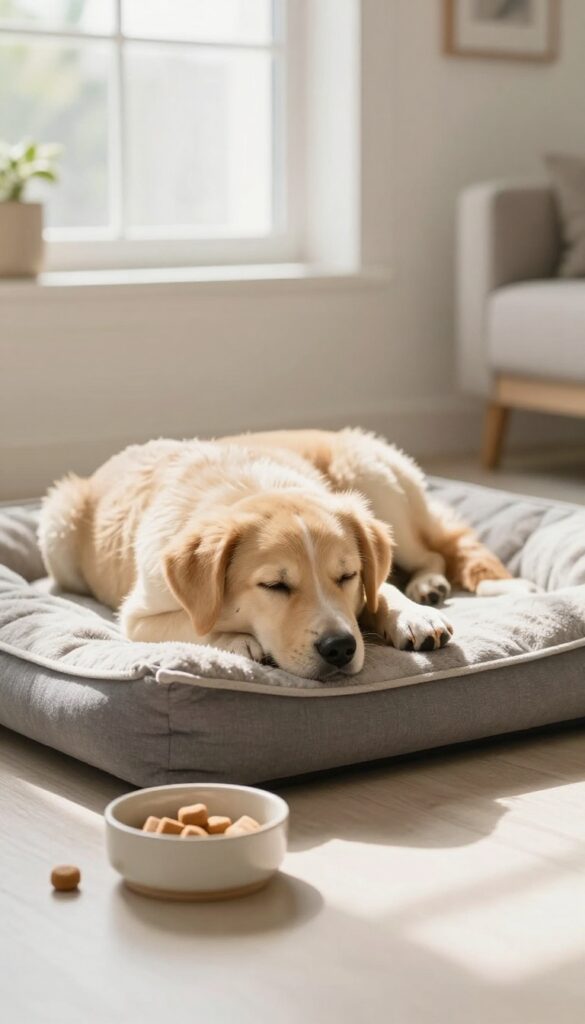
You know those moments when your puppy just… settles? Maybe they flop down by your feet while you're working or lie quietly on their bed during a phone call. Those are golden opportunities, and you can turn them into training wins without lifting a finger.
Capture Calm is about rewarding your pup for being relaxed, which teaches them that calm behavior pays off. It's the ultimate low-effort training—perfect for those times when you're busy but still want to reinforce good habits.
The beauty of Capture Calm is that it doesn't require any special setup or a dedicated block of time. You're simply observing your puppy and rewarding them when they're already being calm. Over time, your puppy learns that settling down is a great way to earn treats, which can lead to more relaxed behavior in the long run.
To get started, keep a small bowl of treats within arm's reach during your normal daily activities. Whenever you notice your puppy lying down, relaxing, or even just sitting quietly, drop a treat near them. Don't make a fuss—just let the treat appear.
The key is to be consistent and catch those calm moments often enough that your puppy starts to connect the dots.
Why It Works
This method taps into the principle of positive reinforcement. When your puppy is calm and gets a treat, they learn that being relaxed is rewarding. It's the opposite of training sessions where you're asking for behaviors—here, the behavior comes naturally, and you're just marking it.
This can be especially helpful for high-energy puppies who need to learn to switch off.
How To Set It Up
You don't need a special mat or a quiet room. Just have treats handy in the areas where you spend time with your puppy—like your home office, living room, or kitchen. Keep them in a small container or treat pouch that's easy to grab.
Then, whenever your puppy is calm, drop a treat without saying anything. The goal is to be subtle so your puppy doesn't get excited and start offering behaviors to earn treats.
When To Use It
Capture Calm is perfect for those busy times when you're on a call, cooking dinner, or answering emails. It's also great when you're watching TV or reading. Any time your puppy is naturally relaxed, you can reinforce it.
Just remember to keep the treats coming at random intervals—not every single time—to keep your puppy guessing and engaged.
Pro Tips For Success
Use small, soft treats that are easy to swallow so your puppy doesn't get distracted. Also, avoid eye contact or talking when you drop the treat—you want your puppy to stay in their relaxed state. If your puppy gets up after the treat, that's okay; just wait for the next calm moment.
Over time, you'll see your puppy choosing to settle more often, which is exactly what you want.
11. The 'One New Thing' Challenge
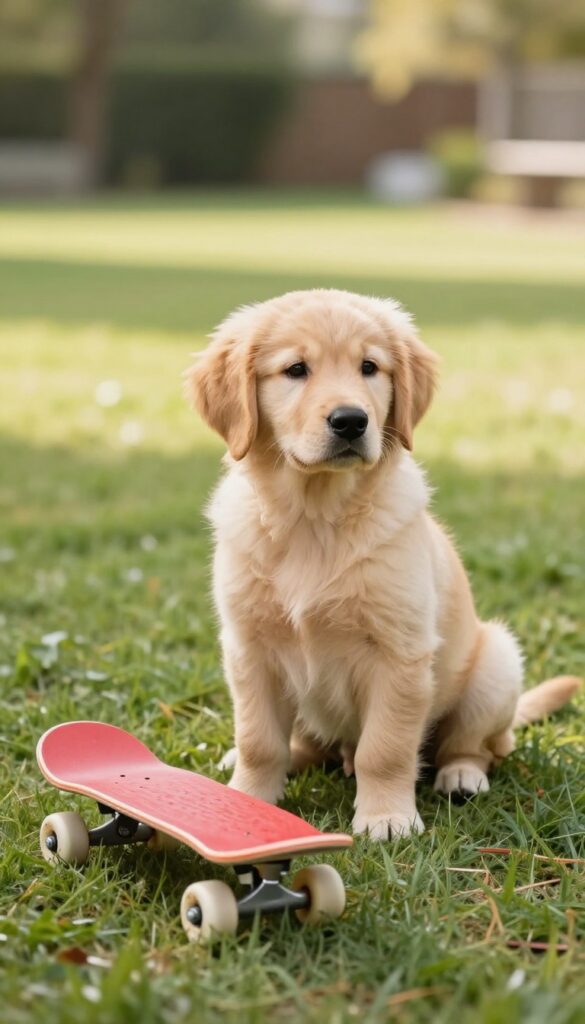
Curiosity is a puppy's superpower, but too much novelty at once can backfire. The 'One New Thing' challenge turns that natural curiosity into a daily confidence builder without overwhelming your pup. Each day, you introduce a single new object, sound, or surface, letting your puppy explore it at their own pace.
It's a simple, five-minute game that prevents fear and builds a resilient, well-adjusted dog.
The idea is refreshingly uncomplicated: pick one new thing each day and let your puppy investigate it. It could be an umbrella opening, a skateboard, a pile of leaves, or the hum of a blender. The key is to keep it manageable and positive.
You're not trying to expose your puppy to a circus; you're just adding a tiny dose of novelty to their world. Over time, these small exposures add up to a dog who takes new experiences in stride.
Why It Works
Puppies go through a critical socialization window, but that doesn't mean you need to cram everything into one week. Spaced learning is more effective. When you introduce one thing at a time, your puppy can process it fully without getting overwhelmed.
This builds a positive association with novelty, so they're less likely to react fearfully to new things later. It's like giving their brain a workout, but in a fun, low-pressure way.
How To Run The Challenge
Start by picking a time when your puppy is relaxed but alert, maybe after a nap or a short play session. Present the new item at a distance, and let your puppy approach it on their own terms. Use treats and praise to reward any curious sniff or look.
If your puppy seems nervous, don't push it—just move the item farther away and try again later. The goal is a positive interaction, not a forced one. Keep the session short, around five minutes, and end on a good note.
Ideas For Your First 7 Days
Need a starting point? Here's a week's worth of ideas: Day 1: a crinkly plastic bag (supervised). Day 2: the sound of a doorbell.
Day 3: a textured mat like a yoga mat. Day 4: a wobbling toy. Day 5: a new person wearing a hat.
Day 6: walking on a different surface like grass or gravel. Day 7: a cardboard box with a treat inside. Mix and match based on what's around you, and always prioritize your puppy's comfort.
FAQ
How long should a puppy training session be?
Keep sessions short—5 to 10 minutes for young puppies. Their attention span is limited, and short, frequent sessions are more effective than long ones.
What if I miss a training day?
Don't stress. Just pick up where you left off. Consistency over time matters more than perfection.
A missed day won't undo your progress.
Can I train my puppy while doing other things?
Yes. Many of these ideas are designed to fit into your existing routine, like mealtimes or walks. You don't need dedicated blocks of time.
What's the best time of day to train a puppy?
Whenever your puppy is alert and not overly excited or tired. Usually mornings or before meals work well, but you can adapt to your schedule.
How do I keep my puppy focused during training?
Use high-value treats, keep sessions short, and train in a low-distraction area at first. Gradually add distractions as your puppy improves.
Conclusion
Real-life puppy training doesn’t need to be perfect—it just needs to fit your schedule. Start with one or two ideas that feel doable this week, then build from there. Even five minutes of focused practice between meetings or after dinner can make a big difference over time.
The goal is progress, not perfection.
Your pup doesn’t care if your routine is fancy, only that it’s consistent. Pick what works for your mornings, evenings, and weekends, and adjust as life shifts. Before you know it, those small training moments will become second nature for both of you.

I’m Pallab Kishore, the owner of Little Pets Realm — an animal lover and pet care enthusiast sharing easy tips, healthy recipes, and honest advice to help every small pet live a happy, healthy, tail-wagging life.