
Last updated on August 19th, 2026 at 04:14 pm
Puppyhood is full of adorable chaos, but those early months are also your best window for shaping polite habits that stick. You don't need marathon training sessions—just consistent, everyday moments that teach your pup how to navigate your world calmly.
From greeting guests without jumping to walking on a loose leash, these 13 obedience lessons turn daily routines into natural learning opportunities. Each one is practical, simple to practice, and builds a foundation of good manners that make life together smoother.
Ready to raise a pup who's both fun and well-behaved? Let's dive in.
1. Master the Art of the Calm Greeting
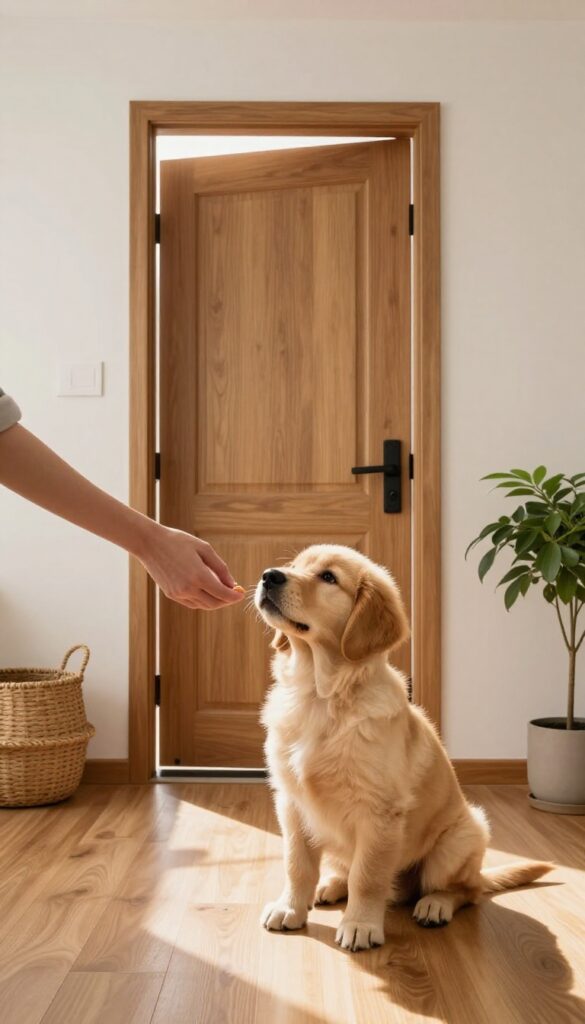
The front door is where good manners often go to die. Every ring of the bell or knock sends your puppy into a frenzy of excitement, which is exactly why this is the perfect place to start. The goal isn't to suppress your pup's joy—it's to channel it into a polite sit instead of a jump.
Start by teaching your puppy that calm behavior is what makes the door open. Have a friend or family member knock or ring the bell while you hold your pup on a leash. Wait for a moment of quiet—even a second of stillness—then reward with a treat and open the door.
Repeat until your puppy learns that the door opens only when they're calm.
The Sit-to-say-hello Rule
Make sitting the default behavior for greetings. When someone approaches, ask your puppy to sit before they get any attention. If your puppy jumps, the visitor should turn away and ignore them.
Only when all four paws are on the floor does the greeting happen. This teaches your pup that jumping makes people disappear, while sitting makes good things happen.
Reward The Calm, Ignore The Chaos
Your attention is the most powerful reward you have. When your puppy stays calm during a greeting, offer a treat or gentle praise. If they get too excited, step back and wait for them to settle.
Consistency is key—every person who walks through your door should follow the same rule, so your puppy learns that calm behavior works everywhere, not just with you.
Practice Makes Polite
Don't wait for real visitors to practice. Set up mock greetings with family members or friends. Have them ring the bell, walk in, and sit down—just like a real visit.
The more you rehearse, the more automatic the calm response becomes. Over time, your puppy will learn that the door opening isn't a signal to go wild, but a cue to sit and wait.
2. Loose-Leash Walking Without the Tug-of-War
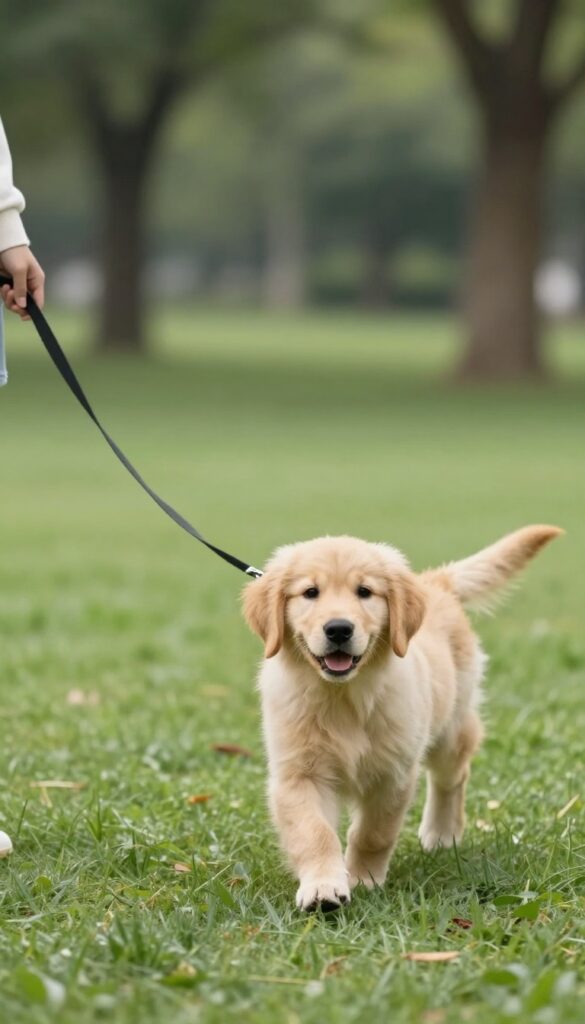
Walking a puppy should be a pleasant bonding time, not a battle of wills. The secret to a relaxed stroll is teaching your pup that pulling gets them nowhere, while checking in with you earns them the freedom to explore. This lesson turns every walk into a chance to build focus and trust.
Start in a low-distraction area like your living room or backyard. Hold the leash loosely and stand still. The moment your puppy pulls, stop moving and wait.
When they relax the tension and look back at you, mark it with a cheerful "yes! " and reward them with a treat. This teaches them that pressure on the leash means the fun stops, but attention on you makes the walk continue.
The Power Of Stopping
When your puppy hits the end of the leash, don't yank or pull back. Simply stop and become a tree. Wait for them to come back to you, even if it takes a few seconds.
Then reward that choice with a treat and continue walking. Consistency is key—every time they pull, you stop. Soon they'll realize that a slack leash is what keeps the walk moving.
Rewarding The Check-in
Encourage your puppy to look at you regularly while walking. You can do this by making a kissy sound or saying their name, then rewarding them when they glance your way. Over time, they'll start checking in on their own.
This builds a habit of focusing on you, which makes walks more enjoyable and safer.
Practice Makes Perfect
Keep sessions short—five to ten minutes is plenty for a young pup. Gradually increase the difficulty by moving to a quiet sidewalk, then a busier park. Always end on a positive note with a few successful steps.
With patience and repetition, loose-leash walking becomes second nature.
3. The 'Leave It' Command for Impulse Control
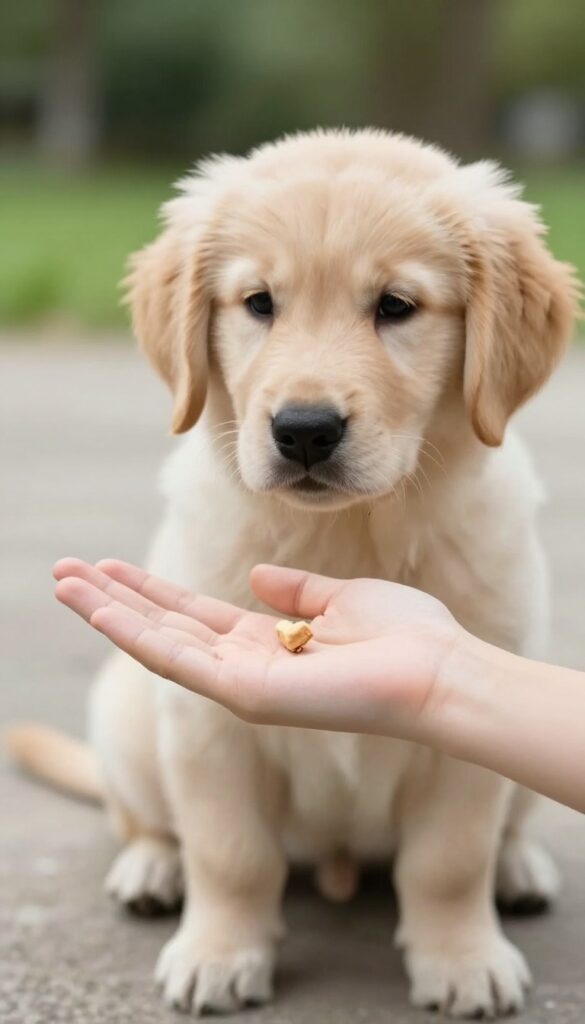
Picture this: you're on a walk, and your puppy spots a dropped french fry. Before you can react, they lunge, and you're left wrestling a determined little vacuum cleaner. Teaching 'leave it' is like giving your pup a pause button for their impulses—a skill that keeps them safe and saves your sanity.
The 'leave it' command is one of the most valuable tools in your obedience toolkit. It teaches your puppy to ignore something tempting on cue, whether that's food on the ground, a squirrel darting across the path, or your favorite sneakers. The key is to start easy and build up gradually, so your pup learns that good things happen when they choose to back off.
Start With A Closed Fist
Begin in a quiet room with a treat in your closed fist. Let your puppy sniff, lick, and paw at your hand. The moment they pull back, even for a second, say 'yes! ' and reward them with a different treat from your other hand.
Repeat this until your pup automatically pulls away when they see your fist.
Progress To An Open Palm
Once your pup gets the closed-fist game, try presenting a treat in an open palm. As soon as they move toward it, close your hand quickly. Wait for them to back off, then mark and reward.
This teaches them that the treat appears only when they ignore it.
Practice On The Ground
Toss a treat on the floor, but cover it with your foot or hand. Use your 'leave it' cue, and reward your pup for looking at you instead of the treat. Gradually increase the difficulty by using more tempting items, like a piece of chicken or a squeaky toy.
Take It On Walks
The real test is in the real world. Practice 'leave it' during walks by having treats ready and using a higher-value reward for compliance. Keep sessions short and always end on a success.
Over time, your pup will learn to check in with you instead of chasing every distraction.
4. Polite Mealtime Manners
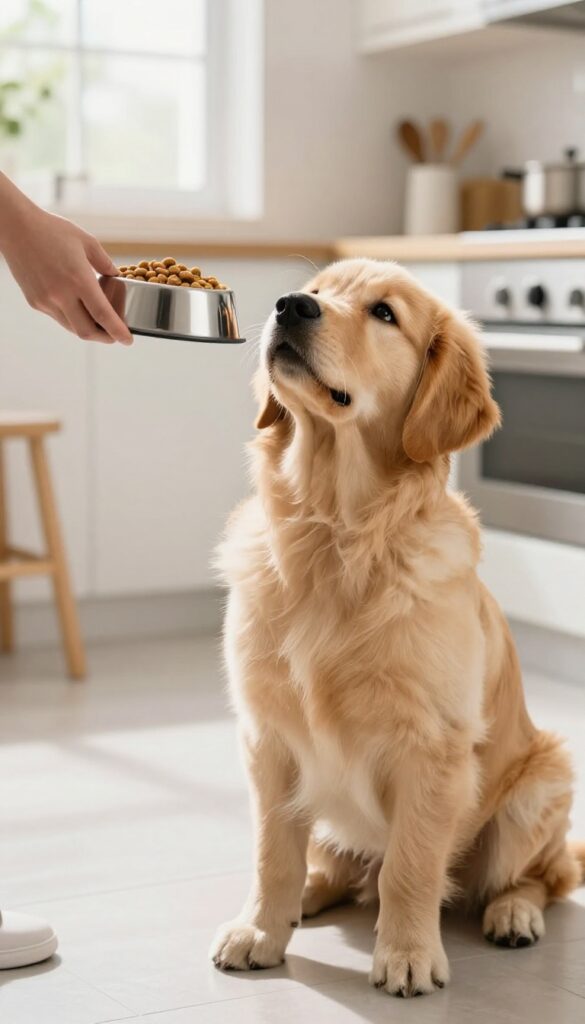
Mealtime is a prime opportunity to teach your puppy self-control and respect for boundaries. When you make your puppy wait for their food, you're not just preventing a messy bowl dash—you're building a habit of patience that carries into other areas of life. This simple ritual also helps prevent food aggression, which is a common issue in dogs that feel they need to guard their resources.
Start by having your puppy sit and stay while you prepare their meal. Place the bowl on the floor, but keep your hand on it or hold it slightly above the ground. Say "wait" in a calm, firm voice.
If your puppy tries to lunge for the food, lift the bowl and reset. Repeat until they hold still. Then, give a clear release word like "okay" and allow them to eat.
Consistency is key—practice this at every meal, and soon your puppy will look to you for permission before diving in.
Why Waiting Builds Patience
Teaching your puppy to wait for food is a mini exercise in impulse control. It reinforces that good things come to those who wait—and that you are the provider. This patience carries over to other situations, like waiting at doors or before crossing the street.
It also strengthens your bond, as your puppy learns to trust that you'll always deliver.
Preventing Food Aggression
Food aggression can be scary, but it's often preventable with early training. By making your puppy wait, you show them that your presence near their food is a positive thing, not a threat. You can also practice trading: occasionally drop a tasty treat into their bowl while they eat, so they associate your approach with good things.
This reduces the urge to guard their food.
Making Mealtime A Training Opportunity
Turn mealtime into a mini training session. Use the "wait" command, then ask for a simple trick like "sit" or "down" before releasing. This keeps their mind engaged and makes the meal a reward for good behavior.
It's also a great way to practice focus and obedience in a low-distraction environment.
5. Crate Training for a Relaxed Home
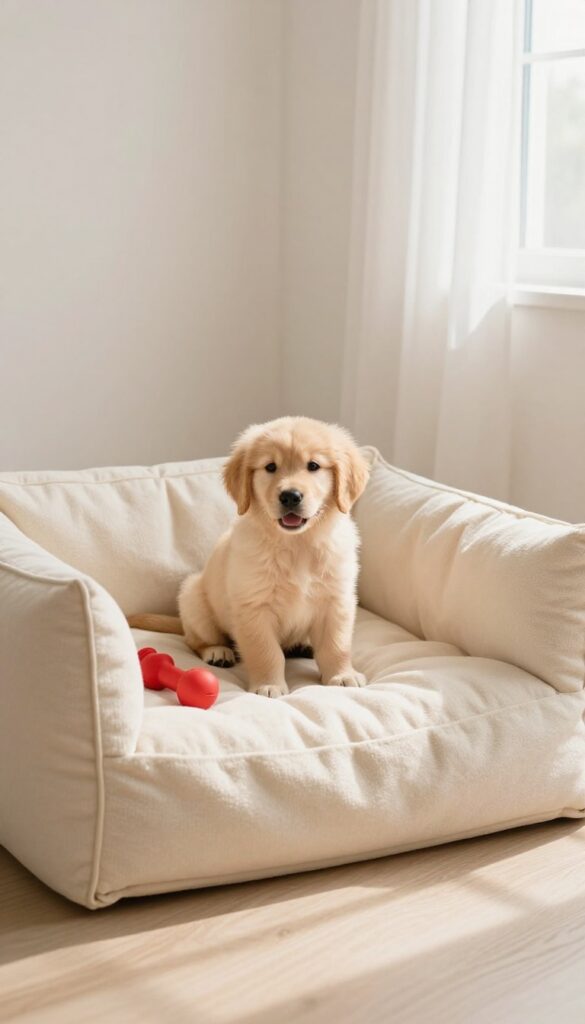
Crate training often gets a bad rap, but when done right, it's one of the kindest things you can do for your puppy. A crate becomes a cozy den, not a prison. It gives your pup a safe space to unwind and helps prevent destructive behaviors when you can't watch them.
Plus, it's a lifesaver for housebreaking and travel.
Start by making the crate inviting. Toss in a soft blanket, a favorite toy, and a treat or two. Let your puppy explore at their own pace—never force them in.
Feed meals near the crate, then gradually move the bowl inside. Once they're comfortable, close the door for a few seconds while they eat, then open it. Slowly increase the time they spend inside with the door closed, always staying nearby.
The goal is to associate the crate with positive experiences, so keep sessions short and sweet, especially at first.
Make It A Happy Place
The crate should never be used for punishment. Instead, pair it with good things. Give your puppy a stuffed Kong or a special chew toy only when they're in the crate.
Use a cheerful tone and offer praise when they go in voluntarily. Over time, they'll see the crate as their own personal retreat, a place where they can relax and feel secure.
Short Sessions, Big Rewards
Start with very short periods—just a few minutes—while you're home. Gradually extend the time as your puppy gets more comfortable. Always let them out when they're calm, not when they're whining.
This teaches them that quiet behavior earns freedom. Aim for a few sessions a day, and always end on a positive note.
Preventing Separation Anxiety
Crate training helps your puppy learn to be alone without panic. Begin by leaving them in the crate for brief moments while you're in another room, then work up to leaving the house. Keep departures low-key—no dramatic goodbyes.
When you return, wait for a calm moment before letting them out. This builds independence and confidence, reducing the risk of separation anxiety later on.
6. Reliable Recall: Come When Called
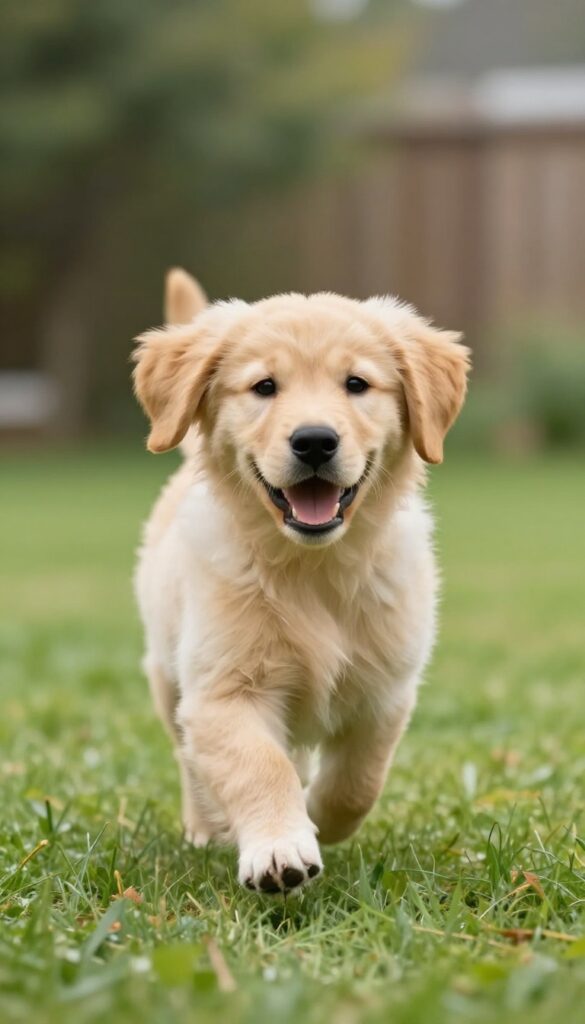
A solid recall is the one command that can keep your puppy safe in almost any situation. It’s also one of the hardest to teach because the world is full of exciting distractions. The trick is to make coming to you the most rewarding option your pup has, every single time.
Start small, stay consistent, and you’ll build a recall that works even when the stakes are high.
Teaching a reliable recall isn’t about scolding or chasing—it’s about creating a reflex that makes your puppy want to return to you. The key is to pair the command with something amazing, like a special treat or a favorite toy, and to practice in places where there’s nothing else competing for your pup’s attention. Over time, you’ll gradually add distractions, but the foundation has to be rock-solid first.
Start In A Boring Place
Begin indoors or in a fenced yard with few distractions. Call your puppy’s name in a happy, excited tone, then immediately reward with a high-value treat when they come. Use a long leash if needed to prevent wandering off.
Repeat this several times a day, but keep sessions short—just a few minutes each. The goal is to make coming to you a fun game, not a chore.
Never Call For Something Negative
If you call your puppy and then clip on a leash to leave the park, or scold them for something they did, they’ll learn to avoid you. Instead, call them for treats, praise, or to start a play session. If you need to put them in a crate or trim their nails, go get them rather than calling them over.
This keeps the recall command positive and trustworthy.
Use A Long Line For Real-world Practice
Once your puppy responds well indoors, move to a quiet outdoor spot with a long training leash (15–30 feet). Let them explore, then call them back with enthusiasm. If they don’t come, gently reel them in and reward anyway.
This teaches them that coming when called is always a good idea, even when there are new smells and sights around.
Reward Generously And Vary The Payoff
Use treats that your puppy absolutely loves—tiny pieces of chicken, cheese, or liver. Occasionally, throw a mini party with lots of praise and a quick game of tug. Varying the reward keeps your puppy guessing and makes the response more reliable.
And always make the reward worth more than whatever they’re leaving behind.
7. Settle on a Mat for Calm Indoors
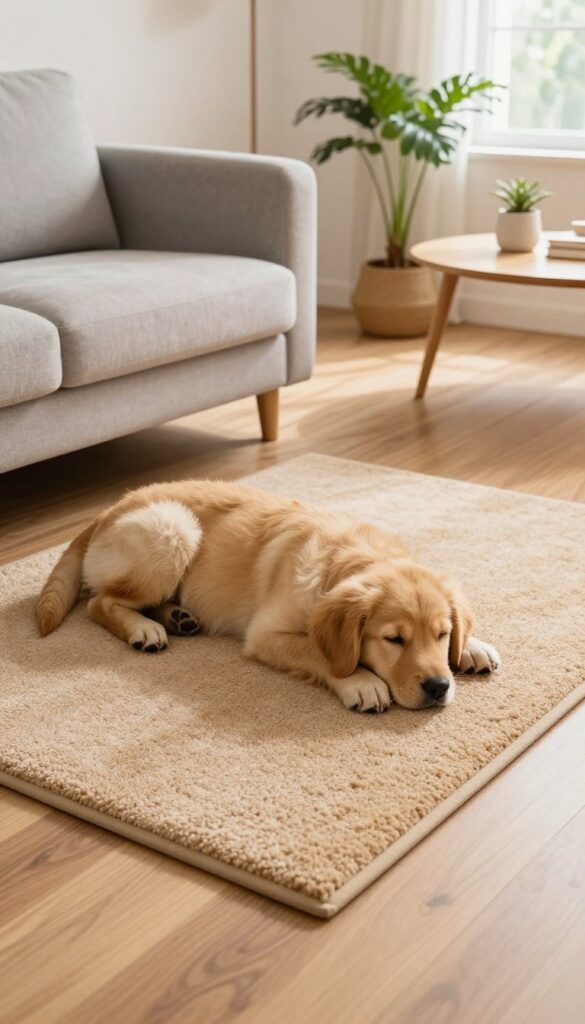
Some days, you just need your puppy to chill out while you cook dinner or take a work call. Teaching a solid mat settle gives your pup a clear job: go to their spot and relax. It’s not about tiring them out—it’s about teaching an off-switch that makes life at home much easier.
A mat settle is one of those skills that pays off daily. Once your puppy learns that a specific mat or bed means "calm time, " you can use it anywhere—in the kitchen, at a café, or when guests come over. The key is to reward quiet, relaxed behavior, not just lying down.
Start with short sessions and gradually increase the duration, always pairing the mat with treats and praise for calmness.
Why A Mat Settle Beats A Crate For Chilling
Crates are great for naps and alone time, but they’re not always practical when you want your pup near you. A mat gives your puppy a comfortable spot in the middle of the action without them underfoot. It’s also more portable—you can roll it up and take it to a friend’s house or a park.
Plus, teaching a settle on a mat builds impulse control, which is exactly what you want for polite indoor behavior.
Step-by-step: How To Teach The Mat Settle
Start by placing a mat or towel on the floor and luring your puppy onto it with a treat. Say "mat" as they step on, then reward. Once they’re comfortable, ask for a down and reward that.
Then, begin adding duration: ask for a down, wait a few seconds, and reward. Gradually increase the time, but keep sessions short and positive. If your puppy gets up, simply guide them back without scolding—this is a learning process.
Real-life Uses For A Solid Settle
A reliable mat settle is a lifesaver when you’re eating meals, working from home, or having guests over. Instead of your puppy bouncing around or begging, you can send them to their mat and reward them for staying put. It’s also a great way to keep your pup calm during grooming or vet visits—just bring the mat and ask for a settle.
Over time, your puppy will learn that the mat is a safe, relaxing place, and they’ll go there on their own when they need a break.
8. Handling and Grooming Without Fuss
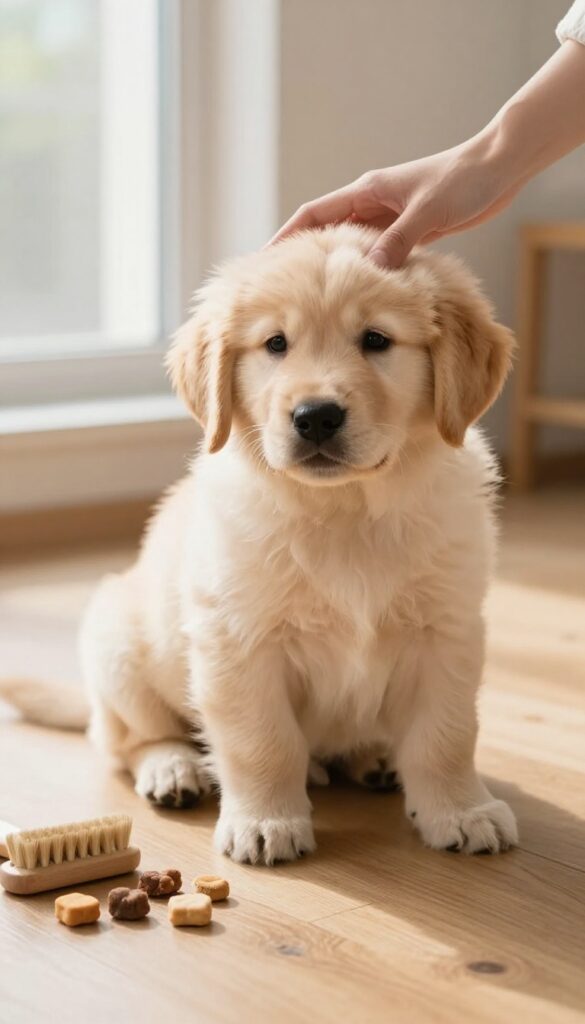
Some puppies act like being touched is a personal attack. Others turn into wiggly noodles the second you bring out a brush. Either way, teaching your pup to tolerate handling early saves you from wrestling matches at the vet or groomer later.
The trick is to make every touch a positive experience. With a little patience and a pocket full of treats, you can turn nail trims and ear checks into no-big-deal moments.
Start by pairing gentle touches with high-value rewards. Touch your puppy's ear, say "yes, " and give a treat. Do the same for paws, tail, and mouth.
Keep sessions short—just a few minutes a day. Gradually increase the pressure and duration as your puppy relaxes. Brushing is another skill to practice.
Start with a soft brush and let your puppy sniff it first. Then brush a few strokes, reward, and stop. Build up to longer sessions.
The goal is to create a calm, positive routine that your puppy actually looks forward to.
Start With The Basics
Before you even pick up a brush, teach your puppy that being touched is a good thing. Sit on the floor, let your puppy come to you, and gently stroke their back while giving treats. Then move to ears, paws, and tail.
If your puppy pulls away, don't force it—just go back to a spot they like and try again. This builds trust and makes future handling easier.
Make Paw Handling A Game
Paw handling is often the toughest part because puppies are naturally sensitive there. Turn it into a game: touch a paw, say "yes, " and give a treat. Repeat a few times, then stop.
Over the next days, hold the paw a little longer, and even press lightly on the nails. This desensitizes your puppy to the sensation, so nail trims become less stressful for both of you.
Brush Time With Treats
Introduce the brush slowly. Let your puppy sniff it, then brush one or two strokes on their back while giving a treat. Keep the first sessions short and positive.
As your puppy gets used to it, brush longer and cover more areas. You can also use a lick mat with peanut butter to keep them occupied during grooming. This turns a chore into a bonding activity.
Simulate Vet And Groomer Handling
Vet visits involve more than just touching—they include poking, prodding, and being held still. You can practice at home by gently opening your puppy's mouth, checking their ears, and lifting their tail. Reward each step.
Also, get your puppy used to being on a table or counter at home, with treats, so they associate that position with good things. This makes real vet visits much less scary.
9. No More Nipping and Biting
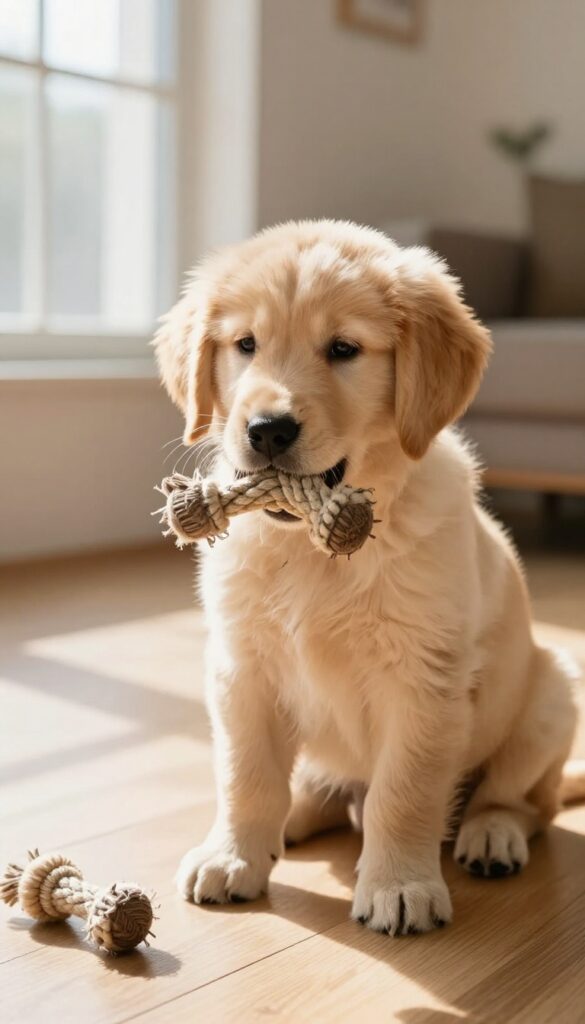
Puppy teeth are sharp, and those little needle-like nips can be painful. But nipping is a normal part of puppy development—it's how they explore the world and play with their littermates. The key is to teach them that human skin is off-limits, while still giving them an appropriate outlet for their chewing instincts.
With a few consistent techniques, you can curb the biting and replace it with gentler play. The goal is to help your puppy learn bite inhibition, so they grow into a dog who knows how to control the pressure of their jaws.
When your puppy nips, it's rarely out of aggression—it's usually just overexcited play. But that doesn't mean you have to tolerate it. By redirecting their attention and setting clear boundaries, you can teach them that teeth on skin always stops the fun.
The most effective method is a combination of redirection and a brief pause. When your puppy's teeth touch you, let out a high-pitched yelp (like a puppy would), then immediately stop playing and turn away. This mimics what their littermates would do, teaching them that biting ends the game.
After a few seconds of calm, you can offer them a toy to chew on instead. Consistency is everything. Every family member should respond the same way, so your puppy learns that the rules apply to everyone.
With time and patience, your puppy will start to choose toys over your hands and ankles.
Redirect To Appropriate Chew Toys
Always have a few enticing chew toys within reach. When your puppy starts to nip, calmly offer a toy instead. This teaches them what they can bite.
Make the toy more interesting by wiggling it or playing a quick game of tug. If they take the toy, praise them enthusiastically. Over time, they'll learn that toys are the right thing to chew on.
The Yelp And Turn Technique
This classic method works because it mimics how puppies communicate with each other. When your puppy bites too hard, let out a sharp, high-pitched yelp—just like a hurt puppy would. Then, immediately stop playing and turn your back for a few seconds.
This sends a clear message: biting ends all fun. After a brief pause, you can resume play, but if they bite again, repeat the process. It's important to yelp only for actual bites, not for gentle mouthing, so your puppy learns the difference.
And don't overdo it—a quick yelp is enough.
Teach Bite Inhibition Gradually
Bite inhibition is the ability to control the force of their bite. You can teach this by allowing gentle mouthing during play, but yelping and stopping when it becomes too hard. Over time, your puppy will learn to be even gentler.
This is a safety net—if they ever get startled or scared, they're less likely to cause serious harm. As your puppy gets better, you can gradually raise the threshold for what you consider too hard, until they don't put pressure on your skin at all.
Avoid Rough Play With Hands
One common mistake is playing rough with your puppy using your hands or feet. This encourages them to see body parts as toys. Instead, always use a toy when playing.
If your puppy tries to nip at your hands, redirect to a toy. Also, avoid pulling your hand away quickly, as that can trigger their prey drive. Keep your hands still and offer a toy instead.
10. Walking Past Distractions Without a Meltdown
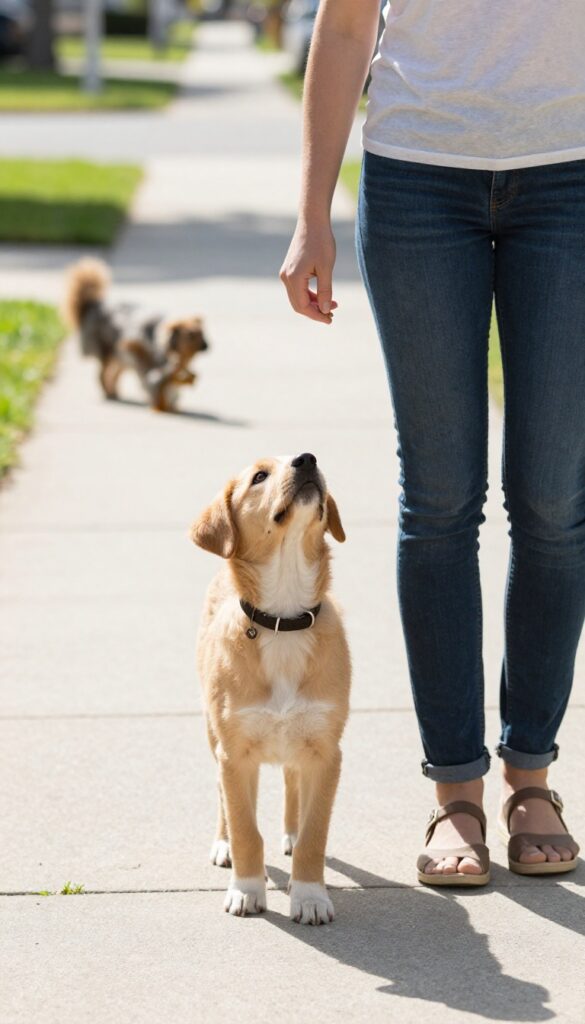
Walks can turn into tug-of-war sessions when your puppy spots a squirrel or another dog. Instead of dreading these moments, you can teach your pup to check in with you. With a little practice, you'll both enjoy calmer strolls.
The key is to make yourself more interesting than the distraction. Start in a low-distraction area and gradually work up to busier spots. Keep sessions short and end on a positive note, so your puppy learns that focusing on you pays off.
Start With 'look At Me'
Teach your puppy to make eye contact on cue. Hold a treat near your face, say 'look at me, ' and reward when they glance at you. Practice indoors, then outside, and eventually near mild distractions.
This becomes your go-to tool for redirecting attention.
Use High-value Treats
Save extra-special treats, like tiny bits of chicken or cheese, for walks. When your puppy notices a distraction, say their name or 'look at me, ' and reward them for turning to you. The tastier the reward, the more they'll want to check in.
Keep Sessions Short And Positive
Don't expect your puppy to ignore everything for a long walk. Keep training sessions to five or ten minutes, and if they're struggling, move farther away from the distraction. Always end with a win, even if it means turning back early.
11. Waiting at Doorways and Gates
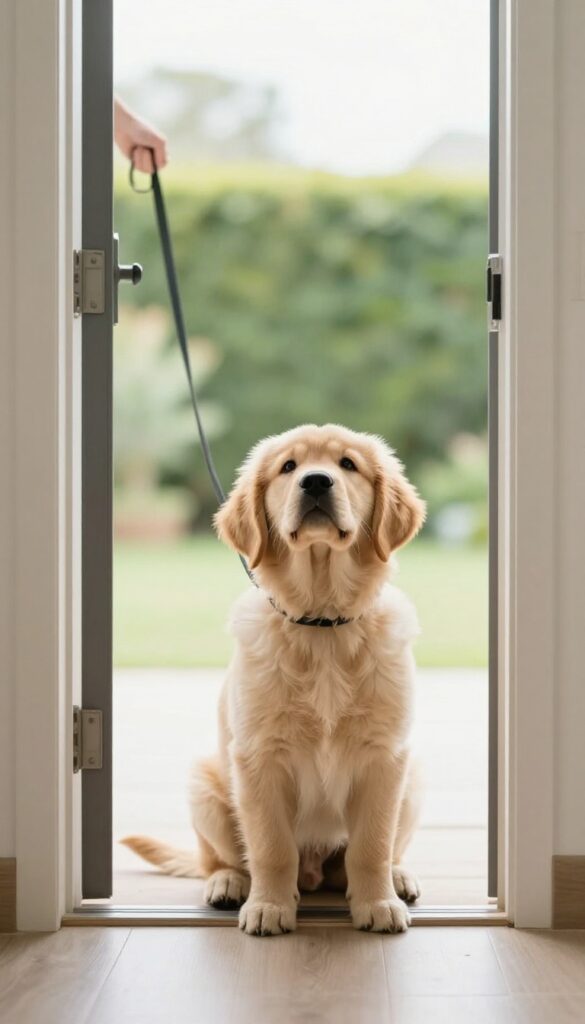
That front door can feel like a magic portal to your puppy—every time it opens, they’re ready to rocket outside. But a dog that bolts out the door is a safety risk, whether it’s a busy street or just an unexpected escape. Teaching your pup to pause at thresholds is one of the simplest ways to build impulse control and keep them safe.
Start by practicing with the door closed and your puppy on a leash. Say “wait” in a calm, clear voice, then reach for the handle. If they move forward, simply close the door and try again.
The moment they hold still, even for a second, mark it with a treat and a quiet “yes. ” Repeat until they understand that staying put earns the reward.
Start Small, Then Add Distractions
Begin in a low-stakes spot like your living room door before moving to the front entrance. Once your puppy reliably waits with the door closed, crack it open an inch. If they lunge, close it and reset.
Gradually increase the opening width and the time they hold the wait. Practice with both interior and exterior doors, and eventually add distractions like a friend walking by or a toy tossed outside.
Use A Release Word That Means Go
Your puppy needs a clear signal that the wait is over. Pick a release word like “okay” or “free” and use it consistently. After they wait calmly, say the release word and step through together.
This teaches them that they don’t get to decide when to move—you do. It also makes walks and trips outside feel more structured and less chaotic.
Make It A Game, Not A Chore
Turn doorway practice into a fun ritual. Play a quick round of “wait and release” before every walk or potty break. Keep sessions short—just a few minutes at a time.
Reward with a high-value treat or a quick game of tug after they nail it. The more positive the experience, the more your puppy will want to cooperate.
12. Quiet Time: Teaching Your Puppy to Settle
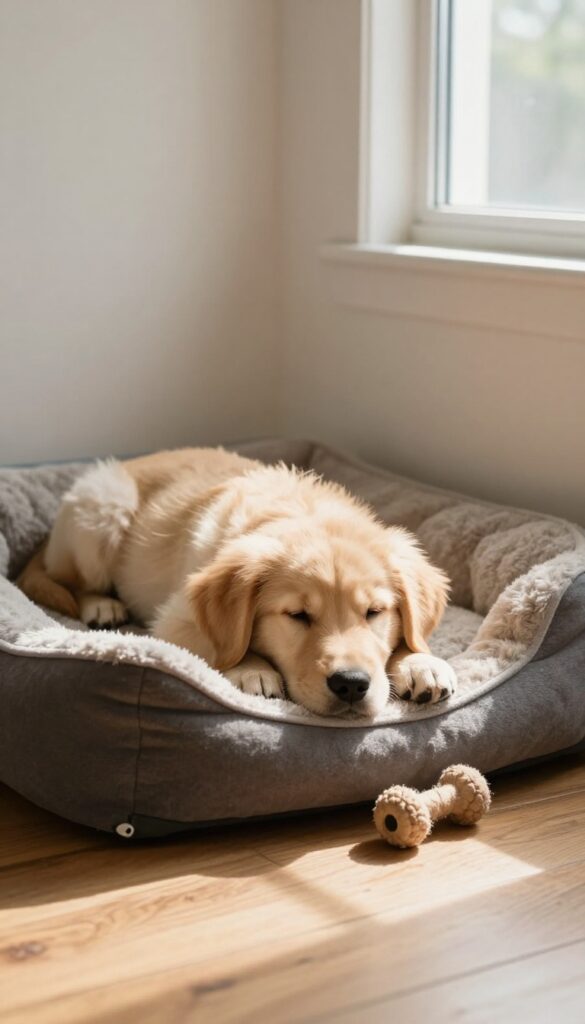
A puppy that can't settle down is exhausting for everyone. Constant motion, barking, or shadowing your every step can turn a relaxing evening into a marathon of management. Teaching your puppy to relax on their own isn't just a nice-to-have—it's essential for their emotional health and your sanity.
Quiet time isn't about forcing your pup into a crate or ignoring them. It's about rewarding calm behavior and giving them a cozy, consistent spot where they can unwind. With a little patience, you'll have a dog who knows how to switch off, even when life gets busy.
Start by setting up a designated calm zone—a crate, a bed, or a mat in a low-traffic area. Make it inviting with soft bedding and a safe chew toy. During the day, toss treats onto this spot whenever your puppy chooses to go there on their own.
This builds a positive association without any pressure. When your puppy is relaxed—maybe lying down after play or just chilling—quietly drop a treat near them. Don't make a fuss; you're simply marking the behavior you want to see more of.
Over time, they'll learn that being calm earns good things. Practice a formal settle command by luring your puppy to their mat with a treat, saying "settle, " and rewarding them for lying down. Gradually increase the duration before giving the treat.
Keep sessions short and sweet, and always end on a positive note. Remember to manage your own energy. Puppies pick up on our stress, so if you're tense, they'll struggle to relax.
Create a calm environment by lowering lights, playing soft music, or simply sitting quietly yourself. Your calm presence is a powerful cue.
Create A Cozy Calm Spot
Choose a location that's away from household chaos—maybe a corner of the living room or a quiet bedroom. Use a crate with the door open or a comfy dog bed. Add a blanket that smells like you and a puzzle toy stuffed with treats.
This spot should be a happy place, never used for punishment. When your puppy goes there voluntarily, drop a treat or offer quiet praise. Over time, they'll learn to retreat there when they need a break.
Reward Calm Behavior
Catch your puppy being calm and reward it. If they're lying down quietly, occasionally toss a treat their way without making eye contact. You're teaching them that stillness pays off.
Avoid rewarding attention-seeking behavior like pawing or whining. If they're restless, wait for a brief moment of calm before giving a treat. This reinforces the exact behavior you want—relaxation.
Practice The Settle Command
Teach a verbal cue like "settle" or "relax" to pair with the action. Lure your puppy to their mat with a treat, then say the cue as they lie down. Reward them immediately, then gradually increase the time before the treat.
Start with just a few seconds and build up to a minute or more. Keep training sessions fun and short, and always end with a release word like "okay" so they know when they're free.
Use Quiet Time In Daily Routines
Incorporate settle sessions into your daily schedule. Ask your puppy to settle on their mat while you eat dinner, watch TV, or work from home. Start with just a few minutes and gradually extend the duration.
This helps your puppy learn to be calm even when exciting things are happening around them. Over time, they'll develop an off-switch that makes life together much more peaceful.
13. Socialization: Polite Play with Other Dogs
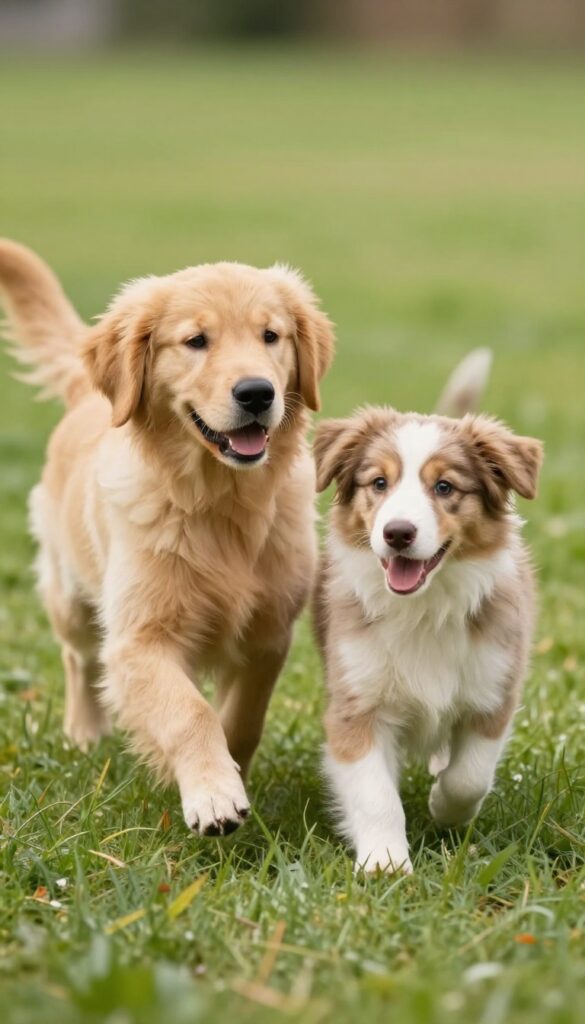
Socialization isn't just about meeting new people—it's also about learning how to interact with other dogs. Puppies need to understand doggy etiquette, like reading body language and knowing when to back off. This lesson focuses on setting up positive playdates and stepping in when things get too rowdy.
Polite play is a skill your puppy learns through practice and guidance. By exposing them to well-mannered dogs in controlled settings, you're teaching them how to communicate, share, and respect boundaries. This not only prevents roughhousing but also builds their confidence and social skills.
Start With Calm, Balanced Dogs
Choose playmates that are known for their gentle, patient demeanor. A calm adult dog can model appropriate behavior and help your puppy learn the ropes. Avoid overly excitable or aggressive dogs, as they can overwhelm a young pup and create negative associations.
Watch For Good Body Language
Learn to read canine cues: a relaxed body, soft eyes, and a wagging tail are good signs. Play bows, bouncy movements, and taking turns chasing are healthy. If you see stiff postures, growling, or one dog constantly pinning the other, it's time to intervene.
Intervene Before It Escalates
Don't wait for a scuffle to break out. If play gets too intense or one dog seems uncomfortable, call a timeout. Separate them for a few seconds to let them calm down, then let them resume.
This teaches your puppy that polite play continues, while rough play ends.
Keep Sessions Short And Positive
Puppies have short attention spans and can get overstimulated quickly. Limit playdates to 15-20 minutes and always end on a high note. Frequent, short sessions are better than one long, exhausting one.
Reward calm behavior with treats and praise.
FAQ
At what age should I start obedience training with my puppy?
You can start basic training as soon as you bring your puppy home, usually around 8 weeks old. Puppies are like sponges and can learn simple commands like 'sit' and 'come' early. Keep sessions short and fun to hold their attention.
How long should each training session last?
Puppies have short attention spans, so aim for 5-10 minutes per session, a few times a day. Focus on one or two skills per session to avoid overwhelming them. Always end on a positive note with a reward.
What treats are best for training?
Use small, soft treats that are easy to chew and highly motivating, like tiny pieces of chicken, cheese, or commercial training treats. The key is to keep them low-calorie and irresistible to your pup.
How do I stop my puppy from jumping on people?
Teach your puppy to sit when greeting people. Ignore jumping and only give attention when all four paws are on the ground. Ask visitors to do the same, and reward calm behavior consistently.
What should I do if my puppy ignores me during training?
If your puppy is distracted, move to a quieter area or lower the difficulty. Use higher-value treats and make sure you have their attention before giving a command. Keep training sessions upbeat and short.
Conclusion
Polite habits don’t happen overnight, but every small lesson you practice with your puppy adds up. Pick two or three from this list that fit your daily routine, and stick with them until they feel automatic. You’ll notice calmer greetings, easier walks, and fewer interruptions before you know it.
Consistency beats perfection, so keep sessions short and upbeat. Your puppy is learning how to live with you, and each clear cue builds trust. Start today, and those good manners will become second nature for both of you.

I’m Pallab Kishore, the owner of Little Pets Realm — an animal lover and pet care enthusiast sharing easy tips, healthy recipes, and honest advice to help every small pet live a happy, healthy, tail-wagging life.