
Last updated on August 19th, 2026 at 04:14 pm
A puppy that can hold a stay for a few seconds is nice, but one that can hold it through an open door or a dropped treat is a game-changer. That kind of self-control doesn't happen overnight—it's built through short, focused exercises that fit into your daily rhythm.
These 13 stay drills turn ordinary moments into training wins, from mealtime to doorway chaos. Each one is simple to set up, uses things you already have, and moves at your pup's pace.
Ready to trade the frantic chasing for a calm, steady companion? Let's get started.
1. Start with a Solid Sit-Stay
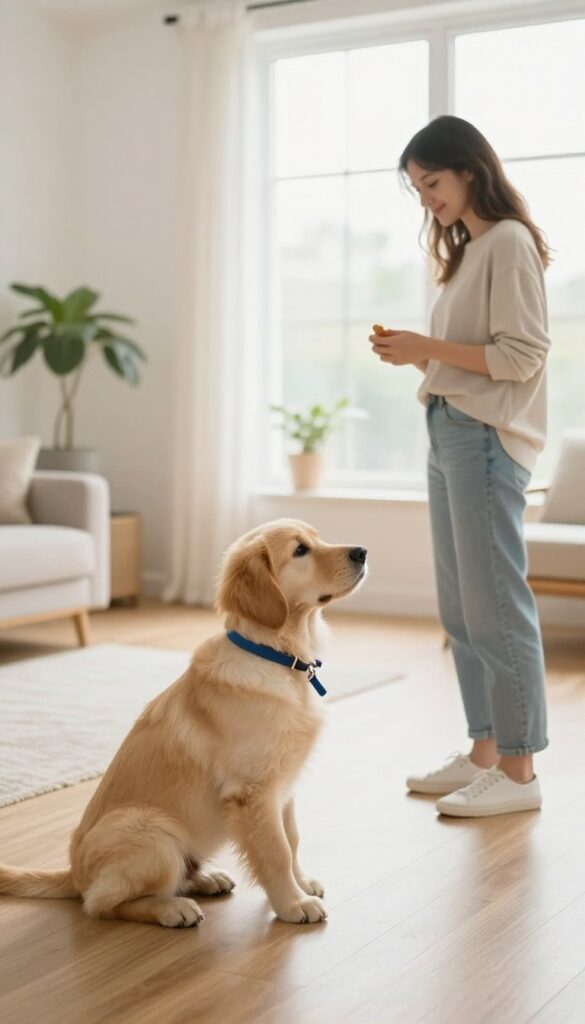
The sit-stay is the foundation of every other stay exercise, and it's the perfect starting point for building your puppy's self-control. Before you ask for a stay, make sure your pup can sit reliably on cue—then you can start adding duration and distance. This drill is simple, but it's the one you'll come back to again and again.
Begin with your puppy on a leash, standing in front of them. Ask for a sit, then say your release word (like "free" or "okay") and toss a treat a few feet away. This teaches your pup that the release word means the stay is over, and they can move.
Repeat this a few times so your puppy starts to understand the pattern. Once your pup is comfortable with that, start adding a short pause between the sit and the release. Say "stay" in a calm, firm voice, then wait one second before releasing.
Gradually increase the pause to two, three, then five seconds. Keep the sessions short—just a few minutes at a time—so your puppy stays engaged and successful.
Using A Release Word
Pick a release word that you'll use every time, and make it sound happy and distinct. Say it once, then encourage your puppy to break the stay with a treat or a toy. Consistency is key—use that same word every single time so your puppy learns that the stay ends only when they hear it.
Adding Duration Gradually
Start with just one second, then two, then three. If your puppy breaks early, don't scold—just calmly put them back into a sit and try again with a shorter duration. The goal is to set them up for success, not to test their limits.
Over a few days, you can work up to ten or fifteen seconds.
Common Mistakes To Avoid
One common mistake is repeating "stay" over and over. That teaches your puppy to ignore the cue. Instead, say it once and then wait.
Another is releasing too quickly—if you release before your puppy has a chance to break, they don't learn to hold the stay. Also, avoid using a treat as a lure during the stay; that can turn into a game of chase.
2. Add Duration with the 3-Second Rule
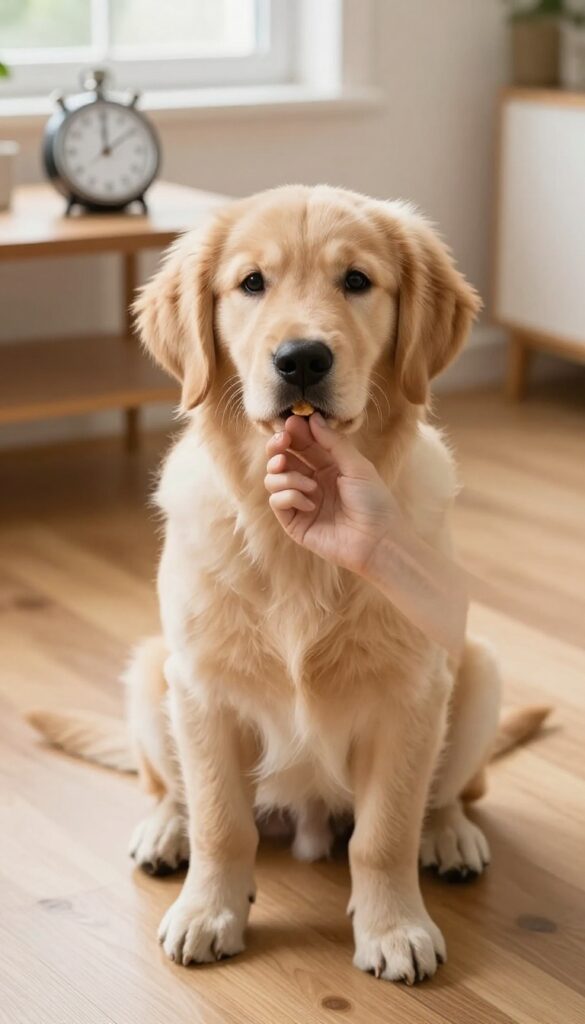
Once your puppy can nail a stay for a few seconds, it's tempting to push for more. But rushing duration often backfires, turning a confident stay into a wiggly mess. The 3-Second Rule keeps progress steady and frustration low, so your pup learns that staying put is always a winning choice.
The 3-Second Rule is simple: increase the stay duration by just three seconds at a time. That tiny jump is enough to challenge your pup without overwhelming them. You're not just counting seconds—you're building a habit of success that makes longer stays feel natural.
Why Three Seconds Works
Three seconds is a small enough step that your puppy barely notices the change, but it's still a real increase. This keeps the success rate high, which is crucial for building confidence. When your pup succeeds repeatedly, they learn that staying put is easy and rewarding, making them more willing to try longer stays later.
How To Apply The Rule
Start with a stay your pup can hold reliably for about 5 seconds. Then, add three seconds and practice that new duration several times until it feels solid. Once your pup nails it consistently, add another three seconds.
Keep sessions short and fun—maybe five to ten repetitions per session—and always end on a high note.
Reading Your Puppy's Signals
Watch for signs that you're pushing too fast, like breaking the stay, fidgeting, or looking away. If that happens, drop back to the last successful duration and practice there for a few more reps. The goal is to stretch their patience gradually, not to test their limits.
Celebrate every success with a calm 'yes' and a treat.
3. Introduce Distance, One Step at a Time
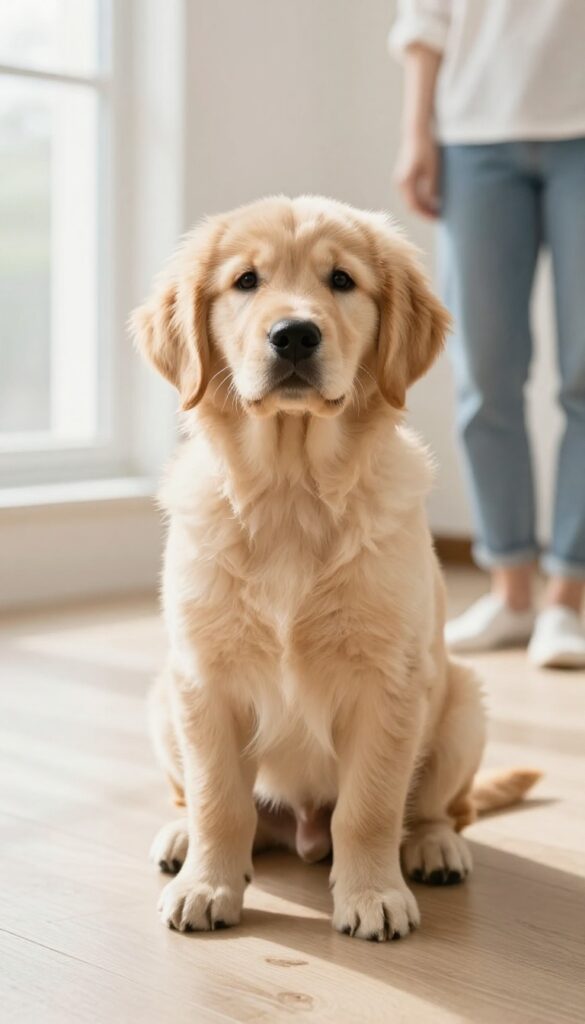
Once your puppy can hold a stay while you're right next to them, it's time to add a little space. But don't rush it. Distance is a big challenge for a young dog, and moving too fast can undo all the progress you've made.
The trick is to add one step at a time, rewarding generously before your pup even thinks about moving.
This exercise is all about building trust and clarity. Your puppy needs to understand that staying put is always the right choice, even when you're not right beside them. By increasing distance slowly, you're teaching them that your return is the reward, not the escape from the stay.
Start With One Step
Begin with your puppy in a sit-stay. Take a single step back, then immediately return to them and reward. Do this several times until they're confident and relaxed.
If they move, you've moved too far too fast—simply go back to zero distance and try again.
Add A Step At A Time
Once one step is solid, try two, then three, and so on. The key is to keep the session short and sweet. If your puppy breaks, calmly reset and take a step back.
Remember, you're not testing them—you're teaching them. Each successful repetition builds their understanding.
Reward Before They Break
The secret to building distance is to return to your puppy before they decide to move. Watch for subtle signs like shifting weight or glancing away. Return and reward just before that happens.
This way, your puppy learns that staying still leads to good things, and breaking never does.
4. Use a Target Mat for a Defined Stay
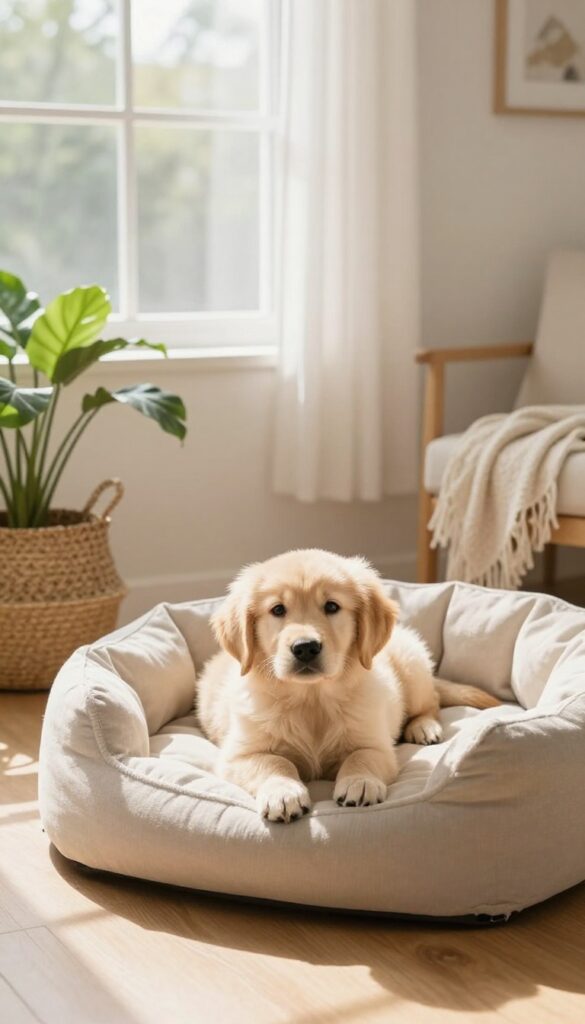
A mat gives your puppy a clear, visual boundary for their stay. Instead of guessing where "here" means, they learn that the mat is their spot. This makes the stay more concrete and easier to reinforce, especially in busy homes.
Start by teaching your puppy to go to their mat and lie down. Use a treat to lure them onto it, then reward. Once they're comfortable, add the cue "mat" as they step on.
Then, gradually add distance and duration, always returning to reward them on the mat.
Why A Mat Works
A mat gives your puppy a clear, visual boundary for their stay. Instead of guessing where "here" means, they learn that the mat is their spot. This makes the stay more concrete and easier to reinforce, especially in busy homes.
How To Introduce The Mat
Start by teaching your puppy to go to their mat and lie down. Use a treat to lure them onto it, then reward. Once they're comfortable, add the cue "mat" as they step on.
Then, gradually add distance and duration, always returning to reward them on the mat.
Adding Distractions
Once your puppy is solid on the mat, start adding mild distractions while they stay. Drop a toy nearby, walk around them, or open the fridge. If they break, calmly guide them back and reset.
The mat helps them understand that the stay is tied to the spot, not just your presence.
5. Practice the Wait at Doorways
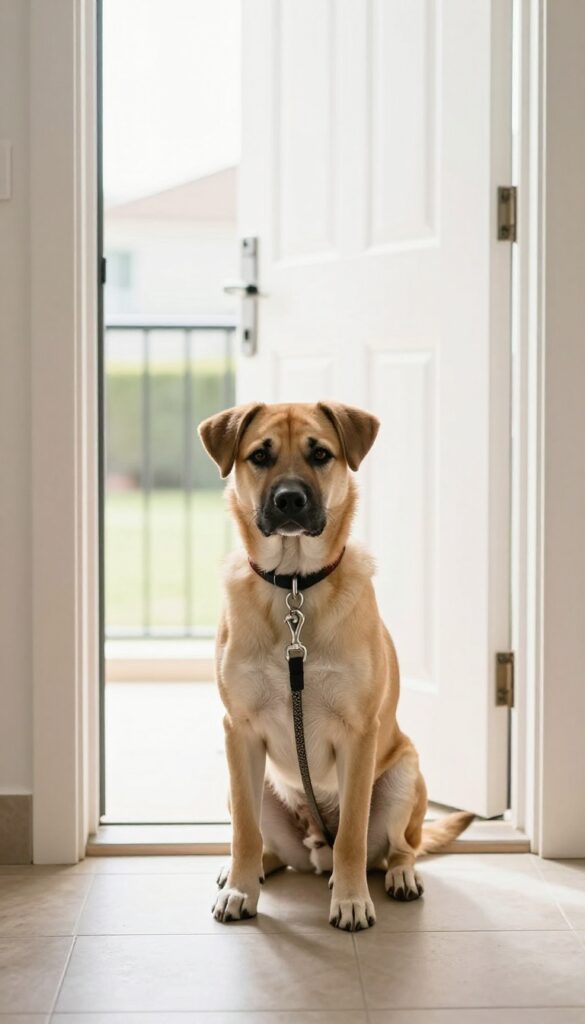
Doorways are prime spots for puppies to bolt, whether it's the front door, the car door, or the gate to the backyard. Teaching a stay at these thresholds gives your pup a clear rule: the door opens only when they're calm and waiting. This simple drill turns a risky habit into a reliable moment of self-control.
Start with the door closed and your pup on a leash. Ask for a sit or down, then give the stay cue. Reach for the handle, but if your pup moves, close the door and reset.
Repeat until they hold still while you touch the handle. Then open the door just a crack, still rewarding stillness. Gradually increase the opening width and the time before you release them.
Use a release word like 'okay' so your pup knows when it's safe to move. This builds a strong association: door open doesn't mean go—it means wait for the cue.
Start Small With The Front Door
The front door is the biggest trigger for bolting. Begin with the door closed and your pup on a leash. Ask for a stay, then touch the handle.
If they move, calmly close the door and reset. Once they're solid with that, open the door an inch, then a foot, then all the way. Reward calm behavior with treats and praise.
The key is to keep sessions short and end on a success.
Add Distractions Gradually
Once your pup can wait with the door open, add distractions. Have a friend walk by outside, or toss a toy past the doorway. If your pup breaks the stay, close the door and try again.
The goal is to teach them that even with exciting things happening, the stay still holds. This builds real-world self-control.
Use The Car Door For Safety
Car doors are another common escape route. Practice the same wait at the car door, with your pup on a leash. Open the door slowly, and reward them for staying put.
This is crucial for safety—it prevents them from jumping out into traffic or a parking lot. Once they're reliable, you can let them out with the release word.
6. Incorporate Food Rewards Strategically
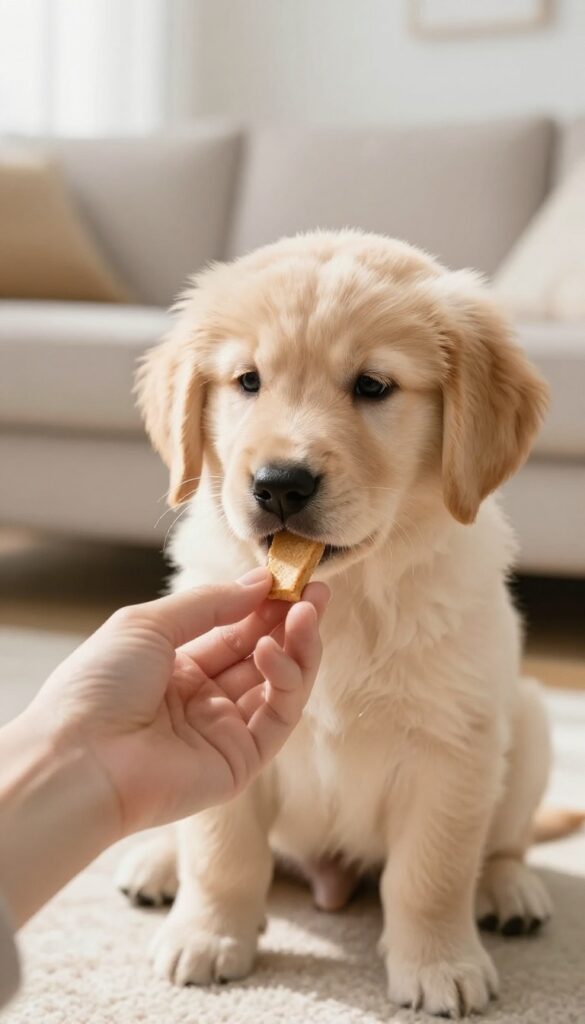
Treats are powerful tools, but they can become crutches if you're not careful. The goal is a puppy who stays because you asked, not because they're staring at a snack. Strategic use of food rewards makes that happen.
Start by using high-value treats—small, smelly, and irresistible—to make longer stays worth your puppy's effort. Reward generously at first, then gradually shift to a random schedule where treats come less often and praise or play fill the gaps. This keeps your puppy guessing and engaged without turning every stay into a negotiation.
Start With High-value Treats
When you're asking for a longer stay, break out the good stuff. Tiny bits of chicken, cheese, or liverwurst tell your puppy, 'This is worth holding still for. ' Use these only for challenging stays, not for every sit. That way, they stay special and motivating.
Fade Treats Gradually
Once your puppy can hold a stay for several seconds, start skipping treats randomly. Reward every other rep, then every third, then occasionally. Mix in enthusiastic praise and a quick game of tug as rewards.
The key is to make the reward unpredictable, not absent—your puppy learns that good things happen even when they can't predict exactly when.
Use Treats To Shape Longer Stays
Instead of luring your puppy into a stay, use treats to reinforce the behavior you want. Toss a treat while they're holding still, then ask for more. You can also place a treat on the floor just out of reach and reward them for not diving for it.
This teaches impulse control, not just following the treat.
7. Add Movement Around Your Pup
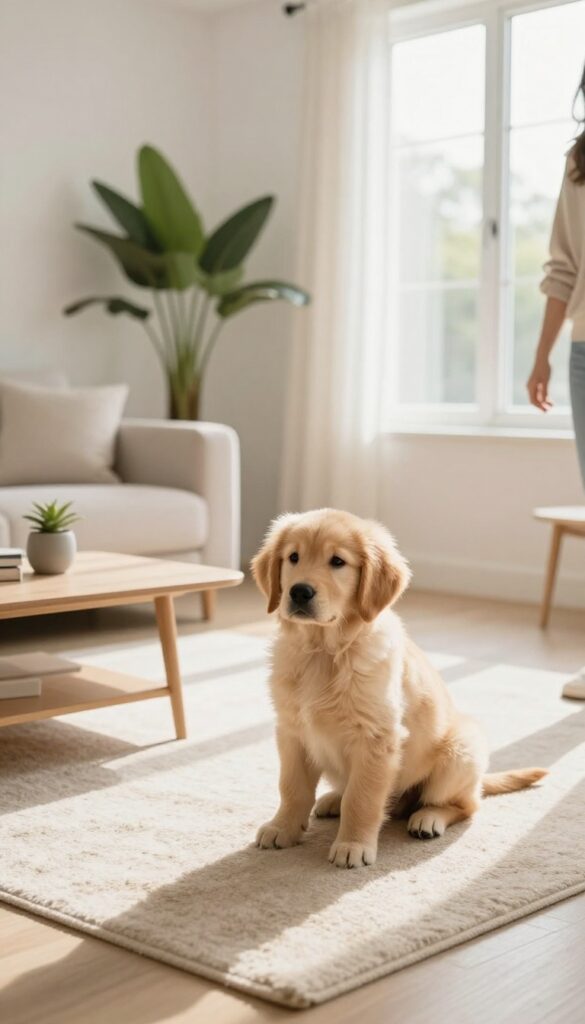
Walking around your puppy while they hold a stay is a big step. It teaches them that staying still matters even when you're not right next to them. This builds real-world self-control, like when you're carrying groceries or moving around the house.
Start by having your puppy stay in a familiar spot. Then, take a small step to the side. If they hold, return and reward.
Gradually increase your movement—walk a few steps, circle around them, or step out of sight briefly. Keep sessions short and upbeat.
Start With Small Steps
Begin with a simple stay. Move just one step to the side and return. Reward your puppy for holding.
Repeat this a few times. This builds confidence and shows them that staying still is worth it.
Add Circles And Patterns
Once your puppy is comfortable with a step or two, try walking in a small circle around them. Keep your movements slow and predictable. If they break, reset and try again with a shorter distance.
The goal is to help them focus on the stay, not your feet.
Increase Distance Gradually
As your puppy gets better, move farther away or step out of their line of sight for a second or two. This teaches them that stay means stay, even if you're not visible. Always return to reward them for holding.
This builds trust and reliability.
8. Introduce Mild Distractions
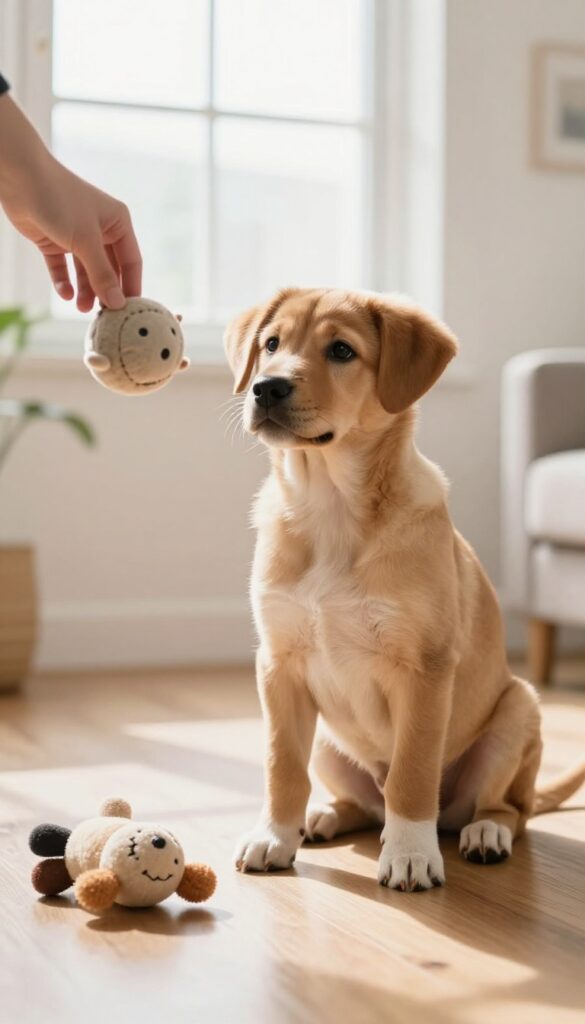
Your puppy has mastered the basics of stay when it's quiet and boring. Now it's time to make things interesting. Adding distractions gradually teaches your pup to focus on you, not the chaos around them.
Start small and build up, so your puppy learns that stay means stay, no matter what.
Start with easy distractions like a toy or a clap, then build up to more challenging ones. The key is to set your puppy up for success by keeping distractions mild at first. You want your pup to win more often than they fail, so they build confidence and trust in the command.
Start With Something Simple
Begin by having your puppy hold a stay while you toss a soft toy a few feet away. Don't throw it too close or too far—just enough to catch their eye. If they break, calmly reset them and try again.
Reward them for holding, even if it's just for a second. This teaches them that staying put is more rewarding than chasing.
Add A Sound Cue
Once they're solid with a toy, add a sound like a clap or a whistle. Keep it short and not too startling. The goal is to get them used to unexpected noises without losing their position.
If they flinch but stay, praise them warmly. If they break, no big deal—just try again. Over time, they'll learn that sounds are just background noise.
Gradually Increase The Challenge
As your puppy gets better, make the distractions more tempting. Roll a ball past them, drop a treat on the floor, or have a family member walk by. Always keep the difficulty level just right—challenging but not impossible.
If they're struggling, take a step back and simplify. Consistency and patience are your best tools here.
9. Practice Stay During Mealtimes
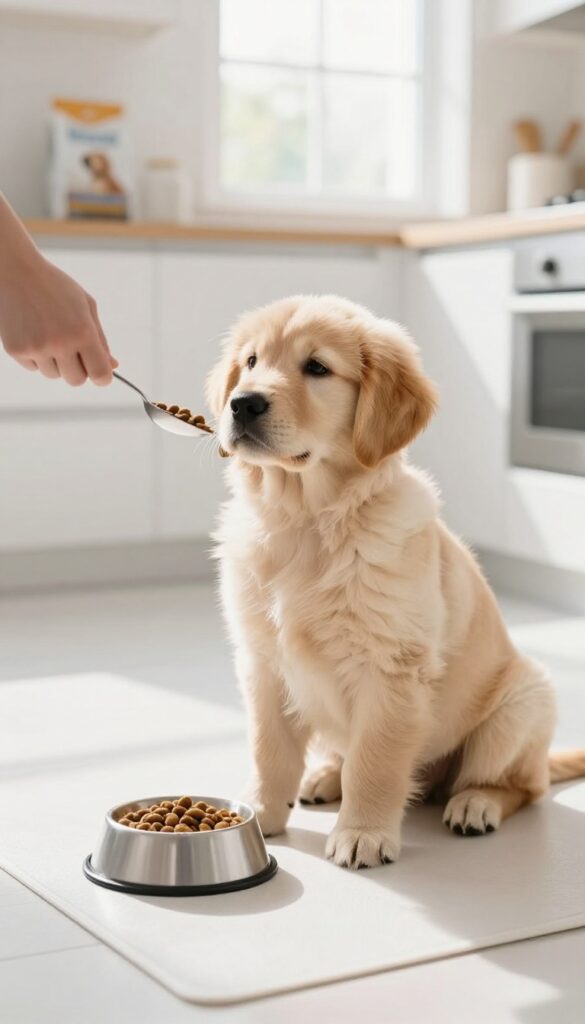
Mealtime is a built-in training opportunity hiding in plain sight. Your puppy already gets excited the second they hear the kibble bag crinkle, so why not turn that anticipation into a focused stay? This exercise teaches them that patience pays off, literally, with a bowl of food.
Start with your puppy on a leash or in a designated spot, like their mat. Ask for a stay, then begin preparing their meal—scooping food, adding water, maybe a topper. If they break, calmly reset them and try again.
Keep sessions short and always end on a success, even if that means going back to an easier step.
Start Small With The Bowl
Begin by having your puppy stay while you simply place the bowl on the floor a few feet away. Release them with a cue like "okay" or "free" before they can lunge. This builds the foundation: they learn that the bowl appears only when they're calm.
Add Movement And Duration
Once your pup nails the basic setup, increase the challenge. Carry the bowl around the room, set it down, pick it up again, and only release them when you're ready. Gradually extend the time they hold the stay, from a few seconds to a full minute or more.
Turn It Into A Daily Ritual
Consistency is key. Use this exercise at every meal, not just when you feel like training. The repetition reinforces that staying calm around food is the norm, not a special occasion.
Over time, your puppy will automatically offer a sit or down when they see you with their bowl.
10. Use the Stay for Grooming and Handling
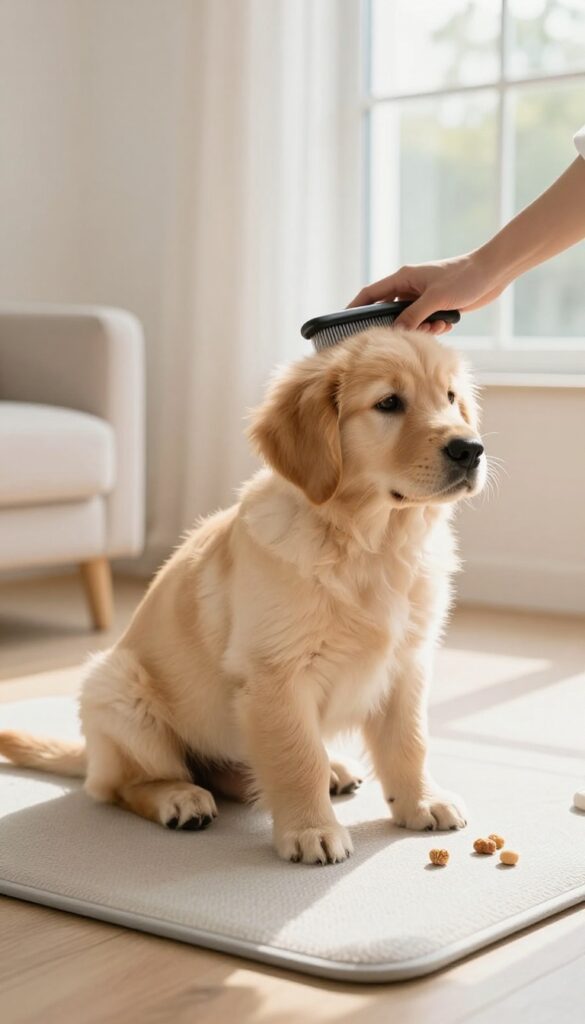
Grooming sessions can turn into wrestling matches if your puppy isn't on board. A stay turns brushing, nail trims, and ear checks into calm, cooperative moments. Instead of pinning your pup down, you teach them that staying put means good things happen.
Start by having your puppy hold a stay while you brush a few strokes, then release and reward. Work up to longer sessions, and always pair the stay with treats and a calm voice. For nail trims, have your pup stay while you handle a paw, clip one nail, then reward.
If your puppy breaks, simply reset and try again with a shorter goal. Over time, your puppy learns that staying still during grooming leads to treats and praise, making the whole experience less stressful for both of you.
Start With Short, Positive Sessions
Keep grooming sessions brief and upbeat. Have your puppy stay for just a few seconds while you brush their back, then release with a treat. Gradually extend the time and add gentle handling of paws, ears, and tail.
Always end on a positive note so your puppy associates grooming with good things.
Use High-value Rewards
For grooming, use extra-special treats like small pieces of chicken or cheese. This makes the stay more rewarding than the urge to squirm. Hold the treat near your puppy's nose to keep their focus, and reward frequently during the process.
Practice Handling Between Grooming Days
Don't wait for grooming day to practice. Spend a few minutes each day touching your puppy's paws, ears, and mouth while they hold a stay. This builds tolerance and makes real grooming sessions easier.
Pair each touch with a treat to keep it positive.
11. Try the Stay with a Friend or Family Member
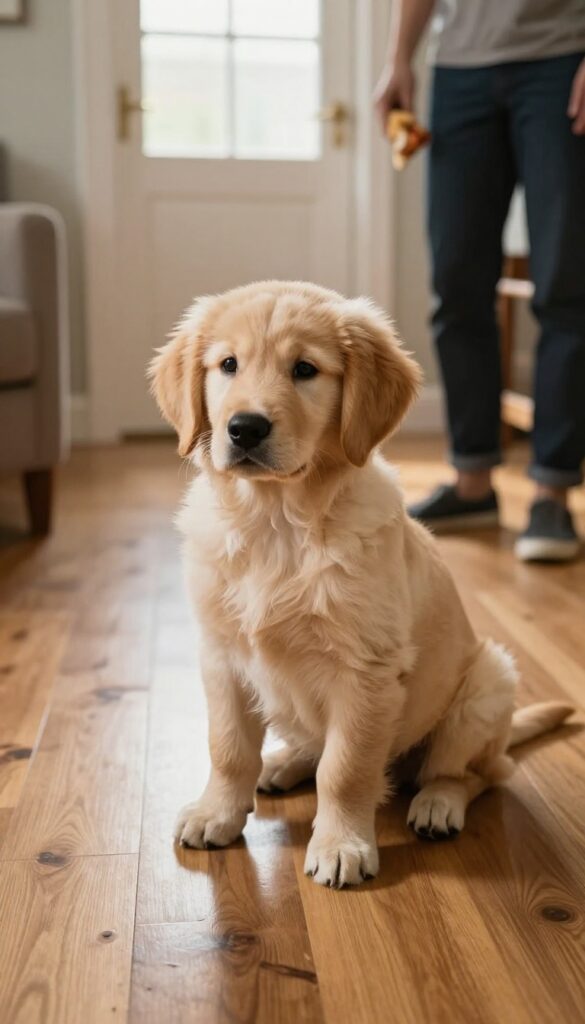
Training with a helper changes the game. When your puppy learns to stay with someone else around, they're not just practicing obedience—they're practicing self-control in real life. A friend or family member can create distractions that you can't, like knocking on the door or calling your pup's name.
Enlist a helper to create controlled distractions, like knocking or calling your pup's name. This exercise teaches your puppy to stay focused on you even when the world gets interesting. Start with mild distractions and build up gradually.
Set Up For Success
Choose a quiet room with minimal distractions for the first session. Have your helper stand at a distance, then gradually move closer as your puppy gets better. Keep the helper's actions predictable at first—just standing there—before adding sounds or movements.
Add Distractions Slowly
Once your puppy can stay with a helper nearby, introduce small distractions. Have the helper knock on a door, call your puppy's name, or toss a toy gently. Reward your puppy for holding the stay, and if they break, calmly reset and try again with less intensity.
Make It A Game
Turn this into a fun challenge. Have your helper try to lure your puppy with a treat or a favorite toy. Your puppy learns that staying with you is more rewarding than chasing after the distraction.
Keep sessions short and end on a positive note.
12. Practice Stay in Public Spaces
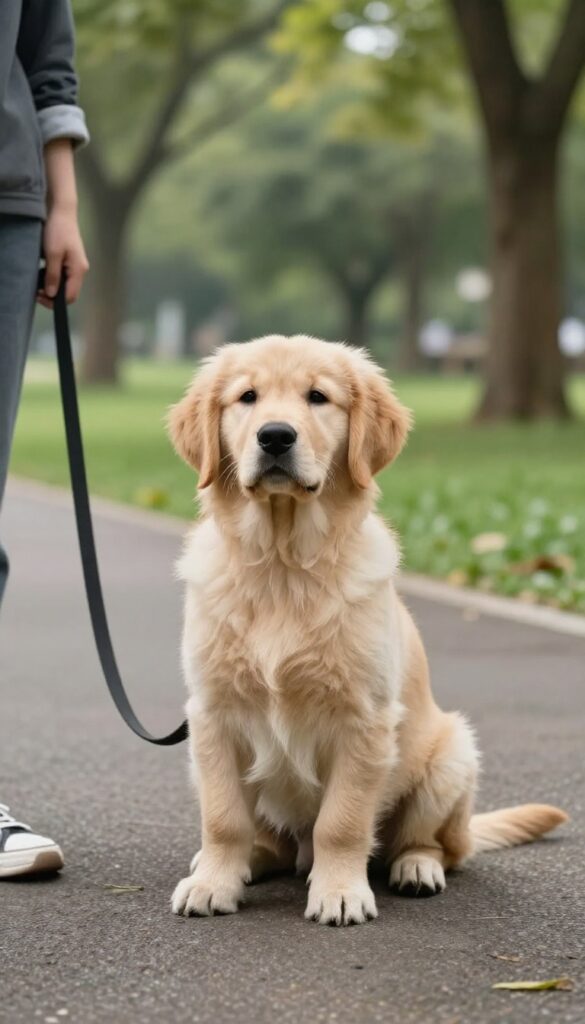
Once your puppy can hold a stay at home, it's time to take the show on the road. Practicing in public spaces teaches your pup to focus on you even when there are new smells, sounds, and moving distractions. It's a big step toward real-world self-control.
Start in a quiet park or a sidewalk with minimal foot traffic. Keep sessions short and rewarding, and gradually increase the level of distraction as your puppy succeeds. This builds a rock-solid stay that works anywhere.
Start Small And Close
Begin in a low-distraction area, like a quiet corner of a park. Use a high-value treat and keep your puppy on a leash. Ask for a stay for just a few seconds, then release and reward.
This sets your puppy up for success and builds confidence.
Add Real-world Distractions
Once your puppy is solid in a quiet spot, move to a busier area. Have a friend walk by, or let a dog appear in the distance. If your puppy breaks the stay, that's okay—just reset and try again.
The key is to reward the moments of focus.
Use A Long Line For Safety
When practicing in open spaces, a long training leash gives your puppy freedom while keeping them safe. Let the leash drag so you can step on it if they bolt. This way, you can work on longer stays without risking a runaway.
End On A Positive Note
Always finish your public practice session with an easy win. Ask for a short stay, release, and play a quick game. This leaves your puppy feeling successful and eager to train again next time.
13. End with a Fun Release Game
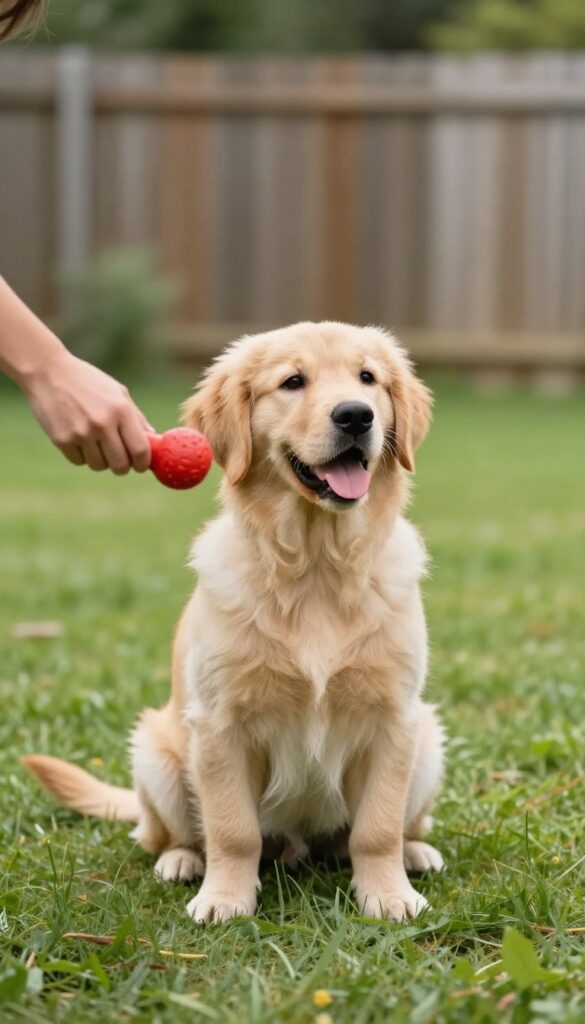
The release from stay is just as important as the stay itself. If your puppy thinks 'free' means the fun is over, they'll hesitate to hold still. But when release becomes a game, they'll actually look forward to the whole routine.
Turn the release cue into a celebration your puppy can't wait to hear. Instead of a boring 'okay, ' make it the start of something exciting—like a chase, a tug session, or a treat toss. This builds positive association and keeps your puppy eager to comply.
Make Release The Starting Gun
Use a word like 'free' or 'break' and immediately follow it with a high-energy game. For example, toss a treat a few feet away and say 'go get it! ' in a happy voice. This teaches your puppy that staying still leads to fun, not just permission to move.
Vary The Reward
Keep the release exciting by switching up what happens after. Sometimes it's a treat toss, other times a quick game of tug or a sprint to a toy. The unpredictability keeps your puppy guessing and more engaged in the stay.
Use Release As A Training Tool
You can also use the release game to practice recall. Have a helper hold your puppy in a stay, then call them with a happy voice and reward with a game. This reinforces both stay and come, turning a simple drill into a two-for-one training win.
FAQ
How long should a puppy stay?
Puppies have short attention spans, so start with just a few seconds and gradually increase. A good rule is one second per week of age, but always keep sessions short and positive.
What if my puppy breaks the stay?
If your puppy breaks, calmly reset them and try again with a shorter duration or less distance. Never punish—just make it easier and reward success.
When should I start teaching stay?
You can start as soon as your puppy knows 'sit' and 'down', usually around 8-10 weeks. Keep training sessions brief and fun.
How do I teach my puppy to stay without treats?
Gradually reduce treat frequency, but keep using praise and play as rewards. Use a variable schedule so your puppy never knows when a treat will come.
Can stay help with separation anxiety?
Stay can build confidence and independence, but it's not a cure for separation anxiety. Consult a professional if your puppy shows signs of distress when left alone.
Conclusion
Self-control isn't built in a day, but every stay exercise you practice chips away at that puppy impulsiveness. Pick two or three moves from this list and weave them into your daily rhythm—you'll see calmer greetings and steadier focus sooner than you think. The real win is the trust you're building, one tiny pause at a time.
Keep sessions short, celebrate the wiggly successes, and let consistency do the heavy lifting. Your pup is learning that patience pays off, and that lesson sticks for life.

I’m Pallab Kishore, the owner of Little Pets Realm — an animal lover and pet care enthusiast sharing easy tips, healthy recipes, and honest advice to help every small pet live a happy, healthy, tail-wagging life.