
Last updated on August 19th, 2026 at 04:14 pm
Teaching 'leave it' doesn't have to be a battle of wills. With a little creativity, you can turn this essential cue into a game your puppy actually looks forward to. The key is to start easy, keep sessions short, and always set your pup up for success.
These 15 practice games are designed for curious, energetic puppies and real-world budgets. You won't need fancy gear—just treats, toys, and a bit of patience. Each game targets a different aspect of self-control, from ignoring food on the floor to resisting the temptation of a squirrel.
Pick a few that fit your puppy's personality and current skill level. Remember, the goal isn't perfection overnight.
1. Treat Toss and Cover
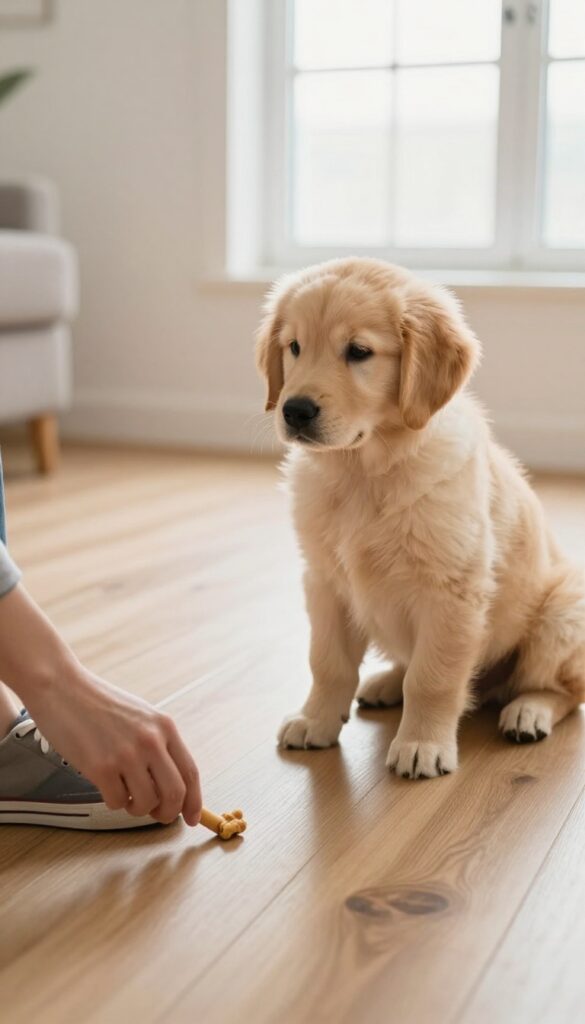
This first game is all about teaching your puppy that ignoring something tasty leads to something even better. It's a super simple setup that builds a strong foundation for the 'leave it' cue. You'll need two types of treats: low-value ones for the toss and high-value ones for the reward.
Start by tossing a low-value treat a few feet away from you. As soon as your puppy moves toward it, cover it with your foot. Wait for your puppy to stop trying to get it—even for a second.
The instant they pause, mark with a 'yes' or a click and reward them with a high-value treat from your hand. This teaches your puppy that leaving the covered treat alone earns them something better.
Why It Works
Puppies learn fast when they realize that ignoring one thing leads to a better reward. This game uses that principle. The low-value treat under your foot is the temptation, and the high-value treat in your hand is the payoff.
Your puppy quickly understands that giving up the covered treat is worth it.
Progression Tips
Once your puppy is consistently pausing when you cover the treat, start uncovering it and saying 'leave it' before they move. Then, gradually increase the challenge by tossing the treat a little closer or using a slightly higher-value temptation. Always keep sessions short and end on a high note.
Common Mistakes To Avoid
Don't let your puppy get the covered treat, even by accident. If they manage to snatch it, you're teaching them that persistence pays off. Also, avoid pulling your foot away too quickly—wait for that moment of calm.
And always use a clear marker so your puppy knows exactly when they've done the right thing.
2. The Hand Swap Game
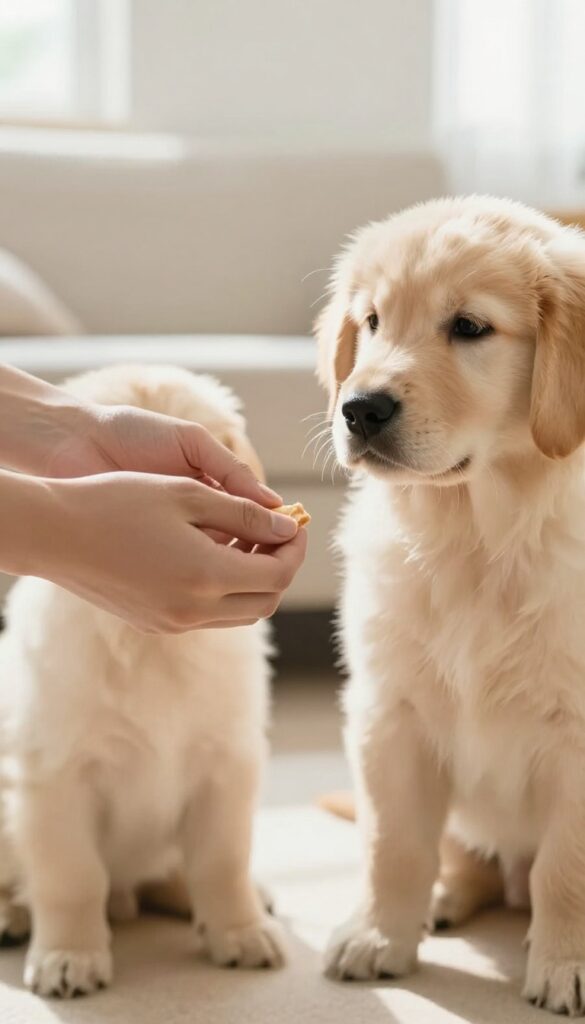
This one feels almost like a magic trick, and puppies love it. You’ll start with a treat in one hand and end up rewarding from the other, which teaches your pup that patience pays off. It’s a simple, low-stress way to build impulse control without any fancy setup.
Hold a treat in one closed fist and show it to your puppy. When they stop sniffing or pawing at it, mark and reward from the other hand. Gradually increase the time they must wait.
Why It Works
Your puppy learns that ignoring the treat in front of them leads to a reward from elsewhere. This builds the core 'leave it' skill: seeing something tempting, choosing not to go for it, and looking to you instead. The hand swap also teaches focus and patience in a tiny, manageable dose.
Step-by-step Setup
Start with a treat in your right fist, closed tight. Let your puppy sniff and paw at it. The moment they pull back or pause, say 'yes! ' and give them a treat from your left hand.
Repeat, slowly increasing the pause time before you reward. Keep sessions to 2-3 minutes, and always end on a success.
Troubleshooting Tips
If your puppy gets frustrated, make it easier by rewarding any brief pause. If they ignore the hand entirely, try a lower-value treat in the fist and a higher-value one for the reward. Keep your movements calm and predictable—sudden motions can amp up excitement and make waiting harder.
3. Puppy Ping-Pong
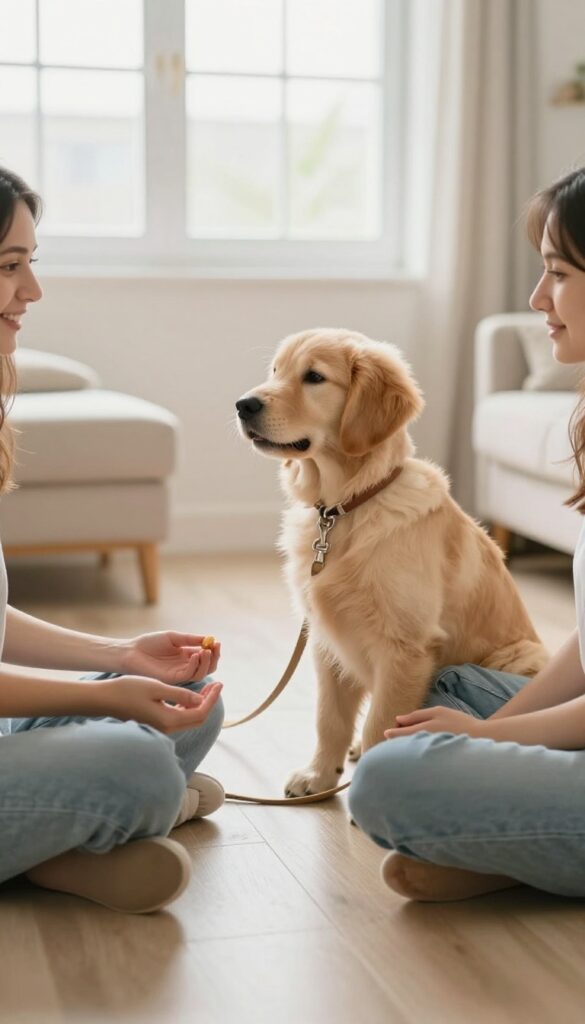
This game turns leave it into a team sport, and it's perfect for puppies who love to chase. You and a partner will sit a few feet apart, tossing a treat back and forth while your pup learns to stay put. It's a great way to build impulse control in a fun, social setting.
Start by having two people sit facing each other on the floor, about 3-4 feet apart. Have your puppy on a leash or in a sit-stay between you. One person holds a treat, says 'leave it, ' and then gently tosses it to the other person.
The other person catches it, says 'leave it, ' and tosses it back. The goal is for your puppy to watch the treat fly but stay in place. Reward them with a different treat from your hand for staying calm.
Setting Up For Success
Choose a quiet room with no distractions. Have your puppy on a leash so you can prevent them from chasing. Start with a high-value treat that your puppy loves, but use a different, lower-value treat for rewards.
Keep the tosses low and gentle so they don't trigger a chase response.
Adding Movement
Once your puppy understands the basics, increase the distance between you and your partner. You can also toss the treat a little higher or with more arc. This raises the difficulty and tests your puppy's self-control.
Remember to always say 'leave it' before the toss, and reward them for staying.
Turning It Into A Game
To keep things exciting, try varying the rhythm. Sometimes toss quickly, sometimes pause for a few seconds. You can also have your partner call your puppy's name and reward them for coming when called instead of chasing the tossed treat.
This adds a recall element and makes the game more dynamic.
4. The Forbidden Toy
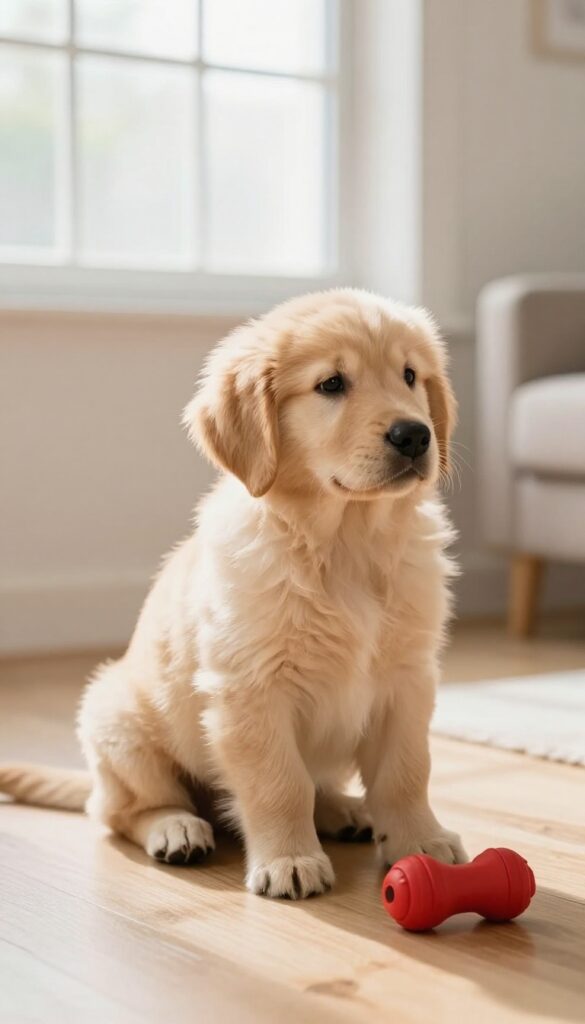
Some toys are just too tempting. The Forbidden Toy game uses your puppy's absolute favorite plaything to teach real impulse control. It's perfect for pups who already know the basics and need a bigger challenge.
Start with your puppy on a leash or in a quiet room. Hold their favorite toy in your hand, say 'leave it' in a calm voice, and wait. The moment they look away or stop trying to grab it, mark with a 'yes' and reward with a different toy or a high-value treat.
This teaches that ignoring the forbidden item leads to something even better.
Why High-value Items Work
The more your puppy wants something, the more powerful the lesson. Using their top toy makes the game challenging but rewarding. It builds a strong 'leave it' that holds up when it really matters.
Step-by-step Setup
Pick a low-distraction area. Show the toy, say 'leave it, ' and keep it still. If they lunge, just cover it with your hand and wait.
Reward any moment of calm. Repeat until they can ignore it for a few seconds.
Adding Movement And Distance
Once your puppy is solid with a still toy, start moving it slowly or placing it on the floor. Increase distance and add slight motion. This mimics real-life temptations like a toy rolling under the couch.
Troubleshooting Common Slip-ups
If your puppy keeps grabbing the toy, you're moving too fast. Go back to an easier step and reward more often. Keep sessions short—five minutes max—and always end on a success.
5. Walk-by Temptation
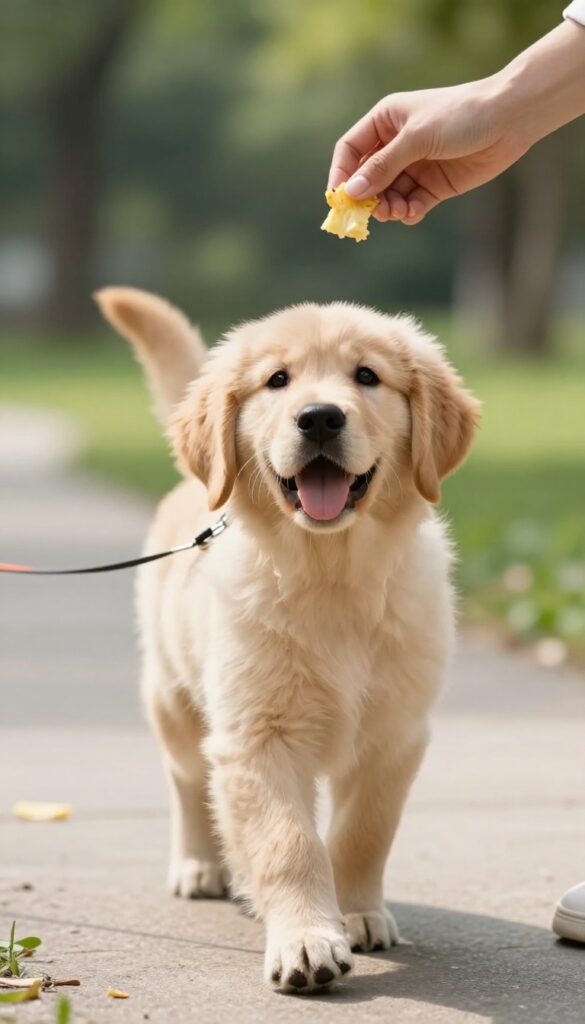
Real-world walks are full of distractions, and that’s exactly where your puppy needs to practice self-control. This game turns a routine stroll into a training session without making it feel like work. You’ll use the environment itself as the training tool, which keeps things interesting for both of you.
Start by choosing a low-distraction area for your walk, like a quiet sidewalk or park path. As you walk, keep an eye out for something your puppy would love to investigate—a dropped piece of food, a tempting leaf pile, or even a fascinating scent spot. When you spot it, stop at a comfortable distance where your puppy notices it but isn’t overly fixated.
Say 'leave it' in a cheerful tone, and the moment your puppy looks at you, mark and reward with a high-value treat. Then continue walking, and repeat as you find more opportunities. Over time, you can gradually decrease the distance between your puppy and the temptation, but always set them up for success by moving closer only when they’re consistently succeeding at the current distance.
Picking The Right Temptation
Not all distractions are equal. Start with something mildly interesting—like a piece of paper or a leaf—before moving to food or another dog. If your puppy is too focused on the item, you’re too close.
Back up until they can look away easily.
Timing Your Reward
The moment your puppy chooses to look at you is the golden second. Reward immediately with a treat and a happy 'yes! ' to reinforce the choice. If you wait too long, they might already be thinking about the temptation again.
Gradually Closing The Gap
Once your puppy is nailing the leave it at a distance, take one or two steps closer and try again. If they struggle, that’s a sign to take a step back. The goal is to build a solid foundation before testing closer proximity.
6. The Magic Cup Game
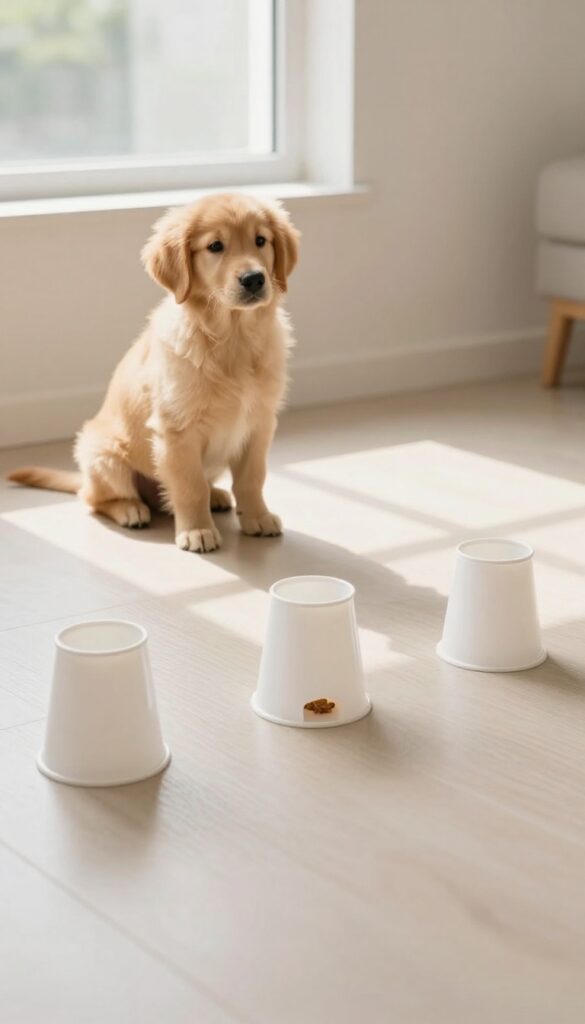
This game adds a little mystery to your training sessions, which is perfect for puppies who love to investigate. It's a simple twist on the classic shell game, but instead of hiding a ball, you're hiding a tasty reward. The goal is to teach your pup that backing off from the cup earns them the treat, not the other way around.
Start with three identical cups or small containers, turned upside down. Place a treat on the floor, let your puppy sniff it, then cover it with one of the cups. Say 'leave it' in a cheerful tone.
When your puppy pulls back or looks away, even for a second, lift the cup and let them have the treat. This builds the connection that ignoring the temptation leads to a reward.
Why It Works
The cup adds an element of surprise and problem-solving. Your puppy has to think about what's underneath, which keeps their brain engaged. It also gives you a clear moment to reward the 'leave it' behavior, making the lesson stick faster.
How To Make It Easier
If your puppy is struggling, start with just one cup and no treat underneath. Let them sniff the cup, then say 'leave it' and reward them for moving away. Gradually add the treat and more cups as they get the hang of it.
How To Make It Harder
Once your puppy is confident, try moving the cups around after hiding the treat. This adds a visual tracking challenge. You can also increase the time they need to hold the 'leave it' before you lift the cup, building their patience.
7. Treat Toss and Wait
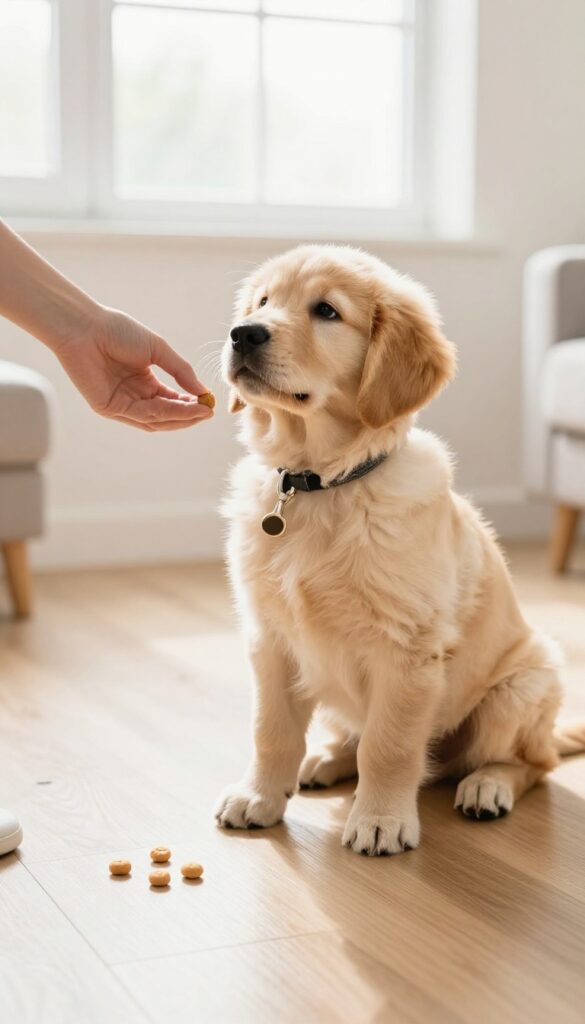
Sometimes the best way to teach patience is to make the reward move. This game uses your puppy's natural chase instinct, but turns it into a lesson in self-control. You'll toss a treat a short distance, then ask your pup to hold back until you give the go-ahead.
It's simple, but it builds a powerful habit of checking in with you before diving in.
Start with your puppy on a leash so you have control. Toss a treat just a few feet away—far enough to be tempting, but close enough that you can manage the situation. Say 'leave it' in a calm, firm voice.
Your puppy will likely strain toward the treat. That's okay. Wait for a moment of relaxation, even a brief one.
The instant they loosen the leash or glance back at you, mark it with a 'yes' or a click, and reward them with a different, high-value treat from your hand. Then release them to eat the tossed treat as the ultimate payoff. This sequence teaches your puppy that ignoring the tossed treat leads to something even better.
Why This Works
This game taps into your puppy's natural desire to chase, but it flips the script. Instead of grabbing the treat on impulse, they learn to pause and look to you for guidance. The leash gives you a gentle way to prevent mistakes, so your puppy succeeds more often than they fail.
Over time, the 'leave it' cue becomes a signal to check in, not a source of frustration.
Setting Up For Success
Choose a low-distraction area, like your living room or a quiet backyard. Use treats that are extra special—small pieces of chicken or cheese work well. Keep sessions short, just a few minutes at a time.
If your puppy is struggling, toss the treat closer or use a less tempting item. The goal is to build confidence, not to test their limits.
Adding Challenge Gradually
Once your puppy reliably waits on the leash, try dropping the leash or moving to a slightly more distracting spot. You can also increase the distance of the toss or use a toy instead of a treat. Always keep the game fun and end on a positive note.
If your puppy breaks the stay, calmly reel them in and try again with a shorter distance.
8. The Drop Zone
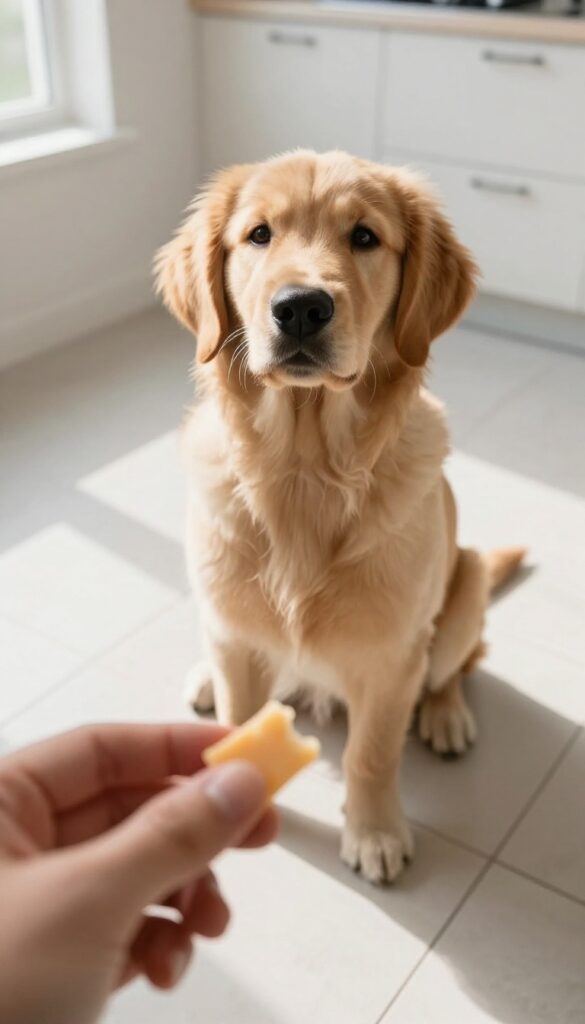
Accidental drops happen all the time—a piece of chicken slips off your plate, a treat falls from your pocket, or a snack tumbles out of the grocery bag. Instead of letting those moments become a free-for-all, turn them into a training opportunity. The Drop Zone game uses real-life spills to teach your puppy that 'leave it' means good things come from you, not from the floor.
Start by standing or sitting near your puppy with a treat in your hand. Say 'leave it' in a cheerful tone, then deliberately drop the treat a few feet away. The moment your puppy hesitates or looks back at you, mark it with a 'yes' and reward them with a different, even better treat from your hand.
This teaches them that ignoring the dropped item earns a higher-value reward.
Why It Works
Puppies are naturally drawn to things that fall—it’s a movement trigger. By pairing the word 'leave it' with the drop, you’re teaching them to pause before reacting. The reward for not diving is always better than the dropped treat itself, so your puppy learns that self-control pays off.
Level Up The Challenge
Once your puppy gets the hang of it with one treat, try dropping a small handful or a piece of something extra smelly, like cheese or hot dog. You can also drop treats while walking, so they learn to ignore spills even when they’re moving. Just keep sessions short and always end on a success.
Real-life Practice
The best part of The Drop Zone is that it mimics everyday accidents. Practice in the kitchen while you’re cooking, or in the living room while you’re snacking. When a real drop happens, you’ll be ready to turn it into a quick training moment instead of a scramble to keep your puppy from gobbling up something they shouldn’t.
9. The Food Bowl Shuffle
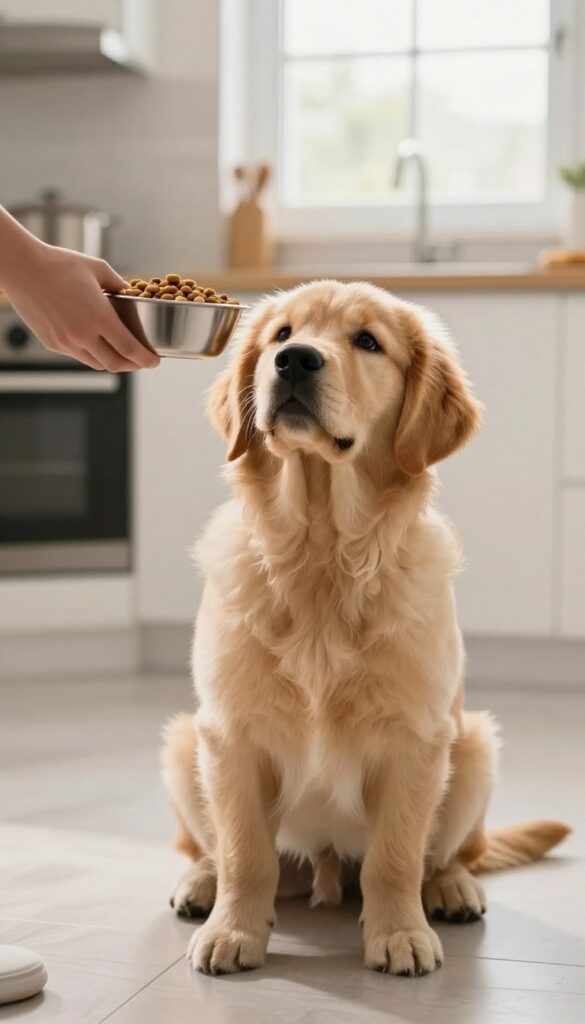
Mealtime is prime training ground, and this game turns your puppy's dinner into a lesson in patience. Instead of just plopping the bowl down, you'll add a little suspense that pays off big. Your pup will learn that waiting calmly leads to the best reward—their food.
Start with your puppy on a leash or just a few feet away. Hold their food bowl at their level, say 'leave it' in a cheerful tone, and wait for them to stop trying to grab it. The second they back off or look at you, mark it with a 'yes' or click, then release them to eat.
Keep the first few tries short so they catch on fast.
Start Simple
Begin with the bowl on the floor, but keep your hand over it or hold the leash gently. Say 'leave it' and reward any pause with a treat from your other hand. Then let them eat.
This builds the connection between waiting and getting something good.
Add Distance
Once your puppy gets the hang of it, set the bowl down and step back a few feet. Use the same cue and reward them for staying put. Gradually increase the distance and the time they wait before you give the release word.
Mix It Up
To keep things interesting, sometimes place the bowl down and walk away, or have a family member hold the leash. You can also practice with a treat-filled toy or a favorite snack. The goal is to generalize the skill so it works in any situation.
10. The Squirrel Watch
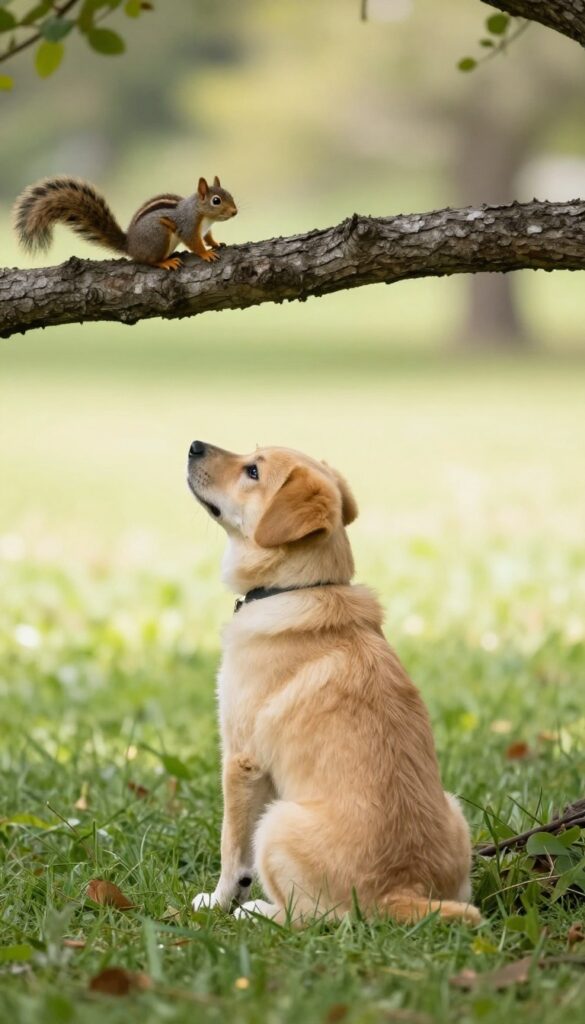
Squirrels are nature's ultimate distraction for puppies. One flash of a bushy tail and your pup's brain switches to chase mode. Instead of fighting that instinct, use it as a training opportunity.
The Squirrel Watch turns real-life wildlife into a controlled lesson in self-control. You'll teach your puppy that ignoring the critter earns something even better—your attention and a tasty reward.
Start by finding a spot where your puppy can see a squirrel or bird from a safe distance. You want them to notice the distraction but not be so excited that they can't think. As soon as your puppy looks at the animal, say 'leave it' in a calm, happy voice.
The moment they glance back at you, mark it with a 'yes' and give them a high-value treat. Repeat this several times, then move a few steps closer and try again. The goal is to build a strong default behavior: when they see a squirrel, they look to you instead of lunging.
Keep sessions short and always end on a win, even if that means backing up to an easier distance. Over time, your puppy will learn that ignoring wildlife is more rewarding than chasing it.
Start Far Enough Away
Distance is your friend at first. If your puppy is already fixated and won't respond, you're too close. Back up until they can notice the squirrel but still take treats and follow basic cues.
That sweet spot is where learning happens. You'll gradually shrink the distance as your puppy's self-control improves.
Use High-value Rewards
Squirrels are incredibly reinforcing, so your treats need to compete. Use something extra special like small pieces of chicken, cheese, or hot dog. Save these rewards only for training sessions like this.
Your puppy will quickly learn that ignoring a squirrel leads to something even more delicious.
Add A Visual Cue
Some puppies respond better to a hand signal than a verbal cue. Use a flat hand in front of their nose or a gentle touch on their collar to break their focus. Pair that with 'leave it' and reward the moment they disengage.
Over time, the hand signal alone will be enough to redirect their attention.
Practice On Walks
Once your puppy gets the hang of it in a controlled setting, take the game on the road. Spot a squirrel from a distance and cue 'leave it' before your puppy even reacts. Reward them for staying calm and walking past.
This builds real-world reliability and makes walks far more enjoyable.
11. The Treat Trail
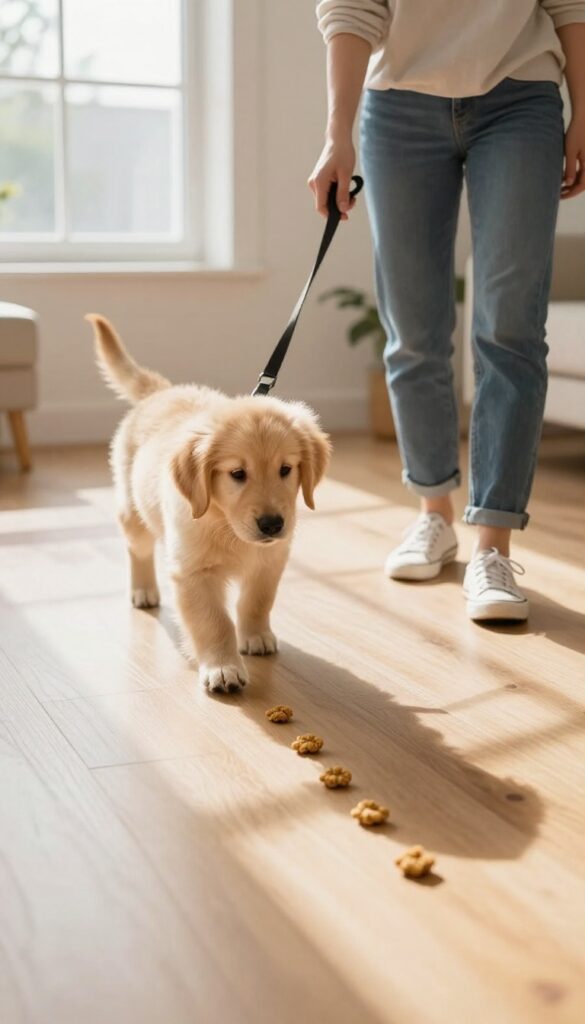
This game turns a simple hallway or living room floor into a fun obstacle course for your puppy's self-control. Instead of asking for an instant 'leave it' on a single treat, you'll set up a line of goodies and practice walking past them together. It's a great way to build focus and impulse control in a real-world setting, and it feels more like an adventure than a drill.
Start by placing a few low-value treats on the floor in a straight line, spaced about a foot apart. Use your puppy's leash to keep them close, and walk slowly alongside the trail. As you approach each treat, say 'leave it' in a calm, upbeat voice.
The moment your puppy looks away from the treat and toward you, mark it with a 'yes' and reward them with a higher-value treat from your pocket. This teaches them that ignoring the trail earns something even better.
Why It Works
This game mimics real-life situations where tempting items are scattered around, like dropped food on a sidewalk or crumbs under the kitchen table. By practicing in a controlled trail, your puppy learns to generalize the 'leave it' cue beyond a single treat. The leash gives you gentle guidance, and the movement keeps the session engaging for curious pups.
Setting Up For Success
Choose a quiet area with minimal distractions for your first few tries. Use treats that are only mildly interesting, like plain kibble or low-value biscuits, so your puppy isn't overwhelmed. Keep the trail short—five treats is plenty for a beginner.
As your puppy improves, you can make the trail longer, use more tempting treats, or even try it off-leash in a safe, enclosed space.
Troubleshooting Common Hiccups
If your puppy tries to snatch a treat, simply block it with your foot or hand and say 'leave it' again. Don't yank the leash—stay calm and patient. If they're struggling, slow down your pace or increase the distance between treats.
Always end on a positive note, even if that means shortening the trail or going back to a single treat for one more successful rep.
12. The Toy Toss and Trade
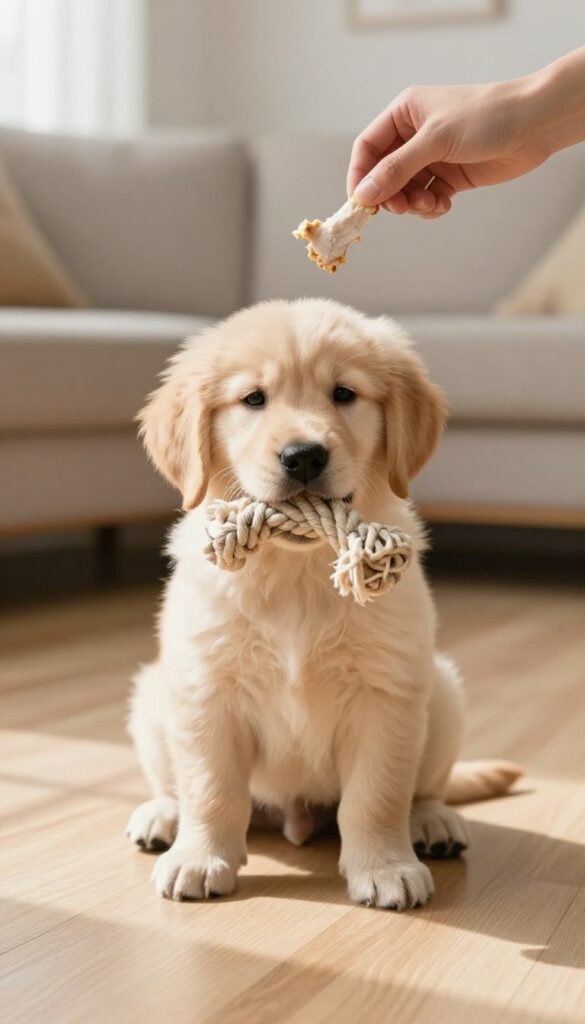
This game turns a moment of playful chaos into a clear lesson in self-control. Your puppy learns that dropping a toy on cue leads to something even better—a tasty treat. It's simple, fun, and builds a rock-solid 'leave it' in a context they'll love.
Start with a toy your puppy is excited about. Toss it a few feet away and let them grab it. As soon as they have it in their mouth, hold a high-value treat near their nose and say 'leave it' in a cheerful tone.
The moment they drop the toy, mark with a 'yes! ' and give the treat. Repeat several times, then take a break. This game teaches your puppy that releasing something they want can be more rewarding than keeping it.
Why This Works
Puppies are naturally possessive of toys, but they're also highly motivated by food. By pairing 'leave it' with a tasty reward, you're showing them that letting go is a win. Over time, they'll start to drop the toy even before you offer the treat, because they've learned the cue predicts something great.
Setting Up For Success
Choose a quiet space with minimal distractions. Use a toy your puppy likes but isn't obsessed with, and treats that are extra special—like small pieces of chicken or cheese. Keep sessions short, around 3–5 minutes, and always end on a positive note.
If your puppy doesn't drop the toy, gently trade the treat for it, then try again with a less exciting toy.
Adding A Challenge
Once your puppy reliably drops the toy on cue, gradually increase the difficulty. Toss the toy closer to you, or use a more tempting toy like a squeaky one. You can also delay the treat by a second or two, teaching your puppy to wait calmly before taking the reward.
Eventually, you can practice this game in different locations, like the park or a friend's yard.
13. The Doorway Challenge
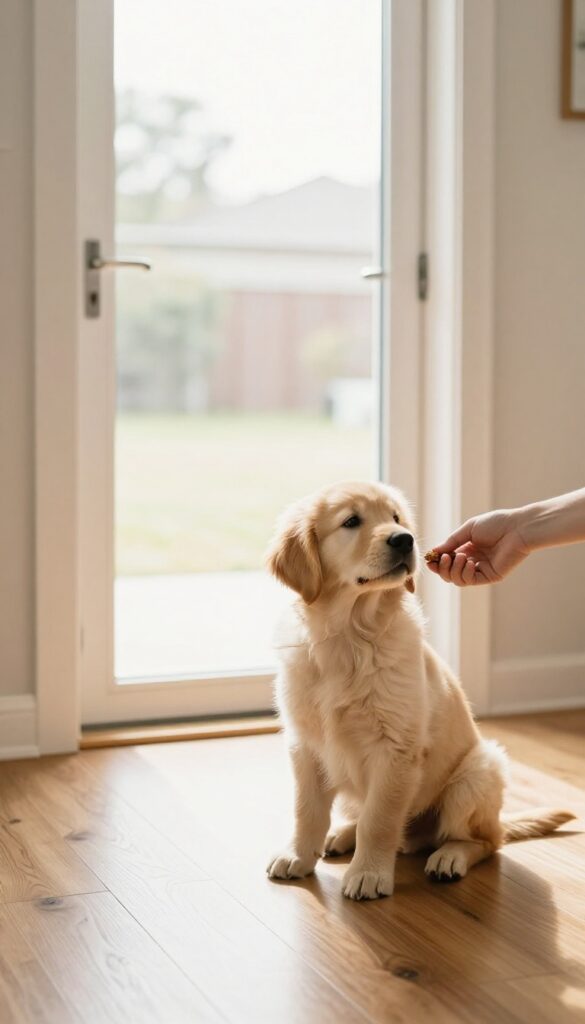
Doorways are like magic portals to puppies—they lead to walks, car rides, and the great outdoors. That excitement makes them perfect for practicing 'leave it' in a real-world setting. This game teaches your pup that patience at the threshold pays off, even when the door swings open.
Start by having your puppy sit or stand a few feet away from a closed door. With a treat in your hand, say 'leave it' and slowly reach for the doorknob. If your puppy stays put, reward them with the treat and praise.
If they lunge or try to bolt, close the door and try again.
Start With A Closed Door
Begin with the door fully closed. Ask for a 'sit' or 'down' and reward that calm position. Then, with a treat visible in your other hand, give the 'leave it' cue.
Open the door just a crack—if your puppy stays, reward. If they move, shut the door and reset.
Add Distractions Gradually
Once your puppy handles the basic cue, ramp up the difficulty. Have a friend walk by on the other side, or toss a toy outside. Each time, reinforce that staying put earns something even better.
Keep sessions short—five minutes max—so your puppy doesn't get frustrated.
Use A Release Word
Make the game clear by using a release word like 'okay' or 'free' to signal when it's safe to go through. This teaches your puppy that 'leave it' isn't forever—it just means wait for permission. Practice this with different doors in your home to generalize the behavior.
14. The Treat in the Box
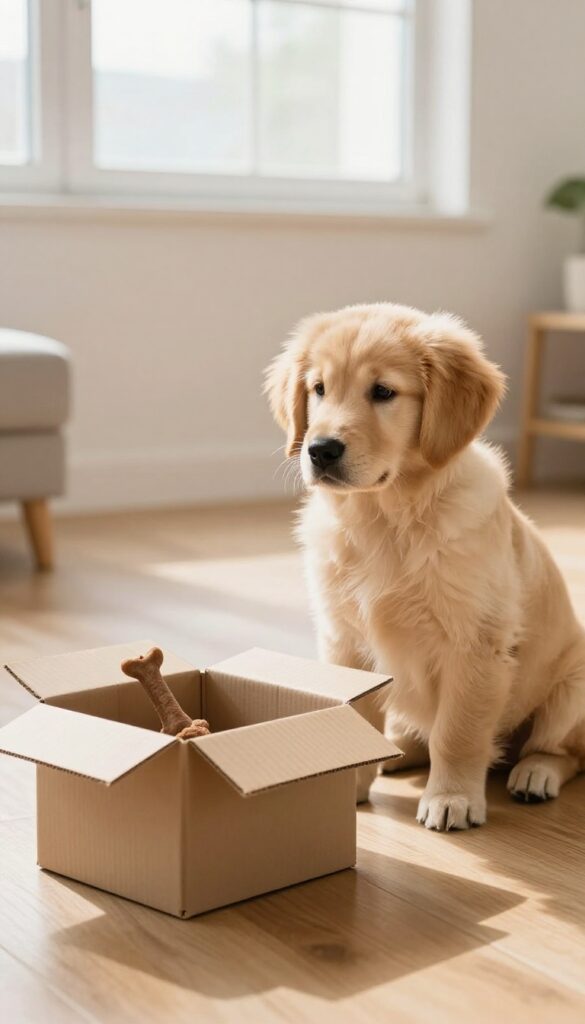
Cardboard boxes are practically magnets for curious puppies. They love to sniff, paw, and dive right in, which makes them a perfect training prop. This game uses that natural curiosity to teach your pup that ignoring a tempting treat leads to something even better.
Start with a box that's big enough for your puppy to easily reach the treat but not so big that they can fully climb in. Place a treat inside with the flaps open, then say 'leave it' in a cheerful tone. The moment your puppy hesitates or looks away from the treat, mark it with a 'yes' and reward them with a different treat from your hand.
Repeat a few times, gradually increasing the duration they need to ignore the box before getting their reward.
Why This Works
The box adds a layer of difficulty because it physically blocks the treat and makes it more exciting. Your puppy has to fight the urge to dive in, which strengthens their impulse control. Plus, it's a great way to practice 'leave it' in a slightly more distracting environment without leaving the house.
Making It Easier Or Harder
If your puppy is struggling, keep the treat visible and close the flaps partially so they can see it but not reach it easily. For a bigger challenge, use a smaller box or put the treat deeper inside. You can also try using a favorite toy instead of a treat, or place the box on a chair or low table to make it more tempting.
Turning It Into A Game
Once your puppy gets the hang of it, you can make it more fun by using multiple boxes. Place a treat in one and leave others empty, then let your puppy sniff them out. Say 'leave it' when they approach the right one, and reward them for backing away.
This adds a bit of puzzle-solving to the training, keeping your pup engaged and thinking.
15. The Buddy Game
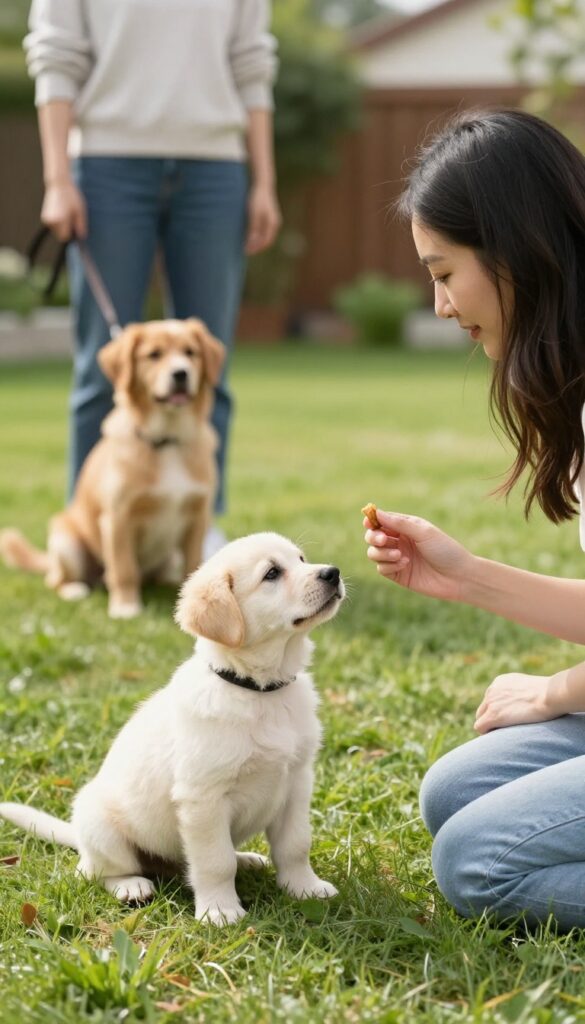
Social settings can be the ultimate test for a puppy's self-control. The Buddy Game uses a calm, familiar dog to help your pup practice 'leave it' in a realistic but controlled environment. It's a great way to build focus around distractions without overwhelming your puppy.
Start with a dog that is calm and neutral around other puppies. Have your friend keep their dog at a distance where your puppy notices but isn't overly excited. Ask for a 'leave it' and reward your puppy for looking at you instead of the other dog.
Gradually decrease the distance as your puppy succeeds.
Setting Up For Success
Choose a familiar, enclosed area like a backyard or a quiet corner of a park. Keep both dogs on leash initially. Have your friend stand still and ignore your puppy.
This prevents over-arousal and keeps the focus on you.
Adding Movement
Once your puppy can ignore a stationary dog, ask your friend to walk their dog slowly past you. Reward your puppy for maintaining focus on you as the other dog moves. This simulates real-life encounters like passing another dog on a walk.
Increasing Distraction
Progress to having the other dog play with a toy or interact with their owner. Use high-value treats and keep sessions short. If your puppy breaks focus, simply move further away and try again.
The goal is to make ignoring the other dog more rewarding than engaging.
FAQ
How long should a 'leave it' practice session last?
Keep sessions short—around 5 minutes for young puppies. End on a positive note before your pup loses interest. Multiple short sessions throughout the day work better than one long one.
What if my puppy grabs the treat before I can say 'leave it'?
That's okay! Start with easier setups, like covering the treat with your foot or using a lower-value item. You can also use a leash to prevent access.
The goal is to set your puppy up for success.
Can I use 'leave it' for things my puppy shouldn't eat on walks?
Absolutely. That's one of the most practical uses. Practice in controlled settings first, then gradually introduce real-world distractions.
Always reward your puppy for choosing to ignore the item.
What treats should I use for 'leave it' training?
Use high-value treats that your puppy loves, like small pieces of chicken or cheese. For the 'leave it' item, use something lower in value, like a regular kibble or a toy, so the reward is more enticing.
My puppy only listens to 'leave it' when I have treats. How do I fix that?
Gradually phase out treats by rewarding intermittently. Also, practice in different environments and with varying distractions. The key is to make the behavior reliable even without a visible treat.
Conclusion
These 15 games are just a starting point. The real magic happens when you weave 'leave it' into everyday moments—like dropping a sock or passing a tempting trash can. With patience and consistency, your puppy will learn that ignoring something can be just as rewarding as grabbing it.
Remember, every puppy learns at their own pace. Celebrate the small wins and keep sessions fun. Before you know it, 'leave it' will become second nature, and you'll have a curious, confident pup who knows how to make smart choices.

I’m Pallab Kishore, the owner of Little Pets Realm — an animal lover and pet care enthusiast sharing easy tips, healthy recipes, and honest advice to help every small pet live a happy, healthy, tail-wagging life.