
Last updated on August 19th, 2026 at 04:14 pm
The world can feel enormous to a puppy, but you don't need a grand adventure to build their confidence. Everyday moments—like a short car ride or a stroll past a noisy street—are golden training opportunities.
The key is to keep things positive, brief, and full of treats. This list of 15 simple socialization ideas fits right into your regular routine, turning ordinary outings into powerful lessons.
Each one is designed to help your pup explore new sights, sounds, and textures at their own pace. Pick a few to start, and watch your little explorer grow braver every day.
1. Car Rides to Nowhere in Particular
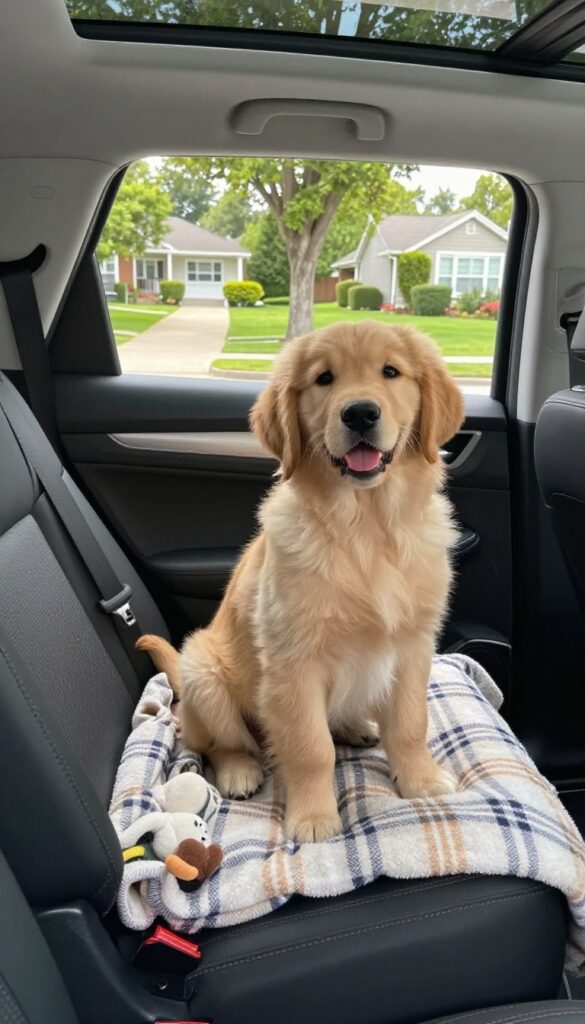
Car rides are a normal part of many dogs' lives, but for a puppy, the car can feel like a moving box of strange noises and sensations. The goal here isn't to drive for hours—just a few minutes of positive exposure can work wonders. By pairing the car with good things like treats and praise, you're teaching your pup that travel is safe and even enjoyable.
Start with short, low-stress trips. Maybe just sit in the car with the engine off and let your puppy sniff around. Then progress to a quick drive around the block, rewarding calm behavior with small treats.
The key is to keep the experience positive and brief, so your puppy never feels overwhelmed. Over time, these little rides build a foundation of confidence that makes future vet visits or road trips much easier.
Why It Works
Puppies learn through association. When they connect the car with treats, praise, and new sights, they start to look forward to it. This positive conditioning reduces anxiety and helps prevent motion sickness or fear-based behaviors later on.
Plus, it's a simple way to expose them to the world without the pressure of a busy street or dog park.
How To Start
Begin by letting your puppy explore the car while it's parked and turned off. Bring a blanket or toy to make it cozy. Then, with the engine running, sit in the car for a few minutes, giving treats for calm behavior.
Gradually move to a short drive around the block, and always end on a happy note—maybe a treat or a quick play session after you park.
What To Avoid
Don't force your puppy into the car if they're scared, and don't drive for long periods at first. Avoid trips that end at stressful places like the vet or groomer until your puppy is comfortable. Also, never leave your puppy alone in the car, as temperatures can rise quickly and cause heatstroke.
2. Meet-and-Greet with Friendly Strangers
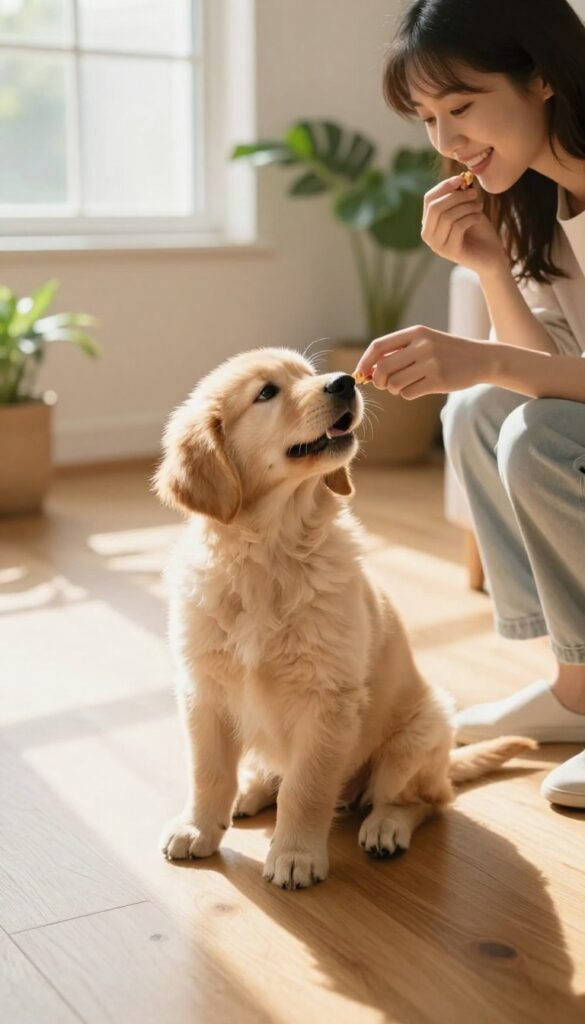
Your puppy’s social circle starts with you, but it shouldn’t end there. Meeting new people in a safe, controlled way helps your pup learn that humans come in all shapes, sizes, and energy levels—and that’s a good thing. A simple meet-and-greet at home can do wonders.
It’s low-pressure, familiar, and you control the pace. Plus, you get to watch your puppy’s tail wag as they discover that strangers can be pretty awesome.
Invite a few calm, dog-savvy friends over to meet your puppy. Have them offer treats and gentle pets. This teaches your pup that new people are awesome, not scary.
Keep the session short and sweet—10 to 15 minutes is plenty. Let your puppy approach each guest on their own terms. If they hang back, that’s okay.
Toss a treat near the guest so your pup associates them with good things. Rotate guests over a few weeks. Different voices, scents, and appearances (hats, glasses, beards) help your puppy generalize that all people are friendly.
Always supervise and step in if your puppy seems overwhelmed. The goal is positive associations, not forced interactions.
Set Up For Success
Before your guests arrive, make sure your puppy has had a potty break and a little exercise. A tired puppy is a calmer puppy. Set out a few treats and a comfy mat.
Ask your friends to ignore your puppy until they’re invited to interact—this prevents your pup from feeling swarmed. Have your guests sit down, so they’re less intimidating, and let your puppy make the first move. If your puppy is shy, have a guest toss a treat nearby instead of reaching out.
This builds trust without pressure.
What To Do During The Meet-and-greet
Once your puppy is comfortable, have your guests offer a treat from an open palm. Encourage gentle pets under the chin or on the chest—avoid reaching over the head, which can feel threatening. Let your puppy sniff their hands first.
If your puppy gets wiggly or mouthy, that’s normal. Redirect with a toy or take a short break. Keep the energy calm and quiet.
You want your puppy to learn that new people bring good things, not chaos. End the session on a positive note before your puppy gets tired or overwhelmed. A quick play session afterward or a special chew can reinforce that meeting people is a great experience.
Mix Up The Guest List
Variety is key. Ask friends with different appearances—someone with a beard, a hat, sunglasses, or a deep voice. Include people of different ages and ethnicities if possible.
This helps your puppy become comfortable with the wide world of humans. You can also practice in public. Once your puppy is comfortable at home, take them to a quiet park or sidewalk.
Ask friendly passersby if they’d like to give your puppy a treat. Always ask permission first and keep interactions brief. This real-world practice cements the lesson that strangers are safe and rewarding.
3. Puppy Playdates with Vaccinated Pups
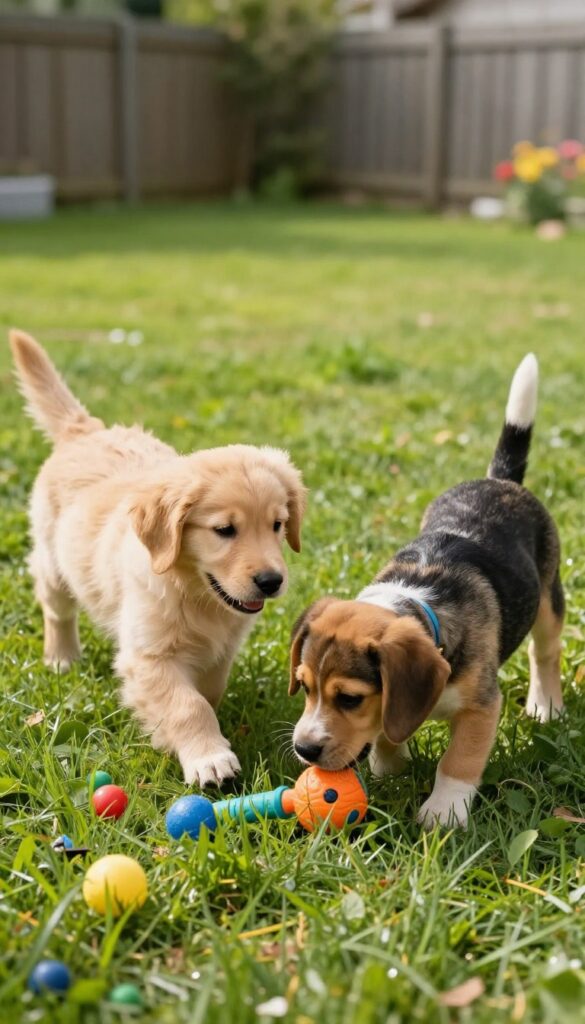
Playdates are more than just fun—they're a crash course in doggy manners. When your puppy meets another healthy, vaccinated pup, they learn how to read body language, share toys, and practice bite inhibition. These interactions are pure gold for building social confidence, and they're easy to set up once your vet gives the green light.
Find a friend with a pup of similar size and energy level. Keep the first few sessions short and sweet—15 to 20 minutes is plenty. Watch how they interact: a little roughhousing is fine, but step in if one seems overwhelmed or too pushy.
Always supervise closely and let the pups take breaks if they need them.
Why Playdates Matter
Puppies learn social cues best from other puppies. Through play, they discover how to signal 'I'm friendly' or 'That's too much. ' This helps prevent fear-based aggression later on. Plus, a confident, well-socialized pup is happier and easier to take anywhere.
Setting Up A Safe First Meeting
Choose a neutral spot like a friend's fenced yard or a quiet park. Keep both pups on leashes initially, then let them off once they're comfortable. Have treats handy to reward calm behavior.
Watch for signs of stress—yawning, tucked tails, or excessive hiding—and end the session if either pup seems uneasy.
Matching Play Styles
Not all puppies play the same way. Some love to chase, others prefer wrestling. Pairing a shy pup with a very boisterous one can be overwhelming.
Ask about the other dog's temperament and try to match energy levels. A calm, gentle playmate can work wonders for a timid pup.
4. Walk on Different Surfaces
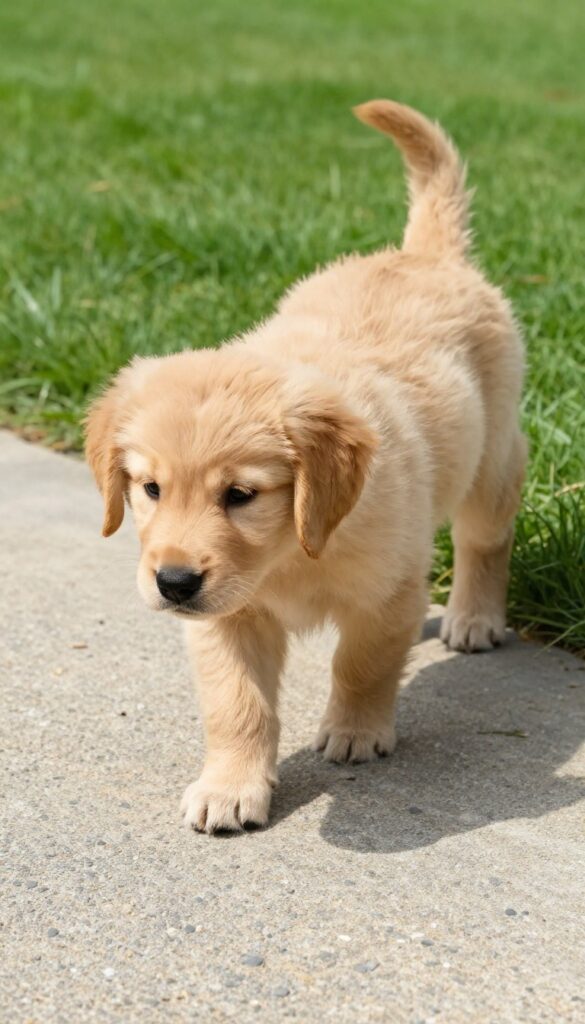
Puppies are born with a natural curiosity, but they’re also cautious about things under their paws. Grass, concrete, gravel, and sand all feel different, and each one is a mini-adventure for your pup. Walking on varied surfaces helps build coordination and confidence, and it’s a simple way to expose your puppy to new sensations without leaving your neighborhood.
Start with familiar ground like your backyard or a quiet sidewalk, then gradually introduce new textures. Carry a handful of treats and reward your puppy for taking brave steps—even if they’re hesitant at first. Keep the session short and upbeat, and let your pup set the pace.
Over time, they’ll learn that different surfaces are nothing to fear, just another fun part of exploring the world.
Start With Easy Textures
Begin with surfaces that are similar to what your puppy already knows. If they’re used to grass, try a well-manicured lawn or a smooth concrete path. Let them sniff and step at their own speed.
Use a happy, encouraging voice and offer treats for every step they take. This builds a positive association with new ground before you move on to trickier textures.
Gradually Add Challenge
Once your puppy is comfortable with the basics, introduce more challenging surfaces like loose gravel, sand, or wood chips. These textures require more careful footing, which strengthens their muscles and improves balance. Walk slowly and let them investigate.
If they seem unsure, crouch down and coax them with a treat, but never force them. Patience is key.
Mix It Up On One Walk
You don’t need separate outings for each surface. On a single walk, you can transition from sidewalk to grass to a gravel path. This variety keeps your puppy engaged and teaches them to adapt quickly.
Stop for a quick treat break whenever they successfully navigate a new section. Before you know it, they’ll be trotting over anything you put in front of them.
5. Sounds of the City (and Suburbs)
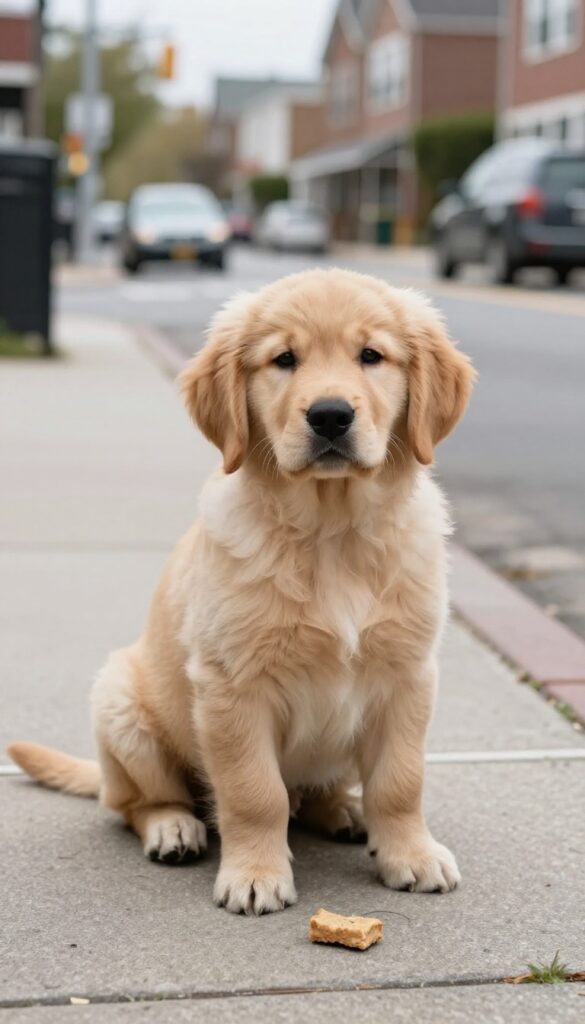
Noise sensitivity is a common issue for dogs, but you can prevent it from becoming a problem. By exposing your puppy to everyday sounds in a controlled way, you teach them that the world is full of interesting, harmless noises. This builds their confidence and helps them stay calm in busy environments.
Start by playing a recording of city sounds—traffic, sirens, construction—at a low volume while your puppy enjoys a treat or meal. Gradually increase the volume over several sessions. This helps them associate these sounds with positive experiences, so they learn to relax rather than react.
Start Low And Slow
Begin with the volume barely audible, just enough for your puppy to notice. Play it for a few minutes while they eat or play. If they seem comfortable, you can slowly turn it up over a few days.
The goal is to keep them relaxed, not to overwhelm them.
Mix In Real-life Sounds
Once your puppy is comfortable with recordings, take them on a short walk near a moderately busy street. Keep your pace steady and reward them with treats for staying calm. You can also sit on a bench at a park and let them watch the world go by while you chat with a friend.
Pair Sounds With Good Things
Make sure your puppy always connects these sounds with something they love. Give them a special chew or a puzzle toy filled with treats while the noise plays. This way, they learn that new sounds mean good things happen.
6. Puppy-Safe Mirror Time
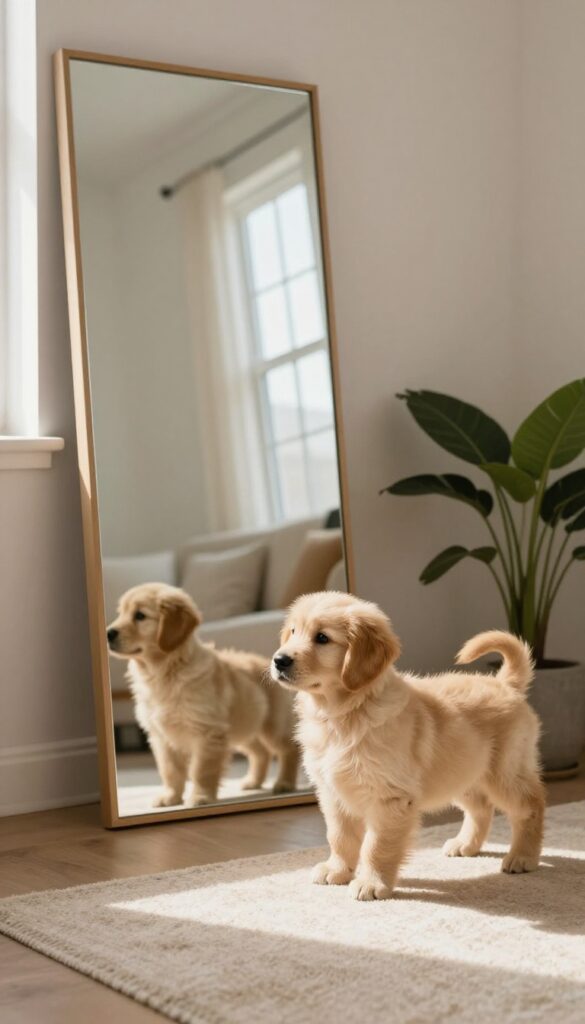
Mirrors are everywhere, but your puppy has no idea what they are. A full-length mirror can be a fascinating, low-pressure way to introduce a brand-new visual experience. It’s not about teaching self-recognition—it’s just about letting them explore something weird in a safe space.
Many pups get curious, some get playful, and a few just stare. Either way, it’s a harmless confidence booster that fits right into your living room.
Start by placing your puppy a few feet away from the mirror, with treats in hand. Let them approach at their own pace. If they bark or lunge, stay calm and redirect with a treat.
The goal is to associate the mirror with positive feelings, not to force interaction. Keep sessions short—just a minute or two—and always end on a happy note. Over time, your puppy may learn to glance at the mirror without a second thought, which is a small but real step toward handling novel sights in the real world.
Why Mirrors Are A Novel Visual
Puppies are wired to notice movement and shapes, but a mirror creates a unique visual: a moving image that doesn’t smell, sound, or feel like anything they’ve met. That’s exactly the kind of novelty that builds confidence when introduced gently. It’s not about the reflection—it’s about the experience of something unexpected that turns out to be harmless.
How To Introduce The Mirror
Choose a quiet time when your puppy is already relaxed. Hold a treat near the mirror to draw their attention. If they look at the reflection, mark and reward.
If they ignore it, that’s fine too. Don’t force them to stare. You can also sit near the mirror yourself and let your puppy see both of you—that often helps them feel more at ease.
What To Expect (and What Not To Worry About)
Some puppies bark at their reflection, which is normal. Others might try to play or paw at the glass. A few might just sniff and walk away.
None of these reactions are bad—they’re all part of exploring. The only thing to avoid is letting your puppy get overly excited or frustrated. If that happens, calmly move them away and try again another day.
7. Visit a Pet-Friendly Store

A pet store or a dog-friendly hardware store is a controlled, low-stress environment for practicing leash skills in a busy setting. The sights, smells, and people give your puppy plenty to explore while you stay in charge. It's a practical way to build confidence without the unpredictability of a crowded street.
Walking into a store with your puppy is a mini-adventure that packs a lot of learning into one trip. The goal isn't to buy anything—it's to let your pup experience a new space at their own pace. Keep the first visit short, maybe 10 minutes, and let your puppy set the speed.
If they seem overwhelmed, step outside for a breather and try again. The more positive trips you make, the more your puppy learns that new places are safe and fun.
Choose The Right Store
Not all stores welcome dogs, so call ahead or check the pet policy. Pet supply stores are obvious picks, but many hardware stores and garden centers are also dog-friendly. Pick a time when the store is less crowded—mid-morning on a weekday is usually quiet.
A calmer environment helps your puppy focus on you instead of getting overwhelmed by too many people.
Make It A Training Session
Bring high-value treats and use the store as a place to practice basic cues like 'sit' and 'watch me. ' Every few steps, stop and ask for a behavior before moving on. This keeps your puppy engaged and reinforces that being around distractions pays off. It also gives you a way to redirect their attention if they get too excited by a new smell or a friendly shopper.
Let Them Meet Staff (and Maybe A Dog)
Store employees are usually happy to say hello, and those brief interactions are great for socializing your puppy with strangers. Ask if they can offer a treat—many will. If you spot another dog, keep the meeting brief and on-leash.
A quick sniff and a 'good job' are enough. The goal is a neutral, positive experience, not a long playdate.
8. Practice Handling at Home
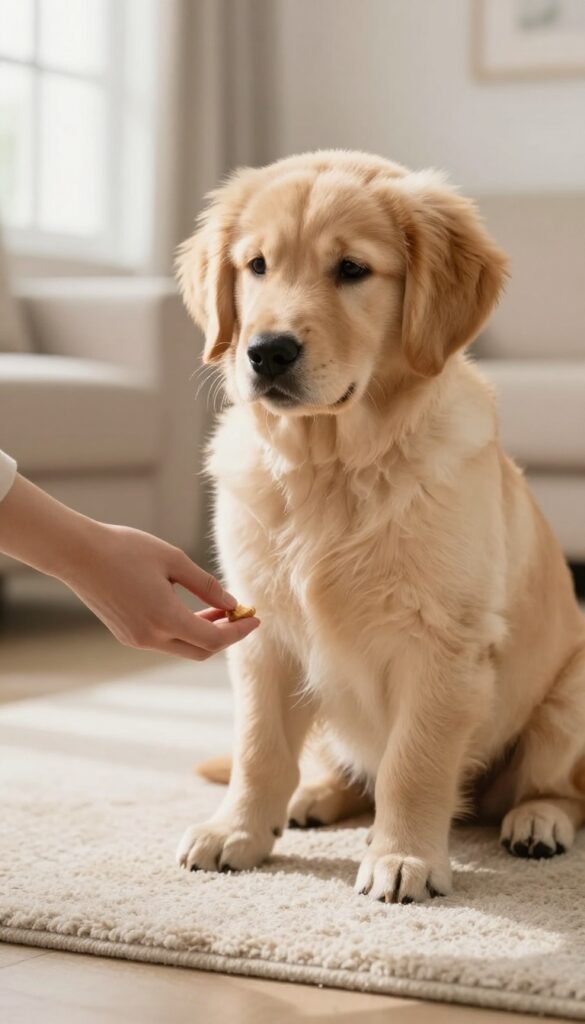
Most puppies squirm when you touch their paws or ears, but that doesn't have to be the norm. With a little patience and a pocketful of treats, you can turn handling into a game. The goal is simple: teach your pup that being touched feels good, so they stay relaxed during nail trims, ear cleanings, and vet exams.
Start with short, gentle sessions when your puppy is calm. Touch one paw, say "yes, " and give a treat. Repeat with ears, tail, and mouth.
Keep it quick and positive, and always let your puppy choose to stay. If they pull away, don't force it—just try again later with more treats.
Start Slow And Reward Often
Begin with one body part per session. Touch a paw for a second, then reward. Gradually increase the time as your puppy gets comfortable.
Use high-value treats like tiny cheese bits or boiled chicken to make the experience extra special.
Make It A Daily Ritual
Incorporate handling into your regular routine—during cuddle time or before meals. A few minutes each day builds trust faster than occasional long sessions. Consistency helps your puppy learn that being touched is just part of everyday life.
Pair Handling With Grooming Tools
Once your puppy is okay with your hands, introduce brushes, nail clippers, and ear cleaner. Let them sniff the tools first, then touch the tool to their body while giving treats. This prevents fear of grooming equipment later on.
9. Meet a Friendly Adult Dog
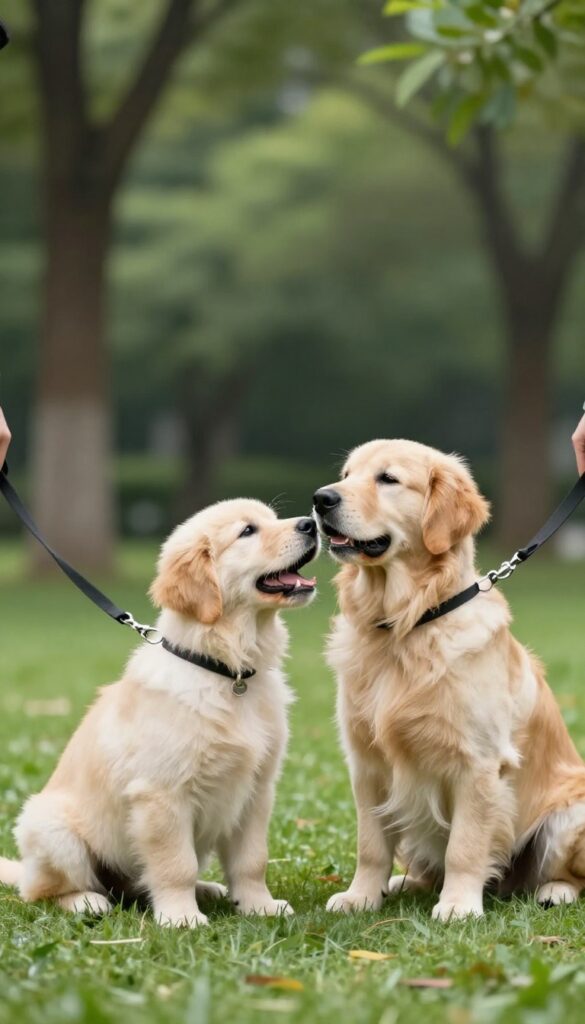
Puppies learn a lot from their human family, but there are some lessons only another dog can teach. A calm, well-socialized adult dog can show your pup the ropes—how to read body language, when to back off, and how to play politely. It's like having a furry mentor who speaks fluent dog.
Find a friend or family member with a patient, friendly adult dog. Arrange a first meeting on neutral ground, like a park or a quiet street, so neither dog feels territorial. Keep both dogs on leashes at first, and let them approach each other at their own pace.
Watch for relaxed body language—loose tails, soft eyes, and play bows are good signs. If either dog seems tense or uncomfortable, calmly separate them and try again another day.
Pick The Right Mentor
Not every adult dog is a good teacher. Look for a dog that's known to be calm around puppies, with a gentle, patient temperament. Avoid dogs that are overly energetic, reactive, or have a history of aggression.
A senior dog or an easygoing breed often makes a great first friend. Ask the owner about their dog's history with puppies before you set up a meeting.
Set Up A Safe First Meeting
Choose a neutral location where neither dog feels they need to guard their turf. Keep the first meeting short—10 to 15 minutes is plenty. Walk the dogs parallel to each other at a distance first, letting them notice each other without direct contact.
Then allow them to greet face-to-face, but stay close and keep the leash loose. If things go well, you can let them interact a bit longer, but always keep an eye on their body language.
Let Them Communicate
Dogs have their own way of talking, and a good adult dog will gently correct your puppy if they get too pushy. A growl or a snap might look scary, but it's often just a polite 'back off' signal. Don't punish either dog for these normal communications.
Instead, let them sort it out while you supervise. Your puppy will learn valuable social cues that you can't teach yourself.
Make It A Regular Thing
One meeting is nice, but regular playdates are even better. Try to schedule a weekly or bi-weekly walk or play session with the same adult dog. Over time, your puppy will build a strong social foundation and learn to read other dogs with confidence.
Just remember to always supervise and keep the interactions positive. If your puppy seems scared or overwhelmed, slow down and give them more space.
10. Ride an Elevator or Escalator

Elevators and escalators are everyday features in many buildings, yet they can be baffling for a puppy. The moving floor, sudden jolts, and strange echoes might make your pup hesitate. But with a pocket full of treats, you can turn this mechanical monster into a fun game.
Start with a short ride in an elevator, maybe just one floor. Let your puppy sniff the buttons and the floor before stepping in. Use a happy voice and reward calm behavior.
If your pup is nervous, don't force it—just stand near the elevator and give treats until they relax. Over time, they'll learn that elevators predict good things. Escalators are trickier because of the moving steps.
If your puppy is small, carry them the first few times. For bigger pups, let them watch the escalator from a safe distance and reward them for being calm. When they seem ready, approach slowly and let them step on with your guidance.
Keep the ride short and end with a big celebration.
Why It Builds Confidence
Elevators and escalators expose your puppy to unusual movement and noise in a controlled setting. This helps them learn that unexpected sensations aren't scary. Each successful ride reinforces their ability to handle new experiences, which is the core of socialization.
Step-by-step Training
Begin by standing near the elevator with treats, letting your puppy observe. Then, step inside for a single floor, rewarding calmness throughout. For escalators, start with stationary steps if available, then progress to a slow-moving one.
Always keep sessions short and positive.
Safety First
Always keep your puppy on a short leash and avoid busy times. Watch their paws on escalator edges. If your puppy seems overwhelmed, take a step back and try again another day.
The goal is to build confidence, not to force them into fear.
11. Watch the World from a Bench
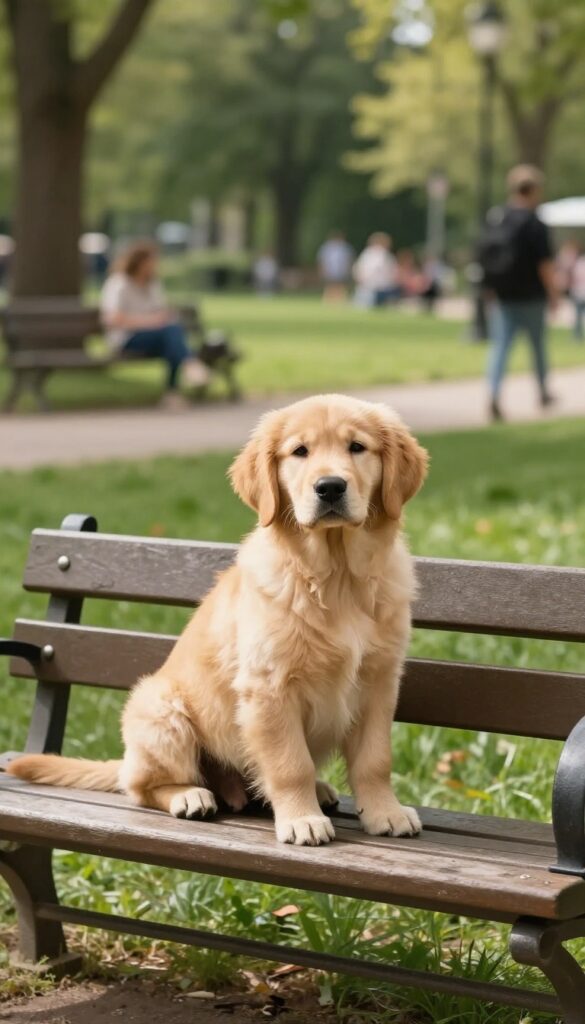
Sometimes the best way to teach your puppy calmness is to do absolutely nothing. Find a bench in a busy area—a park path, a downtown sidewalk, or even a spot near a dog park entrance—and just sit. Let the world come to you.
This exercise is all about neutrality. Your puppy doesn't need to greet every passerby or chase every squirrel. Instead, they learn that busy environments are normal and nothing to get excited about.
Reward them for staying relaxed, and you'll build a dog who can handle anything without losing their cool.
Pick The Right Spot
Choose a location with moderate foot traffic—not so crowded that your puppy feels overwhelmed, but busy enough to offer plenty of new sights and sounds. A bench near a walking path or a café patio works well. Avoid spots directly next to a playground or a busy road where the noise might be too intense at first.
Start With Short Sessions
Begin with just five minutes and gradually work up to longer stays. Keep your puppy on a loose leash or let them lie down at your feet. If they start to whine or pull, that's a sign they're over threshold.
Move farther away or end the session on a positive note, then try again another day.
Reward Calm Behavior
Watch for moments when your puppy is relaxed—a soft body, a yawn, or a quick glance at a distraction before looking back at you. Mark that with a treat and a quiet 'yes. ' You're teaching them that ignoring the world pays off. Over time, they'll automatically check in with you instead of reacting to every little thing.
Mix Up The Locations
Once your puppy is comfortable at one bench, try different spots. A bench near a bus stop, a park bench with a view of a bike path, or a seat outside a pet-friendly store all offer unique challenges. Each new location reinforces the lesson that being calm works everywhere, not just in one familiar place.
12. Play with Different Toys
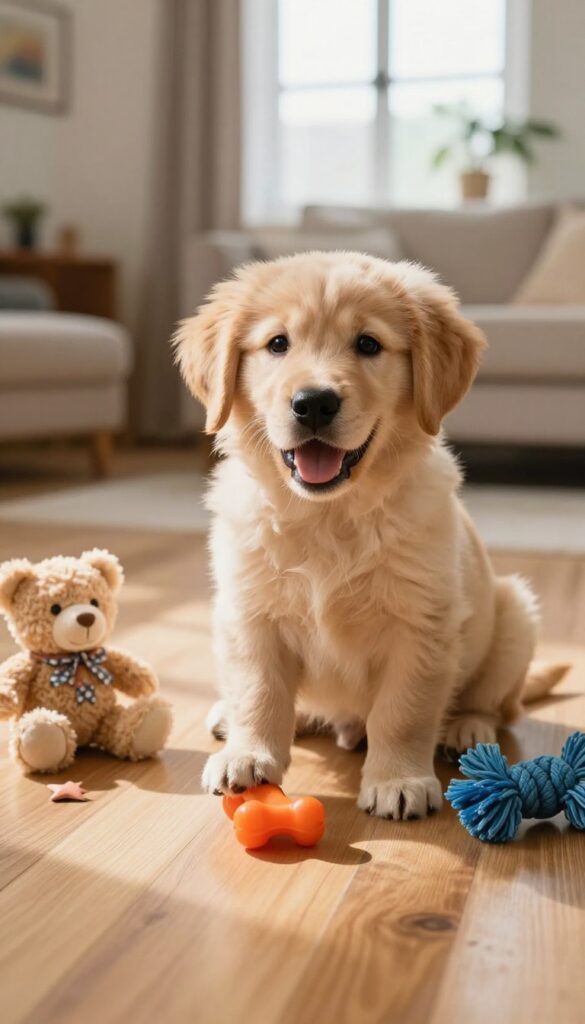
Toys are more than just fun—they're tiny confidence builders. Each squeak, crinkle, or bounce introduces your puppy to a new sensation, teaching them that the world is full of safe surprises. By offering a variety, you're not only preventing boredom but also helping your pup learn to adapt to different textures and sounds.
Start with a small collection of toys that vary in texture, sound, and shape. Squeaky toys mimic prey sounds and can spark curiosity, while crinkly toys add a different auditory layer. Plush toys offer a soft, comforting feel, and rubber toys are great for teething.
Rotate them every few days to keep things fresh—this simple habit maintains your puppy's interest and encourages them to explore without fear.
Why Variety Matters
Puppies are natural explorers, but they can also be cautious. A toy that makes an unexpected noise might startle them at first, but with your calm presence and a treat, they learn that new experiences are positive. Each type of toy exercises different senses, building neural connections that boost overall confidence.
Plus, rotating toys prevents resource guarding and keeps your pup mentally stimulated.
How To Introduce New Toys
When introducing a new toy, let your puppy approach it at their own pace. Place it on the floor and let them sniff it before you engage. If they seem hesitant, you can gently roll it or squeak it to pique their interest.
Pair the experience with treats or play to create a positive association. Avoid forcing the toy on them—patience is key.
Diy Toy Rotation Schedule
A simple rotation system can make toy time exciting every day. Keep out three to four toys at a time and swap them every few days. Store the rest out of sight.
This way, each toy feels new when it returns, and your puppy stays curious. You can also rotate based on activity—soft toys for calm evenings, rubber toys for active play.
13. Visit a Friend's House
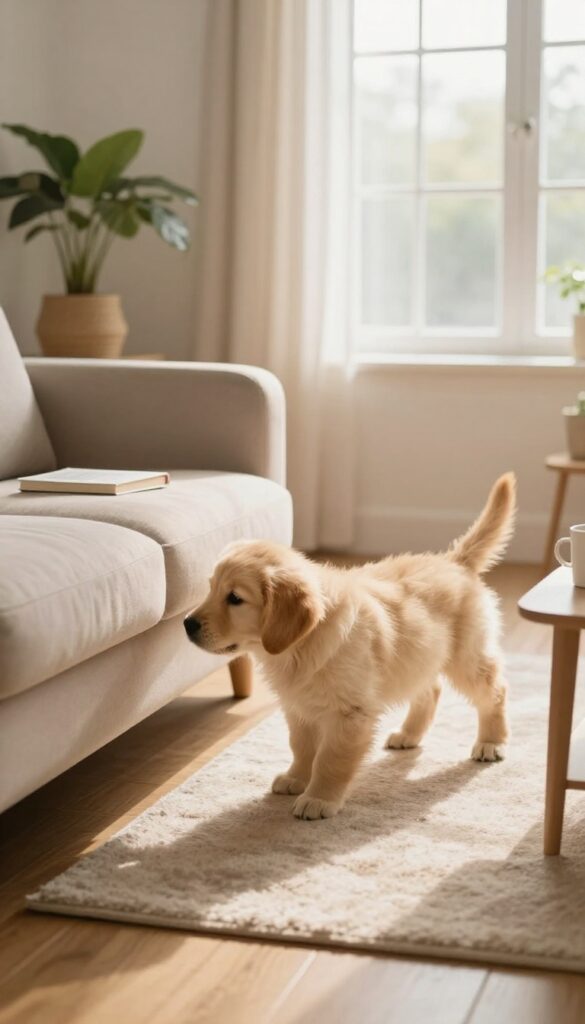
Your home is familiar territory, but a friend's place is a whole new world of smells, sounds, and layouts. Taking your puppy to visit someone else's home is a fantastic way to help them generalize their confidence beyond your own four walls. It's a simple outing that packs a punch for their social development.
Every home has its own unique scent profile, from the faint aroma of another pet to the lingering smell of a recent meal. For your puppy, this is like reading a fascinating storybook. Let them explore at their own pace, sniffing corners and investigating new textures underfoot.
This kind of exploration builds mental resilience and teaches them that new environments are safe and interesting.
Start With A Calm Introduction
Before you let your puppy roam freely, give them a few minutes to acclimate. Keep them on a leash and let them observe from the doorway or a quiet corner. Talk in a cheerful, relaxed tone and offer a few treats to create a positive association.
Once they seem comfortable, you can drop the leash and let them explore.
Respect Their Pace
Not every puppy will be immediately ready to sprint through a new living room. Some might prefer to stay close to your legs, while others will want to investigate every nook and cranny. Honor that.
If they seem overwhelmed, take a step back, sit down, and let them come to you. The goal is a pleasant experience, not a checklist of rooms to cover.
Make It A Regular Habit
One visit is nice, but regular trips to different homes are even better. Try to visit a friend's place every week or two, if possible. Each new environment—whether it's a house with a backyard, an apartment with a balcony, or a place with kids and other pets—offers a fresh set of lessons.
Over time, your puppy will learn that new places are just opportunities for fun and treats.
14. Practice Alone Time in Small Doses
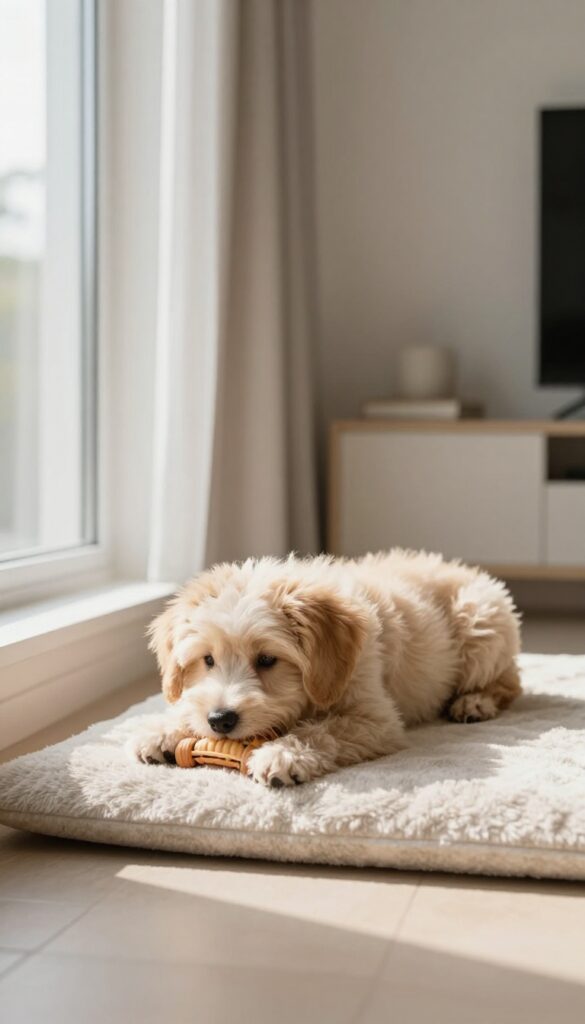
A puppy that can handle being alone is a confident puppy. But independence doesn't happen overnight—it's built through short, positive sessions. This idea helps your pup learn that being by themselves is safe and even enjoyable.
Start with just a few minutes. Pop your puppy in a safe room with a puzzle toy or a tasty chew. Close the door and step away.
When you return, stay calm and casual. This teaches your pup that you always come back, and that alone time is no big deal.
Start Small And Sweet
Begin with 2-3 minutes while you're just in the next room. Use a treat-dispensing toy to keep their mind busy. As soon as they're comfortable, gradually stretch the time.
The goal is to show that being alone is a normal part of the day.
Make It Predictable
Create a routine around alone time. Maybe it's after a walk or before you leave for work. Use a special mat or crate that signals 'quiet time. ' Consistency helps your puppy relax because they know what to expect.
Watch For Stress Signals
Keep an eye out for whining, pacing, or drooling. If you see these, you might be moving too fast. Go back to shorter sessions and build up more slowly.
The key is to keep it positive—never leave your puppy to 'cry it out' for long stretches.
15. Try a Puppy Yoga or Training Class
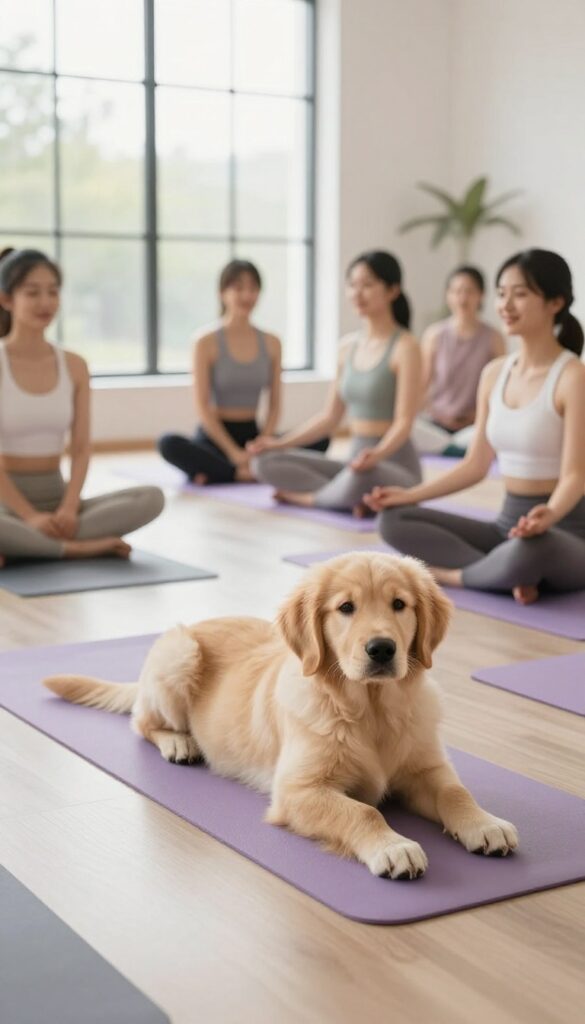
Structured classes give your puppy a safe space to learn and socialize. Puppy yoga and training classes offer guided interactions that build confidence without overwhelming your pup. Plus, they're a great way for you to bond and pick up practical tips.
Puppy yoga and training classes are more than just fun outings—they're controlled environments where your pup can meet other dogs and people while learning to stay calm. The structured setting helps prevent overstimulation, so your puppy can practice good manners in a supportive space. And you get professional guidance to reinforce positive behaviors at home.
Why Structured Classes Work
In a class, every interaction is supervised, so your puppy learns to socialize safely. Trainers can step in if play gets too rough, and they'll show you how to read your pup's body language. This reduces the risk of a scary experience that could set back their confidence.
Choosing The Right Class
Look for classes that keep groups small and focus on positive reinforcement. Puppy yoga often combines gentle poses with calm handling, while training classes teach basic cues like sit and stay. Visit a class first to see if the vibe matches your pup's energy level.
Making The Most Of Each Session
Bring high-value treats and a favorite toy to keep your puppy engaged. Arrive a few minutes early so they can sniff around and settle in. After class, give them a quiet space to rest—they've done a lot of mental work!
FAQ
When should I start socializing my puppy?
The critical socialization window is between 3 and 14 weeks of age. Start as soon as you bring your puppy home, but always ensure they are protected against diseases before exposing them to public places.
How much socialization does a puppy need?
Aim for at least a few short sessions each day. Quality matters more than quantity. Even 5-10 minutes of positive exposure to new things can make a big difference.
What if my puppy is scared during socialization?
If your puppy shows fear, back off and give them space. Never force them to interact. Go at their pace and use high-value treats to create positive associations.
Can I socialize my puppy before they are fully vaccinated?
Yes, but be cautious. You can socialize at home with friends and vaccinated pets. Avoid high-traffic dog areas until your vet gives the green light.
What are the signs of a well-socialized puppy?
A well-socialized puppy is curious, relaxed, and friendly in new situations. They recover quickly from surprises and show no signs of fear or aggression toward people or other animals.
Conclusion
Building a confident puppy isn't about grand gestures—it's about weaving small, positive moments into your daily routine. Each of these 15 ideas is a chance to show your pup the world is a friendly place, one sniff, sound, and new friend at a time. Start with the easiest ones and let your puppy's comfort level guide you.
Remember, there's no perfect timeline. Some days will feel like a win, others might feel like a step back, and that's completely normal. The goal isn't to check off every item but to create a steady rhythm of trust and curiosity.

I’m Pallab Kishore, the owner of Little Pets Realm — an animal lover and pet care enthusiast sharing easy tips, healthy recipes, and honest advice to help every small pet live a happy, healthy, tail-wagging life.