
Last updated on August 19th, 2026 at 04:14 pm
Does your dog turn into a distracted mess the moment you step outside? You're not alone.
The great outdoors is a sensory overload for most pups, but it doesn't have to be a constant battle for attention. With the right games, you can transform those chaotic walks into focused training sessions that your dog actually loves.
These 13 outdoor games are designed to build your dog's attention span, improve recall, and deepen your bond—all while having a blast. So grab some treats, head outside, and get ready to see your dog in a whole new light.
1. Find It: The Classic Scent Game
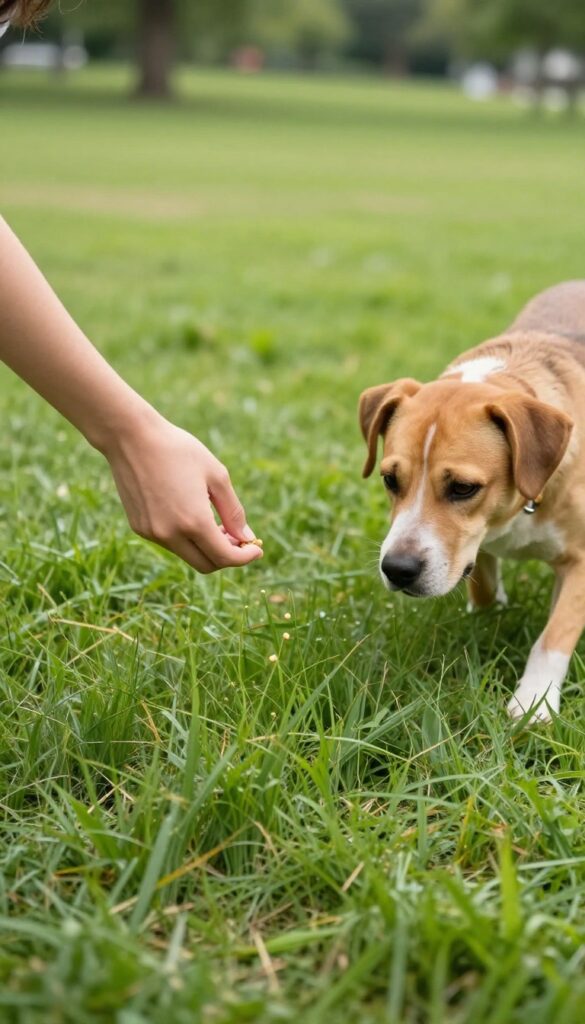
Before you can expect your dog to lock eyes on you, they need to learn how to use their nose. The Find It game taps into your dog's natural sniffing instincts, turning a simple walk into a brain-boosting challenge that sharpens focus and burns mental energy.
Start by letting your dog watch you toss a treat into the grass a few feet away. Say "Find it! " in a cheerful voice, then let them go.
As they catch on, you can hide treats behind trees, under leaves, or in patches of tall grass. The key is to keep it easy at first, then gradually make the hiding spots trickier.
Why It Works
Sniffing is a calming, natural behavior for dogs. When your dog is actively searching for a scent, they're using a different part of their brain than when they're just staring at a squirrel. This mental workout helps them relax and stay engaged, making them more likely to check in with you afterward.
Level Up The Difficulty
Once your dog gets the hang of finding treats in plain sight, start hiding them behind objects or in slightly hidden spots. You can also use a toy instead of food. The goal is to make your dog work a little harder each time, which builds persistence and problem-solving skills.
Turn It Into A Training Tool
Use Find It as a reward for good behavior. If your dog walks nicely on a loose leash, toss a treat into the grass and say "Find it! " This not only reinforces the good walking but also gives your dog a mental break.
Over time, they'll learn that paying attention to you leads to fun games.
2. The Name Game: Instant Focus
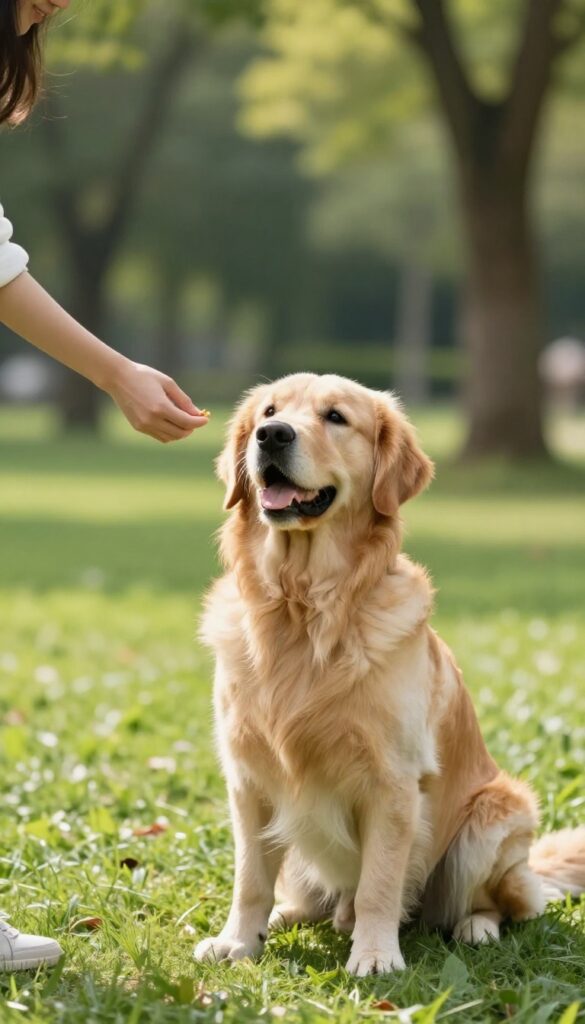
A dog's name should be more than just a tag—it's a powerful tool for capturing attention. The Name Game turns this everyday word into a cue that snaps your pup's focus back to you, no matter what's happening around them. It's simple, effective, and works in any setting, from your backyard to a bustling park.
Start by making your dog's name a positive, rewarding sound. Say it in a happy tone, and the moment they look at you, mark it with a click or a 'yes' and deliver a tasty treat. Repeat this a few times indoors with minimal distractions, then gradually move to outdoor spaces.
The key is to always pair the name with something amazing, so your dog learns that checking in with you is always worth it.
Start Indoors, Then Take It Outside
Begin in a quiet room where your dog is already focused on you. Say their name once, and when they turn, reward instantly. Do this in short bursts—two or three minutes at a time—and always end on a high note.
Once they're reliable indoors, move to a fenced yard or a quiet park. The goal is to build a strong foundation before adding distractions.
Add Distractions Gradually
The real test comes when there are other dogs, squirrels, or interesting smells around. Start with mild distractions, like a neighbor walking by at a distance, and work up to busier areas. If your dog doesn't respond, don't repeat their name—just wait for a moment, then try again.
You want them to learn that ignoring you means no reward, but responding always pays off.
Make It A Game, Not A Drill
Turn the Name Game into a fun challenge by varying your location and timing. Call your dog while they're sniffing, playing, or just wandering. Reward every successful check-in with a jackpot of treats or a quick game of tug.
This keeps the game exciting and teaches your dog that attention is always a good thing, no matter where you are.
3. Look at Me: Eye Contact Challenge
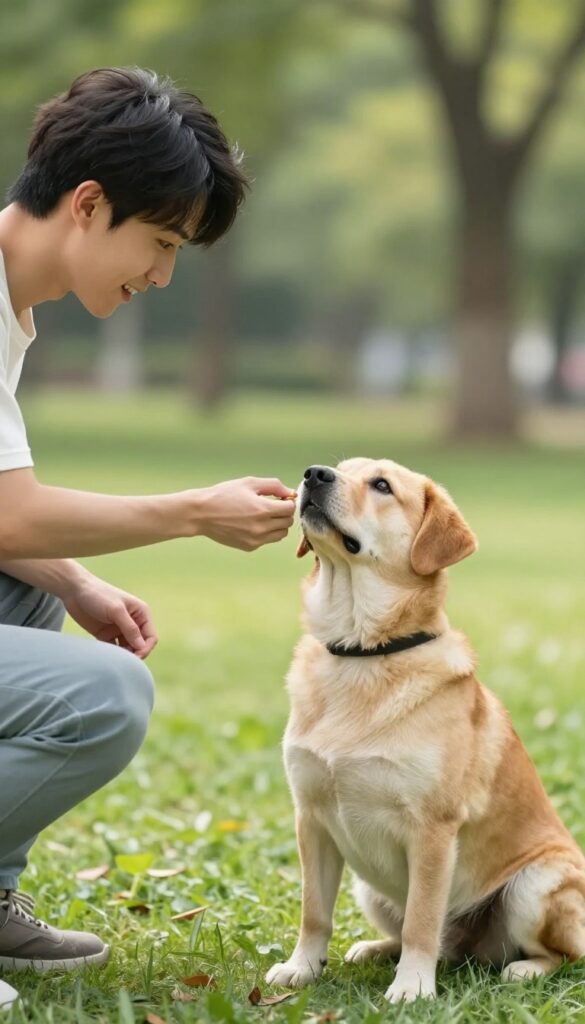
Eye contact is the foundation of attention, but getting your dog to offer it voluntarily takes practice. This game turns eye contact into a fun, rewarding habit that works indoors and out. Start with zero distractions, then slowly build up to the chaos of the park.
Start Simple: The Basics Of Eye Contact
Begin in a quiet spot with your dog on a leash or just hanging out. Hold a high-value treat near your eye and say your dog's name. The moment they look at you, mark with a 'yes' or a click and give the treat.
Repeat this a few times, then start waiting for them to offer eye contact on their own. When they do, reward generously. This builds a solid foundation.
Add Movement And Distractions
Once your dog is offering eye contact reliably at home, move to your backyard or a quiet street. Use a longer leash and let them sniff around. When they check in with you, reward.
Gradually increase the level of distraction—try a busier sidewalk, a park bench, or near other dogs at a distance. The key is to reward every voluntary glance, so your dog learns that checking in pays off.
Make It A Game: Duration And Distance
Now, turn it into a challenge by asking for longer eye contact. Start with a one-second stare, then increase to three, five, or even ten seconds. Use a release word like 'okay' to let them know when the game is over.
You can also practice at a distance—have your dog sit, then walk a few steps away and ask for eye contact. This builds focus and self-control, which is exactly what you need outdoors.
4. The 1-2-3 Game: Impulse Control
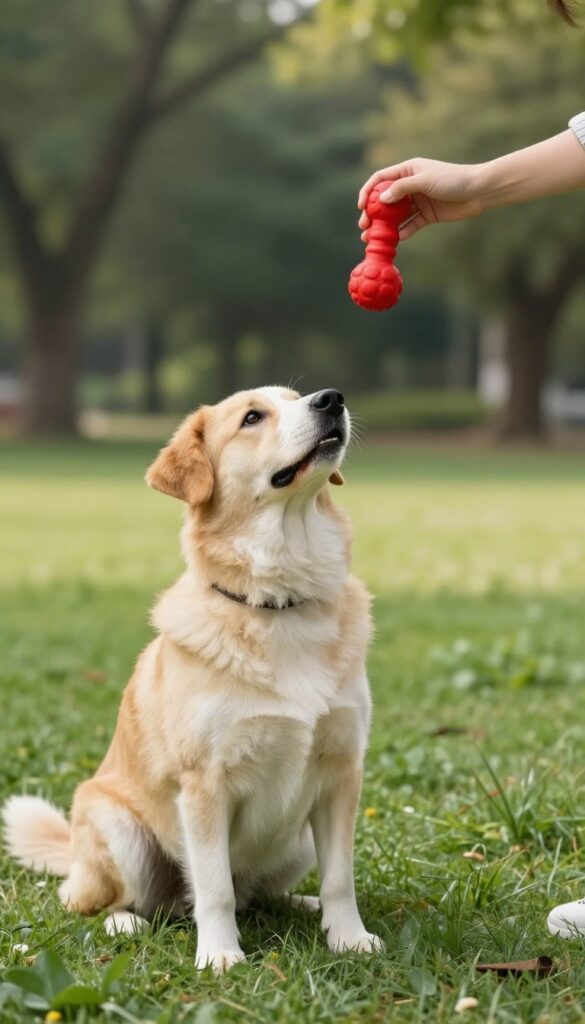
Some dogs treat every thrown toy like it's the last one on earth. They lunge, scramble, and sometimes bowl you over before the object even lands. That's where the 1-2-3 Game comes in—a simple countdown that turns waiting into a habit.
The premise is straightforward: you count to three, and your dog learns that good things come to those who wait. It's a powerful tool for building impulse control, which is the backbone of reliable attention in distracting environments.
The 1-2-3 Game is a brilliant way to teach your dog that patience pays off. It's easy to set up, requires no special equipment, and works for dogs of all ages and energy levels. The game also strengthens your dog's ability to listen to you even when their instincts are screaming to chase, grab, or run.
Here's how it works: you'll use a countdown as a release cue. Your dog learns to hold still until you say "three" (or whatever word you choose). This simple pattern transfers to real-life situations like waiting at the curb, staying put before greeting another dog, or not bolting out the front door.
Why It Works
The game works because it taps into your dog's natural desire to chase and grab. By adding a countdown, you're asking them to override that impulse for a split second. Over time, that split second becomes longer, and your dog learns that self-control leads to rewards.
It's a mental workout that leaves them satisfied and more focused on you.
How To Play
Start with your dog on a leash or in a sit-stay. Hold a toy or treat in your hand and say "1. . . 2. . .
3! " as you toss it or drop it. The key is to release the item exactly when you say "three.
" If your dog moves early, calmly pick up the item and start over. Repeat until they understand that moving before "three" means no reward.
Leveling Up
Once your dog gets the hang of it indoors, take the game outside. Use a favorite toy or a high-value treat. Gradually increase the time between numbers—say "one. . . two. . .
" and pause before saying "three. " You can also add distance by tossing the toy farther away. This helps your dog practice impulse control in more distracting settings.
5. Red Light, Green Light: Stop and Go
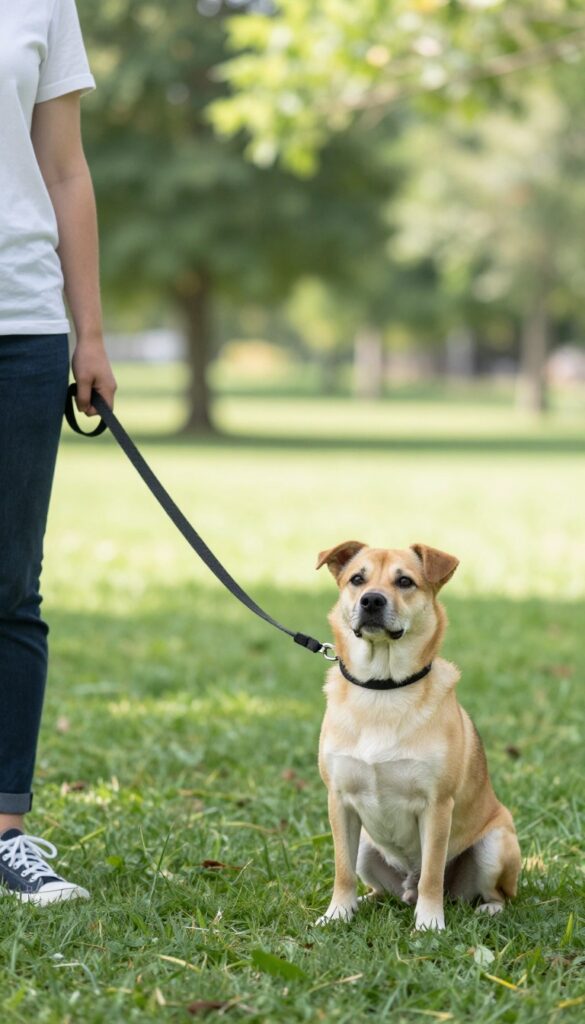
Walking your dog shouldn't feel like being dragged by a furry sled. But getting a pup to match your pace and pause when you do takes practice. This classic children's game adapts beautifully to dog training, teaching your dog to watch for your cues and respond instantly.
Red Light, Green Light turns a regular stroll into a fun, interactive session that sharpens your dog's attention. The rules are simple: you're the traffic light, and your dog must stop when you say "red light" and go when you say "green light. " It's a fantastic way to build impulse control and keep your dog tuned in to you, even with distractions around.
Why It Works
The game hinges on the pause-and-go pattern, which naturally makes your dog check in with you. Each time you stop, your dog learns to look back for direction, reinforcing that you're the source of all fun and movement. Over time, this builds a habit of voluntary attention that carries over to real-world walks.
How To Play
Start in a low-distraction area like your backyard or a quiet street. With your dog on a loose leash, walk at a normal pace. After a few steps, say "red light" in a cheerful tone and stop abruptly.
The moment your dog stops and looks at you, mark with a "yes" and reward. Then say "green light" and continue. Keep sessions short—five minutes is plenty—and gradually increase the time between stops.
Adding Challenges
Once your dog gets the hang of it, spice things up. Try changing your pace, making sudden turns, or playing in a busier park. You can also add a hand signal, like a raised palm for stop, to make the cue more visual.
The goal is to keep your dog guessing and engaged, so they stay locked on you no matter what's happening around them.
6. The Box Game: Targeting Fun
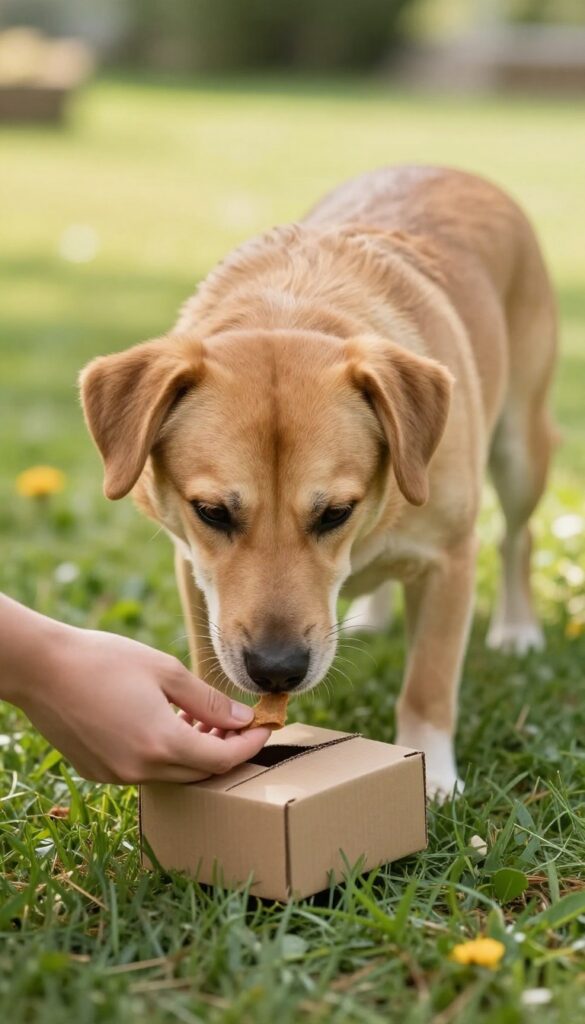
Targeting is one of those sneaky tricks that looks simple but opens up a whole world of training possibilities. The Box Game teaches your dog to touch a specific object—like a cardboard box or your open palm—with their nose or paw. Once they get the hang of it, you can use targeting to guide them through obstacle courses, keep them focused in distracting environments, or even teach them to close doors.
Best of all, it’s a game that works indoors or outdoors, and it’s a fantastic way to build attention without demanding constant eye contact.
Start by presenting a small, sturdy box (or a plastic lid) at your dog’s nose level. When they sniff or bump it, mark with a “yes! ” and reward. Repeat until they consistently touch it on purpose.
Then, gradually move the box to different positions—on the ground, to the side, or a few steps away—so they learn to seek it out. Once they’re solid, add a verbal cue like “touch” or “target” just before they make contact. The beauty of this game is that it’s self-reinforcing: dogs love the instant reward, and you love the focus it builds.
Why Targeting Works For Attention
Targeting gives your dog a clear, simple job to do. Instead of trying to figure out what you want, they know exactly where to put their nose or paw. This clarity reduces frustration and keeps them engaged.
Plus, the physical action of touching a target is inherently rewarding—it’s like a little puzzle they get to solve. Over time, your dog learns that paying attention to you leads to fun and treats, which is the ultimate goal.
Taking The Box Game Outdoors
The Box Game isn’t just for the living room. Once your dog understands the game indoors, take it outside to a quiet park or your backyard. Start by placing the box close to you, then gradually increase the distance or add distractions.
You can also use a portable target like a small plastic lid or a folded hand towel. The key is to keep sessions short and rewarding, so your dog stays motivated even with new smells and sounds around.
Creative Variations To Keep It Fresh
Once your dog masters the basic touch, mix it up. Try teaching them to touch a target with their paw instead of their nose. Or set up multiple boxes and ask them to touch a specific one—this builds discrimination and focus.
You can even turn it into a mini agility course by placing targets on low stools or leaning boards. The possibilities are endless, and each variation strengthens your dog’s ability to listen and respond.
7. The Whistle Game: Distance Recall
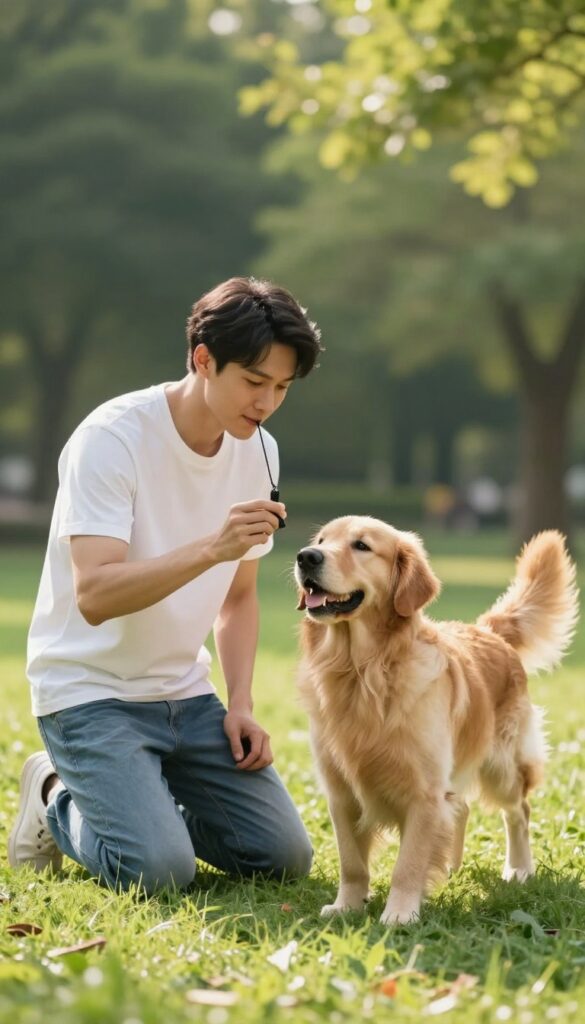
A reliable recall is the ultimate safety net, but teaching it at a distance takes more than just yelling louder. The whistle game turns recall into a crisp, consistent behavior that works even when your dog is far away. By pairing a whistle with high-value rewards, you can build a rock-solid response that feels like magic.
Start in a low-distraction area like your backyard or a quiet park. Use a distinct whistle pattern—two short blasts work well—and immediately reward your dog when they come to you. Keep sessions short and always end on a positive note.
As your dog gets the hang of it, gradually increase the distance and add mild distractions. The key is to make coming back to you the most exciting thing in the world, so never call your dog to you for something unpleasant.
Why A Whistle Beats Your Voice
Your voice can sound stressed, excited, or tired—all of which can confuse your dog. A whistle is always the same, cutting through noise and distance. It's also less likely to be associated with past mistakes, making it a fresh, powerful cue.
How To Teach The Whistle Game
Begin with your dog close by, maybe 5-10 feet away. Blow the whistle, then immediately show a high-value treat. When they come, throw a mini party.
Repeat this several times, then start moving backward as you blow the whistle, encouraging them to chase you. Gradually increase the distance and add distractions like toys or other people.
Troubleshooting Common Issues
If your dog ignores the whistle, you're probably moving too fast or the reward isn't exciting enough. Go back to a shorter distance and use something irresistible like chicken or cheese. If they come but seem slow, try running away from them as they approach—it makes the game more fun.
And never call your dog to you for bath time or nail trims.
8. The Shell Game: Memory and Focus
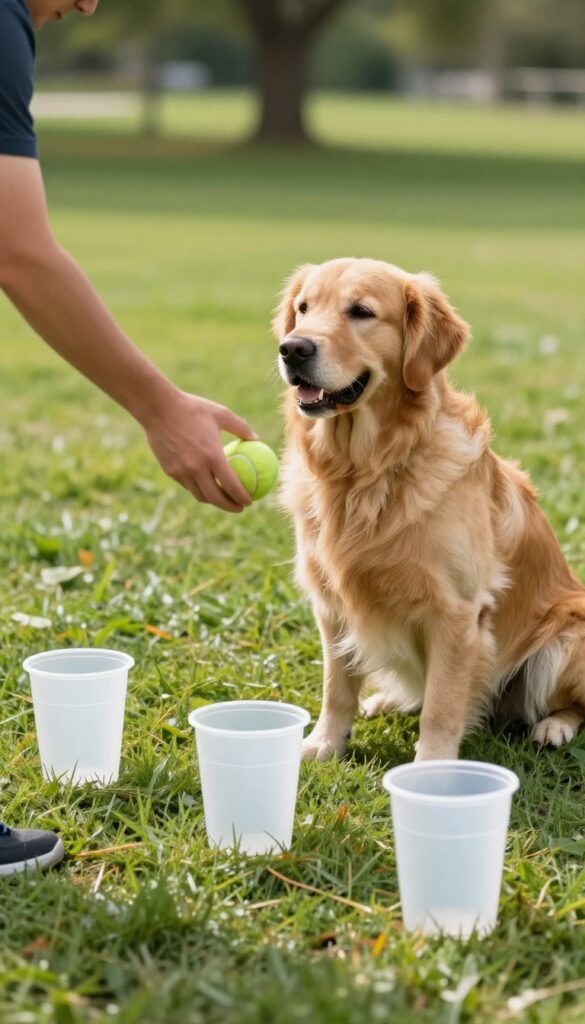
Dogs are natural problem solvers, but they often rely on their noses more than their brains. The shell game flips that script by asking your pup to use memory and visual focus instead of just scent. It's a fun twist on the classic cup game that sharpens attention and builds patience—all while keeping your dog's brain buzzing.
Start with three opaque cups and a few high-value treats. Place the cups upside down on the ground, let your dog watch you hide a treat under one, then encourage them to sniff or nudge the correct cup. Once they get the hang of it, you can shuffle the cups in slow, visible circles before asking them to choose.
The key is to keep sessions short and celebrate every small win—this game is as much about building confidence as it is about memory.
Why It Builds Attention
The shell game forces your dog to track an object with their eyes and remember where it went, rather than relying on scent alone. That kind of visual tracking strengthens focus and impulse control, because your dog has to wait for your cue before knocking over a cup. Over time, you'll notice your dog watching you more closely during other training sessions too—they're learning that paying attention pays off.
How To Set It Up Outside
Pick a flat, quiet spot in your yard or a park where distractions are minimal at first. Use lightweight plastic cups or small buckets that won't blow away, and make sure the treats are smelly enough to be interesting but not so crumbly that they leave a trail. Place the cups in a line about a foot apart, and let your dog sniff the area before you start so they know treats are involved.
Leveling Up The Challenge
Once your dog nails the basic version, you can make it harder by adding more cups, shuffling faster, or even using two identical cups and moving the treat while your dog watches. Another fun variation is to hide the treat under one cup while your dog is distracted, then ask them to find it—this tests their memory even more. Just remember to keep it playful and end on a high note so your dog stays excited for the next round.
9. The Tunnel Game: Confidence and Focus
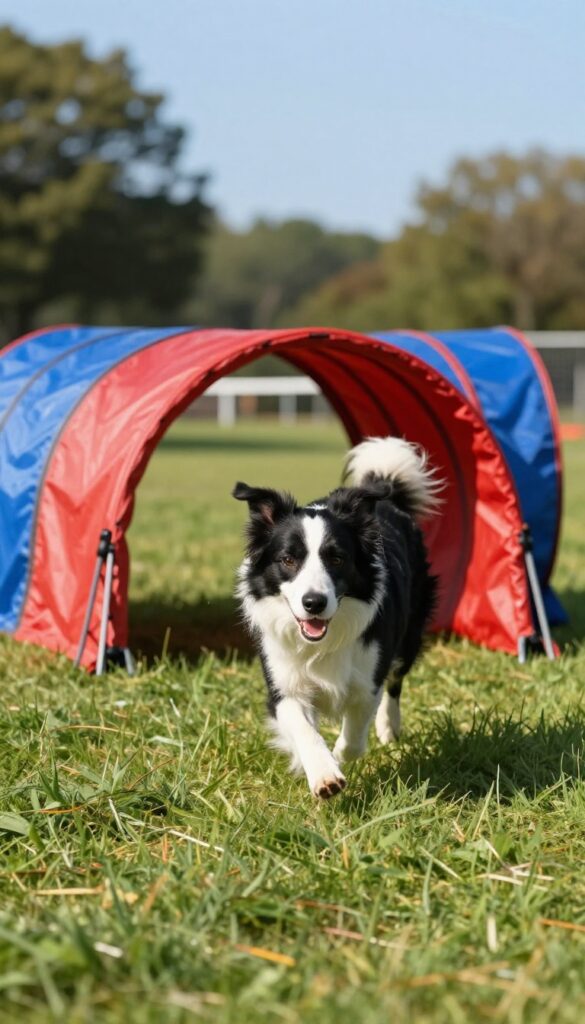
Tunnels aren't just for agility pros. This game uses a simple tunnel to sharpen your dog's focus and build confidence, especially for pups who are a bit unsure of new things. It's a fantastic way to channel that natural curiosity into a controlled, rewarding activity.
The Tunnel Game is straightforward: you set up a tunnel, send your dog through it, and reward them on the other side. But the magic lies in how you play it. It's not just about running through a tube; it's about teaching your dog to commit to a task, trust your cues, and celebrate a job well done.
Setting Up For Success
Start with a tunnel that's short and straight. You can buy a collapsible agility tunnel or make a DIY version using a large cardboard box with both ends open. Place it on a flat, non-slippery surface.
Have high-value treats ready and a clear path for your dog to run through.
The First Runs
Kneel at one end of the tunnel, holding a treat in view. Call your dog cheerfully, and as they approach, toss the treat through the tunnel so they have to go in to get it. If they hesitate, use a longer treat like a piece of hot dog or cheese.
Once they're comfortable going through, start adding a verbal cue like "tunnel! " just before they enter.
Building Confidence With Variations
Once your dog is zipping through, make it more interesting. Curve the tunnel slightly, or put a toy or treat at the end as a reward. You can also send your dog through from different angles, or have them wait at the start while you walk to the other end and call them.
This builds their confidence in following your cue even when you're not right next to them.
Why It Works For Focus
The tunnel is a single, clear goal. Your dog has to block out distractions and focus on the task at hand—getting through that tunnel. This mental engagement is tiring in a good way, and it reinforces that paying attention to you leads to fun and rewards.
Plus, it's a great way to build a positive association with new or scary objects.
10. The Parkour Game: Obstacle Fun
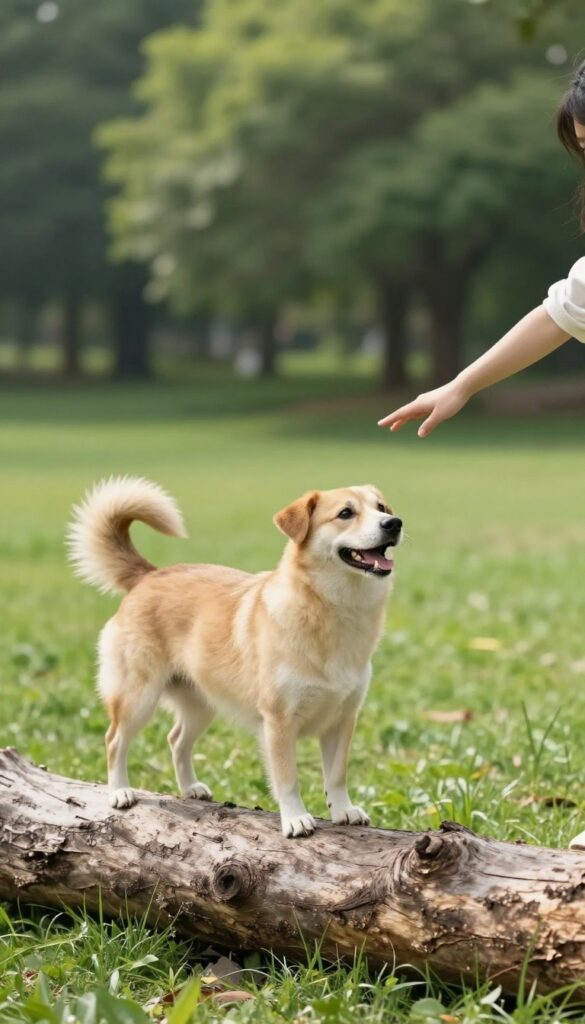
Parkour isn't just for humans who leap between buildings—it's a fantastic way to get your dog thinking and moving. By turning everyday objects like benches, logs, and low walls into training equipment, you can build coordination, confidence, and attention. The key is to make it a game where your dog checks in with you before tackling each obstacle.
Start by scouting your usual walking spots for safe, dog-friendly obstacles. A low bench to hop on, a fallen log to balance across, or a curb to walk along are perfect starting points. The goal isn't to create an agility course—it's to turn ordinary paths into a fun challenge that requires your dog to focus on you for direction.
Why Parkour Builds Attention
When your dog learns to look to you for guidance on which obstacle to approach and how, their attention naturally shifts to you. This game also burns mental energy, which is just as tiring as physical exercise. Plus, the novelty of new obstacles keeps your dog engaged and eager to see what's next.
Start With Simple Targets
Begin with an easy target like a wide, low step or a flat rock. Use a treat to lure your dog onto it, then reward them for placing all four paws on the surface. Once they're comfortable, add a cue like 'up' or 'hop. ' Keep sessions short and always end on a positive note.
Turn Obstacles Into A Sequence
Once your dog understands the basics, string a few obstacles together—like hopping on a log, walking along a low wall, and jumping off a curb. Pause between each one to get your dog's eye contact before giving the next cue. This reinforces the habit of checking in with you, even in exciting environments.
11. The Tug-and-Release Game: Controlled Play
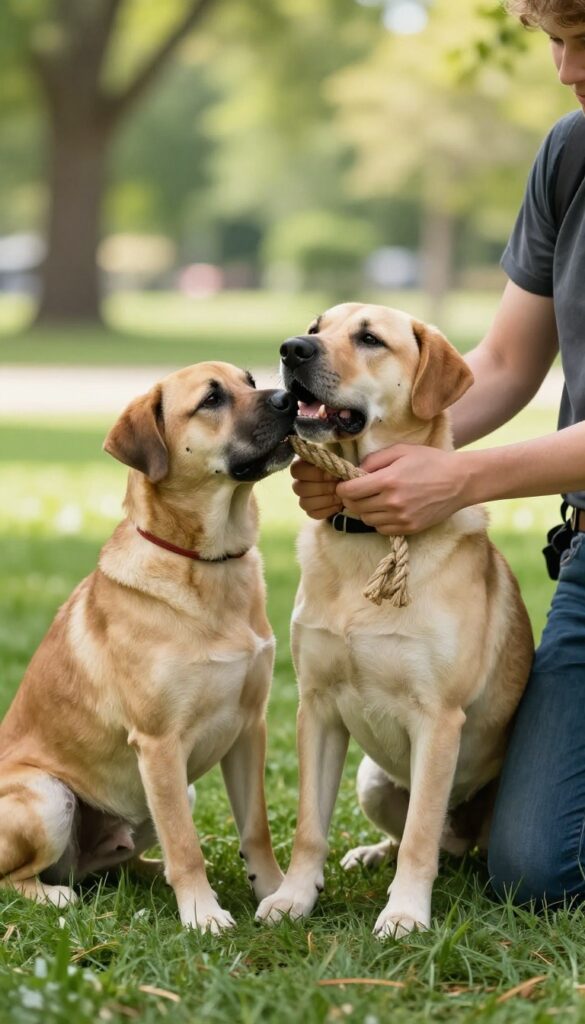
Tug-of-war often gets a bad rap, but when played with rules, it's one of the best impulse control exercises you can do outside. This game teaches your dog to engage with you even when excitement is high—exactly what you need when distractions are everywhere. The key is making the game start and stop on your terms, not theirs.
Tug is a fantastic outlet for drive and energy, but without structure, it can quickly become a chaotic free-for-all. By adding clear rules, you turn it into a powerful attention game. Your dog learns that the game only continues when they're focused on you, which translates to better focus in other high-arousal situations.
Setting The Ground Rules
Before you start, decide on a release cue like 'drop it' or 'out. ' Have a treat ready to trade for the toy initially. When your dog releases, mark it with a 'yes' and give the treat. Then, pause for a few seconds.
Only when they look at you and wait for permission do you say 'take it' and resume the game. This simple pattern builds a solid foundation for impulse control.
Adding Distractions
Once your dog understands the game in a quiet yard, take it to a park with mild distractions. Start with short sessions—just a few exchanges. If your dog gets too excited and won't release, calmly end the game and walk away.
This teaches them that the fun stops when they don't follow the rules. Over time, they'll learn to control themselves even with other dogs or people nearby.
Why It Works For Attention
Tug-and-release forces your dog to switch between high-arousal play and calm, focused behavior. That mental shift is like a workout for their attention span. They learn that being calm and attentive leads to more play, while being impulsive ends the fun.
It's a direct way to practice self-control in an exciting context, which is exactly what you need for outdoor reliability.
12. The Hide-and-Seek Game: Recall and Bonding
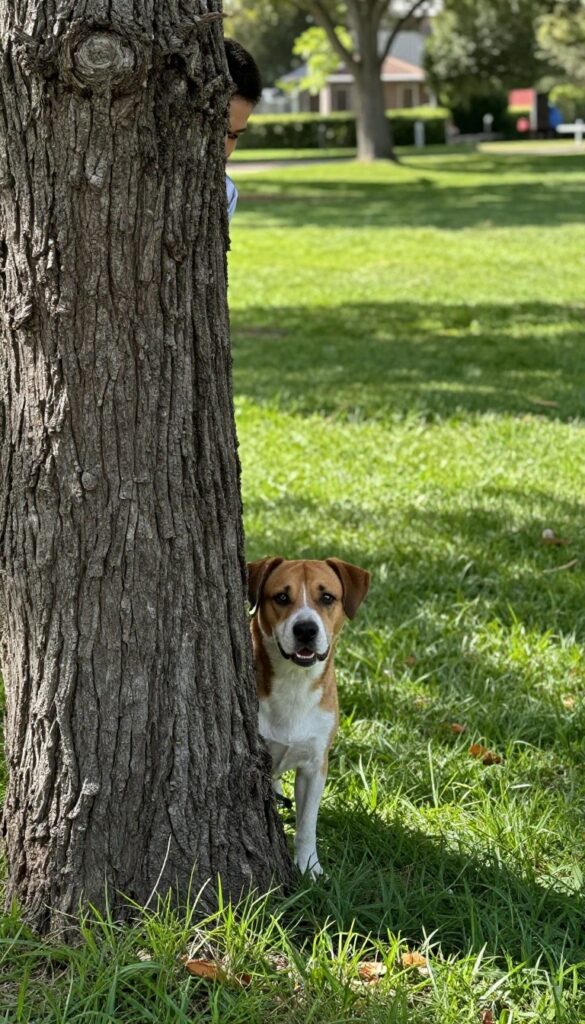
Remember the pure joy of playing hide-and-seek as a kid? Your dog can experience that same thrill, and it's one of the most effective ways to build a rock-solid recall. This game taps into your dog's natural instinct to find you, turning the come-when-called cue into a fun and rewarding adventure.
It's not just about training—it's about creating a game where your dog genuinely wants to be near you, even when distractions are everywhere.
Hide-and-seek is a powerful training tool because it combines recall with the mental stimulation of a search. When your dog finds you, they get a big reward—treats, praise, and the satisfaction of a successful hunt. This positive association makes coming when called a game they want to play, not a chore they have to endure.
Plus, it's a fantastic way to strengthen the bond between you and your pup, as they learn to trust that you're always worth finding.
Start Easy, Build Up
Begin in a familiar, low-distraction area like your backyard or a quiet park. Let your dog sniff a treat in your hand, then say 'stay' or have a friend hold them while you walk a short distance away. Hide behind a tree, bush, or even just around a corner.
Call your dog's name in an excited voice, followed by 'come! ' When they find you, throw a mini celebration—praise them, give a high-value treat, and maybe play a quick tug. This first success builds their confidence and excitement for the game.
Increase The Challenge
As your dog gets the hang of it, make the game harder. Hide in more obscure spots, like behind a large rock or inside a cluster of bushes. You can also start increasing the distance you cover before hiding.
Another great variation is to have a friend or family member hold your dog while you hide, then release them to find you. This adds a layer of difficulty and reinforces the recall cue even when you're out of sight.
Use It For Real-life Recall
The beauty of hide-and-seek is that it directly translates to real-world recall. When you're out on a walk and your dog starts to wander, you can duck behind a tree and call them. They'll come running, expecting a fun game.
This turns a potential moment of frustration into a positive training opportunity. Just be sure to reward generously every time they find you, and always end the game on a high note while your dog is still eager for more.
13. The Circle Game: Directional Cues
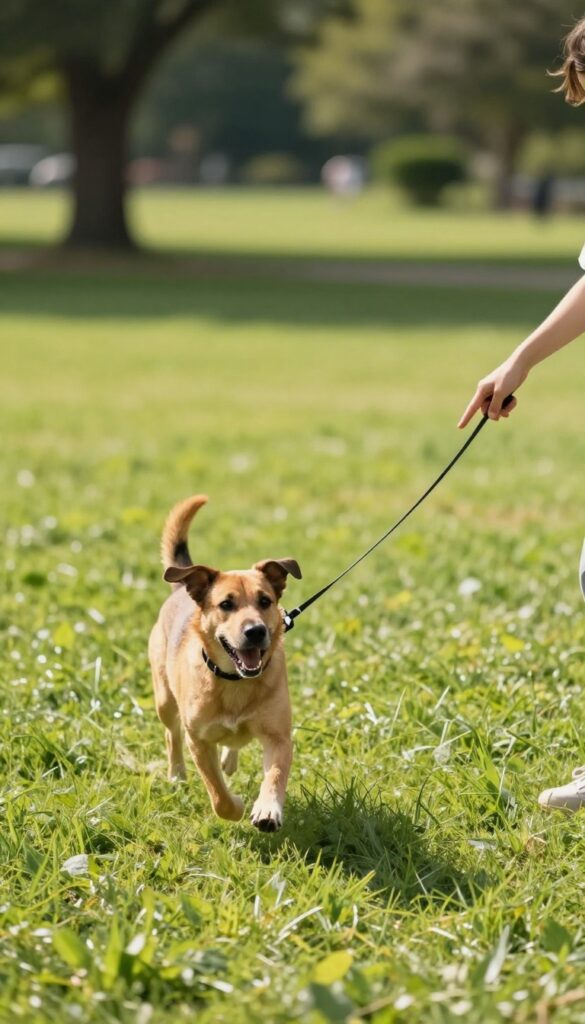
Once your dog has mastered the basics of following you, it's time to turn up the precision. The Circle Game is a simple but powerful way to sharpen your dog's responsiveness to directional cues, all while building focus and body awareness. It's a favorite among trainers because it's easy to set up, works in any open space, and delivers quick results.
The Circle Game is exactly what it sounds like: you teach your dog to run around you in a circle on cue. This might sound simple, but it's a fantastic way to improve your dog's attention and responsiveness to directional commands like "go around" or "circle. " It also strengthens your bond, as your dog learns to watch your body language and listen for your cues even when moving.
Why It Works
This game taps into your dog's natural instinct to circle and follow movement. By rewarding your dog for completing a full circle around you, you're reinforcing the idea that paying attention to you leads to good things. It also builds coordination and body awareness, which are essential for more advanced training.
Plus, it's a great way to practice off-leash control in a controlled setting.
Step-by-step Setup
Start with your dog on a leash in a quiet outdoor area. Hold a treat in your hand and lure your dog in a circle around you, saying "circle" as they move. Reward them as soon as they complete the loop.
Repeat this several times, gradually fading the lure until your dog responds to the verbal cue alone. Once your dog gets the hang of it, you can add a hand signal, like a circular motion with your finger, to make it even clearer.
Adding Distractions
Once your dog reliably circles on cue, it's time to test their focus. Try playing the game in a busier park or with other dogs nearby. Start with just a few circles and reward heavily for correct responses.
If your dog gets distracted, go back to a quieter spot and build up again. The goal is to have your dog's attention on you, not the environment, even when things get exciting.
Taking It Further
You can turn the Circle Game into a fun agility-style trick by asking for circles in both directions. Teach your dog "circle left" and "circle right" to improve their understanding of directional cues. You can also ask for a circle before a recall or as part of a longer sequence.
This game is a building block for more complex obedience and dog sports, so have fun with it and watch your dog's attention soar.
FAQ
How often should I play these outdoor training games?
Aim for short, frequent sessions—5 to 10 minutes a day is perfect. Consistency beats marathon sessions, and it keeps your dog eager for more.
What if my dog gets distracted easily during outdoor games?
Start in a low-distraction area and gradually increase the level of distractions as your dog improves. Use high-value treats and keep sessions short to maintain focus.
Can these games help with leash pulling?
Absolutely. Games like 'Red Light, Green Light' and 'Look at Me' teach your dog to check in with you, which can reduce pulling and make walks more enjoyable.
Are these games suitable for all dog breeds and ages?
Yes, but adjust the intensity and complexity based on your dog's age, health, and breed. Puppies and senior dogs may need gentler versions, while high-energy breeds might enjoy more challenging variations.
Do I need special equipment for these games?
Most games require only treats and a leash. A few, like the Tunnel Game or Parkour, can use natural objects or simple props you already have at home.
Conclusion
Outdoor training games are more than just fun—they're a powerful way to build your dog's attention and responsiveness. By turning training into play, you'll see improvements in focus, recall, and overall obedience. Start with one or two games that appeal to you and your dog, then gradually add more.
Remember, the goal is to have fun while strengthening your bond. So get outside, be patient, and enjoy the journey of training your dog in the great outdoors.

I’m Pallab Kishore, the owner of Little Pets Realm — an animal lover and pet care enthusiast sharing easy tips, healthy recipes, and honest advice to help every small pet live a happy, healthy, tail-wagging life.