
Last updated on August 19th, 2026 at 04:14 pm
A reliable recall is more than a trick—it's a lifeline. When your puppy sprints toward a busy street or spots a squirrel, a solid "come" can mean the difference between a close call and a disaster. But getting there doesn't have to be a battle of wills.
With the right drills, you can turn recall training into a game your pup actually loves. These 10 exercises are designed to build a rock-solid response, step by step. They're simple, fun, and perfect for puppies with short attention spans.
Ready to transform your pup into a lightning-fast responder? Let's dive in.
1. The Name Game: Building Instant Attention
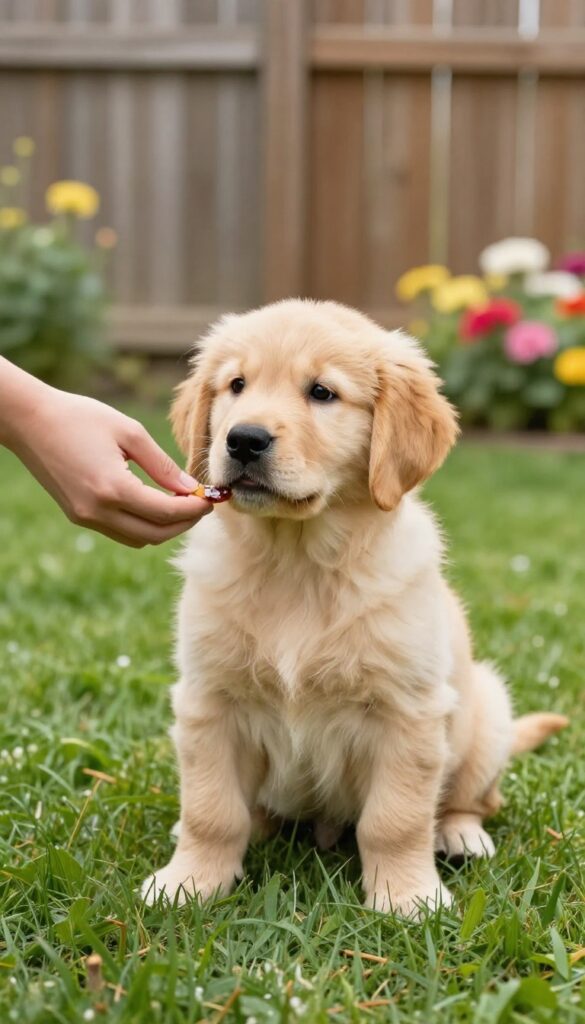
Before your puppy can master a recall cue, they need to understand that their name is a signal to check in with you. This simple yet powerful game turns their name into a positive, attention-grabbing sound. It's the first step toward a reliable recall because a dog that looks at you when called is already halfway to coming back.
The Name Game is all about teaching your puppy that hearing their name means something great is about to happen. By pairing their name with treats and excitement, you're building a strong association that will make them want to turn to you every time. This drill is perfect for puppies with short attention spans because it's quick, rewarding, and easy to fit into daily life.
Why Eye Contact Matters
Eye contact is the foundation of communication with your puppy. When your puppy looks at you, they're focused and ready to learn. This drill reinforces that behavior, making it more likely they'll respond to your call even in distracting situations.
How To Play The Name Game
Start in a quiet room with no distractions. Say your puppy's name in a happy, upbeat tone. The moment they look at you, mark it with a word like 'yes! ' and give them a high-value treat.
Repeat this 5-10 times, then take a break. As they get the hang of it, gradually increase the distance or add mild distractions.
Adding Real-world Practice
Once your puppy reliably looks at you when you say their name indoors, take the game outside. Use a long leash for safety and start in a low-distraction area. Say their name and reward them for turning to you, even if they don't come all the way yet.
This builds a strong habit of checking in with you, which is the first step to a solid recall.
2. The Cookie Toss: Making Coming Back Fun
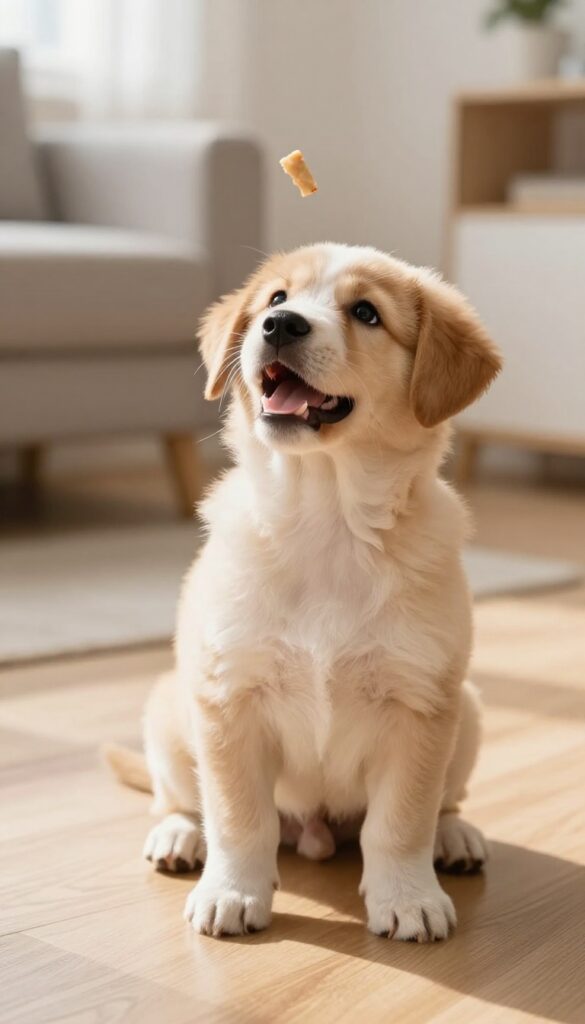
Recall doesn't have to feel like a chore—for you or your pup. The Cookie Toss turns the whole exercise into a game of chase, so your puppy learns that running back to you is the best part of the day. It's simple, fast, and works wonders for building a positive association with the cue.
Start by tossing a small, high-value treat a few feet away. Let your puppy go get it. As soon as they finish eating, call their name in a cheerful voice and say "come!
" The moment they turn and head your way, reward them with another treat—even better if it's something extra special. This reinforces that coming back is always worth it, not a signal that playtime is over.
Why It Works
Puppies are naturally curious and love to chase. By making recall the start of a fun interaction, you're tapping into their instincts. The cookie toss creates a pattern: they run away, you call, they come back, and good things happen.
This builds a strong, positive association that beats any distraction.
How To Start
Begin in a low-distraction area like your living room. Use treats that are soft and smelly—tiny pieces of chicken or cheese work great. Toss the treat just a couple of feet away, then call.
Keep sessions short, around 3–5 minutes, and always end on a high note with a jackpot reward.
Leveling Up
Once your puppy gets the hang of it, increase the distance and add mild distractions. Toss the treat further, or try it in the backyard. Gradually vary the rewards—sometimes a treat, sometimes a toy, sometimes just enthusiastic praise.
This keeps your pup guessing and excited to come back every time.
3. The Two-Person Recall: Learning to Come to Anyone

Your puppy might come running when you call, but what about when your partner, a friend, or a neighbor calls? A recall that only works for you isn't truly reliable. The two-person recall drill fixes that by teaching your pup that 'come' means the same thing no matter who says it.
This simple game is also a great way to burn energy and build focus. Plus, it's a fantastic opportunity to socialize your puppy with different people in a controlled, positive way. Let's get started.
Start with two people and a handful of high-value treats. Stand about 10 to 15 feet apart, with your puppy in the middle. Take turns calling your puppy by name and then saying 'come' in a happy, excited tone.
When your puppy reaches the caller, reward them with a treat and lots of praise. After a few successful reps, increase the distance or move to a new location to add variety. Keep sessions short and upbeat—aim for 5 to 10 minutes at most.
If your puppy loses interest, end on a high note and try again later. The goal is to make coming to anyone feel like the best game in the world.
Why It Works
Puppies are smart—they quickly learn that 'come' only matters when you're the one saying it. This drill breaks that pattern by showing your pup that the cue is universal. It also strengthens their response in distracting environments because they have to tune out the other person and focus on the caller.
Plus, it's a great way to build trust with other family members. When your puppy learns that good things happen when they come to anyone, they'll be more likely to listen in real-world situations.
Setting Up For Success
Choose a quiet, familiar space for the first few sessions. Have each person hold a small pouch of treats so rewards are immediate. Use a cheerful, excited voice when calling—no stern tones.
If your puppy doesn't come right away, try crouching down, patting your knees, or even running a few steps backward to spark their chase instinct. Keep the first sessions easy: short distances, no distractions, and lots of praise. As your puppy gets the hang of it, you can add gentle distractions like a favorite toy or a mild noise.
Always end on a positive note.
Adding Real-world Challenges
Once your puppy is reliably coming to both people indoors, take the drill outside. Start in a fenced yard or a quiet park, then gradually increase the distance between callers. You can also try having one person hold a toy or treat to test your puppy's focus.
Another variation is to have the non-calling person gently restrain the puppy while the other calls. This adds a slight challenge and mimics situations where your pup might be distracted. Remember to keep it fun—if your puppy seems frustrated, go back a step.
4. The Long Line: Practicing Recall with Freedom
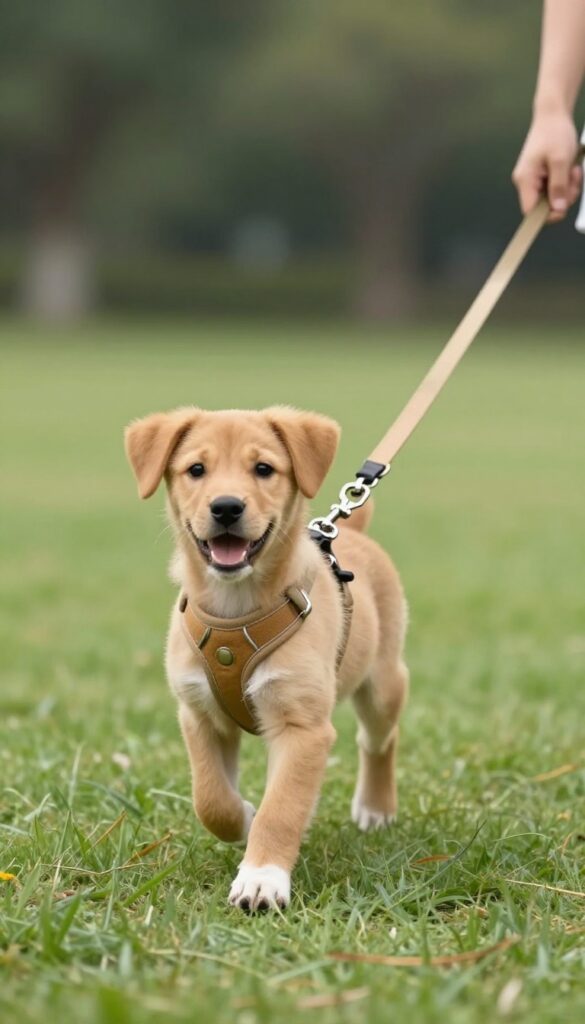
Once your puppy has aced recall indoors, it's time to take the show on the road—literally. The long line is the perfect middle ground between a regular leash and full off-leash freedom. It gives your pup room to roam while you keep a safety net in hand.
This drill builds trust and reliability in real-world settings, where distractions are everywhere. You'll feel more relaxed, and your puppy will learn that coming back to you is always worth it, even when the world is way more interesting.
Here's how to make the long line work for you and your pup.
Gear Up Right
You'll need a lightweight long line—15 to 30 feet works best—and a secure harness or collar. Avoid retractable leashes, as they can teach your pup to pull against tension. Instead, a simple nylon or biothane line lets you give slack when they explore and gently gather the line when you call.
Set Up For Success
Pick a quiet park or your backyard to start. Let your puppy wander to the end of the line, then call their name in a happy tone. As they turn toward you, give a gentle tug on the line to encourage them, and reward with a high-value treat the moment they reach you.
Keep sessions short and upbeat, so your pup never feels pressured.
Add Distractions Gradually
Once your puppy is coming reliably in a calm spot, introduce mild distractions—another person, a squeaky toy, or a few tossed treats. Call them back anyway, and make the reward even more exciting, like a game of tug or a handful of kibble. This teaches them that coming to you is always the best option, no matter what's going on.
Randomize Your Calls
Don't call your puppy every time they reach the end of the line. Instead, let them sniff and explore for a few minutes, then call at random intervals—sometimes after 10 seconds, sometimes after two minutes. This unpredictability keeps them engaged and prevents them from tuning out your cue.
5. The Distraction Decoy: Training with Temptations
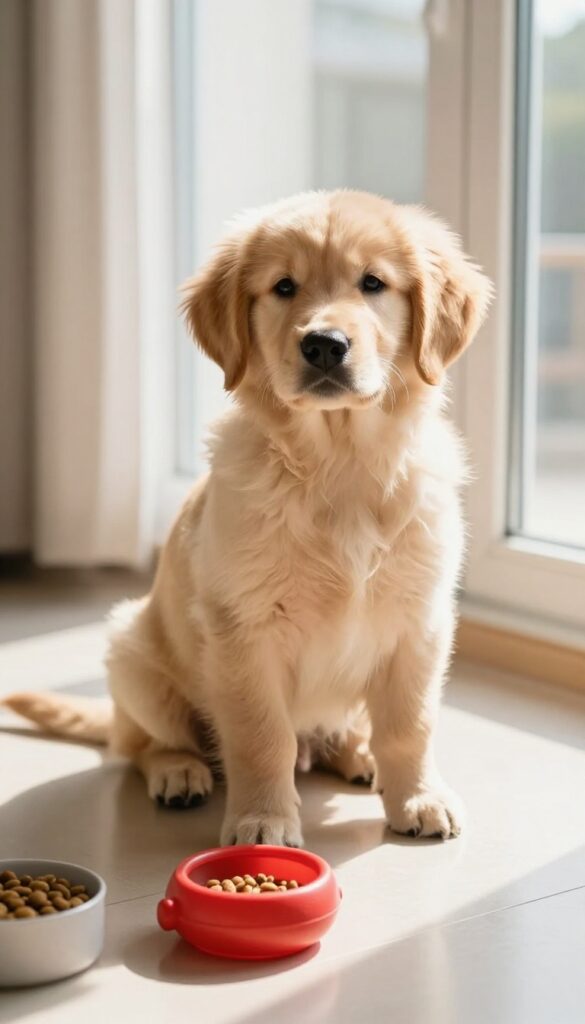
You've mastered the basics, but real life is full of distractions. That's where this drill comes in. By setting up controlled temptations, you can teach your puppy to choose you over the world—even when a squeaky toy or a bowl of kibble is right there.
Start with something your puppy loves—a favorite toy, a treat-stuffed Kong, or a bowl of their regular food. Place it a few feet away and call your pup from a short distance. The goal isn't to make it impossible; it's to build a habit of ignoring distractions when they hear that cue.
Start Small And Build Up
Begin with the distraction far away and your puppy close to you. Call them, reward generously when they come, and gradually increase the difficulty. Move the temptation closer, or add a second distraction, but only when your pup is succeeding at the current level.
Use High-value Rewards
When you're asking your puppy to ignore something amazing, you need to offer something even better. Use extra-special treats like chicken or cheese, and make a big deal when they come. This teaches them that choosing you always pays off.
Practice In Short Bursts
Keep sessions short—just a few minutes at a time. Puppies have short attention spans, and you want the drill to end on a high note. If your pup struggles, step back a few paces and simplify until they're successful again.
6. The Hide-and-Seek Recall: Building a Stronger Bond

Hide-and-seek isn't just for kids—it's a powerful recall game that taps into your puppy's natural instincts. When you disappear, your pup learns to rely on their nose and ears to find you, which makes coming when called more exciting. Plus, every successful find ends with a party, so your puppy starts to see recall as a game they want to win.
This drill turns recall into a fun, interactive game that strengthens your bond. It's perfect for puppies who need a little extra motivation or who are easily distracted. The key is to make yourself the most interesting thing in the room, even when you're hiding.
Start Easy: Hiding In Plain Sight
Begin in a familiar, low-distraction room. Let your puppy see you duck behind a chair or a couch. Call their name in a happy, excited voice: 'Come find me! ' When they trot over, celebrate like they just won the lottery—treats, praise, and maybe a quick game of tug.
This first step teaches them that finding you is a rewarding adventure.
Crank It Up: Real Hiding Spots
Once your puppy gets the hang of easy hides, step it up. Hide behind a door, under a table, or in another room. Call them and let their nose do the work.
If they get stuck, give a little whistle or a 'puppy puppy puppy' to help them out. When they find you, reward big. This builds their confidence and makes recall more thrilling than any squirrel outside.
Make It A Game: Adding Distractions
As your puppy becomes a hide-and-seek pro, add distractions. Have a friend toss a toy in the opposite direction, or play in a fenced yard with mild distractions. The goal is to show your puppy that even when fun things are happening, coming to find you is even better.
Always end on a high note with a jackpot reward.
7. The Rapid-Fire Recall: Speeding Up Response Time
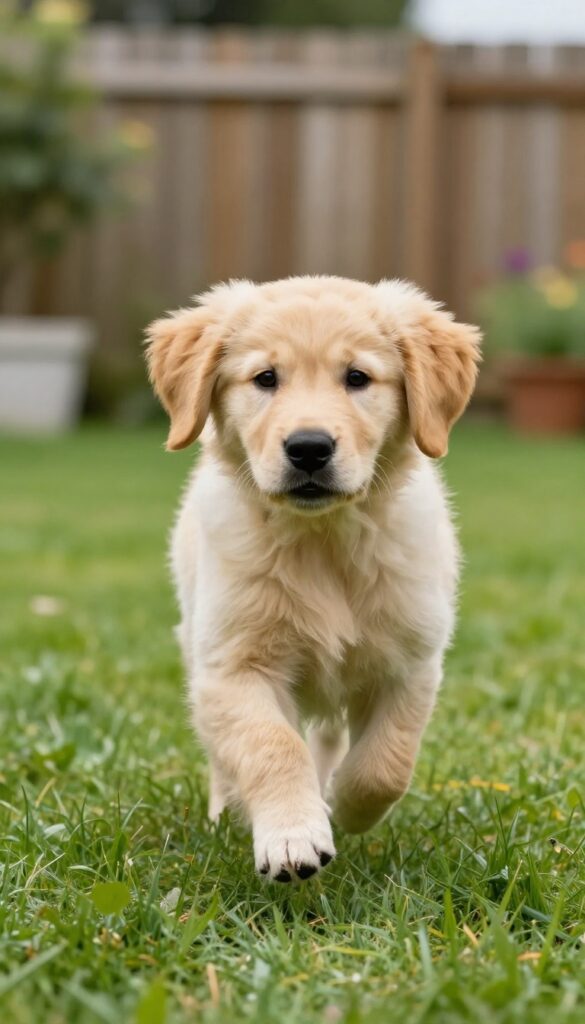
Once your puppy gets the hang of coming when called, it's time to add some speed. A recall that takes ten seconds feels like an eternity when your pup is heading toward trouble. The rapid-fire drill turns recall into a fast, fun game that sharpens both speed and enthusiasm.
This exercise is all about quick, repeated reps in a safe, enclosed space. You'll call, reward, release, and call again. It's a simple concept, but the payoff is huge: your puppy learns that coming to you is always worth their while—and that doing it fast is even better.
The rapid-fire recall is a fantastic way to build speed and reliability. By stringing together multiple recalls in quick succession, you teach your puppy that responding to your cue is not just rewarding, but also a blast. This drill also helps your pup learn to disengage from distractions and re-engage with you quickly, which is a skill that will serve you both well in real-world situations.
Here's how to make it work: Start in a quiet room or a fenced yard with no other people or pets. Have a handful of high-value treats ready. Call your puppy in an upbeat tone, and the moment they reach you, mark it with a 'yes' and give them a treat.
Then, immediately say 'free' or 'okay' to release them, and let them wander a few steps. As soon as they start to move away, call them again. Repeat this sequence 5-10 times, keeping the energy high and the pace brisk.
The key is to keep the game short and exciting. If your puppy starts to lag or seems bored, end on a high note with a big reward and a play session. Over time, you can increase the distance between calls and add mild distractions, but always keep the core pattern: call, reward, release, call again.
Why This Drill Works
The rapid-fire recall works because it taps into your puppy's natural love of games. Each call becomes a mini-challenge, and the quick succession keeps their brain engaged. It also builds a strong association between your cue and a positive outcome, which is the foundation of a reliable recall.
Plus, the fast pace helps your puppy learn to respond instantly, without hesitation.
Setting Up For Success
Before you start, make sure you have a safe, enclosed space and plenty of tiny, high-value treats. Choose a moment when your puppy is alert but not overly excited. Keep the first few sessions short—just a couple of minutes—and end before your pup loses interest.
Use a happy, excited voice, and don't be afraid to get silly. The more fun you have, the more your puppy will want to play along.
Adding Distractions Gradually
Once your puppy is nailing the rapid-fire recall in a quiet space, it's time to level up. Start by adding mild distractions, like a favorite toy on the ground or a family member sitting nearby. As your pup gets better, you can move to a busier area, like a park at a quiet time.
Always keep the sessions short and end with a big celebration, so your puppy always associates the drill with positive feelings.
8. The Whistle Recall: Adding a Reliable Backup Cue
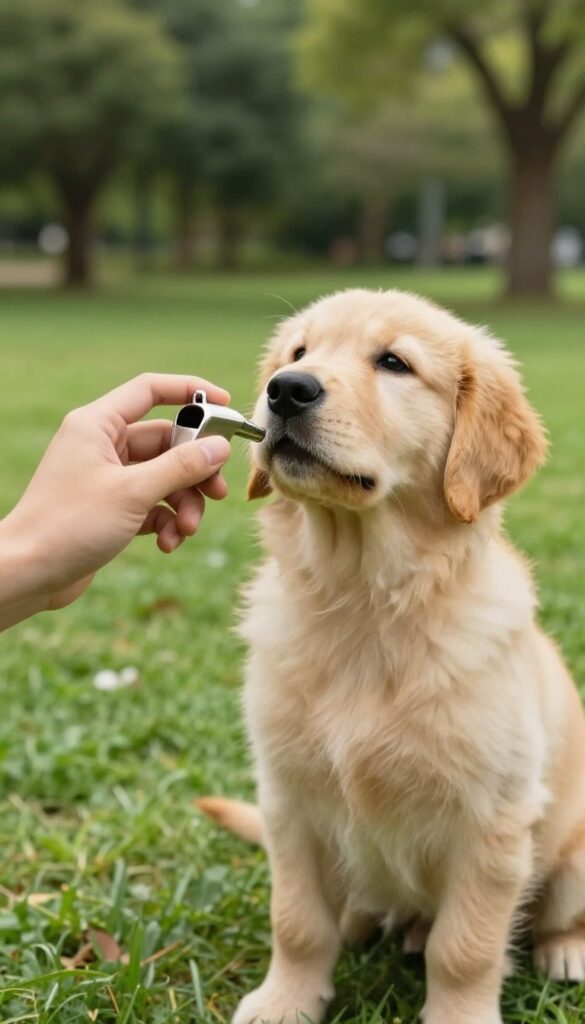
Your voice is powerful, but it has limits. In a gusty park or near a busy road, your shout might get lost in the noise. That's where a whistle comes in—a crisp, consistent sound that cuts through distractions and travels much farther than your voice ever could.
Introducing a whistle as a backup recall cue isn't just practical; it's a game-changer for safety and reliability. Puppies quickly learn that the whistle means something amazing is about to happen—treats, praise, or a fun game. The key is to pair the whistle with positive experiences from the very start, so your pup associates it with coming to you eagerly.
Why A Whistle Works
A whistle has a unique advantage: it sounds the same every time, no matter how tired or excited you are. Your voice can vary in pitch and volume, but a whistle is consistent. It also carries much farther than a human shout, making it ideal for off-leash adventures in open spaces.
Plus, it's less likely to be confused with other sounds in your environment.
Getting Started: Pairing The Whistle With Treats
Start indoors in a quiet room. Blow the whistle once, then immediately give your puppy a high-value treat and lots of praise. Repeat this several times, so your pup starts to connect the sound with something wonderful.
Keep sessions short and upbeat—just a few minutes a day is plenty.
Practice Makes Perfect: Short Sessions, Big Rewards
Once your puppy looks at you when they hear the whistle, start adding distance. Have a helper hold your pup while you walk a few steps away, then blow the whistle and call their name. When they come, celebrate with treats and play.
Gradually increase the distance and practice in different locations, always rewarding generously.
Using The Whistle In Real-world Situations
The whistle shines in windy or noisy environments where your voice might not carry. Use it at the park, on trails, or anywhere your pup might be tempted to wander. Remember to always follow the whistle with a reward, even if your pup is slow to respond at first.
Consistency and positivity will make the whistle a powerful tool for years to come.
9. The Emergency Brake: Teaching a Super-Strong Recall
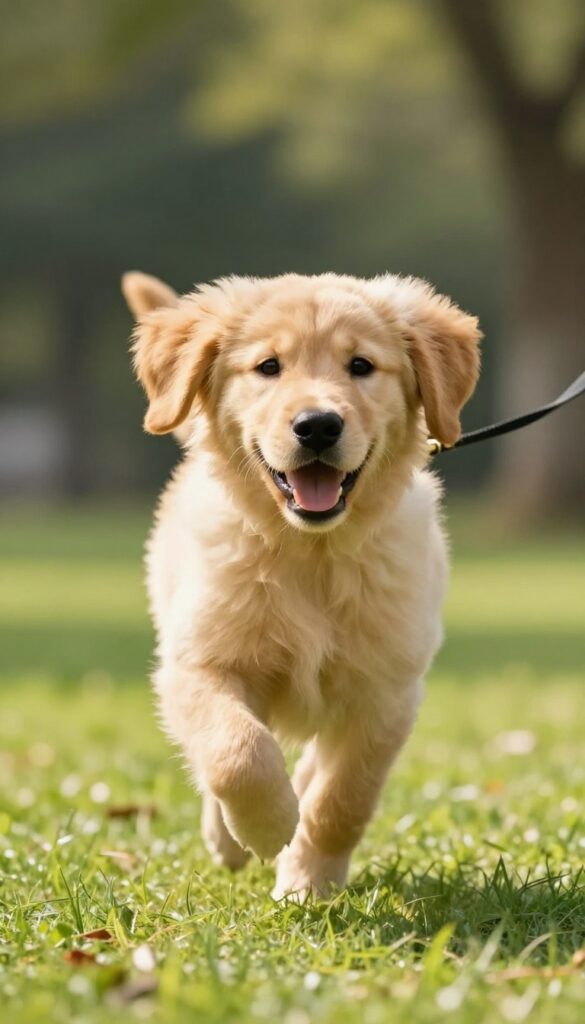
Your everyday recall is the reliable sedan—it gets you where you need to go. But sometimes you need a sports car. That's where the emergency recall comes in.
This is your ultimate safety net, the cue that works even when your puppy is zooming after a deer or about to dart into the street. It's not about everyday use; it's about creating a conditioned response that's so powerful, your pup can't help but slam on the brakes and race back to you.
The emergency recall is a special cue, often a unique word or sound, that you reserve for rare, high-stakes moments. You'll pair it with an extraordinary reward—something your puppy never gets otherwise, like cooked chicken, cheese, or freeze-dried liver. The key is to practice this cue sparingly, so it never loses its magic.
When your puppy hears it, they know something amazing is coming, and they'll come running no matter what.
Choosing Your Emergency Cue
Pick a word or sound that's distinct from your regular recall. It could be "ALERT! " or a whistle, or even a specific phrase like "Pizza time!
" The key is that it's something you don't use in everyday conversation. This cue should be reserved exclusively for emergencies, so your puppy learns that it always leads to something spectacular.
The High-value Reward Rule
Your emergency recall reward must be the absolute best thing your puppy has ever tasted. Think stinky, smelly, and irresistible—like bits of rotisserie chicken or string cheese. Save these treats specifically for this drill, and never give them at any other time.
The rarity of the reward is what makes the cue so powerful.
Practice Makes Perfect (but Not Too Often)
Practice the emergency recall just a few times a week, and always in a safe, enclosed area. Start with no distractions, then gradually add mild ones. When you give the cue, use an excited, high-pitched voice, and when your puppy arrives, throw a mini celebration with the high-value treat.
The goal is to make the experience so rewarding that your puppy starts to think, "When I hear that sound, amazing things happen! "
10. The Real-World Walk: Practicing Recall on the Go
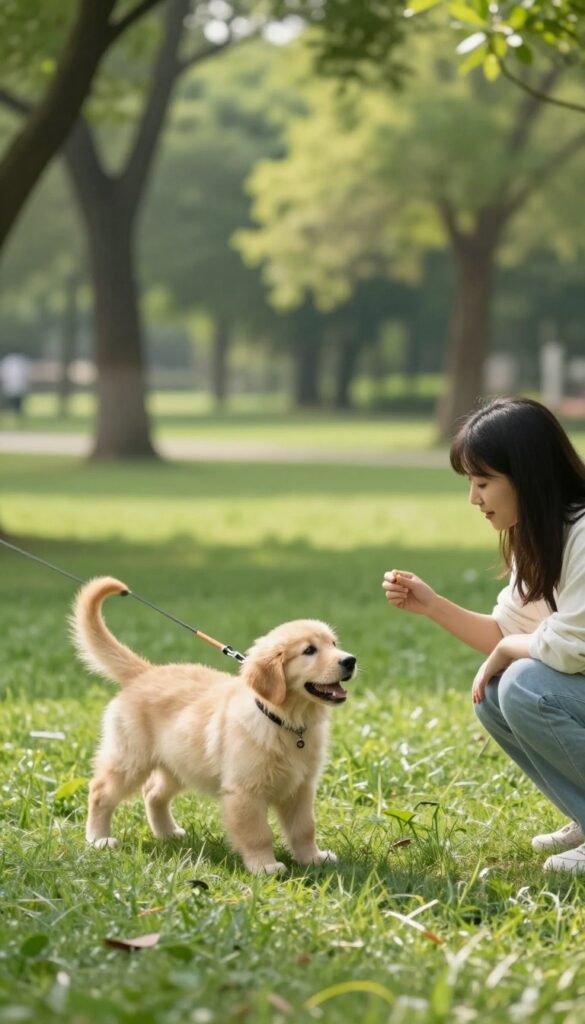
Training in the backyard is one thing, but the real test comes when your puppy is out in the world and something exciting catches their eye. That's where this final drill shines. By practicing recall during everyday walks, you're teaching your pup that 'come' works everywhere, not just in familiar spots.
It's the ultimate way to build a dependable response you can trust no matter where you are.
This drill is all about taking your recall practice on the road. You'll use a long line for safety and set up opportunities for your puppy to come back to you in a real-world setting. The goal is to make 'come' a reflex, even when there are new smells, sounds, and distractions.
It's the final step in turning your training into a reliable habit that works anywhere.
Start Small And Stay Safe
Begin in a quiet park or a low-traffic trail where you can control the environment. Attach a long line (15 to 30 feet) to your puppy's harness to give them freedom while keeping them safe. Pick a spot with few distractions at first, then gradually increase the level of stimulation as your pup gets better at responding.
Make It A Game, Not A Chore
During your walk, randomly call your puppy's name and say 'come' in a happy, excited tone. When they turn and head your way, celebrate with praise and a high-value treat. You can even run backward a few steps to make it more fun.
The key is to keep the experience positive so your puppy is always eager to come back.
Reward Every Success
Every time your puppy comes to you, make it worth their while. Use their favorite treats, a fun toy, or a quick game of tug. The more rewarding the experience, the more likely they'll want to repeat it.
Consistency is crucial—always reward, even if it took them a few extra seconds to respond.
Gradually Increase Distractions
As your puppy becomes more reliable, practice in busier areas like a neighborhood park or a friend's fenced yard. Keep the long line attached until you're confident they'll respond without it. Remember, the goal is to build a strong habit, so take your time and don't rush the process.
FAQ
What is the best age to start recall training?
You can start as soon as you bring your puppy home, usually around 8 weeks old. Puppies are like sponges at this age and can learn basic cues quickly. Keep sessions short and fun to match their attention span.
How long does it take to train a reliable recall?
It varies by puppy and consistency. With daily practice, you can see significant improvement in a few weeks. However, reliability in all situations may take several months of ongoing training and proofing.
What if my puppy ignores me when I call?
Don't punish them—that can make recall negative. Go back to a less distracting environment, use higher-value treats, and practice more. If they ignore you, avoid repeating the cue; instead, make yourself more interesting by running away or clapping.
Can I use treats for recall training?
Absolutely! Treats are a powerful motivator, especially for puppies. Use small, soft, high-value treats that your puppy loves.
As they get more reliable, you can gradually phase out treats and use praise or play as rewards.
How do I teach my puppy to come when called off-leash?
Start with a long line to ensure safety. Practice in enclosed areas and gradually increase distractions. Always reward generously when they come.
Never call your puppy to you for something negative, like punishment or ending playtime, to keep recall positive.
Conclusion
Building a rock-solid recall takes time, patience, and a whole lot of treats. But every session brings you closer to a pup who comes running with joy, no matter what's happening around them. Remember to keep training positive and end on a high note.
With these 10 drills, you're not just teaching a command—you're building a lifelong bond of trust and safety. So grab some treats, head outside, and start practicing. Your future self (and your puppy) will thank you.

I’m Pallab Kishore, the owner of Little Pets Realm — an animal lover and pet care enthusiast sharing easy tips, healthy recipes, and honest advice to help every small pet live a happy, healthy, tail-wagging life.