
Last updated on August 19th, 2026 at 04:14 pm
Puppy training can feel like a constant game of catch-up, especially when your pup's ears seem to work only when treats are involved. But building a fast, reliable response isn't about repeating 'come' until you're hoarse—it's about making the act of coming to you genuinely fun.
These 15 name games turn everyday moments into training opportunities, so your puppy learns to check in with you eagerly, no matter the distraction. Each one is quick to set up, uses things you already have, and strengthens the bond that makes recall second nature.
Ready to make your name the best sound in the world? Let's dive in.
1. The Kitchen Recall Game
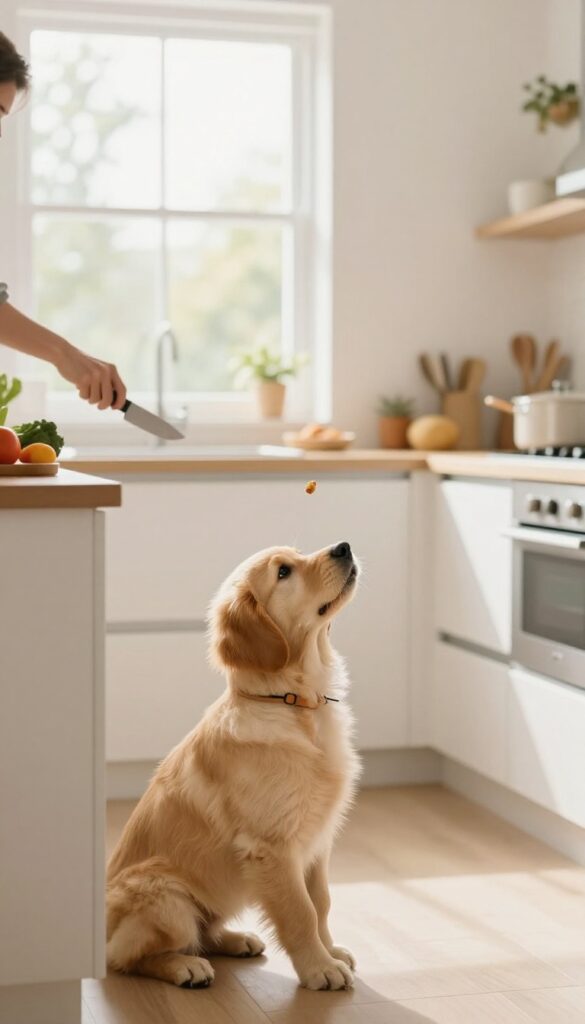
Meal prep time is a golden opportunity you might be overlooking. The kitchen is full of smells, sounds, and movement, making it a perfect place to teach your puppy that your name means something amazing is about to happen. This game turns a busy room into a focused training session without adding extra time to your day.
Start by gathering a handful of small, high-value treats and placing them in a bowl or a treat pouch you can easily reach. As you chop veggies or stir a pot, casually say your puppy's name in a bright, happy tone. The moment they look at you or take a step your way, mark it with a 'yes' or a click, then toss a treat so they have to come to you to get it.
This builds a strong association between their name and coming to you, even when the kitchen is chaotic.
Why The Kitchen Works
The kitchen is a natural distraction zone with food smells, appliance noises, and your movement. By practicing here, your puppy learns to tune out those distractions and focus on you. It's also a place you're already spending time, so you can sneak in several short sessions without setting aside extra training blocks.
How To Start
Begin with your puppy close by, maybe a few feet away. Say their name once, and if they look at you, reward immediately. Gradually increase the distance and add mild distractions, like opening the fridge or running water.
Keep sessions to under two minutes to maintain enthusiasm and prevent frustration.
Leveling Up
Once your puppy reliably responds in the kitchen, start calling them from other rooms or while you're busy at the counter. You can also practice during different meal prep stages—like when you're washing dishes or setting the table. This builds a rock-solid recall that works in real-life situations.
2. Treat Toss Name Chase
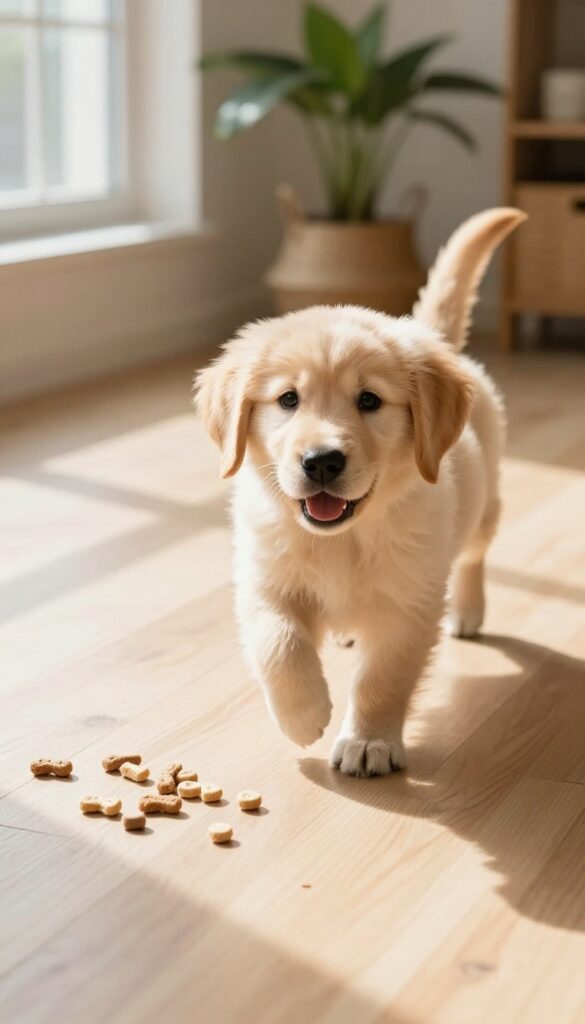
This game turns a simple treat toss into a fun recall drill. It's perfect for puppies who think the treat is the prize, not you. You'll teach them that turning back to you is even more rewarding than the snack on the floor.
Start by getting your puppy's attention with a treat in your hand. Toss the treat a short distance away, just a few feet to start. As soon as they grab it, call their name in a happy, excited voice.
The moment they look at you or start heading back, mark it with a 'yes' or a click and give them an even better treat from your hand. This builds the habit of choosing you over the distraction.
Why It Works
Puppies learn fast when the reward for coming back is better than what they left. By pairing their name with a jackpot treat, you're making your voice the most exciting sound in the room. Over time, they'll spin around the second they hear their name, even without the toss.
How To Level Up
Once your puppy gets the hang of it, increase the distance and add mild distractions. Toss the treat a little farther, or do it in the backyard with a toy nearby. Always keep the reward for returning higher in value—use chicken or cheese instead of their regular kibble.
This keeps the game challenging and the response sharp.
Common Mistakes To Avoid
Don't call your puppy's name repeatedly if they don't come right away. That teaches them they can ignore you. Instead, make your voice more exciting—clap, run a few steps, or squeak a toy.
Also, avoid chasing after them; let them come to you. And never use this game to punish or grab them for something unwanted, or they'll learn to avoid you.
3. The Doorbell Name Game
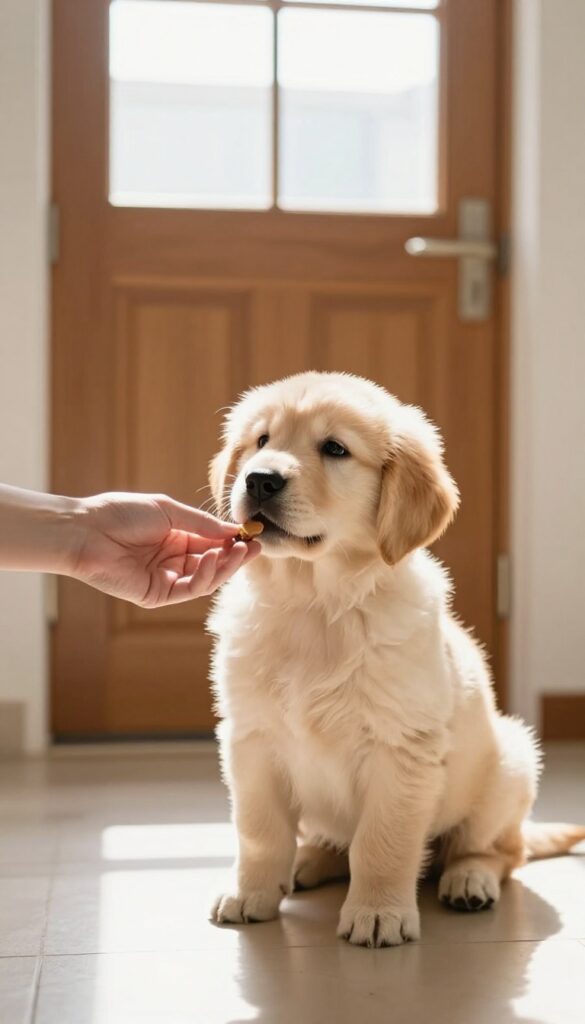
Doorbells are one of the most unpredictable sounds in a puppy's world. Every ring can trigger barking, running to the door, or anxious pacing. Instead of letting that chaos happen, you can turn the doorbell into a cue for your puppy to find you and wait for direction.
This game pairs the doorbell sound with a name call and a high-value treat, teaching your puppy to check in with you before reacting. It's simple, uses something you already have, and builds a calmer response to a common household trigger.
Set Up The Game
Start when things are quiet. Have a friend or family member stand outside and ring the doorbell once. The moment it rings, say your puppy's name in a happy, upbeat tone, then immediately offer a high-value treat like chicken or cheese.
Repeat this several times so your puppy begins to associate the doorbell with looking at you for a reward.
Add A Little Distance
Once your puppy automatically turns to you when the doorbell rings, start adding distance. Have them sit a few feet away, then ring the bell. When they look at you, say 'yes' and toss a treat.
Gradually increase the distance and the delay between the ring and the treat, so they learn to hold their focus on you even when you're farther away.
Practice With Real Distractions
The real test comes when someone actually rings the doorbell. Before you open the door, use the same cue: say your puppy's name and reward them for checking in. If they stay calm, reward again.
If they start to bark or lunge, go back to shorter practice sessions. The goal is to make checking in more rewarding than reacting to the door.
4. Name Game with a Toy Tug
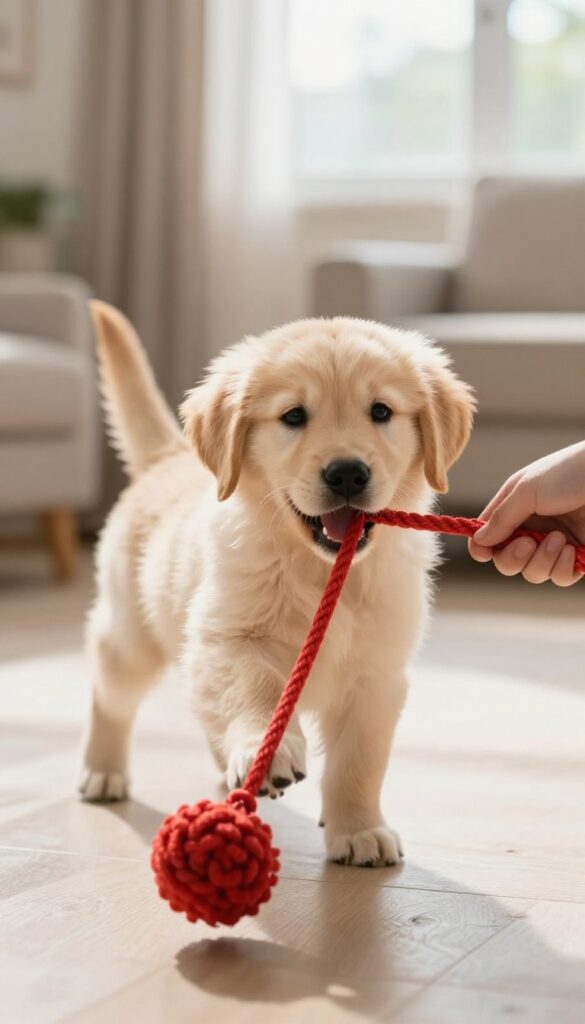
If your puppy is toy-driven, a tug toy can be the ultimate reward. This game pairs the name response with a quick, exciting tug session, making recall feel like a game rather than a chore. It's perfect for high-energy pups who need a physical payoff.
Start by showing your puppy the tug toy and letting them grab it. Say their name in a bright, happy voice, and the instant they look at you, offer the toy and engage in a short tug session. Keep it brief—about 10 seconds—then pause, let go, and repeat.
The key is to make the name cue predict the fun, so your puppy learns that checking in with you leads to the best games.
Why Tug Works So Well
Tug taps into your puppy's natural prey drive, making it a high-value reward that competes with distractions. Unlike treats, tug also provides an outlet for physical energy, which helps your puppy stay focused and engaged. Plus, it strengthens your bond through interactive play, so your pup sees you as the source of all good things.
Setting Up The Game
Pick a quiet spot with minimal distractions. Use a designated tug toy that's only brought out for this game—this keeps it special. Have your puppy on a loose leash or in a small room so they can't wander off.
Say their name once, and if they don't respond, gently guide them back to you, then offer the toy. Always end on a positive note with a few seconds of tug, then put the toy away until the next round.
Adding Distractions Gradually
Once your puppy reliably responds at home, start adding mild distractions like a squeaky toy or a family member walking by. Keep the tug toy visible as a lure at first, then hide it behind your back. If your puppy still responds, reward with a longer tug session.
The goal is to build a rock-solid response that works even when something more exciting is happening.
Troubleshooting Common Hiccups
If your puppy ignores the name, don't repeat it—just wait a moment, then try again with a more excited tone. If they're too focused on the toy, try starting with the toy hidden and only revealing it after they look at you. And if tug gets too intense, pause and calm things down before resuming.
The game should always feel fun, never stressful.
5. The 'Come Find Me' Game
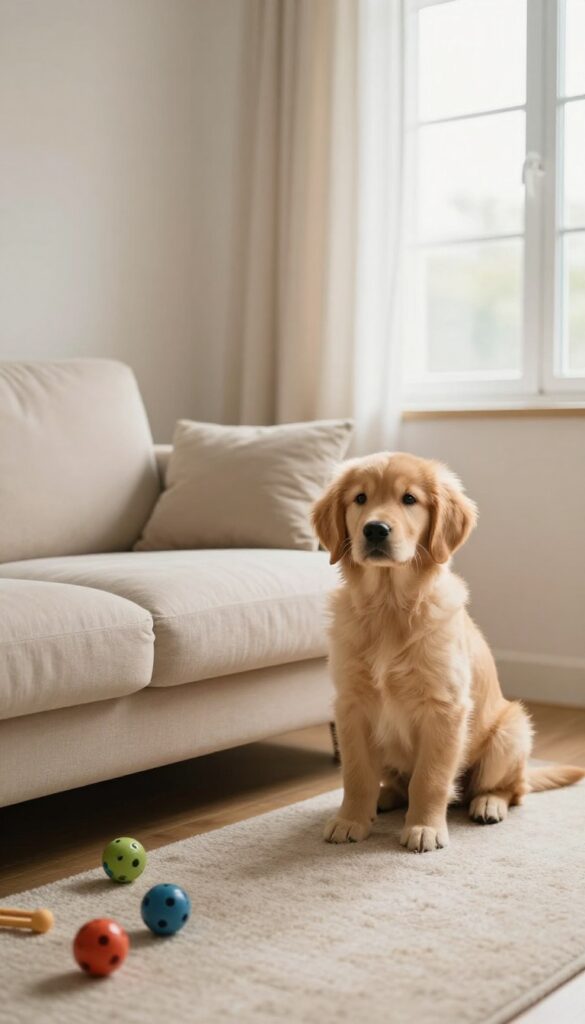
This one turns your whole house into a training playground. Instead of calling your puppy from across the room, you hide and let them use their nose and ears to track you down. It’s part hide-and-seek, part recall drill, and it makes your name the start of an exciting adventure.
Start small. Hide behind a door or around a corner while your puppy is distracted with a toy or sniffing around. Then call their name in a happy, excited voice.
The moment they find you, shower them with praise and give them a tasty treat. That instant reward teaches them that coming to you is always worth it.
Start Easy, Then Increase The Challenge
Begin with easy hides so your puppy succeeds quickly. Once they get the hang of it, hide in trickier spots like under a blanket or in the bathtub. The harder the find, the more rewarding it feels—and the stronger their recall becomes.
Make Your Voice A Clue, Not A Command
Use a playful tone when you call their name. The goal is to make your voice sound like a fun game, not a serious order. If your puppy hesitates, add little noises like patting your leg or rustling a treat bag to help them along.
Turn It Into A Daily Ritual
Play 'Come Find Me' for a few minutes each day, maybe right before meals or after a nap. The repetition builds a habit of checking in with you, even when they’re busy exploring. Soon, they’ll come running just because they know a game might start.
6. Name That Spot
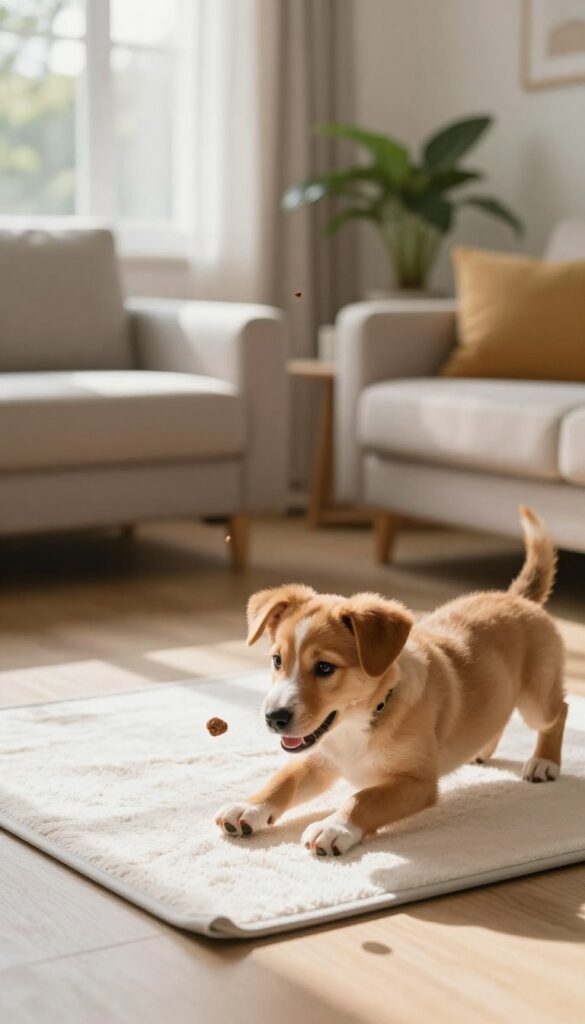
A mat can become your puppy's favorite place if you turn it into a game. This exercise teaches your pup to dash to a designated spot the moment they hear their name, which is incredibly handy for keeping them out of trouble. It also builds a strong default behavior that makes daily life smoother for both of you.
Start by placing a mat or towel on the floor and tossing a treat onto it while saying your puppy's name in a happy tone. As they eat the treat, mark it with a word like 'yes' or use a clicker. Repeat this a few times until your pup starts looking at the mat when they hear their name.
Then, begin saying their name and pointing to the mat, rewarding them when they step on it. Gradually phase out the pointing and treats, so they respond to just the sound of their name. Practice this in different rooms and with varying distractions to make the response reliable.
Start Simple And Close
Begin with the mat right next to you and your puppy on a leash if needed. Say their name in a cheerful voice and toss a treat onto the mat. This creates a positive association between the word and the spot.
Keep sessions short—just a few minutes—and end on a high note.
Add Distance And Distractions
Once your pup gets the hang of it, move the mat a few feet away and practice calling them from there. Gradually increase the distance and add mild distractions like a toy or a family member walking by. This helps your puppy learn to focus on you and the mat even when things are happening around them.
Turn It Into A Default
The real magic happens when your puppy starts choosing the mat on their own. Reward them with a treat and praise whenever they go to the mat without being asked. Over time, they'll learn that the mat is a safe, rewarding place, and they'll head there automatically when things get chaotic.
7. The Backyard Hide-and-Seek
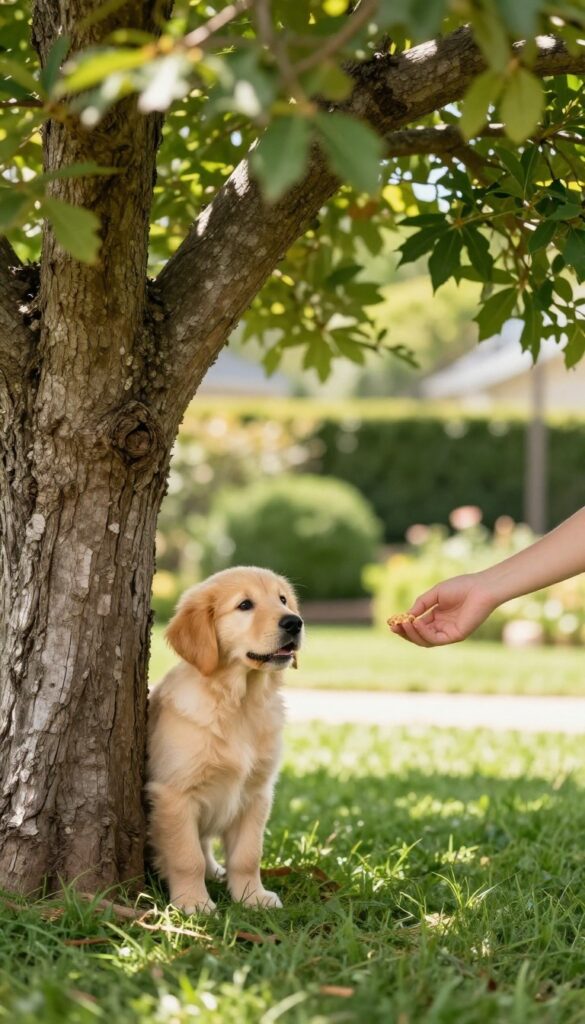
Moving the game outdoors changes everything. The backyard is full of smells, sounds, and movement, so it's the perfect place to teach your puppy that your name still matters even when the world gets exciting. This game builds a rock-solid recall by making you the most interesting thing around.
Start by letting your puppy sniff around the yard while you casually step behind a tree, bush, or even a chair. When your puppy notices you're gone, call their name in a happy, excited voice. The moment they find you, celebrate with treats and play.
This simple pattern teaches your puppy that checking in with you pays off, no matter what else is happening.
Start Easy, Then Add Distance
Begin with your puppy just a few feet away so they can spot you quickly. As they get the hang of it, increase the distance and hide in slightly trickier spots. The goal is to keep the game fun, not frustrating, so always let your puppy succeed most of the time.
Use Real-life Distractions
Once your puppy is confident, add mild distractions like a favorite toy or a family member walking by. Call their name and reward them for choosing you over the distraction. This builds the habit of responding even when something more exciting is happening.
Keep It Short And Sweet
A few rounds of hide-and-seek are plenty for a training session. End on a high note with a big reward and some playtime. This keeps your puppy eager for the next game and prevents them from getting bored or overwhelmed.
8. The Name Game with a Whistle
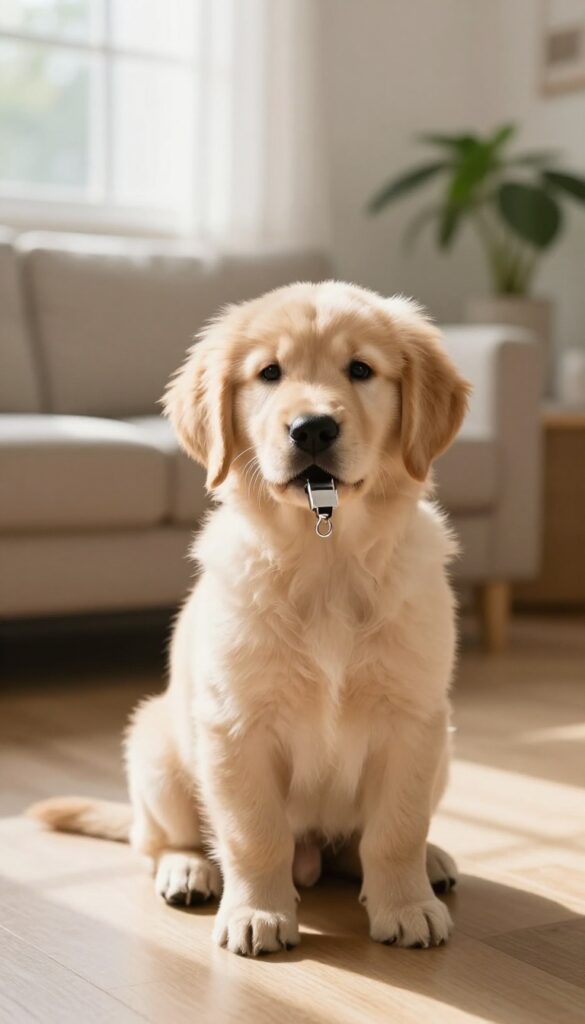
Whistles aren't just for sheepdogs. Adding a whistle to your puppy's name game can create a lightning-fast recall cue that cuts through noise and distance. The key is pairing the whistle with the name, then gradually phasing out the name so the whistle becomes a super-charged signal.
Start by pairing the whistle with your puppy's name in a quiet room. Blow the whistle and immediately say their name in a happy tone, then reward them when they look at you. Repeat this several times a day, always using the same whistle sound.
Once your puppy reliably turns to the whistle, begin fading the name: blow the whistle and wait a beat before saying the name. Over time, your puppy will respond to the whistle alone, making it a powerful tool for off-leash recalls and emergency situations.
Start Indoors With Low Distractions
Begin in a room with no distractions. Blow the whistle, then say your puppy's name in a cheerful voice. The moment they look at you, mark it with a 'yes' and give a high-value treat.
Repeat this 5-10 times per session, keeping the mood light and fun. This builds a strong association between the whistle, the name, and a positive outcome.
Fade The Name Gradually
Once your puppy consistently responds to the whistle+name combo, start delaying the name. Blow the whistle, wait one second, then say the name. If they still respond, gradually increase the delay to two, then three seconds.
Eventually, blow the whistle and skip the name entirely. Reward them enthusiastically when they come to you, so they learn that the whistle alone means 'come get a treat! '
Practice In Different Locations
After your puppy masters the whistle indoors, take the game outside. Start in a fenced yard, then move to a park with a long leash. Use the whistle before they get distracted, and always reward with something extra special, like a piece of chicken or a favorite toy.
This helps your puppy generalize the cue and respond even when exciting things are happening.
Make It A Life-saving Cue
The whistle can become your emergency recall. Use it only for high-value rewards and never for something negative. Practice it randomly a few times a week, but avoid overusing it so it stays special.
If your puppy ever slips their collar, the whistle could be the difference between a scary moment and a quick return.
9. The 'Name and Look' Game
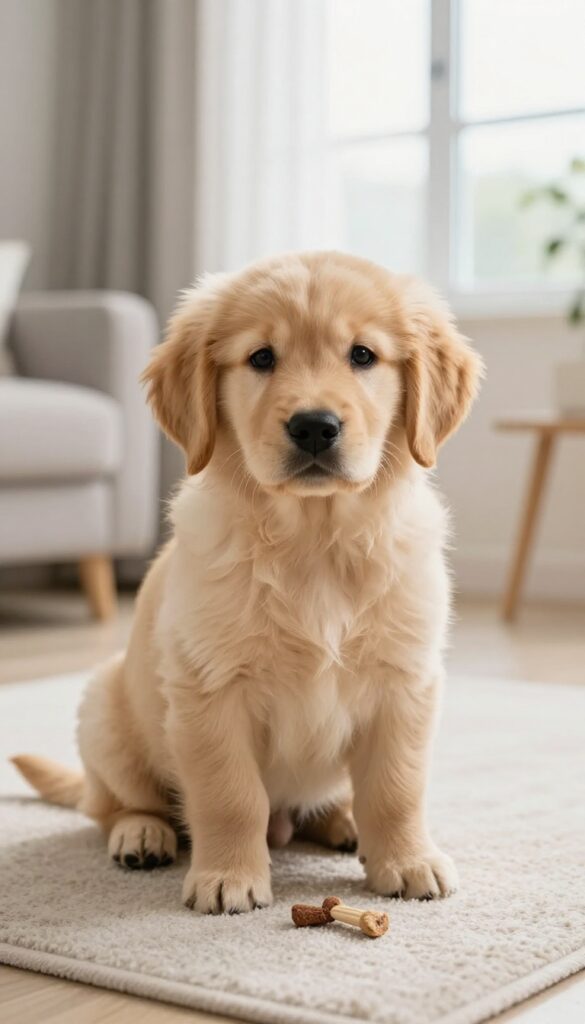
Eye contact is the foundation of every training session, and this game makes it feel like a treat in itself. By pairing your puppy's name with a look toward you, you're teaching them that checking in is the first step to good things. It's a simple habit that pays off in every other command you'll teach.
Start in a quiet room with no distractions. Say your puppy's name in a happy, upbeat tone. The moment they turn to look at you, mark it with a 'yes' or a click, then reward with a treat.
Repeat this several times, gradually increasing the distance and adding mild distractions. The key is to make the look itself the behavior you're rewarding, not just the name response.
Why Eye Contact Matters
Eye contact is your puppy's way of saying, 'I'm ready to learn. ' It builds focus and makes it easier to teach everything from sit to recall. When your puppy learns that looking at you earns rewards, they'll naturally check in more often, even in distracting environments.
Adding Distractions Gradually
Once your puppy is reliably looking at you in a quiet room, start adding small distractions. Have a friend walk by, or practice outside in your yard. Always reward the eye contact, even if it's brief.
This teaches your puppy that no matter what's happening, looking at you is the best choice.
Turning It Into A Daily Habit
Use this game throughout the day, not just in training sessions. Call your puppy's name before meals, before going outside, or when you're about to throw a toy. Each time they look at you, they get a reward.
Soon, your puppy will automatically look to you whenever they hear their name, making recall faster and more reliable.
10. The Name Game with a Treat Scatter
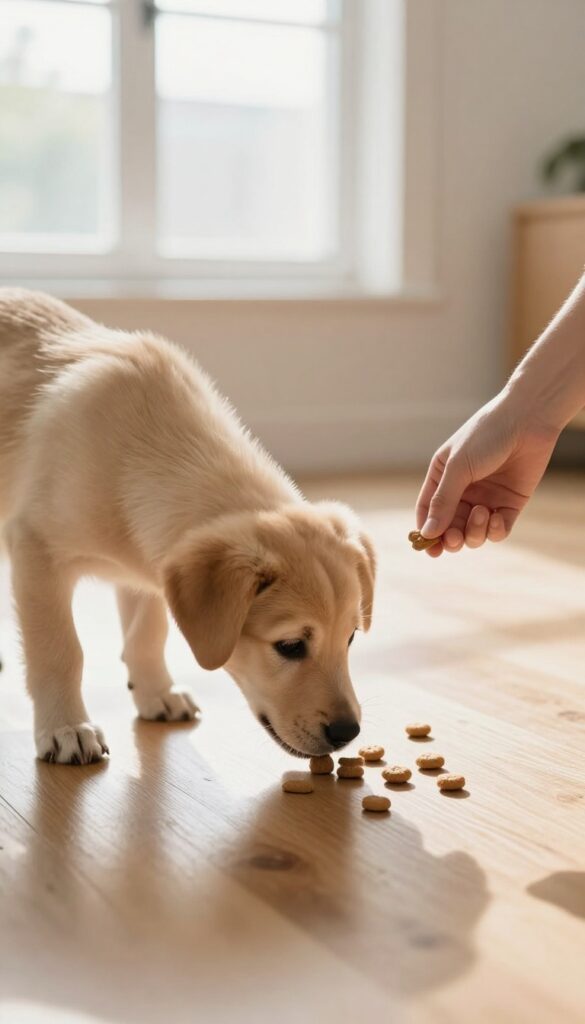
This game adds a little chaos to the mix, which is exactly what makes it so effective. By scattering treats on the ground, you're creating a realistic distraction that challenges your puppy to choose you over something delicious. It's a fantastic way to build a rock-solid response that holds up in the real world.
Start by tossing a small handful of treats onto the floor a few feet away. As your puppy begins to munch, say their name in a cheerful, excited tone. The moment they turn and come to you, reward them with a high-value treat from your hand.
This teaches them that coming to you always pays off, even when something else looks tempting.
Why This Works
The treat scatter mimics real-life distractions, like food dropped on the ground or interesting smells on a walk. By practicing this at home, you're building your puppy's ability to disengage from a distraction and refocus on you. This is a critical skill for reliable recall.
How To Play
Start with a few treats in a low-distraction area. Toss them, then call your puppy's name. When they come, reward them with a special treat they don't get any other time.
Gradually increase the number of treats scattered or the distance between you and the treats to make it more challenging.
Progression Tips
Once your puppy is consistently coming to you, start varying the timing. Sometimes call them before they even reach the treats, other times let them get a few treats first. You can also try this in different rooms or outdoors, always keeping the rewards high-value.
The goal is to make your name more exciting than anything else.
11. The Name Game with a Clicker
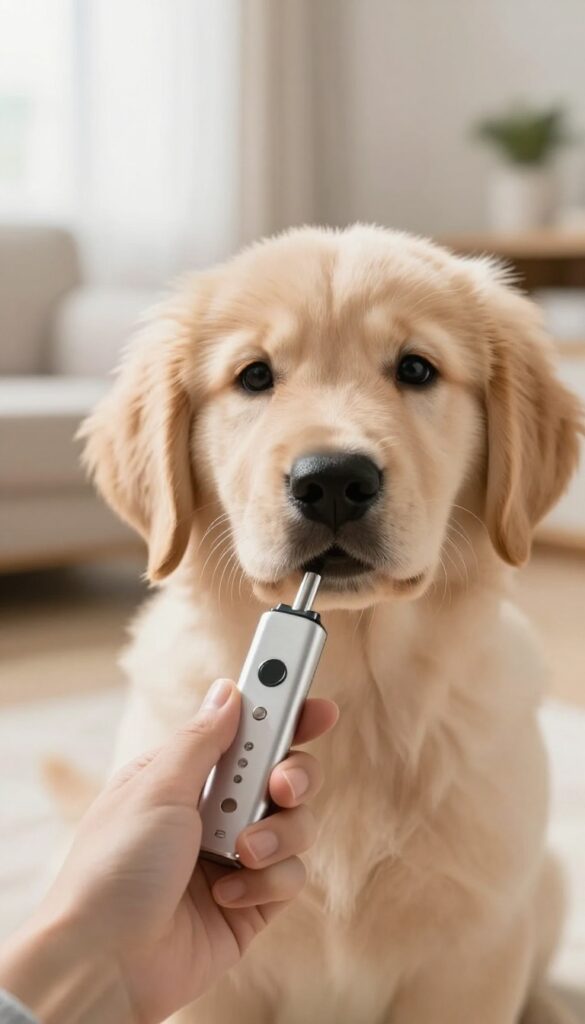
Clicker training is a game-changer for teaching your puppy to respond to their name with lightning speed. The clicker marks the exact moment your pup looks at you, making the connection between the sound and the reward crystal clear. It's not about the clicker itself—it's about the precision it brings to your training sessions.
Why A Clicker Works
A clicker gives your puppy instant feedback. The moment they turn their head toward you, you click, then treat. This tiny delay-free marker tells your pup exactly what earned the reward.
Over time, they learn that hearing their name means good things are coming, and they'll start responding faster just to hear that click.
How To Play
Start in a quiet room with no distractions. Say your puppy's name in a happy, upbeat tone. The second they look at you, click and toss a treat.
Repeat this 5–10 times, then take a break. Keep sessions short and fun. As your pup gets the hang of it, you can gradually add distance or mild distractions, but always click the moment they respond.
Taking It Up A Notch
Once your puppy is reliably looking at you when you say their name, start mixing it up. Call their name when they're sniffing or playing, and click the instant they break focus to check in with you. This teaches them that responding to their name is always rewarding, no matter what they're doing.
You can also start using a softer voice, so they learn to listen even when you're not shouting.
12. The Name Game with a Friend
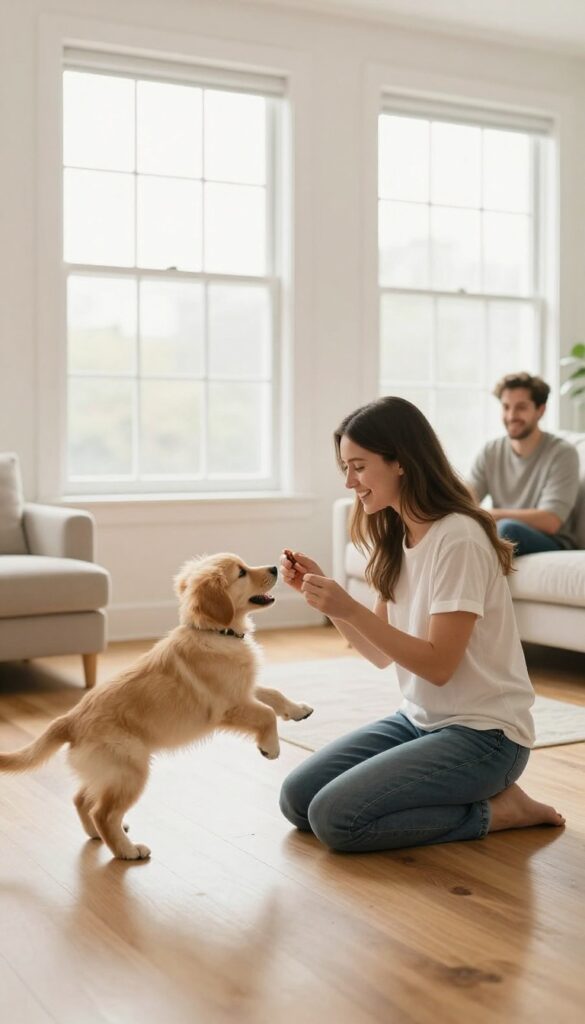
Distractions are the real test of a reliable recall. When your puppy only responds when it's just the two of you, it's time to add a little social pressure. This game uses a helper to create a controlled distraction, so your pup learns that your voice matters even when someone else is in the picture.
Grab a friend or family member and head to a space where your puppy can move freely but is still safe. Have your friend hold your puppy gently while you move a short distance away. Call your puppy's name in a happy, excited tone.
When they come to you, celebrate with treats and praise. Then switch roles so your puppy learns to respond to both of you.
Start Close, Then Increase Distance
Begin with just a few feet between you and your puppy. This keeps the challenge manageable and sets them up for success. As they get the hang of it, gradually increase the distance.
The goal is to make coming to you more rewarding than staying with the friend.
Add Mild Distractions
Once your puppy is comfortable with the basic game, have your friend talk softly or offer a toy. This mimics real-life distractions without being overwhelming. Keep sessions short and upbeat, and always end on a high note with a big reward when your puppy chooses you.
Use A Long Leash For Safety
For puppies still learning, a long leash gives you control while allowing freedom. Clip it to their harness and let your friend hold the leash loosely. If your puppy doesn't respond, gently guide them toward you.
This prevents them from practicing ignoring you, which can slow progress.
13. The Name Game with a Target Stick
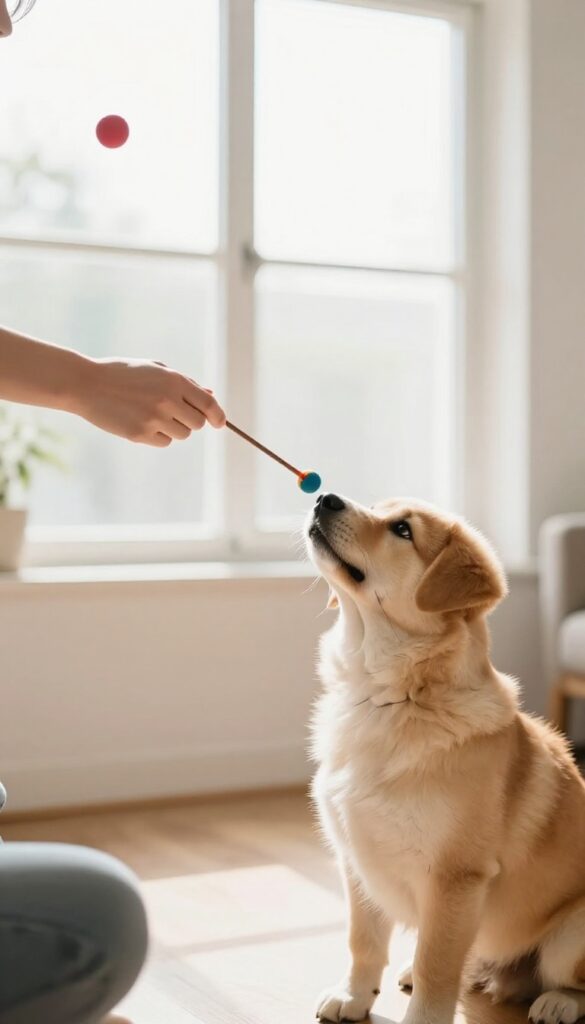
A target stick is a simple tool that can transform how your puppy responds to their name. By pairing the sound of their name with a fun, physical action, you're building a stronger, more reliable connection. This game adds a layer of engagement that plain verbal praise often misses, making it a favorite for both pups and owners.
Start by introducing the target stick to your puppy. Let them sniff it, and when they show interest, click or say 'yes' and give a treat. Once they're comfortable, hold the stick a few inches away and say their name.
The moment they look at or touch the stick, mark and reward. Repeat this, gradually increasing the distance and adding movement. The goal is to have your puppy instantly turn toward the stick when they hear their name, ready to touch it.
This game not only speeds up their response but also teaches them to focus on you as the source of fun and rewards.
Why A Target Stick Works
A target stick gives your puppy a clear, physical goal. Instead of just hearing their name and wondering what you want, they learn that a specific action follows. This clarity reduces confusion and speeds up learning.
Plus, the act of touching the stick is naturally rewarding for many dogs, making the name response feel like a game rather than a chore.
Building Up The Challenge
Once your puppy reliably touches the stick when you say their name, start adding distractions. Try playing in the backyard or a park, and have them touch the stick even when there are interesting smells or sounds around. You can also move the stick around—left, right, up, down—so they have to track it.
This keeps their mind engaged and sharpens their focus on you.
Turning It Into A Recall Cue
The ultimate goal is to use the target stick as a recall tool. Hold the stick out, say their name, and when they touch it, reward them with a treat and lots of praise. Over time, you can gradually phase out the stick and just use your hand as a target.
This way, your puppy learns that coming to you is always a positive experience, no matter what they're doing.
14. The Name Game with a Food Puzzle
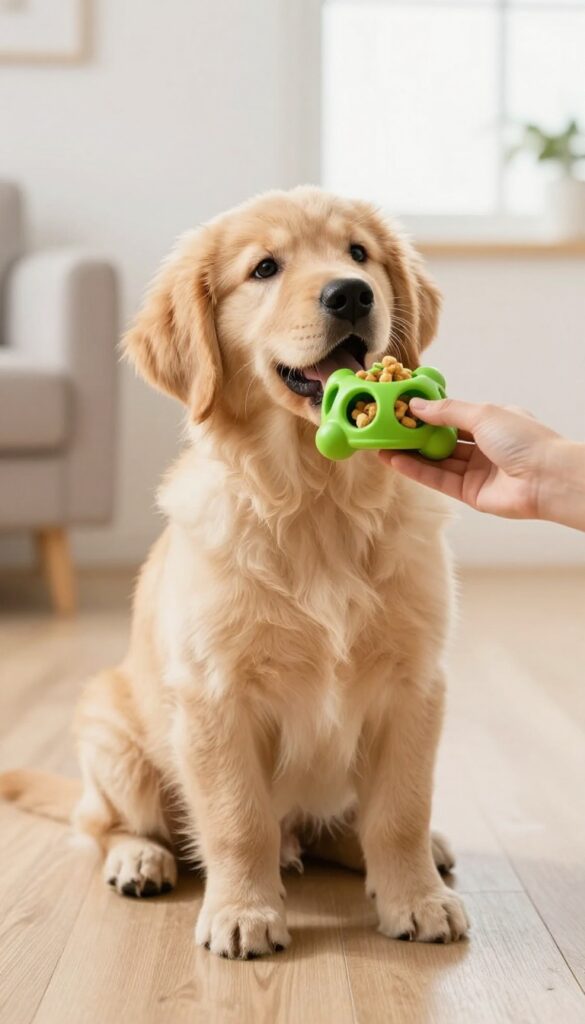
Food puzzles are a fantastic way to keep your puppy's brain busy, but they can also double as a recall training tool. By pairing your pup's name with the reward of accessing a puzzle, you're teaching them that responding to you leads to something they genuinely love. This game turns a quiet activity into an interactive training moment that strengthens your bond and sharpens their listening skills.
Start with a puzzle toy that your puppy already enjoys, but don't fill it yet. Hold it behind your back or keep it out of sight. Say your puppy's name in a bright, happy tone.
The moment they look at you or move toward you, present the puzzle and let them work on it. This simple sequence teaches your puppy that their name is a signal to check in with you, and good things follow.
Setting Up For Success
Choose a puzzle that's not too difficult for your puppy's skill level. If they get frustrated, they might lose interest. Start with a simple puzzle where treats are easy to find, and gradually increase the difficulty as they get better.
Keep the puzzle hidden until they respond to their name, so the reward is clearly linked to their action.
Adding Distractions Gradually
Once your puppy reliably responds to their name with the puzzle in sight, start adding mild distractions. Have a family member walk by, or play a soft sound in the background. Say their name and wait for them to disengage from the distraction and look at you before giving access to the puzzle.
This builds a stronger recall response in real-world situations.
Turning It Into A Daily Habit
Incorporate this game into your daily routine. Use it before mealtimes or when you're about to give them a special chew. The more often they practice responding to their name for a puzzle, the faster their recall will become.
Keep sessions short and fun, ending on a positive note so they're always eager to play.
15. The Name Game in a Circle
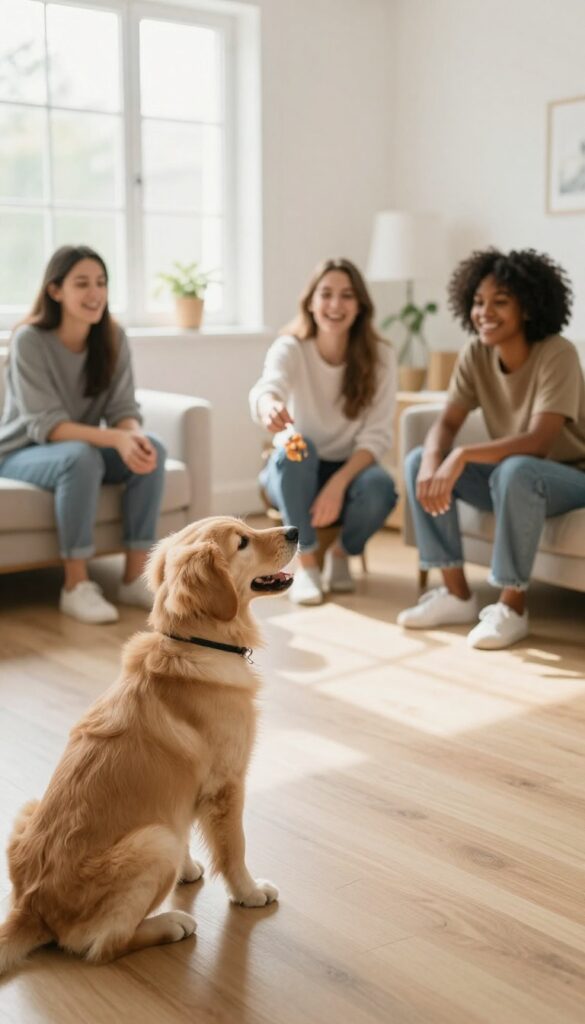
This one turns your living room into a mini training ring, and it's perfect for families or anyone with a couple of willing helpers. The goal is to make your puppy's name a cue to race to the person who called it, not just to glance up and go back to chewing. It's a simple, low-stress way to build speed and focus, and it doubles as a fun party trick for guests.
Gather two or three people (or even just yourself and a friend) and sit in a loose circle on the floor. Have a handful of small, high-value treats ready. Take turns calling your puppy's name in a happy, excited tone.
The instant your puppy turns toward the caller, that person rewards them with a treat and lots of praise. The key is to reward the response, not the full arrival at first, so your puppy learns that hearing their name is always a good thing.
Start Simple
Begin with everyone sitting close together, maybe just a few feet apart. Call your puppy's name once, and if they look at you, mark it with a 'yes' or a click and toss a treat their way. Keep the energy light and playful.
If your puppy doesn't respond, make your voice more exciting or pat your knees to get their attention. The goal is to get those first few successes so your puppy understands the game.
Add Distance And Distractions
Once your puppy is reliably turning toward the caller, start increasing the distance between people. Move to opposite ends of the room or even into different rooms if your puppy is comfortable. You can also add mild distractions like a squeaky toy or a family member walking by.
This teaches your puppy to focus on the name even when other things are happening. Remember to keep sessions short—five minutes is plenty—so your puppy stays eager.
Make It A Team Effort
If you have kids, this game is a fantastic way to involve them in training. Kids love being part of the action, and it gives your puppy practice responding to different voices. Just make sure everyone uses the same happy tone and rewards quickly.
You can also turn it into a game of 'puppy ping-pong' where you and your partner take turns calling, and your puppy runs back and forth. The back-and-forth motion builds both speed and enthusiasm.
Turn It Into A Daily Ritual
The beauty of this game is that it can be played anywhere—in the backyard, at the park, or even in a hallway. Try to sneak in a few rounds during your puppy's normal day, like before meals or after a nap. The more you practice, the faster your puppy's response will become.
Over time, you'll notice your puppy's ears perk up the second they hear their name, no matter what they're doing.
FAQ
How often should I play name games with my puppy?
Short, frequent sessions work best. Aim for 2-3 minutes, 3-5 times a day. Consistency beats marathon training.
What if my puppy ignores their name?
Don't repeat the name. Make it more rewarding by using higher-value treats or moving to a less distracting area. End on a success.
Can I use these games for an older dog?
Absolutely. These games work for any age, but adjust the difficulty based on your dog's experience and energy level.
Do I need special equipment?
No. Most games use treats, toys, or everyday items. A clicker and target stick are optional but can be helpful.
How long until my puppy responds faster?
With daily practice, you'll see improvement within a week. Full reliability takes a few weeks, but consistency is key.
Conclusion
Building a fast name response doesn't have to feel like a chore. These games turn training into play, so your puppy learns while having a blast. Remember, the secret is consistency and making sure responding to their name always leads to something awesome.
Start with a couple of games today, and you'll notice a difference in no time. Your puppy will be zipping to your side before you can say 'good dog! '

I’m Pallab Kishore, the owner of Little Pets Realm — an animal lover and pet care enthusiast sharing easy tips, healthy recipes, and honest advice to help every small pet live a happy, healthy, tail-wagging life.