
Last updated on August 19th, 2026 at 04:14 pm
Your puppy’s first walks can feel more like a tug-of-war than a relaxing stroll, but that doesn’t have to be the norm. With the right leash skills, you can turn chaotic outings into calm, confident adventures for both of you.
These ten techniques go beyond basic obedience—they’re practical, real-world tools that help your pup stay focused, polite, and happy no matter what’s happening around you. From mastering loose-leash walking to handling sudden distractions, each skill builds on the last, giving you a clear roadmap to enjoyable walks.
No need for harsh corrections or fancy gear—just patience, treats, and a little consistency.
1. Loose-Leash Walking: The Foundation of Good Walks
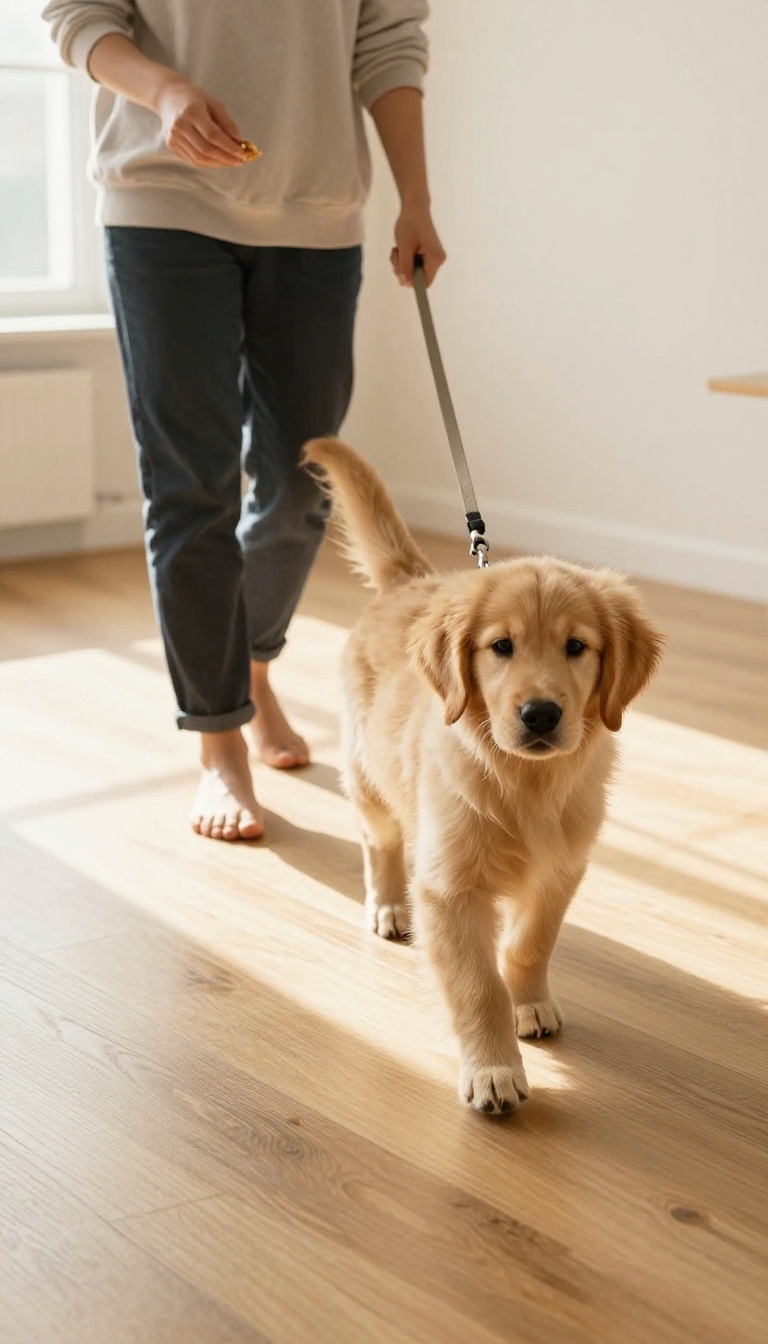
Loose-leash walking is the skill that turns a frustrating tug-of-war into a pleasant stroll. It’s not about marching perfectly at your side—it’s about teaching your puppy that a slack leash feels great and pays off. When you master this, everything else on this list becomes easier.
Start in a low-distraction area like your living room. Hold a treat at your side and lure your puppy into a position near your leg. The moment the leash goes slack, mark with a “yes” and give the treat.
If your puppy pulls ahead, stop moving and wait. When they turn back or give slack, reward and continue. This teaches them that pulling gets them nowhere, while slack moves you forward.
Gradually increase the duration of loose-leash walking before rewarding, and practice in new environments.
The Stop-and-go Method
This simple technique works wonders. When your puppy pulls, stop dead in your tracks. Don’t yank or scold—just wait.
The moment the leash loosens, reward and move again. This teaches your puppy that forward movement only happens when the leash is slack. Be patient; it may take many repetitions before your puppy gets the idea.
Reward For Checking In
Encourage your puppy to look at you while walking. Every time they glance back or stay close, drop a treat. This builds a habit of attention and keeps them engaged with you rather than the environment.
Over time, they’ll naturally offer eye contact, making walks more cooperative and less reactive.
Practice In Short Bursts
Puppies have short attention spans, so keep training sessions brief—just 5 to 10 minutes. End on a positive note with a play session or a treat scatter. This prevents frustration and keeps your puppy eager to learn.
As they improve, gradually extend the duration and add mild distractions like a park or a quiet street.
2. The 'Watch Me' Cue: Building Focus Outdoors
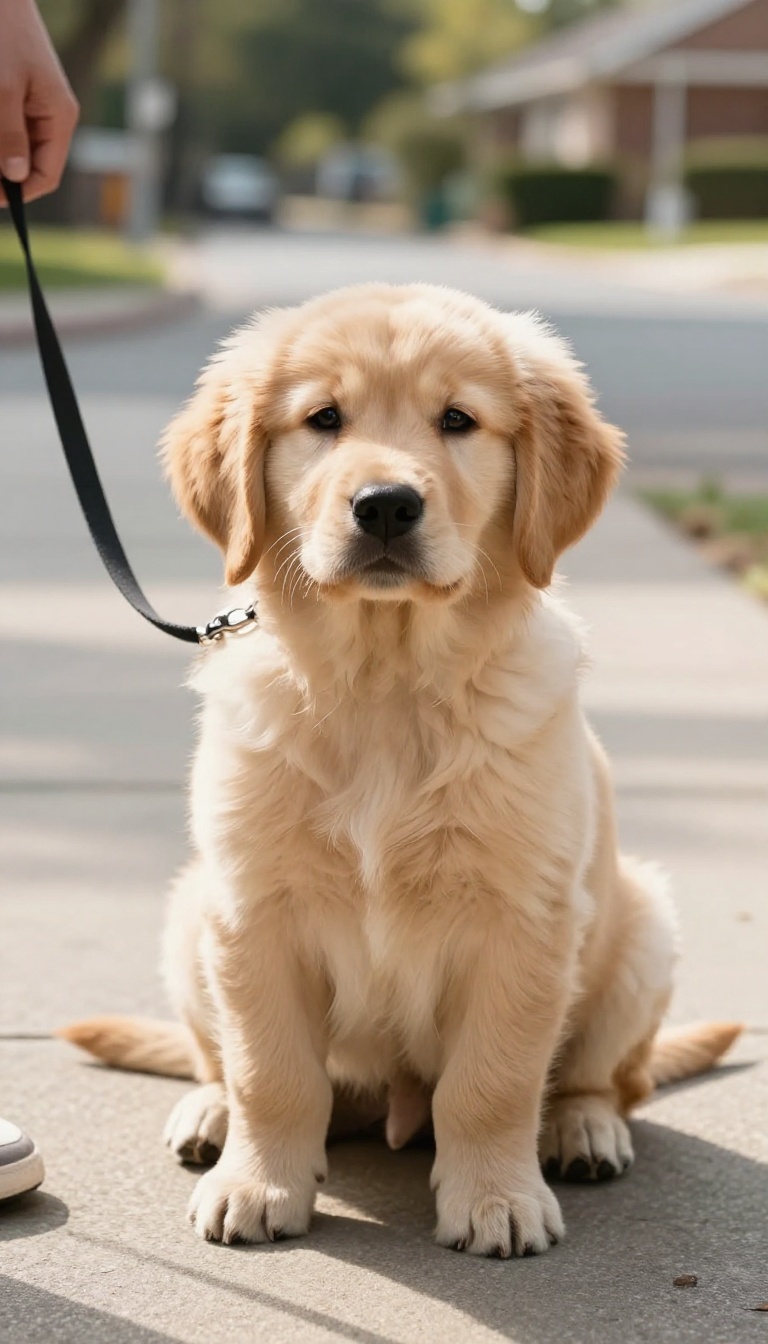
Walks are full of distractions—squirrels, cars, other dogs—and your puppy’s natural curiosity can quickly pull attention away from you. That’s where the 'watch me' cue becomes a game-changer. It’s a simple way to teach your pup that checking in with you is rewarding, even when the world gets exciting.
This skill isn’t just about eye contact; it’s about building a habit of focusing on you before reacting. Once your puppy learns that looking at you earns treats and praise, you’ll have a powerful tool to redirect attention before a leash pull or a bark happens.
Start training 'watch me' in a quiet room with no distractions. Hold a treat near your face and say 'watch me' when your puppy looks at you. Mark with a click or a 'yes' and reward.
Repeat until your puppy offers eye contact easily. Then gradually add distractions—first in the backyard, then on a quiet sidewalk, and finally on a busier street. Always keep sessions short and fun, and use high-value treats to keep your puppy motivated.
Once your puppy reliably looks at you on cue, use it during walks. Before you cross a street, ask for 'watch me' to ensure your puppy is aware of you. If you spot a squirrel or another dog, use the cue to redirect attention before your puppy reacts.
With practice, this cue becomes a reflex that keeps walks calm and safe.
Why Eye Contact Matters
Eye contact isn’t just a trick—it’s a communication tool. When your puppy looks at you, they’re checking in and showing they’re ready to follow your lead. This moment of connection helps you guide them away from potential triggers and reinforces that you’re the most interesting thing on the walk.
It also builds trust, making your puppy feel secure knowing you’re in control.
Making It Distraction-proof
The key to success is gradual exposure. Start with mild distractions like a toy on the ground, then move to a park bench with people nearby. Always reward generously for eye contact, even if it’s brief.
If your puppy struggles, take a step back to an easier setting. Consistency and patience are your best allies—soon, your puppy will look at you automatically, even in the busiest environments.
3. Stop and Sit at Curb: Safe Street Crossings
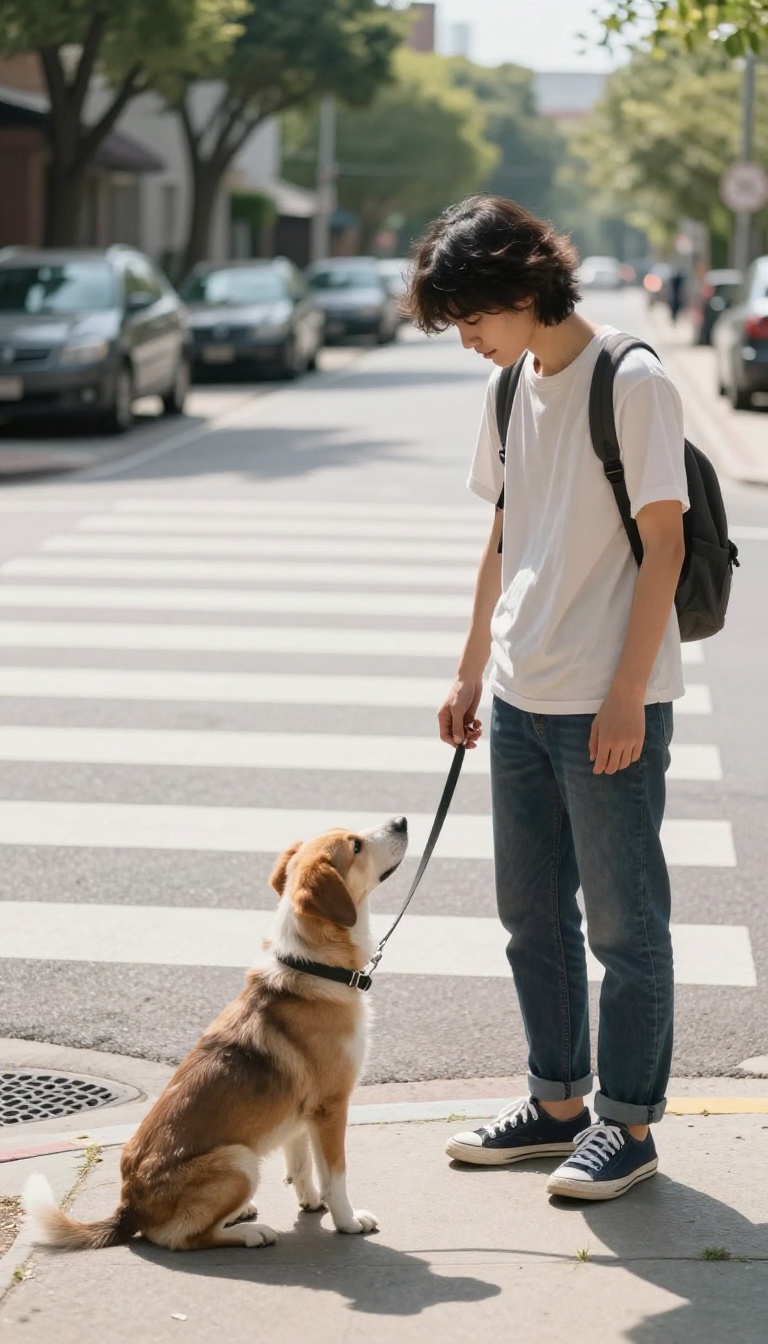
Crossing the street with a puppy can be a nerve-wracking moment, especially when cars are whizzing by. But with a simple routine, you can turn every curb into a teaching moment. Stopping and sitting at the curb before crossing isn't just about safety—it's about building a habit of checking in with you before moving forward.
This skill keeps your pup grounded and helps them understand that calm behavior leads to good things, like continuing the walk.
Teaching your puppy to stop and sit at every curb creates a predictable pattern that reduces impulsivity. It also gives you a chance to scan the environment for potential hazards. Over time, this becomes second nature, and your pup will automatically pause at the edge of the road, waiting for your signal.
This skill is especially valuable in busy neighborhoods or near parking lots where cars may appear suddenly.
Why Curb Stops Matter
Curb stops are more than a safety precaution—they're a way to reinforce impulse control. When your puppy learns to pause at a curb, they're practicing self-restraint in a real-world setting. This translates to better behavior in other high-distraction situations, like when the doorbell rings or when they spot a squirrel.
Plus, it keeps them safe from unexpected traffic and teaches them to look to you for guidance.
Step-by-step Training
Start by approaching a curb with your puppy on a loose leash. As you reach the edge, say 'stop' or 'wait' in a calm voice and gently halt. Once your puppy stops, ask for a sit.
Reward them with a treat and praise. Then, give a release word like 'okay' and step forward together. Practice this at every curb, even quiet ones, so it becomes a consistent habit.
If your puppy tries to rush ahead, simply step back and try again until they get the message.
Handling Distractions
Curb stops can be tricky when there are distractions like passing cars or other pedestrians. To help your puppy focus, use high-value treats and keep sessions short. If your puppy gets too excited, move a few steps away from the curb and practice the sit there until they calm down.
Gradually work your way back to the edge. This builds their ability to listen even when things get busy.
4. Polite Greetings: No Jumping on People or Dogs
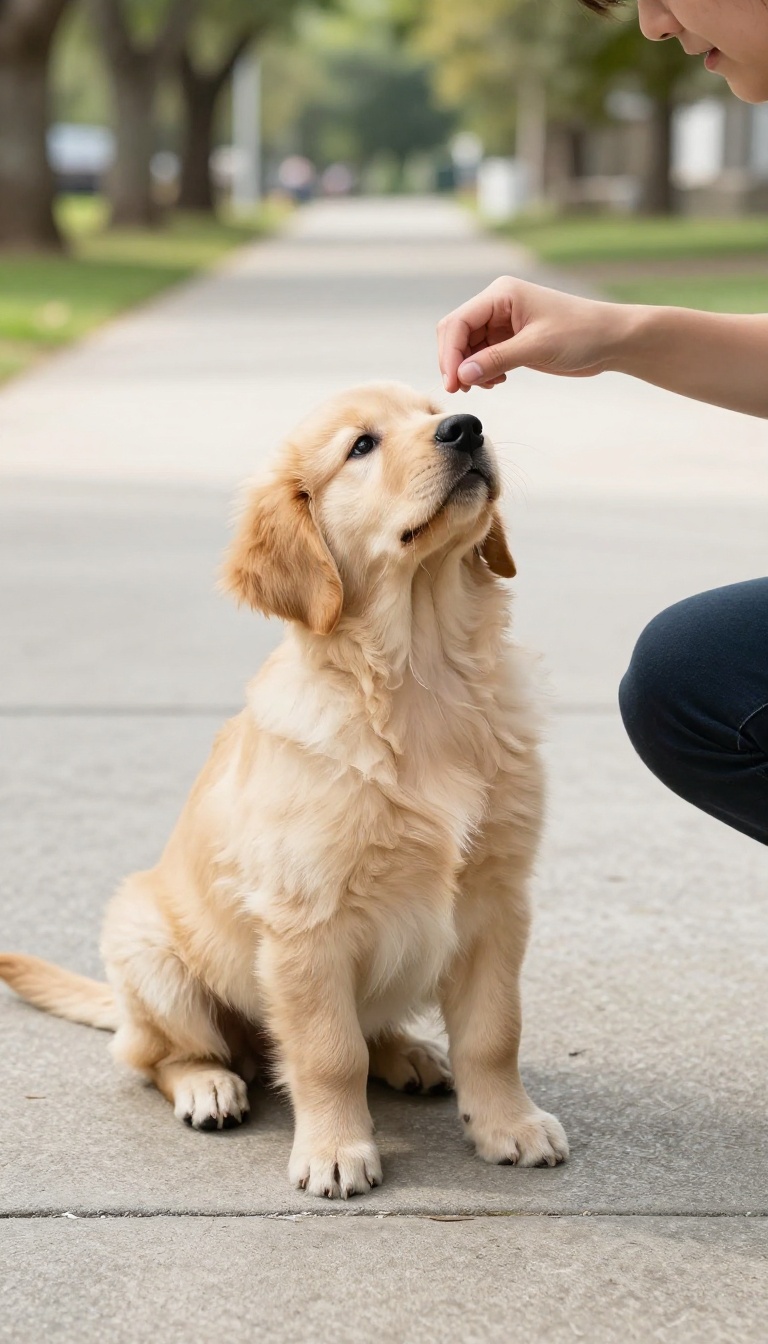
Meeting new friends is exciting for your puppy, but those joyful leaps can quickly become a problem. Jumping up might seem cute when they're small, but it's not so charming when they're fully grown. Teaching your pup to greet politely keeps everyone comfortable and makes walks more pleasant.
Start by practicing greetings in controlled settings. Have a friend approach while you ask your puppy to sit. Reward the sit with a treat and gentle praise.
If your puppy jumps, turn away and ignore them until all four paws are on the ground. Consistency is key—every time they jump, the attention stops. Soon, they'll learn that sitting earns them the interaction they crave.
Why Jumping Is A Problem
Jumping can be annoying or even scary for strangers, especially children or elderly people. It can also escalate into overly excited behavior around other dogs, leading to tense encounters. By teaching polite greetings, you're setting your puppy up for positive social interactions throughout their life.
Teaching The 'sit To Greet' Rule
Practice with family members first, then gradually introduce friends. Have them approach slowly, and if your puppy stays seated, reward with a treat and kind words. If they break the sit, have the person step back and try again.
This repetition helps your puppy understand that calm behavior is what gets them attention.
Handling Excitement Around Other Dogs
When meeting other dogs, keep your puppy on a short leash and ask for a sit before they approach. Allow them to sniff only if both dogs are calm. If your puppy gets too excited, calmly move away and try again after a few seconds.
This teaches them that polite behavior leads to fun interactions, while overexcitement ends them.
5. Leave It: Ignoring Temptations on the Ground
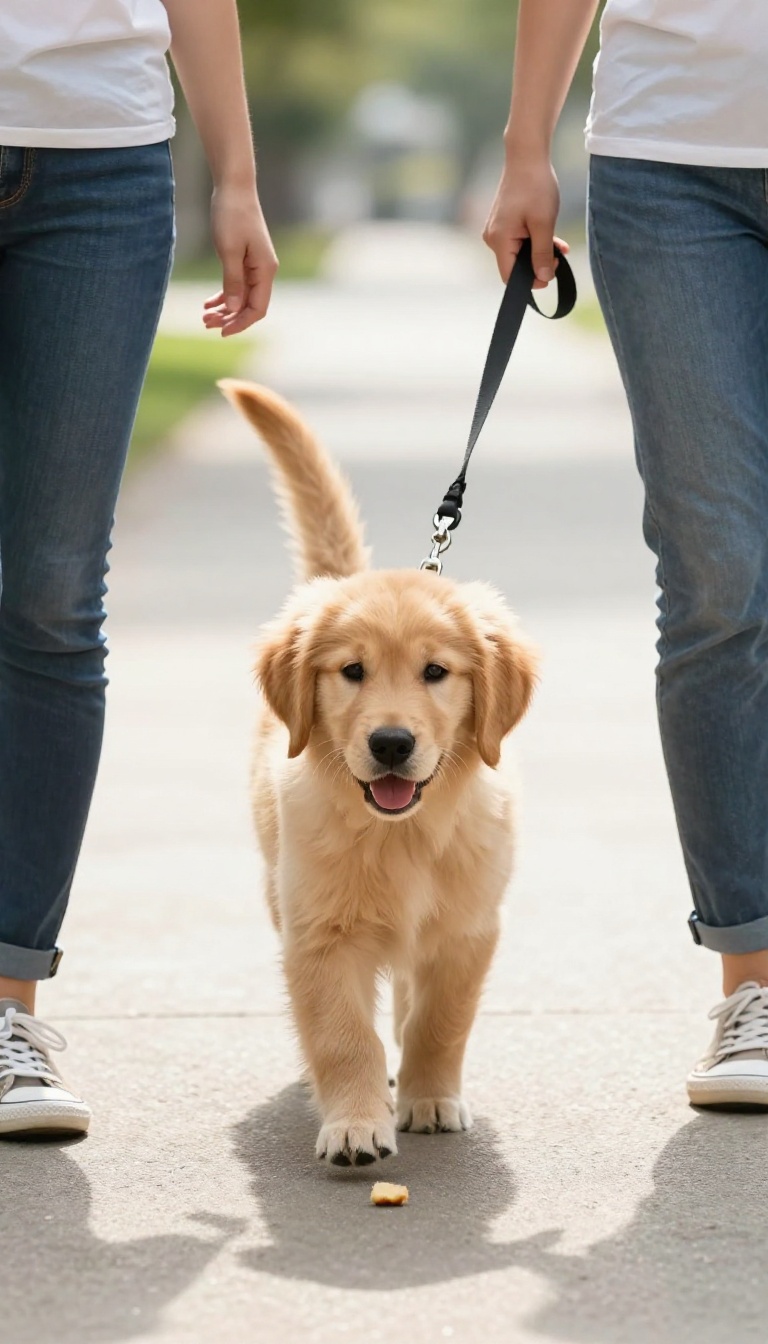
Every sidewalk seems to hide a treasure trove of forbidden snacks—old fries, chicken bones, or something unidentifiable that your puppy absolutely must investigate. That’s where a solid 'leave it' becomes your best friend. This skill isn’t just about preventing a gross snack; it’s about keeping your pup safe from toxic foods, sharp objects, or anything else that could cause harm.
With a bit of practice, you can teach your puppy to look at a tempting item, then look to you for guidance instead.
Start training 'leave it' in a low-distraction space like your living room. Hold a treat in your closed fist and let your puppy sniff, lick, or paw at it. The moment they pull back or lose interest, say 'yes' and reward them with a different treat from your other hand.
Repeat until they consistently back off from your closed fist. Then, progress to placing a treat on the floor under your foot or a piece of paper, covering it if needed, and practice the same cue. Once your puppy understands the concept, move to real-world items on your walks, starting with low-value distractions and gradually increasing the difficulty.
Start With The Hand Game
The fastest way to teach 'leave it' is to make it a game. Hold a treat in your closed fist and let your puppy sniff, lick, or paw at it. The instant they stop trying—even for a split second—mark with a 'yes' and give them a high-value treat from your other hand.
This teaches them that ignoring the temptation earns a better reward. Practice in short sessions, and soon your puppy will learn that backing off is always a win.
Move To The Floor
Once your puppy understands the hand game, place a treat on the floor under your foot or a piece of paper. Say 'leave it' and cover the treat with your foot if they lunge. When they look away, mark and reward.
Gradually remove the cover until they can ignore an exposed treat on cue. This step builds the foundation for real-world distractions.
Practice On Real Walks
Now it’s time to test your skills outside. Start in a quiet area with a low-value item like a leaf or a piece of trash. As your puppy moves toward it, say 'leave it' in a cheerful tone.
The second they check in with you, reward generously. Over time, you can increase the temptation, but always keep sessions short and end on a success. Remember, consistency beats perfection—every walk is a chance to reinforce the habit.
Troubleshooting Common Slip-ups
If your puppy ignores the cue, don’t panic. Go back a step or two in the training and lower the difficulty. Use higher-value treats for rewards, and make sure you’re marking the right moment.
Also, avoid repeating 'leave it' over and over—say it once, then wait. If your puppy still goes for the item, calmly block them and try again. With patience, the skill will stick.
6. Heel with Distractions: Maintaining Focus in Busy Areas
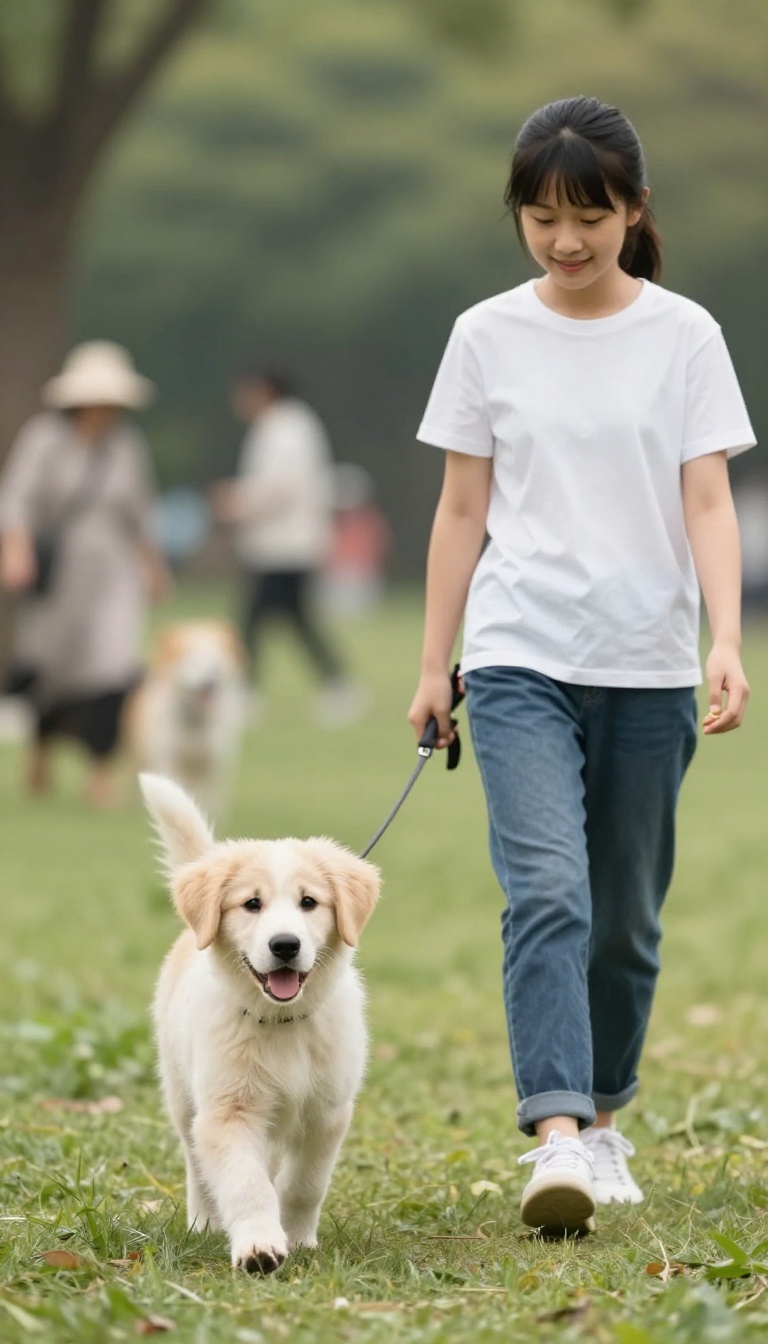
Your puppy may walk perfectly in your quiet living room, but the real world is a different story. Squirrels dart, cars honk, and other dogs bark—suddenly, all that training seems to vanish. That’s where heeling with distractions comes in.
It’s about teaching your pup to keep their focus on you even when everything around them screams for attention. Start in a low-distraction area and gradually work up to busier spots. Use treats your puppy absolutely loves, keep sessions short, and reward every moment of eye contact.
The goal isn’t perfection overnight; it’s building a habit that holds up in real life.
Heeling with distractions is the skill that turns a good walk into a great one. It’s not about forcing your puppy to ignore the world—it’s about teaching them that paying attention to you is more rewarding than chasing a leaf or greeting every passerby. This takes time, patience, and a smart training plan.
Start with what your puppy already knows. If they can heel in a quiet room, take it to your backyard, then the sidewalk, then the park. Each step up adds more distraction, so keep the difficulty manageable.
Always set your puppy up for success by choosing times and places where they’re likely to focus, not when they’re bursting with energy. When distractions are present, raise the value of your treats. Use tiny pieces of chicken, cheese, or hot dogs—something that outshines the environment.
Reward your puppy for looking at you, even if it’s just a quick glance. Over time, they’ll learn that checking in with you is the best way to earn good things. Keep training sessions short and positive.
A few minutes of focused work is better than a long, frustrating session. If your puppy is struggling, take a step back to an easier setting. You’re not starting over—you’re just making the challenge manageable again.
Start Small, Then Build Up
Don’t take your puppy straight to a busy street corner. Begin with mild distractions, like a family member walking by or a toy on the ground. Practice heeling in your driveway, then on a quiet sidewalk.
Each time your puppy succeeds, you can gradually increase the level of distraction. This step-by-step approach builds confidence and prevents overwhelm.
Use High-value Treats
When distractions are high, your puppy needs a reason to choose you. Save special treats for these moments—something smelly and delicious that they don’t get at home. Cut them into tiny pieces so you can reward frequently without overfeeding.
The more exciting the treat, the easier it is to keep your puppy’s focus.
Reward Attention, Not Just Position
Heeling isn’t just about being at your side; it’s about looking at you. Reward your puppy for making eye contact, even if they’re not perfectly in position. This teaches them that checking in with you is valuable.
As they get better, you can ask for more—like holding attention for a few steps before treating.
Keep Sessions Short And Positive
Your puppy’s attention span is limited, especially in exciting places. Keep training sessions to just a few minutes, and always end on a high note. If your puppy is struggling, simplify the task or move to a quieter spot.
The goal is to make training fun, not stressful, so your puppy looks forward to it.
7. Turning and Changing Pace: Keeping the Walk Engaging
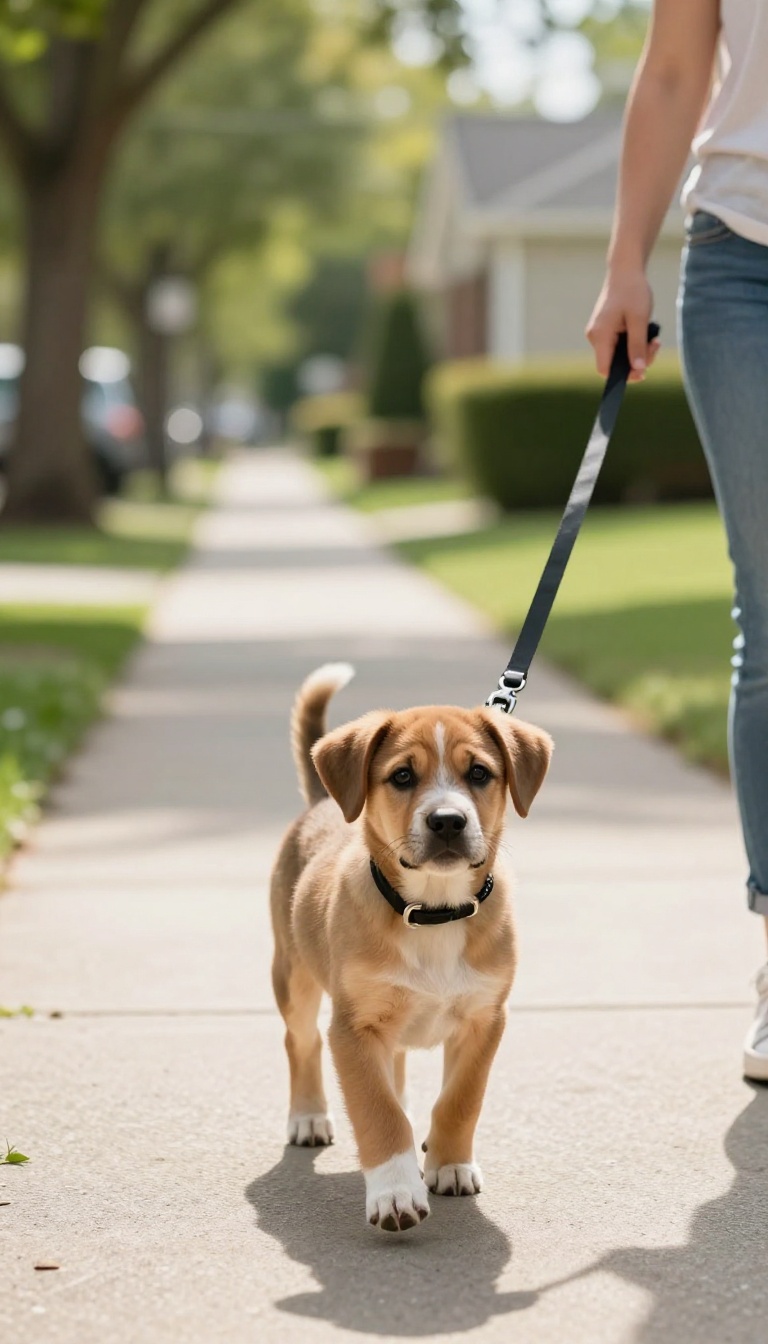
Repetitive walks can make your puppy bored and more likely to tune you out. By mixing up your speed and direction, you turn a routine stroll into a fun game that keeps your pup focused on you. This simple habit also teaches your puppy to follow your lead, which naturally reduces pulling and makes walks more enjoyable for both of you.
When you vary your pace and direction, you're not just being unpredictable—you're building a stronger connection. Your puppy learns to watch your body language and respond quickly, which is the foundation of good leash manners. Plus, it keeps their brain engaged, so they're less likely to get fixated on distractions.
Why Change Things Up?
Puppies are naturally curious and need mental stimulation. If every walk follows the same route at the same speed, they can get bored and start pulling toward new smells or sights. By changing pace and direction, you keep them guessing and engaged, making the walk more rewarding and less like a chore.
How To Change Pace And Direction
Start by walking at a normal pace, then suddenly speed up to a brisk walk or slow down to a leisurely one. You can also change direction abruptly—turn left, right, or do a U-turn. The key is to do this randomly, not in a predictable pattern.
Pair each change with a cue like "let's go" or "this way" so your puppy learns to follow your lead.
Turning It Into A Game
Make it fun by turning your walk into a game of follow the leader. Use treats to reward your puppy when they notice your change and adjust their pace or direction. You can also add quick stops or sit commands during the walk.
This not only keeps your puppy engaged but also reinforces their attention on you, making walks more enjoyable and less stressful.
8. Emergency U-Turn: Redirecting from Trouble
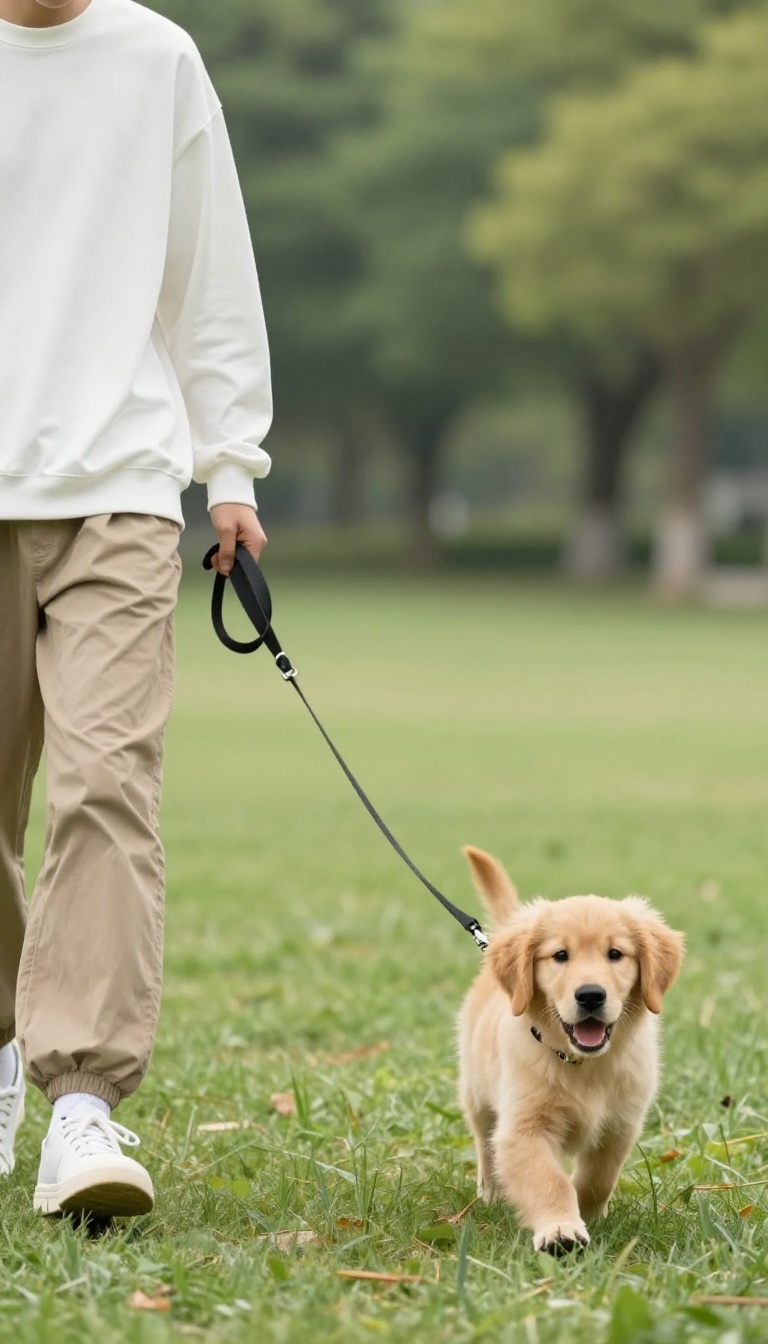
Sometimes the best way forward is a quick turn around. The emergency U-turn is a lifesaver when your puppy locks onto something they shouldn't—like a barking dog, a tempting pile of trash, or a skateboarder zooming by. Instead of yanking the leash or raising your voice, you can calmly pivot and walk the other way, teaching your pup that turning with you is always a good choice.
This skill is all about building a strong default response when you change direction. It’s not about punishing your puppy for being curious; it’s about giving them a clear, positive alternative. With practice, your puppy will learn to follow your lead even when their instincts scream otherwise.
Why The U-turn Works
Dogs are naturally forward-driven, so a sudden change of direction grabs their attention. When you turn and move away, you’re breaking their focus on the distraction and showing them that you’re the one who decides where to go. Plus, it’s a low-stress way to avoid conflict without resorting to leash corrections or intimidation.
Teaching The Move
Start indoors or in a quiet yard. Say a cheerful cue like “this way” or “let’s go” and immediately turn 180 degrees, luring your puppy with a treat. Reward them the moment they follow.
Practice in short bursts, gradually adding mild distractions. The key is to make the turn feel like a fun game, not a punishment.
Using It On Walks
Once your puppy understands the move at home, take it to the street. When you spot a potential problem ahead—say, an off-leash dog or a noisy truck—use your cue and turn before your puppy fixates. The earlier you react, the easier it is.
After a few successful turns, your puppy will start checking in with you more often, ready to change course at a moment’s notice.
9. Walking on a Loose Leash with a Harness: Comfort and Control
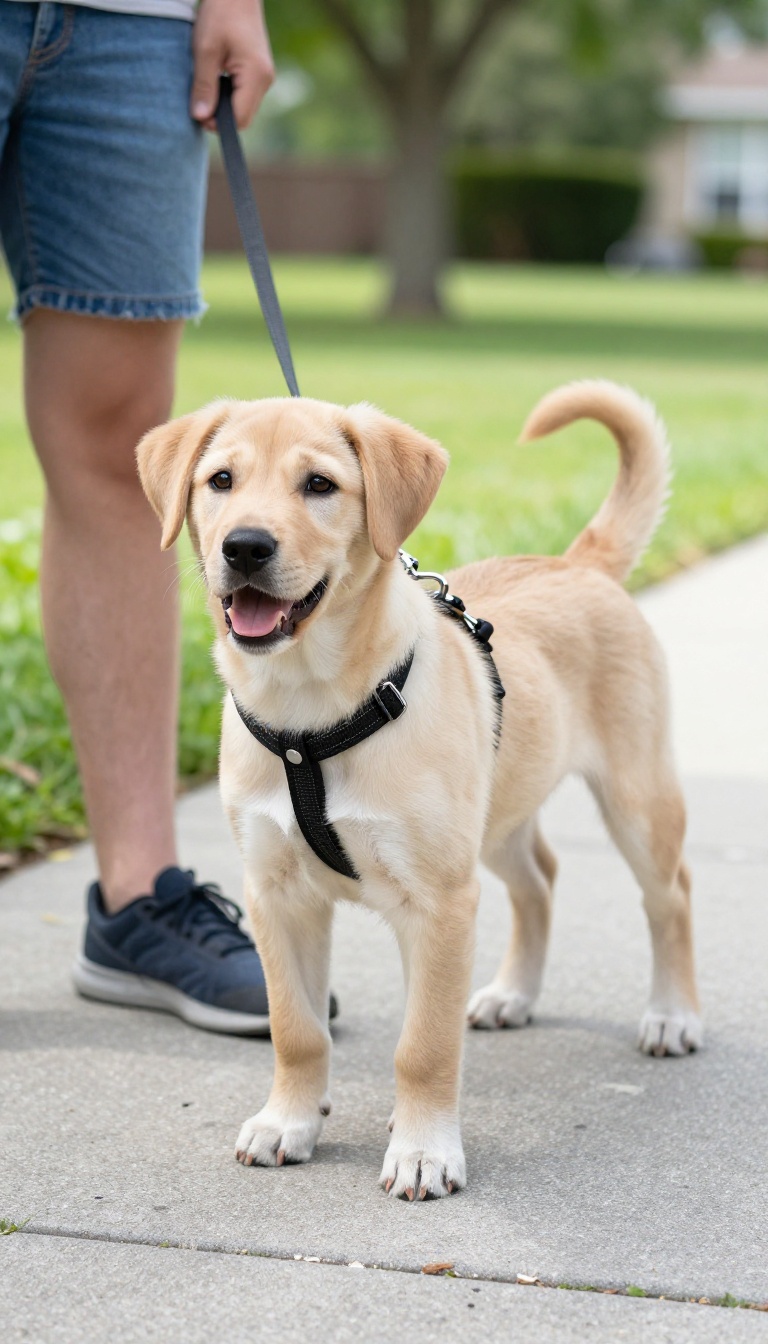
A harness can be a game-changer for puppies who pull or have delicate necks. Unlike a collar, a well-fitted harness distributes pressure across the chest and shoulders, reducing strain and giving you better control without causing discomfort. Pair that with loose-leash training, and you've got a setup that's both kind and effective.
But not all harnesses are created equal, and simply clipping one on won't fix pulling overnight. The key is choosing the right type, fitting it properly, and using it consistently with positive reinforcement. Here's how to make the most of this gear for calm, confident walks.
Why A Harness Beats A Collar
Collars put pressure on your puppy's throat, which can lead to coughing, gagging, or even injury if they lunge. Harnesses, on the other hand, redirect that force to sturdier parts of the body. They also give you more leverage, making it easier to guide your pup without yanking.
For puppies with flat faces (like pugs) or those prone to tracheal issues, a harness is almost essential.
Choosing The Right Harness Fit
A good harness should be snug but not tight. You should be able to slip two fingers between the harness and your puppy's body. Check that the front clip (if present) sits on the chest, not the throat, and that the back clip doesn't rub under the armpits.
Avoid harnesses that restrict shoulder movement—your pup needs full range for natural gait. Measure your puppy's chest and neck, and adjust straps as they grow.
Training Loose-leash With A Harness
Start indoors or in a quiet yard. Let your puppy wear the harness for short periods to get used to it. Then, practice walking with treats at your side.
The moment your puppy walks without pulling, mark and reward. If they pull, stop and wait until they come back to you. This teaches that pulling gets them nowhere, while loose leash gets them treats and forward movement.
Common Harness Mistakes To Avoid
One big mistake is leaving the harness on all day—it can cause chafing. Also, don't use a retractable leash with a harness; it encourages pulling and makes control harder. And remember, a harness is not a magic fix.
If your puppy still pulls, you might need to pair it with additional training or a front-clip design that discourages pulling.
10. Relaxed Walking in New Environments: Generalizing Skills
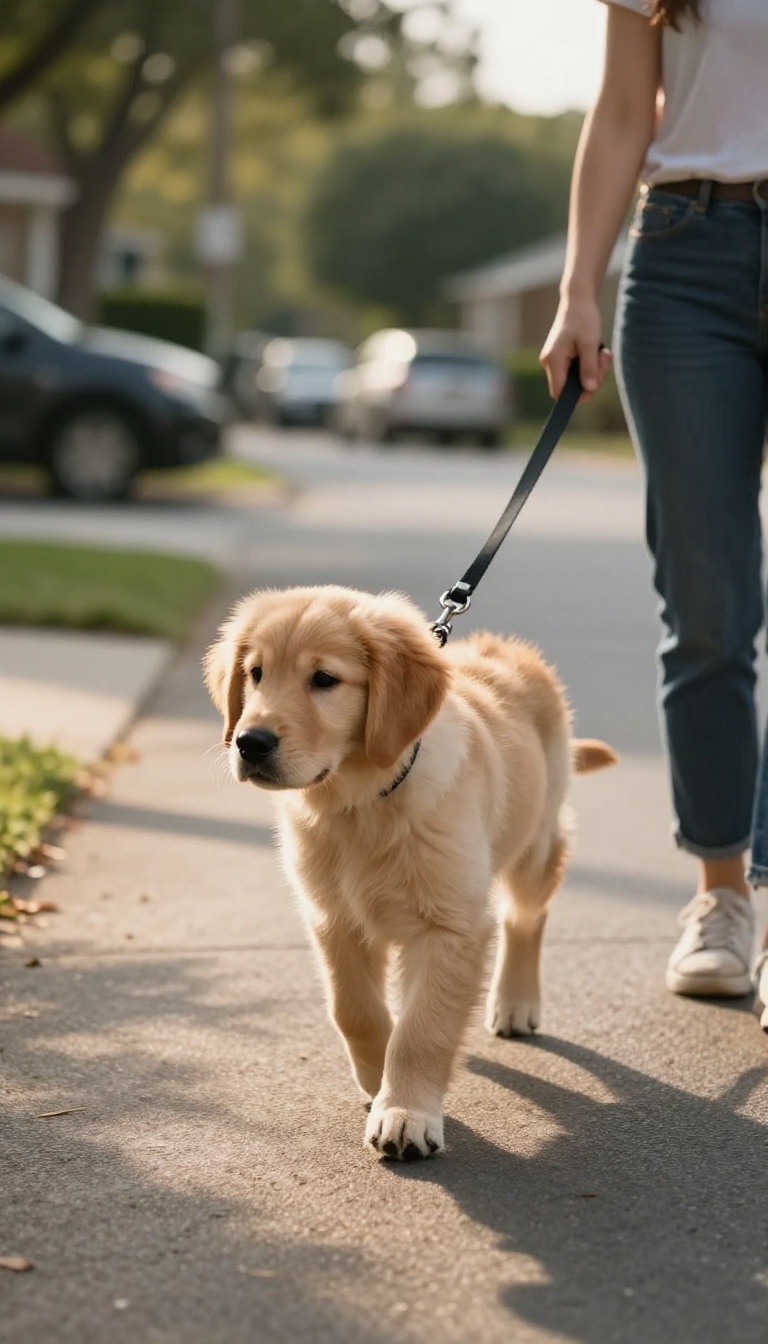
You've practiced loose-leash walking in your living room and maybe your backyard, but the real test comes when you step out the front door. New environments bring new smells, sounds, and sights that can easily overwhelm your puppy. That's why it's crucial to practice these skills in different places, so your pup learns to stay calm and focused no matter where you are.
Start with quiet areas like a familiar park or a low-traffic street, and gradually introduce more challenging environments as your puppy becomes more confident. The goal is to help your puppy generalize the skills they've learned, so they understand that good behavior applies everywhere, not just at home. This process builds a solid foundation for a lifetime of enjoyable walks.
Start Small And Build Up
Begin in a place with few distractions, like a quiet residential street or an empty park. Practice the basics—loose-leash walking, checking in, and responding to cues. Once your puppy is doing well, move to a slightly busier location, like a park with a few people or a neighborhood with more activity.
Gradually increase the difficulty, but always keep sessions short and positive.
Use High-value Rewards
In new environments, your puppy's attention will be pulled in many directions. Bring extra-special treats, like small pieces of chicken or cheese, to keep them engaged. Reward them for looking at you, walking nicely, and ignoring distractions.
This helps them associate new places with positive experiences and reinforces the behaviors you want.
Practice Focus And Engagement
Teach your puppy to check in with you regularly, even in new places. Use a cue like 'watch me' or simply reward them whenever they look at you. This builds a habit of focusing on you rather than getting overwhelmed by the environment.
You can also practice simple commands like 'sit' or 'down' in different locations to reinforce their training.
Be Patient And Consistent
Every puppy learns at their own pace, so don't rush the process. If your puppy gets too distracted or stressed, take a step back to a quieter spot and try again. Consistency is key—practice regularly, but keep sessions short and fun.
Over time, your puppy will learn to stay calm and relaxed in any environment, making your walks together a joy.
FAQ
What is the best age to start leash training a puppy?
You can start as early as 8 weeks old. Puppies are like sponges, and early training helps prevent bad habits. Keep sessions short and fun, using treats and praise.
How long should a puppy walk each day?
A general rule is 5 minutes per month of age, twice a day. So a 4-month-old puppy can walk about 20 minutes per session. Always watch for signs of fatigue.
What should I do if my puppy pulls on the leash?
Stop moving and wait for the leash to slacken. Reward your puppy when they return to your side. Consistency is key—never reward pulling by moving forward.
Should I use a harness or a collar for leash training?
A harness is often recommended for puppies because it reduces strain on their neck and gives you better control. Choose a front-clip harness to discourage pulling.
How do I stop my puppy from barking at other dogs on walks?
Teach a 'watch me' cue and reward your puppy for focusing on you when they see another dog. Keep distance and gradually decrease it as they stay calm.
Conclusion
Mastering these leash skills turns daily walks into a chance to bond, not a tug-of-war. Start with the basics and build up gradually—your pup will gain confidence with every step, and you’ll enjoy a calmer, more connected stroll together. Keep sessions short and rewarding, and you’ll see progress faster than you expect.
Remember, consistency beats perfection, so celebrate the small wins. Before long, those peaceful walks will feel like second nature for both of you.

I’m Pallab Kishore, the owner of Little Pets Realm — an animal lover and pet care enthusiast sharing easy tips, healthy recipes, and honest advice to help every small pet live a happy, healthy, tail-wagging life.