
Last updated on August 19th, 2026 at 04:14 pm
A barking puppy can turn your peaceful home into a noisy chaos. Whether it's the doorbell, passing cars, or just boredom, constant yapping is stressful for everyone. The good news?
You can teach your pup to be quiet with the right approach. This guide covers 15 practical, humane solutions that address the root causes of barking. From simple exercise tweaks to clever training tricks, you'll find a mix of quick fixes and long-term strategies.
No need to silence your dog completely—just help them bark when it matters. Pick the ideas that fit your puppy's personality and your lifestyle. Consistency is key, so stick with a few methods and watch the quiet return.
1. Increase Physical Exercise to Drain Energy
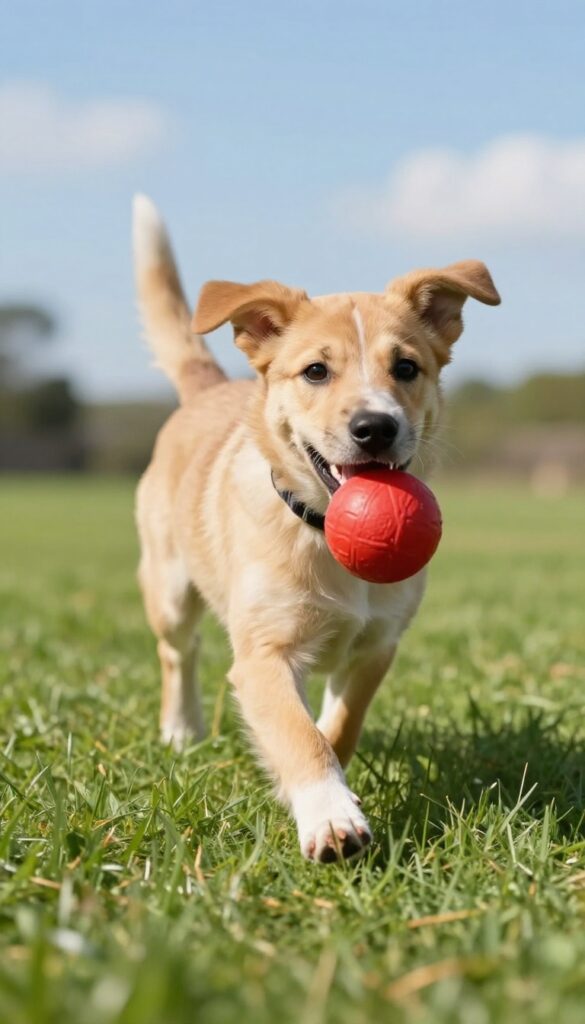
A tired puppy is a quiet puppy. Most barking comes from pent-up energy that needs an outlet. When your pup doesn't burn off that steam, the barking becomes their way of saying, "I've got energy to spare!
" Physical exercise is the first and most straightforward fix. It's not about exhausting your dog—it's about meeting their daily activity needs. A well-exercised puppy is calmer, more focused, and less likely to bark at every little thing.
Start by figuring out how much exercise your puppy really needs. A good rule of thumb is five minutes of structured activity per month of age, twice a day. So a four-month-old pup gets about 20 minutes per session.
But that's just a baseline—breeds matter too. High-energy breeds like Border Collies or Labradors need more, while Bulldogs or Pugs might be fine with less. Mix up the types of exercise to keep things interesting.
Walks are great, but they're not the only option. Fetch, tug-of-war, and even a short run in the yard all count. The goal is to get that heart rate up and let your puppy burn off the fizz.
If you only do slow strolls, you might not be making a dent in their energy reserves. Also, think about mental exercise as part of the physical package. A game of hide-and-seek or a puzzle toy that dispenses treats can tire out a puppy just as much as a jog.
When your puppy's brain is working, they're less likely to resort to barking out of boredom. So aim for a balanced routine that includes both body and mind.
How Much Exercise Is Enough?
The right amount of exercise depends on your puppy's age, breed, and individual personality. A simple formula is five minutes per month of age, twice daily. That means a six-month-old pup gets 30 minutes of activity, twice a day.
But adjust based on your dog's cues—if they're still bouncing off the walls, add a bit more; if they're panting heavily, dial it back. Remember that puppies have growing bones and joints, so avoid high-impact activities like jumping or long runs on hard pavement until they're fully grown. Stick to low-impact options like walking, swimming, or gentle fetch.
This keeps them safe while still getting the exercise they need.
Fun Ways To Increase Activity
Exercise doesn't have to be a chore. Turn it into a game your puppy loves. Try a flirt pole—it's like a giant cat toy for dogs that lets them chase and pounce.
Or set up a mini agility course in your backyard with cones and tunnels. Even a simple game of fetch up and down a hill adds extra effort. Puzzle feeders and snuffle mats are excellent for adding mental exercise to your routine.
They make your puppy work for their food, which uses up energy and keeps them occupied. Rotate different toys and activities to keep things fresh, so your pup stays excited and engaged.
Signs Your Puppy Needs More Exercise
How can you tell if your puppy is under-exercised? Look for these clues: excessive barking at nothing, destructive chewing, restlessness, or attention-seeking behaviors like nudging your hand. If your puppy seems to have a short fuse or can't settle down, they might need more physical activity.
Another sign is if they're always ready to play, even after a long walk. That means they're not getting enough intensity. Try adding a few minutes of running or a game of fetch to see if it helps.
A truly tired puppy will flop down and nap, not pace around looking for something to do.
2. Provide Mental Stimulation with Puzzle Toys
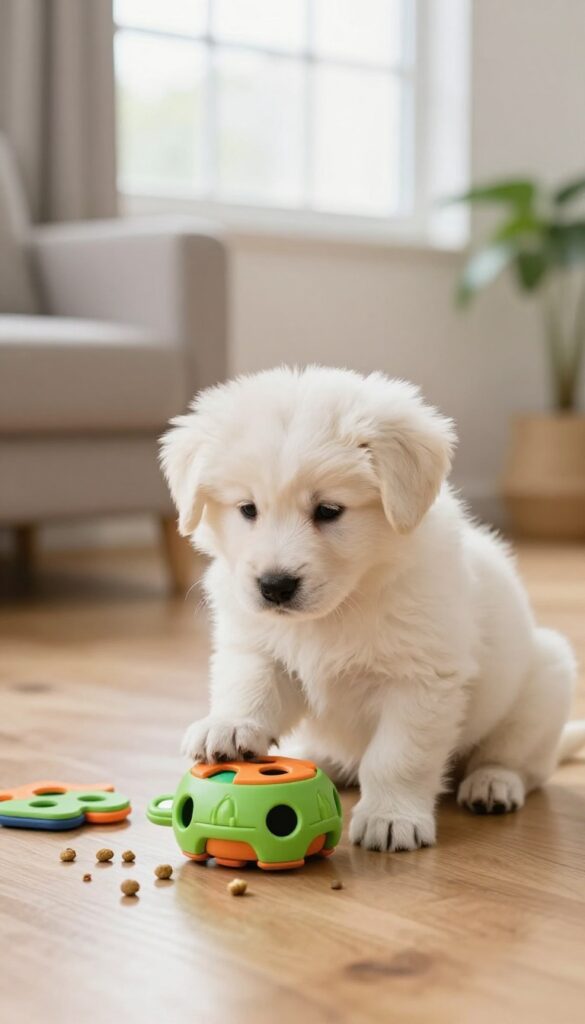
A bored puppy is a barking puppy. When your furry friend has nothing to do, they'll find their own entertainment—often by voicing their frustration. Mental stimulation is just as important as physical exercise, and puzzle toys are a fantastic way to keep their brain engaged and their mouth quiet.
These toys challenge your pup to think, solve problems, and work for their treats, which tires them out in a whole different way. Let's explore how to use them effectively to curb excessive barking.
Puzzle toys come in all shapes and sizes, from simple treat-dispensing balls to complex sliding puzzles. The key is to match the difficulty level to your puppy's age and skill. Start with something easy to build their confidence, then gradually increase the challenge.
When your puppy is busy figuring out how to get that tasty reward, they're not focused on barking at every sound or movement. This mental workout can be just as exhausting as a long walk, leaving your pup content and quiet.
Choosing The Right Puzzle Toy
Not all puzzle toys are created equal. For a young puppy, a simple Kong stuffed with peanut butter or a treat-dispensing ball is a great start. As they get smarter, you can move to sliding puzzles or toys that require multiple steps.
Look for durable materials that can withstand enthusiastic chewing. Avoid toys with small parts that could be a choking hazard. The goal is to challenge your puppy without frustrating them to the point of giving up.
Making Puzzle Time A Daily Habit
Set aside a few minutes each day for puzzle play. It's best to do this when your puppy is already calm, not when they're hyperactive. You can also use puzzle toys during times when you know barking is likely, like when you're on a work call or cooking dinner.
By consistently offering this mental workout, you're teaching your puppy that quiet, focused play is rewarding. Over time, they'll learn to entertain themselves without barking.
Rotating Toys To Keep Interest High
Just like kids, puppies can get bored with the same toy. Keep a small collection of puzzle toys and rotate them every few days. This keeps the novelty alive and ensures your pup stays engaged.
You can also vary the treats inside—sometimes use kibble, sometimes use special high-value treats like cheese or freeze-dried liver. The element of surprise makes the puzzle more exciting and keeps your puppy's brain working hard.
Combining Mental And Physical Exercise
Puzzle toys work best when paired with regular physical activity. A quick game of fetch or a short walk before puzzle time can help your puppy settle down and focus better. The physical exercise burns off excess energy, while the puzzle provides the mental challenge.
Together, they create a well-rounded routine that significantly reduces boredom-related barking. Remember, a tired puppy—both mentally and physically—is a quiet puppy.
3. Teach the 'Quiet' Command with Positive Reinforcement

Teaching your puppy a specific cue to stop barking is one of the most reliable tools you can add to your training kit. The 'quiet' command isn't about scaring your pup into silence—it's about showing them that calm behavior earns great things. With a little patience and a pocket full of treats, you can turn a barking fit into a peaceful pause.
Start by waiting for a moment when your puppy barks, then calmly say "quiet" in a firm but friendly tone. The instant they stop, even for a second, mark it with a click or a word like "yes" and give them a treat. Repeat this several times until your puppy starts to connect the word with the action of stopping.
Be sure to practice in different situations—inside, outside, and around distractions—so the cue becomes reliable everywhere. Keep sessions short and fun, and always end on a positive note so your puppy stays eager to learn.
Start With A Trigger
Pick a situation that reliably makes your puppy bark, like the doorbell or a knock. Have a friend ring the bell, and as soon as your puppy barks, say "quiet" and present a treat. The treat should be visible but not given until they stop barking.
This teaches them that silence, not noise, leads to reward. Practice this a few times per session, and gradually increase the difficulty by waiting longer before giving the treat.
Use A Marker Word
A marker word like "yes" or a clicker helps your puppy understand exactly which behavior earned the treat. When they stop barking, say "yes" immediately, then give the treat. This bridges the gap between the behavior and the reward, making training clearer.
Over time, you can phase out the marker and just use the treat, but it's a great way to speed up learning in the early stages.
Gradually Increase Duration
Once your puppy understands that "quiet" means stop barking, slowly extend the time they need to stay silent before getting a treat. Start with just a second or two, then build up to five, ten, or even twenty seconds. This teaches patience and self-control.
If your puppy barks again, just wait for another quiet moment and try again. Consistency is key—always reward the quiet, never the barking.
Add A Release Cue
After your puppy has mastered staying quiet, add a release cue like "okay" or "free" to let them know when they can bark again. This gives them an outlet and makes the training feel like a game. For example, say "quiet, " reward the silence, then say "okay" and allow a playful bark.
This helps your puppy learn that quiet time has a clear beginning and end, which reduces frustration and makes the command more effective.
4. Desensitize Your Puppy to Common Triggers
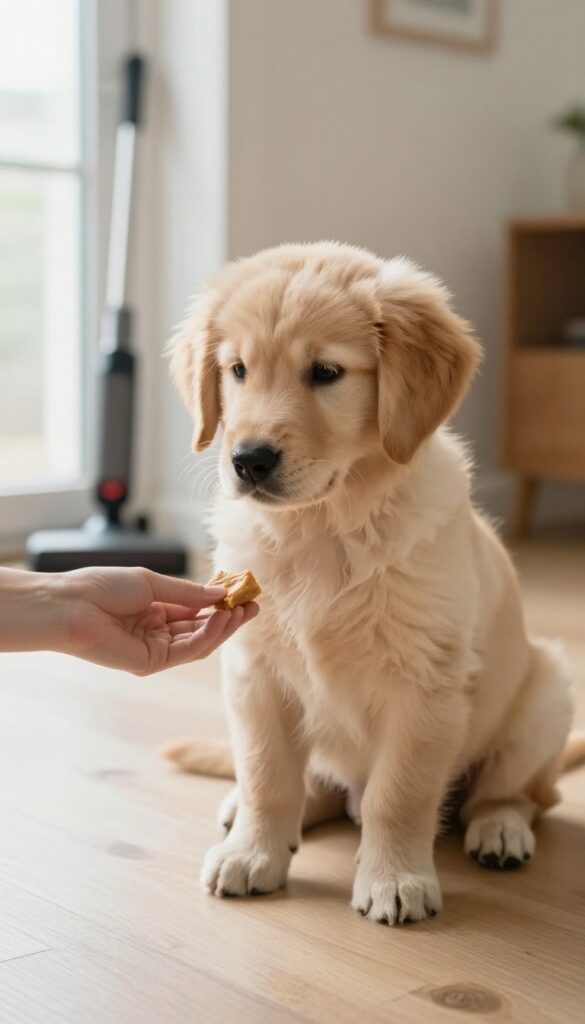
Some puppies bark because they're genuinely scared or overly excited by things they don't understand. Desensitization is a gentle way to change their emotional response. By slowly introducing the trigger at a low intensity and pairing it with something positive, you can teach your pup that the doorbell or a passing dog isn't a big deal.
Start by identifying what sets off your puppy's barking. It could be the doorbell, knocking, other dogs, or even the vacuum cleaner. Once you know the trigger, you can begin the process.
The key is to keep your puppy under their threshold—meaning they notice the trigger but don't react yet. Reward them for staying calm, then gradually increase the intensity over several sessions.
Find The Trigger And Set The Volume
Make a list of your puppy's top barking triggers. For each one, think about how you can control the intensity. For doorbells, you might use a recorded sound on your phone.
For other dogs, you could start at a distance where your puppy just notices them. The goal is to start easy enough that your puppy doesn't bark, so you can reward the calm.
Pair The Trigger With Something Awesome
When your puppy sees or hears the trigger without barking, immediately give them a high-value treat—something they only get during training, like tiny pieces of chicken or cheese. This creates a positive association. Over time, your puppy will look at the trigger and then at you, expecting a treat instead of barking.
Slowly Turn Up The Intensity
Once your puppy is comfortable with the low-level trigger, you can make it a bit harder. For a doorbell, increase the volume. For other dogs, move a few steps closer.
Always watch your puppy's body language. If they start barking, you've gone too far—take a step back and try again. The process takes time, but it's worth it.
Practice In Real-life Situations
After your puppy handles the controlled versions, start practicing in real situations. Have a friend ring the doorbell or walk a dog past your yard. Keep the same rule: reward calm behavior.
If your puppy barks, calmly move them away and try again later. Consistency will help them generalize the calm response.
5. Create a Calm and Safe Space for Your Puppy
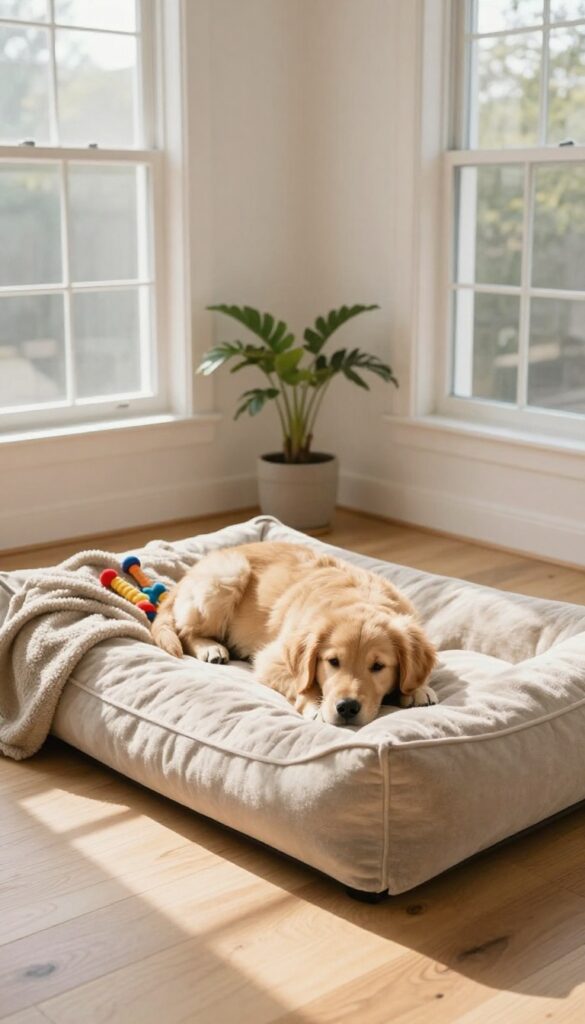
Puppies, like people, need a place to unwind. When the world gets too loud or busy, a safe spot can work wonders. A quiet den gives your pup a break from triggers that cause barking.
It's not about punishment—it's about offering comfort.
Setting up a calm space doesn't have to be fancy. A crate with a soft bed, a cozy corner with a blanket, or even a playpen can work. The key is to make it inviting and consistent.
Start by tossing treats inside and letting your puppy explore on their own. Never force them in or use it as a time-out spot. Over time, they'll learn that this is their go-to place when they need a breather.
Choosing The Right Spot
Pick a low-traffic area away from windows, doors, and household chaos. A quiet corner of the living room or a spare bedroom works well. Avoid isolating them completely—they still want to be near you.
The goal is to reduce stimulation, not to make them feel abandoned.
Making It Cozy And Inviting
Add soft bedding, a favorite toy, and maybe an item of your clothing that smells like you. Some puppies like a covered crate for extra security, while others prefer an open bed. Test what your pup responds to.
You can also play calming music or white noise to mask sudden sounds.
Training Your Puppy To Use The Space
Teach a cue like 'go to bed' or 'settle' by luring them with a treat. Practice several times a day, always rewarding calm behavior. When they voluntarily go there, give a quiet 'good' and a treat.
Never use the space as punishment. It should always be a positive, safe haven.
When To Encourage Retreat
Watch for early signs of stress or overstimulation, like yawning, lip licking, or pacing. Gently guide them to their space before barking starts. If they're already barking, wait for a pause, then invite them over.
This helps them learn that retreating is a better choice than barking.
6. Use White Noise or Calming Music to Mask Sounds
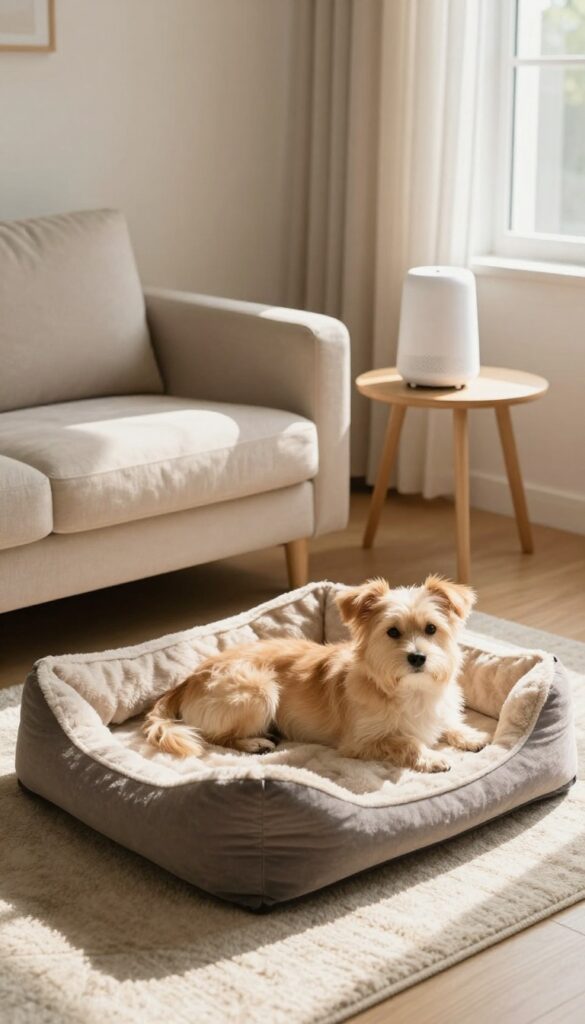
Sometimes the best way to stop barking is to change what your puppy hears. If they're constantly triggered by outside noises like traffic, neighbors, or delivery trucks, a little sound masking can work wonders. White noise or calming music fills the background with steady, soothing audio that helps your pup ignore the random sounds that set them off.
It's a simple, non-invasive fix that can make a huge difference in your home's peace level.
Puppies have sharp ears, and they're naturally alert to new or sudden sounds. When they hear something unfamiliar, their instinct is to bark to warn you. By playing white noise or calming music, you create a consistent auditory environment that dulls those startling noises.
This helps your puppy stay relaxed and less reactive. It's not about drowning out every sound completely—just softening the edges so your pup doesn't feel the need to sound the alarm every time a car passes by.
Why Sound Masking Works
Sound masking works by raising the background noise level, which reduces the contrast between quiet moments and sudden loud sounds. That contrast is often what triggers barking. When the background is steady, a door slam or a passing motorcycle becomes less jarring.
For puppies, this can mean fewer startled barks and more calm naps. It's especially helpful in apartments or busy neighborhoods where external noise is constant.
Choosing The Right Sound
Not all sounds are created equal. White noise, like static or a fan, works well for blocking out unpredictable noises. Calming music, on the other hand, can soothe your puppy's overall mood.
Some owners swear by classical music or specially designed dog relaxation tracks. Pay attention to your pup's reaction—some prefer silence, while others relax with gentle melodies. Start with a low volume and adjust as needed.
Setting Up Your Sound Routine
Consistency is key. Play the sound during times when barking is most likely, like when you're away or during busy street hours. You can leave it on for a few hours or all day, depending on your schedule.
Use a timer or a smart plug to automate it. Also, make sure the sound isn't too loud—it should be background noise, not a distraction. Over time, your puppy will associate these sounds with calmness and relaxation.
7. Avoid Accidentally Rewarding Attention-Seeking Barks
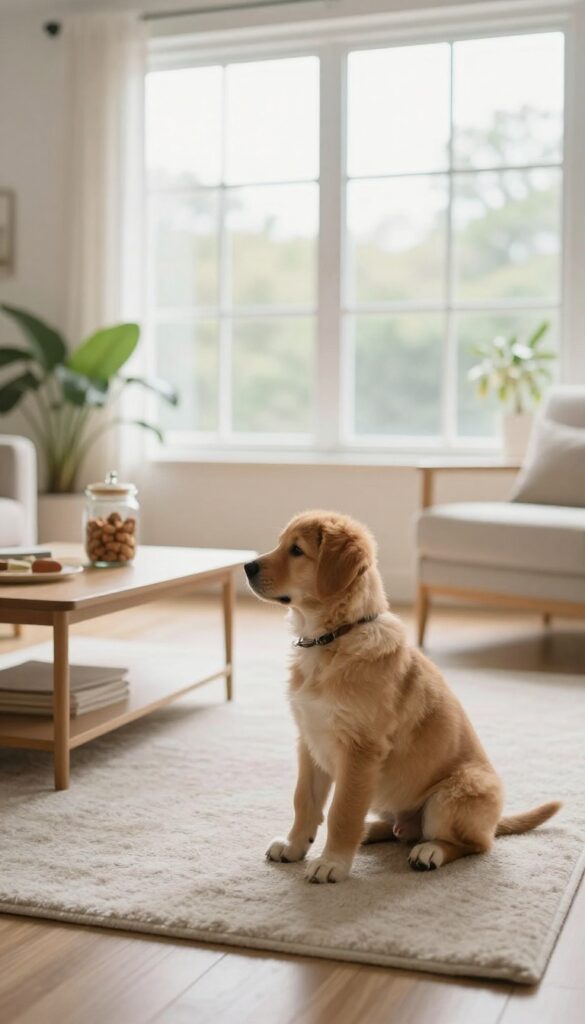
Puppies are smart—they figure out fast what works to get your attention. If barking gets you to look, talk, or even scold, they'll keep doing it. The trick is to make sure barking never pays off, while silence does.
This isn't about ignoring your pup completely. It's about being consistent so they learn that quiet paws get the good stuff. Once they connect calmness with rewards, the attention-seeking barks will fade on their own.
Attention-seeking barking is one of the most common reasons puppies yap. They want your eyes, your hands, or just a reaction. If you give in—even occasionally—you're teaching them that persistence works.
The fix is to flip the script: reward the quiet moments and ignore the noisy ones. This approach takes patience, but it's incredibly effective. Your puppy will start offering silence more often because that's what earns them your time and treats.
Why Ignoring Works
When you ignore a barking puppy, you remove the payoff they're after. No eye contact, no talking, no touching—just turn away or leave the room. At first, the barking might get worse (that's called an extinction burst), but if you stay consistent, they'll realize it's not working.
Meanwhile, the moment they stop barking—even for a second—mark it with a treat or praise. This teaches them that quiet is what gets your attention. Over time, they'll choose silence more often because it's more rewarding.
Reward The Quiet Moments
Catch your puppy being calm and make it worth their while. Toss a treat when they're lying quietly, or give a gentle scratch when they're not barking. You don't need to make a big deal—just a simple 'good quiet' works.
You can also use a 'quiet' cue. When they pause barking on their own, say 'quiet' and reward. Repeat this until they associate the word with the action.
Then you can use it to prompt silence before it starts.
Avoid Common Mistakes
One big mistake is giving attention after a pause in barking. If your puppy barks, stops for a second, and then you look—they learn that barking followed by silence gets your attention. Wait for a longer quiet moment, at least a few seconds.
Another slip-up is scolding. Yelling or saying 'no' might feel like attention to your pup, which can reinforce the behavior. Stay neutral and calm.
If you need to, step into another room until they stop.
8. Practice 'Leave It' to Redirect Focus
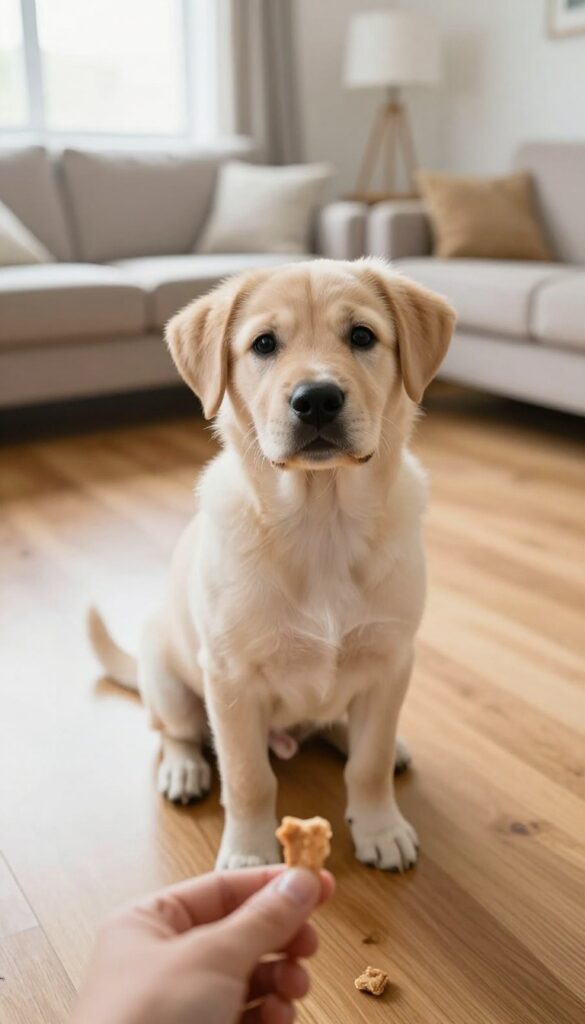
When your puppy barks at a trigger, they're locked in a moment of intense focus. The 'leave it' command is a powerful way to break that fixation and bring their attention back to you. It's not just about stopping the noise—it's about teaching your pup that you're more interesting than the distraction.
This skill takes practice, but once your puppy gets it, you'll have a reliable way to interrupt barking before it becomes a habit. Start in low-distraction settings and gradually build up, so your dog learns to listen even when things get exciting.
Training 'leave it' is a game-changer for barking. It gives you a way to communicate with your puppy in the moment, redirecting their energy into a positive behavior instead of letting them spiral into a barking fit. The key is to practice in short, fun sessions so your pup stays engaged and learns to trust the cue.
Start With A Tasty Reward
Hold a treat in a closed fist and let your puppy sniff it. When they back away or lose interest, say 'yes' and give them the treat from your other hand. Repeat this until they automatically pull back when they see your fist.
This builds the foundation of the cue.
Add The Cue And A Distraction
Once your puppy understands the game, say 'leave it' just before you present the treat. Then, try it with a toy or a low-level distraction like a family member walking by. Reward them for looking at you instead of the trigger.
This teaches them to check in with you first.
Use It In Real Barking Moments
When your puppy starts barking at a trigger, say 'leave it' in a calm, firm voice. The moment they pause or turn to you, reward them with a treat or praise. Over time, they'll learn that staying quiet earns them something better than barking does.
9. Manage Your Puppy's Environment to Reduce Triggers
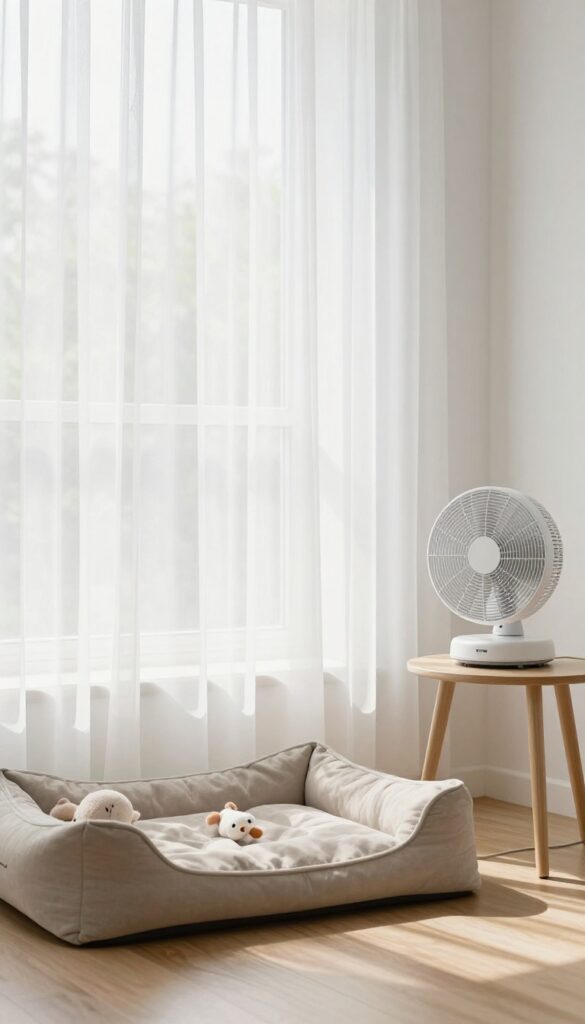
Sometimes the easiest way to stop barking is to prevent it from starting. By tweaking your home setup, you can minimize the sights and sounds that set your puppy off. A calmer environment means fewer barking episodes and a more relaxed pup.
Think of your puppy's environment as the stage for their behavior. If the stage is full of distractions and triggers, barking becomes the default response. By managing what your puppy sees and hears, you can reduce the urge to bark in the first place.
It's not about hiding your dog from the world—just giving their brain a break from constant stimulation.
Block The View
If your puppy barks at people or animals passing by the window, simply close the curtains or blinds. You can also use window film that lets light in but blurs the view. Another option is to move your puppy's favorite spot away from the window, so they don't have a front-row seat to the action.
Muffle The Noise
For puppies that react to sounds like the doorbell or traffic, try playing white noise, soft music, or a fan to mask those sudden noises. This can help desensitize your puppy over time, making them less likely to bark at every little sound. Just keep the volume at a comfortable level—not too loud, just enough to take the edge off.
Create A Safe Zone
Set up a quiet area where your puppy can retreat when things get overwhelming. Use baby gates to block off certain rooms or parts of the house. Fill this space with a comfy bed, some toys, and maybe a piece of your clothing for comfort.
When your puppy feels safe, they're less likely to bark out of anxiety or overstimulation.
10. Keep Your Puppy Busy with Rotating Toys
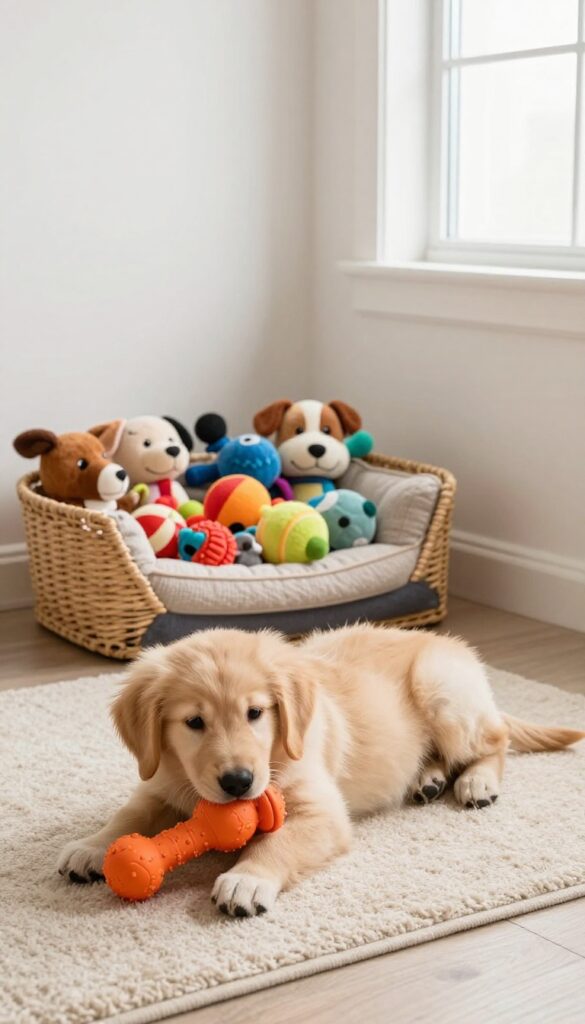
You might not realize it, but your puppy's toy box could be the culprit behind all that barking. When the same squeaky ball and rope sit there day after day, they lose their magic. Your pup gets bored, and a bored puppy will find something to do—often that means barking at nothing or everything.
Rotating toys is a simple, low-effort way to keep your dog's brain engaged. By swapping out a few toys every couple of days, you make old toys feel new again. That novelty keeps your puppy occupied and less likely to bark just to burn off energy or seek attention.
Why Toy Rotation Works
Dogs, especially puppies, are wired to explore and interact with their environment. When they have access to the same toys all the time, those items become background noise. Your puppy stops paying attention to them, and the toys lose their ability to distract or entertain.
Rotating toys taps into your puppy's natural curiosity. Each time you bring back a toy that's been out of sight for a few days, it's like a brand-new surprise. That fresh excitement gives your pup a healthy outlet for their energy, so they're less likely to bark out of sheer boredom.
How To Set Up A Rotation System
You don't need a complicated schedule to make toy rotation work. Start by gathering all your puppy's toys and splitting them into two or three groups. Keep one group available for a few days, then swap it out for another group.
Try to include a mix of toy types in each group—something to chew, something to fetch, and something that makes noise. That way, your pup has options depending on their mood. Store the off-duty toys in a bin or closet where your puppy can't see or smell them, so they stay genuinely exciting when they come back.
Choosing The Right Toys For Mental Stimulation
Not all toys are created equal when it comes to keeping your puppy busy. Puzzle toys and treat-dispensing toys are especially good because they require your pup to think and work for a reward. That mental effort tires them out much faster than simple chewing.
Rotate in a few interactive toys alongside the classics. For example, you might have a treat ball available one week and a snuffle mat the next. This variety keeps your puppy's mind sharp and gives them a productive job to do instead of barking at the window.
11. Use a Citronella or Spray Collar as a Last Resort
When other methods have failed, a spray collar can offer a gentle but effective nudge. These collars release a burst of citronella or unscented spray when your puppy barks, interrupting the behavior without causing pain. They are not a magic fix, but they can help break a stubborn barking habit when used correctly.
Spray collars work by associating barking with an unpleasant (but harmless) sensation. The spray startles your puppy, which can stop the barking mid-bark. Over time, your puppy learns that barking leads to the spray, so they may choose to stay quiet instead.
However, these collars should be used sparingly and only as a temporary aid, not a long-term solution.
How Spray Collars Actually Work
The collar contains a small cartridge filled with citronella or a plain water-based spray. A microphone detects the vibration of your puppy's vocal cords and triggers a quick spray near their nose. The smell or sensation is surprising but not painful, which is why many owners consider it a humane option.
It's important to choose a collar that fits well and has adjustable sensitivity settings.
When To Use One (and When Not To)
Reserve spray collars for situations where other training methods haven't worked. They can be useful for excessive barking when you're not able to actively train, like when you're at work. But avoid using them for puppies under six months old, and never use them for fear-based or separation anxiety barking.
The goal is to interrupt the habit, not to punish your puppy for being scared.
Tips For Using A Spray Collar Responsibly
Start by letting your puppy wear the collar without it being activated, so they get used to the feel. Then, activate it only during specific training sessions. Always pair the spray with a verbal cue like 'quiet' and reward your puppy when they stop barking.
Keep the collar on for short periods, and remove it when you're not supervising. Most importantly, combine it with positive reinforcement to teach your puppy what you want them to do instead.
12. Enroll in a Positive Reinforcement Training Class

Group classes do more than teach basic commands—they put your puppy in a room full of distractions and show them how to stay calm anyway. That kind of practice is gold for reducing nuisance barking. Plus, you'll learn how to read your pup's body language and respond in ways that actually work.
Training classes give your puppy a chance to practice impulse control around other dogs and people. They learn that staying quiet and focused earns rewards, while barking gets them nothing. Over time, this builds a habit of calmness that carries over to home life.
Socialization Without The Chaos
A good positive reinforcement class introduces your puppy to new sights, sounds, and smells in a controlled setting. They get to interact with other pups and strangers while you guide them through it. That exposure helps them feel less threatened by the unexpected, which means fewer alarm barks at home.
Impulse Control That Sticks
In class, your puppy learns to wait, focus, and respond to cues even when exciting things are happening. That's impulse control in action. When they master that at class, they'll be better at staying quiet when the doorbell rings or a squirrel runs by the window.
13. Ensure Your Puppy Gets Enough Sleep
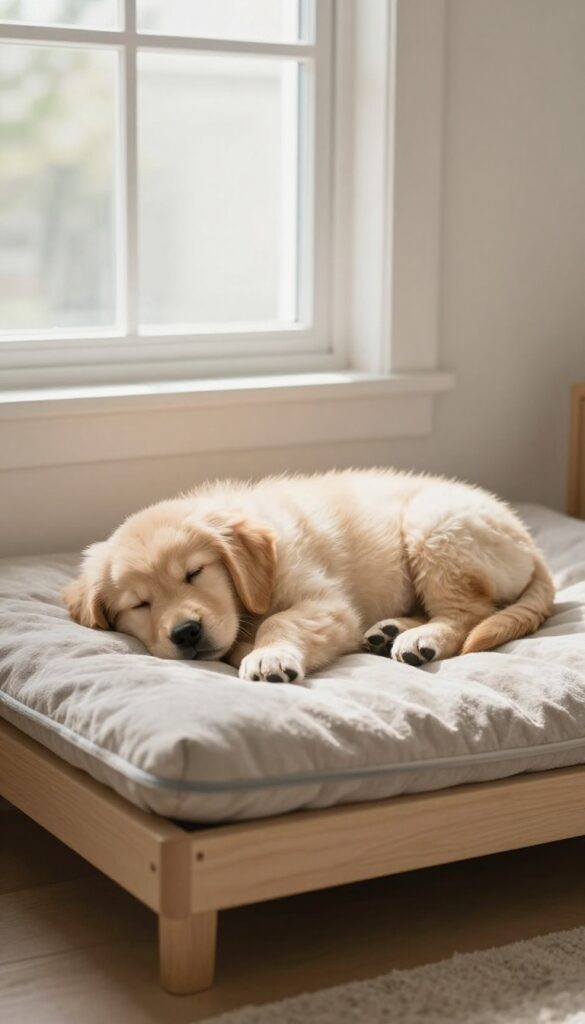
Think your puppy is barking just to be annoying? Sometimes the real issue is that they're exhausted. Puppies need a surprising amount of sleep—up to 20 hours a day—and when they don't get it, they turn into cranky, vocal little monsters.
Overtired puppies lose the ability to self-soothe, so the smallest thing sets them off. A well-rested puppy is calmer, more focused, and far less likely to bark at shadows or their own reflection.
Creating a consistent sleep schedule and a cozy den-like space can work wonders. Just like babies, puppies thrive on routine. When they know when it's time to rest, they're less likely to fight it.
And when they do sleep, they wake up refreshed and ready to learn, not bark.
Why Overtired Puppies Bark
An overtired puppy is like a toddler who missed their nap. They get hyper, whiny, and easily frustrated. Instead of settling down, they get more wound up, and barking becomes their way of releasing that pent-up energy.
You might notice them biting more, ignoring commands, or barking at nothing. That's a clear sign they need rest, not more playtime.
Set A Sleep Schedule
Puppies do best with a predictable routine. Try to wake them, feed them, play with them, and put them down for naps at the same times each day. A typical schedule might be: 1-2 hours of awake time, followed by 2-3 hours of nap time.
Use a crate or a quiet room with a comfortable bed. Consistency helps their internal clock, making them more likely to settle quickly.
Create A Calm Sleeping Spot
Your puppy's sleeping area should be a peaceful retreat, not a busy hallway. Choose a spot away from household noise and foot traffic. Make it cozy with a soft bed and maybe a blanket that smells like you.
Cover the crate with a light sheet to create a den-like feel. Keep the area dark and quiet during nap times. If your puppy is used to sleeping with you, gradually move them to their own space to build independence.
14. Address Separation Anxiety with Gradual Departures
If your puppy only barks when you head out the door, separation anxiety might be the real culprit. This kind of barking isn't about being naughty—it's about panic. The fix isn't scolding; it's teaching your pup that you always come back.
Gradual departures do exactly that. By practicing tiny absences and slowly stretching them, you rebuild your puppy's confidence and quiet the anxious barking at its source.
Start with departures that are so short your puppy barely notices you're gone. Think: walk to the mailbox, step outside for a few seconds, or just close the bathroom door. The goal is to show your pup that being alone is no big deal.
As your puppy stays calm, gradually increase the time. Keep sessions below your puppy's panic threshold—if they start whining, you've gone too fast. This process takes patience, but it rewires your puppy's emotional response to your leaving.
Build A Calm Departure Routine
Dogs pick up on cues like grabbing keys or putting on shoes. Those signals trigger anxiety before you even leave. To break that pattern, mix up your routine.
Pick up your keys and sit back down. Put on your coat and then watch TV. This desensitizes your puppy to the signals that previously meant 'you're leaving. ' When you do actually leave, do it without drama—no long goodbyes.
Keep your tone neutral and your movements calm, so your puppy learns that departures are just a normal part of life.
Use A Special Treat Or Toy
Give your puppy something amazing that they only get when you leave. A stuffed Kong with peanut butter, a puzzle toy, or a long-lasting chew can work wonders. This creates a positive association with your absence.
Your puppy starts to look forward to you leaving because it means something tasty is coming. Make sure the treat is safe and appropriate for your puppy's age and chewing style. This simple swap can turn a stressful moment into a happy one.
Practice Alone Time While You're Still Home
You don't have to leave the house to teach your puppy to be okay alone. Practice having your puppy in a different room while you're home. Use a baby gate or close a door for a few minutes.
Reward calm behavior with treats or praise. This builds your puppy's independence and confidence. Over time, your puppy learns that being apart from you isn't scary, even when you're just in the next room.
This makes actual departures easier to handle.
When To Seek Professional Help
If your puppy's anxiety is severe—like destructive chewing, drooling, or frantic pacing—gradual departures might not be enough. In those cases, don't hesitate to consult your vet or a certified dog trainer. They can rule out medical issues and create a tailored plan.
Sometimes anti-anxiety medication is needed temporarily to help your puppy relax enough to learn. There's no shame in getting help. Your goal is a happy, calm puppy, and professionals are there to support you.
15. Stay Calm and Consistent in Your Training

Your puppy picks up on your energy more than you might think. If you're tense or frustrated, they'll sense it and likely bark even more. Staying calm and consistent is one of the most powerful tools you have to reduce excessive barking.
When you react with patience and a clear routine, your puppy learns what to expect. That predictability lowers their anxiety, which means fewer barking episodes. It's not about being perfect—just about showing up consistently every day.
Why Your Energy Matters
Dogs are masters at reading human emotions. If you're stressed or annoyed, your puppy might interpret that as a sign of danger or excitement, triggering more barking. Staying calm sends a message that everything is okay, which helps your pup relax.
Take a deep breath before you respond to a barking fit. Lower your voice, move slowly, and avoid sudden gestures. This simple shift can change the entire dynamic of your training sessions.
Building A Predictable Routine
Puppies thrive on routine. When they know when meals come, when walks happen, and when it's quiet time, they feel secure. That security reduces the anxiety that often leads to barking.
Set fixed times for feeding, exercise, and play. Stick to them as closely as possible, even on weekends. The more predictable your day, the calmer your puppy will be.
Consistency Across All Family Members
If one person lets the puppy bark at the door and another doesn't, your pup gets mixed signals. That confusion can make barking worse. Everyone in the household needs to use the same commands and follow the same rules.
Have a quick family meeting to agree on how you'll handle barking. Use the same cue words, like 'quiet' or 'enough, ' and reward the same behaviors. When everyone is on the same page, your puppy learns faster.
Patience Is A Skill, Not A Given
Training takes time, and every puppy learns at their own pace. Some catch on in days, others take weeks. Getting frustrated or giving up too soon sends your training backward.
Celebrate small wins, like a shorter bark or a quicker response to your cue. Remind yourself that every calm moment is progress. With steady patience and consistency, you'll see lasting results.
FAQ
How long does it take to stop puppy barking?
It varies by puppy and the method used. With consistent training, you may see improvement in a few weeks. Some puppies take longer, especially if the barking is anxiety-related.
Is it okay to yell at my puppy to stop barking?
No. Yelling can increase anxiety and make barking worse. Instead, use positive reinforcement and calm, firm commands to teach quiet behavior.
What if my puppy barks at night?
Nighttime barking often stems from loneliness or the need to go potty. Ensure your puppy has a comfortable sleeping area and a consistent bedtime routine. If they need to go out, take them quietly and return to bed.
Can I use a shock collar to stop barking?
Shock collars are not recommended as they can cause fear and aggression. Opt for humane methods like positive reinforcement or citronella collars if needed.
Why does my puppy bark at other dogs on walks?
This could be due to excitement, fear, or lack of socialization. Work on desensitization and reward calm behavior when you see other dogs. Consider a trainer if it's severe.
Conclusion
A quieter home is within reach. By understanding why your puppy barks and applying these 15 solutions, you can reduce the noise and strengthen your bond. Remember, patience and consistency are your best tools.
Start with the simplest changes—like more exercise or a comfy den—and build from there. Every puppy is different, so mix and match until you find what works. With time, you'll enjoy a peaceful home and a happy, well-adjusted pup.

I’m Pallab Kishore, the owner of Little Pets Realm — an animal lover and pet care enthusiast sharing easy tips, healthy recipes, and honest advice to help every small pet live a happy, healthy, tail-wagging life.