
Last updated on August 19th, 2026 at 04:14 pm
Potty training a puppy can feel like a never-ending cycle of accidents and cleanup, but it doesn't have to be that way. The right habits, built early, save your floors and your sanity.
These 11 practical strategies focus on prevention, not just reaction, so you can stay ahead of the mess. From timing meals to reading your pup's signals, each tip is simple to start today.
You don't need expensive gadgets or a professional trainer—just consistency and a little patience. Let's make those puddles a thing of the past.
1. Stick to a Strict Feeding Schedule
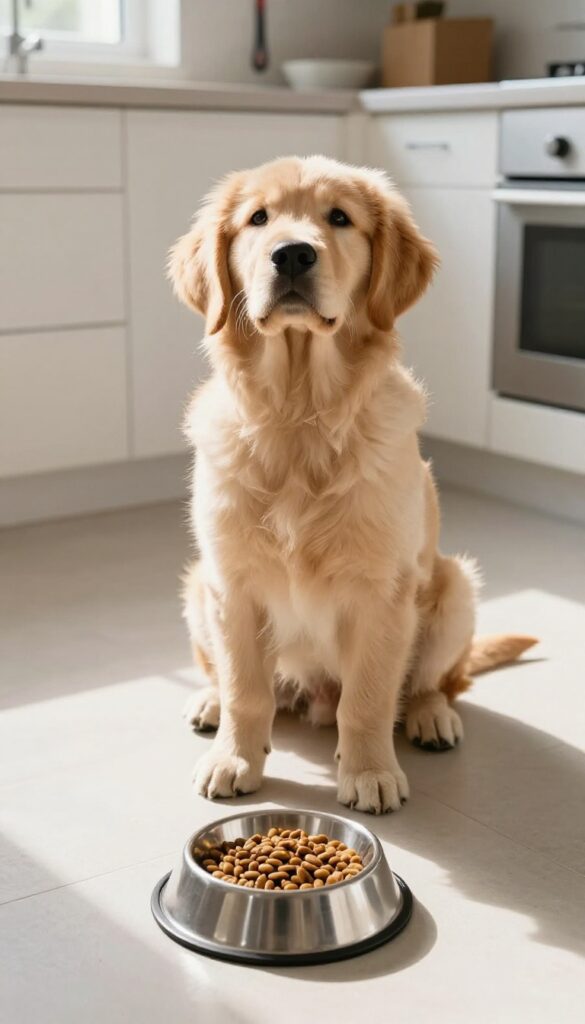
A predictable tummy leads to a predictable bladder. When your puppy eats at the exact same times every day, their digestive system falls into a rhythm that you can plan around. That means you'll know roughly when they need to go out, which cuts down on surprise accidents and guesswork.
Plus, it sets the stage for a smoother potty training routine overall.
Feeding your puppy on a strict schedule is one of the simplest ways to prevent messes. It helps you anticipate bathroom breaks and teaches your pup self-control. Here's how to make it work.
Why Timing Matters
Puppies have fast metabolisms, so food moves through them quickly. If you feed at random times, you'll never know when to expect a potty break. A set schedule trains their body to eliminate at predictable intervals, which makes it easier for you to be proactive.
How To Set The Schedule
Choose two or three feeding times that work for your daily routine, like morning, noon, and early evening. Serve the same amount each time and remove the bowl after 15–20 minutes, even if they haven't finished. This prevents grazing and keeps their intake consistent.
What To Do After Meals
Take your puppy outside within 10–15 minutes after they finish eating. Use a cue word like "potty" so they associate the action with the command. Stay with them until they go, then reward with praise and a small treat.
This reinforces the connection between eating and eliminating outside.
2. Take Them Out Immediately After Waking Up
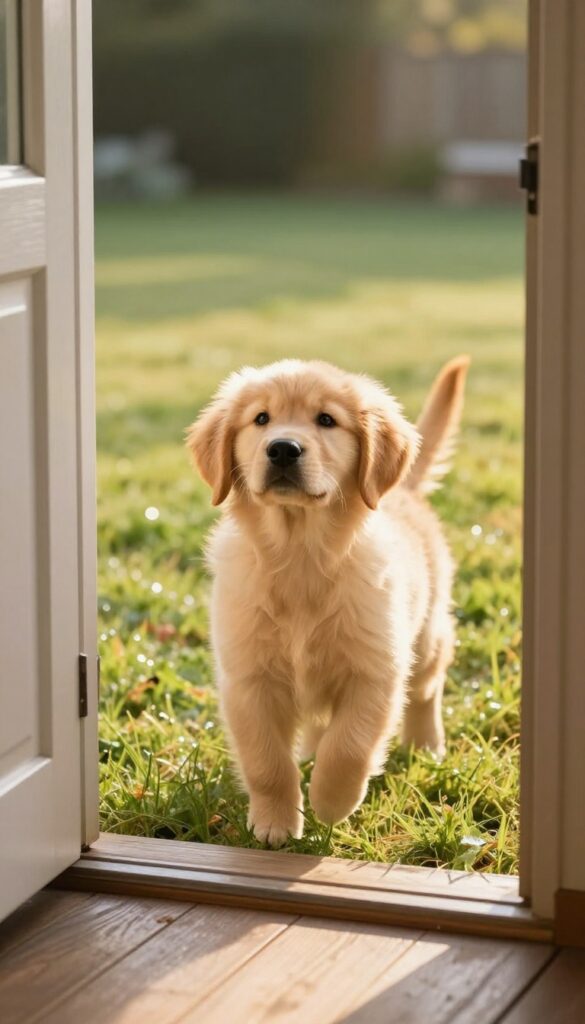
A puppy’s bladder is tiny, and the moment they wake up, nature calls. If you wait even a few minutes, you’re risking a puddle on the floor. Make it a rule: the second those eyes open, you’re heading outside.
This habit is simple but powerful. Puppies can’t hold it long, and sleep resets their system. By taking them out right away, you’re setting them up for success and reinforcing the outdoor potty routine.
Why This Works
When a puppy sleeps, their body slows down urine production. Waking up triggers a need to go. Getting them outside before they even stretch gives them no chance to have an accident indoors.
It’s all about timing.
How To Make It A Routine
Keep a leash by the door. As soon as your puppy stirs, scoop them up or lead them out. Use the same door every time.
This consistency helps them learn where to go. Praise them the moment they do their business outside.
What To Avoid
Don’t let them wander or play before going out. Even a minute of play can lead to a squat. Also, avoid carrying them if they can walk—let them move so the urge is stronger.
Just head straight to the designated potty spot.
3. Use a Designated Potty Spot
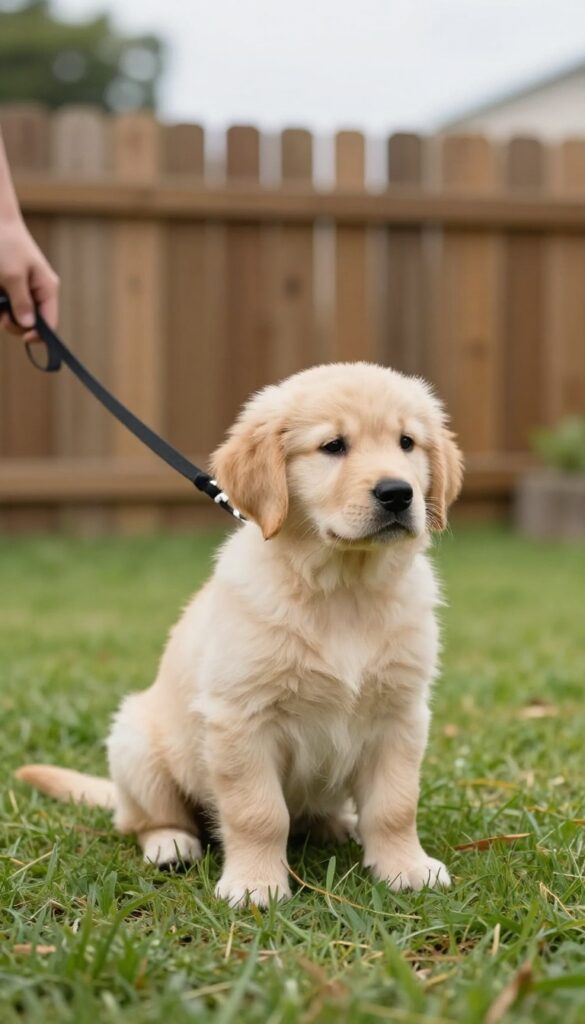
Dogs are creatures of habit, and their noses do the heavy lifting. When you pick one consistent place for bathroom breaks, you're giving your puppy a clear signal about what's expected. That familiar scent acts like a green light, telling them it's time to go.
This simple habit cuts down on confusion and accidents. Instead of wandering the yard wondering where to sniff, your pup learns that this one spot is the bathroom. It's a small change with a big payoff.
Choosing a designated potty spot is more than just convenience—it's a training tool. The lingering scent of urine tells your puppy this is the right place, reinforcing the behavior every time they sniff it. Over time, they'll head there automatically, which means fewer surprises inside.
This approach also helps you stay consistent. You know exactly where to take them, and they know exactly what to do. It's a win-win for both of you.
Pick The Right Location
Look for a spot that's easy for you to access quickly, especially during those middle-of-the-night trips. It should be away from high-traffic areas and their food or water bowls. A quiet corner of the yard works well—somewhere they won't be distracted by noises or passersby.
Avoid areas near their favorite play zone. If they associate that spot with fun, they might hold it in instead of going. Keep it simple and dedicated.
Lead Them There Every Time
Consistency is key. Take your puppy to the same spot on a leash, even if they're reluctant at first. Use a calm command like 'go potty' as they sniff around.
When they go, reward them immediately with praise or a treat. Don't let them wander off to other areas. If they try to pull away, gently guide them back.
This reinforces that this spot is the only place for bathroom breaks.
Keep It Clean
While the scent helps, you don't want the area to become overwhelming. Pick up solid waste regularly and occasionally rinse the spot with water. Too much buildup can make the area unpleasant and might even encourage them to avoid it.
If you're using a balcony or a potty pad, change it frequently. A clean, fresh-smelling spot still carries enough scent to remind them, without being off-putting.
4. Reward Every Successful Outdoor Potty
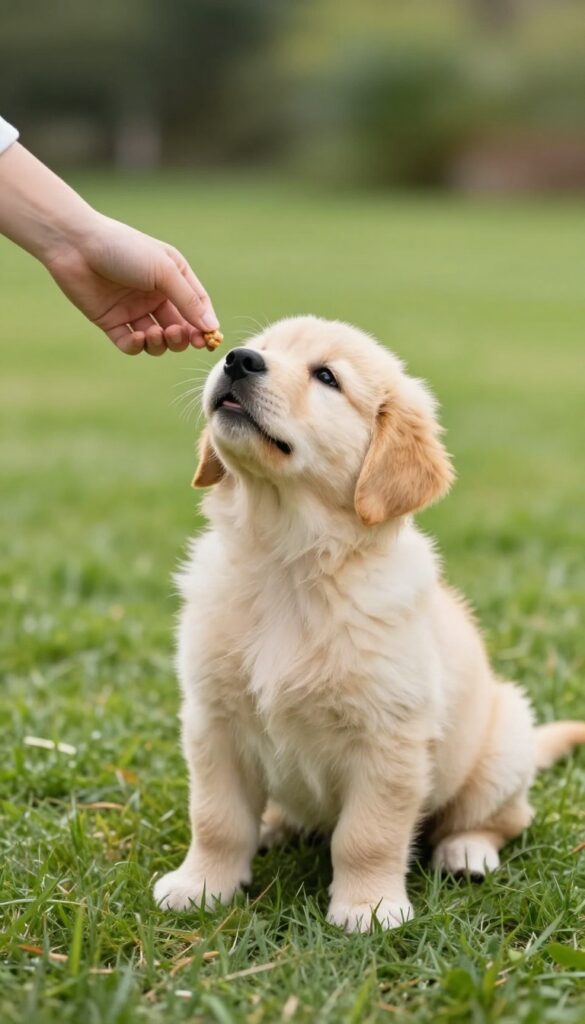
Timing is everything when it comes to rewarding your puppy for going potty outside. The moment they finish, that's your cue to celebrate. A treat and some excited praise right then and there make the connection crystal clear in their mind.
Why Timing Matters
Puppies live in the moment. If you wait even a few seconds after they've done their business, they won't associate the reward with the act. The second they squat and finish, mark it with a cheerful "Yes!
" and deliver the treat. This immediate feedback is what turns a random event into a learned behavior.
What Kind Of Reward Works Best
Not all treats are created equal when it comes to potty training. You want something small, soft, and extra special—something they don't get at any other time. Tiny pieces of chicken, cheese, or a commercial training treat work great.
The key is that it's high-value to your pup, so they're motivated to repeat the behavior.
Keep Praise Consistent
Treats are powerful, but your voice matters too. Use the same phrase every time, like "Good potty! " or "Yes, outside!
" in a happy, upbeat tone. Consistency helps your puppy understand exactly what they're being rewarded for. Over time, the praise alone can become a reward, even when a treat isn't handy.
Don't Forget The Party
Make a big deal out of every successful outdoor potty. Clap, smile, and let your puppy see how thrilled you are. This isn't just about the treat—it's about building a positive association with going outside.
The more fun you make it, the more your puppy will want to earn that celebration.
5. Crate Train for Short Periods
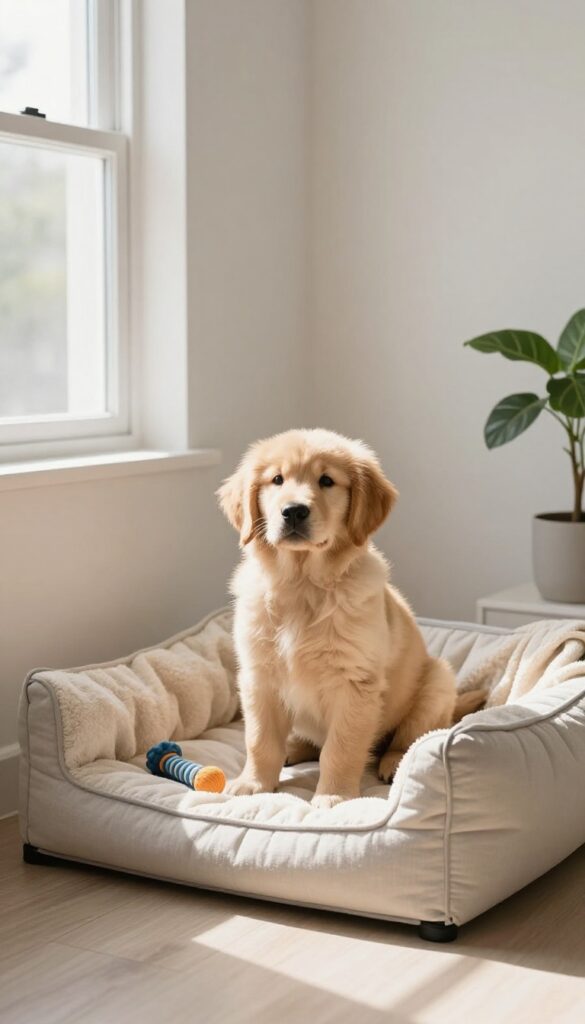
Crate training taps into a dog's natural instinct to keep their sleeping area clean. When used correctly, a crate becomes a cozy den, not a prison. The key is to keep sessions short and always pair them with a potty break right after.
Crate training is one of the most effective ways to prevent accidents when you can't watch your puppy every second. Dogs are den animals, and they instinctively avoid soiling where they sleep. By using a crate for short, controlled periods, you teach your pup to hold their bladder—a skill that pays off long after the crate is retired.
But the magic only works if you respect the limits of their tiny bladders. A puppy can typically hold it for about one hour per month of age, plus one. So a 2-month-old can manage around 3 hours, but that's the absolute max, not a daily goal.
Always start with much shorter intervals, like 30 to 60 minutes, and gradually build up. The goal is to prevent accidents, not to test their endurance.
Pick The Right Size Crate
Size matters. If the crate is too big, your puppy might designate one corner as a bathroom. The crate should be just large enough for them to stand up, turn around, and lie down comfortably.
If you have a growing pup, use a divider to adjust the space as they grow. This encourages them to hold it because they don't want to sleep in their own mess.
Make It A Happy Place
The crate should feel like a safe haven, not a punishment. Toss in a soft blanket, a chew toy, and maybe a treat or two. Feed your puppy their meals inside the crate with the door open, so they associate it with good things.
Never use the crate as a time-out spot—that turns it into a negative space. When your pup goes in willingly, praise them warmly.
Keep Sessions Short And Sweet
For young puppies, short and sweet is the rule. A quick 30-minute nap in the crate is perfect. After every crate session, immediately take them outside to their potty spot.
This builds a routine: crate equals holding it, and outside equals release. As they get older and more reliable, you can extend the time, but always err on the side of shorter. If you have to work all day, arrange for someone to let them out every few hours.
Never Overdo It
Crate training is a tool, not a lifestyle. Leaving your puppy in a crate for 8 hours while you're at work is unfair and can lead to accidents anyway, because they simply can't hold it that long. That defeats the purpose and can cause stress and anxiety.
Use the crate for naps, overnight, or when you can't supervise, but make sure your puppy gets plenty of exercise and potty breaks in between. A tired, happy pup is far less likely to have accidents.
6. Watch for the 'Potty Dance'
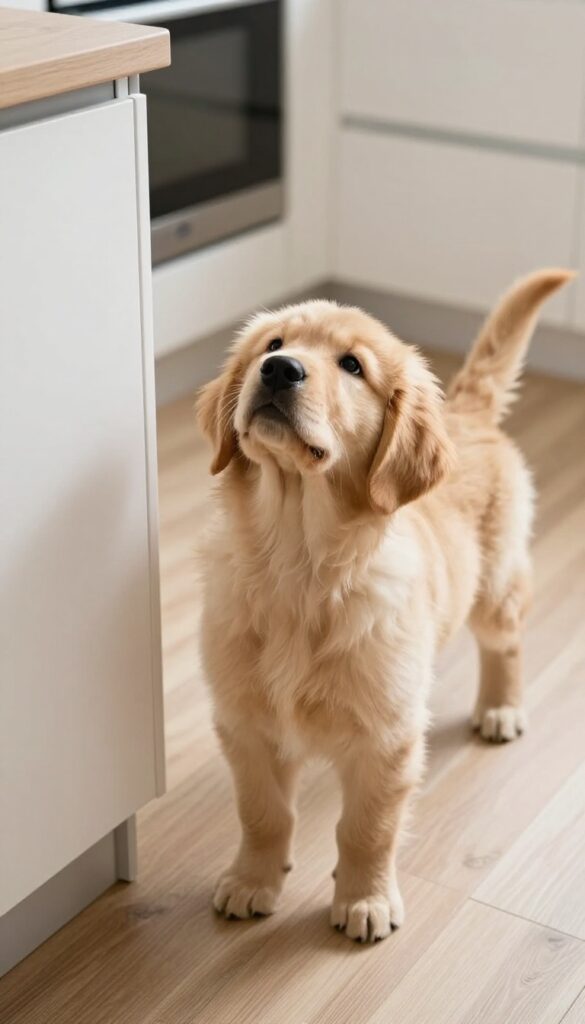
Your puppy has a whole vocabulary of body language, and the 'potty dance' is one of the most important cues to learn. It's that subtle shift in behavior that says, 'I need to go, and I need to go now. ' Recognizing it early can save you from countless accidents. Every pup is a little different, but most will show some combination of sniffing the ground, circling, or whining.
The key is to catch these signals before they escalate into a full-blown squat. The faster you react, the faster your puppy learns that signaling gets them outside.
When you see your puppy start to sniff around or circle, don't wait—grab the leash and head out. Even if they don't go right away, you're reinforcing the routine. Over time, they'll learn that doing the dance means a trip outside, not a scolding.
Consistency is your best friend here. Every time you respond to the signal, you're teaching your puppy that their communication works. That builds their confidence and makes them more likely to signal earlier next time.
The Classic Signs
Most puppies will sniff the ground, walk in circles, or whine when they need to go. Some might also pace, scratch at the door, or give you a worried look. Learn your puppy's specific quirks—they're all trying to tell you something.
Why Timing Matters
The moment you see a signal, you have a narrow window before an accident happens. Puppies have tiny bladders, and once they start the dance, they can't hold it for long. Immediate action prevents messes and reinforces the right behavior.
What To Do When You See It
Drop everything, say 'Let's go outside! ' in a cheerful tone, and lead them to the door. Don't scold or panic—just move calmly. If they do their business outside, reward them with praise or a treat.
That positive reinforcement seals the lesson.
7. Limit Water Before Bedtime
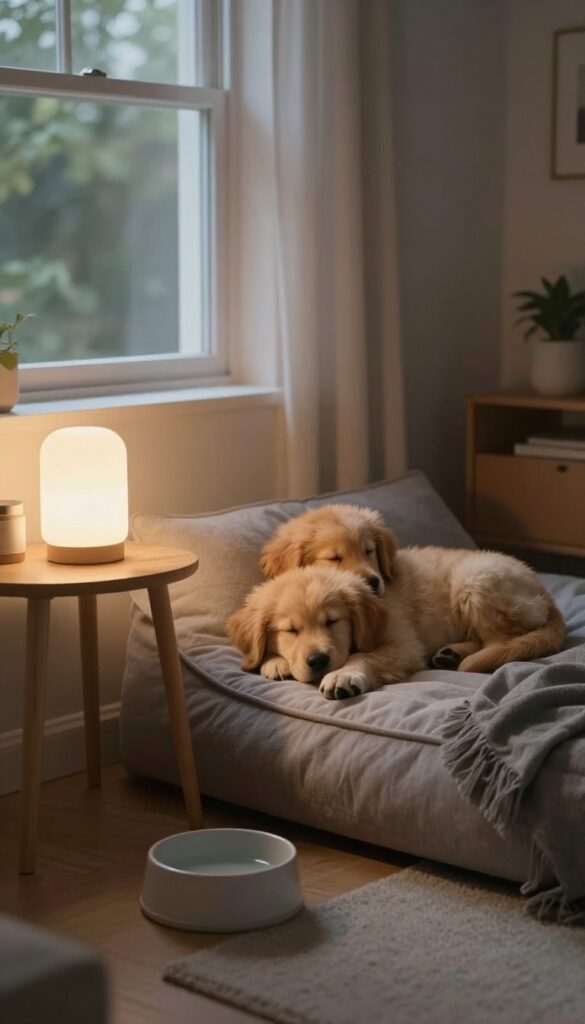
A full water bowl right before bed is practically an invitation for a midnight puddle. Puppies don't have the bladder control to hold it for eight hours, so managing their intake is a smart move. Picking up the bowl an hour or two before lights-out gives their system time to process and reduces those 3 a. m. wake-up calls.
This simple habit is one of the easiest ways to cut down on nighttime accidents. It's not about depriving your pup—they still get plenty of water during the day. You're just shifting the timing so their body isn't working against them while everyone's trying to sleep.
Set A Water Curfew
Choose a specific time, like two hours before bedtime, and stick to it. Remove the bowl and offer a final potty break right before you head to bed. Consistency helps your puppy learn the routine, and their bladder will adjust accordingly.
Watch The Evening Fill-ups
Don't just cut off water—also pay attention to how much they drink in the late evening. If your puppy is gulping down a lot during dinner, that's fine, but try to avoid heavy drinking in the hour right after. Encourage them to pee right after their last big drink, not just before bed.
Adjust For Age And Health
Younger puppies and certain health conditions may need more frequent water access. If your pup is under 12 weeks or has a medical issue, talk to your vet about a safe schedule. The goal is to reduce accidents, not to dehydrate them.
Pair With A Late-night Potty Break
Even with a water curfew, a final potty trip is non-negotiable. Make it the last thing you do before crating or settling them for the night. A quick walk or a few minutes in the yard can make all the difference.
8. Clean Accidents with an Enzyme Cleaner
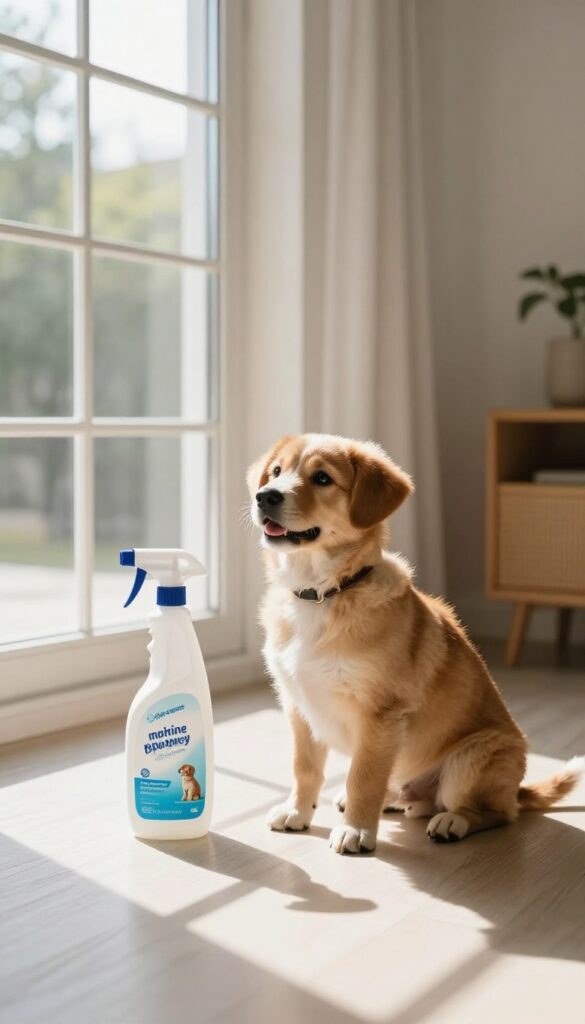
When your puppy has an accident, the smell doesn't disappear just because you wiped it up. Regular household cleaners might make the spot look clean, but they often leave behind invisible traces of odor that your puppy's nose picks up instantly. That's why the same corner becomes a repeat bathroom spot.
Enzyme cleaners are different. They contain beneficial bacteria that break down the proteins and organic matter in urine and feces, completely eliminating the odor at the source. This sends a clear signal to your puppy that this spot is not a toilet, helping to prevent future accidents.
Enzyme cleaners are a game-changer for potty training. Unlike regular cleaners that just mask the smell, they digest the odor-causing compounds, leaving no trace for your puppy to detect. This means fewer repeat accidents and a cleaner home.
When you use an enzyme cleaner, you're not just cleaning a mess—you're teaching your puppy that indoor potty spots are off-limits. It's a simple habit that makes a big difference in your training success.
Why Regular Cleaners Fall Short
Most household cleaners, including bleach and ammonia-based products, don't actually remove the odor molecules. They might make the area smell fresh to you, but your puppy's nose is far more sensitive. In fact, ammonia can smell like urine to a dog, which might encourage them to go there again.
Enzyme cleaners work by breaking down the uric acid and other organic materials, so the smell is truly gone.
How To Use Enzyme Cleaners Effectively
To get the most out of an enzyme cleaner, blot up as much of the mess as possible before applying. Then saturate the area with the cleaner and let it sit for the time specified on the label—usually 5 to 15 minutes. This gives the enzymes time to work.
Afterward, blot (don't rub) the area dry. For older stains, you may need to repeat the process a few times.
Choosing The Right Enzyme Cleaner
Not all enzyme cleaners are created equal. Look for one that specifically targets pet stains and odors, and check that it's safe for your flooring type. Some cleaners are formulated for carpets, while others work on hard surfaces.
Always test in an inconspicuous spot first. A good enzyme cleaner is worth the investment because it helps prevent future accidents, saving you time and money in the long run.
9. Keep a Potty Log
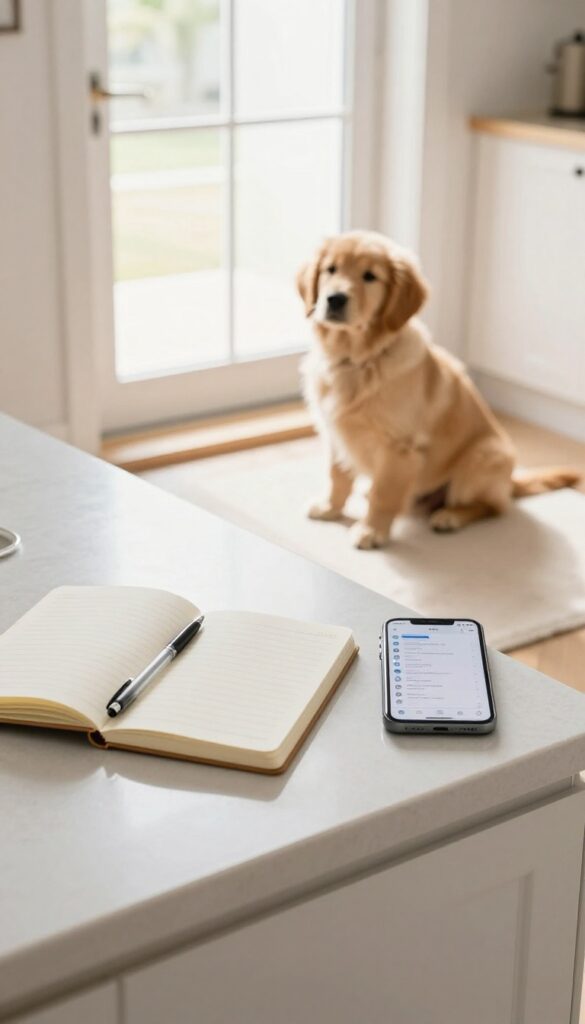
You might think you have your puppy's schedule memorized, but the truth is, pups change fast. A potty log—just a simple notebook or a note on your phone—tracks the details that your memory glosses over. It’s the difference between guessing and knowing when your puppy needs to go out.
By jotting down when they eat, drink, sleep, and potty, you start to see a rhythm. That rhythm lets you predict accidents before they happen, which is the whole point of prevention. It’s not about turning potty training into a science project—it’s about making your life easier.
A potty log is like a cheat sheet for your puppy’s bladder. You’ll notice patterns within a few days, like how long after a meal they need to go, or that they always pee right after a nap. With that info, you can time your walks perfectly and cut down on surprises.
Keep it simple. You don’t need a fancy app or a color-coded spreadsheet. A small notebook by the door or a running note on your phone works just fine.
The key is consistency—write it down every time, even if it feels repetitive. Future you will thank you.
What To Track
Focus on the essentials: when your puppy eats, drinks, sleeps, and goes potty (pee or poop). Also note any accidents inside, so you can spot triggers. For example, if they always pee right after playing, you’ll know to take them out immediately after fetch.
Don’t overcomplicate it—just a few words each time is enough.
How To Spot Patterns
After a few days, review your log and look for trends. Maybe your puppy always needs to go out 20 minutes after drinking, or they hold it longer at night than you thought. Use those patterns to set a schedule that matches their natural rhythm.
This proactive approach stops accidents before they start, instead of always reacting to them.
Adjusting Your Routine
Your log will show you where your current schedule is off. If accidents happen at the same time each day, that’s a clue you’re missing that potty break. Move your walk or add an extra trip outside.
As your puppy grows, their bladder gets stronger, so revisit the log every few weeks and tweak the schedule. It’s a living document that grows with your pup.
10. Use a Bell or Cue for Potty Time
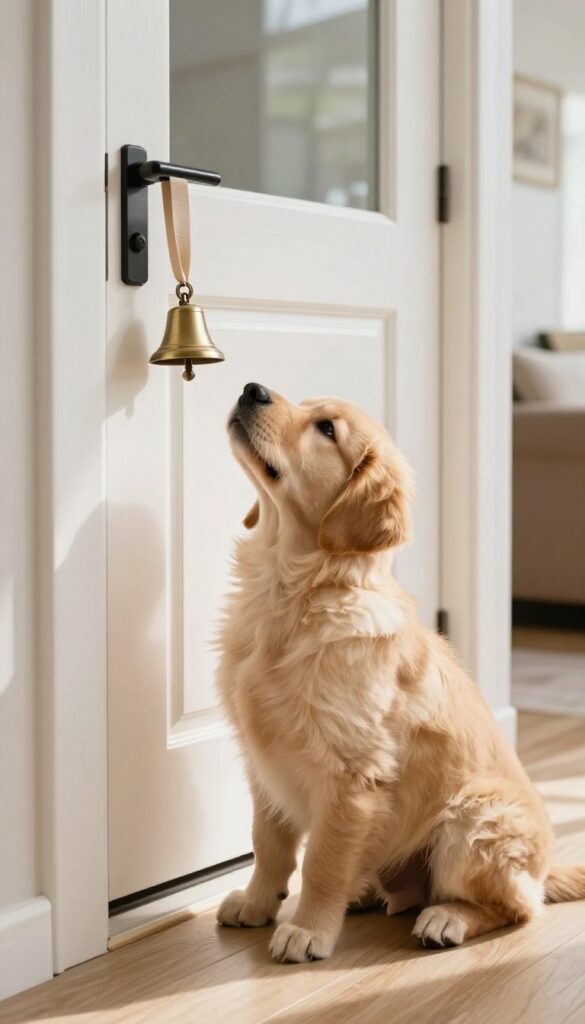
Some puppies just don't know how to tell you they need to go. They might pace, whine, or stare at the door, but those signals are easy to miss. A bell gives your pup a clear, unmistakable way to ask for a bathroom break.
Training a bell cue is simpler than it sounds. It taps into your puppy's natural desire to communicate, and once they get it, you'll wonder how you ever managed without it. Plus, it's a trick that impresses guests and makes life easier for everyone.
Teaching your puppy to ring a bell (or use another cue) is all about connecting the action with going outside. Start by hanging a bell near the door they use for potty breaks. Every time you take them out, gently nudge the bell with their paw or nose and say "ring" or "potty" before heading out.
With repetition, your pup will learn that ringing the bell means outdoor time. Keep sessions short and always reward immediately after they ring, even if it's accidental. The goal is to make the bell a positive trigger, not a chore.
Consistency is key—use the same bell, same door, and same phrase every time. Once your puppy masters the bell, you can phase out treats and rely on praise. But don't rush it; some pups take weeks to connect the dots.
Be patient and celebrate every small win.
Choosing The Right Bell
Not all bells are created equal. A small, loud bell that hangs at nose or paw height works best. You can find dog-specific potty bells online, or just use a jingle bell from a craft store.
Avoid anything too heavy or sharp-edged. Some owners prefer a bell mat or a button that plays a sound—those work too. The key is that it's easy for your puppy to trigger and distinct enough to hear from anywhere in the house.
Training Steps That Stick
Start by teaching your puppy to touch the bell with their nose or paw on command. Use a treat to lure them, then reward any contact. Once they reliably touch it, move the bell near the door and repeat.
After that, every time you take them out, ring the bell yourself and say "potty" before opening the door. Eventually, your pup will initiate the ring when they need to go. Keep training sessions to 5-10 minutes, and always end on a positive note.
Troubleshooting Common Mistakes
One common mistake is ringing the bell yourself every time you go out, even for non-potty walks. That teaches your puppy the bell means any outdoor fun, so they'll ring it constantly. Instead, only use the bell for bathroom breaks.
If your puppy starts ringing just for attention, ignore them for a few minutes, then take them out briefly. If they don't go, bring them back inside and try again later. Consistency and patience will sort it out.
11. Be Patient and Consistent
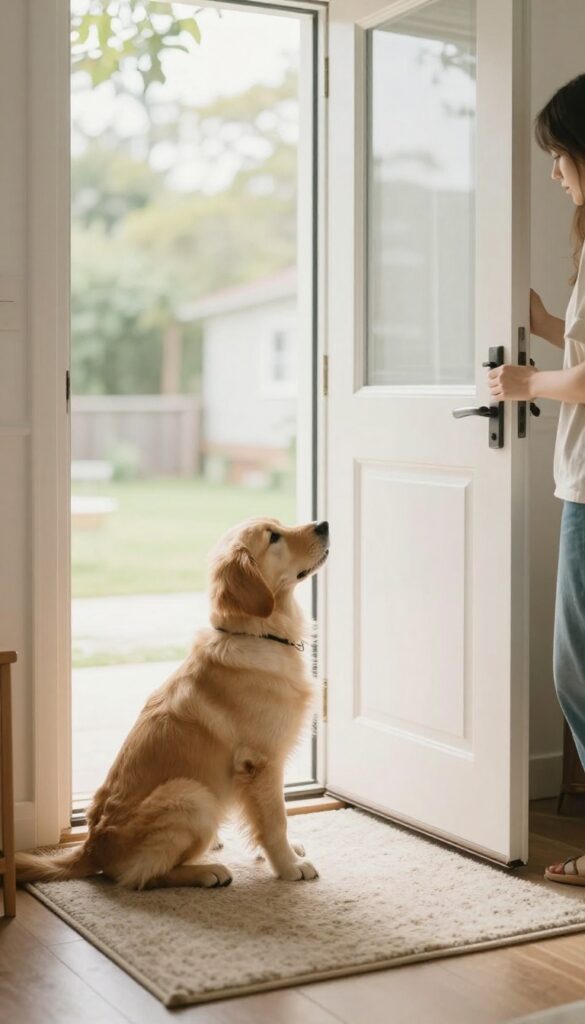
Accidents are part of the process, no matter how prepared you are. Your puppy isn't being stubborn—they're still learning. Getting frustrated only makes things harder for both of you.
Patience means accepting that setbacks will happen. Consistency means showing up the same way every time, so your pup knows what to expect. Together, they turn potty training from a battle into a routine.
Stay Calm During Accidents
When you catch your puppy in the act, resist the urge to yell or punish. A loud voice can scare them and make them hide accidents from you. Instead, calmly interrupt with a firm 'uh-uh' and take them straight outside.
Afterward, clean the spot thoroughly with an enzymatic cleaner. This removes the smell so they won't return to the same spot. Remember, punishment after the fact only confuses them—they won't connect it to the accident.
Stick To Your Schedule
Your puppy thrives on routine. Feed them at the same times each day, and take them out at regular intervals—first thing in the morning, after meals, after naps, and before bed. Consistency helps their body learn when to expect potty breaks.
If you're inconsistent with timing, your pup can't develop a reliable schedule. Even on weekends, try to keep wake-up and bedtime close to the same times. The more predictable you are, the faster they'll catch on.
Use The Same Cue Every Time
Pick a simple word like 'potty' or 'outside' and use it every time you head to the door. Say it in a cheerful tone, and repeat it while they're doing their business. Over time, they'll associate that word with the action.
Everyone in the household should use the same cue. If one person says 'go potty' and another says 'do your business, ' your puppy has to learn two commands. Keep it simple and consistent.
Celebrate Every Success
When your puppy goes in the right spot, make it a big deal. Praise them enthusiastically, give a small treat, or play a quick game. Positive reinforcement makes them want to repeat the behavior.
Don't hold back on the celebration—even if it's the middle of the night. A sleepy 'good boy' and a scratch behind the ears go a long way. Your puppy wants to please you, so let them know when they've done it right.
FAQ
How long does it take to potty train a puppy?
Most puppies take 4 to 6 months to be fully reliable, but it depends on the breed, age, and consistency of training.
What should I do if my puppy has an accident indoors?
Interrupt them with a firm 'no' (not yelling), then immediately take them outside. Clean the spot thoroughly with an enzyme cleaner.
Is crate training necessary for potty training?
Crate training is a helpful tool because dogs naturally avoid soiling their sleeping area, but it's not the only method. It works well when used correctly.
How often should I take my puppy outside?
A general rule is every 2-3 hours, plus after meals, naps, and playtime. Puppies can hold their bladder about one hour per month of age.
What if my puppy doesn't seem to get it?
Stay patient and consistent. If you're struggling, consider consulting a professional trainer or vet to rule out any health issues.
Conclusion
Potty training is a marathon, not a sprint, but every clean floor is a small victory. These habits aren't about perfection—they're about building a routine that works for both of you. Start with one or two changes that feel manageable, then layer in the rest as your puppy catches on.
Stay patient, keep treats handy, and don't sweat the occasional accident. Before you know it, your pup will be signaling at the door, and you'll both be enjoying a much cleaner, happier home.

I’m Pallab Kishore, the owner of Little Pets Realm — an animal lover and pet care enthusiast sharing easy tips, healthy recipes, and honest advice to help every small pet live a happy, healthy, tail-wagging life.