
Last updated on August 19th, 2026 at 04:15 pm
Your backyard can be more than just a patch of grass—it can be your dog's favorite destination. Imagine a space where your pup runs, jumps, explores, and burns off energy without ever leaving home. That's the power of a well-designed outdoor play area.
But building one doesn't have to be complicated or expensive. With a little creativity and some dog-friendly planning, you can create a backyard that both you and your furry friend will love.
Whether you have a small yard or a sprawling lawn, these 11 ideas will help you design a play zone that fits your space, budget, and your dog's personality. Let's dive in.
1. Digging Pit – A Sandbox Just for Your Pup
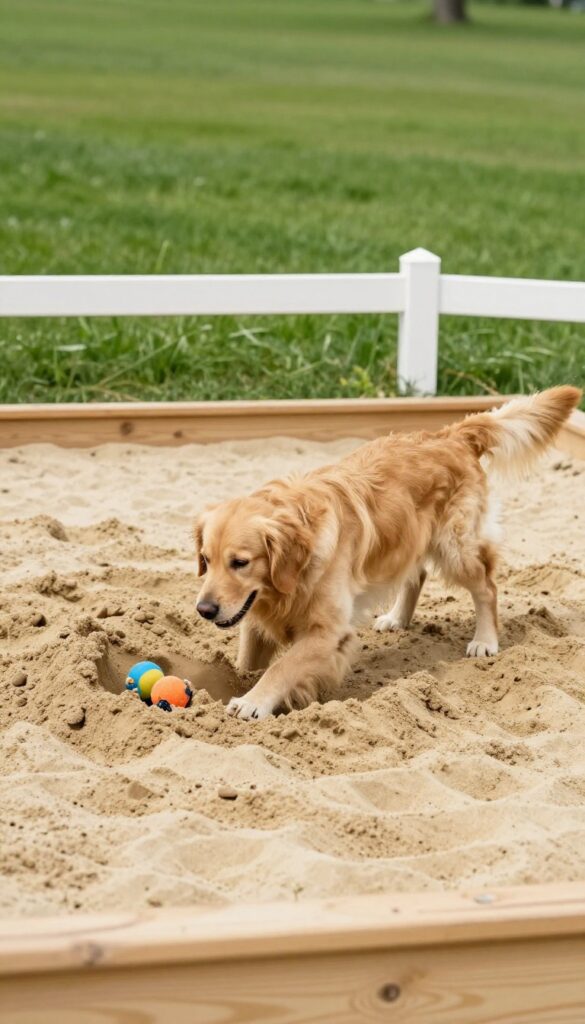
If your dog treats your flower beds like an excavation site, it's time to give them a legal digging zone. A dedicated digging pit lets your pup indulge their natural instincts without destroying your garden. Think of it as a sandbox, but for dogs.
A digging pit is one of the easiest backyard upgrades you can make. All you need is a defined area—like a sandbox frame or a large tire—filled with soft sand or dirt. Bury a few toys or treats, and your dog will learn that this is the only spot where digging is encouraged.
Over time, they'll naturally gravitate there instead of your prized petunias.
Choosing The Right Spot
Pick a location that's visible from your usual hangout spots, so your dog feels included. Avoid low-lying areas that collect water, as soggy sand isn't fun for anyone. A shaded corner works best to keep the sand cool on hot days.
What To Fill It With
Play sand from a hardware store is clean and soft on paws. Avoid construction sand, which can be dusty and contain sharp particles. You can also mix in a little topsoil to make it feel more natural.
Just steer clear of anything treated with chemicals.
Making It Irresistible
Bury a few of your dog's favorite toys or some low-calorie treats just beneath the surface. Rotate the items regularly to keep the pit exciting. You can even hide a Kong stuffed with peanut butter for a rewarding treasure hunt.
2. Splash Zone – A Kiddie Pool or DIY Splash Pad
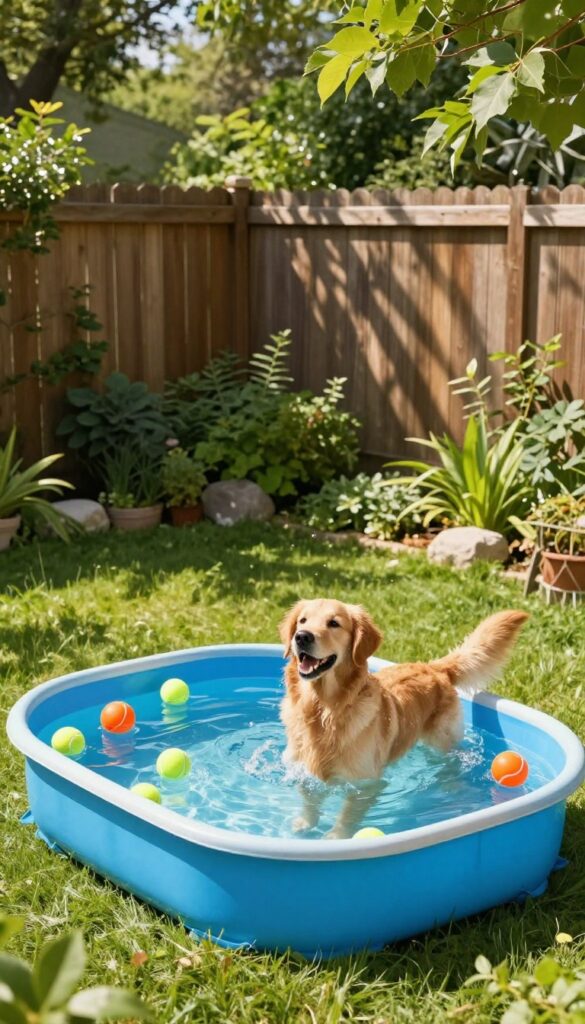
Hot summer days can be tough on dogs, especially breeds that overheat easily. A dedicated splash zone gives them a safe, fun way to cool down while burning off energy. Whether you go with a simple kiddie pool or build a custom splash pad, your pup will thank you.
Setting up a splash zone doesn't require a big budget or fancy equipment. A shallow kiddie pool works great for most dogs, but if you want something more interactive, a DIY splash pad is surprisingly easy to build. Both options provide hours of entertainment and help keep your dog comfortable in the heat.
Kiddie Pool Basics
Choose a sturdy, non-toxic plastic pool that's wide enough for your dog to lie down in. Fill it with just a few inches of cool water—deep enough to splash but shallow enough to avoid any risk. Place it on a flat, shaded spot in the yard to keep the water from getting too warm.
Toss in a few floating toys or tennis balls to encourage play.
Diy Splash Pad Project
For a more exciting setup, build a splash pad using PVC pipes and a garden hose. Cut pipes into a square or circle, drill small holes along the top, and connect them with elbow joints. Attach a hose adapter to one end, and when you turn on the water, it creates a gentle sprinkler effect.
Dogs love running through the spray, and it's easy to turn off when playtime ends.
Safety And Maintenance Tips
Always supervise your dog around water, even shallow pools. Change the water daily to prevent bacteria and algae growth, and rinse the pool or pad after each use. If your dog has thick fur, dry them off afterward to avoid skin irritation.
For extra fun, freeze a few treats in ice cubes and toss them in the water.
3. Agility Course – Jumps, Tunnels, and Weave Poles
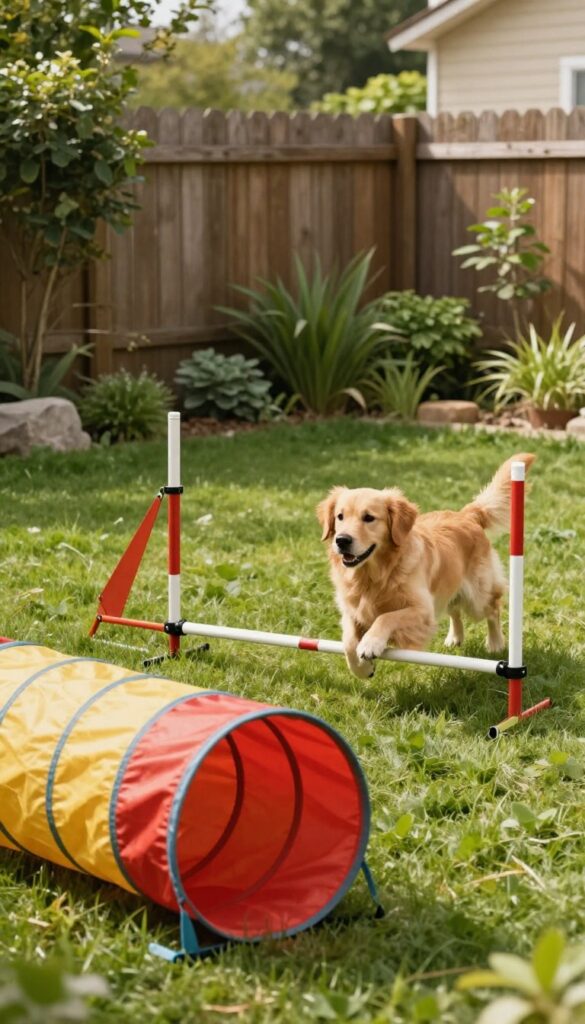
A backyard agility course turns your yard into a playful obstacle course that challenges your dog both physically and mentally. You don't need expensive equipment—simple DIY jumps, a collapsible tunnel, and a set of weave poles can provide endless fun. The best part?
You can adjust the course to match your dog's skill level, from beginner to advanced.
Setting up an agility course is easier than you think. Start with a few basic obstacles and add more as your dog gets the hang of it. The key is to keep sessions short and positive, using treats and praise to encourage your pup through each element.
Building Your Own Jumps
PVC pipes make excellent, lightweight jump bars. Cut two vertical posts and a crossbar, then connect them with elbow joints. For adjustable height, drill holes in the posts and insert pegs.
Start low—just a few inches off the ground—and gradually raise the bar as your dog gains confidence. Always use breakaway bars or lightweight materials to prevent injury if your dog knocks them down.
Tunnels That Fold Away
A fabric tunnel is a great investment—it collapses flat for storage and pops open in seconds. You can also make one from a children's play tunnel or a large cardboard tube. Place the tunnel on grass to prevent slipping, and anchor the ends with sandbags or stakes.
Encourage your dog to run through by having a partner call them from the other side, or toss a treat through.
Weave Poles For Focus
Weave poles teach your dog to zigzag through a line of upright poles. You can buy a set or make your own from PVC pipes pushed into the ground. Space them about 24 inches apart.
Start with just two or three poles and guide your dog slowly with a treat in your hand. As they get the hang of it, add more poles and increase speed. This exercise builds coordination and mental focus.
Putting It All Together
Once you have a few obstacles, arrange them in a loop or a straight line. Time your dog's runs and celebrate each improvement. Mix up the order to keep things interesting.
A mini agility course is a fantastic way to burn off energy, strengthen your bond, and give your dog a job to do—all in your own backyard.
4. Snuffle Mat or Scent Garden – Nose Work Fun
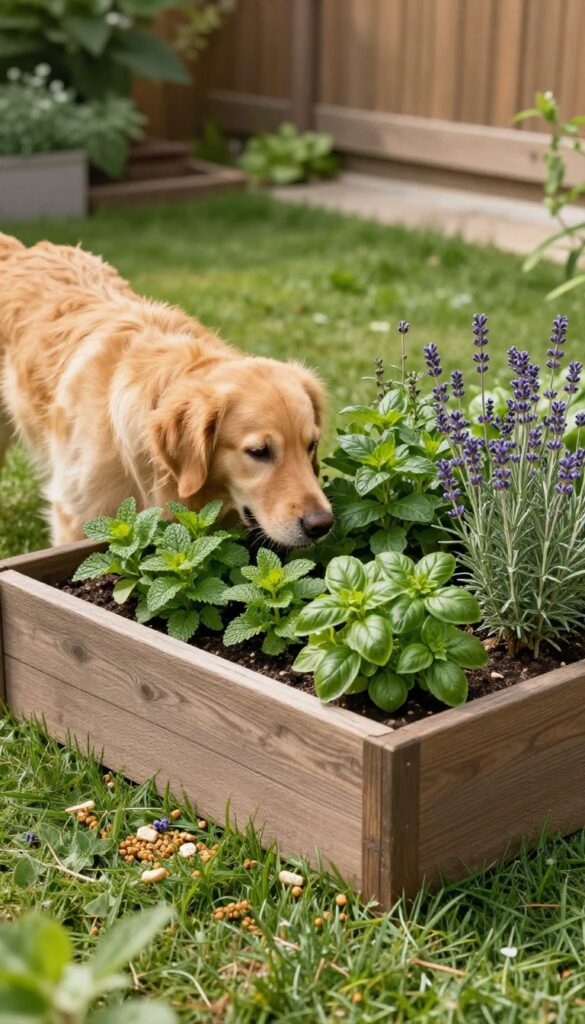
Dogs experience the world through their noses, and giving them a chance to sniff and search taps into a deep, natural instinct. A scent garden or snuffle mat turns your backyard into a treasure hunt that engages their brain as much as their body. It's low-cost, easy to set up, and perfect for dogs who love to explore.
Building A Dog-safe Scent Garden
Choose a sunny corner or a raised bed and plant dog-safe herbs like mint, basil, rosemary, and lavender. These plants release strong, pleasant scents that intrigue dogs without being harmful. Avoid toxic plants like lilies, azaleas, or tulips.
Let your dog wander through the garden, sniffing and brushing against the leaves. You can also hide a few low-value treats among the plants to encourage deeper sniffing.
Using A Snuffle Mat Outdoors
A snuffle mat is a fleece mat with strips that hide kibble or treats. Place it on a flat, dry area of your yard. Let your dog use their nose to root out the goodies.
This mimics foraging and provides mental stimulation. For extra fun, rotate the mat to different spots or hide it under a light layer of leaves or grass. Wash the mat regularly to keep it fresh.
Combining Both For Maximum Engagement
Create a scent trail by rubbing a treat on a few plants or stones leading to the snuffle mat. Start with easy finds and gradually make the trail longer or more complex. This activity works well for high-energy dogs who need a calm, focused task.
It also builds confidence in shy or anxious pups. Always supervise to prevent your dog from eating plants or digging up roots.
5. Climbing Structure – A Dog-Friendly Ramp or Platform
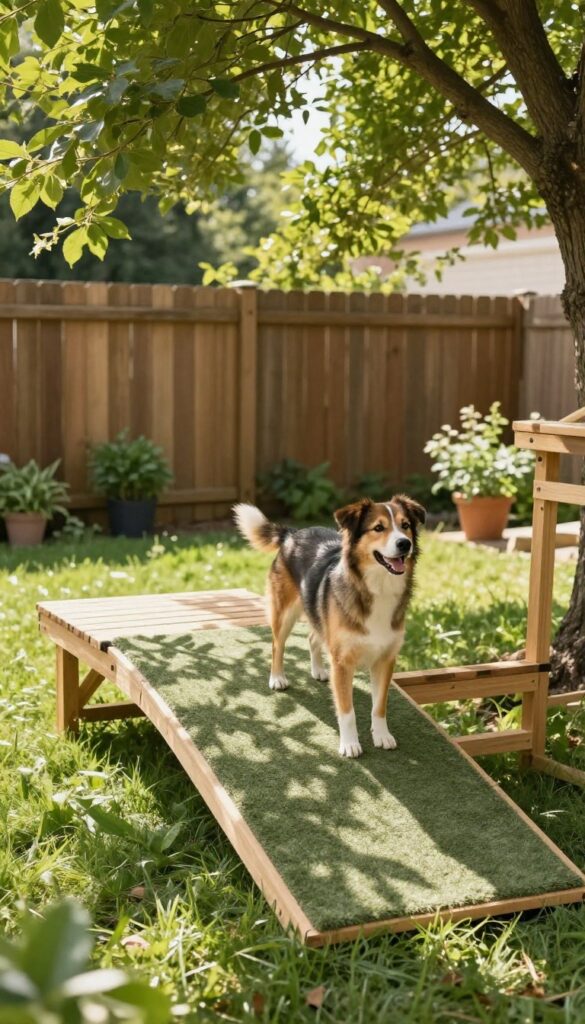
Dogs are natural climbers—just watch how they scramble up a rocky hillside or onto a couch. Giving them a dedicated climbing structure in your backyard satisfies that urge and adds a whole new layer of fun. A low ramp or platform with a non-slip surface lets your dog climb, perch, and survey their kingdom from a safe height.
Building a climbing structure doesn't require advanced carpentry skills. A simple wooden ramp with a gentle slope, covered in outdoor carpet or rubber matting, gives your dog a secure surface to ascend. Add a small platform at the top—just big enough for them to sit or lie down.
Position it near a fence or under a tree so they feel like they're on a lookout tower. Some dogs love to use it as a sunbathing spot, while others use it as a launchpad for zoomies. Keep the height low (under 3 feet) to prevent injury, and make sure the base is stable.
You can even combine it with other play elements, like a tunnel underneath or a treat-dispensing toy at the top.
Why Dogs Love Climbing
Climbing taps into a dog's instinct to explore vertical spaces. Many breeds, especially terriers and hounds, naturally seek higher ground to get a better view. It also provides mental stimulation as they figure out how to navigate the ramp and balance on the platform.
For anxious dogs, a perch can become a safe retreat where they feel in control.
Safety First – Non-slip Surfaces
Slippery ramps can cause injuries, so choose materials with good traction. Outdoor carpet, rubber mats, or even adhesive grip tape work well. Ensure the ramp is wide enough for your dog's paws and has a gentle incline—no more than 25 degrees.
Check for sharp edges or splinters regularly, and place the structure on soft grass or mulch to cushion any falls.
Diy Vs. Store-bought Options
You can build a ramp from plywood and 2x4s in an afternoon, or buy a pre-made dog ramp designed for cars or furniture. For a more elaborate setup, consider a small A-frame or a platform with multiple levels. Whichever route you choose, make sure the structure is weather-resistant and easy to clean.
6. Shaded Chill Zone – A Canopy or Dog House
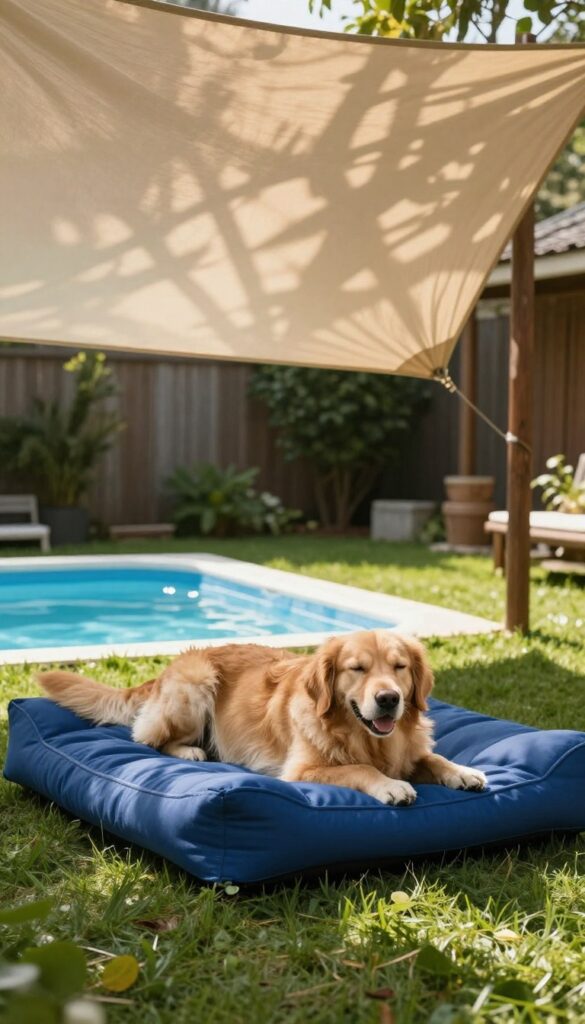
After all that running, jumping, and digging, your dog needs a place to cool off and recharge. A dedicated shaded chill zone gives them a spot to rest out of the sun, away from the heat of the day. Whether you choose a simple canopy, a stylish shade sail, or an insulated dog house, this idea keeps comfort front and center.
A shaded chill zone isn't just a luxury—it's a necessity for hot days. Dogs can overheat quickly, especially brachycephalic breeds like pugs or bulldogs. By providing a cool retreat, you're helping your pup regulate their body temperature and avoid heat stress.
Plus, it gives them a quiet spot to nap between play sessions.
Canopy Or Shade Sail?
A pop-up canopy is the quickest option—set it up over a patch of grass or patio, and you're done. Shade sails look more permanent and can cover a larger area. They attach to trees, fences, or posts and create a modern, airy feel.
Both block UV rays and keep the ground underneath noticeably cooler.
Insulated Dog House Perks
If you want a more permanent structure, go with an insulated dog house. Look for one with raised flooring, ventilation, and a removable roof for easy cleaning. Insulation keeps the interior cooler in summer and warmer in winter, making it a year-round retreat.
Place it in a spot that gets afternoon shade for best results.
Cooling Add-ons
Boost the chill factor with a cooling mat or a small fan (battery-operated or solar-powered). A shallow kiddie pool nearby gives your dog a quick dip before lounging. Even a frozen water bottle wrapped in a towel can help them cool down.
Keep fresh water in the shade at all times.
7. Tether Tug – A Rope or Toy on a Spring Pole
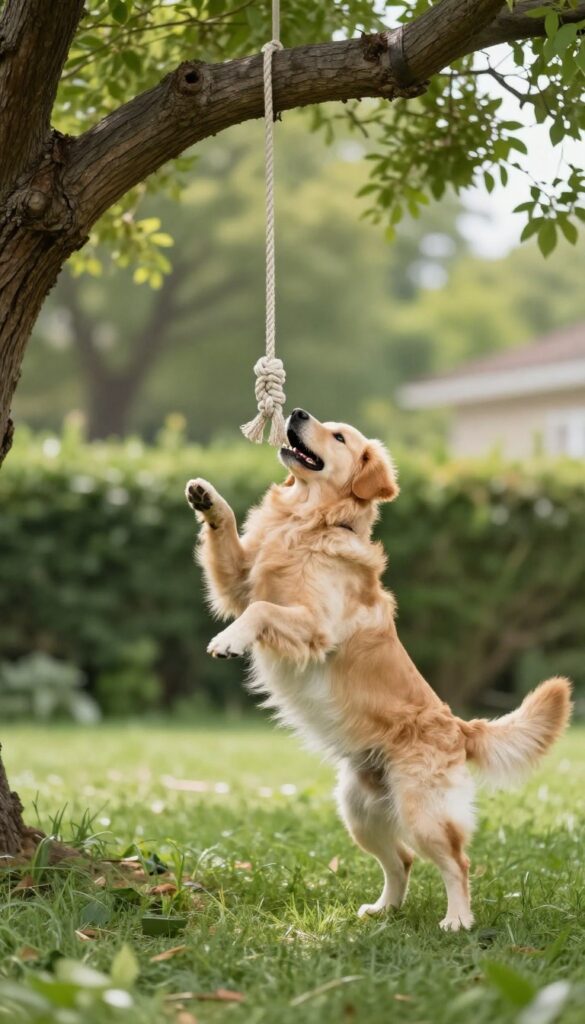
Dogs love a good game of tug-of-war, but not every owner has the time or energy to be the other end of the rope. A spring pole or a simple rope tied to a sturdy branch lets your dog play tug independently. It's a fantastic way to build jaw strength, satisfy natural instincts, and burn off extra energy.
Just remember: supervision is key to keep the fun safe.
A tether tug setup is easy to install and endlessly entertaining for most dogs. You can buy a spring pole kit or DIY one with a heavy-duty spring, a rope, and a sturdy anchor. The spring adds bounce and resistance, making the game more engaging.
For solo play, attach a durable toy like a rubber ring or a knotted rope. Always check the equipment regularly for wear and tear, and never leave your dog unattended with it to prevent accidents or entanglement.
Choosing The Right Setup
Pick a location with a strong overhead branch or a post set in concrete. The spring pole should be at a height where your dog can just reach the toy with a slight jump. For smaller dogs, lower the toy; for larger dogs, raise it to challenge them.
Use a carabiner or quick-link for easy toy swaps.
Safety First
Supervise all play sessions. Check the rope, spring, and anchor for fraying or rust. Remove the toy when not in use to prevent chewing.
Limit play to 15-20 minutes to avoid overexertion, especially on hot days. Never use a choke chain or pinch collar with a tether tug.
Keeping It Interesting
Rotate toys to prevent boredom. Switch between a rope, a rubber ball, or a fleece tug. You can also add a scent by rubbing a bit of peanut butter on the toy.
Some dogs love the unpredictability of a bungee cord-style tether.
8. Obstacle Course – Tires, Hurdles, and Balance Beams
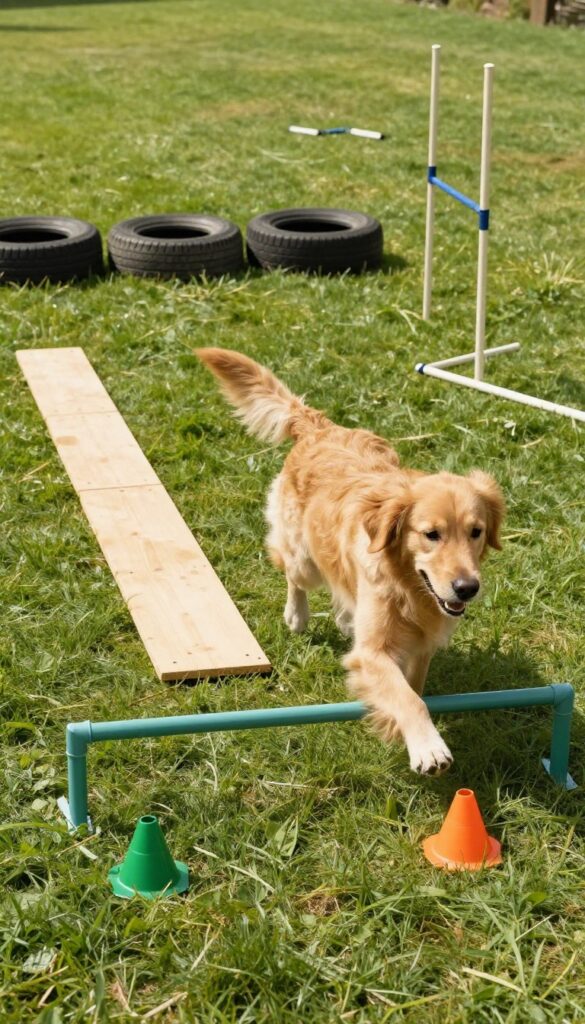
Turn your backyard into a mini dog agility park with a DIY obstacle course. You don't need expensive equipment—just a few repurposed items and some creativity. This setup gives your dog a full-body workout while sharpening their focus and coordination.
Start with a few simple obstacles and add more as your dog gets the hang of it. The key is to keep it safe and fun, adjusting heights and distances to match your dog's size and confidence level.
Tire Run – Step Or Jump Through
Old tires make excellent obstacles. Lay them flat on the ground for a stepping pattern, or prop them up securely for your dog to jump through. For small dogs, use a single tire; for larger breeds, line up several in a row.
Make sure the tires are clean and free of sharp edges.
Low Hurdles – Easy To Adjust
Use PVC pipes or lightweight wooden dowels resting on small cones or bricks. Start with the bar just a few inches off the ground. As your dog masters it, raise the height gradually.
Never force a jump—let your dog approach at their own pace.
Balance Beam – Steady And Low
A simple 2×4 plank laid flat on the ground works as a balance beam. For more challenge, elevate it slightly on two sturdy blocks. Guide your dog to walk along it slowly.
This builds core strength and body awareness.
Weave Poles – Fun And Challenging
Set up a row of lightweight poles (or even tall cones) spaced about 3–4 feet apart. Teach your dog to weave through them by luring with a treat. Start with just three poles and increase as they improve.
9. Fetch Lane – A Long, Narrow Run for Retrieving
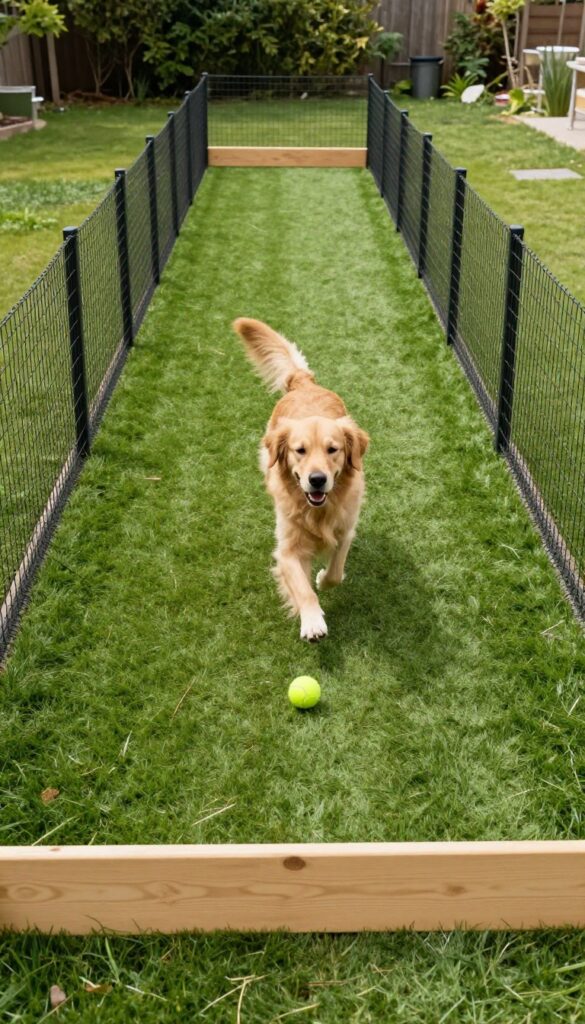
Fetch is a classic game, but it can get frustrating when the ball keeps rolling into flower beds or under the shed. A dedicated fetch lane solves that by giving your dog a straight, clear path to run. Think of it as a bowling alley for dogs—long, narrow, and fenced on both sides to keep the ball in play and your pup focused on the chase.
Designing a fetch lane is straightforward. You'll need a straight stretch of yard at least 20 to 30 feet long and about 4 to 6 feet wide. Install fencing on both sides—wire mesh, garden edging, or even tall planters work.
The goal is to create walls that bounce the ball back into the lane. For the surface, grass is fine, but artificial turf or packed dirt gives better traction and won't get muddy. Add a slight slope for drainage if needed.
Choosing The Right Dimensions
Measure your available space first. A fetch lane doesn't need to be perfectly straight—gentle curves are okay, but keep it as linear as possible. For small yards, a 15-foot lane can still provide good exercise.
For larger dogs, aim for 30 to 40 feet. The width should be narrow enough that the ball stays centered but wide enough for your dog to run comfortably. Four feet is a good minimum for medium breeds.
Fencing And Boundaries
Use materials that are visible and safe. Chicken wire attached to wooden stakes is cheap and effective. For a cleaner look, use metal garden edging or low wooden barriers.
Make sure the fencing is at least 2 feet high to prevent your dog from jumping over. At the far end, install a backstop—a piece of plywood or a net—to stop the ball and make it easy to retrieve.
Surface And Maintenance Tips
Grass is the easiest surface but can wear down quickly. Consider laying down artificial turf or rubber mulch for durability. If you use grass, overseed regularly and water deeply.
Keep the lane free of debris and check for holes your dog might dig. A quick rake after each play session keeps it smooth and safe.
Adding Fun Variations
Once the basic lane is built, you can add challenges. Place a ramp or a small hurdle in the middle for your dog to leap over. Or install a treat dispenser at the far end that releases a reward when your dog reaches it.
You can also paint or mark different zones to practice directional commands like "left" and "right. "
10. Interactive Toy Station – Puzzle Feeders and Treat Dispensers
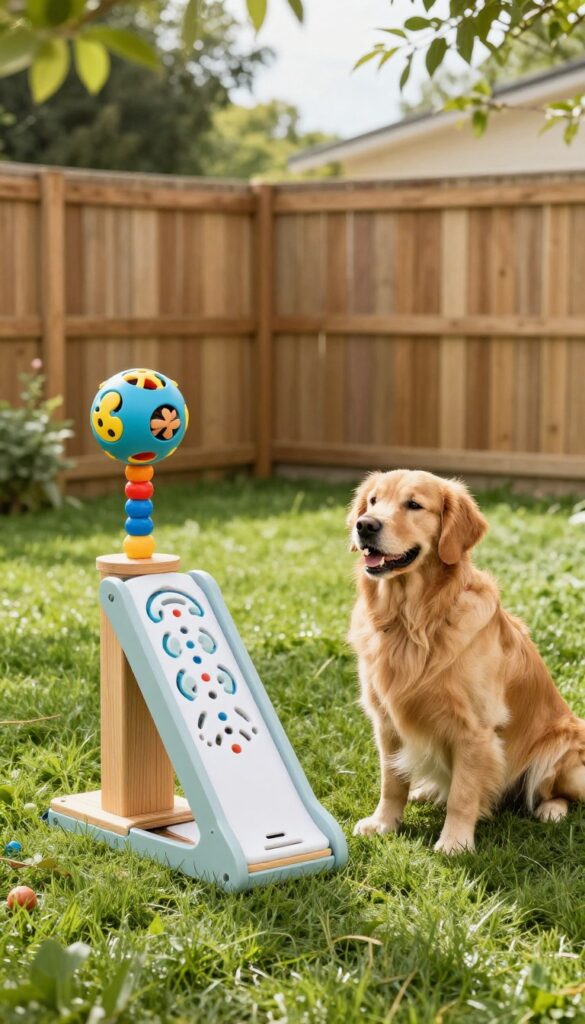
Mental stimulation is just as important as physical exercise for a happy, well-behaved dog. An interactive toy station in your backyard gives your pup a fun challenge that keeps their brain busy while they enjoy the fresh air. By mounting puzzle feeders or treat-dispensing toys on a post or wall, you create a dedicated spot for problem-solving play that can entertain your dog for extended periods.
Setting up an interactive toy station is simple and affordable. Choose a sturdy post or a section of wall that's easily accessible and weather-resistant. Attach puzzle feeders, treat balls, or snuffle mats using hooks or brackets so they stay in place during enthusiastic play.
Rotate the toys regularly to keep the challenge fresh and your dog engaged.
Why Mental Stimulation Matters Outdoors
Dogs that get bored often resort to destructive behaviors like digging or chewing. An interactive station gives them a positive outlet for their energy. Working for treats mimics natural foraging instincts, which is deeply satisfying for dogs.
Plus, a mentally tired dog is a calm dog—perfect for relaxing evenings.
Choosing The Right Puzzle Toys
Look for durable, weather-resistant toys designed for outdoor use. Treat-dispensing balls, sliding puzzles, and hide-a-treat blocks are great options. Start with easier puzzles to build your dog's confidence, then gradually increase the difficulty.
Always supervise the first few sessions to ensure your dog doesn't get frustrated or try to chew through the toy.
Placement And Maintenance Tips
Mount the station in a shaded area to prevent toys from overheating in direct sun. Use stainless steel or coated hardware to avoid rust. Clean the toys regularly with pet-safe soap and water to keep them hygienic.
Consider adding a small mat underneath to catch crumbs and keep the area tidy.
11. Dog-Friendly Garden – Safe Plants and Dig-Proof Beds
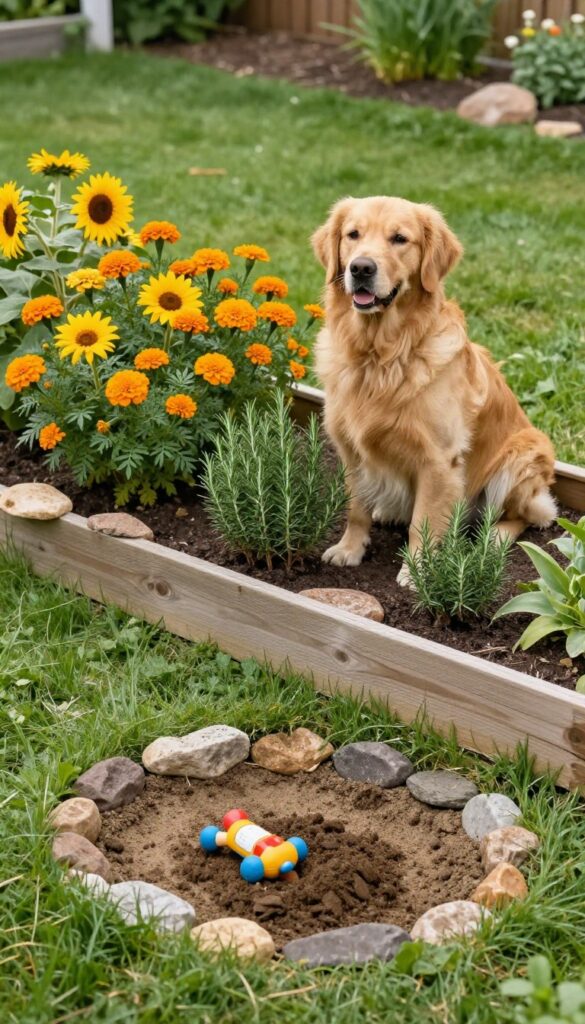
A garden can be a source of joy for both you and your dog, but only if it's designed with safety in mind. Many common plants are toxic to dogs, and a curious pup can undo hours of gardening in minutes. The solution?
Choose dog-safe greenery and protect your beds from enthusiastic digging.
Pick Dog-safe Plants
Start by swapping out toxic plants like lilies, azaleas, and tulips for safe alternatives. Marigolds, sunflowers, and snapdragons add color without risk. Herbs like rosemary, basil, and mint are also safe and smell great.
Always double-check with the ASPCA's toxic plant list before planting.
Create Dig-proof Beds
Use low fencing or decorative rocks to create a barrier around your garden beds. Bury chicken wire just under the soil surface to discourage digging without harming your dog. Raised beds are another great option—they keep plants out of reach and define the garden area clearly.
Add A Designated Dig Zone
Instead of fighting your dog's natural instinct, give them a spot where digging is allowed. Fill a sandbox or a small fenced area with loose soil or sand. Bury toys or treats to encourage digging there.
This keeps your garden beds safe while satisfying your pup's urge to dig.
FAQ
What is the best surface for a dog play area?
Artificial turf, pea gravel, or mulch are great options. They are soft on paws, drain well, and are easy to clean. Avoid cocoa mulch as it's toxic to dogs.
How can I keep my dog safe in the backyard?
Ensure fences are secure and at least 6 feet tall. Remove toxic plants, cover sharp edges, and provide shade and fresh water at all times.
Can I build a play area on a budget?
Absolutely. Use repurposed items like old tires, PVC pipes, and kiddie pools. Many ideas cost under $50 and can be DIYed in a weekend.
How much space do I need for a dog play area?
Even a small yard can work. Focus on vertical elements like climbing structures or use compact items like a snuffle mat. A 10×10 area is plenty for most activities.
What are the best toys for outdoor play?
Durable fetch balls, frisbees, tug ropes, and interactive puzzle toys. Choose toys that are weather-resistant and appropriate for your dog's size and chewing strength.
Conclusion
Your backyard can become your dog's favorite place with just a few thoughtful touches. Start with one idea that matches your pup's personality—whether it's a splash zone, a digging pit, or a shaded lounge.
Small upgrades like durable turf or a secure fence make daily play safer and more fun. Your dog gets the exercise and enrichment they need, and you get a backyard that works for everyone.

I’m Pallab Kishore, the owner of Little Pets Realm — an animal lover and pet care enthusiast sharing easy tips, healthy recipes, and honest advice to help every small pet live a happy, healthy, tail-wagging life.