
Last updated on August 19th, 2026 at 04:15 pm
Small dogs have big personalities, but their backyard needs are different from larger breeds. A dog run that works for a Great Dane might overwhelm a Chihuahua. You want a space that feels secure, not intimidating, and offers just the right amount of room to zoom and sniff.
A well-designed dog run gives your small dog freedom to explore without you worrying about gaps under the fence or predators overhead. It also protects your garden and flower beds from enthusiastic digging.
The key is matching the run to your dog's size, energy level, and personality. These ten ideas range from simple DIY setups to stylish permanent structures, so you can find the perfect fit for your yard and your pup.
1. Portable Exercise Pen on Grass
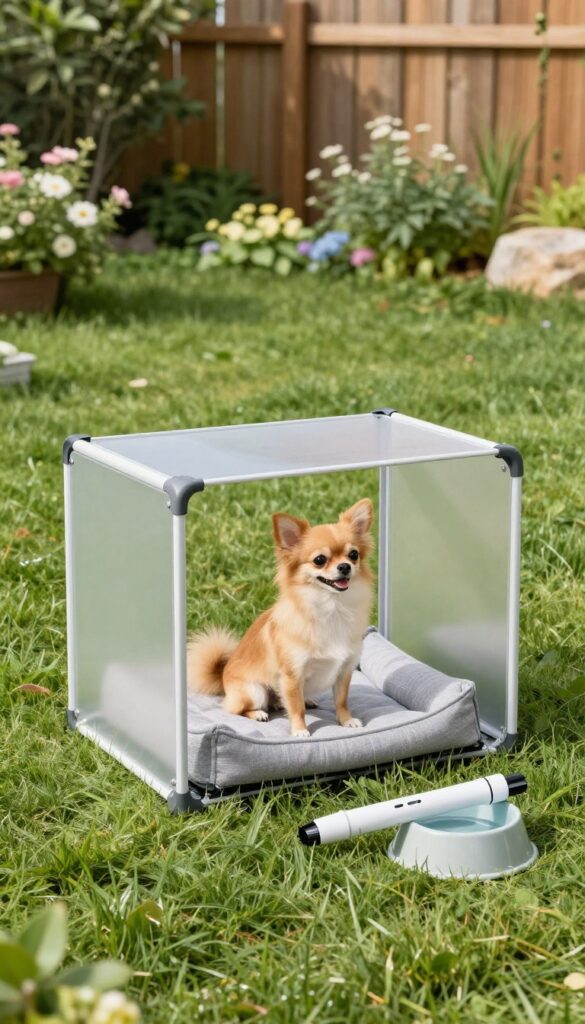
A portable exercise pen is one of the easiest ways to give your small dog a dedicated outdoor space without any permanent changes. These lightweight pens, made from metal or sturdy plastic, set up in minutes and can be moved wherever you need them. Placing the pen on grass provides a soft, comfortable surface for your dog's paws and a natural feel underfoot.
Moving the pen to a fresh spot each week prevents the grass from dying off in one area, keeping your yard looking good. This setup is especially handy for renters or anyone who wants the flexibility to rearrange their yard layout.
Choosing The Right Size
For small dogs, look for a pen that's at least 24 inches tall to prevent jumping. The diameter should give your dog room to run a few steps and play—typically 36 to 48 inches across. Make sure the gaps between bars are narrow enough that your dog can't squeeze through.
Anchoring For Safety
Lightweight pens can tip over if your dog leans or jumps against them. Use ground stakes that come with the pen or buy heavy-duty ones separately. For extra stability, place a heavy planter or sandbag against the base on windy days.
Keeping It Comfortable
Add a small dog bed or a soft blanket inside for lounging. A shallow water bowl that won't tip is a must. If the sun is strong, clip a shade cloth over part of the pen so your dog can escape the heat.
2. Turf Patch with Drainage
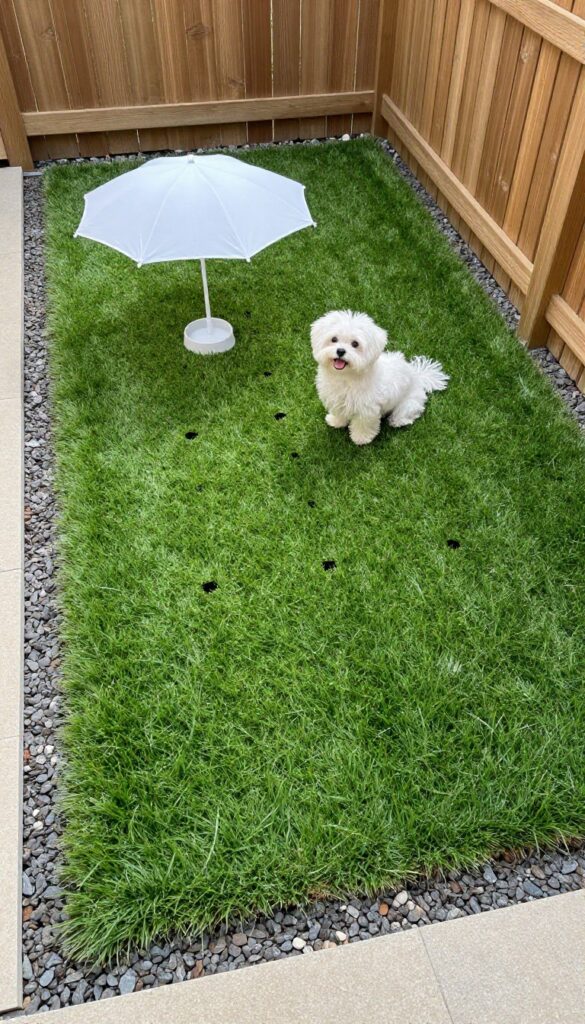
If your yard turns into a muddy mess after every rain, a turf patch could be a game-changer for your small dog. Artificial grass with a proper drainage layer stays clean and dry, so your pup can play without tracking dirt into the house. It’s especially great for toy breeds or dogs with delicate paws that get irritated by wet, cold ground.
A turf patch doesn’t have to cover the whole yard—a 6×6 or 8×8 foot area is plenty for a small dog to potty and play. The key is installing a crushed stone or gravel base underneath for drainage, then topping it with pet-friendly artificial grass. This setup lets urine drain through quickly, reducing odor and keeping the surface dry.
Many owners pair it with a nearby water station and a small shade umbrella for hot days.
Why Small Dogs Love It
Small paws are sensitive to rough textures and cold mud. Artificial turf feels soft and consistent, so your dog won’t hesitate to step on it. It also stays clean—no more muddy paw prints on your floors after a quick potty break.
Installation Tips
Start by leveling the ground and digging a shallow trench for the base. Add a layer of crushed rock or gravel (about 2-3 inches), then compact it. Roll out the turf, secure the edges with landscape staples, and brush the blades upright.
For extra odor control, sprinkle a pet-safe enzyme cleaner regularly.
Maintenance Made Simple
Rinse the turf with a garden hose once a week to flush away waste and debris. Use a rake or stiff broom to lift flattened blades. If you notice any smells, a baking soda solution works wonders.
In fall, keep leaves off the surface to prevent mold.
3. Shaded Sandbox Run
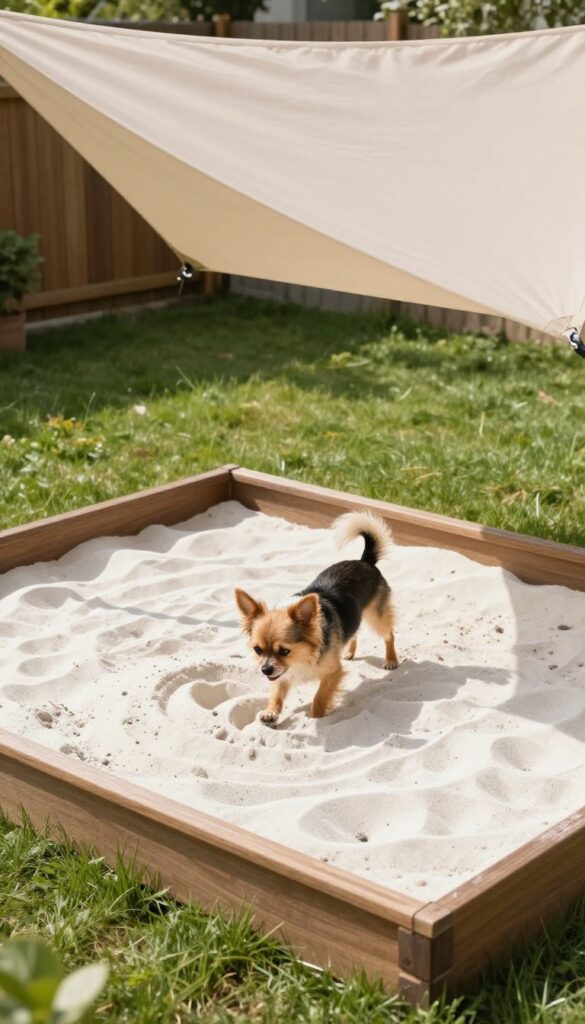
Small dogs often love to dig, and a dedicated sandbox run gives them a safe, contained spot to satisfy that instinct. By filling a low-walled enclosure with clean play sand and adding a shade sail or umbrella, you create a cool, inviting area that's easy to maintain. The sand stays cleaner than dirt and won't turn into mud after rain.
A shaded sandbox run is a win-win: your dog gets a fun digging zone, and you avoid holes in your lawn. The low walls keep the sand contained and make it simple to scoop out debris. Choose a location that gets partial sun so the shade sail can keep the sand cool even on hot days.
Why Sand Works Best
Play sand is soft on paws and doesn't clump like dirt or clay. It drains quickly after rain, so your dog won't be playing in puddles. Plus, it's easy to sift out leaves or waste with a cat litter scoop.
Setting Up The Shade
A shade sail attached to posts or a large cantilever umbrella works well. Angle it to block the afternoon sun. You can also use a pop-up canopy for a temporary setup.
The shade keeps the sand comfortable and prevents it from getting too hot for your dog's paws.
Maintenance Tips
Rake the sand regularly to break up clumps and remove debris. Replace the sand every few months or as needed. Cover the sandbox with a tarp when not in use to keep out rain and animals.
4. Raised Deck with Ramp
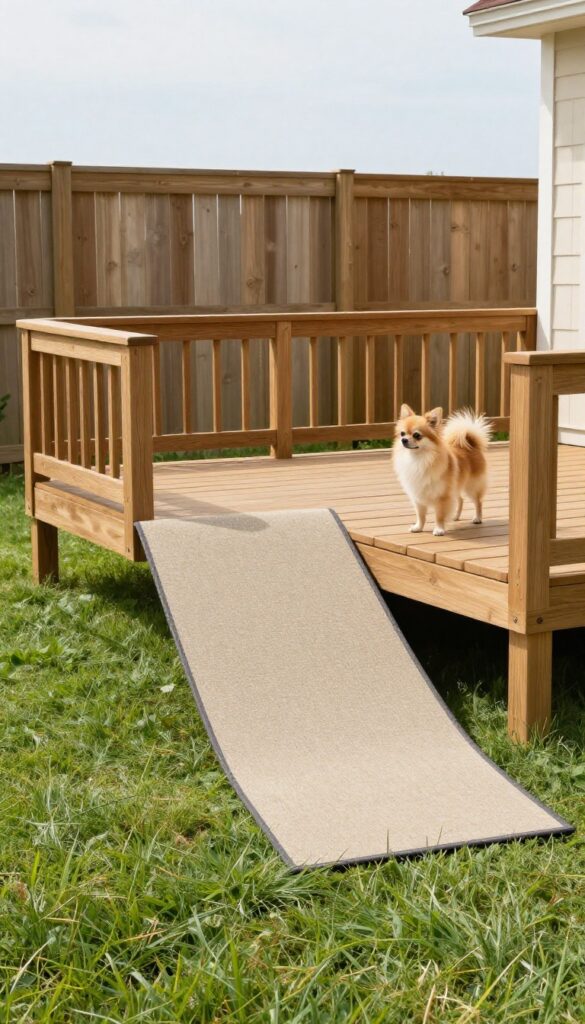
Small dogs love to be up high, where they can survey their kingdom. A raised deck gives them that vantage point without the risk of jumping off furniture indoors. Adding a gentle ramp turns the deck into a low-impact exercise zone that's easy on tiny joints.
Place it near a window so your pup can keep an eye on you while they lounge outside.
A raised deck doesn't have to be elaborate. A simple platform 12 to 18 inches off the ground works perfectly for small breeds. The ramp should be wide enough for your dog to feel stable and have a non-slip surface like outdoor carpet or adhesive traction strips.
This setup encourages your dog to use their muscles climbing up and down, which is great for their health.
Building The Platform
Use pressure-treated lumber or composite decking for durability. The platform should be at least 3 feet by 3 feet to give your dog room to turn around. Sand all edges smooth to prevent splinters.
If you're not handy, you can buy a pre-made pet deck or even repurpose a low wooden table.
Ramp Design Tips
The ramp should have a gentle slope, no steeper than a 1: 3 rise-to-run ratio. Add side rails to prevent your dog from stepping off the edge. Cover the ramp with a material that provides good grip, like rubber matting or outdoor carpet.
This prevents slipping when the wood gets wet.
Placement And Safety
Position the deck in a shaded area or add a small umbrella to keep it cool. Make sure the deck is stable and won't wobble. Check the ramp regularly for loose screws or warped wood.
If your dog is very small or has short legs, consider a lower platform to start.
5. Padded Agility Course
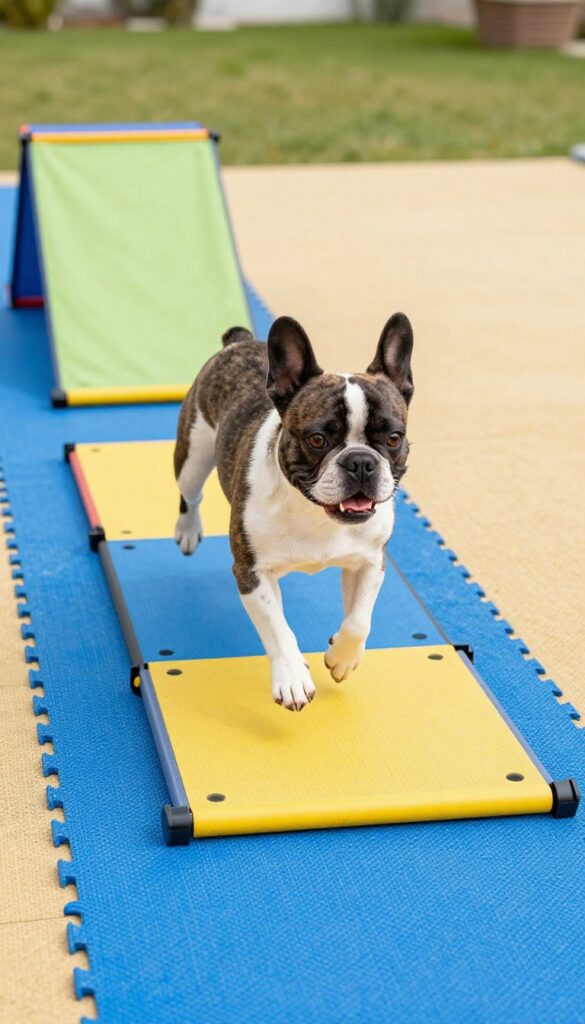
Small dogs are natural athletes, but they need equipment scaled to their size. A padded agility course turns a plain run into a fun playground that builds confidence and burns energy fast. With soft rubber mats underfoot, you protect joints during those quick turns and landings.
Setting up a mini agility course is easier than you think. Start with low jumps—adjustable PVC pipes work great—set just an inch or two off the ground. Add a collapsible tunnel (look for one with a wide, stable entrance) and a set of weave poles spaced closer together for little legs.
Place everything on interlocking rubber mats or foam tiles to cushion every bounce and sprint. Rotate the obstacles every few weeks to keep your dog curious and engaged. Always supervise play and adjust heights as your dog gains confidence.
Choosing The Right Obstacles
Stick with equipment designed for small breeds or toy dogs. Look for jumps with adjustable bars, tunnels no longer than six feet, and weave poles that are lightweight and easy to reposition. Avoid anything with sharp edges or unstable bases.
Safety First On Soft Surfaces
Rubber mats or foam tiles are non-negotiable. They absorb impact, prevent slipping, and make cleanup simple. Make sure mats are flush against each other so paws don't catch on gaps.
In wet weather, bring mats inside or store them to avoid mold.
Keeping It Fresh And Fun
Dogs get bored with the same setup. Change the order of obstacles, add new ones like a small pause table or a wobble board, and use treats to guide them through. Short training sessions of 10–15 minutes keep it exciting without overdoing it.
6. Fenced Garden Path
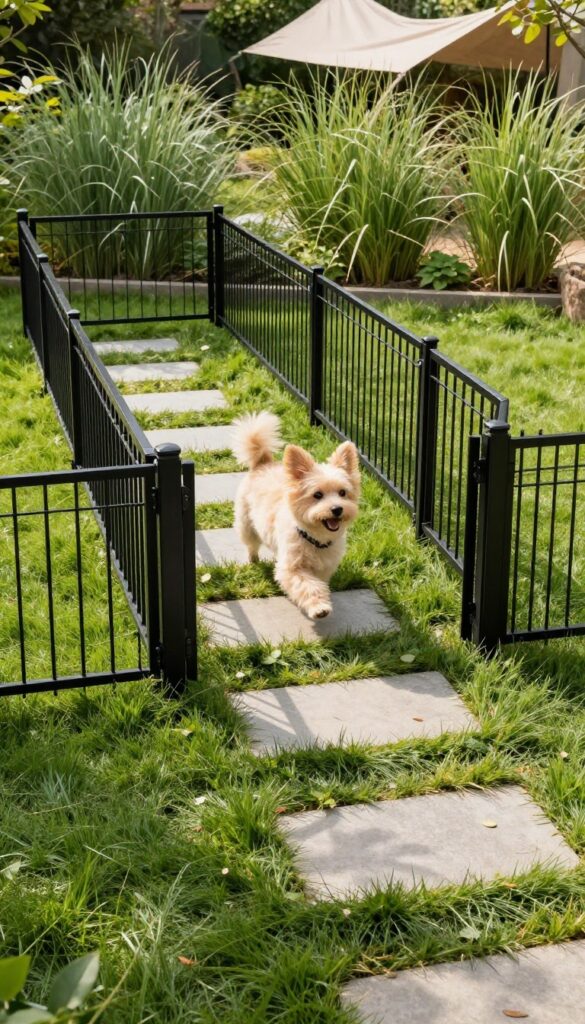
A narrow side yard or garden path often goes unused, but it can become a perfect runway for your small dog. By adding small-gauge fencing along both sides, you create a long, straight run that small dogs love for sprinting. The enclosed feel helps reduce anxiety, and the path itself adds structure to your yard.
This idea turns an overlooked space into a functional and attractive dog run. The straight layout encourages running, and the fencing keeps your dog safe without blocking your view. Add stepping stones or pavers to create visual interest and prevent mud.
Why Small Dogs Love It
Small dogs are built for speed in short bursts. A long, narrow run gives them room to stretch their legs and burn off energy quickly. The enclosed sides also make them feel secure, which is especially helpful for nervous pups.
Design Tips
Use fencing with gaps no wider than 2 inches to prevent escapes. Install a gate at one end for easy access. Consider adding a shade cloth or planting tall grasses along the fence to create a cozy tunnel effect.
Maintenance And Safety
Keep the path clear of debris and check for digging near the fence line. Stepping stones should be level and non-slip. Regularly inspect the fencing for any loose sections or sharp edges.
7. Covered Patio Corner
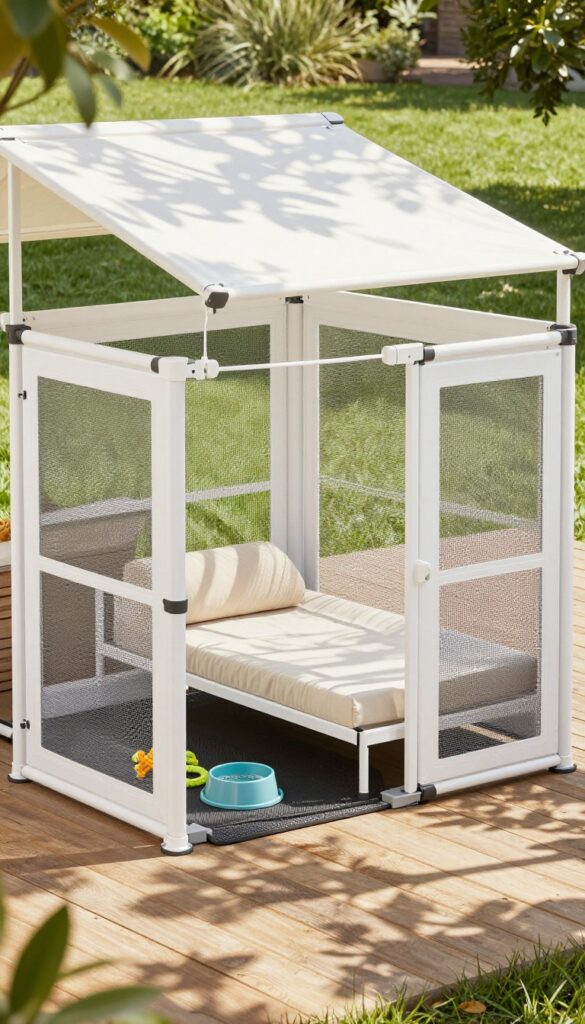
A covered patio or deck corner can double as a cozy, weather-protected dog run. By sectioning off a section with baby gates or mesh panels, you create a safe zone that stays dry in the rain and cool in the heat. This setup is perfect for small dogs who need a quick outdoor break without full sun exposure.
To set it up, measure a corner of your patio or deck that's at least 4×4 feet. Use pressure-mounted baby gates or freestanding mesh panels to enclose the area. Add a raised cot to keep your dog off the hot or cold floor, a spill-proof water bowl, and a few toys.
This run is especially useful in hot climates or rainy regions, as the roof provides shade and shelter.
Why It Works For Small Dogs
Small dogs are more sensitive to temperature extremes. A covered space protects them from overheating or getting soaked. The enclosed corner feels secure and den-like, which many small breeds love.
Plus, you can supervise easily from inside the house if the patio is near a door.
What To Include
Start with a comfortable bed or cot to keep your dog off the ground. Add a water bowl that won't tip over. Chew toys, a soft ball, or a puzzle toy can keep them entertained.
If your patio gets slippery, lay down a rubber mat or artificial turf for traction.
Safety Tips
Check that the gates are secure and tall enough (at least 24 inches for small dogs). Make sure there are no gaps where your dog could squeeze through. Avoid using gates with horizontal bars that small dogs can climb.
Always provide fresh water and never leave your dog out for extended periods in extreme weather.
8. Modular PVC Pipe Run
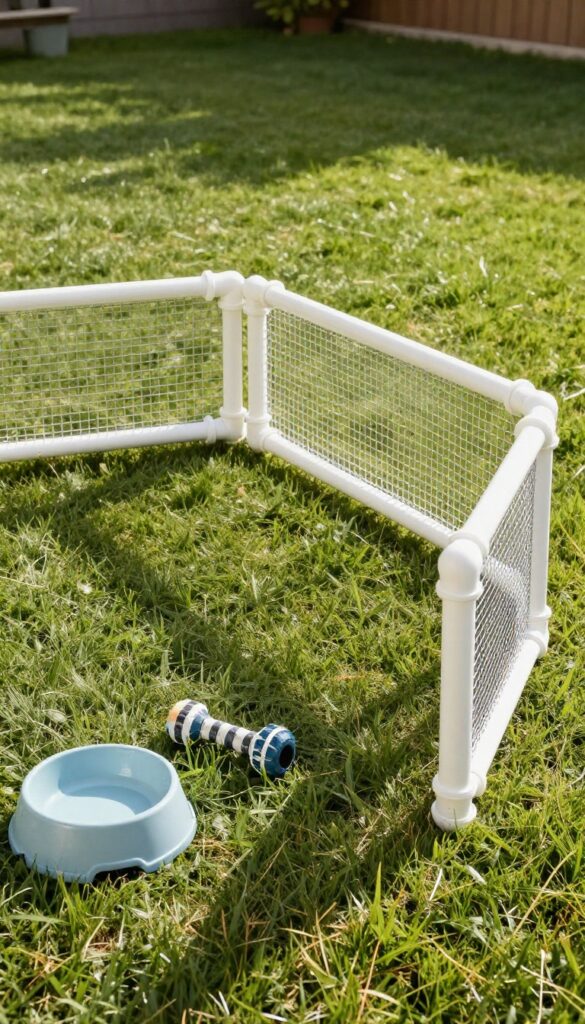
If you like the idea of a custom-shaped run but don't want to commit to a permanent structure, a modular PVC pipe run is a brilliant compromise. Using common PVC pipes and connectors, you can build a lightweight frame that's easy to assemble, disassemble, and reconfigure whenever you want. Wrap it in chicken wire or hardware cloth, and you've got a secure, affordable enclosure that fits any odd-shaped corner of your yard.
The beauty of this design is its flexibility. You can create a simple rectangle, an L-shape to tuck along a fence line, or even a multi-sided polygon to fit an irregular space. PVC is inexpensive, rot-proof, and easy to cut with a basic saw.
Plus, the connectors snap together without tools, so you can change the layout in minutes. Paint the pipes to match your garden decor or leave them white for a clean, modern look.
Choosing The Right Pvc And Mesh
For small dogs, 1-inch diameter schedule 40 PVC is plenty sturdy. You'll need enough straight pipes for the perimeter plus vertical supports every 2-3 feet. Use 3-way or 4-way corner connectors to join sections.
For the mesh, 1/2-inch or 1-inch hardware cloth works well—small enough to prevent paws from slipping through but large enough to see through. Avoid chicken wire with larger gaps, as determined small dogs might squeeze through.
Assembly Tips For Stability
To keep the run from tipping over, anchor the bottom pipes to the ground with landscape staples or short rebar stakes driven through the PVC. Alternatively, attach the run to a wooden base frame. If you want a door, leave one side open and attach a hinged panel of PVC and mesh.
For extra stability, use PVC cement on the joints—but skip it if you plan to reconfigure often.
Customizing For Comfort
Add a shade cover by draping a tarp or shade cloth over the top, secured with zip ties. You can also attach a small dog house or a cozy bed inside. Because the run is modular, you can expand it later if you get another small dog or want to add a play area.
Paint the PVC with outdoor spray paint in a color that blends with your yard—green, brown, or even a fun bright shade.
9. Elevated Dog Potty Area
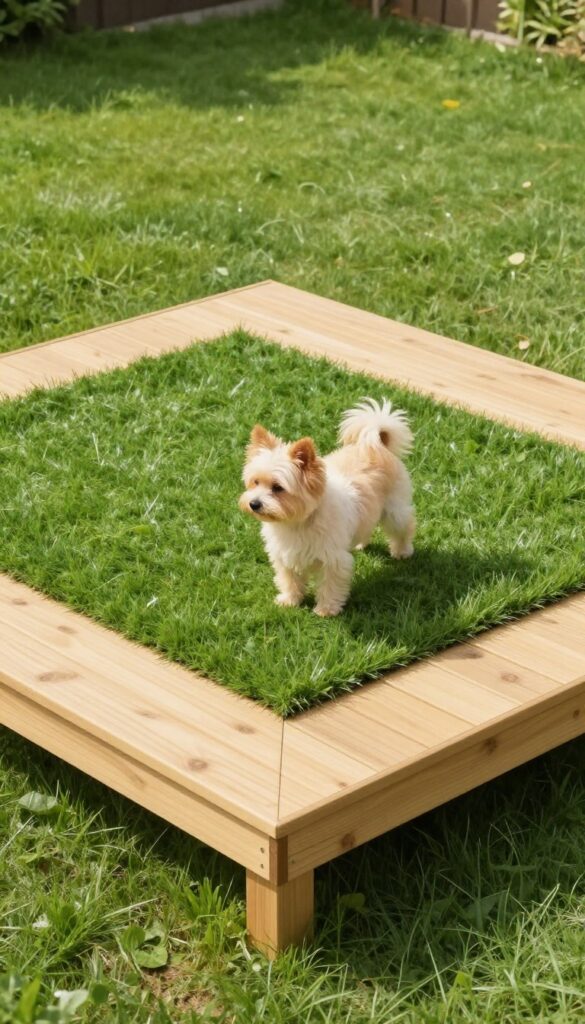
Potty training a small dog can be tricky, especially when you want to keep the run clean. An elevated potty area solves that by giving your pup a designated spot that's off the ground. It works great for apartment balconies or tiny backyards where every inch counts.
Building a small elevated platform with a grass patch or a pee pad tray keeps the run tidy and teaches your dog where to go. The height makes it easy to clean and prevents your dog from tracking mess around the yard. Plus, it's a familiar concept for dogs used to balcony potty setups.
Why Elevated Works For Small Dogs
Small dogs often feel more secure when they're slightly off the ground. An elevated potty area mimics the feel of a designated bathroom spot, which can speed up potty training. It also keeps the rest of the run clean and odor-free.
Materials And Setup
You can use a wooden frame with artificial grass or a commercial pee pad tray. Make sure the platform is sturdy and low enough for your dog to step onto easily. Add a removable tray underneath for quick cleanup.
Placement Tips
Put the elevated potty area in a quiet corner of the run, away from food and water bowls. This reinforces that it's a bathroom spot. If using real grass, ensure it gets some sunlight and replace it regularly.
10. Sensory Garden Run
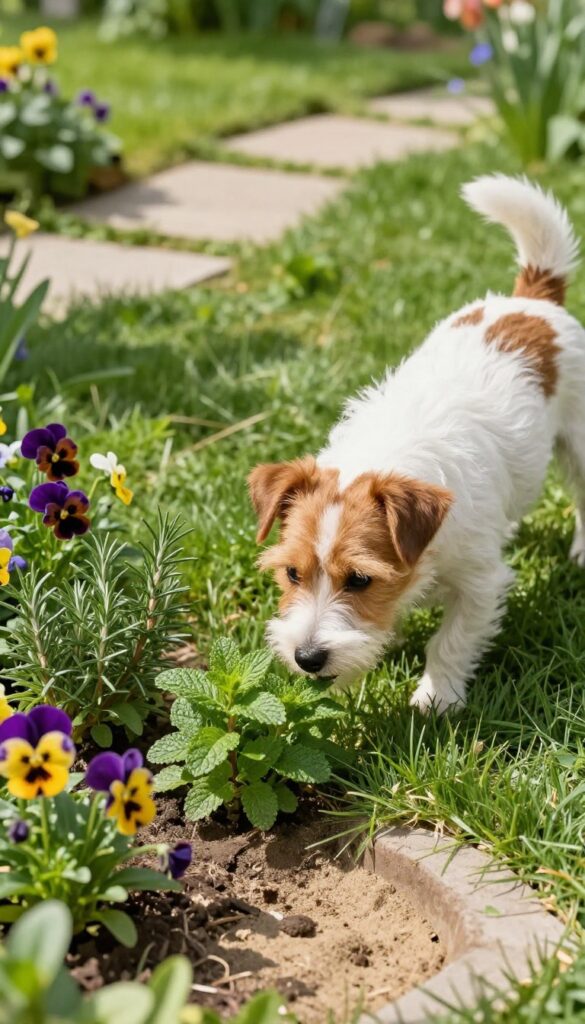
Your small dog experiences the world through their nose and paws. A sensory garden run turns their daily outdoor time into a rich exploration of scents, textures, and tastes. By planting a careful mix of safe herbs, soft grasses, and a few edible flowers, you create a calming, engaging environment that satisfies their natural curiosity.
This isn't just a potty spot—it's a tiny adventure every time they step outside.
Choosing Dog-safe Plants
Safety comes first. Stick with low-growing herbs like mint, rosemary, thyme, and basil. These are non-toxic and release pleasant scents when brushed against.
Add soft grasses like fescue or bluegrass for a plush feel under paw. Avoid anything thorny, spiky, or known to be toxic to dogs, such as lilies, azaleas, or sago palms. A quick check with your vet or the ASPCA list ensures every plant is safe.
Designing The Layout
Keep the garden run compact—about the size of a small patio or a 6×6 foot area. Use low borders like stones or edging to define the space. Create winding paths with stepping stones or mulch to encourage sniffing and wandering.
Place a few flat rocks or a shallow digging pit filled with sand for texture variety. The goal is to offer different zones: a soft grass patch, a herb bed, and a digging spot.
Maintenance Tips For A Healthy Garden
Small dogs can be tough on plants, so choose hardy varieties that recover from trampling. Water regularly but avoid overwatering, which can create muddy patches. Trim herbs often to keep them bushy and encourage new growth.
Rotate the digging pit's location occasionally to prevent soil compaction. If your dog shows interest in eating the plants, monitor them and redirect to safe chew toys.
FAQ
What is the best size for a small dog run?
A run of at least 10×10 feet works well for most small breeds, but even a 6×6 space can be sufficient if your dog gets walks. The key is to include room for running and playing.
How do I keep my small dog safe in a backyard run?
Use small-gauge fencing (no more than 2×2 inches) to prevent escapes. Check for gaps under gates, and provide shade and fresh water. Supervise your dog until you're sure the run is secure.
Can I use a dog run for potty training?
Yes. A designated run with a grass patch or turf area can help reinforce potty habits. Take your dog to the same spot each time and reward success.
What flooring is best for a small dog run?
Soft, non-abrasive surfaces like grass, artificial turf, or rubber mats are ideal. Avoid concrete or gravel, which can hurt paws and joints. Sand is also good but needs regular cleaning.
How do I make a dog run more interesting for my small dog?
Add toys, tunnels, low platforms, and scent games. Rotate items weekly to prevent boredom. A shallow digging pit or a sprinkler on hot days can also add fun.
Conclusion
Your small dog deserves a backyard space that's safe, fun, and tailored to their size. Whether you choose a portable pen or a permanent turf patch, the right run makes outdoor time stress-free for both of you.
Start with one idea that fits your yard and budget, then customize as you learn what your pup loves. A little planning goes a long way toward creating a happy, healthy outdoor haven for your small dog.

I’m Pallab Kishore, the owner of Little Pets Realm — an animal lover and pet care enthusiast sharing easy tips, healthy recipes, and honest advice to help every small pet live a happy, healthy, tail-wagging life.