
Last updated on August 19th, 2026 at 04:14 pm
Sharing your home with several dogs is a joy, but it can also feel like a three-ring circus. Between barking fits, door-dashing, and food guarding, chaos can easily take over. The good news?
A few simple training habits can transform your pack's energy and bring real calm to your daily routine. These aren't complicated obedience drills. They're practical, everyday habits that help each dog feel secure and understand their place in the family.
When you build these habits, you'll notice fewer conflicts, less stress, and more quiet moments to enjoy your furry crew. Let's dive into 13 habits that will make your multi-dog household feel more like a sanctuary and less like a zoo.
1. Feed in Separate Zones
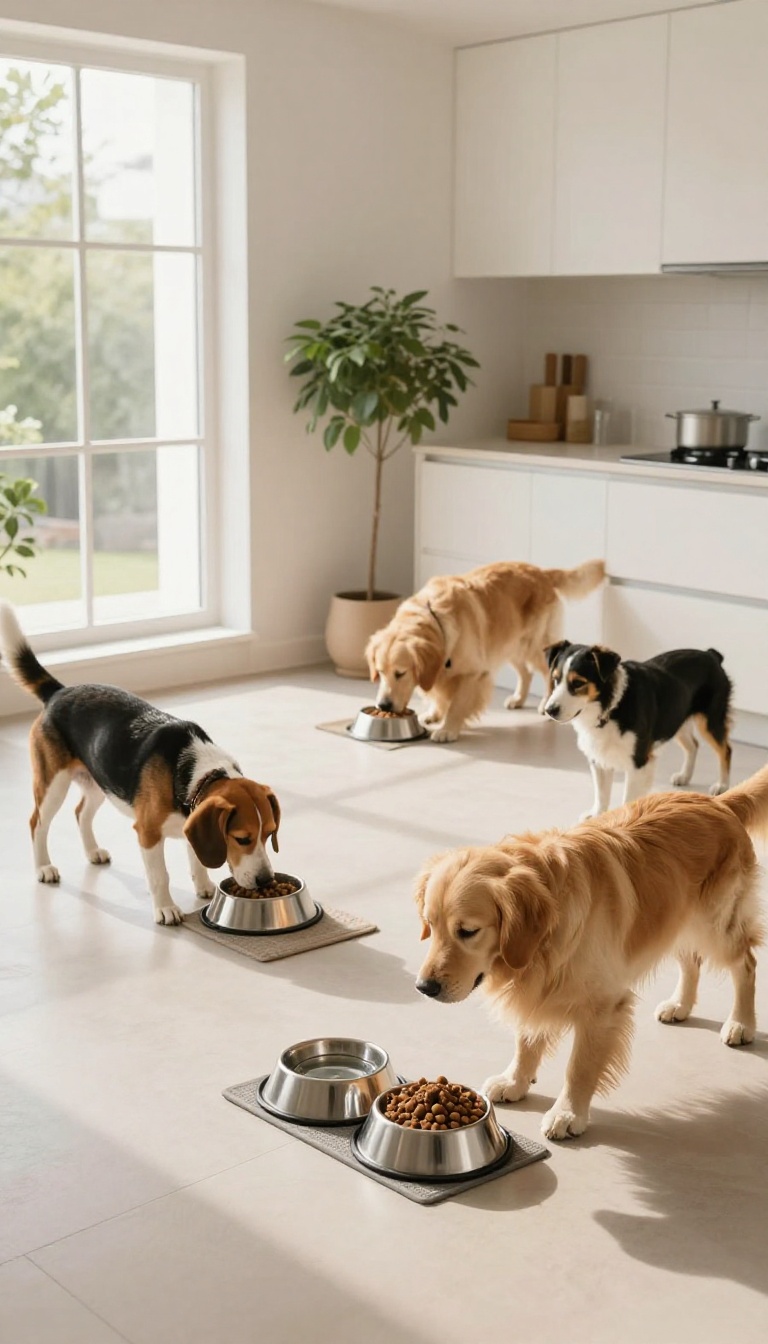
Mealtime in a multi-dog home can quickly turn into a standoff. Even friendly dogs can feel protective over their bowl, and that tension can spill into the rest of the day. By giving each dog their own dedicated eating spot, you remove the trigger before it starts.
This simple change reduces stress and helps every dog eat at their own pace, without worrying about a sibling sneaking over.
Feeding in separate zones isn't about being dramatic—it's about giving each dog a sense of safety and predictability. When dogs know exactly where their food will appear and that no one else will barge in, they relax. That calm carries over into the rest of their day, making them less reactive and more content.
Why It Works
Dogs are naturally wired to guard resources, even if they've never shown aggression. Separate feeding zones eliminate the need to guard because there's no competition. It also helps slower eaters, who might otherwise rush and gulp their food, leading to digestive issues.
When each dog has their own spot, they can eat at a pace that suits them, which is better for their health and their mood.
How To Set It Up
Pick a spot for each dog that's far enough apart that they can't see each other easily—around a corner, in separate rooms, or even just on opposite sides of a large room. Use the same spot every time so it becomes a routine. If you have a dog that finishes early, you can use a slow feeder bowl or a puzzle toy to keep them occupied while others finish.
Make sure water is also available in each zone if needed.
Making It A Habit
Consistency is key. Feed at the same times each day and in the same spots. You can even give a command like 'go to your spot' before placing the bowls down.
Over time, your dogs will head to their zones automatically, and you'll see less tension around food. This habit also makes it easier to manage special diets or medications, since you know exactly what each dog eats.
2. Practice Calm Door Greetings
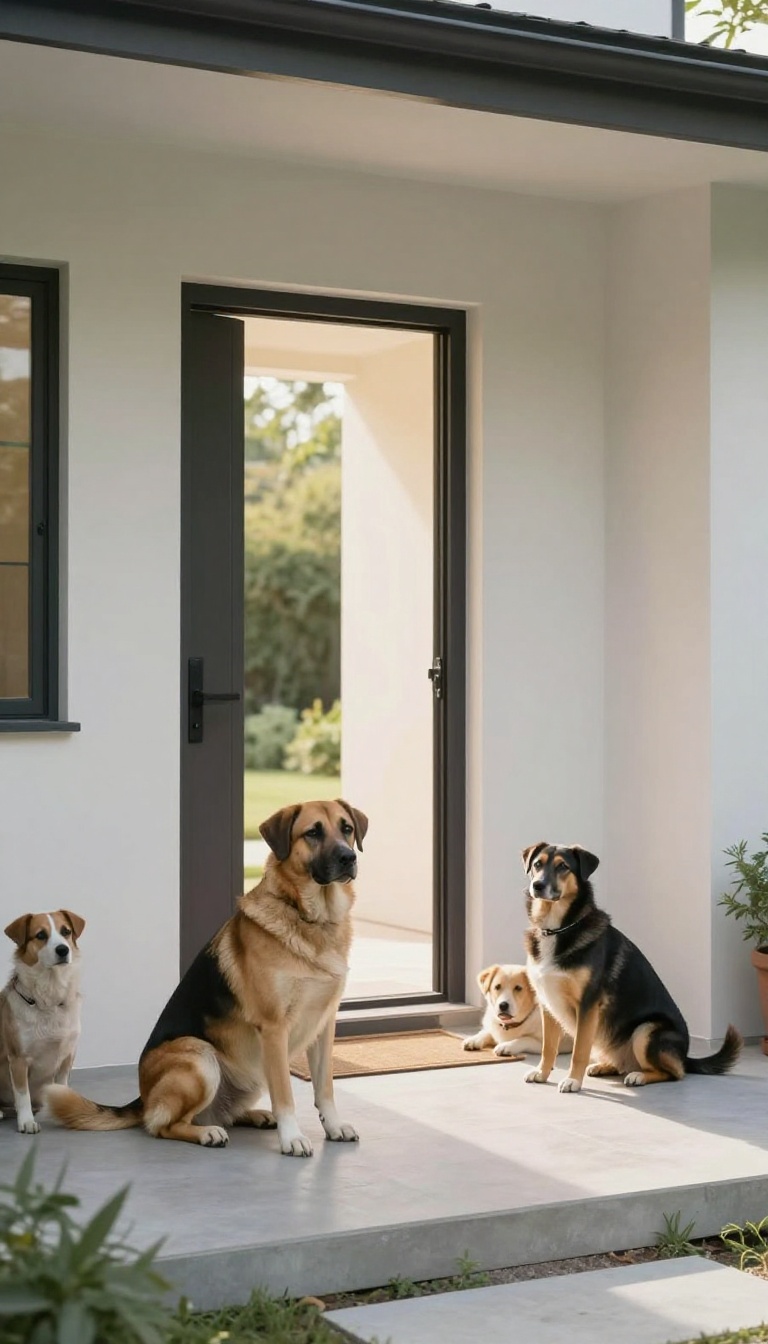
The doorbell rings, and suddenly your pack turns into a whirlwind of barking, spinning, and scrambling toward the front door. In a multi-dog home, that burst of excitement can quickly spiral into snapping or fighting as dogs compete for position. Teaching your dogs to greet visitors calmly isn't just about good manners—it's a safety net for everyone involved.
When guests arrive, the energy in a multi-dog household can spike fast. Dogs feed off each other's excitement, and the doorway becomes a chaotic bottleneck. This habit focuses on teaching each dog to wait calmly, so you can open the door without a stampede.
It's a simple routine that pays off every time someone knocks.
Why Door Chaos Causes Conflict
Multiple dogs at the door create stress and competition. They're all trying to get to the same spot, and that can trigger resource guarding or redirected aggression. Even friendly dogs might snap when they're jostled or overwhelmed.
Calm greetings remove that trigger and help your dogs feel secure, not threatened.
Teach A 'wait' At The Door
Start with one dog at a time. Have them sit or lie down a few feet from the door, then reward them for staying while you touch the handle. Gradually increase the distraction—knock, ring the bell, then open the door.
Once each dog understands the cue, practice with the whole pack together, rewarding calm behavior before anyone gets to greet.
Use A Leash For Extra Control
If your dogs are still learning, keep a leash on each one during greetings. It gives you a way to prevent bolting without grabbing collars, which can cause tension. You can also use baby gates to create a safe zone, letting dogs in one at a time once they're calm.
This keeps everyone safe and makes the process smoother.
Make Guests Part Of The Training
Ask friends to help by ignoring the dogs until they're calm. Guests should not give attention, treats, or even eye contact until all dogs are sitting or lying down quietly. This consistency teaches your pack that calm behavior is what earns the reward.
Over time, your dogs will learn that the doorbell means 'relax, ' not 'pandemonium. '
3. Walk as a Pack, Not a Mob
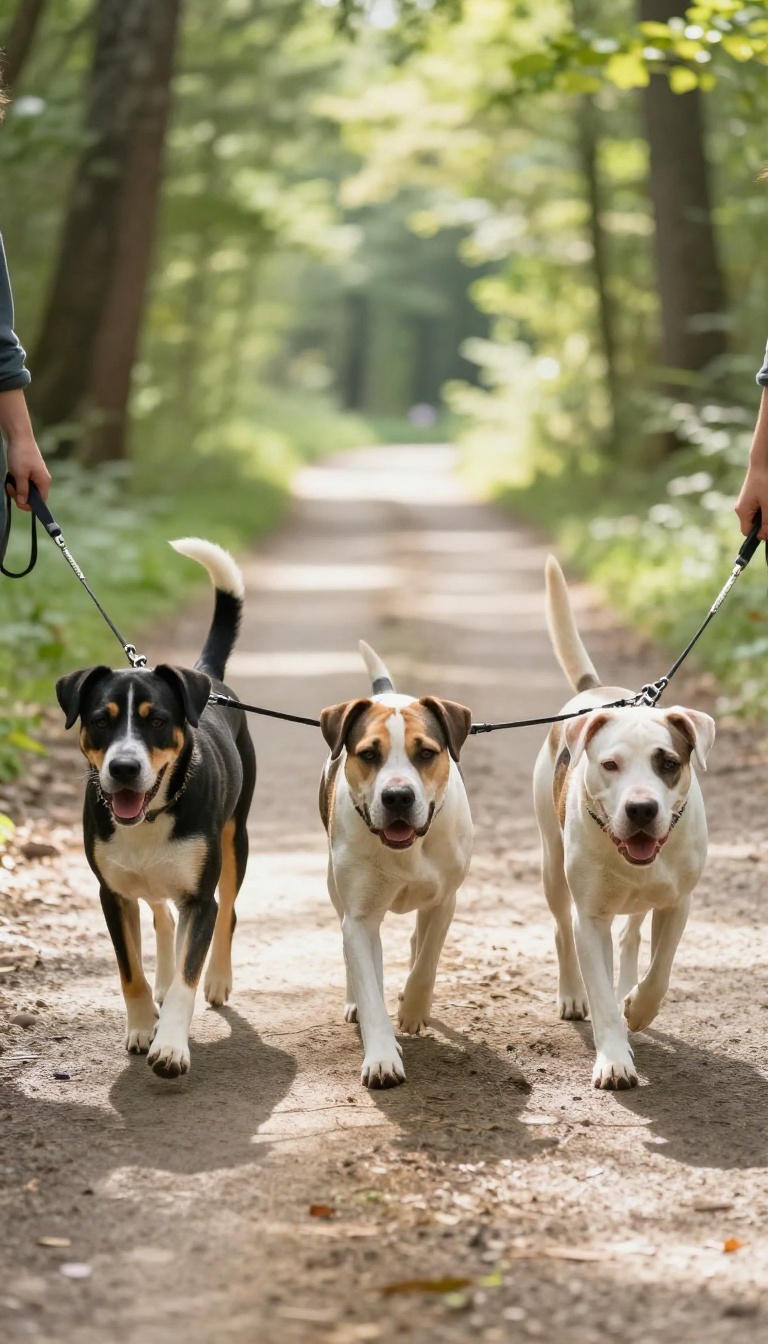
Group walks can feel like a chaotic parade if everyone’s pulling in different directions. But when you establish a structured routine, walks become a chance for your dogs to bond and burn energy in a calm, focused way. The goal isn’t to march in perfect formation—it’s to create a shared experience where each dog knows the rules and looks to you for guidance.
Walking multiple dogs at once can be overwhelming, but it’s also one of the best opportunities to reinforce your role as the leader. Start by setting clear expectations before you even leave the house. Each dog should be calm and seated before you clip on leashes.
If they’re jumping or whining, wait until they settle. This simple pause teaches patience and signals that walks happen on your terms, not theirs. Once outside, keep the pace steady and purposeful.
If one dog starts to pull, stop walking until they return to your side. This might feel slow at first, but it quickly teaches them that pulling gets them nowhere. Over time, your dogs will learn to walk together as a unit, focused on you rather than every squirrel or scent.
Use A Consistent Walking Order
Dogs are creatures of habit, and a consistent order can reduce competition. Decide which dog walks closest to you and which one follows. You can rotate the order occasionally to keep things fair, but try to stick with a pattern most of the time.
This helps each dog know their position, reducing jostling and confusion. It also gives you better control, especially if one dog tends to be more reactive or excitable.
Teach A Loose-leash Walk Individually First
Before you expect your pack to walk calmly together, practice loose-leash walking with each dog separately. This gives you a chance to reinforce the rules without distractions. Once each dog understands what’s expected, you can gradually combine them.
Start with two dogs, then add more as they get the hang of it. This step-by-step approach prevents frustration and sets everyone up for success.
Reward Calm, Not Excitement
When your dogs walk calmly beside you, reward them with treats or praise. This reinforces the behavior you want to see. If they start to get overexcited—barking, lunging, or weaving—stop and wait.
Only continue when they’ve settled. Over time, they’ll learn that calm behavior gets them what they want (movement and treats), while chaos brings everything to a halt.
4. Reward Independent Calm
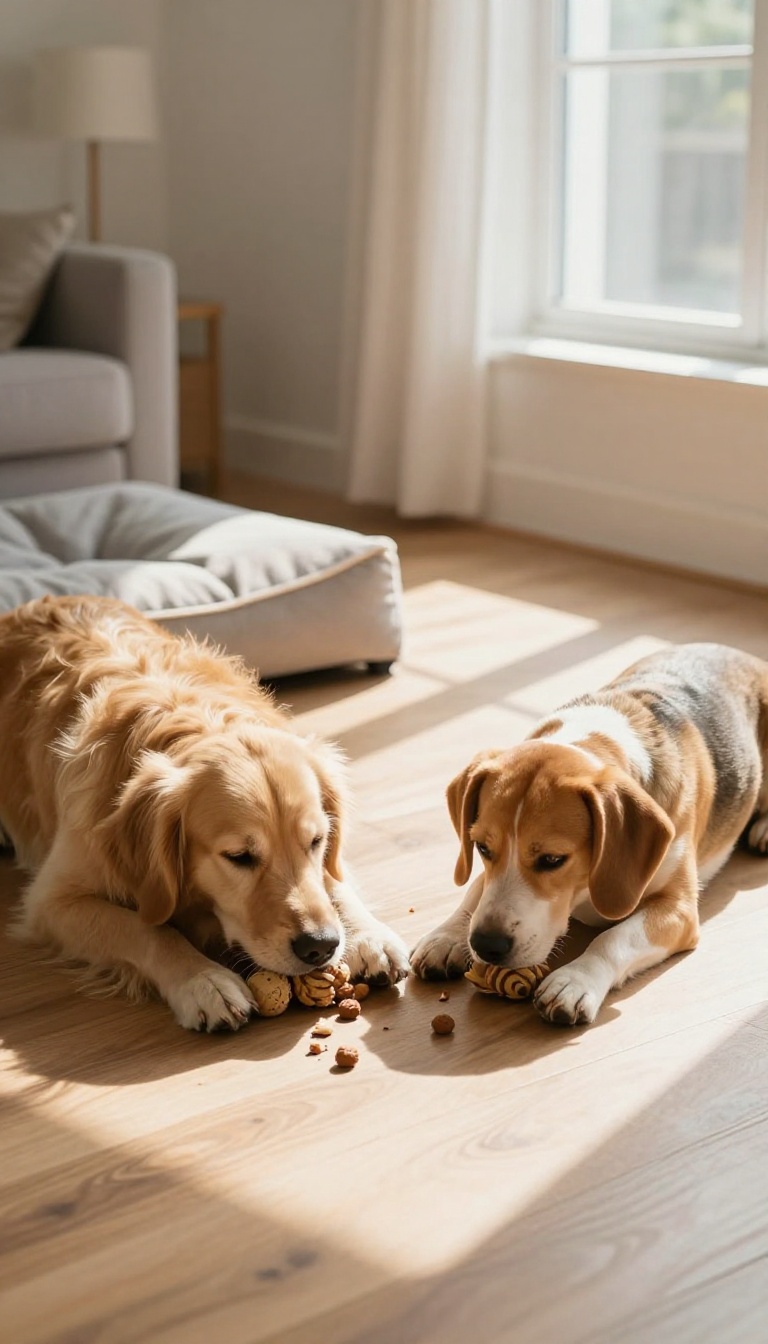
When you live with multiple dogs, the quiet moments can feel rare. But here’s the thing: calm behavior is a skill, and you can actively encourage it. Instead of waiting for chaos to erupt, start catching your dogs being peaceful—and make it worth their while.
This simple habit shifts the focus from correcting problems to celebrating the good stuff, which makes everyone feel more relaxed.
Rewarding independent calm means noticing when your dogs choose to settle down on their own, then giving them a treat or gentle praise. It’s not about bribing them to be still; it’s about teaching them that calmness pays off. Over time, they’ll learn that relaxing is a great way to earn your attention and goodies, so they’ll do it more often.
This habit is especially powerful in a multi-dog home because it creates a positive, peaceful vibe that spreads through the pack.
Start With A Treat Scatter
One easy way to kick off this habit is to scatter a few small treats on the floor when your dogs are already lying down quietly. Don’t make a big deal out of it—just toss the treats and walk away. This teaches them that being calm in their own space leads to good things, and it gives them a little job to do (sniffing and eating) that keeps them occupied.
Use A Calm Marker Word
Pick a word like “chill” or “settle” and say it in a soft, happy tone whenever you see your dogs relaxing. Then give them a treat. Over time, they’ll associate that word with the feeling of being calm, and you can use it to help them wind down when things get too excited.
Just remember to keep your voice low and your movements slow—you want to mirror the energy you’re asking for.
Reward The Settling, Not Just The Settled
Don’t wait until your dogs are completely asleep to reward them. Catch them in the moment they choose to lie down or stop pacing. That’s the behavior you want to reinforce.
For example, if you’re watching TV and one dog curls up on their bed, quietly drop a treat near them. If another dog follows suit, do the same. This teaches them that settling down is a great choice, even if they don’t stay put for long.
Make It A Group Activity
In a multi-dog household, you can turn calm time into a group event. Have all your dogs lie down on their beds or mats, then give each one a treat as they relax. Start with short sessions—just a few minutes—and gradually increase the time.
This not only reinforces calm behavior but also helps your dogs learn to be comfortable near each other without tension. It’s a win-win for everyone.
5. Manage Resources Proactively
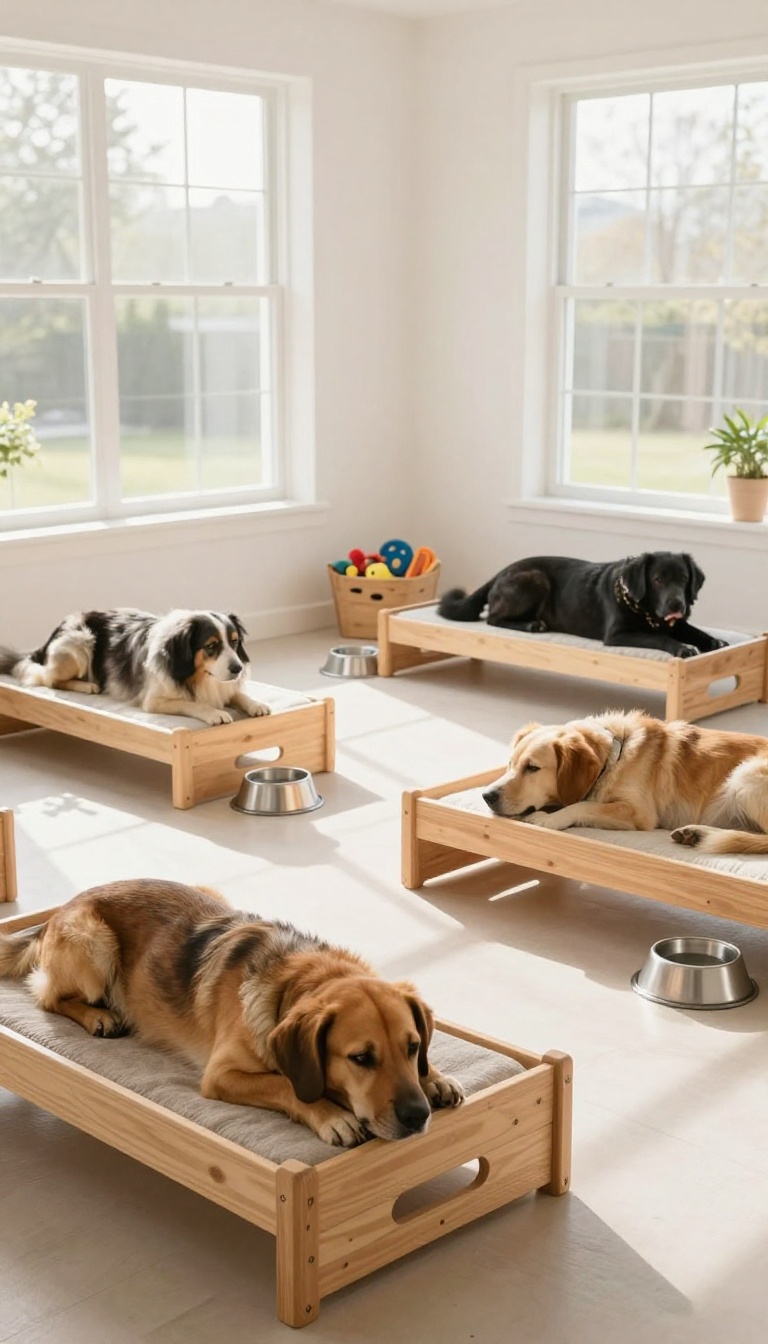
Resource guarding is one of the most common triggers for tension between dogs. When there aren't enough toys, beds, or water bowls to go around, even the friendliest pack can start squabbling. The fix isn't about being stricter—it's about being smarter with how you distribute everyday items.
By managing resources proactively, you can prevent many conflicts before they even start. This habit is especially important in multi-dog homes where dogs have different energy levels, appetites, and attachment to certain items. With a little planning, you can create a fair, peaceful environment where every dog feels safe and satisfied.
Provide More Than Enough
The easiest way to reduce competition is to have more than one of everything. That means multiple water bowls in different rooms, several beds scattered around, and a good stash of toys. Aim for at least one more item than the number of dogs you have.
For example, if you have three dogs, keep four or five toys available. This simple surplus takes the pressure off sharing and gives each dog a choice.
Rotate High-value Items
Some items—like a squeaky toy or a bone—are just too tempting. Instead of leaving them out all day, rotate them. Bring out a high-value toy for a short supervised session, then put it away for a while.
This keeps excitement high and prevents one dog from monopolizing it. Rotating also lets you control when high-value items are available, so you can supervise and step in if needed.
Create Personal Spaces
Every dog benefits from having a spot that's just theirs. Whether it's a crate, a bed in a quiet corner, or a mat, these personal zones give dogs a place to retreat when they need a break. Make sure each dog has their own designated space, and teach them to use it.
This reduces resource guarding because each dog knows they have a safe spot that isn't shared.
Feed Separately Or Supervise
Mealtime can be a hotspot for resource guarding. If your dogs are fine eating together, you can keep it that way, but always supervise. If you notice any tension, feed them in separate areas—even just a few feet apart.
This prevents food-related conflicts and helps each dog relax during meals. Over time, you can gradually bring them closer together if you want, but only if everyone stays calm.
6. Train Each Dog Individually
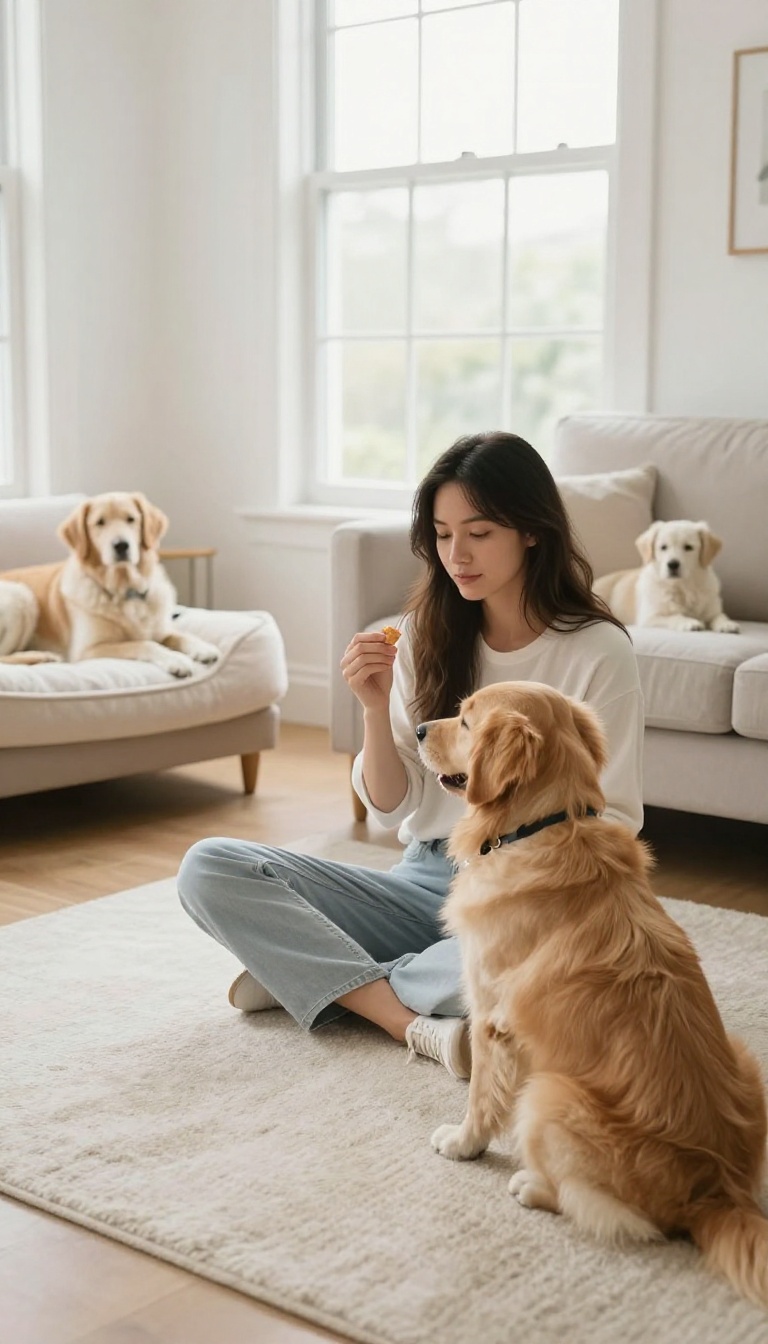
When you have multiple dogs, it's tempting to train them all together. But that often leads to distractions and confusion. Each dog learns at their own pace and has unique triggers.
Individual sessions let you focus on what each dog needs without the chaos of the pack.
Set aside 5–10 minutes a day for one-on-one training with each dog. Use this time to practice basic cues like sit, stay, and come. This not only strengthens your bond but also ensures each dog listens to you even when the others are around.
Plus, it gives each dog a chance to shine without competition.
Why Individual Sessions Matter
In a group setting, dogs often copy each other or get distracted by the others. Individual training helps you pinpoint specific issues like fear or overexcitement. It also builds trust and makes your dog more responsive to your voice, which is crucial in a multi-dog home.
How To Structure Solo Training
Pick a quiet spot with no other dogs nearby. Keep sessions short and positive, using high-value treats. Focus on one or two cues per session, and end on a good note.
Rotate the order so no dog feels left out, and always give each dog your full attention.
Making It A Daily Habit
Integrate solo training into your routine, like after breakfast or before the evening walk. Use a simple schedule or reminder. Even five minutes a day makes a difference.
Over time, you'll see better focus and a stronger connection with each dog.
7. Use a Solid 'Place' Command
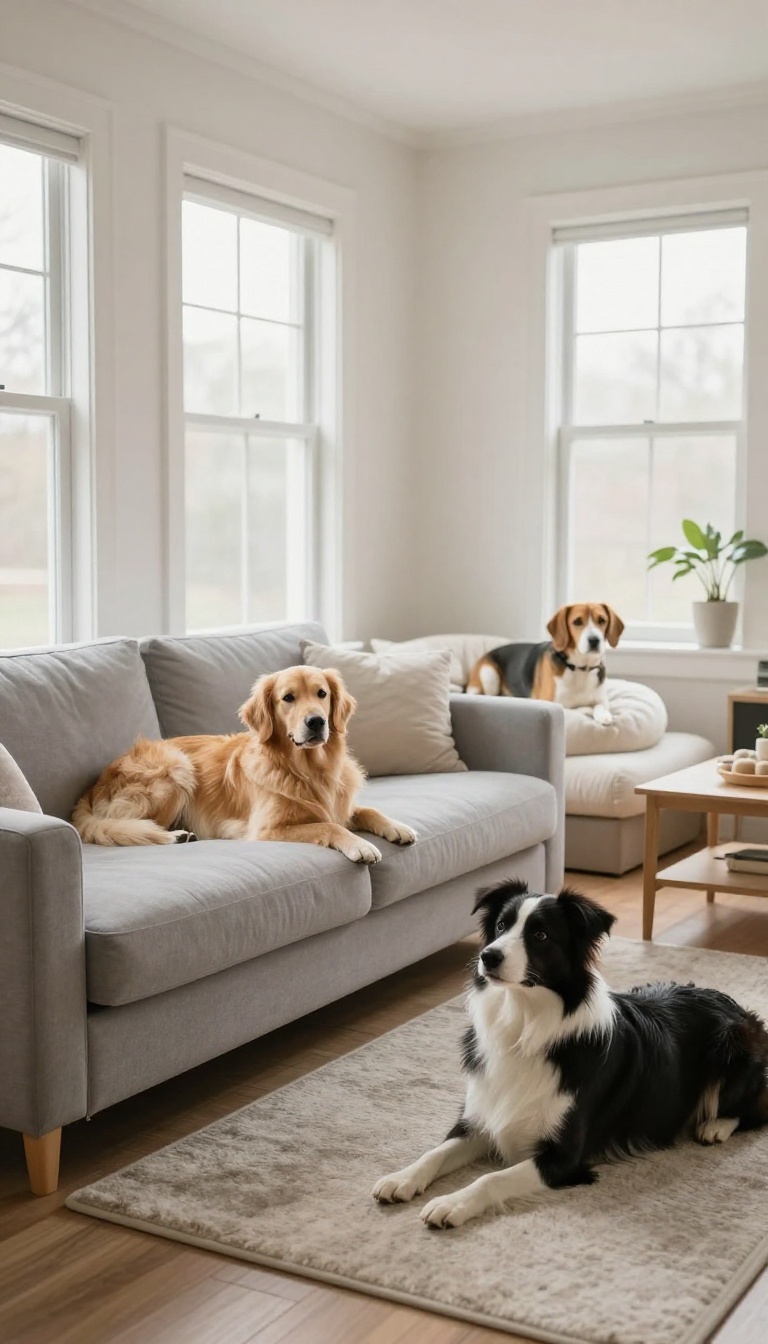
Picture this: you’re trying to eat dinner, and three dogs are circling the table like sharks. Or the doorbell rings, and the pack stampedes toward the front door. A reliable 'place' command can be your best friend in these moments.
It gives each dog a designated spot to settle, which cuts down on chaos and gives them a clear job to do.
Start With One Dog At A Time
Before you can use 'place' with the whole pack, each dog needs to understand it individually. Pick a mat or bed that’s comfortable and big enough for your largest dog. Use a high-value treat to lure them onto the mat, then say 'place' as they step on.
Reward them for staying, even for a few seconds. Gradually increase the duration and distance. Once each dog can hold 'place' for a minute or two, you’re ready to practice together.
Practice In Real-life Situations
The real magic happens when you use 'place' in everyday scenarios. Have everyone go to their mats when you’re preparing meals, when the doorbell rings, or when guests arrive. Start with low-distraction moments and build up.
For example, have them go to place while you’re chopping veggies, then reward them with a treat. Over time, they’ll learn that 'place' means 'chill out here' no matter what’s happening around them. This habit prevents door-dashing and food-begging before they even start.
Make 'place' A Positive Hangout Spot
Your dogs should love their mats, not see them as a punishment. Toss treats onto the mat randomly throughout the day. Give them a stuffed Kong or a chew toy to enjoy while they’re on place.
This builds a positive association, so they’re happy to settle there. When you’re busy or need a calm moment, sending them to place becomes a win-win: they get a treat, and you get peace.
8. Prevent Overstimulation
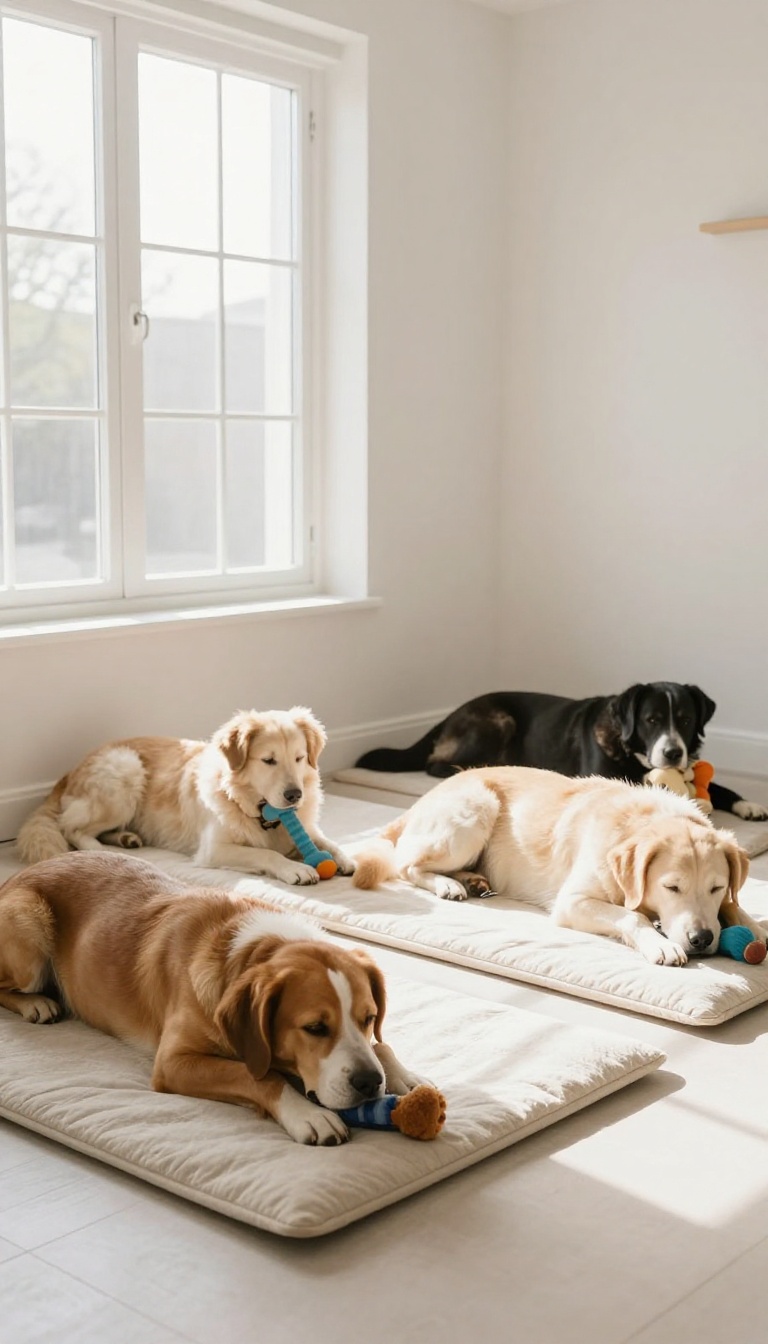
Ever notice how one dog's excited bark sets off the whole crew? Before you know it, everyone's zooming around, jumping, and barking at nothing. That's overstimulation, and it can turn a peaceful home into a chaotic mess.
The trick is catching it early. When you see the signs—stiff bodies, intense staring, or that high-pitched whine—it's time to step in. A quick timeout or a calm-down break can work wonders.
Overstimulation isn't just about too much play; it's about the pack feeding off each other's energy. One dog gets riled up, and the rest follow. That's why it's so important to intervene before things escalate.
Here's how to keep the energy in check.
Know The Warning Signs
Every dog shows stress differently, but common signs include excessive panting, pacing, or a frantic play style. Some dogs get 'whale eye'—showing the whites of their eyes—or start mouthing more than usual. Learn each dog's personal tells so you can act before it spirals.
Use Short Timeouts
When things get too rowdy, separate the instigator for a few minutes. A quiet room or a crate with a treat can help them settle. Timeouts aren't punishment; they're a chance to reset.
Even 30 seconds of calm can break the cycle.
Create Calm-down Breaks
Incorporate structured breaks throughout the day. After a play session, have everyone lie down on their mats with a chew or a stuffed Kong. This teaches them to switch from high-energy to low-energy.
Over time, they'll learn to self-regulate.
9. Create a Routine and Stick to It
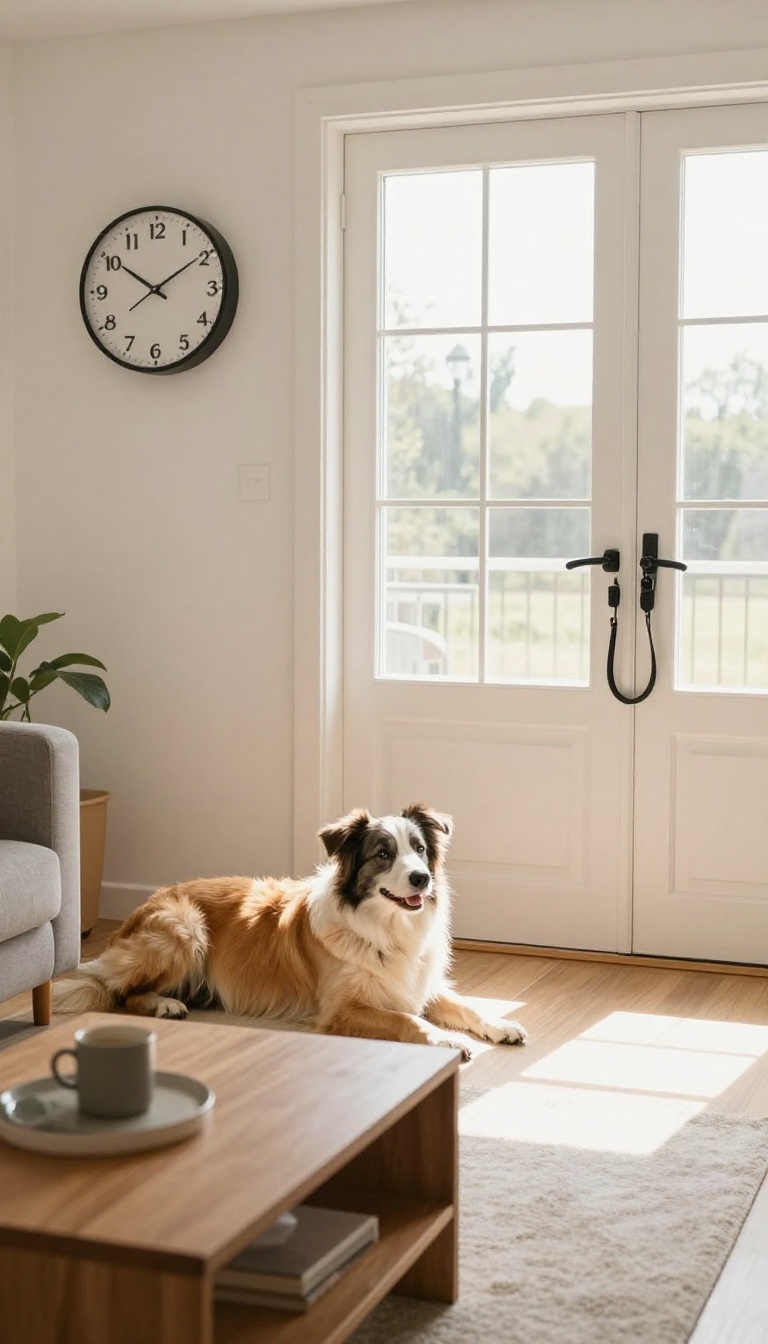
Dogs are creatures of habit, and when they know what to expect, they relax. A predictable daily schedule reduces uncertainty, which is a major source of stress in multi-dog homes. By setting consistent times for meals, walks, and play, you'll help your pack feel secure and calm.
A routine doesn't have to be rigid down to the minute, but consistency matters. Start by establishing fixed times for the big activities: feeding, potty breaks, walks, and playtime. When each dog knows when their needs will be met, they're less likely to compete or act out.
This is especially important in multi-dog households, where anxiety can quickly escalate into conflict.
Why Routine Calms The Pack
Dogs are pack animals, and they look to you for leadership. A routine provides structure, which tells them you're in charge and everything is under control. When dogs don't know what's happening next, they can become anxious, leading to barking, pacing, or even fights.
A predictable schedule lowers their stress hormones and helps them feel safe.
How To Build A Schedule That Works
Start by listing your current daily activities and then assign a rough time to each. Aim for consistency in the order of events—like breakfast, then a walk, then quiet time. Even on weekends, try to keep the same general rhythm.
If your schedule varies, use cues like a specific leash or food bowl to signal what's coming next. This helps dogs transition smoothly.
Adjusting The Routine As Your Dogs Age
As your dogs get older, their needs change. A senior dog may need more frequent potty breaks, while a puppy needs more playtime. Be flexible and adjust the routine to suit everyone's current energy and health.
The key is to maintain predictability while adapting to life's changes. This keeps your household calm and your dogs comfortable.
10. Teach a Reliable 'Leave It'
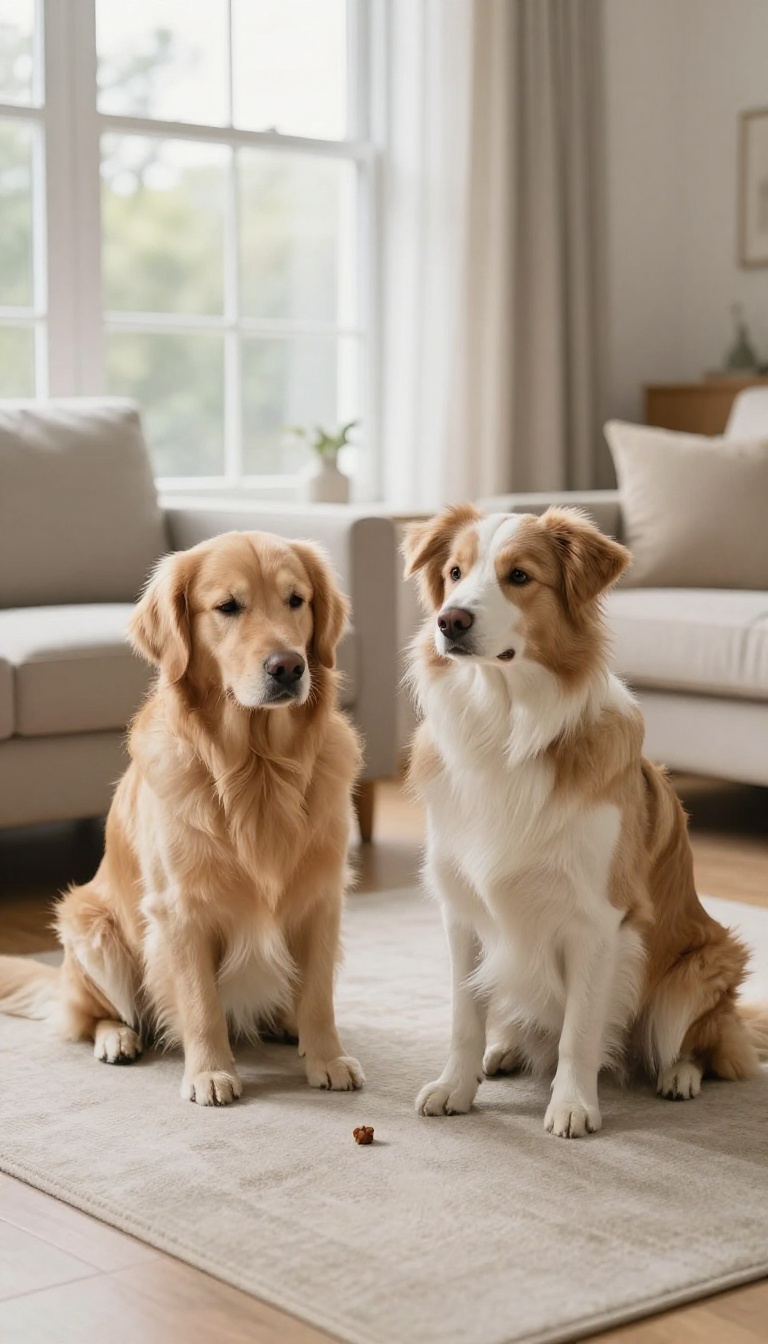
A solid 'leave it' is a game-changer in a multi-dog home. It stops your dogs from grabbing something they shouldn't—whether that's a dropped pill, a chicken bone on a walk, or a toy that's about to cause a squabble. When every dog knows this cue, you can prevent tense moments before they even start.
This isn't about being a drill sergeant. It's about giving your dogs a clear, calm alternative to reacting on impulse. With practice, 'leave it' becomes second nature, and your household feels safer and more relaxed.
Start training in a quiet room with no distractions. Hold a treat in your closed fist and let your dog sniff it. When they back off or look away, say 'yes' and reward them with a different treat.
Repeat until they automatically turn their head when they see your fist. Then, progress to placing a treat on the floor under your hand, and eventually, to using a 'leave it' cue before they go for it. Practice with toys, food bowls, and even other dogs in the room, but always set them up for success.
If your dog struggles, go back a step. The goal is a reliable response, not a perfect one overnight.
Why 'leave It' Prevents Resource Guarding
Resource guarding happens when a dog feels they need to protect something valuable. In a multi-dog home, that can lead to growling, snapping, or worse. Teaching 'leave it' shows your dog that good things come from you, not from guarding.
When they learn that backing off earns a reward, they become less possessive and more willing to share space and items.
Practice In Controlled Settings First
Start with low-stakes scenarios. Have one dog on a leash and another nearby with a toy. Ask the first dog to 'leave it' while the other plays.
Reward heavily for calm behavior. Gradually increase difficulty by adding more dogs or using higher-value items. The key is to keep every session positive and short, so your dogs learn to trust the cue even when excited.
Use It In Real-life Moments
Once your dogs understand the basics, use 'leave it' during everyday situations. If you drop food, if a dog picks up a stray sock, or if two dogs eye the same toy, give the cue. With consistency, they'll respond automatically, and you'll avoid many potential conflicts.
Always follow through and reward success to reinforce the behavior.
11. Give Each Dog Personal Space
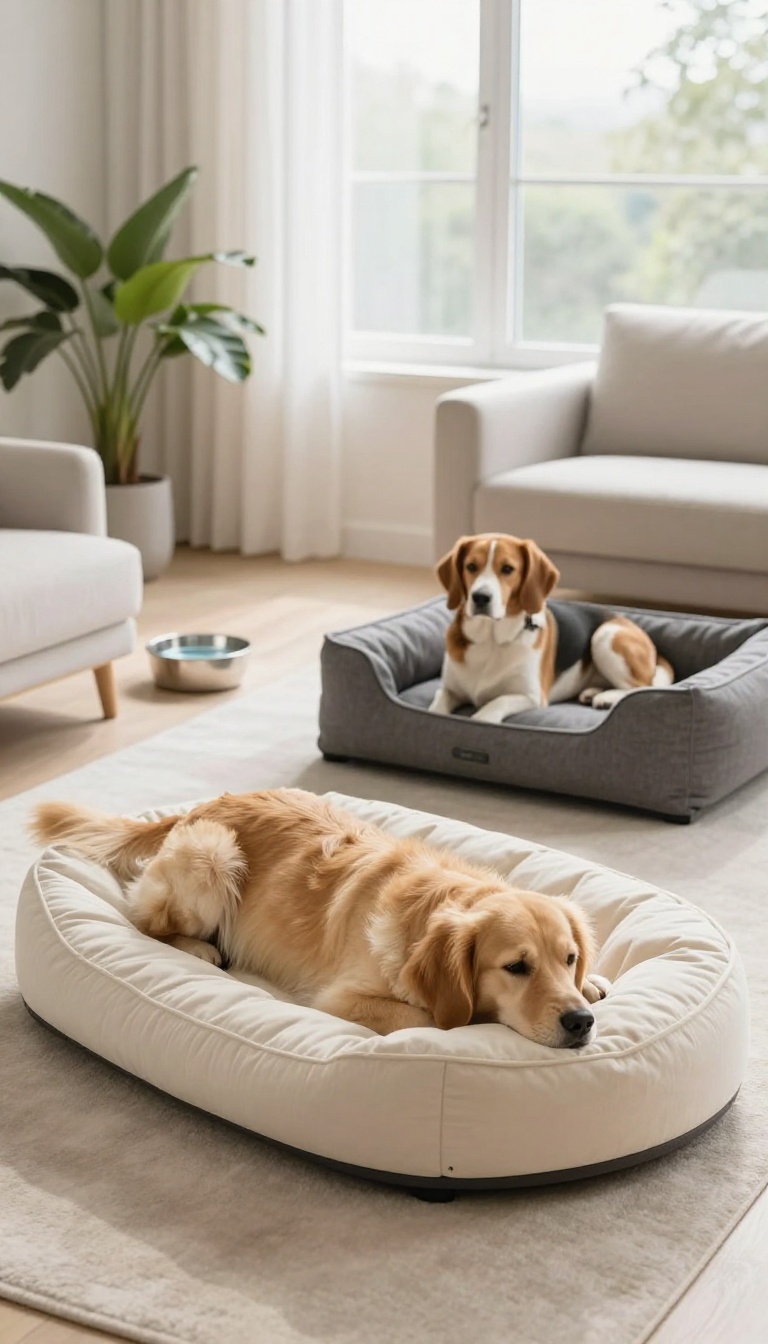
Even the most social dogs need a break sometimes. In a multi-dog home, constant togetherness can be exhausting, and not every dog knows how to ask for space. That’s where you step in.
By setting up a quiet retreat for each pup, you give them a way to recharge and avoid unnecessary tension.
Creating personal space for each dog isn’t about locking them away—it’s about giving them a choice. When a dog has a spot that’s truly their own, they can relax without worrying about being bothered. This simple habit can prevent a lot of squabbles and make your home feel calmer for everyone.
Why Personal Space Matters
Dogs are pack animals, but they’re also individuals. Some love constant contact, while others need downtime. When a dog can’t escape, they might resort to growling or snapping to set boundaries.
Giving them a dedicated space reduces stress and helps them feel secure, which means fewer conflicts and a more peaceful pack.
How To Set Up A Quiet Retreat
Choose a spot that’s out of the main traffic flow—like a corner of the living room or a spare bedroom. Add a comfortable bed, some water, and maybe a favorite toy. Make it inviting but not overly stimulating.
If you have crates, those work great too, as long as they’re never used for punishment. The key is consistency: each dog should have their own spot that’s always available.
Teaching Your Dog To Use Their Space
Start by tossing treats into the space and praising your dog when they go in. Use a cue like “go to your bed” and reward them for settling. Practice during calm moments first, then gradually use it when things get busy.
Over time, your dog will learn that this spot is their safe haven, and they’ll go there on their own when they need a break.
Respecting The Space
Once each dog has their spot, make sure everyone respects it. That means no other dogs allowed to invade, and family members should leave a dog alone when they’re in their space. This teaches boundaries and reinforces that the space is private.
It’s a simple rule that goes a long way in preventing resource guarding and other stress-related behaviors.
12. Use Positive Reinforcement for Good Interactions
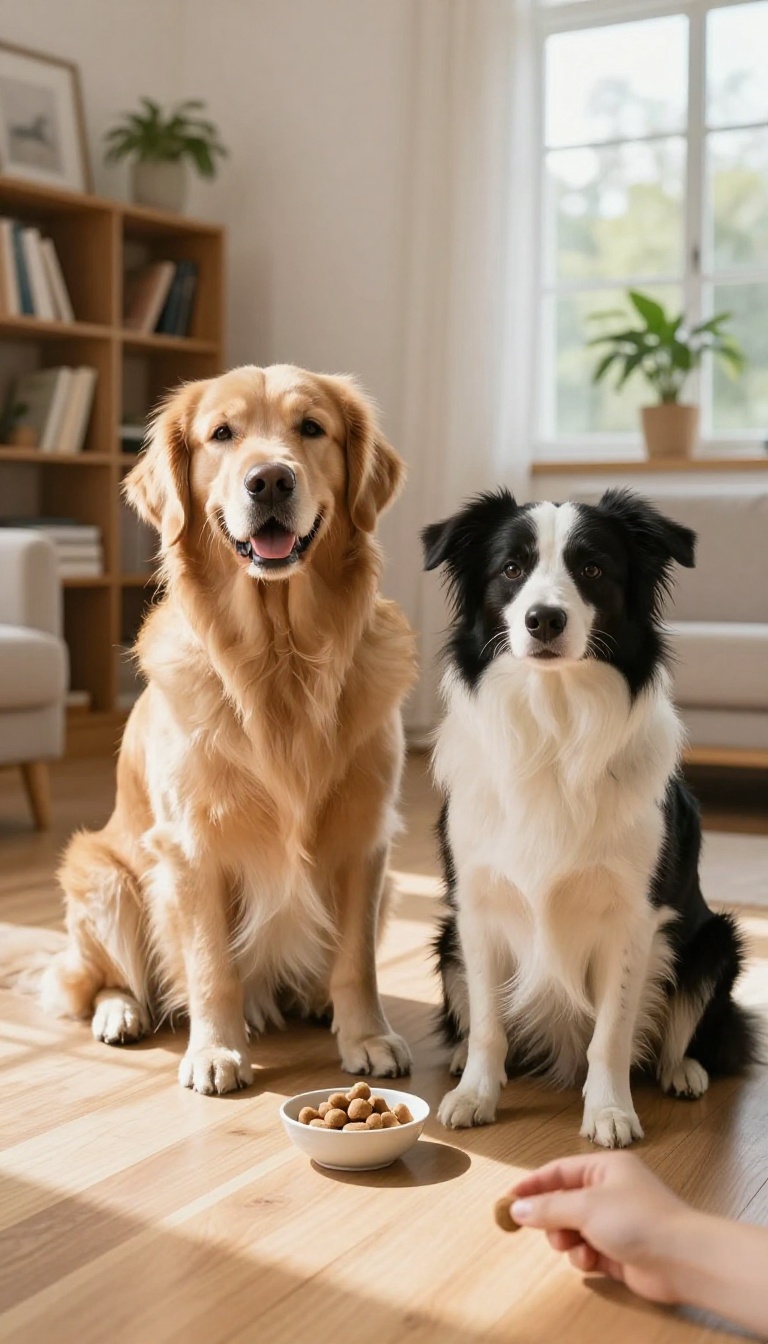
When your dogs get along, it’s easy to take those peaceful moments for granted. But if you only step in when things go wrong, your dogs miss out on clear feedback about what you actually want. Positive reinforcement flips that script: you catch them being good and make it worth their while.
This habit is simple but powerful. Every time your dogs choose to sniff, play gently, or just hang out together calmly, you mark that behavior with a treat or praise. Over time, they learn that calm coexistence pays off, which makes squabbles less likely and peace more automatic.
Positive reinforcement isn’t just for teaching tricks—it’s a way to shape how your dogs interact with each other. By rewarding good moments, you’re telling your pack, "This is how we do things around here. " It’s a gentle, effective way to build a culture of cooperation instead of competition.
The key is timing. You want to reward the exact moment your dogs are interacting politely, so they connect the treat with the behavior. Keep small, high-value treats handy and be ready to drop one the instant you see calm behavior.
With practice, your dogs will start offering good interactions more often, just to earn that reward.
Catch Them Being Good
It’s easy to focus on the times your dogs growl or snap, but those peaceful moments are just as important—if not more. Keep an eye out for when your dogs are lying near each other without tension, or when they greet each other at the door without barking. That’s your cue to reward.
You don’t need to throw a party every time. A simple "Good dogs! " and a treat works wonders.
The more you reinforce these calm moments, the more your dogs will want to repeat them.
Reward Polite Greetings
Greetings can be a flashpoint for trouble. When you come home or when visitors arrive, dogs might rush the door or get snappy with each other. Instead of scolding, reward the dogs who wait calmly or greet politely.
For example, if one dog sits while the other sniffs, give both a treat. If they ignore each other and just wag their tails, that’s worth rewarding too. This teaches them that calm greetings lead to good things, not chaos.
Treat For Shared Resources
Resource guarding is a common issue in multi-dog homes. To prevent it, reward your dogs for being near each other while eating or chewing. Start by feeding them at a safe distance, then gradually bring the bowls closer as they stay relaxed.
You can also drop high-value treats into the bowl while they eat, so they associate your presence and each other’s presence with good things. This builds a positive association and reduces the urge to guard.
Use A Marker Word
A marker word like "yes! " or a clicker helps you pinpoint the exact behavior you want to reward. It’s a bridge between the behavior and the treat.
If you say "yes! " the moment your dogs are calm together, they’ll learn that specific moment is what earned the reward. Practice using your marker in training sessions first, so your dogs understand what it means.
Then, use it during everyday interactions to reinforce good choices. It’s a small tool that makes a big difference.
13. Stay Consistent with Rules
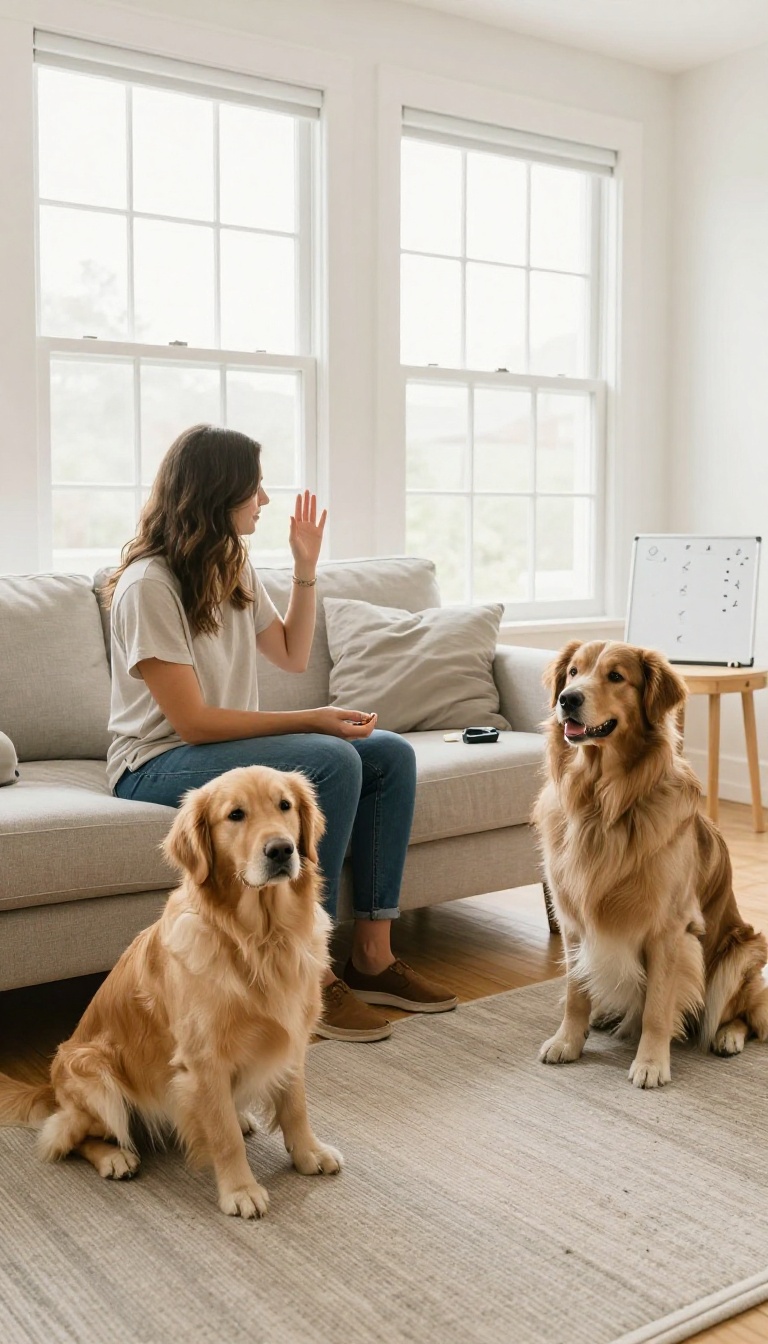
Consistency might not sound exciting, but it's the glue that holds multi-dog training together. When everyone in the house follows the same rules, your dogs stop guessing and start relaxing. Mixed signals create confusion, and confusion often leads to stress or unwanted behavior.
Think about it: if one person lets the dogs on the couch and another yells at them for it, they'll never feel secure. Consistency isn't about being rigid—it's about giving your pack a clear, predictable world where they know what's expected. That clarity goes a long way toward a calmer household.
When you live with multiple dogs, consistency becomes even more critical. Each dog is already reading the room, trying to figure out who's in charge and what's allowed. If the rules change depending on who's home, you're asking for trouble.
Dogs thrive on routine, and a consistent set of rules helps them feel safe and settled. Start by sitting down with everyone in your household—yes, that includes kids and roommates—and agree on the basics. Which areas are off-limits?
When is it okay for dogs to jump up? What's the command for 'settle'? Write it down if you need to, and make sure everyone uses the same words and gestures.
The goal is to make your pack's life predictable, not to turn your home into boot camp. Consistency also means sticking to the same rules every day, not just when you're in a training mood. If you let the dogs on the bed one night and shoo them off the next, they'll learn that rules are flexible—and they'll keep testing them.
But when you're steady, they'll eventually stop trying and just relax into the routine.
Get Everyone On The Same Page
Before you can enforce consistent rules, everyone in the house needs to agree on what those rules are. Hold a quick family meeting to decide on the non-negotiables: where dogs sleep, whether they can beg at the table, how to greet guests, and which commands to use. Make a simple list and post it somewhere visible if that helps.
When everyone uses the same cues and enforces the same boundaries, your dogs won't get mixed messages.
Use The Same Words And Cues
Dogs don't understand synonyms, so if one person says 'down' to mean 'lie down' and another says 'off' for the same action, that's confusing. Pick one word for each behavior and stick to it. The same goes for hand signals and tone of voice.
Consistency in communication helps your dogs respond faster and with less stress, because they always know exactly what's being asked of them.
Enforce Rules Every Single Time
The hardest part of consistency is doing it every single time, even when you're tired or busy. If you let the dogs on the couch 'just this once, ' they'll learn that the rule is optional. But when you enforce the same boundary day after day, they'll eventually stop testing it.
That's when you'll see the real calm settle in—because your dogs will trust that the rules aren't going to change.
FAQ
How long does it take to see results with these habits?
It varies, but with consistent practice, you may notice a calmer household within a few weeks. Some habits, like feeding in separate zones, can have immediate effects, while others, like calm greetings, may take more time.
What if my dogs still fight over food?
If food guarding persists, consider feeding in completely separate rooms or using a crate for one dog during meals. Consult a professional trainer if the behavior is severe.
Can these habits work for puppies and senior dogs?
Yes, these habits are adaptable for all ages. Puppies can learn them early, and senior dogs can benefit from the reduced stress and clear routines.
Do I need to train each dog separately?
Yes, individual training is crucial. It helps each dog focus and learn without distractions, and it strengthens your bond with each one.
What's the best way to introduce a new dog to my pack?
Start with neutral territory and controlled introductions. Use these habits from the beginning to establish a calm, structured environment for the new addition.
Conclusion
Bringing calm to a multi-dog household isn't about perfection—it's about consistency and patience. Start with one or two habits that feel manageable, and build from there. Your dogs will respond to the structure and your calm leadership.
Remember, every pack is different, so adjust these habits to fit your dogs' unique personalities. With time and practice, you'll enjoy a more peaceful home and a deeper connection with your furry family.

I’m Pallab Kishore, the owner of Little Pets Realm — an animal lover and pet care enthusiast sharing easy tips, healthy recipes, and honest advice to help every small pet live a happy, healthy, tail-wagging life.