
Last updated on August 19th, 2026 at 04:14 pm
A trip to the dog park should be fun for everyone—dogs and humans alike—but it only takes one careless moment to turn playtime into chaos. Good manners aren't just about following rules; they're about reading the room, respecting boundaries, and keeping tails wagging instead of tucked.
Whether you're a first-timer or a regular, these 11 habits will make every visit smoother and safer. No need for perfect recall or fancy gear—just a little awareness and a willingness to be the kind of owner others appreciate.
Let's make the park a better place, one visit at a time.
1. Read Your Dog’s Body Language Before You Enter
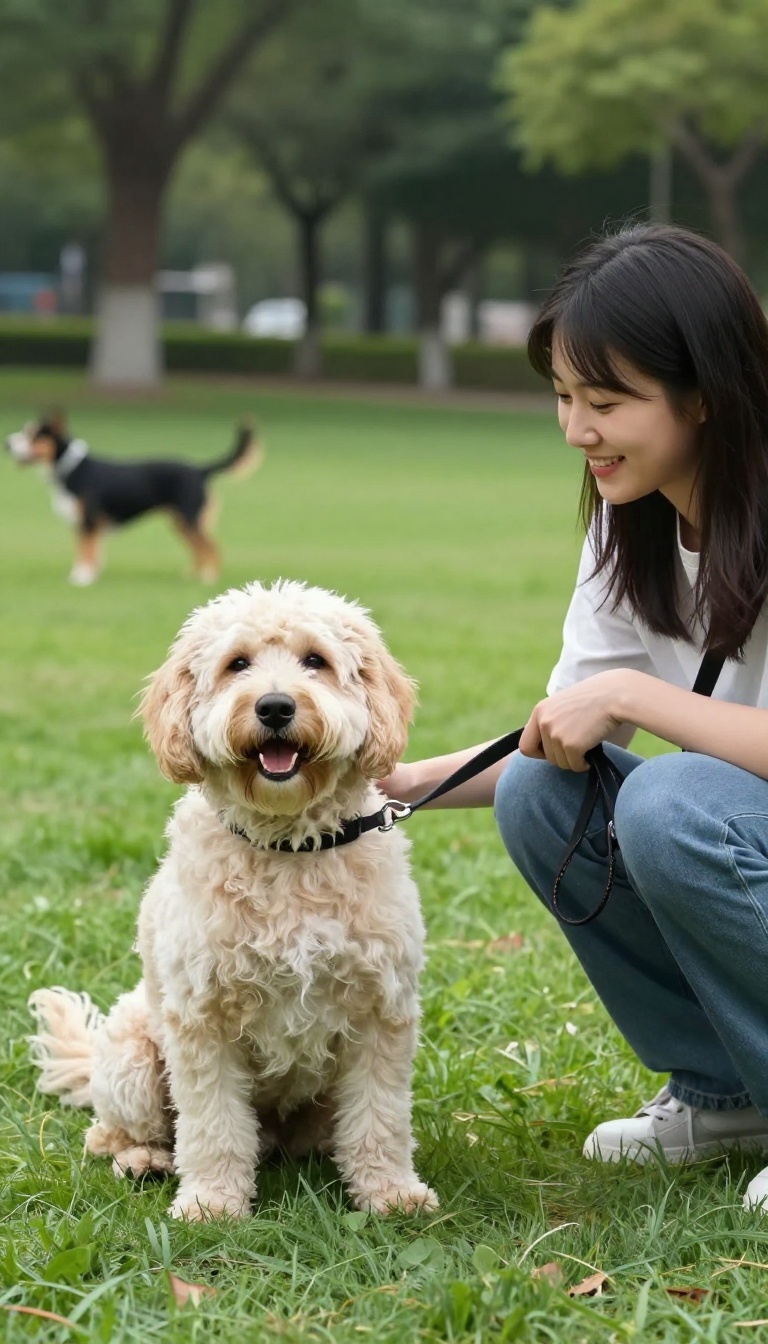
Before you even unlatch the gate, take a good look at your dog. Are they bouncing with excitement or hanging back with a stiff tail? Their posture tells you everything you need to know about how they’re feeling.
If they seem tense, anxious, or just not themselves, today might not be the day for the dog park. It’s better to turn around than to force a situation that could go sideways.
Reading your dog’s body language isn’t just about being a good owner—it’s about keeping everyone safe. A relaxed dog has a loose, wiggly body and a soft mouth. A stressed dog might have a tucked tail, pinned ears, or a tense stance.
They might also yawn, lick their lips, or avoid eye contact. These are all signs that they’re not feeling comfortable. If you see any of these, consider a quieter time or a solo walk instead.
Your dog will thank you, and so will the other park visitors.
Signs Your Dog Is Ready For The Park
A dog that’s ready to play usually has a relaxed, wiggly body. Their tail might be up and wagging, but not stiff. They’ll have a soft, open mouth (sometimes called a “submissive grin”) and might play-bow to invite interaction.
They’ll also be eager to move toward the gate, not hanging back or trying to leave. If your dog greets other dogs with a loose, bouncy posture, that’s a good sign they’re in the right headspace.
Signs Your Dog Is Stressed Or Overwhelmed
Stress signals can be subtle. A tucked tail, flattened ears, or a stiff, frozen posture are clear red flags. Your dog might also yawn excessively, lick their lips, or pant heavily even when it’s not hot.
Some dogs even “whale eye”—showing the whites of their eyes—when they’re nervous. If you notice any of these, don’t push it. Trust your gut and skip the park today.
It’s not worth the risk.
When To Turn Around And Try Again
If your dog seems uneasy, the best move is to leave and try again later. Maybe the park is too crowded, or your dog just isn’t feeling social. Try going at a quieter time, like early morning or on a weekday.
You can also do a short walk around the perimeter first to let your dog sniff and settle. If they still seem tense, it’s perfectly fine to skip the park altogether. There’s always tomorrow.
2. Keep Your Dog on a Leash Until You’re Inside the Gate
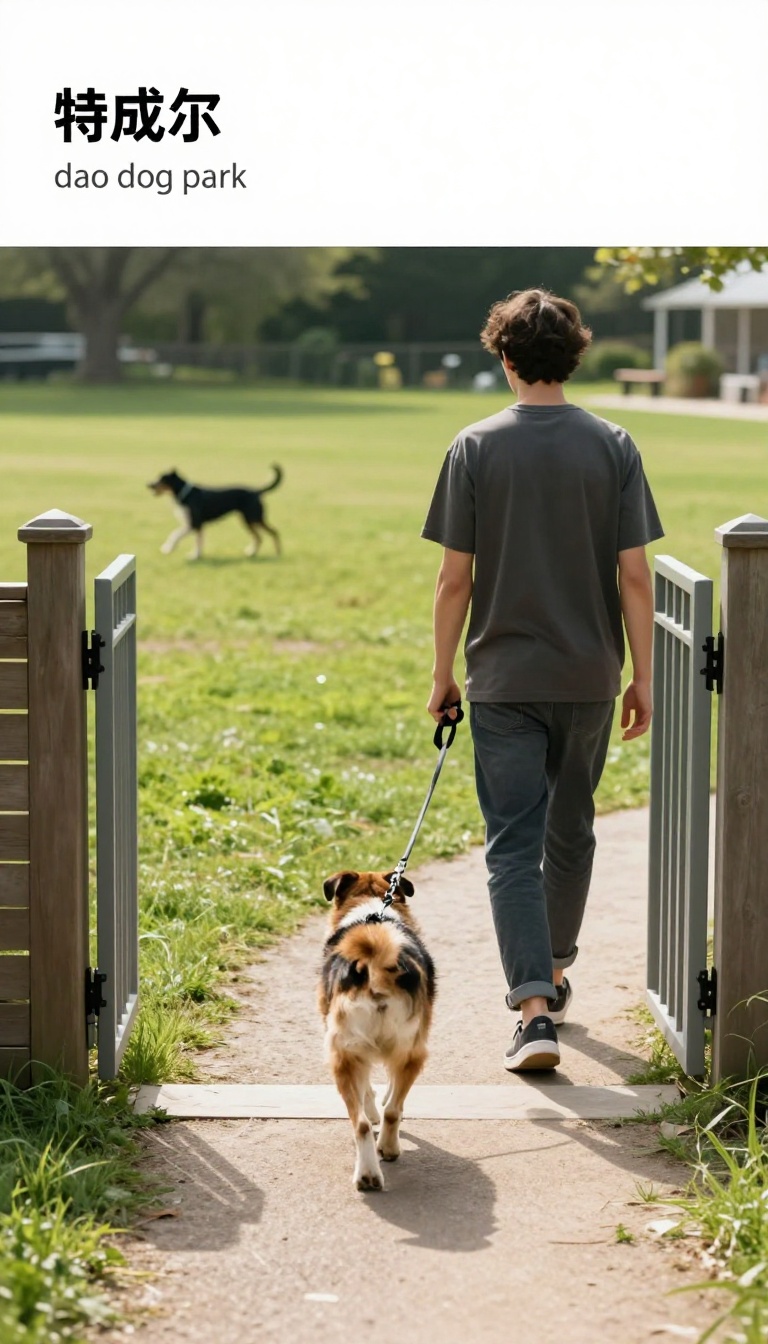
That moment of freedom is exciting, but the parking lot is no place for a sudden sprint. Dogs can bolt toward another dog, a car, or a squirrel before you can react. Waiting until you're safely inside the fenced area gives everyone a calmer start.
Leashing your dog until you're fully inside the gate is a simple rule that prevents a lot of headaches. It keeps your dog from running into traffic or tangling with an on-leash dog outside the park. Plus, it gives you a moment to transition from the chaos of the parking lot to the controlled space of the park.
The Risk Of Early Unleashing
Unclipping the leash while you're still walking toward the gate can lead to disaster. Your dog might see another dog across the street and lunge, pulling you off balance. Or they might dart into the parking lot where cars are moving.
Even a well-trained dog can get overexcited, so keep that leash on until you're through the gate.
How To Make The Transition Smooth
Approach the gate calmly, keeping your dog close. Once you're inside, close the gate behind you, then take a breath before unclipping. This gives your dog a second to settle and lets you scan the park for any potential issues.
Unclip the leash slowly and give your dog a cue like 'okay' or 'go play' so they know it's time to explore.
A Note For Nervous Dogs
If your dog tends to get anxious around other dogs, keeping them leashed a little longer can help. You can walk them along the inside of the fence for a minute to let them sniff and adjust. Once they seem relaxed, you can unclip.
This small ritual can make the whole visit more enjoyable for both of you.
3. Leave the Treats and Toys at Home
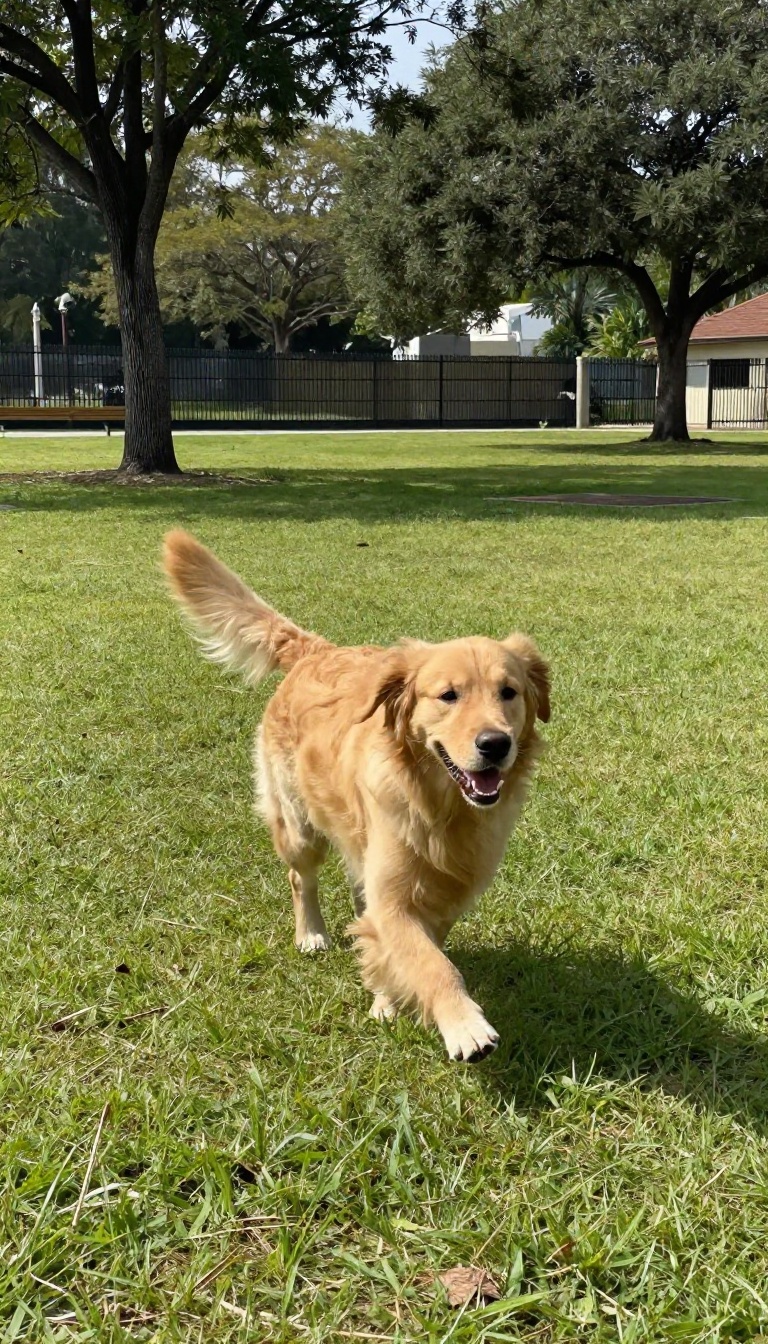
You might think a squeaky toy or a pocketful of biscuits will make your dog's day, but in a dog park, they're often a recipe for trouble. Food and toys can trigger resource guarding—a fancy term for when a dog gets possessive over something they value. Even if your own pup is a saint, another dog might not be, and that's how scuffles start.
Dog parks are communal spaces where the focus should be on running, sniffing, and socializing—not on guarding a prized possession. Bringing treats or toys into the mix can turn a friendly gathering into a tense standoff. Here's why it's best to leave them in the car and how to handle the urge to bring them along.
Why Treats Cause Trouble
Food is a high-value resource for dogs. When you pull out a treat, you're essentially waving a flag that says, "I have something valuable. " Other dogs will naturally crowd around, and your dog might feel the need to protect it.
Even if your dog is normally easygoing, the presence of food can trigger a protective instinct. And it's not just your dog—another dog might try to snatch the treat, leading to a snap or a growl. Keeping treats out of the park eliminates this risk entirely.
The Problem With Toys
Toys, especially squeaky ones or balls, can be just as problematic. Dogs can become possessive over toys, and the squeak can overstimulate some pups, turning play into a frenzy. A game of fetch might seem harmless, but if another dog decides to join in, it can quickly become a competition.
Plus, not all dogs know how to share, and a toy can become a bone of contention. Leave the toys at home and let the dogs entertain themselves with each other.
What To Do Instead
If you're worried about your dog getting bored or needing a break, there are plenty of alternatives. Let them explore the park at their own pace—sniffing and socializing are mentally stimulating. If you want to reward good behavior, save treats for after you leave the park.
And if your dog really loves toys, use them for one-on-one play in your backyard or on a solo walk. The dog park should be about free play, not possessions.
4. Don’t Let Your Dog Greet Every Dog at the Gate
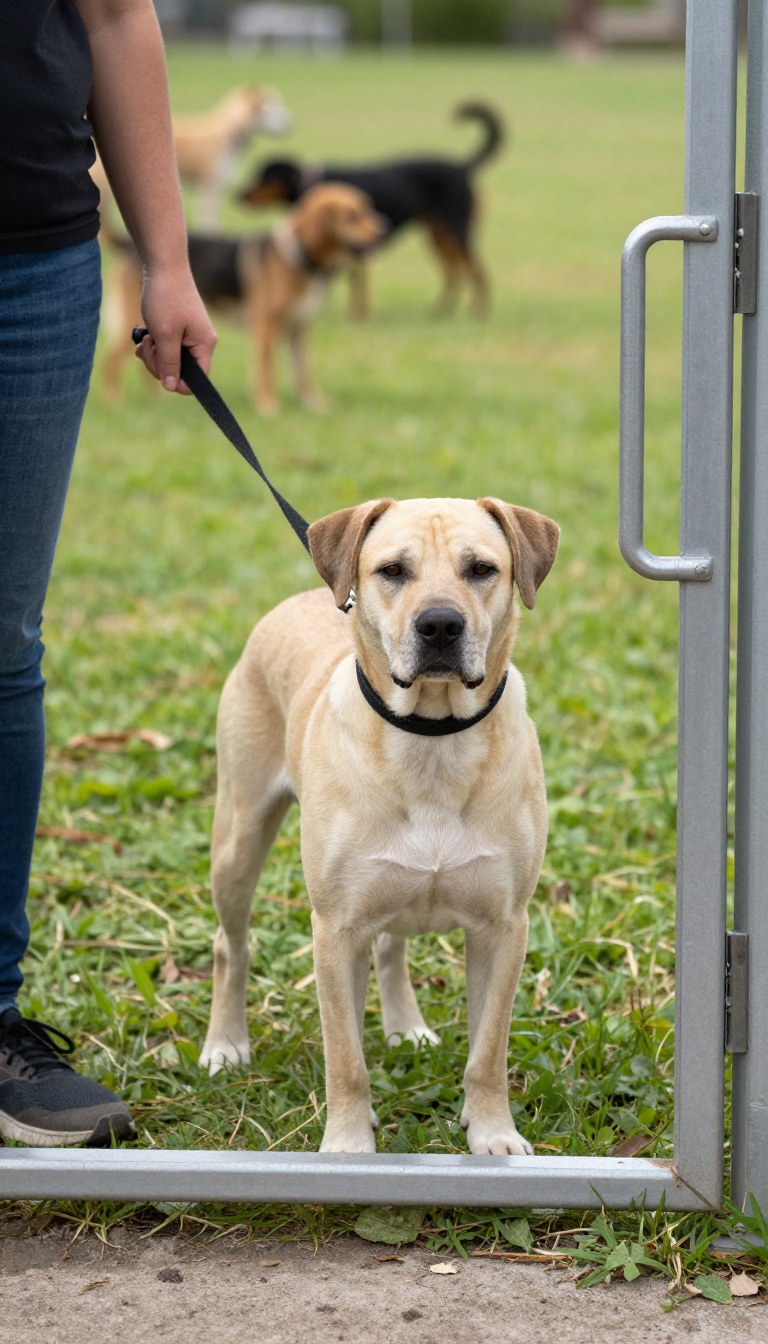
The gate is the busiest and most chaotic spot in any dog park. Dogs are arriving, leaving, and sniffing each other through the fence, which can quickly turn into a tense bottleneck. When you let your dog charge up to greet every single dog at the entrance, you're setting the stage for misunderstandings and potential scuffles.
Instead, take a breath and let your dog enter calmly before any introductions begin.
Gate greetings are a common source of tension. Let your dog enter and settle first, then allow introductions gradually. This reduces stress and prevents pile-ups.
Why Gate Greetings Turn Sour
Dogs are often on high alert at the gate. They're leashed, excited, and maybe a little unsure about the new smells and sounds. When multiple dogs try to greet at once, it can feel overwhelming and even threatening.
A dog that's normally friendly might snap or growl simply because it feels trapped or crowded. Plus, leash frustration is real—many dogs act differently on leash than off, and the gate is where those tensions collide.
The Calm Entry Method
Instead of letting your dog pull you through the gate, pause for a moment. Unclip the leash, but keep your hand on your dog's collar until you're both through. Then, stand still for a few seconds and let your dog take in the scene.
This gives your dog a chance to relax and signals to other dogs that you're not in a hurry. Once your dog is calm, you can release them and let them wander off to explore on their own terms.
Let Introductions Happen Naturally
After you're inside, resist the urge to steer your dog toward every new face. Let your dog choose who to approach and when. Dogs have their own social rhythms, and forcing a greeting can backfire.
If your dog seems hesitant, that's okay—give them space. If another dog approaches, let them sniff briefly and then move on. The goal is to keep the energy low and the interactions positive, not to turn the gate area into a meet-and-greet mosh pit.
Watch For Signs Of Stress
Keep an eye on your dog's body language during these first few minutes. Yawning, lip licking, or a tucked tail are all signs that your dog is feeling uneasy. If you see these, calmly walk your dog to a quieter area of the park.
You can also use a happy, relaxed tone to reassure them. The gate isn't the only place to socialize—often, the best interactions happen once everyone has settled into the park and the initial excitement fades.
5. Watch Your Dog, Not Your Phone
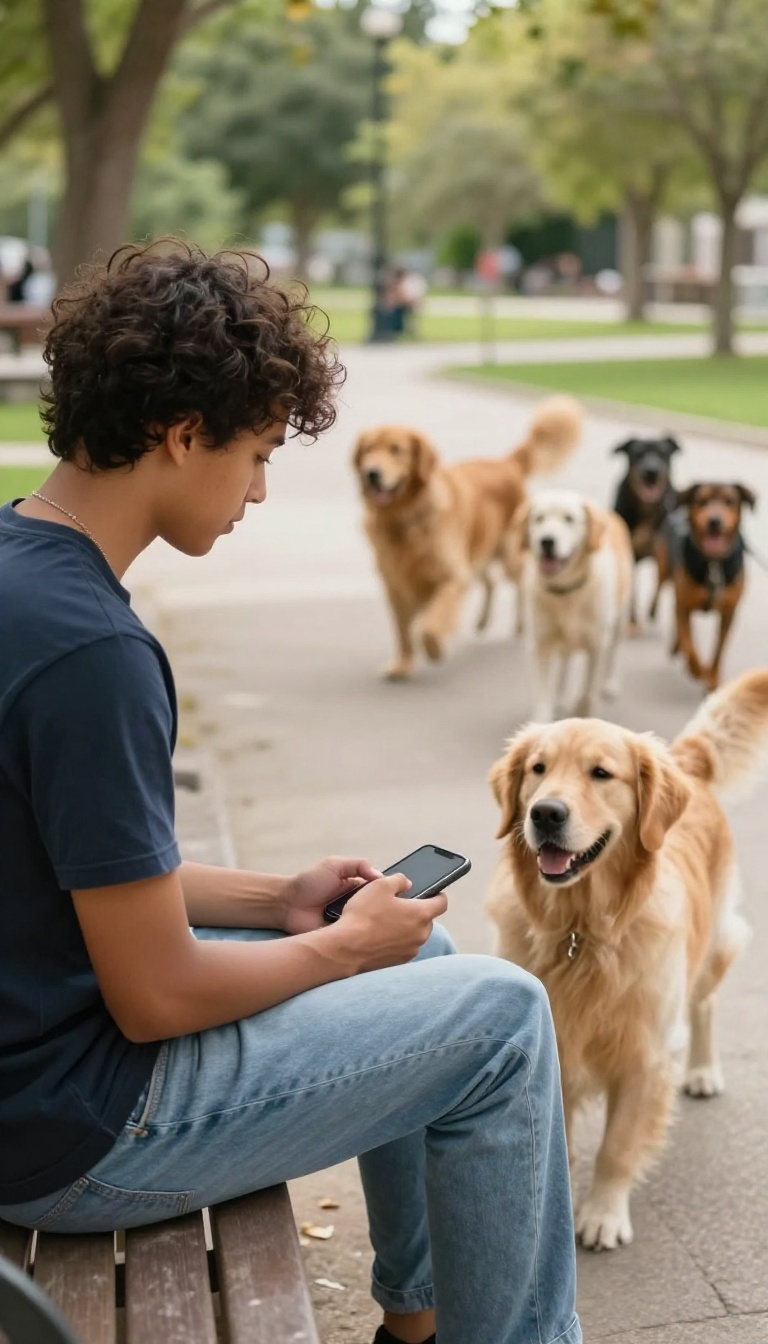
The dog park is not the place to catch up on emails or scroll through social media. Your dog relies on you to be their eyes and ears, especially when they're busy sniffing, chasing, and wrestling. A quick glance down could mean missing a subtle sign that play is turning rough or that another dog is feeling overwhelmed.
Active supervision isn't just about being present; it's about being engaged. When you watch your dog closely, you can step in early, redirect behavior, and prevent small misunderstandings from escalating into full-blown scuffles. Plus, your dog feels more secure knowing you're tuned in to their needs.
You might think you can multitask—glance at your phone, then back at your dog—but dogs move fast. A lot can happen in the few seconds you're distracted. That's why putting your phone away (or at least keeping it in your pocket) is one of the simplest yet most effective manners you can practice at the park.
When you're actively watching, you'll notice things like a dog's stiff body language, a tucked tail, or a sudden freeze. These are early warnings that play might be heading south. You'll also see when your dog is getting tired or overwhelmed, so you can call them over for a break before they get grumpy.
Being present also helps you read the overall mood of the park. You'll know which dogs are playing well together and which ones need space. That awareness makes you a better advocate for your dog and a more considerate park-goer.
Spot Trouble Before It Starts
Dogs communicate mostly through body language, and if you're not looking, you'll miss the signs. A yawn, a lip lick, or a sudden pause can mean stress. A stiff tail or a hard stare might signal that a dog is about to correct another.
By keeping your eyes on the action, you can intervene calmly—call your dog away, redirect their attention, or simply move to another area—before things escalate. It's also smart to learn common dog play signals, like the play bow or a relaxed, bouncy posture. That way, you can tell the difference between healthy roughhousing and actual aggression.
The more you watch, the better you'll get at reading the room.
Be Ready To Step In
Even with the best supervision, disagreements happen. The key is to be ready to step in quickly and calmly. That means not being caught off guard because you were busy texting.
Keep your voice low and your movements steady—yelling or grabbing a dog can escalate the situation. If you see a problem brewing, call your dog to you using a happy, upbeat tone. If you need to separate dogs, use a loud noise (like a clap) or a squirt of water from a bottle, but avoid getting in the middle of a fight.
Your calm presence can de-escalate tension and keep everyone safe.
Model Good Phone Etiquette
When you're glued to your phone, you're not just missing out on your dog's fun—you're also setting a bad example for other owners. People tend to mirror each other's behavior, so if you're engaged, others are more likely to be too. Plus, a quick chat with a fellow owner is fine, but keep it brief and keep one eye on your dog.
If you truly need to make a call or send a text, step outside the park or find a spot where you can still see your dog but aren't in the middle of the action. That way, you're not a distraction to the dogs or a hazard to yourself.
6. Intervene Early, Not Late
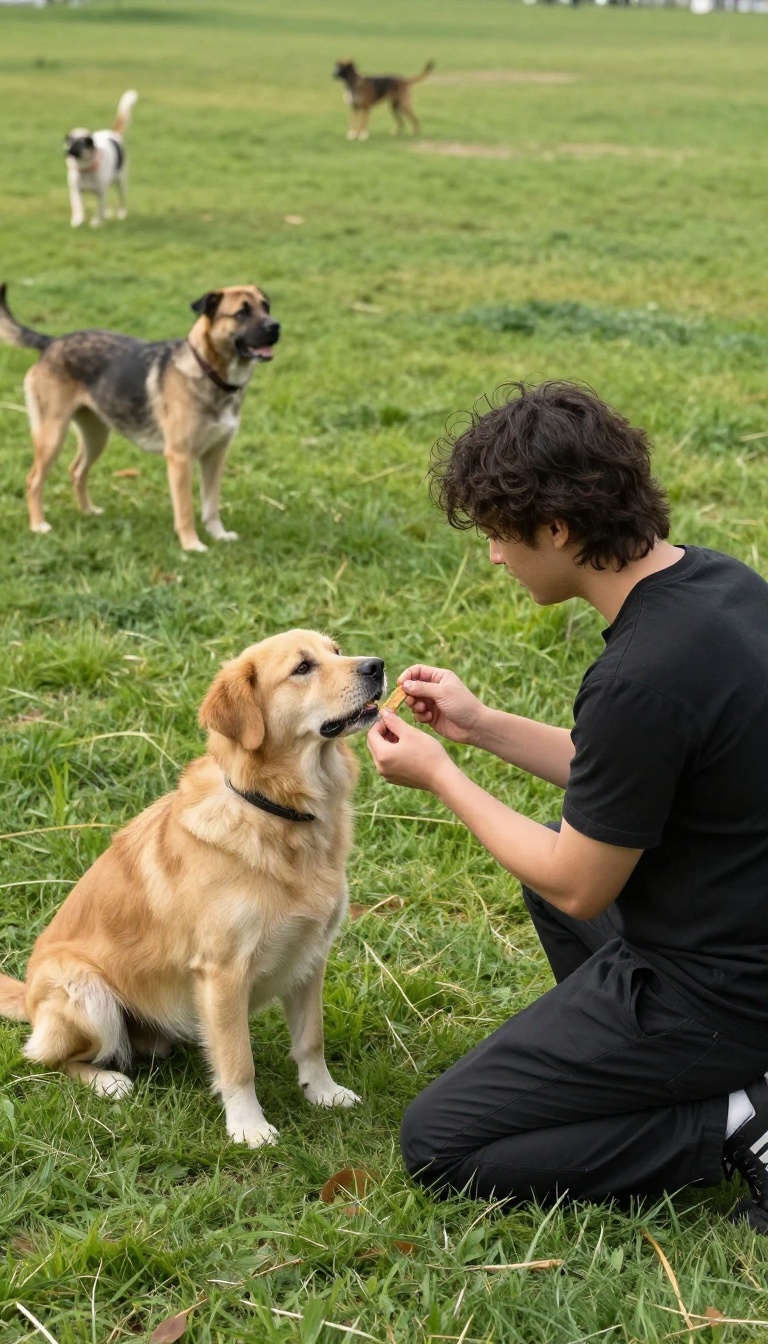
You don't have to be a referee at every second, but knowing when to blow the whistle can save a lot of trouble. Some dogs get carried away, and what starts as playful wrestling can quickly turn into a real scuffle. The trick is to step in before things escalate, not after someone's already yelping.
The best time to break things up is when you first notice signs of stress or roughness. A quick pause gives everyone a chance to reset. You're not being a buzzkill—you're being a responsible owner who keeps the park safe for all.
Know The Difference Between Play And Trouble
Playful dogs often take turns chasing and being chased, bow, and have relaxed, wiggly bodies. Trouble looks different: stiff posture, hard stares, raised hackles, or one dog constantly pinning another. If you see a dog trying to get away but being blocked, that's not play anymore.
Call A Timeout With A Quick Break
When you see things getting too intense, call your dog over for a few seconds. A simple 'come' and a treat can work wonders. Let them calm down, then release them back to play.
This resets the energy and prevents small sparks from turning into fires.
Don't Wait For A Fight To Start
Waiting until there's actual growling or snapping is too late. By then, adrenaline is high and injuries are more likely. Early intervention is about catching the warning signs—like one dog licking its lips nervously or a sudden freeze—and acting before it spirals.
7. Respect Other Dogs’ Space and Signals
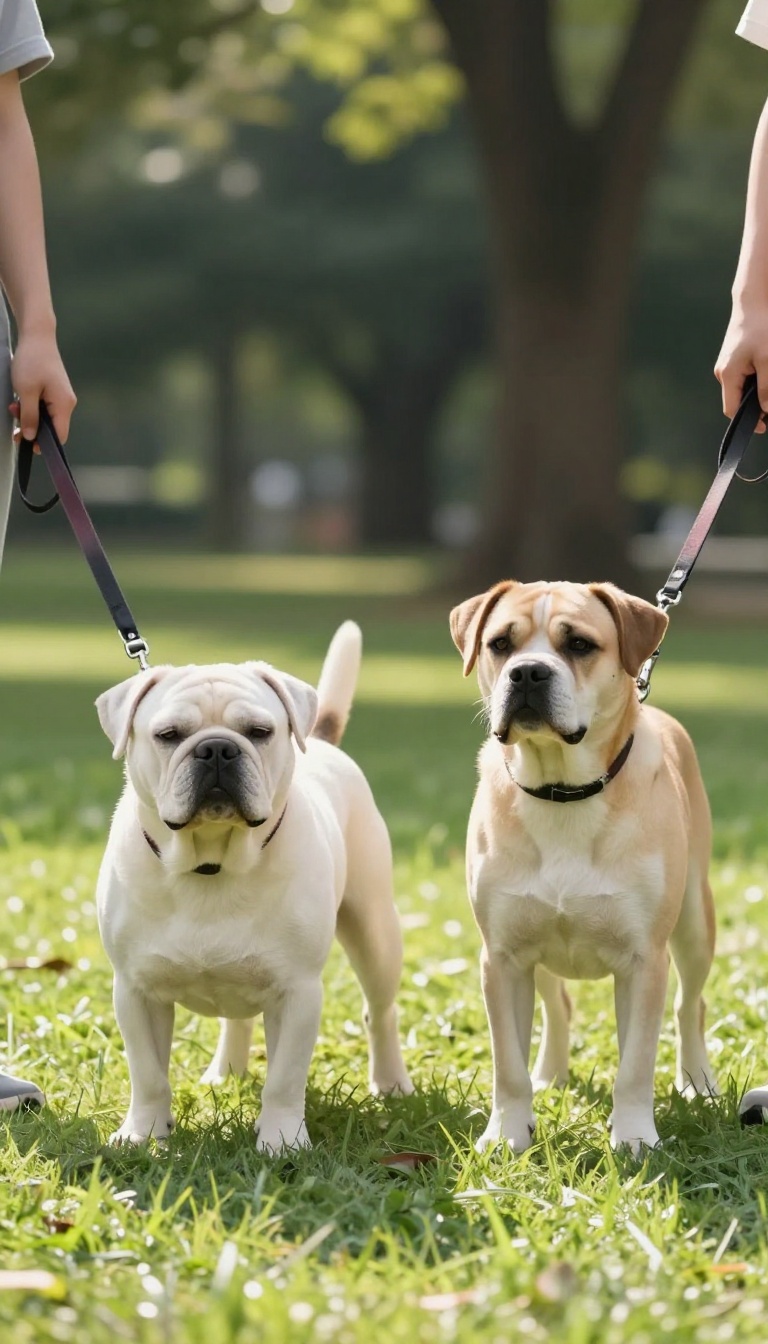
Dogs have their own ways of saying 'back off, ' and ignoring those signals is a fast track to a scuffle. A growl, a hard stare, or a quick snap isn't rudeness—it's clear communication. When you see it, step in and redirect your dog before things escalate.
Not every dog wants to play, and that's okay. Some dogs are tired, anxious, or just prefer their personal space. Respecting that isn't just polite—it's essential for keeping everyone safe.
Learn The Warning Signs
Dogs rarely bite without warning. They might freeze, show the whites of their eyes, tuck their tail, or give a low growl. Yawning or lip-licking can also signal stress.
If you notice any of these, call your dog away and give the other pup some room.
Don't Force Introductions
Letting dogs sniff each other is natural, but don't force it. If one dog turns away or avoids the other, respect that. A quick greeting is fine, but prolonged sniffing or following can make some dogs uncomfortable.
Keep an eye on body language and step in if it seems one-sided.
Know When To Leave
If a dog growls, snaps, or shows teeth, that's a hard 'no. ' Don't take it personally—just calmly call your dog and move to another area. Giving them space prevents a fight and teaches your dog that you're in control. It's not a failure; it's good judgment.
8. Keep Your Dog’s Vaccinations and ID Tags Up to Date
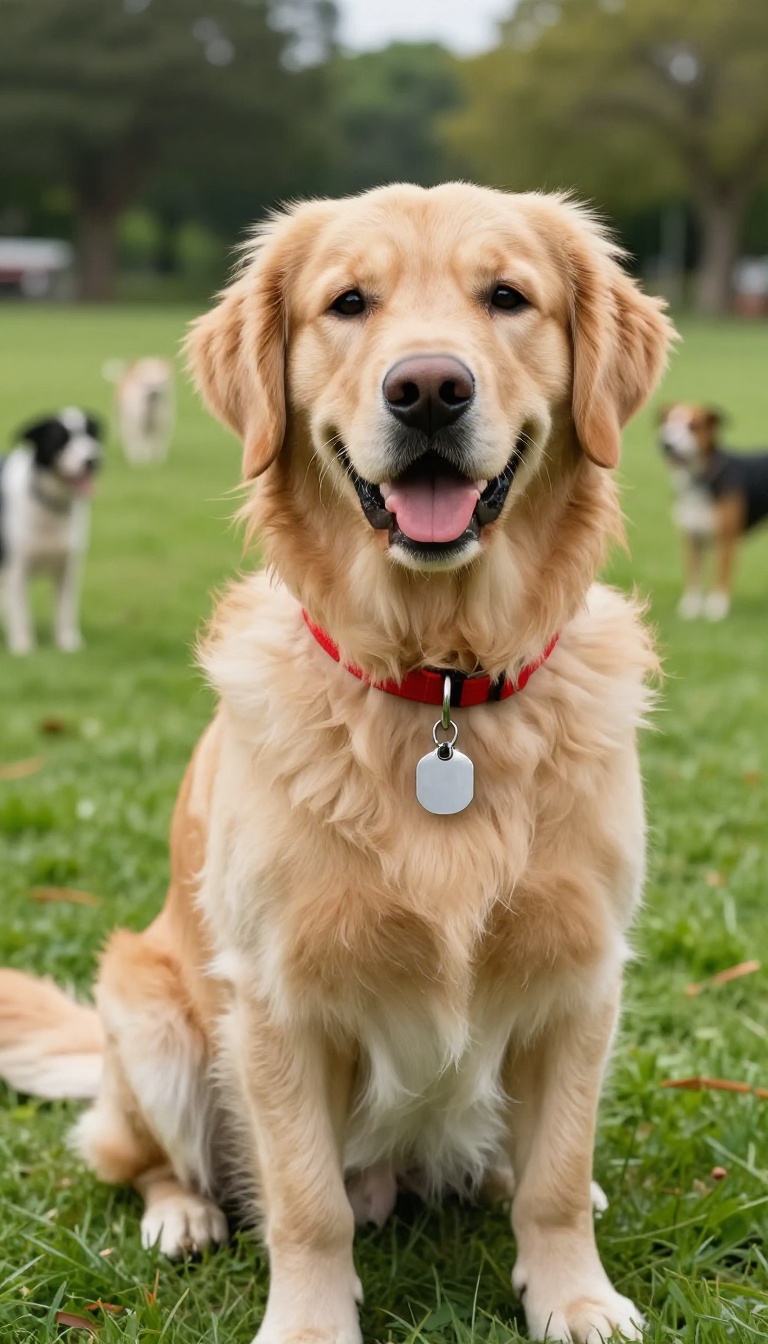
Dog parks are wonderful for socialization, but they're also a hotspot for germs and unexpected escapes. Keeping your pup's vaccinations current isn't just a formality—it's a shield against diseases like kennel cough or parvovirus that can spread quickly in a shared space. Plus, a visible ID tag is your dog's ticket home if they ever slip out of the gate or get separated from you.
Before you head to the park, double-check that your dog's shots are up to date. Most parks require proof of rabies, but other vaccines like DHPP and Bordetella are equally important. If you're not sure, your vet can help you catch up.
It's a small step that protects every dog you meet.
Why Vaccinations Matter At The Park
Think of the dog park as a playground where every dog shares toys, water bowls, and sniffing spots. That means germs travel fast. Vaccines are your best defense against outbreaks that can make your dog miserable or even be life-threatening.
A simple check with your vet can keep your pup in the clear.
Id Tags: Your Dog's Ticket Home
Even the best-trained dog can get spooked by a loud noise or a sudden scuffle. If your dog bolts, a visible ID tag with your phone number is the quickest way for someone to reunite you. Make sure the tag is secure and readable—and consider microchipping as a backup plan.
A Quick Pre-park Checklist
Before you leave the house, do a fast check: Are vaccinations up to date? Is the ID tag on and legible? Does the collar fit snugly?
This 10-second routine can prevent a lot of heartache. If you're unsure about anything, call your vet's office—they can confirm your dog's records in minutes.
9. Clean Up After Your Dog – Every Time
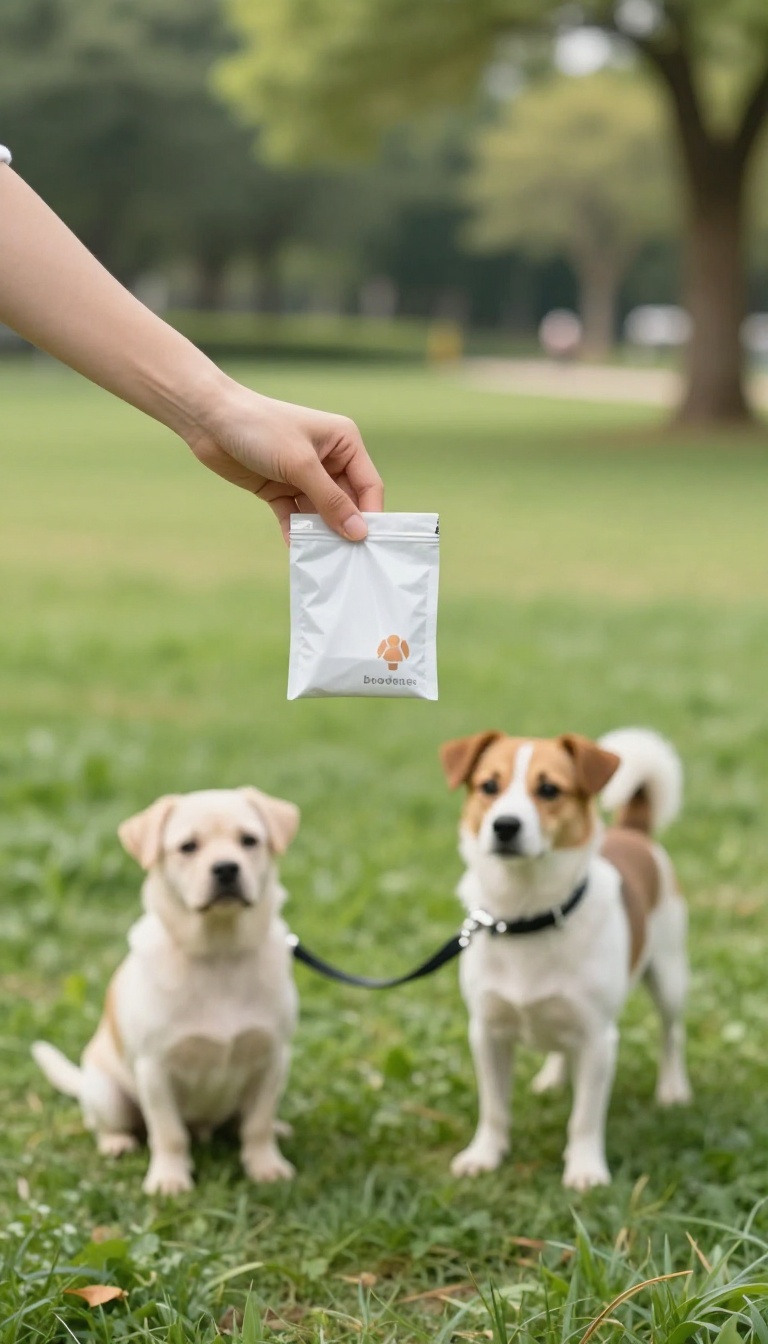
Nobody enjoys scooping poop, but it's a non-negotiable part of dog park etiquette. Leaving waste behind isn't just gross—it's a health hazard that can spread parasites and diseases to other dogs and even contaminate the soil. Plus, when parks get messy, they risk being closed or restricted, which ruins the fun for everyone.
Always carry a few extra bags with you, even if you think your dog won't go. Accidents happen, and being prepared makes it easy to clean up immediately. Pick up right after your dog finishes, not later, and double-bag if needed to avoid leaks.
Dispose of the bag in a designated trash can, or take it home if none is available. It's a small effort that keeps the park clean and welcoming.
Why It Matters More Than You Think
Dog waste contains harmful bacteria like E. coli and parasites such as roundworms, which can survive in soil for years. Other dogs sniffing or stepping in it can easily pick up these pathogens. Keeping the park clean protects every dog's health, including your own.
The Unwritten Rule Of Bags
If you forget a bag, ask a fellow owner—most are happy to share. But don't rely on others; make a habit of restocking your supply before heading out. Some parks provide bags, but it's safer to bring your own.
When No Trash Can Is In Sight
If the park lacks trash bins, carry the tied bag with you until you find one. Never leave it on the ground or hang it on a fence—that's just as bad as not picking up at all. Taking it home is a responsible backup plan.
10. Know When to Leave
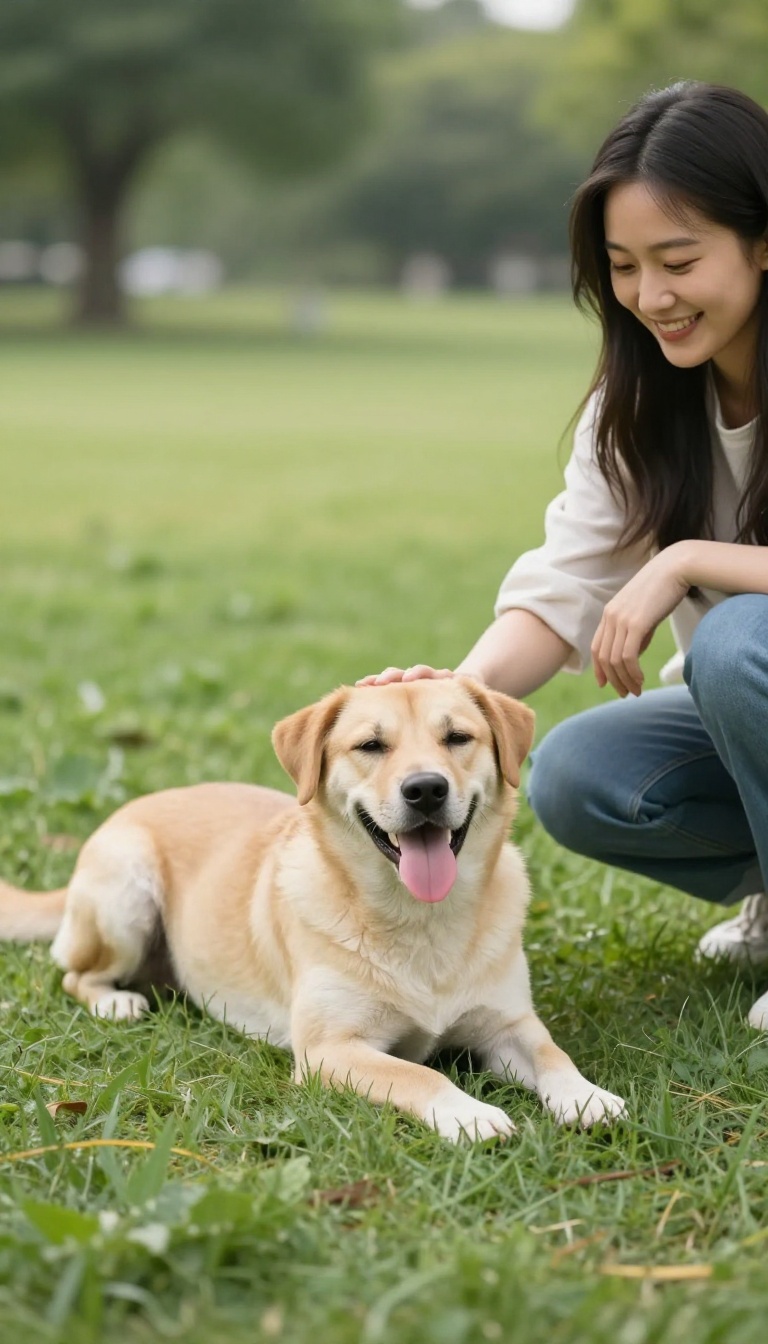
Every good play session has a natural endpoint, and recognizing it is a skill that keeps your dog safe and happy. Pushing past that point often leads to grumpy dogs, snapped warnings, or full-blown fights. Knowing when to call it quits is one of the most respectful things you can do for your pup and everyone else at the park.
Leaving at the right time isn't about being strict—it's about being observant. Dogs give plenty of signals when they've had enough, and it's our job to listen. A tired dog isn't a bad dog; he's just done.
Ending on a high note means your dog associates the park with positive experiences, not exhaustion or stress.
Watch For The Tired Tell
A dog that's running less, taking frequent breaks, or lying down in the middle of the action is likely running on empty. Panting that's heavier than usual, glassy eyes, or a lagging pace are all signs that the fun is winding down. Don't wait until your dog is completely wiped out—leave while he's still a little eager to go.
Stress Signals Are A Red Flag
Yawning, lip licking, tucked tails, and whale eye (showing the whites of the eyes) are all stress signals. If your dog is trying to hide behind your legs or constantly avoiding other dogs, he's not having fun anymore. Forcing him to stay can escalate to growling or snapping.
Trust those signals and head out.
End On A Positive Note
The best time to leave is right after a good interaction, not after a scuffle. If your dog has just had a great chase or a friendly greet, that's your cue. Call him over, give him a treat, and make your exit upbeat.
This leaves a good taste in his mouth and teaches him that leaving isn't a punishment.
11. Be a Good Ambassador for the Dog Park Community
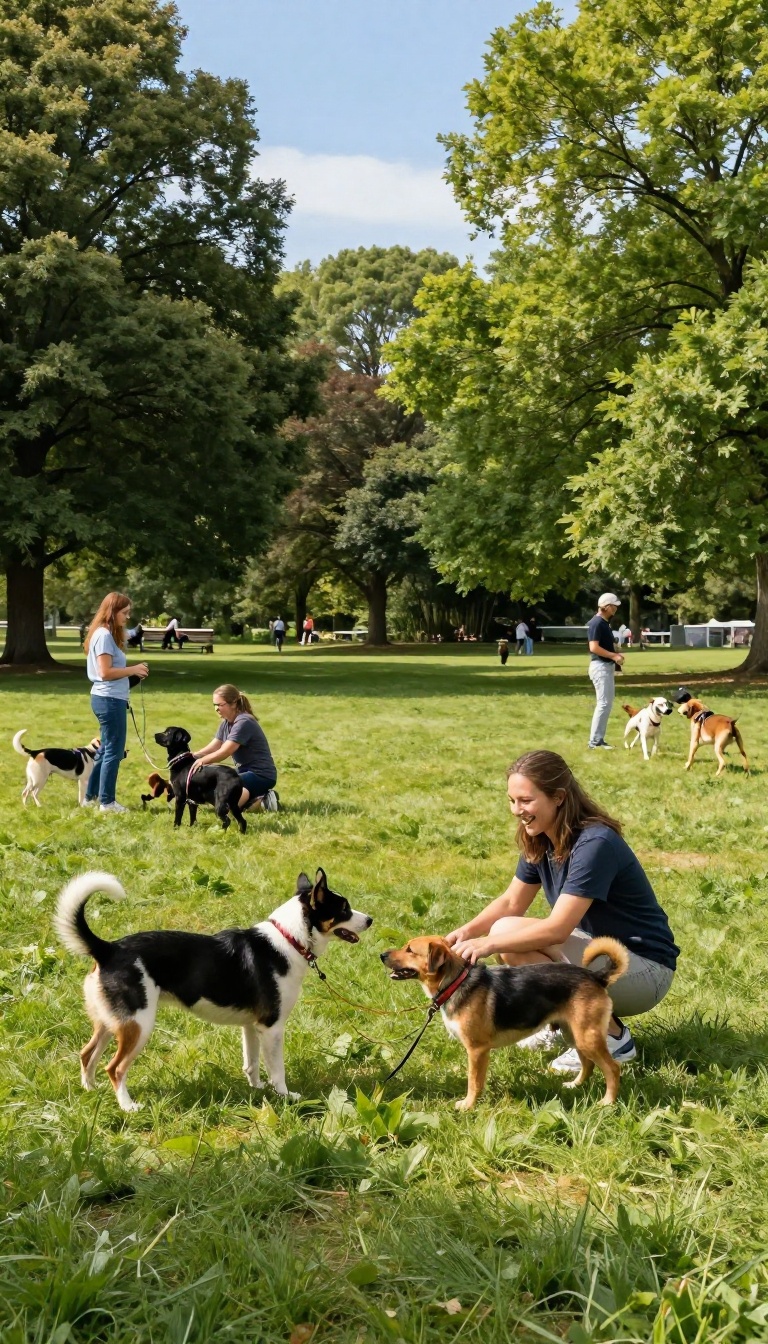
Dog parks thrive when regulars look out for one another. A simple hello to a newcomer or a gentle reminder about the rules can turn a stressful visit into a pleasant one. Being a good ambassador isn't about policing others—it's about creating a welcoming space where everyone feels comfortable.
When you see someone new looking unsure, offer a tip or two. If you notice a rule being broken, speak up kindly. Thank the volunteers who maintain the park.
These small gestures build a community that benefits every dog and owner.
Welcome Newcomers
Spot a first-timer? Introduce yourself and your dog. Share a quick tip about the park's layout or the best times to visit.
A friendly welcome can ease their nerves and set a positive tone.
Politely Enforce The Rules
If you see someone ignoring a rule, approach them with a smile. Say something like, 'Hey, just a heads-up, the small dog area is over there. ' Most people appreciate the nudge when it's delivered kindly.
Show Gratitude
Park maintenance isn't automatic. Thank the staff or volunteers who keep the park clean and safe. A little appreciation goes a long way in keeping them motivated.
Lead By Example
Your own behavior sets the standard. Clean up after your dog, follow the rules, and stay attentive. Others will notice and follow suit, making the park better for everyone.
FAQ
What should I do if my dog gets into a fight at the park?
Stay calm and do not grab your dog's collar. Use a loud noise or water to distract, then separate the dogs. Check for injuries and leave the park.
Can I bring treats to the dog park if my dog is well-behaved?
It's best to avoid treats altogether. Even well-behaved dogs can trigger resource guarding in others. Leave them in the car.
How do I know if my dog is playing or fighting?
Play bows, loose bodies, and reciprocal chasing are signs of play. Stiff postures, growling, and raised hackles indicate trouble. When in doubt, separate.
Is it okay to bring a puppy to the dog park?
Puppies under 4 months are more vulnerable to diseases and may be overwhelmed. Wait until they're fully vaccinated and socialized in controlled settings first.
What if another dog is being aggressive towards mine?
Stay calm, call your dog away, and move to a different area. If the owner is unresponsive, consider leaving and reporting the incident to park management.
Conclusion
Dog park etiquette isn't about being perfect—it's about setting everyone up for a good time, including your pup. Start with one or two habits that feel easy, like watching your dog closely or skipping the treats around other dogs, and build from there. You'll notice calmer interactions and fewer awkward moments.
Small, consistent effort makes the park more enjoyable for you, your dog, and everyone else. So keep it simple, stay attentive, and let the good times roll.

I’m Pallab Kishore, the owner of Little Pets Realm — an animal lover and pet care enthusiast sharing easy tips, healthy recipes, and honest advice to help every small pet live a happy, healthy, tail-wagging life.