
Last updated on August 19th, 2026 at 04:14 pm
Teaching a puppy to drop things can feel like a constant game of tug-of-war. But it doesn't have to be a battle of wills.
By turning 'drop it' into a game, you can make the lesson stick faster and have fun along the way. These 10 games are simple, practical, and designed to keep your puppy engaged while building a reliable response.
Whether you're dealing with a sock thief or a toy hoarder, these activities will help you teach the cue in a way that feels natural and rewarding for both of you.
1. The Trade-Up Game: Swap for Something Better
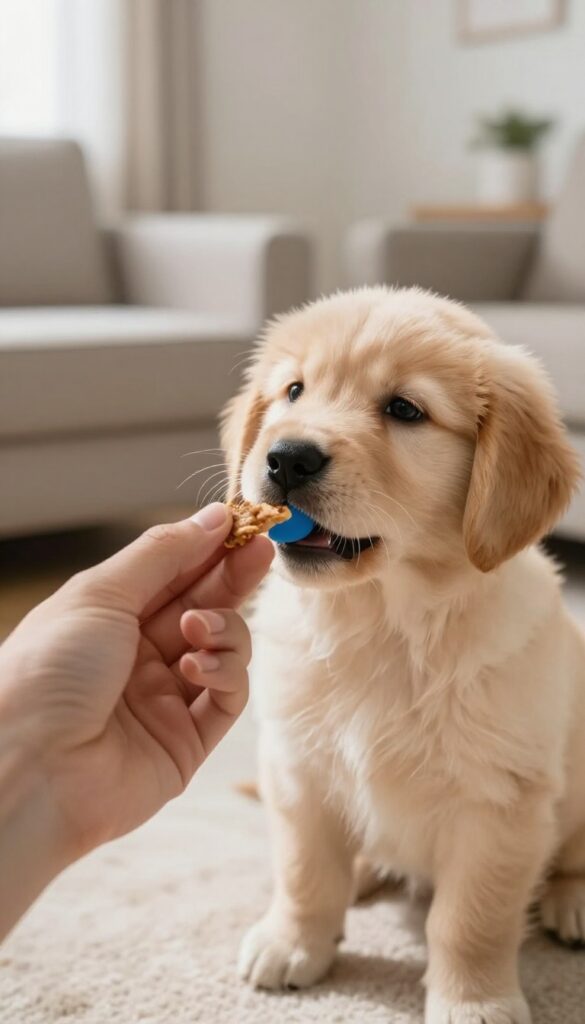
Puppies hold on to things because they're valuable—to them, at least. Your favorite shoe is basically a chew toy with a great smell. The trick isn't to pry it out of their mouth; it's to show them that letting go opens the door to something even better.
This game builds a rock-solid 'drop it' by turning the release into a win-win. Your pup learns that giving up an item isn't a loss—it's the start of a reward. And the best part?
It takes just a few minutes a day and uses stuff you already have.
Start with something your puppy likes but doesn't go crazy over—a regular toy or a rolled-up sock. Have a handful of high-value treats ready, like tiny pieces of chicken or cheese. Offer the low-value item, then show the treat right in front of their nose.
The moment they let go to sniff or grab the treat, say 'drop it' and give them the reward. Repeat this a few times, always using the same cue right as they release. The key is timing: you want the word to happen exactly when their mouth opens.
After a few rounds, your pup will start dropping the item the second they see the treat—even before you say anything. Once that's consistent, switch it up. Use a slightly more interesting item, like a squeaky toy, and keep the same routine.
The goal is to build a pattern: letting go equals something awesome. With practice, your puppy will drop almost anything you ask, because they know a reward is coming.
Why The Swap Works So Well
Puppies are naturally possessive, but they're also super food-motivated. The trade-up game taps into that by making the new thing (the treat) more appealing than the old thing (the sock). It's not about force—it's about showing your pup that cooperation pays off.
This also prevents resource guarding. When your puppy learns that humans approaching their stuff usually means good things, they're less likely to growl or run away. That's a huge win for trust and safety.
Setting Up For Success
Pick a quiet spot with few distractions for your first few tries. Keep sessions short—five minutes is plenty. Use treats that are extra special, not their everyday kibble.
And always start with items that are easy to give up, so your puppy gets a string of wins right away. If your puppy won't let go of the low-value item, try a higher-value treat or a squeakier toy. The idea is to make the trade feel like a no-brainer.
Never chase or pull—that turns it into a game of keep-away.
Leveling Up The Game
Once your pup is nailing the basic swap, add a little challenge. Ask for a 'drop' from a few feet away, or while they're mid-play. You can also start using the cue in real-life situations, like when they pick up a leaf or a stray shoe.
Eventually, you can phase out the treat and use praise or a quick tug session as the reward. But keep it predictable—your puppy should always get something for letting go. That's what keeps the behavior reliable.
2. The Two-Toy Tango: Keep the Fun Going
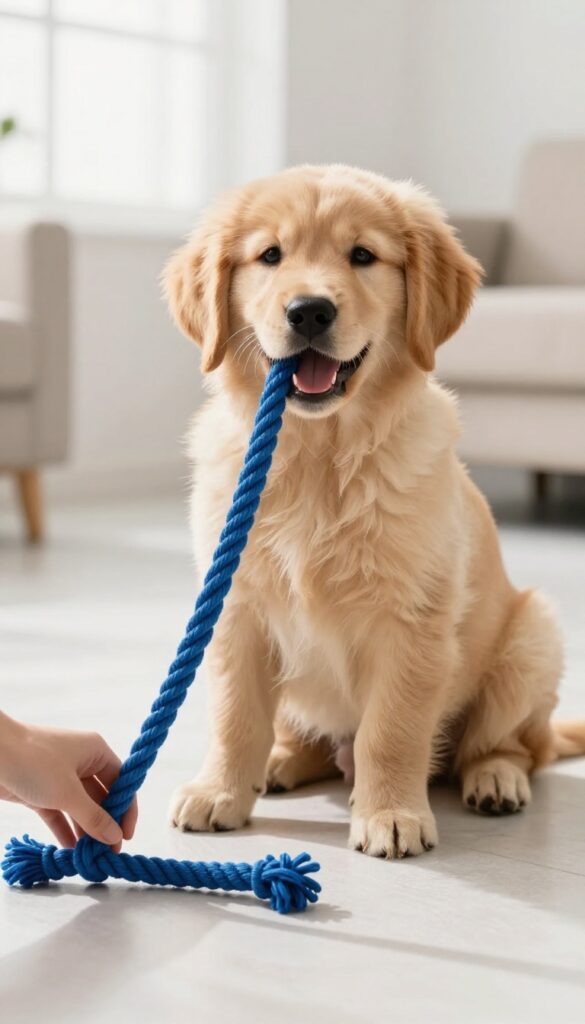
Puppies often hold on tight because they think the game ends when they let go. The two-toy tango flips that script by making the drop a step toward something even better. With a little practice, your pup will start releasing items eagerly instead of clinging to them.
The two-toy tango is a simple swap game that keeps your puppy's brain busy and their mouth empty. You'll need two toys that are equally exciting, so your pup doesn't feel like they're losing out. The goal is to teach that dropping one toy instantly leads to a new, fun toy—so the game never really stops.
Why Two Identical Toys Work
Using two identical toys prevents your puppy from favoring one over the other. If one toy is clearly better, they might refuse to drop the good one. Identical toys keep the value equal, so your pup is happy to trade.
This also helps avoid resource guarding, because your puppy learns that letting go leads to a fair exchange.
How To Start The Tango
Start by playing with one toy and getting your puppy excited. After a few seconds, say 'drop it' in a cheerful voice and show the second toy. The moment your puppy lets go, toss the second toy and let them grab it.
Repeat this swap several times, keeping each turn short and snappy. As your puppy gets the hang of it, you can gradually add a brief pause between the drop and the new toy.
Troubleshooting Common Stumbles
If your puppy doesn't drop right away, don't pull the toy. Instead, wiggle the second toy to grab their attention. You can also try moving the second toy a bit farther away to encourage them to release.
If your puppy gets too worked up, take a short break and try again with a calmer tone. The key is to keep the game positive and avoid any tug-of-war.
3. The Treat Scatter: Turn Drop into a Search
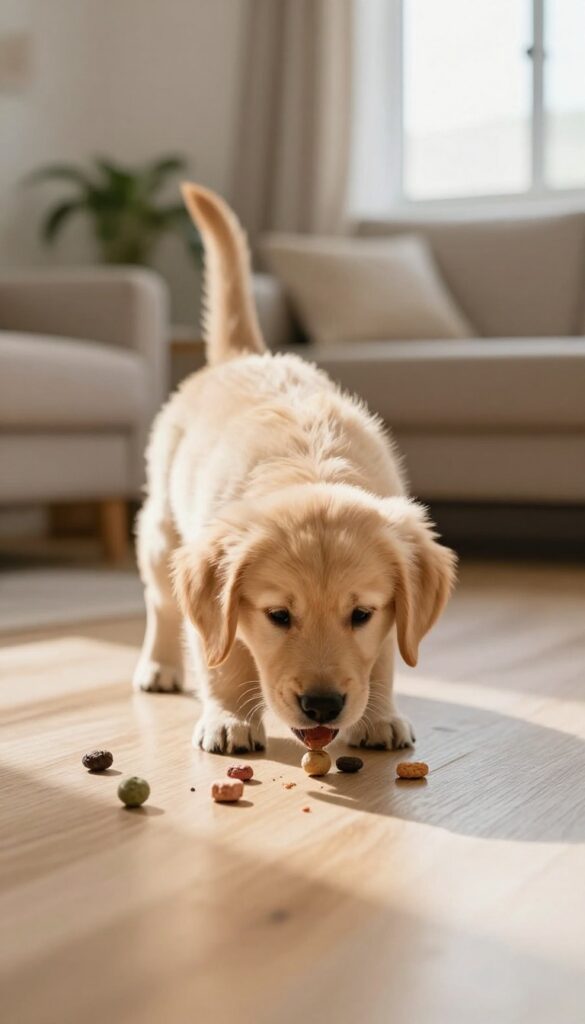
When your puppy has something they shouldn't, the last thing they want to do is give it up. But what if dropping it meant starting a fun new game? The treat scatter turns 'drop it' into a treasure hunt, making release feel like a win for both of you.
This game works especially well for puppies who love to sniff and explore, turning a potential battle into a rewarding activity.
The treat scatter is a simple yet effective way to teach your puppy to drop items on cue. By tossing a handful of treats on the floor when your puppy has something in their mouth, you encourage them to release the item to chase the treats. This positive association makes 'drop it' a game they'll want to play, not a command they resist.
Why It Works
The treat scatter works because it taps into your puppy's natural instincts to sniff and forage. When you toss treats, their focus shifts from the item they're holding to the exciting prospect of finding goodies. This not only gets them to drop the item but also reinforces that letting go leads to great things.
Plus, it's a low-pressure way to practice the cue without forcing a confrontation.
How To Play
Start by having a handful of small, high-value treats ready. When your puppy picks up something they shouldn't, say 'drop it' in a cheerful tone and immediately toss the treats a few feet away. As they move to investigate, calmly pick up the item and praise them.
Repeat this in short sessions, gradually increasing the value of the item you ask them to drop. The key is to make the treat scatter always fun and rewarding.
Tips For Success
Use treats that are extra special, like small pieces of chicken or cheese, to make the scatter irresistible. Keep sessions short and upbeat, ending on a positive note. If your puppy doesn't drop right away, don't pull the item away—just wait and try again.
Over time, your puppy will learn that 'drop it' means good things happen, making the game a reliable tool in your training toolkit.
4. The Doorway Drop: Use Thresholds to Your Advantage
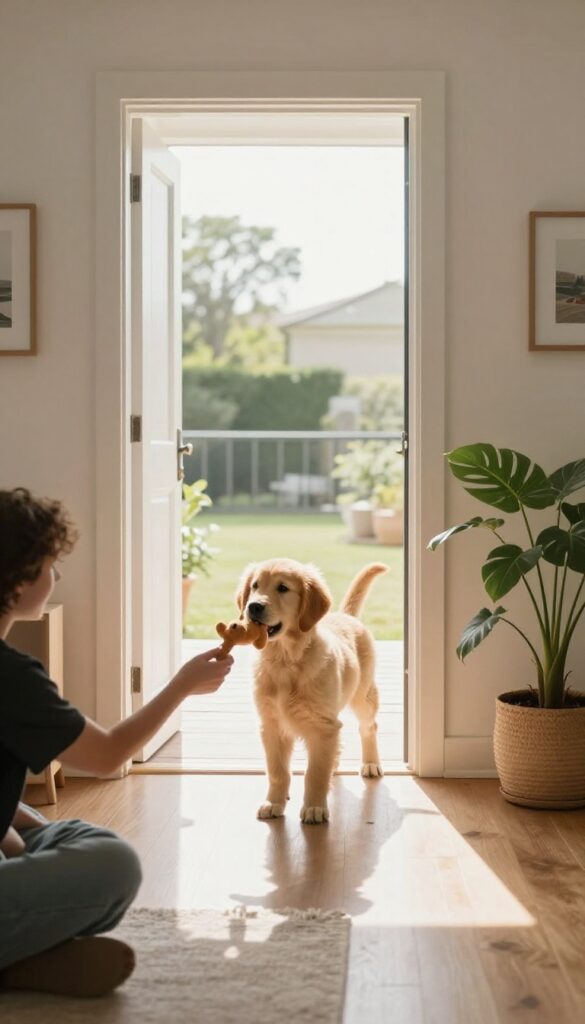
Doorways are natural pause points for dogs—they already hesitate before crossing. That built-in moment of stillness is perfect for practicing a calm, reliable drop. Instead of drilling the cue in the middle of the living room, use these everyday transitions to build a habit that sticks.
Start by playing with a toy near an open doorway. When your puppy carries it toward the threshold, stop moving and ask for a drop. The moment they release, reward them with a treat and let them pass through.
This simple pattern turns a boring command into a game with a clear payoff: letting go opens the way. Over time, your puppy will learn that dropping at doorways leads to good things—and that thresholds are places to check in with you, not bolt through.
Why Thresholds Work So Well
Doorways create a natural boundary that most puppies already respect. They pause, sniff, and look back—that’s your cue to step in. By asking for a drop right at that moment, you’re working with your puppy’s instincts, not against them.
Plus, the reward (going through) is immediate, so the connection between dropping and getting what they want becomes crystal clear.
How To Set Up The Game
Start indoors with a door that’s open or a baby gate. Toss a toy a few feet away and let your puppy pick it up. As they head toward the threshold, say “drop” in a cheerful tone.
If they let go, mark it with a “yes! ” and give them a treat, then let them walk through. If they don’t drop, try offering a high-value treat near their nose to encourage the release. Keep sessions short—five minutes max—so your puppy stays eager.
Take It To The Next Level
Once your puppy nails the basic doorway drop, add a twist. Use the front door or a gate to the yard, where distractions are higher. Practice with different toys, from squeaky ones to chews, to build a solid response no matter what they’re carrying.
You can also vary the reward: sometimes let them pass through, sometimes offer a treat, and sometimes do both. This unpredictability keeps the game exciting and reinforces the behavior in real-world situations.
5. The Tug-and-Release: Make Drop Part of the Game
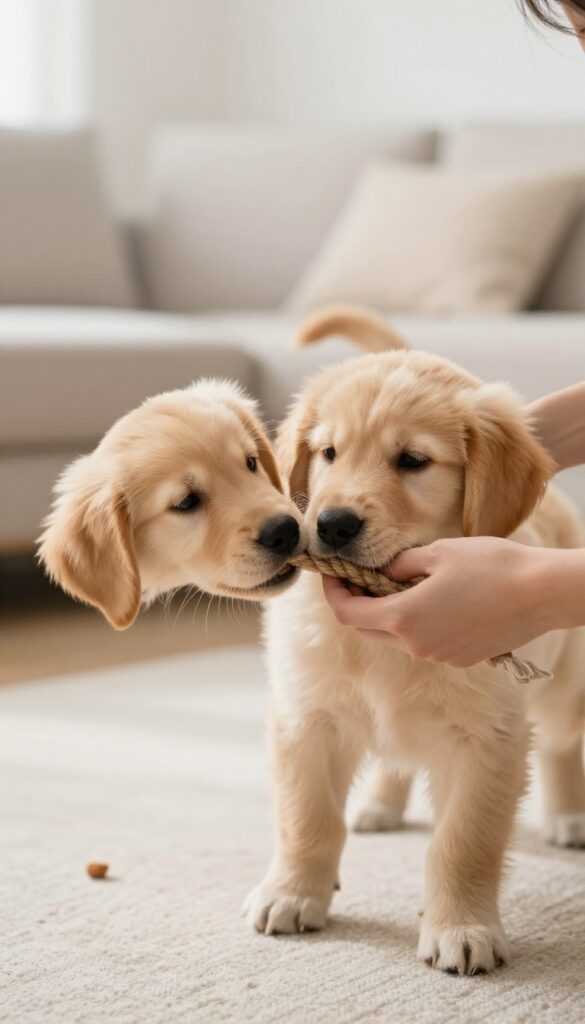
Tug-of-war is a favorite game for many puppies, but it can also become a battle over who keeps the toy. Instead of letting it turn into a struggle, use it as a training moment. By teaching your puppy to drop the toy mid-game, you show them that letting go doesn't mean the fun stops—it just means a quick pause before the next round.
Start with a toy your puppy loves to tug. Play for a few seconds, then pause and say 'drop it' in a cheerful tone. Offer a high-value treat near their nose.
The moment they release the toy, mark it with a 'yes' or a click, give the treat, and immediately re-engage with the toy. This teaches your puppy that dropping leads to a reward and the game continues, making it a win-win.
Why This Works
Puppies learn best when the behavior is reinforced. In this game, dropping the toy is followed by a treat and the resumption of play. Over time, your puppy understands that releasing the toy is not the end—it's a brief pause that leads to more fun.
This makes them more willing to let go, even when they're excited.
Set Up For Success
Choose a quiet space with minimal distractions. Use a toy that's interesting but not overly precious. Keep treats small and tasty.
Start with short sessions—just a few seconds of tug before asking for the drop. This keeps the game positive and prevents frustration. As your puppy gets better, gradually increase the tug time before asking for the drop.
Keep It Fun And Fast
The key is to keep the game moving. After your puppy drops the toy, immediately re-engage with it—wiggle it, drag it, make it exciting again. This shows that dropping leads to more play, not the end of it.
Avoid long pauses or making your puppy wait. The faster you re-engage, the clearer the message.
6. The Food Bowl Bonus: Reward with a Meal
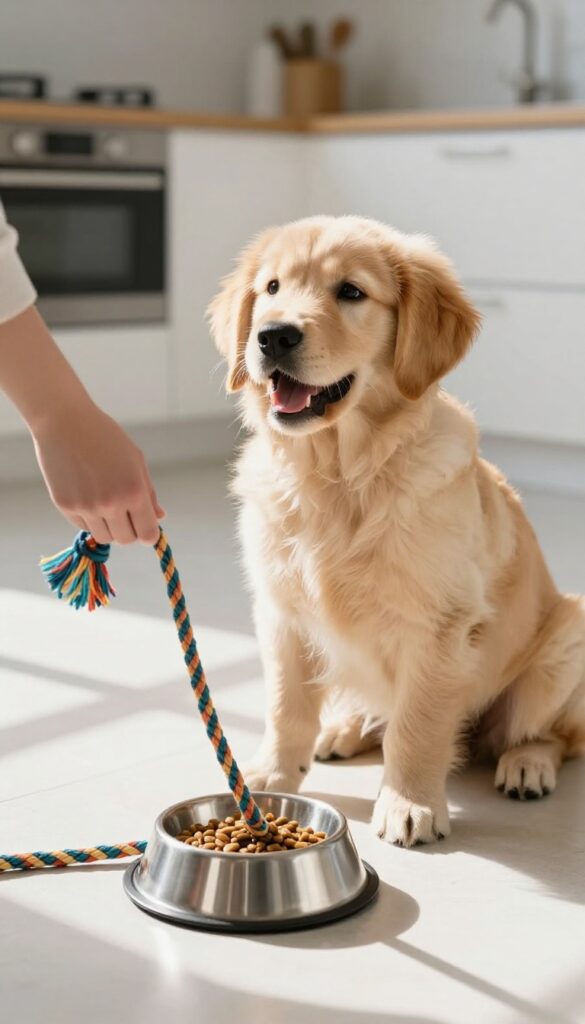
Mealtime is already a big deal for your puppy—why not use it to reinforce drop it? By turning dinner into a training moment, you show that letting go leads to something even better than the toy. This game is easy to fit into your daily routine and works wonders because food is a high-value reward.
Start by having your puppy play with a toy. When they have it in their mouth, say 'drop it' and hold their food bowl nearby. The moment they release the toy, place the bowl down and let them eat.
Repeat this a few times before each meal, gradually increasing the time they must hold the drop before getting the bowl.
Why It Works
Puppies are motivated by food, especially at mealtime. By pairing the drop cue with the arrival of dinner, you create a strong positive association. Your puppy learns that dropping the toy is the quickest way to get something they love, making the behavior more reliable.
Step-by-step Setup
Keep the toy and the food bowl separate at first. Have your puppy sit and hold the toy, then show the bowl. Say 'drop it' in a cheerful tone.
As soon as they let go, immediately place the bowl down. Practice this once or twice per meal, and always use the same cue word.
Pro Tips For Success
Use a toy your puppy is mildly interested in, not their absolute favorite, so they're more willing to trade. Keep sessions short and end on a positive note. If your puppy doesn't drop, gently offer the bowl closer—they'll likely release the toy to investigate.
Never pull the toy away; let the drop be their choice.
7. The Fetch-and-Drop: Combine Retrieval with Release
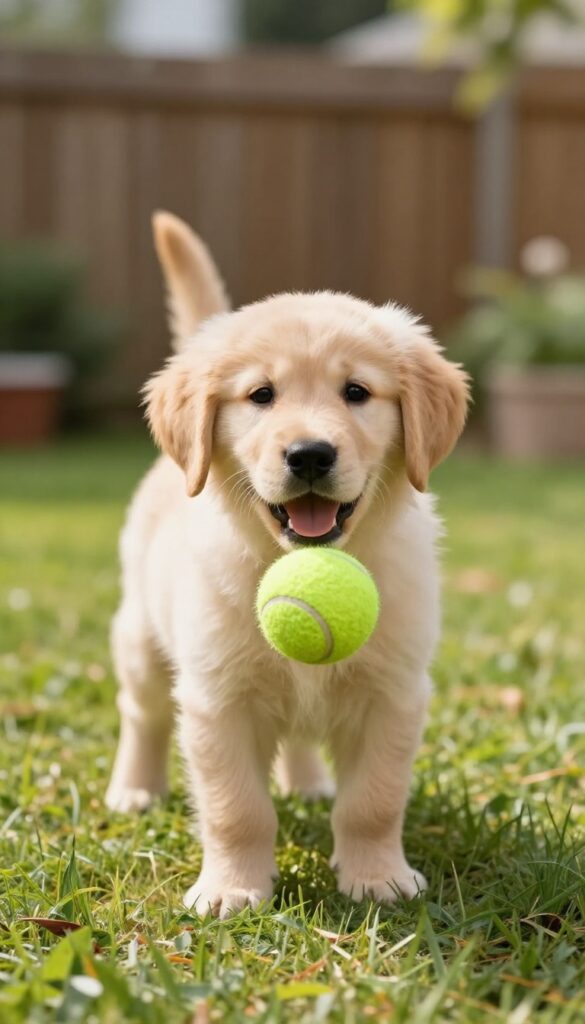
Fetch is more than just a way to burn energy—it's a built-in training loop. Every time your puppy brings the ball back, you have a natural opportunity to practice the drop cue. By making the throw conditional on letting go, you turn a simple game into a powerful lesson in self-control and cooperation.
Start with a toy your puppy loves, like a tennis ball or a soft frisbee. Toss it a short distance and let them grab it. When they return, hold out a treat or another toy and say your drop cue.
The moment they release, reward them and immediately throw the ball again. This creates a clear pattern: dropping leads to more fun, not less.
Why This Works
Puppies learn fastest when the reward is immediate and the game continues. By pairing the drop with a throw, you're teaching that letting go isn't the end—it's the key to keeping the game alive. This builds a positive association with the cue, especially in high-arousal situations where your puppy might otherwise hold on tight.
Step-by-step Setup
Choose a low-distraction area and use a toy with high value. Start with short throws to keep excitement manageable. As your puppy returns, present a treat near their nose and say 'drop it. ' When they release, mark with a 'yes' and toss the toy again.
Gradually phase out the treat, relying on the throw as the reward.
Troubleshooting Common Hiccups
If your puppy won't let go, try trading for a higher-value treat or a squeaky toy. Avoid pulling the toy away—this can trigger tugging. If they drop before you ask, that's fine; just reward and continue.
Keep sessions short and upbeat, ending before your puppy gets bored or frustrated.
8. The Name-and-Trade: Build a Verbal Cue
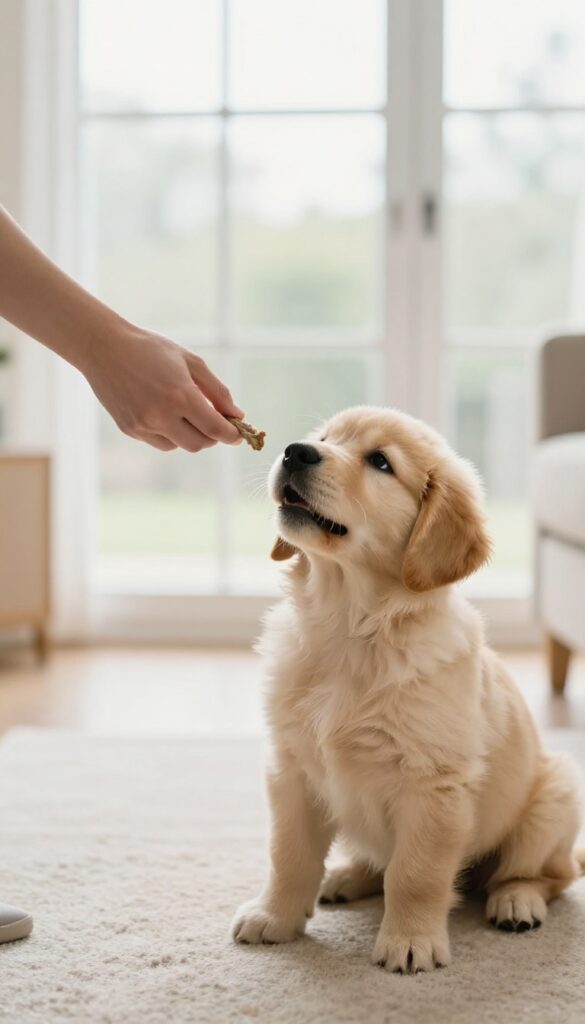
Most puppies learn 'drop' by accident—they drop the toy, you say 'good', and life moves on. But if you want a cue that works every time, you need to attach a specific word to the action. That's where the Name-and-Trade game comes in.
It's simple, but it wires the behavior into your puppy's brain so the word 'drop' actually means something.
Start by playing with a toy your puppy loves but isn't obsessed with. As they hold it, say 'drop' in a cheerful tone, then offer a high-value treat right at their nose. The moment they release the toy, say 'yes' and give the treat.
Repeat this in short sessions, and your puppy will start to connect the word with the reward. Over time, you can phase out the treat and rely on the verbal cue alone.
Why The Word Matters
Dogs don't automatically understand human words. By pairing 'drop' with a trade, you're teaching them that the sound predicts something good. This makes the cue reliable even when they're holding something they'd rather keep.
How To Run The Game
Keep sessions short—two to three minutes max. Use a toy that's interesting but not too valuable, and always have treats ready. Say 'drop' once, then show the treat.
If they don't release, gently wiggle the toy or wait a few seconds. Never yank the toy away; you want the choice to be theirs.
Fading The Treat
Once your puppy responds to 'drop' consistently, start rewarding every other time, then every third time. Mix in praise and play as rewards. Eventually, they'll drop on cue just because you asked, not just because they see a treat.
9. The Leave-It Twist: Practice Impulse Control
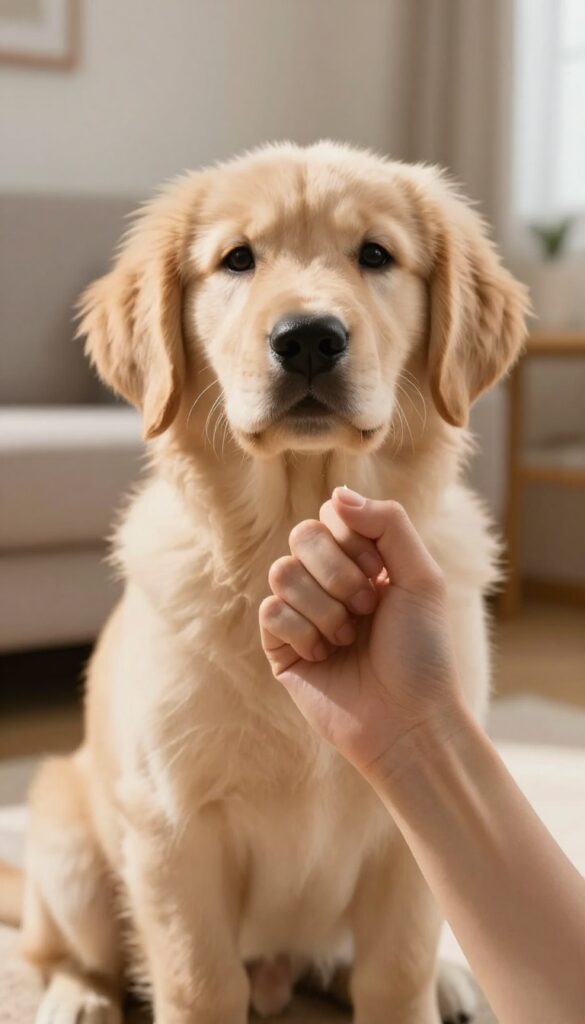
Before your puppy can master 'drop it, ' they need to learn to resist grabbing things in the first place. That's where 'leave it' comes in—it's the perfect warm-up for the drop cue. By practicing both together, you're teaching your pup to pause and think, which makes dropping a natural next step.
Start with a treat in your closed hand. Let your puppy sniff, lick, and paw at it, but ignore them until they back off. The instant they pull away, say 'yes' and reward them with a treat from your other hand.
Repeat this until they automatically back off when they see your closed fist. Then, progress to an open palm with a treat, covering it if they lunge. Once they reliably wait, move to placing a treat on the floor and covering it with your foot.
Gradually increase the challenge by using more tempting items, like a toy or a piece of kibble. This builds the impulse control your puppy needs to respond to 'drop it' when they've already got something in their mouth.
Start With Easy Temptations
Begin with low-value treats like kibble or a plain biscuit. Hold one in your closed fist and wait. The moment your puppy stops trying to get it, mark with a 'yes' and give them a different treat from your other hand.
This teaches them that backing off earns a reward. Do this a few times until they get the hang of it, then switch to slightly more exciting treats like small pieces of chicken or cheese.
Move To Real-life Objects
Once your puppy is solid with treats, practice 'leave it' with objects they might actually pick up—like a sock, a shoe, or a toy. Place the item on the floor and cover it with your hand if needed. Say 'leave it' in a calm voice, and reward them when they turn away.
Over time, you can remove your hand and let the item sit uncovered. This step is crucial because it transfers the skill from training treats to everyday temptations.
Turn It Into A Game
Make 'leave it' fun by turning it into a quick game. Toss a treat a few feet away and say 'leave it. ' If your puppy ignores it and looks back at you, praise them and give them a different treat. Then, let them go get the first one as a reward.
This teaches them that ignoring something now can lead to something even better later. It's a simple way to build their self-control while keeping the session playful.
10. The Calm Down Drop: Reinforce Relaxation
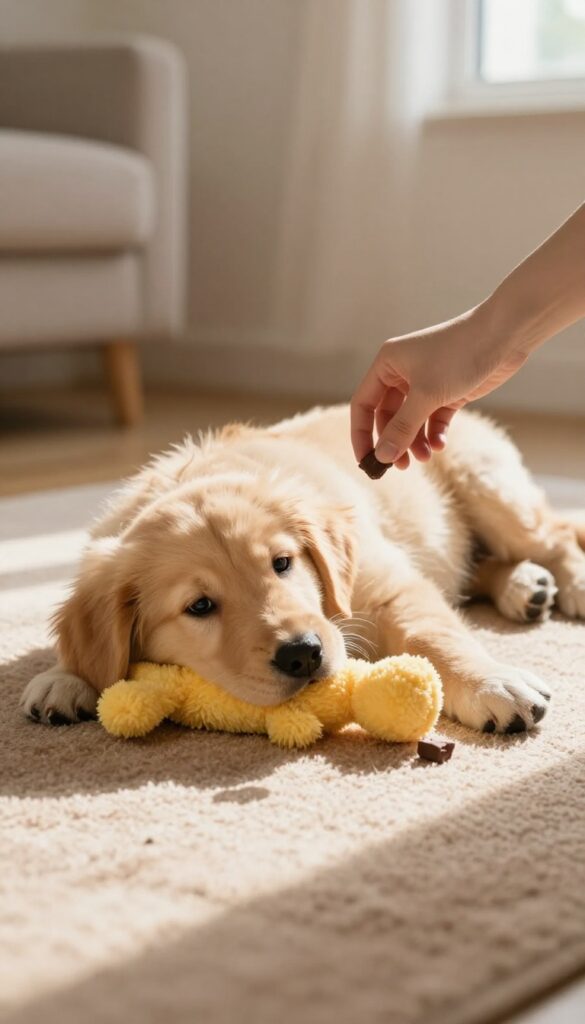
When playtime winds down, most puppies still want to hold onto their prize. That's the perfect moment to teach a different kind of drop—one that's about settling, not wrestling. By practicing when your pup is already calm, you show that releasing something can be a peaceful choice, not just a reaction to a game.
This builds a drop that works even when excitement fades.
This game is all about timing and tone. You're not asking for a drop during a wild tug session; you're waiting for the quiet moments when your puppy is lying down with a toy, maybe chewing softly or just holding it. That's when you ask for a drop, and you reward with a calm voice and a high-value treat.
Over time, your puppy learns that letting go is a way to earn something good, even when there's no frantic energy involved.
Why Calm Matters
Puppies often associate 'drop it' with high-energy play, which can make them more likely to clamp down. When you practice in a relaxed state, you're teaching a different pathway: drop equals a gentle reward, not a tug-of-war. This helps your puppy learn to self-soothe and makes the cue more reliable in everyday situations, like when they pick up something they shouldn't while you're watching TV.
Setting Up The Calm Session
Choose a quiet room with few distractions. Have your puppy on a leash or in a settle position if needed. Offer a toy they like but aren't overly excited about.
Wait until they're holding it without mouthing aggressively—maybe they're just resting with it. Then say 'drop' in a soft, low tone. The moment they release, mark with a quiet 'yes' and give a treat right at their mouth.
If they don't drop, gently trade the toy for a treat, then return it so they can practice again.
Gradually Increasing Difficulty
Once your puppy is consistently dropping during calm moments, start adding slight distractions. Have a family member walk by, or turn on the TV at low volume. Keep the energy low and the rewards high.
If your puppy gets too excited, take a break and go back to a quieter setting. The goal is to keep the calm association strong, so you're not undoing the progress.
Using Calm Drops In Real Life
This skill comes in handy when your puppy picks up something they shouldn't while you're relaxing. Instead of panicking, you can calmly ask for a drop and reward. It also helps during grooming or vet visits when your puppy might be holding a toy for comfort.
By reinforcing relaxation, you're teaching your puppy that dropping isn't just about losing something—it's about gaining trust and a treat.
FAQ
At what age can I start teaching my puppy to drop it?
You can start as early as 8 weeks old. Puppies learn quickly, and using games makes it fun and easy for them to understand.
What if my puppy growls when I try to take something away?
Never punish growling. It's a warning sign. Instead, use high-value treats and trade games to teach that dropping is safe and rewarding.
If growling persists, consult a professional trainer.
How long should each training session last?
Keep sessions short—5 to 10 minutes. Puppies have short attention spans, so frequent, brief sessions work better than long ones.
What treats are best for drop it training?
Use small, soft, high-value treats like chicken, cheese, or commercial training treats. They should be easy to chew and highly motivating.
Can I use these games for adult dogs too?
Absolutely. While these games are designed with puppies in mind, adult dogs can benefit from the same positive reinforcement techniques.
Conclusion
Teaching your puppy to drop things doesn't have to be a chore. By turning it into a game, you're not only building a reliable cue but also strengthening your bond. Each of these games offers a different way to practice, so you can mix and match based on your puppy's mood and energy level.
Remember, patience and consistency are key. With a little creativity and a pocket full of treats, you'll have a puppy who happily lets go of anything on command. So grab a toy, some treats, and start playing your way to better behavior.

I’m Pallab Kishore, the owner of Little Pets Realm — an animal lover and pet care enthusiast sharing easy tips, healthy recipes, and honest advice to help every small pet live a happy, healthy, tail-wagging life.