
Last updated on August 19th, 2026 at 04:14 pm
Training a dog to stay focused when the world is full of distractions can feel like an uphill battle. You ask for a sit, and your pup's nose is already locked on a passing squirrel. The good news is that focus is a skill you can build, one small step at a time.
These 15 drills are designed to gradually increase difficulty, so your dog learns to choose you over the chaos. From simple eye contact in a quiet room to controlled exposure with a long line, each exercise lays a foundation for real-world reliability.
Whether you're prepping for a busy park or just want a calmer walk, these practical games will sharpen your dog's attention. Let's get started.
1. Start with Eye Contact in a Quiet Room
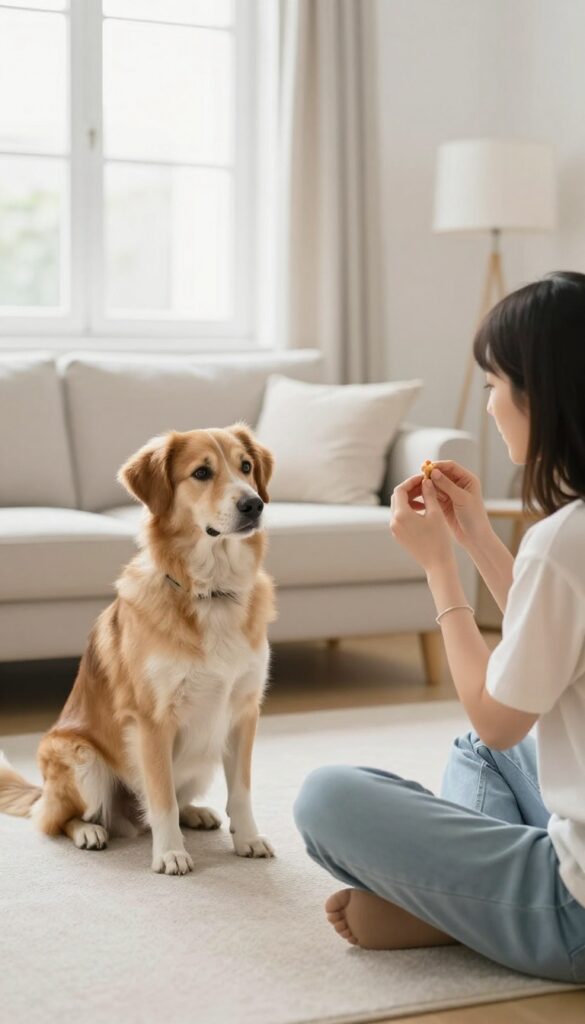
Before you can expect your dog to focus on you at the park, they need to learn that looking at you pays off. The living room, with no other pets or people around, is the perfect classroom. This drill is all about building a strong, positive association with eye contact—it's the foundation for every other focus exercise.
In a quiet room, grab some high-value treats—small, soft, and smelly, like chicken or cheese. Let your dog sniff one, then bring it to your eye level. The moment their eyes meet yours, mark it with a word like 'yes' or a click, and give the treat.
Repeat this a few times, then start waiting for your dog to offer eye contact on their own. Each time they do, reward generously. This simple game teaches your dog that checking in with you is a rewarding behavior.
Why Eye Contact Matters
Eye contact is the quickest way to get your dog's attention. It's a signal that they're ready to listen. By rewarding it, you're telling your dog, 'This is what I want you to do when things get exciting. ' It's also a great way to build a stronger bond—your dog learns that you're the source of good things.
How To Make It Easy
Start with the treat at your eye level so your dog naturally looks up. If they don't catch on, you can gently lure with the treat, but let them figure it out on their own as much as possible. Keep sessions short—two to three minutes is plenty.
End on a high note with a big reward and a cheerful 'all done! ' so your dog is always eager for the next session.
Adding A Cue
Once your dog is reliably offering eye contact, add a verbal cue like 'watch me' or 'look' just before they make eye contact. Say it in a happy tone, then reward. With repetition, your dog will learn that the word means 'look at me. ' This cue will come in handy later when you need to redirect their attention from a distraction.
2. Use the 'Look at That' Game
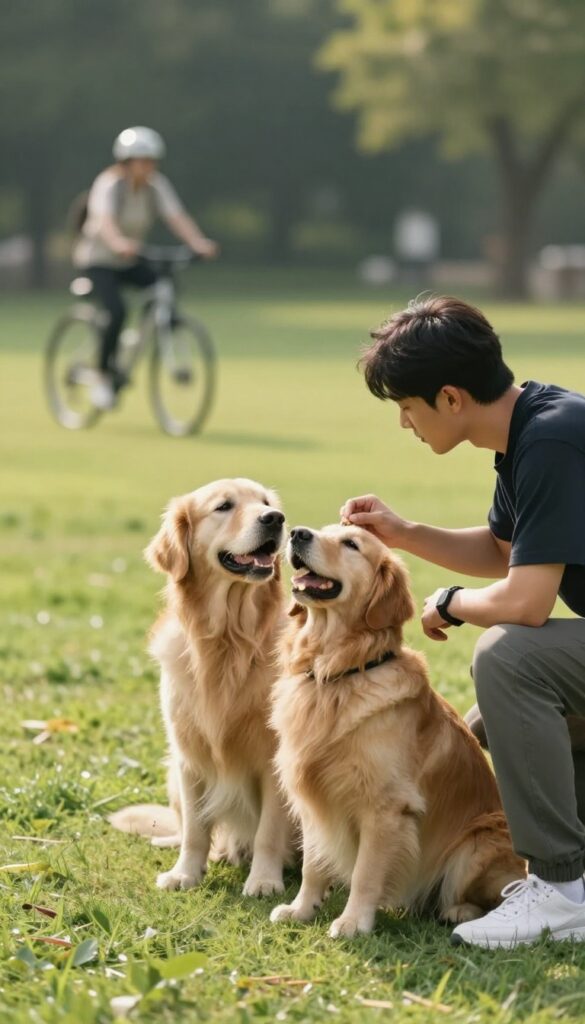
The 'Look at That' game is a brilliant way to flip your dog's reaction to distractions. Instead of lunging or barking, they learn to glance at the trigger and then check in with you. This simple shift turns a potential meltdown into a moment of calm connection.
Start by finding a distraction that's far enough away that your dog notices it but doesn't react. When they look at it, mark with a 'yes' or click, then reward them for looking back at you. Over time, they'll automatically turn to you when they see something exciting.
Set The Right Distance
The key is to start at a distance where your dog can notice the distraction without going over threshold. If they're too close, they won't be able to think. Move far enough away that they're curious, not frantic.
Mark And Reward The Check-in
When your dog looks at the distraction, let them have a moment. Then, when they turn back to you, mark it with a 'yes' or click and give a high-value treat. This teaches them that checking in with you is the best part.
Gradually Decrease Distance
As your dog gets the hang of it, slowly close the gap. Each time you move closer, watch for signs of stress. If they start ignoring you or fixating, you've gone too far.
Back up and try again.
3. Practice 'Watch Me' with a Hand Target
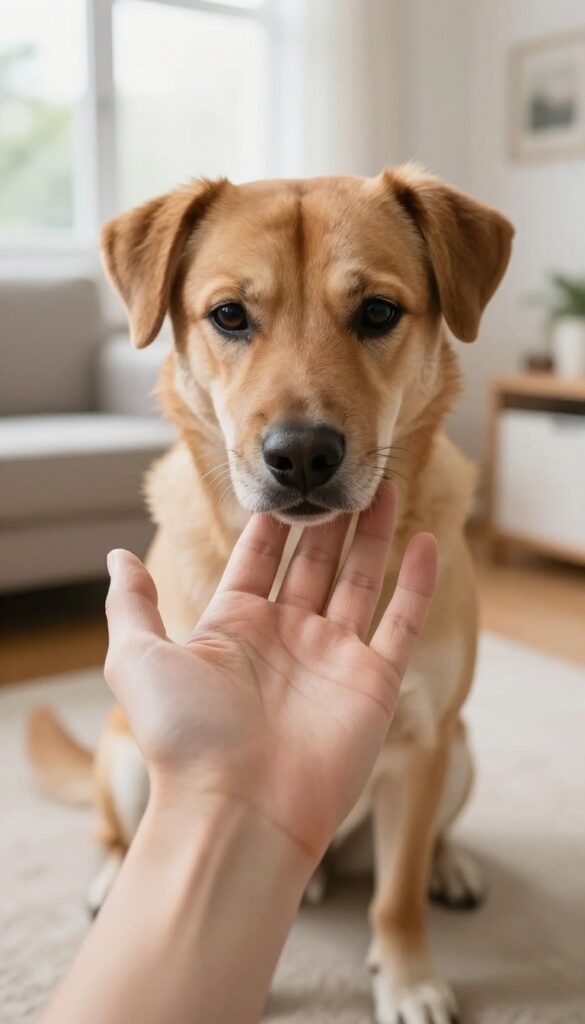
Sometimes words get lost in the noise, but a physical cue can cut through. That's where a hand target shines. It gives your dog something concrete to follow, turning a simple 'watch me' into a game of touch and focus.
Start by presenting your open palm a few inches from your dog's nose. The moment they sniff or touch it, mark and reward. This builds a strong foundation for redirecting attention.
Once they’re reliably touching your hand, you can use it to guide their gaze back to you during distractions.
Why Hand Targets Work
Dogs are naturally curious about hands, especially when they’re associated with treats. A hand target gives them a clear, physical job to do, which makes focusing easier than just staring at your face. It’s also a great way to interrupt a distraction without pulling on the leash or raising your voice.
Adding Distractions Gradually
Begin in a quiet room with zero distractions. Once your dog is nailing the hand target, move to a slightly busier area, like your backyard. Keep sessions short and rewarding.
If your dog struggles, take a step back and simplify. The key is to build up slowly so they learn to focus even when the world gets interesting.
Using It In Real-life Situations
When you’re out on a walk and your dog spots a squirrel, present your hand target before they get too fixated. The motion of reaching toward them can break their stare, and the touch gives them an alternative behavior. Pair it with a cheerful 'watch me' and reward generously.
Over time, they’ll start checking in with you automatically.
4. Incorporate a 'Leave It' Cue with High-Value Rewards
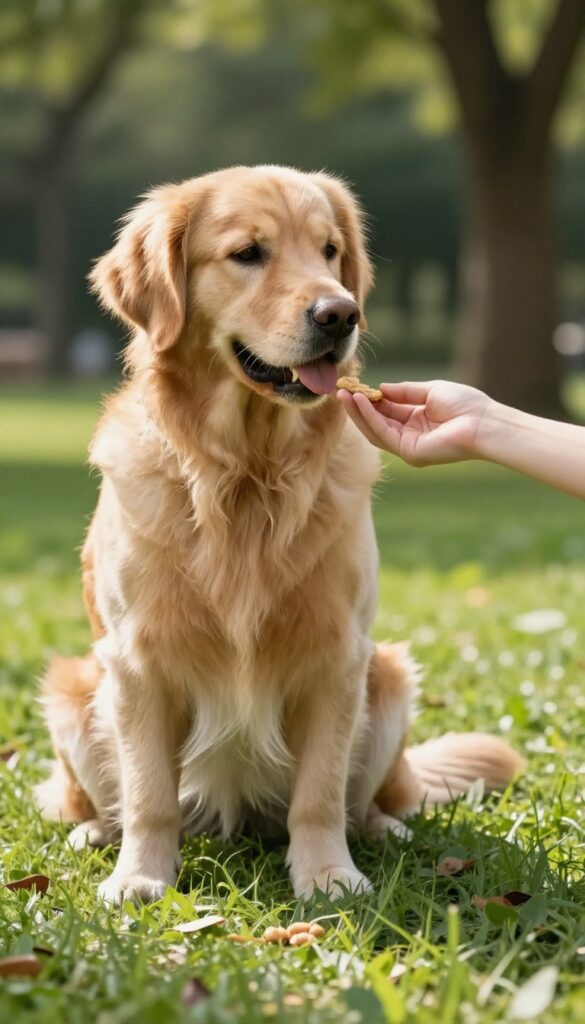
Teaching your dog to ignore something tempting is a game-changer. The 'leave it' cue isn't just about preventing your pup from snatching a dropped sandwich—it's a powerful way to build self-control around distractions. By pairing the cue with rewards that beat whatever they're ignoring, you're showing your dog that choosing you pays off big time.
Start in a low-distraction area with a treat in your closed fist. Let your dog sniff, lick, and paw at your hand. The moment they pull away or stop trying, say 'yes' and reward them from the other hand.
Repeat until they understand that backing off earns the prize. Then, progress to placing a treat on the floor under your foot, covering it if needed. Gradually increase the difficulty by using more tempting items or moving to busier environments.
Start With Easy Wins
Begin with a treat in your closed hand. Your dog will probably try everything to get it—sniffing, nudging, even gentle pawing. The second they pause or look away, mark with a 'yes' and give them a different treat from your other hand.
This teaches them that disengaging from the temptation is what earns the reward. Keep sessions short and sweet, and always end on a success.
Add Distance And Distraction
Once your dog is solid with the closed-hand version, place a treat on the floor but cover it with your foot. Say 'leave it' and wait. When they look at you instead of the treat, mark and reward.
Gradually uncover the treat, then move to tossing a treat a few feet away. The goal is to have your dog ignore the item on the ground and choose to check in with you for a better reward.
Use High-value Rewards Strategically
The reward you give for leaving something alone must be more exciting than what they're ignoring. If your dog is eyeing a piece of chicken on the sidewalk, a boring kibble won't cut it. Use extra-special treats like cheese, hot dog slices, or freeze-dried liver.
This makes the choice to ignore a no-brainer—they learn that listening to you leads to something even better.
5. Add a Moving Distraction (Rolling Ball)
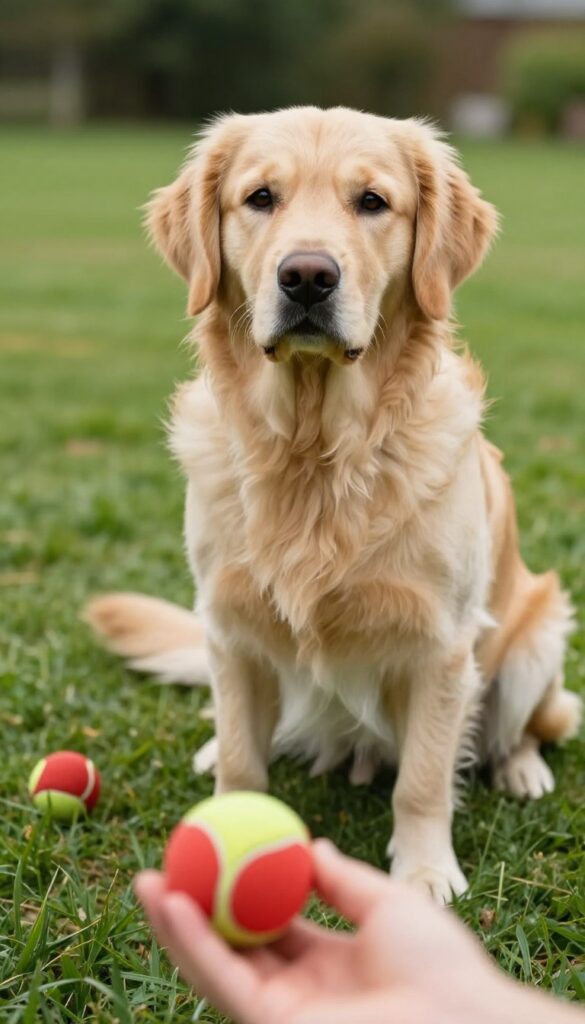
Once your dog can hold focus with still objects around, it's time to add motion. A rolling ball is a classic temptation that triggers the chase instinct. This drill teaches your dog to ignore that impulse and stay locked on you instead.
Start in a controlled space like a hallway or a fenced yard. Have your dog on a leash or long line so you can prevent a chase if needed. Roll a ball a few feet away, and the moment your dog looks back at you, mark and reward with a high-value treat.
Repeat, gradually rolling the ball closer or faster as your dog improves. The key is to reward the choice to check in with you, not just the absence of chasing.
Set Up For Success
Choose a low-distraction area first. Use a ball that rolls predictably, like a tennis ball. Keep your dog on a leash to control the situation.
Have treats ready and pick a cue like 'watch me' to redirect their attention.
Gradually Increase The Challenge
Once your dog is reliable with a slow roll, increase the speed or distance. You can also roll two balls in different directions to make the choice harder. Always reward the moment your dog turns back to you, even if they hesitated for a second.
Turn It Into A Game
Make it fun by turning it into a pattern game. Roll the ball, then call your dog's name. When they look at you, toss a treat or play a quick tug.
This builds a strong reinforcement history for choosing you over movement.
6. Use a Long Line for Controlled Exposure
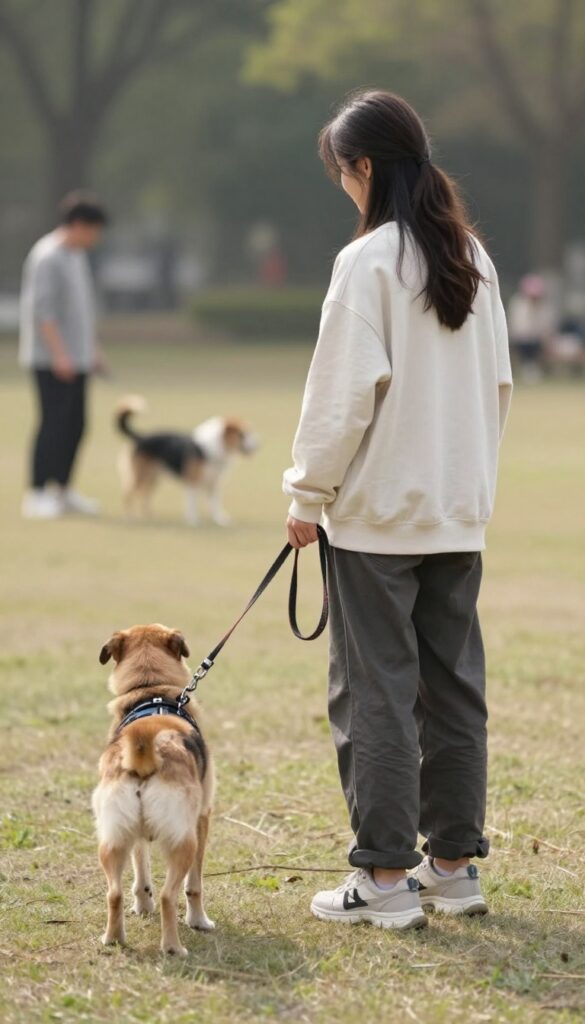
A long line gives you the best of both worlds: freedom for your dog and control for you. It’s a simple tool that lets you practice focus near real distractions without risking a sprint after a squirrel. By managing the distance and rewarding check-ins, you’re teaching your dog that paying attention to you is always worth it.
Attach a 15-30 foot long line to your dog’s harness or collar and head to a moderately distracting area—like a park with some foot traffic or a field with a few dogs in the distance. The long line lets your dog explore a bit, but you can gently reel them in if they get too focused on something else. Use a high-value treat or toy to call them back to you, and reward any voluntary glance your way.
This builds a habit of checking in with you, even when there’s plenty to sniff or chase.
Start At A Distance
Begin far enough away from the distraction that your dog can notice it but still respond to you. If they’re too close, they’ll be over threshold and won’t hear you. Walk around, let them explore, and occasionally call their name or make a kissy sound.
When they look at you, mark it with a “yes” and toss a treat. This teaches them that checking in is rewarding, even when something interesting is nearby.
Gradually Decrease The Gap
As your dog gets better at looking at you, move a little closer to the distraction. Keep sessions short—five to ten minutes max—and end on a positive note. If your dog starts to ignore you, that’s a sign you’ve moved too close too fast.
Back up and try again from a distance they can handle. Over time, you’ll be able to walk right past a tempting spot while your dog keeps their eyes on you.
Use The Line To Prevent Reinforcement
The long line also prevents your dog from practicing bad habits. If they lunge toward a distraction, you can calmly step on the line or gently reel them in, preventing them from reaching it. This means they don’t get the reward of chasing, so the behavior fades.
Pair this with a cheerful “this way” and a treat when they turn back to you, and they’ll learn that sticking with you is the better choice.
7. Play the 'Name Game' with Increasing Distance
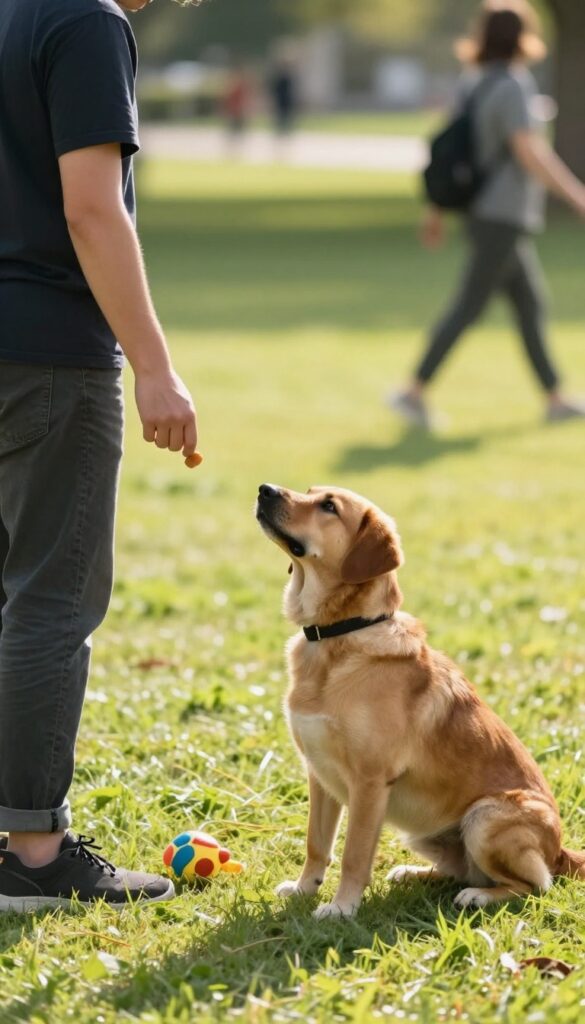
Your dog's name should be the most powerful word in their vocabulary—a cue that instantly pulls their attention back to you. The Name Game turns that into a fun, rewarding habit. Start close, then gradually add distance and mild distractions to make it rock-solid.
The Name Game is simple: say your dog's name, and the moment they look at you, mark it with a 'yes' or a click and deliver a high-value treat. The key is to make eye contact the default response, not just a glance. As your dog gets the hang of it, you can begin to increase the distance between you and add low-level distractions like a toy on the ground or a person walking by.
Start Close And Build A Strong Foundation
Begin in a quiet room with no distractions. Say your dog's name in a cheerful tone, and as soon as they turn to look at you, mark and reward. Repeat this 10–15 times, varying the pitch and volume to keep it interesting.
The goal is to create a strong association between their name and a positive outcome, so they're eager to respond.
Add Distance Gradually
Once your dog is reliably looking at you from a few feet away, start moving farther apart. You can use a long line or just practice in a fenced yard. Say their name from 10, then 20, then 30 feet away.
If they don't respond, that's a sign you've increased the distance too quickly—take a step back and build up more slowly.
Introduce Mild Distractions
With distance under control, it's time to add mild distractions. Place a toy on the ground, have a friend walk by, or practice near a window with passing cars. The key is to keep the distractions manageable so your dog can still succeed.
As they get better, you can make the distractions more tempting, like rolling a ball or having someone call their name from the side.
Use Real-world Scenarios
Finally, take the Name Game on the road. Practice at the park, on a busy street, or at a friend's backyard barbecue. Start at a distance where your dog can still focus, and gradually move closer to the action.
This helps your dog generalize the behavior, so they learn to respond to their name no matter what's going on around them.
8. Practice 'Sit-Stay' Near a Distraction
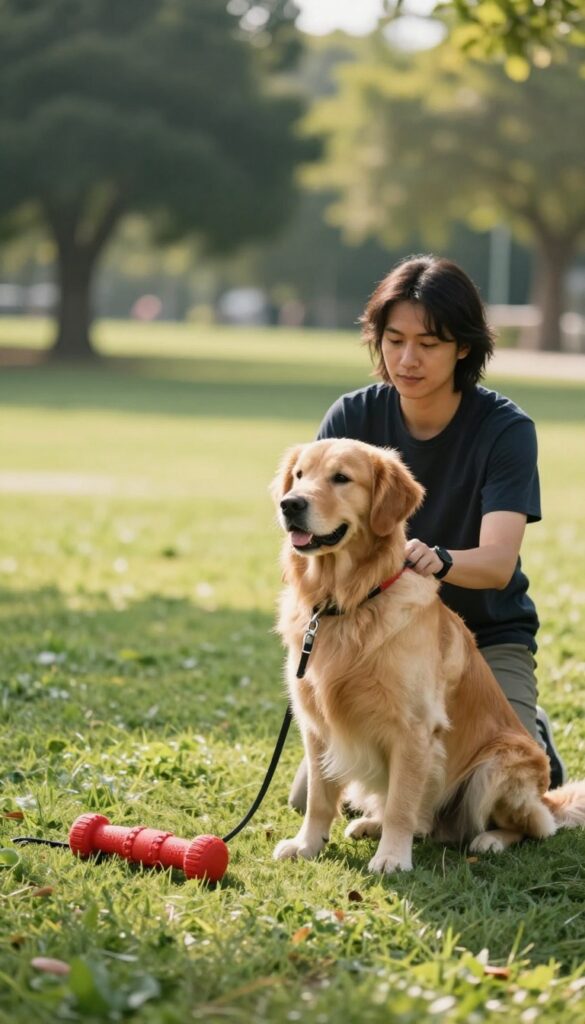
This drill turns a basic sit-stay into a powerful focus exercise. By gradually adding distractions, you teach your dog that staying put is more rewarding than chasing or sniffing. It's a simple concept, but the payoff is huge for real-world reliability.
Start in a quiet area with your dog on a leash. Ask for a sit-stay, then position yourself a few feet away from a mild distraction—maybe a favorite toy or a bowl of treats. The goal is to reward calm, steady behavior while your dog learns to ignore the temptation.
As your dog succeeds, slowly decrease the distance between them and the distraction, always keeping the session short and positive.
Set Up For Success
Begin with a low-level distraction, like a toy your dog isn't obsessed with. Keep the leash loose and give a clear release cue like 'okay' when you're done. Reward every successful stay with a high-value treat, and keep sessions to just a few minutes to avoid frustration.
Gradually Increase Difficulty
Once your dog nails a stay with a toy nearby, move to something more tempting—maybe a person walking by or a treat on the floor. The key is to make small, manageable steps. If your dog breaks the stay, calmly reset and try again from a farther distance.
Patience is your best tool here.
Add Movement And Duration
When your dog can hold a stay with a stationary distraction, add motion. Have someone walk past at a distance, or roll a ball slowly. Also, gradually extend the duration of the stay before releasing.
This builds mental endurance, so your dog learns to focus even when things get exciting.
9. Use a 'Touch' Cue to Redirect Attention
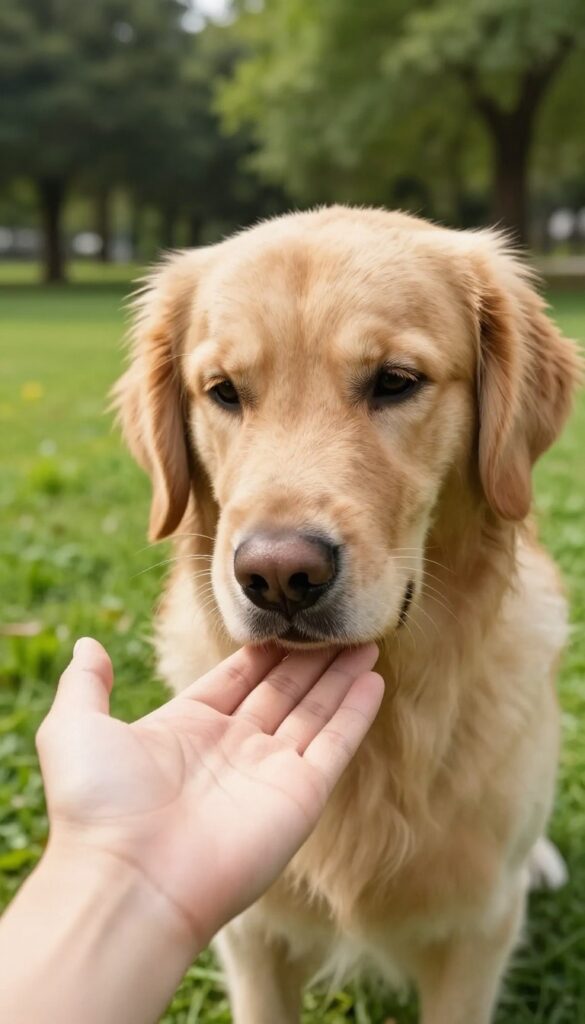
Sometimes, the fastest way to get your dog’s focus back is to give them a physical job. The touch cue does exactly that—it asks your dog to boop their nose into your palm, which naturally pulls their head and eyes toward you. It’s simple, fun, and incredibly handy when distractions hit.
The touch cue is more than just a cute trick. It becomes a reliable way to break your dog’s fixation on something else and bring their attention back to you. Once your dog knows it well, you can use it in almost any situation—at the park, on a walk, or even in your living room with the TV on.
The key is to practice it in boring places first, then slowly add distractions.
Why Touch Works So Well
Touch works because it gives your dog a clear, physical action that competes with whatever is grabbing their attention. It’s not just a verbal cue—it involves movement and a target, which many dogs find more engaging. Plus, the nose-to-palm motion naturally brings their head up and toward you, making eye contact more likely.
That moment of connection is exactly what you want to build.
How To Teach The Touch Cue
Start in a quiet room with no distractions. Hold out your open palm a few inches from your dog’s nose. Most dogs will sniff or nudge it out of curiosity—when they do, mark with a “yes” or a click, and give a treat.
Repeat until your dog is consistently touching your palm. Then, start moving your hand around—left, right, lower, higher—so they learn to target it from different angles. Once they’re solid, add the verbal cue “touch” just before they make contact.
Using Touch In Real-life Distractions
After your dog is reliable at home, it’s time to generalize. Practice in your backyard, then on a quiet sidewalk, then at a park with some distance from other dogs or people. When you see your dog start to get distracted, say “touch” and present your palm.
Reward them for turning away from the distraction and touching your hand. Over time, you’ll be able to use this cue to quickly regain focus, even in busy environments.
10. Incorporate 'Find It' to Build Engagement
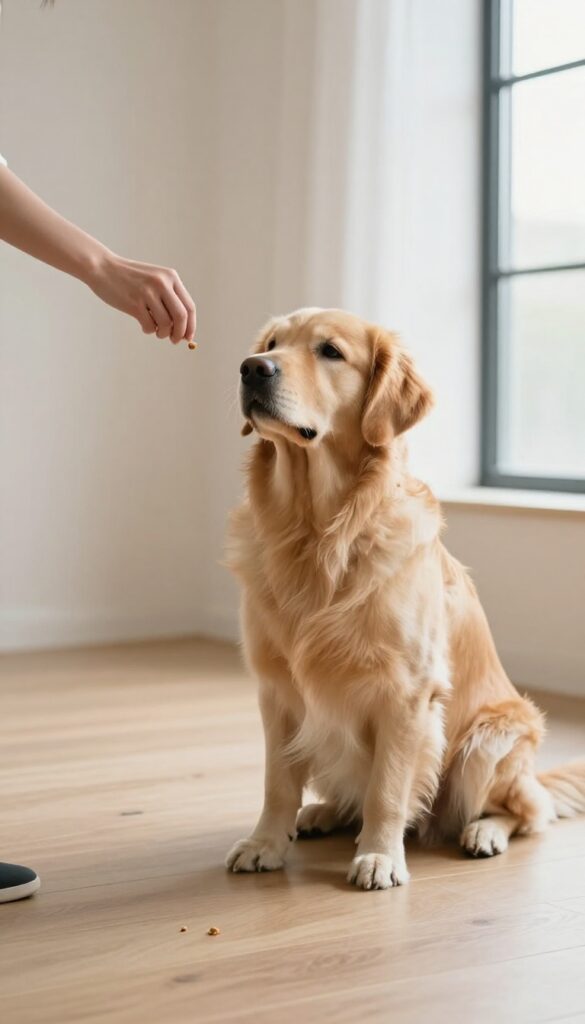
If your dog's focus drifts the moment something exciting appears, turning attention into a game can work wonders. The 'Find It' drill does exactly that—it rewards your dog for checking in with you and following your direction. It's simple, fun, and surprisingly effective at strengthening your bond while sharpening focus.
Start in a low-distraction area like your living room. Show your dog a treat, say 'Find it, ' and toss it a few feet away. As they eat it, call their name or use a cheerful 'Yes! ' to bring their attention back to you.
Repeat this several times, gradually increasing the distance and the difficulty of the toss. The goal is to teach your dog that looking to you after finding the treat is part of the game—and that you're the source of all good things.
Why It Works
This drill taps into your dog's natural scavenging instinct while pairing it with a clear cue. Each time they find the treat and turn back to you, they're practicing the exact behavior you want in distracting situations: disengaging from the environment and re-engaging with you. Over time, 'Find It' becomes a reliable way to redirect their attention when something else grabs their interest.
How To Increase Difficulty
Once your dog grasps the basics, start adding mild distractions. Toss the treat near a toy, then near a window with a view. You can also use higher-value treats to keep motivation high.
Gradually, you'll be able to play 'Find It' in busier settings like a park or a sidewalk, and your dog will learn to focus on you even when there's a lot going on.
Turning It Into A Real-life Tool
Use 'Find It' as a quick reset button during walks or training sessions. If your dog fixates on a squirrel or a passing dog, toss a treat on the ground and say 'Find it. ' This breaks their stare and gives them a positive alternative. It's not about punishment—it's about teaching them that checking in with you pays off more than chasing distractions.
11. Practice 'Heel' with Sudden Stops
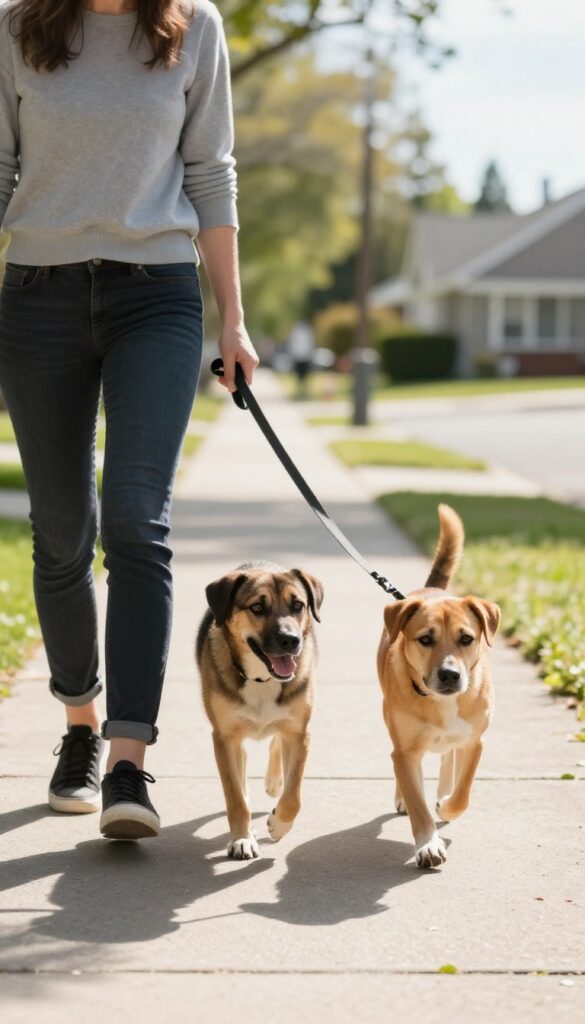
Walking your dog is more than just exercise—it's a chance to build focus in a moving environment. The heel position naturally encourages your dog to stay close and attentive, but adding sudden stops turns it into a powerful training moment. This drill teaches your dog that stopping means checking in with you, not just pausing to sniff the ground.
Start in a low-distraction area, like your backyard or a quiet sidewalk. With your dog on a loose leash, begin walking at a normal pace. Every few steps, stop abruptly and stand still.
The instant your dog stops with you and looks up, mark with a 'yes' and reward with a treat. If your dog keeps walking or gets tangled, gently guide them back to your side and try again.
Why Sudden Stops Work
Dogs naturally follow movement, so when you stop, their momentum carries them forward. By rewarding them for stopping and looking back, you're teaching them that your pace matters more than their own. Over time, this builds a habit of checking in with you whenever something changes, whether it's a stop or a sudden turn.
How To Add Distractions Gradually
Once your dog masters the stop in a quiet area, start adding mild distractions. Try practicing near a park bench where people walk by, or in your front yard with occasional cars passing. The key is to keep the difficulty low enough that your dog still succeeds.
If they struggle, take a step back and reduce the distraction level for a few more sessions.
Troubleshooting Common Issues
If your dog ignores the stop, try using a higher-value treat or a clicker to mark the moment more clearly. Also, make sure you're not pulling on the leash—let the stop be a natural consequence. If your dog sits automatically, that's fine, but the goal is just to get their attention back on you.
Keep sessions short and end on a positive note.
12. Use a 'Place' Command as a Calm Base
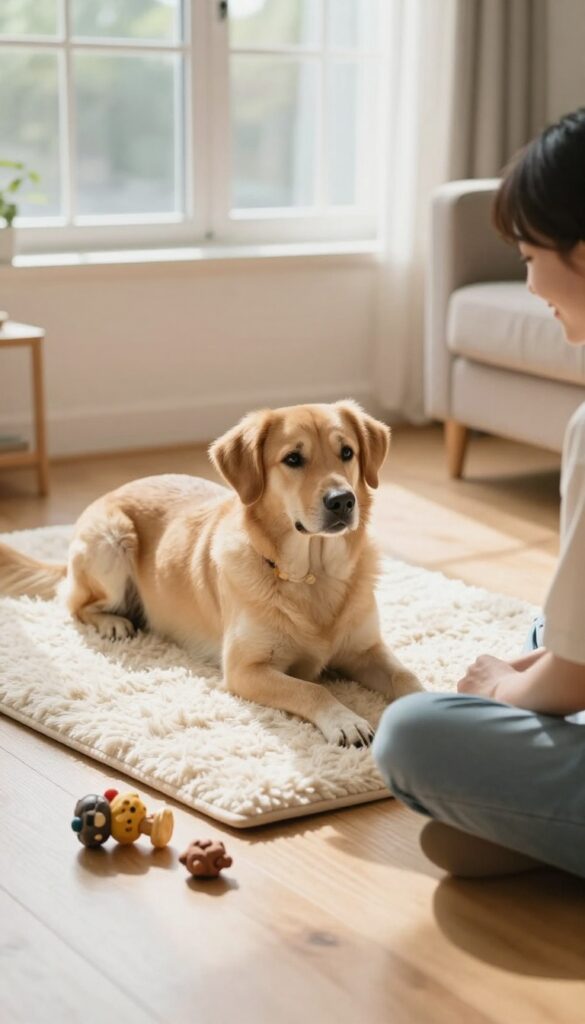
When the world gets loud, a mat can become your dog's quiet corner. Teaching a solid 'place' command gives your pup a specific spot to settle, which is a huge advantage for focus training. From that calm base, you can gradually introduce distractions without overwhelming them.
Start by making the mat the best spot in the house. Toss treats onto it, use a cue like 'place, ' and reward your dog for stepping on. Once they understand the behavior, add duration and distance.
The goal is a relaxed down-stay on the mat, not a stiff sit. This becomes your dog's 'home base' for practicing focus around distractions from a distance.
Start With Duration, Then Distance
Begin with your dog on the mat while you sit right next to them. Reward calm behavior and gradually increase the time they stay. Once they can hold a stay for a minute, start taking a step or two away.
Return and reward before they break. This builds a solid foundation.
Add Distractions Slowly
Once your dog is solid with you moving around, introduce mild distractions. Have a friend walk across the room or roll a toy nearby. Keep the distance far enough that your dog can succeed.
As they get better, move the distraction closer or make it more exciting. Always reward the choice to stay on the mat.
Use It In Real-world Scenarios
Bring the mat to a park bench or a busy sidewalk. Set it down and ask for 'place. ' This gives your dog a clear job and a familiar spot to focus. You can also use it at a café or during a backyard barbecue.
The mat becomes a portable calm zone that helps your dog ignore chaos.
13. Add Auditory Distractions (Noises)
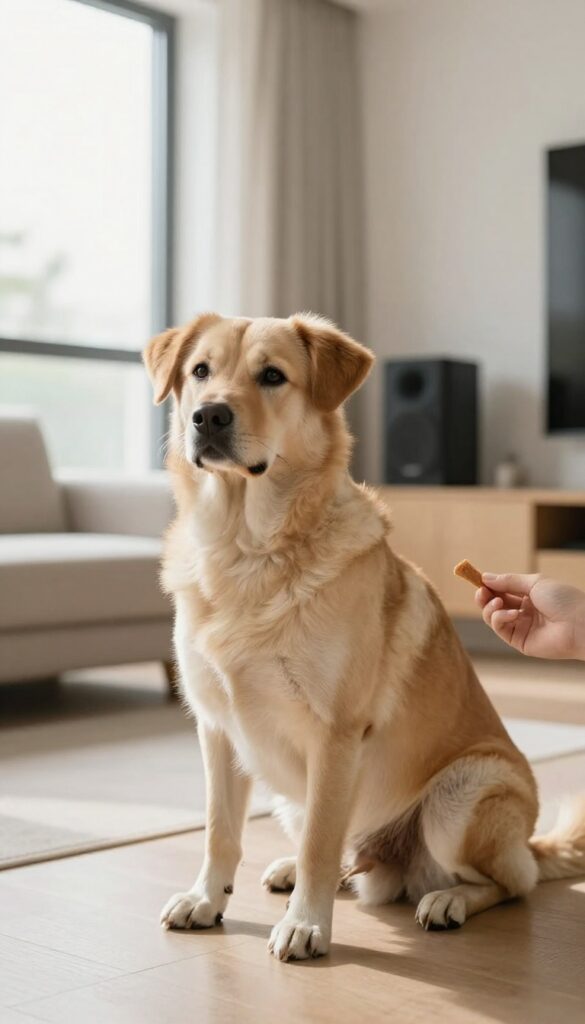
Sound is a huge part of what pulls your dog’s attention away. A doorbell, a car horn, or a barking dog can instantly break their focus. Instead of avoiding those noises, you can use them as training tools.
By playing recorded sounds at a low volume and rewarding calm behavior, you teach your dog that noise doesn't mean they need to react.
Start by choosing a few sounds your dog commonly hears, like a doorbell, a knock, or traffic. Play them at a low volume while your dog is relaxed and focused on you. Reward any calm, attentive behavior with a treat or praise.
Gradually increase the volume and add more distracting sounds as your dog gets better at staying composed.
Start With A Single Sound
Pick one sound that's not too startling, like a doorbell or a knock. Play it softly while you engage your dog in a simple command like 'sit' or 'watch me. ' The moment they look at you, reward them. Keep sessions short and positive, so your dog learns that noise predicts good things.
Build Up The Volume And Variety
Once your dog stays calm with a soft sound, gradually increase the volume. Then, introduce other sounds like traffic, barking, or even a baby crying. Mix them up so your dog doesn't get used to just one.
The goal is to make them comfortable with unexpected noises, not just a single one.
Use Real-life Sounds When Ready
After your dog handles recorded noises well, you can practice with real sounds. Have a friend ring the doorbell or walk by with a squeaky toy. Keep your dog on a leash and reward them for staying focused on you instead of reacting.
This helps bridge the gap between training and real life.
Keep It Positive And Patient
Never punish your dog for reacting to a sound. Instead, ignore the reaction and wait for a calm moment, then reward. If your dog seems stressed, lower the volume or take a break.
Training should be a fun, confidence-building experience, not a scary one.
14. Practice 'Wait' at Doorways
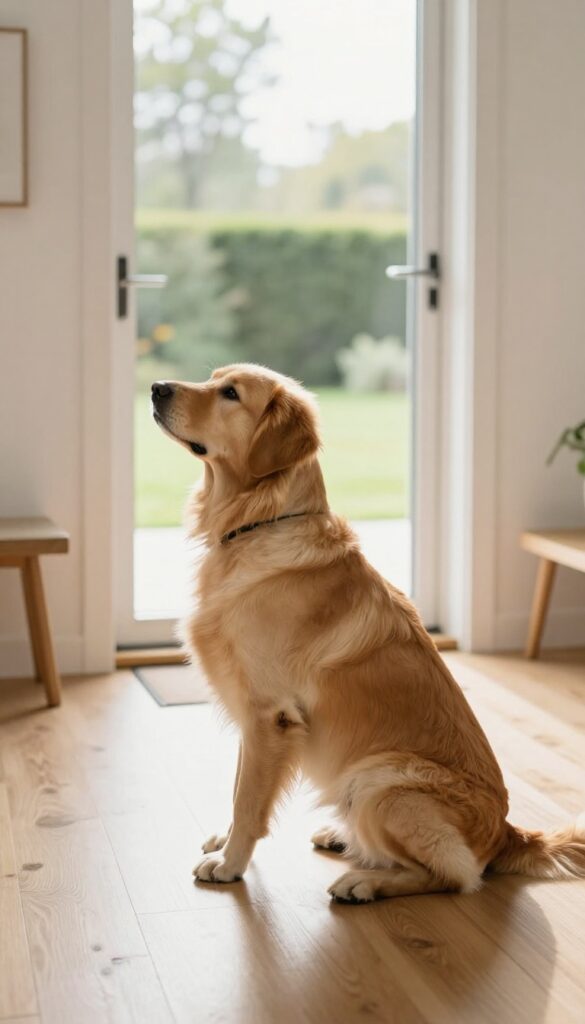
The front door is a portal to a world of smells, sounds, and moving things. For many dogs, that threshold is pure chaos, and their impulse to bolt can override every bit of training you've done. That's exactly why doorways are such a powerful place to practice focus.
By teaching your dog to wait calmly before stepping outside, you're not just building good manners—you're giving them a clear job to do when their brain is screaming 'go! ' This drill turns a daily routine into a training session that pays off everywhere.
Start in a quiet hallway with the door closed. Ask your dog for a 'sit' or a 'down'—whichever they're most reliable at. Then, with your hand on the knob, say 'wait' in a calm, clear voice.
Open the door just a crack. If your dog stays put, close it and reward them with a treat and a quiet 'yes. ' If they try to push through, close the door and reset. Repeat this until your dog holds their position even as the door swings fully open.
Then, add a release word like 'okay' or 'free' before letting them go. This teaches them that the door opening isn't the signal to move—your word is. Once they've got the hang of it in a calm setting, start practicing with the door open to the outside world.
You can even have a helper step outside or toss a toy on the lawn to raise the stakes. The goal is a dog who looks to you for permission, not just a dog who freezes in place.
Start Small And Build Up
Don't expect your dog to nail a wide-open door on the first try. Break it down into baby steps: hand on the knob, door cracked, door halfway, door fully open. Each time your dog holds, mark and reward.
If they break, close the door and try again with less of a challenge. This incremental approach builds confidence without overwhelming them.
Make It A Game
Turn doorways into a fun game of 'wait and release. ' Use a favorite toy or treat as the reward for holding still. You can even make it a race: release your dog and toss the toy into the yard, then call them back and repeat. This keeps the training lively and reinforces that waiting leads to something awesome.
Practice At Different Doors
Dogs are great at context, but they don't automatically generalize. If you only practice at the front door, your dog might still lunge at the back door or the car door. So, take this drill to every threshold you can: back door, garage door, even the door to the vet's office.
This helps your dog learn that 'wait' applies everywhere, not just one spot.
15. Use a 'Check-In' Game During Walks
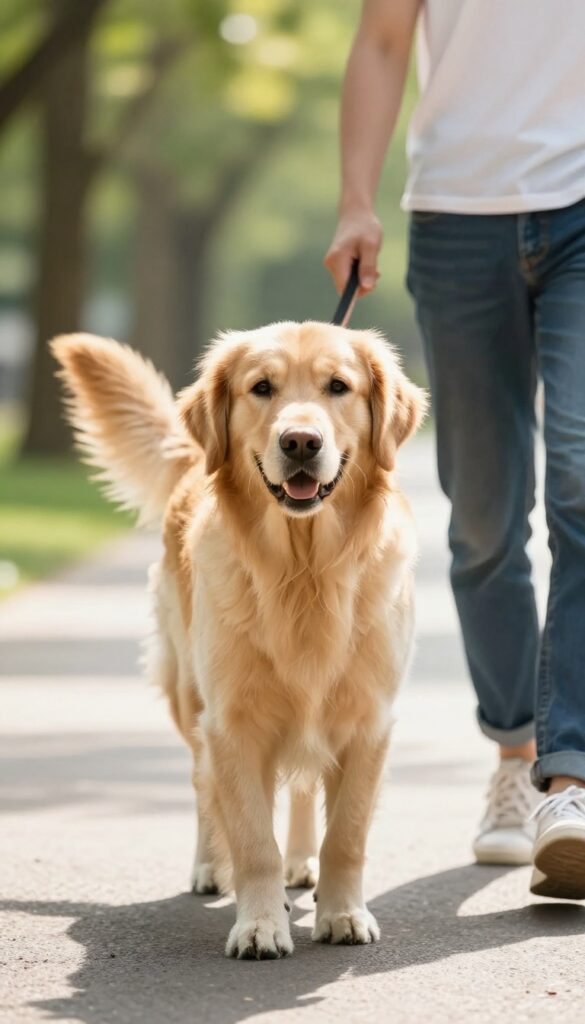
Walks are prime time for distractions, but they're also a perfect classroom for building focus without turning every outing into a drill. The check-in game turns a simple glance your way into a rewarding habit, so your dog learns that keeping an eye on you pays off. It's low-pressure, easy to start, and fits naturally into any walk.
The check-in game is about catching your dog's attention during a walk and rewarding it before they get distracted. You're not asking for anything—just noticing when they look at you and making it worth their while. Over time, this builds a default behavior of checking in, which makes it easier to redirect them when something exciting appears.
How To Start The Game
Begin in a low-distraction area, like your street or a quiet trail. Keep treats in a pocket or pouch, and walk at a relaxed pace. The moment your dog looks back at you—even for a second—say 'Yes! ' and pop a treat.
No command needed. You're simply marking the behavior you like.
When To Reward
Reward every check-in at first, even if it seems random. As your dog gets the hang of it, you can become more selective, rewarding only the looks that are deliberate and focused. This raises the bar and encourages your dog to offer more attention, not just a quick glance.
Adding Distractions Gradually
Once your dog checks in reliably in a quiet area, move to a busier spot—maybe a park with other dogs or a sidewalk with traffic. Keep the same rules: reward any look your way. If your dog gets too distracted, move closer to the quiet zone until they can succeed again.
This progressive exposure builds real-world focus.
FAQ
How long does it take to train a dog to focus around distractions?
It depends on the dog and the consistency of training. With daily practice, you can see noticeable improvement in a few weeks, but solid reliability may take a few months.
What treats are best for distraction training?
Use high-value treats like small pieces of chicken, cheese, or hot dogs. These are more motivating than regular kibble, especially when distractions are present.
Can I train my dog to focus without treats?
Yes, but treats are a great starting point. Once your dog understands the behavior, you can gradually replace treats with praise, toys, or life rewards like going for a walk.
What if my dog gets too excited around distractions?
Start with a greater distance from the distraction and use high-value rewards. If your dog is over threshold, move further away until they can focus, then gradually decrease the distance.
Should I use a clicker for focus training?
A clicker can be helpful because it marks the exact moment your dog makes the right choice. However, it's not necessary. A consistent verbal marker like 'yes' works too.
Conclusion
Building focus around distractions takes time, patience, and consistency. Start with simple exercises in quiet spaces and gradually add more challenging scenarios. Remember to keep training sessions short and positive, ending on a high note.
With regular practice, you'll notice your dog looking to you more often, even when the world gets exciting. Stick with it, and you'll have a dog that stays connected to you no matter what's happening around them.

I’m Pallab Kishore, the owner of Little Pets Realm — an animal lover and pet care enthusiast sharing easy tips, healthy recipes, and honest advice to help every small pet live a happy, healthy, tail-wagging life.