Last updated on August 19th, 2026 at 04:19 pm
Guinea pigs are active, curious animals that need mental and physical stimulation, especially when kept indoors.
Without enrichment, they can become bored or develop health issues.
This list of 13 toy ideas will help you keep your guinea pig entertained, happy, and healthy using simple, safe materials you likely already have at home.
Cardboard Tunnels and Mazes
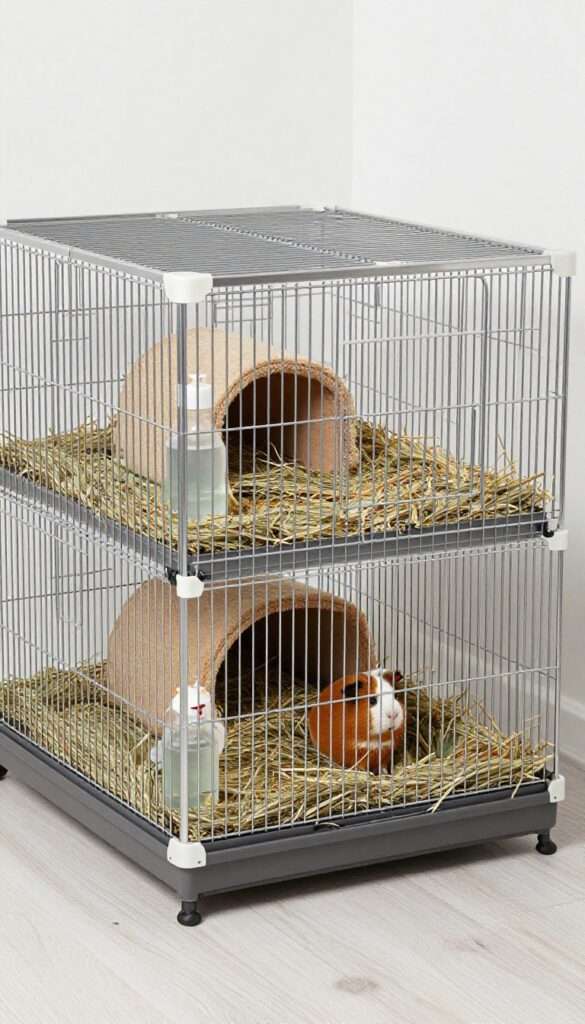
Cardboard tunnels and mazes are a classic, low-cost way to keep your guinea pig active and entertained indoors. They tap into your pet's natural instinct to explore and burrow, providing both physical exercise and mental stimulation.
To create a simple tunnel, use large cardboard boxes or tubes from wrapping paper or postal tubes. Cut multiple holes for entrances and exits to make a maze. You can connect several boxes with tape (on the outside only) to form a more complex network.
Always use plain, unprinted cardboard and avoid any tape, staples, or ink that could be harmful if chewed.
- Use large cardboard boxes or tubes to create tunnels.
- Cut holes for multiple entrances/exits.
- Replace when soiled or chewed up.
Hay Stuffed Paper Bags
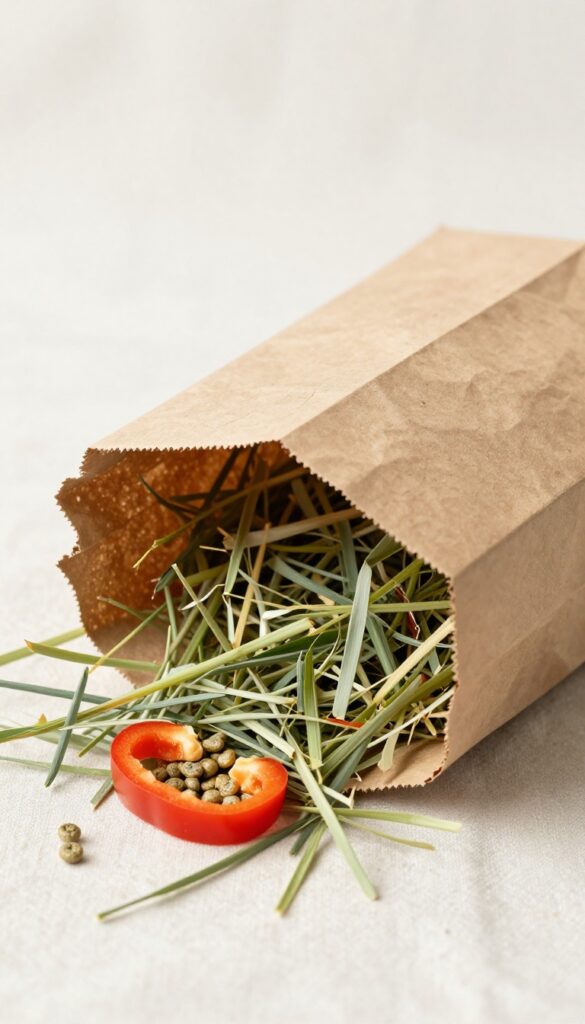
A simple paper bag filled with hay turns into an engaging foraging toy that satisfies your guinea pig's natural instinct to explore and nibble.
Start with a plain brown paper lunch bag—no glue, prints, or glossy coatings. Fill it loosely with fresh, fragrant hay, then tuck a few small treats like a slice of bell pepper or a few pellets deep inside. Crumple the top of the bag to create a closed puzzle your guinea pig has to work open.
Key Tips
- Use only brown paper bags without glue, ink, or glossy finishes.
- Supervise playtime and remove any large pieces of bag that get chewed off.
- Replace the bag once it becomes soiled or too torn.
Always supervise your guinea pig with this toy to prevent ingestion of large paper pieces, which could cause digestive issues.
DIY Foraging Box with Shredded Paper
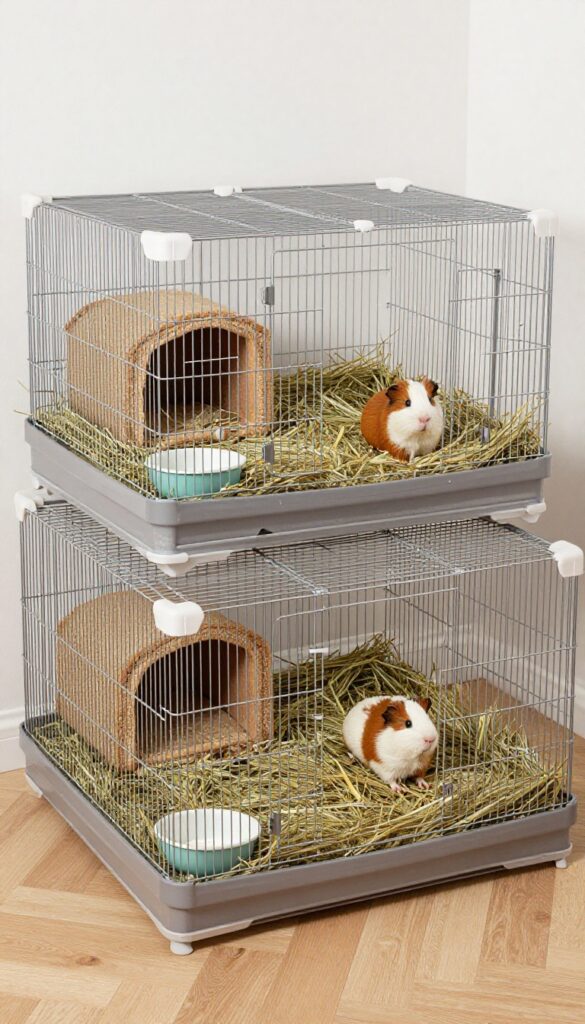
A DIY foraging box taps into your guinea pig's natural instinct to dig and search for food. It's simple to set up and provides mental stimulation as they root through the paper to find hidden treats.
To make a foraging box, grab a shallow cardboard box or plastic tub and fill it with shredded paper. Use plain, unprinted paper or newspaper—avoid any paper with colored inks, as the dyes can be harmful if ingested. Stay away from shredded paper from office shredders, which may contain staples or other metal bits.
Key points
- Use a shallow box and fill with shredded paper.
- Hide veggies or pellets inside.
- Let guinea pigs dig and search.
Willow Balls and Chew Toys
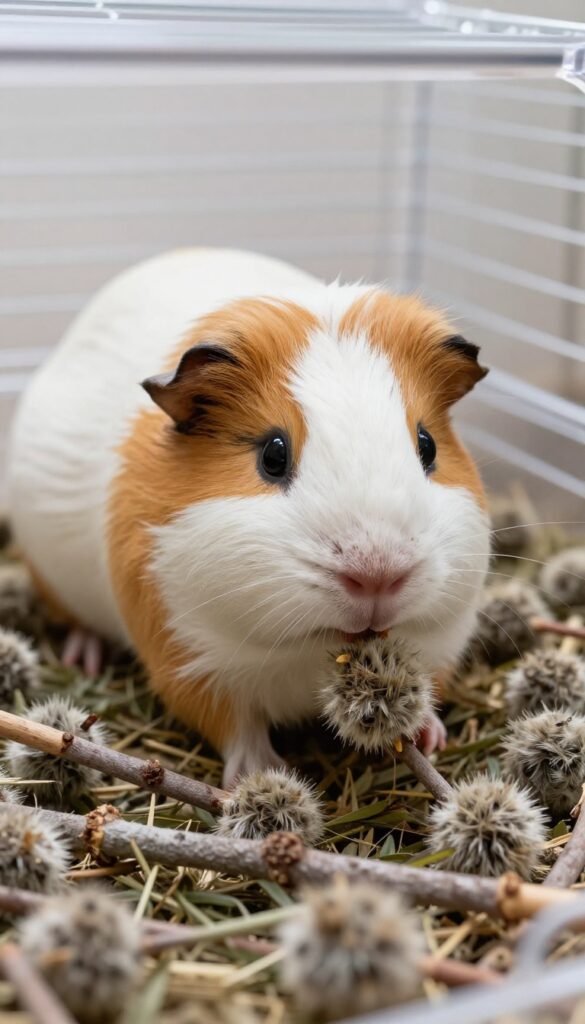
Natural willow balls and sticks are excellent chewing and tossing toys for guinea pigs. They satisfy the natural urge to gnaw while providing light exercise.
Willow is a safe, digestible material that guinea pigs can chew without risk. The balls are lightweight enough to be pushed and tossed around the enclosure, adding playful movement.
Key tips for using willow toys
- Always choose pesticide-free, untreated willow products.
- Avoid any wood that has been painted, stained, or chemically treated.
- Inspect toys regularly and replace them when they become worn or splintered.
Do not use plastic chew toys that can splinter into sharp pieces. Stick to natural materials like willow, applewood, or aspen.
Toilet Paper Tube Treat Dispensers
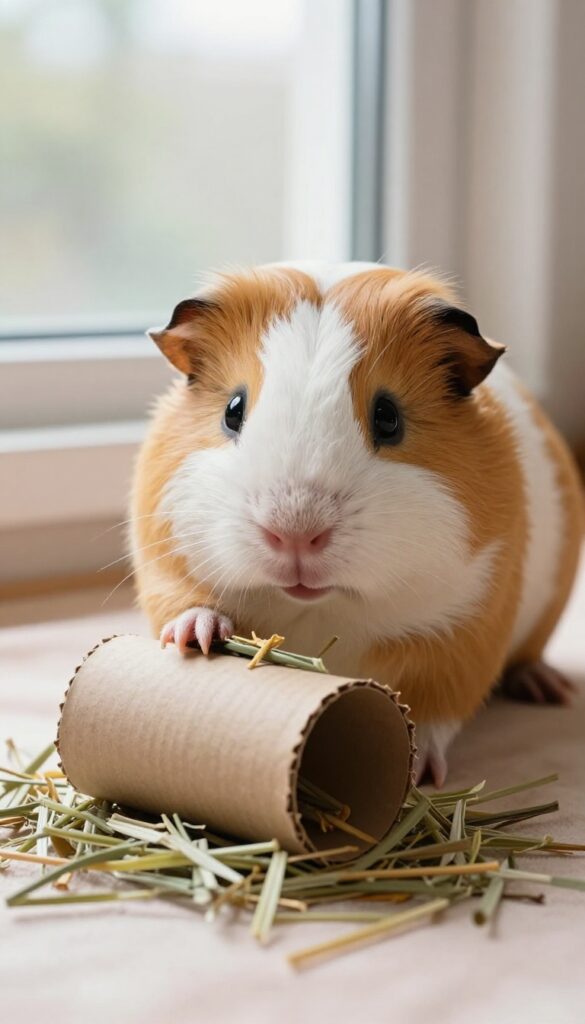
Turn empty toilet paper rolls into simple foraging toys that challenge your guinea pig to work for their treats. This DIY puzzle encourages natural chewing and problem-solving behaviors.
To make a treat dispenser, start with a plain cardboard tube from toilet paper. Fold one end closed, fill the tube with hay and a few small treats, then fold the other end. Your guinea pig will chew through the cardboard to access the goodies inside.
Key tips for safety and fun
- Use only plain cardboard tubes without glue, labels, or tape.
- Avoid paper towel tubes, as they are wider and may cause a guinea pig's foot to get stuck.
- Supervise play and discard the tube once it becomes soiled or heavily chewed.
This toy is perfect for indoor enrichment, combining foraging with chewing—a natural guinea pig activity. It's inexpensive, easy to make, and keeps pets busy for a good while.
Fleece Snuggle Sacks and Tents
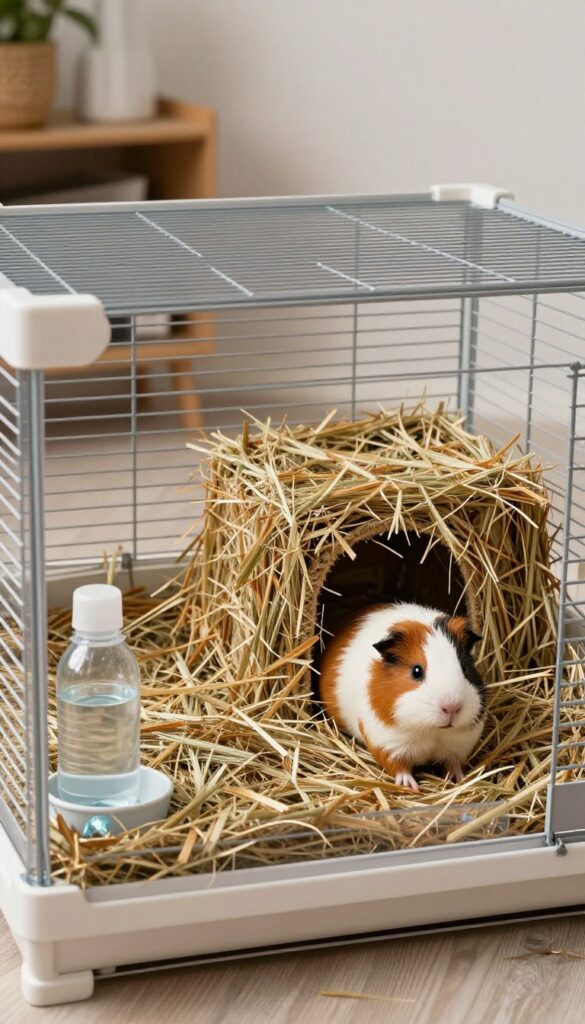
Fleece snuggle sacks and tents offer guinea pigs a cozy, secure hideaway that also provides warmth. They're easy to clean and can be bought or sewn at home.
Guinea pigs love burrowing into soft, warm spaces. Fleece snuggle sacks and tents mimic natural burrows, giving your pet a safe spot to nap or hide. When making your own, always use anti-pill fleece to avoid loose threads that could entangle tiny toes.
Avoid cotton or materials that fray easily, as these can cause digestive issues if ingested.
Key Points
- Sew or buy fleece tunnels and sacks for a cozy retreat.
- Provide hiding spots that also retain body heat.
- Machine washable for easy hygiene maintenance.
PVC Pipe Tunnels (Supervised Only
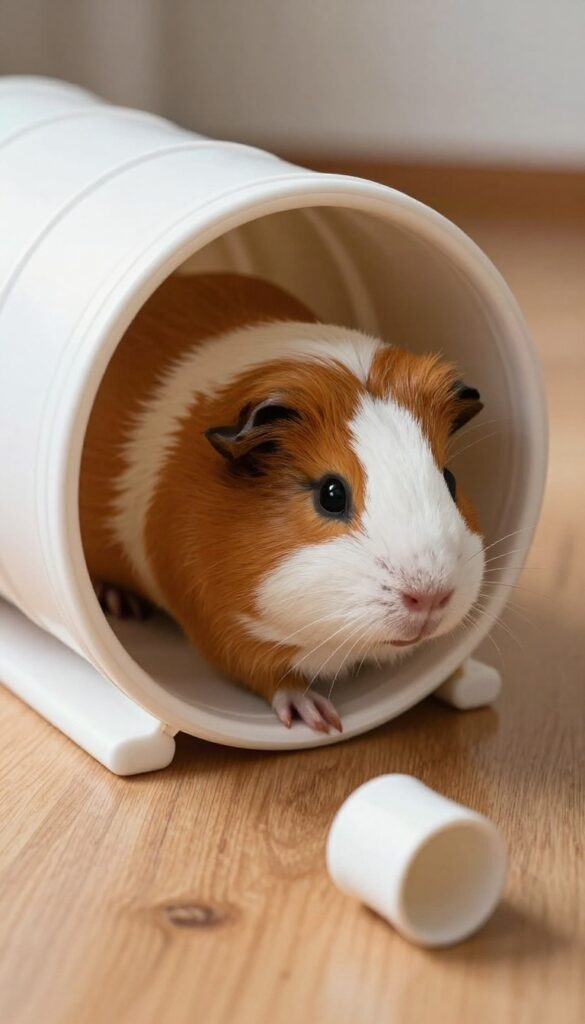
PVC pipes can make excellent tunnels for guinea pigs to explore, but safety is key. With a few precautions, you can create a fun, modular play system for indoor adventures.
Start by selecting wide PVC pipes—at least 4 inches in diameter—so your guinea pig can turn around easily without getting stuck. Cut the pipe into sections about 12 to 18 inches long, and sand the cut edges thoroughly with sandpaper to remove any sharp burrs. Rinse the pipes with warm water and mild soap to remove dust and debris, then let them dry completely before introducing them to your pet.
- Use wide PVC pipes (at least 4 inches diameter) to prevent trapping.
- Smooth all cut edges with sandpaper to avoid injury.
- Supervise your guinea pig at all times to discourage chewing on the plastic.
- Limit tunnel time to short sessions and remove if any damage occurs.
Always supervise your guinea pig when using PVC tunnels. Some guinea pigs may chew on the plastic, which can be harmful if ingested. If you notice any chewing, remove the tunnel immediately.
Hanging Hay Racks and Treat Balls
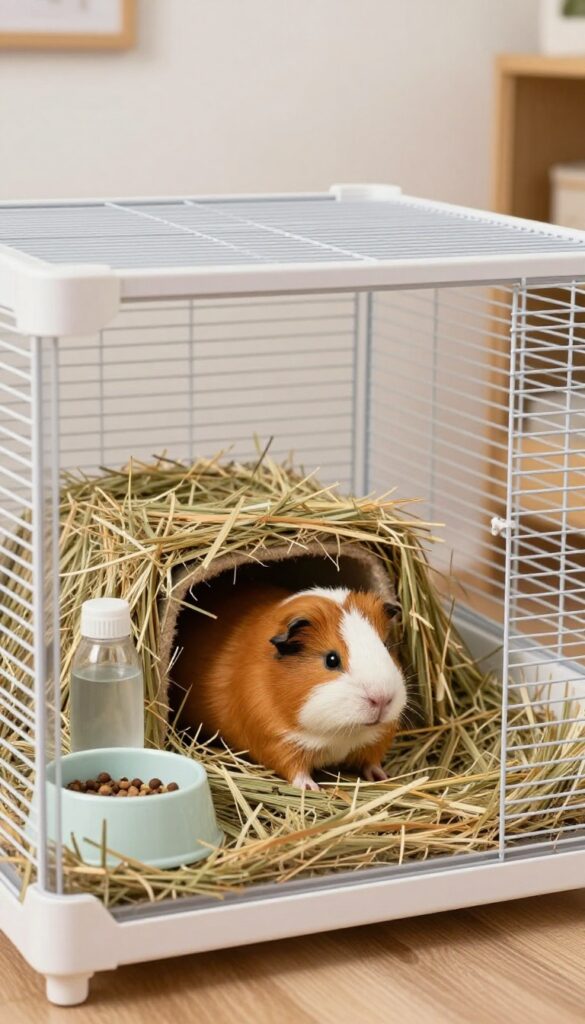
Hanging hay racks and treat balls are excellent guinea pig toys to keep pets busy indoors. They combine feeding with play, encouraging natural foraging behaviors while ensuring your pet stays active and engaged.
Hay racks attach securely to the cage bars, holding fresh hay off the floor to keep it clean and dry. Guinea pigs love to pull hay through the openings, which mimics how they would forage in the wild. Treat balls designed for small animals can be filled with hay or small pellets, and as your guinea pig pushes or rolls the ball, treats fall out, providing mental stimulation and physical activity.
- Attach the hay rack firmly to the cage bars to prevent tipping.
- Choose treat balls with openings large enough for treats to fall out but not so large that they become stuck.
- Always supervise your guinea pig with treat balls to ensure they don't chew off small parts.
Safety First
Ensure the rack is securely attached and avoid wire racks with sharp edges that could injure your pet. Check that openings are not small enough to trap a foot or head.
Dig Box with Hay or Soil
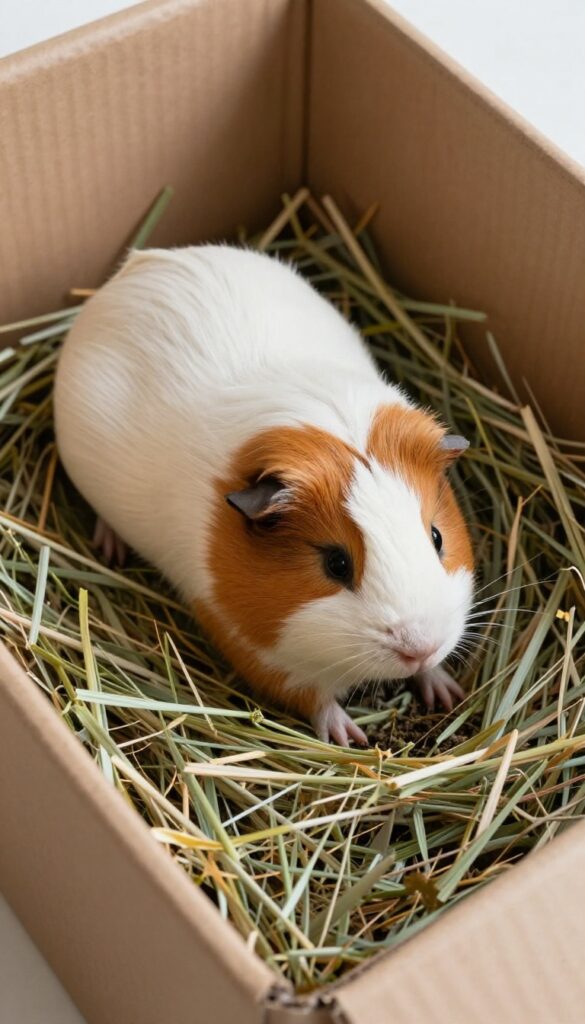
Guinea pigs have a natural instinct to dig and burrow. A dig box provides a safe outlet for this behavior, offering mental stimulation and physical exercise. Here’s how to set one up.
Use a shallow container, such as a plastic storage bin or a cardboard box with low sides, and fill it with either hay or organic soil. Hay is the safest option, as it’s edible and familiar. If using soil, ensure it’s free of fertilizers, pesticides, and other chemicals.
Hide small treats like a piece of bell pepper or a few pellets beneath the surface to encourage digging.
- Choose a container that’s easy for your guinea pig to enter and exit.
- For soil, use only organic potting soil or topsoil with no additives.
- Monitor your guinea pig while using the dig box to prevent ingestion of large amounts of soil.
- Replace hay regularly to keep it fresh and clean.
Safety Note
Avoid cat litter, sand, or any dusty materials, as these can cause respiratory issues. Also, never use soil from your garden, which may contain harmful chemicals or parasites.
Obstacle Course with Household Items
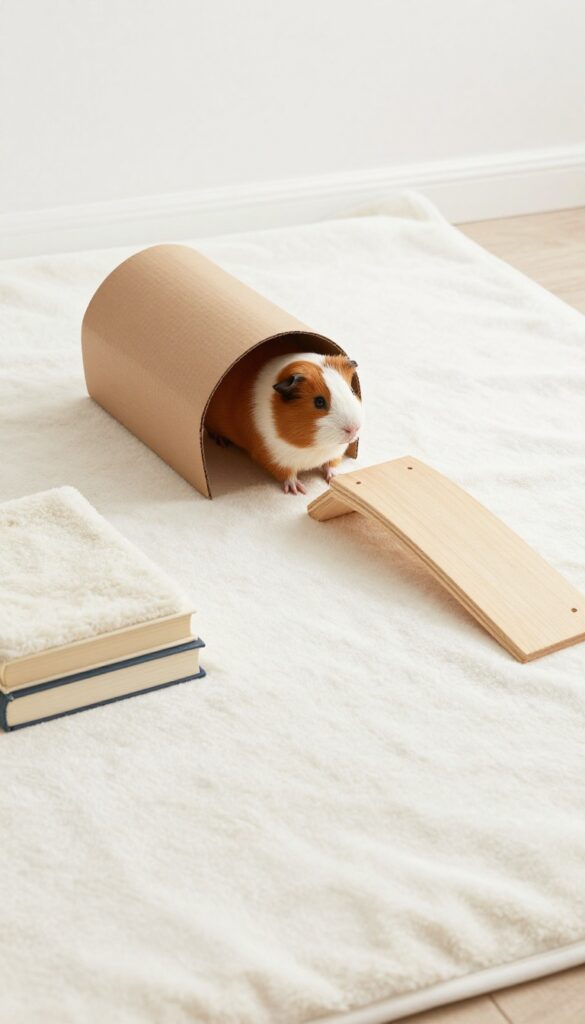
Transform everyday household objects into a fun obstacle course that encourages your guinea pig to explore, climb, and stay active indoors.
You don’t need expensive equipment to create an engaging course. Use sturdy cardboard boxes as tunnels, low ramps made from books or small wooden planks, and soft platforms for climbing. Ensure all items are stable and safe, avoiding any heights that could cause falls.
Change the layout regularly to keep the novelty alive and challenge your pet’s problem-solving skills.
- Arrange boxes, tunnels, and ramps in a simple circuit.
- Use low platforms (under 4 inches) for climbing.
- Change layout every few days to maintain interest.
Avoid slippery surfaces like plastic sheets, which can cause injuries. Stick to carpet, fleece, or non-slip mats.
Paper Towel Roll Foraging Puzzle
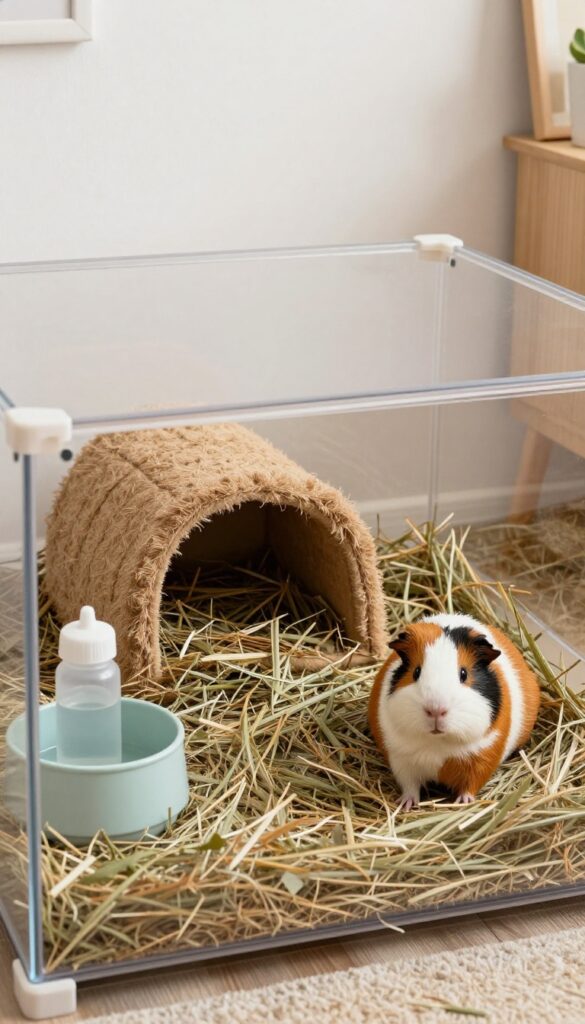
This simple DIY toy turns a plain paper towel roll into a fun foraging challenge that encourages natural nibbling and exploration.
Start by cutting a paper towel roll into several rings, each about an inch wide. Thread fresh hay through the rings so it sticks out on both sides, then place the rings in your guinea pig's enclosure. Your pet will enjoy pulling the hay out piece by piece, which mimics natural foraging behavior and provides mental stimulation.
Key Tips
- Use only plain cardboard rolls without adhesive, labels, or tape.
- Supervise your guinea pig to ensure they don't ingest large pieces of cardboard.
- Replace the toy once it becomes soiled or chewed beyond recognition.
Crumpled Paper Balls
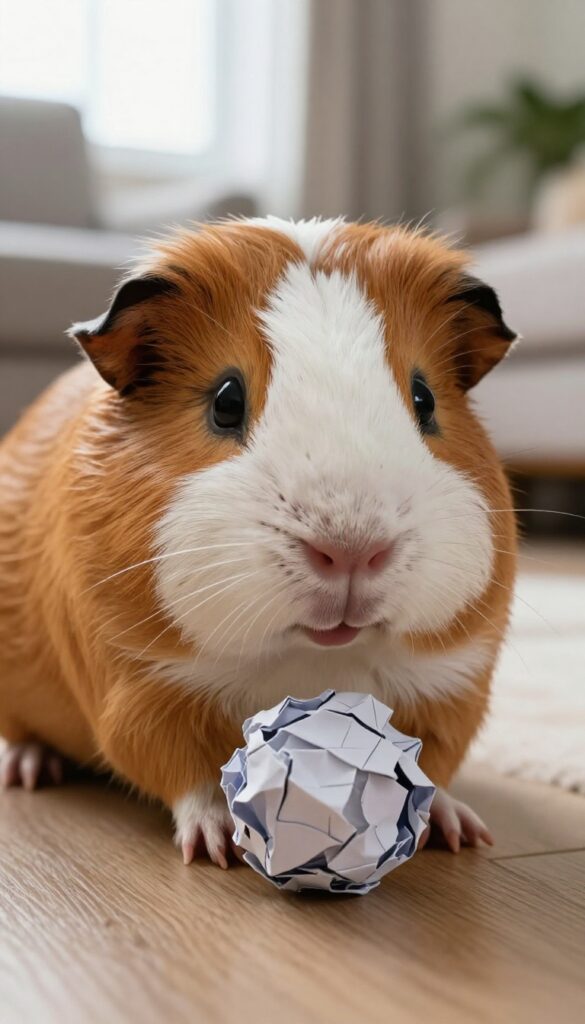
Sometimes the simplest toys are the most fun. Crumpled paper balls are a zero-cost, easy-to-make toy that guinea pigs love to chase, nudge, and toss around. They satisfy your pet's natural curiosity and provide a light, rolling object that encourages movement.
To make one, simply take a sheet of plain, unprinted paper or newspaper (without colored ink) and crumple it into a ball about the size of a ping pong ball. Avoid glossy paper, as it may contain harmful coatings. Also, never use paper with staples, tape, or any adhesive.
Toss the ball into your guinea pig's play area and watch them investigate. They may push it with their nose, pick it up, or run after it.
- Use only unprinted paper or newspaper without colored ink.
- Avoid glossy paper, staples, tape, and adhesives.
- Replace paper balls when they become soiled or torn.
This toy is best used during supervised playtime, as guinea pigs may try to eat the paper. While small amounts of plain paper are generally safe, it's best to remove the ball once it starts to break apart. Crumpled paper balls are a wonderful, budget-friendly addition to your indoor enrichment routine, keeping your guinea pig active and engaged.
Interactive Treat-Dispensing Toys
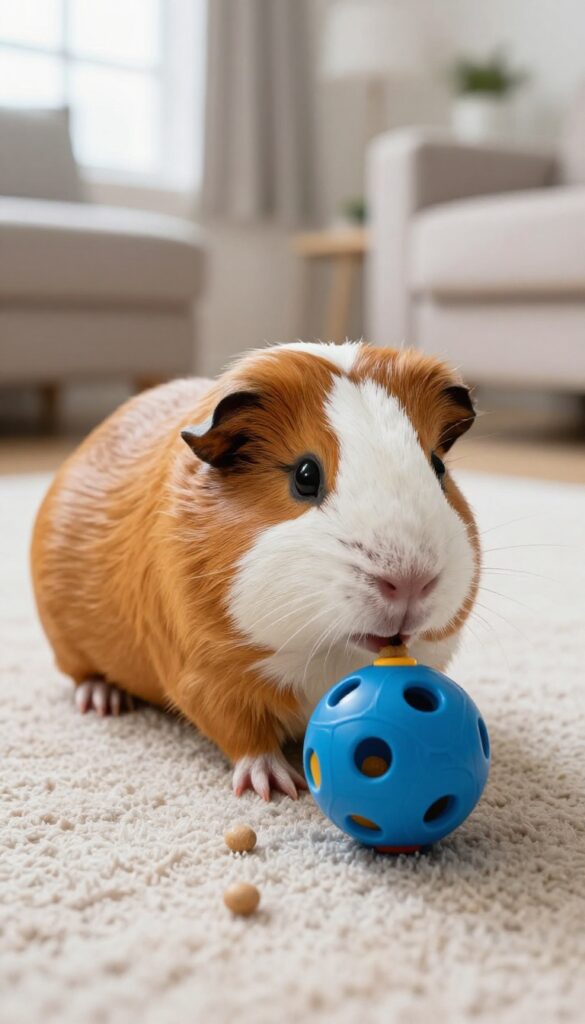
Interactive treat-dispensing toys combine mental stimulation with a tasty reward, making them a favorite for keeping guinea pigs busy indoors. These toys encourage natural foraging behaviors and provide hours of entertainment.
Commercial treat balls or puzzles designed for small animals are a great option. Fill them with your guinea pig's favorite pellets or hay, and watch as they nudge and roll the toy to release the treats. You can adjust the difficulty by changing the size of the openings—start with larger holes and make them smaller as your pet gets the hang of it.
Key Considerations
- Choose toys made of safe, non-toxic materials like hard plastic or wood. Avoid any with small parts that could be chewed off and swallowed.
- Clean the toy regularly to prevent bacteria buildup, especially if used with moist treats.
- Always supervise your guinea pig during play to ensure they don't get stuck or chew on parts that could be harmful.
FAQ
What materials are safe for guinea pig toys?
Safe materials include untreated wood, cardboard, paper (without ink or glue), fleece, and natural fibers like willow. Avoid plastic, treated wood, and anything with small parts that could be swallowed.
How often should I rotate guinea pig toys?
Rotate toys every few days to keep your guinea pig interested. Introduce new toys gradually and remove any that become soiled or damaged.
Can guinea pigs play with cat toys?
Some cat toys, like crinkle balls or tunnels, can be safe if they are large enough and made of non-toxic materials. Avoid toys with catnip, bells, or small parts that could be chewed off.
How do I clean guinea pig toys?
Cardboard and paper toys should be replaced when soiled. Fabric toys can be washed in hot water with unscented detergent. Wooden toys can be scrubbed with a brush and dried thoroughly.
Are exercise wheels safe for guinea pigs?
No, exercise wheels are not recommended for guinea pigs because they can cause spinal injuries. Instead, provide plenty of floor space and tunnels for exercise.
Conclusion
Keeping your guinea pig entertained indoors doesn't require expensive store-bought toys. With a little creativity and safe materials, you can provide endless fun and enrichment.
Remember to supervise playtime, rotate toys regularly, and always prioritize safety. Your guinea pig will thank you with happy wheeks and popcorn jumps!

I’m Pallab Kishore, the owner of Little Pets Realm — an animal lover and pet care enthusiast sharing easy tips, healthy recipes, and honest advice to help every small pet live a happy, healthy, tail-wagging life.