
You've finally decided to hire a professional to clean your sofa. Smart move—deep cleaning can remove years of dirt, allergens, and stains that vacuuming alone can't touch.
But not all services are created equal, and a bad choice can leave your couch worse off than before. From fabric damage to hidden fees, there's plenty that can go wrong.
That's why it pays to know what to look for before you hand over your keys and your cash. These 17 tips will help you vet, compare, and work with sofa cleaning pros so you get a fresh, like-new couch without the headaches.
1. Check the Company's Reputation Online

A five-star average looks great, but it doesn't tell the whole story. You need to dig into recent reviews to see if that company actually shows up on time and treats furniture with care. A few minutes of research can save you from a costly mistake.
Start with Google and Yelp, but don't stop there. The Better Business Bureau (BBB) is a goldmine for spotting unresolved complaints. Look for patterns: multiple reviews mentioning the same issue—like late arrivals, hidden fees, or fabric damage—are red flags you shouldn't ignore.
Also pay attention to how the company responds to negative feedback. A professional reply that addresses the problem shows accountability. If they ignore complaints or get defensive, consider it a warning sign.
Where To Look
Google Maps and Yelp are obvious starting points, but also check the company's Facebook page and Nextdoor for local feedback. The BBB website gives you access to complaint history and resolution status.
What To Watch For
Look beyond the star count. Read the 3- and 4-star reviews—they're often more balanced and detailed. Pay attention to how recent the reviews are; a company that was great five years ago might have new management or different technicians now.
Red Flag Patterns
If you see multiple complaints about furniture being returned wet, smelly, or with new stains, that's a hard pass. Also watch for mentions of upselling after the job starts—that's a classic bait-and-switch tactic.
2. Ask About Their Cleaning Method
Not all cleaning methods are created equal, and the wrong one can damage your sofa's fabric or leave it looking worse. Before you book, ask the company which technique they use and why it's suitable for your couch. A reputable service will be happy to explain their process and tailor it to your needs.
Understanding the cleaning method helps you avoid surprises and ensures your sofa gets the care it deserves. Here's what to look for:
Hot Water Extraction (steam Cleaning)
This is the most common deep-cleaning method for durable fabrics like cotton or polyester. Hot water mixed with cleaning solution is injected into the fabric, then extracted with a powerful vacuum. It's great for removing embedded dirt and allergens, but it leaves the sofa wet for several hours.
Ask if they use truck-mounted or portable equipment—truck-mounted is usually more powerful and dries faster.
Dry Cleaning (low Moisture)
For delicate fabrics like velvet, silk, or wool, dry cleaning uses minimal water and specialized solvents. This method dries quickly and reduces the risk of shrinking or color bleeding. However, it may not be as effective on heavy soil or set-in stains.
Confirm that the solvents are safe for your fabric type and your household (especially if you have pets or kids).
Steam Cleaning (dry Vapor)
Dry vapor steam cleaning uses high-temperature steam with very low moisture. It's excellent for sanitizing and deodorizing without soaking the fabric. This method works well on synthetic blends and can help kill dust mites and bacteria.
But it might not lift deep stains as effectively as hot water extraction. Ask if they pre-treat stains before steaming.
Encapsulation
A newer method where a crystallizing polymer encapsulates dirt particles, which are then vacuumed away when dry. It's low-moisture, dries fast, and leaves no residue. Ideal for maintenance cleaning between deep cleans.
However, for heavily soiled sofas, encapsulation alone may not be enough.
3. Verify Insurance and Certifications

A professional sofa cleaning company should have liability insurance and, ideally, certifications from recognized industry organizations like the IICRC. This protects you financially if the cleaner damages your sofa or your property. Without insurance, you could be stuck paying for repairs out of pocket.
Before booking, ask for proof of insurance and any relevant certifications. A reputable company will gladly provide this information. Certifications from the Institute of Inspection, Cleaning and Restoration Certification (IICRC) indicate that the technicians have undergone formal training and adhere to industry standards.
This gives you peace of mind that the job will be done correctly.
What To Ask About Insurance
Ask specifically about general liability insurance and workers' compensation. General liability covers accidental damage to your property, while workers' comp protects you if a cleaner gets injured at your home. Request to see a certificate of insurance and verify the policy is current.
Why Certifications Matter
IICRC certification means the company follows established cleaning standards and uses proper techniques for different fabric types. Certified technicians are trained to identify fiber content, choose the right cleaning solutions, and avoid common mistakes like overwetting or using the wrong pH. This reduces the risk of shrinkage, color bleeding, or fabric damage.
Red Flags To Watch For
Be wary of companies that hesitate to provide insurance proof or claim they don't need it. Also, avoid services that can't name their certifications or say they're 'self-certified. ' Legitimate certifications come from third-party organizations, not the company itself.
4. Get a Detailed Written Estimate
Verbal quotes are easy to give but hard to hold anyone to. A handshake deal might sound friendly, but it leaves too much room for surprise charges once the job is done. A written estimate protects both you and the cleaner by spelling out every cost upfront.
A thorough estimate should break down the base cleaning price, any per-item or per-cushion fees, and clearly list all optional add-ons. Stain treatment, deodorizing, fabric protection, and moving furniture should each have their own line item. If the company can't provide a detailed written quote, consider that a red flag.
What A Good Estimate Includes
Look for the cleaning method, number of pieces or cushions, and any travel or setup fees. It should also state the payment terms, cancellation policy, and warranty or satisfaction guarantee. If the estimate is vague, ask for specifics before agreeing.
Watch For Hidden Add-ons
Some companies quote a low base price, then tack on extras for things like pre-treatment, heavy soil, or pet stains. A written estimate forces them to disclose these charges. If they won't put it in writing, you could end up paying double.
Compare Estimates Side By Side
Get at least three written estimates from different companies. Compare not just the total price, but what's included. A slightly higher quote might include stain protection or a warranty, making it a better value than a bare-bones low bid.
5. Understand the Fabric Care Code

Before any cleaning begins, flip over a cushion or check the tag attached to your sofa. You'll likely see a code like W, S, WS, or X. That little letter tells you exactly how your fabric can be cleaned.
Sharing this code with your service ensures they use the right products and methods—avoiding damage, discoloration, or shrinkage.
What Each Code Means
W stands for water-based cleaning. S means solvent-based cleaning only. WS means either water or solvent is fine.
X means vacuuming only—no liquids or chemicals. Knowing which one applies to your sofa is step one.
Why It Matters For Your Service
A pro who ignores the code can ruin your fabric. For example, using water on an S-coded sofa can cause bleeding or permanent stains. Always confirm the service checks and respects the code before they start.
What If The Tag Is Missing?
If the tag is gone or unreadable, don't guess. Ask the service to test a hidden area first. Many companies will do a spot test to see how the fabric reacts.
This small step can save you a lot of regret.
6. Ask About Drying Time
You might assume your sofa will be dry in an hour or two, but that's not always the case. Some cleaning methods—especially steam cleaning—can leave the fabric soaking wet for up to 12 hours or more. Knowing the expected drying time upfront helps you plan around your daily life.
If you have kids, pets, or a busy schedule, a wet sofa can be a major inconvenience. No one wants to tell their toddler they can't jump on the couch for half a day. Ask the company what their typical drying time is and whether they use techniques like low-moisture cleaning or accelerated drying fans to speed things up.
A good company will give you a clear answer and help you prepare.
Why Drying Time Matters
Excess moisture doesn't just keep you off the couch—it can lead to mold, mildew, and musty odors if the sofa stays damp too long. This is especially risky for sofas in humid climates or rooms with poor airflow. A quick-dry method reduces that risk and gets your living room back to normal sooner.
What Affects Drying Time
The fabric type plays a big role. Natural fibers like cotton and linen absorb more water and dry slower than synthetics like polyester or microfiber. The cleaning method also matters: steam cleaning uses more water, while dry foam or encapsulation leaves very little moisture.
Your home's temperature and ventilation can speed things up or slow them down.
How To Prepare For A Wet Sofa
If drying will take several hours, plan ahead. Move pets to another room, set up a fan or dehumidifier near the sofa, and avoid sitting on it until it's completely dry. Some companies offer an express service with extra drying equipment for a fee—worth asking about if you're in a hurry.
7. Inquire About Stain Removal Guarantees
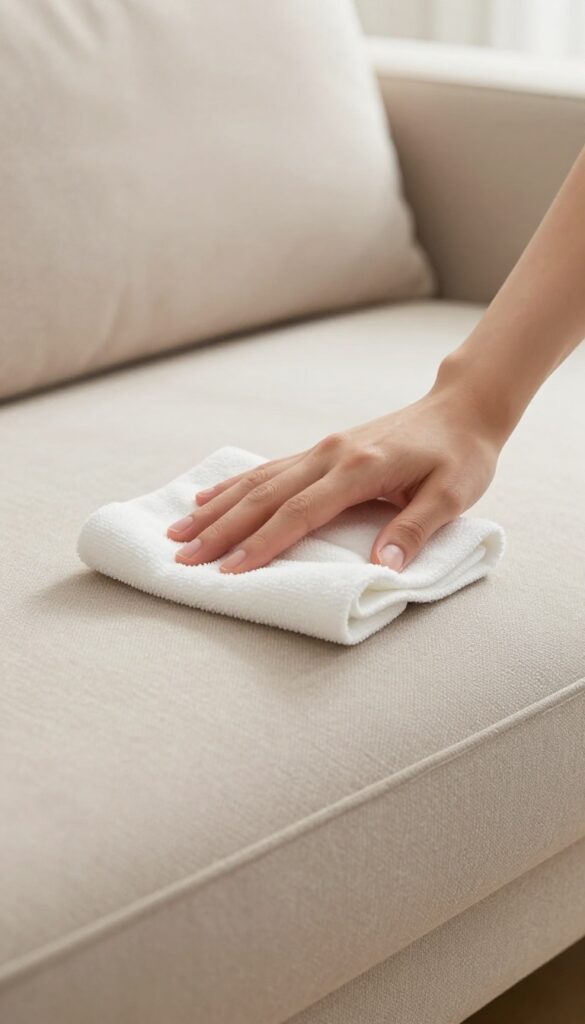
Nobody wants to pay for a cleaning that leaves a stubborn stain behind. But here's the reality: some stains are simply permanent, especially if they've set in over time. A trustworthy company will level with you about what they can and can't fix.
They'll also stand behind their work with a guarantee on specific stains they promise to remove.
Why Guarantees Matter
A stain removal guarantee shows the company is confident in its methods. It also protects you if a stain doesn't come out as expected. Without a guarantee, you could end up paying full price for a spot that's still visible.
What To Ask Before You Book
Ask directly: "Do you guarantee stain removal? " If they say yes, get the details in writing. Find out which stains are covered, what happens if a stain remains (partial refund? free re-treatment? ), and if there are any time limits on the guarantee.
Red Flags To Watch For
Be wary of companies that promise to remove every stain without exception. That's often a sales pitch, not a realistic claim. Also avoid cleaners who refuse to discuss guarantees or brush off your questions.
A vague answer usually means they won't stand behind their work.
8. Check for Hidden Fees
You get a quote that sounds reasonable, but when the bill arrives, it's significantly higher. Hidden fees are one of the most common complaints in sofa cleaning. A reputable company will be upfront about all charges before any work begins.
Always ask for a detailed written estimate that lists every potential extra cost. Common hidden fees include charges for stairs (if you live in an apartment or multi-level home), heavy furniture that requires extra labor, and multiple cushions beyond a standard count. Some companies also add fees for pet stains, excessive dirt, or special fabric treatments.
A transparent company will disclose these upfront and won't surprise you after the job is done.
Stairs And Accessibility
If your sofa is on a second floor or requires navigating narrow stairs, some companies tack on a fee. Ask specifically about stair charges and whether they apply to each flight or just once. A flat-rate stair fee is fair; a per-step charge is a red flag.
Heavy Furniture And Oversized Pieces
Sectional sofas, large recliners, or sofas with built-in mechanisms often incur extra charges. The company may need additional staff or equipment. Confirm if the quoted price covers your specific sofa size and weight.
If not, get a revised quote.
Cushion And Pillow Count
Some services include only a set number of cushions in their base price. Each extra cushion or throw pillow may cost more. Count your cushions before booking and ask if there's a limit.
This is especially important for sofas with many accent pillows.
Minimum Charges And Travel Fees
Some companies have a minimum service charge or a travel fee if you're outside their standard service area. Ask about these upfront. A travel fee might be waived for larger jobs, but it's better to know before scheduling.
9. Request a Pre-Inspection

A pre-inspection might seem like an extra step, but it's one of the smartest things you can do before any cleaning begins. It gives both you and the technician a clear record of your sofa's current condition, so there's no confusion later about what was already damaged. Think of it as insurance for your upholstery.
A professional should inspect your sofa before starting, noting existing damage and agreeing on the scope of work. This prevents disputes later.
What A Pre-inspection Should Cover
A thorough pre-inspection includes checking for rips, loose seams, faded areas, and stubborn stains. The technician should also test fabric colorfastness in an inconspicuous spot. They'll document everything with photos and notes, and you'll both sign off on the condition report.
Why You Should Insist On One
Without a pre-inspection, you could be blamed for existing damage. For example, if a leg was already wobbly or a cushion had a tear, the company might claim their cleaning caused it. A signed report protects you from false claims and ensures you only pay for agreed services.
Red Flags During The Inspection
If a company refuses or rushes through the inspection, that's a warning sign. Also watch for technicians who skip the colorfastness test—this can lead to dye bleeding or fading. A reputable pro will take their time and explain what they find.
10. Ask About the Products They Use
Not all sofa cleaning solutions are created equal. Some are packed with harsh chemicals that can irritate your skin, trigger allergies, or leave a lingering smell. If you have kids, pets, or anyone with respiratory issues at home, it's worth knowing exactly what's going onto your couch.
A quick question about their cleaning products can save you from unwanted reactions. Many companies now offer eco-friendly or non-toxic options that are just as effective but much gentler on your home environment.
Why It Matters For Your Health
Standard cleaning agents often contain ammonia, bleach, or synthetic fragrances. These can cause headaches, skin rashes, or breathing trouble, especially in enclosed spaces. If you or your family are sensitive, request a list of ingredients before booking.
A reputable company will gladly share what they use.
Eco-friendly Options Are Widely Available
Many professional cleaners now carry plant-based or biodegradable solutions. They work well on stains and odors without leaving toxic residue. Ask if they have a green cleaning package—it might cost a bit more, but it's worth it for peace of mind.
What To Ask Specifically
Don't be shy about getting specific. Ask: "Is your cleaning solution safe for pets after it dries? " or "Do you use any fragrances?
" Some companies even use hot water extraction with just water and a mild detergent, which is about as safe as it gets.
11. Confirm Their Experience with Your Sofa Type
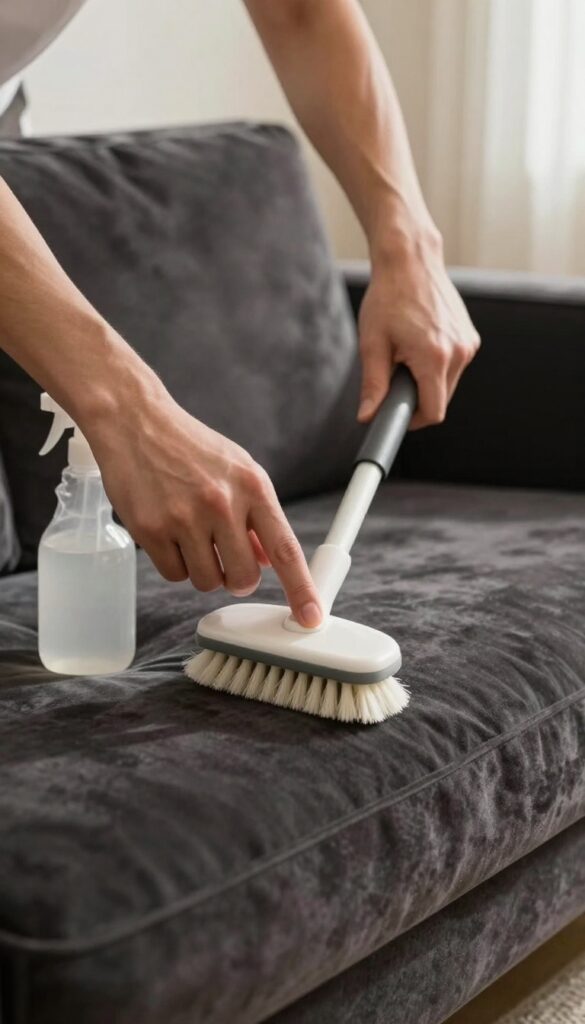
Leather, microfiber, velvet, and antique fabrics each require special care. Make sure the team has handled your specific material before. A pro who's great with microfiber might ruin a velvet sofa if they use the wrong cleaning method.
Before you book, ask the company directly about their experience with your sofa's upholstery. Don't assume all cleaners are trained on every fabric. A specialist in leather may not know how to treat delicate antique fabrics, and vice versa.
Request examples or references from past jobs involving your material type. This simple step can save you from costly damage and ensure your sofa gets the care it deserves.
Why Material Matters
Different fabrics react differently to cleaning solutions and techniques. Leather needs gentle pH-balanced cleaners and conditioning afterward. Microfiber can handle water-based cleaning but may leave water rings if not dried properly.
Velvet is prone to crushing and requires low-moisture methods. Antique fabrics are often fragile and need dry cleaning or specialized hand cleaning. A mismatch can lead to discoloration, shrinkage, or texture damage.
Questions To Ask
When you call a service, ask: "What specific training have you had on cleaning [your sofa material]? " Follow up with: "Can you describe the process you'd use? " and "Do you have before-and-after photos of similar sofas?
" A reputable company will answer confidently and provide proof. If they hesitate or give vague answers, consider it a red flag.
What To Look For In A Specialist
Look for certifications from organizations like the IICRC (Institute of Inspection, Cleaning and Restoration Certification) or manufacturer-specific training. Some brands, like Leather Master or Guardsman, offer certifications for cleaning their products. Also check online reviews for mentions of your fabric type.
A cleaner with a track record on your material is worth paying extra for peace of mind.
12. Look for a Satisfaction Guarantee
A satisfaction guarantee is a strong sign that a company stands behind its work. It shows confidence in their cleaning methods and a commitment to making things right if you're not thrilled with the results. Before you book, ask about their guarantee policy and read the fine print so you know exactly what's covered and what's not.
When you're trusting someone with your sofa, you want peace of mind that they'll do a good job. A satisfaction guarantee provides that reassurance, but not all guarantees are created equal. Some companies offer a full refund, while others only promise a re-clean.
And some have strict conditions or exclusions. Taking a few minutes to understand the policy can save you from disappointment later.
What To Look For
Start by asking if the company offers a satisfaction guarantee. If they do, request a written copy of the terms. Look for guarantees that cover both workmanship and results—meaning if a stain wasn't removed or the cleaning left residue, they'll address it.
A good guarantee typically gives you a window (like 24 to 48 hours) to report any issues after the service.
Watch Out For Fine Print
Some guarantees sound great but have hidden limitations. For example, they might only cover certain types of stains or fabrics, or require you to pay for a second cleaning attempt. Others may exclude damage caused by pre-existing conditions.
Read carefully so you know what's truly covered and what could void the guarantee, like moving the sofa or attempting DIY spot cleaning.
How To Use It If Needed
If you're not satisfied, contact the company right away—most policies have a short timeframe. Be specific about what you're unhappy with and provide photos if possible. A reputable company will work with you to schedule a re-clean or process a refund.
Keep all documentation, including the original invoice and guarantee terms, to make the process smooth.
13. Prepare Your Sofa Before They Arrive
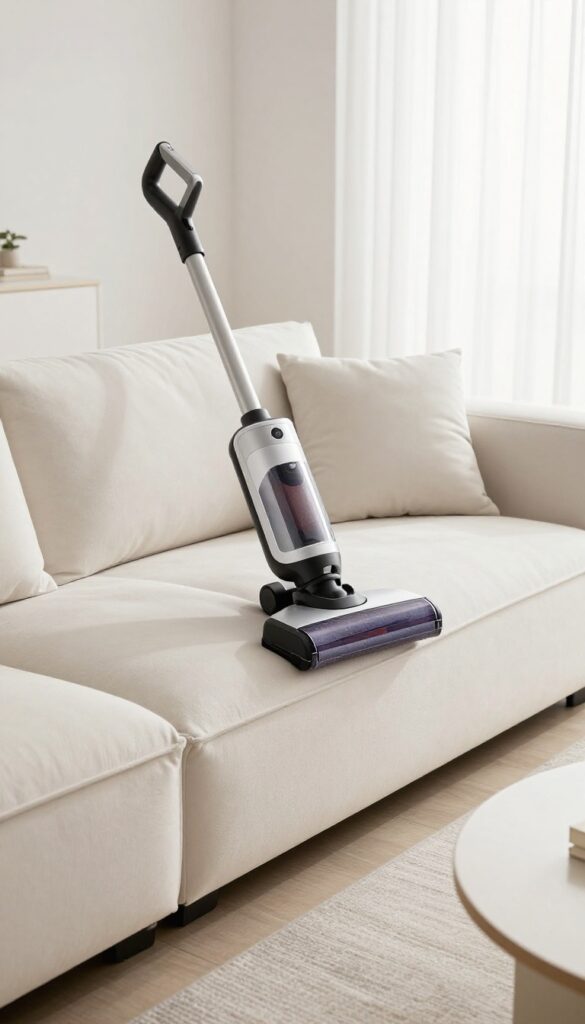
A little prep work on your end can make a big difference in the final result. When you clear the way, the cleaning team can spend their time on what matters—deep cleaning your sofa instead of moving your stuff. Plus, it shows you're serious about getting the best outcome.
Getting your sofa ready isn't complicated, but it does require a few simple steps. Start by removing all cushions, pillows, and any loose items like blankets or toys. This gives the pros full access to every nook and cranny, including the crevices where dirt and crumbs hide.
Next, give the sofa a quick vacuum with your own machine. Focus on the surface, seams, and under the cushions. This removes loose debris and pet hair so the cleaning solution can work more effectively on embedded stains and odors.
Your vacuum won't replace their industrial equipment, but it saves them time and helps them concentrate on the deep cleaning you're paying for.
Clear The Area
Move any furniture, lamps, or decorative items away from the sofa. This gives the cleaners room to work and prevents accidental bumps or spills. If your sofa is against a wall, pull it out a few inches so they can access the back and sides.
A clear workspace means a more thorough clean.
Spot-check For Valuables
Check between cushions and in pockets for loose change, keys, or small electronics. It's easy to lose things in a sofa, and you don't want them to get sucked into a vacuum or damaged by cleaning solutions. A quick sweep saves you from a potential headache later.
Communicate Problem Areas
Point out any stains, spills, or high-traffic spots to the cleaning team when they arrive. They can then pre-treat those areas or adjust their technique. A heads-up helps them prioritize and ensures those stubborn marks get the attention they need.
14. Ask About Spot Treatment vs. Full Cleaning
When you call for a quote, some companies will mention spot treatments as a cheaper option. But what they don't always say is that spot cleaning can leave your sofa looking patchy. The cleaned spots might be brighter than the rest of the fabric, creating a polka-dot effect you didn't ask for.
Before you agree to anything, clarify exactly what's included. A full cleaning typically covers the entire sofa evenly, while spot treatment focuses only on visible stains. Make sure you're comparing apples to apples when looking at prices.
Why Spot Treatments Can Be Tricky
Spot treatments are designed for isolated stains, but they often use stronger chemicals that can lighten or alter the fabric in that area. Over time, those spots may also attract more dirt because of residue left behind. If the rest of the sofa hasn't been cleaned, the contrast becomes obvious.
A full cleaning, on the other hand, uses a consistent method across the entire surface, so the color and texture stay uniform.
How To Get A Straight Answer
When you're on the phone with a company, ask directly: "Does your standard price include a full sofa cleaning, or is it spot treatment only? " If they mention spot treatment as an add-on, ask for the price of a full clean. Also, check if they use the same cleaning solution for both—some companies reserve a gentler formula for full cleans and a harsher one for spots.
A reputable pro will explain the difference without pressure.
When Spot Treatment Makes Sense
Spot treatment isn't always a bad idea. If your sofa is mostly clean except for one small mark, a targeted clean can save money and avoid over-wetting the fabric. Just make sure the technician tests the solution on a hidden area first.
And if you opt for spot treatment, ask if they can blend the edges so the cleaned area fades naturally into the surrounding fabric.
15. Check for Odor Removal Options
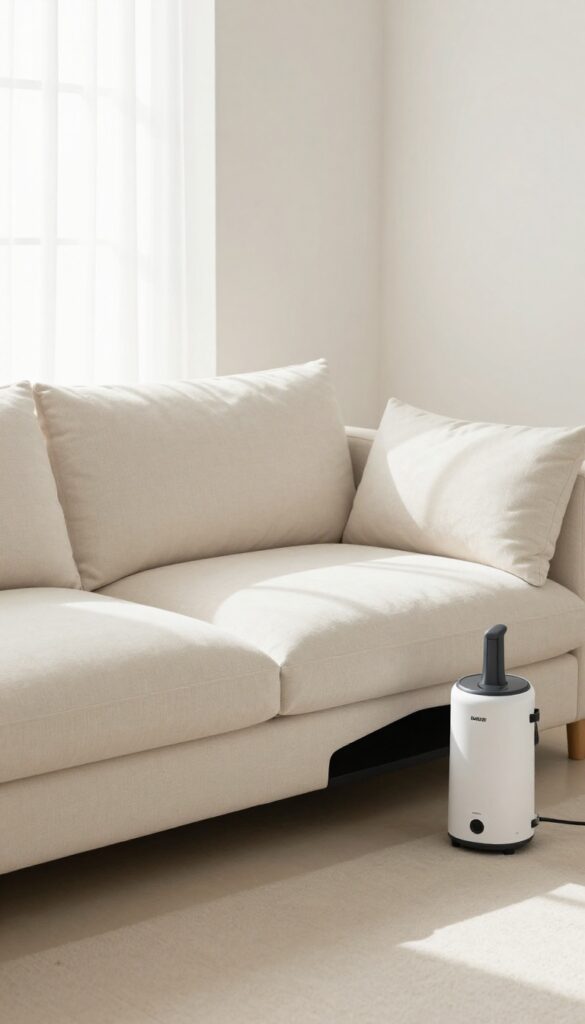
A clean-looking sofa can still smell like last week's pizza or your pet's favorite spot. Odors from pets, smoke, or mildew often linger deep in the cushions and fabric, and a standard cleaning might not touch them. Before you book, ask specifically about deodorizing treatments—some companies offer them as an add-on, while others include them in premium packages.
Not all cleaning methods eliminate odors. Steam cleaning can actually set some smells if not done correctly, and dry-cleaning solvents might leave a chemical residue that masks odors temporarily. Look for services that use enzyme-based odor neutralizers or ozone treatments for stubborn smells.
A good company will explain their process and guarantee results.
Why Odors Linger After Cleaning
Many sofa cleaning methods focus on visible dirt and stains but ignore the bacteria, mold, or pet dander causing the smell. If the cleaner doesn't use a disinfectant or deodorizer, the odor can return within days. Ask if they apply a fabric-safe odor eliminator as a final step.
Types Of Odor Treatments To Ask About
Common options include enzyme sprays that break down organic matter, ozone generators that oxidize smells, and encapsulation products that trap odors until vacuumed. Some companies also offer UV light treatments for mold and mildew. Be wary of companies that only use scented cover-ups—they mask the problem, not solve it.
When To Walk Away
If a cleaner says they can remove all odors without inspecting your sofa first, that's a red flag. Deep-set smells from urine or smoke may require multiple treatments or even reupholstering. A honest professional will set realistic expectations and offer a guarantee on odor removal.
16. Understand the Warranty on Workmanship
A warranty on workmanship is a sign that a company stands behind its cleaning. But not all warranties are the same, and some have fine print that can leave you disappointed. Before you book, ask exactly what is covered and for how long.
Knowing the warranty details can save you from paying for a redo if stains reappear or fabric gets damaged. Some companies offer a 30-day guarantee, while others may cover only certain issues. Always get the warranty terms in writing.
What A Good Warranty Covers
A solid warranty should cover re-treatment of stains that resurface within a specified period, as well as any damage caused by the cleaning process, like color bleeding or fabric distortion. Avoid companies that only guarantee satisfaction but don't specify what that means.
Common Exclusions To Watch For
Many warranties exclude pre-existing stains, pet accidents, or high-traffic areas. Some also require you to use their protective treatments to keep the warranty valid. Read the fine print so you know what voids the guarantee.
How To Make A Claim
If something goes wrong, most companies require you to report it within a few days. Take photos immediately after cleaning and keep your receipt. Ask about the claims process upfront so you're not scrambling later.
17. Trust Your Gut During the Consultation

The consultation is your chance to size up a company before they ever set foot in your home. Pay close attention to how the estimator communicates—it often reveals more than their price list. If something feels off, don't ignore it.
A reliable service will answer your questions clearly and respectfully. They should be transparent about their process, products, and pricing without pressure tactics. Pushy or vague responses are red flags that suggest corner-cutting or hidden fees.
Trust your instincts: if the estimator seems unprofessional or dismissive, it's okay to say no and keep looking.
Red Flags In Communication
Notice how the estimator talks to you. Do they rush through your questions? Avoid giving straight answers about chemicals or methods?
If they're evasive about pricing or try to upsell you on unnecessary extras, that's a warning sign. Professional companies take time to explain and listen.
The Value Of A Clear Contract
A trustworthy service will provide a written estimate that outlines exactly what's included—pre-treatment, cleaning, deodorizing, protectant, and any guarantees. If the estimator hesitates to put things in writing or uses vague terms like "standard cleaning, " ask for specifics. Clarity upfront prevents surprises later.
When To Walk Away
If the consultation leaves you feeling uneasy, trust that feeling. Maybe the estimator is overly aggressive about booking on the spot, or they can't produce proof of insurance. A legitimate company respects your decision-making time.
Walking away from a bad fit is better than dealing with a botched cleaning job.
FAQ
How often should I have my sofa professionally cleaned?
Most manufacturers recommend every 12 to 18 months, but high-traffic homes or homes with pets and kids may benefit from annual cleaning.
Can professional cleaning remove all stains?
Not always. Some stains, like old red wine or permanent ink, may be impossible to remove completely. A good service will manage expectations upfront.
Is steam cleaning safe for all sofa fabrics?
No. Steam cleaning is best for fabrics labeled 'W' (water-safe). Delicate fabrics like silk or some velvets may require dry cleaning methods.
How long does a sofa cleaning appointment take?
Typically 1 to 2 hours for a standard three-seater, plus drying time. Drying can take 4 to 12 hours depending on the method and humidity.
Should I tip the sofa cleaning technicians?
Tipping is not required but appreciated for good service. A common range is 10-20% of the total cost, or $10-20 per technician.
Conclusion
Hiring a professional sofa cleaning service doesn't have to be a gamble. By asking the right questions upfront and checking a few key details, you can avoid costly mistakes and get genuinely fresh results. Your sofa will look better, smell cleaner, and last longer when you choose wisely.
Start with the tips that feel most relevant to your situation and work through the rest as needed. A little preparation before you book saves you time, money, and frustration down the line. Enjoy your refreshed sofa and the peace of mind that comes with a job well done.