
Your couch takes a beating every day—spilled coffee, pet hair, crumbs, and the occasional mystery stain. Over time, fabric can feel stiff, rough, or just plain tired. But you don't need a professional cleaner to bring back that soft, inviting feel.
These 20 cleaning hacks target specific problems like trapped odors, embedded dirt, and flattened fibers. Each one is simple, budget-friendly, and designed to restore both cleanliness and comfort.
No fancy equipment or harsh chemicals required—just a little know-how and some common household items. Let's get your couch feeling like new again.
1. Baking Soda Deep Refresh for Odor and Stiffness
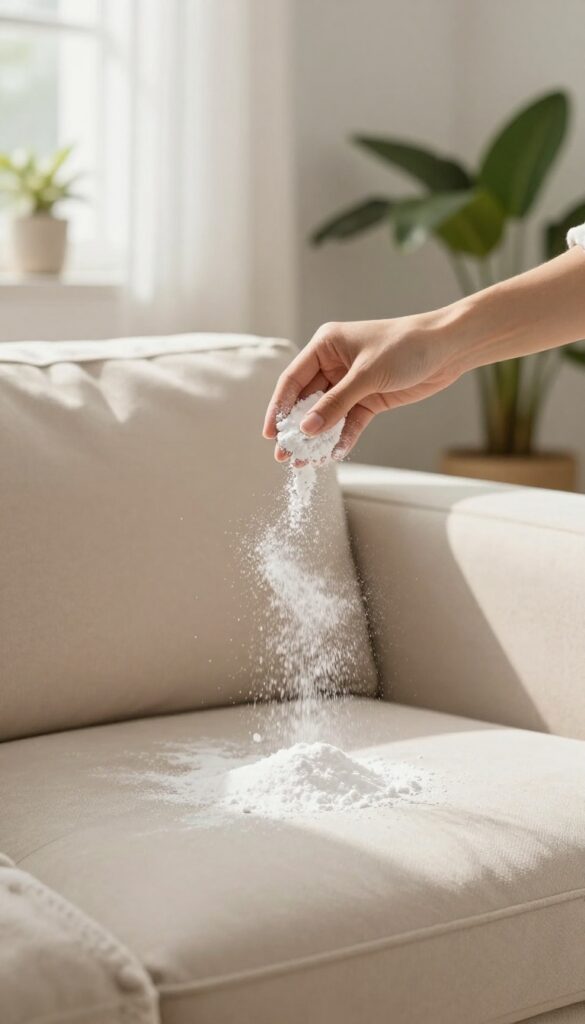
Baking soda is a powerhouse when it comes to neutralizing odors and softening fabric. It works by absorbing trapped smells and loosening dirt particles that make fibers feel stiff. This hack is especially effective for couches that have absorbed years of pet smells, cooking odors, or just general living.
To start, remove all cushions and vacuum the couch thoroughly to get rid of loose debris. Then, sprinkle a generous layer of baking soda over the entire fabric—don't be shy. Let it sit for at least 15 minutes, but for strong odors, leave it overnight.
Finally, vacuum every inch of the couch, using the upholstery attachment to get into crevices. Your couch will smell fresher and feel noticeably softer.
Why Baking Soda Works So Well
Baking soda is a mild alkali that reacts with acids in odors, neutralizing them rather than just covering them up. It also has a fine, crystalline structure that can penetrate fabric fibers and loosen dirt, making it easier to vacuum away. This dual action tackles both smell and stiffness at once.
Pro Tip For Stubborn Odors
For really tough smells, mix a few drops of essential oil (like lavender or lemon) into the baking soda before sprinkling. Let it sit for a few hours, then vacuum. The oil adds a light, pleasant scent without overwhelming the fabric.
Just make sure the oil is fully incorporated to avoid staining.
How Often To Do This
A monthly baking soda refresh is ideal for most couches. If you have pets or kids, you might want to do it every two weeks. It's a quick, low-effort habit that keeps your couch feeling and smelling its best.
2. White Vinegar Spray for Stubborn Stains and Residue
White vinegar is a surprisingly gentle yet effective cleaner that tackles stains and residue without damaging fabric. It cuts through buildup left by spills, sweat, and even some cleaning products, leaving your couch feeling softer and fresher. The best part?
It's cheap, non-toxic, and you probably already have a bottle in your pantry.
Why Vinegar Works So Well
Vinegar is acidic enough to break down many types of stains and residue, but mild enough not to harm most couch fabrics. It neutralizes odors, dissolves soap scum from previous cleanings, and helps restore the natural softness of fibers. Plus, it evaporates quickly, so your couch dries faster and doesn't stay damp.
How To Make And Apply The Spray
Mix equal parts white vinegar and water in a clean spray bottle. Shake gently to combine. Lightly mist the stained or stiff areas—don't soak the fabric.
Let it sit for 5–10 minutes, then blot with a clean, dry cloth. Avoid rubbing, which can push the stain deeper. For tougher spots, you can repeat the process or let the spray sit a bit longer.
Drying And Finishing Touches
After blotting, let the couch air dry completely. Open windows or turn on a fan to speed things up. Once dry, give the fabric a quick brush or vacuum with the upholstery attachment to fluff the fibers.
The vinegar smell will fade as it dries, leaving your couch clean and soft.
3. Steam Cleaning to Flatten Fibers and Remove Grime
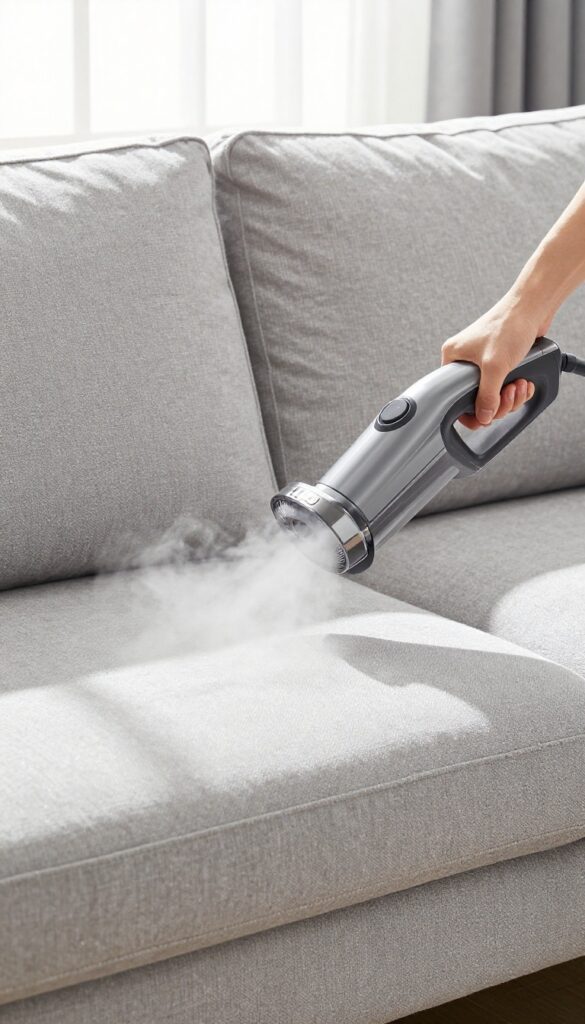
Steam cleaning might sound like a job for a pro, but a handheld steamer can do wonders on your couch. The heat and moisture work together to loosen dirt trapped deep in the fibers while relaxing compressed areas. After a quick steam session, your fabric often feels softer and looks noticeably brighter.
Why Steam Works So Well
Steam penetrates fabric layers without soaking them, which is key for upholstery. The heat kills dust mites and bacteria, while the moisture helps release ground-in grime. As the fibers expand, they regain their natural loft, making the couch feel plusher.
How To Steam Safely
Always check your couch's care tag first. Use a steamer on low heat and keep it moving to avoid wet spots. Test on an inconspicuous area, then work in sections, holding the steamer a few inches from the fabric.
After steaming, let the couch dry completely before sitting on it.
When To Skip This Method
Steam isn't ideal for delicate fabrics like velvet or silk, and it can worsen water stains on some materials. If your couch has foam cushions, avoid over-wetting—steam lightly and allow extra drying time. For tough stains, pre-treat before steaming for best results.
4. Rubbing Alcohol for Grease and Oil Stains
Grease stains from snacks or body oils can leave your couch looking patchy and feeling tacky. Rubbing alcohol cuts through grease without soaking into the fibers, so the fabric stays soft. Here's how to use it safely.
Rubbing alcohol is a solvent that breaks down oils on contact. Unlike water-based cleaners, it evaporates quickly, which means less moisture sits in the cushion. That's key for preventing stiff, crunchy spots.
Always test on a hidden area first, and use a white cloth to avoid color transfer.
Blot, Don't Rub
Dab a small amount of rubbing alcohol onto a clean white cloth. Gently blot the stain—never rub, or you'll push the grease deeper. The alcohol will lift the oil to the surface, where the cloth can absorb it.
Work From The Outside In
Start at the edge of the stain and move inward. This stops the grease from spreading. Switch to a clean section of the cloth as you go, and repeat until the spot is gone.
Let It Air Dry
After treating the stain, let the area dry completely before sitting on it. Rubbing alcohol evaporates fast, so this usually takes just a few minutes. No heat or fan needed.
5. Dish Soap and Warm Water for General Soil
Everyday grime—dust, sweat, and light soil—builds up on couch fabric and makes it feel stiff. A simple solution of mild dish soap and warm water cuts through that layer without harsh chemicals. It’s the go-to for a gentle refresh that restores softness.
Why Dish Soap Works
Dish soap is designed to break down oils and food residue, which are common in household dirt. It’s gentle enough for most fabrics, including microfiber, cotton, and polyester blends. The warm water helps lift grime without soaking the cushion.
How To Mix And Apply
Fill a bowl with warm water and add just a few drops of mild dish soap—too much creates excess suds that are hard to rinse. Dip a clean microfiber cloth, wring it until barely damp, and wipe the couch in sections. Avoid saturating the fabric; you want a light, even cleaning.
Drying And Finishing
After wiping, go over the couch with a dry microfiber cloth to absorb leftover moisture. Let it air dry completely before sitting on it. The fabric will feel noticeably softer once the embedded dirt is gone.
6. Fabric Softener Dilution for Extra Softness
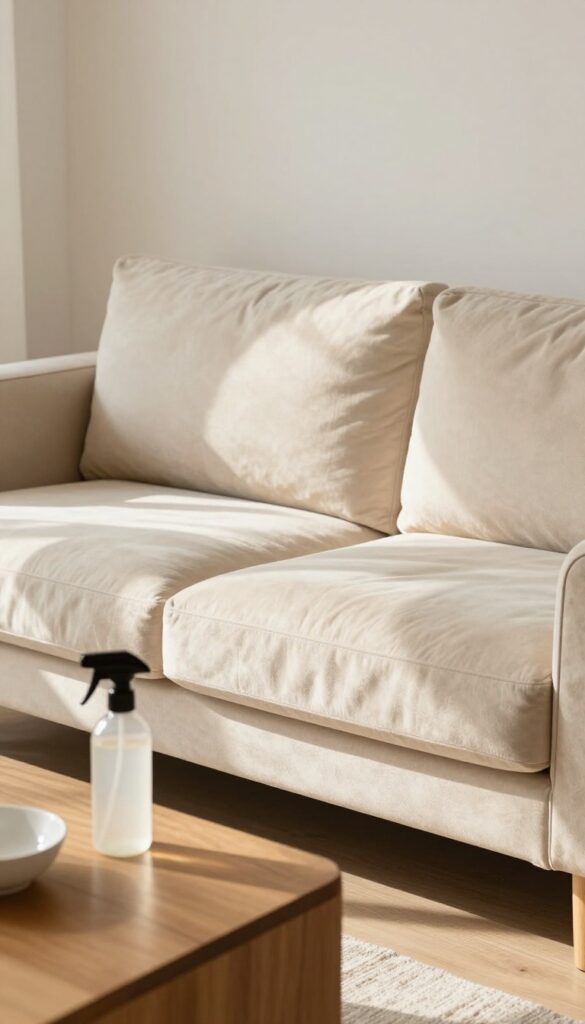
Sometimes your couch just needs a little extra love to feel plush again. Fabric softener isn't just for laundry—it can work wonders on upholstery too. A simple diluted spray adds a silky finish without leaving any sticky residue.
This hack is perfect for when your couch feels rough or static-y. The softener coats each fiber, reducing friction and adding a subtle softness that lasts. It's quick, cheap, and uses something you probably already have in your laundry room.
Why It Works
Fabric softener contains lubricating ingredients that smooth down the microscopic scales on fabric fibers. This reduces static cling and makes the surface feel softer to the touch. It also helps loosen any embedded dust or dirt that might be making the fabric feel gritty.
How To Apply It Right
Mix one tablespoon of liquid fabric softener with two cups of water in a clean spray bottle. Shake gently to combine. Lightly mist the couch from about 12 inches away—don't soak it.
Let it air dry completely before sitting on it. For best results, do this on a day when you can leave the couch untouched for a few hours.
A Few Things To Keep In Mind
Always test on a hidden spot first to make sure the softener doesn't discolor or stain your fabric. Avoid using too much, or the couch might feel greasy. This method works best on cotton, polyester, and microfiber blends.
Skip it on delicate fabrics like velvet or silk.
7. Vacuum with Upholstery Attachment for Daily Maintenance
Most people think vacuuming is just for floors, but your couch needs it just as much. Dust, crumbs, and pet hair settle deep into the fabric, and over time, those particles act like sandpaper, grinding against fibers every time you sit. A quick weekly vacuum with the right attachment can make a huge difference in how soft and inviting your couch feels.
Grab your vacuum's upholstery brush—the one with soft bristles—and go over the entire couch, including the backrest, armrests, and crevices where crumbs hide. Don't rush; let the brush agitate the fabric to loosen embedded dirt. For stubborn pet hair, try a rubber squeegee or a damp sponge first to lift hair before vacuuming.
This simple habit prevents dirt from compacting into the fibers, which is what makes fabric feel stiff and worn. It also reduces allergens and keeps your couch fresher between deep cleans.
Why Weekly Vacuuming Matters
Every time you sit, you push dirt deeper into the fabric. Over weeks, that dirt accumulates and bonds with oils from your skin, creating a gritty layer that stiffens the fibers. Vacuuming weekly stops this process before it starts.
It's especially important for high-traffic areas like the center seat or armrests. Think of it as brushing your couch's teeth—regular maintenance prevents bigger problems later.
The Right Technique For Different Fabrics
For microfiber or polyester blends, use slow, overlapping strokes to avoid pushing dirt around. On delicate fabrics like linen or velvet, use a gentle touch and a soft brush to avoid snagging. For couches with removable cushions, vacuum both sides and the frame underneath.
Don't forget the crevices—use the crevice tool to suck out crumbs and dust that settle along seams and edges.
Tools That Make It Easier
If your vacuum doesn't have an upholstery brush, a simple soft-bristled brush attachment works fine. For pet owners, a rubber grooming glove or a squeegee can lift hair before vacuuming. Some people swear by a lint roller for quick touch-ups between vacuum sessions.
The key is consistency—set a reminder on your phone to vacuum the couch every Sunday, and you'll notice the difference in softness within a few weeks.
8. Cornstarch for Fresh Grease Spills
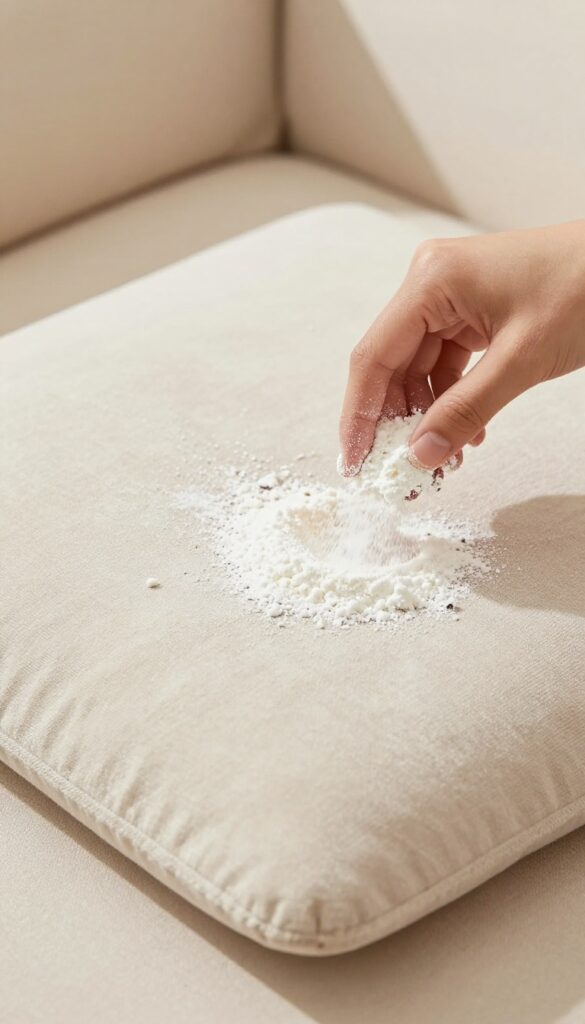
Grease spills from snacks or cooking splatters can happen in an instant. If you act fast, cornstarch is your best friend. This common kitchen staple works like a magnet for oil, pulling it out of the fabric before it has a chance to settle in and leave a permanent mark.
Cornstarch is a natural absorbent that lifts grease without rubbing it deeper into the fibers. It's safe for most couch fabrics and leaves no residue behind. Just a quick sprinkle, a short wait, and a simple vacuum—that's all it takes to keep your couch feeling soft and looking clean.
Why Cornstarch Works So Well
Cornstarch particles are fine and porous, which makes them excellent at soaking up liquid oils. When you sprinkle it on a fresh grease spill, the starch granules latch onto the oil molecules. This prevents the grease from bonding with the fabric fibers, so it can be easily removed with a brush or vacuum.
Step-by-step Application
As soon as you notice a grease spill, blot up any excess with a paper towel. Then generously sprinkle cornstarch over the entire stained area. Let it sit for at least 15 minutes—longer for heavier spills.
After the wait, use a soft brush to gently loosen the cornstarch, then vacuum it away. Repeat if needed.
Best Fabrics For This Hack
Cornstarch works beautifully on cotton, linen, polyester blends, and microfiber. Avoid using it on delicate fabrics like silk or velvet, where the powder might be hard to fully remove. Always test on an inconspicuous spot first to make sure the fabric reacts well.
9. Hydrogen Peroxide for Organic Stains (Blood, Wine, Coffee)
Organic stains like blood, red wine, and coffee can be stubborn, but hydrogen peroxide is a gentle yet effective solution. It breaks down the proteins and tannins without the need for harsh scrubbing that can damage fabric fibers. Best of all, it's a common household item that costs pennies per use.
To use hydrogen peroxide on your couch fabric, start by blotting up as much of the fresh stain as possible with a clean cloth. Then, apply a small amount of 3% hydrogen peroxide to a clean white cloth or cotton ball. Gently blot the stain from the outer edges inward—never rub, as that can spread the stain.
Let it sit for a few minutes, then blot with a dry cloth. Repeat until the stain lifts. For older stains, you may need to let the peroxide sit a bit longer, but always test on an inconspicuous area first to ensure colorfastness.
This method works best on light-colored fabrics, as peroxide can have a mild bleaching effect.
Why Hydrogen Peroxide Works
Hydrogen peroxide is an oxidizing agent that releases oxygen when it comes into contact with organic matter. This reaction helps break down the chemical bonds in stains like blood (proteins) and wine (tannins), lifting them from the fabric without abrasive action. It's also a mild disinfectant, so it can help eliminate any bacteria or odors associated with the stain.
Step-by-step Application
Blot the fresh stain with a dry cloth to remove excess liquid. Dampen a clean cloth with 3% hydrogen peroxide and blot the stain—don't pour it directly onto the couch. Let it sit for 5–10 minutes, then blot again with a dry cloth.
Repeat if needed. For set-in stains, make a paste with hydrogen peroxide and baking soda, apply it to the stain, let it dry, then vacuum it up.
Safety And Testing Tips
Always test hydrogen peroxide on a hidden area of your couch first, as it can lighten some fabrics. Avoid using it on wool, silk, or dark-colored upholstery, as it may cause discoloration. Work in a well-ventilated area and wear gloves if you have sensitive skin.
Never mix hydrogen peroxide with vinegar or bleach, as this can create harmful fumes.
10. Shaving Cream for Upholstery Spot Cleaning
Shaving cream isn't just for your morning routine—it's a surprisingly effective upholstery cleaner. The foam (not gel) lifts dirt and grime from fabric fibers without soaking them, leaving your couch soft and fresh. It's gentle enough for most fabrics and works wonders on spots that other cleaners might miss.
Why Shaving Cream Works
Shaving cream contains surfactants that break down oils and dirt, similar to a gentle detergent. Its thick foam clings to vertical surfaces and penetrates fibers without over-wetting, which prevents water stains and mildew. Plus, it often has a light, clean scent that lingers.
Step-by-step Application
First, test a hidden area for colorfastness. Apply a golf-ball-sized dollop of white shaving foam directly onto the stain. Let it sit for 10 minutes—this gives the surfactants time to work.
Then, blot with a damp microfiber cloth, lifting the foam and dirt away. Repeat if needed, then let the area air dry.
Best Stains And Fabrics For This Hack
This method excels on fresh or dried food stains, body oils, and light grease marks. It's safe for cotton, polyester, and microfiber blends. Avoid using it on silk, velvet, or untreated leather.
Always check the manufacturer's cleaning code first.
11. Essential Oils for a Fresh Scent Without Chemicals
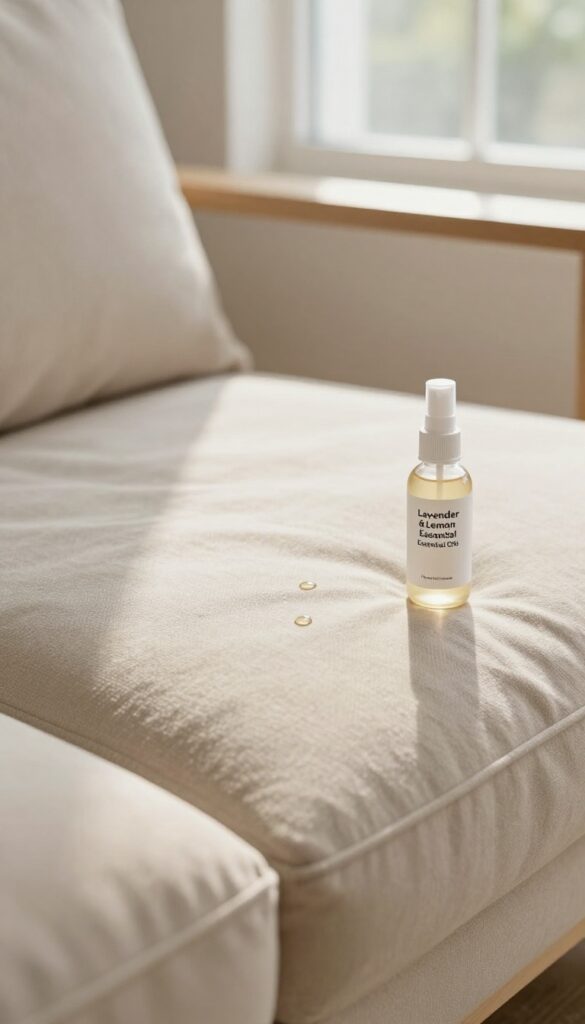
Synthetic air fresheners and fabric sprays often leave behind a chemical smell that can linger for days. Worse, they can irritate sensitive skin or trigger allergies. Essential oils offer a natural, customizable alternative that leaves your couch smelling fresh without the downsides.
Adding a few drops of essential oil to your cleaning solution is an easy way to infuse your couch with a pleasant, natural scent. Lavender promotes relaxation, lemon cuts through odors, and tea tree oil adds antimicrobial benefits. Just remember to dilute properly and test on an inconspicuous area first.
Choosing The Right Oil
Not all essential oils are created equal for upholstery. Lavender, lemon, and eucalyptus are gentle and widely compatible with fabric. Avoid thick oils like cinnamon or clove, which can stain or cause skin irritation.
Always opt for pure, high-quality oils without synthetic additives.
How To Apply Safely
Mix 5–10 drops of your chosen oil with 1 cup of baking soda or 1 cup of white vinegar solution. Shake well before use. Lightly mist the couch from a distance—don't soak the fabric.
Let it sit for 15 minutes, then vacuum or blot dry. This method refreshes without leaving residue.
Frequency And Tips
Use this hack once a week or as needed between deep cleans. For a quick refresh, sprinkle baking soda with a few drops of oil, let it sit for 30 minutes, then vacuum. Avoid over-saturating, as too much oil can attract dust and grime.
12. Brush with a Soft Bristle Brush to Restore Nap
Once your couch is clean and dry, there's one more step to bring back that plush, soft feel. Fabric fibers can get matted down from washing, vacuuming, or everyday use. A gentle brushing restores the nap—the raised texture that makes fabric feel cozy and inviting.
Grab a soft-bristle upholstery brush (a clean boar bristle hairbrush works too). Starting at the top of the cushion, brush in long, even strokes going in one direction—usually from top to bottom or left to right. This aligns the fibers, lifts flattened areas, and removes any lingering dust or lint.
For stubborn matted spots, use a slightly firmer pressure but avoid scrubbing harshly. Brush the entire surface, including the back and arms, for a uniform finish. Your couch will look refreshed and feel noticeably softer to the touch.
Why Brushing Matters
Over time, couch fibers get crushed from sitting, leaning, and cleaning. Brushing lifts them, restoring the original texture and softness. It also helps distribute any remaining cleaning residue evenly, preventing stiff spots.
Choosing The Right Brush
Use a brush with soft, natural bristles—boar hair is ideal. Avoid stiff plastic brushes that can scratch or damage delicate fabrics. A brush with a wooden handle gives you good control and feels comfortable to use.
Brushing Technique Tips
Always brush in the same direction to avoid creating a messy, uneven nap. Work in sections, starting from the top. For velvet or corduroy, brush following the natural grain.
Test on a hidden area first to ensure the fabric can handle it.
13. Club Soda for Fresh Spills to Prevent Stiffness
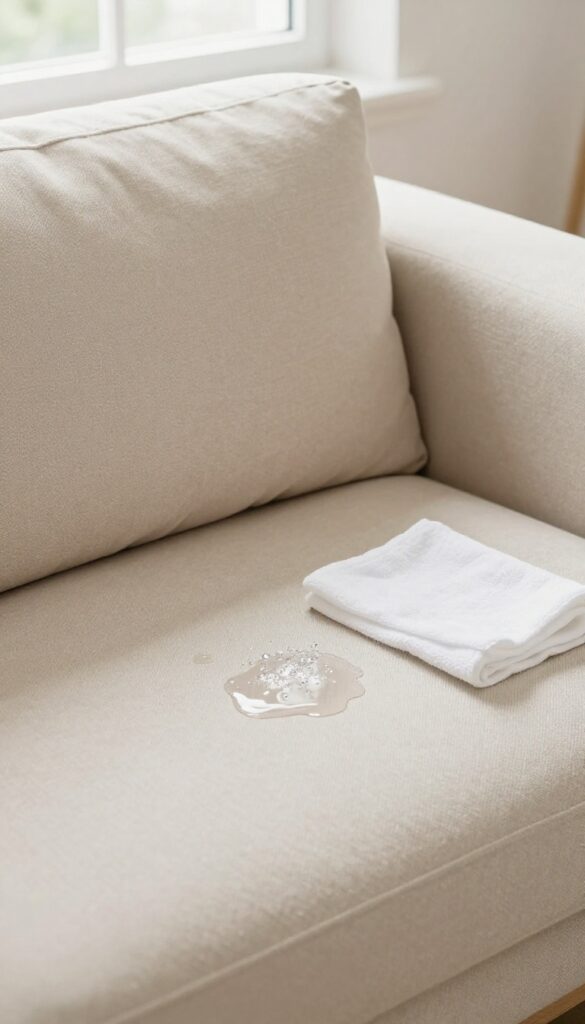
A fresh spill can turn into a stiff, crusty mess if you don't act fast. Club soda is your secret weapon here—it's not just for mixing drinks. The carbonation works like a gentle scrub, lifting the liquid away from the fabric fibers before it has a chance to dry and harden.
Keep a bottle handy for quick response.
When a spill happens, grab a clean cloth and a bottle of club soda. Pour a small amount directly onto the spill—enough to cover it, but not soak the cushion. Let it fizz for a few seconds, then blot with the cloth.
Don't rub, or you'll push the stain deeper. Repeat until the spill is gone, then let the area air dry. The result?
No stiff residue, just soft fabric.
Why Club Soda Works
Club soda contains carbonic acid, which creates bubbles that help break the surface tension of the liquid. This lifts the spill away from the fibers instead of letting it bond. Plus, it's gentle enough for most fabrics—no harsh chemicals needed.
Best Spills To Use It On
Club soda is great for water-based spills like coffee, tea, juice, or soda. Avoid using it on oily spills or set-in stains—those need a different approach. For fresh spills, it's a lifesaver.
Pro Tip: Blot, Don't Rub
Rubbing a spill can grind it into the fibers, making the stain worse and stiffening the fabric. Always blot gently with a clean cloth, working from the outside in. This prevents the spill from spreading and keeps the fabric soft.
14. Baby Wipes for Quick Daily Touch-Ups
Sometimes your couch just needs a quick refresh, not a deep clean. Armrests and headrests take the most abuse from daily contact—natural oils, lotions, and dirt build up fast. Unscented baby wipes are a gentle, no-fuss solution for keeping those high-touch areas soft and clean.
Grab a pack of unscented baby wipes and keep them near your couch. Each day, give the armrests and headrests a quick wipe-down. The mild cleansing agents lift oils and grime without damaging fabric.
It's a simple habit that prevents buildup and keeps your couch feeling fresh between deeper cleanings.
Why Unscented Matters
Scented wipes often contain fragrances and chemicals that can leave a sticky residue or cause discoloration over time. Unscented baby wipes are formulated to be gentle on sensitive skin, which means they're also safe for most upholstery fabrics. Stick with plain, alcohol-free wipes to avoid any unwanted reactions.
Best Spots To Target
Focus on areas where skin makes direct contact: armrests, headrests, and the top edge of the backrest. These spots collect oils, hair products, and sweat. A daily pass with a baby wipe removes these residues before they settle in and stiffen the fabric.
For best results, follow up with a dry microfiber cloth to absorb excess moisture.
When To Skip The Wipes
Baby wipes are great for light, daily maintenance, but they're not a substitute for a proper cleaning. Avoid using them on heavily soiled areas, stains, or delicate fabrics like velvet or silk. For those cases, stick to your regular upholstery cleaner.
Also, test the wipe on a hidden spot first to ensure it doesn't cause water spots or fading.
15. Dryer Sheets for Static and Dust Reduction
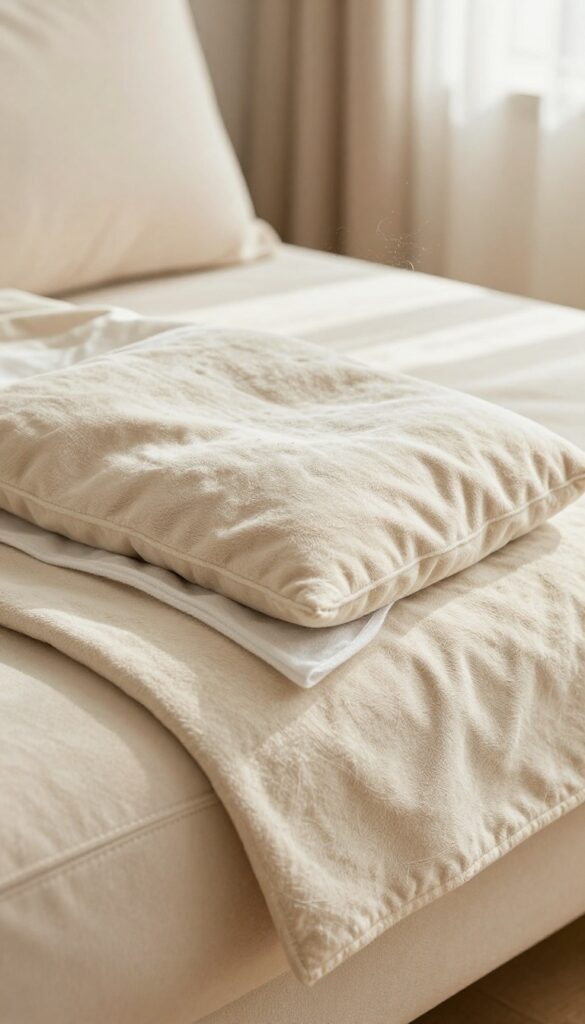
Static cling on your couch isn't just annoying—it also attracts dust, pet hair, and lint like a magnet. A simple dryer sheet can fix that in seconds. The antistatic agents neutralize electrical charges, while the fabric softeners lightly condition the fibers.
Dryer sheets are a quick, low-effort way to freshen up your couch between deep cleans. They work especially well on synthetic fabrics like polyester and microfiber, which tend to build up static. Just grab a used or new sheet and lightly wipe down the cushions, arms, and backrest.
How To Use Dryer Sheets On Upholstery
Take one dryer sheet and rub it gently over the fabric in a sweeping motion. Focus on areas that feel staticky or dusty. For extra softening, you can leave a sheet tucked under a cushion for a few hours—but don't forget to remove it before sitting down.
Best Fabrics For This Hack
This trick works best on synthetic fabrics like polyester, nylon, and microfiber. Avoid using dryer sheets on delicate materials like velvet, silk, or leather, as the chemicals can leave a residue or damage the finish. When in doubt, test on an inconspicuous spot first.
Pro Tips For Maximum Effect
Use a slightly damp dryer sheet for extra dust pickup. If you don't have a fresh sheet, a used one still holds enough softener to reduce static. Pair this hack with a quick vacuuming beforehand to remove loose debris, and your couch will feel softer and look cleaner.
16. Salt for Red Wine Stains Without Harsh Scrubbing
Red wine on a light-colored couch can feel like a disaster, but the fix is sitting in your kitchen cabinet. Salt is a natural absorbent that pulls the liquid out of the fabric before it bonds with the fibers. This trick saves you from scrubbing, which often ruins the texture and leaves a stiff patch.
The moment wine hits the fabric, grab the salt shaker. Pour a generous layer directly over the spill—enough to cover it completely. The salt will start absorbing the wine immediately, turning from white to pink or red as it works.
Let it sit for at least 10 to 15 minutes, or longer if the spill is large. Once the salt looks damp and clumpy, vacuum it up with the upholstery attachment. Most of the stain should be gone.
If a faint mark remains, dab the area with a cloth dipped in cold water—no rubbing. This method keeps the fibers from getting crushed or matted, so your couch stays soft.
Why Salt Works Without Damage
Salt is a desiccant, meaning it pulls moisture out of porous materials like fabric. When you pour it on a fresh spill, it draws the wine up and away from the fibers. Unlike blotting with a cloth, which can push the stain deeper, salt lifts it from above.
And because you're not scrubbing, the fabric's natural texture stays intact—no flattened or stiff spots.
Best Types Of Salt To Use
Table salt works fine because its fine grains create maximum surface contact. Kosher salt is also good—it's slightly coarser but still absorbs well. Avoid rock salt or sea salt with large crystals; they won't cover the spill evenly.
If you're out of salt, cornstarch or baking soda can work in a pinch, but salt is the most effective for red wine.
When To Use This Hack Vs. Other Methods
This hack is best for fresh spills on washable or dry-clean-only fabrics. For set-in stains, you might need a gentle upholstery cleaner afterward. But for immediate action, salt is your go-to.
It's also perfect for delicate fabrics like velvet or linen where scrubbing would leave permanent marks. Just remember: the faster you act, the better the result.
17. Pet Hair Remover for Embedded Fur
Pet hair that gets embedded deep into couch fabric doesn't just look messy—it also traps dirt and oils, making the surface feel rough and stiff. You don't need a fancy vacuum attachment to fix this. A simple lint roller or a slightly damp rubber glove can lift even stubborn fur in minutes, restoring that soft, clean feel.
Embedded pet hair is one of the quickest ways to make a couch feel rough. When hair works its way into the weave, it holds onto dust and skin oils, creating a gritty texture. The solution is surprisingly simple: use a lint roller for surface hair, and a damp rubber glove for deeper fur.
Run your hand over the fabric in one direction, and the hair will ball up and lift away. This hack works on microfiber, cotton, and polyester blends without damaging the fibers.
Why Embedded Hair Makes Fabric Feel Rough
Pet hair isn't just a visual problem. When it gets pushed deep into the fabric by sitting or lying down, it acts like sandpaper against the fibers. Over time, this abrasion can wear down the softness of the fabric.
Plus, the hair itself collects dust and dander, which adds to the stiff, dirty feeling. Removing it regularly keeps your couch feeling plush and clean.
The Best Tools For The Job
A lint roller works great for surface hair, but for embedded fur, a rubber glove is a game-changer. Lightly dampen the glove, then run your hand over the couch in long, firm strokes. The rubber creates static that attracts hair, pulling it out from between fibers.
You can also use a squeegee or a pet hair remover brush—just avoid anything too abrasive that could snag the fabric.
How Often To Do This
If you have a furry pet, aim to do a quick hair removal session once a week. This prevents buildup and keeps the fabric from feeling rough. For heavy shedders, you might need to do it every few days.
The good news is it takes only a few minutes, and you'll notice an immediate difference in how soft your couch feels.
18. Sunlight for Natural Deodorizing and Softening
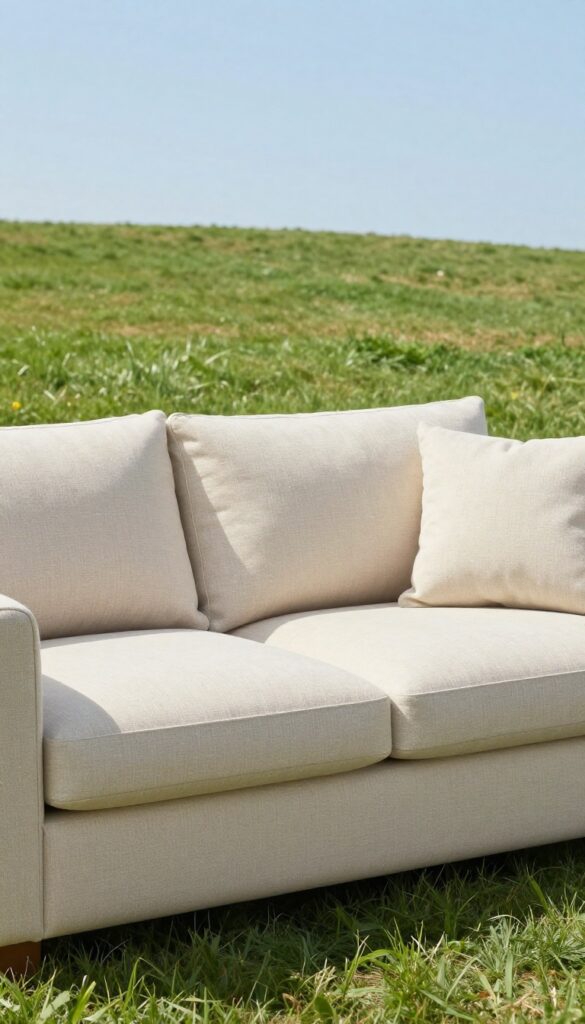
Sunlight isn't just for plants—it works wonders on your couch fabric too. UV rays naturally kill bacteria and break down odors, while gentle warmth helps relax fibers that have gone stiff from moisture or compression. It's a zero-effort hack that costs nothing and leaves your couch smelling fresh and feeling softer.
If you can move your couch or its cushions outside, a few hours in direct sunlight can do more than any spray. The combination of UV light and heat works deep into the fabric, targeting trapped smells and helping fibers regain their natural loft. Just be mindful of fading—rotate cushions halfway through and avoid leaving delicate fabrics out all day.
Why Sunlight Works
UV rays are a natural disinfectant—they kill odor-causing bacteria and mold spores that thrive in dark, damp couch crevices. The warmth also helps evaporate any lingering moisture, which is often the real culprit behind musty smells and stiff fabric. Think of it as a gentle, chemical-free reset for your couch.
Best Fabrics For Sunning
Cotton, linen, and polyester blends handle sunlight well without damage. Delicate fabrics like velvet or silk may fade or weaken, so stick to indirect light or shorter sessions. Always check the care tag—if it says 'avoid direct sunlight, ' keep it shaded or sun for just 15–20 minutes.
How To Sun Your Couch Safely
Move the couch or cushions to a sunny spot, ideally on a dry day with low humidity. Flip and rotate cushions every 30 minutes for even exposure. Two to three hours is plenty—any longer and you risk fading.
Bring them in before evening dew sets in, and fluff the cushions by hand to restore shape.
19. Professional Enzyme Cleaner for Tough Bio-Stains
Urine, vomit, and other biological stains don't just leave a mark—they also make fabric stiff and smelly. Standard cleaners often mask the odor temporarily, but the proteins and bacteria linger deep in the fibers. That's where enzyme cleaners come in.
These specialized formulas break down organic matter at a molecular level, eliminating both the stain and the source of stiffness.
Enzyme cleaners are a game-changer for pet accidents, baby spit-up, or any bio-stain that's been sitting for a while. They work by using natural enzymes to digest proteins, starches, and fats, effectively dissolving the stain and neutralizing odors. Unlike bleach or harsh chemicals, enzymes are gentle on fabric and safe for most upholstery.
Just spray the affected area, let it sit for 10–15 minutes, then blot—no scrubbing needed. For old, set-in stains, you might need a second application. Always test on a hidden spot first to ensure colorfastness.
Why Enzymes Beat Regular Cleaners
Regular cleaners often just cover up odors or push stains deeper into the fabric. Enzymes actually break down the biological compounds that cause both the stain and the stiffness. This means the fabric feels softer and smells fresher long after cleaning.
How To Apply For Best Results
Blot up as much of the fresh stain as possible. Spray the enzyme cleaner generously onto the affected area, making sure it saturates the fibers. Let it sit for at least 10–15 minutes—longer for stubborn stains.
Blot with a clean cloth to lift the dissolved residue. Avoid rubbing, which can spread the stain.
What To Look For In A Product
Choose an enzyme cleaner labeled for upholstery and safe for your fabric type. Look for products with live enzymes (often listed as protease, amylase, or lipase). Avoid those with added fragrances or dyes, which can leave residue.
Brands like Nature's Miracle or Rocco & Roxie are popular for pet stains.
20. Regular Fluffing and Rotation for Even Wear
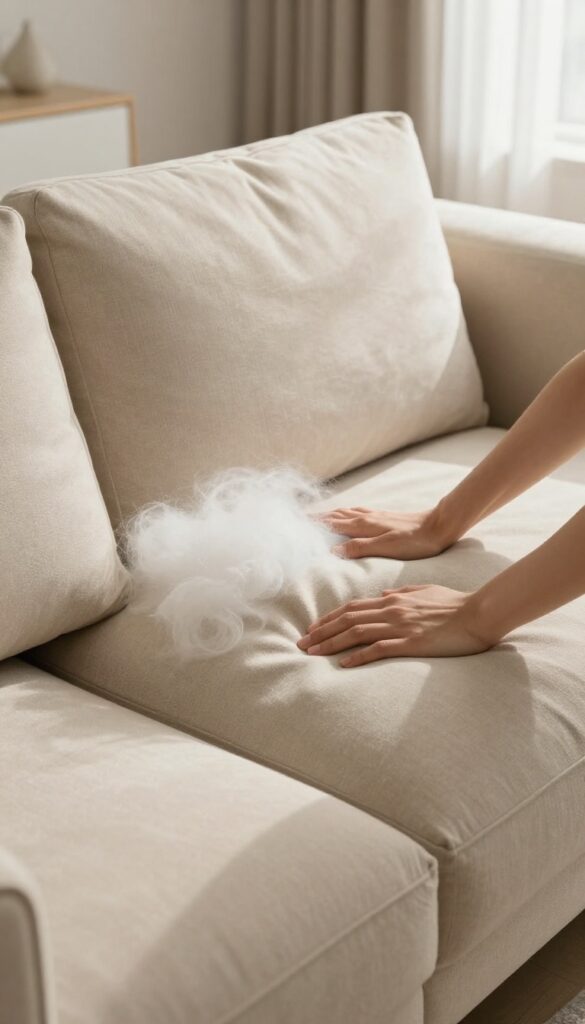
Your couch cushions take the brunt of daily lounging, and over time, they can become lumpy or flattened in certain spots. This uneven wear doesn't just look bad—it makes the fabric feel stiff and less comfortable. The fix is simple: fluff and rotate your cushions on a regular basis.
Fluffing redistributes the filling, whether it's foam, down, or polyester fiber. Rotation ensures that no single cushion bears the weight of your favorite sitting spot forever. Together, these two habits keep the fabric from settling into permanent creases and maintain that soft, supportive feel you love.
How Often To Fluff And Rotate
Aim to fluff your cushions every week or two, especially if you use your couch daily. Rotate them front to back and flip them over if they're reversible. For seat cushions, swap positions so the one under the window moves to the end.
This simple schedule prevents one area from becoming overly compressed.
Proper Fluffing Technique
Start by removing the cushions and giving them a good shake. Use your fists to punch and knead the filling, breaking up any clumps. For down or feather cushions, a quick run through the dryer on no-heat with a couple of tennis balls can work wonders.
Just make sure the fabric is dryer-safe first.
Rotation Patterns That Work
For a three-seat sofa, rotate cushions in a cycle: left to middle, middle to right, right to left. If your couch has a chaise or sectional, move the most-used cushion to a less popular spot. Mark the bottom of each cushion with a piece of tape or a fabric marker to track your rotations easily.
FAQ
Can I use bleach on my couch fabric?
No, bleach can damage fabric fibers and cause discoloration. Stick to mild cleaners like vinegar or dish soap.
Will steam cleaning shrink my couch fabric?
Steam cleaning on low heat is generally safe for most fabrics, but always check the manufacturer's label first.
Can I use fabric softener on all couch fabrics?
Fabric softener is safe for most synthetic blends, but avoid it on microfiber or water-repellent fabrics as it may reduce effectiveness.
What's the best way to remove pet odors from a couch?
Baking soda is excellent for absorbing odors. Sprinkle it on, let it sit overnight, then vacuum. For stubborn smells, use an enzyme cleaner.
Conclusion
Your couch doesn't need to be a weekend project to stay soft and inviting. By mixing a few of these fabric hacks into your routine, you'll keep it feeling fresh without the fuss. Start with the method that solves your biggest annoyance—whether that's dust, stains, or dullness.
A little regular care goes a long way. Your seating days will be cozier, cleaner, and much more relaxing.