
Your leather couch is a statement piece, but keeping it spotless without causing cracks or discoloration takes the right know-how. Harsh cleaners and scrubbing can do more harm than good.
The good news? You can tackle dust, spills, and stains with simple, gentle methods that preserve that buttery feel.
From weekly dusting to conditioning, these 25 tips will help you maintain a like-new look without the guesswork.
1. Dust Weekly with a Microfiber Cloth
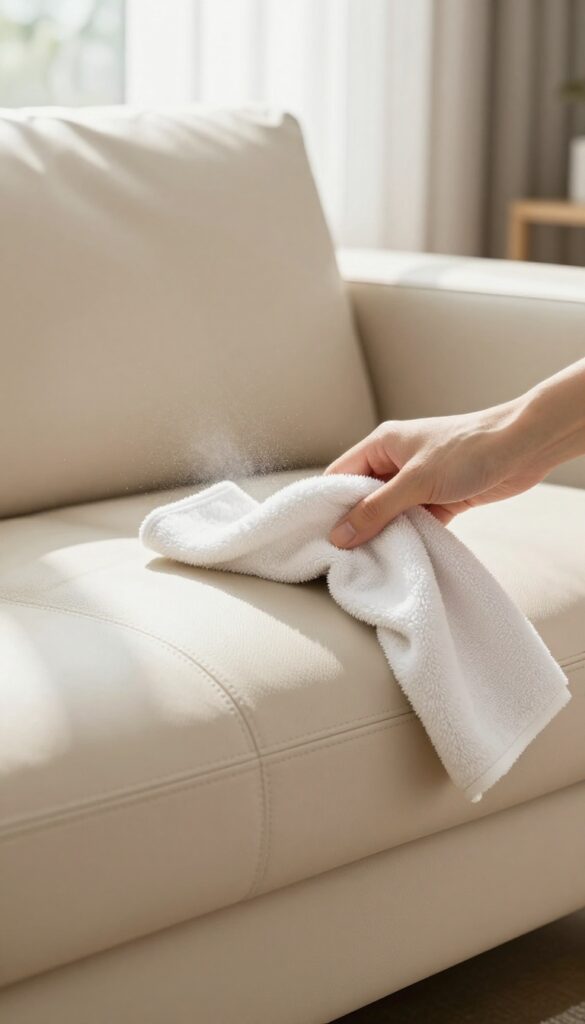
Dust might seem harmless, but those tiny particles can be abrasive. Over time, they work their way into the leather's pores and cause micro-scratches that dull the finish. A quick weekly dusting prevents that buildup and keeps your couch looking fresh.
Grab a dry microfiber cloth—it's soft enough to lift dust without scratching. Avoid feathers or rough fabrics that can mar the surface. Simply wipe the entire couch, paying extra attention to crevices and seams where dust likes to hide.
No sprays, no chemicals, just gentle friction.
Why Microfiber Works Best
Microfiber has split fibers that create a static charge, attracting dust like a magnet. It traps particles rather than pushing them around. Cotton or terry cloth can leave lint or be too harsh on delicate leather.
How To Dust Properly
Work from top to bottom so dust falls onto areas you haven't cleaned yet. Use light, sweeping motions—no need to press hard. For tight corners, fold the cloth into a point or use a soft brush attachment on a vacuum.
2. Vacuum Crevices with a Soft Brush Attachment
Crumbs, dust, and pet hair love to hide in the seams and crevices of your leather couch. Left alone, they can grind into the leather and cause wear over time. A quick vacuum with the right attachment keeps those tight spots clean without any risk of scratches.
Grab the soft brush attachment for your vacuum—the one with bristles that look like a makeup brush. This tool is gentle enough for leather but effective at loosening debris from stitching and folds. Run it along every seam, under the cushions, and around the armrests.
Don't forget the gap between the backrest and the seat cushion; that's a prime spot for crumbs. Work slowly to let the suction pull out hidden dust. Avoid using the hard plastic crevice tool directly on leather—it can leave marks.
If your vacuum doesn't have a soft brush, you can wrap the crevice tool with a microfiber cloth and secure it with a rubber band. This DIY hack gives you the same gentle cleaning power.
Why The Soft Brush Matters
Leather is porous and can be scratched by stiff bristles. Soft brush bristles are flexible enough to sweep away debris without digging into the surface. They also help distribute suction evenly, so you're not pulling too hard on one spot.
How Often To Vacuum
Aim for once a week if you use the couch daily, or every two weeks for lighter use. Frequent vacuuming prevents dirt from settling into the leather's grain, which can cause discoloration over time.
Don't Forget The Cushions
If your cushions are removable, take them off and vacuum underneath. That's where the most dust and debris accumulate. Also, flip the cushions occasionally to wear them evenly and keep the leather looking uniform.
3. Test Cleaners on a Hidden Area First
Before you go all in with a new cleaner or homemade solution, take a moment to test it somewhere that won't be noticed. Leather can react unpredictably—even products labeled "safe" might cause fading or stiffness. A quick spot test saves you from a permanent mistake.
Always test any cleaning product on a small, hidden spot—like the back of the couch or under a cushion—before using it on visible areas. This is true for commercial leather cleaners, DIY mixes, and even water. Apply the product with a clean cloth, wait for it to dry, and check for any changes in color, texture, or finish.
If the test spot looks good, you're clear to proceed. If not, try a different product or method.
Why Spot Testing Matters
Leather is a natural material that varies in color, finish, and porosity. A cleaner that works on one couch may damage another. Spot testing prevents you from learning the hard way that a product strips the dye or leaves a sticky residue.
It's a simple step that can save your couch from costly repairs or re-dyeing.
How To Properly Spot Test
Choose an inconspicuous area—underneath a cushion or behind a leg. Dampen a soft, white cloth with the cleaner and gently rub a small patch. Let it air dry completely (this can take up to an hour).
Then inspect under good light: look for discoloration, darkening, lightening, or any change in texture. If everything looks fine, you can use the product on the rest of the couch.
What To Do If The Test Fails
If the test spot shows damage, stop using that product immediately. Rinse the area with a damp cloth and blot dry. Let it dry fully before trying a different cleaner.
Sometimes a simple damp cloth works better than any product. If you're unsure, stick to plain water or a pH-balanced leather cleaner recommended by the manufacturer.
4. Use a Damp Cloth for Light Spills
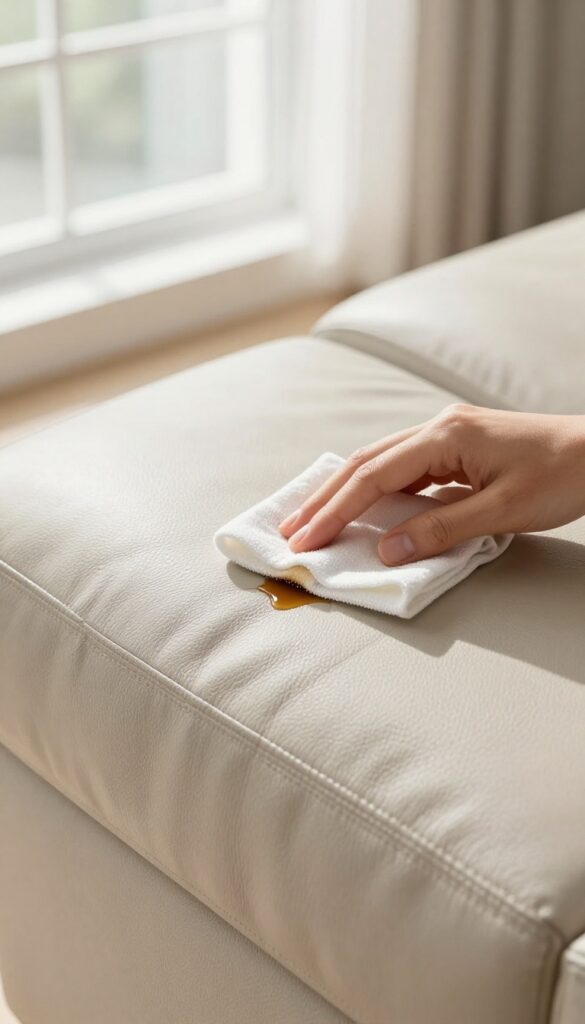
Spills happen, but how you react makes all the difference. A quick, gentle blot with a slightly damp cloth is your best move. Rubbing or scrubbing will only push the liquid deeper into the leather or spread the stain.
When a spill occurs, grab a clean, soft cloth and dampen it with plain water. Wring it out so it's just barely moist—not wet. Blot the spill gently, starting from the outside and working inward to prevent spreading.
Repeat with a dry cloth to absorb any remaining moisture. This method works for water-based spills like coffee, juice, or soda. For oily spills, use a dry cloth first to soak up as much oil as possible, then follow with a damp cloth.
Why Blotting Beats Rubbing
Rubbing creates friction that can abrade the leather's surface and push the stain into the pores. Blotting lifts the liquid away without damaging the finish. It’s the same principle as treating a fine fabric—gentle pressure wins every time.
The Right Cloth Matters
Use a microfiber or soft cotton cloth—never paper towels, which can be rough and leave lint. A damp but not wet cloth prevents water marks. If the leather is untreated or aniline, be extra careful: too much moisture can cause dark spots.
When To Call In A Professional
If the spill has set or left a stubborn stain, don’t keep scrubbing. A leather-safe cleaner or a professional cleaner can handle it without causing damage. When in doubt, less is more.
5. Avoid Harsh Chemicals Like Bleach or Ammonia
Not all cleaners are couch-friendly. Household staples like bleach, ammonia, or alcohol-based sprays can strip the leather's protective topcoat, leaving it vulnerable to cracking and fading. Stick to products labeled specifically for leather or use a mild soap solution to keep your sofa safe.
Harsh chemicals break down the finish that keeps leather supple and stain-resistant. Once that layer is gone, the leather absorbs dirt and moisture faster, leading to permanent damage. Always read labels and avoid anything with bleach, ammonia, or high alcohol content.
What To Look For On Labels
Check for words like 'pH-balanced, ' 'leather-safe, ' or 'gentle. ' Avoid products that list bleach, ammonia, or isopropyl alcohol as ingredients. If you're unsure, stick to a few drops of mild dish soap mixed with water.
Safe Alternatives For Tough Stains
For ink or grease marks, use a dedicated leather stain remover or a dab of rubbing alcohol on a cotton swab—but only on a hidden area first. For everyday grime, a damp microfiber cloth works wonders without stripping the finish.
6. Choose a pH-Neutral Leather Cleaner
Not all leather cleaners are created equal. Many all-purpose sprays contain harsh chemicals that strip the leather's natural oils, leading to dryness and cracking. A pH-neutral cleaner is formulated to match the leather's natural acidity, so it lifts dirt and grime without disturbing the delicate balance.
Investing in a cleaner specifically designed for leather is one of the smartest moves you can make. These products are gentle enough for routine use yet effective enough to remove everyday buildup. They clean without leaving a residue that can attract more dirt over time.
What Ph-neutral Means For Leather
Leather has a natural pH around 4. 5 to 5. 5, slightly acidic.
A pH-neutral cleaner typically falls in the 6–8 range, which is close enough not to cause damage. Using a cleaner that's too alkaline (like many household detergents) can break down the leather's finish, while overly acidic products can cause discoloration.
How To Use A Ph-neutral Cleaner
Spray the cleaner onto a soft, lint-free cloth—never directly onto the couch. Gently wipe the surface in circular motions, focusing on soiled areas. Avoid soaking the leather; a damp cloth is enough.
Follow up with a dry cloth to remove any excess moisture.
What To Look For In A Leather Cleaner
Check the label for terms like "pH-balanced, " "leather-safe, " or "non-stripping. " Avoid products containing alcohol, ammonia, or bleach. Brands like Leather Honey, Chamberlain's, or Lexol are trusted options.
A good cleaner should also condition as it cleans or be compatible with a separate conditioner.
7. Wipe Down with Distilled Water for Routine Cleaning
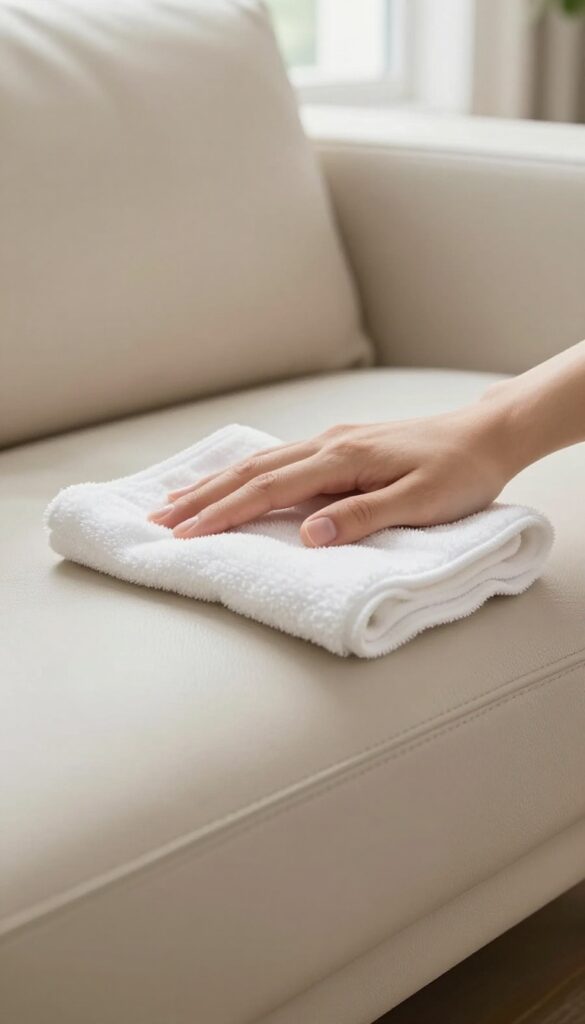
Sometimes all your leather couch needs is a quick refresh—no special cleaners required. A simple wipe with distilled water can lift surface dust and light grime without stripping the leather's natural oils. This method works best for weekly maintenance between deeper cleanings.
Tap water often contains minerals like calcium and chlorine that can leave dull spots or discoloration on leather over time. Distilled water is free of these impurities, making it a safe choice for routine cleaning. Just dampen a soft, lint-free cloth (not soaking wet) and gently wipe the entire surface.
Follow with a dry cloth to remove any excess moisture. This keeps your couch looking fresh without any risk of damage.
Why Distilled Water Matters
Leather is porous and can absorb minerals from tap water, leading to a cloudy film or white residue. Distilled water is purified through boiling and condensation, removing those minerals. It's the same reason you use distilled water in irons or car batteries—to avoid buildup.
How To Wipe Correctly
Fold your cloth into a clean pad and dip it in distilled water. Wring it out until it's just barely damp—no dripping. Wipe the leather in gentle, overlapping strokes, following the grain if possible.
Don't press hard; let the moisture do the work. Dry immediately with a separate soft cloth to prevent water spots.
When To Skip This Method
If your couch has heavy grime, sticky spots, or visible stains, water alone won't cut it. Use a dedicated leather cleaner for those situations. Also avoid this on unfinished or aniline leathers, which are more absorbent and may water-stain.
Always check your couch's care label first.
8. Condition Leather Every 6–12 Months
Leather is a natural material that loses its natural oils over time, especially with regular use and exposure to sunlight. Conditioning replenishes those oils, keeping the leather soft and preventing cracks. Think of it as moisturizer for your couch—skip it, and the leather can dry out and become brittle.
Why Conditioning Matters
Without conditioning, leather can dry out, fade, and develop fine cracks that worsen over time. A good conditioner restores flexibility and helps the leather resist stains and wear. It also gives the couch a subtle sheen that makes it look cared for.
Choosing The Right Conditioner
Always use a conditioner made specifically for leather furniture. Avoid products with silicone, wax, or petroleum—they can clog pores and cause buildup. Look for conditioners with natural oils like lanolin or neatsfoot oil.
Test on a hidden spot first to ensure it doesn't darken the leather.
How To Apply Conditioner
Start with a clean, dry couch. Apply a small amount of conditioner to a soft, lint-free cloth. Rub it into the leather in circular motions, working in sections.
Let it soak in for the time recommended on the label, then buff off any excess with a clean cloth. Don't over-saturate—less is more.
How Often To Condition
Every 6 to 12 months is the sweet spot for most homes. If you live in a dry climate or run the heater often, lean toward every 6 months. If your couch gets heavy daily use, you might need to condition more frequently.
Watch for signs of dryness like stiff or dull patches.
9. Blot, Don't Rub, for Liquid Stains
A splash of red wine or a spilled soda doesn't have to spell disaster for your leather couch. The key is acting fast and using the right technique. Rubbing might seem instinctive, but it actually pushes the liquid deeper into the leather fibers, making the stain harder to remove and potentially damaging the surface.
Why Rubbing Makes It Worse
When you rub a spill, the friction grinds the liquid into the leather's pores. This not only spreads the stain but can also strip away the protective finish. Over time, repeated rubbing can cause the leather to become dull or even crack.
Instead, think of blotting as gently lifting the liquid away without forcing it in.
The Right Way To Blot
Grab a clean, dry, white cloth or paper towel—colored fabrics can transfer dye onto the leather. Press the cloth firmly onto the spill and hold for a few seconds to absorb the liquid. Lift the cloth straight up, then move to a dry area and repeat until no more liquid transfers.
Avoid pressing too hard or using a colored cloth that might bleed.
What To Do After Blotting
Once you've blotted up as much liquid as possible, let the area air dry naturally. If a faint stain remains, you can lightly dab with a leather cleaner designed for your couch type. For stubborn stains like ink or wine, a specialized leather stain remover may be needed—but always test on a hidden spot first.
10. Use a Leather-Safe Stain Remover for Ink
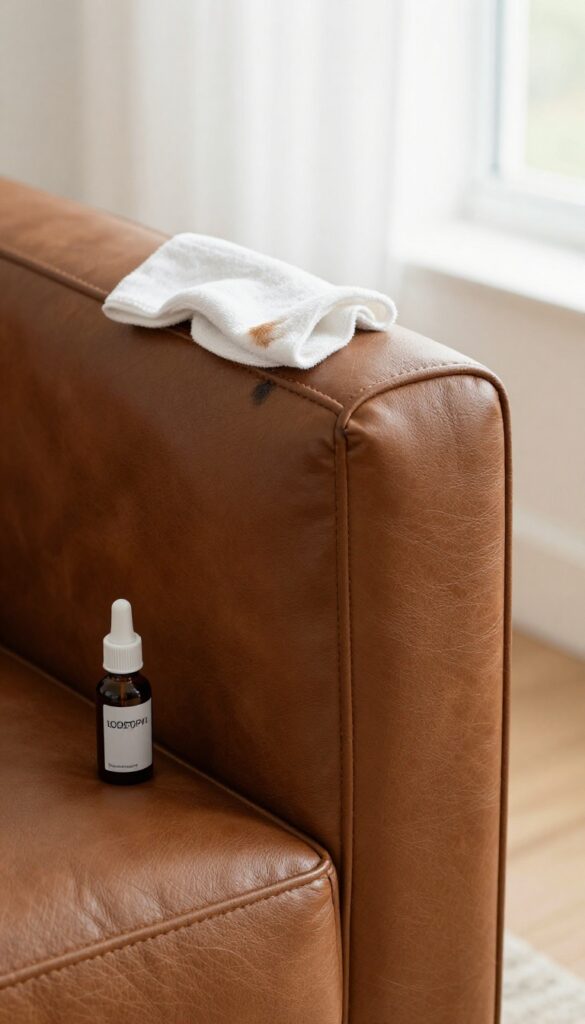
Ink stains on leather can feel like a disaster, but they're often fixable if you act quickly. The key is using a solvent that dissolves the ink without stripping the leather's finish. Rubbing alcohol is a go-to for many, but it's not the only option.
Before you try anything, test your chosen remover on a hidden area—like the back or bottom of the couch. This confirms the leather won't react badly. For fresh ink, blot (don't rub) with a clean cloth to soak up excess.
Then move on to the actual removal.
Rubbing Alcohol Method
Dab a cotton swab or soft cloth in 70% isopropyl alcohol. Gently blot the ink stain—don't scrub. The alcohol breaks down the ink, which transfers to the swab.
Keep using fresh swabs until no more ink lifts. Follow up with a leather conditioner to restore moisture.
Dedicated Leather Ink Removers
Products like Leather Magic Ink Remover or Leather Honey Stain Remover are formulated to be gentle on leather while lifting ink. Apply a small amount to a microfiber cloth and dab the stain. These often work without the drying effect of alcohol.
What To Avoid
Never use nail polish remover, bleach, or harsh solvents—they'll discolor or damage the leather. Also avoid rubbing aggressively, which can spread the ink or wear away the finish. Patience and light pressure are your friends.
11. Remove Grease Stains with Cornstarch
Grease stains on leather can be stubborn, but you don’t need harsh chemicals to lift them. Cornstarch, a common kitchen staple, works like a gentle sponge to absorb oil without stripping the leather’s natural finish. This method is safe for most leather types and requires minimal effort.
Sprinkle a generous amount of cornstarch directly onto the greasy spot, making sure it covers the stain completely. Let it sit for several hours—ideally overnight—so the powder can pull the oil out of the leather. Once the cornstarch looks clumpy or darkened, gently brush it off with a soft cloth or a dry brush.
Avoid rubbing, which can push the oil deeper. For stubborn stains, repeat the process. Finish by wiping the area with a clean, dry cloth to restore the leather’s natural sheen.
Why Cornstarch Works
Cornstarch is a fine, absorbent powder that draws oil out of porous surfaces like leather. Unlike liquid cleaners, it doesn’t add moisture that could cause water spots or damage the leather’s finish. It’s also non-abrasive, so it won’t scratch or dull the surface.
When To Use This Method
This technique is best for fresh grease stains from food, lotion, or body oils. It’s also effective on set-in spots if you let the cornstarch sit longer. Avoid using it on suede or nubuck, as the powder can get trapped in the fibers.
What To Do After
After brushing off the cornstarch, check if the stain is gone. If a faint mark remains, apply a leather conditioner to even out the color and keep the leather supple. This step also helps prevent the area from drying out.
12. Treat Oil-Based Stains with a Mild Soap Solution
Oil-based stains like salad dressing or hand lotion can be tricky, but a gentle soap solution is your best bet. The key is to use a mild dish soap that cuts grease without stripping the leather's natural oils.
Mix a few drops of mild dish soap with distilled water, apply with a soft cloth, then wipe clean and dry. This method lifts the oil without damaging the finish.
Why Mild Soap Works Best
Harsh soaps can dry out leather, leading to cracks. Mild dish soap is formulated to break down oils while being gentle enough for delicate surfaces. Distilled water prevents mineral deposits that can cloud the leather.
Step-by-step Application
Dampen a soft, white cloth with the soap solution—never soak the leather. Blot the stain gently, working from the edges inward to avoid spreading. Rinse the cloth with plain distilled water and wipe away any soap residue.
Pat dry with a clean towel.
When To Call It Quits
If the stain remains after two gentle attempts, stop. Overworking the area can damage the leather. Instead, consider a professional cleaner who specializes in leather.
13. Avoid Direct Sunlight to Prevent Fading

Sunlight might make your living room feel bright and airy, but it’s one of the worst enemies of leather furniture. UV rays don’t just fade the color—they also dry out the material, leading to cracks and stiffness over time. The fix is simple: keep your couch out of direct sun or use window coverings to block the rays.
Positioning your leather couch a few feet away from windows is the easiest way to protect it. If that’s not possible, sheer curtains or blinds can filter the light without darkening the room entirely. For extra protection, consider applying a UV-blocking window film—it’s inexpensive and doesn’t ruin your view.
Rotating cushions and rearranging furniture occasionally helps even out any sun exposure. And if you notice one armrest looking lighter than the other, a leather conditioner with UV protectants can slow further damage. Consistency matters more than perfection.
Why Uv Rays Are So Damaging
Leather is a natural material that reacts to light the same way your skin does—prolonged exposure causes fading and drying. The UV radiation breaks down the dyes and oils in the leather, making it lose its original color and suppleness. Over time, the leather becomes brittle and more prone to scratches.
Simple Ways To Block The Sun
Start by rearranging your furniture so the couch isn’t directly in the path of sunlight. Use curtains, blinds, or shades during peak sun hours—usually between 10 a. m. and 4 p. m. If you love natural light, opt for UV-filtering window films that cut out harmful rays while still letting brightness through.
Long-term Protection Habits
Make it a habit to rotate cushions and swap pillows every few months so sun exposure is distributed evenly. Apply a leather conditioner with built-in UV protection once or twice a year. And if you notice early signs of fading, move the couch to a shadier spot or add a throw blanket over the affected area.
14. Keep Leather Away from Heat Sources
Radiators, fireplaces, and even direct sunlight from a window can slowly dry out your leather couch. The heat accelerates moisture loss, leaving the material brittle and prone to cracking. A simple shift in placement can add years to your furniture's life.
Why Heat Is A Problem
Leather is porous and contains natural oils that keep it supple. When exposed to constant heat, those oils evaporate faster than they can be replenished. The result is a dry, stiff surface that develops fine cracks over time.
Even if the couch doesn't feel hot to the touch, prolonged proximity to a heat source does damage.
How Close Is Too Close?
A good rule of thumb is to keep your leather couch at least three feet away from radiators, space heaters, and fireplaces. If you can't rearrange the room, consider using a heat deflector or a decorative screen to redirect warmth. For forced-air vents, angle the vent away from the couch or use a vent deflector.
What About Fireplaces And Wood Stoves?
These produce intense, dry heat that can be especially harsh on leather. If your couch is near a fireplace, make sure it's not within the direct line of radiant heat. Even a few feet of distance with a barrier like a hearth or a piece of furniture can help.
Also, avoid placing the couch where it might get occasional sparks or ash.
15. Use a Leather Protector Spray for Added Defense
Cleaning your leather couch is only half the battle. To keep it looking fresh longer, you need a barrier that repels spills and stains before they set. A quality leather protector spray does exactly that—without altering the feel or breathability of the leather.
After you've cleaned and conditioned your couch, applying a protector spray adds an invisible shield. It helps prevent liquids from soaking in and makes future cleaning much easier. Not all protectors are created equal, so choose one specifically designed for leather furniture.
Test it on a hidden area first to ensure it doesn't darken or change the finish.
Choose The Right Formula
Look for a protector that's water-based and free of silicones or waxes that can clog leather pores. Brands like Guardsman and Leather Honey offer sprays that won't leave a sticky residue. Avoid all-purpose fabric protectors—they can damage leather.
Apply Evenly And Let It Dry
Hold the can about 6 inches from the surface and spray in a light, even coat. Work in sections, wiping off any excess with a soft cloth. Let the couch dry completely for at least 24 hours before using it.
Reapply every 6 to 12 months, depending on usage.
Don't Skip The Test Patch
Always test the spray on a small, inconspicuous area, like the back or underside of the couch. Wait for it to dry and check for any discoloration or tackiness. If it looks good, you're ready to protect the whole couch.
16. Clean Pet Hair with a Lint Roller or Rubber Glove
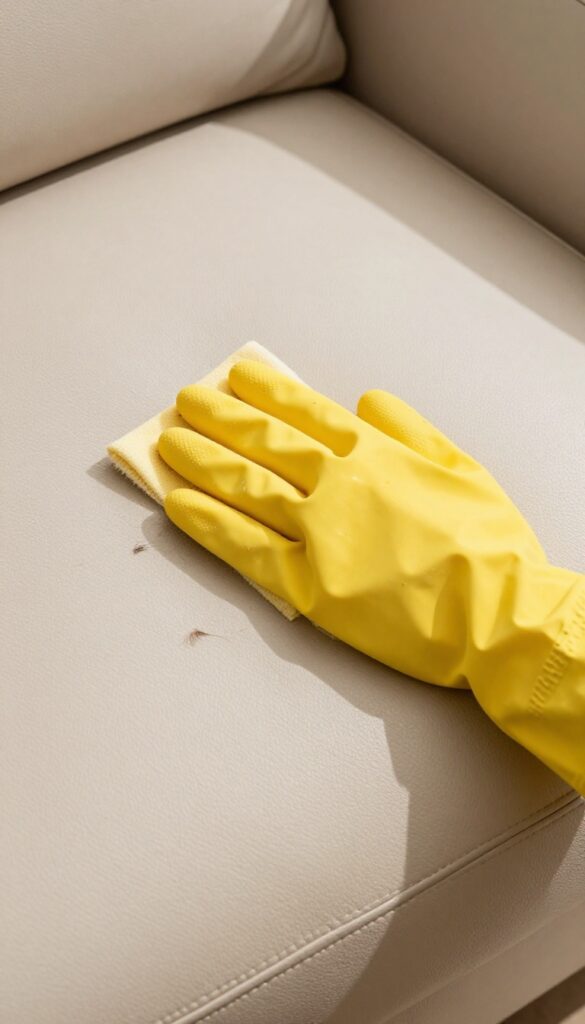
Pet hair on leather can be a magnet for dust and dander, but you don't need a vacuum or sticky tape that might scratch the surface. A simple lint roller or a damp rubber glove lifts hair quickly without any risk of damage. This method is gentle enough for daily touch-ups and keeps your couch looking pristine between deeper cleans.
Why These Tools Work
Lint rollers have just the right amount of tackiness to grab hair without leaving residue or pulling on the leather finish. A rubber glove, when slightly dampened, creates static electricity that attracts pet hair like a magnet. Both are soft and non-abrasive, so they won't scratch or dull the surface.
Step-by-step Quick Clean
For a lint roller, simply roll it over the couch in overlapping strokes, pressing lightly. Replace the sheet as it fills up. For a rubber glove, dampen it slightly, then wipe your hand across the leather in one direction.
The hair will ball up and can be easily picked off or wiped away.
When To Use Each Method
Use a lint roller for quick, dry removal of loose hair. A damp rubber glove works better for embedded hair or when you want to also pick up dust. Avoid using a rubber glove on very delicate or aniline leather—stick to a lint roller for those finishes.
17. Remove Scuff Marks with a Pencil Eraser
Scuff marks from shoes or furniture legs can make your leather couch look worn. Before reaching for a cleaner, try a simple pencil eraser—it's often all you need. The gentle friction lifts the mark without stripping the finish or drying out the leather.
A clean, white vinyl eraser works best. Rub the scuff mark lightly in one direction, then wipe away any eraser crumbs with a soft cloth. If the mark persists, repeat once or twice.
Avoid colored erasers that might transfer dye. This trick works on most finished leathers, but test on an inconspicuous spot first.
Why Erasers Work On Leather
Scuff marks sit on the surface of the protective finish, not the leather itself. A pencil eraser's abrasive but soft texture lifts the mark without scratching. It's dry, so no moisture seeps into the leather and causes stains or warping.
Step-by-step: How To Erase Scuffs
First, clean the area with a dry microfiber cloth to remove dust. Then, gently rub the scuff mark with a clean eraser using light pressure. Wipe away crumbs and check the result.
For stubborn marks, repeat with a slightly damp cloth after erasing.
When To Skip The Eraser
Avoid erasers on aniline or nubuck leather—they lack a protective finish and can be damaged by abrasion. Also skip if the scuff has penetrated the color layer; in that case, a leather repair kit is a better option.
18. Tackle Mold or Mildew with a Vinegar Solution
Mold and mildew can sneak up on leather, especially in humid climates or if the couch gets damp. Before you panic, know that a simple vinegar solution can lift the spores without damaging the finish. This method is gentle enough for most leather types, but always test on a hidden spot first.
To make the solution, mix equal parts distilled white vinegar and water in a spray bottle. Lightly mist a soft cloth—never spray directly on the leather—and dab the affected areas. Let it sit for a minute, then wipe with a clean, damp cloth.
Follow up with a leather conditioner to restore moisture and prevent dryness.
Why Vinegar Works Without Harsh Chemicals
White vinegar is mildly acidic, which breaks down mold and mildew without the bleach or ammonia found in many commercial cleaners. Those harsh chemicals can strip leather’s natural oils and cause cracking. Vinegar is also safe for most dyed leathers when diluted properly.
Step-by-step Application Tips
Start by vacuuming any loose spores with a soft brush attachment. Then dip a microfiber cloth into the vinegar solution and wring it out until damp—not wet. Gently blot the moldy spots, working from the edges inward to avoid spreading.
After 10 minutes, wipe the area with a dry cloth and let it air dry away from direct heat.
When To Call A Professional
If the mold has penetrated deep into the leather or covers a large area, it’s best to consult a leather specialist. Deep-set mildew may require professional cleaning to avoid permanent staining. Also, if your couch smells musty even after treatment, check the padding underneath for hidden growth.
19. Use a Soft Bristle Brush for Dried-On Dirt
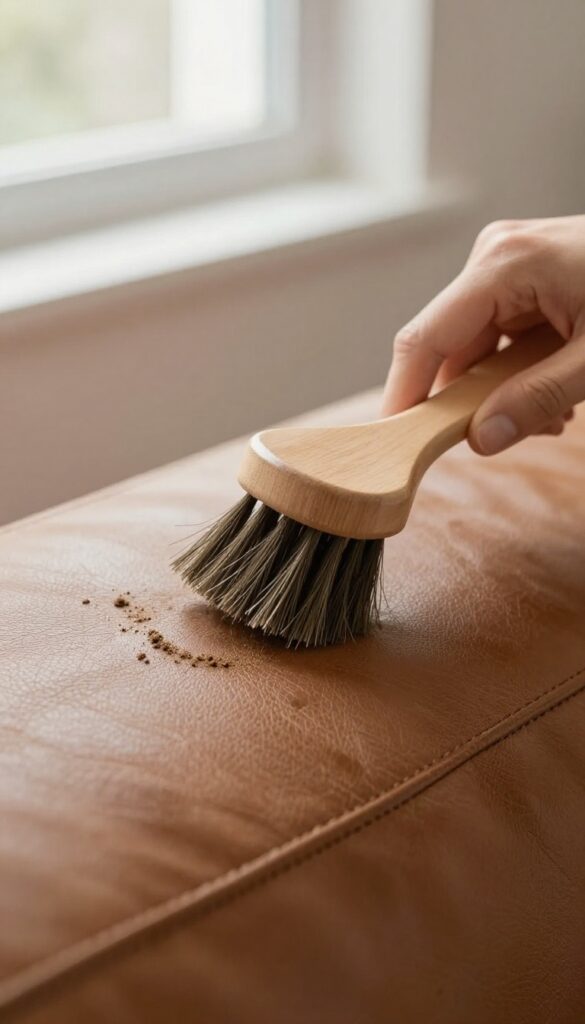
Dried-on dirt can be stubborn, but scraping or scrubbing hard will damage the leather. A soft-bristle brush is your best friend here. It loosens particles without scratching the surface, making cleanup safe and easy.
When dirt has hardened, avoid using water or cleaner directly on it. Instead, gently brush the area with a soft-bristle brush (like a horsehair brush) to break up the debris. Work in one direction to avoid grinding dirt into the leather.
After brushing, wipe away loosened particles with a dry microfiber cloth. For extra stubborn spots, follow up with a mild leather cleaner.
Choose The Right Brush
Not all brushes are safe for leather. Look for brushes with soft, natural bristles—horsehair or goat hair are ideal. Avoid nylon or synthetic bristles, which can be too harsh.
A brush with a wooden handle and natural bristles is gentle yet effective.
Brush In One Direction
Always brush in the same direction, following the grain of the leather. This prevents dirt from being pushed into pores and reduces the risk of scratching. A consistent motion also helps lift dirt more efficiently.
Follow Up With A Damp Cloth
After brushing, use a slightly damp microfiber cloth to pick up any remaining dust. Make sure the cloth is just damp—not wet—to avoid water damage. Then dry the area with a clean, soft cloth to restore the finish.
20. Avoid Over-Wetting the Leather
Water and leather have a complicated relationship. Too much moisture can lead to water spots, stiffness, or even warping. The key is to use as little liquid as possible and dry the surface quickly.
Think of it like a delicate fabric—you wouldn't soak a silk blouse, so don't soak your leather couch.
Use A Damp Cloth, Not A Wet One
When wiping down your couch, wring out the cloth until it's just barely damp. You want to lift dirt, not add moisture. If you see water beading on the surface, you're using too much.
A microfiber cloth works best because it absorbs evenly.
Dry Immediately After Cleaning
After using any cleaning solution or even just water, go over the area with a dry, soft cloth. Blot, don't rub. This prevents moisture from seeping into the leather's pores and causing damage.
For crevices, use a dry cotton swab or a corner of the cloth.
Avoid Steam Cleaners And Soaking Sprays
Steam cleaners force moisture into the leather, which can break down the finish over time. Similarly, heavy sprays that saturate the surface are risky. Stick to light misting onto a cloth, never directly onto the couch.
If you must use a spray, test it on an inconspicuous spot first.
21. Clean Body Oil Buildup with a Saddle Soap
Over time, body oils from your arms, neck, and even your pets can build up on leather, leaving dark, greasy patches. Saddle soap is a classic solution that's gentle enough for finished leather. It cuts through grime without stripping the hide's natural oils.
Saddle soap is a mild, glycerin-based cleaner originally made for horse tack. It works wonders on leather couches because it lifts dirt and oil without harsh chemicals. You'll need a soft, damp cloth and a small amount of soap.
Work it into a lather, then gently rub the affected areas in a circular motion. Wipe away any residue with a clean damp cloth, then let the leather air dry completely. Follow up with a leather conditioner to restore moisture and keep the surface supple.
Why Saddle Soap Works
Saddle soap contains natural ingredients like beeswax and lanolin that clean while conditioning. Unlike all-purpose cleaners, it won't dry out leather or cause cracking. It's specifically designed to break down oils and sweat, making it ideal for high-touch areas like armrests and headrests.
How To Apply It Right
Start by testing on a hidden spot. Dampen a soft cloth, rub it over the soap to create a light lather, then gently clean the oily area. Avoid soaking the leather—damp is enough.
Wipe off excess with a separate damp cloth. Let it dry naturally, away from direct heat or sunlight.
When To Condition Afterward
Saddle soap can slightly strip some natural oils, so conditioning is key. Once the leather is dry, apply a high-quality leather conditioner. This keeps the material soft, prevents cracks, and restores its original sheen.
For best results, condition every 3-6 months or after every deep clean.
22. Refresh Smells with Baking Soda
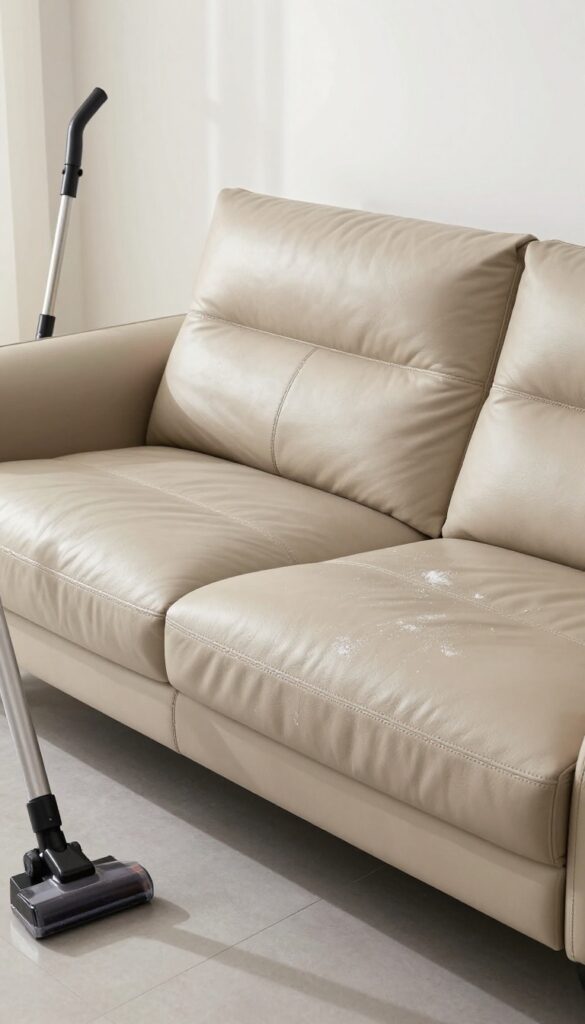
Leather can trap odors from pets, smoke, or just daily use. Before you reach for chemical sprays, try a simple pantry staple: baking soda. It absorbs smells without leaving residue or damaging the leather's finish.
Baking soda is a gentle deodorizer that works on leather just as well as on carpets. The key is to use it dry and vacuum thoroughly to avoid any grit scratching the surface.
How To Apply
Sprinkle a thin, even layer of baking soda over the entire couch, focusing on areas that get the most use. Let it sit for at least 15 minutes—longer if the smell is strong. Then vacuum using the upholstery attachment to remove every trace.
Why It Works
Baking soda is alkaline and neutralizes acidic odor molecules. It's non-abrasive and won't strip the leather's natural oils, making it safe for routine freshening.
When To Skip This Method
Avoid baking soda on suede or nubuck leather, as the powder can get trapped in the nap. Also, don't use it on cracked or heavily worn leather where particles might lodge in crevices.
23. Use a Leather Repair Kit for Minor Scratches
Even the most careful owners end up with the occasional scratch. Maybe a pet got excited, or a zipper brushed across the armrest. The good news is that minor scratches don't have to stay visible.
A color-matched leather repair kit can make them nearly disappear.
Choose The Right Kit
Not all repair kits are the same. Look for one that matches your leather type and color. Many kits include a palette of dyes and a grain paper to replicate the texture.
If your couch is aniline or semi-aniline, pick a kit designed for those finishes.
Clean Before You Repair
Dust and oils can prevent the filler from bonding. Wipe the scratched area with a leather cleaner and let it dry completely. This step is small but makes a big difference in how well the repair sticks.
Apply In Thin Layers
Less is more when filling scratches. Use the applicator to spread a thin layer of filler, then let it dry. Repeat if needed.
Thick applications can crack or look unnatural. After filling, apply the color coat with a sponge or airbrush, blending outward.
Seal And Condition
Once the color matches, seal the repair with a leather finisher. This protects the area and restores the sheen. Finish with a light conditioner to keep the repaired spot flexible and prevent future cracks.
24. Rotate Cushions to Even Out Wear
Your leather couch might look even, but the cushions are taking a beating in different spots. The spot where you always sit gets more body oils and pressure, while the corner cushion stays pristine. Rotating them regularly spreads the love and keeps the leather looking consistent.
Think of your cushions like tires on a car—they wear unevenly if you never rotate them. Body oils, sweat, and daily pressure slowly darken and soften the leather in high-use areas. Over time, that one cushion can look noticeably different from the rest.
Flipping and swapping cushions every few months evens out the wear, so your whole couch ages gracefully instead of developing a worn-out spot.
Why Rotation Matters
Leather absorbs oils and moisture from your skin. The seat cushion you always use gets more of that, making it darker and softer. Meanwhile, the back cushion or the one under the throw pillow stays lighter and firmer.
Rotating prevents that imbalance, so all cushions age at the same pace.
How Often To Rotate
Aim to rotate cushions every three to six months. If you use the couch heavily, lean toward every three months. Light use?
Twice a year is fine. Mark your calendar or tie it to a seasonal change—like when you swap your wardrobe—so you don't forget.
The Right Way To Rotate
Flip each cushion over if it's reversible, then swap positions. For example, move the left seat cushion to the right, and the right to the left. If your couch has a chaise or corner piece, rotate those too.
Just be gentle—don't yank or twist the leather. Lift and place.
25. Call a Professional for Deep Stains or Damage
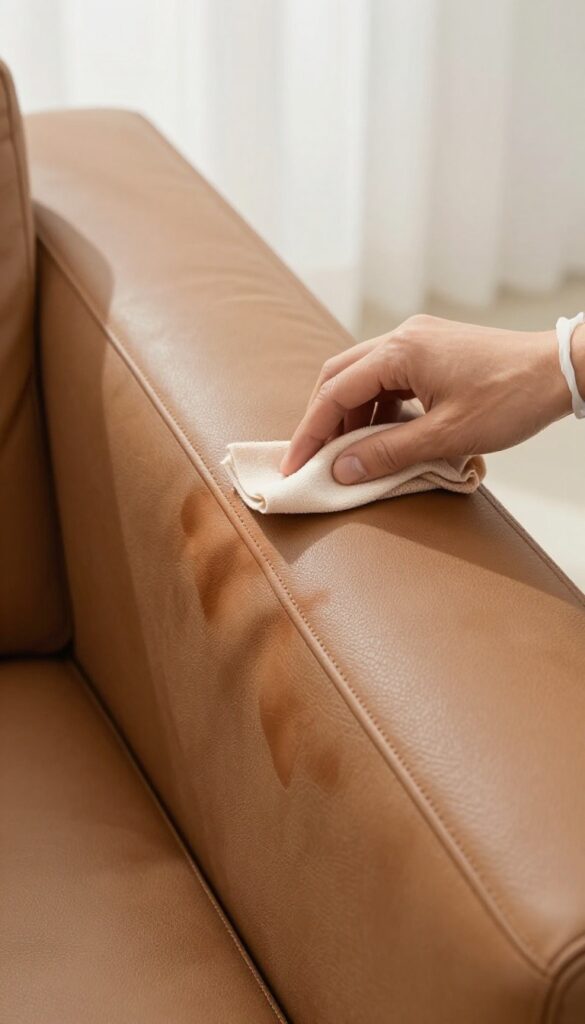
Sometimes, despite your best efforts, a stain just won't budge or the leather gets scratched, faded, or cracked. That's when it's smart to hand the reins to a pro. Leather specialists have the tools, cleaners, and conditioners that aren't available to consumers, and they know how to use them without causing harm.
When Diy Isn't Enough
If you've tried gentle cleaning methods and the stain is still there—or worse, the leather feels stiff or looks discolored—stop experimenting. Over-treating can damage the finish. A professional can assess the leather type and apply the right solvent or restoration technique.
What A Pro Can Do That You Can't
Specialists have access to professional-grade cleaners, dyes, and fillers. They can re-dye faded areas, repair deep scratches, and even fix structural issues like sagging cushions. They also know how to treat different leather types—aniline, semi-aniline, pigmented—so the repair matches perfectly.
How To Choose A Leather Specialist
Look for someone with experience in furniture leather, not just car upholstery. Check reviews and ask about their process. A good specialist will provide a quote upfront and explain what they'll do.
Avoid anyone who promises miracles with harsh chemicals—that's a red flag.
Cost Vs. Replacement
Professional cleaning or repair typically costs $100–$300, depending on the job. That's a fraction of a new couch. For heirloom-quality pieces or expensive sectionals, it's a worthwhile investment that can add years to your furniture's life.
FAQ
Can I use baby wipes to clean my leather couch?
It's not recommended. Baby wipes often contain alcohol or other chemicals that can strip the leather's finish over time. Stick to a damp microfiber cloth or a dedicated leather cleaner.
How often should I condition my leather couch?
Condition every 6 to 12 months, depending on usage and climate. In dry environments, you may need to condition more frequently to prevent cracking.
What's the best way to remove ink from leather?
Dab a cotton swab in rubbing alcohol and gently blot the ink stain. Test on a hidden area first. Alternatively, use a leather-specific ink remover.
Can I use vinegar to clean leather?
Yes, but only in diluted form (equal parts water and white vinegar) and only for specific issues like mold. Avoid frequent use as vinegar can dry out leather.
Is it safe to use a steam cleaner on leather?
No, steam cleaners can damage leather by overheating and over-wetting. Stick to gentle, moisture-controlled methods.
Conclusion
Keeping your leather couch clean doesn't have to be stressful. Stick with gentle, leather-safe methods and always test a small spot first. Consistency with dusting and conditioning will keep your sofa looking great for years.
Pick a few of these tips that fit your routine and make them a habit. Your leather will stay soft, supple, and damage-free without much effort.