
Your sofa takes a beating every day—spilled coffee, pet hair, crumbs, and the occasional mystery stain. Over time, that cozy centerpiece can start looking tired and smelling less than fresh.
But you don't need to call in a professional or buy expensive products to bring it back to life. These 15 sofa cleaning hacks are designed to handle the most common couch problems using items you probably already have at home.
Whether you're dealing with a red wine spill or just want to freshen up the fabric, there's a solution here that works. We'll walk you through each hack step by step, so you can pick the one that fits your situation and get your sofa looking its best again.
1. Blot, Don't Rub: The Golden Rule for Fresh Spills
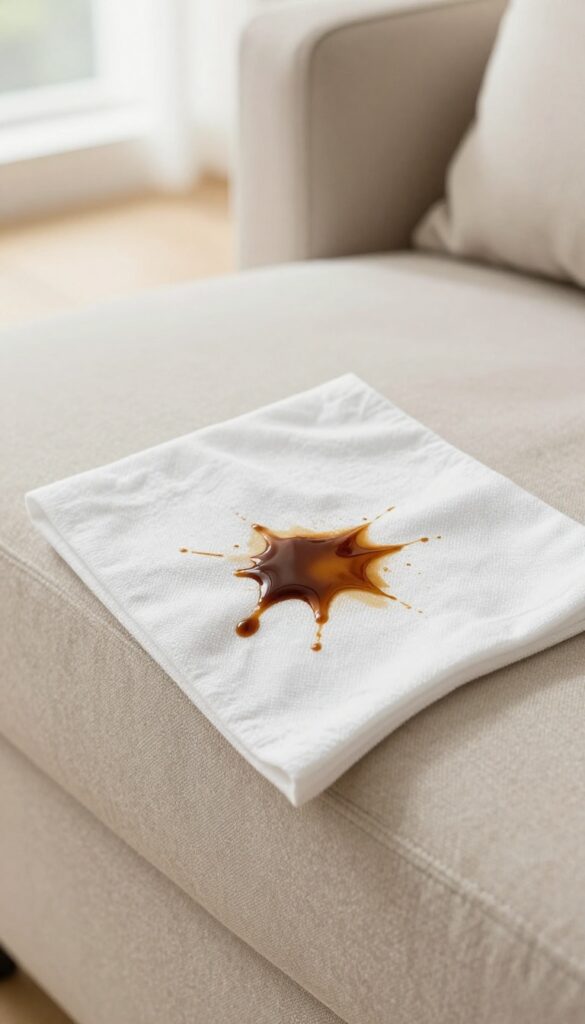
Spills happen. The way you react in those first few seconds can make the difference between a quick cleanup and a permanent stain. The instinct might be to scrub, but that's exactly what you want to avoid.
Blotting is the most effective first step for any liquid spill on your sofa. Whether it's coffee, juice, or wine, pressing a clean cloth onto the stain pulls the liquid up into the fabric, not deeper into the cushion. Rubbing, on the other hand, grinds the spill into the fibers and spreads it outward, making the stain larger and harder to remove.
Keep a stack of white cloths or paper towels near your sofa so you're always ready to blot immediately.
Why Rubbing Makes It Worse
When you rub a spill, you're essentially forcing the liquid deeper into the cushion or fabric. The friction also breaks down fibers, which can cause the area to look worn or fuzzy over time. Plus, rubbing can push the stain into the foam or padding underneath, where it's nearly impossible to reach.
The Right Way To Blot
Start from the outside of the stain and work inward. This prevents the spill from spreading. Use a dry cloth and press down firmly, then lift straight up.
Repeat with a fresh section of the cloth until no more liquid transfers. For stubborn spills, you can lightly dampen the cloth with cold water, but always blot, never scrub.
When To Use A Cleaning Solution
Blotting alone works best for fresh spills. If the stain remains after blotting, you can apply a mild cleaning solution. Mix a few drops of dish soap with cold water, dip a cloth in the solution, and blot again.
Always test on an inconspicuous area first to make sure it doesn't discolor the fabric.
2. Baking Soda and Vinegar: The Dynamic Duo for Odors
Musty smells and pet odors can cling to sofa fabric no matter how much you vacuum. Baking soda is a natural deodorizer that absorbs odors, while white vinegar neutralizes stubborn smells without leaving a strong scent. Together, they tackle even the toughest couch odors without harsh chemicals.
Start by sprinkling a generous layer of baking soda over the entire sofa, focusing on cushions and crevices where smells hide. Let it sit for at least 15 minutes—longer for heavy odors—then vacuum thoroughly. For lingering smells, mix equal parts water and white vinegar in a spray bottle, lightly mist the fabric, and allow it to air dry.
The vinegar smell disappears as it dries, taking other odors with it. Test on a hidden area first to ensure colorfastness.
Why Baking Soda Works
Baking soda is a mild alkali that reacts with acidic odor molecules, neutralizing them rather than just covering them up. It's safe for most fabrics and won't leave residue if vacuumed properly.
Vinegar: The Odor Neutralizer
White vinegar contains acetic acid, which breaks down alkaline odor compounds like pet urine. The smell fades as it dries, leaving fabric fresh. Use a light mist to avoid soaking the cushion foam.
Step-by-step Freshness Routine
- Remove cushions and vacuum all surfaces. 2.
Sprinkle baking soda evenly. 3. Wait 15–30 minutes.
- Vacuum thoroughly. 5.
If smell remains, mist with vinegar solution. 6. Let dry completely before using.
3. Dish Soap and Warm Water: Gentle Cleaner for Most Fabrics
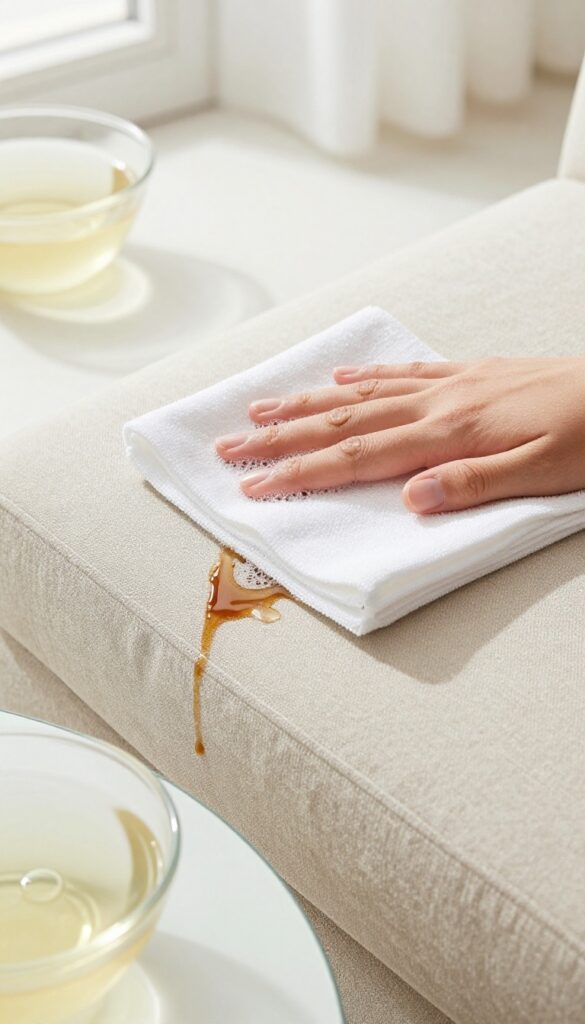
When a stain shows up, your first instinct might be to grab a heavy-duty cleaner. But for most sofa fabrics, a simple mix of dish soap and warm water is all you need. It's gentle, effective, and won't damage the material like harsh chemicals can.
This method works on everything from cotton and polyester to microfiber, as long as you test it on a hidden spot first.
Why Dish Soap Works So Well
Dish soap is designed to cut through grease and food residues, which are common culprits behind sofa stains. It's also mild enough to use on fabrics without causing discoloration or weakening fibers. The key is to use a tiny amount—just a few drops—and dilute it properly.
Too much soap can leave a sticky residue that attracts more dirt.
Step-by-step: How To Apply It
Start by mixing a few drops of mild dish soap (like Dawn or Seventh Generation) into a cup of warm water. Dip a clean microfiber cloth into the solution, then wring it out until it's just damp—not soaking wet. Gently dab the stain, working from the outside in to avoid spreading it.
Don't rub, as that can push the stain deeper into the fabric. Once the stain lifts, dip a fresh cloth in plain water and blot the area to remove any soap residue. Finally, blot with a dry cloth and let it air dry.
When To Skip This Method
This hack isn't ideal for delicate fabrics like silk, velvet, or untreated leather. It also won't work well on old, set-in stains that have already bonded with the fibers. For those, you might need a specialized cleaner or a different approach.
Always check your sofa's care tag and test the solution on a hidden area before going all in.
4. Rubbing Alcohol for Ink and Marker Stains
Ink and marker stains on your sofa can feel like a permanent disaster, but rubbing alcohol is a surprisingly effective fix. It works by breaking down the pigments in the ink, allowing you to lift them out of the fabric without causing damage. Just be sure to test a hidden spot first, as some delicate fabrics might react differently.
Why Rubbing Alcohol Works
Rubbing alcohol is a solvent that dissolves the oils and dyes in ink, making it easy to blot away. Unlike water, which can spread the stain, alcohol evaporates quickly and targets the ink directly. This makes it ideal for ballpoint pens, markers, and even some permanent inks.
Step-by-step Application
Start by placing a clean cloth or paper towel behind the stained area to absorb excess ink. Dip a cotton ball or soft cloth in rubbing alcohol (70% or higher) and gently dab the stain—don't rub, or you'll push it deeper. As the ink transfers to your cloth, switch to a fresh area.
Repeat until the stain lifts, then blot with a damp cloth to remove any residue.
Fabric Safety Tips
Always test rubbing alcohol on a hidden area, like under a cushion or on the back of the sofa. It's safe for most synthetic fabrics and cotton blends, but may damage silk, wool, or delicate upholstery. For leather, use a specialized cleaner instead.
If you notice any color change or texture damage, stop immediately.
5. Hydrogen Peroxide for Organic Stains (Blood, Wine, Coffee)
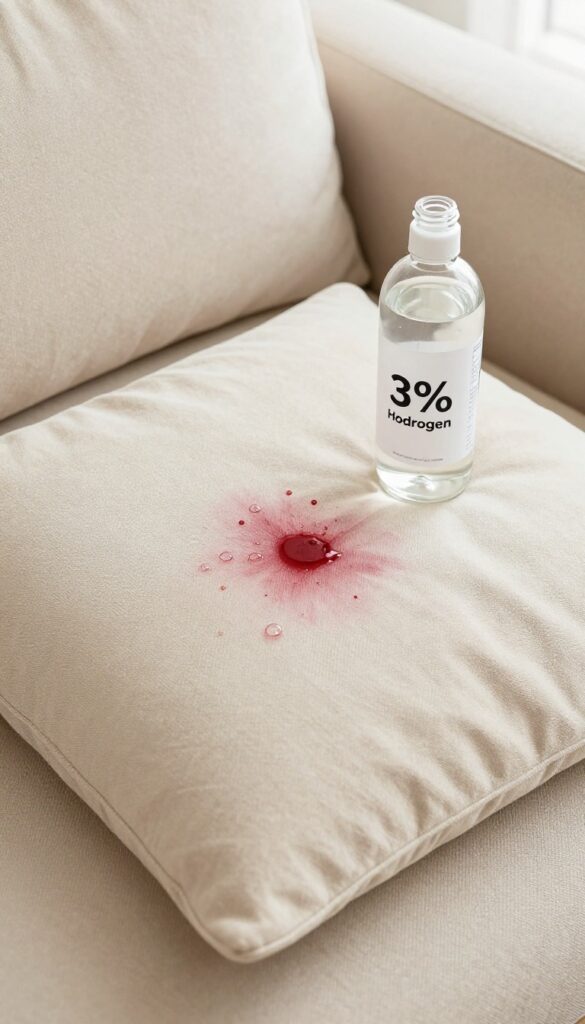
Organic stains like blood, red wine, and coffee can be some of the toughest to remove, but hydrogen peroxide is a surprisingly effective solution. The key is to act quickly while the stain is still fresh. This common household item works by releasing oxygen that breaks down the stain molecules, making them easy to lift away.
Hydrogen peroxide is a go-to for organic stains because it's gentle on most fabrics yet powerful enough to tackle even set-in marks. Always test on an inconspicuous area first, as it can bleach some materials. For best results, use 3% hydrogen peroxide straight from the bottle—no need to dilute.
How To Apply
Pour a small amount of 3% hydrogen peroxide directly onto the stain. You'll see it start to fizz almost immediately—that's the oxygen working. Let it sit for 2–3 minutes, then blot with a clean white cloth.
Repeat if needed, then rinse with a damp cloth and blot dry.
Best For Fresh Stains
This hack works best on fresh stains. For dried blood or old wine spills, you may need to reapply a few times. After treating, use a fan or hairdryer on cool to speed up drying and prevent water rings.
Fabric Safety Tips
Always do a patch test on a hidden area, especially on colored or delicate fabrics. Avoid using on wool, silk, or leather, as hydrogen peroxide can damage these materials. For synthetic blends and cotton, it's generally safe.
6. Steam Cleaning with a Garment Steamer for Deep Refresh
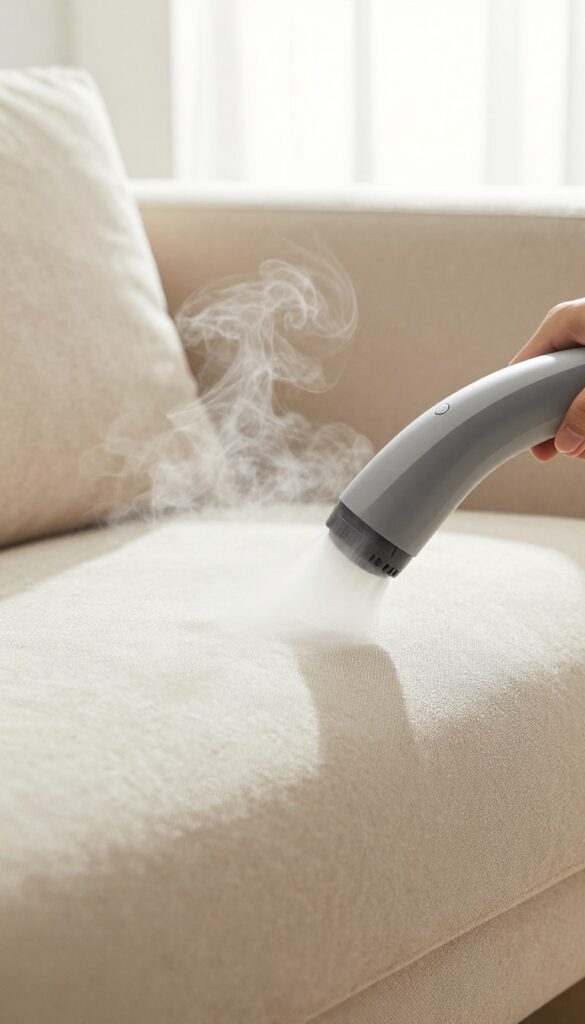
Your sofa fabric traps dust, allergens, and odors deep within the fibers. Vacuuming helps, but it doesn't always get into the nooks and crannies. That's where steam comes in—a garment steamer can refresh your couch without the heavy chemicals or the hassle of renting a machine.
Using a handheld garment steamer is a gentle but effective way to deep clean your sofa. The heat kills bacteria and dust mites, loosens embedded dirt, and smooths out wrinkles in the fabric. It's especially good for sofas that can't handle wet cleaning or for a quick refresh between deep cleans.
Why Steam Works On Sofa Fabric
Steam penetrates fibers without soaking them, lifting dirt and neutralizing odors. The high temperature kills germs and allergens, making it a great option for households with pets or allergy sufferers. Plus, it's chemical-free, so you don't have to worry about residue or harsh fumes.
Step-by-step: How To Steam Your Sofa
First, vacuum the sofa thoroughly to remove loose debris. Fill your garment steamer with distilled water to avoid mineral deposits. Hold the steamer a few inches from the fabric and move it slowly across the surface, using overlapping strokes.
Focus on high-traffic areas and spots that look dingy. Let the sofa dry completely before sitting on it—usually a few hours, depending on humidity.
Tips For Best Results
Test the steamer on an inconspicuous area first to make sure the fabric can handle the heat. For stubborn stains, pre-treat with a mild soap solution before steaming. Avoid steaming delicate fabrics like silk or velvet unless the manufacturer says it's safe.
And always let the sofa air out afterward to prevent moisture buildup.
7. Vacuum with a Brush Attachment to Remove Embedded Dust
Your sofa might look clean on the surface, but dust, dander, and crumbs settle deep into the fabric and cushions over time. That buildup not only makes the couch feel grimy but can also trigger allergies and dull the fabric's appearance. A weekly vacuum with the right attachment is one of the simplest ways to keep things fresh.
Grab your vacuum's upholstery brush attachment—it's designed to gently lift debris without damaging the fabric. Start by removing all cushions and vacuuming both sides, paying close attention to seams and tufted areas where dust loves to hide. Then use the crevice tool to reach into cracks along the frame and under the cushions.
Don't forget the back and arms of the sofa. For extra stubborn dust, lightly brush the fabric with a soft-bristled brush before vacuuming to loosen particles. This simple routine takes less than ten minutes and makes a huge difference in how your sofa looks and smells.
Why Weekly Vacuuming Matters
Dust and allergens settle into sofa fibers every day, especially if you have pets or live in a dusty area. Skipping vacuuming allows that grit to wear down the fabric over time, making it look faded and worn. A quick weekly pass keeps the sofa fresher and extends its life.
Best Practices For Deep Cleaning
For a thorough clean, use slow, overlapping strokes with the upholstery brush. Lift cushions and vacuum underneath, where crumbs and pet hair accumulate. If your sofa has removable covers, check if they're machine washable—washing them every few months adds an extra layer of freshness.
Tools That Make The Job Easier
A vacuum with a HEPA filter captures fine dust and allergens, improving indoor air quality. A rubber squeegee or a pet hair removal tool can also help lift embedded hair before vacuuming. For tight spaces, a soft brush attachment on a handheld vacuum works wonders.
8. Use a Lint Roller for Pet Hair and Lint
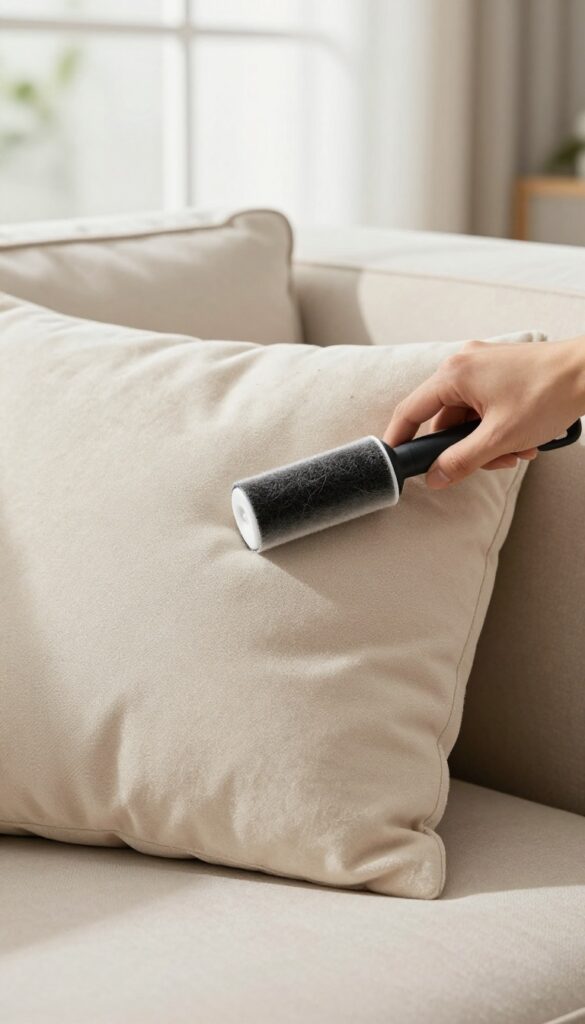
Pet hair and lint love to cling to sofa fabric, making it look unkempt even after a quick vacuum. A lint roller is your secret weapon for a fast, targeted clean. It's especially handy for spot-treating cushions or arms before guests arrive.
For quick touch-ups, a standard lint roller works wonders. Roll it firmly over the fabric in overlapping strokes to lift hair and dust. For larger areas, a damp rubber glove is a game-changer: put on the glove, dampen it slightly, and wipe the sofa in one direction.
The hair collects into a neat pile you can easily pick up.
Why It Works So Well
Lint rollers use adhesive sheets that grab loose fibers and hair without damaging the fabric. The rubber glove method works because static electricity and moisture help gather hair into clumps instead of scattering it.
Best Fabrics To Use It On
This hack is safe for most upholstery, including microfiber, cotton, and polyester blends. Avoid using a lint roller on delicate fabrics like velvet or silk, as the adhesive might leave residue or pull threads.
Pro Tip For Stubborn Hair
If pet hair is deeply embedded, lightly spray the fabric with water before using the rubber glove. The moisture loosens the hair, making it easier to gather in one swipe.
9. Cornstarch for Grease and Oil Stains
Grease and oil stains from food, lotions, or even hair products can leave unsightly marks on your sofa. Cornstarch is a simple, effective solution that works by absorbing the oil before it sets into the fabric. This hack is especially handy for fresh stains, but it can also help lift older ones with a bit of patience.
To use cornstarch, start by blotting any excess grease with a paper towel—don't rub, as that spreads the stain. Sprinkle a generous layer of cornstarch directly over the affected area, making sure it covers the stain completely. Let it sit for at least 15 minutes; for tougher stains, you can leave it for up to an hour.
The cornstarch will pull the oil out of the fabric fibers. After the wait, brush off the powder with a soft brush or a clean cloth, then vacuum the area to remove any residue. If the stain persists, repeat the process.
This method works best on washable fabrics, but it's safe for most upholstery types.
Why Cornstarch Works
Cornstarch is a fine, absorbent powder that acts like a magnet for oils. Its particles have a large surface area that traps grease molecules, lifting them away from the fabric without the need for harsh chemicals. This makes it a gentle yet powerful option for delicate sofa materials.
Tips For Best Results
For fresh stains, act quickly—the faster you apply cornstarch, the better the absorption. If the stain is old, try warming the area slightly with a hairdryer on low heat to soften the grease before sprinkling cornstarch. Always test on an inconspicuous spot first to ensure the fabric doesn't discolor.
When To Repeat The Process
Some stubborn stains may require multiple treatments. After the first round, if you still see a faint mark, apply cornstarch again and let it sit longer—up to an hour. You can also gently rub the powder into the stain with your fingers to enhance absorption.
Patience pays off with this method.
10. Shaving Cream for Upholstery Stains
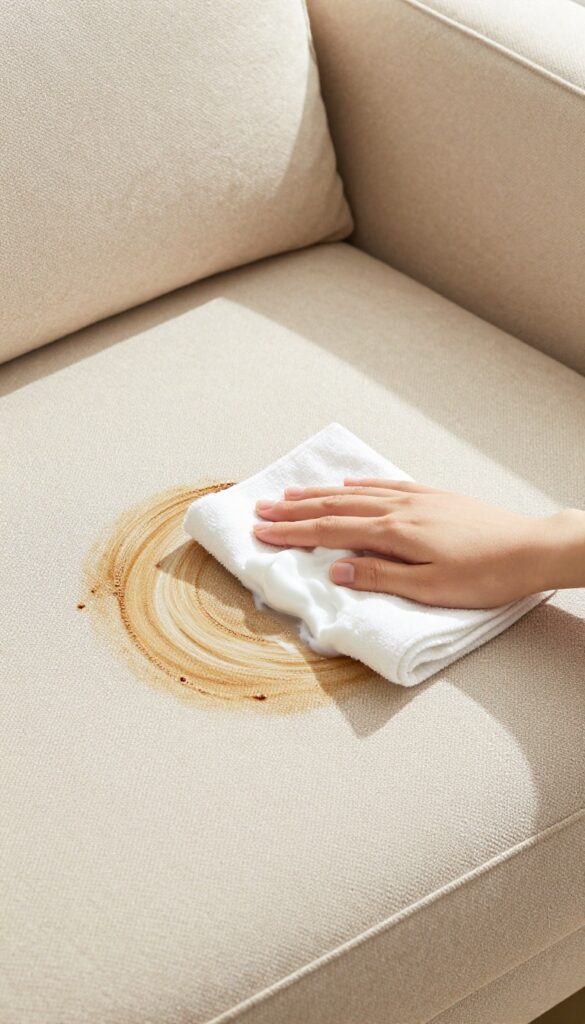
Shaving cream isn't just for your morning routine—it's a surprisingly effective upholstery cleaner. The foam lifts dirt and oil from fabric without saturating it, making it ideal for fresh stains or general grime. Plus, it's gentle enough for most sofa materials.
To use this hack, grab a can of classic white shaving cream—avoid gel or menthol varieties. Apply a small dollop directly onto the stain, then gently rub it in with a damp microfiber cloth using circular motions. Let it sit for 10 to 15 minutes to break down the stain.
Finally, wipe away the residue with a clean, damp cloth and blot dry with a towel. Repeat if needed.
Why Shaving Cream Works
Shaving cream contains surfactants that trap and lift dirt, oil, and protein-based stains from fabric fibers. Its thick foam penetrates without soaking the cushion, reducing drying time and preventing mold or mildew. The mild ingredients are safe for most synthetic and natural fabrics, but always test on a hidden area first.
Best Stains For This Method
This hack works wonders on makeup, body oils, food grease, and light ink marks. It's also effective for freshening up high-traffic areas that look dingy from daily use. Avoid using shaving cream on silk, velvet, or untreated leather—stick to cotton, polyester, and microfiber blends.
Tips For Best Results
Use only plain white shaving cream—no added moisturizers, scents, or gels. Blot the stain first to remove excess liquid, then apply the cream. Work from the outside of the stain inward to prevent spreading.
After cleaning, vacuum the area once dry to restore the fabric's texture.
11. Freeze Gum or Wax with Ice Cubes
Chewing gum and candle wax are two of the most annoying substances to get off a sofa. They smear, stick, and seem to embed themselves into the fabric. But there's a simple trick that works like magic: freeze them solid with ice cubes, then scrape them away cleanly.
This hack relies on temperature to change the consistency of the gum or wax. When frozen, they become brittle and lose their stickiness, so they lift off without leaving a greasy or sticky residue. It's safe for most fabrics and requires no chemicals.
How To Freeze And Remove Gum
Take a few ice cubes and place them in a resealable plastic bag. Hold the bag directly against the gum for about 10–15 minutes until the gum is hard. Then, use a dull knife or a plastic scraper to gently pry the gum off the fabric.
Work from the edges inward to avoid tearing the fibers.
Removing Wax The Same Way
Wax spills from candles can be just as stubborn. Apply the ice bag to the wax until it's completely hardened—this usually takes a bit longer than gum, around 15–20 minutes. Once brittle, scrape off as much wax as possible with a dull knife.
If any residue remains, place a paper towel over the spot and run a warm iron over it to absorb the leftover wax.
What To Do After Scraping
After you've removed the bulk of the gum or wax, you might notice a faint stain or sticky spot. Dab a small amount of rubbing alcohol on a clean cloth and blot the area to lift any leftover residue. Let it air dry, then vacuum the spot to restore the fabric's texture.
12. Use a Squeegee to Remove Pet Hair from Fabric
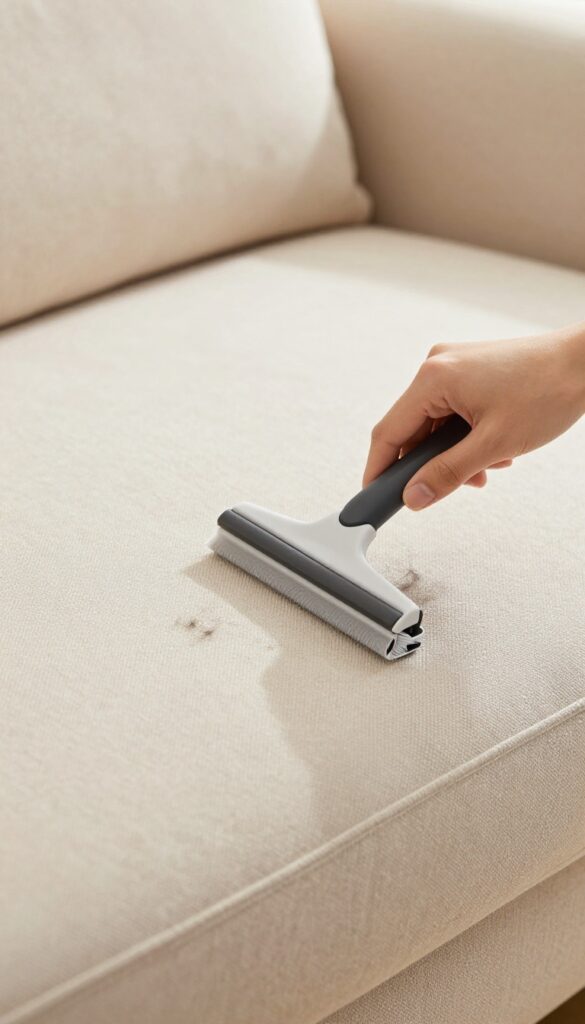
Pet hair can be stubborn, especially on fabric sofas where it seems to weave itself into the fibers. Vacuuming helps, but it often misses the deeply embedded hairs. A simple rubber squeegee—the kind you use on windows—works like a charm.
The rubber edge creates static electricity that lifts pet hair to the surface, making it easy to gather into a pile. It's quick, requires no special tools, and works on most fabric types without damaging them.
Why It Works So Well
Rubber has a natural grip that attracts hair and lint. As you drag the squeegee across the fabric, the friction builds up static, which pulls hair out of the weave. Unlike a lint roller, you don't need to keep peeling off sheets—just scrape and collect.
Step-by-step Instructions
Start by lightly misting the sofa with water (optional, but helps static). Hold the squeegee at a slight angle and pull it in short, firm strokes, working in one direction. After a few passes, you'll see hair clump together.
Sweep or vacuum the pile away. Repeat until the fabric looks clean.
Pro Tips For Best Results
Use a squeegee with a wide rubber blade for larger areas. For stubborn spots, try a damp squeegee—moisture helps lift hair even more. Clean the blade between strokes with a damp cloth to maintain effectiveness.
This method also works on car seats and pet beds.
13. Enzyme Cleaner for Urine and Pet Accidents
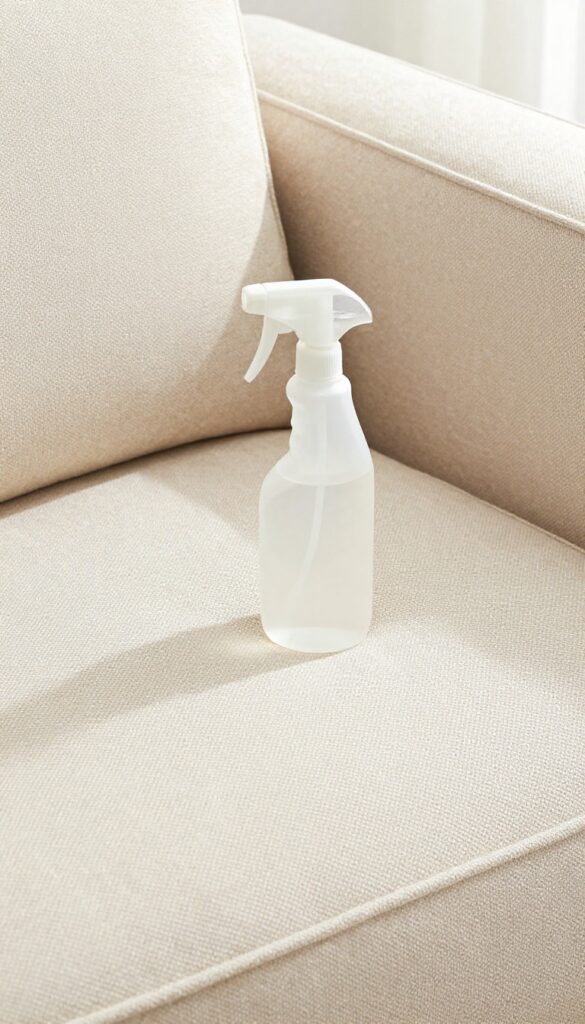
Pet accidents happen, and urine stains are notorious for lingering odors that seem impossible to remove. Regular cleaners might mask the smell, but they don't break down the uric acid crystals that cause it. That's where enzyme cleaners come in—they literally digest the proteins and bacteria, eliminating the stain and odor at the source.
Enzyme cleaners are a game-changer for pet owners. They work by using natural enzymes to break down organic matter like urine, feces, and vomit. Unlike bleach or ammonia, they're safe for fabrics and won't damage your sofa.
Plus, they don't just cover up smells—they remove them completely.
How Enzyme Cleaners Work
Enzymes are proteins that act as catalysts, speeding up chemical reactions. In cleaners, specific enzymes target the compounds in urine—like urea and uric acid—and break them into smaller, harmless molecules. This process neutralizes both the stain and the odor, making it ideal for fabric sofas.
Step-by-step Application
First, blot up as much fresh urine as possible with paper towels. Don't rub—it pushes the liquid deeper. Then, spray the enzyme cleaner generously over the affected area, saturating the fibers.
Let it sit for 10-15 minutes (or follow the product instructions). Finally, blot again with a clean cloth and let it air dry. The enzymes need time to work, so avoid using a hairdryer or heat.
Choosing The Right Product
Look for a cleaner labeled "enzymatic" or "bio-enzymatic. " Brands like Nature's Miracle or Rocco & Roxie are popular for pet stains. Avoid products with strong fragrances, as they can irritate pets and may mask odors instead of removing them.
For best results, choose one that matches your sofa fabric—most are safe for upholstery, but test on a hidden area first.
Tips For Stubborn Stains
If the stain is old or set in, reapply the enzyme cleaner and let it sit longer—up to 30 minutes. You can also gently scrub with a soft brush to help the enzymes penetrate. For really tough odors, repeat the process a few times.
And remember: never mix enzyme cleaners with vinegar or bleach, as that can kill the enzymes.
14. Sunlight for Natural Stain Removal and Freshening
The sun is one of the most powerful, free cleaning tools you have. Ultraviolet rays naturally bleach stains and kill bacteria that cause odors. On a bright, dry day, moving your sofa cushions or a small couch outside can work wonders.
Just a few hours of direct sunlight can fade light stains and leave your sofa smelling fresh without any chemicals.
How Sunlight Bleaches Stains
UV rays break down the molecular bonds in many organic stains, like coffee, juice, or sweat. This natural bleaching effect is gentle on most fabrics but effective on light-colored upholstery. For best results, place cushions with the stained side facing the sun directly.
Check the fabric label first—some materials may fade unevenly, so test a small area if you're unsure.
Killing Odor-causing Bacteria
Sunlight is a natural disinfectant. The UV rays penetrate fabric fibers and kill bacteria, mold, and mildew that cause musty smells. This is especially helpful for sofas in humid climates or homes with pets.
Leave cushions out for at least 2–3 hours, flipping them halfway through to ensure both sides get exposure.
Tips For Safe Sun Drying
Avoid leaving cushions out too long on extremely hot days—direct heat can warp foam or fade dark fabrics. Bring them inside once they're dry to the touch and the stains have lightened. If you can't move the whole sofa, try opening curtains wide and letting sunlight hit the couch through a window for several hours.
15. Professional Cleaning Once a Year for Deep Maintenance
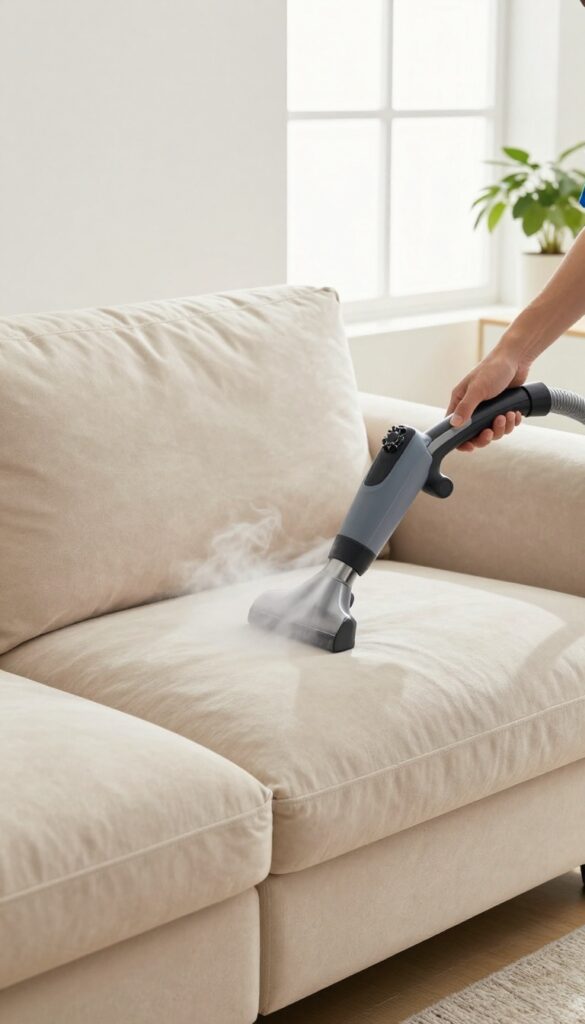
Even with the best DIY hacks, some dirt settles deep into your sofa's cushions and frame. That's where a professional cleaning comes in. Think of it as a reset button for your couch.
Scheduling a professional steam cleaning once a year removes allergens, deep-set stains, and built-up grime that regular spot cleaning can't touch. It also helps restore the fabric's texture and color, extending your sofa's lifespan significantly. Most services are affordable and can be done in a few hours, leaving your couch fresh and sanitized.
What Professional Cleaning Does Best
Steam cleaning uses high-temperature water and gentle detergents to lift dirt from deep within the fibers. It kills dust mites, bacteria, and mold spores, making it ideal for allergy sufferers. Plus, it removes odors that have soaked into the padding over time.
When To Call The Pros
If your sofa has stubborn stains that won't budge, a musty smell, or visible wear in high-traffic areas, it's time for professional help. Also consider it after a major spill or if you have pets that frequently lounge on the couch.
What To Expect During The Service
A technician will pre-treat stains, steam clean all surfaces including cushions and crevices, and then extract the moisture. Drying usually takes 4-6 hours, so plan accordingly. Some companies also offer fabric protection sprays to help repel future stains.
FAQ
Can I use bleach on my sofa to remove stains?
No, bleach can discolor and damage most upholstery fabrics. Stick to mild cleaners like dish soap or hydrogen peroxide for safe stain removal.
How often should I vacuum my sofa?
Vacuum your sofa at least once a week to prevent dust and dirt buildup. If you have pets or allergies, increase frequency to every few days.
What's the best way to remove pet hair from a fabric sofa?
Use a lint roller, a damp rubber glove, or a squeegee. These tools effectively gather hair without damaging the fabric.
Can I machine wash my sofa cushion covers?
Check the care label first. Many removable covers are machine washable on a gentle cycle. Air dry to prevent shrinkage.
How do I get rid of musty smells from my sofa?
Sprinkle baking soda over the sofa, let it sit for several hours, then vacuum thoroughly. For persistent odors, use an enzyme cleaner or steam treatment.
Conclusion
Keeping your sofa clean doesn't have to be a chore or a costly endeavor. With these 15 hacks, you can tackle almost any stain, banish odors, and keep dust at bay using simple household items. Regular maintenance is the key to extending your sofa's life and keeping it looking fresh.
Pick a few of these methods that fit your routine and make them a habit. Your sofa will thank you, and you'll enjoy a cleaner, more inviting living space without the hassle.