
Your pillows take a beating every night—absorbing sweat, oils, and dust mites that can affect your sleep and skin. A quick wash now and then makes a huge difference in freshness and comfort.
You don't need fancy products or a laundry degree to get them clean. Just a few smart techniques and a little attention to the care label.
From water temperature to drying tricks, these 17 tips will help you wash pillows like a pro without damaging them. Let's turn your bedroom into the cozy sanctuary it's meant to be.
1. Check the Care Label First
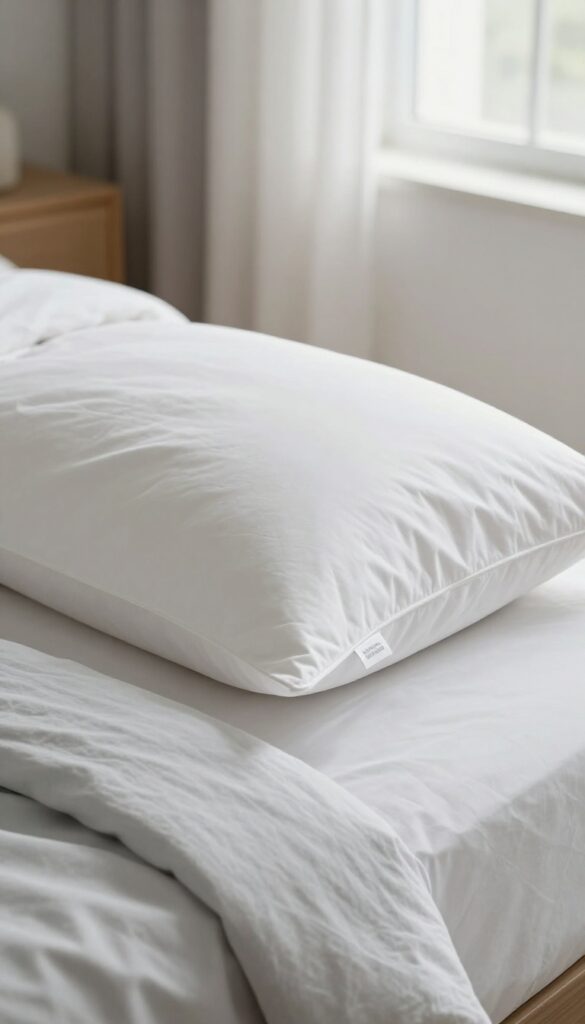
That tiny tag sewn into your pillow isn't just there for decoration. It holds the key to keeping your pillow fluffy and clean without ruining it. Ignoring the care label is the number one way to accidentally shrink, warp, or damage your pillow.
Before you toss your pillow into the washing machine or reach for any cleaning solution, take 30 seconds to read the care tag. It tells you exactly what your pillow can handle—machine wash, gentle cycle, dry clean only, or spot clean. Some pillows have specific temperature limits or warn against bleach.
Following these instructions saves you from costly mistakes and extends your pillow's life.
Machine Washable Or Not?
Most synthetic pillows (polyester, microfiber) are safe to machine wash. Down and feather pillows often are too, but they require a gentle cycle and extra drying time. Memory foam, latex, and some specialty pillows are not machine washable—they can fall apart or lose their shape.
The care label will clearly say if machine washing is okay.
Decoding The Symbols
Care labels use standard symbols that aren't always intuitive. A tub of water means machine wash; a hand in the water means hand wash only. Dots inside the tub indicate water temperature—one dot for cold, two for warm, three for hot.
A circle means dry clean. If you see an X over any symbol, don't do it. Knowing these symbols helps you avoid guesswork.
When In Doubt, Spot Clean
If the care label is missing or faded, or if you're unsure about the material, spot cleaning is the safest route. Mix a small amount of mild detergent with water, dab the stained area gently, and blot with a clean towel. This method works for most pillow types and prevents accidental damage from a full wash.
2. Use the Right Water Temperature
Getting the water temperature right is one of the most important steps when washing pillows. Hot water can kill dust mites and remove oils, but it can also ruin certain fills. The key is matching the temperature to your pillow type.
Most synthetic pillows can handle warm water, which balances cleaning power and fabric safety. For down or memory foam pillows, stick with cool or lukewarm water to prevent clumping or melting. Always check the care label first—it's your best guide.
Synthetic Pillows
Polyester and other synthetic fills are durable and can usually be washed in warm water (around 90°F to 105°F). This temperature helps break down oils and sweat without damaging the fibers. Avoid hot water, which can cause the fill to clump or the fabric to shrink.
Down And Feather Pillows
Down pillows are delicate—hot water can damage the natural oils in the feathers and cause them to lose loft. Use cool or lukewarm water (under 80°F) and a gentle cycle. Adding a bit of mild detergent will still get them clean without the risk.
Memory Foam And Latex Pillows
Never submerge memory foam or latex pillows in hot water. These materials can break down or lose their shape. Spot clean with cool water and a mild cleaner, or use a gentle machine cycle if the care label allows—always with cool water.
3. Choose a Gentle Detergent
Not all laundry detergents are pillow-friendly. Harsh formulas can leave behind residue that irritates your skin and makes pillows feel stiff. A mild, fragrance-free liquid detergent is your best bet for keeping pillows soft and hypoallergenic.
When washing pillows, the detergent you choose matters more than you might think. Strong chemicals can break down pillow fibers over time, while added fragrances and dyes often trigger allergies or skin reactions. Stick to a gentle, liquid detergent labeled as free and clear.
It rinses out more completely than powder or pods, reducing the chance of buildup inside the pillow.
Why Liquid Beats Powder
Powder detergents can clump in the washer, especially in cold water, and those undissolved granules get trapped inside pillow fibers. Liquid detergents dissolve fully and rinse away cleanly, so your pillows come out soft and residue-free.
Skip The Fabric Softener
Fabric softener coats pillow fibers with a waxy layer that reduces absorbency and breathability. Over time, it can also trap odors and bacteria. Instead, add a half cup of white vinegar to the rinse cycle—it naturally softens fabric and removes soap residue without any chemicals.
4. Add Baking Soda for Odor Removal
Even after a regular wash, pillows can hold onto stubborn smells. Sweat, drool, and body oils create a breeding ground for odors that detergent alone may not fully eliminate. Baking soda is a natural deodorizer that neutralizes those smells without harsh chemicals.
You can use it in two simple ways: sprinkle it directly on the pillow before washing, or add half a cup to the wash cycle. Either method helps lift trapped odors and leaves your pillows smelling fresh.
Pre-wash Sprinkle Method
Before tossing your pillow in the machine, give it a dry treatment. Sprinkle a generous layer of baking soda over the entire surface, then let it sit for at least 30 minutes—longer if the odor is strong. The baking soda absorbs moisture and neutralizes odor molecules deep in the fibers.
After the wait, shake off the excess and proceed with your regular wash cycle. This step works especially well for pillows that have been in use for months without a deep clean.
Add To The Wash Cycle
If you prefer a simpler approach, add half a cup of baking soda directly to the detergent dispenser or drum of your washing machine. It boosts the cleaning power of your detergent and helps break down greasy buildup from body oils. Use this method alongside a gentle cycle with warm water (check your pillow's care label first).
Just be sure not to mix baking soda with chlorine bleach, as that can create harmful fumes.
Combine With Vinegar For Extra Freshness
For a one-two punch against odors, pair baking soda with white vinegar. Add half a cup of baking soda to the wash cycle, then pour half a cup of white vinegar into the fabric softener dispenser. The two react to lift dirt and neutralize smells without leaving any residue.
This combo is safe for most pillows, but avoid it on memory foam or latex, which can be damaged by moisture and vinegar's acidity.
5. Wash Two Pillows at a Time
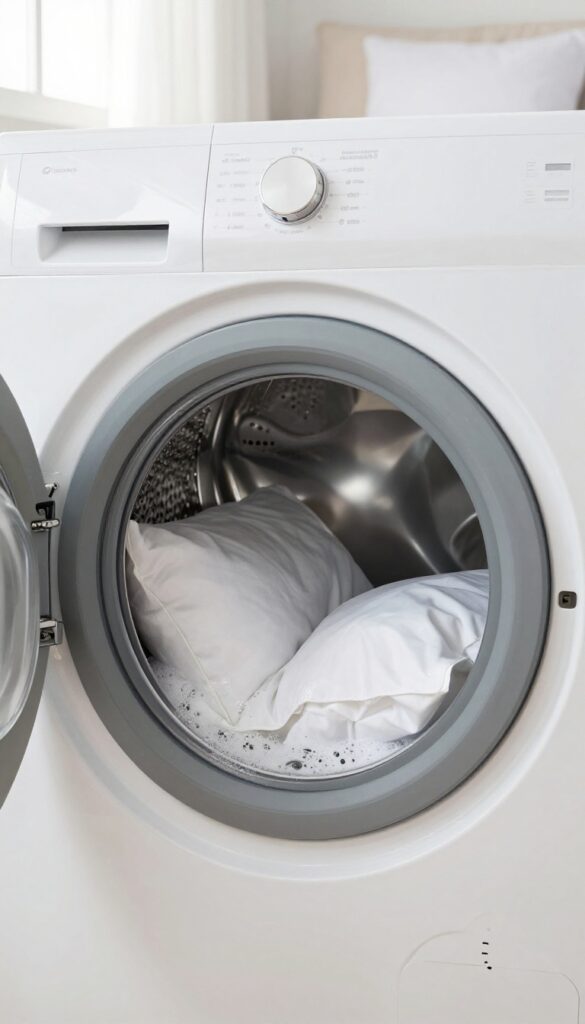
Tossing a single pillow into the washing machine might seem harmless, but it can actually cause problems. An unbalanced load makes the machine thump loudly and may even shorten its lifespan. The fix is simple: wash two pillows together to keep the spin cycle smooth and effective.
Balancing the load is key to a successful pillow wash. When you wash two pillows at once, they distribute weight evenly around the drum. This prevents the machine from shaking or making loud banging noises.
It also helps the pillows rinse thoroughly because the water can circulate better. If you only have one pillow to wash, add a few large towels or other bulky items to balance the load. But for best results, always pair pillows.
The spin cycle will be quieter, and your pillows will come out cleaner and less tangled.
Why Balance Matters
An unbalanced load forces the washing machine to work harder. The drum can hit the sides, causing noise and potential damage. Over time, this can wear out bearings and suspension springs.
Washing two pillows together keeps the load centered, so the machine runs smoothly and lasts longer.
How To Pair Pillows
Match pillows of similar size and fill type. A down pillow and a synthetic pillow may behave differently when wet, so pair like with like. If you're washing standard bed pillows, toss in two at once.
For king-size pillows, you may need to wash them one at a time with other bulky items to maintain balance.
Extra Tips For A Smooth Cycle
Place pillows vertically in the drum to help them tumble freely. Use a gentle or delicate cycle with cold or warm water. Add an extra rinse cycle to remove all detergent.
After washing, check that pillows are evenly damp before drying—this helps them fluff up evenly.
6. Skip the Fabric Softener
Fabric softener might make your clothes feel nice, but it's a pillow's worst enemy. The waxy coating it leaves behind clogs fibers, reduces absorbency, and can break down pillow fill over time. Instead of reaching for that bottle, try a simple swap that keeps pillows fluffy and fresh.
Fabric softener coats pillow fibers with a thin layer of wax that traps moisture and dirt. This makes pillows less breathable and more prone to odors. Over time, the chemicals can also degrade synthetic fills and weaken down clusters.
The result? Flatter, lumpier pillows that need replacing sooner.
Why Vinegar Works Better
White vinegar is a natural fabric softener that dissolves detergent residue and kills bacteria without leaving any coating. Add one cup to the rinse cycle—your pillows will come out softer, fresher, and free of chemical buildup. Don't worry about the smell; it disappears completely once dry.
How To Use It Correctly
Pour the vinegar into the machine's fabric softener dispenser or add it manually during the rinse cycle. For front-loaders, you can also add it to the detergent drawer. Use one cup for a standard load of two pillows.
If your pillows are extra dirty, add half a cup of baking soda to the wash cycle for a deeper clean.
What About Dryer Sheets?
Dryer sheets have the same problem as liquid softener—they leave a residue that reduces absorbency and traps odors. Instead, toss a few wool dryer balls into the dryer. They fluff pillows naturally, reduce static, and cut drying time.
Add a few drops of essential oil to the balls for a light scent.
7. Use an Extra Rinse Cycle
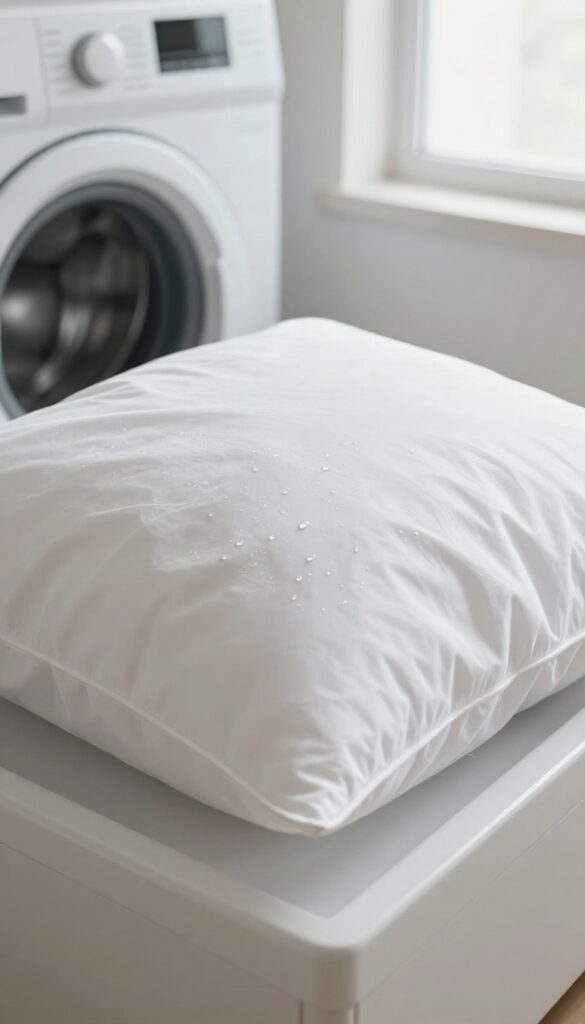
You might think one rinse is enough, but leftover detergent can cling deep inside pillow fibers. That residue attracts dirt and can trigger allergies or skin irritation. An extra rinse cycle is a simple step that makes a big difference in how clean and fresh your pillows really are.
Why Detergent Residue Matters
When detergent isn't fully rinsed out, it stays in the pillow filling. Over time, that sticky residue grabs onto dust, dead skin cells, and bacteria. It can also break down the pillow's fibers faster, making it lumpy or flat.
Plus, if you have sensitive skin or allergies, leftover soap can cause itching or sneezing.
How To Add An Extra Rinse
Most washing machines have an extra rinse button or a setting you can select. If yours doesn't, simply run a second rinse cycle manually after the wash finishes. Use cold water for the extra rinse to save energy and protect the pillow's filling.
Make sure the machine isn't overloaded so water can flow through the pillow completely.
Check For Soap Bubbles
After the extra rinse, do a quick check. Squeeze a corner of the pillow and see if any suds come out. If you still see bubbles, run another rinse.
It's better to do one more cycle than to leave soap behind. Once the water runs clear, you know your pillow is truly clean.
8. Dry Thoroughly on Low Heat
Drying pillows might feel like the easy part, but it's where most people go wrong. Tossing them in on high heat can melt the filling or create lumpy clumps. Low and slow is the secret to fluffy, long-lasting pillows.
Pillows hold onto moisture like crazy, especially down or synthetic fills. If you rush the drying process, you'll end up with damp spots that invite mold and mildew. That's why patience and low heat are your best friends here.
Why Low Heat Matters
High heat can damage pillow fibers, causing them to clump or even melt in the case of polyester. Low heat gently evaporates moisture without harming the structure. It also prevents shrinkage and keeps the pillow's loft intact.
The Dryer Ball Trick
Toss in two or three dryer balls or clean tennis balls. They bounce around and break up clumps, fluffing the filling as it dries. This cuts drying time and leaves pillows feeling like new.
Just make sure the balls are clean and free of dyes.
How To Know They're Fully Dry
Feeling the outside isn't enough. Check the center by squeezing or even using a moisture sensor. A good rule: run an extra 20-minute cycle after you think they're done.
Damp pillows breed bacteria, so better safe than sorry.
9. Fluff Pillows by Hand During Drying
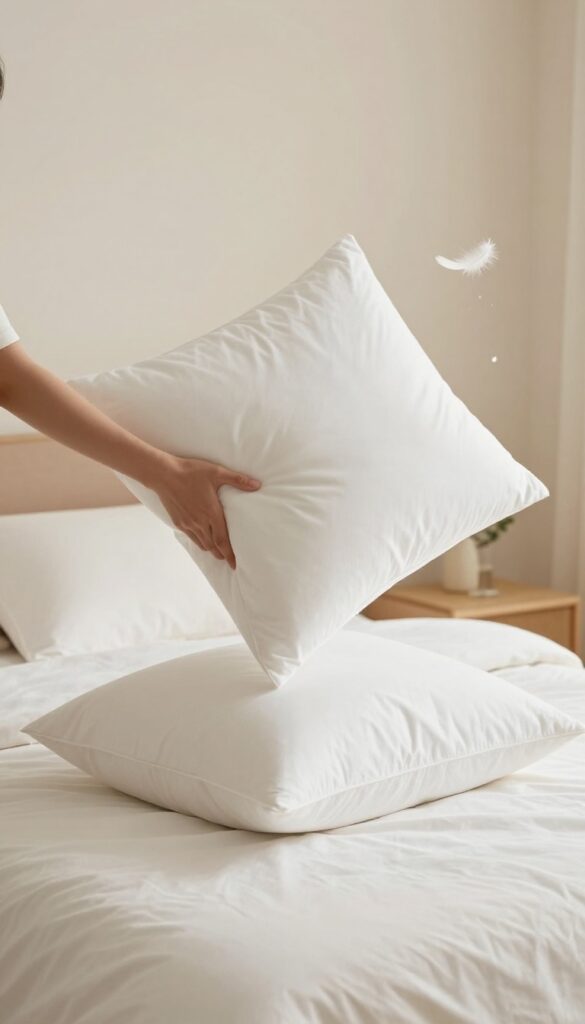
Drying pillows can be a slow process, and the filling often clumps together as it tumbles. Stopping the dryer every 30 minutes to manually break up those clumps makes a huge difference. This simple habit not only speeds up drying but also keeps your pillows fluffy and comfortable.
Why Fluffing Matters
Pillow fillings—whether down, polyester, or memory foam—tend to bunch up when wet. If you let them dry without breaking up those clumps, you end up with lumpy pillows that feel uneven. Fluffing by hand redistributes the filling so every part dries evenly.
How To Fluff Properly
Set a timer for 30 minutes. When it goes off, pull the pillow out and squeeze and knead it with your hands. Focus on the corners and edges where clumps love to hide.
Then toss it back in and repeat until the pillow is completely dry.
Bonus Tip For Faster Drying
Toss a couple of clean tennis balls or dryer balls in with the pillows. They help beat the filling apart as the dryer runs, reducing the number of times you need to stop and fluff manually. Just remember to still check and hand-fluff at least once or twice.
10. Sun-Dry for a Fresh Scent
Sunlight is one of nature's best cleaning tools. It naturally bleaches stains, kills bacteria, and leaves pillows smelling incredible. On a sunny day, take advantage of free UV rays to freshen your pillows without any chemicals.
Hanging pillows outside might seem old-fashioned, but it's incredibly effective. The sun's UV light breaks down odors and disinfects the fabric, while a light breeze helps fluff the filling. This method works especially well for pillows that can't be machine washed or just need a quick refresh between washes.
Pick The Right Day
Choose a dry, sunny day with low humidity. Morning sun is ideal because it's strong but not scorching. Avoid windy days that could blow dust or pollen onto your pillows.
Check the weather forecast to ensure no surprise rain showers.
Prep Your Pillows
Give pillows a gentle shake to loosen dust and debris. If they have removable covers, wash those separately. For extra freshness, lightly spritz pillows with a mixture of water and a few drops of lavender or tea tree oil before hanging.
Hang And Rotate
Use a clothesline or drying rack to hang pillows in direct sunlight. Make sure both sides get equal exposure by flipping them every hour. Leave them out for 3–4 hours, or until they feel completely dry and smell fresh.
11. Spot Clean Stains Immediately
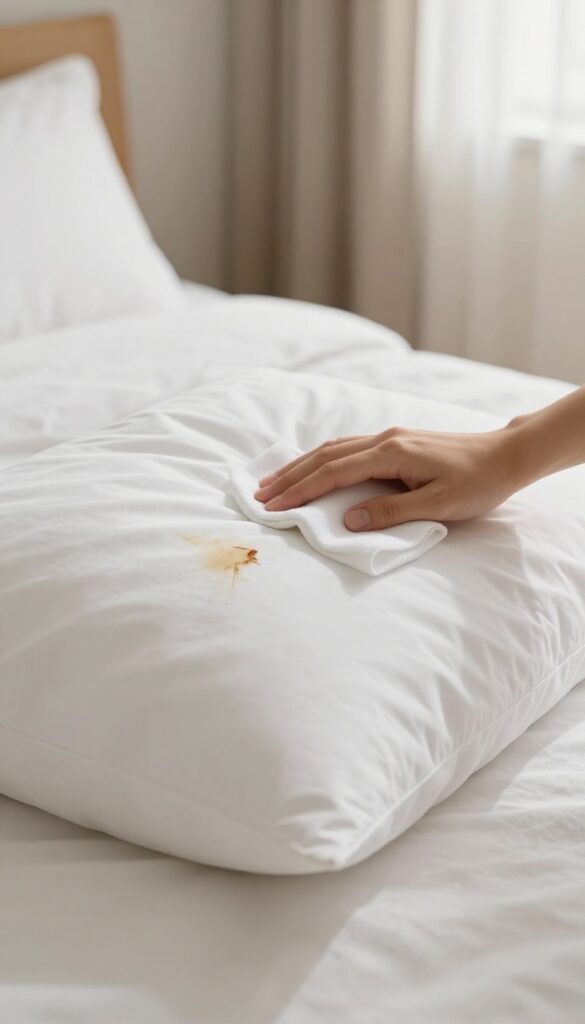
Stains happen—whether from a late-night coffee spill or a drool mishap. The sooner you treat them, the better your pillows will look and last. Letting stains set makes removal much harder and can lead to permanent discoloration.
Act fast when you notice a stain. Blot (don't rub) the area with a clean cloth to absorb excess liquid. Mix a small amount of mild laundry detergent with cool water, dip a cloth in the solution, and gently blot the stain.
Rinse by dabbing with a damp cloth dipped in plain water, then blot dry with a towel.
Blot, Don't Rub
Rubbing pushes the stain deeper into the pillow fibers. Instead, blot gently from the outside in to lift the stain without spreading it.
Use A Gentle Cleaner
Stick to mild detergent or a drop of dish soap. Harsh chemicals can damage pillow fabric or leave residue that irritates your skin.
Rinse Thoroughly
Leftover soap can attract dirt and cause yellowing. After cleaning, go over the spot with a damp cloth several times to remove all detergent.
Let It Air Dry Completely
Damp pillows can grow mold. After spot cleaning, let the pillow air dry fully before putting the pillowcase back on.
12. Use Pillow Protectors
A zippered pillow protector is the easiest way to keep your pillows fresh without constant washing. It blocks sweat, body oils, and dust mites from reaching the pillow itself, so you can wash the protector weekly and the pillow far less often. Think of it as a shield that takes the brunt of nightly wear and tear.
Pillow protectors are thin, quilted covers that zip around your pillow underneath the regular pillowcase. They trap allergens and moisture, preventing stains and odors from setting into the pillow filling. Washing the protector every week keeps your sleep surface hygienic with minimal effort.
Choose The Right Material
Look for protectors made of breathable cotton or bamboo. Avoid plastic or vinyl covers that trap heat and make you sweat. A soft, waterproof option is ideal if you tend to drool or spill drinks in bed.
Wash On A Regular Schedule
Toss your pillow protector in the washing machine once a week with your sheets. Use warm water and a mild detergent. Dry on low heat or air-dry to prevent shrinking.
This routine alone can extend your pillow's life by years.
Replace When Worn
Even protectors wear out. If you notice stains bleeding through, the zipper breaks, or the fabric feels thin, it's time for a new one. A good protector costs little compared to replacing pillows every few months.
13. Vacuum Pillows Monthly
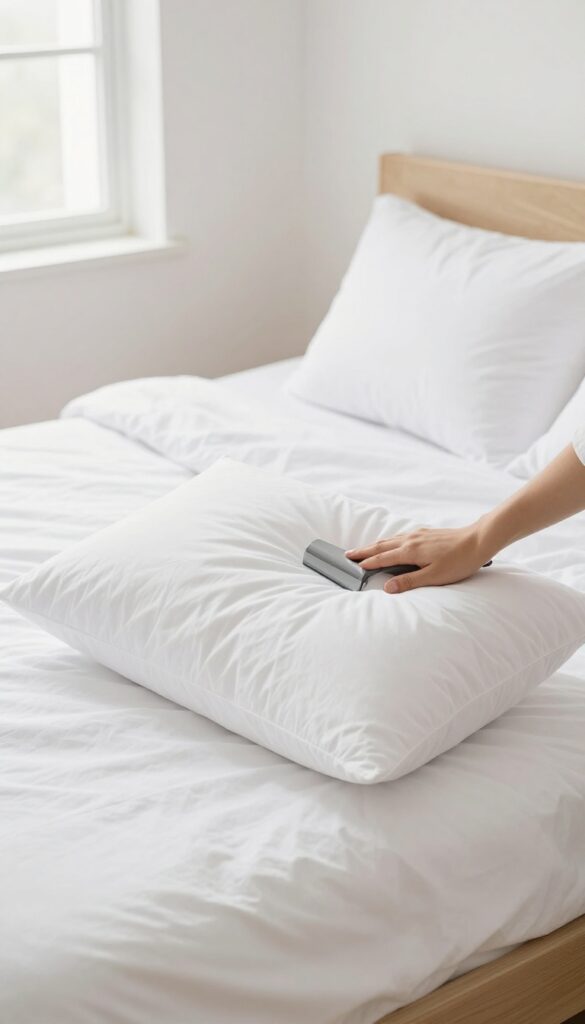
Between washes, your pillows collect dust, dead skin, and allergens that can trigger sneezing or stuffy nights. A quick monthly vacuuming keeps them fresher longer without the hassle of a full wash.
Use The Right Attachment
Your vacuum's upholstery tool is perfect for this job—it's gentle on fabric but strong enough to lift surface debris. Avoid the beater bar, which can snag delicate pillow materials.
Go Over Both Sides
Flip each pillow and vacuum the front, back, and edges thoroughly. Pay extra attention to seams and corners where dust tends to settle.
Add A Quick Deodorizer
Before vacuuming, lightly sprinkle baking soda over the pillow and let it sit for 15 minutes. The vacuum will pull out odors along with the powder, leaving pillows smelling neutral.
14. Refresh with a Fabric Spray
Not every pillow refresh requires a trip to the laundry room. A simple DIY fabric spray can banish odors and add a light, pleasant scent in minutes. It's a quick fix between deeper cleanings and works especially well for pillows that are still structurally sound but smell a bit stale.
Mix one part water with one part vodka (the alcohol kills odor-causing bacteria) and add 10–15 drops of your favorite essential oil—lavender, tea tree, or lemon work great. Pour the mixture into a spray bottle, lightly mist the pillow surface, and let it air dry completely. The alcohol evaporates quickly, leaving no wetness behind.
Why Vodka Works
Vodka is odorless and evaporates fast, making it a perfect base. It neutralizes smells without leaving a residue, so your pillow feels fresh, not damp or sticky.
Choosing Essential Oils
Lavender promotes relaxation, tea tree has antimicrobial properties, and lemon adds a clean, uplifting scent. Stick with oils that are safe for fabrics and avoid anything too strong.
How Often To Spray
Use this spray once a week between washes to keep pillows smelling fresh. It's also great after a night of sweating or if you've been sick.
15. Know When to Replace Pillows
No matter how well you clean, pillows don't last forever. Over time, they lose their shape and support, and no amount of washing can fix that. Knowing when to swap them out keeps your bed comfortable and your sleep healthy.
The Squish Test
Fold your pillow in half and squeeze out the air. If it doesn't spring back open, the filling is worn out. That's a clear sign it's time for a replacement.
Look For Yellowing And Lumps
Permanent yellow stains from sweat and oils mean the fibers are breaking down. Lumpy pillows create uneven support, leading to neck pain and restless sleep.
Check The Lifespan
Most pillows last 1 to 2 years, depending on the material. Down pillows may last longer with proper care, while synthetic ones wear out faster. Mark your calendar when you buy new pillows so you know when to replace them.
16. Clean Decorative Pillows Carefully
Decorative pillows add personality and coziness to a bedroom, but they often get overlooked during laundry day. Unlike standard sleeping pillows, these accent pieces can feature delicate fabrics like velvet, silk, or embroidered cotton, plus unique inserts that don't handle machine washing well. The wrong cleaning method can ruin their shape, texture, or color, so a little extra care goes a long way.
Before tossing a decorative pillow into the wash, always check the care label first. Many are labeled "dry clean only" or recommend spot cleaning. If machine washing is allowed, use a gentle cycle with cold water and mild detergent, and skip the spin cycle to avoid damaging the fabric.
For pillows with delicate trims or beads, hand washing in a basin with lukewarm water and a small amount of detergent is safer. After washing, reshape the pillow while damp and air-dry flat, away from direct sunlight, to prevent fading and misshaping.
Check The Label First
The care label is your best friend when it comes to decorative pillows. It tells you exactly what fabrics and fillings are inside, and whether the pillow can handle water, heat, or agitation. Some pillows are filled with down alternative, while others have foam or polyester stuffing that reacts differently to moisture.
Ignoring the label can lead to clumping, shrinkage, or color bleeding.
When To Hand Wash Vs. Machine Wash
Hand washing is the safest choice for most decorative pillows, especially those with silk, velvet, or embellishments. Fill a sink or basin with cool water and a gentle detergent, submerge the pillow, and gently squeeze the soapy water through the fabric. Rinse thoroughly and press out excess water—never wring or twist.
Machine washing is only suitable if the label says so, and even then, use a mesh laundry bag to protect the pillow from snagging.
Drying Without Damage
Heat is the enemy of delicate decorative pillows. Never put them in a dryer unless the label explicitly says it's safe. Instead, lay the pillow flat on a clean towel, reshape it to its original form, and let it air-dry in a well-ventilated area.
Fluff and reshape it occasionally as it dries to prevent lumps. For pillows with down or feather inserts, you can use a dryer on the no-heat or air-fluff setting with a couple of clean tennis balls to restore loft.
17. Maintain a Regular Cleaning Schedule

Setting a routine for washing your pillows is one of the easiest ways to keep them fresh and supportive. Without a schedule, it's easy to let months slip by, and before you know it, your pillows are harboring dust mites and odors. A simple habit of cleaning every three to six months can make a world of difference in both comfort and hygiene.
Why Every 3–6 Months?
Most pillow manufacturers recommend washing pillows every three to six months. This frequency is enough to remove sweat, oils, and allergens that build up over time, but not so often that you risk damaging the filling. For down or feather pillows, sticking to the six-month mark is usually best, while synthetic pillows can handle more frequent washes.
Set A Reminder That Works
Life gets busy, and it's easy to forget about pillow care. Use a digital calendar or a phone reminder to alert you when it's time to wash. Pair it with another seasonal task, like changing your smoke alarm batteries or flipping your mattress, so it becomes part of your home maintenance routine.
The Payoff: Longer Life, Better Sleep
Regular cleaning prevents the buildup of dirt and oils that break down pillow fibers over time. This means your pillows stay fluffy and supportive longer, which directly improves your sleep quality. Fresh pillows also reduce allergy symptoms and keep your bed feeling like a cozy retreat.
FAQ
Can I wash memory foam pillows?
Memory foam pillows are usually not machine washable. Spot clean with a mild detergent and water, then air dry completely.
How often should I wash my pillows?
Wash bed pillows every 3 to 6 months. If you have allergies or sweat heavily, wash them more often.
What's the best way to dry pillows?
Dry pillows on low heat in the dryer with dryer balls. Fluff them periodically and ensure they are completely dry to prevent mold.
Can I use bleach on white pillows?
Bleach can weaken fibers and cause yellowing. Use oxygen bleach or hydrogen peroxide instead for whitening.
Why do my pillows smell after washing?
A musty smell usually means they weren't dried fully. Rewash and dry thoroughly. Adding vinegar to the rinse cycle can help.
Conclusion
Your pillows don't have to be a hidden source of dust and grime. With these 17 easy tips, you can keep them fresh, fluffy, and inviting without spending hours scrubbing. A quick weekly refresh and a deeper clean every few months is all it takes.
Start with the method that fits your schedule and pillow type. Once you see how much better your bedroom feels, you'll wonder why you didn't start sooner. Sweet dreams await on a truly clean pillow.