Last updated on August 19th, 2026 at 04:19 pm
Looking for affordable and creative ways to house your guinea pig? You don’t need to spend a fortune on store-bought cages.
With a few common household items, you can build fun, safe, and cozy homes for your furry friends.
Here are 13 DIY guinea pig house ideas using easy home supplies.
1. Repurposed Cardboard Box Castle
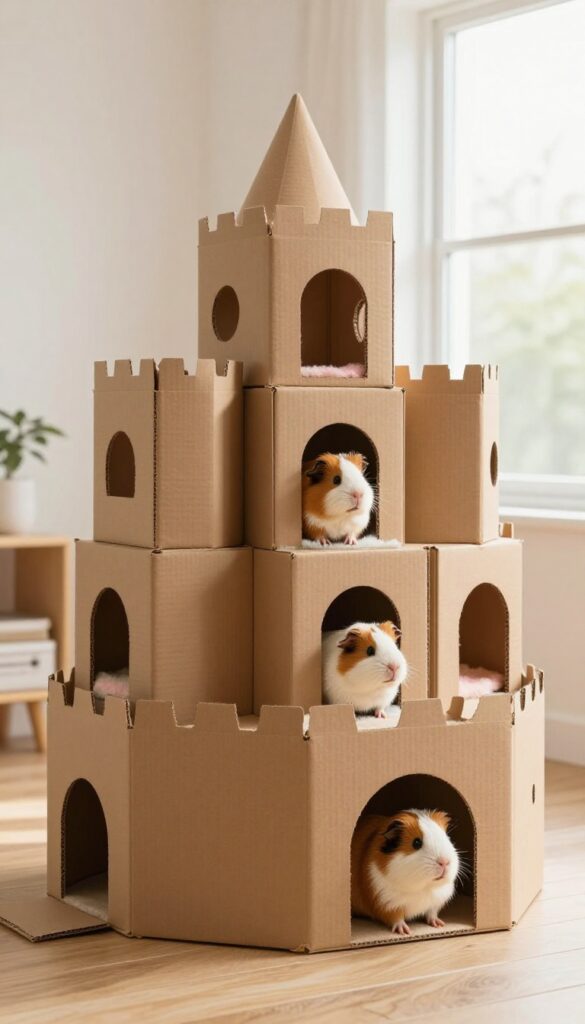
Turn ordinary cardboard boxes into a multi-level castle that your guinea pigs will love to explore. This budget-friendly project uses materials you likely already have at home.
Start by collecting sturdy cardboard boxes of various sizes. Cut doors and windows to connect the boxes, creating tunnels and hideouts. Make sure all openings are large enough for your guinea pigs to pass through comfortably.
Key Points
- Use only plain cardboard without tape, staples, or toxic inks
- Cut multiple doors and windows for ventilation and fun
- Line the floors with fleece or old towels for comfort and easy cleaning
- Replace the castle when it becomes soiled or chewed up
Safety First
Cardboard is safe for guinea pigs as long as it is free of tape, staples, and printed inks that may contain toxic chemicals. Remove any stickers or labels before assembling.
2. Plastic Storage Bin Cage
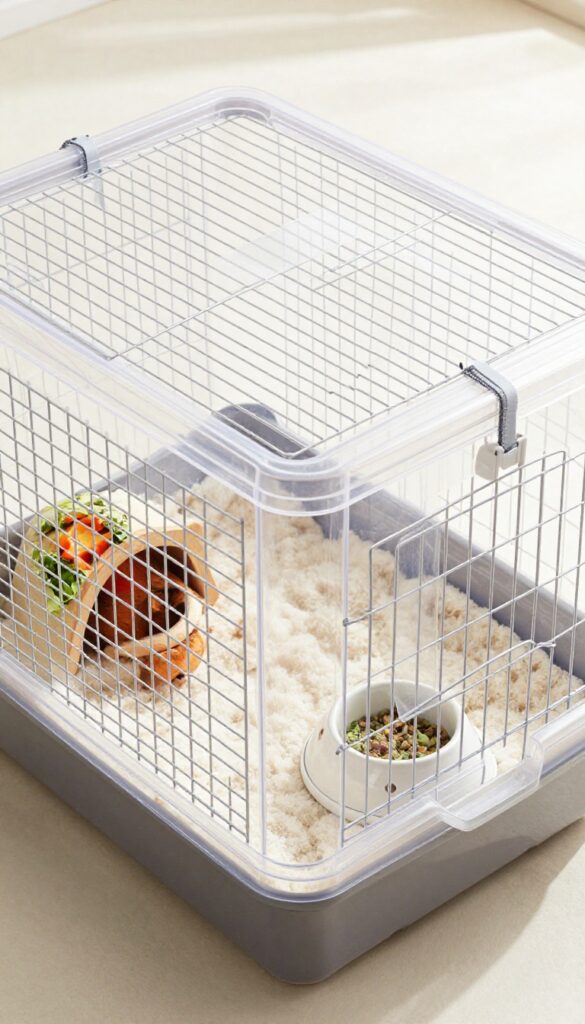
A large clear plastic storage bin can be transformed into a spacious and secure guinea pig cage with just a few modifications. This budget-friendly option is especially useful for travel, quarantine, or as a temporary enclosure.
Start with a bin that is at least 20 gallons to give your guinea pig enough room to move around. Ensure the plastic is BPA-free and sturdy. Cut a large opening in the lid and cover it with wire mesh or hardware cloth for ventilation.
Secure the mesh with zip ties or hot glue on the outside to prevent chewing. Add a layer of fleece or paper bedding, a hideout, a food bowl, and a water bottle. Always check for sharp edges after cutting and sand them down if needed.
- Use a BPA-free, clear storage bin for visibility
- Cut a mesh window in the lid for airflow
- Secure the lid tightly to prevent escapes
- Add soft bedding, hideouts, and food bowls
3. DIY Fleece Forest from Old T-Shirts
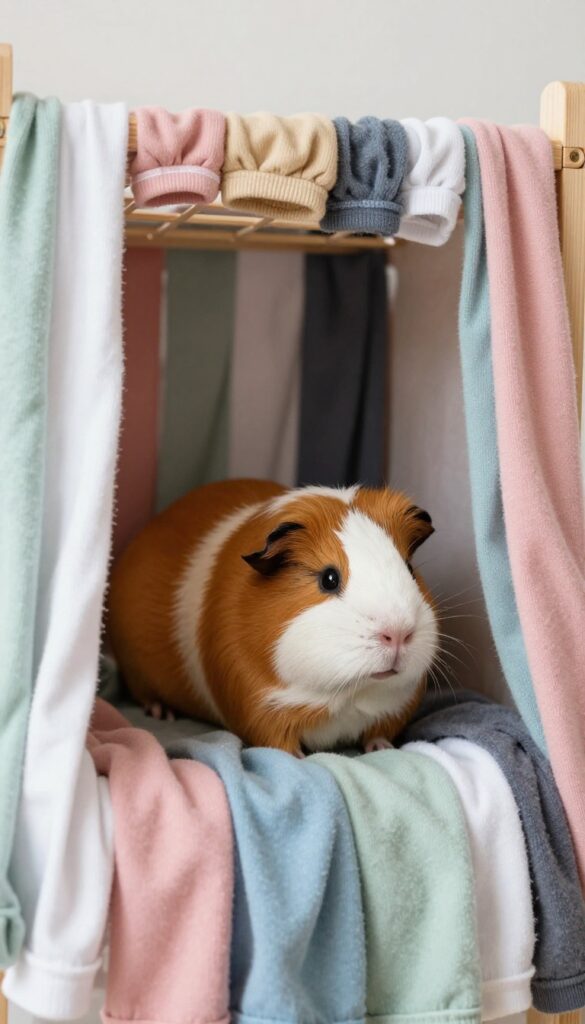
Transform old cotton or fleece t-shirts into a fun, cozy fleece forest that encourages natural burrowing and play.
Cut old t-shirts into long strips (about 2-3 inches wide) and hang them from a grid or wooden frame suspended inside the cage. The strips create a tunnel-like play area that guinea pigs love to explore and nap in.
- Use only 100% cotton or fleece to avoid overheating and irritation
- Trim any loose threads to prevent tangling or ingestion
- Wash strips regularly and replace when worn
4. PVC Pipe Tunnel System
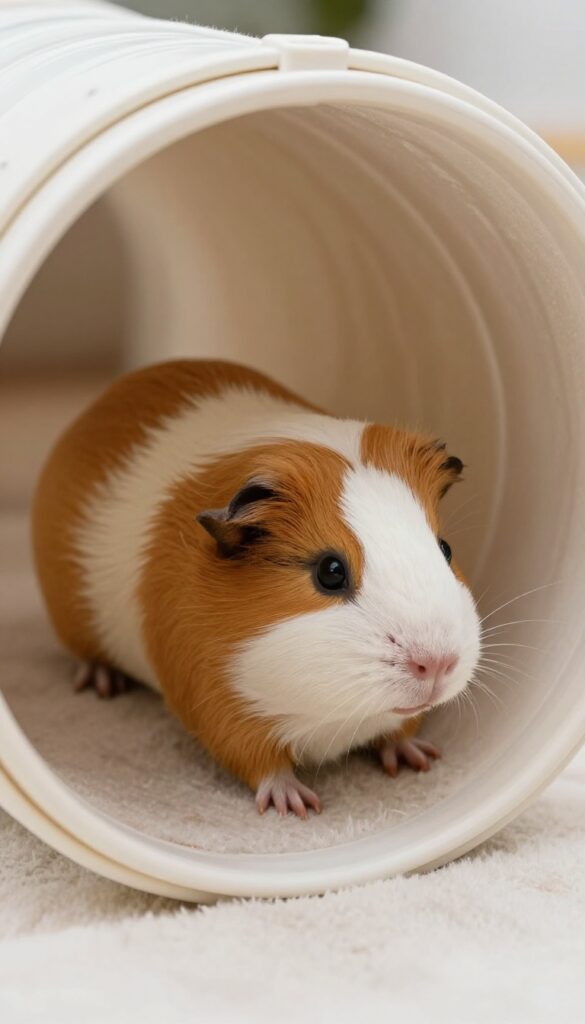
PVC pipes are cheap, easy to find, and perfect for building a modular tunnel system that encourages exercise and burrowing. With a few fittings, you can create a network that keeps your guinea pigs entertained.
Start by selecting PVC pipes with a diameter of at least 6 inches so your guinea pigs can move through comfortably. Use elbows and T-joints to connect straight sections into tunnels, corners, and junctions. Cut the pipes to your desired lengths and smooth all cut edges with sandpaper to prevent injury.
Use only non-toxic PVC, and avoid any pipes treated with chemicals or coatings.
Key Tips
- Smooth all cut edges thoroughly to avoid sharp spots.
- Line the inside with soft fleece for comfort and to reduce noise.
- Make sure the tunnels are stable and won’t roll or tip over.
- Avoid small pipe diameters that could trap your guinea pig.
5. Wicker Basket Hideout
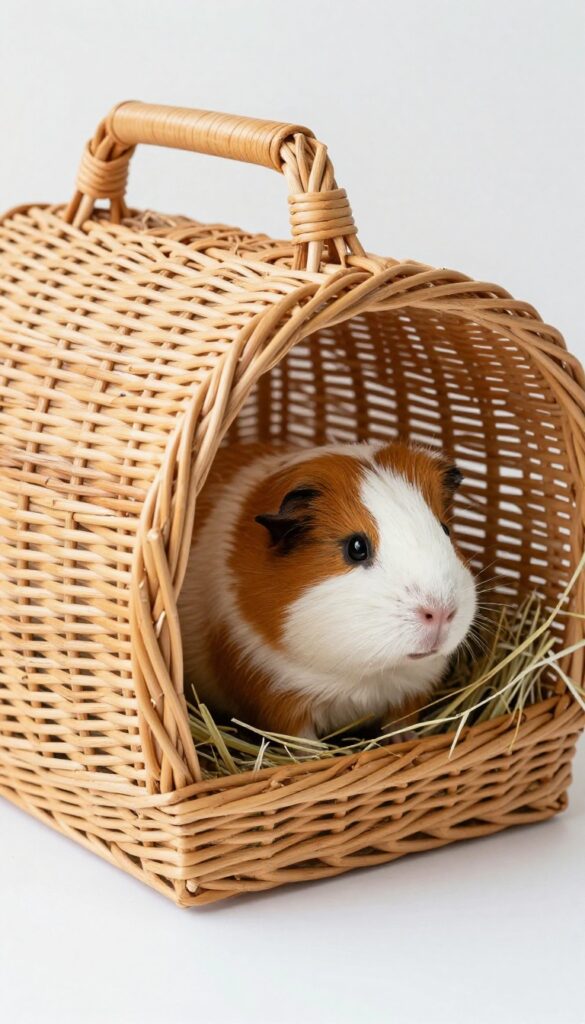
A plain wicker basket can become a charming and functional hideout for your guinea pig with just a few simple modifications. This natural material is safe when untreated and adds a rustic touch to any cage.
To make this hideout, choose a wicker basket that has no paint, varnish, or chemical treatments. Turn it upside down and cut a door opening large enough for your guinea pig to enter comfortably. Alternatively, place the basket on its side to create a cozy cave-like space.
Before introducing it to your pet, check the entire basket for sharp splinters or loose strands that could cause injury. Sand down any rough edges with fine-grit sandpaper.
Key safety tips
- Avoid plastic-coated wicker – it can be chewed and ingested, leading to digestive issues.
- Ensure the basket is made from natural, untreated wicker or seagrass.
- Inspect regularly for damage and replace if it becomes frayed or chewed.
6. Old Towel or Blanket Tent
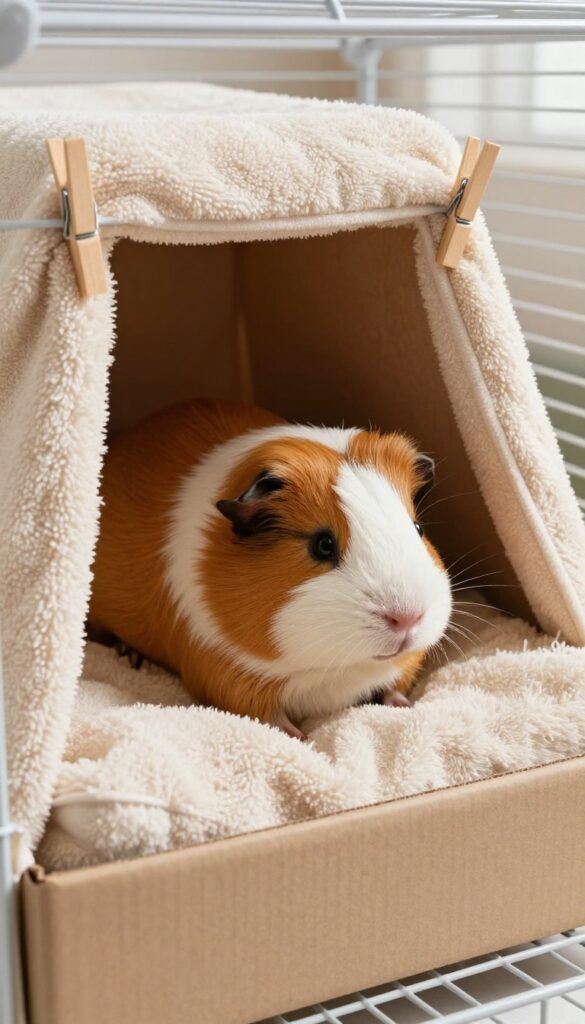
A simple tent made from a clean old towel or blanket gives your guinea pig a cozy hideaway for napping and feeling secure. It’s easy to set up, wash, and replace, making it a practical addition to any cage.
To create the tent, drape a clean, breathable towel or lightweight blanket over a low frame—such as a small cardboard box, a wire grid, or even a sturdy plastic container. Make sure the fabric is secured at the corners with clothespins or tucked under the frame so it doesn’t collapse on your pet. The tent should be low enough for your guinea pig to enter easily, with enough space inside to turn around and lie down comfortably.
Key Tips
- Use only breathable fabrics like cotton or fleece to prevent overheating.
- Avoid heavy blankets or materials that trap heat and moisture.
- Check the tent daily for sagging or shifting and readjust as needed.
- Wash the fabric regularly in unscented detergent to keep it clean and odor-free.
7. Shoe Box Maze
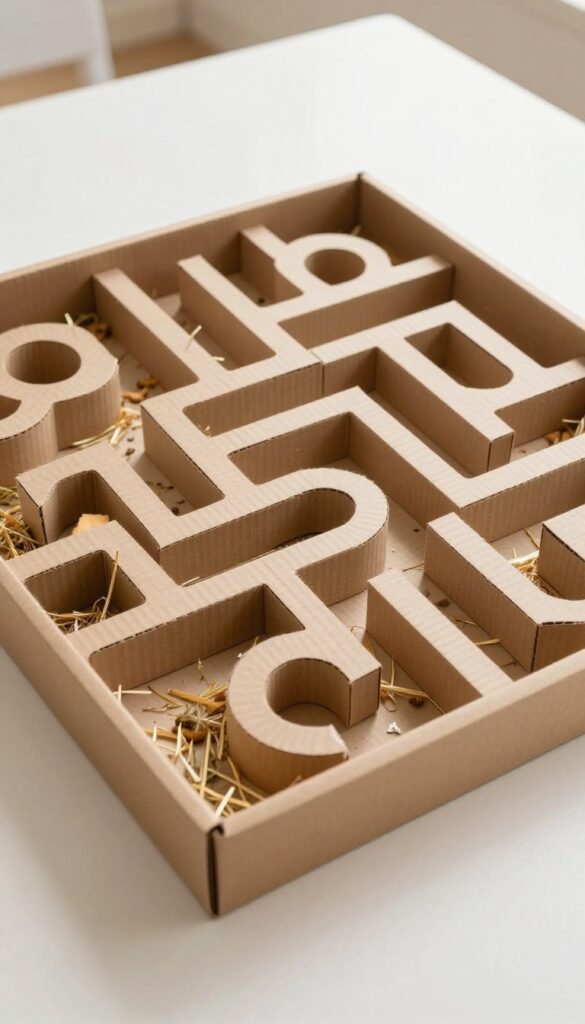
Turn a few empty shoe boxes into an engaging maze that encourages natural foraging and exploration. This DIY project is simple, low-cost, and easy to replace when soiled.
Start by collecting several plain cardboard shoe boxes. Avoid boxes with glossy prints or colored coatings, as the ink and chemicals can be harmful if chewed. Remove any staples, tape, or plastic handles before assembly.
Cut circular or arched openings in the sides of each box—make sure the holes are large enough for your guinea pig to pass through comfortably but not so large that the box loses structure. A good guideline is a 4-5 inch diameter for most guinea pigs.
Arrange the boxes in a row or cluster, aligning the openings so they connect. You can also stack a second layer using sturdy boxes. Place small treats or hay inside to encourage exploration.
Replace the entire maze once it becomes soiled or chewed up.
Key Tips
- Use only plain, uncoated cardboard to avoid toxic inks.
- Ensure all openings are large enough to prevent heads from getting stuck.
- Supervise the first few uses to make sure your guinea pig navigates safely.
- Swap out the maze every few days to keep it clean and interesting.
8. DIY Hay Rack from a Plastic Bottle
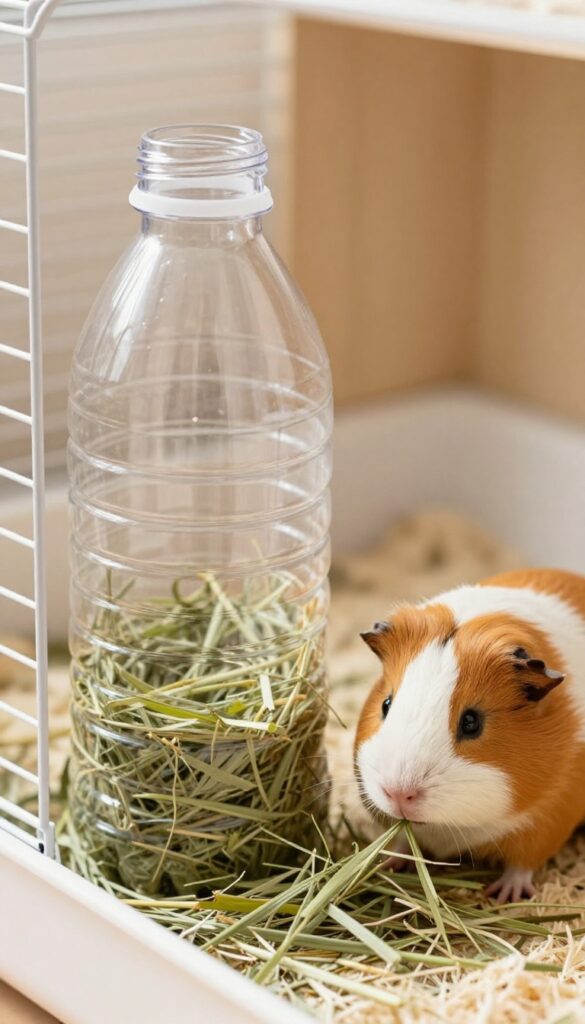
A homemade hay rack keeps hay clean and accessible, reducing waste and mess in your guinea pig’s cage.
Start with a large plastic bottle—at least 1 liter wide—to prevent head entrapment. Cut the bottle horizontally about two-thirds from the bottom, leaving the neck intact. Smooth the cut edges with tape or sandpaper to avoid sharp edges.
Attach the bottle to the cage bars using zip ties or sturdy wire, with the open side facing inward. Fill with fresh hay. The bottle keeps hay off the bedding and makes refilling easy.
- Use a bottle wide enough to prevent head entrapment
- Secure tightly with zip ties or wire
- Smooth cut edges with tape or sandpaper
9. Fabric Cube Playpen
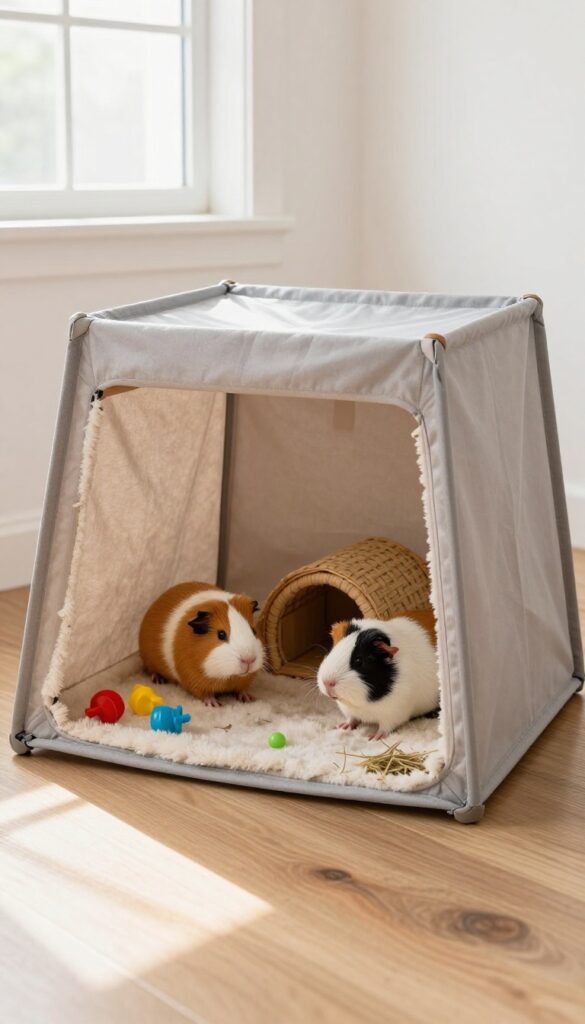
A collapsible fabric storage cube makes an instant, portable playpen for floor time or supervised exploration.
Pick a cube that is at least 10 inches tall to prevent jumping out, and line the bottom with fleece or towels for comfort and easy cleanup. Add a few toys, tunnels, or a small hideout to encourage natural behaviors.
Key tips
- Avoid cubes with zippers, metal frames, or plastic parts that can be chewed.
- Always supervise playtime to ensure safety.
- This is an easy home supply solution for a temporary Guinea Pig House DIY.
10. Repurposed Bookshelf Cage
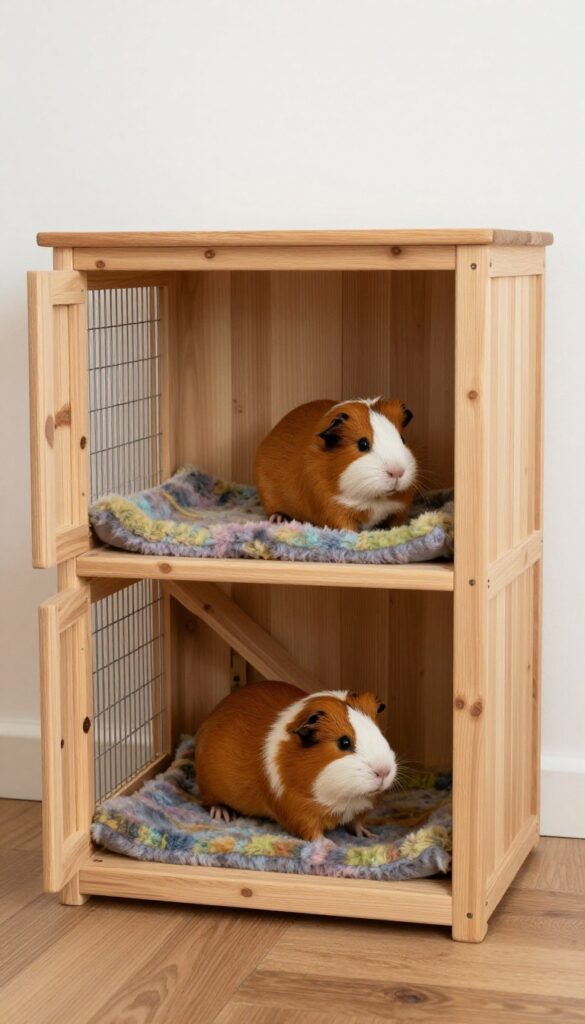
Turn an old wooden bookshelf into a spacious multi-level guinea pig house. This DIY uses common home supplies and gives your pets plenty of room to explore.
Start by removing all shelves from a small wooden bookshelf. Sand any rough edges and ensure the wood is untreated—or seal it with a pet-safe, non-toxic sealant. Add ramps between levels using leftover wood or sturdy cardboard, and cover each floor with fleece liners for comfort and easy cleaning.
- Remove shelves to create open vertical space
- Add ramps for access between levels
- Line with fleece for soft, washable flooring
- Seal wood with pet-safe sealant to prevent chewing damage
- Ensure the bookshelf is stable and won’t tip over
Avoid particleboard—it swells with moisture and can be toxic if chewed. Use solid wood or plywood instead.
11. DIY Cozy Sack from Old Pillowcase
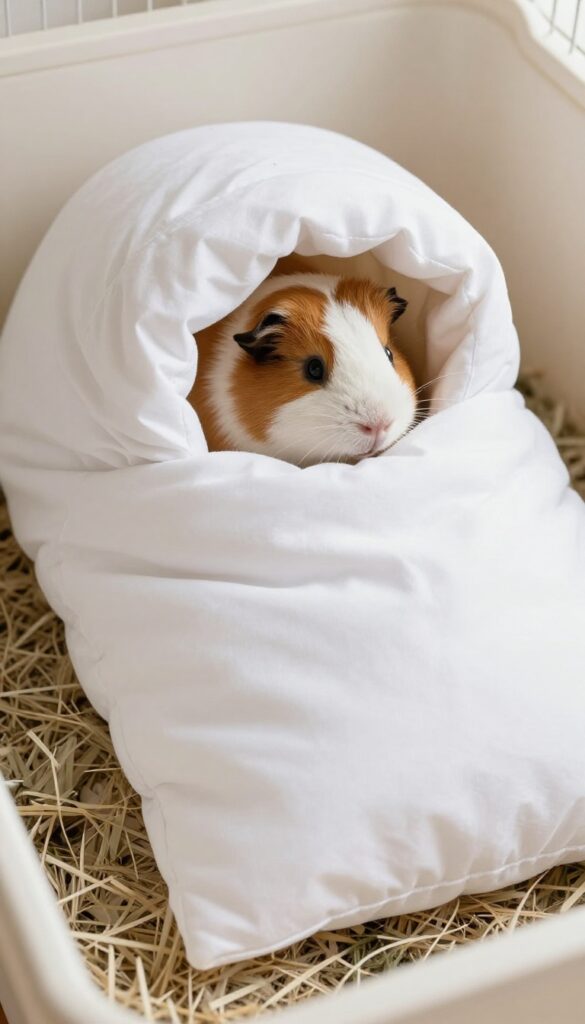
An old pillowcase can become a cozy, enclosed sleeping sack for your guinea pig in just a few minutes. This project uses a clean cotton pillowcase and basic sewing or no-sew methods to create a soft hideout that mimics a burrow.
Start by selecting a clean, 100% cotton pillowcase without any buttons, zippers, or decorative trim that could be chewed. If the pillowcase has prints, make sure the dyes are non-toxic—solid colors or plain white are safest. Wash the pillowcase thoroughly before use.
How to Make It
- Fold the pillowcase in half lengthwise and sew or pin the open end shut, leaving a small opening for your guinea pig to enter. Alternatively, use fabric glue or iron-on hem tape for a no-sew version.
- Turn the sack right-side out so the seams are hidden. The soft interior provides a cozy, dark space for sleeping and hiding.
- Place the sack in your guinea pig’s cage, preferably in a quiet corner. Your pig will likely use it as a snuggle bed and retreat.
Care Tips
Wash the pillowcase sack regularly with unscented detergent to keep it clean and odor-free. Check for loose threads or holes after each wash and replace if damaged.
12. Egg Carton Foraging Toy
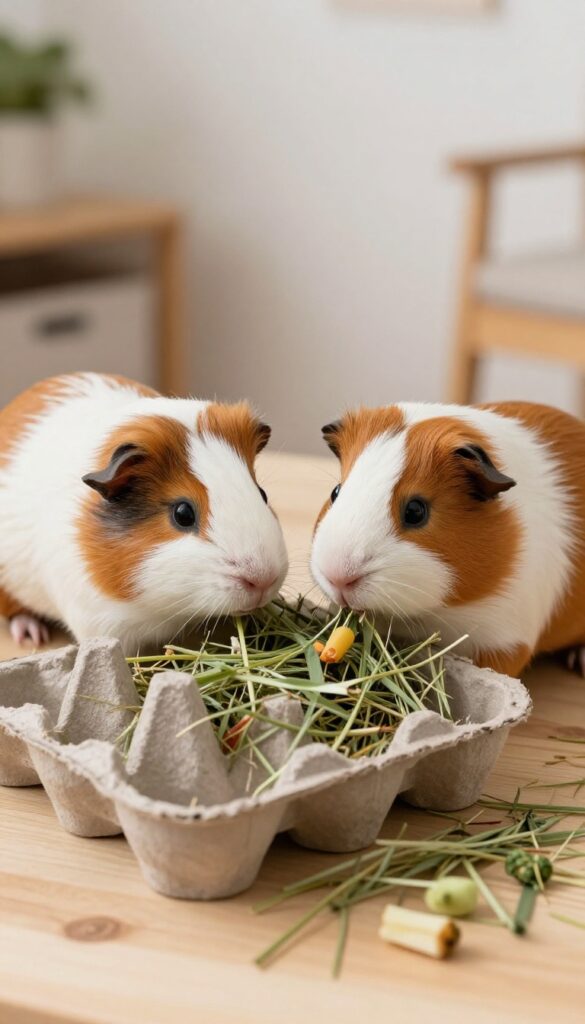
Turn a simple cardboard egg carton into a fun foraging toy that keeps your guinea pigs entertained and mentally stimulated.
Guinea pigs love to forage and shred, and an egg carton provides the perfect opportunity. Fill each egg cup with hay and a few treats, then close the lid and let your piggies figure out how to get to the goodies. The cardboard is safe for chewing and shredding, adding to the fun.
- Use a plain cardboard carton, not foam or plastic.
- Avoid cartons with ink, labels, or glue.
- Supervise to prevent overeating treats.
- Replace when soiled or torn apart.
13. DIY Fleece Liner from Old Blankets
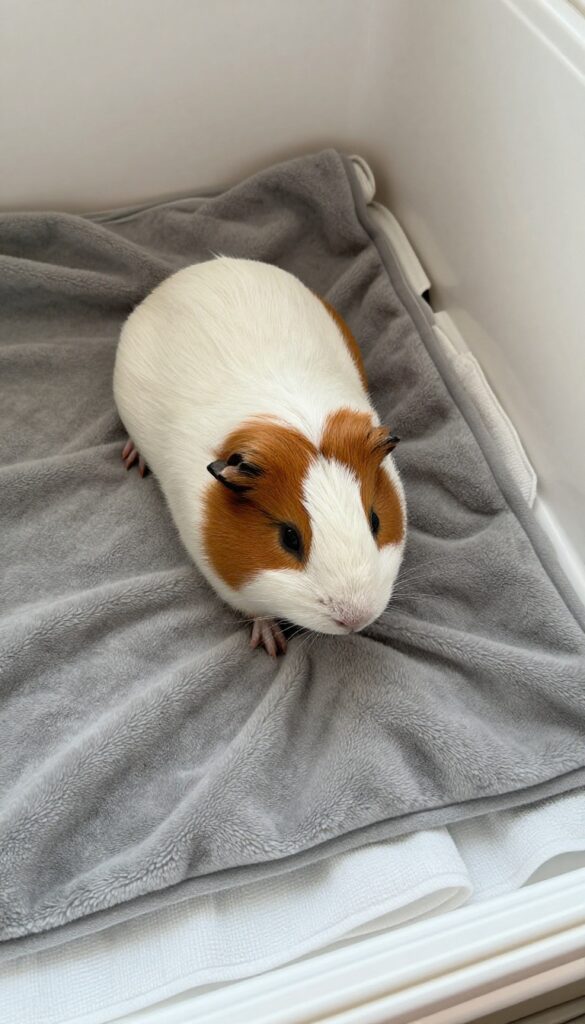
Save money and reduce waste by turning old fleece blankets into washable, reusable cage liners. This DIY project gives your guinea pigs a soft, absorbent floor that’s easy to maintain.
Start by cutting the fleece to fit your cage bottom. Use anti-pill fleece to prevent loose threads that could harm your pets. Layer the fleece over an absorbent material like old towels or U-Haul pads to soak up moisture.
Change the liner regularly to keep the cage clean and odor-free.
- Cut old fleece blankets to fit cage bottom
- Layer with absorbent material like towels or u-haul pads
- Washable and reusable
FAQ
Are cardboard boxes safe for guinea pigs?
Yes, plain cardboard boxes are safe as long as they are free of tape, staples, and toxic inks. Replace them when soiled.
Can I use plastic storage bins as guinea pig cages?
Yes, but ensure the bin is BPA-free, well-ventilated with a mesh lid, and has no sharp edges after cutting.
What materials should I avoid in DIY guinea pig houses?
Avoid materials with toxic chemicals, sharp edges, small parts that can be swallowed, and fabrics that shed loose threads.
How often should I clean DIY guinea pig houses?
Spot clean daily and do a full clean weekly, replacing any soiled cardboard or fabric.
Conclusion
DIY guinea pig houses are a fun and budget-friendly way to provide your pets with a stimulating environment. Always prioritize safety by using non-toxic materials and supervising your guinea pigs during play.
With these 13 ideas, you can create a happy home for your furry friends using items you already have.

I’m Pallab Kishore, the owner of Little Pets Realm — an animal lover and pet care enthusiast sharing easy tips, healthy recipes, and honest advice to help every small pet live a happy, healthy, tail-wagging life.