Last updated on August 19th, 2026 at 04:19 pm
Guinea pigs thrive in environments that mimic their natural grasslands. A cage that feels wild and safe can reduce stress and encourage playful behavior. But creating that look doesn't have to break the bank or require a degree in interior design.
Many store-bought cages come with plastic hides and bright colors that feel anything but natural. With a few simple swaps and DIY touches, you can turn a basic enclosure into a cozy, earthy retreat. The best part?
Your guinea pigs will thank you with happier wheeks and more confident exploring. Below are 12 habitat ideas that balance aesthetics, functionality, and your budget.
1. Use Fleece Liners Instead of Bedding
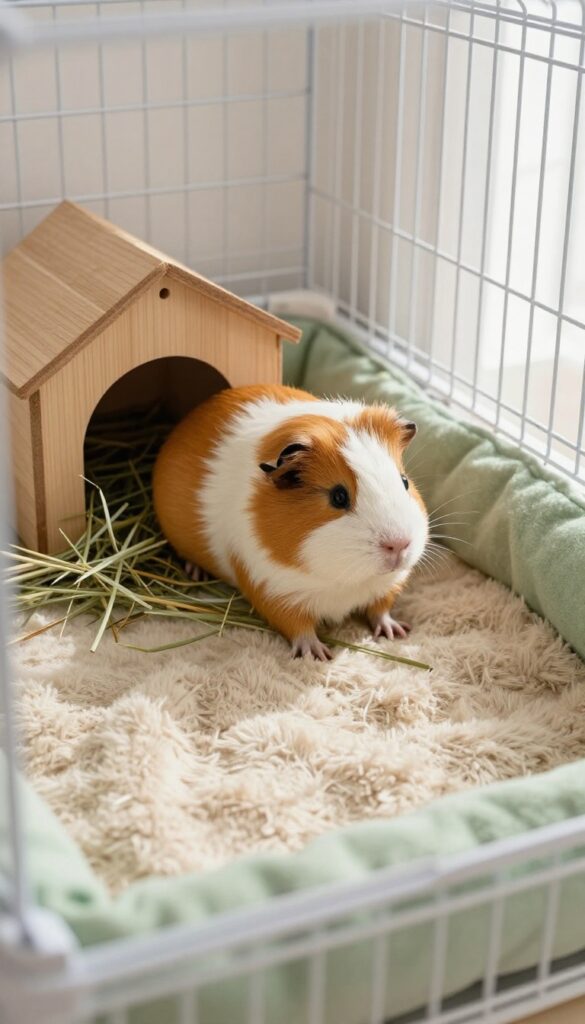
Ditch the dusty wood shavings and give your guinea pigs a surface that feels like a soft meadow. Fleece liners are reusable, easy to clean, and come in natural tones that blend right into a rustic setup. Your pigs will love the cozy texture, and you'll love not buying bags of bedding every week.
Fleece liners mimic the feel of grass underfoot, which is exactly what guinea pigs evolved to walk on. They absorb urine through to a towel or absorbent layer underneath, keeping the top dry and comfortable. Over time, they pay for themselves since you just wash and reuse them.
Why Fleece Feels Natural
Unlike bright plastic mats, fleece liners in sage, tan, or oatmeal tones look like a natural landscape. They soften the cage visually and physically, making your guinea pigs feel more at home.
Easy Care Routine
Spot clean daily and toss the liner in the wash once or twice a week. No dust, no mess, and no smell if you use a good absorbent layer underneath. Pro tip: vacuum the hay off before washing to keep your machine happy.
Budget-friendly Long Term
Initial cost is higher than a bag of shavings, but you'll save money after a few months. Plus, you're not sending bags of dirty bedding to the landfill every week.
2. Add a Hay-Filled Corner for Foraging
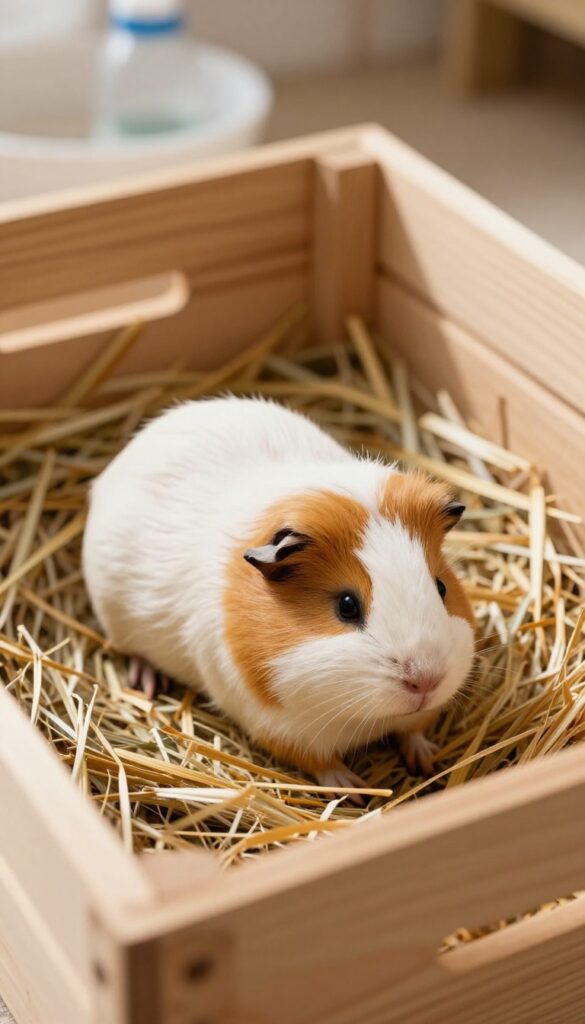
Hay isn't just for eating—it's also a fantastic way to create a natural, engaging environment. By dedicating a corner of the cage to loose hay, you give your guinea pigs a place to dig, burrow, and graze just like they would in the wild. This simple setup satisfies their instinct to forage and keeps them entertained for hours.
Pick a low-sided box or a shallow tray and fill it with fresh, soft hay. Place it in a quiet corner where your pigs feel safe. They'll love rooting through it, and you'll love how rustic and cozy it looks.
Replace the hay regularly to keep it clean and inviting.
Choosing The Right Container
A wooden crate or a cardboard box with the sides cut down works perfectly. Avoid plastic bins with high walls—they can trap moisture and make it hard for your pets to hop in and out. A tray about 4–6 inches deep gives them plenty of hay to dig through without being overwhelming.
Layering For Extra Fun
Mix in a few dried herbs or a scatter of their favorite pellets beneath the hay. This turns snack time into a treasure hunt. You can also tuck in a small tunnel or a handful of crumpled paper for added texture and surprise.
Placement Tips
Put the hay corner away from their main food bowl and water bottle to encourage movement. Near a hideout or under a low shelf can make it feel extra secure. Just make sure it's easy for you to access for daily spot-cleaning.
3. Incorporate Wooden Hides and Tunnels
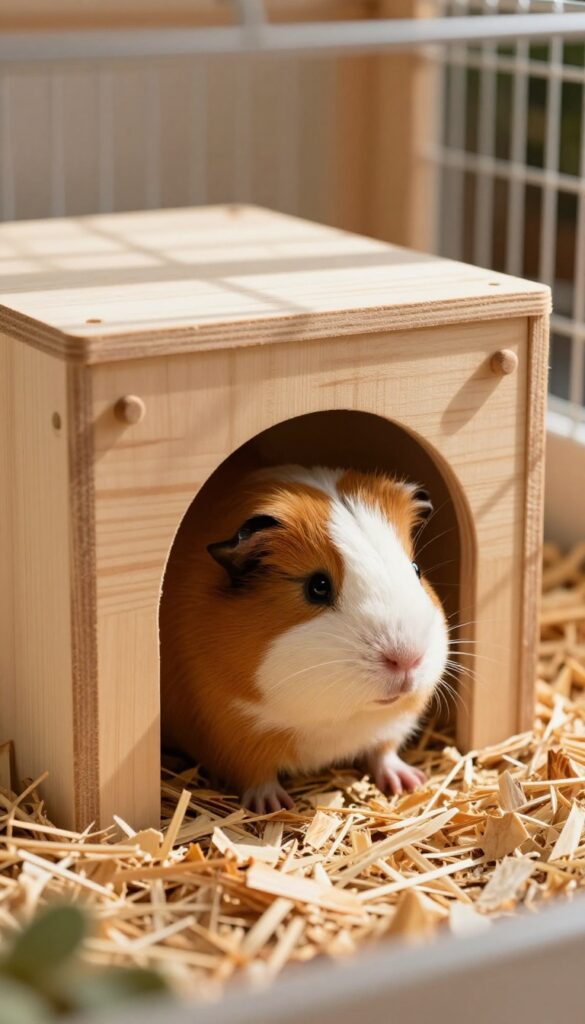
Wooden hides and tunnels bring a slice of the forest floor right into your guinea pig's cage. Unlike plastic igloos, untreated wood looks like fallen logs and blends seamlessly with natural bedding. Your pigs get safe, cozy spots to nap or hide, plus the added bonus of something safe to gnaw on—great for keeping their teeth healthy.
Natural wood hides and tunnels serve double duty. They provide essential shelter and act as chew toys that help wear down constantly growing teeth. Choose untreated, pesticide-free wood like pine or aspen.
Avoid cedar, which can cause respiratory issues. Place them in quiet corners or near food bowls to encourage natural foraging behavior.
Choosing The Right Wood
Stick with kiln-dried pine or aspen. These woods are safe if chewed and don't release harmful oils. You can find pre-made wooden hides at pet stores or craft your own using untreated lumber.
Just sand down any rough edges to prevent splinters.
Placement Tips
Position wooden tunnels so they create a connected pathway across the cage. Guinea pigs love exploring a route that lets them move from one hide to another without crossing open spaces. Place one near the hay feeder and another near the water bottle to encourage activity.
Maintenance And Safety
Wood absorbs moisture and odors, so replace or clean hides regularly. If a hide gets soiled, scrub it with a 50/50 vinegar-water solution and let it dry completely. Discard any piece that develops mold or becomes too chewed up.
4. Layer in Natural Stone Slabs for Cooling
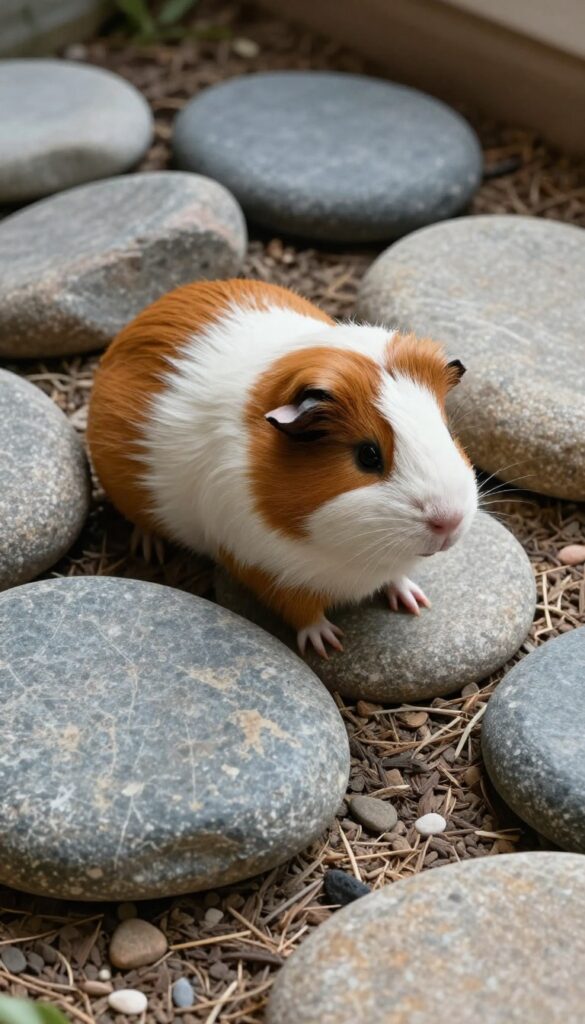
On warm days, guinea pigs appreciate a cool spot to lounge. Natural stone slabs or slate tiles do the job perfectly. They stay refreshingly cool and add a rugged, earthy texture that breaks up soft bedding.
Just make sure every piece has smooth, rounded edges to keep little paws safe.
Stone slabs are easy to clean and naturally resist odors. Place one or two in high-traffic areas or near the water bottle for a functional, attractive addition.
Choosing The Right Stone
Look for flat, unpolished stones like slate, flagstone, or granite offcuts. Avoid porous rocks that absorb moisture and bacteria. Rinse and scrub with hot water before adding them to the cage.
Placement Tips
Position stones in a shaded corner or under a hide to create a cool retreat. You can also place one near the food bowl—guinea pigs often sit on them while eating. Rotate or flip stones weekly to prevent uneven wear.
Safety Check
Inspect stones for sharp edges, chips, or cracks. If you find any, sand them down with fine-grit sandpaper or replace the piece. Always use stones that are too heavy to tip over.
5. Plant a Small Grass Patch in a Tray
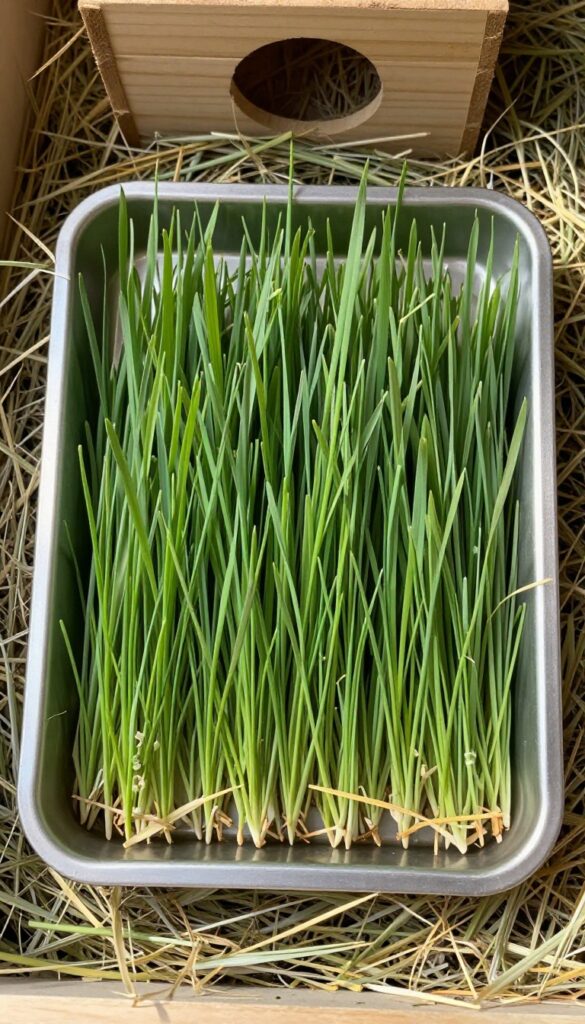
A living grass patch is one of the easiest ways to bring a slice of meadow into your guinea pig's cage. It adds a vibrant green focal point, releases a fresh earthy scent, and gives your piggies a snack they can nibble straight from the source. Plus, it's simple to grow and replace.
Grow wheatgrass or oat grass in a shallow tray (like a baking dish or a low planter) using organic soil. Place the tray in a sunny spot for a few days until the grass is a few inches tall, then move it into the cage. Your guinea pigs will love exploring the soft blades and munching on them.
Replace the tray every week or two to keep it fresh and prevent mold.
Choose The Right Tray
Use a shallow, sturdy tray with drainage holes. A metal baking pan or a plastic seed-starting tray works well. Avoid trays with high sides that might block access or trap moisture.
Grow And Maintain
Sprinkle seeds over damp soil, cover lightly, and water daily. Once the grass reaches about 3 inches, it's ready. After placing it in the cage, monitor for over-nibbling or soiling.
Rotate or replace as needed.
Safety Tips
Use organic soil and untreated seeds. Avoid fertilizers or pesticides. Remove any wilted or moldy patches promptly.
Always provide fresh water alongside the grass.
6. Use Cork Mats for Texture and Grip
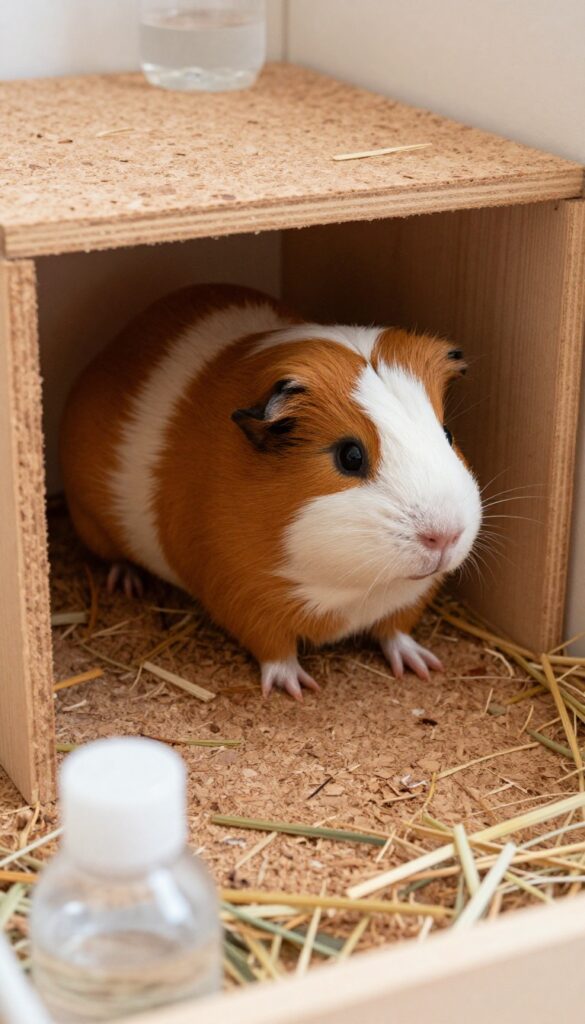
Cork isn't just for wine bottles or bulletin boards. It's a surprisingly practical material for guinea pig cages. Cork mats mimic the texture of tree bark, giving your pets a natural surface to explore.
They're soft underfoot, absorb moisture, and provide excellent traction for zoomies and popcorning.
Cork mats are easy to cut to size and can be placed in high-traffic areas like feeding stations or tunnel entrances. They're also simple to clean—just spot-clean with a damp cloth and mild soap. Replace them when they show signs of wear.
Why Cork Works
Cork is naturally antimicrobial and resistant to mold, making it a safe choice for humid cage environments. Its spongy texture cushions joints and prevents slipping, which is especially helpful for older or arthritic guinea pigs.
Where To Place Them
Put cork mats under water bottles to catch drips, or line the bottom of hideouts for extra coziness. You can also create a cork pathway leading to a favorite hay pile or veggie station.
Cleaning And Maintenance
Spot-clean daily with a damp cloth. For deeper cleaning, wipe with a vinegar-water solution and let air dry completely. Avoid soaking, as cork can warp.
Replace every few months if heavily used.
7. Build a DIY Hay Rack from a Willow Basket
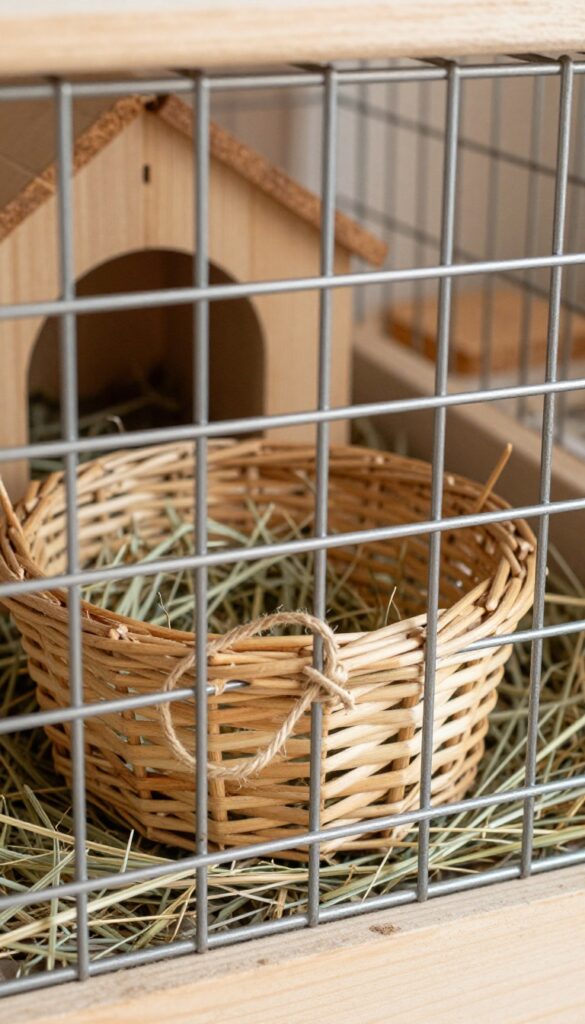
A small willow basket hung on the cage wall serves as a natural hay rack. It keeps hay off the floor and adds a woven, organic accent. This simple project takes just minutes and costs next to nothing if you repurpose a basket you already have.
Willow baskets are lightweight, durable, and safe for guinea pigs to nibble on. The open weave allows hay to poke through, encouraging natural foraging behavior. Plus, the earthy tones blend beautifully with other natural cage elements like wood and cork.
Choosing The Right Basket
Look for a flat-backed or shallow round basket made from untreated willow. Avoid baskets with varnish, paint, or chemical treatments. The weave should be tight enough to hold hay but loose enough for guinea pigs to pull strands through.
How To Hang It
Use zip ties or natural jute twine to attach the basket securely to the cage bars. Make sure it's at a height your guinea pigs can easily reach—about 2–3 inches off the bedding. Test the stability so it doesn't swing or tip when they tug on hay.
Maintenance Tips
Check the basket daily for soiled hay and replace it as needed. Willow is naturally antimicrobial, but you should still wipe down the basket weekly with a damp cloth. If it gets chewed or damaged, simply replace it with another inexpensive basket.
8. Create a Dig Box with Shredded Paper and Hay
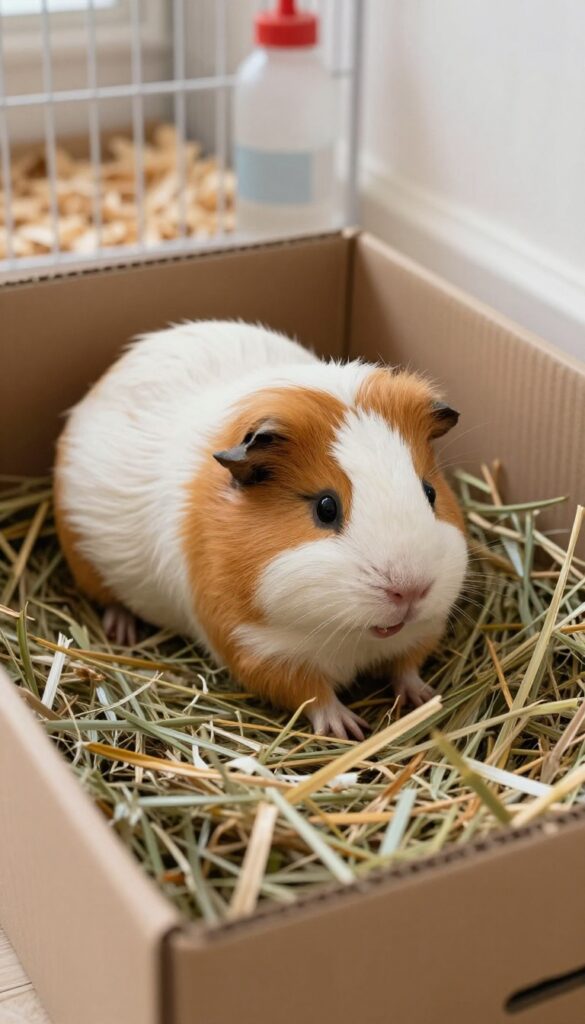
Guinea pigs are natural burrowers, and a dig box lets them indulge that instinct safely. A simple cardboard box filled with shredded paper and hay becomes an irresistible digging zone. It's cheap, easy to refresh, and keeps their environment engaging.
A dig box is one of the simplest enrichment tools you can add to your guinea pig's cage. It satisfies their urge to tunnel and forage, which helps reduce boredom and stress. Plus, it's a breeze to set up and replace.
What You'll Need
Grab a low-sided cardboard box—shoebox size works well. Fill it with a mix of shredded uncolored paper and loose hay. Avoid printed paper or anything with glue.
The combination gives a soft, diggable texture.
Placement And Maintenance
Set the dig box in a corner of the cage where your guinea pig already likes to explore. Check daily for soiled bedding and replace the entire box every few days or when it gets messy. It's a low-cost way to keep their habitat fresh.
Why Guinea Pigs Love It
Digging and tunneling are hardwired behaviors. A dig box lets them do what comes naturally without destroying cage liners. You'll see happy popcorn jumps and contented wheeking as they burrow through the paper.
9. Arrange Branches and Apple Sticks for Climbing
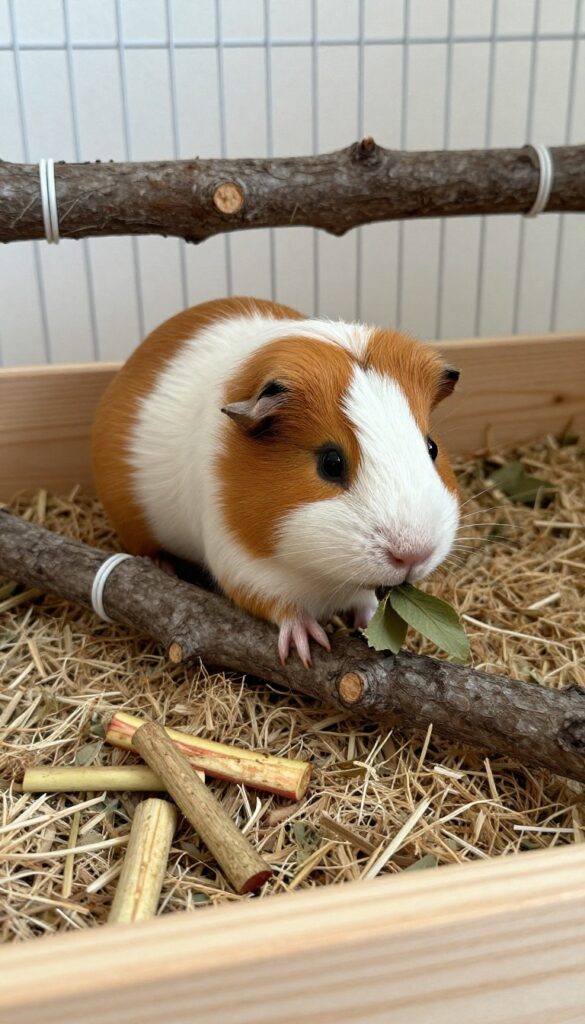
Guinea pigs aren't natural climbers like hamsters, but they do enjoy low, sturdy branches to explore and nibble on. Thick, untreated branches add vertical interest and break up the floor space, giving the cage a woodland feel. Plus, the bark and leaves provide safe chewing material that helps wear down their constantly growing teeth.
Start by selecting branches from safe trees like apple, willow, or hazel. Avoid any treated wood or toxic species like cherry, oak, or cedar. Cut branches to fit across the cage at a low height—no more than a few inches off the ground—so your guinea pigs can easily step onto them.
Secure them with zip ties or cage clips to prevent tipping. Scatter a few apple sticks on the cage floor as well for extra chewing opportunities.
Choosing Safe Wood
Always use branches from untreated fruit trees or pet‑safe hardwoods. Apple, willow, and pear are excellent choices. Avoid pine, cedar, and any wood that has been sprayed with pesticides.
You can buy pre‑dried apple sticks online or at pet stores, but collecting your own is fine if you wash and bake them at 200°F for an hour to kill any bugs.
Placement And Stability
Position branches diagonally or horizontally across the cage, not vertically like a climbing wall. Guinea pigs have delicate spines and shouldn't be forced to climb high. Make sure the branches are thick enough to support their weight without wobbling.
Use cage clips or strong zip ties to anchor both ends securely.
Chewing And Foraging Bonus
Branches aren't just for climbing—they double as chew toys. Guinea pigs love stripping bark and gnawing on the wood. You can also tuck fresh herbs or small pieces of veggie between the branches to encourage foraging.
Replace branches once they become soiled or stripped bare.
10. Use a Natural Colored Water Bottle or Bowl
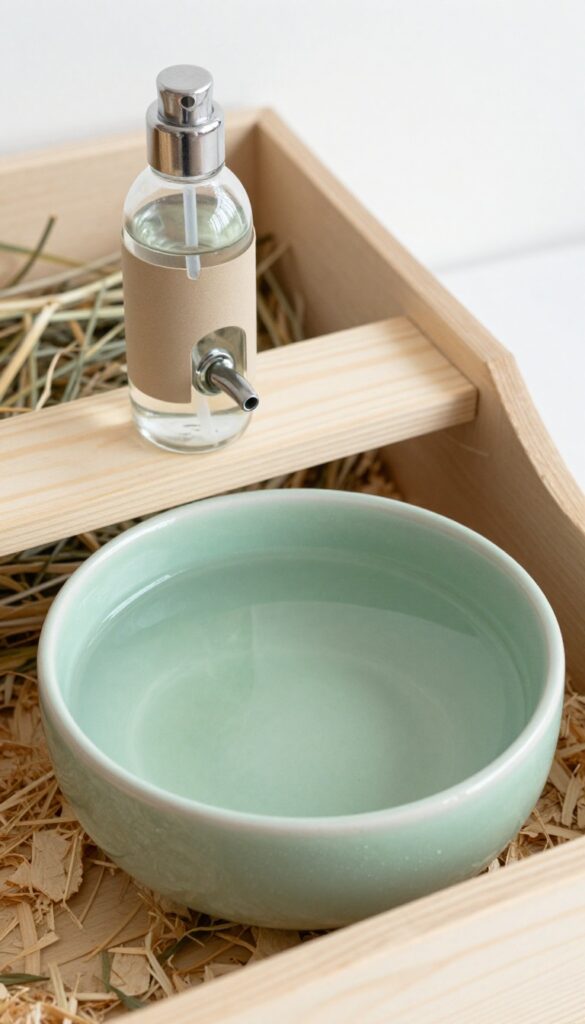
Plastic water bottles with bright blue or green caps can stick out like a sore thumb in a natural-themed cage. Swapping them for ceramic bowls or glass bottles in earthy tones helps the whole setup feel more cohesive. Plus, these materials are easier to keep clean and don't develop that cloudy plastic look over time.
Ceramic bowls are a great option if your guinea pigs don't tip them over. Look for heavy, glazed bowls in shades like terracotta, sage, or stone. Glass water bottles with a metal spout also work well—just make sure the bottle is tinted or wrapped in a natural-colored sleeve so it doesn't glare.
Either way, you'll get a water station that blends into the habitat instead of screaming for attention.
Choose Bowls Over Bottles For A More Natural Look
A wide, shallow ceramic bowl sits low to the ground, mimicking a natural water source like a puddle or stream. It's also easier for guinea pigs to drink from, especially if they have dental issues. Just be sure to change the water daily and place the bowl on a flat surface to prevent spills.
Glass Bottles With Earthy Accents
If you prefer a bottle, opt for one with a glass body and a natural-colored plastic or metal cap. Some brands offer bottles with a cork or wood-look sleeve. Mount it on the cage bars with a metal holder that matches the cage's wire color.
This keeps the bottle secure while adding a subtle rustic touch.
11. Add a Cozy Fleece Forest or Tent
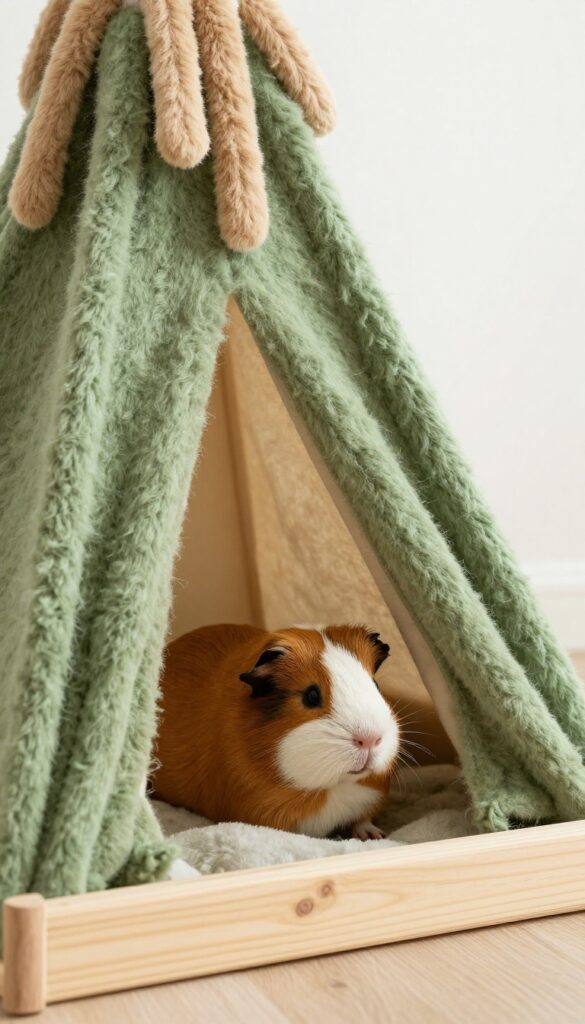
Fleece forests and tents are a fantastic way to give your guinea pigs a sense of security while adding a soft, natural texture to the cage. Instead of bright, store-bought hides, you can create a calming hideaway that blends right in with your earthy setup. The best part?
They're easy to make and even easier for your pigs to love.
To create a fleece forest, cut strips of fleece in neutral greens, browns, or tans and hang them from the cage top. Your guinea pigs will love tunneling through and hiding among the strips. For a tent, drape a piece of fleece over a low wooden frame or even a cardboard box cut in half.
Just make sure the fabric is securely attached and doesn't drag on the floor where it could get soiled.
Why Fleece Works
Fleece is soft, warm, and breathable—perfect for guinea pigs who like to burrow. It also muffles noise and creates a cozy den-like atmosphere. Stick to natural colors to keep the cage looking wild and inviting.
Diy Tips
Use a wire grid or suction cups to hang fleece strips. For a tent, fold a fleece square over a low PVC frame or a wooden dowel. Wash the fleece regularly with unscented detergent to keep it fresh and safe.
Placement Ideas
Position the forest near a corner or along the back wall to create a hidden pathway. A tent works well in a quiet area away from food bowls and water bottles. Rotate the setup every few weeks to keep things interesting.
12. Rotate Enrichment Toys Made from Natural Materials
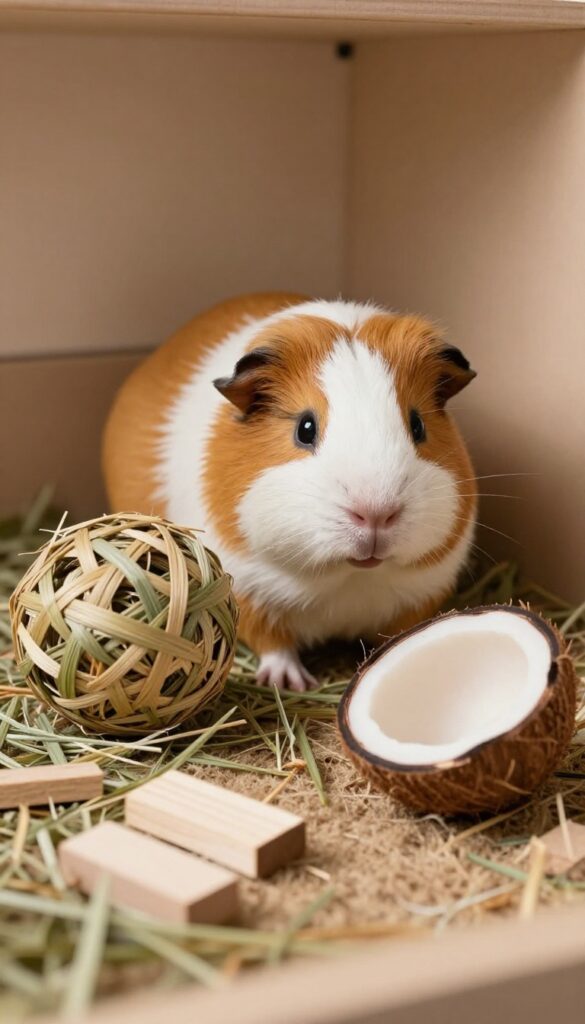
Even the best toy gets boring if it's always there. Guinea pigs are curious creatures, and they love novelty. By rotating a collection of natural toys, you keep their environment stimulating and visually fresh.
Think woven grass balls, cardboard tubes, coconut shells, and untreated wood blocks. Swap them out every few days to maintain that "new toy" excitement.
Rotating toys doesn't just fight boredom—it also mimics the variety of a natural landscape. In the wild, guinea pigs encounter different textures, shapes, and scents daily. Bringing that variety into the cage encourages foraging, chewing, and exploring.
Plus, natural materials look right at home in a earthy setup. No bright plastics to clash with your aesthetic.
Build A Toy Library
Start with a small collection of 5-7 natural toys. Include a mix of textures: smooth willow balls, rough seagrass tunnels, and crinkly cardboard. Store extras in a bin, and rotate two or three into the cage each week.
This keeps the enclosure feeling new without overwhelming your pigs.
Watch For Wear And Tear
Natural toys break down faster than plastic ones, which is actually a good thing—they're safer if chewed. But check regularly for sharp edges or loose strings. Replace any toy that's falling apart.
Rotating also helps you spot damage before it becomes a hazard.
Combine With Foraging
Hide small treats or hay inside the toys before placing them in the cage. Stuff a cardboard tube with hay, or tuck a few herb sprigs into a woven ball. This turns toy rotation into a foraging activity, engaging your guinea pigs' natural instincts to search for food.
FAQ
What is the best natural bedding for guinea pigs?
Fleece liners are a top choice because they are reusable, soft, and come in natural colors. Paper-based bedding is also good but less eco-friendly.
Can I use real plants in my guinea pig's cage?
Yes, but only safe, pesticide-free plants like wheatgrass, oat grass, or herbs. Avoid toxic plants like ivy or lilies.
How often should I clean a natural-style cage?
Spot-clean daily and do a full bedding change weekly. Fleece liners need washing every 3-4 days to control odor.
Are wooden hides safe for guinea pigs?
Yes, as long as the wood is untreated and kiln-dried. Avoid pine and cedar due to harmful oils; use aspen or poplar instead.
How can I make my guinea pig's cage look natural on a budget?
DIY items like cardboard tunnels, fleece scraps, and foraged branches (from safe trees) are free or cheap. Focus on natural colors and textures.
Conclusion
Bringing a natural feel to your guinea pig's cage doesn't require expensive decor or a complete overhaul. Small changes like swapping plastic for wood or adding a grass patch can make a big difference in how your pets experience their home. Your guinea pigs will enjoy the variety, and you'll love the earthy aesthetic.
Start with one or two ideas that fit your space and budget, then build from there. A natural cage is a happy cage for everyone involved.

I’m Pallab Kishore, the owner of Little Pets Realm — an animal lover and pet care enthusiast sharing easy tips, healthy recipes, and honest advice to help every small pet live a happy, healthy, tail-wagging life.