Last updated on August 19th, 2026 at 04:19 pm
Guinea pigs thrive on a diet of hay, pellets, and fresh vegetables, but treats can add variety and enrichment. However, not all treats are safe.
This list of 10 healthy snack ideas—from vitamin C-rich bell peppers to hydrating cucumber—will keep your cavy happy and healthy.
Always introduce new foods gradually and in moderation.
Bell Peppers: A Vitamin C Powerhouse
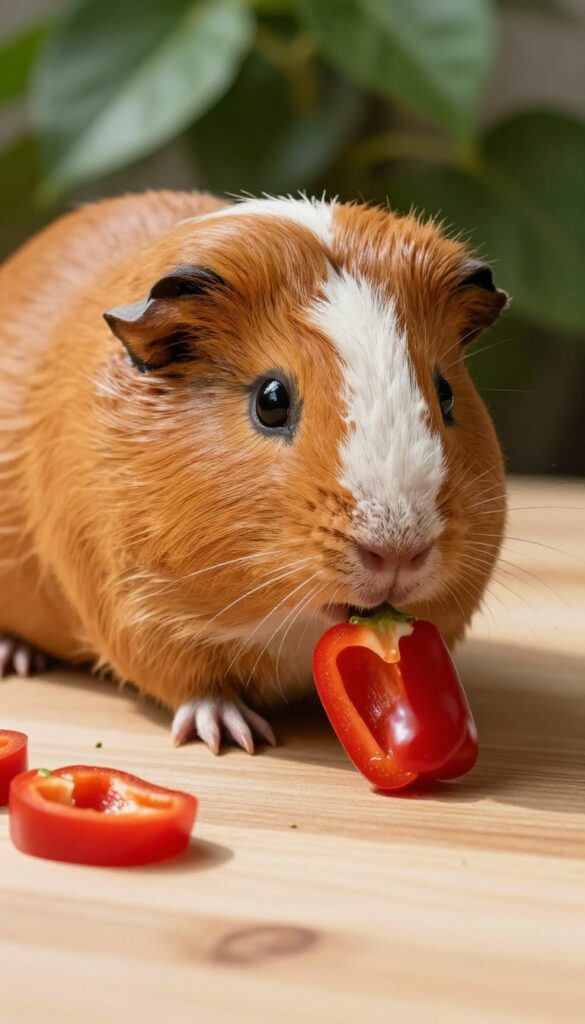
Bell peppers are a crunchy, colorful snack that guinea pigs absolutely love. More importantly, they are packed with vitamin C, a nutrient your guinea pig cannot produce on its own and must get from food. A deficiency can lead to health problems like scurvy, so offering bell peppers regularly is a smart way to keep your pet healthy.
When choosing bell peppers, red varieties have the highest vitamin C content, while green peppers contain less sugar. Always serve them raw—never cooked or seasoned—and slice them into small, manageable strips. Be sure to remove the seeds and stem, as these can be choking hazards or cause digestive upset.
Serving Tips
- Limit to 1–2 small slices per serving.
- Offer 2–3 times per week as part of a varied diet.
- Wash thoroughly before cutting to remove any pesticide residue.
While bell peppers are a healthy treat, they should complement—not replace—your guinea pig’s main diet of hay, fresh water, and fortified pellets.
Cilantro: A Flavorful Herb Treat
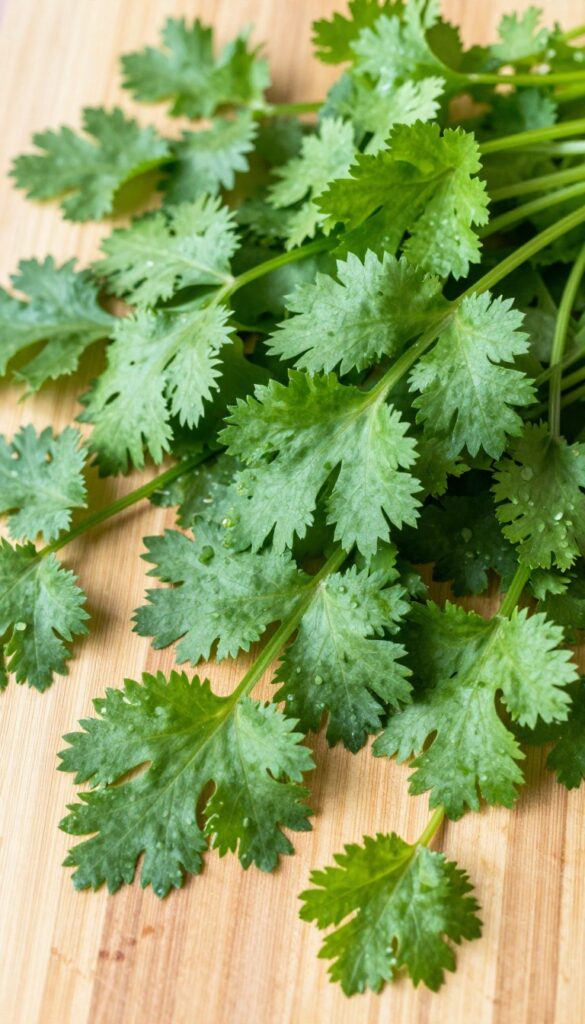
Cilantro is more than just a garnish for humans—it’s a guinea pig favorite that packs a nutritional punch. This fragrant herb is low in calcium, making it a smart choice for bladder health, and it’s loaded with antioxidants to support overall wellness.
Guinea pigs often go wild for the fresh, distinctive taste of cilantro. Its strong flavor can even help disguise the taste of medication if your pet needs a little encouragement. Always wash cilantro thoroughly and serve it fresh, stems included—the stems are just as nutritious and tasty.
Serving Tips for Cilantro
- Low calcium content supports bladder health and reduces risk of stones.
- High in antioxidants like vitamin C and beta-carotene.
- Serve a small handful (about 3–4 sprigs) per guinea pig per serving.
- Can be offered daily as part of a varied diet.
- Avoid wilted or spoiled cilantro; it can cause digestive upset.
Cilantro is a versatile and healthy snack that fits perfectly into your guinea pig’s treat rotation. Its low calcium content makes it especially valuable for adult guinea pigs prone to bladder issues. Just remember to introduce any new food gradually and watch for individual preferences.
Carrot Tops: The Leafy Green Bonus
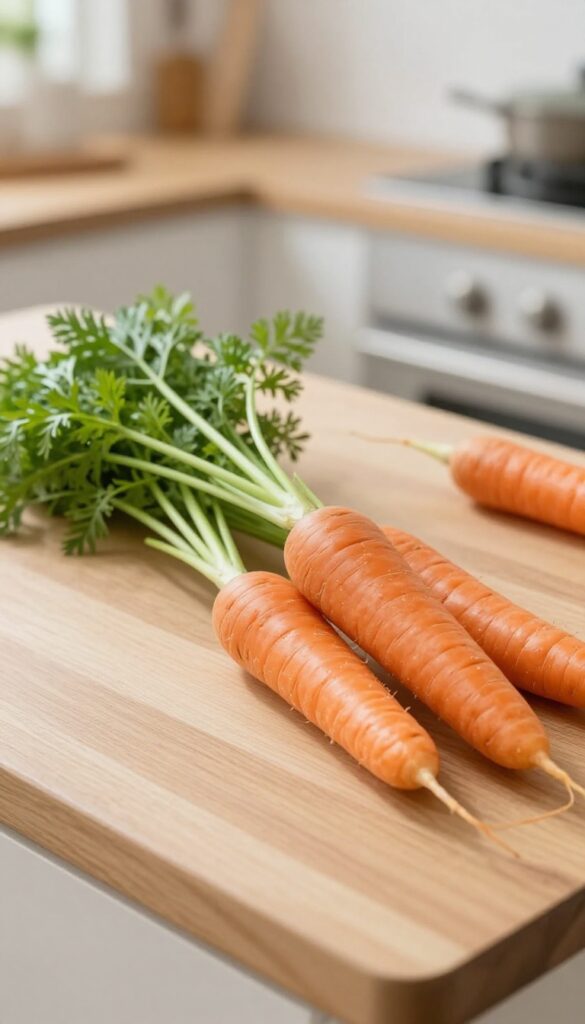
Don’t toss those carrot tops! While the orange root is high in sugar and should only be an occasional treat, the leafy greens are a nutritious, low-sugar option your guinea pig will love.
Carrot greens are packed with vitamin A and fiber, making them a healthy addition to your guinea pig’s snack rotation. Unlike the root, which can cause digestive upset if fed too often, the tops are safe to offer regularly.
Serving Tips
- Wash thoroughly to remove dirt and any pesticide residue.
- Serve fresh – do not offer wilted or spoiled greens.
- A small bunch (about 3–4 tops) per serving is plenty.
- Offer 2–3 times per week as part of a varied diet.
Important
Always introduce new foods gradually and watch for any signs of digestive upset. Carrot tops are a supplement to hay and pellets, not a replacement.
Cucumber: Hydrating and Low-Calorie
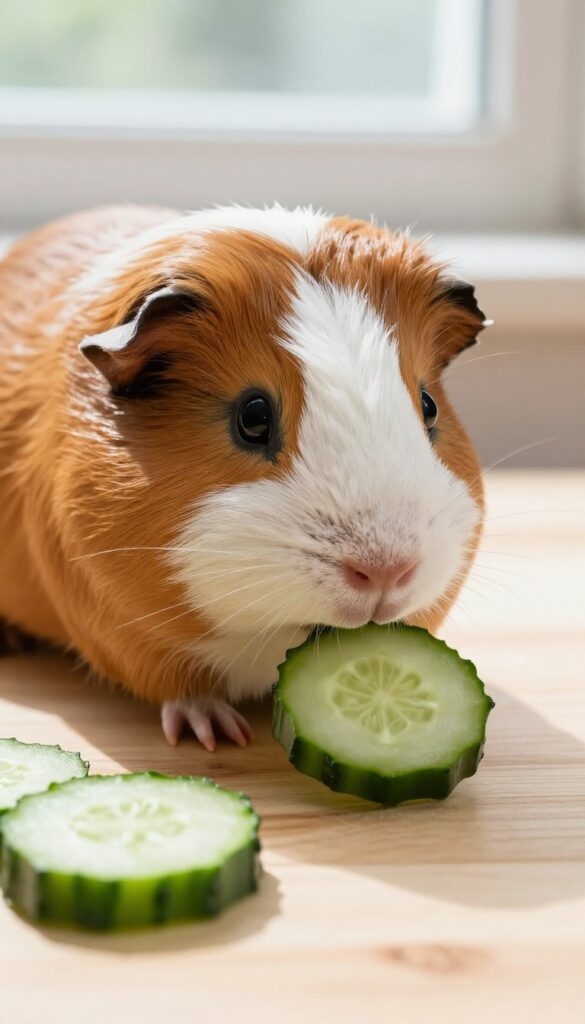
Cucumber is a refreshing, low-calorie snack that helps keep your guinea pig hydrated, especially on warm days. Its high water content makes it a great way to supplement fluid intake without adding excess sugar or calories to their diet.
Cucumbers are mostly water, making them an excellent treat for hydration. They are also very low in sugar and calories, so they won’t contribute to weight gain or blood sugar spikes. When preparing cucumber for your guinea pig, it’s important to peel the skin if the cucumber is waxed, as the wax can be difficult to digest.
Slice the cucumber into thin rounds or small sticks to prevent choking. A serving size of 1-2 small slices, offered 2-3 times per week, is plenty. Always avoid pickles or any seasoned cucumber products, as the added salt, vinegar, and spices can be harmful to your pet.
- High water content helps with hydration, especially in warm weather.
- Low in sugar and calories.
- Peel if waxed; slice into thin rounds or sticks.
- 1-2 small slices per serving, 2-3 times per week.
Kale: A Calcium-Rich Green (In Moderation
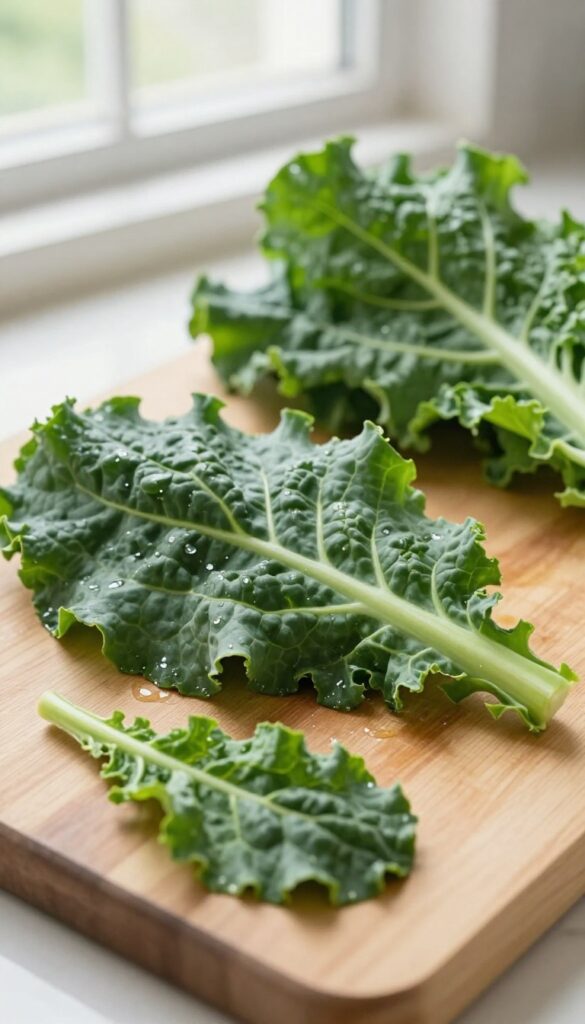
Kale is often hailed as a superfood for humans, and it does offer some impressive nutrients for guinea pigs too. However, its high calcium content means it should be served sparingly to avoid health issues like bladder stones.
Kale is packed with vitamins A, C, and K, making it a nutritious occasional treat. The key is moderation: because guinea pigs are prone to developing bladder stones from excess calcium, kale should only be offered once or twice per week at most.
- High in calcium, so limit to prevent bladder stones.
- Also high in vitamins A, C, and K.
- Remove tough stems; serve a small leaf or two.
- Once or twice per week maximum.
When preparing kale for your guinea pig, always wash it thoroughly and remove any tough stems. A small leaf or two is plenty for one serving. Stick to the once- or twice-weekly limit to keep your pet healthy and happy.
Strawberries: A Sweet Vitamin C Treat
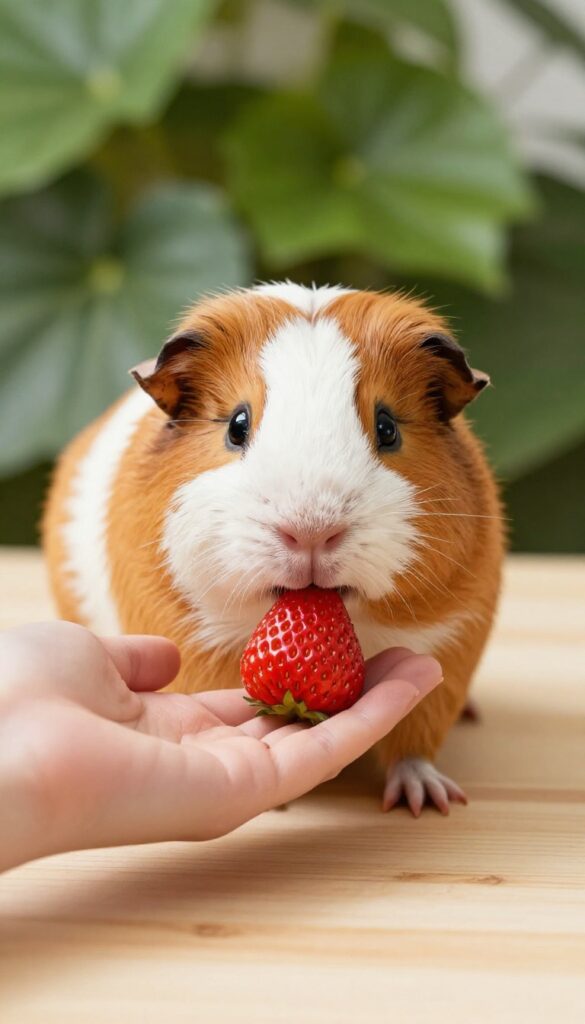
Strawberries are a delightful, juicy treat that guinea pigs often love. Packed with vitamin C, they can support your pet’s immune system, but their natural sugar content means they should be offered sparingly.
Strawberries are an excellent source of vitamin C, which is essential for guinea pigs since they cannot produce it on their own. However, they are also high in sugar, so moderation is key. Always wash strawberries thoroughly, remove the leaves and stem, and slice them into small, bite-sized pieces to prevent choking.
Serving Tips
- Serve one small strawberry per serving, once or twice per week.
- Do not feed canned, frozen with syrup, or sugared strawberries.
- Introduce gradually to avoid digestive upset.
- Combine with other low-sugar veggies for a balanced snack.
Romaine Lettuce: A Staple Leafy Green
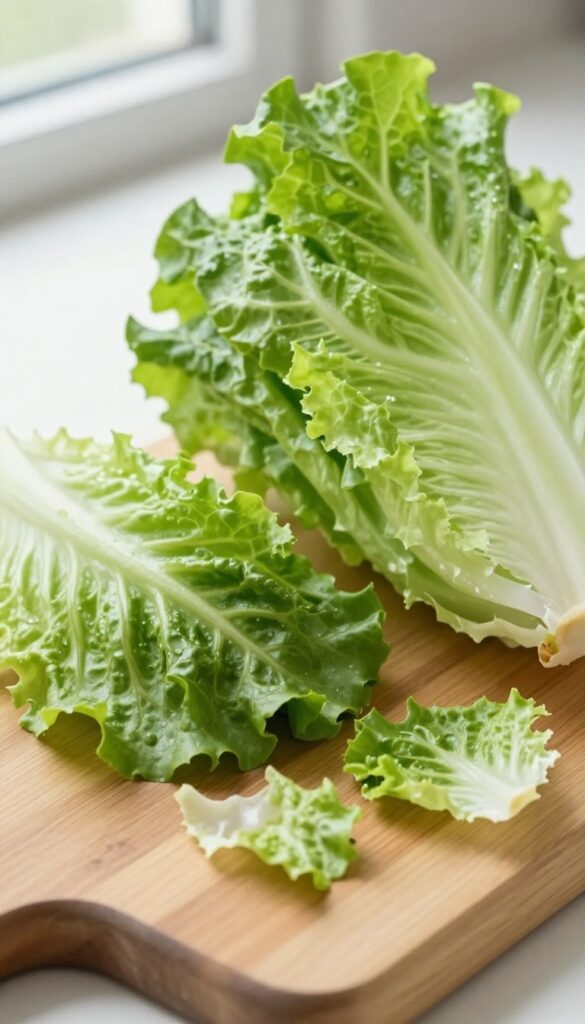
Romaine lettuce is a go-to leafy green for guinea pig owners. It’s low in calcium, making it safe for daily feeding, and provides essential hydration and fiber. Unlike iceberg lettuce, which is mostly water and low in nutrients, romaine offers a good balance of vitamins A and K without the risks.
Key Points
- Low in calcium and safe for daily feeding.
- Provides hydration and fiber.
- Avoid iceberg lettuce (low nutrition).
- A few large leaves per serving, can be given daily.
Romaine vs. Iceberg
Iceberg lettuce has very little nutritional value and can cause digestive upset due to its high water content and low fiber. Romaine, on the other hand, is a nutrient-dense choice that supports healthy digestion and hydration. Always wash leaves thoroughly and serve fresh.
Blueberries: Antioxidant-Rich Bite
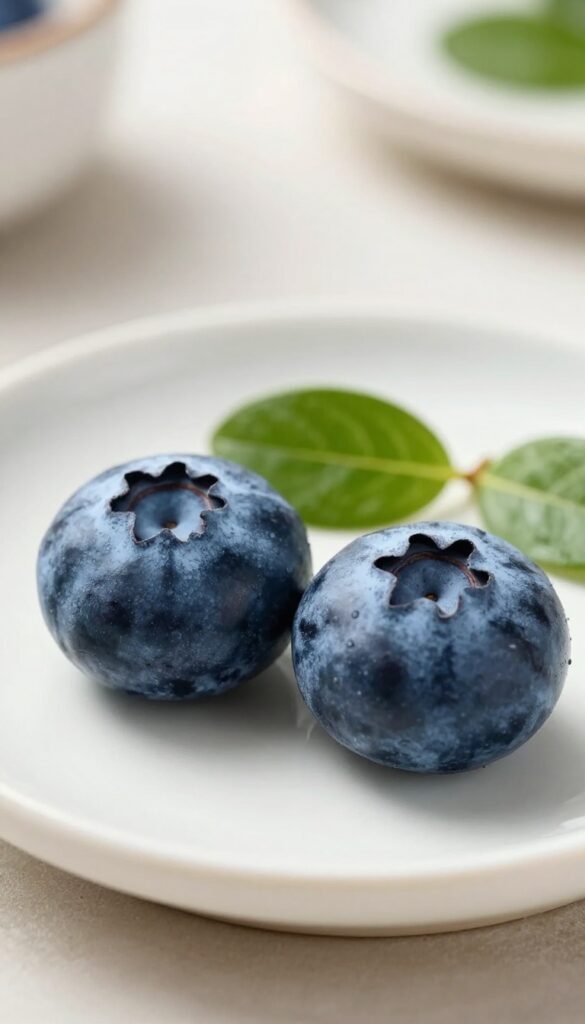
Blueberries are a tasty, antioxidant-packed snack that can boost your guinea pig’s immune system. However, their natural sugar content means they should be offered sparingly.
Blueberries are loaded with antioxidants like anthocyanins and vitamin C, which help protect cells from damage and support overall health. The vitamin C content is especially beneficial for guinea pigs, as they cannot produce this essential nutrient on their own. However, blueberries also contain relatively high sugar compared to other vegetables, so they should be treated as an occasional indulgence rather than a daily staple.
Serving Guidelines
- Always wash blueberries thoroughly before serving to remove any pesticide residue.
- Serve whole or halved – halving is recommended for smaller guinea pigs to prevent choking.
- Limit to 2–3 blueberries per serving, offered once or twice per week.
- Never feed dried blueberries, as the concentrated sugar can upset their digestive system and contribute to obesity.
To serve, simply rinse a few fresh blueberries and place them in your guinea pig’s bowl or offer them by hand. Watch your pet enjoy the burst of flavor – just remember moderation is key to keeping snack time both healthy and safe.
Zucchini: A Mild Summer Squash
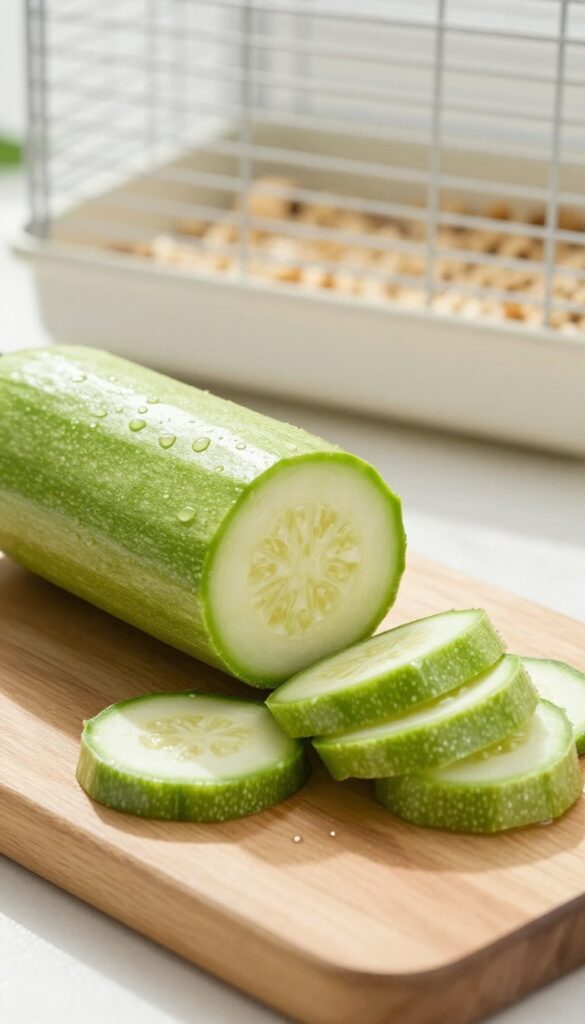
Zucchini is a refreshing, low-calorie treat that guinea pigs can enjoy in moderation. This summer squash is mostly water, making it a hydrating snack, and it provides essential nutrients without added sugar.
Zucchini is an excellent choice for guinea pigs because it’s low in sugar and calories. It also contains vitamin C and potassium, which support your pet’s immune system and heart health. The high water content helps keep your guinea pig hydrated, especially on warm days.
Key Tips for Feeding Zucchini
- Low in sugar and calories, high in water content.
- Good source of vitamin C and potassium.
- Wash thoroughly and slice into rounds or sticks; no need to peel.
- Serve 1–2 thin slices per serving, 2–3 times per week.
Important Safety Note
Never feed bitter or spoiled zucchini, as it can be toxic. Always taste a small piece yourself first—if it’s bitter, discard it.
Commercial Treats: Pellets and Hay-Based Options
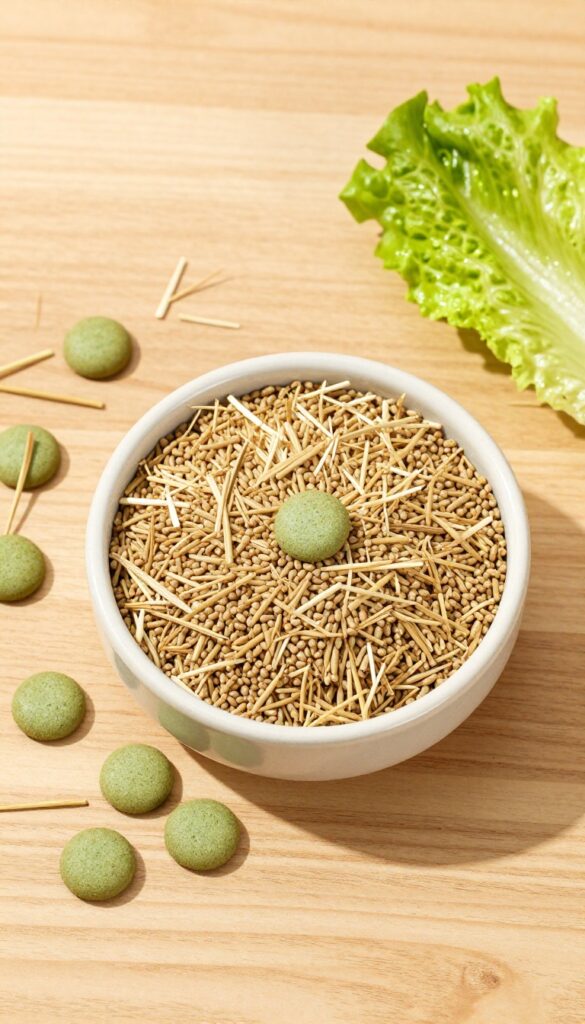
Not every treat needs to come from your fridge. High-quality commercial treats can be a convenient and safe way to reward your guinea pig, as long as you choose wisely.
The key is to look for treats that are hay-based, with timothy hay listed as the first ingredient. Avoid any product with added sugar, seeds, nuts, or artificial colors. Yogurt drops are a common offender—they are high in sugar and dairy, which can upset your guinea pig’s digestive system.
What to look for in commercial treats
- Timothy hay or another grass hay as the first ingredient
- No added sugar or artificial sweeteners
- No seeds, nuts, or dried fruit (unless very minimal)
- Simple, recognizable ingredients
Reputable brands to consider
Oxbow Simple Rewards are a popular choice—they come in hay-based varieties like timothy hay and orchard grass. Small Pet Select also offers hay cookies made from just hay and a touch of vegetable binder. Always check the ingredient list and follow the serving size on the package, usually 1-2 pieces per day.
Important
Treats should never replace your guinea pig’s main diet of hay, fresh vegetables, and pellets. Even healthy commercial treats are just that—treats.
FAQ
Can guinea pigs eat fruit every day?
No, fruit is high in sugar and should be limited to 1-2 times per week. Stick to low-sugar options like berries and small portions.
What vegetables should guinea pigs avoid?
Avoid iceberg lettuce, potatoes, onions, garlic, rhubarb, and any high-oxalate greens like spinach in large amounts. Also avoid avocado and any processed human snacks.
How much treat can I give my guinea pig per day?
Treats should make up no more than 10% of their daily diet. A good rule is one tablespoon of fresh veggies per guinea pig per day, with occasional fruit or commercial treats.
Are store-bought guinea pig treats healthy?
Some are, but many contain added sugar, seeds, or artificial ingredients. Look for treats with timothy hay as the first ingredient and no added sugar. Oxbow and Small Pet Select are reputable brands.
Conclusion
Treating your guinea pig to healthy snacks is a great way to bond and provide enrichment. Stick to fresh, low-sugar options like bell peppers, cilantro, and romaine lettuce, and always introduce new foods slowly.
Remember, hay and water should always be available, and treats are just a small part of a balanced diet. Your cavy will thank you with happy squeaks!

I’m Pallab Kishore, the owner of Little Pets Realm — an animal lover and pet care enthusiast sharing easy tips, healthy recipes, and honest advice to help every small pet live a happy, healthy, tail-wagging life.