Last updated on August 19th, 2026 at 04:19 pm
Guinea pigs thrive on a varied diet that includes fresh vegetables, fruits, and herbs. A diverse menu not only provides essential nutrients like vitamin C but also keeps your pet mentally stimulated.
This list of 12 safe and healthy food ideas will help you create exciting daily meals for your guinea pig.
Always introduce new foods gradually and consult your vet for specific dietary needs.
Bell Peppers: A Vitamin C Powerhouse
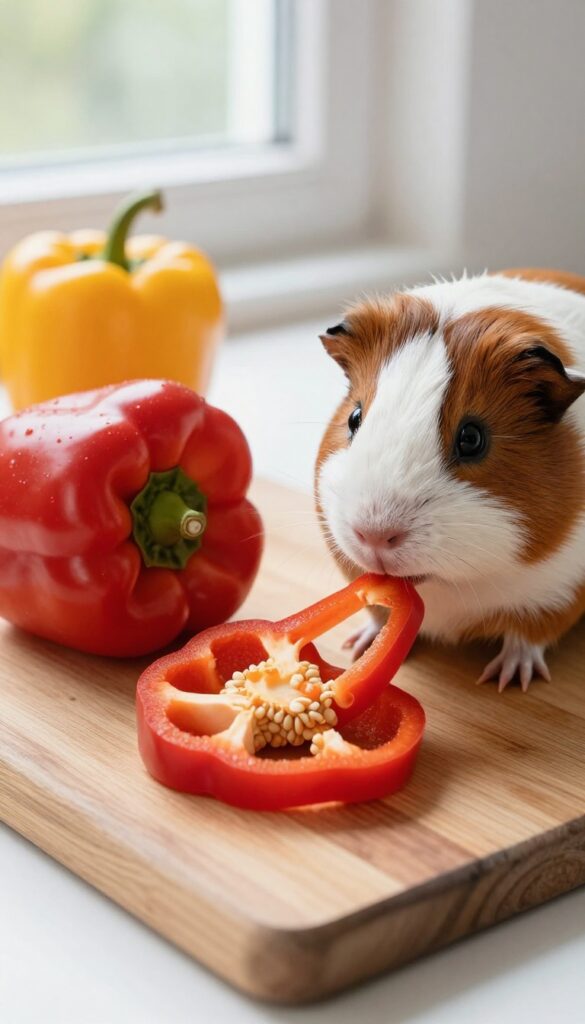
Bell peppers are an excellent addition to your guinea pig’s daily menu, offering a crunchy texture and a sweet flavor that most piggies love. But their real superpower is vitamin C—an essential nutrient that guinea pigs cannot produce on their own.
Why Vitamin C Matters
Guinea pigs, like humans, need a dietary source of vitamin C to prevent scurvy and support a healthy immune system. Bell peppers are one of the best natural sources, with red bell peppers containing the highest amount—about 190 mg per 100 g. That’s more than an orange!
Serving Tips
- Always remove the seeds, stem, and white pith before serving, as these parts can be tough or pose a choking hazard.
- Cut the pepper into small, bite-sized strips (about 1–2 inches long) to make it easy for your guinea pig to hold and chew.
- Start with a small piece (e.g., one or two strips) and observe how your pet reacts. If tolerated well, you can offer bell pepper daily as part of a varied diet.
Frequency and Moderation
Bell peppers are safe to feed daily, but remember that variety is key. Rotate with other vitamin C-rich veggies like kale or broccoli to ensure a balanced intake. A good rule of thumb is one to two small strips per serving, depending on your guinea pig’s size.
Leafy Greens: Romaine Lettuce and More
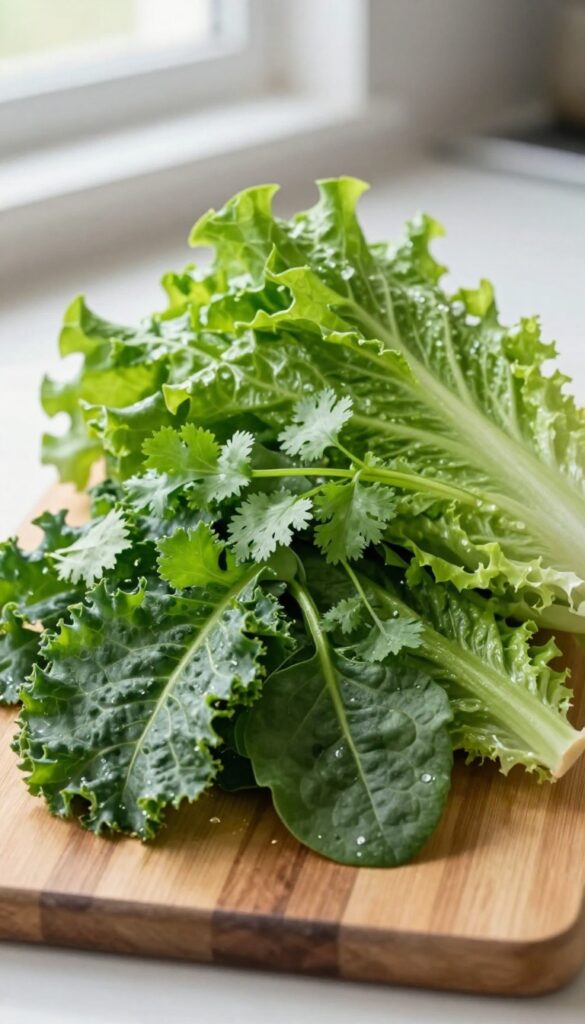
Leafy greens are a cornerstone of a guinea pig’s daily diet, providing essential vitamins and hydration. Romaine lettuce is a safe and popular choice, but variety is key to ensure balanced nutrition.
Romaine lettuce is a staple for good reason—it’s low in calcium and high in vitamin C, making it a daily essential. However, steer clear of iceberg lettuce, which has minimal nutritional value and can cause digestive issues due to its high water content.
- Rotate with other greens like kale (in moderation due to calcium), spinach (occasionally), and cilantro for different nutrients.
- Always wash greens thoroughly to remove pesticides and dirt.
- Introduce new greens slowly, one at a time, to monitor for any digestive upset.
By offering a mix of leafy greens, you keep meals interesting and nutritionally complete. Remember, fresh water and unlimited hay should always accompany these veggies.
Carrots: A Sweet Treat in Moderation
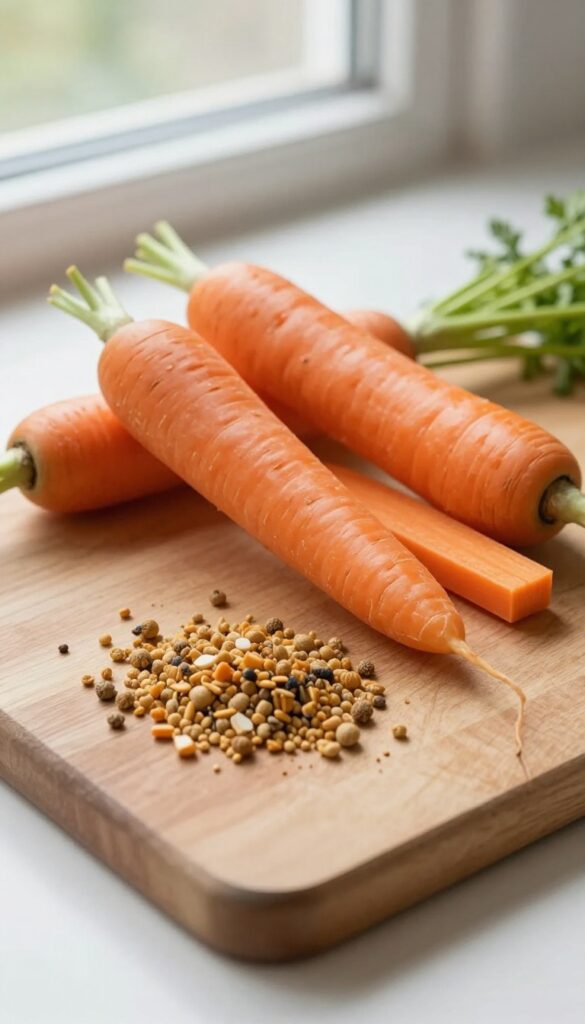
Carrots are a favorite among guinea pigs thanks to their natural sweetness and crunchy texture. However, their high sugar content means they should be offered as an occasional treat rather than a daily staple. Here’s how to safely include carrots in your guinea pig’s fresh meal rotation.
Key Points
- High in sugar; limit to small pieces 2-3 times per week.
- Rich in beta-carotene (vitamin A).
- Can be served raw, peeled or unpeeled.
- Monitor for weight gain if fed too often.
Cucumber: Hydrating and Low-Calorie
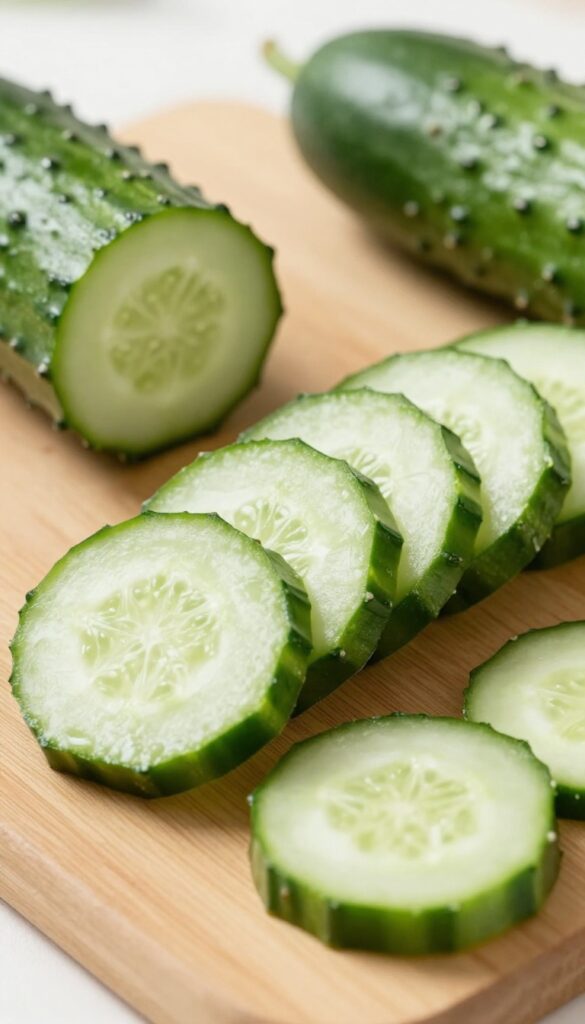
Cucumber is a refreshing, hydrating snack that guinea pigs love. With its high water content and low sugar, it’s a great choice for hot days or as a regular addition to their fresh food rotation.
Cucumber is mostly water, which helps keep your guinea pig hydrated, especially in warmer weather. It’s also very low in calories and sugar, making it a safe option for daily feeding in small amounts.
Key Points for Feeding Cucumber
- High water content supports hydration without adding extra sugar.
- Low in calories and sugar, suitable for regular treats.
- Remove large seeds to prevent choking; slice into rounds or sticks.
- Offer a few small slices per day – too much can cause loose stools.
Always wash cucumber thoroughly and peel if the skin is waxed. Organic cucumbers are best to avoid pesticide residue. Remember, cucumber should complement, not replace, hay and other staples in your guinea pig’s diet.
Zucchini: A Mild Summer Squash
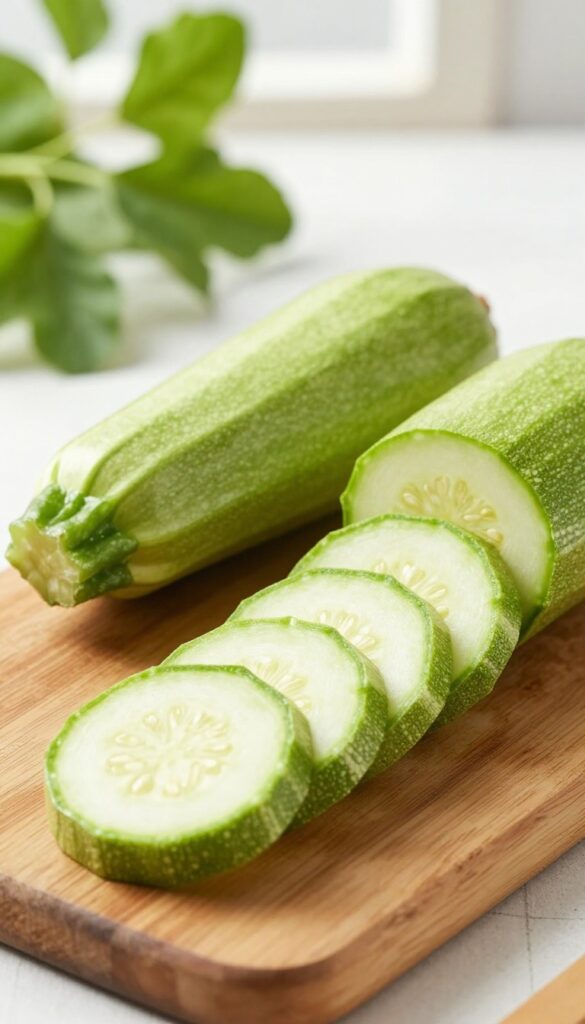
Zucchini is a mild, low-sugar summer squash that guinea pigs usually enjoy. It’s a safe, hydrating veggie you can feed raw a few times per week.
Zucchini is low in sugar and high in water content, making it a great choice for daily variety. It provides vitamin C (though not as much as bell peppers) and dietary fiber, which supports healthy digestion.
Serving Tips
- Wash thoroughly and slice into sticks or rounds for easy eating.
- Leave the skin on for extra fiber, but remove any seeds if they are large.
- Feed a few small slices per guinea pig, 2–3 times per week.
- Always serve raw; cooked zucchini loses nutrients and texture.
Safety Note
Zucchini is safe to feed raw and rarely causes issues. Avoid overfeeding as too much can lead to loose stools due to its high water content. Rotate with other veggies to ensure a balanced diet.
Cilantro: A Flavorful Herb
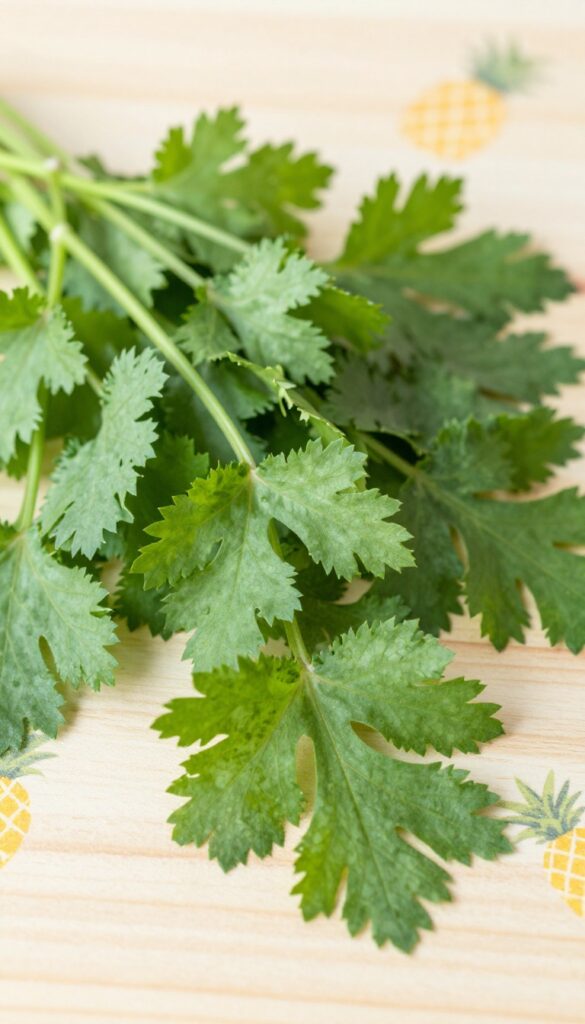
Cilantro is a popular herb that many guinea pigs find irresistible. Its distinct taste can encourage picky eaters and add variety to their daily meals.
Cilantro offers a unique flavor that most guinea pigs love. It’s packed with vitamins A, C, and K, supporting vision, immunity, and blood clotting. Wash fresh cilantro thoroughly and serve it whole or chopped.
You can feed it daily as part of a varied diet, but introduce it gradually to prevent your guinea pig from becoming fixated on it and refusing other foods.
- Many guinea pigs love the taste of cilantro.
- Contains vitamins A, C, and K for overall health.
- Wash and serve fresh; can be fed daily in moderation.
- Introduce gradually to avoid pickiness and ensure a balanced diet.
Apples: A Fruity Treat Without Seeds

Apples are a crunchy, sweet treat that most guinea pigs love, but they require careful preparation to be safe. Here’s how to serve them correctly.
Always remove the seeds and core before offering apple to your guinea pig. Apple seeds contain trace amounts of cyanide, which can be harmful if consumed in large quantities. The core is also tough and presents a choking hazard.
- Remove seeds and core completely.
- High in sugar; limit to small slices once or twice a week.
- Rich in vitamin C and fiber.
- Can be served with the peel on, but wash thoroughly.
Strawberries: Vitamin C Boost with Seeds
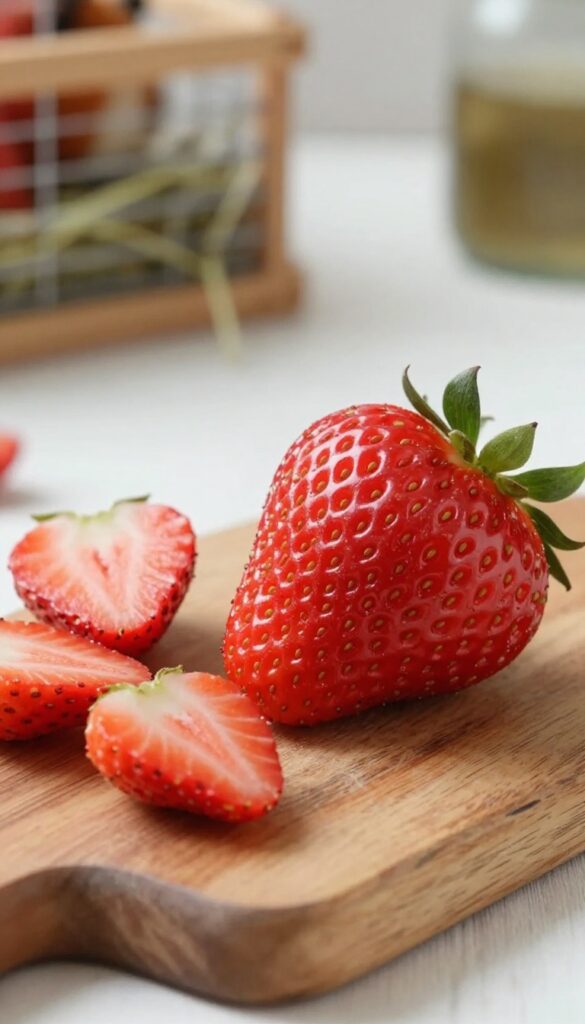
Strawberries are a juicy, flavorful fruit that can provide a nice vitamin C boost for your guinea pig. They are generally safe to feed, including the seeds, but should be given in moderation due to their sugar content.
Key Points for Feeding Strawberries
- Excellent source of vitamin C, which is essential for guinea pig health.
- Seeds are safe; no need to remove them.
- High in sugar; limit to one small berry per week.
- Wash thoroughly and remove leaves before serving.
How to Serve Strawberries
Slice one small strawberry into bite-sized pieces and offer it as a weekly treat. Always wash the fruit thoroughly to remove any pesticides, and remove the green leaves and stem. The seeds are perfectly safe and don’t need to be removed.
Blueberries: Antioxidant-Rich Small Fruit
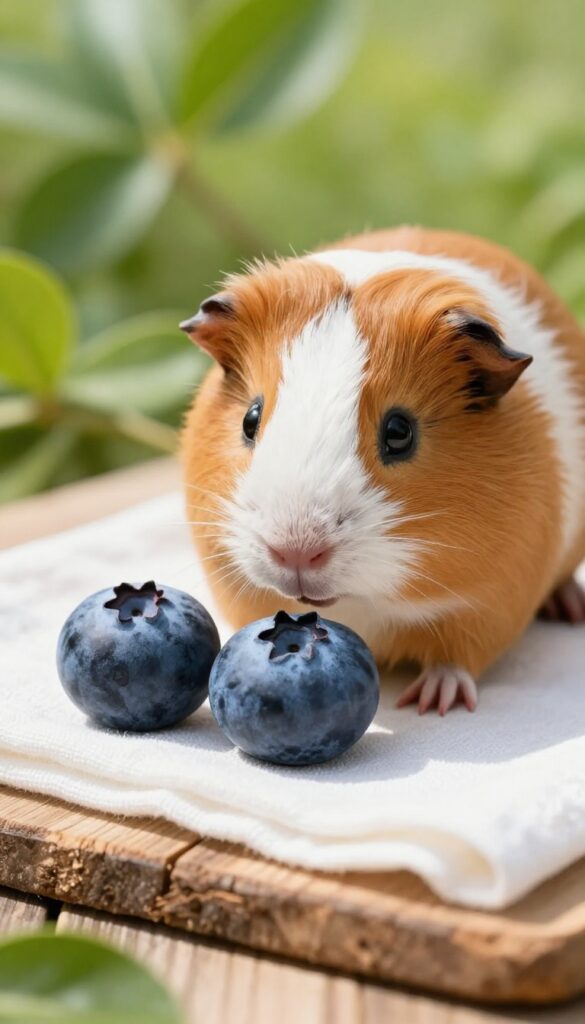
Blueberries are a powerhouse of antioxidants and vitamin C, making them a healthy occasional treat for your guinea pig. Their small size and sweet taste are often a hit, but their sugar content means they should be offered sparingly.
Blueberries are packed with antioxidants that help support your guinea pig’s immune system and overall health. They also provide vitamin C, which is essential for guinea pigs since they cannot produce it themselves. However, blueberries are relatively high in natural sugars, so they should be treated as an occasional snack rather than a daily staple.
- Packed with antioxidants and vitamin C.
- High in sugar; limit to 2-3 berries once a week.
- Wash and serve whole or halved.
- Monitor for any allergic reaction.
To serve, rinse the blueberries thoroughly under cool water to remove any pesticides or dirt. You can offer them whole or slice them in half to make them easier to eat, especially for smaller guinea pigs. Always introduce new foods gradually and watch for any signs of digestive upset or allergies.
Parsley: A Calcium-Rich Herb
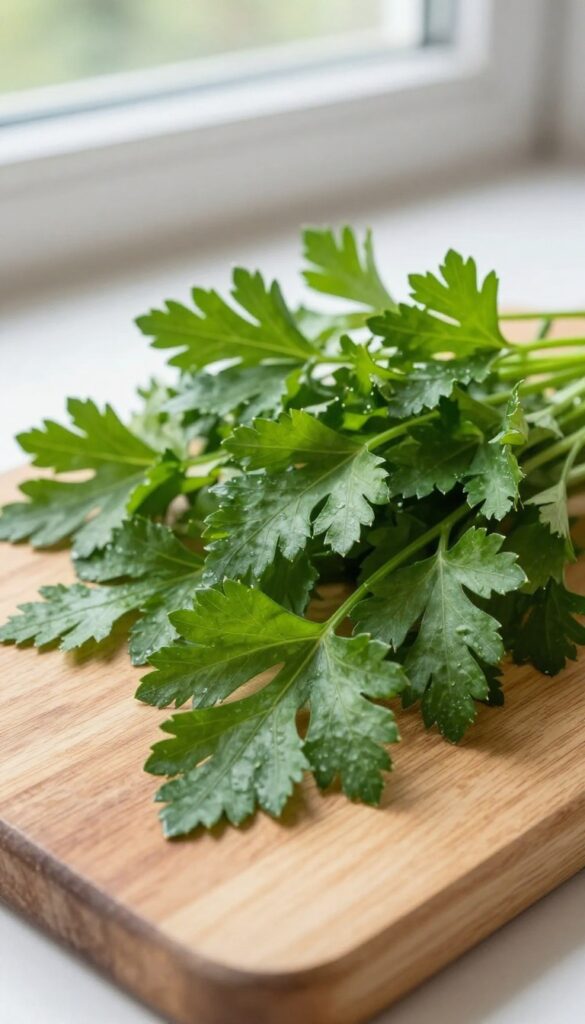
Parsley is a flavorful herb that adds variety to your guinea pig’s meals, but its high calcium content means it should be fed with care.
Parsley is packed with vitamins A, C, and K, making it a nutritious addition to your guinea pig’s diet. However, its calcium content is higher than many other greens, which can contribute to bladder stones if fed too often. Moderation is key.
- Feed only a few sprigs 2-3 times per week, not daily.
- Always serve fresh, washed parsley.
- Rotate parsley with other herbs like cilantro or basil to provide a range of nutrients.
By offering parsley sparingly and alongside other fresh foods, you can give your guinea pig a tasty treat without risking their urinary health.
Kale: Nutrient-Dense but Calcium-Aware
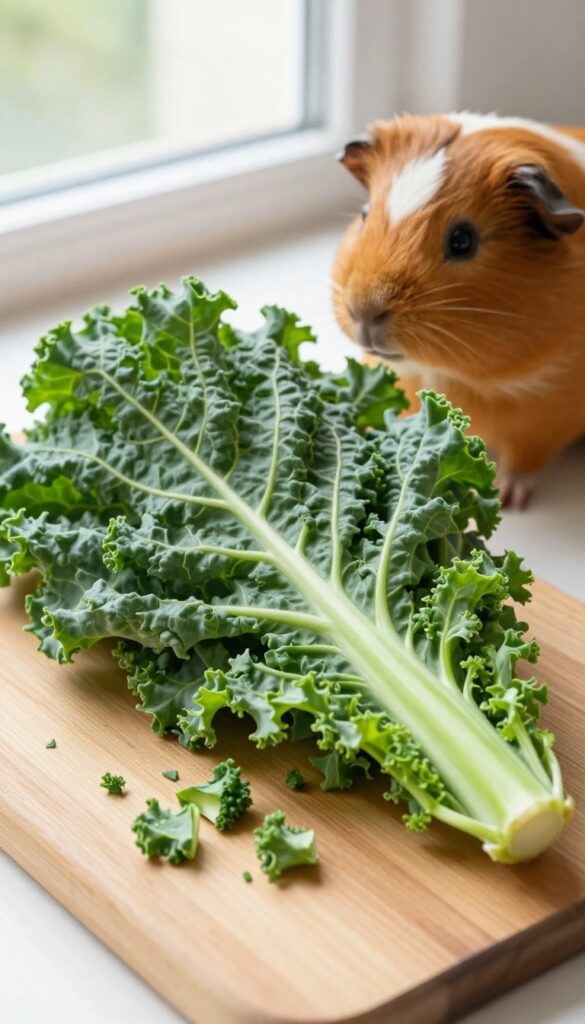
Kale is a superfood packed with vitamins A, C, and K, making it a great occasional addition to your guinea pig’s diet. However, its high calcium content means you need to serve it sparingly to avoid urinary issues.
Kale offers excellent nutritional benefits but requires careful portion control. Feed it no more than once or twice a week, and always wash the leaves thoroughly to remove any pesticides or dirt. Remove the tough stems, as they can be difficult to chew.
Serve the leaves raw, chopped into small, manageable pieces.
- High in vitamins A, C, and K.
- Also high in calcium; feed sparingly (once or twice a week).
- Wash and remove tough stems.
- Can be served raw in small pieces.
Dandelion Greens: A Foraged Favorite
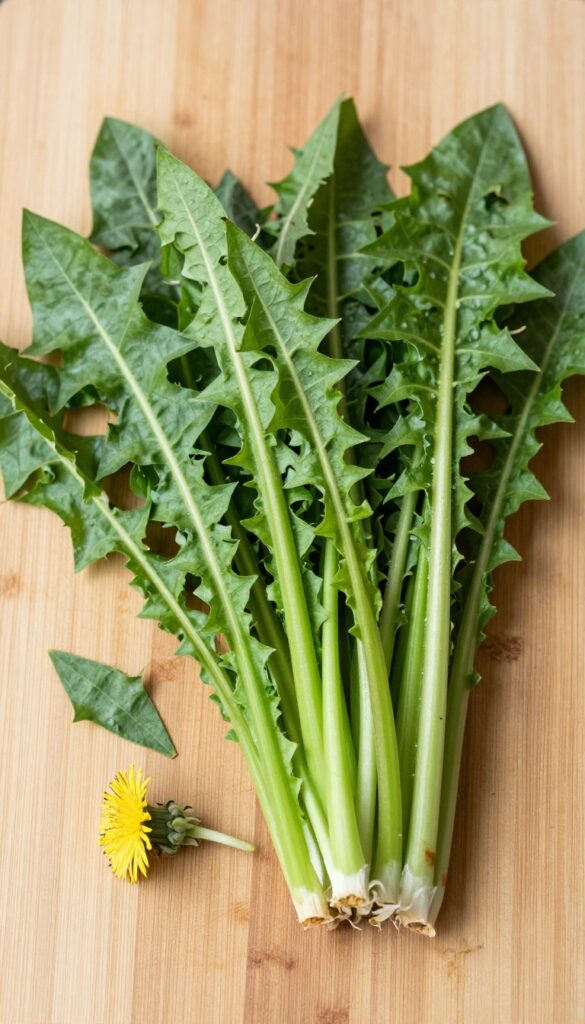
Dandelion greens are a nutritious and often free treat that many guinea pigs love. They are packed with vitamins and minerals, but because they are high in calcium, they should be fed in moderation. Foraging for dandelion greens can be a fun way to add variety to your guinea pig’s diet, but safety is paramount.
Dandelion greens are rich in vitamins A, C, and K, which support immune health, vision, and blood clotting. They also provide fiber and antioxidants. However, their calcium content is relatively high, so overfeeding can lead to bladder stones or sludge.
A few leaves 2-3 times per week is a safe guideline.
Foraging Safety
If you plan to forage dandelion greens, ensure they come from areas that have not been treated with pesticides, herbicides, or chemical fertilizers. Avoid roadsides, lawns that may have been sprayed, or areas where dogs frequently visit. Wash the greens thoroughly under running water before feeding.
Feeding Tips
- Introduce gradually to avoid digestive upset.
- Mix with other greens like romaine or cilantro for variety.
- Remove any wilted or yellow leaves before serving.
- Always provide fresh, clean water alongside leafy greens.
FAQ
Can guinea pigs eat fruit every day?
No, fruit should be given only 1-2 times per week due to high sugar content. Stick to small portions.
What vegetables should guinea pigs avoid?
Avoid iceberg lettuce (low nutrition), potatoes, rhubarb, and onions. Also avoid any spoiled or wilted produce.
How much fresh food should a guinea pig eat daily?
About 1 cup of fresh vegetables per guinea pig per day, divided into two servings. Adjust based on size and activity.
Can guinea pigs eat herbs like basil or mint?
Yes, many herbs are safe in moderation. Introduce one at a time and watch for digestive issues.
Conclusion
Rotating these 12 food ideas will keep your guinea pig’s diet interesting and nutritionally balanced. Remember to always wash produce, remove seeds or pits, and introduce new items slowly.
A happy guinea pig is one with a varied, fresh menu. Enjoy experimenting with these safe options!

I’m Pallab Kishore, the owner of Little Pets Realm — an animal lover and pet care enthusiast sharing easy tips, healthy recipes, and honest advice to help every small pet live a happy, healthy, tail-wagging life.