Last updated on August 19th, 2026 at 04:19 pm
Creating a comfortable cage setup is essential for your guinea pig’s health and happiness.
The right accessories can make a huge difference in their quality of life.
Here are 12 must-have accessories to consider for a cozy, enriching habitat.
Large, Absorbent Fleece Liners
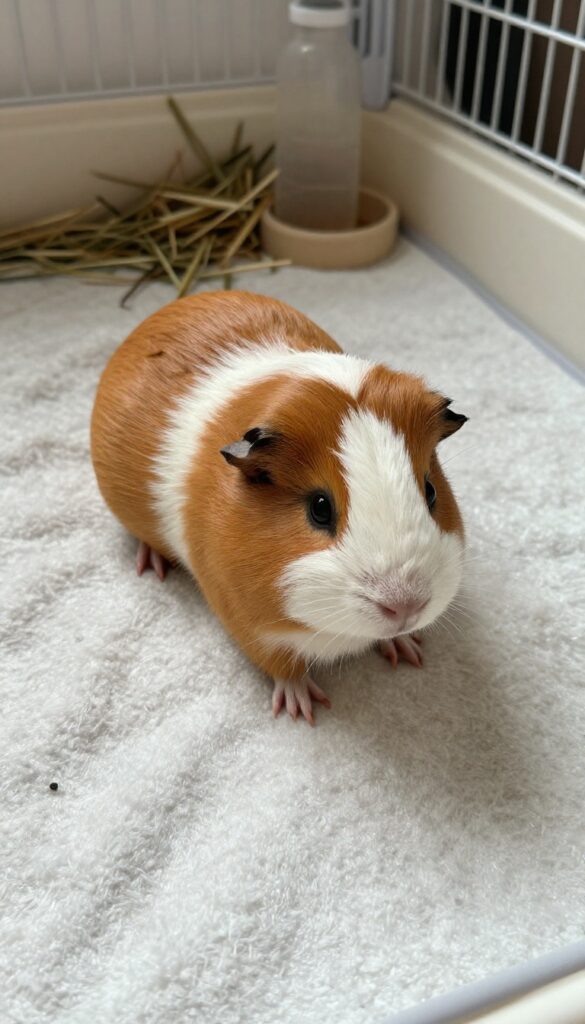
Fleece liners are a popular bedding alternative that combines comfort with easy cleanup. Unlike loose bedding, they provide a soft, solid surface that’s gentle on guinea pig feet and helps keep the cage dry.
Fleece liners work by wicking moisture away from the surface, so your guinea pigs stay dry and cozy. Most quality liners have a waterproof layer underneath, which protects the cage bottom from stains and odors. This makes them a practical choice for daily maintenance—simply sweep up hay and droppings, then toss the liner in the wash.
- Reusable and cost‑effective over time
- Soft on sensitive paws and reduces the risk of bumblefoot
- Wicks moisture away to keep the cage surface dry
- Waterproof backing prevents leaks onto the cage tray
- Easy to clean: shake off debris and machine wash
When choosing fleece liners, look for large sizes that cover the entire cage floor without gaps. Some liners come with built-in absorbent layers, while others require an absorbent insert (like a towel or mattress pad) underneath. For the best results, use multiple liners so you can rotate them during cage cleanings.
Add a Raised Hay Area Inside the Cage
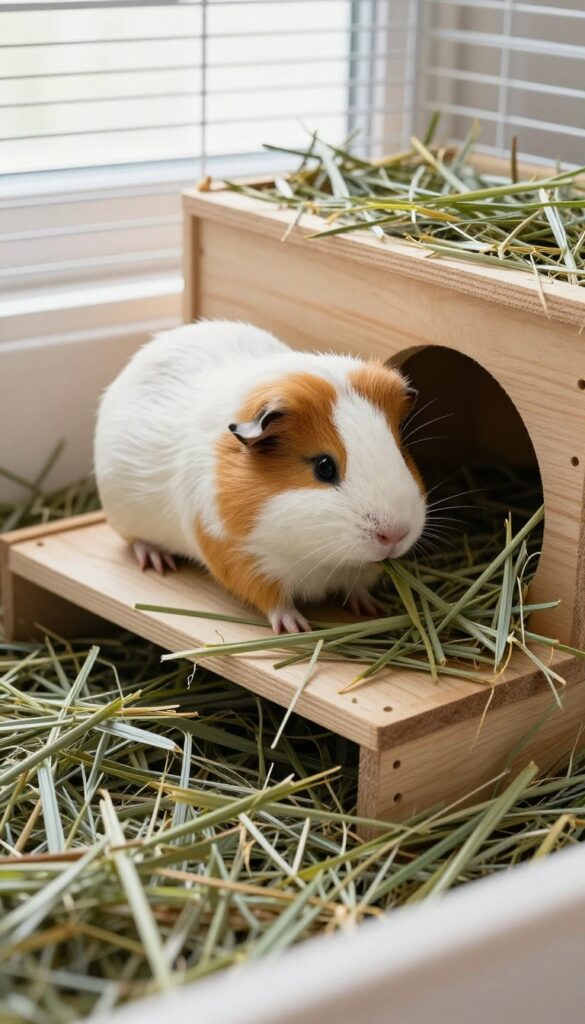
Guinea pigs need constant access to hay for digestion and dental health, but placing it directly on the cage floor can lead to waste and mess. A raised hay area keeps hay clean, encourages natural foraging, and adds vertical interest to the enclosure.
A raised hay area can be as simple as a lofted section or a hay rack attached to the cage bars. Many guinea pig cages come with a second level, but if yours doesn’t, you can add a sturdy wooden or plastic platform. Line it with fleece or a washable pad, then pile fresh hay on top.
This setup mimics a natural burrow and keeps hay separate from bedding.
- Choose a design with a solid base to prevent hay from falling through.
- Ensure the raised area is easily accessible—ramps or low edges work well.
- Place a hideout or tunnel nearby so guinea pigs feel secure while eating.
- Clean the raised area daily to remove soiled hay and spot-clean the fleece.
A raised hay area also reduces the amount of hay that gets trampled and mixed with urine, making cage maintenance easier. Look for accessories made from safe, chew-proof materials like untreated wood or pet-safe plastic. Avoid wire mesh bottoms that can hurt sensitive feet.
Sturdy Hay Rack
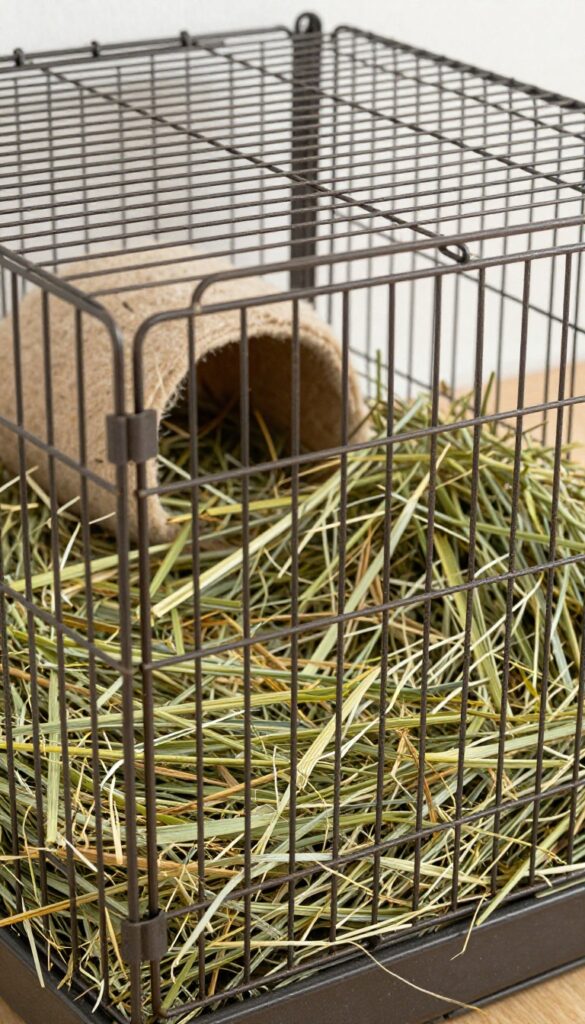
A hay rack is a must-have accessory for any guinea pig cage. It keeps hay clean, dry, and easily accessible, reducing waste and mess.
Guinea pigs need constant access to hay for digestion and dental health. A hay rack mounted on the cage wall or corner keeps hay off the bedding, so it stays fresh and free from urine or droppings.
What to look for in a hay rack
- Secure attachment: The rack should clip or hook firmly to the cage bars to prevent tipping.
- Safe materials: Avoid racks with sharp edges or small gaps that could trap a guinea pig’s head or feet.
- Easy refill: Choose a design that allows you to add hay without removing the entire rack.
- Size: A rack large enough to hold a day’s worth of hay reduces how often you need to refill.
Place the hay rack near a hideout or cozy corner so your guinea pig can munch comfortably. Many racks double as a divider or add vertical interest to the cage. A sturdy hay rack is a simple upgrade that improves hygiene and encourages natural foraging behavior.
No-Drip Water Bottle
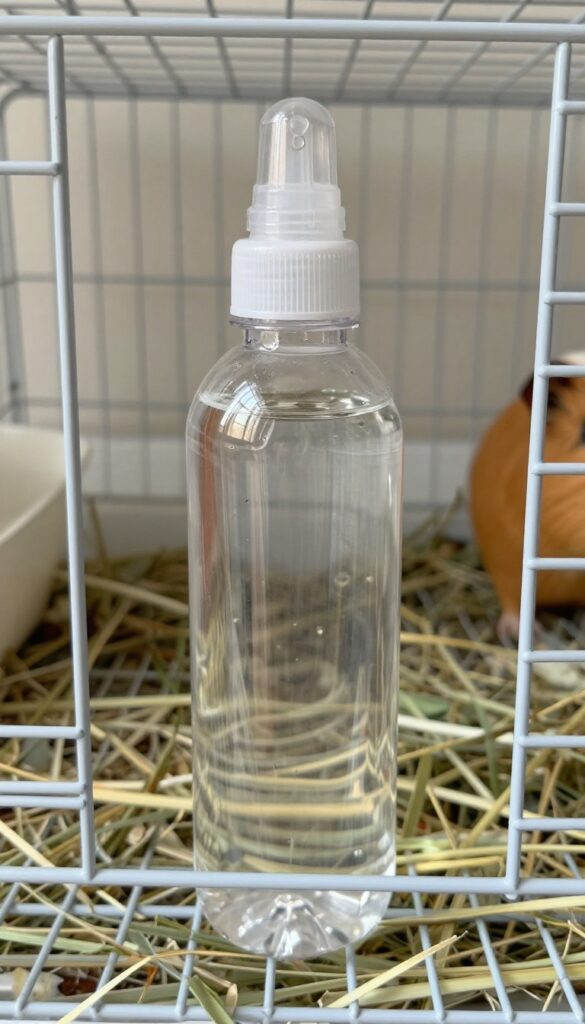
Keeping your guinea pigs hydrated is essential, and a no-drip water bottle is the best way to provide clean, fresh water without mess. Unlike bowls, bottles prevent bedding from getting soggy and reduce the risk of bacterial growth.
When choosing a water bottle, look for one with a ball-bearing spout that minimizes dripping. This design helps keep the cage floor dry and prevents wet spots that can lead to skin irritation or mold. Mount the bottle at a height that allows your guinea pigs to drink comfortably without straining – typically about 2–3 inches above the cage floor, adjusted as they grow.
Key features to consider
- Ball-bearing or spring-loaded spout to reduce leaks.
- Clear plastic or glass construction to easily monitor water level.
- Secure mounting bracket that attaches firmly to cage bars.
- Easy to disassemble for thorough cleaning (at least once a week).
- Size appropriate for your cage setup – typically 16–32 ounces for multiple guinea pigs.
Place the water bottle near the hay rack and food bowl to create a convenient feeding station. Ensure the spout is accessible but not obstructed by toys or hideouts. Regularly check that the bottle is functioning properly and clean it with a bottle brush to prevent algae or mineral buildup.
Keep Food and Water Easy to Reach in the Enclosure
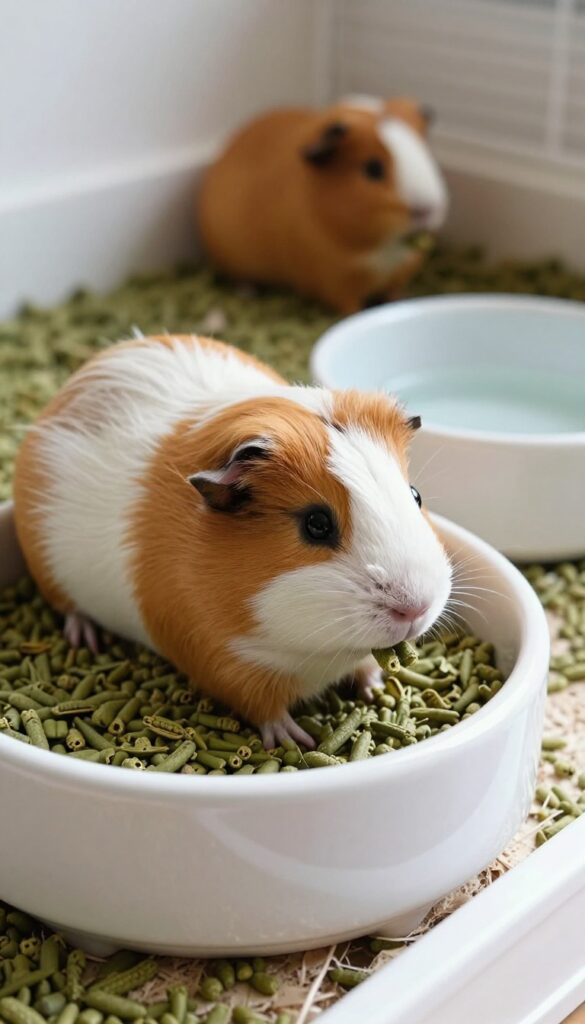
Placing food and water bowls strategically inside the cage ensures your guinea pigs can eat and drink comfortably without creating mess or stress. The right bowls also make cleaning quicker and reduce the risk of tipping or contamination.
Ceramic bowls are the top choice for guinea pig cages because they are heavy, tip-proof, and easy to sanitize. Look for bowls with a wide, flat base that won’t shift when your piggy jumps onto the edge. Avoid plastic bowls—they can be chewed, develop scratches that harbor bacteria, and may leach chemicals over time.
- Place food bowls away from the water bottle to prevent wet pellets from spoiling.
- Use a separate bowl for fresh vegetables and remove uneaten portions after a few hours.
- Ensure bowls are low enough for guinea pigs to reach without straining, but not so deep that they can climb inside and soil the food.
For water, a no-drip bottle attached to the cage bars is ideal, but some guinea pigs prefer a shallow water bowl. If using a bowl, choose a heavy ceramic one and check it frequently for bedding or hay debris. Keeping food and water stations in a low-traffic corner of the enclosure reduces disturbance and helps maintain cleanliness.
Chew Toys and Enrichment Items
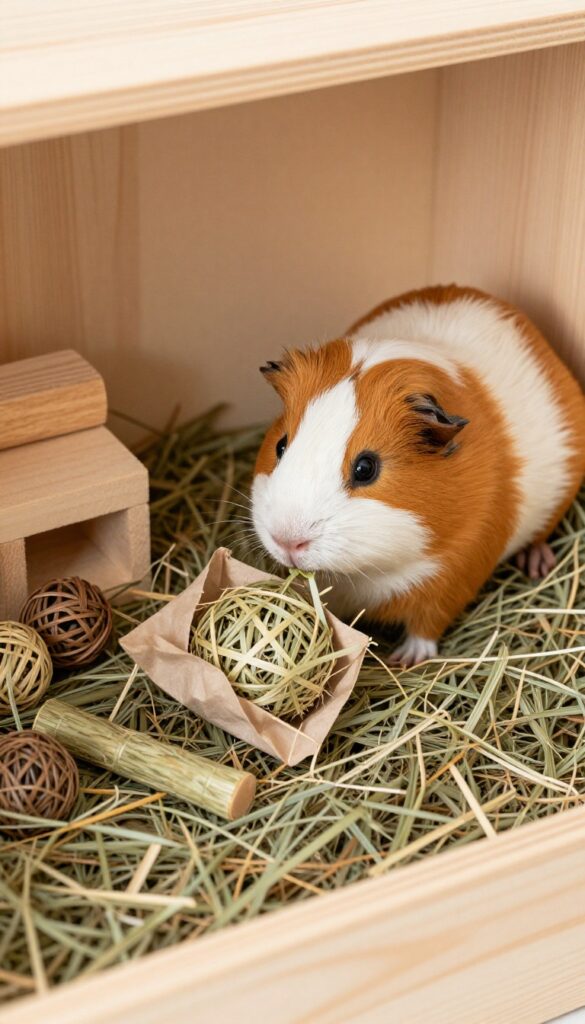
Guinea pigs have open-rooted teeth that grow continuously, so they need to chew constantly to keep them at a healthy length. Providing a variety of safe, interesting chew toys also prevents boredom and encourages natural foraging behaviors.
Inside the cage, place chew toys in high-traffic areas near hideouts or hay racks to encourage use. Rotate toys every few days to maintain novelty.
Safe Chew Toy Options
- Untreated wooden blocks, apple sticks, and willow balls
- Cardboard tubes (toilet paper or paper towel rolls) and plain cardboard boxes
- Seagrass mats or tunnels that double as chewable enrichment
- Hay-stuffed paper bags or woven hay balls for foraging
Avoid plastic toys with small parts, painted wood, or anything with glue. Always supervise new toys to ensure they are not being ingested in large pieces. Chew toys are not just dental tools—they are essential for mental stimulation and a happy, active guinea pig.
Soft Bedding or Cuddle Cups
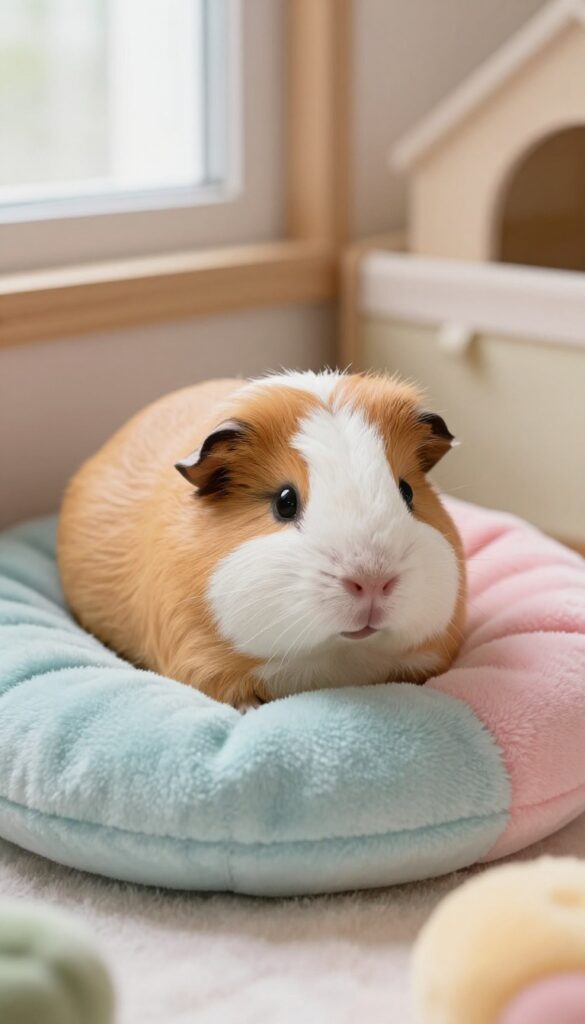
Cuddle cups are a cozy addition to any guinea pig cage, offering a soft, warm spot for your pet to rest and relax. Unlike hard plastic hides, these plush accessories provide comfort and a sense of security.
When choosing a cuddle cup, prioritize machine-washable materials for easy cleaning. Guinea pigs are prone to respiratory issues, so regular washing prevents ammonia buildup from urine. Look for cups with a removable or flip-open design for quick spot-cleaning.
- Ensure the cuddle cup has no loose threads, buttons, or small parts that could be chewed off and ingested.
- Place the cup in a quiet corner of the cage, away from high-traffic areas and direct drafts.
- Provide at least one cuddle cup per guinea pig to prevent territorial disputes.
- Pair with soft fleece bedding or a cozy hideout for extra warmth.
Always supervise new accessories to ensure your guinea pig doesn’t chew excessively. If you notice fraying or damage, replace the cup immediately to avoid injury. A well-chosen cuddle cup not only enhances comfort but also adds a touch of personality to the cage.
Cage Liners or Pads for High-Traffic Areas
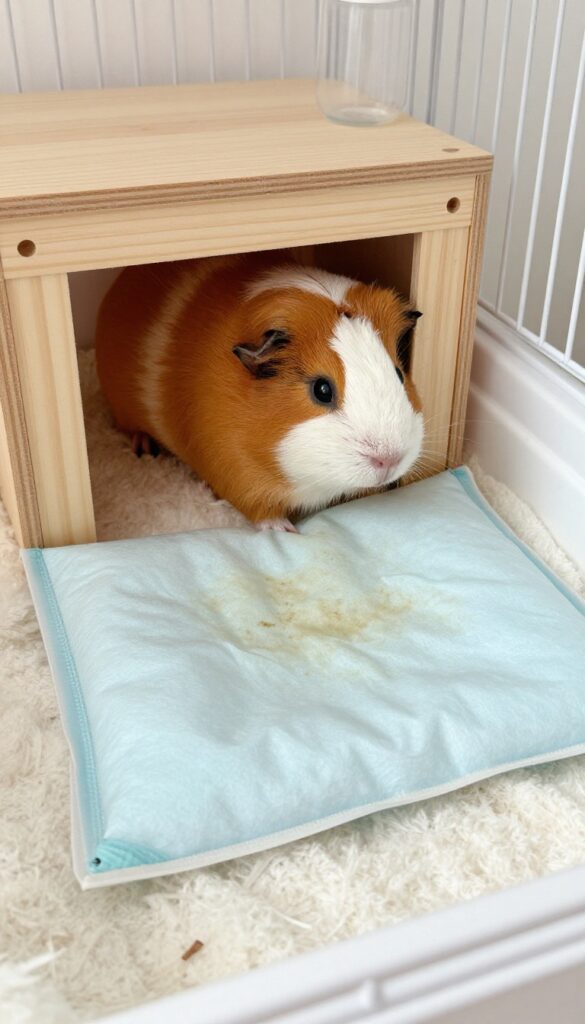
Even with a full cage liner, certain spots take more abuse. Placing extra liners or pads under hideouts, near water bottles, or in favorite lounging areas protects the main bedding and makes spot cleaning much easier.
Guinea pigs tend to spend a lot of time in specific spots—inside their hideout, around the water bottle, or in a corner they’ve claimed as a bathroom. These high-traffic areas get soiled faster, wearing down the main bedding and requiring frequent full changes. By adding a smaller, washable pad or liner in these zones, you create a barrier that absorbs mess and protects the rest of the cage.
Why extra liners help
- They catch the brunt of urine and droppings, keeping the main liner fresher longer.
- You can swap out just the small pad daily instead of washing the entire cage liner.
- They reduce wear and tear on the primary bedding, extending its life.
- Place them under heavy ceramic bowls or water bottles to prevent moisture from seeping into the fleece underneath.
Look for absorbent, washable pads made for small pets—avoid disposable puppy pads, as guinea pigs may chew them and ingest harmful materials. Fleece pads with a waterproof backing are ideal. Simply toss them in the laundry and reuse.
This targeted approach keeps the cage cleaner with less effort, especially in busy multi-pig setups.
Safe, Non-Toxic Cage Cleaner
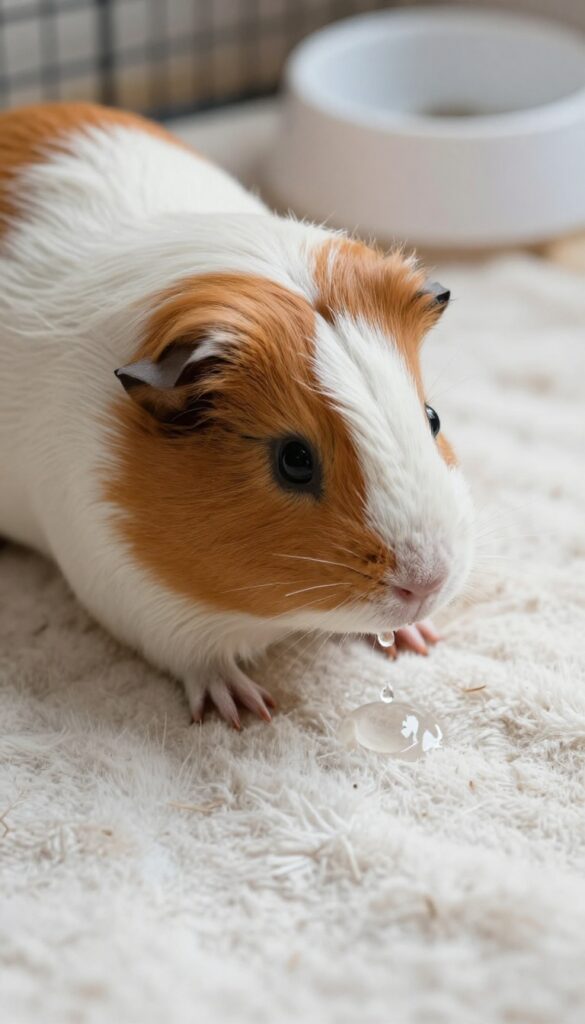
Keeping your guinea pig’s cage clean is essential for their health, but many household cleaners contain chemicals that can harm small animals. Choosing a safe, non-toxic cleaner ensures your pet stays healthy and your enclosure remains fresh.
Guinea pigs have sensitive respiratory systems, so harsh chemicals like bleach, ammonia, or strong fragrances can cause irritation or illness. Instead, opt for cleaners specifically formulated for small animals, or make your own with simple ingredients.
- Look for pet-safe cage sprays or wipes labeled for small animals.
- A DIY solution of equal parts white vinegar and water is effective and safe.
- Avoid cleaners with phenols, chlorine, or artificial dyes.
- Always rinse surfaces thoroughly after cleaning to remove any residue.
Regular cleaning with a safe product helps control odors and bacteria without putting your guinea pig at risk. Focus on high-traffic areas like bedding, hideouts, and around food bowls. A clean cage also encourages natural behaviors and keeps your pet comfortable.
Playpen or Exercise Pen
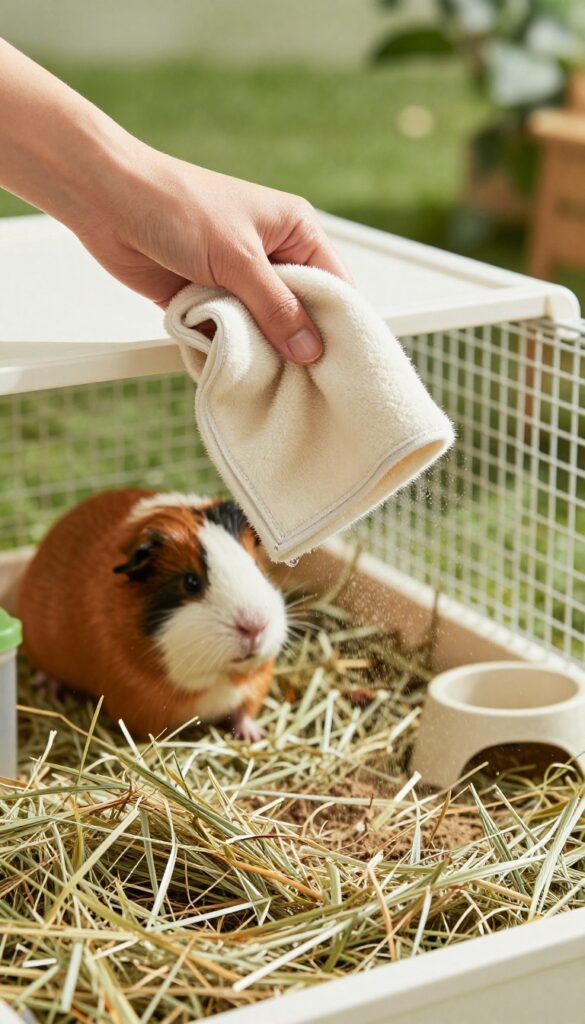
A playpen or exercise pen gives your guinea pigs safe, supervised time outside their cage. It’s an excellent way to provide extra exercise, enrichment, and a change of scenery while keeping them contained and protected.
When choosing a playpen, look for one with tall, solid sides to prevent escapes and drafts. Wire pens are common, but ensure the bar spacing is narrow enough that guinea pigs can’t squeeze through or get their heads stuck. A pen with a waterproof or chew-resistant base works well for indoor use.
Key considerations for a safe playpen setup
- Place the pen on a flat, non-slip surface—add a fleece liner or blanket for comfort and easy cleanup.
- Include a hideout or tunnel so your pigs can retreat if they feel nervous.
- Provide hay, a water bottle, and a few chew toys to keep them occupied.
- Always supervise playtime and check for hazards like exposed cords, small objects, or other pets.
A playpen isn’t a replacement for the main cage, but it’s a valuable accessory that supports your guinea pig’s need for daily exercise and exploration. It also helps protect your floors and furniture from messes.
Hay Feeder or Ball for Foraging
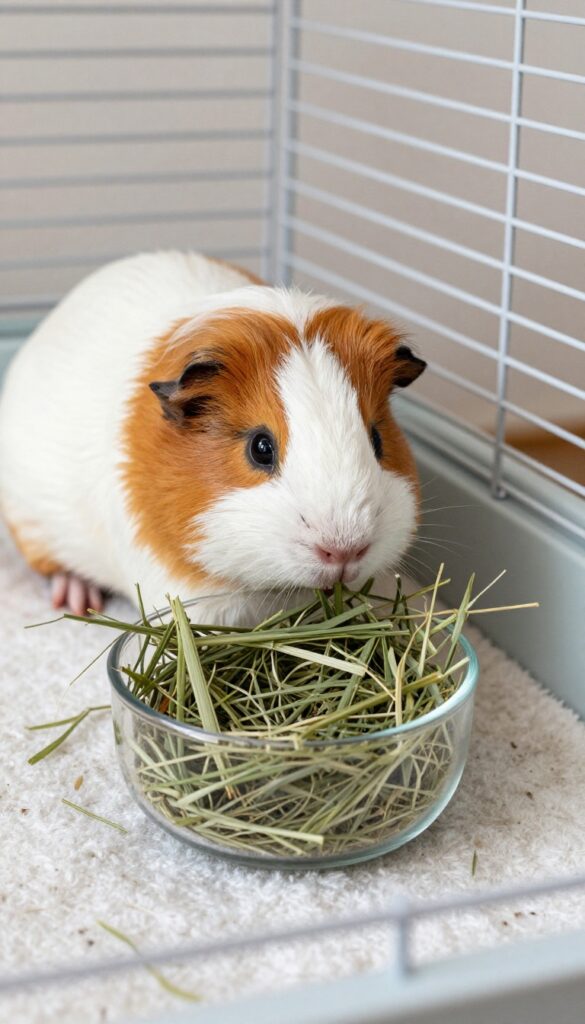
A hay feeder or foraging ball makes hay time more engaging and keeps the hay clean and off the cage floor.
Hay is the cornerstone of a guinea pig’s diet, but simply tossing it on the floor can lead to waste and soiling. A dedicated hay feeder or a hay ball encourages natural foraging behavior while keeping hay elevated and dry. When choosing a feeder, look for designs that attach securely to the cage bars or sit stably on the floor.
Avoid feeders with small openings that could trap a guinea pig’s head or limbs. Wire hay racks should have wide spacing to prevent injury. Alternatively, a hay ball (a metal or chew-safe plastic ball filled with hay) adds an extra layer of enrichment as your guinea pig pushes and rolls it to extract the hay.
Always monitor to ensure your pets can access hay easily and that the feeder doesn’t become a hazard. Place the feeder near a hideout or water source for convenience, and check daily that it’s clean and full.
- Hay feeders reduce waste and keep hay fresh longer.
- Choose a design that prevents hay from being soiled by urine or bedding.
- Ensure the feeder is chew-safe and has no sharp edges.
- Hay balls provide mental stimulation and encourage natural foraging.
- Position the feeder at a comfortable height for your guinea pigs to reach.
Thermometer and Humidity Gauge
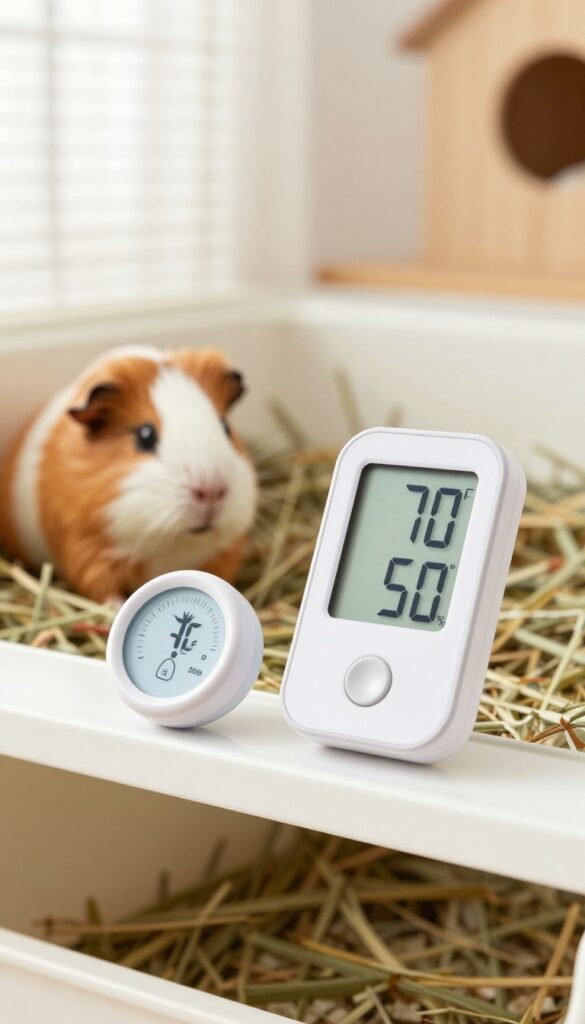
Guinea pigs are sensitive to temperature extremes and humidity fluctuations, which can lead to respiratory issues or heat stress. A simple thermometer and humidity gauge placed near the cage helps you maintain a safe, comfortable environment.
Place the thermometer at cage level (not near a heat source or draft) to get an accurate reading. Aim to keep the cage temperature between 65–75°F (18–24°C) and humidity between 40–60%. High humidity can encourage mold in hay and bedding, while low humidity may dry out your guinea pig’s respiratory tract.
- Choose a digital gauge with clear numbers for easy monitoring.
- Avoid placing the cage near windows, radiators, or air conditioning vents to prevent sudden temperature swings.
- Check the gauge daily, especially during seasonal changes.
- If humidity is too high, improve ventilation or use a dehumidifier in the room (not inside the cage).
A stable climate helps your guinea pigs stay active, eat well, and avoid illness. This small accessory gives you peace of mind that their habitat is always at its best.
FAQ
What is the best bedding for guinea pigs?
Fleece liners are popular because they are soft, reusable, and wick moisture away. Paper-based bedding is also a good option. Avoid cedar or pine shavings as they can cause respiratory issues.
How often should I clean my guinea pig’s cage?
Spot clean daily by removing soiled bedding and uneaten food. A full cage cleaning should be done weekly, including washing liners and accessories.
Can guinea pigs have too many toys?
Guinea pigs benefit from enrichment, but avoid overcrowding the cage. Rotate toys to keep things interesting without taking up too much space.
Conclusion
Investing in the right accessories can transform your guinea pig’s cage into a comfortable, stimulating home. Remember to prioritize safety, cleanliness, and your pet’s natural behaviors when choosing items.
With these 12 ideas, you’ll be well on your way to creating the perfect setup.

I’m Pallab Kishore, the owner of Little Pets Realm — an animal lover and pet care enthusiast sharing easy tips, healthy recipes, and honest advice to help every small pet live a happy, healthy, tail-wagging life.