Last updated on August 19th, 2026 at 04:19 pm
Keeping a guinea pig’s indoor habitat clean can be a challenge, but the right accessories make it much easier.
From fleece liners to hay racks, these 11 ideas will help you minimize mess, control odors, and simplify your cleaning routine, creating a healthier environment for your pets.
Fleece Cage Liners
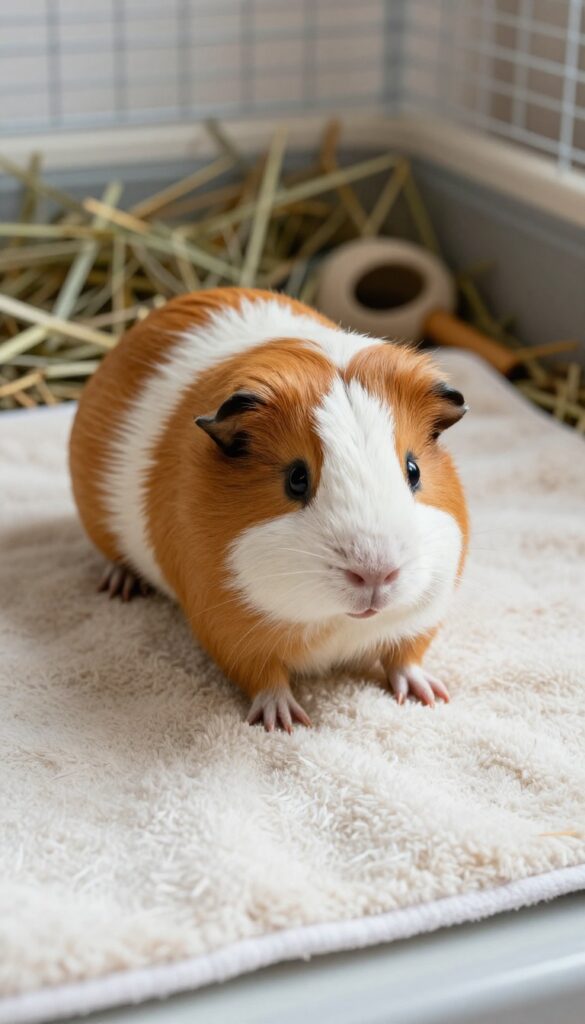
Fleece cage liners are a game-changer for maintaining a clean guinea pig habitat. Unlike traditional loose bedding, these reusable liners wick moisture away from the surface, keeping your pet dry and comfortable while reducing mess and odor.
Fleece liners work by allowing urine to pass through to an absorbent layer underneath, leaving the top layer dry. This design helps prevent urine scald and keeps your guinea pig’s feet clean. Cleaning is simple: shake off hay and droppings, then toss the liner into the washing machine.
The result is less dust and ammonia buildup compared to wood shavings or paper bedding.
- Wick moisture away, keeping the surface dry for your guinea pig.
- Easy to clean: shake off debris and machine wash.
- Reduce dust and odor compared to traditional bedding.
- Cost-effective over time since they are reusable.
When comparing fleece liners to loose bedding, the advantages are clear. Loose bedding often scatters outside the cage, creates dust, and requires frequent replacement. Fleece liners stay in place, produce minimal dust, and can be reused for months with proper care.
They are especially beneficial for guinea pigs with respiratory sensitivities.
Hay Racks and Feeders
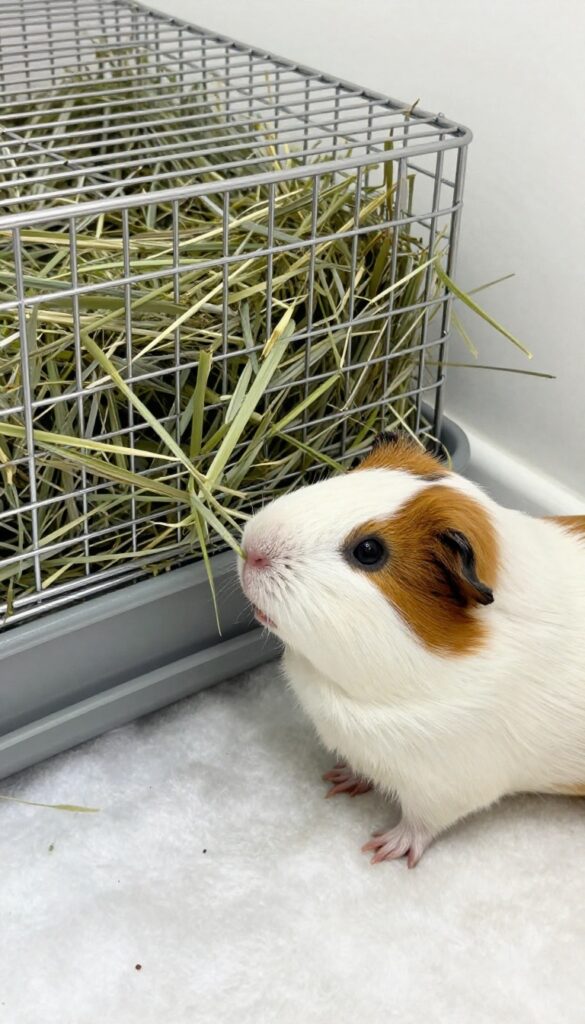
Hay racks and feeders are a simple upgrade that can dramatically reduce mess in your guinea pig’s cage. By keeping hay off the floor, these accessories prevent waste and make cleanup much easier.
Hay is a staple of a guinea pig’s diet, but when it’s scattered on the cage floor, it quickly becomes soiled with urine and feces. A hay rack holds the hay up off the bedding, keeping it clean and dry. This not only reduces waste—since your guinea pig will eat more of the hay—but also cuts down on the amount of soiled bedding you need to change.
How Hay Racks Minimize Mess
- Elevates hay above the bedding, preventing contamination.
- Reduces hay scattered around the cage, making spot cleaning faster.
- Many designs attach to cage bars, saving floor space and keeping the cage tidy.
There are several types of hay racks to choose from. Wire racks that clip onto the cage bars are popular and easy to refill. Some are designed as hay bags or hay tunnels, which also serve as enrichment.
For a cleaner setup, look for a rack with a tray or lip underneath to catch loose hay. This extra feature keeps hay from falling onto the bedding, further reducing mess.
When selecting a hay rack, make sure the openings are large enough for your guinea pig to pull hay through easily, but not so large that they can get stuck. A good hay rack is a small investment that pays off in less waste and a cleaner cage.
Litter Boxes with Absorbent Bedding
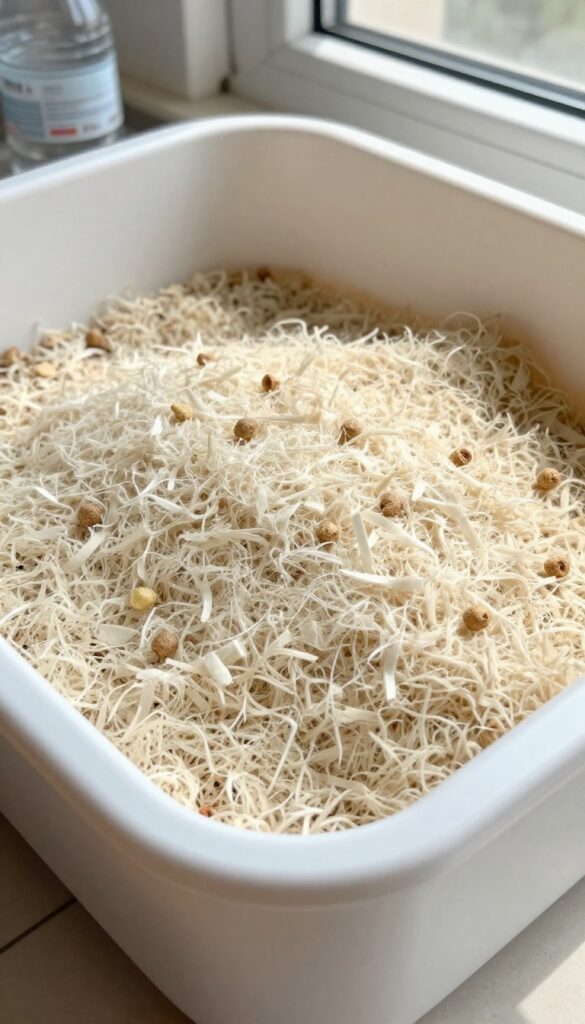
Litter training your guinea pig can significantly reduce mess and make daily cleaning much easier. A dedicated litter box filled with highly absorbent bedding concentrates waste in one spot, meaning you can spot-clean quickly and extend the time between full cage cleanouts.
To get started, place a small, low-sided litter box in the corner where your guinea pig already tends to eliminate. Use a layer of paper-based or wood pellet bedding—these materials are highly absorbent and help control odors. Avoid clay or clumping cat litters, which can be harmful if ingested.
Benefits of litter boxes for a cleaner setup
- Concentrates waste for quick daily removal
- Reduces the frequency of full cage cleanings
- Helps keep fleece liners or other bedding fresher longer
- Easy to clean: just dump soiled bedding and replace
While not every guinea pig takes to litter training immediately, most can learn with patience. Place a small amount of soiled bedding in the box to encourage use, and clean the box daily to maintain hygiene. This simple accessory is a game-changer for maintaining a cleaner indoor guinea pig habitat.
Cage Divider Panels
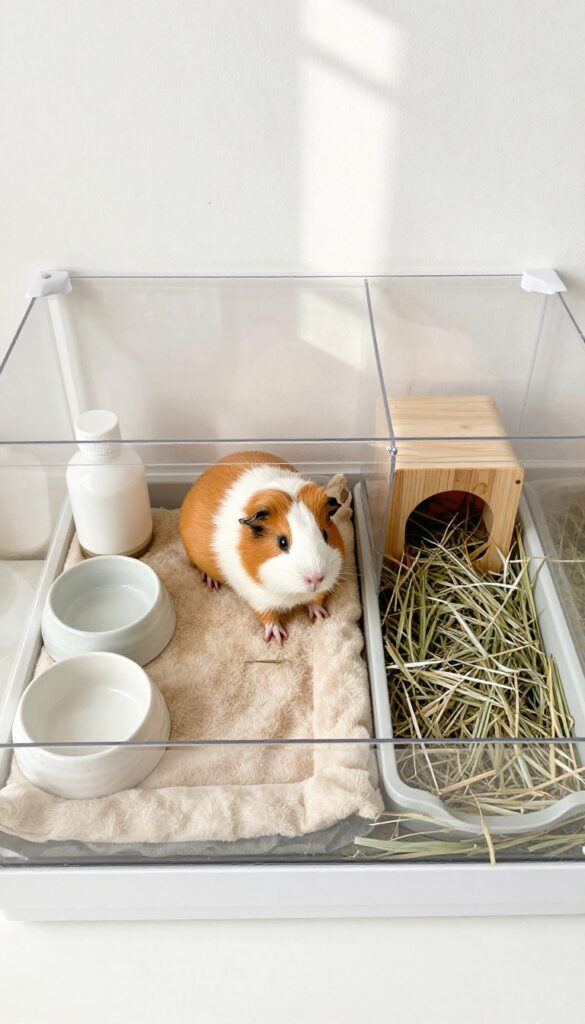
Cage divider panels are a smart way to organize your guinea pig’s habitat into functional zones, making cleanup easier and reducing mess spread.
Dividers allow you to separate eating, sleeping, and play areas within the same cage. By confining hay and bedding to specific zones, you contain the mess and simplify daily spot cleaning. They are easy to rearrange when you need to clean a section or expand the layout.
Popular Materials
- Acrylic panels – clear, easy to wipe down, and sturdy.
- Coroplast sheets – lightweight, waterproof, and customizable.
- Wire grids – versatile and allow ventilation, but may need extra securing.
When choosing dividers, ensure they are tall enough to prevent jumping and have smooth edges to protect your pets. A well-placed divider can turn a messy cage into an organized, cleaner environment.
Water Bottle with Drip Tray
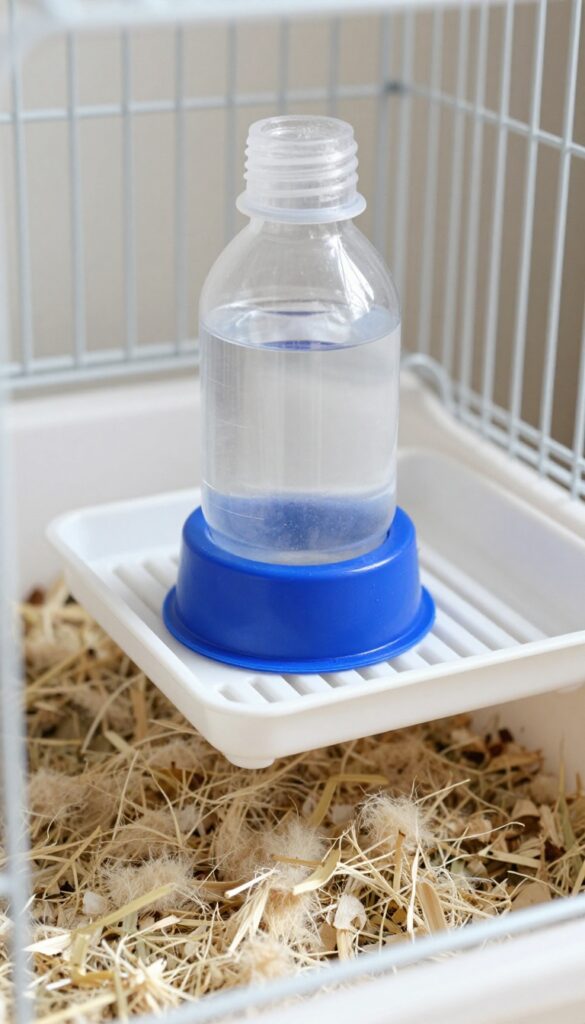
A water bottle with a drip tray is a simple yet effective accessory to keep your guinea pig’s cage dry and clean. By catching stray drips, it prevents wet bedding that can lead to mold, bacteria, and unpleasant odors.
Guinea pigs often dribble water after drinking, and even no-drip valves can occasionally leak. Without a drip tray, this moisture soaks into the bedding, creating a damp environment that encourages mold growth and bacterial buildup. Over time, wet spots can cause respiratory issues or skin problems for your pets.
A drip tray placed under the bottle catches these spills, keeping the bedding dry and reducing the need for frequent spot cleaning.
What to Look For
- No-drip valve: Choose a bottle with a ball-bearing or spring-loaded valve that minimizes leakage.
- Easy-to-clean tray: Look for a removable drip tray that you can rinse daily to prevent slime buildup.
- Sturdy attachment: Ensure the bottle and tray attach securely to the cage to avoid tipping.
- Capacity: A 16–32 oz bottle is ideal for one or two guinea pigs, reducing refill frequency.
By investing in a quality water bottle with a drip tray, you’ll maintain a cleaner, healthier habitat for your guinea pigs while simplifying your daily cleaning routine.
Corner Litter Pans
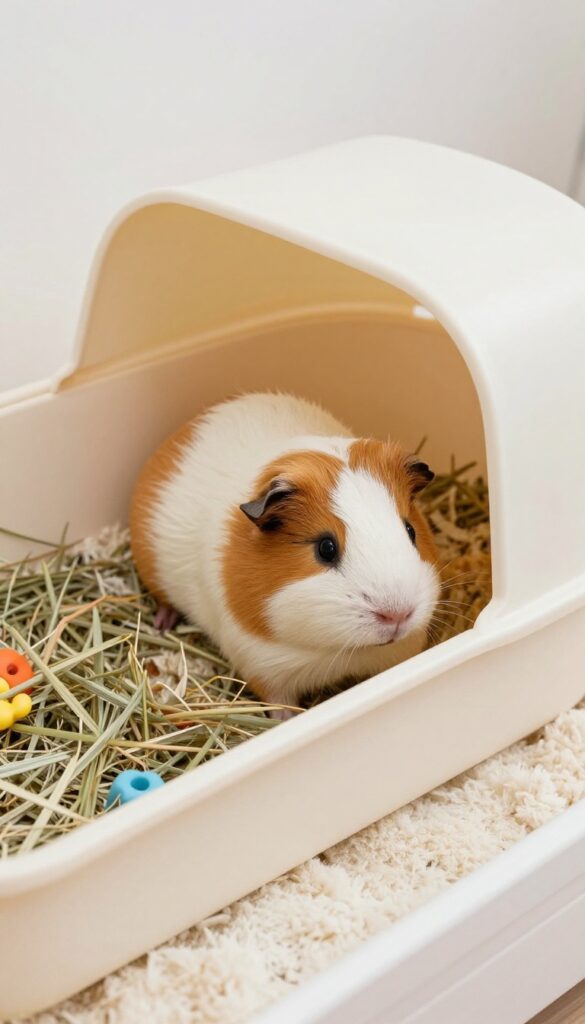
Corner litter pans are a space-saving solution that fits neatly into the corners of your guinea pig’s cage, making them an efficient choice for a cleaner indoor setup.
Designed to maximize usable floor space, these triangular pans tuck into corners where guinea pigs often naturally eliminate. The high backs prevent bedding and waste from being kicked out, keeping the surrounding area cleaner.
- Snug fit in cage corners frees up more room for activities.
- High backs contain mess and reduce scatter.
- Easy to remove, empty, and rinse daily for quick maintenance.
To introduce a corner litter pan, place a small amount of soiled bedding from the old spot into the pan to encourage use. Most guinea pigs adapt quickly, especially if the pan is placed where they already tend to go. Regular cleaning keeps odors down and makes your daily routine simpler.
Cage Mats and Liners (Non-Fleece
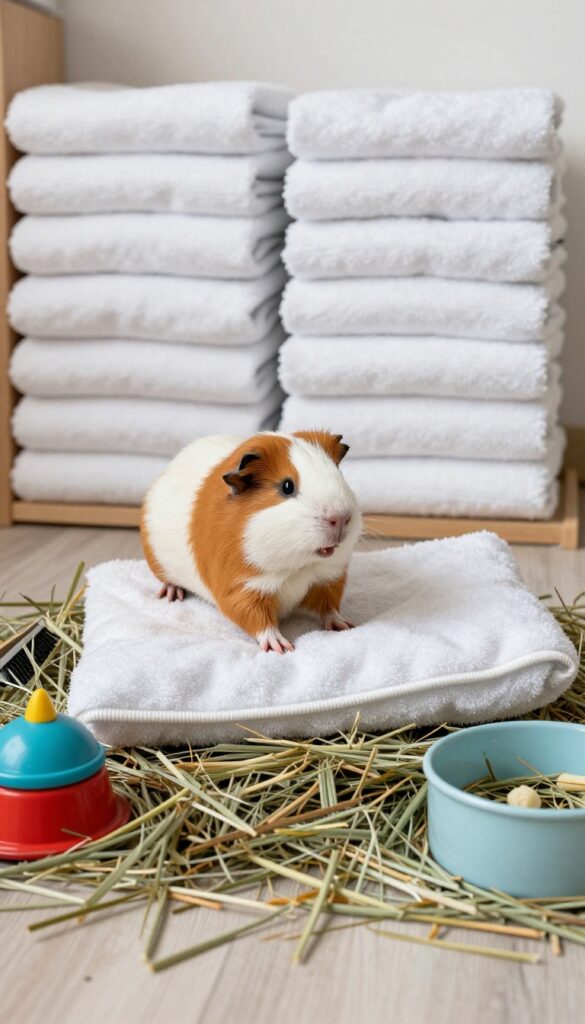
Non-fleece cage mats and liners offer a waterproof, easy-to-clean layer that protects the cage floor from moisture and mess. These are especially useful for guinea pigs that tend to soak their bedding or for owners who want a low-maintenance alternative to fleece.
Unlike fleece liners, which require absorbent layers underneath and frequent washing, non-fleece mats are often made from waterproof vinyl, rubber, or absorbent fabric that can be wiped down or hosed off. This makes them ideal for spot cleaning and reduces the need for full cage strip-downs.
- Waterproof mats prevent urine from seeping into the cage base, reducing odors and protecting the floor.
- Easy to clean: simply wipe with a damp cloth or rinse with a hose for a quick refresh.
- Available in materials like vinyl (smooth, easy to wipe), rubber (non-slip, durable), or absorbent fabric (traps moisture but dries quickly).
When comparing with fleece, non-fleece mats are generally less cozy but much more practical for high-moisture areas. They work best as a bottom layer under fleece or as a standalone liner in high-traffic zones like feeding areas. For a cleaner indoor setup, these mats are a reliable choice that simplifies daily maintenance.
Hay Bags or Hay Tunnels
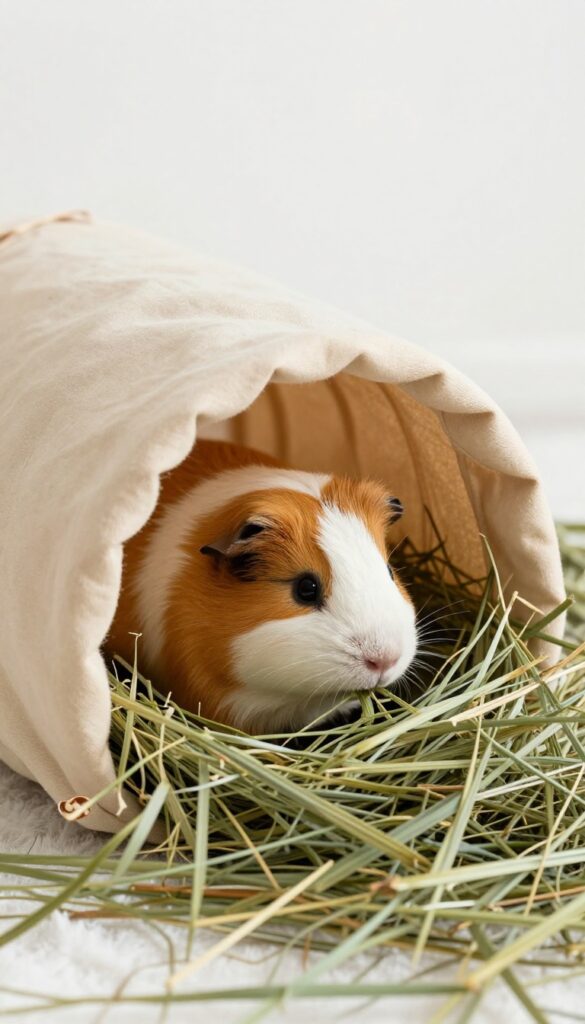
Hay is a staple in every guinea pig’s diet, but it often ends up scattered across the cage, creating extra mess and waste. Hay bags and hay tunnels are clever accessories that keep hay contained while still allowing your guinea pigs to pull out what they need.
Hay bags are typically made of mesh or fabric with small openings. You fill them with hay and hang them inside the cage. Guinea pigs can nibble hay through the holes, which reduces the amount that gets tossed around.
Some designs attach to the cage bars or sit in a corner, keeping hay off the cage floor.
Hay tunnels combine a hideout with a hay dispenser. These are often soft, fabric tunnels that you stuff with hay. Guinea pigs can burrow inside, eat, and hide all at once.
The tunnel shape helps contain hay because the hay stays inside the tunnel rather than being kicked out. Plus, they provide a cozy spot for your pets.
Benefits for a cleaner setup
- Reduces hay scattered across the cage, making spot cleaning faster.
- Keeps hay off the bedding, so it stays cleaner and lasts longer.
- Hay tunnels double as enrichment and hiding spots, reducing stress.
Cage Skirts or Guards
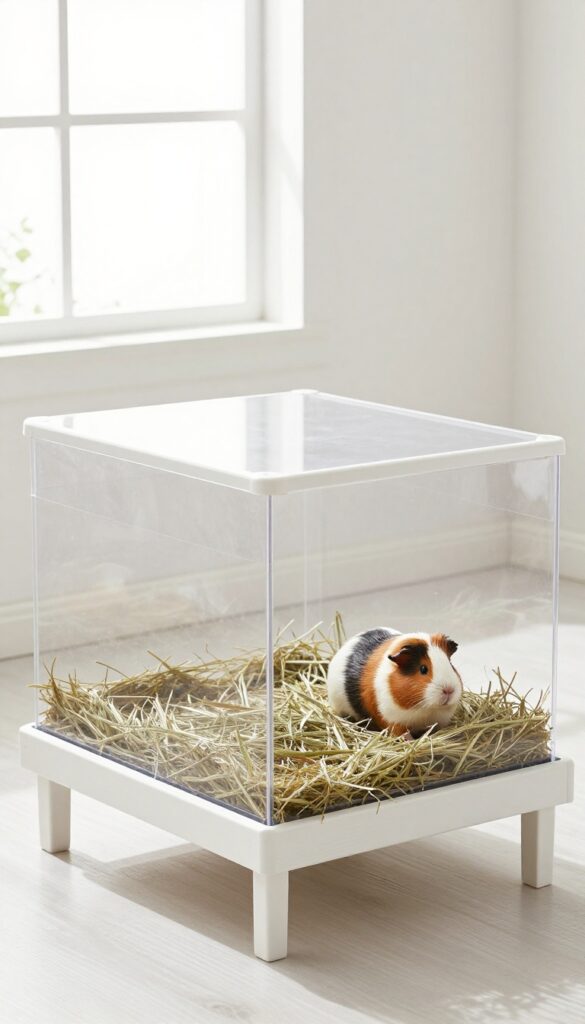
Cage skirts or guards are simple additions that attach to the bottom of your guinea pig’s cage to catch kicked bedding, hay, and poop before they hit the floor. They’re especially useful if your cage sits on a table or stand, as they prevent mess from scattering around the room.
These accessories come in various materials, most commonly fabric or plastic. Fabric skirts are flexible and often machine-washable, making cleanup easy. Plastic guards are more rigid and wipe clean quickly, though they may be less forgiving for guinea pigs that like to push against the cage bars.
Both types attach via velcro, clips, or ties, and installation typically takes just a few minutes.
Key Benefits
- Attach to the bottom of the cage to catch kicked bedding, hay, and droppings.
- Guards prevent hay and poop from falling outside the cage, reducing daily sweeping.
- Easy to install and clean—most can be wiped down or tossed in the wash.
How They Reduce Floor Mess
Guinea pigs naturally kick bedding and hay out of their cage, especially when they burrow or run. A skirt or guard acts as a barrier, catching debris before it spreads across your floor. This is a game-changer for maintaining a cleaner indoor setup, as it drastically cuts down on daily sweeping and vacuuming around the cage.
Odor-Absorbing Bedding Additives
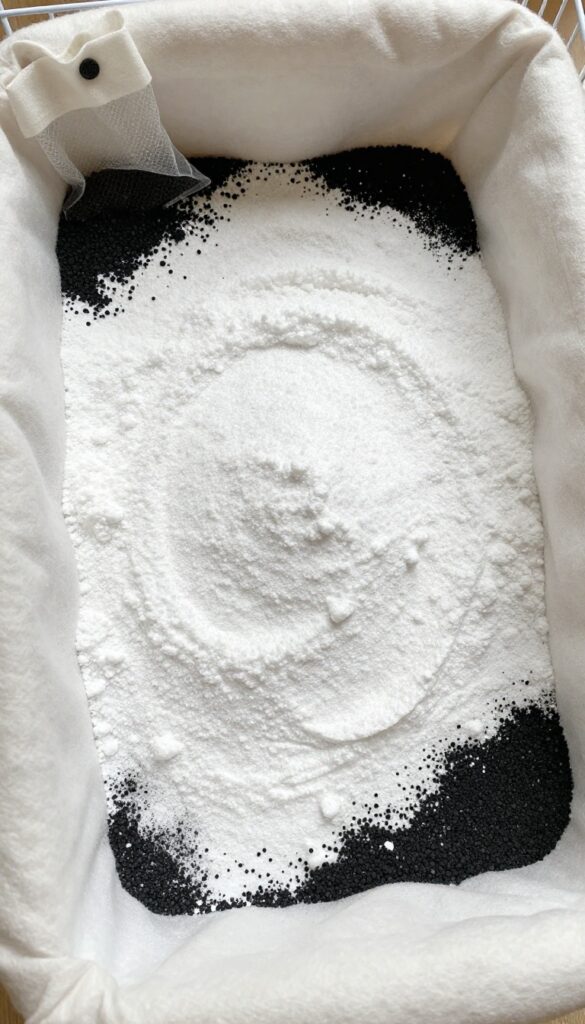
Even with regular cleaning, guinea pig cages can develop odors. Odor-absorbing additives like baking soda or activated charcoal help neutralize smells at the source, keeping the enclosure fresher between full cleanings.
These additives work by trapping odor molecules rather than just masking them. They are easy to use and safe for your guinea pigs when applied correctly.
Types of additives
- Baking soda: A natural deodorizer that neutralizes ammonia odors. Sprinkle a thin layer under fleece liners or in litter boxes.
- Activated charcoal: Absorbs moisture and odors. Available in loose powder or pellet form; place in a breathable pouch or mix into bedding.
- Pet-safe odor eliminators: Commercial products designed for small animals, often containing enzymes that break down waste compounds.
Safety precautions
- Use only a thin layer – too much can create dust that irritates respiratory tracts.
- Avoid scented or clumping additives, which may contain harmful chemicals.
- Keep additives away from food and water dishes to prevent ingestion.
- Monitor your guinea pigs for any signs of sneezing or discomfort after introduction.
Cage Cleaning Toolkit
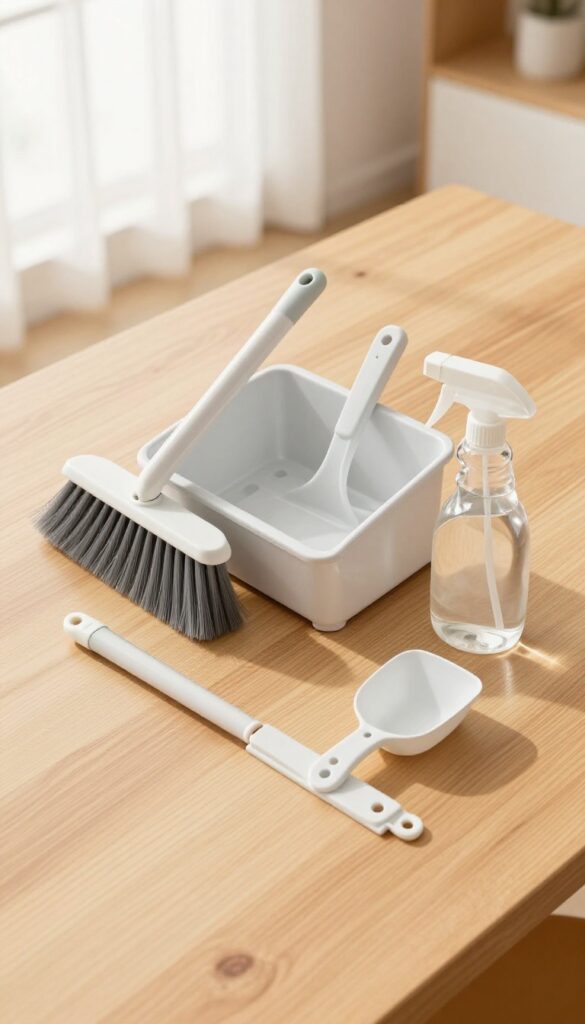
Keeping a tidy cage is much easier when you have the right tools at hand. A dedicated cleaning toolkit lets you tackle messes quickly and keeps everything organized.
A small hand broom and dustpan are perfect for sweeping up hay, poop, and scattered bedding from around the cage. Pair these with a vinegar spray (a mix of equal parts water and white vinegar) for a safe, non-toxic cleaner that neutralizes odors and disinfects surfaces.
Essentials for Your Toolkit
- Hand broom and dustpan for quick sweep-ups.
- Vinegar spray for daily cage wipe-downs.
- Pooper scooper for spot-cleaning droppings.
- Small trash bin or bag for immediate disposal.
Store all these supplies in a small caddy or bucket near the cage. That way, you can grab everything at once and clean in minutes. A consistent daily routine—scooping poop, sweeping debris, and wiping surfaces—prevents buildup and keeps the habitat fresh.
FAQ
How often should I clean my guinea pig’s cage?
Spot-clean daily by removing soiled bedding and uneaten food. A full cage cleaning, including washing liners and accessories, should be done weekly.
Can I use cat litter for guinea pigs?
No, clumping cat litter can be harmful if ingested. Use paper-based or wood pellet bedding specifically designed for small animals.
Do guinea pigs really use litter boxes?
Yes, many guinea pigs can be litter trained. Place a litter box in their favorite corner and reward them with treats when they use it.
What is the best bedding for odor control?
Fleece liners with an absorbent layer underneath work well. For litter boxes, paper-based bedding or wood pellets are effective at controlling odor.
How do I prevent hay from getting everywhere?
Use a hay rack or hay bag to keep hay contained. Hay tunnels also help reduce scattering.
Conclusion
By incorporating these 11 accessories into your guinea pig’s indoor setup, you can significantly reduce mess and cleaning time.
Start with a few key items like fleece liners and a hay rack, and gradually add others to create a cleaner, more enjoyable habitat for both you and your pets.

I’m Pallab Kishore, the owner of Little Pets Realm — an animal lover and pet care enthusiast sharing easy tips, healthy recipes, and honest advice to help every small pet live a happy, healthy, tail-wagging life.