
Last updated on August 19th, 2026 at 04:15 pm
Cooler weather means longer, more comfortable walks—but it also brings slick leaves, early sunsets, and muddy paws. A few simple adjustments can keep those daily strolls safe and enjoyable for both of you.
That's where these 13 fall leash-walking habits come in. They're practical, easy to adopt, and designed to solve the seasonal challenges that pop up as temperatures drop.
From gear swaps to timing tweaks, each one makes a real difference. Let's get your walks ready for autumn.
1. Start with a Warm-Up Indoors
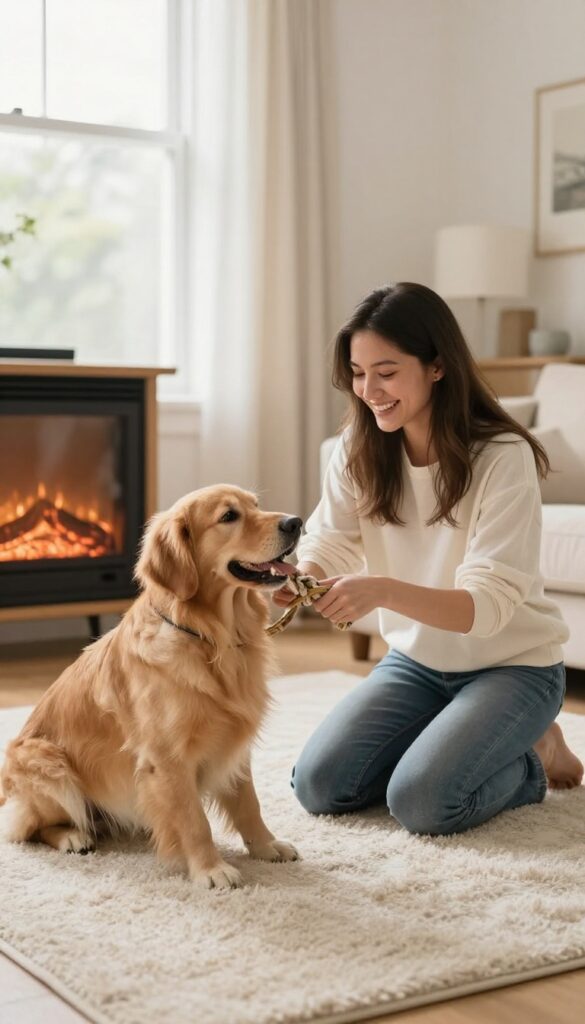
The chill in the air can make your dog's muscles tighter than usual, especially after a lazy morning. A sudden dash from the warm house into the cold outdoors can be a shock to the system. Taking a few minutes to warm up indoors can make a big difference in how your dog feels during the walk.
Before you even clip on the leash, spend five minutes getting your dog's body moving. This isn't about a full workout—just enough to get the blood flowing and muscles loose. It's a simple habit that pays off in smoother, more comfortable walks.
Why Warm-ups Matter In Cooler Weather
When it's cold, muscles and joints can stiffen up, making sudden movements more jarring. A quick warm-up raises your dog's core temperature and loosens those muscles, which helps prevent strains or discomfort during the walk. It also gives your dog a mental cue that it's time to go out, making the transition smoother.
Simple Indoor Warm-up Ideas
You don't need fancy equipment. Try a few rounds of fetch in the hallway, a gentle game of tug, or some basic obedience drills like sit, down, and spin. Even a slow walk around the living room can help.
The goal is to get your dog's tail wagging and body moving without overexerting them.
How Long And How Often
Aim for about 3 to 5 minutes of light activity. If your dog is older or has joint issues, keep it gentle and watch for any signs of discomfort. On extra cold days, you might extend the warm-up slightly.
This routine works for every walk, not just the first one of the day, so make it a habit.
2. Check the Pavement Temperature
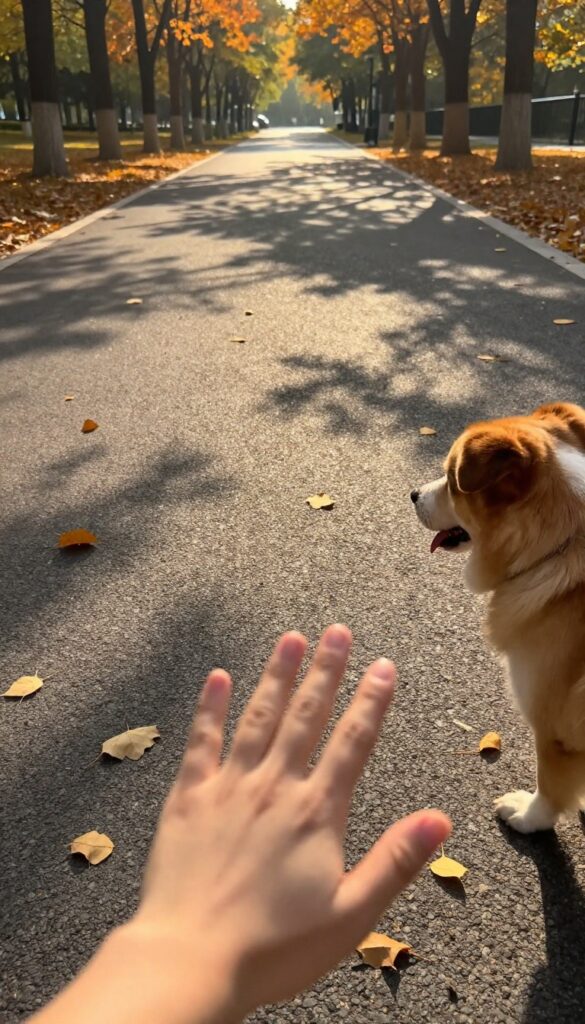
Autumn sidewalks can be deceptive—sun-warmed asphalt feels pleasant to you but can burn your dog's paw pads. Conversely, cold, damp pavement can cause discomfort or cracking. A quick 5-second hand test before you head out tells you everything you need to know.
Place your palm flat on the ground for five seconds. If it's too hot or too cold for your hand, it's too extreme for your dog's paws. This simple habit prevents burns, cracked pads, and unnecessary pain.
It's especially important in fall when temperatures fluctuate wildly between sunny afternoons and chilly mornings.
Why Fall Pavement Is Tricky
Fall brings mixed conditions—warm sun on cold concrete, damp leaves hiding icy patches, and sudden temperature drops. Your dog's paws are sensitive, and they rely on you to judge safety. The 5-second test works every time, no matter the weather.
How To Do The Test Right
Press your hand firmly on the pavement for a full five seconds. Use the back of your hand for better sensitivity. If you feel any discomfort, adjust your walk time or choose a grassy route.
Remember, asphalt absorbs heat even on cool days, so check shady spots too.
What To Do If Pavement Is Too Extreme
If the test fails, don't cancel the walk—just change the surface. Grass, dirt trails, or rubberized tracks are gentler on paws. You can also invest in dog booties for extra protection.
Keep the test as a daily habit, and you'll avoid most paw problems before they start.
3. Use a Reflective Leash and Collar
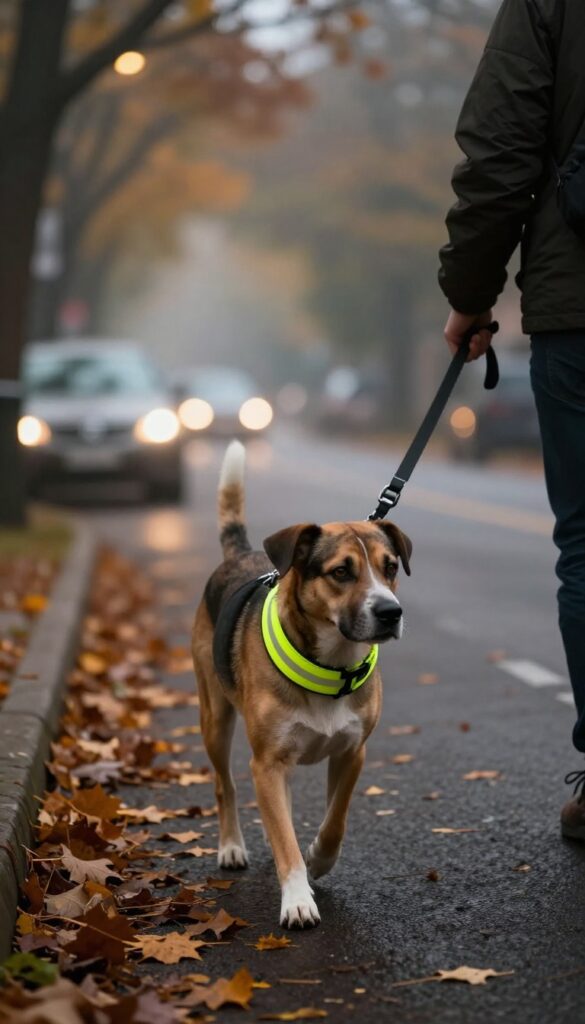
As the days get shorter, your evening walks might start in the dark. Even a quick trip around the block can put you and your dog in low-light situations. A reflective leash and collar are simple upgrades that make a big difference in how visible you both are.
Reflective gear works by bouncing light back to its source, so when a car's headlights hit your dog, they'll see a bright outline instead of a dark shape. This is especially important on streets without sidewalks or in areas with poor lighting. You don't need to spend a fortune—many leashes and collars have reflective stitching or strips woven into the material.
Some even have built-in LED lights for extra visibility.
Why Visibility Matters More In Fall
Fall brings fog, rain, and earlier sunsets. Leaves on the ground can muffle the sound of approaching cars, and drivers may be distracted by the changing scenery. A reflective leash and collar help you stand out in these conditions, giving drivers and cyclists more time to react.
It's a small investment that can prevent accidents and give you peace of mind.
Choosing The Right Reflective Gear
Look for leashes and collars made from high-visibility materials like neon yellow, orange, or lime green, with reflective strips that cover a good portion of the surface. Make sure the collar fits snugly but comfortably, and that the reflective material doesn't fray or peel after a few washes. You can also add a reflective harness or a clip-on light for extra safety.
Tips For Maximum Effectiveness
Reflective gear only works if it's clean and not covered by your dog's fur. Wipe it down regularly and check for wear. If you walk in very dark areas, consider pairing the reflective gear with a headlamp or a light-up collar.
And remember, reflective gear helps others see you, but you still need to stay alert and follow traffic rules.
4. Layer Up for Your Dog
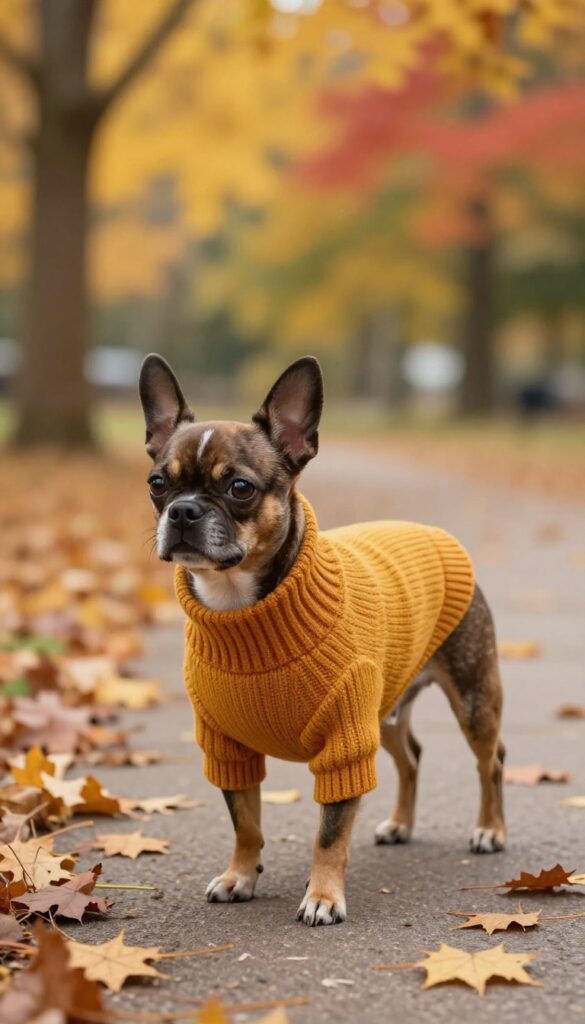
When the mercury dips, your dog might need a little extra insulation. Short-haired breeds, small dogs, and seniors often feel the chill long before you do. A well-fitted sweater or jacket can make all the difference between a shivering trot and a cozy stroll.
But layering isn't just about warmth—it's about comfort and safety. The right layer should fit snugly without restricting movement, and it should come off the moment your dog starts to overheat. Here's how to get it right.
Choosing the right layer for your dog isn't just about picking the cutest sweater. It's about function, fit, and knowing when to take it off. A good dog coat should cover the chest and back, leaving legs and belly free for natural movement.
It should fasten securely but not too tightly, and it should be made of breathable fabric that wicks moisture away. Avoid anything with bulky hoods or dangling decorations that could snag on branches or get caught underfoot. And always check for signs of overheating—panting, drooling, or trying to paw the coat off.
If your dog seems uncomfortable, it's time to shed the layer.
How To Choose The Right Fit
Fit is everything. A coat that's too loose can slip and trip your dog; one that's too tight can chafe or restrict breathing. Measure your dog's chest girth, neck, and back length, and compare them to the brand's size chart.
Look for adjustable straps or Velcro closures for a custom fit. The coat should sit snugly behind the shoulders and extend to the base of the tail, leaving the legs and belly free. If you're between sizes, size up—you can always adjust the fit, but you can't add fabric.
Materials That Work Best
Breathability is key. Fleece and wool are great insulators, but they can trap moisture if your dog sweats. Look for water-resistant or waterproof outer layers with a soft, moisture-wicking lining.
Avoid heavy knits that absorb water and stay wet, making your dog colder. For wet, windy days, a shell with a fleece lining offers protection without bulk. And if your dog has sensitive skin, choose a soft, non-itchy fabric and check for any tags or seams that might rub.
When To Skip The Sweater
Not every dog needs a coat. Thick-coated breeds like Huskies, Malamutes, and Golden Retrievers are built for cold weather and can easily overheat in a sweater. If your dog is running, playing, or walking briskly, they generate plenty of body heat.
A good rule of thumb: if the temperature is above 45°F and your dog is active, skip the layer. If it's below 40°F, windy, or wet, or if your dog is small, short-haired, or elderly, a coat is a smart choice. Always monitor your dog for signs of overheating and remove the coat if they seem too warm.
5. Protect Paws from Mud and Salt
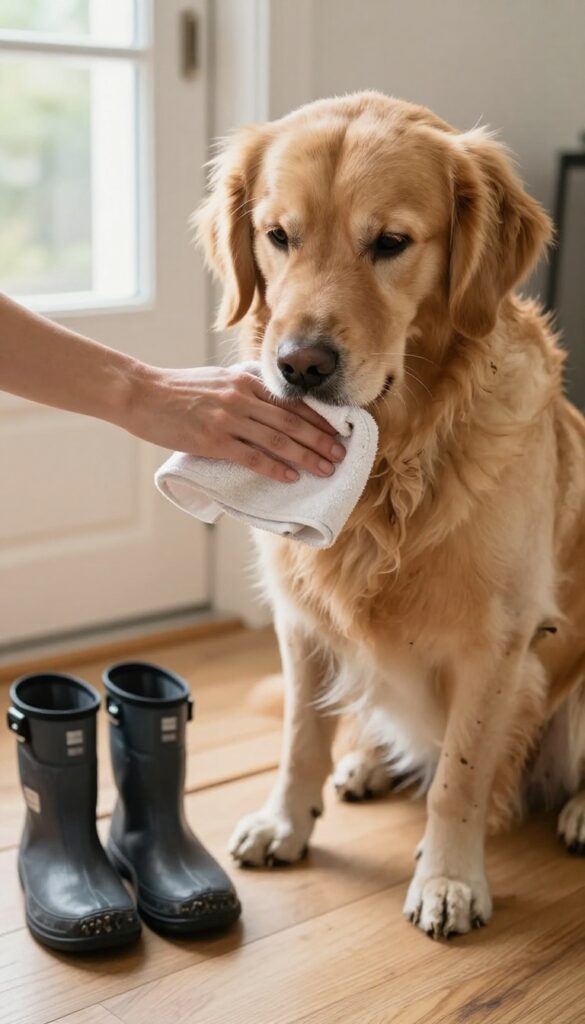
Autumn's beauty comes with a messy side: mud-caked paws and, later, salt-strewn sidewalks. Both can irritate your dog's feet and turn your entryway into a disaster zone. A quick paw-care routine keeps your pup comfortable and your floors clean.
Before heading out, check the forecast and route. If it's been raining, expect puddles and mud. If frost is coming, salt might already be on the ground.
Being prepared means you can enjoy the walk without worrying about the aftermath.
Wipe Down After Every Walk
Keep a towel by the door and make a habit of wiping your dog's paws immediately after coming inside. This removes mud, salt, and any debris before they get tracked through the house. For extra stubborn messes, a paw washer or a bucket of warm water works wonders.
Make it a fun routine with treats, so your dog looks forward to the cleanup.
Consider Dog Booties For Extra Protection
If your dog tolerates them, booties are a game-changer. They shield paws from sharp ice, chemical salts, and abrasive surfaces. Look for waterproof, non-slip options with a secure fit.
Start by letting your dog wear them indoors for short periods to get used to the feeling. Many dogs adapt quickly, especially when they realize walks become more comfortable.
Inspect Paws For Cracks Or Irritation
After a walk, give your dog's paws a quick check. Look for redness, cracks, or small cuts between the toes. Salt and mud can hide irritants, so a gentle inspection helps catch problems early.
If you notice any issues, clean the area with mild soap and water, and apply a pet-safe paw balm to keep the skin moisturized.
Use Paw Balm As A Preventative Measure
A thin layer of paw balm before walks creates a protective barrier against moisture and salt. It also keeps paw pads soft and less prone to cracking. Choose a natural, unscented balm that's safe if licked.
Reapply after wiping paws clean, especially on days when you walk on salted or rough terrain.
6. Adjust Walk Times to Daylight
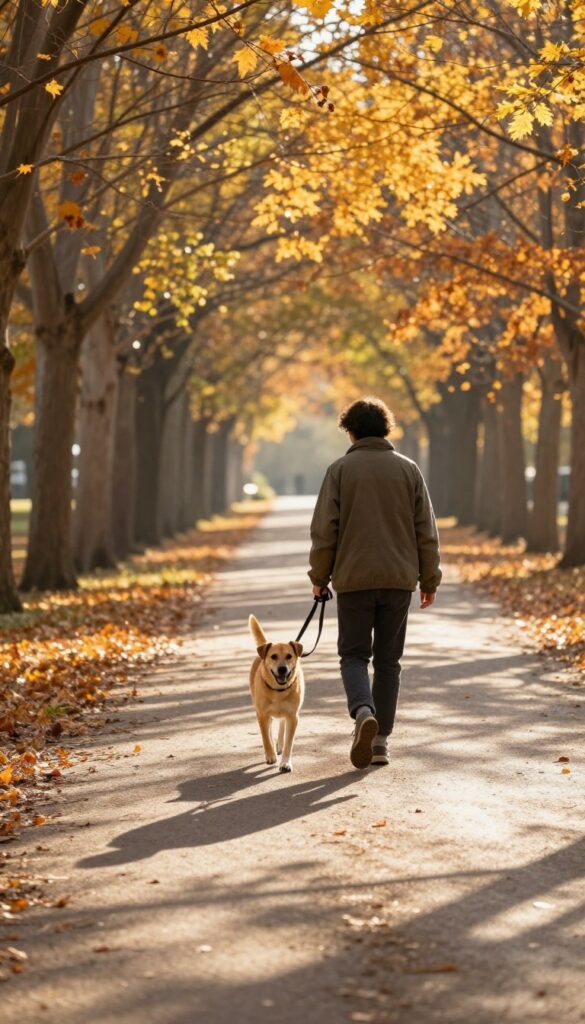
Sunlight becomes a precious commodity in autumn, and your walking schedule should reflect that. Morning or early afternoon walks make the most of the day's brightness, which is safer and more pleasant for both of you. If your routine only allows evening strolls, you'll need a plan for the dark.
Why Daylight Matters
Daylight walks let you spot hazards like wet leaves, acorns, or uneven pavement before your dog steps on them. It's also easier to notice other dogs or people approaching, giving you time to adjust your path. Plus, natural light keeps your dog's mood and energy levels more balanced.
Making The Most Of Morning Light
Try shifting your walk to just after sunrise. The air is crisp, the streets are quieter, and you'll get quality time before the day gets busy. If mornings are tough, a lunchtime stroll can break up your day and give your dog a midday reset.
When Dark Walks Are Unavoidable
If you must walk after sunset, stick to familiar, well-lit routes. Carry a flashlight or headlamp to see and be seen, and consider a reflective leash or vest for your dog. Keep your phone charged and avoid isolated paths.
A little extra caution goes a long way.
7. Keep a Towel by the Door
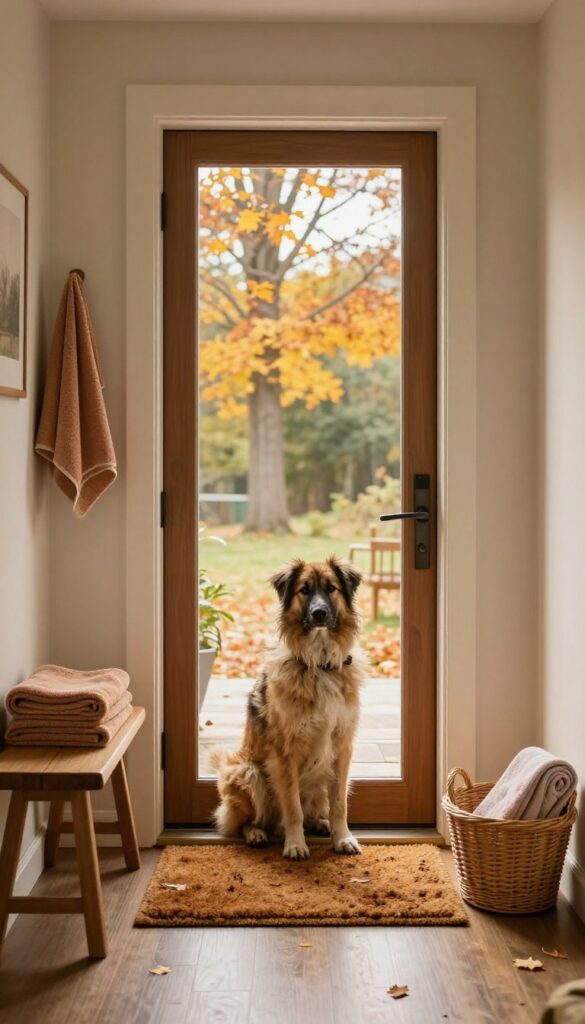
Fall walks often end with muddy paws and damp fur, especially after rain or on dewy mornings. A quick wipe before your dog steps inside saves your floors and keeps your home cleaner. It's a small habit that makes a big difference in your daily routine.
Place a dedicated towel or a pack of pet wipes right next to the door you use for walks. That way, you can grab it without fumbling or tracking dirt inside. Make it a routine: as soon as you come in, give each paw a quick wipe and dry off any wet spots.
This simple step prevents mud, leaves, and moisture from spreading through your house.
Choose The Right Towel
Use an old bath towel or a microfiber towel that absorbs well. Microfiber works great because it picks up moisture and dirt quickly. Keep it in a basket or hang it on a hook near the door so it's always ready.
If you prefer wipes, choose ones that are safe for pets and gentle on paws.
Make It A Habit
Train yourself to wipe paws every time you come in, even if they look clean. This consistency keeps your entryway tidy and prevents dirt from building up. You can also keep a small mat outside the door for an extra layer of protection.
Over time, it becomes second nature.
Handle Wet Fur Too
If your dog's belly or legs get wet, give them a quick rub-down as well. This helps them dry faster and avoids damp spots on your furniture. In colder months, drying off quickly also keeps your dog warmer after a chilly walk.
8. Watch for Fall Hazards
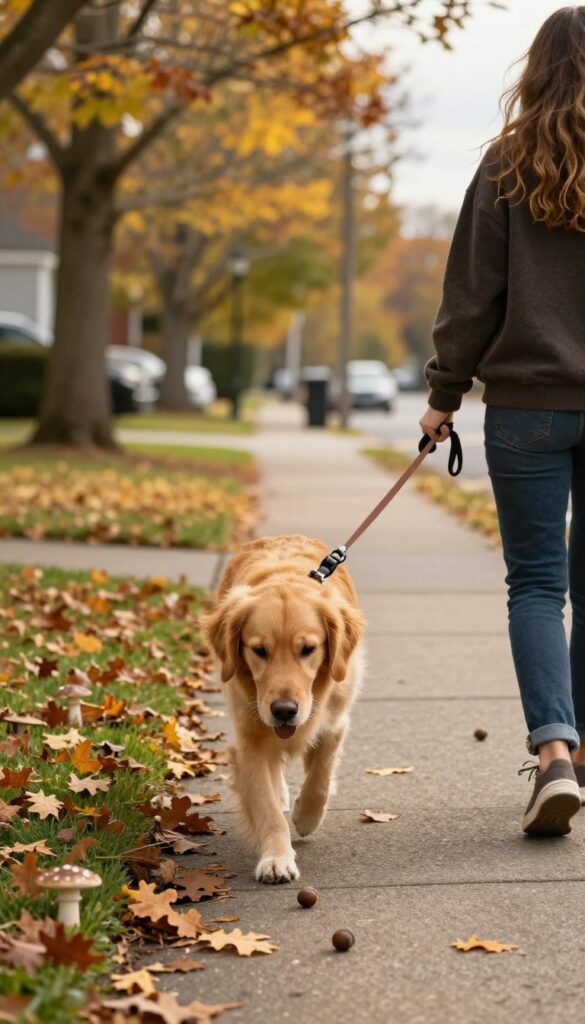
Autumn transforms the ground beneath your feet into a minefield of seasonal surprises. Acorns, mushrooms, and other fallen debris can catch your dog's eye—and end up in their mouth. Staying alert during walks is key to preventing a trip to the vet.
The Acorn Problem
Acorns might look like harmless little treats, but they contain tannins that can upset your dog's stomach. In large quantities, they can even cause more serious issues like kidney damage. Keep an eye out for oak trees and steer your pup away from clusters of acorns.
If your dog is a scavenger, consider a basket muzzle or a head halter for better control.
Mushroom Mystery
Cool, damp weather brings out mushrooms in lawns and along trails. Some are perfectly safe, but many are toxic to dogs. It's impossible to tell them apart at a glance, so the safest move is to prevent your dog from sniffing or nibbling any mushroom.
Train a solid 'leave it' command and practice it on walks. If you suspect your dog ate a mushroom, call your vet immediately and try to snap a photo for identification.
Other Seasonal Surprises
Fallen berries, black walnuts, and even decorative gourds from neighboring porches can pose risks. Some berries are toxic, and walnuts can cause stomach upset or obstruction. Also, watch for dropped food like discarded apple cores or candy wrappers.
Keep your dog on a shorter leash in high-risk areas and scan the path ahead. A quick 'leave it' can save you both from a stressful situation.
9. Shorten the Leash in Low Visibility
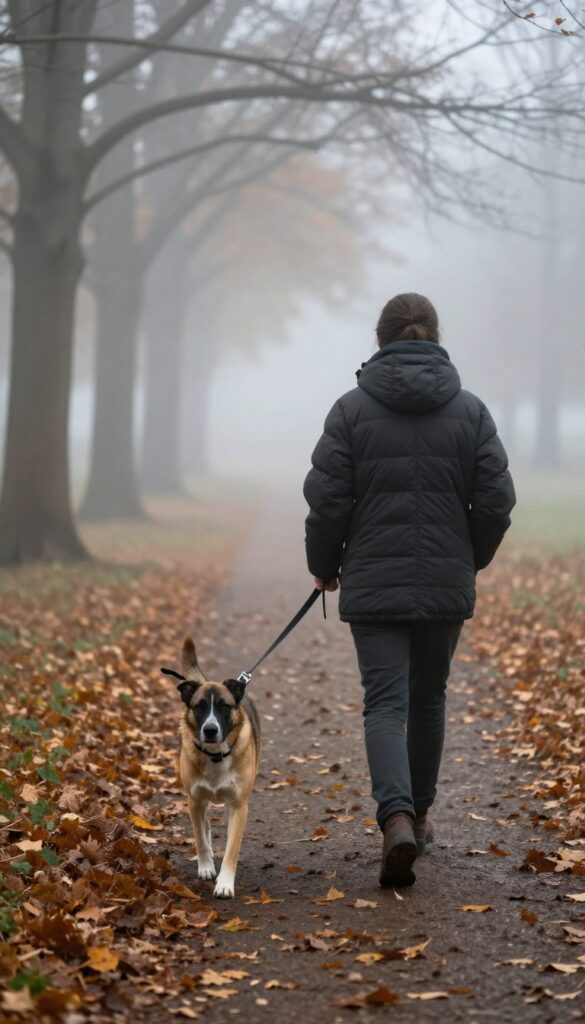
Fog, drizzle, and early darkness can turn a familiar route into a guessing game. With reduced visibility, your dog might not see a squirrel until it's right there, and you might not spot an oncoming cyclist in time. Shortening the leash gives you both a tighter bubble of control, so you can react faster and keep surprises from escalating.
When visibility drops, every extra foot of leash feels like a liability. A longer line lets your dog drift ahead or lag behind, putting distance between you and your ability to intervene. Shortening to a comfortable handhold—usually around 4 to 6 feet—keeps your dog close to your side, where you can guide them instantly if something unexpected appears.
It also reduces the chance of the leash tangling around trees, poles, or your own legs, which is more likely when you're both straining to see through gloom.
Why Close Is Safer
A shorter leash means less slack, so you feel every shift in your dog's attention before it becomes a lunge. In low light, dogs often rely more on scent and hearing, and a sudden rustle in the leaves can trigger a bolt. Keeping them within arm's reach lets you brace or redirect before they commit to a chase.
It also helps you stay aware of their body language—ears up, tail stiff—so you can cross the street or change direction proactively.
How To Shorten Without Choking
You don't want to yank or choke your dog. Instead, gather the excess leash in loops in your dominant hand, letting the remaining length hang naturally. Keep your hand low and relaxed, so your dog doesn't feel constant tension.
If you're using a standard 6-foot leash, you can also switch to a traffic handle or a hands-free belt with a shorter attachment. The goal is closeness, not restraint—your dog should still feel free to walk and sniff, just within a smaller radius.
When To Keep It Short
Rain, fog, dusk, and dawn are obvious times, but also shorten up near busy roads, in crowded parks, or on trails with blind corners. If you're walking in an area with known wildlife—deer, raccoons, even stray cats—a short leash is your best insurance. And if you're using a headlamp or reflective gear, remember that your dog's visibility is limited too, so keeping them close helps them stay oriented to you rather than relying on their own eyes.
10. Bring Water and a Collapsible Bowl
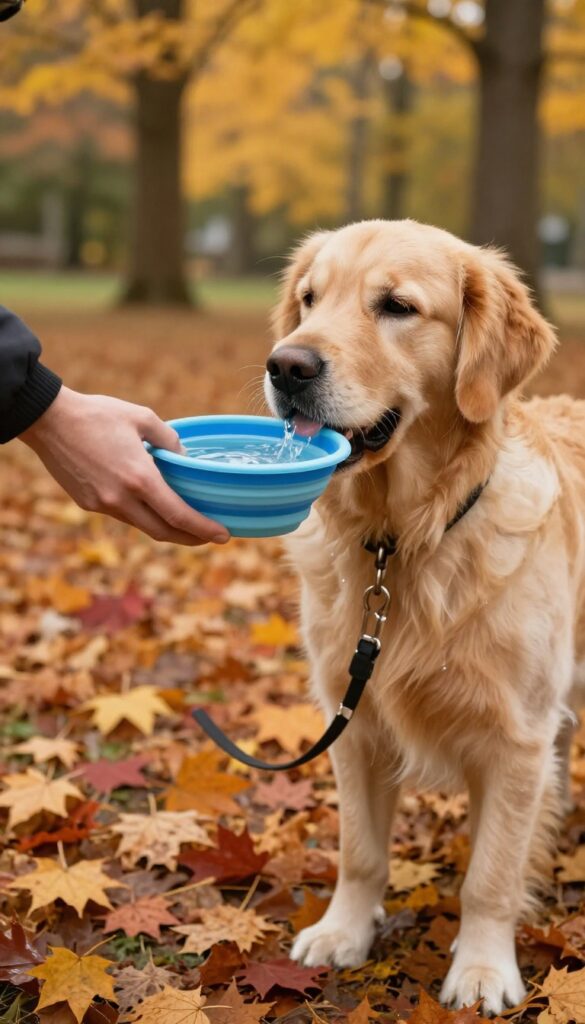
Cooler air can be deceiving—your dog may not pant as heavily, but they're still losing fluids during brisk autumn walks. Dehydration isn't just a summer issue; it can sneak up on active pups when the temperature drops. A quick hydration stop can make a big difference, especially on longer routes or after a vigorous game of fetch.
Carrying water on fall walks is a simple habit that pays off. It keeps your dog comfortable, prevents fatigue, and helps them regulate their body temperature. Even if the day feels chilly, your dog is still working hard, and having water on hand is a small effort with big benefits.
Why Hydration Still Matters In Cool Weather
Dogs don't sweat like we do—they rely on panting and evaporation to cool down, which uses moisture. In cooler temperatures, they might not seem as thirsty, but they still need water to replace what they lose. Dehydration can lead to lethargy, dry gums, and even more serious issues.
Always offer water before, during, and after walks, especially if your dog is a breed prone to respiratory issues or is very active.
Choosing The Right Gear
A collapsible bowl is a game-changer. It folds flat, slips into a pocket or bag, and opens up to hold a decent amount of water. Look for one that's lightweight, easy to clean, and made of food-safe silicone.
Pair it with a reusable water bottle—either a dedicated dog bottle with a built-in bowl or a regular bottle you can pour from. Avoid plastic bowls that crack in cold weather; silicone is more durable.
When And How To Offer Water
Don't wait for your dog to show signs of thirst. Offer water every 15-20 minutes on longer walks, especially if they're running or playing. Stop in a shaded spot, pour a small amount, and let them drink at their own pace.
If your dog is a gulper, use a bowl with a slow-flow design or pour small amounts at a time to prevent bloating. After the walk, offer another drink once they've cooled down a bit.
Keeping Water Fresh And Accessible
In fall, water can get cold quickly, but that's usually fine. However, if it's near freezing, avoid giving ice-cold water—it can cause stomach upset. Keep the bottle in an insulated pouch to maintain a moderate temperature.
Also, make sure the bowl is clean and rinse it after each use to prevent bacteria buildup. Having water handy also lets you rinse off muddy paws or clean a dirty toy mid-walk.
11. Slow Down on Leaf-Covered Paths
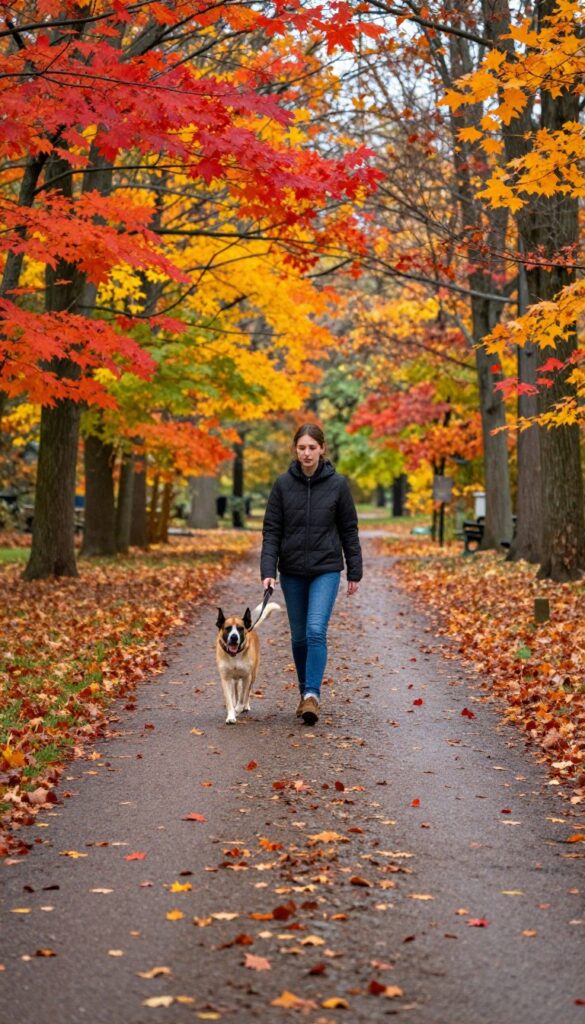
Autumn's colorful carpet looks pretty, but it can hide slick spots and sharp objects. Wet leaves are especially treacherous, turning familiar sidewalks into slip-and-slide zones. Adjusting your pace and route keeps both of you safe without sacrificing the joy of the season.
When leaves pile up, they can mask uneven pavement, curbs, or even debris like broken glass. A moderate pace gives you more time to react and helps your dog avoid sudden stops. If an area looks completely covered, it's better to cross to a clearer stretch or walk on the grass verge where footing is more predictable.
Why Wet Leaves Are So Slippery
Fallen leaves hold moisture against the ground, creating a thin, slick layer. This is especially dangerous on slopes or shaded paths that stay damp longer. Even a small patch can cause your dog's paws to slide out from under them, leading to strains or sprains.
How To Read The Ground
Before you step, scan the path for dense piles or leaves that look darker and matted—those are likely wet and slippery. Also watch for hidden curbs or holes that leaves can fill in. If you can't see the surface clearly, choose a different route or walk on the grass beside the path.
Pacing Tips For Leafy Terrain
Shorten your stride and keep a steady, slower rhythm. This gives your dog time to adjust their footing and reduces the chance of sudden yanks on the leash. If your dog likes to bound ahead, use a gentle cue to bring them back to a walk until you're past the tricky section.
12. Practice Loose-Leash Walking
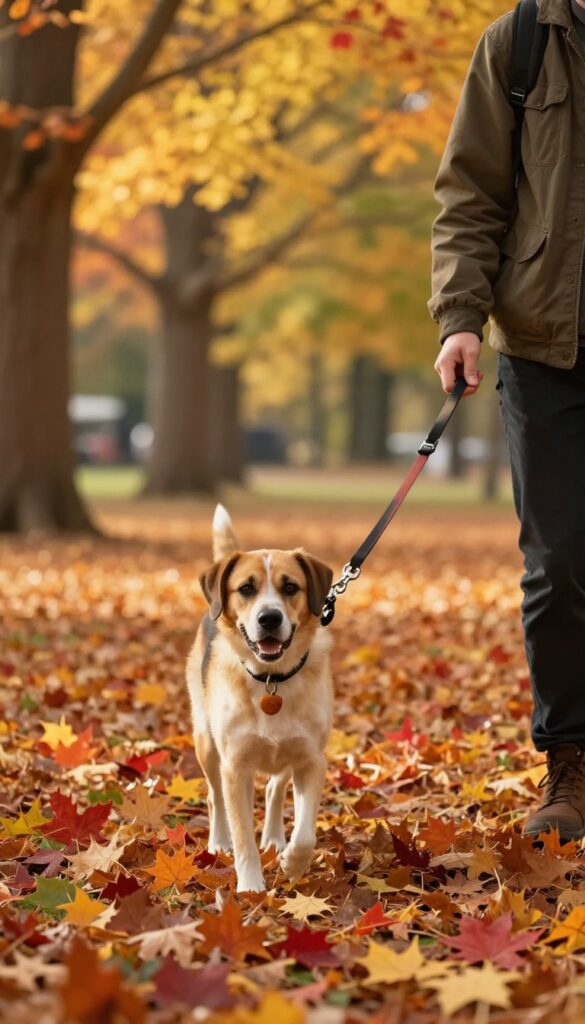
Autumn's crisp air and rustling leaves can turn even the calmest dog into a scent-seeking explorer. That's why it's the perfect time to polish your loose-leash walking skills. With a few simple techniques, you can enjoy relaxed, sniff-filled strolls without the constant tug-of-war.
Loose-leash walking isn't about military precision—it's about keeping the leash slack and your dog engaged with you. Fall's distractions make it a great training opportunity. Start by rewarding your dog for checking in with you, then gradually add more tempting distractions.
Consistency is key, and the payoff is a more peaceful walk for both of you.
Set Up For Success
Before you step out, make sure your gear is right. A standard flat collar or harness with a front clip can reduce pulling. Keep treats handy in a pouch or pocket.
Choose a quiet time and place for practice, away from heavy foot traffic. A calm start sets the tone for the whole walk.
Use The 'be A Tree' Method
When your dog pulls, stop moving and stand still like a tree. Wait for the leash to slacken, even if it's just for a second. Then reward and continue.
This teaches your dog that pulling gets them nowhere, while a loose leash keeps the walk moving. It's simple, patient, and effective.
Turn Pulling Into A Game
Change direction whenever your dog pulls. Call their name, do a quick turn, and reward them for following. This keeps them focused on you and makes the walk feel like a fun game.
Over time, they'll learn to watch you more than the leaves.
13. End with a Calm Cool-Down
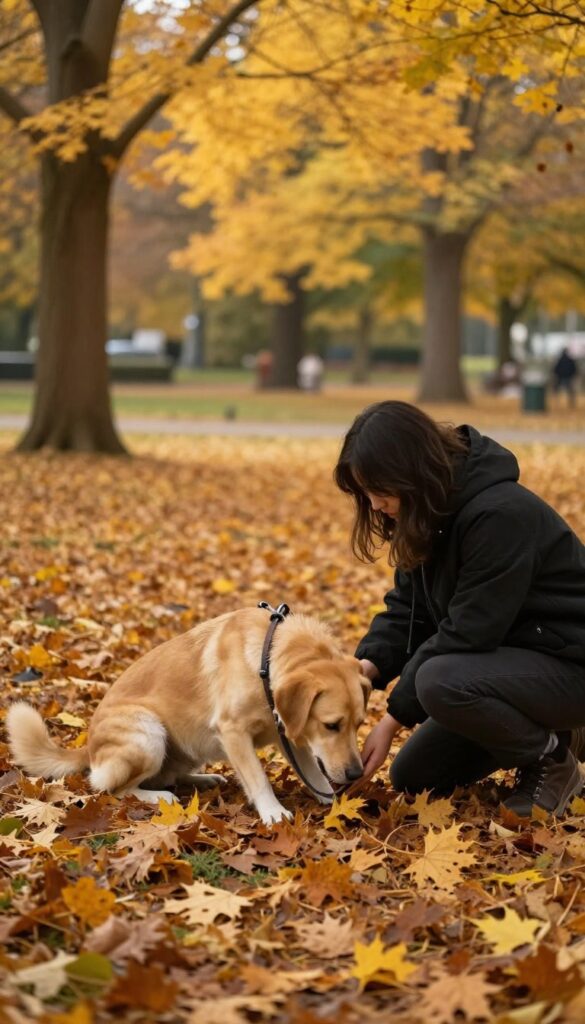
A great walk isn't just about the miles—it's about how you finish. After a brisk autumn stroll, your dog's heart rate and excitement are still elevated. Rushing inside right away can leave them wired and restless, especially when the cool air makes them feel more energetic.
Taking five minutes to wind down together makes a huge difference. It helps your dog shift from adventure mode to relaxed mode, and it gives you both a peaceful transition back to home life. This simple habit turns the end of every walk into a calm, bonding moment.
After a brisk walk, let your dog sniff and relax for a few minutes. This helps them transition from high energy to calm, and gives you both a peaceful end to the stroll. Use this time to check their paws for debris, offer a sip of water, and just enjoy the quiet together.
It's a small ritual that pays off in a calmer, happier dog.
Let The Sniffing Continue
Dogs experience the world through their noses, and sniffing is mentally tiring in a good way. When you allow a few extra minutes for sniffing at the end of your walk, you're giving your dog a chance to process all the new scents from the trail. This mental workout helps them feel satisfied and less likely to be hyper at home.
So instead of pulling them away from that interesting leaf pile, let them take their time. You might be surprised at how much more relaxed they are once you head inside.
Check For Autumn Leftovers
Cool-down time is perfect for a quick once-over. Check between their toes for burrs, small stones, or bits of damp leaves that can cause irritation. Look at their paw pads for any cracks or cuts from rough terrain.
Also, give their coat a quick brush to remove any debris they picked up along the way. This not only keeps your home cleaner but also prevents small issues from becoming bigger problems. Plus, it's a nice way to connect with your dog after a walk.
Settle Down With A Slow Sip
Just like you'd rehydrate after exercise, your dog needs water too. Offer a small, slow drink of water during the cool-down. This helps them rehydrate without gulping, which can cause stomach upset.
You can also use this time to give them a few calm pets and speak in a soothing voice. This reinforces that the walk is over and it's time to relax. Over time, they'll learn to associate the end of the walk with this peaceful routine.
Create A Consistent Ending Ritual
Dogs thrive on routine, so a consistent cool-down ritual can be very grounding. Maybe you always end at the same spot, or you give them a special treat after you remove their leash. Whatever you choose, keep it the same each day.
This predictability helps your dog know what to expect, reducing anxiety and making transitions easier. It also gives you a chance to reflect on the walk and enjoy the moment before heading back to the hustle and bustle of daily life.
FAQ
Do dogs need a coat in fall?
Not all dogs need a coat. Short-haired, small, or senior dogs may benefit from a light jacket when temperatures drop below 45°F, but many breeds with thick coats are fine without one.
How can I keep my dog's paws safe from cold pavement?
Check the pavement temperature with your hand. If it's too cold or hot for you, it's too much for your dog. Use dog booties or apply paw balm before walks to protect their pads.
What should I do if my dog eats something off the ground during a fall walk?
Stay alert and try to prevent it. If your dog does eat something suspicious, contact your vet immediately. Common fall hazards include acorns, mushrooms, and moldy leaves.
Is it safe to walk my dog in the dark?
Yes, with precautions. Use reflective gear, a flashlight, and stick to well-lit areas. Keep your dog on a shorter leash and stay aware of your surroundings.
How often should I walk my dog in fall?
Most dogs benefit from at least one walk a day, but the frequency and length depend on your dog's breed, age, and energy level. Adjust to your dog's needs and the weather.
Conclusion
Cooler days don’t have to mean shorter walks or more pulling. With a few small tweaks—like adjusting your pace, using the right gear, and reading your dog’s cues—you can turn every autumn stroll into a relaxed ritual you both look forward to.
Start with one or two habits that feel manageable, then build from there. Before long, those crisp morning walks will feel less like a chore and more like your favorite part of the day.

I’m Pallab Kishore, the owner of Little Pets Realm — an animal lover and pet care enthusiast sharing easy tips, healthy recipes, and honest advice to help every small pet live a happy, healthy, tail-wagging life.