
Last updated on August 19th, 2026 at 04:14 pm
You've been consistent with treats, patient with repetitions, and still your dog seems stuck. The truth is, many training setbacks come from subtle mistakes we don't even notice. The good news?
Once you spot them, you can fix them fast. These 13 errors are the quiet progress-killers that sneak into daily routines. They range from timing issues to overlooked body language, and each one has a simple solution.
Ready to see what might be holding your dog back? Let's dive into the most common training mistakes and how to turn them around.
1. Inconsistent Cues: Saying 'Sit' and 'Sit Down'
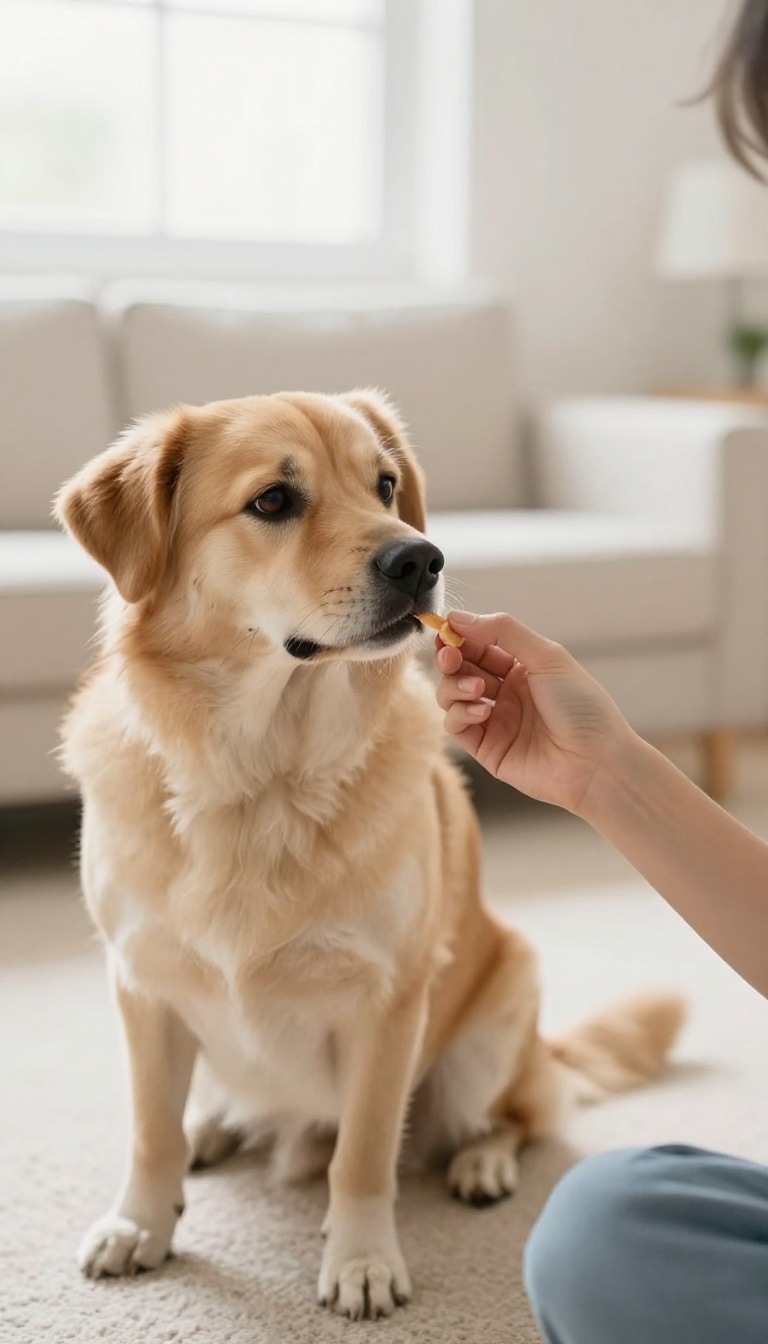
Dogs learn through repetition and clarity. When you switch between "sit" and "sit down" for the same behavior, you're not giving your dog a clear message. This inconsistency slows down their learning and can lead to confusion.
Your dog isn't ignoring you—they're genuinely unsure what you want. Consistency is the foundation of effective training. Pick one cue for each behavior and stick to it.
Use the same word, the same tone, and the same hand signal every single time. This clarity helps your dog understand faster and respond more reliably.
Why Consistency Matters
Dogs are associative learners. They connect a specific sound or gesture with an action. If you use multiple cues for the same behavior, your dog may not know which one to respond to.
This can lead to delayed reactions or no reaction at all. Consistency builds a strong, clear association that speeds up learning.
How To Choose Your Cue
Pick a simple, distinct word for each behavior. Avoid words that sound similar to other cues, like "sit" and "stay. " Also, decide on a hand signal if you want one, and use it consistently.
Write down your cues if you need to, so everyone in the household uses the same ones.
Common Mix-ups To Avoid
Besides saying "sit" and "sit down, " watch out for using "down" for both lying down and getting off furniture. Or using "come" and "here" interchangeably. These small variations can confuse your dog.
Pick one cue for each action and use it every time, no matter the situation.
2. Timing Rewards Too Late
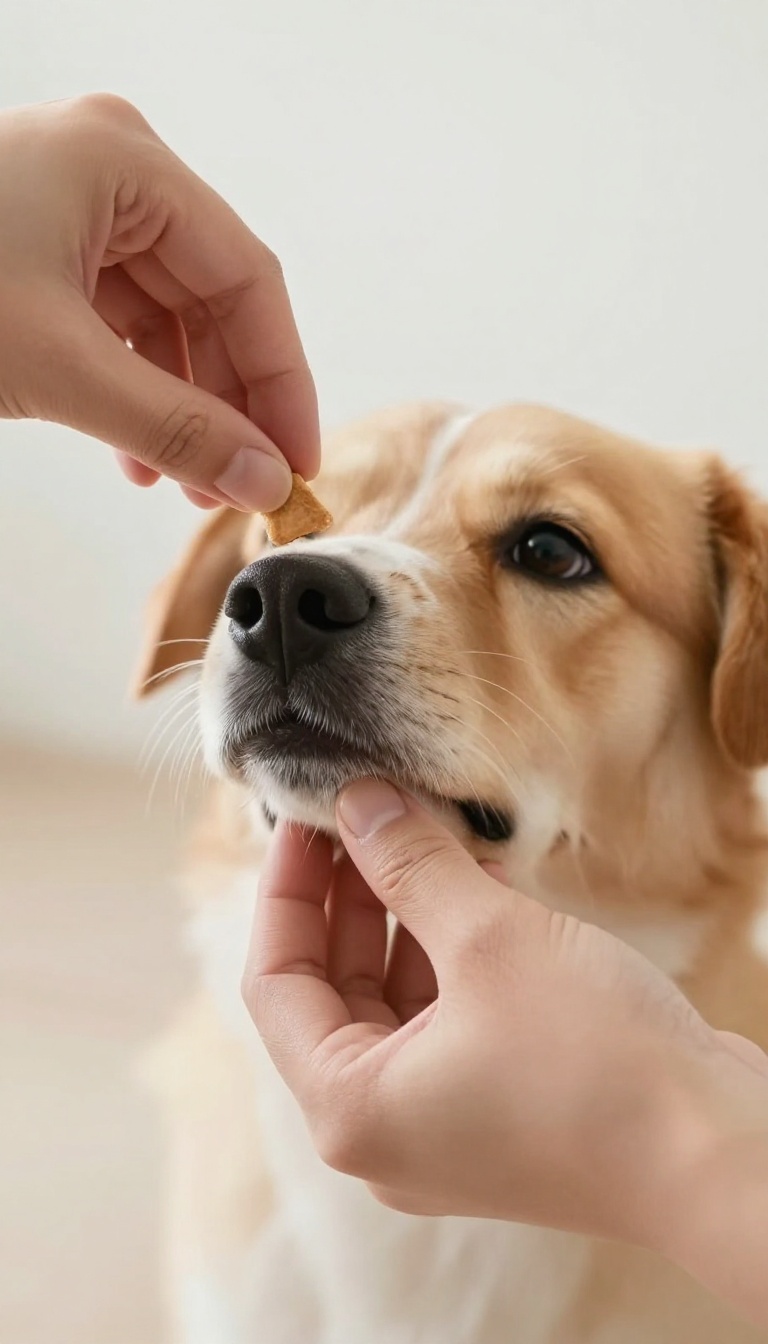
Timing is everything when you're shaping behavior. If your dog sits, then stands, and you only treat after they're on their feet again, they'll think standing is what earned the reward. That tiny delay can quietly undo all your hard work.
The gap between the behavior and the reward is where confusion sneaks in. Dogs live in the moment, so a treat that comes two seconds late might as well be for something else entirely. You need to mark the exact instant your dog does what you want, then follow up with the reward.
That's why clickers and marker words exist—they bridge the gap between action and treat, giving your dog a crystal-clear signal.
Why A Marker Word Beats A Treat
A treat takes time to reach your dog's mouth, and that delay can blur the connection. A clicker or a sharp 'yes! ' happens instantly, right at the moment of correct behavior. That sound becomes a promise: 'Good job, reward coming! ' Your dog learns to trust the marker, and you buy yourself a second or two to deliver the treat without losing the lesson.
How To Fix Your Timing Today
Start by practicing without your dog. Click or say 'yes' the moment you see a behavior you like, like a sit or a down. Then treat.
Repeat until the marker feels automatic. When you're training, aim to mark within half a second of the behavior. If you're late, don't treat—just reset and try again.
Your dog will catch on faster when the marker is precise.
Common Timing Traps To Avoid
One big trap is rewarding when your dog is already moving out of position. Another is using a treat as the marker itself, which slows everything down. Also, watch out for rewarding the 'end' of a behavior instead of the 'start'—like treating after your dog lies down completely rather than the moment their elbows hit the floor.
Keep your eyes on the exact motion you want to reinforce.
3. Skipping the 'Stay' After a 'Sit'
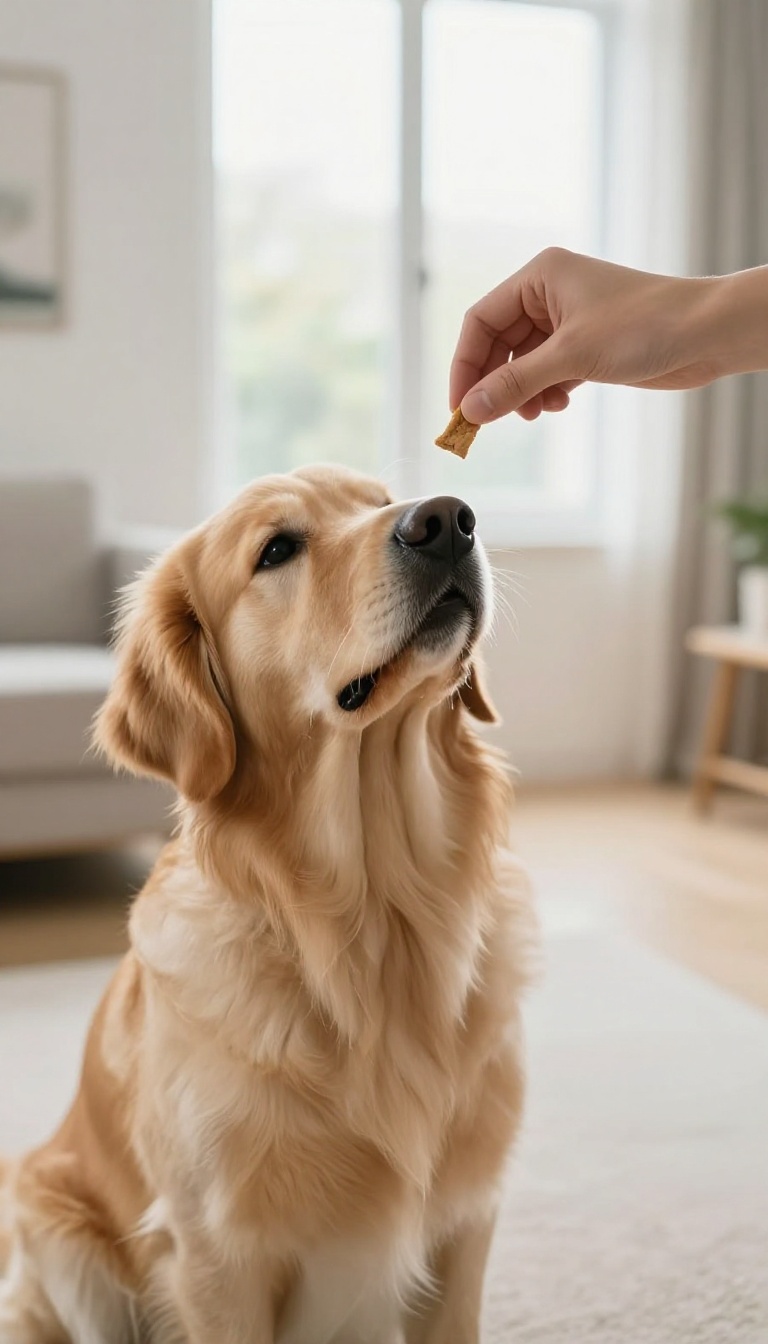
Teaching your dog to sit is a big win, but if you stop there, you're missing half the lesson. A sit without a stay is like a door that opens but doesn't close—your dog learns to plop down, but not to hold that position. That's where impulse control comes in, and it's a game-changer for calm behavior.
When you teach sit but skip stay, your dog quickly learns that sitting is just a quick pause before the next thing. They might pop up the second they hear a treat crinkle or see a squirrel. That's not really training self-control; it's just teaching a trick.
Stay is the skill that turns a sit into a reliable, long-lasting behavior. It builds the mental muscle your dog needs to resist distractions and wait for your cue.
Why Sit Without Stay Falls Short
Think of sit as the starting line and stay as the race. Without stay, your dog never learns to hold still when it matters—like at the front door or during meal prep. They might sit, but their brain is already thinking about the next move.
That's why many dogs break their sit the second you take a step back. Stay teaches them to stay put until you release them, which is a huge step toward reliable obedience.
How To Add Stay The Right Way
Start by asking for a sit, then say 'stay' in a calm, clear voice while holding your hand up like a stop sign. Take just one small step back, then immediately return and reward. Gradually increase the distance and duration, but always go back to your dog before you give the treat.
This teaches them that staying is what earns the reward, not breaking the position. Keep sessions short and positive, and always release with a word like 'okay' so they know when it's over.
The Payoff Of A Solid Stay
Once your dog masters stay, you'll see a difference in everyday situations. They'll wait politely at doors, hold still during grooming, and stay calm when guests arrive. That impulse control carries over to other commands too, making training smoother overall.
Plus, it's a great mental workout for your dog, which can help tire them out even more than a long walk. So don't skip this step—it's worth the extra effort.
4. Using Treats for Everything
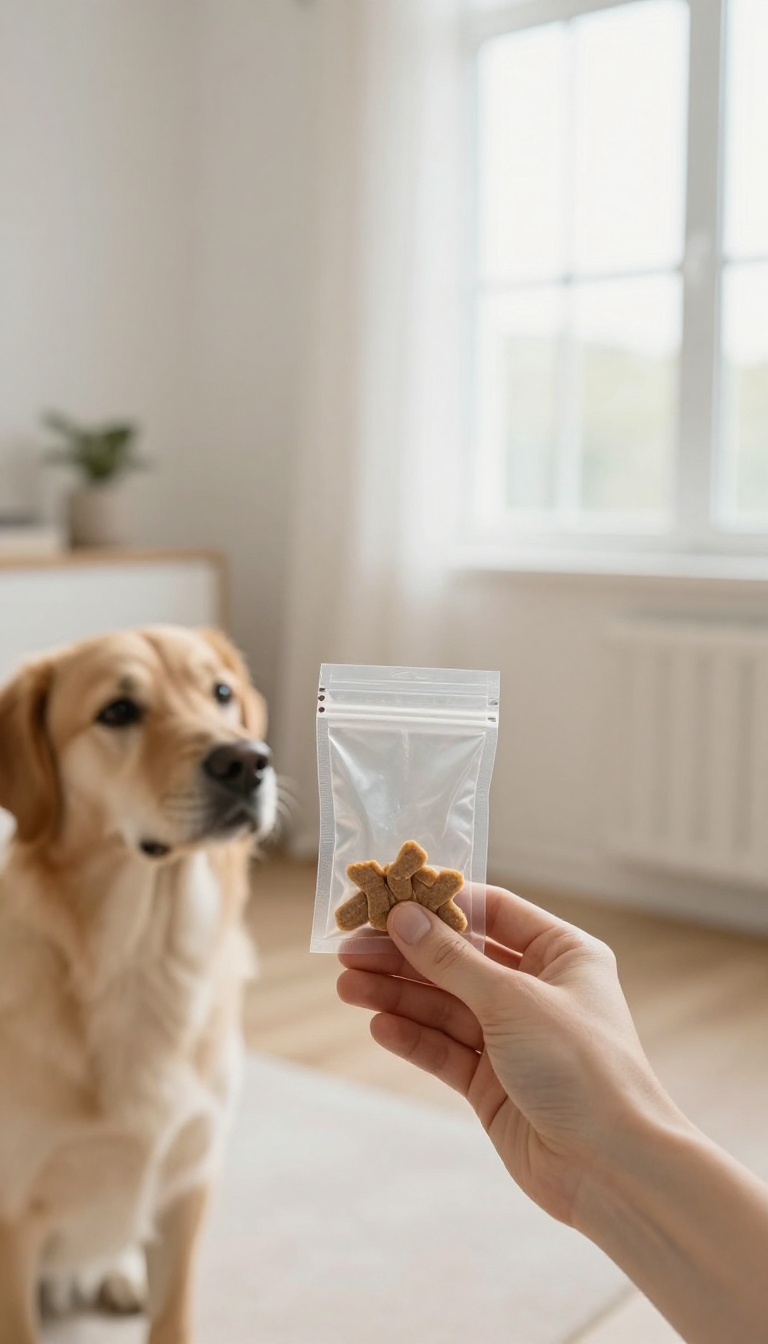
Treats are a fantastic training tool, but they can become a crutch if you rely on them for every single behavior. When your dog only listens when he sees a treat in your hand, you're not really training—you're just negotiating. The goal is to build a dog who responds because he wants to, not just because there's a snack on the line.
Mixing in other rewards like praise, toys, and real-life opportunities makes your training more flexible and your dog more reliable. It also keeps him from getting bored or picky. Here's how to break the treat habit and make your training stick.
Why Treats Become A Crutch
When you start training, treats are the easiest way to motivate your dog. They're high-value, easy to deliver, and instantly rewarding. But if you use them for every single repetition, your dog starts to expect them.
He'll offer a behavior only when he sees the treat bag or hears the crinkle. That's not obedience; that's a bribe. Dogs are smart.
They quickly learn that the treat is the reason to work. If you forget the treats on a walk or don't have any in your pocket, your dog might ignore you entirely. This is a common frustration for many owners who feel like their dog is "stubborn" when really he's just learned that no treat means no reward.
The Power Of Variable Rewards
Instead of rewarding every correct response with a treat, switch to a variable reward schedule. This means sometimes you give a treat, sometimes you give praise, and sometimes you give a quick game of tug or a chance to sniff. The unpredictability actually makes your dog more excited to work because he never knows what he'll get.
It's like a slot machine for dogs—the anticipation is part of the fun. Start by treating every time, then gradually phase to every other time, then randomly. Keep your dog guessing.
This builds persistence and makes the behavior more resistant to extinction. He'll keep offering the behavior because the next reward could be the jackpot.
Life Rewards: The Best Kept Secret
Life rewards are things your dog naturally wants anyway. A chance to greet another dog, a sniff at a lamppost, or a run off-leash in the park. These are incredibly powerful because they're part of your dog's everyday environment.
Use them to your advantage. For example, if your dog sits nicely before you open the door, that's his reward—the door opens. If he walks calmly on a loose leash, he gets to sniff that bush.
These rewards are free, always available, and they teach your dog that good behavior gets him what he wants in the real world. That's the ultimate goal of training.
How To Wean Off Treats Gradually
Don't quit treats cold turkey. That will just confuse your dog and make him lose interest. Instead, gradually reduce the frequency while increasing other rewards.
Start by treating every third correct response, then every fifth, then randomly. Pair each treat with enthusiastic praise so your dog learns that praise is also valuable. Also, vary the type of reward based on the situation.
For low-distraction home practice, use praise and a toy. For high-distraction environments, keep treats handy but mix in life rewards. Over time, your dog will learn that good things happen when he listens, no matter what form they take.
5. Training in a Distracting Environment Too Soon
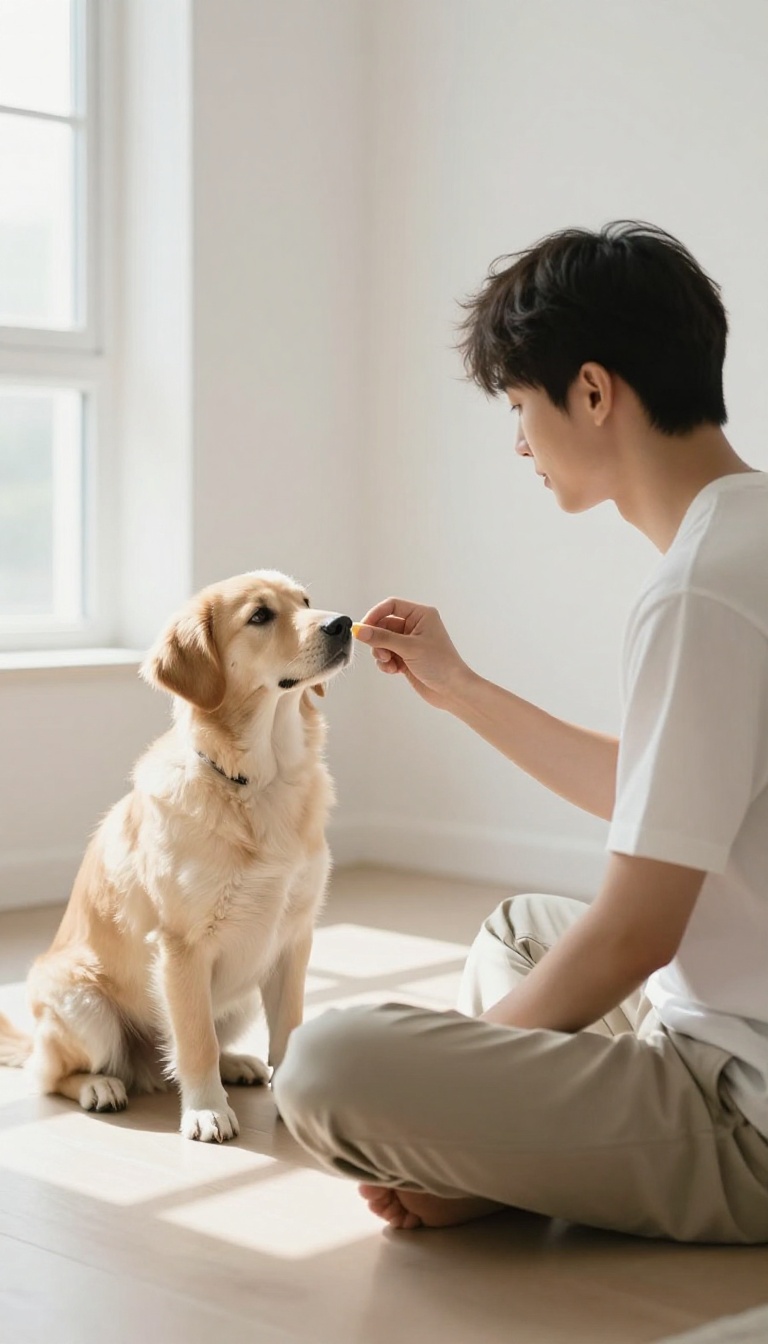
You've practiced sit, stay, and come in the living room until your dog nails it every time. Then you step outside, and it's like they've never heard a command in their life. That's not a stubborn dog — that's a training environment that's too hard too fast.
Dogs need to learn in stages, and jumping straight to a busy park is a recipe for frustration for both of you.
When you train in a quiet room, your dog can focus on you because there's nothing else competing for their attention. But the real world is full of smells, sounds, and moving things that are way more interesting than a treat. If you expect the same level of focus in a chaotic environment without gradually building up to it, you're setting your dog up to fail.
The key is to increase distraction levels slowly, like adding weights to a workout. Start with mild distractions, then work your way up. This way, your dog learns to listen even when things get exciting.
Start Where It's Quiet
Begin training in a room with no other people or pets. Your dog already knows the basics there, so you're just reinforcing them. Once they're solid, move to a slightly more distracting spot, like your backyard or a hallway.
The goal is to keep success rate high — if your dog fails more than half the time, you've moved too fast.
Add Distractions In Small Doses
Introduce one new distraction at a time. For example, have a friend walk by at a distance, or play a low-level sound of traffic. Reward your dog for staying focused on you.
Then gradually bring the distraction closer or make it more intense. This step-by-step approach builds your dog's confidence and attention span.
Use High-value Rewards In New Places
When you first move to a busier environment, bring out the really good treats — like chicken or cheese — instead of the usual kibble. This gives your dog a stronger reason to choose you over the environment. As they get better, slowly phase back to regular treats.
Just remember to keep sessions short and end on a high note.
Know When To Take A Step Back
If your dog is ignoring you completely, that's a sign the environment is too much. Don't push through it — that only teaches them they can ignore you. Go back to a quieter setting, practice a bit more, and try again later.
Patience here pays off in the long run.
6. Repeating Commands Over and Over
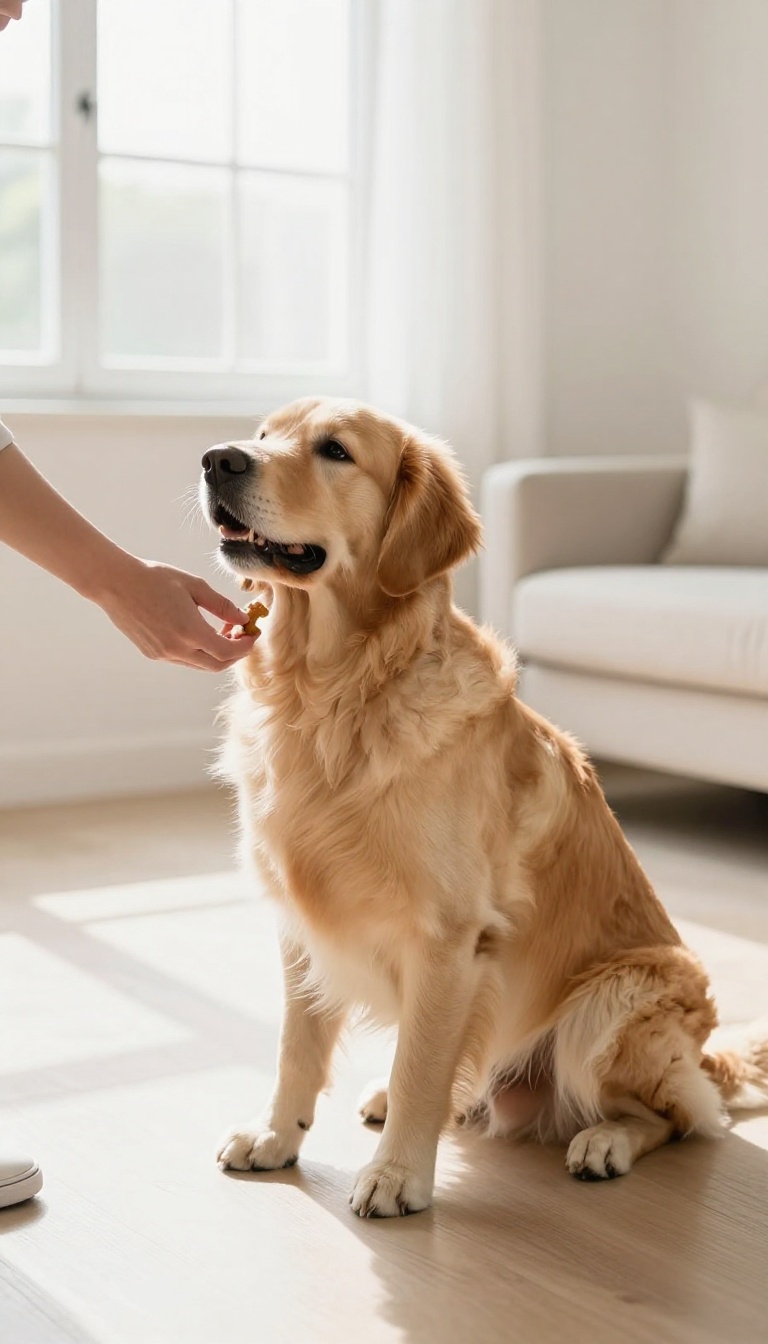
You ask your dog to sit. Nothing happens. So you say it again, louder, and then a third time with a little frustration creeping in.
Sound familiar? Repeating commands is one of the most common training mistakes, and it's quietly teaching your dog that the first cue doesn't matter. The fix isn't more repetition—it's clarity and follow-through.
When you repeat 'sit, sit, sit, ' your dog learns that the word 'sit' is just background noise until you sound annoyed. Dogs are smart: they figure out that the real cue is your tone or the third repetition. That's why they often wait until you're frustrated before they finally comply.
The solution is to say the command once, then wait a few seconds. If your dog doesn't respond, gently guide them into position (for example, by luring with a treat or using a hand signal) and then reward the action. This teaches them that the first cue is the one that counts, and that ignoring it won't get them anywhere.
Why Repetition Backfires
Dogs learn through association. If you repeat a command, they start associating the command with your repeated tone and the eventual consequence—not the initial cue. Over time, they stop responding to the first 'sit' because they know you'll say it again.
This creates a cycle of nagging and ignoring, which slows progress and frustrates both of you.
The Power Of A Single Cue
Saying a command once and then waiting shows your dog that you mean business. It also gives them time to process and respond. If they don't, you can help them succeed by luring or gently guiding them into the position.
This way, they learn that the cue is a request, not a suggestion, and that compliance leads to rewards.
How To Break The Habit
Start by being mindful of how often you repeat yourself. Before you give a cue, get your dog's attention. Say the command once, then pause for a few seconds.
If they don't respond, use a prompt like showing a treat or a hand signal to help them. Reward immediately when they do it right. With consistency, your dog will learn to respond to the first cue, and your training sessions will become smoother and more effective.
7. Punishing Unwanted Behaviors Instead of Redirecting
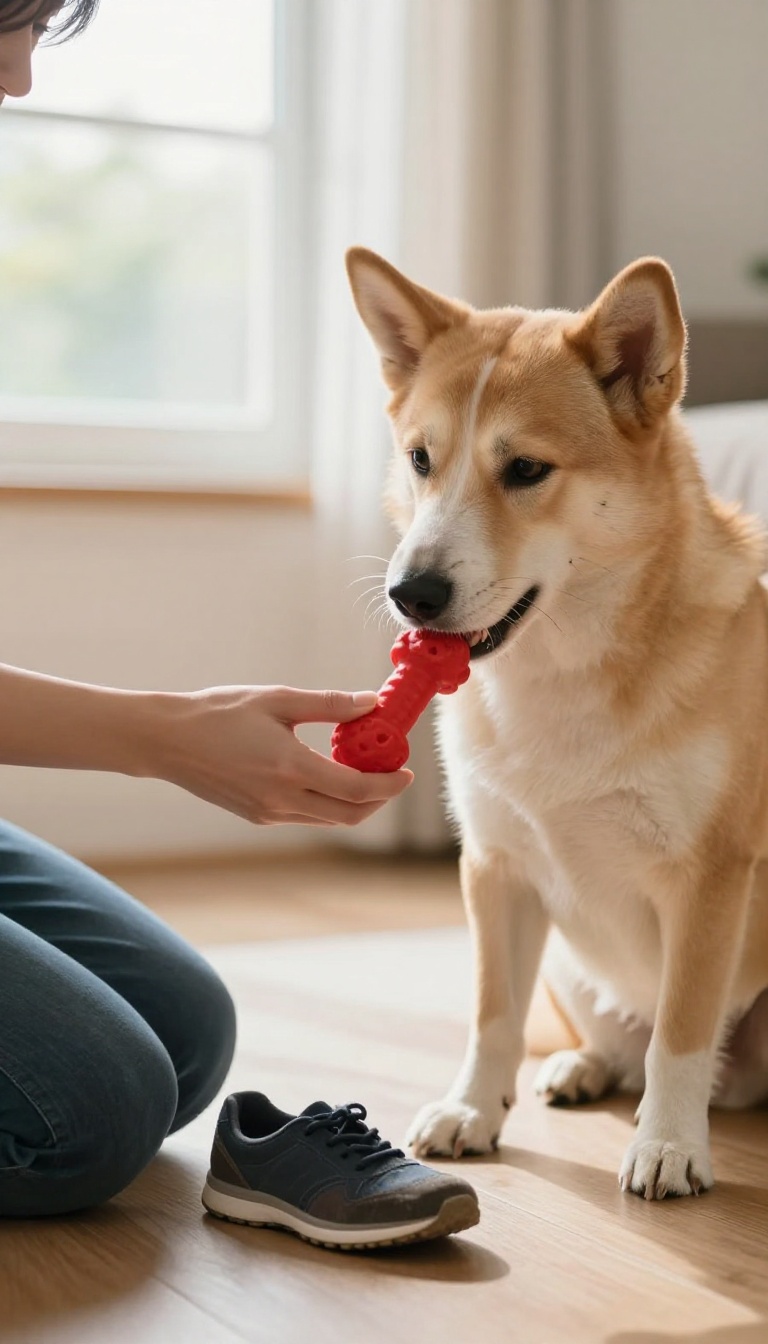
It’s tempting to scold your dog when they chew a shoe or jump on a guest, but punishment often backfires. Your dog doesn’t connect the yelling to the behavior—they just see you as unpredictable and scary. That fear can shut down learning and even damage your bond.
When you punish, you might stop the behavior in the moment, but you haven’t taught your dog what to do instead. They’re left guessing, which leads to confusion and anxiety. Redirecting flips the script: you show your dog a better choice and reward them for it.
This builds confidence and makes training a positive experience.
Why Punishment Creates Fear, Not Learning
Dogs live in the moment. If you yell after they’ve already chewed the couch, they don’t connect your anger to the chewing. They just see you upset, which can make them wary of you.
Over time, this fear can lead to more anxiety-driven behaviors, like hiding or even aggression. Punishment doesn’t teach—it just scares.
Redirecting: A Simple, Effective Alternative
Instead of scolding, catch your dog in the act and calmly steer them toward a better option. If they’re chewing your shoe, offer a chew toy and praise them when they take it. If they jump on guests, ask for a sit and reward that.
You’re not just stopping the bad behavior—you’re teaching a good one. That’s a win-win.
How To Make Redirection A Habit
Keep high-value treats and toys handy so you can redirect quickly. The faster you act, the clearer the message. Be consistent—every time you see the unwanted behavior, redirect.
Over time, your dog will learn that good things happen when they choose the right behavior. Patience is key, but the payoff is a happier, more confident dog.
8. Not Practicing in Different Locations
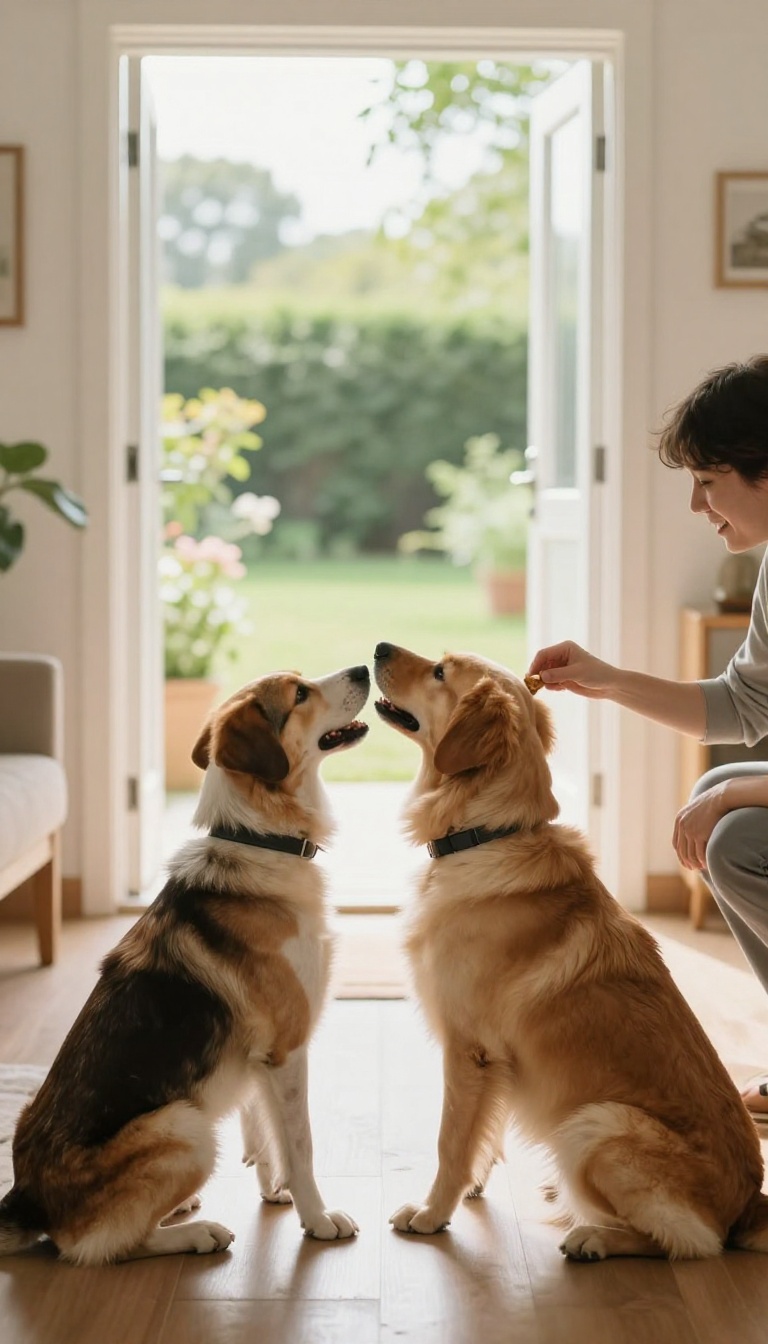
You've got your dog's sit down to a science in the living room, but step outside and it's like they've never heard the word. That's because dogs don't generalize well. They often associate a cue with a specific place, not with the behavior itself.
Practicing in just one spot is a quiet progress-killer that leaves you frustrated when your dog ignores you at the park or on a busy sidewalk.
Dogs are masters of context. They notice the exact spot on the rug, the angle of the couch, and the smell of the kitchen. When you only train in one room, your dog learns that 'sit' means 'sit here, in this room, with these distractions. ' Move to the backyard, and the cue might as well be a foreign language.
The fix is simple: take your training on the road. Start with small changes, like moving to a different room, then gradually increase the distractions. Before you know it, your dog will respond reliably anywhere you go.
Start With Small Changes
Don't jump from your quiet living room straight to a busy dog park. That's a recipe for failure. Instead, make gradual shifts.
Practice 'sit' in the kitchen, then the hallway, then the front porch. Each new location adds a little more challenge without overwhelming your dog. Keep the sessions short and rewarding, and you'll build a solid foundation that travels well.
Add Distractions Gradually
Once your dog is solid in a few new spots, start introducing mild distractions. Have a friend walk by, practice near a window, or move to a quiet park at a low-traffic time. The goal is to teach your dog to focus on you even when the world is interesting.
If they struggle, take a step back and reduce the distraction level. Patience here pays off big time.
Use Real-life Moments
Training doesn't have to happen in formal sessions. Use everyday moments to reinforce cues in different places. Ask for a 'sit' before crossing the street, at the vet's office, or while waiting for your coffee.
These real-life reps are gold because they teach your dog that cues apply everywhere, not just on cue.
9. Forgetting to Proof the 'Come' Cue
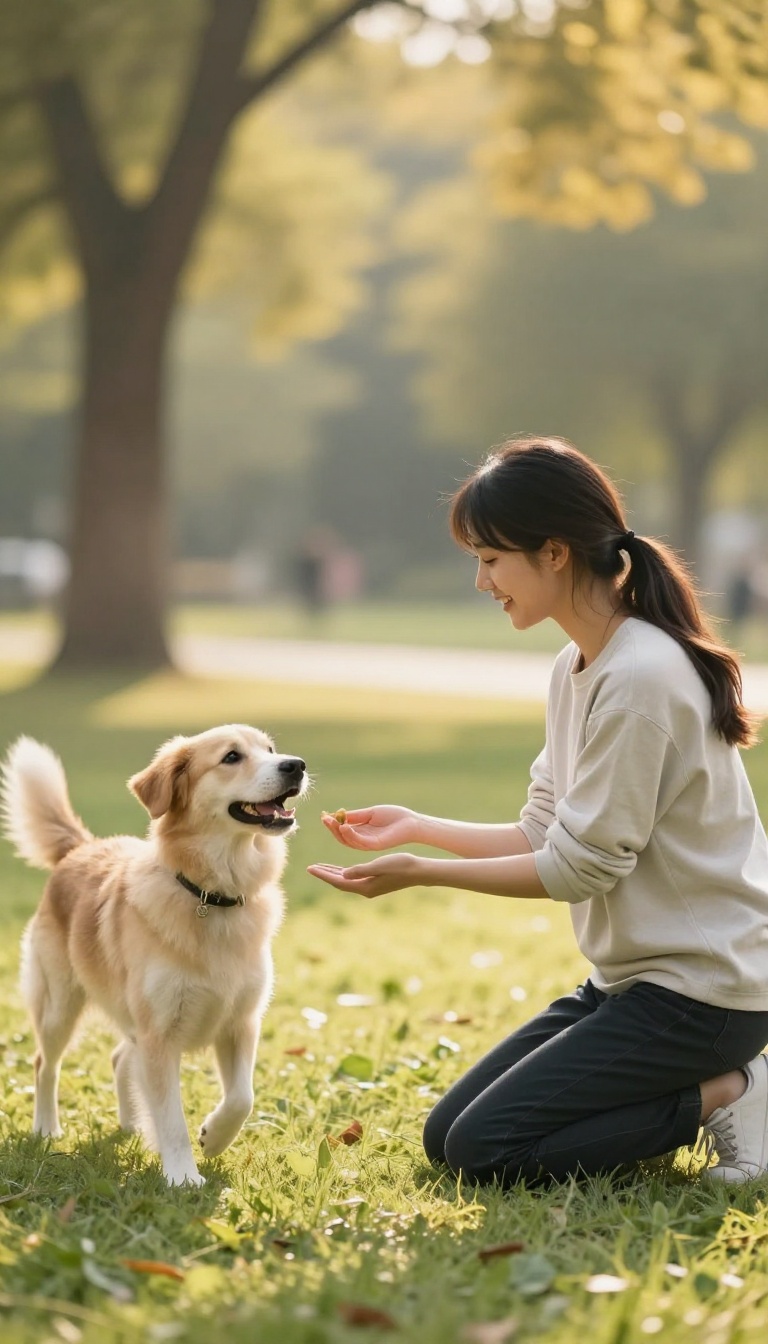
Recall is one of those commands that feels bulletproof indoors. Your dog sprints to you from the kitchen, tail wagging, and you think you've nailed it. But the real test is out in the world, where squirrels, smells, and strangers pull their attention in every direction.
If you haven't practiced 'come' in increasingly distracting settings, you're setting both of you up for frustration. The fix isn't more repetition—it's proofing.
Proofing means practicing a behavior in different environments, with different distractions, until your dog responds reliably no matter what. For 'come, ' this is especially critical because it's a safety cue. If your dog only comes when it's quiet, that's not a solid recall.
Start by taking the cue outside to your yard, then to a quiet park, and gradually add distractions. Keep the rewards big and exciting—use high-value treats or a favorite toy. And always reward generously when they arrive, even if they took a while.
The goal is to make coming to you the best option, every time.
Start Small, Then Add Distractions
Don't jump straight to a busy dog park. Begin in your backyard or a quiet street. Practice 'come' when there's mild distraction, like a neighbor walking by.
Then move to a park with other dogs at a distance. Gradually increase the difficulty, but always set your dog up for success. If they fail, you've moved too fast—back up a step.
Use A Long Line For Safety
When you're proofing recall outside, keep a long training leash attached. This isn't about yanking—it's about safety. If your dog ignores you, you can gently guide them back without turning it into a chase.
It also lets you practice 'come' in open spaces without the risk of them running off. Over time, you'll rely on it less, but it's a great tool for building reliability.
Reward Big, Even For Slow Responses
One common mistake is only rewarding when your dog comes instantly. But if they eventually wander over, that's still worth celebrating. The moment they reach you, throw a party—treats, praise, play.
If you act disappointed because they took too long, you're teaching them that coming to you isn't always fun. Keep the reward unpredictable and jackpot-worthy, so they're always excited to return.
10. Overlooking Body Language and Stress Signals
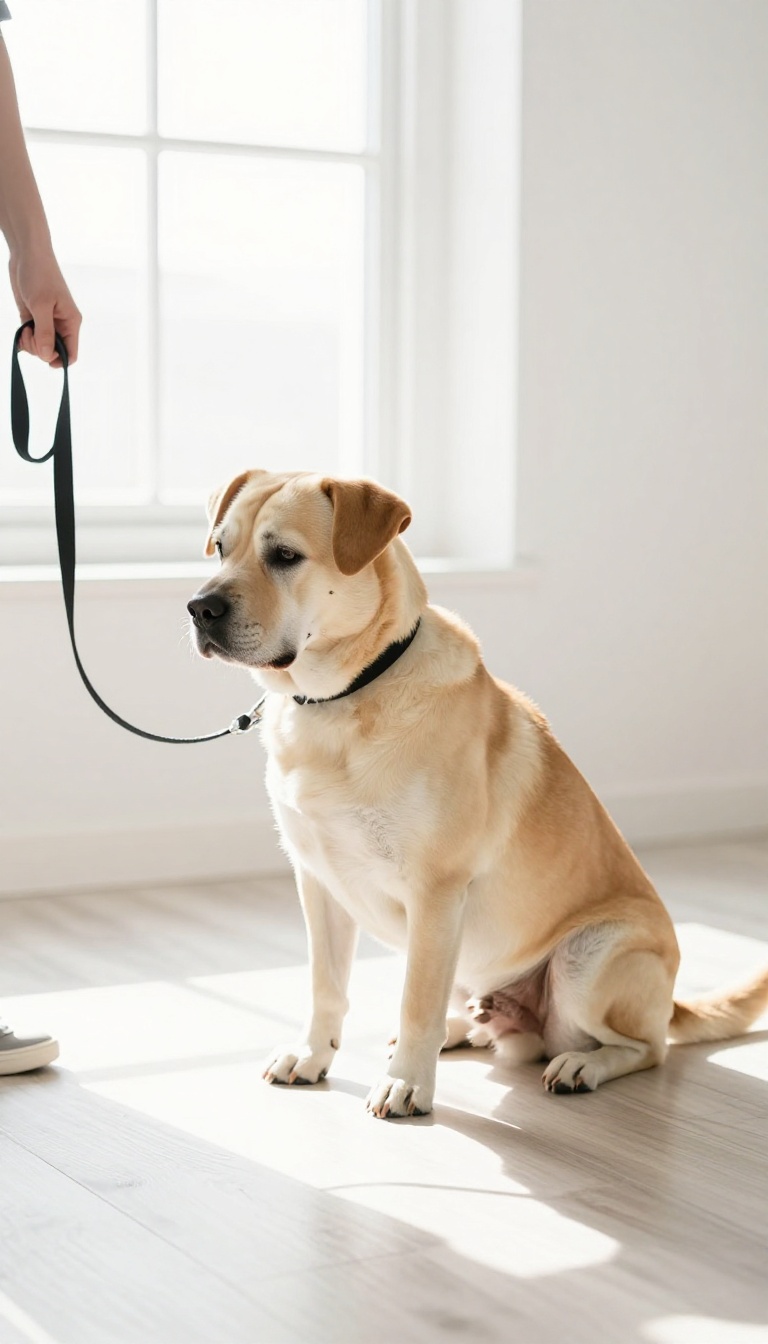
Dogs talk with their bodies, and if you're not listening, you're missing important cues. That yawn during a training session isn't boredom—it's often stress. Lip licking, turning away, or suddenly scratching are all signs your dog is feeling overwhelmed.
Pushing through these signals doesn't build focus; it builds anxiety.
When stress goes unnoticed, training progress stalls. Your dog might comply, but they're not learning—they're just trying to survive the moment. Over time, this can lead to avoidance behaviors or even shutdown.
Recognizing stress early lets you adjust your approach before it becomes a habit.
The Stress Signals You're Missing
Yawning, lip licking, and looking away are classic calming signals. A sudden drop in energy or a tucked tail are also red flags. Some dogs freeze or move slower, while others get hyperactive.
Learn your dog's unique stress vocabulary—it's the key to knowing when to pause.
Why Pushing Through Backfires
When you ignore stress, your dog learns that training is uncomfortable. They might comply, but the association turns negative. Stress hormones like cortisol can linger, making it harder for your dog to focus and retain what you're teaching.
Progress becomes slow, not because the command is hard, but because your dog is emotionally flooded.
How To Pause And Reset
When you spot a stress signal, stop the exercise. Give your dog a break—let them sniff, stretch, or just relax for a minute. Then resume with something easy they already know.
This builds trust and shows your dog that training is a safe, positive space. A short pause now saves hours of reteaching later.
11. Being Too Predictable with Rewards
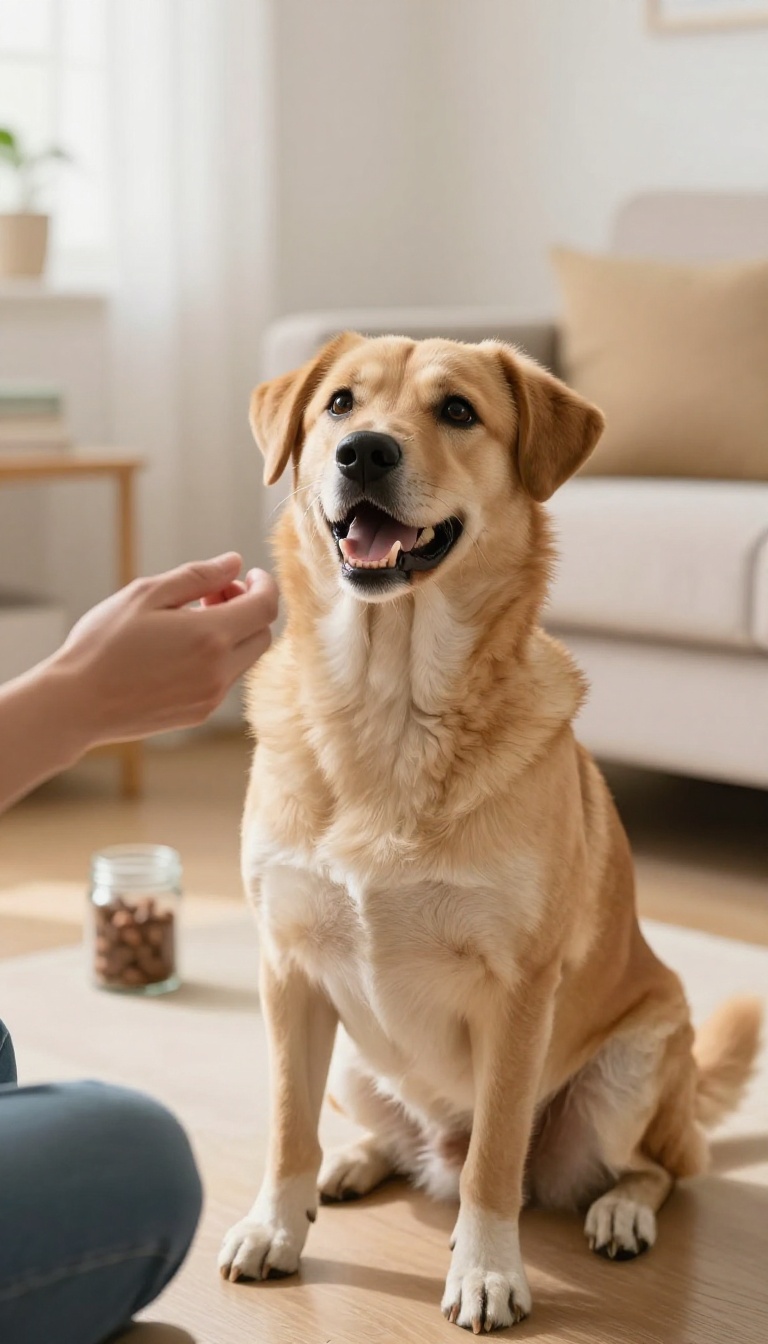
If your dog knows a treat is coming every single time they obey, they might be working for the food instead of the behavior. This predictability can actually slow down training because your dog learns to expect a reward and may lose interest when the treat isn't there. Switching to a variable reward schedule keeps your dog guessing and more engaged.
When you reward your dog every time they perform a command, they quickly learn the pattern. They start to expect a treat, and if you don't have one, they might ignore you or perform half-heartedly. This is called a fixed-ratio schedule, and it can make your dog reliant on the treat rather than the praise or the act itself.
The solution is to vary when and how you reward your dog, so they never know when a treat is coming. This keeps them motivated and excited to work, even without a guaranteed reward.
Why Predictability Backfires
When your dog knows a treat is coming every time, they may start to perform the behavior only for the food. This can lead to a dog that ignores commands when you don't have treats in your pocket. It also makes the reward less special, because it's always the same.
Dogs are smart; they'll quickly figure out that if there's no treat, there's no point in listening.
How To Use A Variable Reward Schedule
Start by rewarding your dog every time for a while, so they learn the behavior. Then, gradually start skipping rewards randomly. Sometimes give a treat, sometimes give praise, sometimes give a quick game of tug.
The key is to keep it unpredictable. This is called a variable-ratio schedule, and it's the most powerful way to keep a behavior strong. Your dog will keep trying because they never know when the big reward might come.
Mixing Up Reward Types
Not every reward has to be food. Use a mix of treats, toys, praise, and life rewards like a chance to sniff or run. This makes the reward more interesting and helps your dog stay focused.
For example, after a sit, sometimes give a treat, sometimes a scratch behind the ears, sometimes a quick fetch. This variety also helps your dog learn that good things come from working with you, not just from food.
When To Use Continuous Rewards
There are times when you should still reward every time, like when you're teaching a new behavior or working in a distracting environment. But once your dog has mastered a command, switch to variable rewards to keep it sharp. Also, if you're working on a really hard behavior, like recall, you might want to keep high-value treats on hand, but still vary when you give them.
12. Skipping Play and Bonding Time
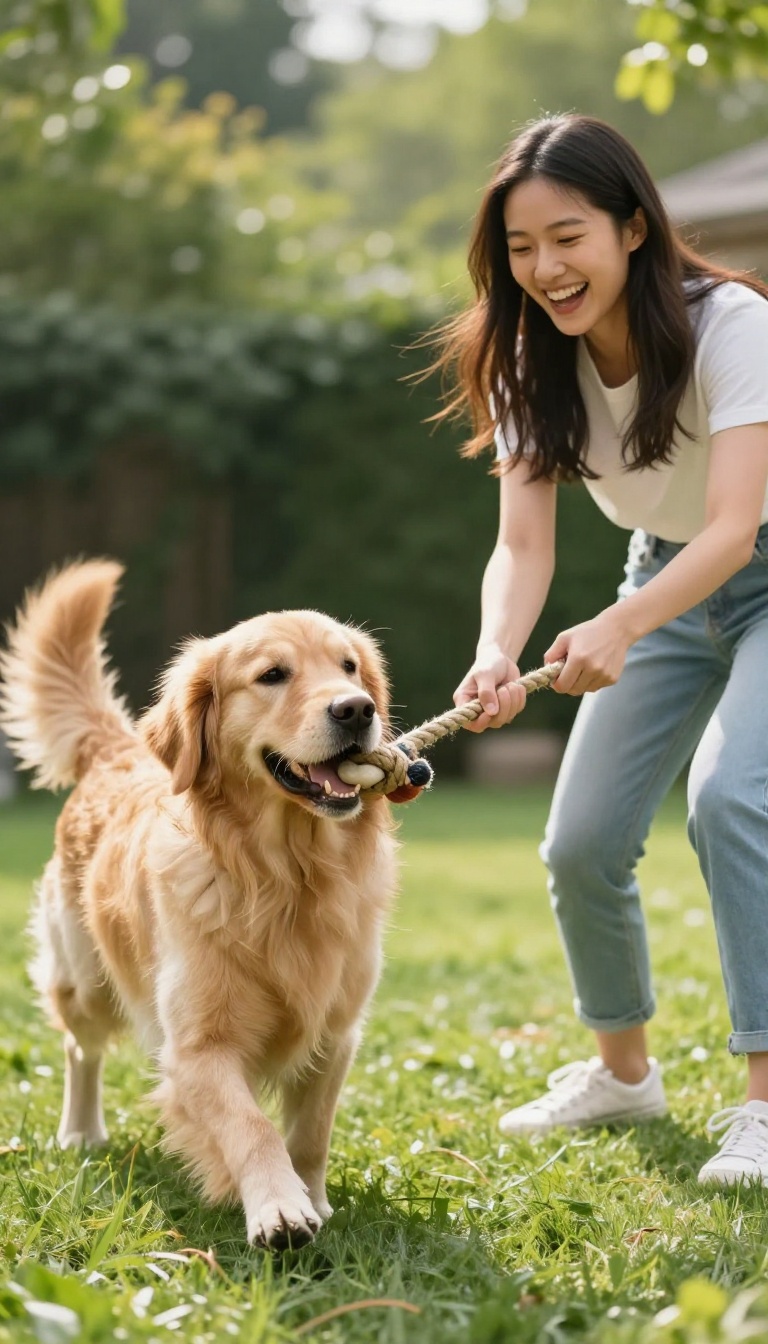
Training can feel like a serious job, but if every session is all business, your dog might start to dread it. Play isn't just a fun break—it's a powerful tool that builds trust and strengthens your connection. When you skip play, you miss out on a natural way to boost your dog's motivation and focus.
Play and bonding time are often the first things to go when life gets busy. But without them, training can become a chore for both of you. A dog that sees you as a source of fun is more eager to learn and more willing to try new things.
Short play sessions between training blocks can reset your dog's attention and make the whole experience more enjoyable.
Why Play Builds Trust
Play is a shared activity that creates positive associations with you. When your dog learns that being around you means good things—like chasing a toy or wrestling—they become more invested in working with you. Trust isn't built through commands alone; it's built through moments of joy and connection.
A dog that trusts you is more likely to listen, even when distractions are high.
Play As A Reward
Treats are great, but not all dogs are food-motivated. Play can be an even more powerful reward for many dogs. A quick game of tug or fetch after a correct behavior can be more reinforcing than a biscuit.
Mix up your rewards to keep your dog guessing and engaged. This also prevents over-reliance on treats and makes training more versatile.
Short Play Breaks Boost Focus
Training sessions that run too long can lead to mental fatigue. Your dog's attention span is limited, and pushing through it often backfires. Instead, try breaking training into short blocks with play breaks in between.
Even 5 minutes of play can recharge your dog's brain and make the next training block more productive. This approach keeps sessions fresh and prevents boredom.
Bonding Beyond Training
Time spent playing isn't just about training—it's about building a relationship. Dogs are social animals, and they thrive on interaction. When you set aside time for play without any training agenda, you show your dog that you're more than just a taskmaster.
This deepens your bond and makes your dog more eager to please you in all contexts, including training.
13. Expecting Perfection Overnight
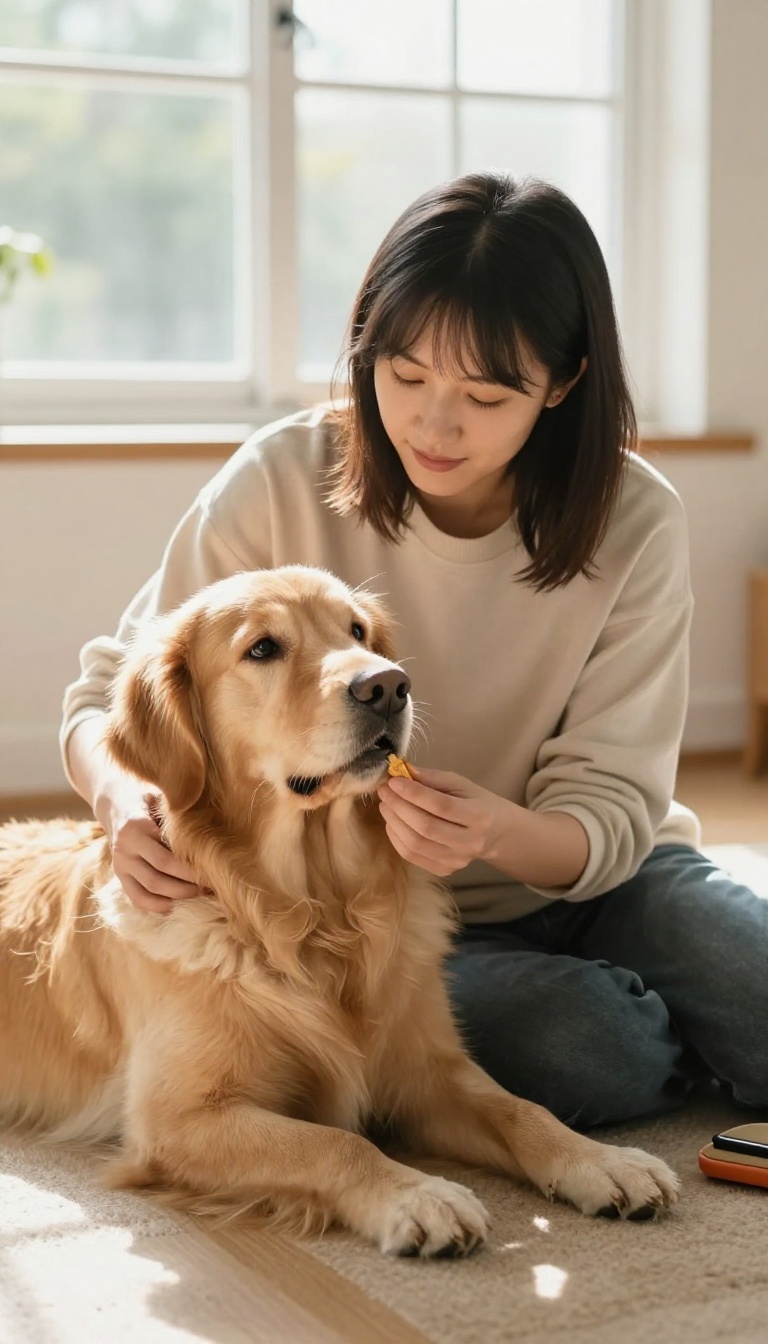
Somewhere between the first clicker and the hundredth treat, we start expecting our dogs to get it instantly. When they don't, we assume we're doing something wrong. But learning isn't a light switch—it's a gradual build.
Imagine if you had to learn a new language in a week. You'd stumble, forget words, and mix up grammar. Dogs face the same challenge when we ask for new behaviors.
They need time to connect the dots, and we need to give them that space without frustration.
Why Slow Progress Is Normal
Every dog processes information at their own pace. Factors like age, breed, and past experiences all play a role. A puppy might pick up sit in a day, while a rescue dog might take a week to feel safe enough to try.
That's not failure—it's just their timeline.
The Power Of Small Wins
When you break training into tiny steps, every success—no matter how small—builds momentum. Did your dog glance at you when you said their name? That's a win.
Did they take one step toward you before getting distracted? That's progress. Celebrate those moments, and you'll both stay motivated.
Patience As A Training Tool
Patience isn't passive—it's an active choice. When you stay calm and consistent, your dog feels safe to experiment. Rushing or showing frustration only adds pressure.
Remember, training is a conversation, not a race. The more patient you are, the faster real learning happens.
FAQ
How long does it take to see progress in dog training?
It varies by dog and behavior. Simple cues can take a few days, while complex behaviors may take weeks or months. Consistency and patience are key.
What should I do if my dog ignores a command?
Don't repeat the cue. Pause, assess the environment, and lower distractions if needed. Help your dog succeed and reward the correct response.
Can I train my dog without treats?
Yes, you can use praise, toys, or life rewards like going outside. The key is finding what motivates your dog most.
How often should I train my dog?
Short, frequent sessions (5-10 minutes, 2-3 times a day) are more effective than long, infrequent ones. Always end on a positive note.
What if my dog is too distracted during training?
Start in a quiet environment and gradually add distractions. Use high-value treats and keep sessions short to maintain focus.
Conclusion
Progress in dog training rarely comes from dramatic breakthroughs—it comes from noticing the small habits that quietly hold you back. Pick one mistake to fix this week, and you'll likely see a shift in how your dog responds during your next session. That momentum builds fast.
You don't need to be perfect; you just need to stay consistent and honest about what's working. Every adjustment you make is a step toward a stronger bond and a more reliable dog. Keep it simple, keep it positive, and let the small wins add up.

I’m Pallab Kishore, the owner of Little Pets Realm — an animal lover and pet care enthusiast sharing easy tips, healthy recipes, and honest advice to help every small pet live a happy, healthy, tail-wagging life.