
Last updated on August 19th, 2026 at 04:14 pm
Training a dog isn't about big, dramatic breakthroughs—it's about the small, repeated choices you make every day. Most of us start with good intentions but lose steam when life gets busy or results feel slow.
That's where consistency saves the day. These 15 rules aren't fancy tricks; they're simple, practical habits that make training stick without extra time or money.
Whether you're teaching a puppy or refining an older dog's manners, each one builds on the last. Pick a few to start, and you'll see calmer, clearer communication with your pup in no time.
1. Use the Same Cue Words Every Time
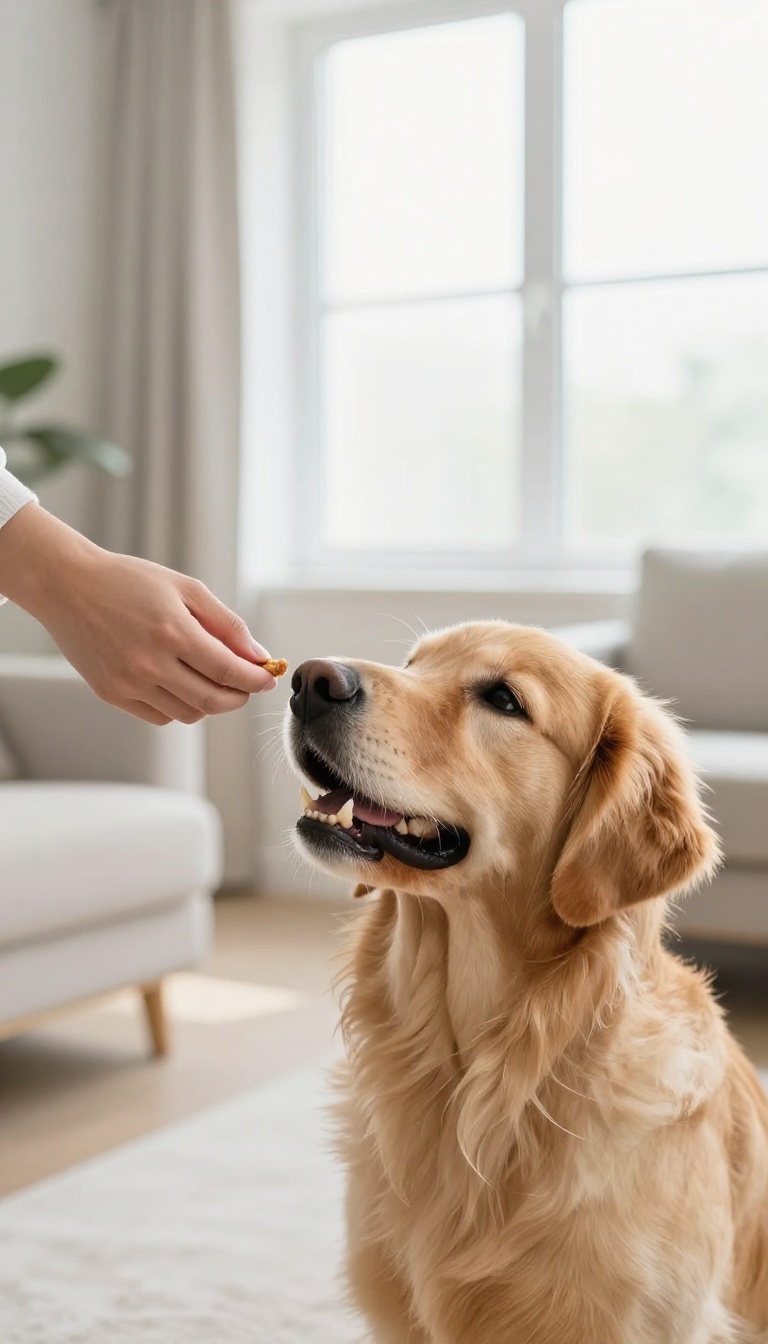
Dogs learn by association, not by reading your mind. If you say "down" to mean lie down one day and "off" the next, your pup has to guess what you want. That guesswork slows everything down and can make training feel frustrating for both of you.
Sticking to one word per action removes the guesswork. Your dog hears the same sound, expects the same result, and responds faster. It sounds simple, but most of us slip up without realizing it.
Pick a cue for each behavior and commit to it. If you want your dog to sit, always say "sit"—not "sit down, " "take a seat, " or "park it. " The same goes for everything else: "stay" means stay, "come" means come, "off" means get off the couch.
Consistency in language builds faster understanding because your dog doesn't have to translate different words into the same action. It's also worth checking that everyone in your household uses the same cues. If you say "down" for lie down and your partner says "down" for get off the furniture, your dog will end up confused.
Agree on a simple set of words and use them every time, everywhere.
Why One Word Beats Ten
Dogs pick up patterns quickly, but they struggle with synonyms. When you use different words for the same behavior, your dog has to figure out whether "sit" and "sit down" mean the same thing. That extra mental step slows their response and can make them seem stubborn when they're really just unsure.
A single, consistent cue creates a direct link in your dog's brain: sound equals action. That's why trainers often say "less is more"—fewer words, clearer meaning, faster learning.
Match Your Tone To The Cue
Your tone matters just as much as the word itself. Say "sit" in the same calm, clear tone every time. If you sound angry one day and cheerful the next, your dog might respond differently even though the word is the same.
Keep your voice steady and upbeat. Your dog isn't just listening to the word—they're reading your energy. A consistent tone reinforces that the cue is a request, not a threat.
Keep A Cheat Sheet For The Whole Family
It's easy to forget which word you chose when you're in the middle of a busy day. Write down your cue list and stick it on the fridge or a door. That way, everyone in the house uses the same words without having to remember.
Include actions like sit, stay, come, down, off, heel, and leave it. Review it together so everyone's on the same page. It takes two minutes and saves weeks of confusion down the road.
2. Reward Within Two Seconds
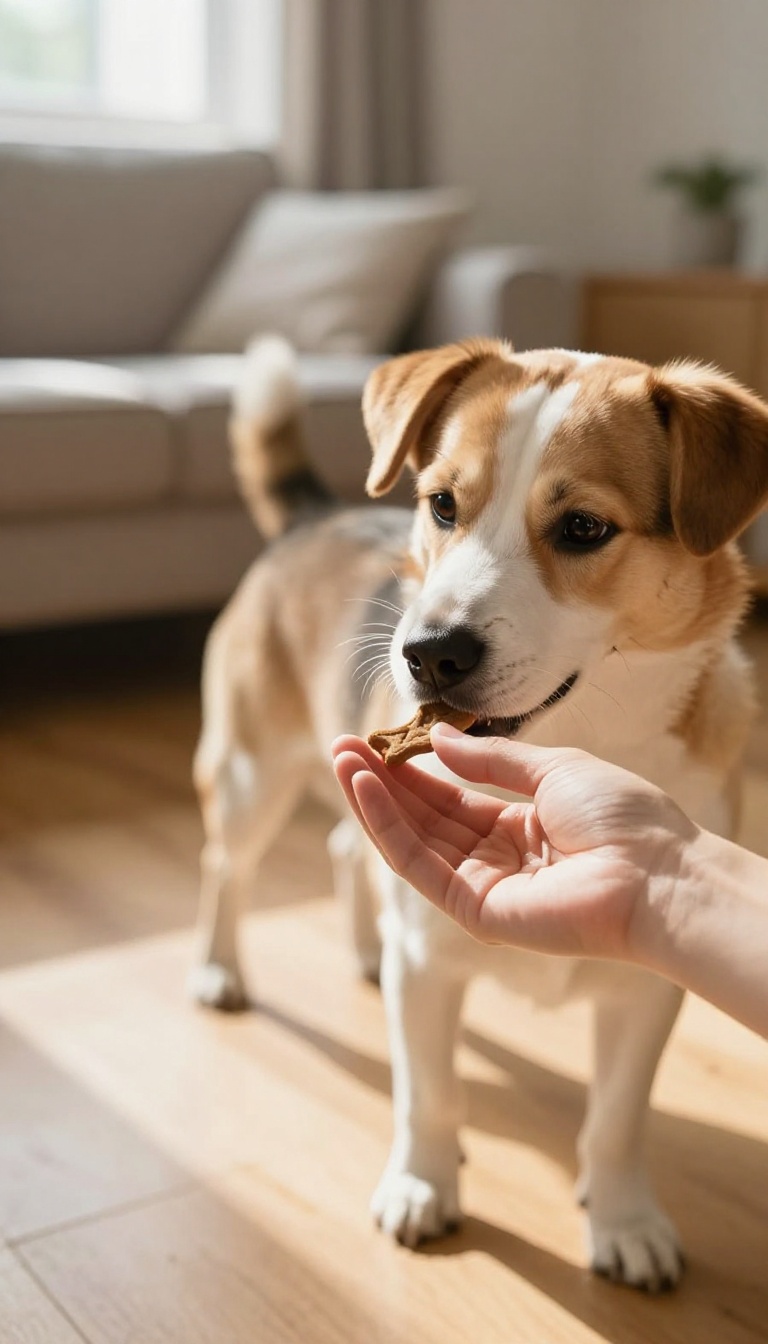
Have you ever given your dog a treat and watched them look at you like you're crazy? That's often because the reward came too late. Dogs live in the moment, and their brains connect actions to consequences almost instantly.
If you wait even a few seconds, the connection gets fuzzy, and your dog starts guessing what you want.
Timing is the secret ingredient in dog training. When you reward your dog within two seconds of the desired behavior, you're telling them exactly what they did right. This quick feedback loop makes learning faster and more reliable, turning every session into a clear conversation rather than a confusing guessing game.
Why Two Seconds?
Dogs don't have the same memory for cause and effect as humans. Their brains are wired to link events that happen close together. If you wait too long, your dog might think the treat came from sitting, or sniffing the ground, or even just looking at you.
Two seconds is the sweet spot—it's short enough for your dog to make the right connection, but long enough for you to get the treat out of your pocket.
How To Speed Up Your Rewards
Keep treats ready before you start training. Have them in a pouch or a bowl right next to you, so you don't have to fumble. Use a marker word like 'yes' or a clicker to instantly 'freeze' the behavior, then deliver the treat a second later.
This bridges the gap between the action and the reward, giving you a little more breathing room without losing the timing.
Common Timing Mistakes
One of the biggest mistakes is waiting until your dog is in the perfect position before rewarding. You might be trying to get a clean sit, but your dog has already stood up by the time you give the treat. Instead, reward the first moment your dog's butt hits the ground, even if it's a little wobbly.
You can shape a better sit later, but the connection is what matters now.
3. Keep Training Sessions Short and Sweet

Ever tried to power through a 45-minute training marathon with your dog? By minute 20, you're both over it. Your pup's tail droops, their eyes glaze over, and you're wondering if you're even making progress.
That's not training—that's a chore. The secret is to flip the script: five focused minutes a day beats one long, draining session every week. Short bursts keep your dog's brain sharp, their motivation high, and your sanity intact.
Dogs thrive on routine, but they also have short attention spans—especially when you're asking them to learn something new. Long sessions lead to frustration, distraction, and a dog who starts associating training with boredom. Short sessions, on the other hand, feel like a game.
They're quick enough to keep your dog's tail wagging and frequent enough to build real muscle memory. Plus, you're more likely to stick with a five-minute habit than a weekly hour-long block. Consistency isn't about marathon effort; it's about showing up every day, even for a few minutes.
Why Five Minutes Works
Think of your dog's brain like a muscle—it gets tired after intense use. A five-minute session is just enough to practice a cue, reinforce a behavior, and end on a high note. You're also working with your dog's natural learning curve: short, repeated bursts help them retain information better than one long cram session.
And since you're ending before your dog loses interest, they'll be eager for the next session, not dreading it.
How To Structure A Mini-session
Keep it simple. Pick one skill to focus on, like 'sit' or 'stay. ' Start with a quick warm-up (a familiar cue), then practice the new skill 5-10 times, mixing in treats and praise. End with something easy your dog knows well, so they finish feeling successful.
That's it—no need to overcomplicate. You can even break it into two or three two-minute chunks throughout the day if that fits your schedule better.
Making It A Daily Habit
The best way to make short sessions stick is to tie them to an existing routine. Do a quick training session right before breakfast, after your morning walk, or while you're waiting for coffee to brew. Use a timer on your phone to keep yourself honest.
And don't forget to celebrate the small wins—every five-minute session is a step toward a well-trained dog.
4. Practice in Different Locations
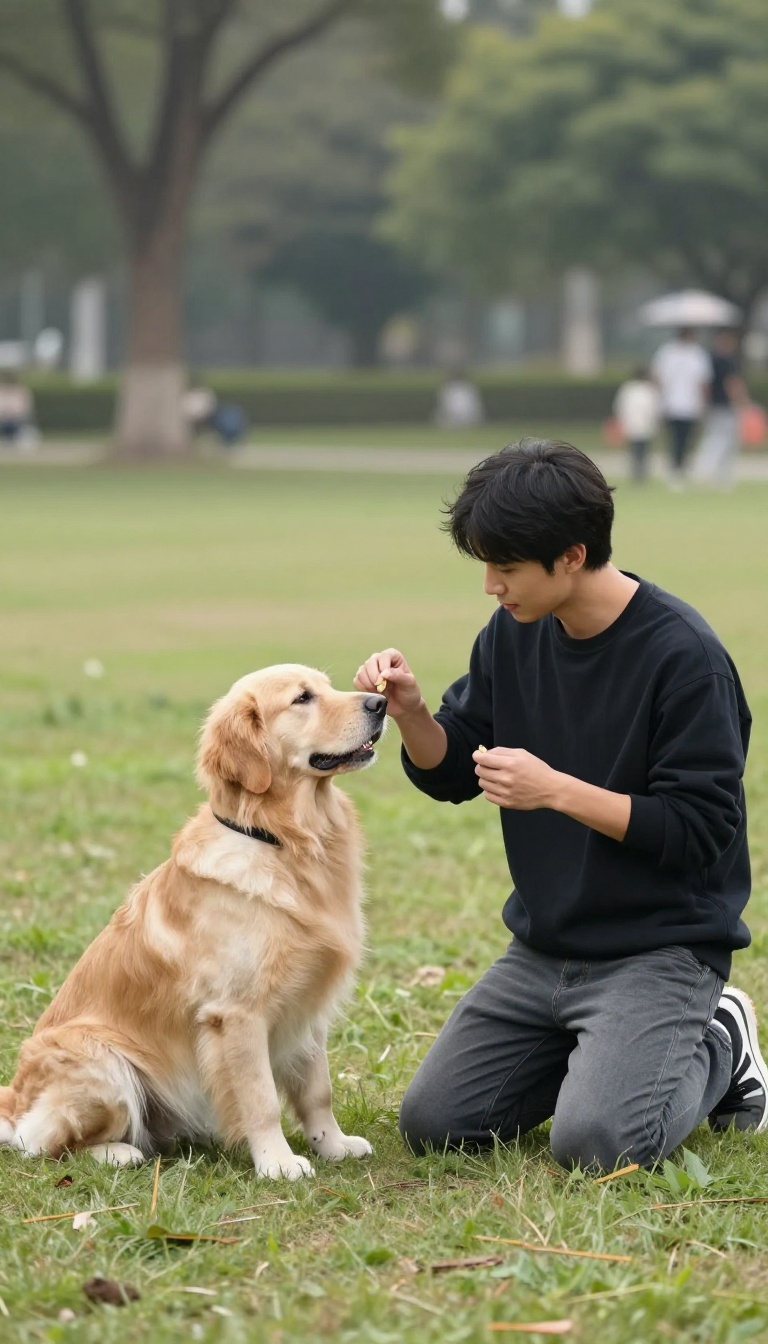
Your dog might be a star student in the living room, but what happens when you ask for a sit at the park? The truth is, dogs don't automatically generalize commands to new places. They need practice in different environments to learn that 'sit' means 'sit' everywhere, not just on your rug.
Think of it like this: you wouldn't expect a child to do well in a noisy classroom if they only studied in a silent library. Same goes for your pup. By gradually adding distractions and changing locations, you're teaching them to focus on you, no matter what's going on around them.
Start by practicing in a few familiar spots around the house, like the kitchen or the backyard. Then, slowly branch out to more challenging places—a quiet sidewalk, a friend's yard, or a pet store. The key is to go at your dog's pace and keep sessions short and positive.
If they're struggling, step back to an easier location and build up again.
Start Small, Then Expand
Begin with low-distraction areas like your hallway or a quiet corner of the yard. Once your dog nails a command there, move to a busier room, then to the front porch. Each time you step up the difficulty, lower your expectations a bit—use a higher-value treat and be ready to reward tiny successes.
This gradual progression helps your dog build confidence without getting overwhelmed.
Add Real-world Distractions
Real life is full of distractions: other dogs, cars, kids, squirrels. So, train in places where those things actually happen. Start with mild distractions (like a person walking by in the distance) and work up to tougher ones (like a dog barking nearby).
Always set your dog up for success by rewarding them for checking in with you, even if they don't perform the exact cue perfectly. That attention is the foundation for reliable obedience.
Make It A Habit
The more you practice in different spots, the more natural it becomes for your dog to listen anywhere. Try to incorporate short training sessions into your daily walks—ask for a 'sit' at the curb, a 'down' on a bench, or a 'stay' while you tie your shoe. These micro-sessions add up quickly and reinforce the idea that rules apply everywhere, not just at home.
5. Use the Same Rewards for the Same Behaviors
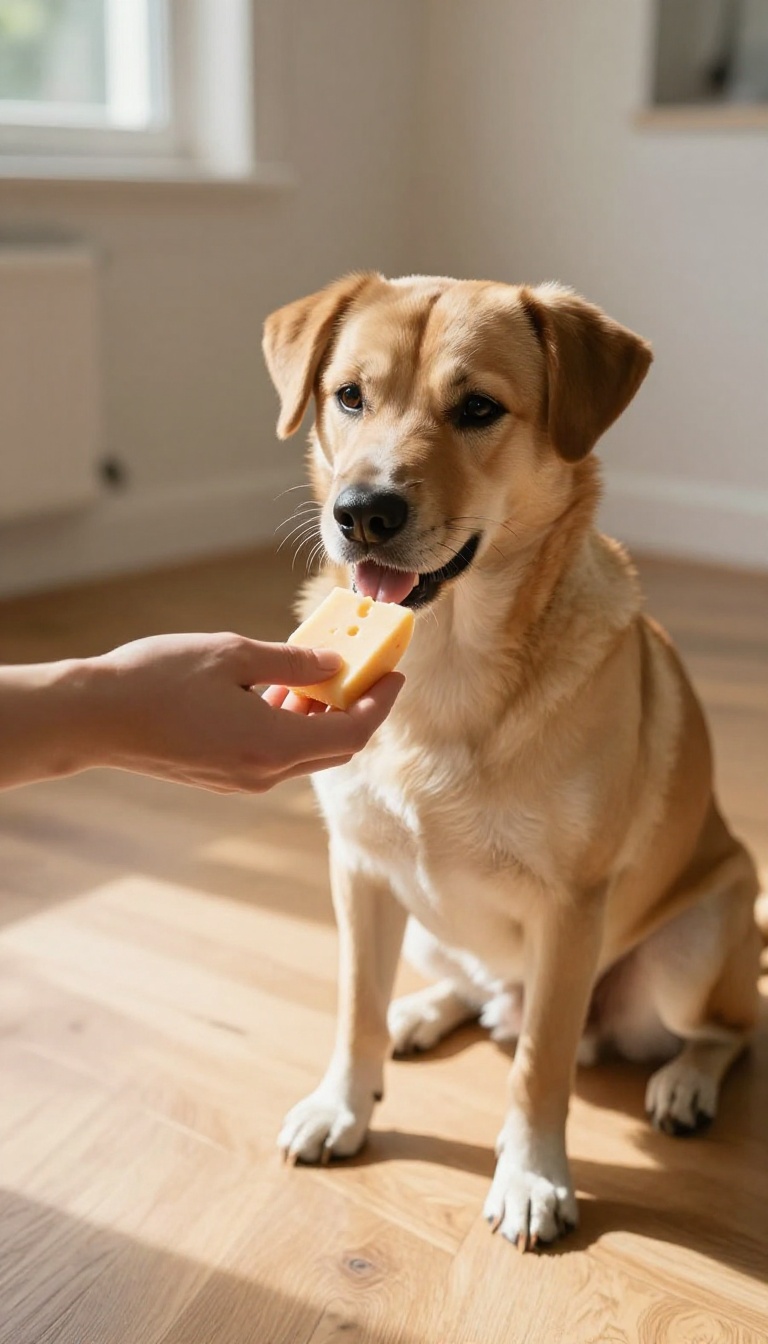
Rewards are powerful signals. If you sometimes treat your dog for sitting and sometimes don't, they'll start to wonder if it's worth the effort. Consistency in rewards is just as important as consistency in commands.
When you use the same reward for the same behavior every time, your dog learns exactly what's expected and what they'll get in return. This builds trust and makes training more reliable.
Think of rewards as a contract with your dog. If you offer a treat for 'come' but only praise for 'sit', your dog might prioritize the behavior that pays better. Mixed signals slow down learning and can make your dog less eager to respond.
Keep it simple: choose a reward for each cue and stick with it. Whether it's a small treat, a favorite toy, or enthusiastic praise, consistency tells your dog that the behavior is valuable. Over time, you can phase out treats for some behaviors, but only after the habit is solid.
Pick Your Rewards Wisely
Not all rewards are equal in your dog's eyes. Some dogs go crazy for cheese, others live for a squeaky toy. Figure out what your dog loves most and use that for the behaviors you want to reinforce the most.
For everyday cues like 'sit', a simple kibble might work, but for 'come' in a distracting park, bring out the high-value stuff.
Match The Reward To The Effort
If you ask for a 'down' and your dog nails it, reward them with something they love. If you ask for a simple 'watch me' and they do it, a quick 'good' might be enough. The key is to be consistent with the same reward for the same behavior.
Don't give a jackpot for a lazy 'sit' and then a tiny piece for a perfect 'stay'—that sends mixed signals.
Keep A Reward Chart (yes, Really)
If you're training multiple behaviors, it's easy to forget which reward you promised for which cue. Jot down a simple chart: 'sit = kibble', 'come = hot dog', 'heel = toy'. Stick it on the fridge or in your training bag.
This keeps you consistent even when you're tired or distracted, and it helps every family member follow the same system.
6. Set a Daily Training Routine

A predictable schedule does more than keep you organized—it signals to your dog that training time is coming. Dogs are creatures of habit, and when they know what to expect, they're less distracted and more ready to learn. Consistency in timing also helps reinforce the behaviors you're working on, because your dog's internal clock becomes part of the training process.
When you train at the same time every day, you're not just teaching commands—you're building a ritual. Your dog starts to anticipate the session, which means they're already in a learning mindset when you begin. This reduces the 'warming up' time and makes each session more productive.
Plus, a routine helps you stay on track, because it becomes a natural part of your day rather than something you squeeze in when you remember.
Pick A Time That Works For Both Of You
Choose a time when you're both relaxed and not rushed. For many people, that's right after a morning walk or before dinner. The key is to pick a slot you can stick to most days.
If your schedule varies, aim for the same general time—like 'after work' or 'before bedtime. ' Consistency matters more than the exact hour, so find a rhythm that fits your life and your dog's energy levels.
Keep Sessions Short And Sweet
A daily routine doesn't mean marathon training sessions. In fact, short, focused sessions of 5 to 10 minutes are more effective than one long session per week. Your dog's attention span is limited, and ending on a positive note keeps them eager for the next session.
You can even break training into two mini-sessions a day—one in the morning and one in the evening—if that fits better.
Use The Same Cues And Rewards
Part of a routine is using the same words and hand signals every time. If you say 'sit' one day and 'sit down' the next, your dog gets confused. Stick to one cue per behavior, and use the same type of reward—whether it's a treat, a toy, or praise.
This consistency helps your dog understand what's expected and speeds up learning.
7. Don't Change the Rules Mid-Stream
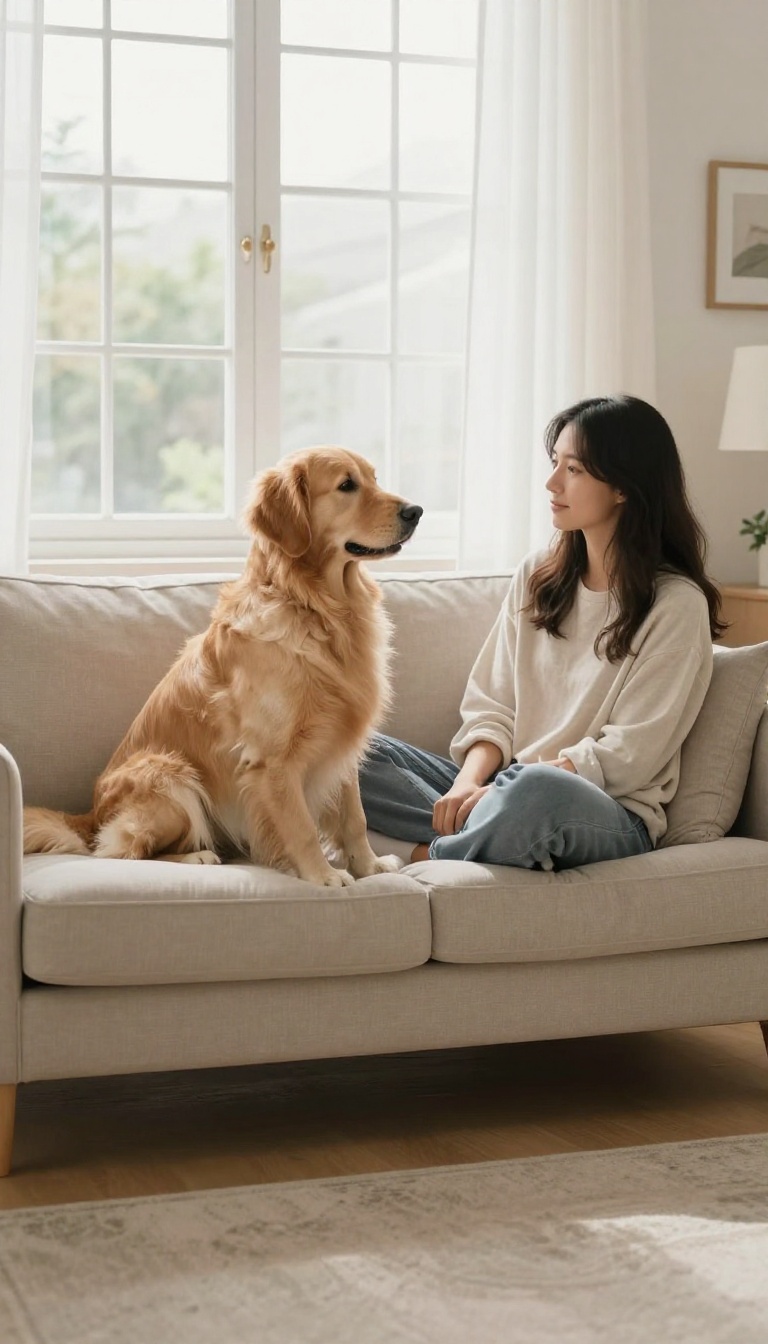
Imagine if your boss sometimes praised you for showing up late and other times wrote you up for it. You'd feel lost, right? That's exactly how your dog feels when the rules change depending on your mood or the situation.
One day the couch is off-limits, the next day it's fine because you're tired and want to snuggle. Your dog isn't being stubborn—they're just trying to figure out a game where the rules keep moving.
Consistency is the backbone of any training plan. When you change the rules mid-stream, you undo progress and create confusion. Dogs learn through repetition and clear consequences.
If you're inconsistent, they can't connect their behavior to a predictable outcome, so they stop trying to figure out what you want. The fix is simple: decide on the rules once, write them down if you need to, and stick to them every single time—no exceptions.
Decide On The Rules As A Household
Before you can be consistent, everyone in the house needs to agree on the same rules. Sit down with your family or roommates and decide things like: Is the dog allowed on the couch? What about the bed?
Can they beg at the table? Write these down and put them somewhere visible. If one person says 'off' and another says 'okay, ' your dog gets mixed signals.
Agree on the rules first, then enforce them together.
Stick To The Rules Even When It's Hard
The hardest part of consistency is holding the line when you're tired, busy, or just want to give in. Maybe your dog gives you those puppy eyes during dinner, and you think, 'Just this once. ' But 'just this once' teaches them that begging sometimes works—so they'll keep trying, and trying harder. If you don't want your dog to beg, then don't give in, ever.
It's tough, but it's the only way your dog learns the rule is real.
Use The Same Cues And Rewards Every Time
Consistency isn't just about rules—it's also about how you communicate. If you say 'down' to mean 'lie down' but your partner says 'off' for the same action, your dog gets confused. Use the same words for the same behaviors, and make sure everyone uses the same tone and hand signals.
Also, be consistent with rewards: if you always use treats for a successful 'sit, ' don't suddenly switch to praise only without warning. Keep the rules and the language the same, and your dog will learn faster.
8. Use the Same Tone and Body Language
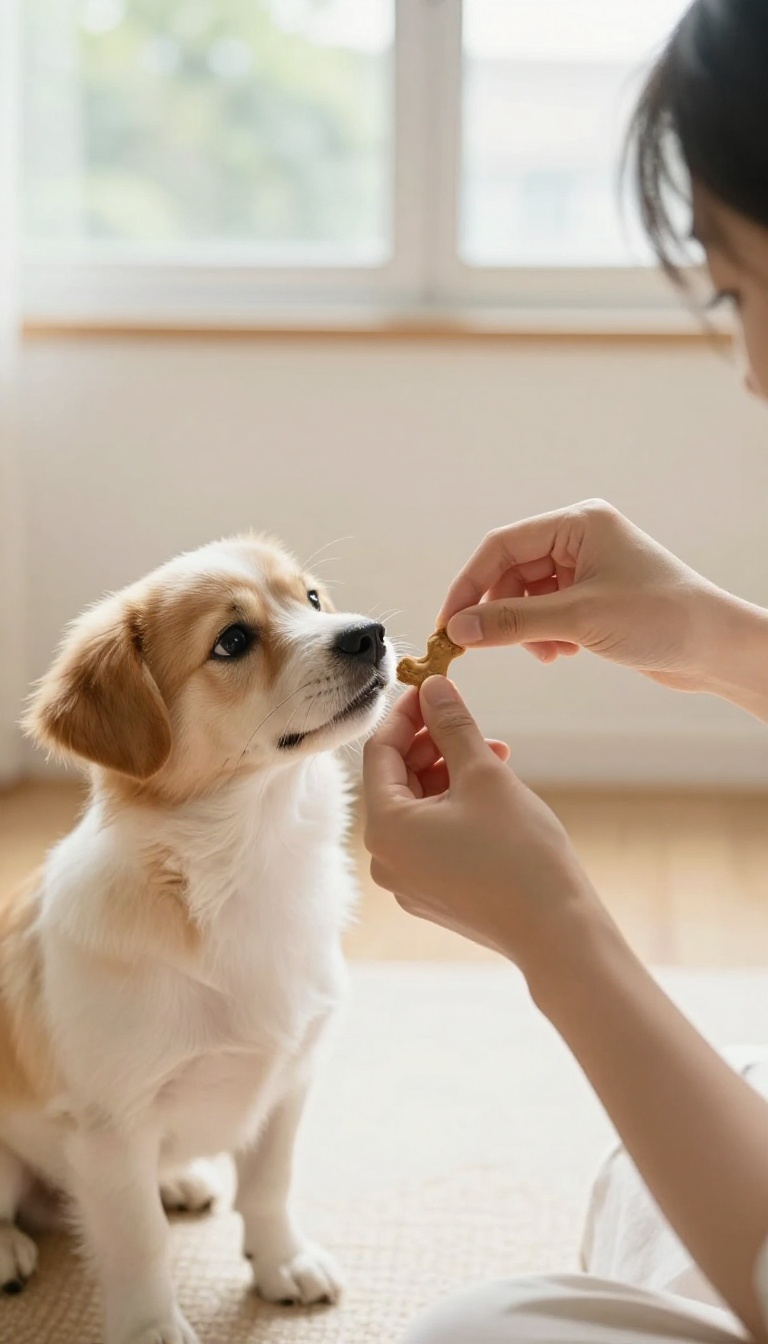
Dogs are masters of reading us—they pick up on the tiniest shifts in our voice and posture. If you say "sit" in a bright, happy voice one day and a low, serious voice the next, your dog might not recognize it as the same cue. Consistency in tone and body language isn't just about being clear; it's about building trust and reducing confusion.
Your tone of voice is more than just sound—it's a signal. A cheerful "good boy! " means something different from a sharp "no!
" Even the same word can become a completely different command if the pitch or energy changes. The same goes for your body: leaning forward, standing tall, or holding a treat at a different height can change what your dog thinks you're asking for. When you're consistent in both tone and physical cues, your dog learns faster and feels more secure because the message is always the same.
Pick A Tone And Stick With It
Decide on a specific tone for each type of cue. Use a bright, encouraging voice for commands like "come" or "sit, " and a firmer, lower tone for corrections like "leave it. " Once you pick a tone, use it every single time.
If you're not consistent, your dog might hesitate, thinking, "Is this the same thing as last time? " Consistency helps your dog respond quickly and confidently.
Keep Your Body Language Neutral
Your body language should match the tone you're using. For a calm "stay, " stand still with relaxed shoulders. For an excited "come, " you might crouch down and open your arms.
But whatever you do, don't change it up randomly. If you sometimes lean forward when you say "sit" and other times stand straight, your dog might wait for the lean before sitting. Keep your posture and gestures as consistent as your voice.
Make Sure Everyone In The House Is On Board
It's not just you—everyone who interacts with your dog needs to use the same tone and body language. If you use a high-pitched "sit" but your partner uses a deep one, your dog might only listen to one of you. Sit down with your family and agree on the exact tone and gestures for each command.
Practice together so you're all sending the same signal. This prevents confusion and makes training stick for everyone.
9. Be Consistent with Everyone in the Household
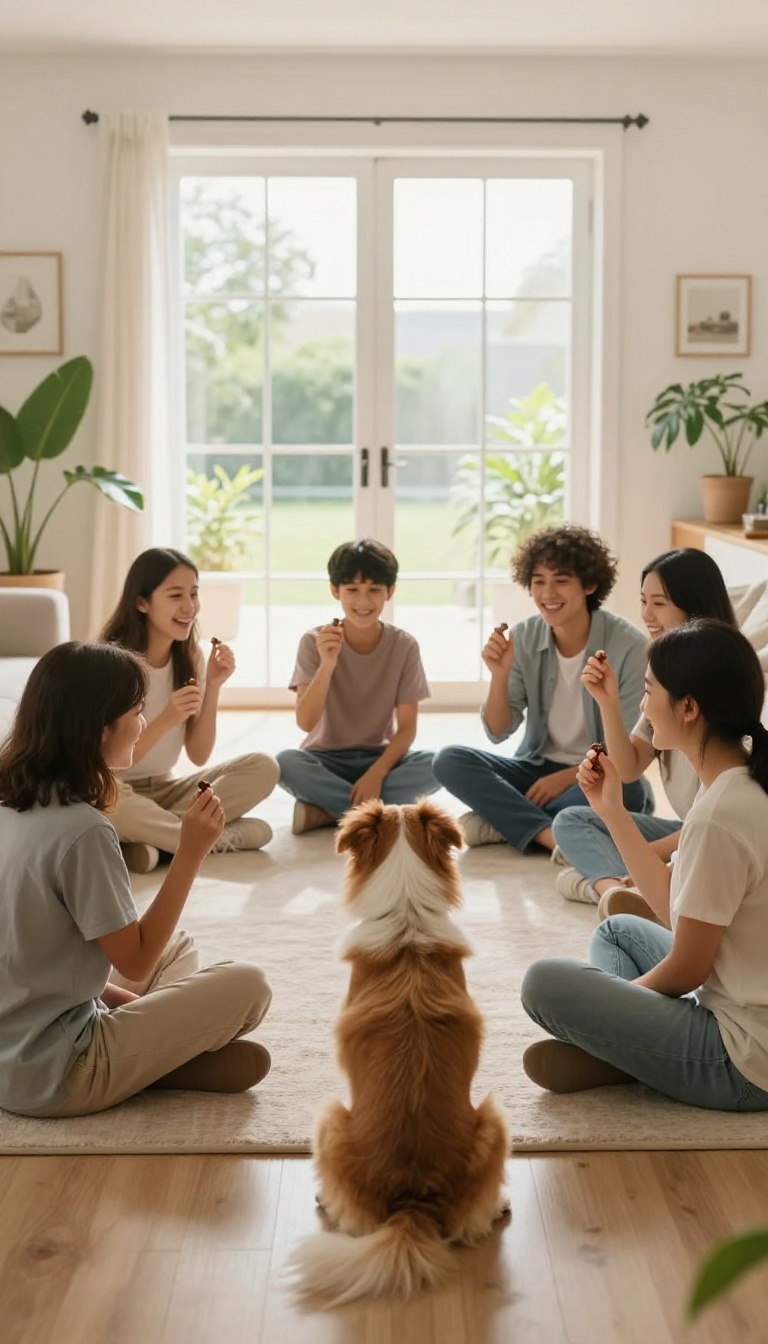
If your dog gets different reactions from different people, they'll never learn the rules. One person might think jumping is cute, while another scolds it. That mixed messaging confuses your pup and slows down progress.
Getting everyone on the same page is a game-changer.
When every family member uses the same commands and rewards, your dog learns faster. Consistency across people means your dog understands that 'sit' means 'sit' whether it's you or your partner asking. It also prevents frustration and makes training feel fair to your dog.
Hold A Family Training Meeting
Gather everyone who interacts with your dog—spouse, kids, roommates, even frequent visitors. Discuss the rules you're teaching and agree on the exact words and hand signals. Write them down if needed.
This ensures everyone uses the same cues and rewards.
Decide On The Non-negotiables
Some behaviors are absolute nos, like jumping or begging at the table. Other things might be personal preferences. Agree on which rules are non-negotiable and which can be flexible.
This prevents one person from allowing something another forbids.
Use The Same Rewards And Timing
If one person gives treats for a sit and another gives praise, your dog might get confused. Agree on the type of reward and how quickly to deliver it. Consistency in rewards helps your dog understand what behavior earns what outcome.
Correct Mistakes Gently
When someone slips up and forgets a rule, don't get upset. Gently remind them and move on. Training is a learning process for humans too.
Keeping a positive attitude helps everyone stay on board.
10. Don't Give Up After a Bad Day
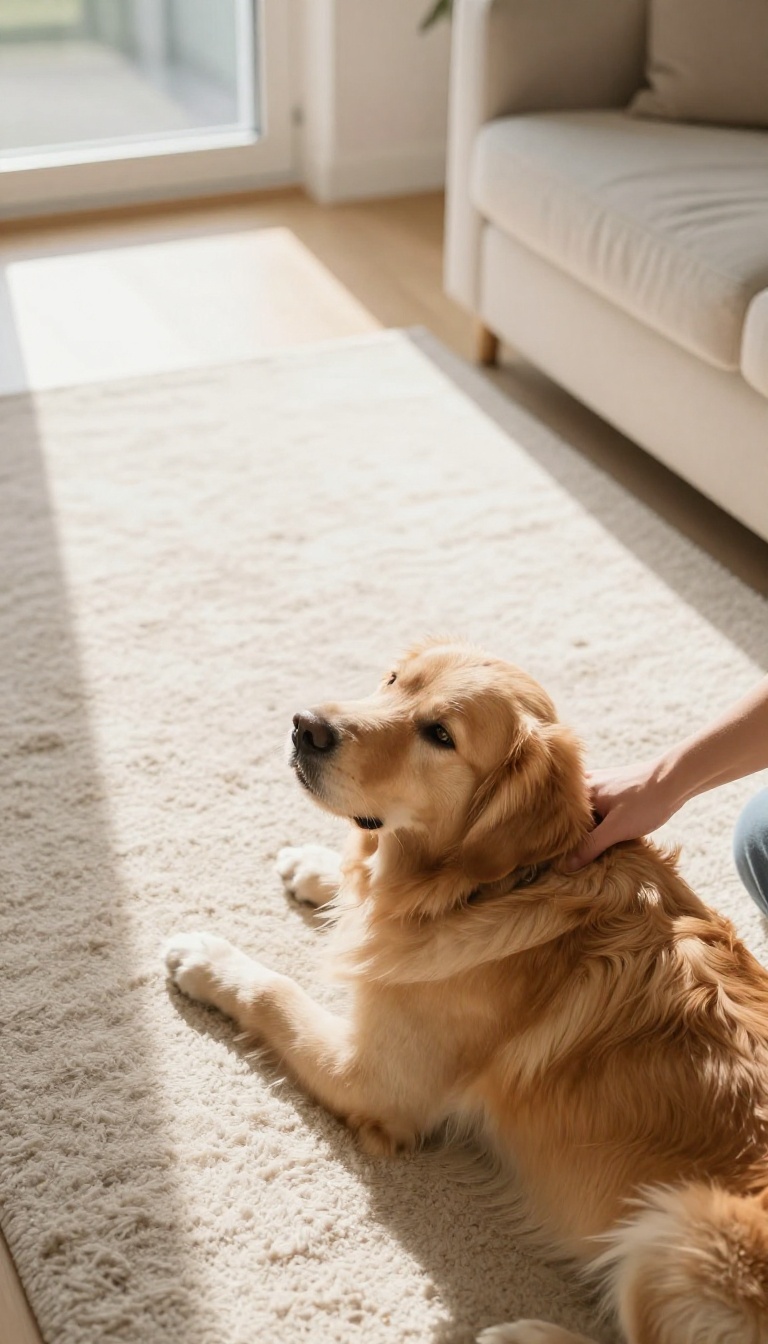
Every trainer hits a day when nothing clicks. Your dog ignores a cue they knew yesterday, or a walk turns into a pulling marathon. It's easy to feel like you've failed, but one rough session doesn't erase the work you've already put in.
The real test isn't avoiding mistakes—it's how you bounce back.
Consistency isn't about perfection; it's about returning to the routine after a setback. Dogs don't measure your track record by a single day. They respond to patterns over time.
So when things go sideways, take a breath, reset, and pick up where you left off tomorrow morning. That's what makes training stick.
Why Bad Days Happen
Bad days are normal for both you and your dog. Maybe you're tired, stressed, or rushed, and your dog picks up on that energy. Or your dog might be distracted, not feeling well, or just having an off day themselves.
Dogs aren't robots, and neither are you. Recognizing these factors helps you avoid taking it personally.
Don't Overcorrect
When a session goes poorly, resist the urge to double down and drill the same command over and over. That often leads to frustration for both of you. Instead, end on a positive note with something easy your dog knows well.
Then take a break. You can revisit the tricky cue later, not in a frustrated state.
Focus On The Big Picture
Step back and look at the overall trend. Has your dog improved over the past week or month? Most likely, yes.
One bad day is a blip on the radar, not a sign of failure. Keep a simple training log if it helps—you'll see that progress isn't a straight line. That perspective makes it easier to move forward.
Tomorrow Is A Fresh Start
Consistency means showing up again, not being flawless. When you wake up the next day, start with a short, easy session to rebuild confidence. Your dog will quickly forget yesterday's hiccup if you're calm and positive.
That's how you build a resilient training bond that lasts.
11. Use a Consistent Marker Word

One of the simplest yet most powerful tools in dog training is a marker word. It's a sound you make the instant your dog does something right, like a click or a sharp 'yes. ' This sound tells your dog exactly which behavior earned the reward, removing guesswork and speeding up learning.
A marker word bridges the gap between the behavior and the reward. Without it, your dog might not know which action got them the treat. With it, you can mark a behavior from across the room or at the exact moment it happens, making your training crystal clear.
Pick A Word And Stick With It
Choose a word like 'yes' or 'good' that you'll use exclusively for marking. Avoid using it in everyday conversation. The word should be short, sharp, and consistent.
If you use a clicker, that's fine too—just be consistent with the sound.
Mark The Instant, Not The Aftermath
The marker must come within a second of the correct behavior. If you mark too late, your dog might associate it with something else. Practice timing by watching your dog closely and marking the split second they do what you want.
Pair The Marker With A Reward Every Time
Every time you mark, follow with a treat or praise. This builds a strong association. Over time, the marker itself becomes rewarding, which is handy for reinforcing behaviors from a distance.
12. Keep Training Tools in the Same Place
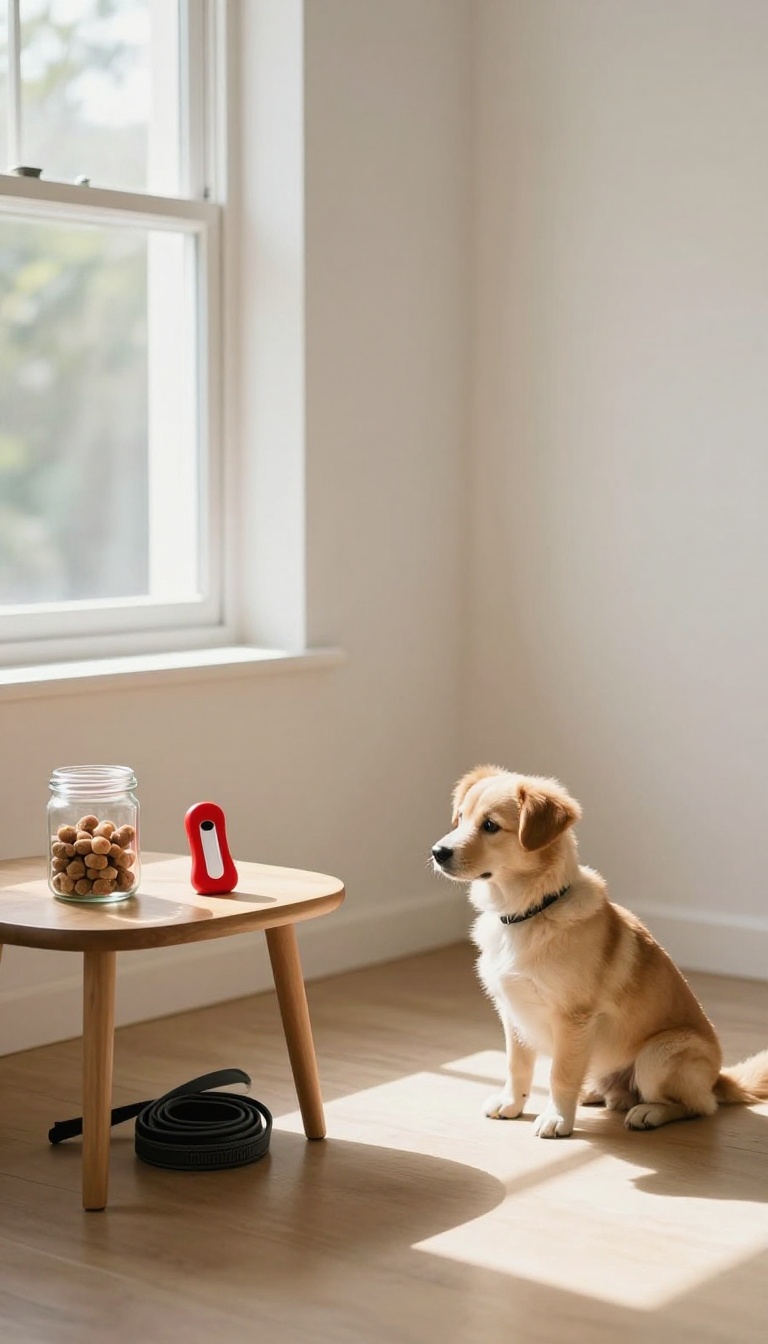
Ever had a training session fall apart because you couldn't find the treats? Or skipped it entirely because the clicker was buried in a drawer? You're not alone.
When your gear is scattered, every session starts with a scavenger hunt—and that's enough to kill your momentum. A simple fix is to give your training tools a permanent home. When the treats, clicker, and leash live in one visible spot, you're more likely to grab them and train.
It's a tiny change that removes friction and makes consistency feel effortless.
Having a designated spot for your training gear isn't just about tidiness—it's about making the right behavior easy. When your tools are visible and accessible, you're more likely to use them, even on busy days. Here's how to set it up and why it works.
Why Visibility Matters
Out of sight, out of mind—that's especially true for training tools. When treats are hidden in a cupboard, you might forget to train altogether. But when you see the treat pouch hanging by the door, it's a gentle nudge to squeeze in a quick session.
Visibility also helps with timing. The faster you can grab a treat, the quicker you can reward your dog. That split-second delay can make all the difference in reinforcing the right behavior.
Pick A Spot That Works For You
Choose a location that fits your daily routine. If you train in the living room, keep a small jar of treats on the coffee table. If you practice outside, hang a treat pouch by the back door.
The goal is to make it as easy as possible to start training. Think about where you and your dog spend the most time. That's your training hub.
Keep your clicker, treats, and a few toys there. You'll be amazed at how often you'll actually use them.
Make It A Family Rule
If multiple people train your dog, make sure everyone knows where the tools live. When everyone uses the same spot, it becomes a shared habit. You'll avoid the "who moved the treats?
" scramble and keep sessions consistent. You can even add a small checklist or label to remind everyone to return the tools after use. It sounds simple, but it keeps your system running smoothly.
13. Track Your Progress
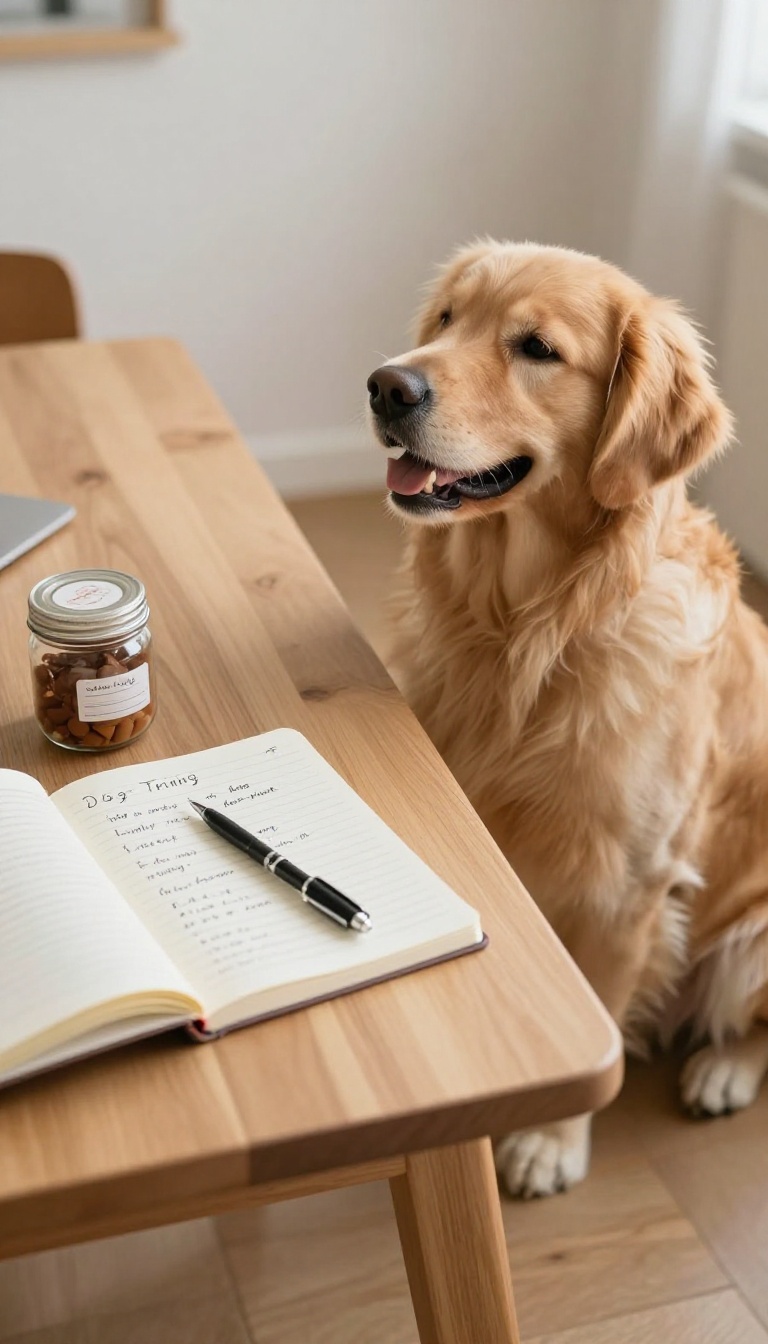
It's easy to feel like you're not getting anywhere when you're in the middle of training. But when you write things down, you can see how far you've come. That little boost can be the difference between giving up and pushing through.
Keep A Simple Training Log
You don't need a fancy app or a detailed journal. A small notebook or a note on your phone works fine. Jot down the date, what you practiced, and how it went.
After a week, you'll have a clear picture of your dog's progress and any patterns that need adjusting.
Review And Adjust Weekly
Once a week, take a few minutes to look back at your notes. What worked? What didn't?
Maybe your dog does better in the morning than after dinner. Use that info to tweak your training plan. This keeps your approach fresh and effective.
Celebrate Small Wins
It's easy to focus on what's still not perfect. But your log will show you the little victories—like sitting on the first try or not pulling on the leash for a full minute. Acknowledge those.
They're proof that consistency is paying off.
14. End Every Session on a Positive Note
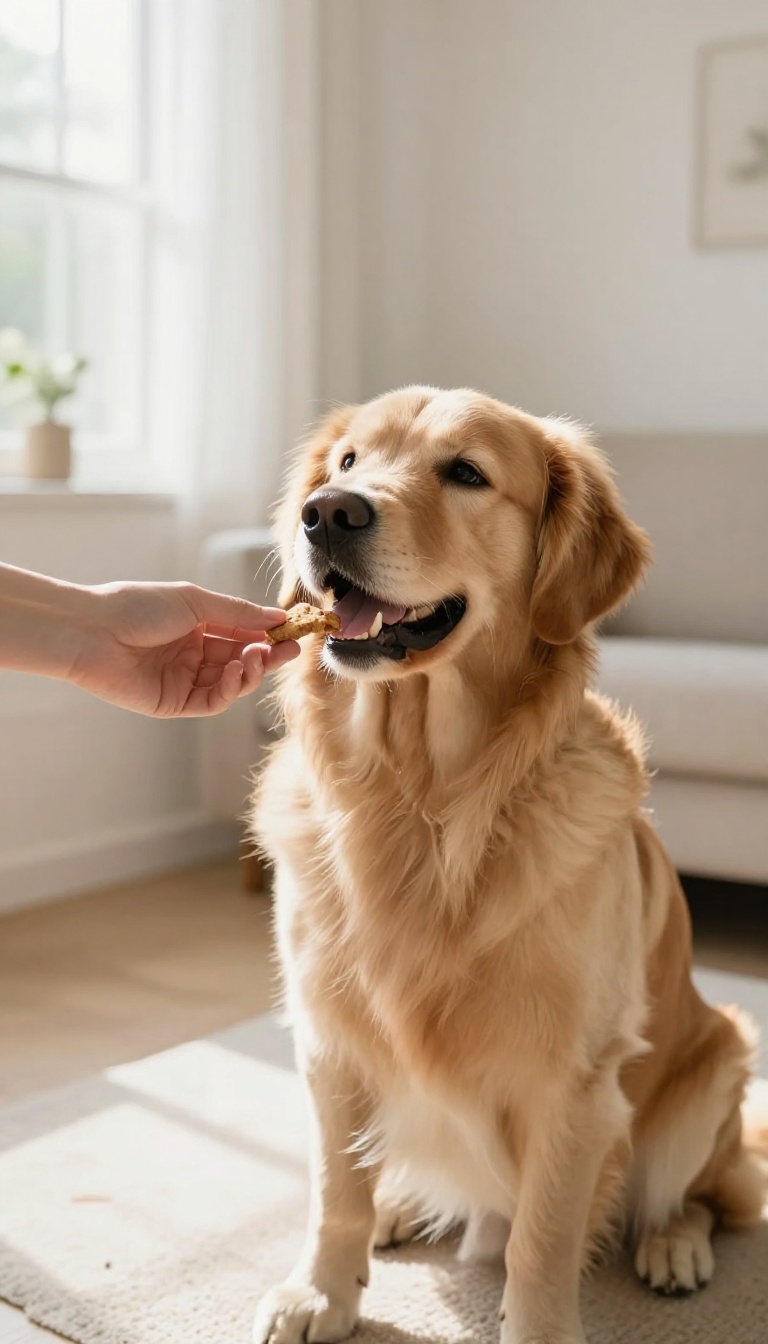
You know that feeling when a workout ends on a tough set, and you're less excited to come back tomorrow? Dogs feel the same way about training. If every session wraps up with a struggle or a correction, they'll start to dread it.
Ending on a win changes that. It's a simple habit that keeps your dog's tail wagging and their brain engaged, making them eager to learn next time.
When you finish with something your dog already knows and nail it, you're not just ending the session—you're building a bridge to the next one. That final success becomes the last thing your dog remembers, and it sets the tone for future training. Here's how to make it work every time.
Keep A Few Easy Cues In Your Back Pocket
Before you even start training, have a couple of simple cues ready, like 'sit' or 'touch. ' These are behaviors your dog has mastered, so they're a surefire way to end on a high note. If your session was tough, don't try something new at the end—stick to what they know. That way, you're not risking a miss right at the finish line.
Use The End As A Reward
When you're ready to wrap up, ask for that easy cue and then give a big reward—maybe an extra tasty treat or a quick game of tug. This creates a positive association with the end of training. Your dog will start to realize that finishing a session means good things happen, which makes them more willing to start next time.
Don't End After A Mistake
If your dog just messed up, don't call it quits right there. That leaves a sour taste. Instead, take a breath, ask for something simple, and reward that.
It's a small reset that turns a frustrating moment into a positive one. You're teaching your dog that mistakes don't end the fun—they just lead to a do-over.
15. Be Patient with Your Dog and Yourself
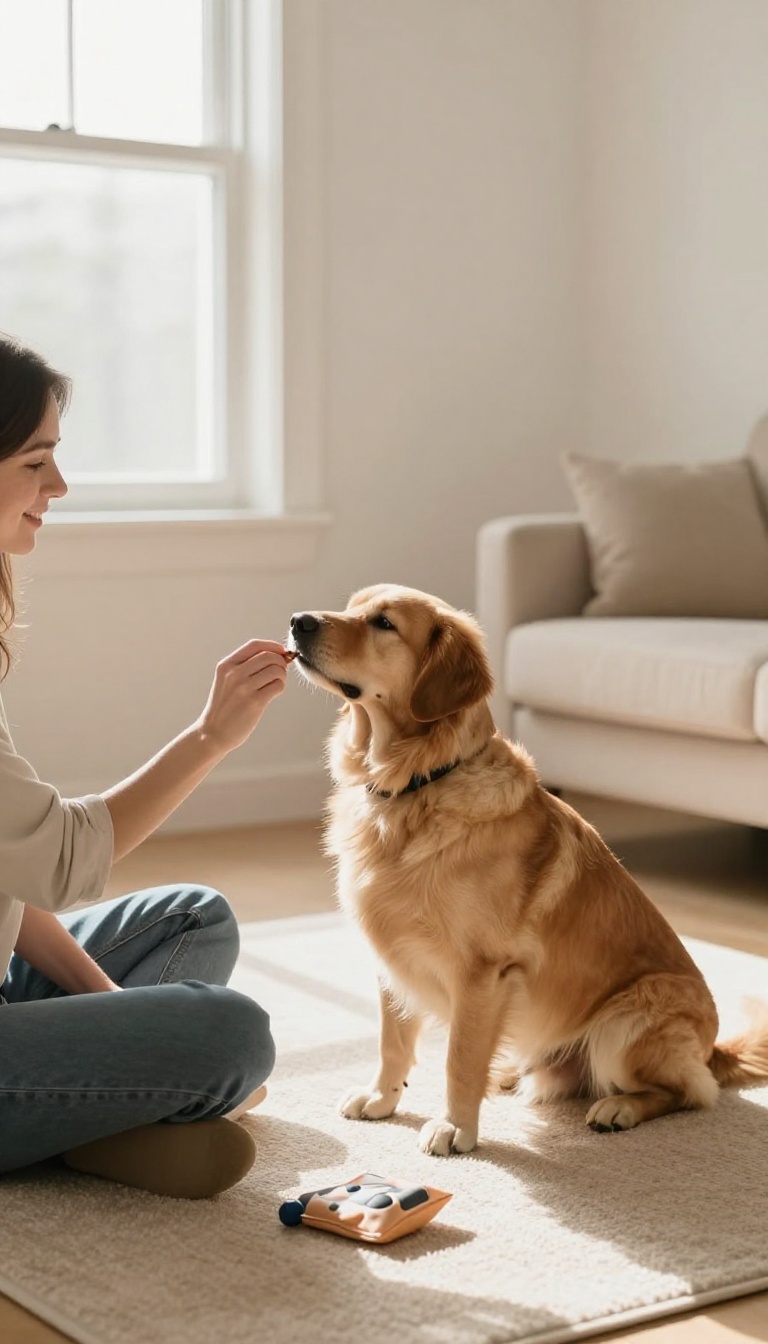
Training a dog is a marathon, not a sprint. Some days you'll feel like you're making huge strides, and other days it might seem like you're back to square one. That's completely normal.
Patience isn't just a virtue here—it's a necessity. When you rush the process, you both end up frustrated. But when you slow down and accept the pace, training becomes a lot more enjoyable and effective.
Patience in dog training means giving your dog the time to understand what you're asking, and giving yourself the grace to make mistakes. It's about celebrating small wins and not beating yourself up over setbacks. Remember, every dog learns at their own pace, and your attitude directly influences your dog's confidence and willingness to try.
Dogs Learn At Different Speeds
Just like people, dogs have different learning styles and speeds. A border collie might pick up a new command in a few repetitions, while a stubborn terrier might take weeks. That's not a reflection of your training skills—it's just how dogs are.
Instead of comparing your dog to others, focus on their individual progress. Celebrate the moment they finally get it, no matter how long it took.
Frustration Shows In Your Body Language
Dogs are incredibly perceptive. They can read your tension, hear the irritation in your voice, and see the stiffness in your posture. When you get frustrated, your dog picks up on it, which can make them anxious or hesitant.
That's the opposite of what you want. Take a deep breath, relax your shoulders, and use a calm, encouraging tone. Your dog will respond much better to a patient, positive attitude.
Patience Builds Trust
When you're patient, you're showing your dog that you're a safe, reliable leader. Trust doesn't happen overnight—it's built through consistent, calm interactions. If you lose your cool, your dog might start to associate training with stress.
But when you stay patient, your dog learns that training is a positive experience, and they'll be more willing to try new things and push through challenges.
Give Yourself A Break
You're not going to be a perfect trainer every day, and that's okay. There will be days when you're tired, stressed, or just not in the mood. That's human.
The key is to not let those days derail your entire training plan. If you're feeling frustrated, it's better to end the session early than to push through and create a negative experience. Take a break, come back later, and remember that consistency over time matters more than perfection in any single session.
FAQ
How long does it take for a dog to learn a new command with consistent training?
It varies by dog and complexity, but with daily short sessions, most dogs pick up a basic cue in 1-2 weeks. Consistency speeds up the process.
What if I miss a day of training?
Missing one day isn't a big deal. Just get back to your routine the next day. Consistency over time matters more than perfection.
Can I use the same reward for all behaviors?
Yes, but you might want to use higher-value treats for harder behaviors. The key is to be consistent with what you use for each specific cue.
How do I get my family to be consistent with training?
Hold a quick meeting to agree on cues and rules. Write them down and post them where everyone can see. Practice together so everyone uses the same approach.
Is it okay to train my dog at different times each day?
It's better to have a set routine, but if your schedule varies, just try to train at least once daily. The consistency of frequency matters more than exact timing.
Conclusion
Pick one or two rules from this list that feel doable right now, and build from there. Small, steady habits—like using the same cue word or rewarding at the right moment—will do more than a perfect routine you can’t keep up. Your dog learns from repetition, not perfection, so keep it simple and show up consistently.
Over time, those little choices become second nature, and you’ll see the calm, focused behavior you’ve been aiming for. Start today with one change, and let the routine do the rest.

I’m Pallab Kishore, the owner of Little Pets Realm — an animal lover and pet care enthusiast sharing easy tips, healthy recipes, and honest advice to help every small pet live a happy, healthy, tail-wagging life.