
Last updated on August 19th, 2026 at 04:14 pm
Picture this: your dog bolts after a squirrel, and you're left shouting a cue that goes ignored. That moment is exactly why training needs to happen before you actually need it, not after. The good news?
A simple checklist can turn chaotic moments into calm, predictable responses. These 11 essentials cover the behaviors that matter most in everyday life, from impulse control to relaxed greetings. Each one is practical, trainable, and builds on the last.
Ready to see what your training routine might be missing? Let's walk through the checklist that will make your dog a joy to live with.
1. Master the Recall Cue Before You Need It
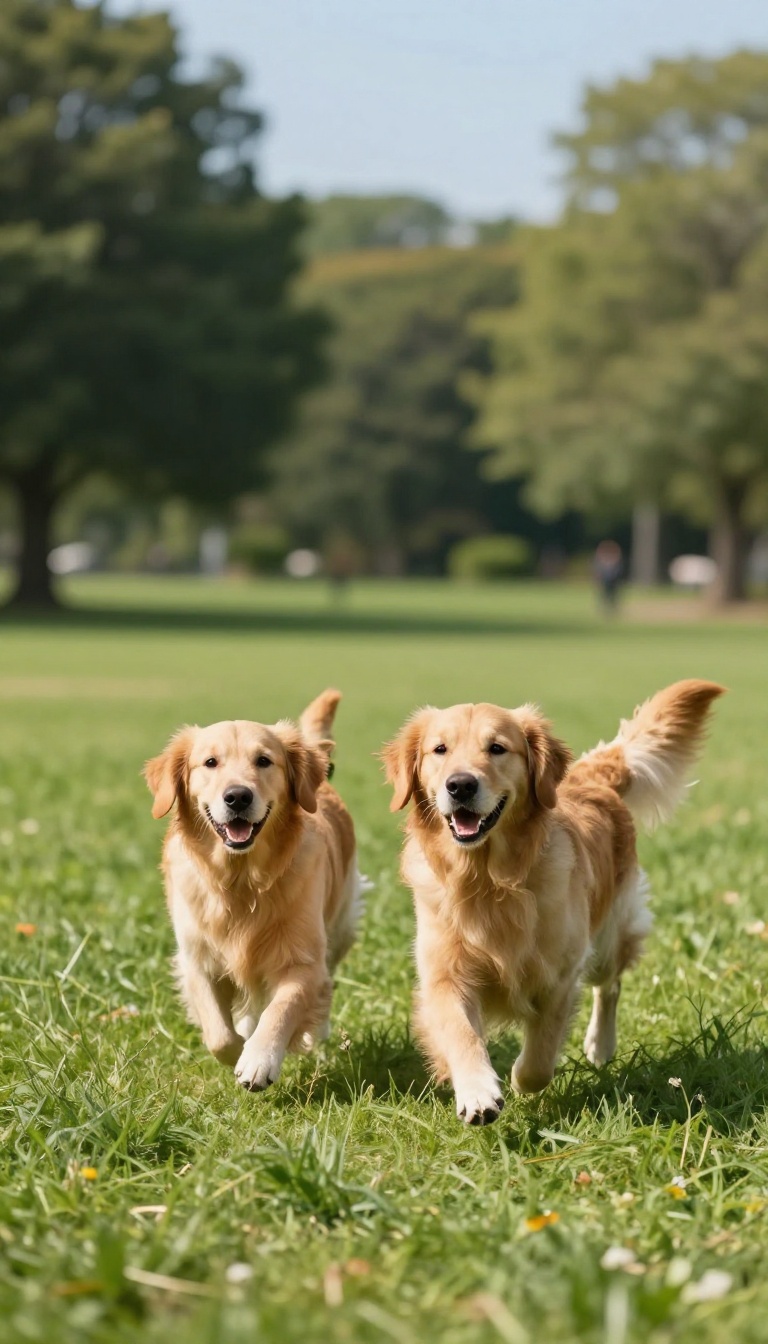
Recall is the one cue that can literally save your dog's life, yet it's often the most neglected. You might practice 'come' in your living room, but that doesn't prepare your pup for the chaos of a park or the thrill of a squirrel. The secret is to build a rock-solid recall in low-stakes settings first, so that when the big moments happen, your dog's response is automatic.
Start in a quiet space with no distractions. Use high-value treats—something your dog rarely gets, like tiny pieces of chicken or cheese. Say 'come' in a cheerful tone, then reward the moment your dog reaches you.
Repeat this until your dog turns toward you the instant they hear the cue. Gradually add mild distractions, like a squeaky toy or a family member walking by, and always reward generously. The goal is to make 'come' mean 'amazing things happen, ' so your dog chooses to return even when something exciting is happening elsewhere.
Start Boring, Then Level Up
Begin in a hallway or a fenced yard with no other people or pets. Practice short sessions, just a few minutes at a time, and always end on a success. Once your dog is reliable in that boring spot, move to a slightly more interesting area, like a quiet park.
Increase the difficulty gradually—you wouldn't ask a beginner skier to hit a black diamond on day one. Same logic applies here.
Use Rewards That Are Worth It
If you use the same kibble for recall that you use for everything else, your dog might not see the point. Save something special for recall training—think stinky, soft, and irresistible. You can also mix in a favorite toy or a game of tug as a reward.
The key is to make coming to you more rewarding than whatever they're doing.
Practice In Real-life Situations
Once your dog is solid in controlled settings, start practicing in real-life situations where you might actually need them. Have a friend hold your dog's leash while you walk a few steps away, then call them. Or practice in a fenced dog park with a long line for safety.
The more you rehearse in realistic scenarios, the more reliable your recall will be when it counts.
2. Teach a Solid 'Leave It' for Impulse Control
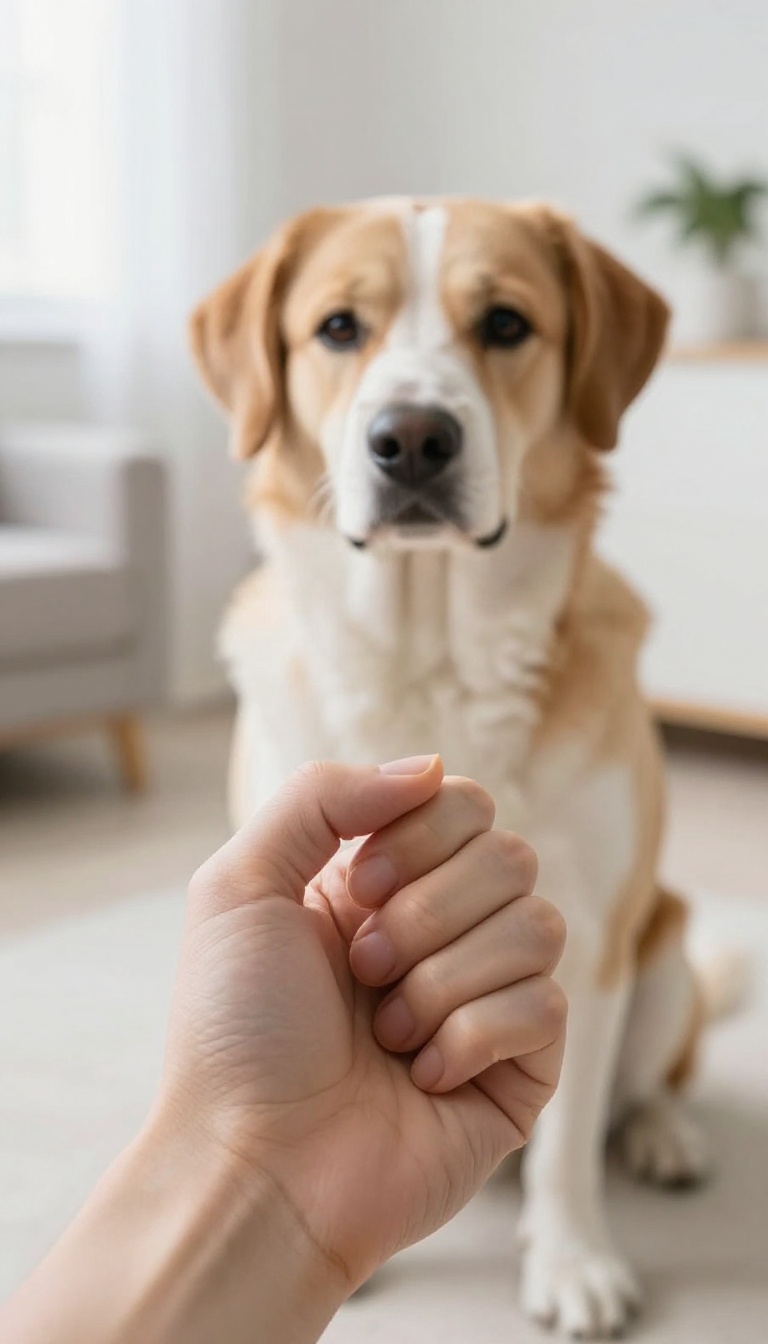
Dogs explore the world with their noses and mouths, which means they'll inevitably find something you'd rather they not touch. That half-eaten sandwich on the sidewalk or a dropped pill on the kitchen floor can become a dangerous snack in seconds. A reliable 'leave it' cue gives you a way to interrupt that impulse before it becomes a problem.
It's not just about preventing bad behavior—it's about building a habit of looking to you for guidance when something tempting appears.
Start training 'leave it' in a quiet space with low-value treats. Hold a treat in your closed fist and let your dog sniff, lick, or paw at it. The moment they pull back or lose interest, say 'yes' and reward them with a different treat from your other hand.
Repeat until they consistently back off from your fist. Then, progress to placing a treat on the floor under your hand, and eventually with your hand lifted. Once your dog understands the concept, you can add a verbal cue like 'leave it' just before they make the right choice.
Keep sessions short and always end on a success.
Start With Easy, Low-value Distractions
Begin with something your dog doesn't care much about—a piece of kibble or a plain biscuit. Hold it in your closed fist and wait. The moment your dog stops trying to get it, mark with a 'yes' and reward with a high-value treat from your other hand.
This teaches your dog that ignoring the tempting item earns something even better. Practice this a few times until your dog automatically looks away from your fist.
Progress To Moving Distractions
Once your dog is solid with stationary items, add motion. Roll a treat across the floor or toss a toy nearby. Use the 'leave it' cue and reward your dog for staying focused on you instead of chasing.
This step builds real-world impulse control, preparing your dog for situations like a squirrel darting across the path or a dropped french fry rolling off the table.
Practice In Real-world Settings
Gradually increase the difficulty by practicing in your backyard, then on walks, and finally in busier areas like parks. Start with distance—keep your dog on a leash and at a distance from the distraction. As your dog succeeds, you can shorten the distance and increase the temptation.
Always reward generously for a successful 'leave it', especially in challenging environments.
Troubleshoot Common Slip-ups
If your dog grabs something before you can cue 'leave it', don't punish—just trade for a treat and try again. If your dog seems to ignore the cue, you might be moving too fast. Go back a step and reinforce the basics.
Consistency is key; practice in short bursts throughout the day so it becomes a habit, not just a trick.
3. Practice Loose-Leash Walking in Short Bursts
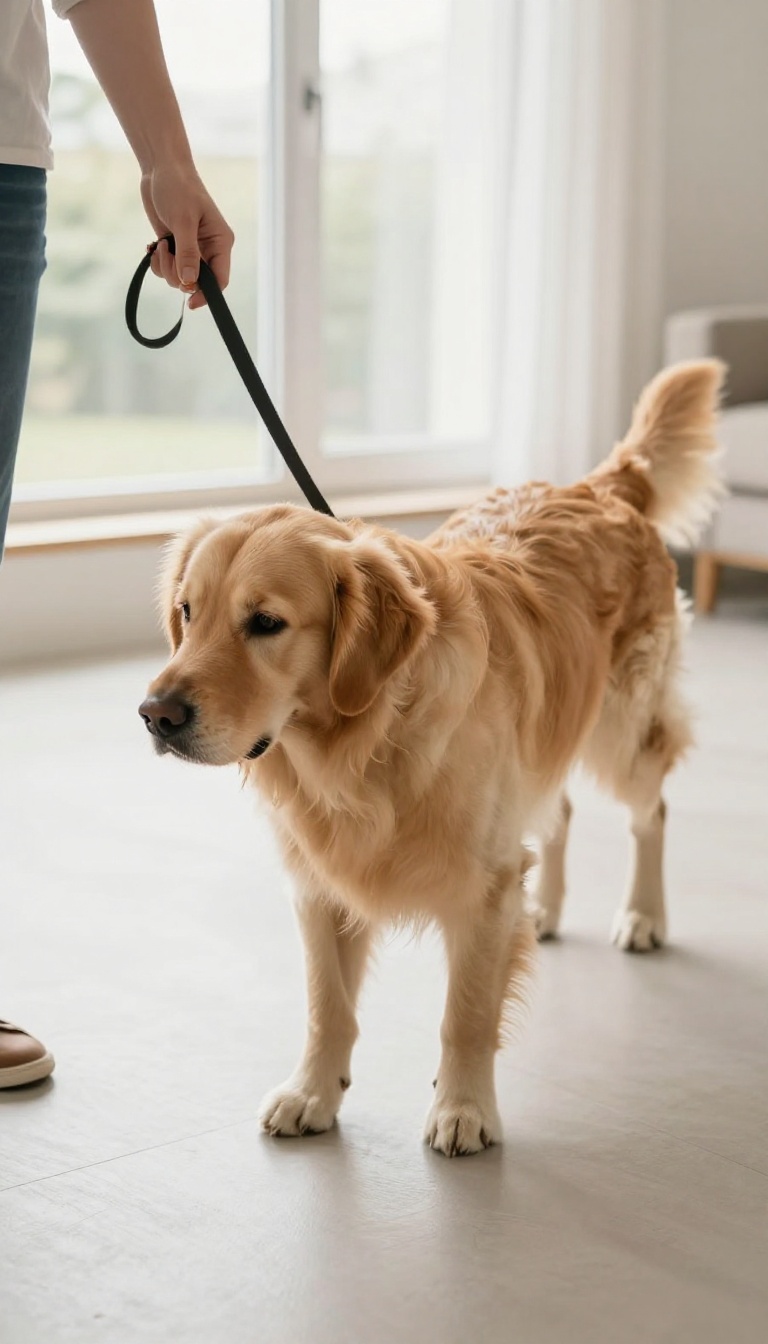
Long walks can turn into tug-of-war matches when your dog hasn't mastered leash manners. Instead of pushing through a 30-minute battle, break it down into tiny, focused sessions. Five minutes of quality practice beats an hour of frustration, and your dog will actually learn faster when the pressure is off.
The key is to make loose-leash walking a game, not a chore. Start in a low-distraction area like your living room or backyard. Hold the leash loosely and let your dog wander.
The moment the leash goes slack, mark with a cheerful "yes! " and reward with a treat. If your dog pulls, stop moving and wait.
When they turn back to you and the leash relaxes, reward and continue. Repeat this pattern consistently, and your dog will realize that pulling gets them nowhere while staying near you earns treats.
Why Short Sessions Work
Dogs have short attention spans, and long walks can overwhelm them with new smells and sights. Short bursts keep your dog mentally fresh and eager to work. You can practice multiple times a day without burning out, and each session reinforces the habit.
Plus, frequent mini-sessions fit easily into a busy schedule—you can squeeze one in before breakfast or after dinner.
Setting Up For Success
Choose a quiet spot with minimal distractions for your first few sessions. Use high-value treats like small pieces of chicken or cheese, and keep them handy. Hold the leash in a relaxed grip, giving your dog enough slack to move comfortably but not so much that they can drag you.
Remember to stay patient and keep your tone upbeat—training should feel like a fun game, not a test.
Gradually Adding Challenges
Once your dog nails loose-leash walking indoors, slowly introduce more exciting environments. Move to a quiet sidewalk, then a busier park. Each time you add distraction, shorten the session and increase the reward rate.
If your dog starts pulling, simply stop and wait until they refocus. This teaches them that pulling never gets them where they want to go, but walking nicely does.
4. Use a Mat or Bed for Calm Settling
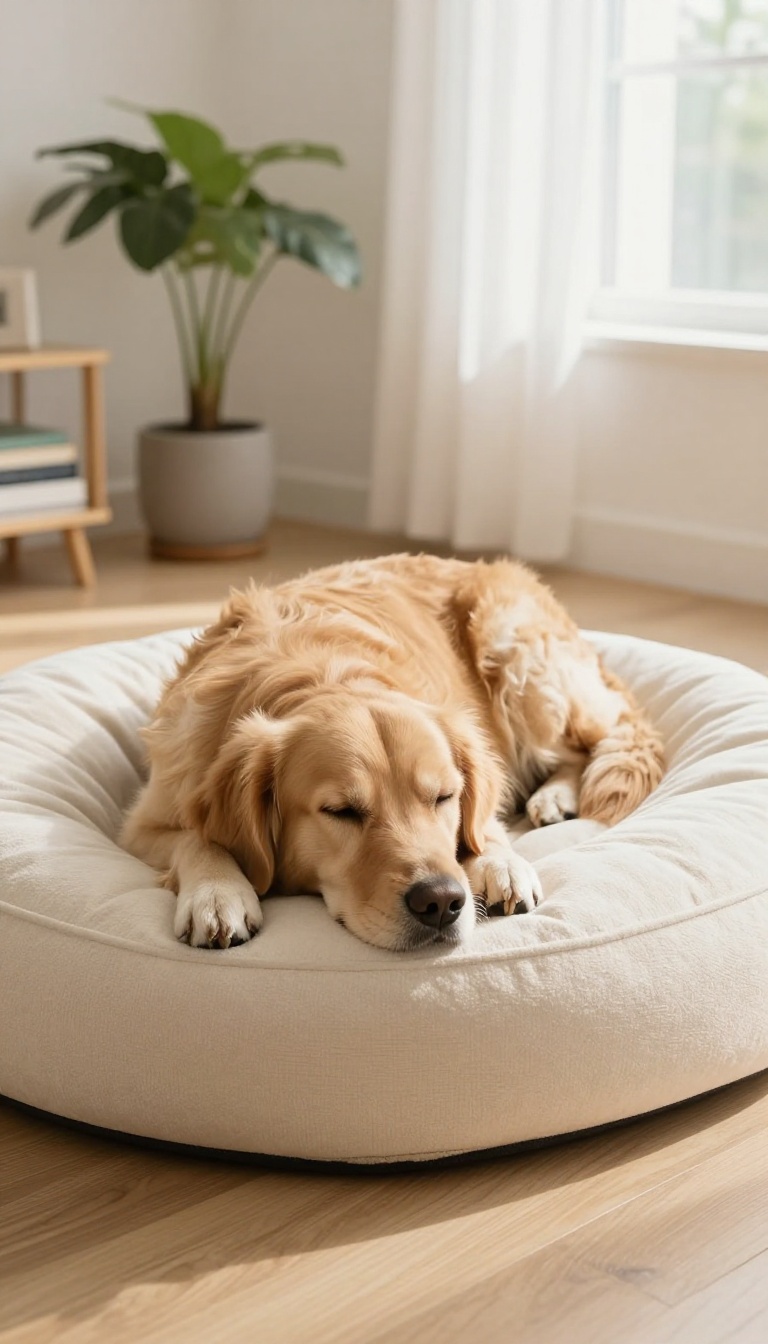
A mat can be a magic carpet for your dog's energy. Teaching your dog to settle on a designated bed gives them a clear job: relax. It's a lifesaver when the doorbell rings, you're on a video call, or you just need a moment of peace.
Start by placing a comfortable mat or bed in a quiet spot. Lure your dog onto it with a treat, then say 'settle' or 'place' as they lie down. Reward calm behavior with treats and praise.
Gradually increase the time they stay, and always release them with a cue like 'okay'.
Why It Works
Dogs naturally seek out cozy spots, but they need to learn that the mat means 'chill time'. Once they associate the mat with relaxation, it becomes their go-to place when things get busy. It also gives them a sense of security and a safe space of their own.
Step-by-step Training
Use high-value treats to guide your dog onto the mat. Reward any calm behavior, like sitting or lying down. Practice in short sessions, gradually adding distractions.
Always end on a positive note with a release cue so they know when they're free.
Real-life Applications
Use the mat during meals, when guests arrive, or while you're working. It's also great for travel or visits to the vet. With practice, your dog will automatically head to their mat when they need to unwind, making life easier for both of you.
5. Build a Rock-Solid 'Stay' with Duration and Distance
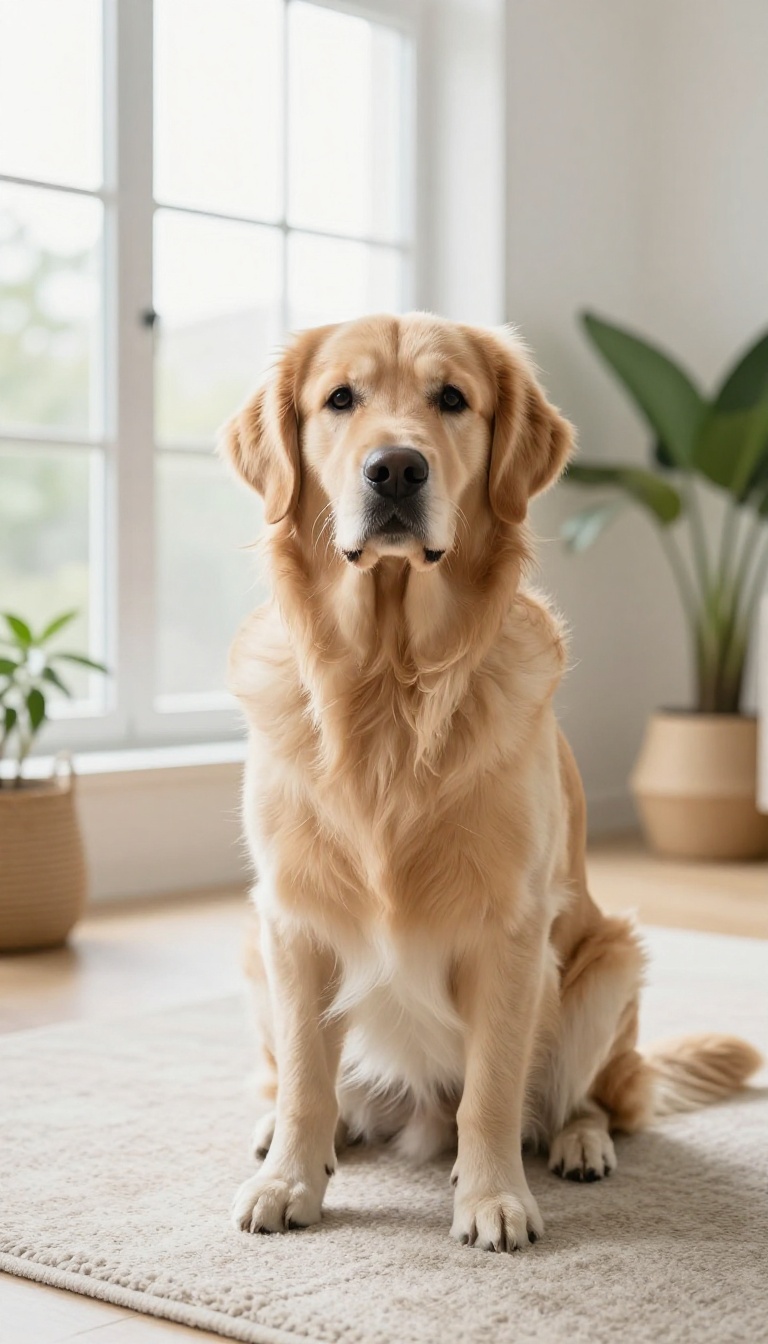
A reliable stay is more than a party trick—it's a safety net. Whether you're at the front door or a busy sidewalk, a dog that holds position gives you control. The secret isn't just teaching the cue; it's gradually increasing the challenge so your dog learns to stay even when distractions tempt them.
Start with your dog in a sit or down, then say 'stay' with a clear hand signal. Take one small step back, return immediately, and reward. Slowly add more steps and time, always returning to reward before your dog breaks.
This builds patience and self-control, not just obedience.
Start Small, Then Grow
Begin with a three-second stay at arm's length. Reward generously. Over several sessions, increase to five seconds, then ten.
Once your dog holds reliably, add distance—one step, then two. The key is to make it easy enough that your dog almost never fails, so success becomes a habit.
Add Real-world Distractions
A stay that works in your living room might crumble at the park. Practice with mild distractions like dropping a toy or having a friend walk by. Reward calm, still behavior.
Gradually increase the intensity, always returning to reward before your dog breaks. This teaches your dog to trust that staying is worth it, even when exciting things happen.
Use A Release Cue
Your dog needs to know when the stay is over. Pick a word like 'okay' or 'free' and use it consistently. Say it in a cheerful tone, then encourage your dog to move.
This clarity prevents confusion and helps your dog understand that staying is a temporary job, not a lifetime sentence.
6. Reinforce Eye Contact for Focus
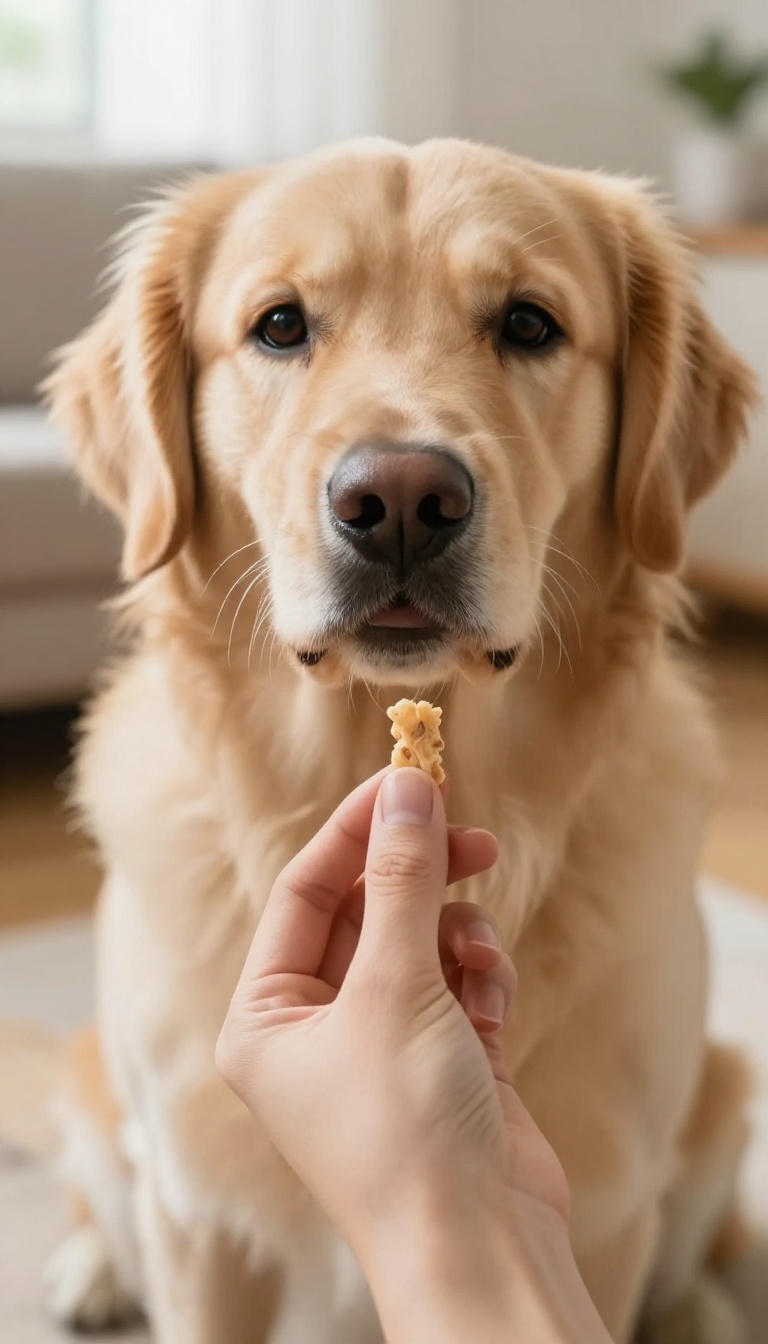
Eye contact might seem like a small thing, but it's the foundation of a focused dog. When your dog looks at you, they're telling you they're ready to listen. That tiny moment of connection makes every other training session smoother and more effective.
Teaching your dog to offer eye contact is one of the simplest yet most powerful things you can do. It's the difference between a dog that's tuned into you and one that's distracted by everything else. Here's how to make eye contact a habit and why it matters so much.
Why Eye Contact Matters
Eye contact is your dog's way of saying, 'I'm with you. ' It's a sign of engagement and trust. When your dog looks at you, they're not just seeing you—they're checking in for direction. This becomes your secret weapon for training, because a dog that's already looking at you is more likely to respond to your next cue.
How To Teach Eye Contact
Start with a treat in your hand and wait for your dog to glance at you. The moment their eyes meet yours, mark it with a 'yes' or a click and reward. Repeat this until your dog starts offering eye contact on their own.
Then add a cue like 'look' or 'watch me' right before they make eye contact. Practice in quiet places first, then gradually add distractions.
Using Eye Contact In Real Life
Once your dog has the hang of it, use eye contact to keep them focused during walks or before crossing the street. If your dog gets distracted, ask for a 'look' to bring their attention back. It's also a great way to calm an excited dog—just a few seconds of eye contact can help them settle.
7. Train a Reliable 'Drop It' for Trade-Ups
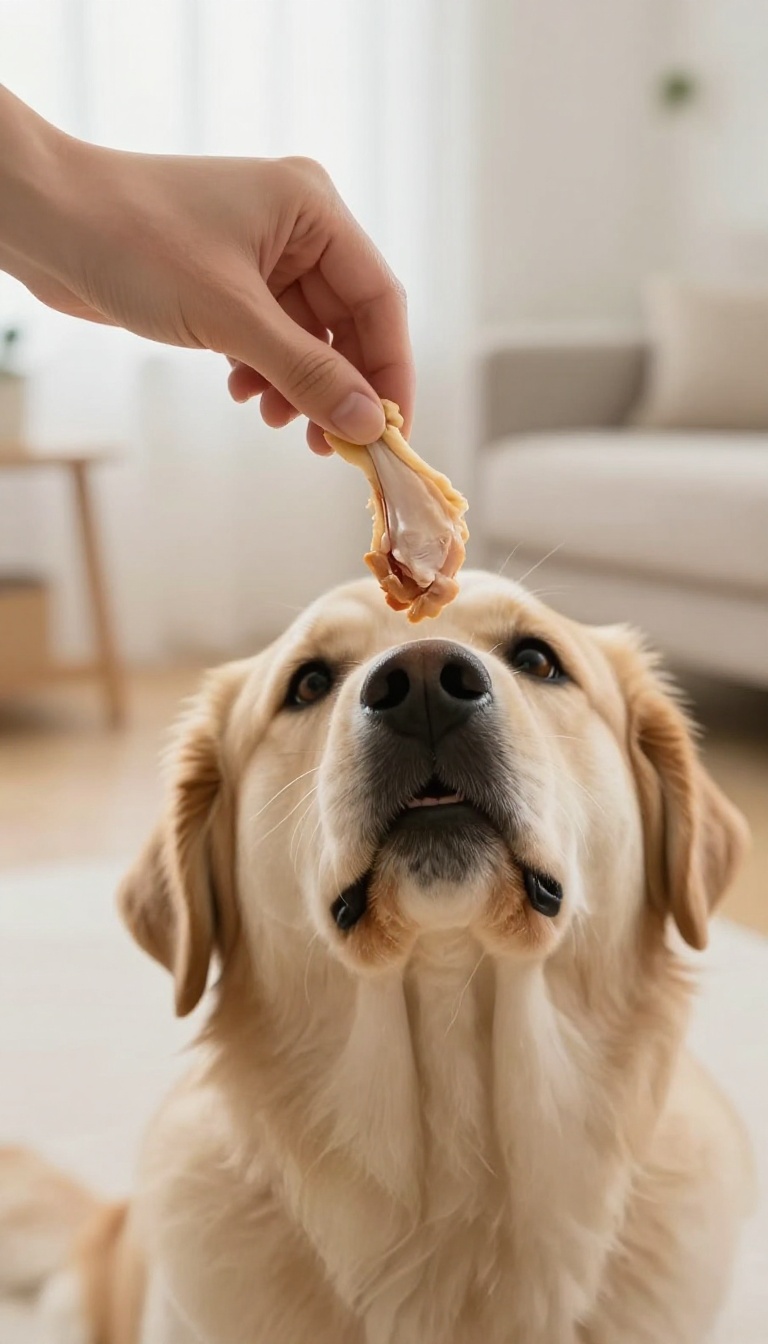
Every dog picks up something they shouldn't—whether it's your shoe, a chicken bone, or a stolen sock. If 'drop it' isn't solid, you end up chasing or prying jaws open, which can turn into a dangerous game. Instead, teach your dog that letting go means something even better is coming.
That's the magic of trade-ups.
A reliable 'drop it' isn't just a convenience; it's a safety essential. It prevents resource guarding, keeps playtime fair, and can save your dog from swallowing something harmful. The key is to make releasing an item a positive experience, not a punishment.
Trade-ups build trust and make your dog eager to comply.
Start With Low-value Items
Begin training with something your dog doesn't care much about, like a boring toy or a paper towel roll. Hold it out, say 'drop it' in a cheerful tone, and offer a high-value treat. The moment your dog lets go, mark with a 'yes' and give the treat.
Repeat this until your dog starts dropping on cue even before you offer the treat. This builds the foundation without triggering possessiveness.
Graduate To Higher-value Treasures
Once your dog is dropping low-value items consistently, move up to things they actually want—like a favorite toy or a bully stick. Use an even better reward, such as chicken or cheese. The trade must be worth it.
If your dog hesitates, don't pull or scold. Just wait calmly. The moment they release, reward generously.
This teaches that giving up something good always leads to something great.
Practice In Real-life Scenarios
Take the training outdoors or during play. Have a pocket full of treats and practice trading when your dog picks up a stick or a leaf. If they grab something truly dangerous, stay calm and offer a high-value treat.
Your goal is to make 'drop it' a reflex, not a negotiation. Consistent practice in different environments ensures your dog responds even when excited.
8. Socialize with Controlled Greetings
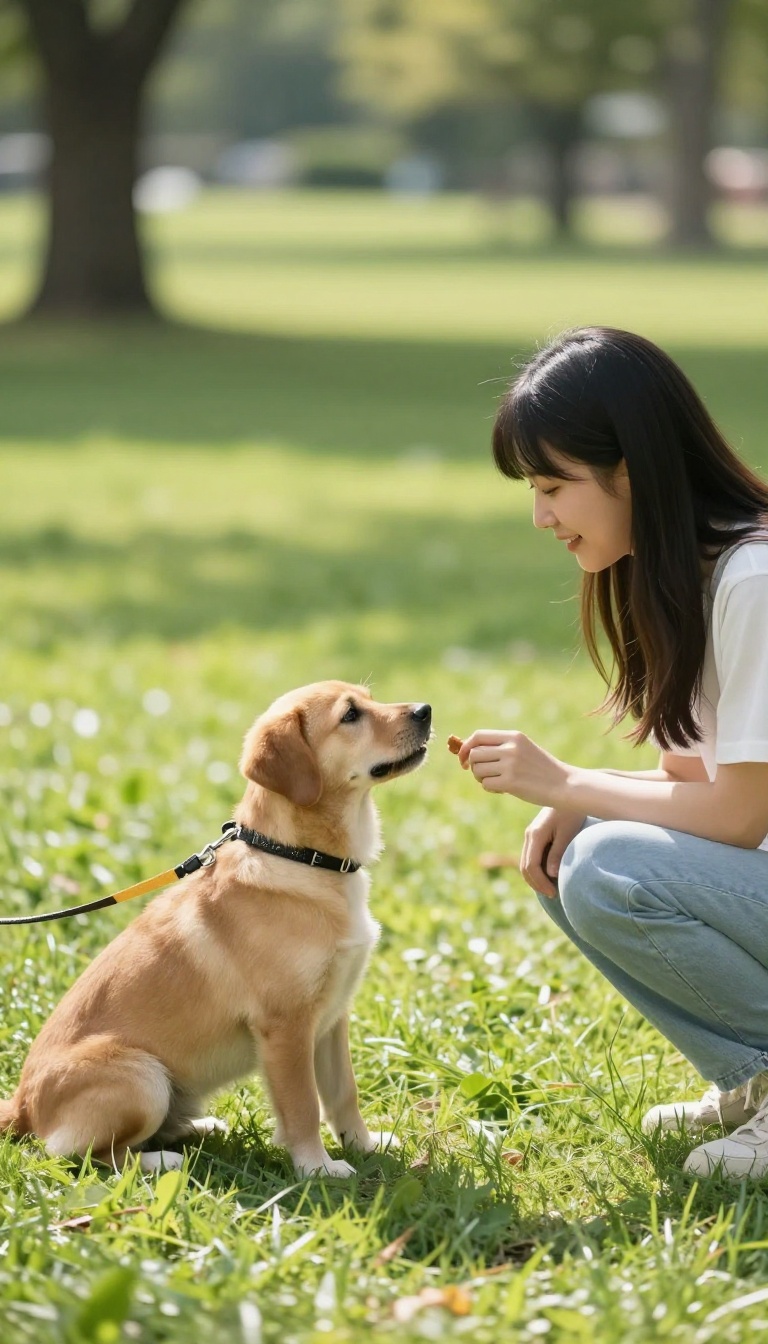
Meeting new friends—both human and canine—should be a highlight, not a hurdle. But without a plan, greetings can quickly turn into chaos, with jumping, barking, or overexcitement. The key is to practice controlled introductions that teach your dog calm behavior.
Here's how to make greetings something you both look forward to.
Controlled greetings are about setting your dog up for success. Start by teaching a solid 'sit' or 'watch me' cue, then use it during introductions. Keep the first meetings short and positive, and always reward the calm moments.
Over time, your dog will learn that polite behavior leads to good things.
Start With Distance
Begin greetings with plenty of space between your dog and the other party. This reduces pressure and lets your dog observe without feeling overwhelmed. Use a long leash and keep your dog's attention with treats or a favorite toy.
Gradually decrease the distance as your dog stays relaxed.
Use A Calm Marker
Pick a word or sound that signals 'good, stay calm'—like 'easy' or a soft click. Use it during greetings to reinforce relaxed behavior. When your dog looks at the other dog or person without pulling or barking, mark and reward.
This builds a positive association with calm greetings.
Keep It Short And Sweet
Limit initial greetings to a few seconds. A quick sniff and a 'let's go' is enough. This prevents overstimulation and ends on a high note.
As your dog gets better, you can extend the time, but always watch for signs of stress like yawning or lip licking, and step in if needed.
Practice With Friends
Enlist friends or family to help you practice. Set up mock greetings in a controlled environment, like your backyard or a quiet park. Have them approach slowly and reward your dog for staying calm.
The more you practice, the more natural it becomes for your dog to greet politely.
9. Manage Excitement with a 'Settle' Cue
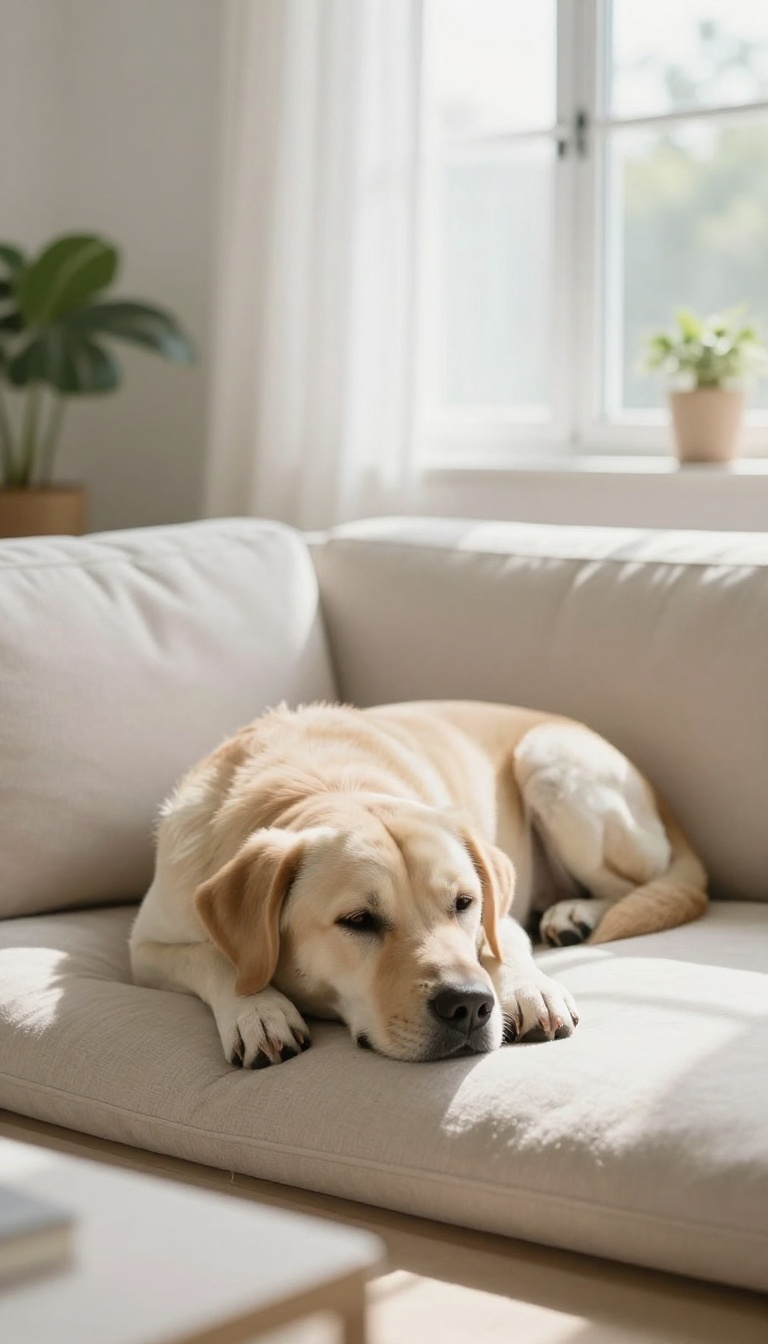
Does your dog turn into a bouncing, barking tornado when the doorbell rings or when you pick up their leash? Excitement is natural, but when it leads to jumping on guests or frantic behavior, it's a problem. Teaching a 'settle' cue gives your dog a clear way to calm down on command, turning those high-energy moments into manageable ones.
It's not about suppressing their joy—it's about channeling it into a calm, controlled response that works for both of you.
The 'settle' cue is a powerful tool for managing your dog's arousal levels in everyday situations. Unlike a 'down' or 'stay', which are about position, 'settle' is about emotional state. It tells your dog to relax their body and mind, which is especially useful during exciting events like mealtimes, guest arrivals, or before a walk.
With consistent practice, your dog learns that calm behavior is rewarded, making those over-the-top greetings a thing of the past.
Why 'settle' Beats 'down' For Excitement
A 'down' is a position, but a dog can be in a down and still be vibrating with energy. 'Settle' is about teaching your dog to actually relax their muscles and slow their breathing. It's a mental state, not just a physical one. When you cue 'settle', you're asking your dog to switch off the excitement switch, which is far more effective for reducing jumping and barking than simply asking for a down.
Step-by-step: Teaching The 'settle' Cue
Start in a quiet room with low distractions. Have your dog on a leash and ask for a 'down'. Then, gently stroke their side and say 'settle' in a calm, soothing voice.
The moment they show any sign of relaxation—like a sigh, a soft eye, or a relaxed paw—mark with a treat. Repeat this several times, gradually increasing the duration of calm before rewarding. Once your dog understands the concept, start practicing in more exciting situations, like when you're about to open the door or before you put down their food bowl.
Using 'settle' In Real-life Moments
The real test comes when the doorbell rings or a guest walks in. Have your dog on a leash and ask for a 'settle' before you even open the door. If they start to get up, calmly guide them back to a down and repeat the cue.
With practice, your dog will learn that the doorbell means 'settle', not 'jump'. You can also use 'settle' before meals, when you're watching TV, or anytime your dog gets too wound up. The more you use it, the more automatic it becomes.
10. Practice Handling and Grooming Tolerance
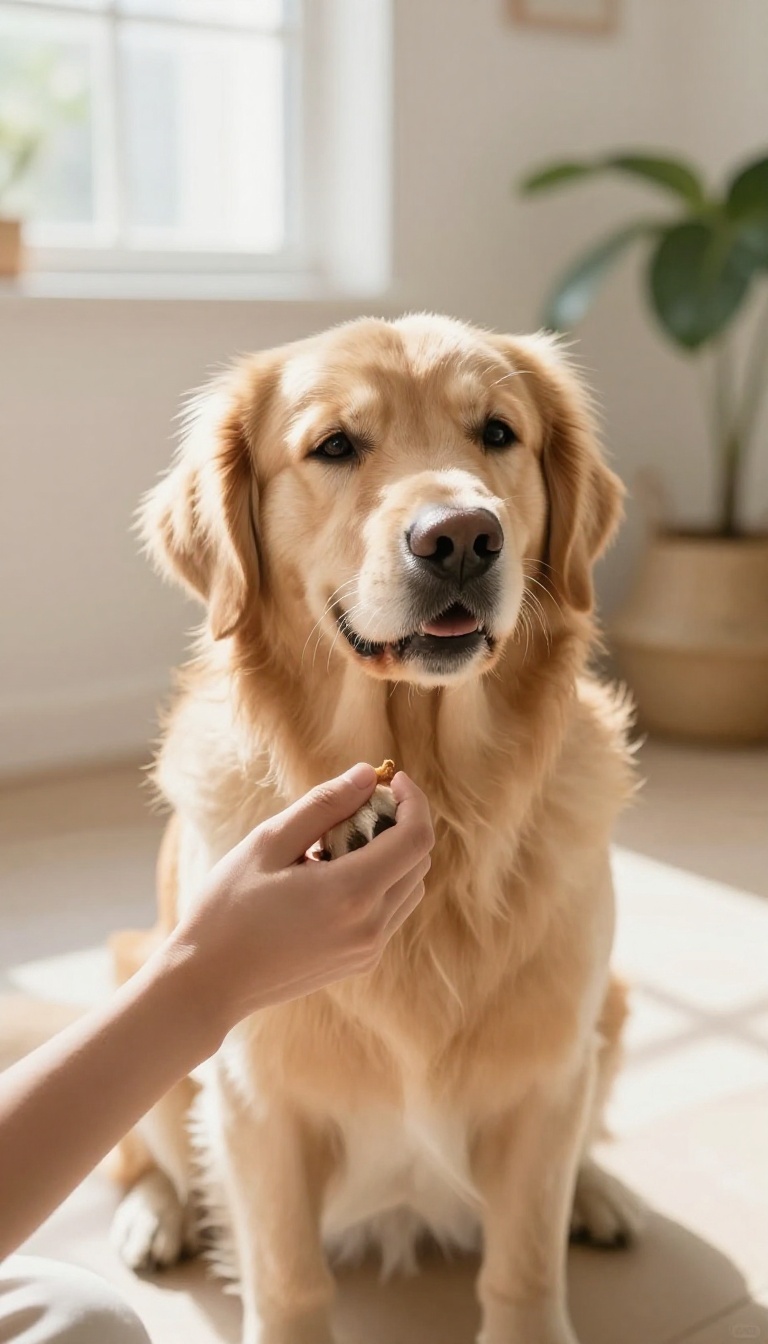
Most dogs don't love having their paws squeezed or their ears inspected, but those moments matter more than you'd think. If your dog learns to accept handling early, vet visits, nail trims, and grooming sessions become far less stressful for everyone. This isn't just about beauty—it's about building trust and preventing fear-based reactions.
Start by pairing gentle touches with something your dog loves, like treats or a favorite toy. Touch their ears, lift their lips, and run your hands down their legs. Keep sessions short and positive, stopping before your dog gets uncomfortable.
Over time, your dog will learn that being handled predicts good things, which makes real-world grooming and medical care much easier.
Start With Simple Touches
Begin with areas your dog already tolerates, like their back or shoulders. Use a soft voice and offer tiny treats as you touch. Gradually move to more sensitive spots—paws, ears, and tail.
The goal is to keep your dog relaxed and engaged, not to force them through a full grooming session.
Make Nail Trims A Non-event
Nail trimming is a common fear trigger. Instead of diving straight in, let your dog sniff the clippers and reward any calm behavior. Touch the clipper to their paw without cutting, then give a treat.
Work up to clipping one nail at a time, always pairing it with a high-value reward. If your dog is really anxious, consider a scratchboard or a vet visit—but practice still helps.
Brush And Bathe With Patience
Brushing can be a bonding activity if you go slowly. Start with a soft brush and short strokes, praising your dog throughout. For baths, introduce the water gradually and use a non-slip mat.
Keep the first few baths short and reward heavily. Your dog will associate grooming with treats and calm attention, not stress.
11. End Each Session on a Positive Note
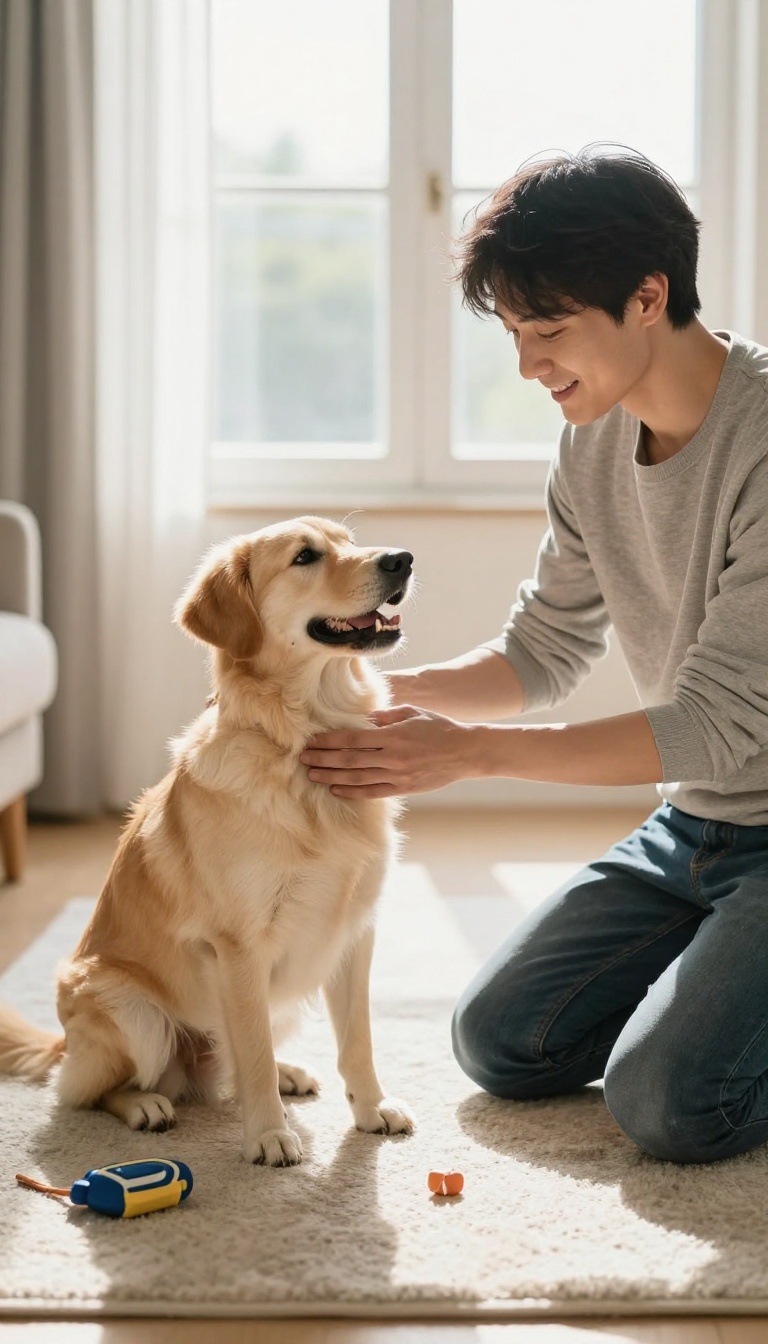
Training sessions that end on a sour note can undo progress and dampen your dog's enthusiasm. When you finish with a struggle, your dog associates training with frustration. A simple shift in how you wrap up can make a world of difference.
Ending on a win is not about faking success—it's about setting up a moment your dog can nail.
Ending each training session on a positive note is a simple yet powerful habit. It keeps your dog confident and eager for the next session. When you finish with a behavior your dog knows well, you reinforce a sense of accomplishment.
This also helps your dog retain what they've learned, because the last thing they remember is success.
Why The Final Moment Matters
Dogs are highly attuned to patterns and emotions. If a session ends with a failed attempt or a correction, your dog may feel discouraged. That feeling can carry over to the next time you pick up the treats.
Ending on a success builds a positive association with training, making your dog more willing to engage and try new things.
How To Set Up A Winning Finish
Plan your session so that the last exercise is something your dog already excels at. For example, if you've been working on 'stay' and your dog struggled, switch to a simple 'sit' or 'down' for the finale. Keep it short—just one or two repetitions with a reward.
Then, release your dog with a cheerful 'free' or 'all done' cue. This signals that training is over and it was a good time.
The Confidence Boost Effect
Consistently ending on a positive note builds your dog's confidence over time. They learn that training is a place where they can succeed. This is especially important for shy or anxious dogs.
A confident dog is more willing to try new behaviors and recover from mistakes. You'll notice that your dog starts offering behaviors more readily, because they expect good things to happen.
FAQ
How long should each training session last?
Keep sessions short—5 to 10 minutes for puppies, up to 15 for adult dogs. Quality over quantity, and always end on a win.
What if my dog doesn't respond to treats?
Find a higher-value reward like cheese, hot dogs, or a favorite toy. Some dogs need more motivation, so experiment to see what works.
Can I train my dog without a clicker?
Absolutely. You can use a marker word like 'yes' or 'good' instead. The key is consistency in timing and reward.
How do I stop my dog from pulling on the leash?
Stop moving when your dog pulls, and only walk forward when the leash is slack. Reward your dog for staying near you, and practice in low-distraction areas first.
What's the best way to teach 'leave it'?
Start with a treat in your closed hand. When your dog stops sniffing or licking, say 'yes' and reward from the other hand. Gradually increase difficulty.
Conclusion
You don't need to overhaul everything at once—just pick one or two checklist items that feel doable and start there. Small, consistent steps build better habits faster than trying to fix everything in a single week. Keep sessions short, stay patient, and celebrate the little wins.
Before long, you'll notice calmer walks, better recalls, and a dog who looks to you for guidance. That's the real payoff of a solid training checklist.

I’m Pallab Kishore, the owner of Little Pets Realm — an animal lover and pet care enthusiast sharing easy tips, healthy recipes, and honest advice to help every small pet live a happy, healthy, tail-wagging life.