
Last updated on August 19th, 2026 at 04:14 pm
Halloween is around the corner, and you're dreaming of that perfect photo of your dog in a pumpkin costume. But the moment you bring out the outfit, your pup backs away or freezes.
It doesn't have to be a battle. With a little patience and the right approach, you can turn costume wearing into a positive experience for your furry friend.
The key is to start small, move slowly, and reward every step of the way. Here are 15 steps that will have your dog strutting in style by October 31st.
1. Start with a Simple Touch
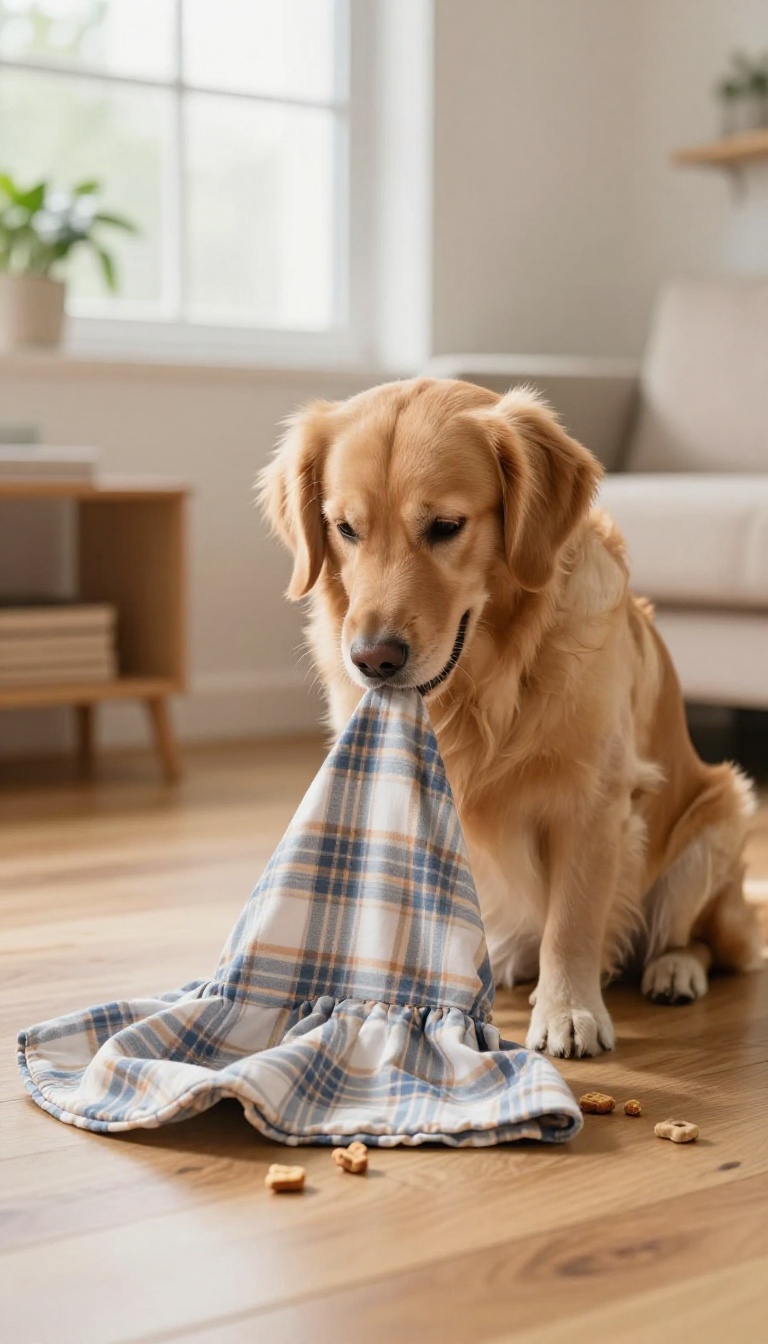
Before you even think about zippers or Velcro, let your dog get familiar with the costume fabric. The goal is to make the material seem like no big deal—just another part of the environment. This first step is all about building a calm, positive association that sets the tone for everything that follows.
Begin by placing the costume in a spot where your dog can inspect it on their own terms. Let them sniff it, paw at it, or even give it a gentle lick. As they do, drop a few high-value treats nearby.
This simple act tells your dog that the costume is a source of good things, not something to fear. Keep the session short and upbeat, ending before your dog loses interest.
Use Treats To Build Positive Vibes
Hold the fabric near your dog's nose and let them take a good sniff. The moment they show any curiosity, say 'yes' and give a treat. Repeat this a few times, gradually moving the fabric closer to their body.
The key is to let your dog set the pace. If they shy away, back off and try again later with even more tempting treats.
Let Them Investigate At Their Own Pace
Some dogs are naturally cautious, so don't force the interaction. Place the costume on the floor and let your dog approach it when they're ready. You can even toss treats near the costume to encourage them to explore.
This builds trust and ensures your dog feels in control, which is crucial for a stress-free costume experience.
Keep Sessions Short And Sweet
A five-minute session is plenty for this first step. You want your dog to be curious, not overwhelmed. End on a high note with a treat and some praise, then put the costume away.
Repeat this over a few days until your dog seems totally comfortable with the fabric's presence.
2. Desensitize to the Costume's Scent
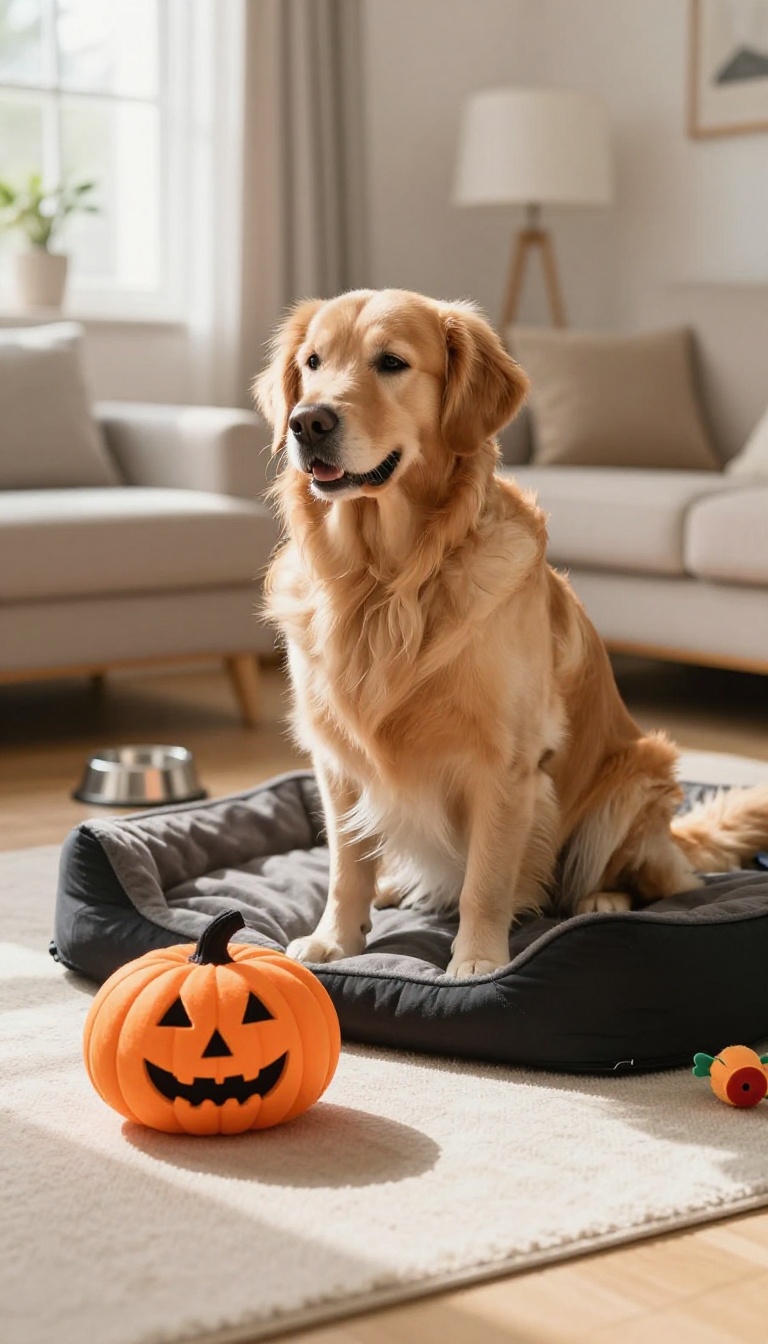
Dogs experience the world largely through their noses, so a new costume smells like a mystery. That unfamiliar scent can trigger caution or anxiety. By letting your dog get used to the smell before the costume ever touches their fur, you remove one big hurdle.
Start by placing the costume near your dog's bed or feeding area for a few days. This lets them investigate it on their own terms, associating the new odor with positive, everyday spaces. You can also rub a favorite toy or blanket against the costume to transfer familiar scents, making it seem less foreign.
Start With A Sniff Test
Let your dog approach the costume at their own pace. Don't force it—just leave it in a spot they frequent. Reward calm sniffing with treats and praise.
This builds a positive connection to the smell.
Move It To Their Space
Once your dog seems comfortable with the costume's presence, place it near their bed or food bowl. This reinforces that the costume is part of their safe zone, not a threat.
Add Familiar Scents
Rub a favorite toy or a piece of your clothing on the costume. Your scent is comforting to your dog, so mixing it in can make the costume feel more like a part of the family.
3. Practice Wearing a Light Scarf or Bandana
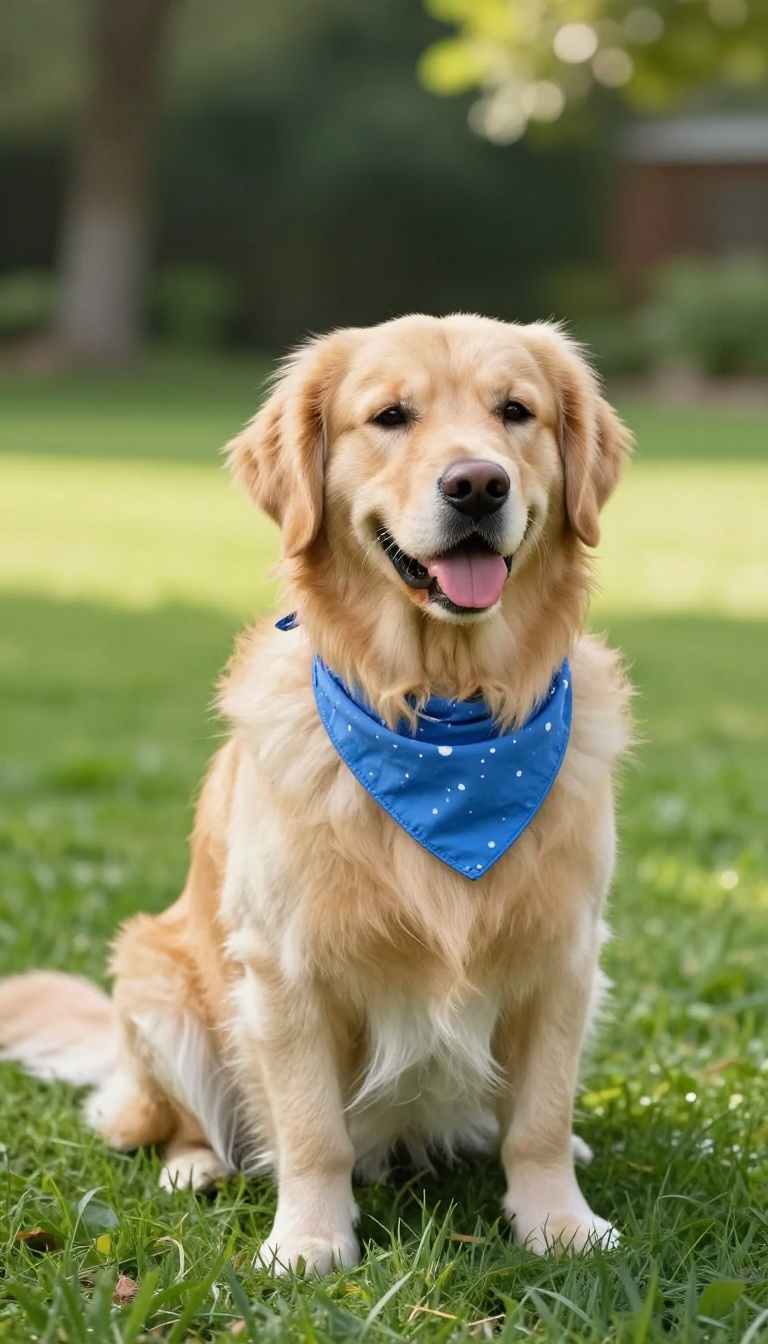
Once your dog is comfortable with the costume fabric, it's time to introduce something they can actually wear. A lightweight scarf or bandana is the perfect first step because it feels minimal and won't restrict movement. This simple practice builds a positive association with wearing gear before you move on to full costumes.
Start by letting your dog sniff the bandana while you hold it. Then, gently drape it over their neck for just a few seconds. Immediately follow with a treat and lots of praise.
Keep the first sessions short and sweet, and gradually increase the time as your dog stays relaxed. The goal is to teach your dog that wearing something equals good things, not stress.
Start With A Familiar Scent
Before putting the bandana on, rub it against your dog's favorite toy or blanket. This transfers a familiar smell, making the new item less intimidating. Let your dog sniff and investigate the bandana on their own terms.
This small step can make a big difference in how quickly they accept wearing it.
Keep Sessions Short And Positive
The first few times, only leave the bandana on for a few seconds. Pair the moment with a high-value treat and cheerful praise. Then take it off.
Repeat this several times a day, gradually extending the duration. Always end on a positive note, and never force the bandana on if your dog seems scared or resistant.
Add Distractions Gradually
Once your dog is comfortable wearing the bandana at home, start adding mild distractions. Try a short walk around the yard or a game of fetch while they wear it. This helps your dog learn that wearing something doesn't interfere with fun activities.
If they seem uneasy, go back to a quieter setting and build up again.
4. Use High-Value Treats as Bribes
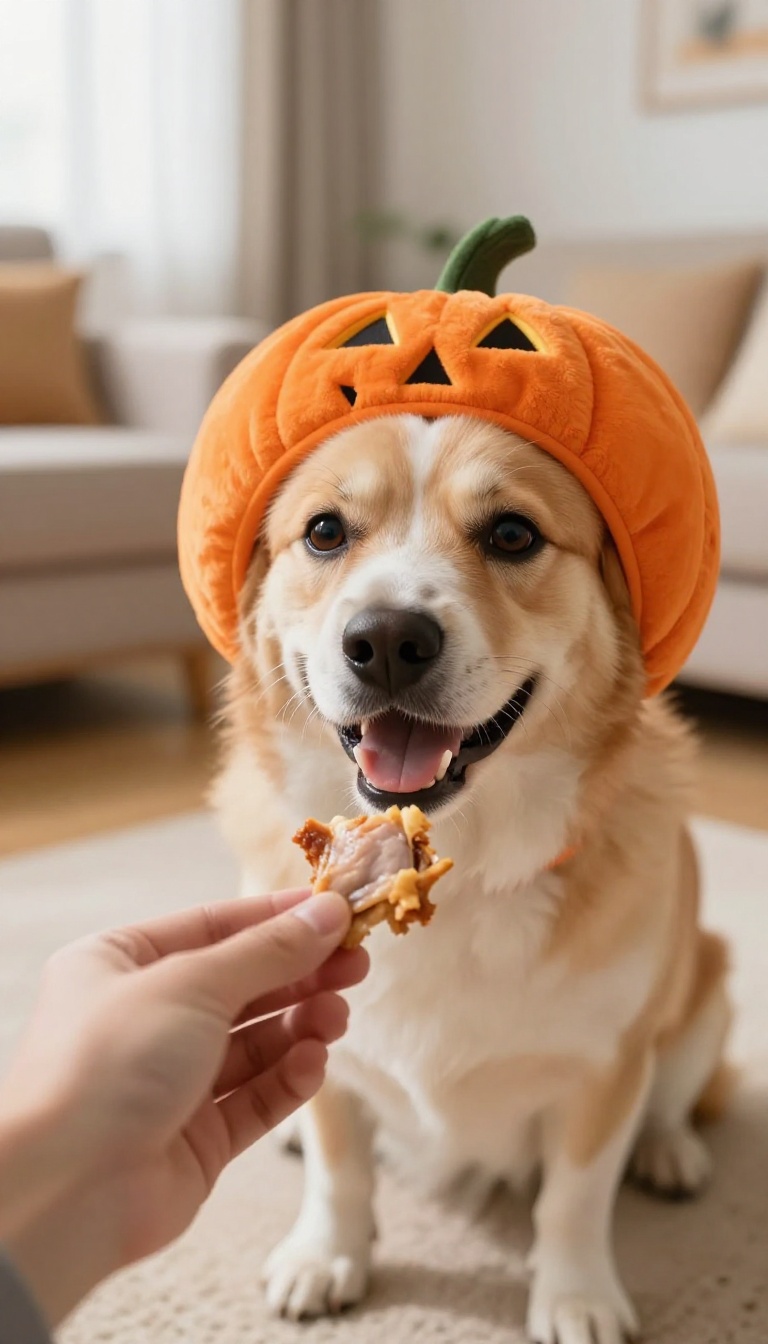
Not all treats are created equal, especially when it comes to training. The kibble you use for everyday rewards might not cut it when your dog is facing something new and slightly weird. That's where high-value treats come in—think small pieces of cooked chicken, cheese, or hot dog.
These are the treats that make your dog's eyes light up and their tail wag on overdrive.
The idea is simple: reserve these special treats exclusively for costume training sessions. By doing this, you're telling your dog, "This costume thing? It's the best thing ever, because it comes with chicken.
" The novelty of the treat helps override the novelty of the costume, making the experience more rewarding than scary. Over time, your dog will start to associate the costume with positive feelings, and the treats can be phased out gradually.
Why Regular Treats Might Not Work
If your dog is already comfortable with basic training, they might be used to getting their regular biscuits for sitting or staying. But when it comes to something that feels unnatural, like wearing a costume, those everyday treats may not be motivating enough. High-value treats are more exciting and can help your dog push through their initial hesitation.
They're the difference between a "meh" and a "heck yes! "
How To Use High-value Treats Effectively
Start by showing your dog the treat and letting them sniff it. Then, as you slowly introduce the costume, give them a small piece whenever they show any sign of acceptance—like sniffing the costume, allowing you to touch them with it, or letting you put it on. Keep the treats coming in small, frequent doses.
The goal is to keep their focus on the treat, not on the costume. Remember to use tiny pieces so you don't overload their stomach.
Timing And Consistency Matter
Timing is everything. Give the treat immediately after the desired behavior, so your dog makes the connection. Be consistent with your rewards—if you reward them for tolerating the costume, they'll learn that tolerance leads to good things.
Also, make sure to train in short sessions, no more than five minutes at a time, to keep your dog's interest high and prevent boredom or frustration.
5. Break the Costume into Pieces
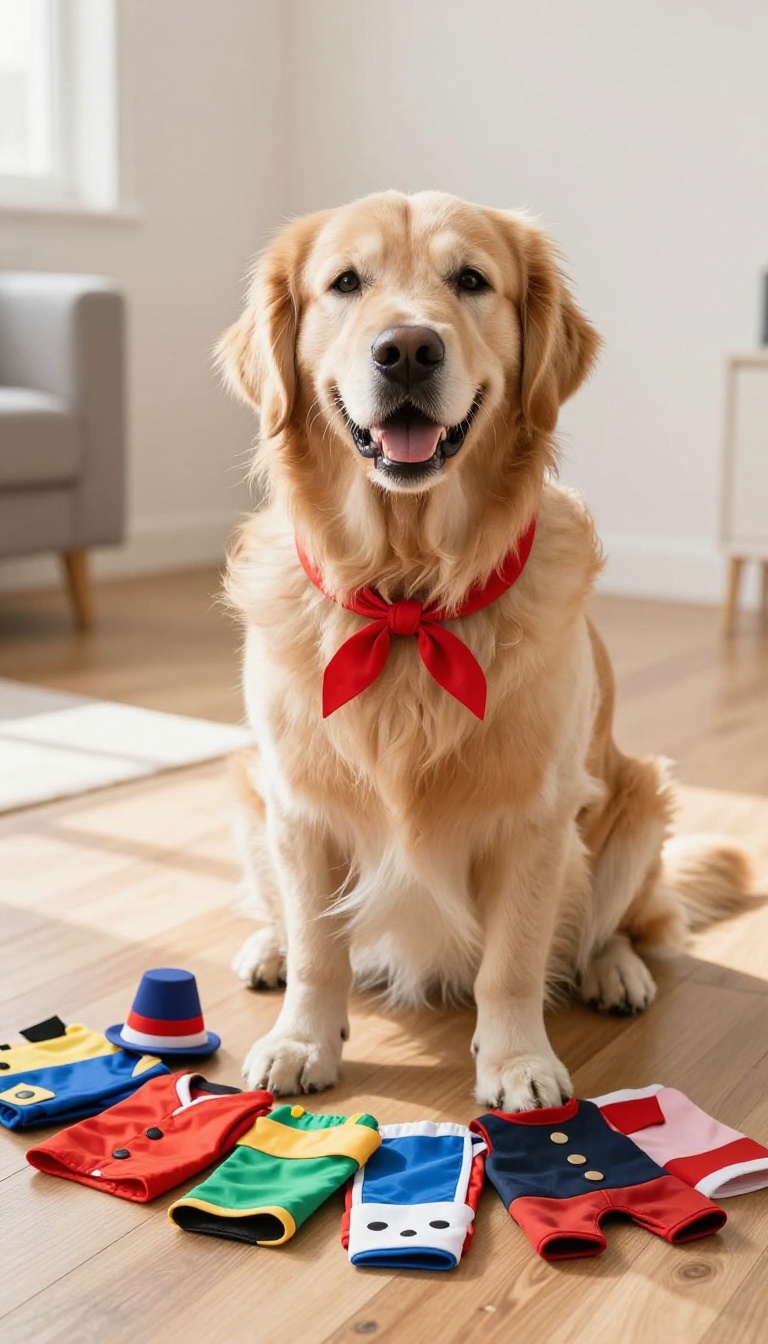
Most dog costumes aren't a single piece—they're a hat, a body, maybe some leg covers. Trying to put them all on at once can overwhelm your pup. Instead, treat each part as its own mini-training session.
By introducing one piece at a time, you let your dog adjust gradually. This makes the whole process feel less like a costume ambush and more like a game of dress-up with treats.
Start with the piece that seems least intrusive, like a bandana or a simple vest. Let your dog sniff it, then gently place it on for a few seconds while offering a treat. Remove it before your dog gets restless.
Repeat this several times over a few days, gradually increasing the time. Once your dog is comfortable with that piece, move to the next one. For example, if the costume includes a hat, hold it near your dog's head and reward calm behavior.
Then briefly place it on, always pairing with a treat. The goal is to build positive associations with each item. When your dog is fine with each piece individually, start combining them.
Put on the body piece, then add the hat, rewarding after each addition. Keep sessions short and always end on a positive note. If your dog shows signs of stress, take a step back and slow down.
Start With The Easiest Piece
Choose the piece that covers the least amount of your dog's body. A bandana or a simple collar attachment is a great starting point. Let your dog wear it around the house for short periods while doing fun activities.
This builds a foundation of comfort before moving to more complex parts.
Use Treats To Create Positive Associations
Every time you introduce a new piece, have high-value treats ready. When your dog allows the piece to be placed on them, immediately reward with a treat and praise. This teaches your dog that wearing costume parts leads to good things.
Over time, your dog will start to look forward to the process.
Gradually Combine The Pieces
After your dog is comfortable with each piece separately, start putting them together. Begin with just two pieces, then add a third. Always watch your dog's body language.
If they seem tense, go back to just one piece for a while. The key is to progress at your dog's pace.
Practice In Short, Frequent Sessions
Keep training sessions to just a few minutes, a couple of times a day. This prevents your dog from getting bored or overwhelmed. Short, frequent practices are more effective than long, stressful ones.
You'll see steady progress without pushing your dog too far.
6. Introduce the Costume Gradually
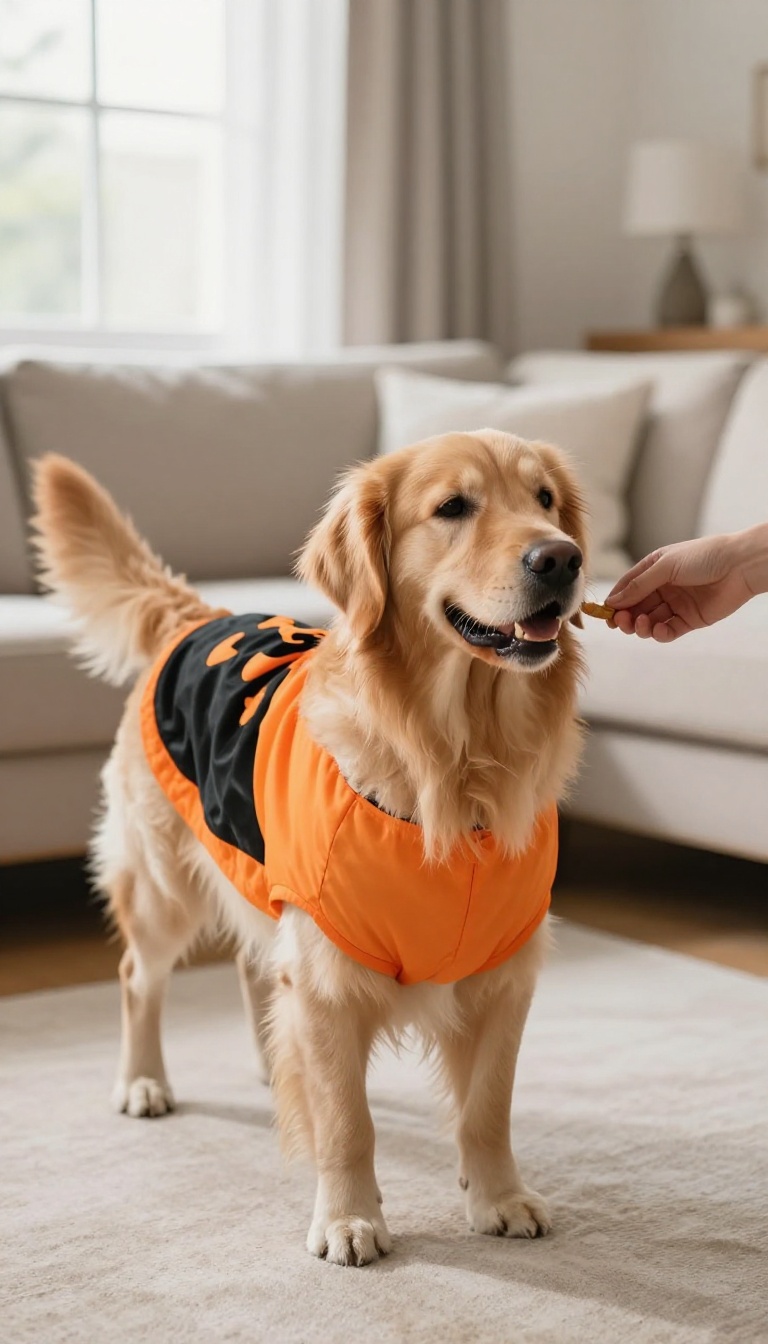
Now that your dog has accepted the fabric, it's time to put it on—but not all at once. The trick is to make each step feel like a game, not a chore. Start by draping the costume over your dog's back without fastening anything.
Let them sniff it, walk around, and get used to the weight. Reward calm behavior with a treat and a cheerful "good dog. " Once they seem relaxed, you can slowly secure the costume for just a few seconds at a time, always pairing it with something positive.
The goal here is to build a positive association with wearing the costume. Rushing this step can undo all the trust you've built. Instead, think of it as a series of tiny successes.
Each time your dog stays calm, they learn that the costume isn't a threat—it's just a part of the fun. Keep sessions short, maybe two to three minutes, and always end on a good note. If your dog seems stressed, take a step back and try again later.
Start With The Back
Lay the costume over your dog's back like a blanket, without any straps or closures. Let them walk around with it loose for a minute or two. Reward them with treats and praise for staying relaxed.
This gets them used to the sensation of something on their body without the restriction of fasteners.
Fasten One Piece At A Time
Once your dog is comfortable with the loose costume, fasten just one strap or Velcro piece, leaving the rest open. Let them wear it for a few seconds, then unfasten and reward. Gradually increase the time as your dog gets more comfortable.
This step-by-step approach prevents overwhelming them.
Keep Sessions Short And Sweet
Short, frequent practice sessions work better than long ones. Aim for three to five minutes, a few times a day. Always end with a treat and a happy tone.
If your dog shows signs of stress—like yawning, lip licking, or trying to shake off the costume—take a break and try again later.
Add Distractions Gradually
Once your dog is comfortable wearing the costume indoors, try walking around the house or going into the yard. This helps them get used to moving in the costume. Reward them for walking normally and staying relaxed.
Soon, they'll be ready for the big day without a fuss.
7. Keep Sessions Short and Sweet
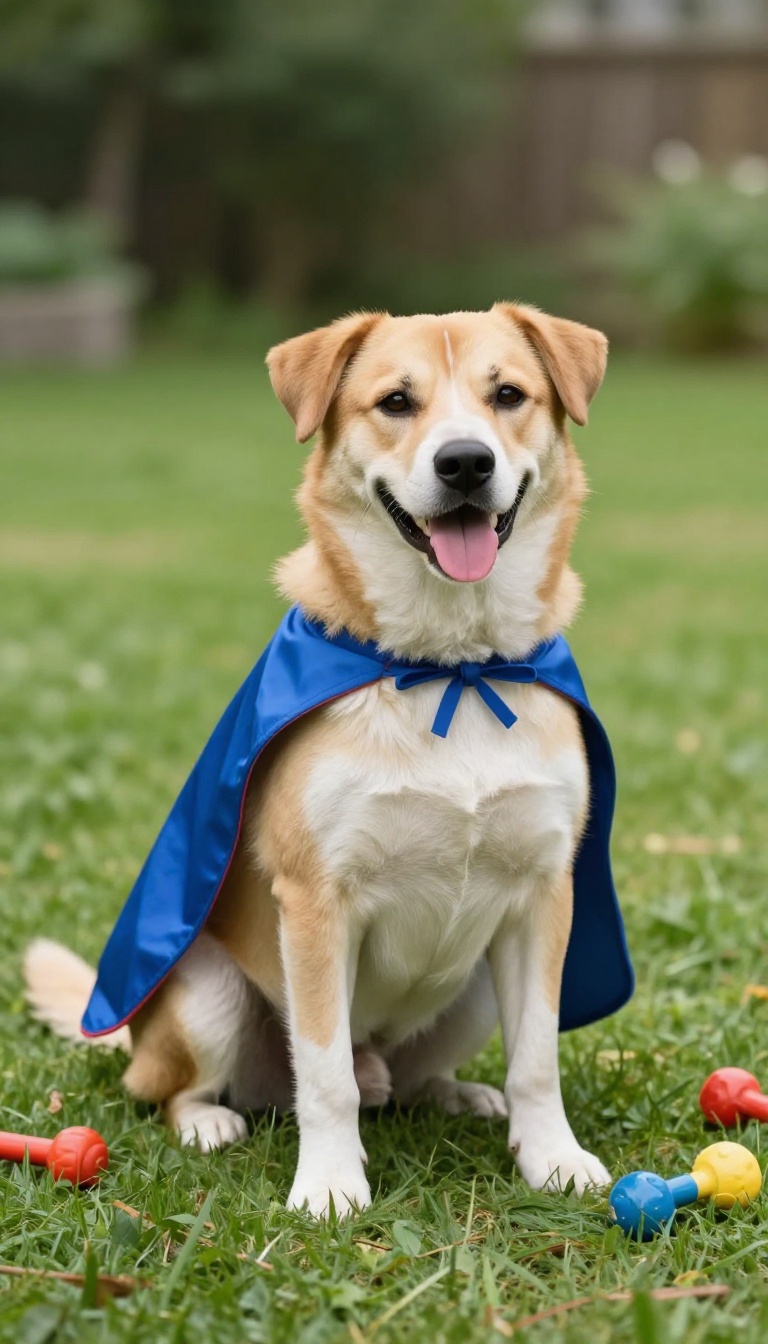
Training sessions that drag on can turn a fun experience into a chore for your dog. Their attention spans are shorter than ours, and they get tired or bored quickly. The goal is to leave your pup wanting more, not dreading the next session.
Short, focused sessions are the secret to stress-free costume training. By keeping things brief, you respect your dog's limits and build positive associations without overwhelming them. This approach works for puppies and adult dogs alike, and it fits easily into your daily routine.
Why 5–10 Minutes Works
Dogs learn best in short bursts. A 5–10 minute session is enough to practice a few repetitions without losing their interest. Longer sessions often lead to frustration for both of you, and your dog may start to associate the costume with negative feelings.
Short sessions also make it easier to fit training into a busy day, so you're more consistent.
Set A Timer Or Use Cues
It's easy to lose track of time when you're having fun, but that's not always a good thing. Set a timer on your phone or use a specific number of treats as your cue to stop. For example, you might do five successful touches or three full wears, then call it quits.
This keeps the session predictable and helps you end on a high note.
Always End On A Positive Note
The last thing your dog experiences in a session is what they remember most. So end with something easy and fun, like a simple 'sit' or a favorite trick, followed by a jackpot of praise and treats. This leaves your dog feeling successful and eager for the next session.
Never end on a struggle or a failed attempt—that sets you both up for frustration next time.
8. Pair Costume with Playtime
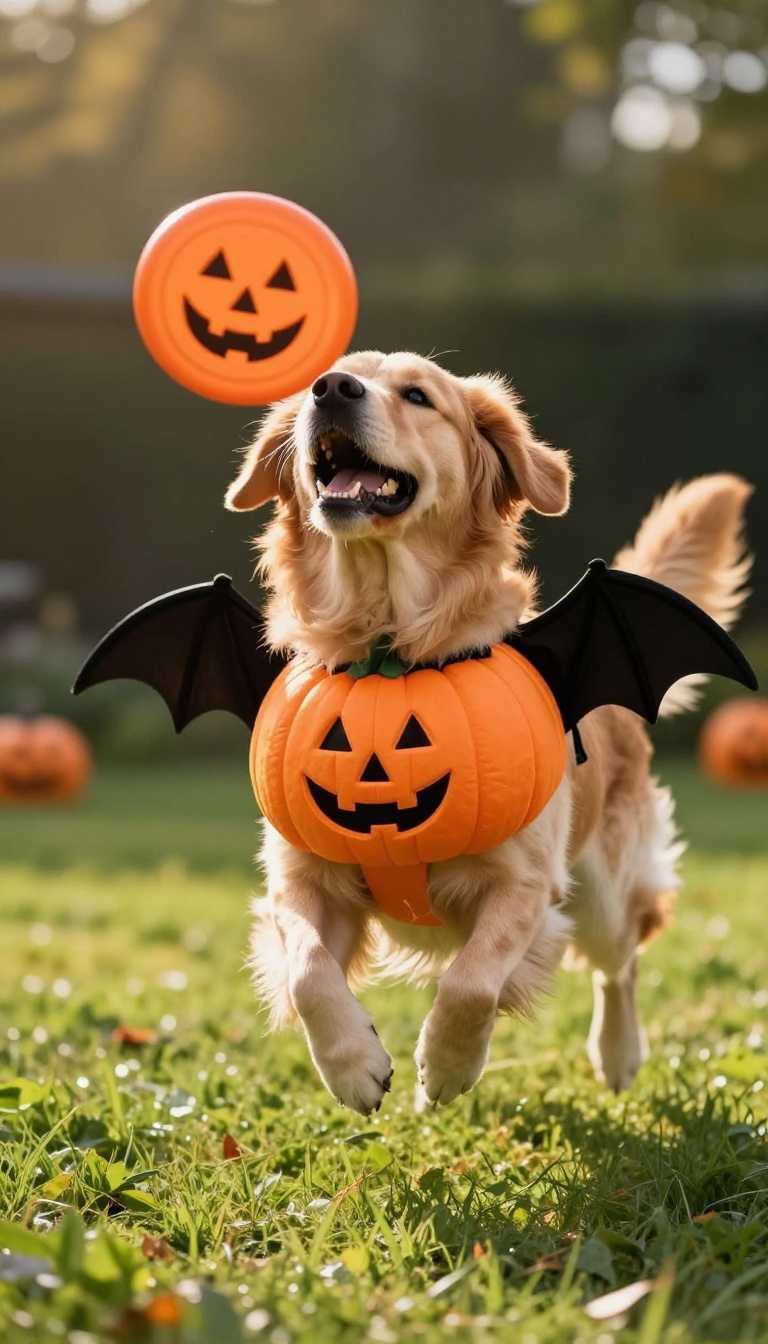
Costumes can feel like a punishment if they only come out for photo sessions. Flip that script by making the outfit the gateway to fun. When your dog sees the costume as a ticket to play, they’ll start wiggling with excitement instead of backing away.
Timing is everything. Put the costume on right before a game of fetch or tug, not after a long walk when your dog is ready to nap. Keep the first few sessions short—just a minute or two of wearing it while you play.
Then take it off and let the good times continue. Over time, your dog will link the costume with happy moments, making future wearings a breeze.
Start With High-value Games
Choose games your dog already loves and can’t resist. For most pups, that’s fetch, tug, or a round of chase. If your dog is more food-motivated, use a puzzle toy or a stuffed Kong as the reward.
The key is to pick something that gets their tail wagging before you even bring out the costume.
Keep Sessions Short And Sweet
Don’t turn playtime into a marathon. A few minutes of wearing the costume during play is plenty for the first few times. Watch for signs of stress like yawning, lip licking, or trying to shake it off.
If you see those, take the costume off and try again later. Short, positive sessions build trust faster than long, forced ones.
End On A High Note
Always stop while your dog is still having fun. If you end the play session right after removing the costume, your dog learns that the costume coming off means the fun stops. Instead, let the costume come off mid-game and keep playing for a few more minutes.
That way, the costume becomes a part of the good time, not the end of it.
9. Use a Mirror to Familiarize
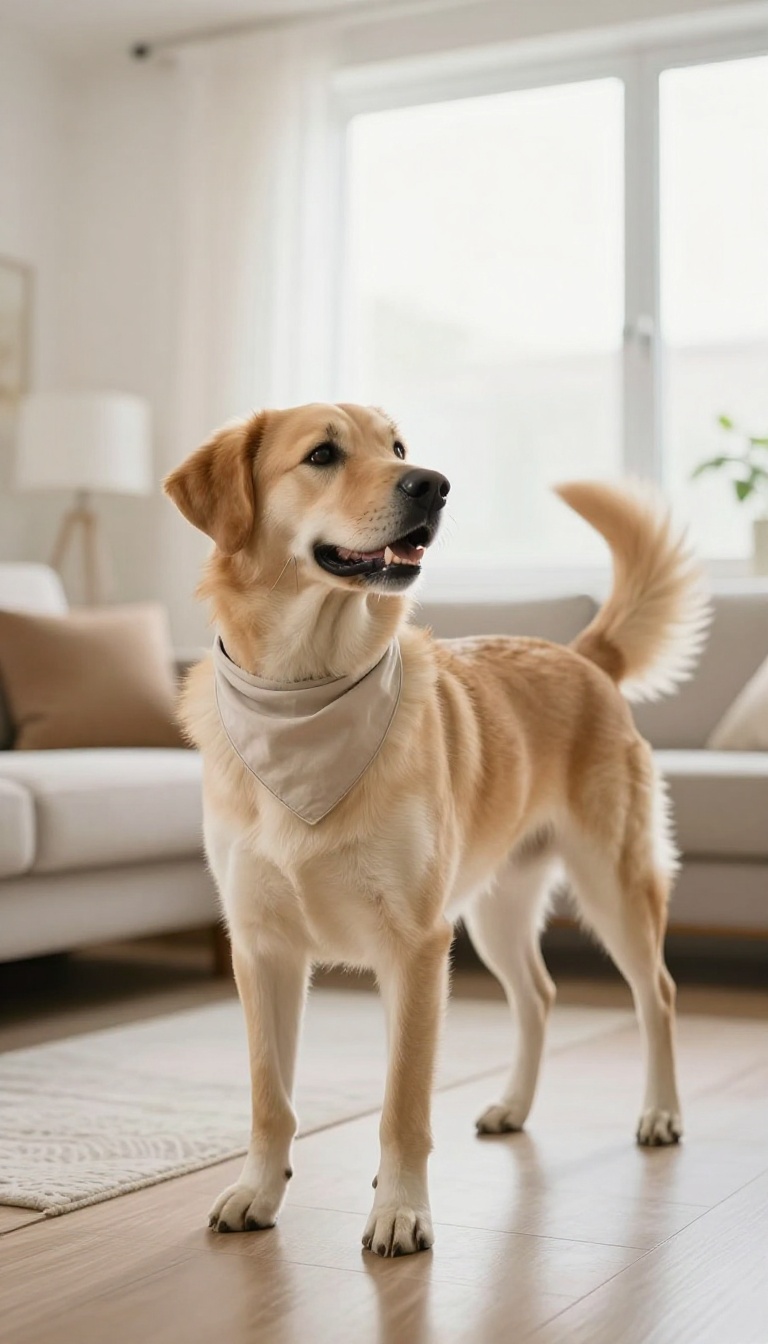
Some dogs get startled when they catch a glimpse of themselves in a costume. A mirror can help them realize that the strange creature staring back is just them. This simple trick eases their confusion and builds confidence.
Introduce the mirror gradually. Start with your dog wearing just a bandana or a light piece of the costume. Hold them in front of a full-length mirror and speak in a cheerful tone.
Treats and praise go a long way here. If your dog seems nervous, don't force it. Let them approach the mirror at their own pace.
Some dogs might bark or paw at the reflection at first—that's normal. Keep sessions short and positive. Once your dog is used to the mirror with a simple item, try the full costume.
Repeat the process, rewarding calm behavior. Over time, your dog will learn that the reflection is nothing to fear, and wearing the costume feels more natural.
Start With A Simple Item First
Don't jump straight to the full costume. Let your dog wear something light, like a bandana or a lightweight shirt. Stand with them in front of a mirror and offer treats.
This builds a positive association with both the item and the reflection.
Watch For Signs Of Stress
Pay attention to your dog's body language. If they tuck their tail, flatten their ears, or try to leave, they're stressed. Take a break and try again later.
Pushing too hard can make the fear worse.
Make It A Game
Turn mirror time into a fun activity. Use a favorite toy or a treat to get your dog to look at the mirror. Say 'look' and reward them when they glance at their reflection.
This keeps the experience light and enjoyable.
10. Practice Walking in the Costume
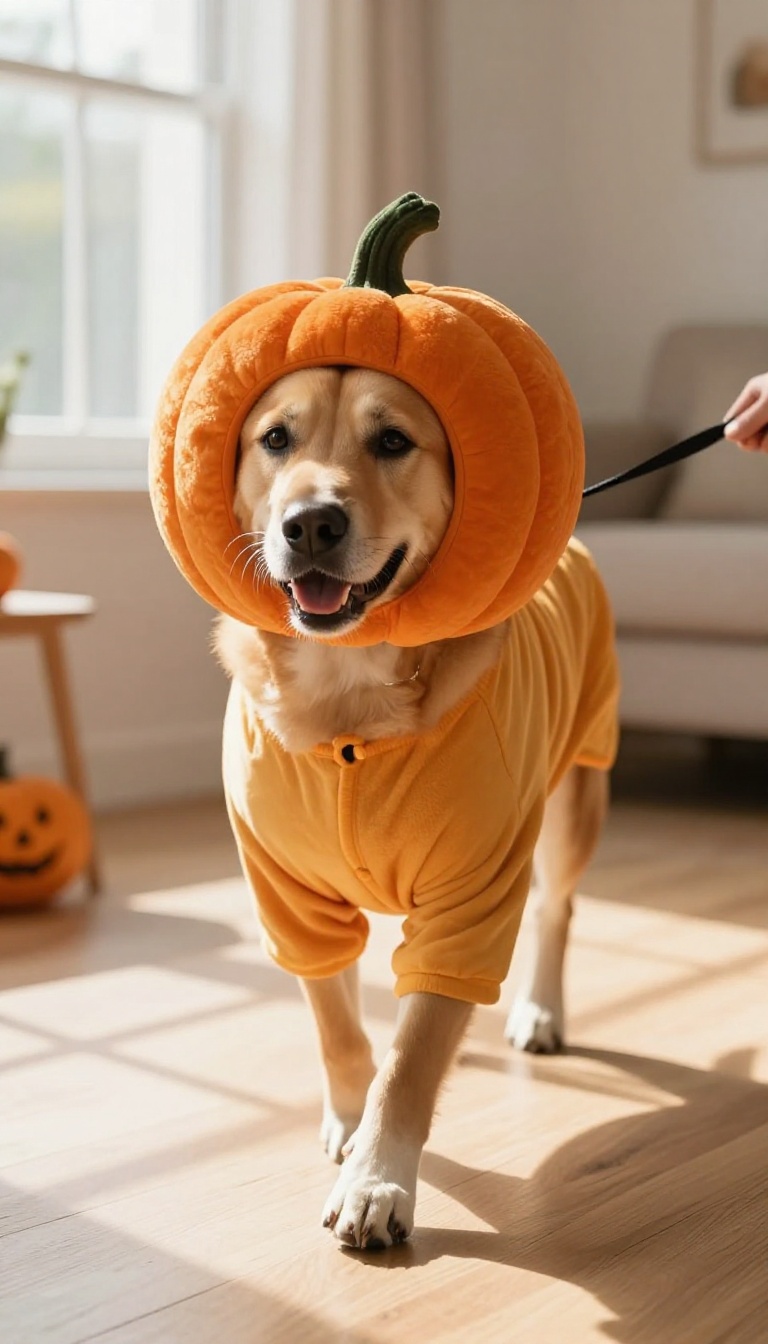
Once your dog is used to the feel of the costume, it's time to put those new skills to the test. Walking while wearing something unfamiliar can feel awkward at first, so this step is all about building confidence on the move. You'll want to keep sessions short and sweet, turning each little stroll into a positive experience.
Start in a quiet, familiar space like your living room or backyard. Let your dog take a few steps on their own, and the moment they move normally, shower them with praise and a treat. The goal is to show them that walking in costume is no big deal—just another fun activity that earns rewards.
Start With A Few Steps
Don't expect a full lap around the block right away. Begin with just a few steps in a distraction-free area. If your dog seems hesitant, encourage them with a cheerful voice or a favorite toy.
Reward every step they take, even if it's just one or two. This builds a positive association with moving while dressed up.
Use High-value Treats
Keep a stash of extra-special treats that your dog only gets during costume practice. Think small pieces of chicken, cheese, or liver. These high-value rewards make the experience more exciting and help your dog focus on you instead of the costume.
Offer a treat after every few steps to keep the momentum going.
Gradually Increase Distance
Once your dog is comfortable taking a few steps, slowly increase the distance. Walk a few feet, then a few more, always keeping the session positive. If your dog stops or tries to shake off the costume, that's a sign to slow down.
Go back to shorter distances and build up again, always ending on a high note.
11. Add Distractions Gradually
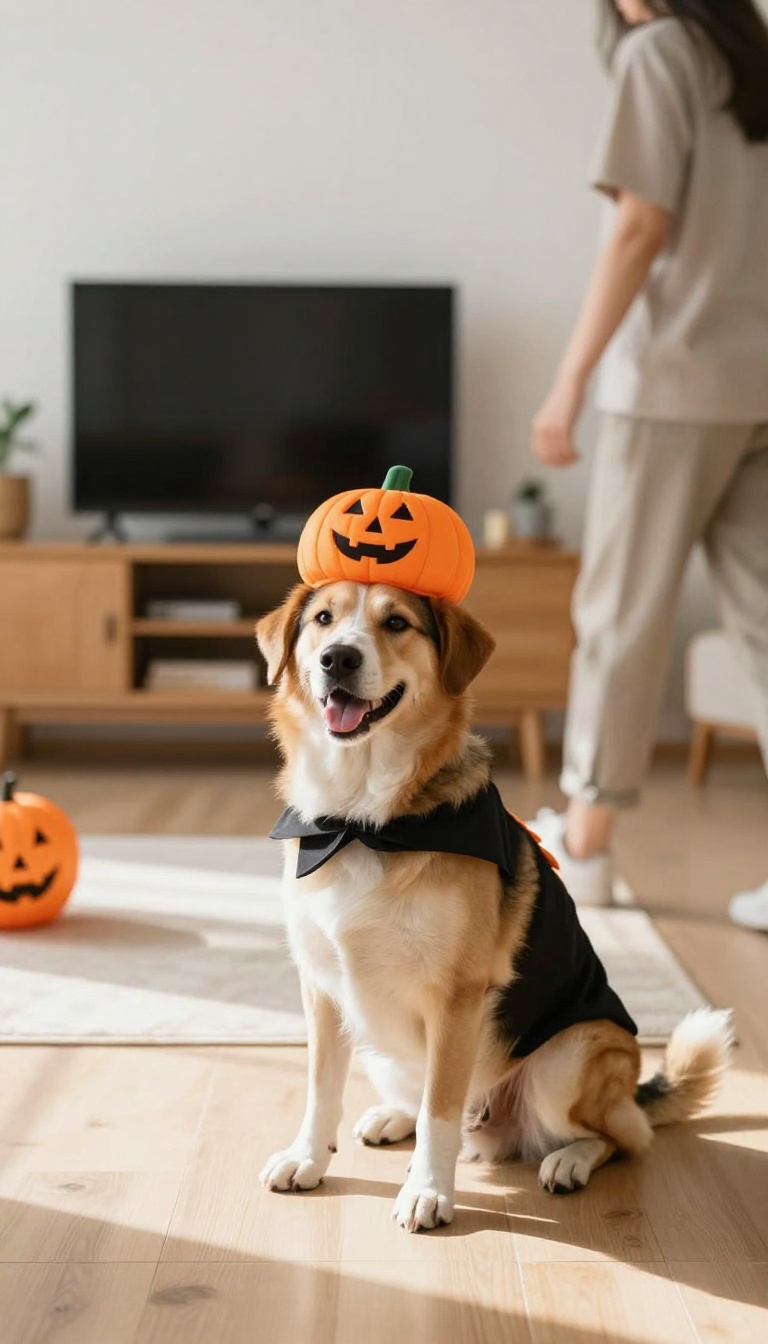
Once your dog is comfortable wearing the costume in a calm room, it's time to level up. The real world is full of noises, movements, and surprises that can make your pup forget all their training. That's why we're going to practice in stages, slowly introducing distractions so your dog can stay relaxed no matter what's happening around them.
Start by turning on the TV at a low volume while your dog wears the costume. Let them get used to the background noise without expecting them to perform. Then, increase the volume or switch to a busier channel.
Next, move to a room with more activity, like the kitchen while you're preparing dinner. Finally, step outside to your yard or a quiet street. The key is to keep each session short and positive, rewarding calm behavior with treats and praise.
Start With Background Noise
Begin by playing soft music or turning on the TV at a low volume. This mimics everyday sounds without overwhelming your dog. Let them wear the costume for a few minutes while you go about your normal routine.
Reward them for staying relaxed, and gradually increase the volume over several sessions.
Add Movement And Activity
Once your dog is fine with noise, introduce movement. Have someone walk around the room, open and close doors, or do some gentle exercises nearby. This helps your dog learn that the costume doesn't stop them from being active.
Keep the energy positive and treat them for staying calm.
Take It Outside
After mastering indoor distractions, it's time to go outside. Start in a fenced yard or a quiet park. Let your dog walk around, sniff, and explore while wearing the costume.
Gradually expose them to more stimulating environments, like a sidewalk with occasional passersby. Always keep the sessions short and end on a positive note.
12. Teach a 'Costume Cue'
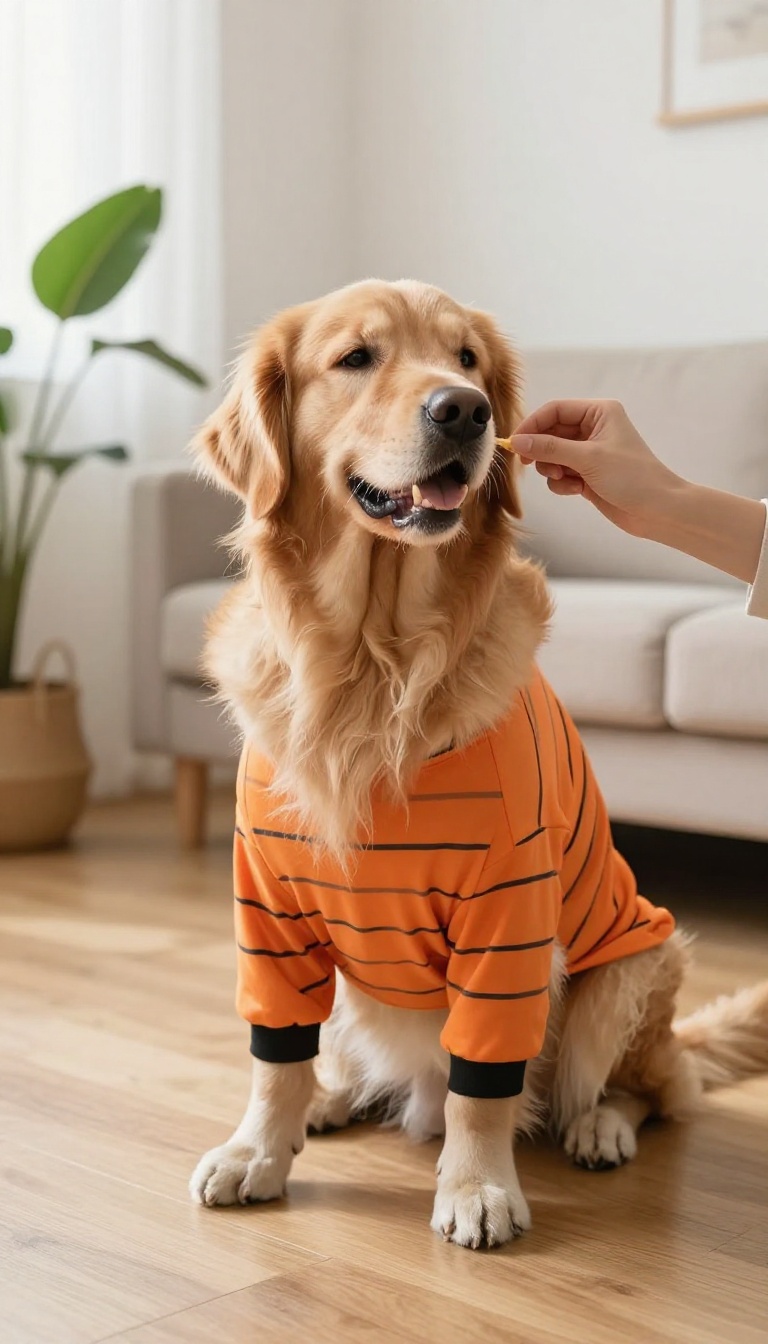
Dogs thrive on routine and clear signals. A costume cue helps your pup understand that it's time to get dressed and that good things are coming. This simple trick reduces anxiety and makes the whole process smoother.
Start by choosing a word that you'll use every time you put on the costume. Something like 'dress up' or 'costume time' works well. Before you bring out the outfit, say the cue in a cheerful tone and immediately give your dog a treat.
Repeat this a few times so your dog starts to associate the word with positive reinforcement. Next, say the cue right before you start putting the costume on. As you're putting it on, keep the treats coming.
The goal is to create a strong connection between the cue and the rewarding experience. Over time, your dog will hear the cue and know that something fun is about to happen, making them more willing to cooperate. Remember to be consistent.
Use the same word every time, and always follow through with a treat. If you're not ready to put the costume on, don't say the cue. This prevents confusion and keeps the signal clear.
Pick A Word And Stick To It
Choose a word that's easy to say and distinct from other commands. 'Dress up' or 'costume' are good options. Avoid words that sound like 'sit' or 'stay' to prevent mix-ups. Use the same word every time, and make sure everyone in the household uses it too.
Pair The Cue With Treats
The cue should always be followed by a treat, especially in the beginning. This builds a positive association. You can also use a special treat that your dog only gets during costume time to make it even more exciting.
Practice Without The Costume
Before you even bring out the costume, practice saying the cue and giving a treat. This helps your dog learn the word without any pressure. Once your dog responds reliably, start adding the costume into the mix.
13. Reward Calm Behavior, Not Just Compliance
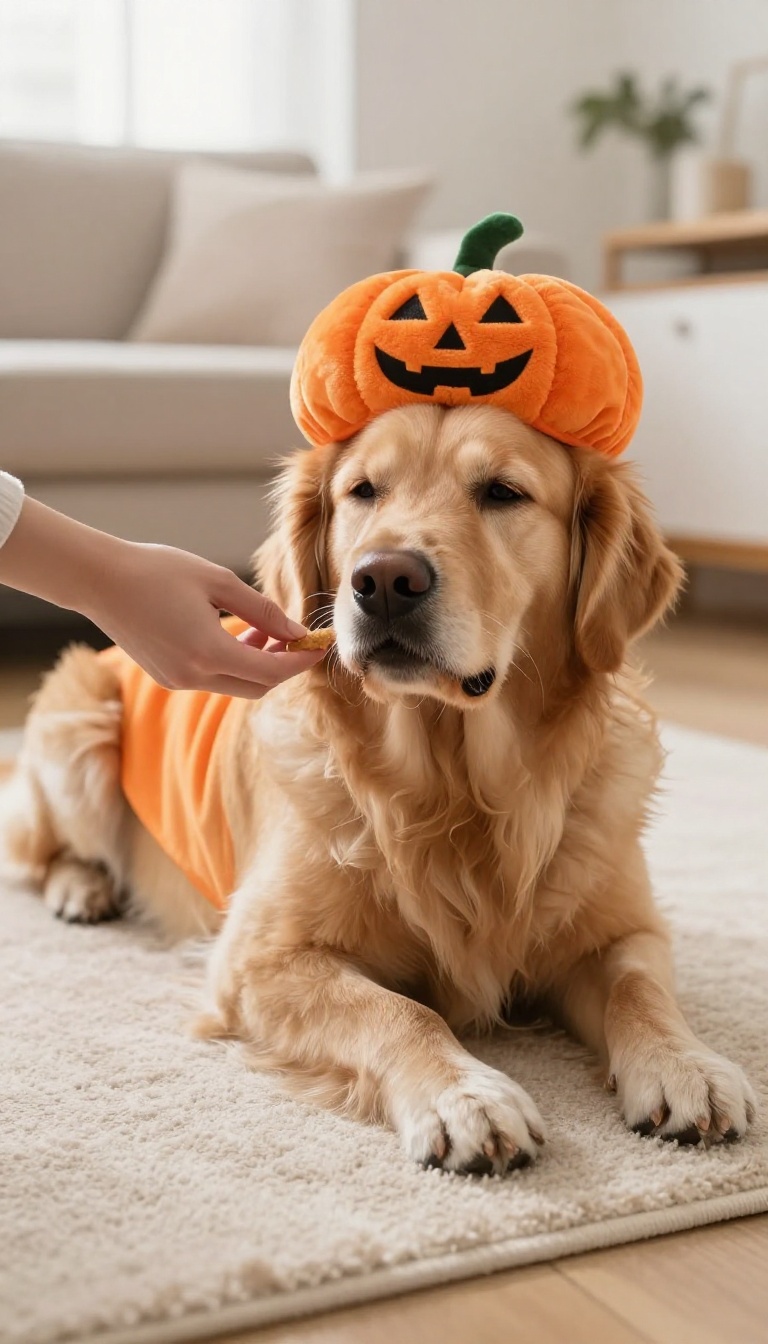
Getting your dog to wear the costume is one thing, but having them actually relax in it is another. When your pup stands still or lets you put the costume on, that's compliance. But if they're also calm—no stiff legs, no tucked tail, no frantic licking—that's the real win.
This step is about rewarding that inner peace, not just the outer action.
Picture this: your dog lets you slip the costume over their head, but their body is tense and their eyes are wide. That's compliance, not comfort. If you only reward the action, you're teaching them to tolerate the costume, not enjoy it.
Instead, wait for those moments of genuine relaxation—a soft body, a relaxed jaw, maybe even a sigh. That's when you break out the extra-special treats. By rewarding calm behavior, you're telling your dog, "This is what I want you to feel.
" Over time, they'll learn that wearing the costume means good things happen, and they'll start to relax on their own.
Watch For The Relaxed Signals
Before you can reward calm, you need to know what it looks like. A relaxed dog might have a loose, wiggly body, soft eyes, and ears that aren't pinned back. They might even lie down or offer a play bow.
If you see any of these signs while they're in the costume, drop a treat right away. Timing matters—the treat should come within a second or two of the calm moment so your dog connects the dots.
Make The Treat Worth It
Not all treats are created equal. For this step, you want something extra special—tiny bits of chicken, cheese, or a high-value training treat. Save these for when your dog is calm in the costume, not for everyday training.
This makes the reward more exciting and reinforces just how great it is to be relaxed. Keep the pieces small so you can give several without overfeeding.
Gradually Increase The Duration
Start by rewarding a split second of calm, then gradually ask for a little more. For example, if your dog stays relaxed for five seconds, treat. Then wait for ten seconds, treat.
If they start to get tense, take a step back and reward any small sign of relaxation again. This builds their tolerance and helps them learn that calm behavior is what earns the good stuff.
14. Take Short Test Drives
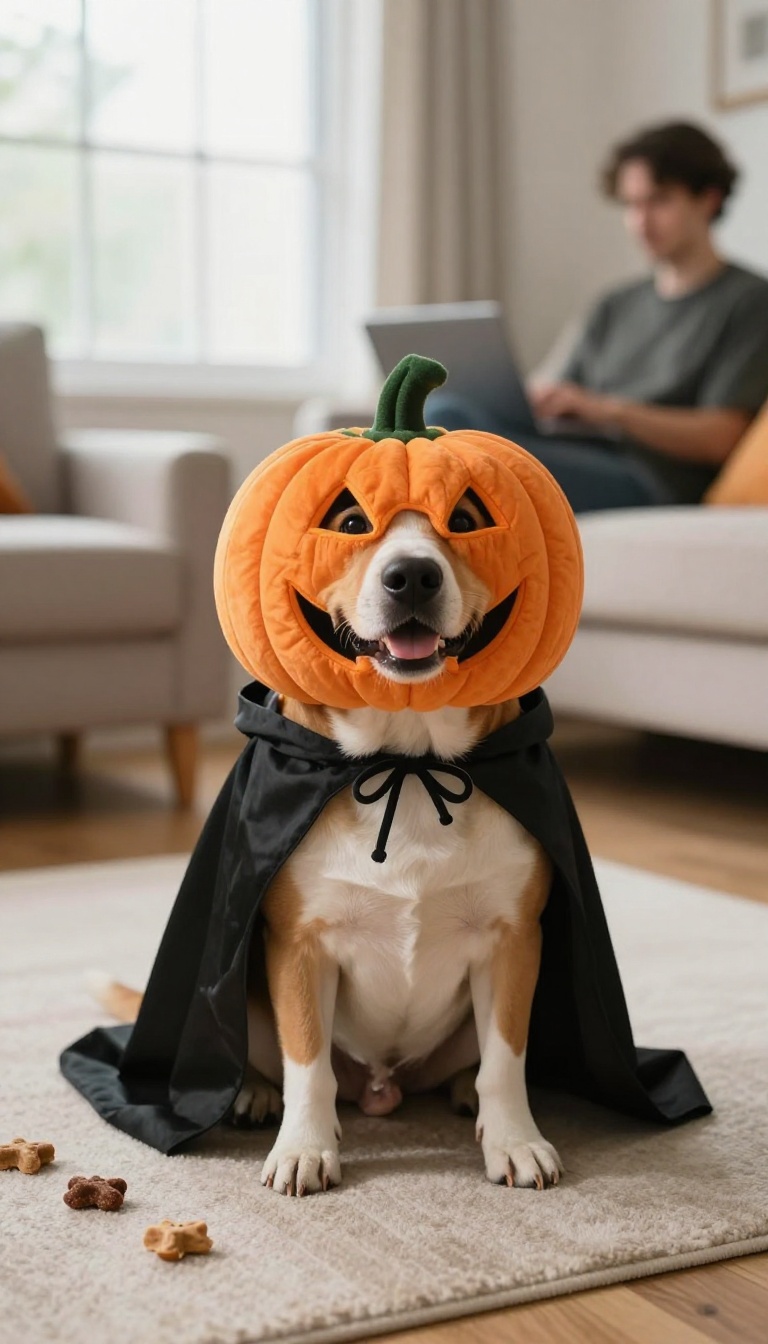
Before the big night, give your dog a few low-pressure dress rehearsals. These mini sessions help your pup get used to the costume in a familiar setting, so Halloween doesn't feel like a surprise. Keep them short, positive, and full of treats.
A quick test drive can make all the difference. Start by putting the costume on your dog for just 10–15 minutes while you go about your normal routine—watching TV, folding laundry, or making dinner. This helps your dog learn that wearing the costume isn't a big deal.
After the time is up, take it off and give a treat. Repeat this a few times over the week, gradually increasing the duration if your dog seems comfortable. The goal is to build positive associations without overwhelming them.
Keep It Short And Sweet
Short sessions are key. Ten to fifteen minutes is plenty for a first try. If your dog seems uneasy, cut it shorter and try again later.
The point is to end on a good note, not to push through discomfort.
Do Normal Things
Wear the costume during everyday activities. Watch TV, read, or do chores. This helps your dog see that the costume doesn't change your routine or their world.
It's just part of the day.
Reward The Removal
Give a treat right after taking the costume off. This creates a clear positive link: costume comes off, good things happen. Over time, your dog may even look forward to the end of the session.
Watch For Stress Signals
Pay attention to your dog's body language. If they're panting, yawning, or trying to escape, it's time to stop. Respect their limits and go at their pace.
Comfort comes first.
15. Plan a Final Dress Rehearsal
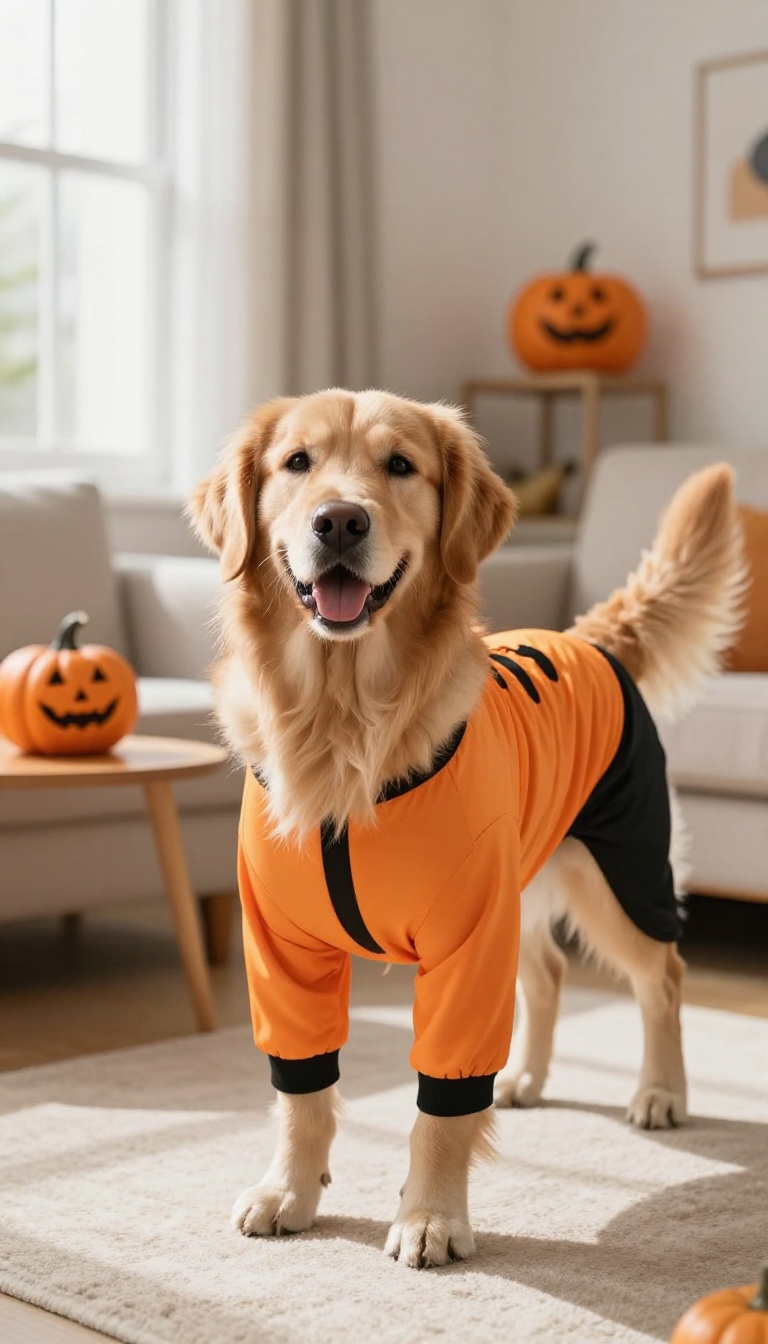
You've practiced in short bursts, and your dog is getting the hang of it. Now it's time to put everything together with a full dress rehearsal. A few days before Halloween, do a complete run-through so your pup knows exactly what to expect.
This is your chance to catch any last-minute issues and make sure the big night goes smoothly.
A final dress rehearsal is more than just a photo op. It's a full simulation of Halloween night, minus the chaos. By doing this, you can ensure your dog is comfortable, the costume fits well, and you're both ready for the real deal.
Plus, it's a great way to build your dog's confidence and create positive associations with wearing the costume.
Set The Scene
Try to mimic the conditions of Halloween night as closely as possible. If you'll be outside, take your dog for a walk in the costume. If you're staying home, practice walking around the house, answering the door, and greeting people.
This helps your dog get used to the sights, sounds, and movements they'll encounter.
Practice The Extras
Don't just stand around. Walk, sit, lie down, and do a few tricks while your dog is in costume. This helps them get used to moving freely and prevents stiffness or discomfort.
If your dog has a specific routine for Halloween, like walking to a neighbor's house, practice that route.
Take Photos And Videos
Use this time to capture adorable photos and videos. Not only will you have great memories, but you can also review them to spot any issues. Does the costume ride up?
Is your dog's tail tucked? Are they licking their lips or panting excessively? These signs can tell you if your dog is stressed or uncomfortable.
Reward Generously
Throughout the rehearsal, give plenty of treats and praise. This reinforces that wearing the costume is a positive experience. You can also use a special high-value treat that your dog only gets during costume time.
This makes the rehearsal something your dog looks forward to.
FAQ
How long does it take to train a dog to wear a costume?
It depends on your dog's temperament, but with daily short sessions, most dogs can get comfortable within a week. Start at least two weeks before Halloween for best results.
What if my dog hates wearing clothes?
Go slower and use even higher-value treats. If your dog shows extreme stress, consider a simpler costume like a bandana or a lightweight harness cover instead of a full outfit.
Can I force my dog into a costume?
No, never force a costume on your dog. This can create fear and anxiety. Always use positive reinforcement and let your dog set the pace.
What are the best types of costumes for dogs?
Look for costumes that are lightweight, breathable, and don't restrict movement or vision. Avoid anything with small parts that could be chewed off or cause choking.
Should I leave the costume on my dog all day on Halloween?
No, only keep it on for short periods, especially if your dog is new to costumes. Supervise your dog at all times and remove the costume if they seem uncomfortable.
Conclusion
Getting your dog comfortable in a costume doesn't happen overnight, but it doesn't have to be a struggle either. Start with one or two steps that feel easy for both of you, like letting them sniff the fabric or wearing it for a few minutes during playtime. Keep sessions short and positive, and you'll both get more relaxed with each try.
Once your dog seems at ease, you can build up to longer wears and full costumes. The goal isn't perfection—it's a happy, stress-free Halloween for everyone.

I’m Pallab Kishore, the owner of Little Pets Realm — an animal lover and pet care enthusiast sharing easy tips, healthy recipes, and honest advice to help every small pet live a happy, healthy, tail-wagging life.