
Last updated on August 19th, 2026 at 04:14 pm
You don't need an hour of free time to raise a well-mannered dog—just a few focused minutes sprinkled through your day can make a real difference. These ten routines fit neatly into moments you already have, like pouring coffee or waiting for the kettle to boil.
Each one is short, practical, and designed to build good habits without turning training into a chore. By the end of the week, you'll notice your pup responding more reliably and you'll feel less overwhelmed by the process.
Let's turn those spare minutes into meaningful progress.
1. Morning Wake-Up Sit
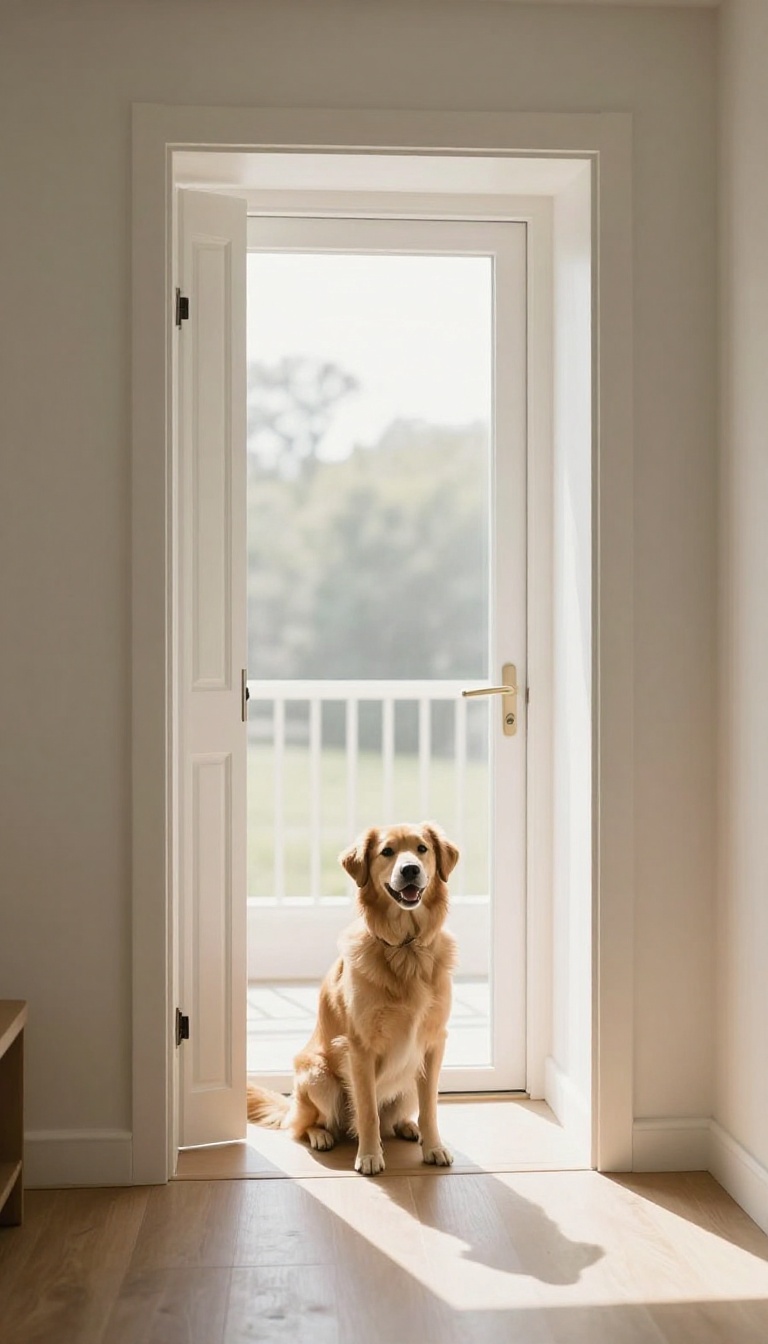
The first moments of the day set the tone for everything that follows. A quick sit-before-release ritual at the crate or bedroom door takes just seconds but teaches your dog that patience opens doors—literally. This tiny exercise builds impulse control and gives you a calm, cooperative start before the day's chaos begins.
You don't need a training session to make this work. Simply pause at the door, wait for your dog's rear to hit the floor, then say 'okay' and open. If they rush, close it gently and try again.
Consistency matters more than duration, so a few repetitions each morning will quietly reinforce the habit.
Why It Works
Asking for a sit before opening the door taps into your dog's natural desire to move forward. By making access conditional, you're teaching that calm behavior earns rewards. Over time, this reduces door-dashing and general excitability, which carries over to other situations like greeting visitors or walking through thresholds.
How To Practice
Start with the door closed and your dog on a leash if needed. Wait for a sit, then open the door just a crack. If they break the sit, close it and wait again.
Once they hold the sit for a few seconds, open fully and release with a cheerful 'okay. ' Practice for two or three minutes each morning until it becomes automatic.
Troubleshooting Common Slip-ups
If your dog won't sit because they're too excited, try moving slower or using a treat to lure them into position. If they pop up as soon as you reach for the handle, go back to smaller steps—just touch the handle, then reward a sit. Patience is key; you're building a habit, not rushing a trick.
2. Name Game in the Kitchen
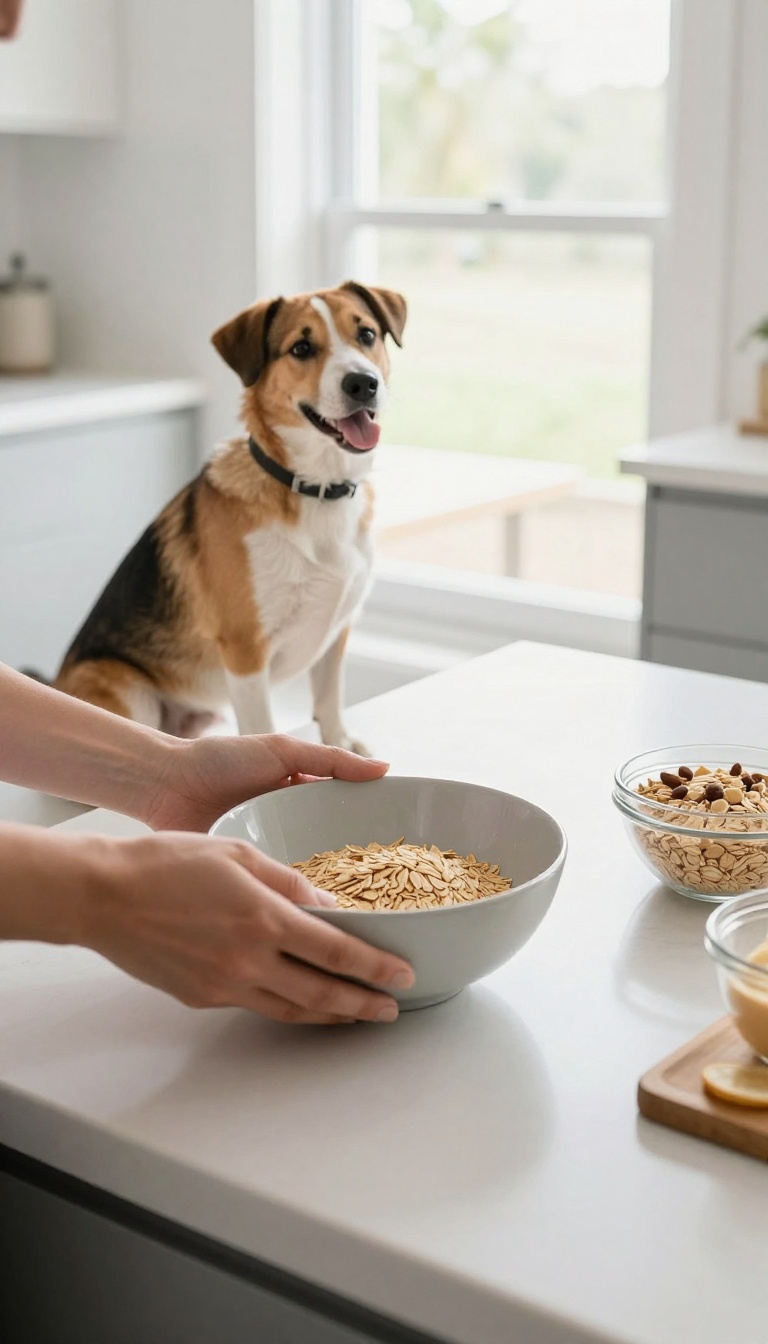
Breakfast prep is a golden opportunity to sharpen your dog's attention. While you're measuring oats or pouring cereal, your pup is usually hovering nearby, hoping for a dropped crumb. That's the perfect moment to play a quick game that reinforces their name and builds a solid recall response.
This routine takes less than a minute and turns a mundane chore into a training session. It's all about teaching your dog that their name means 'look at me' – and that doing so earns something great. Over time, this simple habit pays off in real-world situations, like when they're distracted by a squirrel or about to bolt out the door.
Why It Works
Dogs learn best in short, positive bursts. By practicing in the kitchen, you're working in a low-stakes environment with mild distractions (like the smell of toast). This builds a strong foundation for attention, which is the first step in reliable recall.
Plus, you're using time you already have, so there's no extra effort involved.
How To Play
Keep a handful of tiny treats in your pocket or on the counter. Say your dog's name once, in a cheerful tone. The moment they look at you, mark it with a 'yes! ' and pop a treat in their mouth.
If they don't respond, don't repeat the name – just wait a few seconds and try again. That teaches them to listen the first time.
Adding Real-life Distractions
Once your dog reliably turns when you call their name, start adding small challenges. Open the fridge, clink a dish, or have someone walk through the room. Each time they choose to look at you instead of reacting to the noise, reward them extra.
This builds impulse control and focus that carries over to walks and outdoor adventures.
3. Wait at the Door
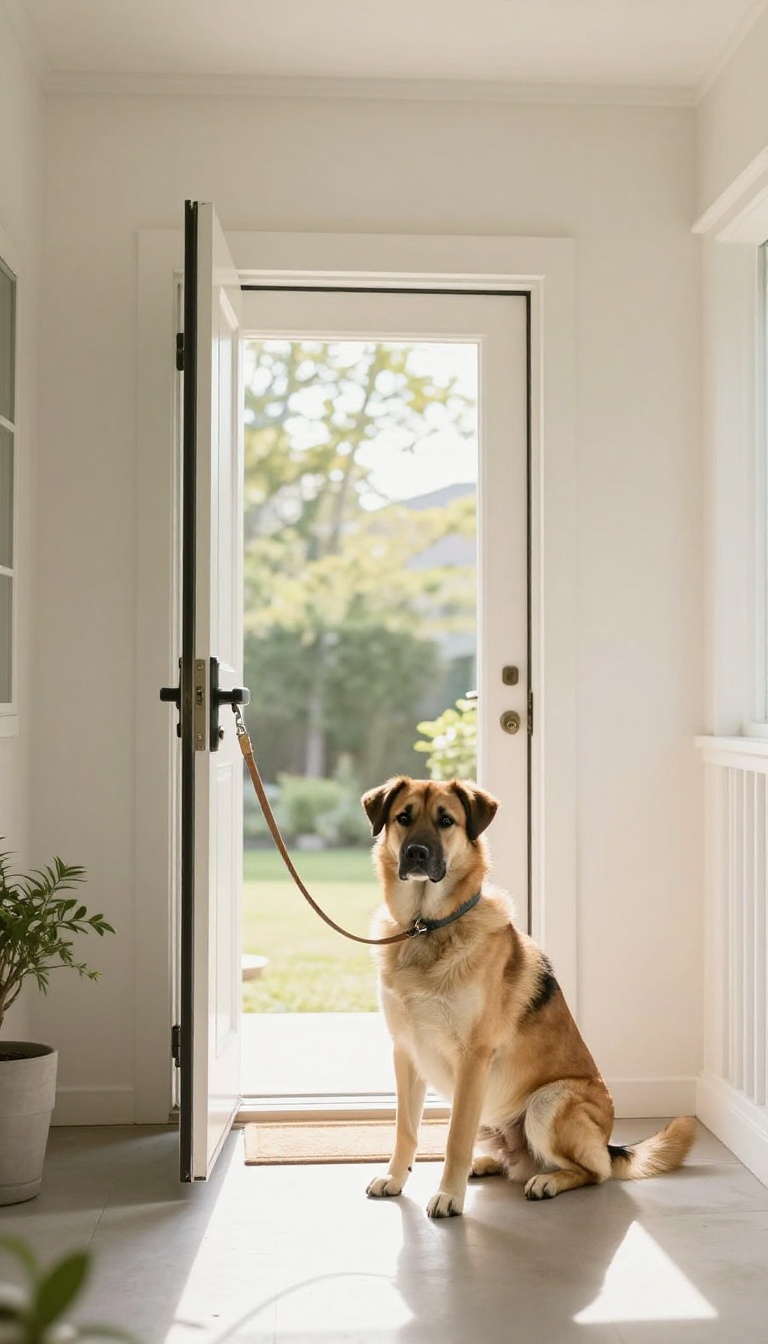
The front door is a magnet for excitement, but it's also a perfect classroom for teaching impulse control. A simple 'wait' before heading out not only prevents door-dashing but also builds a habit of patience that carries into other areas of life. Best of all, it takes just a few minutes each day to practice.
Start by asking your dog to sit or stay a few feet from the door. Open it a crack, and if your dog moves, close it and try again. Reward only when they hold still.
Gradually increase the door opening and the duration. This routine is quick, but the payoff is huge—you'll have a dog that waits politely instead of bolting outside.
Why Door Manners Matter
Door-dashing isn't just annoying—it's dangerous. A dog that bolts out can run into traffic, get lost, or startle strangers. Teaching 'wait' at the door keeps your dog safe and gives you peace of mind.
Plus, the self-control they learn here spills over into other situations, like waiting for food or greeting guests calmly.
Step-by-step In 2 Minutes
- Put your dog on a leash and ask for a sit. 2.
Say 'wait' and open the door a few inches. 3. If your dog stays, reward with a treat and praise.
- If they move, close the door and try again. 5.
Repeat, gradually opening the door wider and holding the wait longer. Practice this a few times a day, and you'll see progress fast.
Real-life Practice
The real test is using this skill when you're actually heading out. Start by having your dog wait while you step outside, then release them with a 'okay' when you're ready. Over time, your dog will learn that the door opening doesn't mean 'go' unless you say so.
This routine turns a chaotic exit into a calm, controlled moment.
4. Loose-Leash Walk Warm-Up
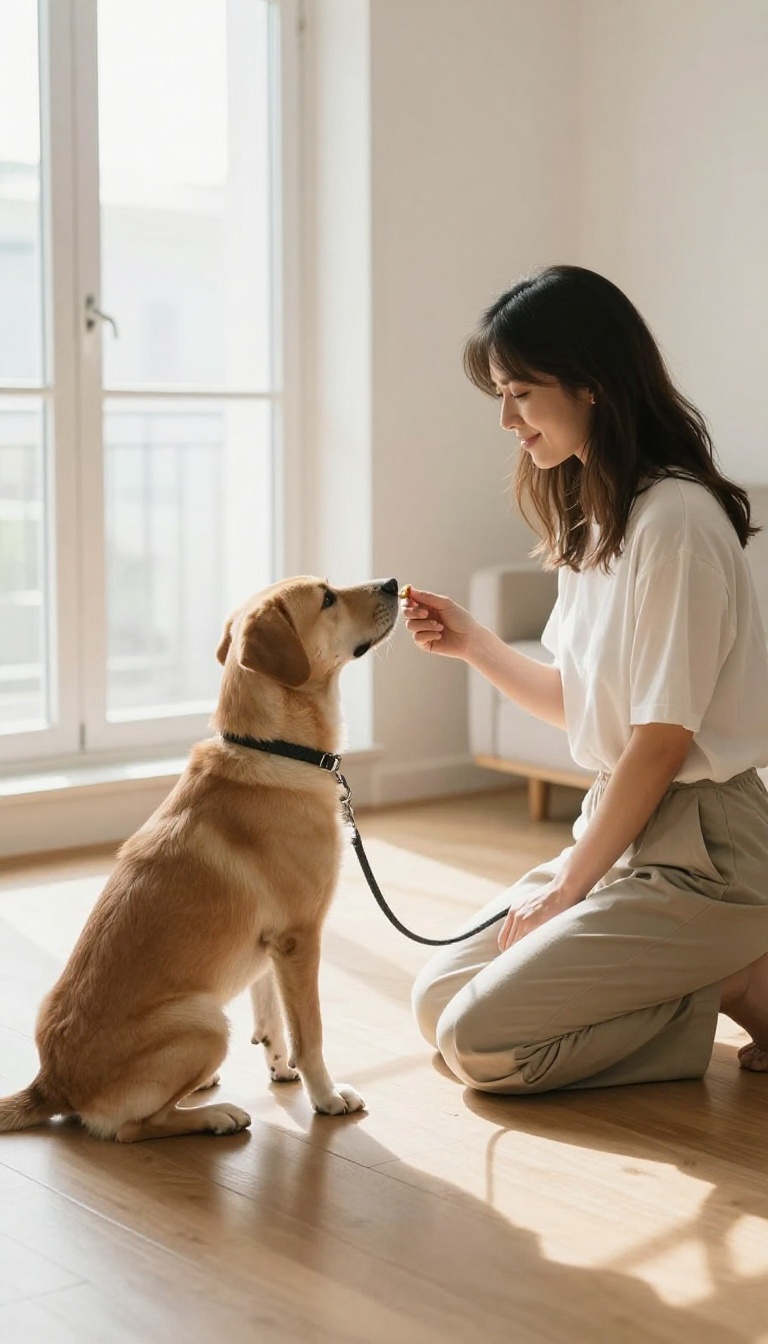
Before you even step out the front door, a quick two-minute warm-up can save you from a tugging, frustrating walk. Instead of letting your dog explode with excitement at the leash, you set the tone calmly inside. This mini-session teaches your pup that walking nicely starts before you hit the sidewalk.
The loose-leash walk warm-up is all about reinforcing the behavior you want before distractions take over. By practicing in a quiet space, your dog learns to focus on you and the leash pressure, not the smells and sounds outside. It’s a simple habit that pays off in calmer, more enjoyable walks.
Pick Your Practice Spot
Choose a hallway, living room, or even your backyard—anywhere with minimal distractions. The goal is to give your dog a chance to succeed. If your yard is full of interesting scents, start indoors.
You want your pup’s full attention on you and the leash, not on the world outside.
The Two-minute Drill
Clip on the leash and stand still. Wait for your dog to look at you or offer a loose leash—even for a second. The moment they do, mark with a “yes” and reward with a treat.
Then take a few steps forward. If the leash tightens, stop and wait. When your dog comes back to you, reward and continue.
Repeat this for two minutes, keeping it calm and low-pressure.
End On A Good Note
After two minutes, end the session with a clear cue like “let’s go” and head out the door. This transition tells your dog that the warm-up is over and the real walk begins. You’ll notice that the first few minutes outside are more relaxed because your dog already knows the rules.
5. Five-Minute Fetch with a Twist
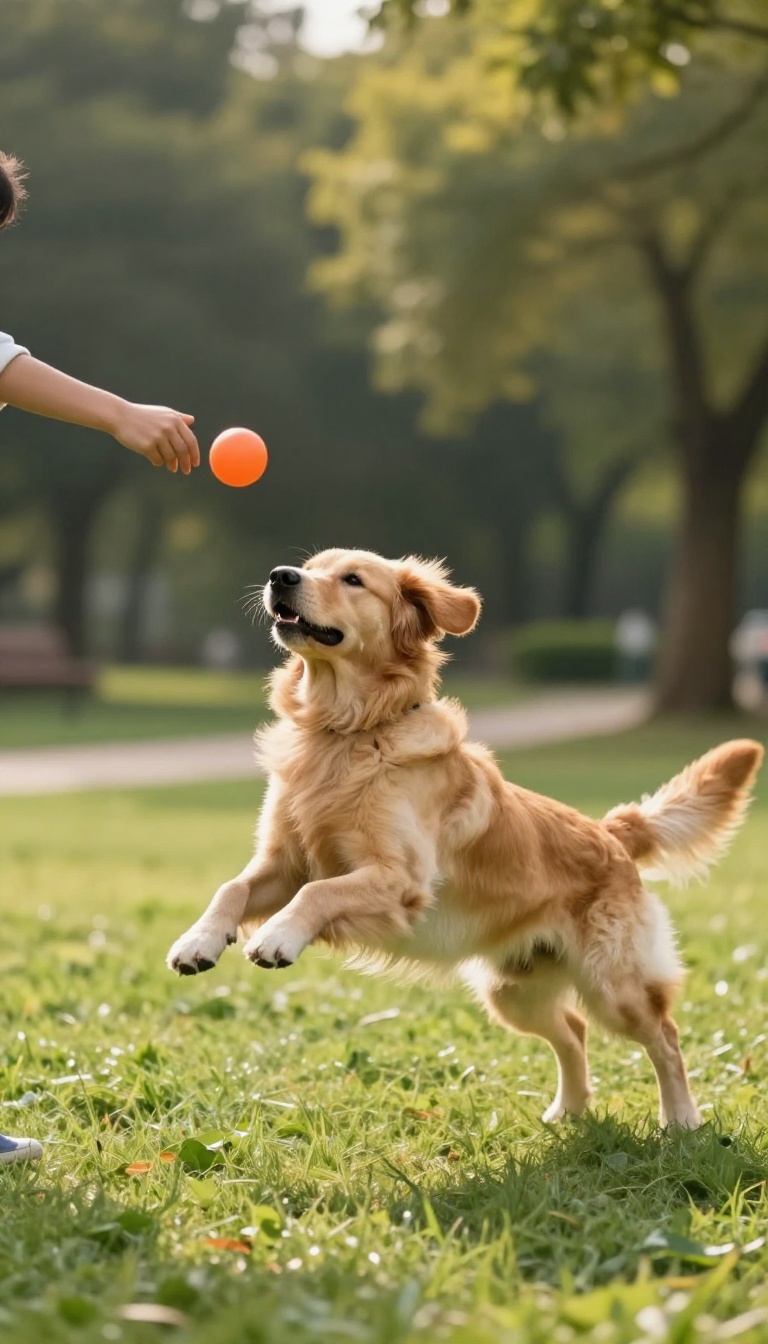
Fetch is usually just a game of chase, but it can be so much more. By adding a quick obedience cue before each throw, you turn playtime into a mini training session that reinforces good behavior without feeling like work. Your dog still gets the exercise and fun, but you also sneak in a few extra reps of sit, down, or stay.
This routine is perfect for those moments when you have a few minutes to spare in the yard or at the park. It's simple, low-pressure, and keeps your dog mentally sharp while burning off energy. Plus, it strengthens your bond because your pup learns that paying attention to you leads to the reward of the chase.
Why It Works
The twist is that your dog must perform a known command before the toy is released. This reinforces obedience in a high-excitement context, which is exactly where most dogs struggle. It also adds a mental workout, making the game more tiring than a simple run, which is great for high-energy breeds.
How To Do It
Start with your dog on a long leash or in a fenced area. Hold the toy and ask for a sit or down. The instant your dog complies, say 'yes' and throw the toy.
As your dog brings it back, ask for the same cue again before throwing. Keep the session upbeat and end on a high note, maybe after 5-10 successful reps.
Troubleshooting
If your dog is too excited to listen, try using a lower-value toy or practice in a quieter spot first. If your dog drops the toy before the cue, gently ignore the toy until they offer the behavior. Consistency is key—soon your dog will automatically sit or down when they see the toy in your hand.
6. Treat Scavenger Hunt
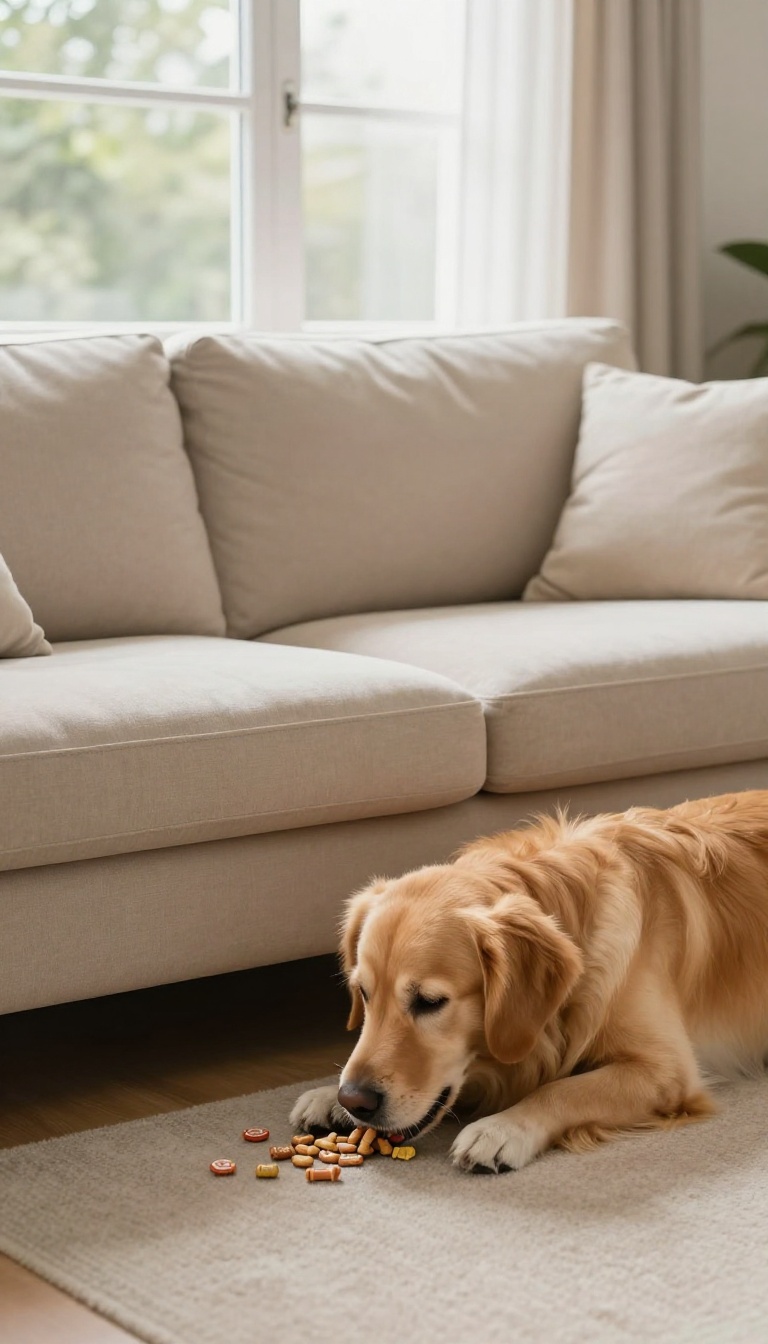
Dogs are born foragers, and a quick scavenger hunt turns your living room into an adventure zone. All you need are a few treats and a couple of minutes—no fancy equipment required. This game taps into their natural sniffing instincts, giving their brain a satisfying workout that tires them out faster than a long walk.
Start by showing your dog a treat, then let them watch as you place a few pieces in easy spots around the room. Once they get the hang of it, hide treats in slightly trickier places like under a cushion or behind a chair leg. The goal is to make them think and sniff, not just spot the snack.
Keep sessions short and always end on a high note so your pup stays eager for the next round.
Why Sniffing Matters
Sniffing is how dogs explore the world, and it's deeply calming for them. A quick scavenger hunt encourages them to use their nose, which lowers their heart rate and releases feel-good hormones. It's a fantastic way to burn mental energy, especially on rainy days when outdoor exercise is limited.
How To Set Up The Hunt
Choose a quiet area with minimal distractions. Start with 3–5 treats placed in plain sight, then gradually increase difficulty as your dog improves. Use small, low-calorie treats so you can hide several without overfeeding.
Always supervise to ensure your dog doesn't eat anything they shouldn't, and keep the session to about five minutes max.
Turn It Into A Training Game
You can make the hunt more challenging by adding a cue like 'find it' before releasing your dog. This builds a strong recall response and teaches patience. For an extra twist, hide a favorite toy instead of treats—it's a great way to practice 'leave it' and 'take it' commands while having fun.
7. Crate Training Check-In
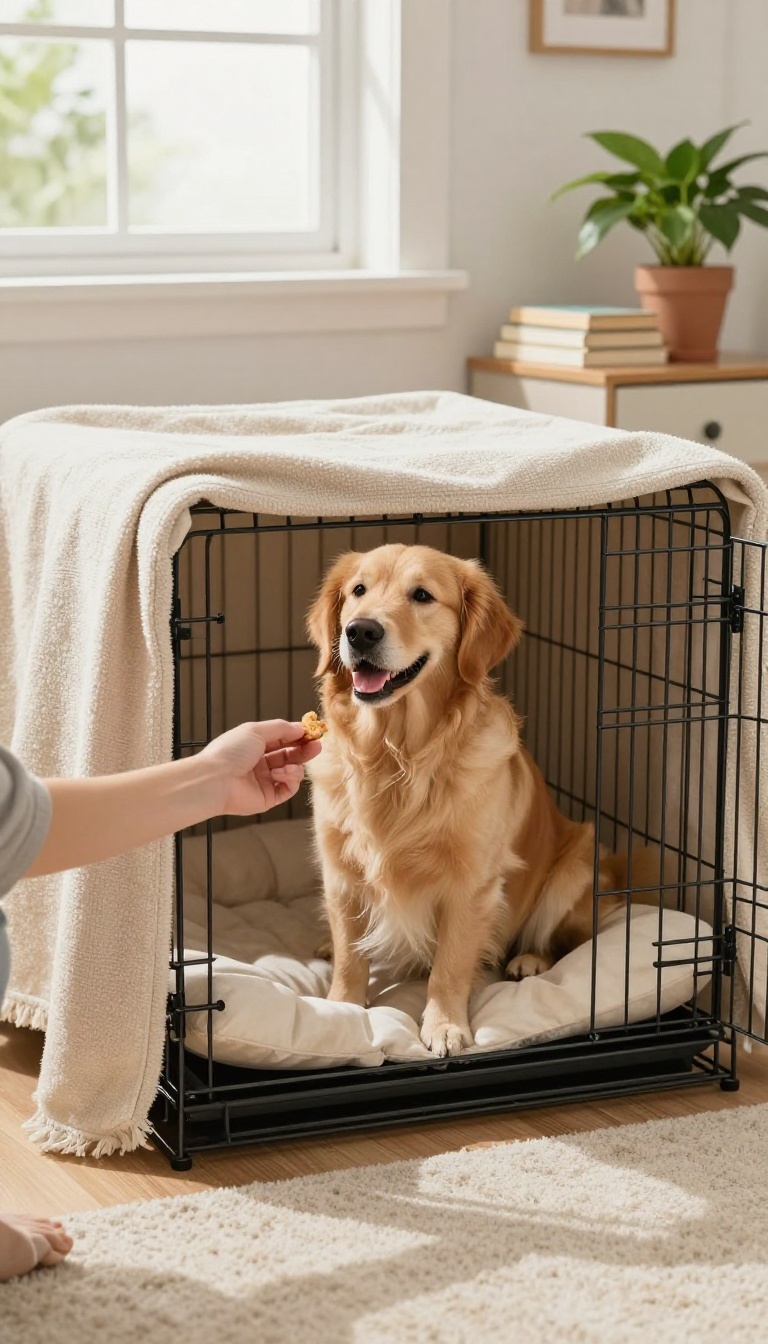
Crates often get a bad rap, but when used right, they become your dog's favorite hideaway. A quick check-in routine turns the crate into a positive retreat rather than a punishment zone. It's a simple way to reinforce calm behavior and give your pup a moment of peace.
Start by calling your dog over to the crate with a happy tone. Toss a treat inside and let them wander in on their own. Once they're in, close the door gently and sit nearby for a minute or two.
This short session builds a strong association between the crate and good things.
Make It A Game
Turn the check-in into a fun game by hiding a few treats around the crate before your dog enters. This encourages them to explore and sniff, making the crate a place of discovery. You can also use a favorite toy or a puzzle feeder to keep them engaged while they're inside.
Keep It Short And Sweet
The key is to keep the session brief—just a couple of minutes. This prevents your dog from feeling trapped or anxious. Gradually increase the time as they become more comfortable, but always end on a positive note with a treat and praise.
Use It During Downtime
Incorporate the check-in during naturally calm moments, like when you're reading or watching TV. This helps your dog learn that the crate is a place for relaxation, not just when you're leaving. Over time, they'll start choosing the crate on their own for naps.
8. Polite Greeting Practice
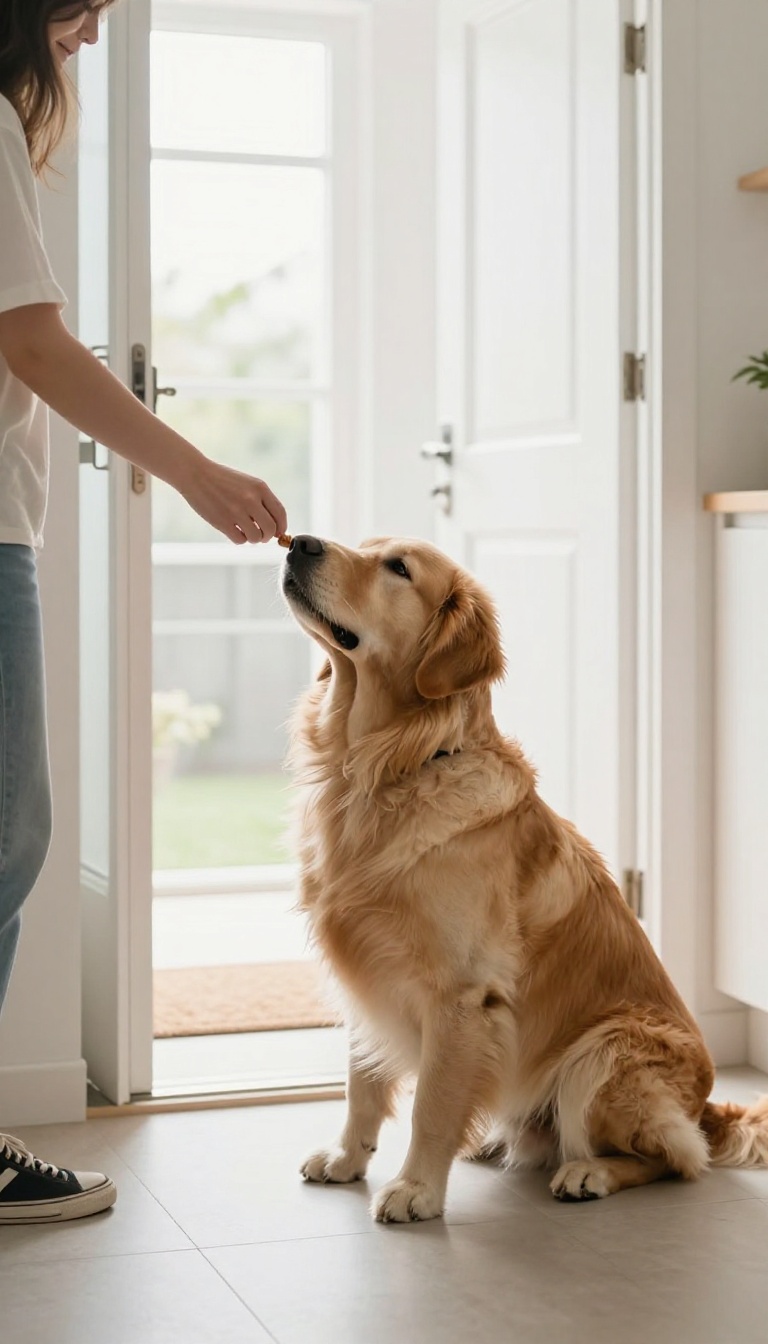
When visitors arrive, your dog's excitement can turn into jumping and barking. A few minutes of practice can transform that chaos into a calm welcome. This routine teaches your dog to sit and wait before receiving attention, which is a game-changer for both you and your guests.
Start by having a friend or family member knock on the door while you hold your dog on a leash. Ask your dog to sit, and if they stay seated, reward them with a treat and gentle praise. If they jump, calmly turn away and ignore them until they settle.
Repeat this until your dog associates the doorbell with sitting calmly. With consistent practice, your dog will learn that polite behavior earns them the attention they crave.
Why It Works
Dogs jump because they're excited and want attention. By only rewarding calm sitting, you teach them that jumping gets them nothing, while sitting gets them everything. This simple cause-and-effect is easy for dogs to understand and reinforces good manners.
How To Practice
Set aside a few minutes each day to practice with a friend or even just by ringing the doorbell yourself. Keep the leash loose and use high-value treats to keep your dog focused. Gradually increase the level of distraction by having your friend talk or move around, so your dog learns to stay calm in real-world situations.
Troubleshooting Common Slip-ups
If your dog still gets overly excited, try practicing in a quieter area first, then move closer to the door. You can also use a mat or bed as a designated spot for greetings. Remember to stay patient—consistency is key, and every session is a step toward a calmer welcome.
9. Evening Calm Down
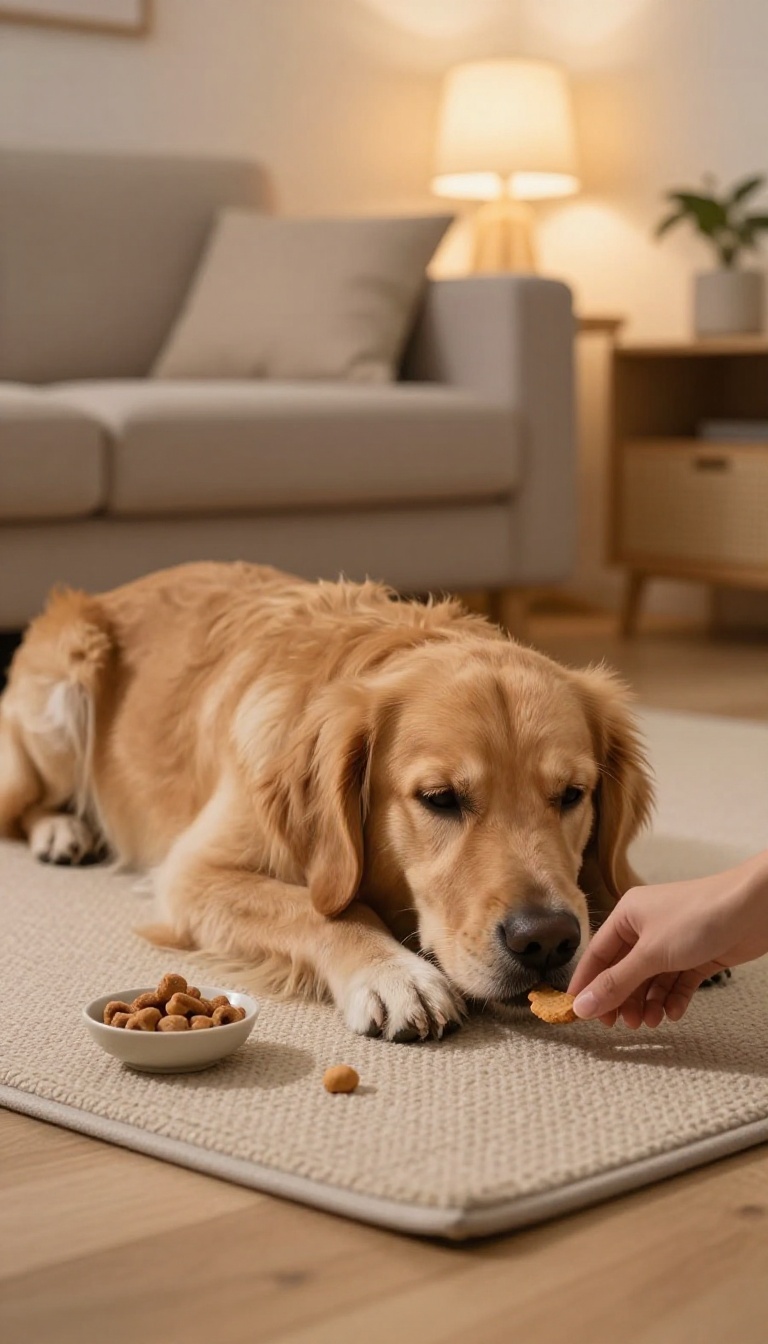
The day is winding down, and so should your dog. A short evening settle routine can work wonders for helping your pup transition from playtime to bedtime. It’s not about forcing sleep—just teaching them that relaxing is rewarding.
With a few minutes of quiet focus, you’ll both enjoy a more peaceful night.
Start by grabbing a mat or a comfy bed and some high-value treats. Ask your dog to lie down on the mat, then reward any relaxed posture—like a chin rest or a soft sigh. Keep the session short, just a few minutes, and gradually increase the duration over time.
This builds a strong association between the mat and calmness, which is perfect for busy evenings.
Why It Works
Dogs need a clear signal that the day is over. By rewarding calm behavior, you’re reinforcing the exact state you want at bedtime. Over time, your dog will start to offer that relaxed behavior on their own, making evenings less chaotic and more restful.
How To Start
Pick a quiet spot away from distractions. Have your dog sit or lie down on the mat, then drop a treat between their paws. Wait a few seconds, and if they stay relaxed, give another treat.
Keep sessions to 2-3 minutes at first, then gradually extend. Always end on a positive note.
Troubleshooting
If your dog struggles to settle, try using a higher-value treat or a quieter room. You can also incorporate a gentle massage or a calming scent like lavender (pet-safe). The goal is to make the mat a place of comfort, not a test of patience.
10. Trick of the Week (2 Minutes)
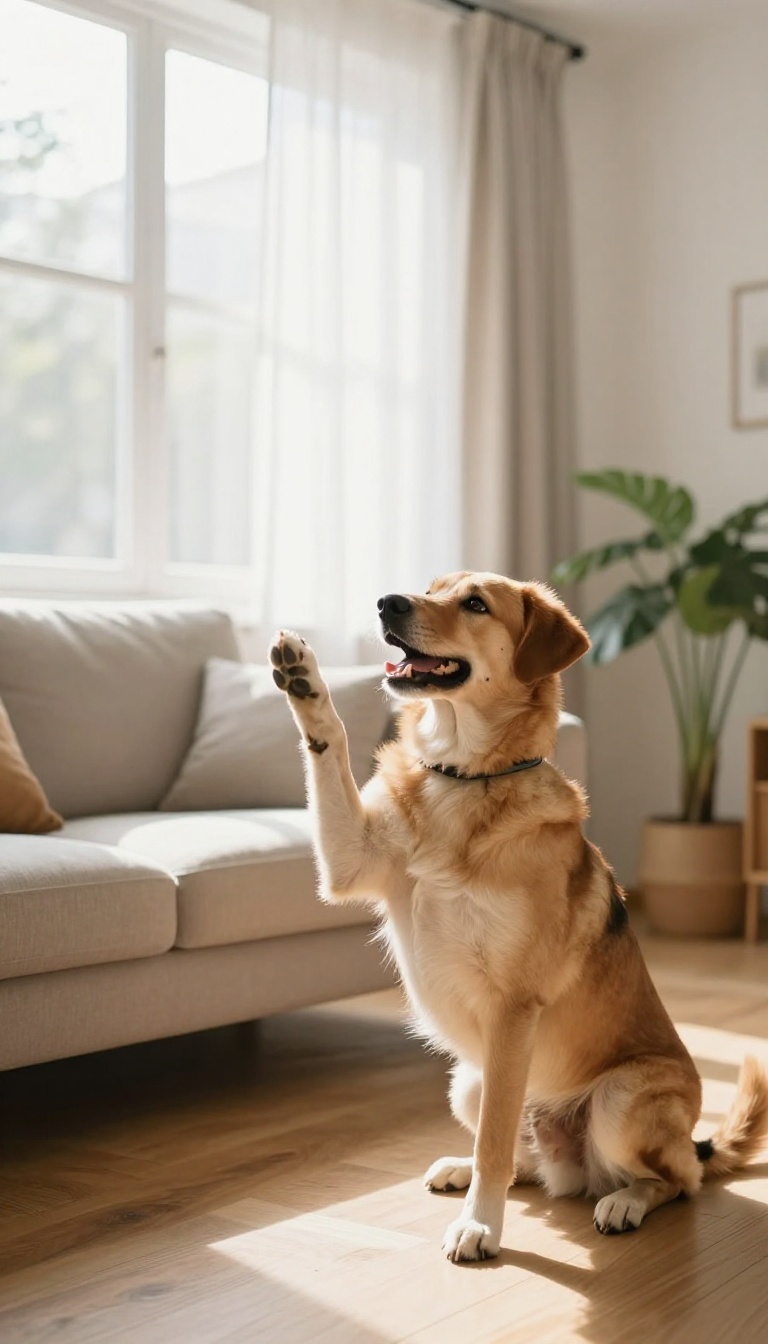
Teaching your dog a new trick is one of the most rewarding ways to spend two minutes. It's not just about the "wow" factor—tricks build confidence, strengthen your bond, and give your pup a mental workout that tires them out faster than a long walk. The key is to pick one trick, break it into tiny steps, and practice a little every day.
Choose a trick that matches your dog's personality and skill level. If they're new to training, start with something simple like 'spin' or 'shake. ' For more experienced pups, try 'play dead' or 'roll over. ' The goal is to keep it fun and successful, not frustrating.
Pick One Trick And Stick With It
Don't try to teach three tricks at once. Pick one for the week and stick with it. Repetition is how dogs learn, and focusing on a single trick means you'll see real progress by day seven.
Write it on your fridge or set a phone reminder so you don't forget.
Break It Down Into Tiny Steps
Every trick can be broken into smaller pieces. For 'spin, ' lure your dog in a circle with a treat, then reward. For 'shake, ' touch their paw, then lift it.
Each tiny success gets a treat and praise. This keeps your dog motivated and prevents confusion.
Use High-value Rewards
For trick training, use treats your dog absolutely loves—small pieces of chicken, cheese, or liver. Save these special rewards for trick time. That makes the session feel like a game, not a chore.
You'll see more enthusiasm and faster learning.
FAQ
How long should each training session be?
Keep sessions short—2 to 5 minutes is perfect. Dogs learn best in brief, focused bursts, and you can repeat them throughout the day.
What if my dog doesn't respond to treats?
Use high-value treats like small pieces of chicken or cheese, or try a favorite toy as a reward. Find what motivates your dog most.
Can I train my dog without treats?
Yes, you can use praise, play, or life rewards like going outside. However, treats are often the fastest way to reinforce new behaviors.
How often should I practice these routines?
Aim for at least one or two sessions per day, but even a few minutes of training most days will make a big difference.
What if my dog gets distracted easily?
Start in a quiet, familiar place and gradually add distractions. Keep sessions short and end on a positive note to build focus.
Conclusion
A few minutes of focused training each day can transform your dog's behavior without overhauling your schedule. Pick two or three routines that fit your lifestyle and stick with them until they become second nature. You'll likely see calmer walks, better manners, and a stronger bond in just a couple of weeks.
Remember, consistency beats intensity.
Short, happy sessions keep your dog engaged and eager to learn. Start small, stay patient, and let those tiny daily wins build into lasting habits. Your future self—and your pup—will thank you.

I’m Pallab Kishore, the owner of Little Pets Realm — an animal lover and pet care enthusiast sharing easy tips, healthy recipes, and honest advice to help every small pet live a happy, healthy, tail-wagging life.