
Last updated on August 19th, 2026 at 04:15 pm
Starting your dog grooming journey doesn't have to be overwhelming. The right tools can transform a stressful chore into a calm, rewarding experience for both you and your pup.
With a solid kit, you'll save money, avoid salon visits, and build a stronger bond with your dog. This list covers 13 must-have items that take the guesswork out of home grooming.
Each one was chosen for practicality, safety, and ease of use—so you can groom with confidence from day one.
1. Quality Clippers That Won't Pull or Overheat
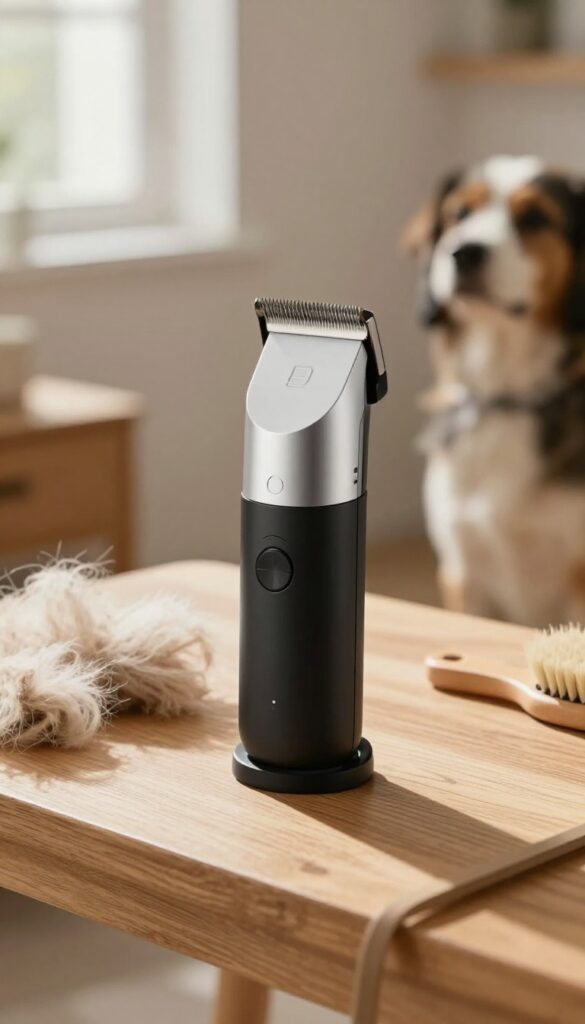
Clippers are the workhorse of any grooming kit. A cheap pair can yank fur, overheat quickly, and turn grooming into a battle. Investing in a quality set keeps your dog comfortable and makes the job easier for you.
When choosing clippers, focus on adjustable blade tension, a quiet motor, and cooling features. These prevent pulling, reduce noise anxiety, and let you work longer without overheating. Cordless models offer freedom of movement, but corded ones provide consistent power for thick coats.
Adjustable Blade Tension
Blades that lose tension cause uneven cuts and pulling. Look for clippers with a simple tension adjustment dial or screw. This lets you fine-tune the blade pressure for different coat types, from fine to coarse.
Quiet Motor And Cooling
A loud clipper can scare a nervous dog. Opt for models with a quiet rotary motor. Also check for vented housings or ceramic blades that stay cool.
Overheating is a common issue—cool-running clippers allow longer sessions without discomfort.
Cordless Vs. Corded
Cordless clippers are great for maneuvering around a wiggly dog, but battery life varies. Corded models never run out of power and are better for thick or double coats. For beginners, a corded clipper with a long cord is often more reliable.
2. A Set of Stainless Steel Blade Guards
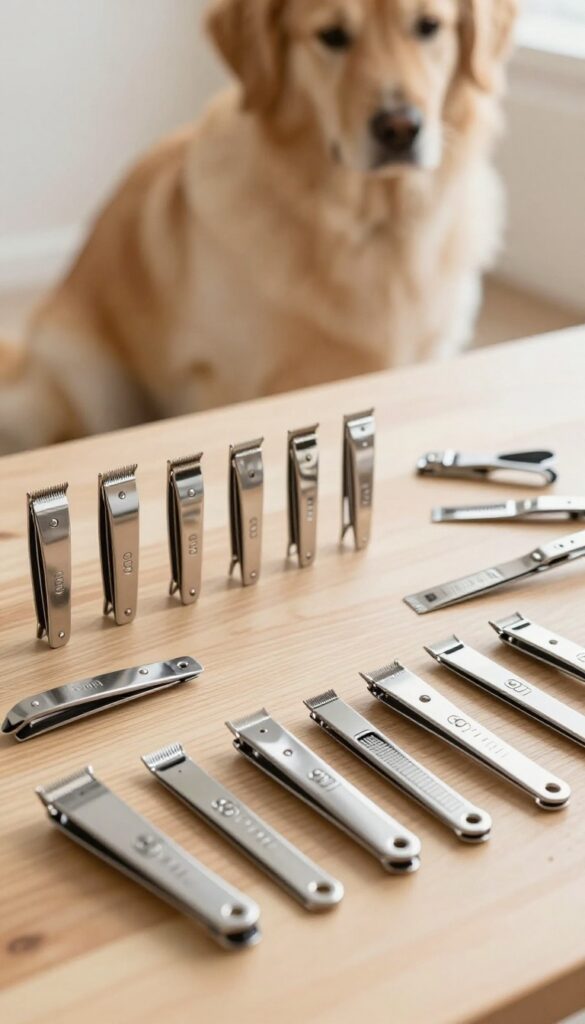
Blade guards are the unsung heroes of safe home grooming. They snap onto your clipper blades to control cutting length and prevent accidental nicks. Without them, you're one slip away from a cut—and a very unhappy dog.
A good set covers multiple lengths so you can switch between a close sanitary trim and a fluffy summer cut. Stainless steel guards stay cool during use and resist rust, making them a smart long-term investment.
Why Stainless Steel Matters
Plastic guards can heat up quickly and warp over time. Stainless steel dissipates heat better, so your dog stays comfortable during longer sessions. They also glide smoothly through fur without snagging, which means fewer tangles and less pulling.
Which Sizes To Get First
Start with a range from #10 (3mm) for sanitary areas and paw pads to #4 (9mm) for a short summer coat. The #7 (6mm) is a great all-rounder for most breeds. Having these three covers nearly every basic trim you'll need as a beginner.
Quick-change Vs. Snap-on
Snap-on guards are universal and fit most clippers, but they can pop off if you hit a thick patch. Quick-change guards lock into place and are more secure. For newbies, snap-on sets are cheaper and perfectly fine—just check that they're compatible with your clipper model.
3. Sharp, Durable Grooming Scissors
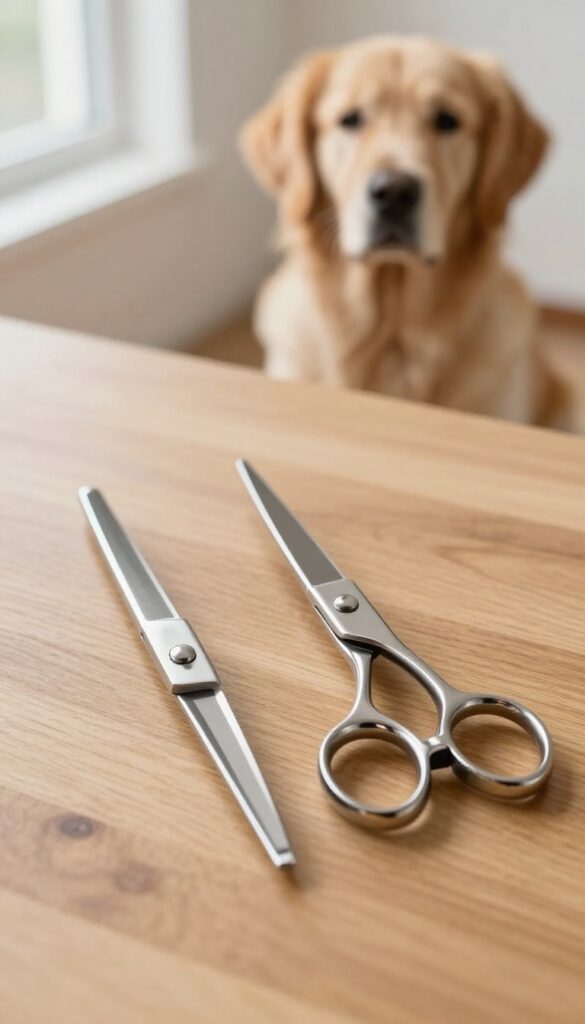
Scissors are your go-to for precision work that clippers just can't handle. From trimming around the eyes to tidying up paw pads, a good pair makes all the difference. You don't need a dozen pairs—just two well-made ones will cover most tasks.
Investing in quality scissors pays off in safety and comfort. Dull blades tug at fur, causing discomfort and uneven cuts. Stainless steel stays sharp longer and resists rust.
Look for ergonomic handles with a non-slip grip to reduce hand fatigue during longer sessions.
Straight Vs. Curved: When To Use Each
Straight scissors are perfect for blunt cuts and straight lines, like trimming the tail or shaping the body coat. Curved scissors follow the natural contours of your dog's body, making them ideal for rounding the feet, face, and sanitary areas. Having both lets you switch based on the area you're working on.
Safety Tips For Scissor Use
Always use scissors with rounded tips to avoid poking your dog's skin. Keep your fingers away from the pivot point to prevent pinching. Work slowly and in good lighting, especially around sensitive spots like the eyes and nose.
If your dog is fidgety, take breaks to keep everyone calm.
Maintenance For Long-lasting Sharpness
Clean your scissors after each use with a dry cloth to remove hair and oils. Occasionally oil the pivot screw with a drop of scissor oil to keep the action smooth. Store them in a protective case or pouch to prevent nicks and dulling.
Professional sharpening once a year keeps them in top shape.
4. A Slicker Brush for Detangling
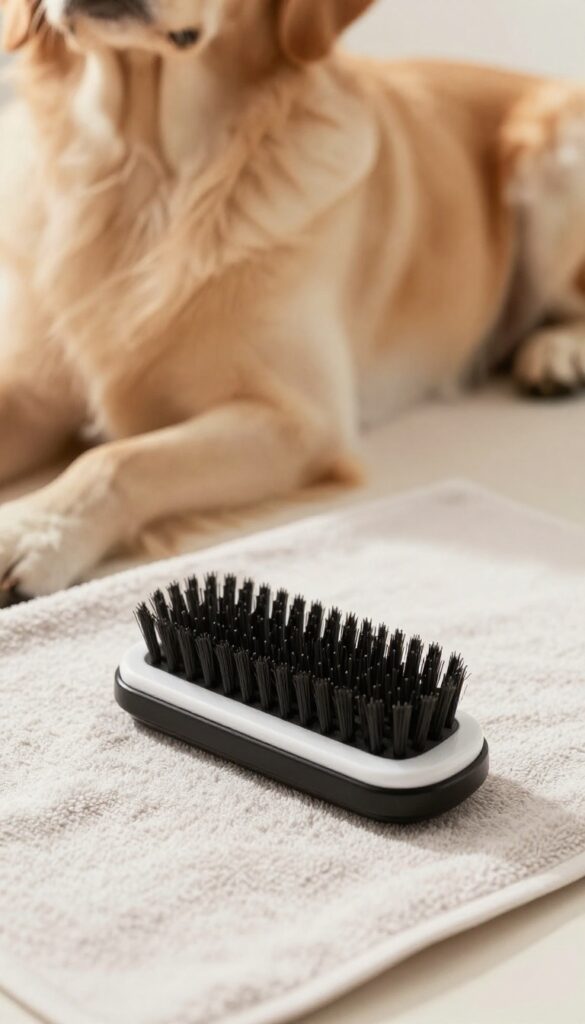
A slicker brush is your best friend when it comes to removing loose fur and tackling mats. Unlike regular brushes, its fine, bent wires gently work through tangles without scratching your dog's skin. This tool is especially handy for dogs with medium to long coats, but even short-haired breeds benefit from regular slicker brushing to reduce shedding and keep the coat shiny.
Why Slicker Brushes Work So Well
The magic is in the wires. Slicker brushes have densely packed, fine wire pins that are slightly bent at the ends. This design lets them grab loose undercoat hair and gently tease out mats without pulling or irritating the skin.
The bent tips also massage the skin, stimulating natural oil production for a healthier coat.
What To Look For When Buying
Not all slicker brushes are created equal. Choose one with fine, flexible wires that have smooth, rounded tips—these are safer and more comfortable. A non-slip handle is a must for control, especially if your dog wiggles.
Also consider the brush size: a medium brush works for most dogs, while a small one is better for faces and paws.
How To Use It Effectively
Start by brushing in the direction of hair growth with gentle, short strokes. For mats, hold the mat near the base to avoid pulling the skin, then work the brush through the ends first. Brush section by section, lifting the coat to reach the undercoat.
Aim for a few minutes daily or at least twice a week to prevent mats from forming.
5. A Metal Comb for Finishing and Checking
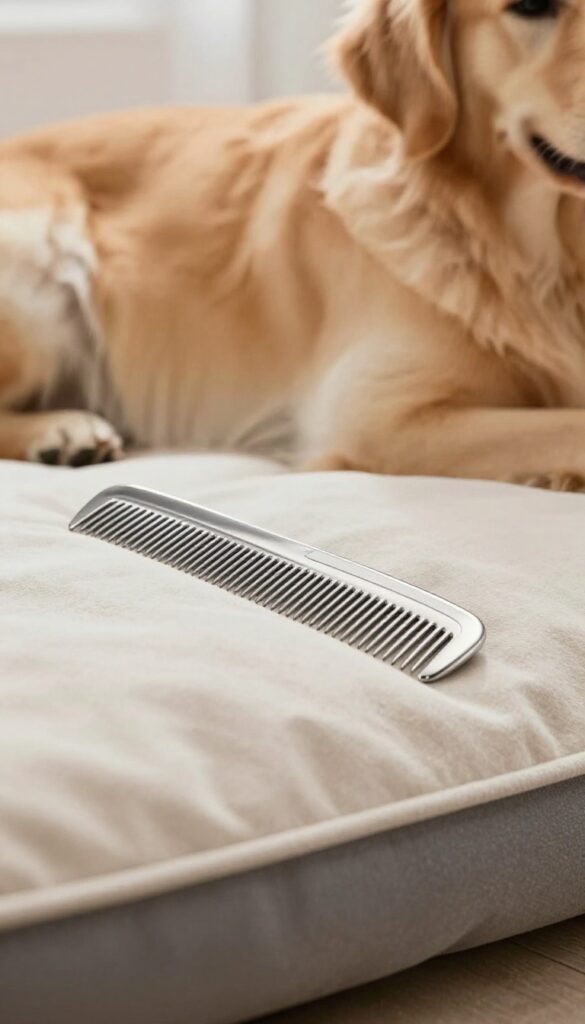
After you've brushed and clipped, a metal comb is your final quality control. It catches small tangles that brushes miss and helps you see if the coat is even. Plus, it's a handy tool for spotting fleas, ticks, or debris hiding near the skin.
A wide-tooth metal comb is a simple but essential finishing tool. Run it through your dog's coat after brushing to catch any remaining mats or tangles. The metal teeth glide smoothly and don't create static, making it easier to check for an even cut.
You can also use it to part the fur and inspect the skin for any issues.
Why Metal Over Plastic?
Metal combs are more durable and less likely to break or bend. They also have smoother teeth that won't snag on fur like some plastic combs can. A good stainless steel comb will last for years and is easier to clean.
How To Use It For Finishing
After clipping or scissoring, go over the coat with the comb to check for uneven spots. Hold the comb at a slight angle and work in small sections. If the comb glides through without resistance, you're done.
If it catches, go back with scissors or clippers to tidy up.
Checking For Pests And Debris
The comb's fine teeth are perfect for parting the fur and looking for fleas, ticks, or dirt. Run it against the growth direction near the skin. If you see small black specks or moving bugs, you'll know it's time for treatment.
6. Nail Clippers or Grinder for Safe Trims
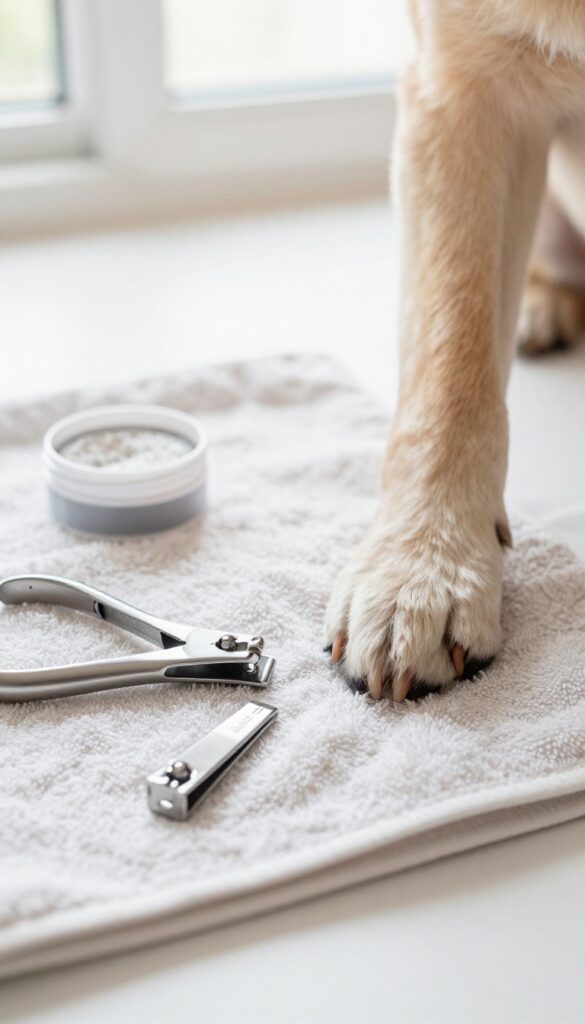
Trimming your dog's nails is often the most intimidating part of home grooming. But with the right tool and a calm approach, it becomes quick and painless. The choice between clippers and a grinder depends on your dog's size and your comfort level.
Guillotine-style clippers work well for small to medium dogs, offering a clean cut with less crushing. For larger dogs, scissor-style clippers provide more leverage. Grinders, on the other hand, file nails down gradually, reducing the risk of splitting or cracking.
They're quieter than you'd think and ideal for dogs who dislike the snipping sound. Whichever you choose, always keep styptic powder or a styptic pencil nearby to stop bleeding if you accidentally cut the quick. Practice on a few nails at a time, and reward your dog with treats to build positive associations.
Guillotine Vs. Scissor Clippers
Guillotine clippers have a hole where you insert the nail, then squeeze to slice it off. They're precise for small nails but can crush thicker nails. Scissor clippers look like tiny pruning shears and offer more control for larger breeds.
Test both styles to see which feels more comfortable in your hand.
Why A Grinder Might Be Better
Grinders use a rotating drum or sanding band to file nails smoothly. They eliminate sharp edges and reduce the chance of splitting. Some dogs find the vibration less scary than the snipping sound.
Start with a low speed and let your dog get used to the sensation before full use.
Safety Must-have: Styptic Powder
Accidents happen, even to pros. Styptic powder instantly stops bleeding if you nick the quick. Apply a small amount to the nail tip with a cotton swab or your finger.
Keep it in your grooming kit at all times for peace of mind.
7. Ear Cleaning Solution and Cotton Balls
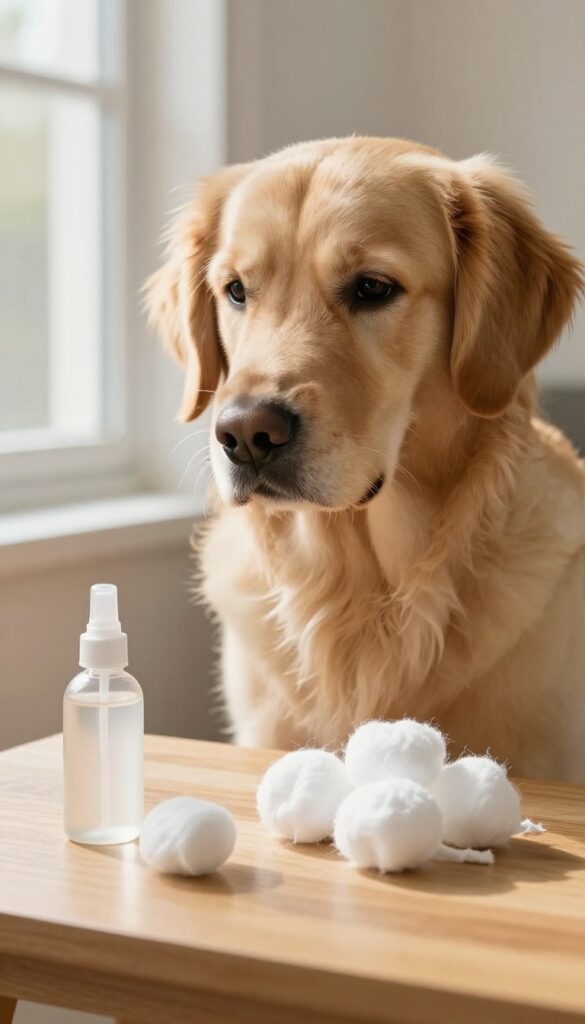
Ear cleaning is one of those grooming tasks that’s easy to overlook, but it’s super important for your dog’s health. Dirty ears can lead to infections, discomfort, and even hearing loss. The good news?
With the right supplies, you can keep those ears fresh and clean at home.
A vet-approved ear cleaning solution and soft cotton balls are all you need for safe, effective ear care. Avoid using Q-tips, as they can push debris deeper or damage the ear canal. Instead, gently wipe the outer ear with a cotton ball soaked in solution.
Your dog will thank you with fewer head shakes and less scratching.
Why Ear Cleaning Matters
Dogs with floppy ears, like Cocker Spaniels or Labradors, are prone to moisture buildup and infections. Regular cleaning removes dirt, wax, and bacteria before they cause problems. It also lets you spot early signs of issues like redness or odor.
Choosing The Right Solution
Look for a pH-balanced, alcohol-free ear cleaner recommended by your vet. Avoid harsh ingredients that can irritate sensitive ears. Some solutions contain drying agents to help prevent yeast and bacterial growth.
How To Clean Safely
Saturate a cotton ball with solution, then gently wipe the visible part of the ear flap and the outer ear canal opening. Never insert anything deep into the ear. Let your dog shake their head to remove excess solution, then wipe away any remaining debris.
8. Gentle, Dog-Safe Shampoo and Conditioner
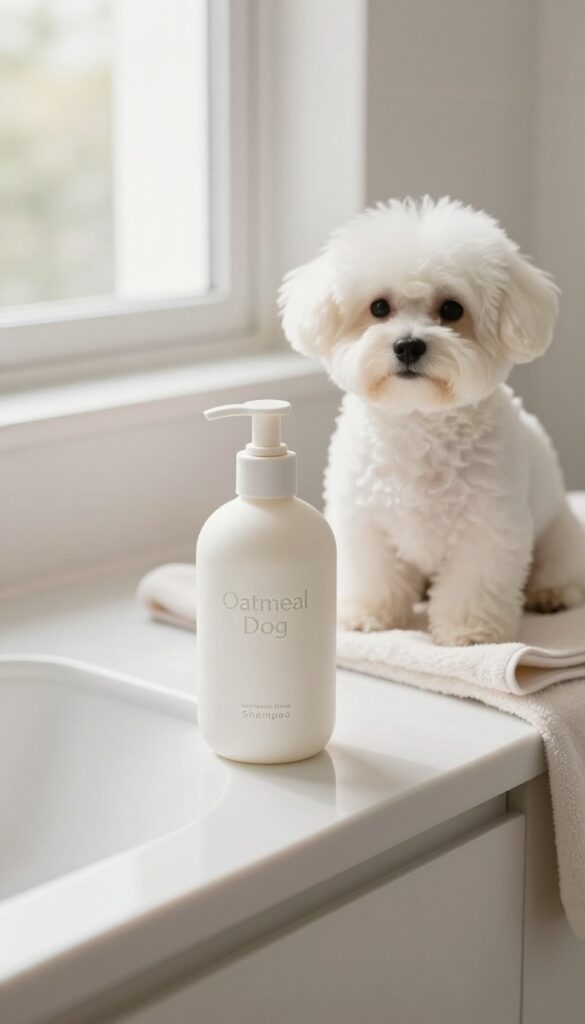
Not all shampoos are created equal, especially when it comes to your dog's sensitive skin. Using a human shampoo can strip natural oils and cause irritation. A pH-balanced, dog-specific formula keeps their coat healthy and clean without causing dryness or itchiness.
Choosing the right shampoo and conditioner is more than just picking a nice scent. Your dog's skin has a different pH level than yours, so using a product made for humans can disrupt their natural barrier. Look for gentle, sulfate-free options that clean effectively without stripping essential moisture.
Oatmeal-based shampoos are a popular choice for soothing sensitive or itchy skin, while conditioners help detangle and add a healthy shine.
Why Ph Balance Matters
Dogs have a skin pH between 6. 2 and 7. 4, which is more neutral than human skin.
Human shampoos are often more acidic and can cause irritation, dryness, or even infections. A pH-balanced dog shampoo supports the skin's natural defenses and keeps the coat soft and manageable.
Oatmeal: A Soothing Ingredient
Oatmeal is a natural anti-inflammatory that calms irritated skin and relieves itching. It's especially helpful for dogs with allergies, dry skin, or hot spots. Many oatmeal shampoos also contain aloe or vitamin E for extra moisturizing benefits.
Conditioner: More Than A Luxury
Conditioner isn't just for show—it helps detangle fur, reduce static, and add moisture. A good conditioner makes brushing easier and prevents breakage. For dogs with long or double coats, a leave-in conditioner can be a game-changer between baths.
9. A Non-Slip Bath Mat and Grooming Table
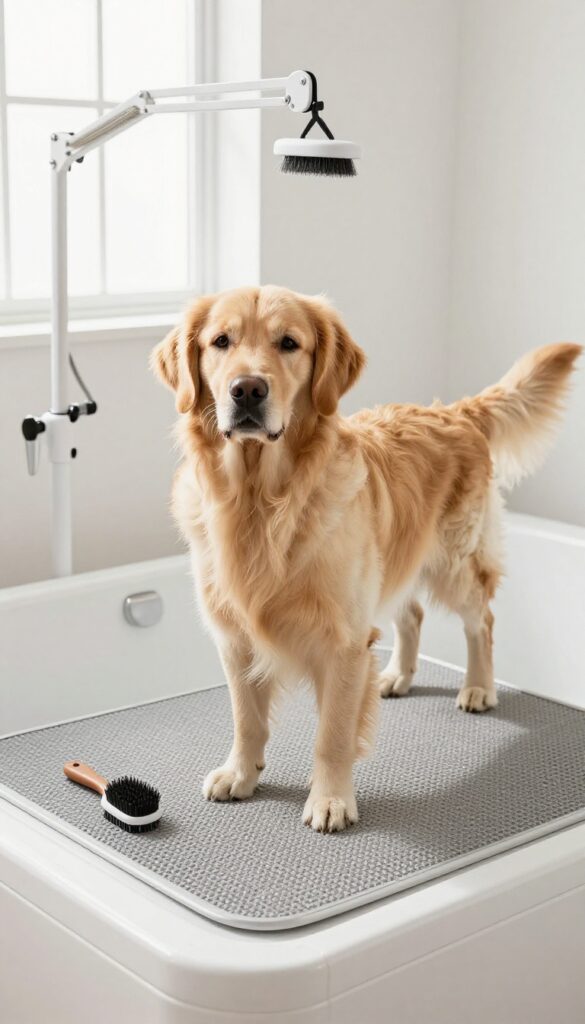
Bath time can quickly turn into a slip-and-slide disaster if your dog feels unsteady. A non-slip bath mat gives your pup traction, reducing anxiety and preventing falls. Pair that with a sturdy grooming table, and you've got a safe, elevated workspace for drying, brushing, and clipping.
These two items work together to keep your dog calm and secure throughout the grooming process.
A non-slip mat is a simple but essential safety upgrade for your tub or sink. It helps your dog feel grounded, which makes baths less stressful for both of you. A grooming table with an adjustable arm and loop takes that safety to the next level during drying and trimming.
It prevents sudden movements and keeps your dog steady, giving you both hands free to work. Look for a table with a non-slip surface and a height that's comfortable for you.
Why A Non-slip Mat Matters
Dogs naturally panic when their paws slide on a wet surface. A textured rubber mat gives them traction and confidence. It also protects your tub from scratches and makes cleanup easier.
Choose a mat with suction cups that stay put, and wash it regularly to prevent mildew.
Choosing The Right Grooming Table
A grooming table should be sturdy, lightweight, and height-adjustable. Look for one with a non-slip top and a grooming arm with a loop that secures your dog without choking. Folding models are great for saving space.
For small dogs, a tabletop version may suffice; for larger breeds, a full-size floor model is better.
Setting Up For Safety And Comfort
Place the mat in the tub before adding water. On the grooming table, adjust the arm so the loop is snug but not tight. Always supervise your dog, and never leave them unattended on the table.
Reward calm behavior with treats to build positive associations.
10. A High-Velocity Dryer for Quick Drying
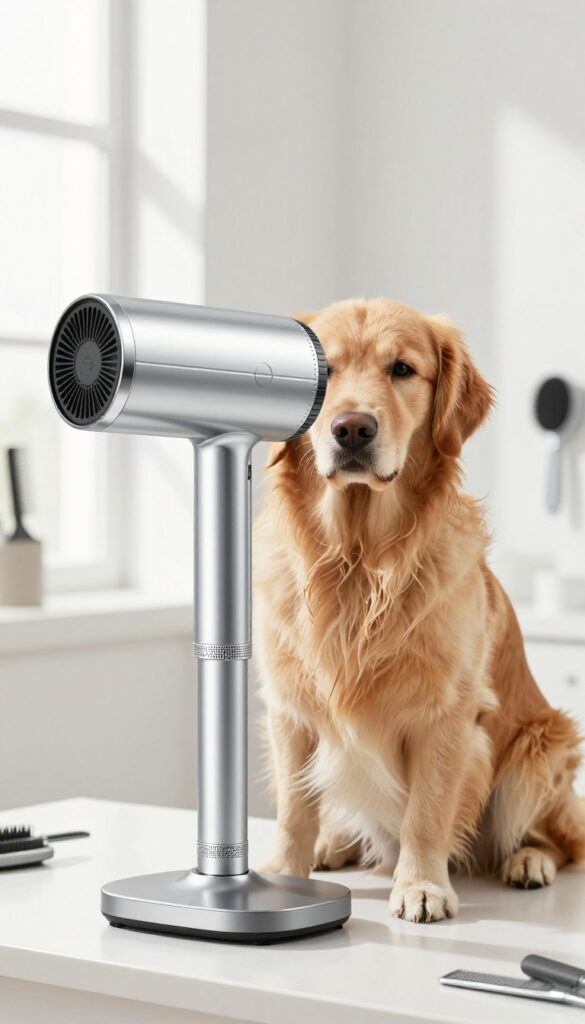
Towel drying a thick-coated dog can feel like an endless battle. Even after you think they're dry, moisture often lingers deep in the undercoat, setting the stage for matting and skin issues. A high-velocity dryer changes the game by using forced air to blast water out from the roots, cutting drying time from an hour to just minutes.
It's a game-changer for any beginner who wants professional results at home.
A high-velocity dryer isn't just about speed—it's about thoroughness. The powerful stream of air separates the coat, allowing moisture to escape from areas towels can't reach. This reduces the risk of hot spots and fungal infections.
Plus, many dogs actually enjoy the sensation once they get used to it. Look for a model with adjustable speed and heat settings so you can start low and build your dog's comfort level. The investment pays off quickly in time saved and healthier coat condition.
Why Towels Aren't Enough
Towels absorb surface moisture, but they can't reach the dense undercoat of breeds like Golden Retrievers, Huskies, or German Shepherds. Trapped moisture creates a warm, damp environment where bacteria and yeast thrive. A high-velocity dryer forces air through the entire coat, lifting and separating hairs so every strand dries completely.
This also helps remove loose undercoat, reducing shedding between grooming sessions.
Choosing Your First Dryer
For beginners, look for a lightweight model with variable speed control—start on low until your dog is comfortable. A nozzle attachment helps concentrate the airflow for precise drying. Some dryers also offer heat settings, but many groomers prefer unheated air to avoid overheating sensitive skin.
Brands like Flying Pig or K9-II offer affordable, reliable options that won't break the bank. Avoid human hair dryers, as they're too hot and not powerful enough for a dog's coat.
Tips For A Stress-free Experience
Introduce the dryer gradually. Let your dog sniff it while it's off, then turn it on at a distance before moving closer. Use treats and praise to create positive associations.
Always keep the nozzle moving to avoid concentrating heat on one spot, and never point it directly at your dog's face or ears. With patience, most dogs learn to tolerate—and even enjoy—the drying process.
11. Styptic Powder or Kwik Stop for Nail Bleeding
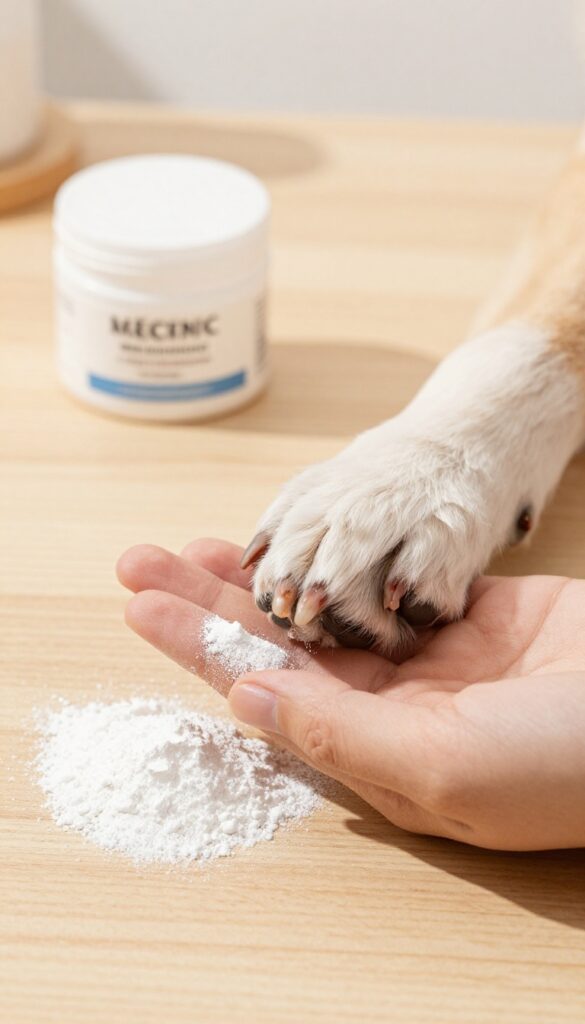
Even the most experienced groomers accidentally cut a nail too short sometimes. It happens fast, and when it does, you need something that stops the bleeding immediately. That's where styptic powder or a product like Kwik Stop comes in.
This simple powder is a lifesaver. It contains an ingredient that helps clot blood on contact, so a tiny nick doesn't turn into a stressful ordeal. Keeping a small container in your grooming kit means you can handle mishaps calmly and quickly.
Why You Need It
A dog's nail contains a sensitive area called the quick, which has blood vessels and nerves. If you cut into it, it bleeds and hurts. Styptic powder stops the bleeding in seconds, preventing a mess and reducing your dog's anxiety.
How To Use It
Dip the bleeding nail tip into the powder, or use a moistened cotton swab to apply it. Hold gentle pressure for a few seconds. The bleeding should stop almost immediately.
If not, reapply and hold a bit longer.
Alternatives And Tips
If you don't have styptic powder, cornstarch or baking soda can work in a pinch. But having the real thing is better. Look for a powder that also has a numbing agent to ease discomfort.
Always reward your dog with a treat after nail trims to keep the experience positive.
12. A Grooming Apron or Smock
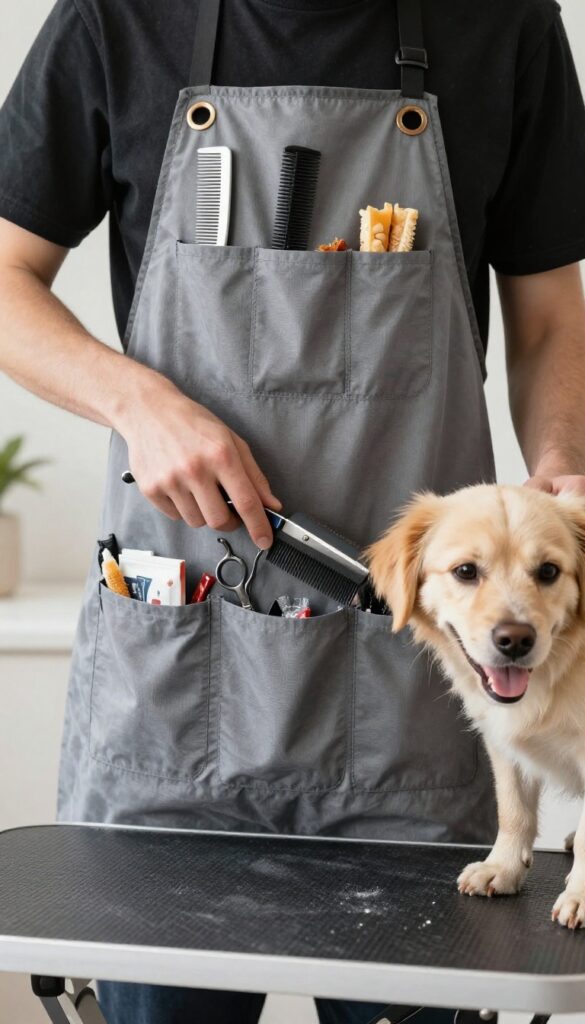
Hair sticks to everything. A washable apron keeps you clean and has pockets for tools, so you're not constantly bending over. It’s one of those small investments that makes a big difference in your grooming routine.
When you're grooming your dog, loose hair, water, and shampoo splashes are inevitable. A grooming apron or smock protects your clothes and gives you easy access to your tools. No more digging through a bag or running to grab a comb.
With pockets designed for grooming supplies, you keep everything within arm's reach. Plus, it saves you from ending a session covered in fur.
Why You Need One
Grooming can get messy fast. An apron keeps fur and water off your clothes, so you don't have to change or do extra laundry. The pockets are a game-changer—you can store your comb, scissors, and even treats right at your waist.
That means less bending and reaching, which makes the whole process smoother and more comfortable.
What To Look For
Choose a washable material like polyester or cotton. Look for multiple pockets, including a divided one for small tools. Adjustable neck straps and a snug fit prevent it from slipping.
Some aprons also have a towel loop or a wipe-clean surface, which is handy for quick cleanups.
How To Use It Effectively
Before you start, put on your apron and load the pockets with the tools you'll need most—brush, comb, nail clippers, and a few treats. Keep your shampoo and conditioner nearby if you're bathing. After grooming, shake out loose hair and toss the apron in the wash.
It’ll be ready for the next session.
13. Treats and Positive Reinforcement Tools
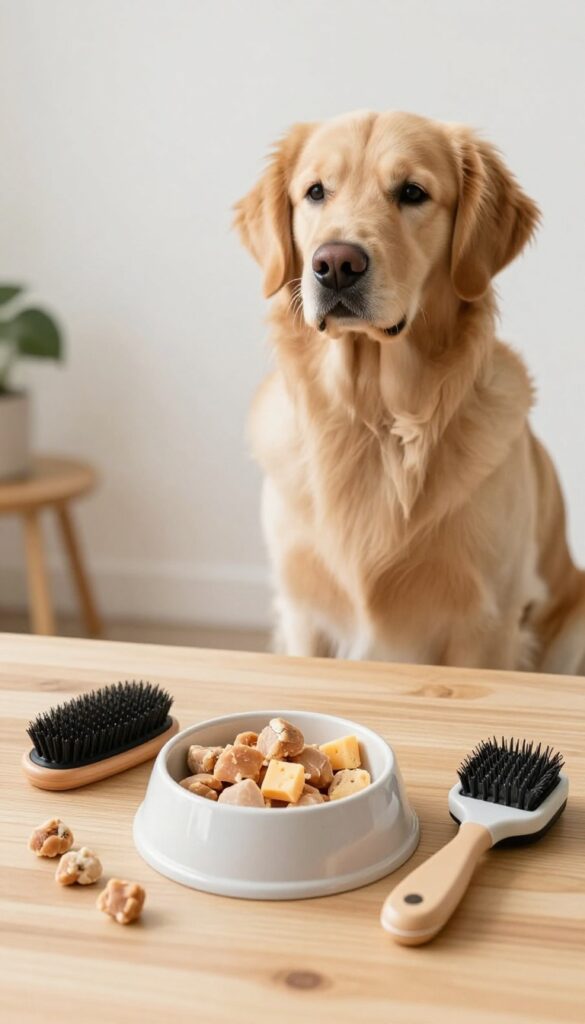
Grooming doesn't have to be a battle. When your dog learns that good things happen during grooming sessions, they start looking forward to them. Treats and a clicker are simple tools that make a huge difference in building positive associations.
Keep a stash of high-value treats nearby—something your dog doesn't get every day, like small pieces of chicken or cheese. Use them to reward calm behavior, staying still, or allowing you to touch sensitive areas. A clicker can mark the exact moment your dog does something right, making training faster and clearer.
Over time, your dog will see the grooming kit as a signal for treats and praise, not stress.
Choosing The Right Treats
Opt for soft, bite-sized treats that your dog can eat quickly. Avoid crumbly or sticky options that might distract or create a mess during grooming. Freeze-dried liver, training treats, or tiny pieces of boiled chicken work well.
Rotate flavors to keep things interesting.
Using A Clicker Effectively
Click the moment your dog does something you like—like staying still while you brush a paw—then give a treat. This clear communication helps your dog understand exactly what earned the reward. Practice a few short sessions before grooming so the clicker sound becomes a positive cue.
Building A Routine
Start with short grooming sessions, just a few minutes, and reward frequently. Gradually increase duration as your dog gets comfortable. End each session with a treat and praise.
Consistency turns grooming into a predictable, rewarding activity rather than a scary ordeal.
FAQ
What is the most important tool in a beginner grooming kit?
Quality clippers are the most important. They make the job faster and less stressful for both you and your dog.
How often should I groom my dog at home?
It depends on the breed. Most dogs benefit from brushing 2-3 times a week and a full groom every 4-6 weeks.
Can I use human clippers on my dog?
No. Human clippers are not designed for dog fur and can overheat or pull. Always use pet-specific clippers.
How do I keep my dog calm during grooming?
Start slow, use treats, and take breaks. A non-slip surface and quiet environment also help reduce anxiety.
What should I do if I cut my dog's nail too short?
Apply styptic powder or cornstarch to the nail tip with gentle pressure. If bleeding doesn't stop, contact your vet.
Conclusion
Starting your dog grooming journey is easier than you think when you have the right tools by your side. These 13 must-haves will help you avoid common beginner mistakes and make each session more enjoyable for both you and your pup.
Pick the essentials that match your dog's coat type and your comfort level, then build your kit gradually. The confidence you gain with each groom will make the investment worthwhile, and your dog will feel the difference in every gentle brush stroke and careful trim.

I’m Pallab Kishore, the owner of Little Pets Realm — an animal lover and pet care enthusiast sharing easy tips, healthy recipes, and honest advice to help every small pet live a happy, healthy, tail-wagging life.