
Last updated on May 22nd, 2026 at 02:34 pm
Your dog's backyard should be a place where they can run, dig, and relax without you worrying about ruined plants or muddy paws. But creating a space that's both fun for them and easy on your landscaping takes some planning. These ten ideas focus on real-world solutions that stand up to zoomies, digging, and daily wear.
From a designated dig pit that saves your lawn to a sniffing garden that keeps their brain busy, each idea is practical and dog-tested. You'll find options that work for any yard size or budget, and most can be set up in a weekend.
Ready to turn your yard into a dog-friendly retreat that you'll both love? Let's get started.
1. Install a Dig Pit to Save Your Lawn
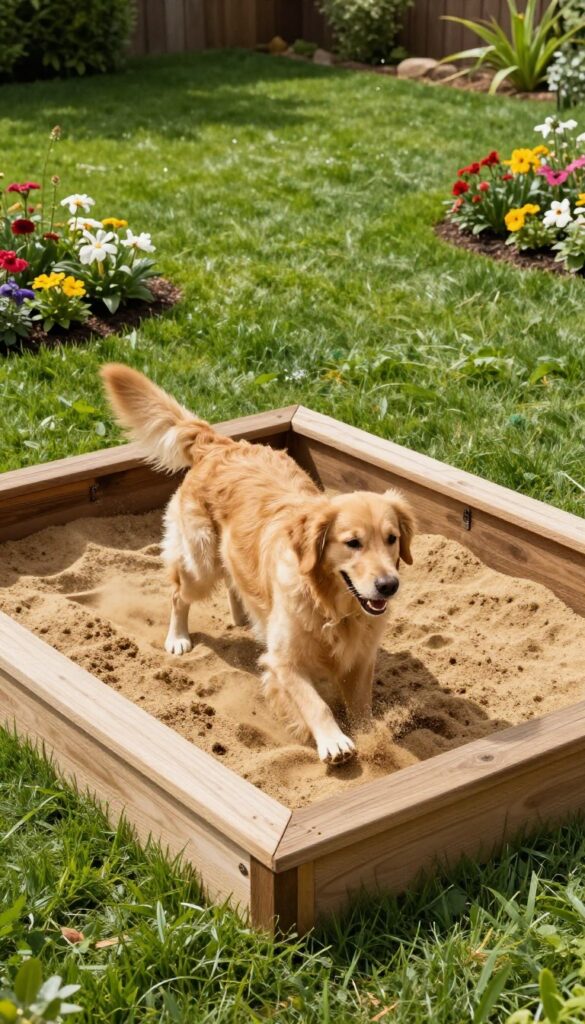
Every dog owner knows the frustration of finding a new crater in the middle of the lawn. Instead of fighting their natural instinct, give them a dedicated spot where digging is not only allowed but encouraged. A dig pit is exactly what it sounds like: a contained area filled with loose material your dog can happily excavate to their heart's content.
This approach works because it redirects your dog's energy to a specific zone, sparing the rest of your yard. You can customize the size and depth to fit your space, and most setups cost little more than a bit of sand and some edging materials. Dogs quickly learn that this is their special digging place, and you get to keep your flower beds intact.
Why It Works
Dogs dig for many reasons: to cool off, to hide treasures, or simply because it feels good. By providing a designated dig pit, you're satisfying that urge in a controlled way. The loose sand or soil is easy on their paws, and burying toys or treats makes the pit even more enticing.
Over time, your dog will naturally gravitate to their pit instead of your lawn.
Best For
This idea is a lifesaver for owners of terriers, dachshunds, huskies, and other breeds known for digging. It's also perfect for homes with a single large yard where you want to keep the rest of the landscape pristine. If your dog is a relentless digger, this is the simplest fix you'll find.
Practical Tip
Choose a spot that's visible from the house so you can supervise play. Use landscape fabric underneath to prevent weeds, and edge the pit with logs, pavers, or metal edging to keep the sand contained. Top up the sand or soil every few months, and occasionally sift out debris to keep it fresh.
Add a small shade canopy if the spot gets full sun.
Budget-Friendly Option
If you don't want to buy sand, use clean fill dirt or even shredded mulch. An old kiddie pool or a large wooden planter box can serve as the container instead of building a permanent pit. You can even repurpose a sandbox from a garage sale.
2. Choose Dog-Safe Ground Covers Over Grass
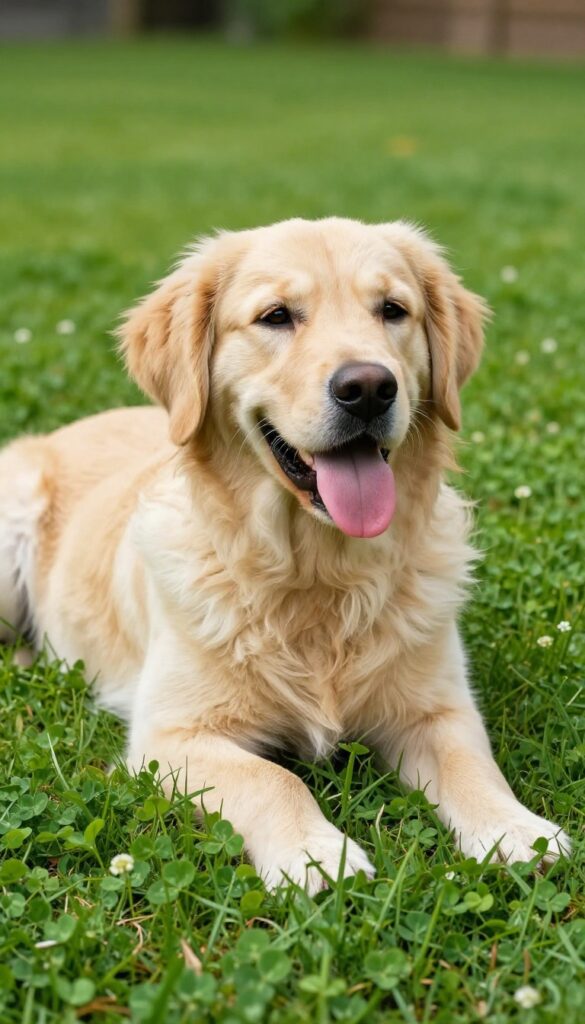
Grass might look nice, but it rarely stands up to enthusiastic dogs. Between digging, running, and the occasional urine spot, a perfect lawn can quickly turn patchy and muddy. That's why swapping out traditional grass for a dog-friendly ground cover is such a smart move.
These alternatives are built to handle heavy traffic while staying soft on your pup's paws. Plus, they require less water and mowing, giving you more time to enjoy the yard together.
Why It Works
Clover, artificial turf, and creeping thyme are naturally durable and recover quickly from wear. Clover stays green even with frequent potty breaks because it resists urine burn. Artificial turf drains well and won't turn into a mud pit after rain.
Creeping thyme releases a gentle scent when stepped on and forms a dense mat that discourages weeds. All three options stay soft and comfortable for dogs to lounge on, and they don't require the constant upkeep that grass does.
Best For
This idea is perfect for active dogs who love to run and play, especially breeds like Labradors, Border Collies, or Terriers that tend to wear paths in grass. It also works well for homes with multiple dogs or small yards where grass gets trampled quickly. If you live in a dry climate or want to reduce your water bill, these ground covers are a great fit.
Practical Tip
To get the best results, prep the area by removing existing grass and weeds, then level the soil. For clover or thyme, sow seeds in early spring or fall and keep the area moist until established. Artificial turf requires a compacted base of crushed rock or sand for drainage.
Whichever option you choose, add a border of stones or edging to keep the ground cover contained and prevent it from spreading into flower beds.
Budget-Friendly Option
If you're on a tight budget, start with a patch of clover seed—it's inexpensive and grows quickly. You can always expand later or mix in creeping thyme for variety.
3. Build a Shaded Rest Area with a Canopy or Tree
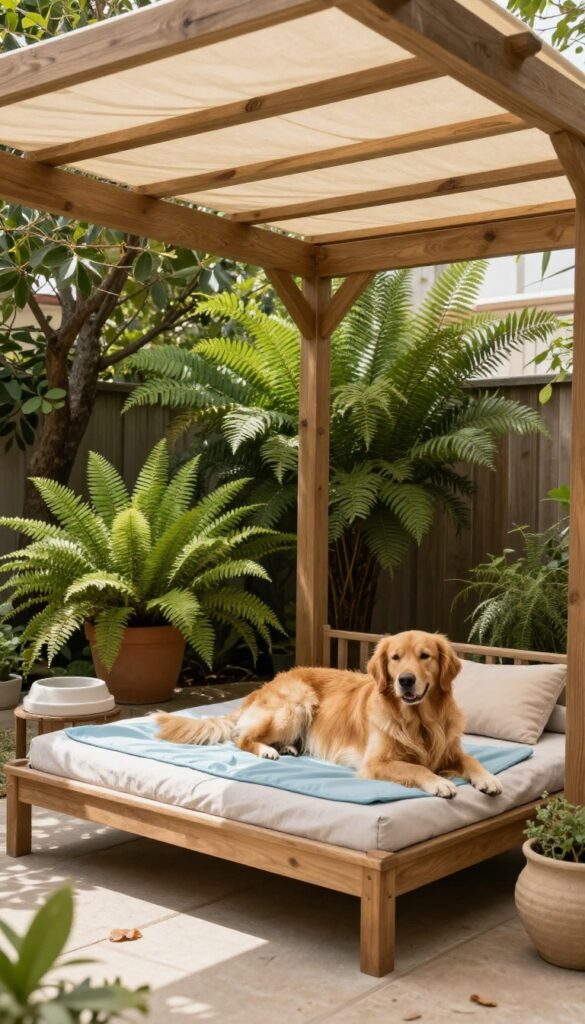
Dogs can overheat fast, even in mild weather. A dedicated shaded spot gives them a cool place to take a break between rounds of fetch or digging. Whether you install a pergola, a sail shade, or simply position a large potted tree, this idea adds both comfort and visual appeal to your yard.
Why It Works
Permanent shade structures lower the temperature underneath by several degrees, keeping your dog safe from heat stress. Paired with a cooling mat or elevated bed, it becomes a go-to relaxation zone that your dog will seek out naturally.
Best For
This setup works for any yard size, but it's especially great for homes with little natural shade or for owners of brachycephalic breeds like Bulldogs, Pugs, or Boston Terriers who struggle in the heat.
Practical Tip
Place the shaded area near a water source or run a short hose line so you can easily refill a bowl. Use an elevated cot-style bed to allow airflow underneath, which keeps your dog cooler than a solid bed.
Budget-Friendly Option
If a permanent structure isn't in the budget, a large cantilever umbrella or a DIY shade sail from sun-blocking fabric works just as well. Anchor it with heavy pots or ground stakes for stability.
4. Add a Splash-Proof Water Station
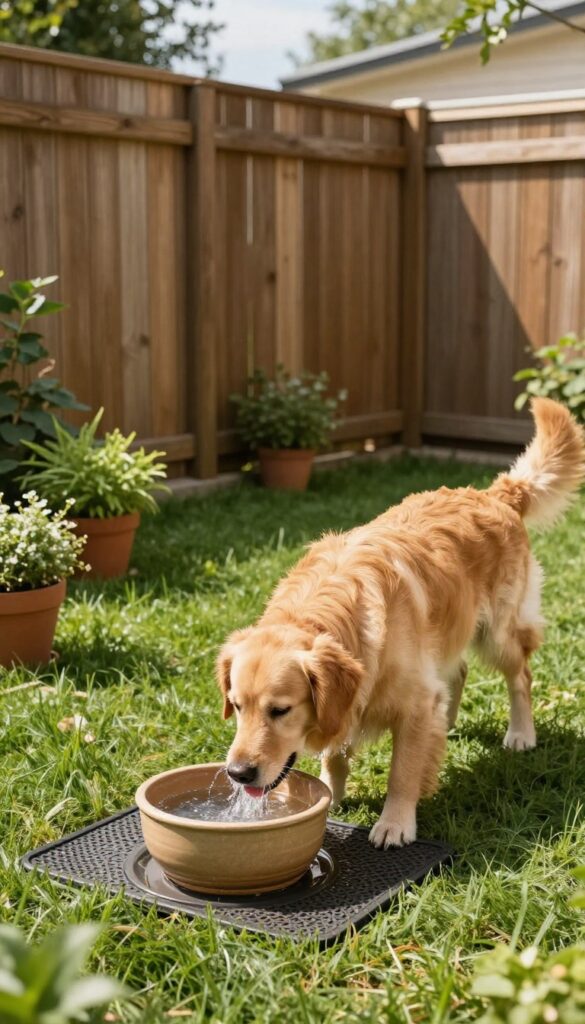
Keeping your dog hydrated during outdoor play is essential, but a standard water bowl can quickly turn into a muddy mess. A dedicated water station with splash-proof features keeps the area clean and ensures fresh water is always available.
This setup is especially useful on hot days when your dog drinks frequently or loves to splash in the bowl before lapping it up. By choosing the right products and placement, you can make hydration hassle-free.
Why It Works
Self-filling bowls or pet fountains provide a constant supply of fresh water, encouraging your dog to drink more. The rubber mat underneath catches spills and prevents the ground from turning into mud, keeping the area tidy and safe from slipping.
Best For
This setup is ideal for active dogs who spend a lot of time outdoors, especially during warmer months. It's also great for owners with multiple dogs, as a larger fountain can accommodate several drinkers without constant refilling.
Practical Tip
Place the water station in a shaded spot near the house to keep the water cool and reduce evaporation. Use a heavy-duty, non-slip rubber mat that's large enough to catch splashes, and consider a raised bowl to minimize debris from getting in.
Budget-Friendly Option
If a self-filling bowl is out of budget, a simple heavy ceramic bowl placed on a large boot tray works almost as well. Just remember to refill it frequently on hot days.
5. Use Non-Toxic Plants for a Safe Garden
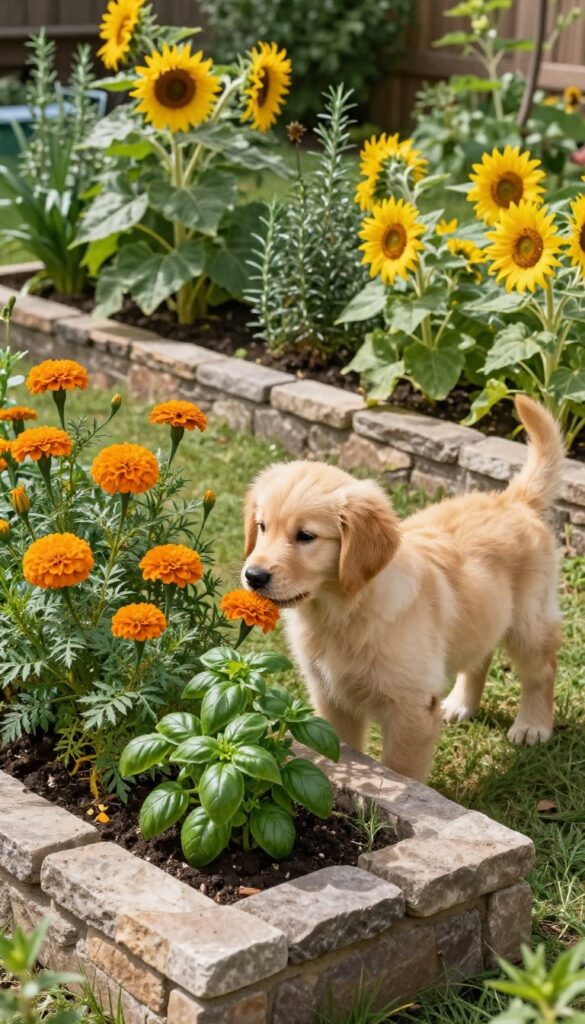
Not all plants are dog-friendly, and some common garden favorites can be toxic if chewed or swallowed. The good news is you don't have to sacrifice beauty for safety—there are plenty of colorful, hardy plants that are perfectly safe for your pup. By choosing non-toxic varieties, you create a worry-free garden where your dog can explore without risk.
Why It Works
Dogs explore the world with their mouths, so planting a safe garden removes the hazard of poisoning. It also gives you peace of mind when your dog sniffs, nibbles, or digs near plants. Plus, many non-toxic plants are tough enough to withstand occasional trampling.
Best For
Best for homes with curious puppies, dogs that like to graze, or owners who want a low-stress garden. It's also great for families with kids and dogs playing together outdoors.
Practical Tip
Group dog-safe plants in raised beds or bordered areas to protect them from zoomies and digging. Use sturdy edging like stone or metal to define the space. Tall plants like sunflowers can be placed at the back, with low-growing herbs like rosemary along the edges.
Budget-Friendly Option
Skip pricey specialty plants and stick with common safe options like marigolds, basil, and thyme. Many can be started from seed for pennies per plant. Check the ASPCA toxic plant list online before buying.
6. Create a Low-Jump Obstacle Course
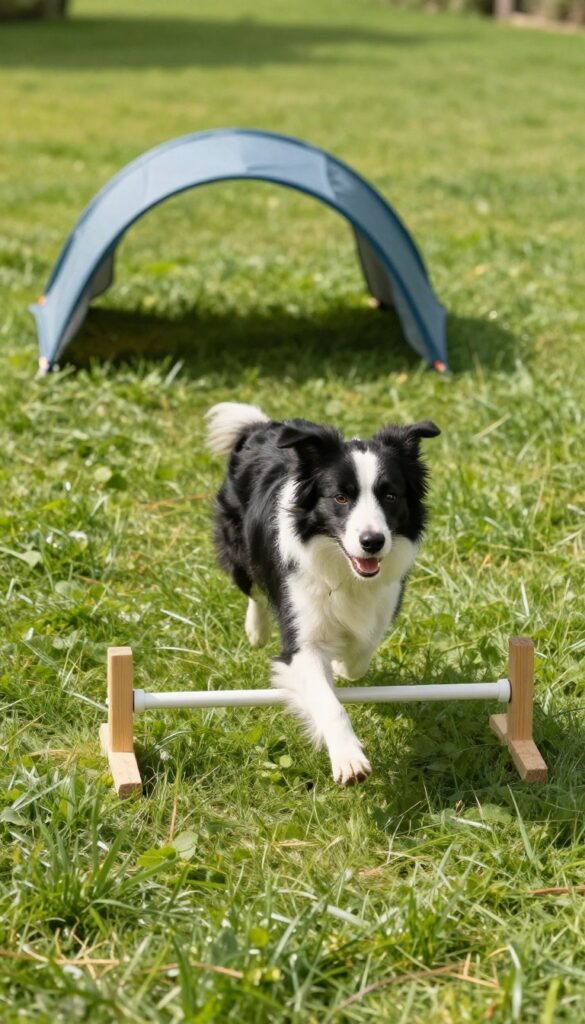
Adding a simple obstacle course turns your backyard into an agility playground. It's a fantastic way to burn off your dog's extra energy while strengthening your bond. Plus, it's easy to set up and take down, so your yard stays flexible for other activities.
Why It Works
Dogs love having a job to do, and navigating jumps and tunnels gives them both physical exercise and mental stimulation. A short course can tire out a high-energy dog faster than a long walk, making it perfect for days when you need to burn off steam quickly.
Best For
This is ideal for active breeds like Border Collies, Australian Shepherds, or Jack Russell Terriers, but any dog that enjoys play will benefit. It works great in medium to large yards, though you can scale it down for smaller spaces by using fewer obstacles.
Practical Tip
Keep jumps low—no higher than your dog's elbow—to prevent injury. Use lightweight PVC pipes or dowels that will fall off if bumped. Always supervise play and store obstacles indoors when not in use to extend their life.
Budget-Friendly Option
Instead of buying a tunnel, use an old duvet draped over a row of chairs or a cardboard box with both ends open. For jumps, balance a broomstick between two sturdy plant pots. Repurpose items you already have.
7. Lay Down Paw-Friendly Pathways
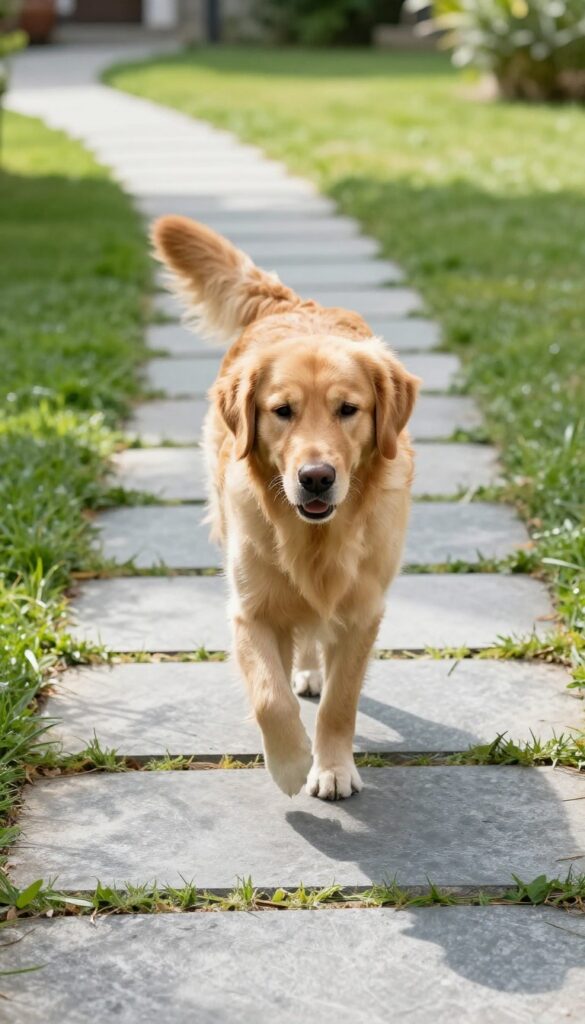
Hot concrete and sharp gravel are tough on sensitive paws, especially during summer or in direct sun. Replacing those surfaces with something softer and cooler keeps your dog comfortable while still looking polished. These materials also reduce the risk of cracked paw pads and make the yard safer for zoomies.
Why It Works
Smooth flagstone, decomposed granite, and rubber mulch don't absorb as much heat as concrete or asphalt, so your dog can walk on them even in hot weather. They also provide better traction and cushioning, which is easier on joints during play.
Best For
Any dog owner with a backyard path, patio, or high-traffic area that currently has hot or abrasive surfaces. Great for active dogs that love to run and for seniors with sensitive paws.
Practical Tip
Lay flagstone over a compacted gravel base with sand between the stones to lock them in place. For a softer option, use rubber mulch in a defined border or as a pathway filler—it drains well and won't rot.
Budget-Friendly Option
If flagstone is out of your budget, try pea gravel over a weed barrier. It stays cooler than concrete and is much gentler on paws. Just avoid sharp varieties like crushed granite.
8. Install a Secure, Dig-Proof Fence
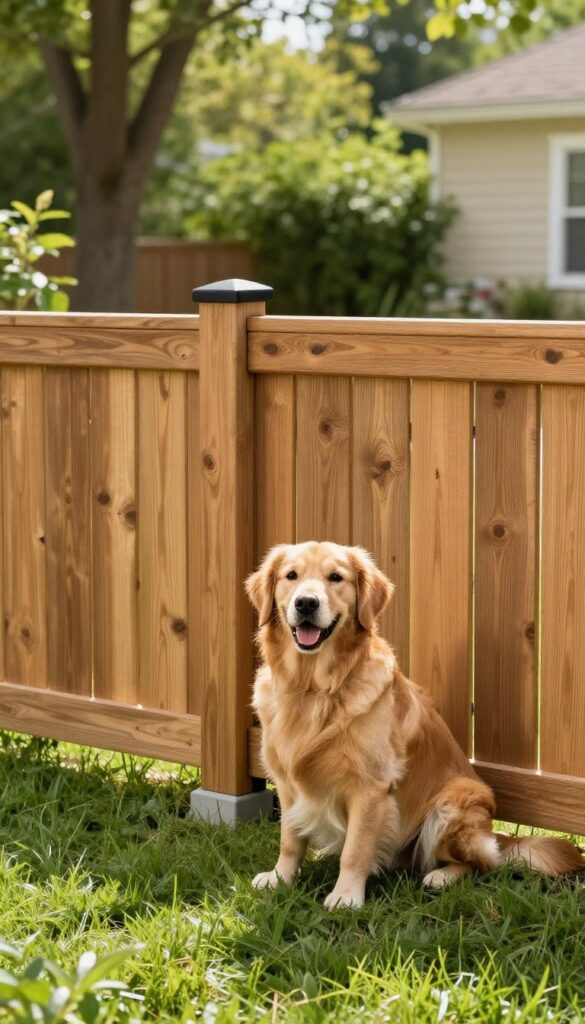
A fence that keeps your dog safely in the yard is the foundation of any dog-friendly backyard. But if your pup is a digger or a jumper, a standard fence might not cut it. This idea focuses on adding simple reinforcements that block escape routes and reduce barking triggers.
Why It Works
Burying the fence a foot deep or adding a concrete footer prevents dogs from digging their way out. Privacy slats block visual triggers like passing dogs or mail carriers, which cuts down on territorial barking and stress.
Best For
This is ideal for diggers, escape artists, and dogs who bark at every movement beyond the yard. It's also great for homes with busy streets or neighbor dogs nearby.
Practical Tip
Use galvanized hardware cloth buried along the fence line for a cost-effective dig barrier. For privacy slats, choose weather-resistant materials like vinyl or cedar that match your fence style.
Budget-Friendly Option
Skip concrete and instead lay large rocks or pavers along the fence base. They're easier to install and still discourage digging.
9. Design a Mud-Free Entry Zone
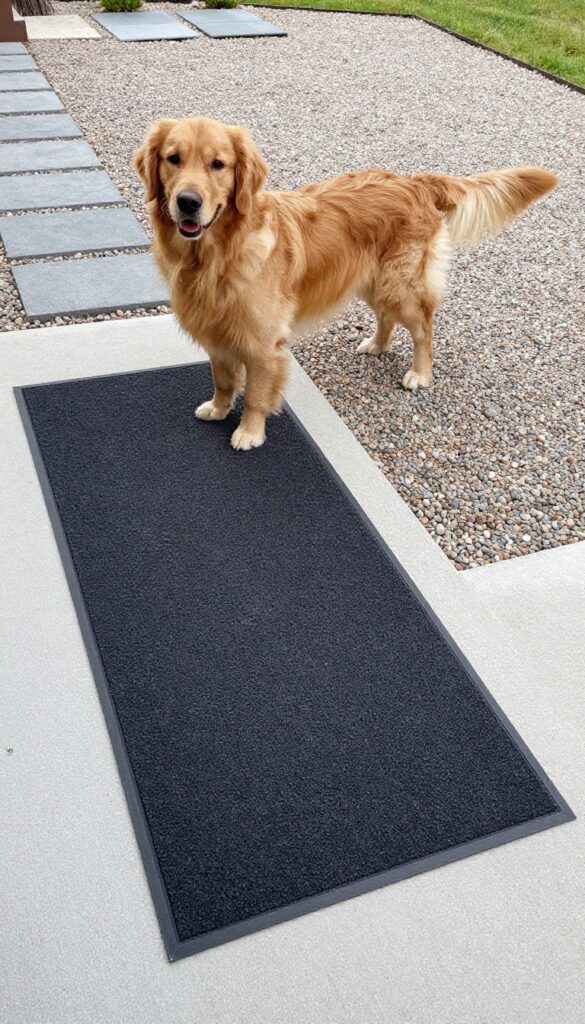
If your dog loves the outdoors as much as the indoors, you know the struggle of muddy paw prints all over the floor. A mud-free entry zone creates a transition space that catches dirt and water before they make it inside. This simple setup saves you cleaning time and keeps your home tidier.
Why It Works
A dedicated strip of gravel or pavers right outside the door gives paws a chance to dry off and drop loose dirt. Pair it with a boot tray and towel hook inside, and you've got a system that traps the mess at the door. It's a low-effort way to keep your floors clean without restricting your dog's outdoor fun.
Best For
This idea works great for active dogs who love to dig, roll, or play in wet grass. It's also perfect for homes with multiple dogs or for owners who prefer hard flooring over carpets. If you live in a rainy climate or have a muddy yard, this zone is a game changer.
Practical Tip
Install a 3–4 foot wide strip of pea gravel or permeable pavers flush with the door threshold. Place a large, easy-to-clean boot tray inside and hang a dedicated towel hook at dog height. Sweep or hose off the gravel weekly to keep it draining well.
Budget-Friendly Option
Can't install gravel? Lay down a heavy-duty outdoor mat with a scraper surface outside the door, and pair it with a microfiber mat inside. This two-mat system costs under $50 and can be shaken out or hosed clean.
10. Add a Sniffing Garden for Mental Stimulation
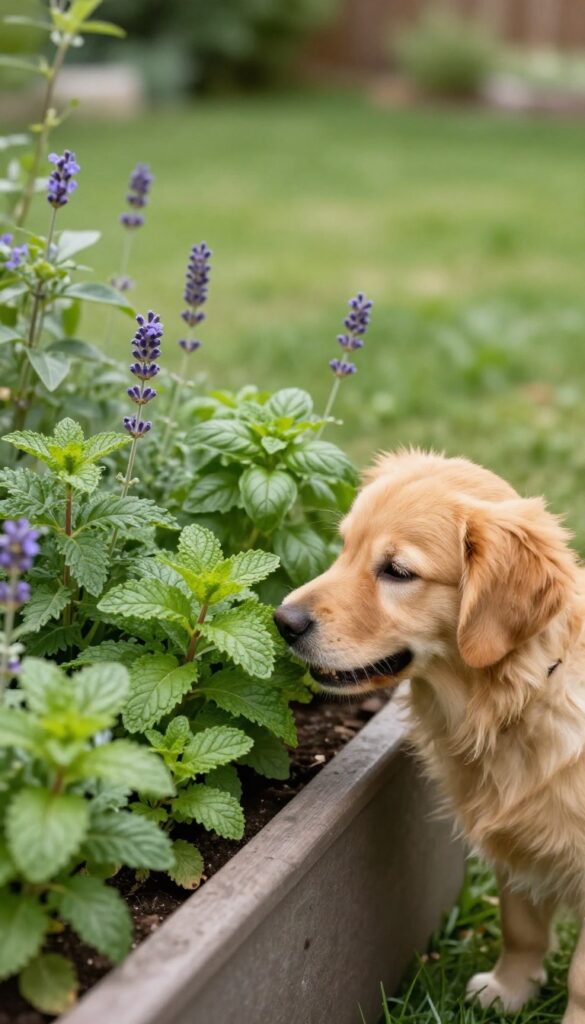
Dogs experience the world through their noses, so why not create a garden that lets them do just that? A sniffing garden is a low bed filled with dog-safe herbs and plants that release interesting scents when brushed against or sniffed. It's a simple addition that turns a corner of your yard into an engaging sensory playground.
Why It Works
Sniffing is mentally tiring for dogs—it's like solving a puzzle with their nose. A dedicated sniffing garden gives them a safe outlet for this natural behavior, which can reduce boredom and destructive chewing. Plus, the plants are attractive and functional for you too.
Best For
This works well for curious dogs who love to explore, especially herding breeds, hounds, and terriers. It's also great for smaller yards where you can't install a full agility course but still want to add enrichment.
Practical Tip
Use a raised bed or a bordered patch to keep the plants contained. Plant in clusters so your dog can easily sniff different scents without trampling everything. Choose hardy herbs like mint, basil, lemon balm, and lavender—all safe for dogs.
Supervise initial visits to prevent digging.
Budget-Friendly Option
No room for a garden? Create a portable sniffing box using a large plastic tub filled with shredded paper, fabric scraps, and a few dried herbs. Your dog can dig and sniff to their heart's content, and you can bring it inside on rainy days.
FAQ
What is the best ground cover for a dog-friendly backyard?
Clover, artificial turf, and creeping thyme are top choices. They're durable, soft on paws, and handle urine better than traditional grass.
How can I stop my dog from digging under the fence?
Bury the fence at least 12 inches deep or install a concrete footer. You can also lay large rocks or chicken wire along the base to deter digging.
Are there any plants that are toxic to dogs?
Yes, common toxic plants include sago palm, azalea, tulips, and oleander. Always check with the ASPCA's toxic plant list before planting.
What type of mulch is safe for dogs?
Avoid cocoa mulch, which is toxic. Pine, cedar, or rubber mulch are safer options, but watch for ingestion—some dogs may chew on wood mulch.
How can I keep my dog cool in the backyard during summer?
Provide plenty of shade with a canopy, tree, or shade sail. Add a kiddie pool or misting station, and always have fresh water available.
Conclusion
Your backyard can be a paradise for both you and your dog without constant repairs or safety worries. By making a few intentional choices—like adding a dig pit, choosing safe plants, and creating shaded zones—you'll build a space that's fun, functional, and built to last.
Start with one or two ideas that fit your yard and your dog's personality. Small changes make a big difference in how much you both enjoy the outdoors.

I’m Pallab Kishore, the owner of Little Pets Realm — an animal lover and pet care enthusiast sharing easy tips, healthy recipes, and honest advice to help every small pet live a happy, healthy, tail-wagging life.