
Last updated on May 22nd, 2026 at 02:34 pm
A well-planned backyard can save you money on repairs and keep your dog happier. You don't need a huge budget to create a space that works for both of you. Start with simple changes that make a big difference.
Think about what your dog actually needs: room to run, a shady spot to rest, and a place to dig that isn't your flower bed. These 13 ideas focus on practical, low-cost solutions that fit most yards.
From designated digging pits to smart fencing fixes, each suggestion helps you build a backyard that's fun for your pup and easy on your wallet. Let's dive into the ideas that will transform your outdoor space.
1. Designated Digging Zone
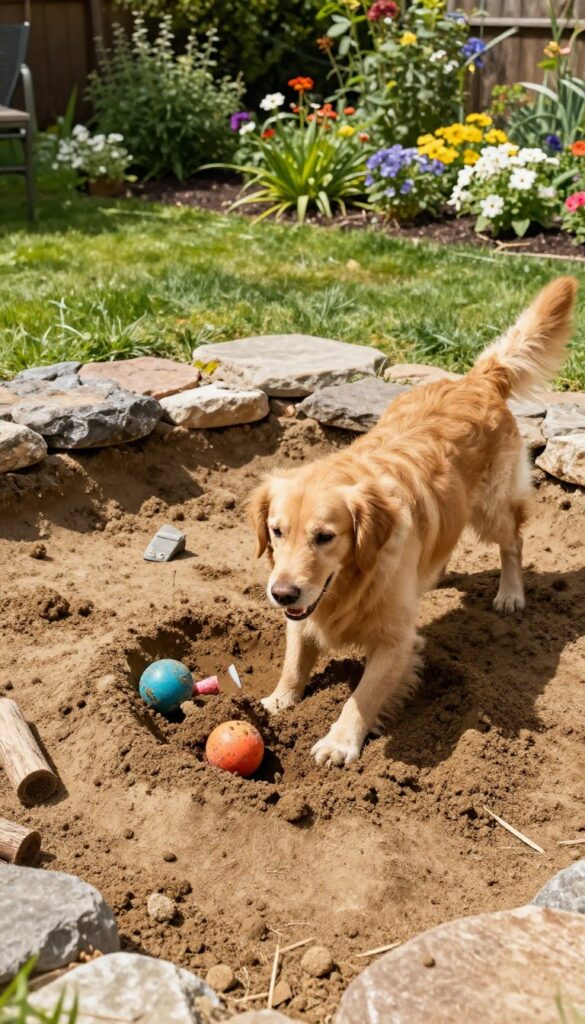
Every dog loves to dig, but your garden doesn't have to suffer for it. A designated digging zone gives your pup a proper outlet for that instinct. It's a simple idea that saves your flower beds and keeps your dog entertained for hours.
Set up a sandbox or a loose soil patch in a corner of the yard. Bury a few toys or treats to make it irresistible. Define the edges with rocks or logs so your dog knows where the digging zone ends.
Dog owners love this because it turns a destructive habit into a fun activity. Plus, it's budget-friendly and easy to maintain. Your dog gets to dig, and your garden stays intact.
Why It Works
Dogs dig for many reasons: boredom, instinct, or to cool off. A designated zone channels that natural behavior into an acceptable spot. It also provides mental stimulation as your dog sniffs out buried treasures.
Best For
This works for any breed that loves to dig, especially terriers, dachshunds, and huskies. It's ideal for homes with yards that have garden beds or lawns you want to protect.
Practical Tip
Use a child's sandbox or build a simple wooden frame. Fill it with play sand or loose soil. Bury safe toys, bones, or treats to encourage use.
Rake the area occasionally to keep it clean and inviting.
Budget-Friendly Option
Skip the fancy sandbox. Use an old tire, a plastic kiddie pool, or a repurposed wooden crate. Just make sure there are no sharp edges or toxic materials.
2. Shaded Rest Area
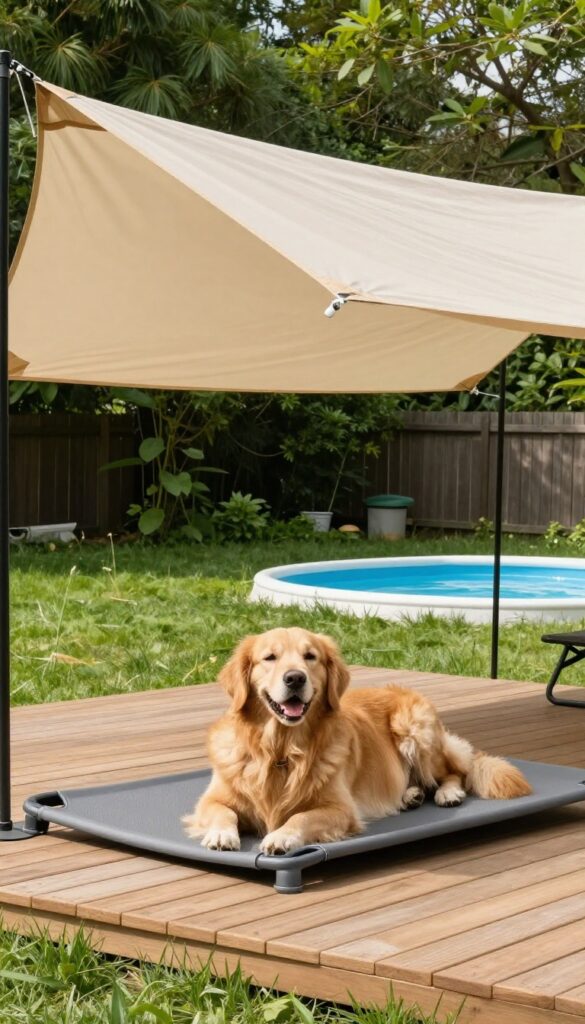
Dogs overheat faster than people, so a dedicated shaded spot is a backyard essential. A simple shade sail or large patio umbrella can drop the temperature by 10–15 degrees, giving your pup a safe place to lounge. Pair it with a raised cot or cooling mat to keep them comfortable all summer long.
Why It Works
Dogs can't cool down by sweating like we do—they rely on panting and finding cool surfaces. A shaded rest area prevents heat exhaustion and gives them a go-to spot when they need a break from play.
Best For
Any dog that spends time outdoors, especially brachycephalic breeds like Bulldogs, Pugs, and Frenchies who are prone to overheating. Also great for yards with limited natural shade from trees or buildings.
Practical Tip
Position the shade where your dog already likes to relax. Use a cot or outdoor bed with airflow underneath—rubber mats or concrete can still get hot. A small kiddie pool nearby adds extra cooling options.
Budget-Friendly Option
Skip expensive shade structures and repurpose a fitted bedsheet or tarp tied between fence posts or trees. It won't last forever, but it's a quick fix for under $10.
3. DIY Agility Course
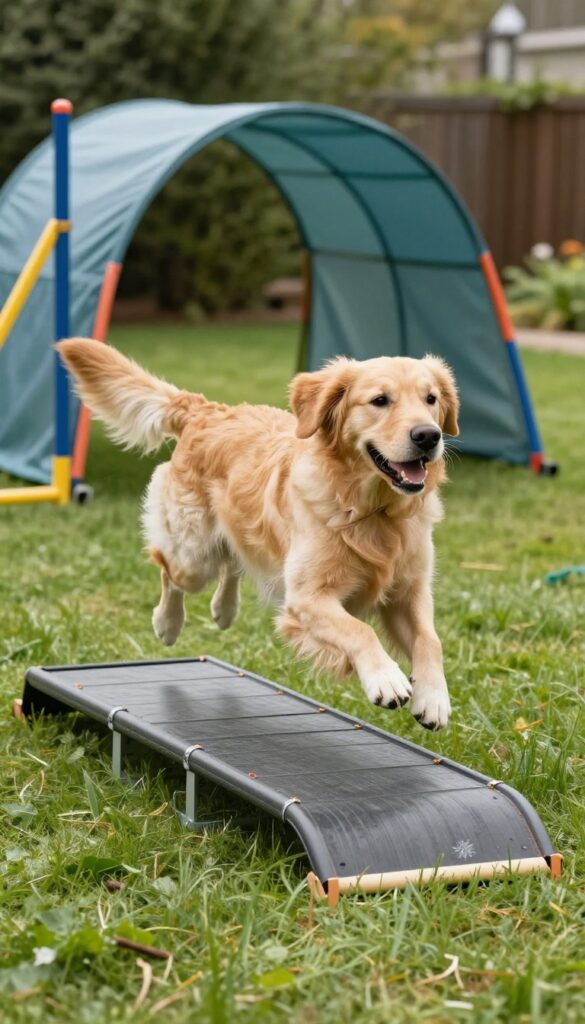
Turn your backyard into a fun zone with a homemade agility course. Your dog will love the challenge, and you'll love how little it costs. Using everyday items like PVC pipes, garden stakes, and old fabric, you can build jumps, weave poles, and tunnels in an afternoon.
It's a great way to burn off energy and strengthen your bond without spending much money.
Why It Works
Agility training provides both physical exercise and mental stimulation. Dogs need to think about where to place their paws and how to navigate obstacles, which tires them out faster than a simple walk. It also builds confidence, especially for shy or fearful dogs.
Best For
High-energy breeds like Border Collies, Australian Shepherds, and Jack Russell Terriers will thrive with an agility course. It's also perfect for any dog that loves to run and play, or for owners who want a fun way to train and bond with their pup without leaving home.
Practical Tip
Keep the obstacles low and stable, especially for puppies or senior dogs. Use sandbags or stakes to secure PVC jumps so they don't tip over. Store everything in a dry spot like a garage or shed when not in use to extend the life of your homemade gear.
Budget-Friendly Option
If you don't have PVC, use pool noodles or cardboard boxes for jumps. For weave poles, stick bamboo stakes or even broom handles into the ground. An old dog crate or a child's play tunnel works perfectly for a tunnel obstacle.
4. Secure Fencing Check
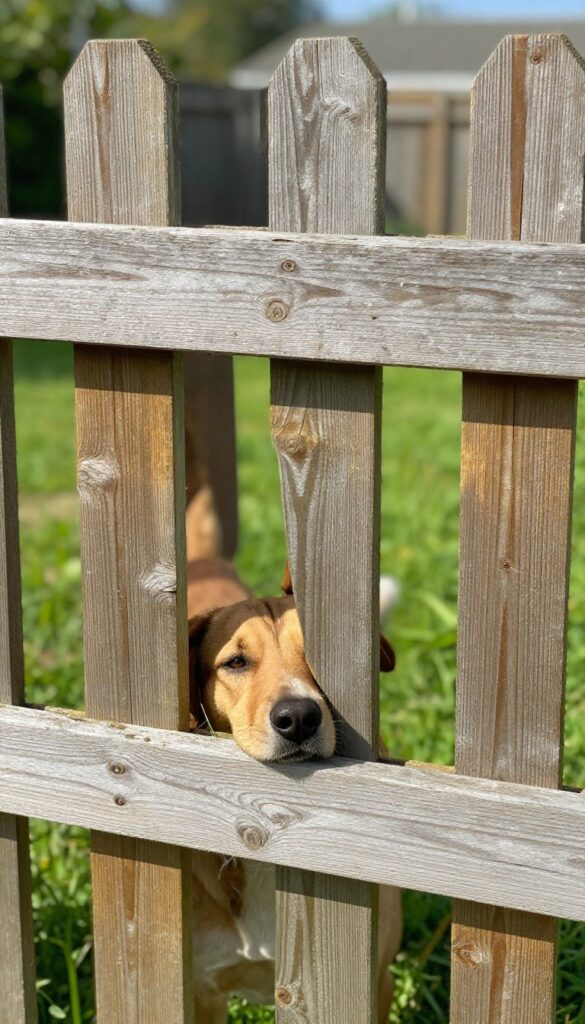
A fence that looks fine from the porch might have hidden escape routes. Dogs are experts at finding weak spots, and a single loose board can lead to a lost afternoon. Regularly walking the perimeter keeps surprises to a minimum.
This isn't about building a fortress—it's about catching small problems before they become big ones. A quick monthly check can save you from frantic searches and expensive repairs. Plus, it gives you peace of mind when your dog is playing outside.
Why It Works
Dogs naturally test boundaries, especially when they spot a squirrel or hear a neighbor dog. A fence with gaps, rot, or dig-prone areas practically invites an escape attempt. By reinforcing weak points early, you remove the temptation and keep your dog safely contained without constant supervision.
Best For
Any dog that spends time in the yard, particularly breeds known for digging (like terriers) or jumping (like huskies). It's also essential for homes with wooden fences or older property lines where wear and tear are common.
Practical Tip
Walk the fence line at dog height—get down on your hands and knees to spot gaps you'd miss standing up. Use chicken wire or hardware cloth buried a few inches underground along the base to stop diggers. For loose boards, a few screws and a can of exterior wood filler do the trick.
Budget-Friendly Option
Skip expensive fence panels and use repurposed materials like pallets or scrap wood for patch jobs. Concrete pavers or large rocks placed along the bottom of the fence can block digging without costing much.
5. Potty Area with Gravel or Mulch
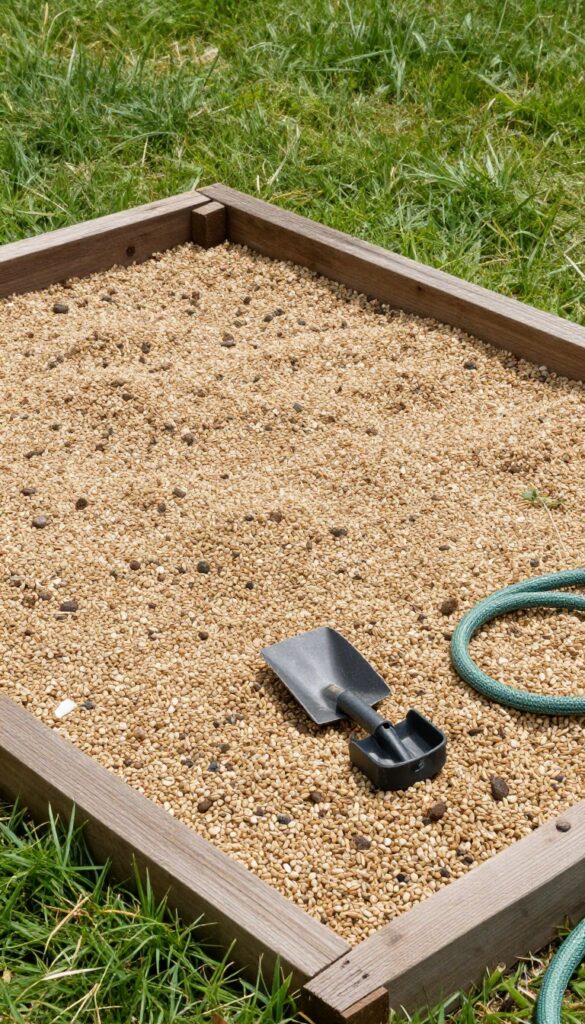
A dedicated potty spot saves your lawn from yellow patches and constant cleanup. By training your dog to use a specific area with gravel or mulch, you keep the rest of your yard pristine. It's a simple solution that makes daily life easier for both of you.
Pea gravel or mulch drains well and is easy to clean with a scoop and hose. Plus, it gives your dog a clear signal that this is the place to go. Set it up once, and you'll wonder why you didn't do it sooner.
Why It Works
Dogs naturally prefer a consistent surface for elimination. Gravel or mulch mimics natural ground, so they adapt quickly. The drainage layer prevents odors and keeps the area dry, reducing bacteria and flies.
Best For
Ideal for any dog owner with a lawn who wants to preserve grass. Works great for multiple-dog households where potty traffic is high. Also perfect for rainy climates where mud becomes a problem.
Practical Tip
Install a 4-inch base of drainage gravel, then top with 2 inches of pea gravel or mulch. Use landscape edging to keep materials contained. Rake weekly and hose down to remove waste.
For mulch, choose cedar or cypress—they repel insects and smell fresh.
Budget-Friendly Option
Instead of buying bagged gravel, check local construction sites or landscaping companies for bulk pea gravel at a discount. Or use free wood chips from tree trimming services—just let them dry out first to prevent mold.
6. Splash Zone or Kiddie Pool
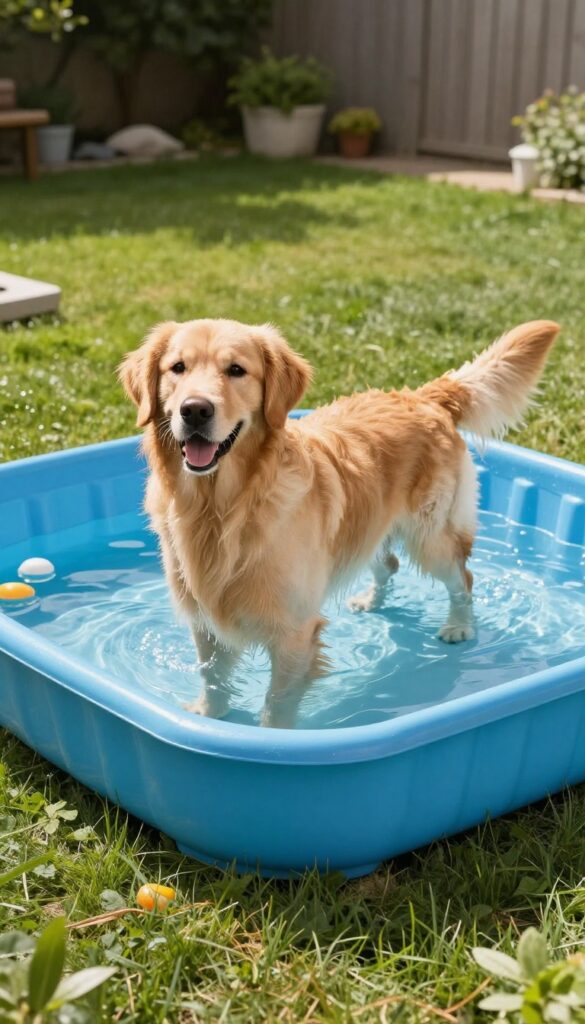
When the temperature rises, a splash zone gives your dog a safe way to cool off without wrecking your garden. A simple kiddie pool filled with a few inches of water becomes an instant hit with water-loving pups. It's cheap, easy to set up, and takes just minutes to refresh.
Why It Works
Dogs regulate body temperature mainly through panting and paw pads, but a cool soak speeds up the process. A shallow pool lets them wade, splash, and drink without the dangers of a deep lake or pool. It also keeps them entertained for hours, burning off energy while staying cool.
Best For
This setup is perfect for water-loving breeds like Labradors, Golden Retrievers, and Portuguese Water Dogs. It also works great for any dog that gets overheated quickly, such as brachycephalic breeds like Bulldogs or Pugs. Ideal for backyards without a built-in pool or during heatwaves.
Practical Tip
Place the pool on a flat, grassy area or a large tarp to catch splashes and reduce mud. Use a heavy-duty kiddie pool that resists punctures, and change the water daily to prevent bacteria. Add a few floating toys to encourage play, and always supervise to avoid tipping.
Budget-Friendly Option
Skip expensive pet pools and grab a basic $10 kiddie pool from a discount store. For even less, use a large plastic storage bin or a shallow galvanized stock tank. Just ensure the sides are low enough for your dog to step in and out easily.
7. Elevated Deck or Platform
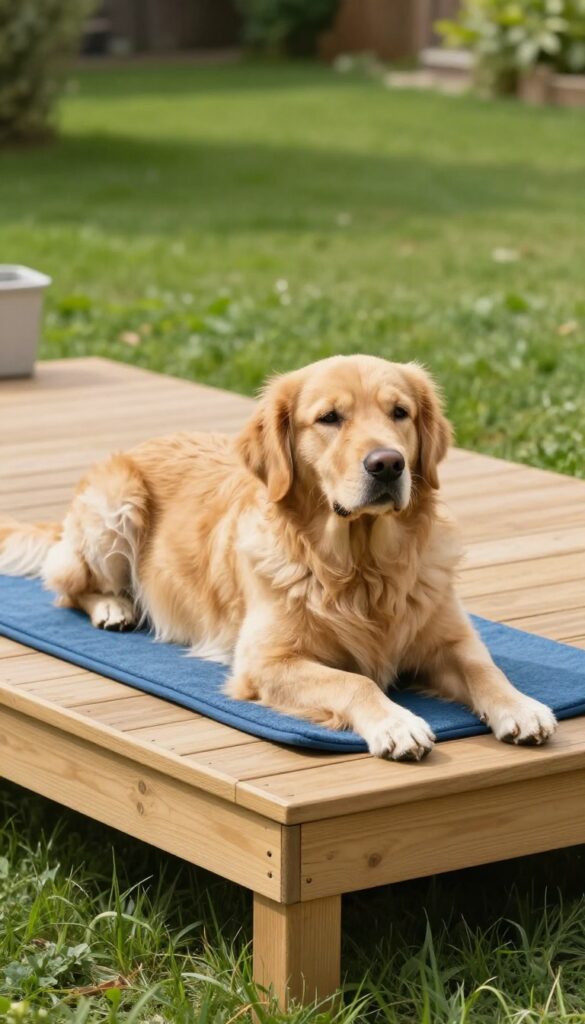
Dogs love being up high—it gives them a better view of their domain and keeps them off damp ground. A low wooden platform or deck creates a dedicated lounging spot where your pup can sunbathe, watch the yard, or stay dry after rain. It’s a simple addition that feels like a luxury to your dog.
You can build it from scratch with basic tools or repurpose an old pallet. Adding a cushion or outdoor bed makes it extra cozy. The elevated surface also helps keep your dog cool in summer by allowing air to circulate underneath.
Why It Works
Elevated surfaces are naturally appealing to dogs—they feel safer and more in control. Being off the ground also protects your dog from wet grass, mud, and chilly surfaces. This simple structure gives your dog a designated spot that’s all theirs, reducing the urge to dig or roam.
Best For
This idea suits medium to large breeds that enjoy surveying their surroundings, like retrievers, shepherds, or terriers. It’s also great for yards with poor drainage or muddy patches, since the platform stays clean and dry. Works well for both active dogs who need a lookout and seniors who appreciate a soft, warm place to rest.
Practical Tip
Build the platform at least 6–8 inches off the ground for good airflow. Use outdoor-grade lumber or composite decking to prevent rot. Add a non-slip surface—like outdoor carpet or grip tape—so your dog can jump up safely.
Place it in a spot with partial shade to keep the wood from getting too hot.
Budget-Friendly Option
Skip the lumber and use a sturdy wooden pallet instead. Sand it smooth, seal it with outdoor paint or stain, and add a cushion. You can even screw on casters to make it movable.
Free or cheap pallets are often available at hardware stores or online marketplaces.
8. Storage for Toys and Gear
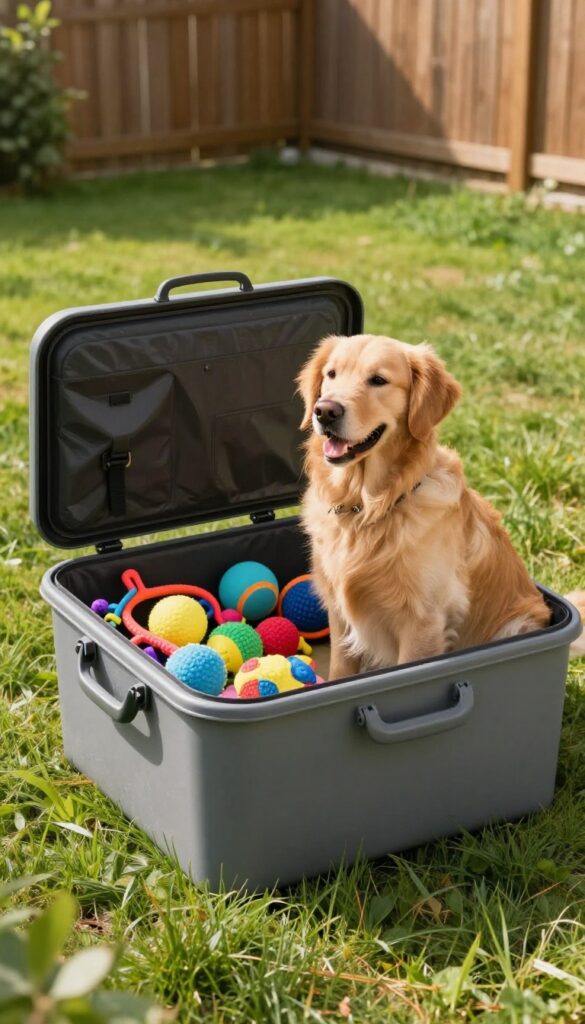
A tidy yard means fewer trips to the store for lost toys and less time hunting for leashes. A dedicated storage spot keeps everything accessible and protects gear from weather damage.
A simple weatherproof bin or bench can hold balls, frisbees, leashes, and cleanup bags. It also keeps the yard looking neat and shows guests that your outdoor space is organized.
Why It Works
Having a designated storage area prevents toys from getting lost or damaged by rain and sun. It also teaches your dog to expect playtime when you open the bin, making your routine smoother.
Best For
This idea works for any home with a yard, especially if you have multiple dogs or love to keep outdoor gear organized. It's also great for families with kids who help with dog care.
Practical Tip
Choose a bin with a tight lid to keep moisture and bugs out. Place it near the door or in a shady spot for easy access. Label it with a permanent marker or a cute tag so everyone knows where to return toys.
Budget-Friendly Option
Repurpose an old plastic storage tote or a metal trash can with a lid. Drill a few small holes in the bottom for drainage if it will sit on grass.
9. Sniffing Garden or Sensory Path
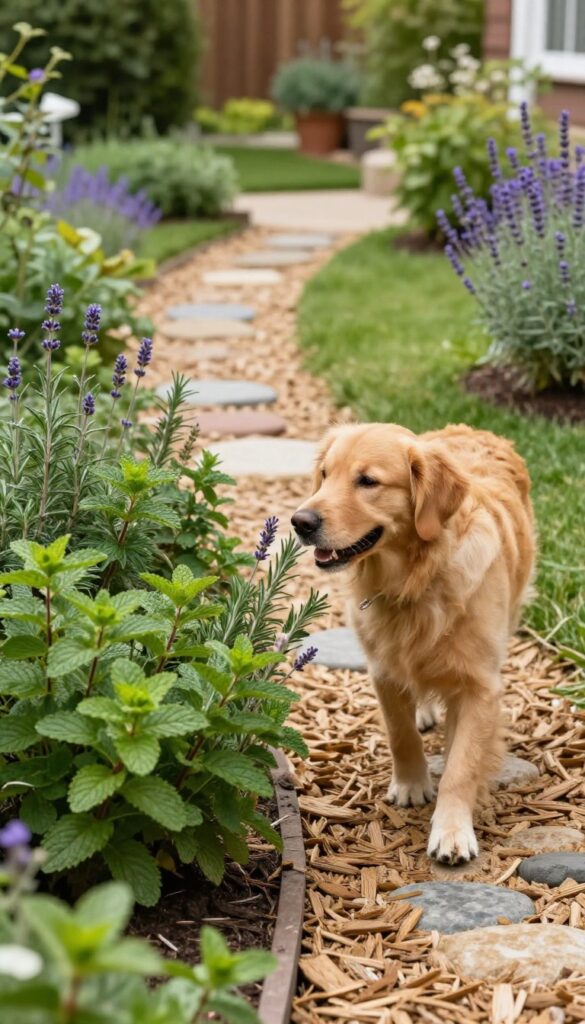
Dogs explore the world through their noses, and a dedicated sniffing garden taps into that natural instinct. Planting dog-safe herbs like mint, rosemary, or lavender in a small raised bed creates a fragrant zone your pup will love. Adding a winding path with different textures—bark, stones, grass—turns a simple walk into a sensory adventure.
This idea works because it combines mental stimulation with physical activity. Sniffing is mentally tiring for dogs, so a short session in the garden can be as satisfying as a long walk. It also gives them a designated area to explore, keeping them away from your vegetable patch or flower beds.
Dog owners appreciate how low-maintenance and customizable these gardens are. You can start small with a few pots or build a full pathway, and the herbs double as fresh treats or aromatics for your home. It's a win-win for you and your pup.
Why It Works
Sniffing releases feel-good endorphins in dogs and helps reduce anxiety. A sensory path encourages them to slow down and engage their brain, which is especially helpful for high-energy or nervous dogs. The variety of textures also provides gentle paw stimulation and can improve coordination.
Best For
This setup is ideal for dogs that love to sniff on walks or seem bored in the yard. It's also great for senior dogs or those with limited mobility who can't run but still need mental enrichment. Works well in any yard size, even small patios or balconies with container plants.
Practical Tip
Start with a simple layout: a 3-foot winding path of mulch or pebbles bordered by low-growing herbs. Use pavers or stepping stones to create the path, then plant dog-safe herbs like basil, thyme, or chamomile along the edges. Keep the plants low so your dog can easily reach them without trampling.
Refresh the herbs seasonally and replace any that get too beat up.
Budget-Friendly Option
If you don't want to build a permanent bed, use a large kiddie pool or a wooden planter box as a portable sniffing garden. Fill it with soil and plant herbs in pots that you can rotate. For the path, lay down old towels or yoga mats with different textures instead of buying new materials.
10. Outdoor Feeding Station
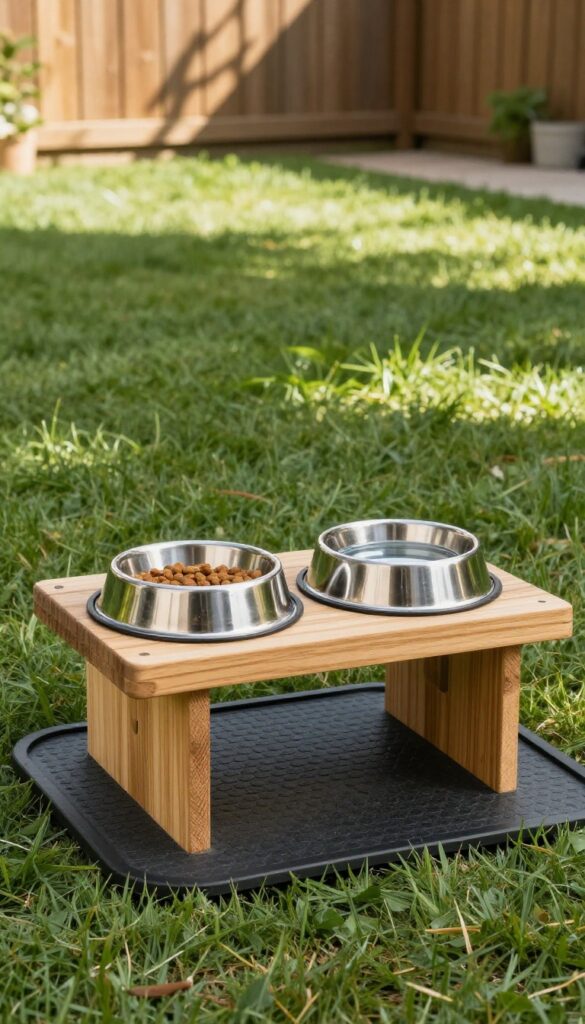
Mealtime can get messy when bowls slide around or bugs crash the party. An outdoor feeding station keeps things tidy and gives your dog a consistent spot to eat. It also protects their bowls from dirt, rain, and pests.
A raised feeder is the centerpiece—it reduces strain on your dog's neck and joints while keeping bowls off the ground. Pair it with a non-slip mat or a small concrete pad so spills are easy to hose off. This setup works great for dogs who eat outside regularly or for those who need a clean, designated dining area.
Dog owners love how simple it is to maintain. No more chasing rolling bowls or dealing with muddy water. Plus, it keeps ants and other critters away from your dog's food.
Why It Works
Elevating the feeder puts food and water at a comfortable height, which is easier on your dog's digestion and posture. The non-slip surface prevents bowls from tipping, and the dedicated zone makes cleanup fast—just rinse the mat or pad. You'll also avoid the mess of spilled kibble and muddy paw prints near your patio door.
Best For
This idea is perfect for dogs who eat outdoors, especially larger breeds that benefit from raised bowls. It's also great for messy eaters who scatter food, and for homes with limited covered space where you want to keep the feeding area clean and organized.
Practical Tip
Choose a raised feeder with a removable tray for easy cleaning. Place it on a rubber mat or a paver that's slightly larger than the feeder to catch spills. If your yard has direct sun, position the station in a shaded spot to keep the water cool and food fresher longer.
Budget-Friendly Option
Don't want to buy a raised feeder? Use a sturdy wooden crate or stack of bricks to elevate regular bowls. A cheap doormat works as a non-slip base.
Just make sure the height matches your dog's chest level so they don't have to stretch or hunch.
11. Dog Run Along the Fence Line
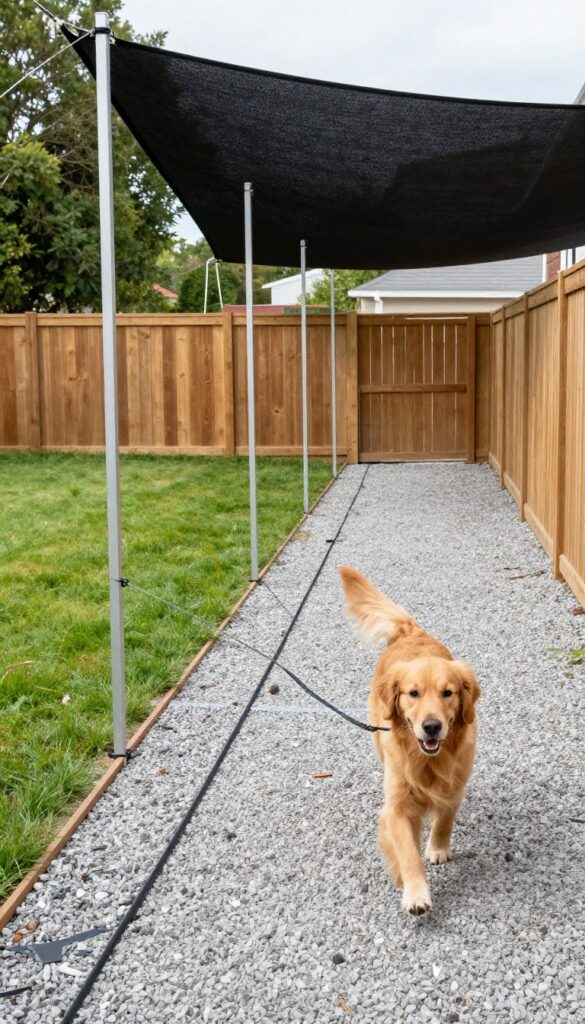
Narrow side yards often go unused, but they're perfect for a dedicated dog run. By installing a simple run along the fence, you give your dog a safe, confined space for quick potty breaks or short play sessions. It keeps them off the main lawn and saves your garden from trampling.
Why It Works
A fenced run uses existing boundaries, so setup is minimal. Gravel or artificial turf drains well and resists digging, while a tie-out cable or long leash runner gives your dog freedom without escaping. It's a low-maintenance solution that keeps your pup contained and happy.
Best For
Ideal for homes with narrow side yards, townhouses, or small backyards where space is tight. Great for high-energy dogs that need a quick outlet, or for owners who want a separate potty area away from the main yard.
Practical Tip
Lay down a 4–6 inch base of crushed gravel or install artificial turf for easy cleanup. Add a shade sail or plant tall shrubs along the fence to keep the area cool. Use a cable runner system anchored at both ends so your dog can roam the full length.
Budget-Friendly Option
Skip the artificial turf and use pea gravel or wood chips instead. A simple tie-out stake works in place of a cable runner, and you can repurpose an old patio umbrella for shade.
12. Cool-Down Station with Misting System
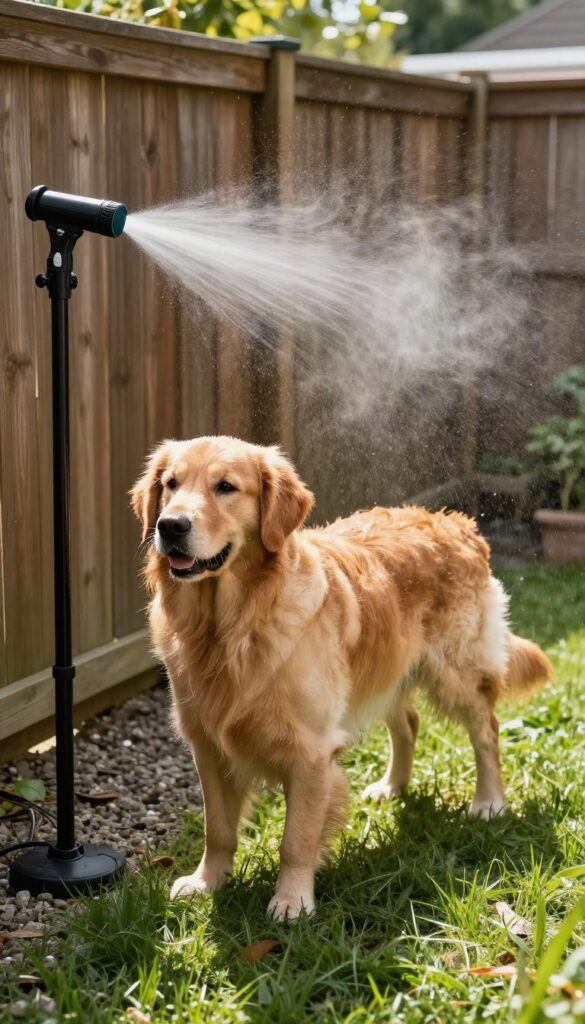
When the summer heat hits, your dog needs a way to cool off that doesn't involve a full bath. A misting station creates a refreshing oasis right in your backyard. It's a simple setup that can make those scorching afternoons much more bearable for your pup.
A misting line attaches to your garden hose and releases a fine spray that evaporates quickly, lowering the air temperature around it. You can run it on a timer so it kicks on automatically during the hottest part of the day. Dogs love walking through the cool mist, and it helps prevent overheating without soaking them completely.
Why It Works
Dogs cool themselves primarily through panting and paw pads, but that's not always enough in extreme heat. A misting system provides instant relief by lowering the ambient temperature and allowing your dog to cool down through evaporation. It's especially helpful for brachycephalic breeds like Bulldogs or Pugs that struggle with heat regulation.
Best For
This idea works great for dogs that spend a lot of time outdoors during summer, especially in hot, dry climates. It's perfect for active breeds that need to cool down after play sessions, or for senior dogs that are more sensitive to heat. Also ideal if you have a shaded area where you can mount the misting line.
Practical Tip
Mount the misting line along a fence, under a patio cover, or over a designated cool-down zone. Use a timer to run it for 10-15 minutes at a time, several times a day. Make sure the mist doesn't create slippery puddles—place it over gravel or grass for good drainage.
Check the water temperature; cold water is fine, but avoid ice-cold water on very hot days.
Budget-Friendly Option
If you don't want to buy a full misting kit, you can make your own with a soaker hose or a simple spray nozzle attached to a garden hose. Just set it on a low mist setting and secure it overhead with zip ties. A basic timer costs under $20 and makes it hands-free.
13. Nighttime Visibility Setup
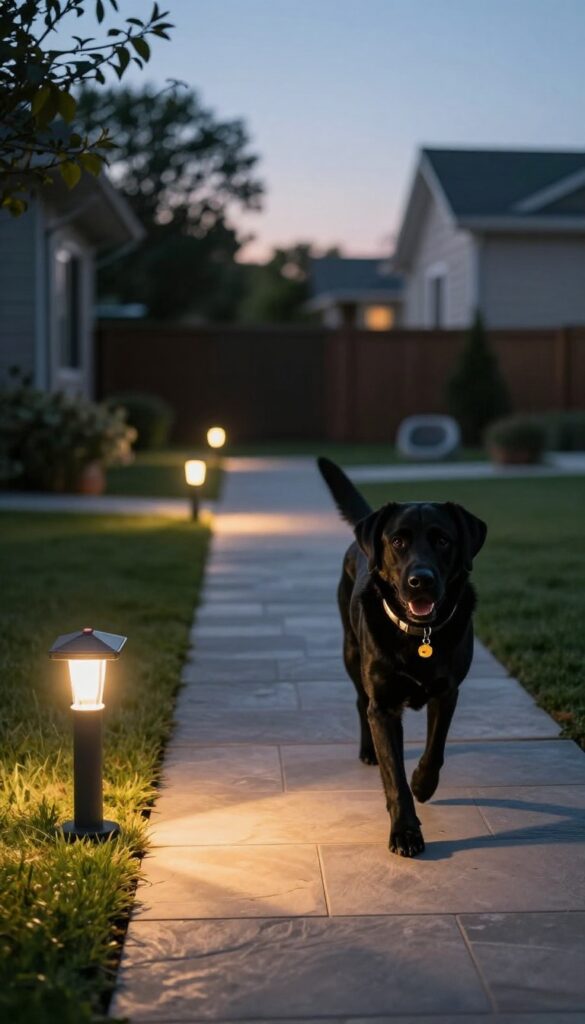
After sunset, your backyard can turn into a hazard zone for both you and your dog. Dark pathways, hidden toys, and a black dog blending into the shadows make trips outside stressful. A few simple lighting upgrades fix that completely.
Solar lights along paths and near your dog's favorite spots keep the space usable after dark. Reflective collars or LED tags add an extra layer of safety so you can always spot your pup. This setup turns nighttime potty breaks from a guessing game into a smooth routine.
Why It Works
Dogs have better night vision than humans, but they can still trip over obstacles or step on something sharp in the dark. Bright paths and visible dogs mean fewer midnight mishaps and less worry for you. Low-cost lights and reflective gear make the whole yard safer without any major renovation.
Best For
Any dog owner who lets their pup out after dusk, especially in yards with uneven ground, stairs, or lots of landscaping. Perfect for breeds with dark coats that vanish at night, like black Labs or German Shepherds.
Practical Tip
Place solar stake lights along the edges of walkways and near the door, water bowl, and potty area. Use a mix of path lights and spotlights to avoid dark corners. Check the lights every few weeks to keep them clean and charged.
Budget-Friendly Option
Skip expensive hardwired lights and grab a pack of solar stakes from the hardware store for under $20. Reflective tape on an existing collar works as well as a fancy LED tag.
FAQ
How much does it cost to set up a dog-friendly backyard?
Costs vary widely, but many ideas on this list can be done for under $50. A digging pit or shade area can use free or recycled materials. Start small and add features over time.
What is the best ground cover for a dog run?
Pea gravel, artificial turf, or mulch are popular choices. Gravel drains well and doesn't hold odors. Artificial turf is soft but requires cleaning.
Avoid cocoa mulch, which is toxic to dogs.
How can I stop my dog from digging under the fence?
Bury chicken wire or concrete pavers along the fence line. You can also place large rocks or a row of plants at the base. A designated digging zone can redirect the behavior.
What plants are safe for a dog-friendly garden?
Safe options include sunflowers, marigolds, rosemary, mint, and lavender. Avoid sago palm, azalea, and tulip bulbs. Always double-check with the ASPCA list before planting.
How do I keep my dog's outdoor water bowl clean?
Change water daily and scrub the bowl with mild soap. Use a stainless steel or ceramic bowl, which resists bacteria. Place it in a shaded area to slow algae growth.
Conclusion
Creating a backyard your dog loves doesn't require a huge budget or professional help. Start with one or two ideas that fit your space and your dog's personality. Small changes can make a big difference in how much your pup enjoys the outdoors.
Remember to observe your dog's behavior and adjust as needed. The best layouts are ones that evolve with your dog's needs. With these 13 ideas, you're well on your way to a happier, more functional backyard for both of you.

I’m Pallab Kishore, the owner of Little Pets Realm — an animal lover and pet care enthusiast sharing easy tips, healthy recipes, and honest advice to help every small pet live a happy, healthy, tail-wagging life.