
Your backyard should be a retreat for both you and your dog. But balancing style with safety can feel tricky. The good news is you don't have to sacrifice aesthetics to create a dog-friendly space.
From durable ground covers to hidden potty areas, these nine ideas blend seamlessly with your outdoor decor. They're designed to withstand muddy paws, digging, and zoomies while keeping your yard Instagram-worthy.
Each tip is practical, budget-friendly, and easy to implement. Whether you have a small patio or a sprawling lawn, you'll find something that works for your pup and your taste.
1. Install a Gravel or Pea Stone Path
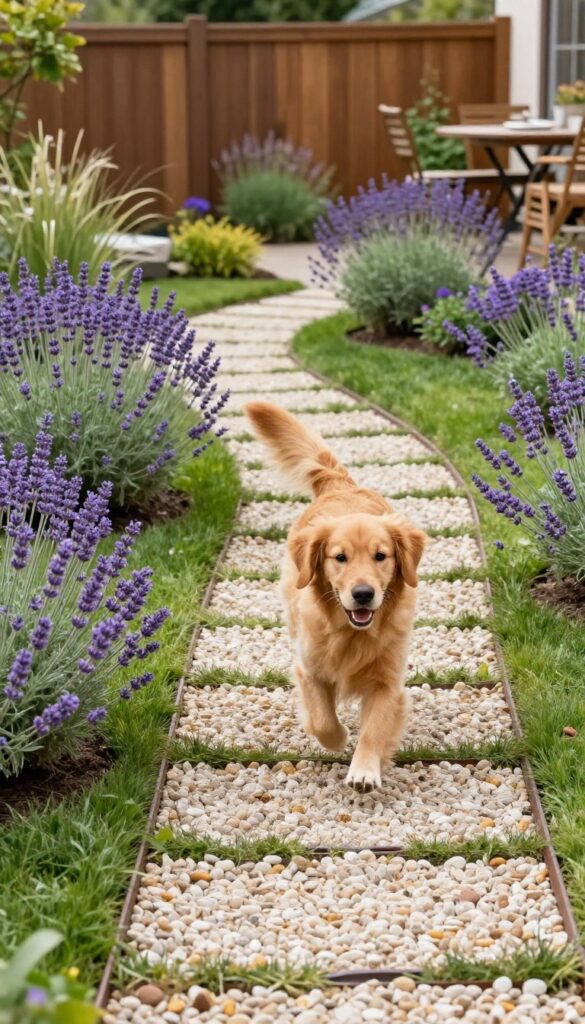
A gravel or pea stone path is one of the simplest ways to give your dog a designated running lane while upgrading your yard's look. Unlike grass, gravel drains quickly and won't turn into a mud pit after rain. It also creates a clear boundary that discourages digging in flower beds.
Why It Works
Gravel paths provide excellent traction for dogs, even when wet, and the stones stay cool in summer. They're low-maintenance—just rake occasionally to keep them even. Plus, the crunch under paws gives dogs sensory feedback they love.
Best For
This works great for active dogs that love to sprint or patrol the yard. It's also ideal for owners with heavy clay soil that stays muddy, or anyone wanting a clean, modern look without constant lawn upkeep.
Practical Tip
Use pea gravel with rounded edges to avoid paw irritation. Lay landscape fabric underneath to prevent weeds and keep stones from sinking into soil. Edge the path with steel or stone borders for a crisp, intentional finish.
Budget-Friendly Option
Instead of buying bagged gravel, check local landscaping supply companies for bulk delivery—it's often half the price. You can also use crushed granite or decomposed granite for a similar look at a lower cost.
2. Build a Sandbox Digging Pit
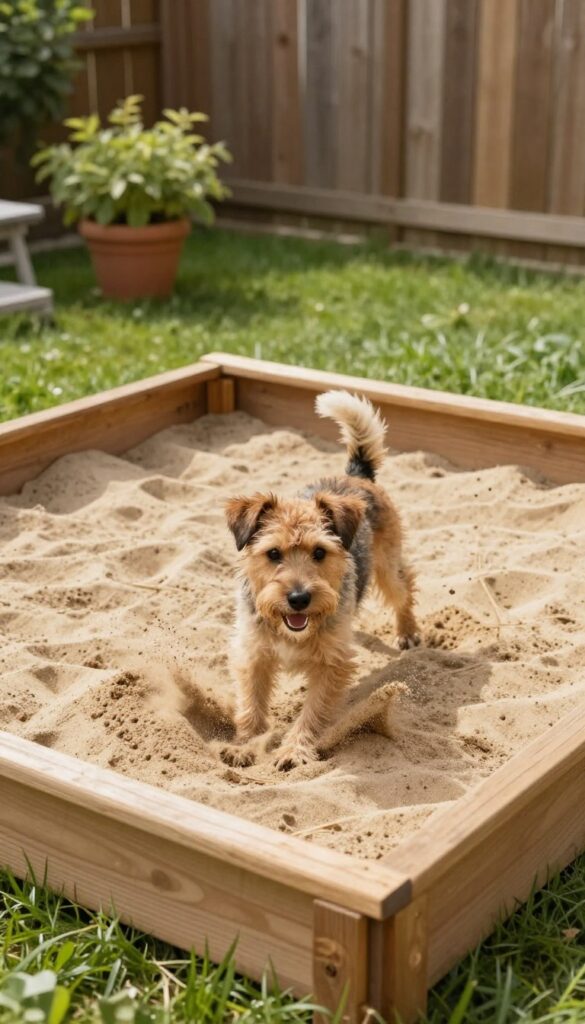
If your dog loves to dig, you know the frustration of finding craters in your flower beds. A sandbox digging pit gives them a dedicated spot to follow their instincts without ruining your landscaping. It's a win-win: your pup gets to dig to their heart's content, and your garden stays intact.
This idea works because it channels a natural behavior into a controlled area. Dogs dig for comfort, entertainment, or to hide treasures, and a sandbox satisfies that urge. Plus, it's easy to train them to use it by burying toys or treats.
Dog owners love how simple and effective this solution is. It turns a problem behavior into a fun game, and with a little framing, it looks like a stylish addition to your yard rather than an eyesore.
Why It Works
Digging is instinctual for many dogs, especially terriers and hounds. By providing an approved digging zone, you save your lawn and flower beds from destruction. The sand or soft soil feels satisfying under their paws, and hiding toys or treats inside encourages them to dig there instead of elsewhere.
Best For
This is ideal for dogs that are natural diggers—think terriers, dachshunds, or any pup that loves to burrow. It also works well for homes with a dedicated yard space where you can set aside a corner without disrupting the overall design.
Practical Tip
Frame the pit with untreated wood, large stones, or bricks to keep the sand contained and give it a clean, intentional look. Use play sand (not construction sand) to avoid dust and sharp particles. Make sure the pit has drainage holes or a layer of gravel underneath to prevent water pooling.
Budget-Friendly Option
Skip the fancy pre-made sandbox and build your own using scrap lumber or repurposed pallets. An old kiddie pool also works in a pinch—just drill drainage holes and bury the edges slightly so it stays in place.
3. Use Artificial Turf for High-Traffic Areas
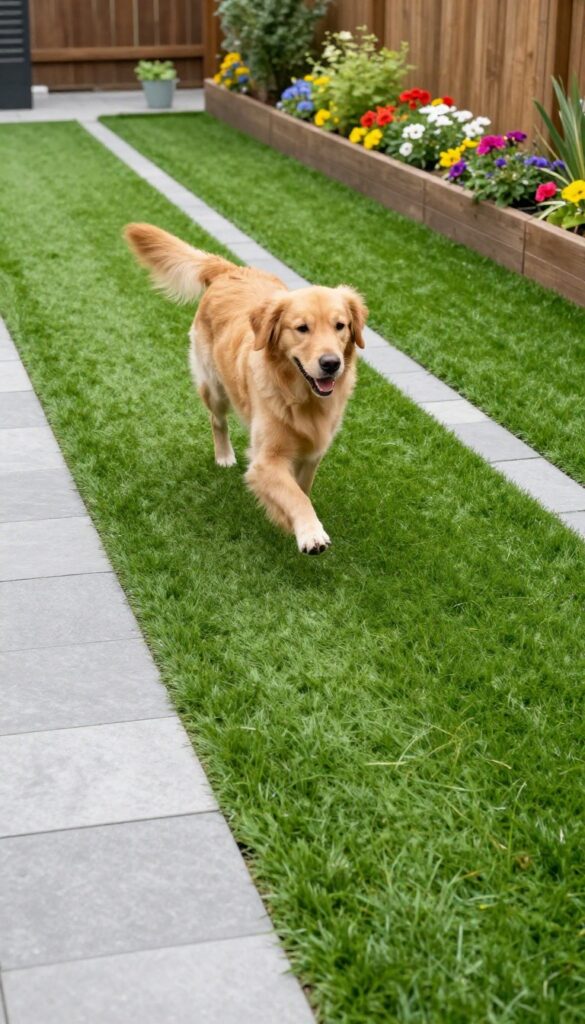
Natural grass can quickly turn into a muddy mess when your dog uses the same path every day. Artificial turf offers a solution that stays green and pristine no matter how many zoomies happen. It also eliminates the need for mowing, watering, and fertilizing.
Why It Works
Artificial turf is incredibly durable and resistant to digging and heavy traffic. It drains well, so puddles don't form, and cleaning up after your dog is as simple as hosing it down. Plus, it stays lush and green through all seasons.
Best For
This is perfect for dog owners with high-energy breeds that love to run, or for homes with multiple dogs. It also works well in shaded areas where natural grass struggles to grow.
Practical Tip
Choose a turf with a shorter pile height (around 1 to 1.5 inches) for easier cleaning and less matting. Add a layer of rubber infill to help with odor control and cushioning. For a polished look, edge the turf with stone or metal borders.
Budget-Friendly Option
If full turf installation is out of budget, consider turf runners or large artificial grass mats for the most heavily used paths. These are more affordable and can be replaced individually if needed.
4. Add a Raised Garden Bed with Dog-Safe Plants
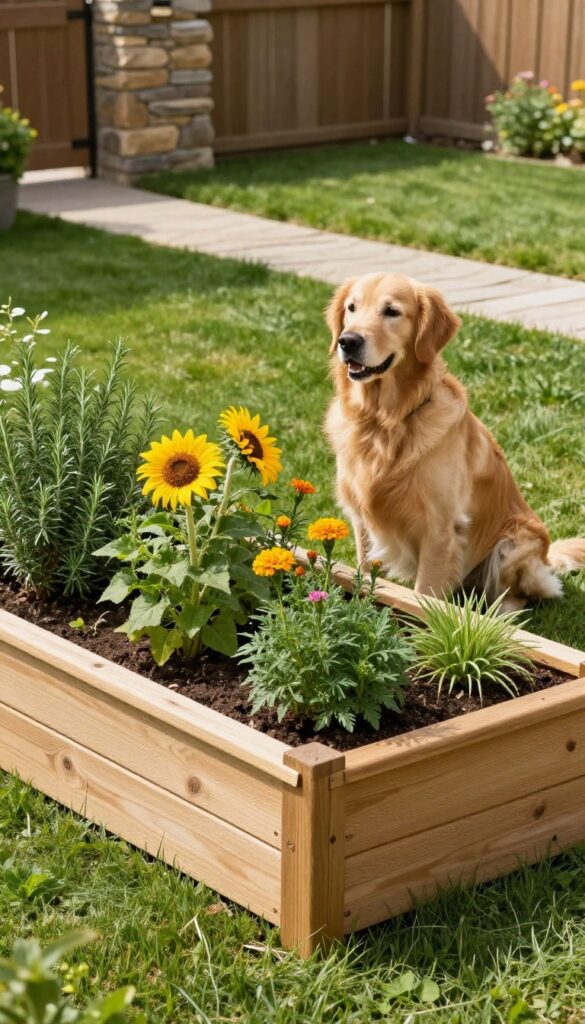
Raised garden beds are a stylish way to keep your plants out of digging range while adding structure to your yard. They create clear boundaries that dogs naturally respect, and you can fill them with non-toxic greenery that looks great. This setup gives you a lush garden without constant worry about your pup nibbling something harmful.
Why It Works
Dogs are less likely to trample or dig in raised beds because they're elevated and often have a solid border. You can choose plants like rosemary, sunflowers, or marigolds that are safe if your dog takes a curious bite. The height also keeps delicate roots protected from playful paws.
Best For
This idea works well for active dogs who love to explore and for owners who want a low-maintenance garden. It's great for small backyards where ground space is limited, and for renters who need a portable solution.
Practical Tip
Line the base of the bed with hardware cloth to prevent digging from underneath. Use untreated cedar or composite materials that resist weathering and are safe around pets. Keep the bed at least 18 inches high so smaller dogs can't easily jump in.
Budget-Friendly Option
Repurpose an old wooden crate or livestock trough as a raised bed. Just drill drainage holes and add a layer of gravel at the bottom. This costs a fraction of store-bought kits and gives a rustic look.
5. Create a Shaded Lounge Area with a Canopy
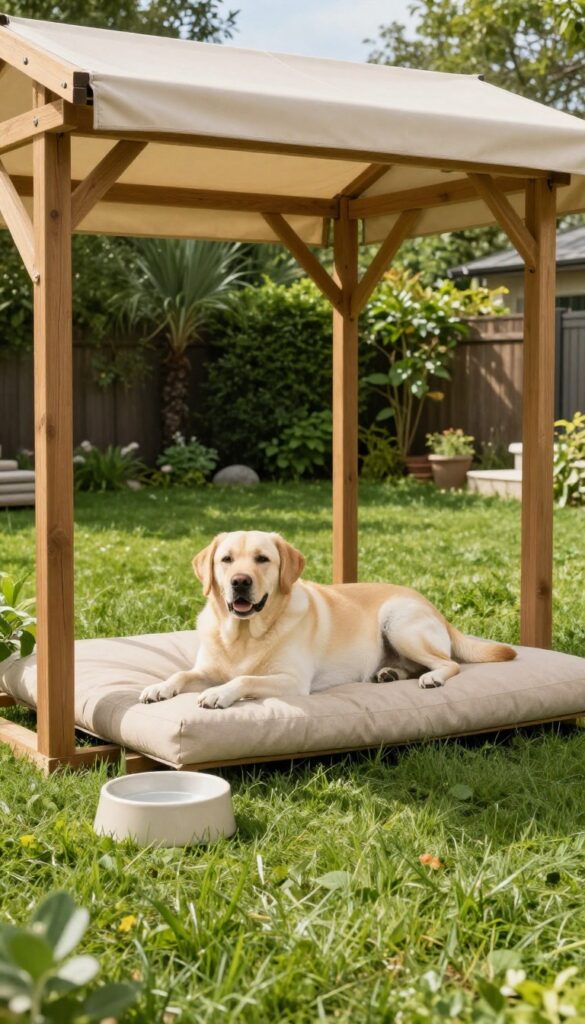
Dogs love lounging outside, but direct sun can be too much, especially during summer. A shaded lounge area gives your pup a cool, comfortable spot to nap while you enjoy the yard together. Adding a canopy or pergola creates a defined relaxation zone that looks polished and intentional.
Why It Works
Dogs can overheat quickly, and having a dedicated shaded area helps them regulate their body temperature. It also protects their paws from hot surfaces and gives them a sense of security. Plus, you get a cozy corner to sit with your dog without baking in the sun.
Best For
This setup works for any yard size, from small patios to large lawns. It's especially great for breeds prone to overheating, like Bulldogs, Pugs, or Huskies, and for owners who spend a lot of time outdoors with their dogs.
Practical Tip
Choose a shade sail or pergola with a retractable canopy so you can adjust coverage throughout the day. Add washable outdoor cushions or a pet bed for comfort, and place a water bowl nearby. If using a parasol, make sure it's weighted or secured so it doesn't tip over.
Budget-Friendly Option
Skip the pergola and use a large market umbrella anchored into a heavy base. You can also repurpose an old bedsheet or tarp stretched between two trees for a low-cost DIY shade.
6. Install a Dog-Friendly Water Feature
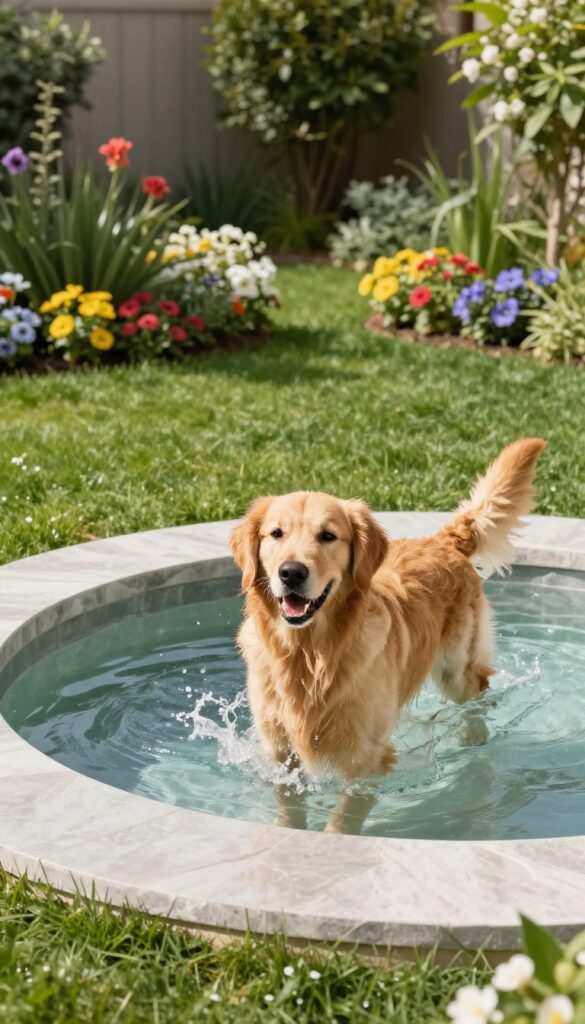
A shallow recirculating fountain or a small splash pad gives your dog a fun way to cool off on hot days. Choose a design with smooth edges and easy drainage for safety. These features add a soothing sound and visual appeal while keeping your pup entertained.
Why It Works
Dogs naturally love water, and a dedicated water feature provides a safe outlet for splashing and drinking. Recirculating systems keep water fresh and reduce waste. The gentle movement also deters mosquitoes and algae.
Best For
This idea works well for active dogs who enjoy playing in water, especially retrievers and spaniels. It's also great for warm climates where dogs need extra cooling options.
Practical Tip
Opt for a shallow basin (no more than 6 inches deep) with a non-slip surface. Place it on level ground away from electrical cords. Clean the filter weekly and change water every few days to prevent bacteria growth.
Budget-Friendly Option
A large ceramic plant saucer or a galvanized tub can serve as a budget-friendly splash pool. Add a small solar pump for circulation.
7. Use Durable, Non-Toxic Mulch
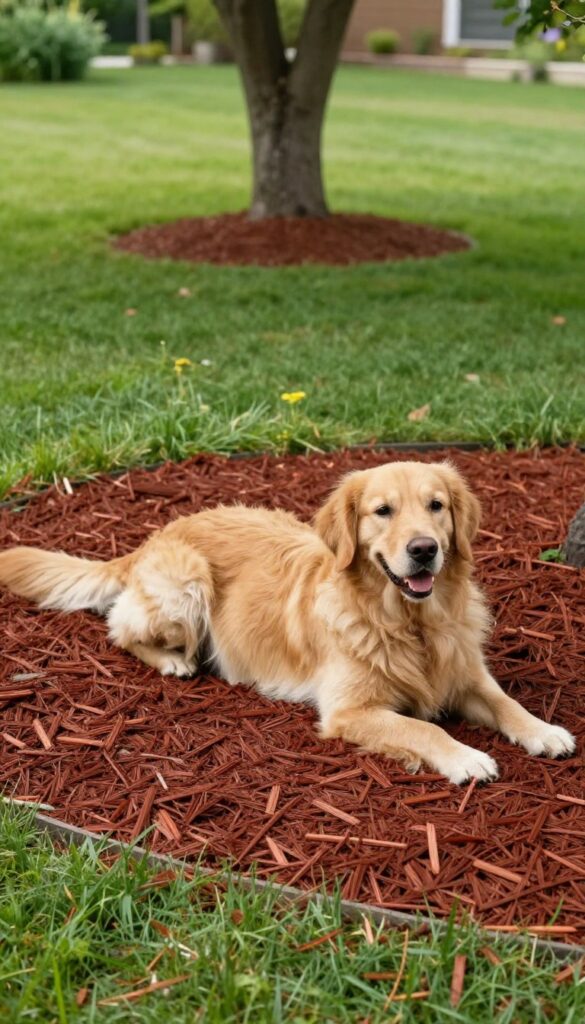
Not all mulches are created equal when you have a dog. Some break down into sharp splinters, while others contain cocoa mulch that's toxic if ingested. Swap to cedar or pine bark mulch for a safe, long-lasting ground cover that keeps your yard looking tidy without the worry.
Dogs won't be tempted to chew it, and it holds up well even after heavy rain or digging.
Why It Works
Cedar and pine bark are naturally resistant to rot and pests, so they last longer than traditional wood mulches. They also have a pleasant, woodsy scent that helps mask pet odors. Best of all, they're soft on paws and won't splinter like some cheaper options, reducing the risk of injuries during playtime.
Best For
Any backyard with active dogs that run, dig, or lounge on the ground. It's especially great for homes with puppies who explore everything with their mouths, or for owners who want a low-maintenance, weed-suppressing solution that doesn't compromise on looks.
Practical Tip
Spread a 2-3 inch layer around flower beds, trees, and pathways. Avoid piling it too thick near trunks, as that can trap moisture. Rake it occasionally to keep it even and fluff it up—this also helps you spot any debris or toys your dog might have buried.
Budget-Friendly Option
If cedar or pine bark is out of budget, look for shredded hardwood mulch from a local supplier, but double-check it's untreated and free of dyes. Avoid rubber mulch, as it can get hot and some dogs may try to eat it.
8. Design a Hidden Potty Area with Gravel or Mulch
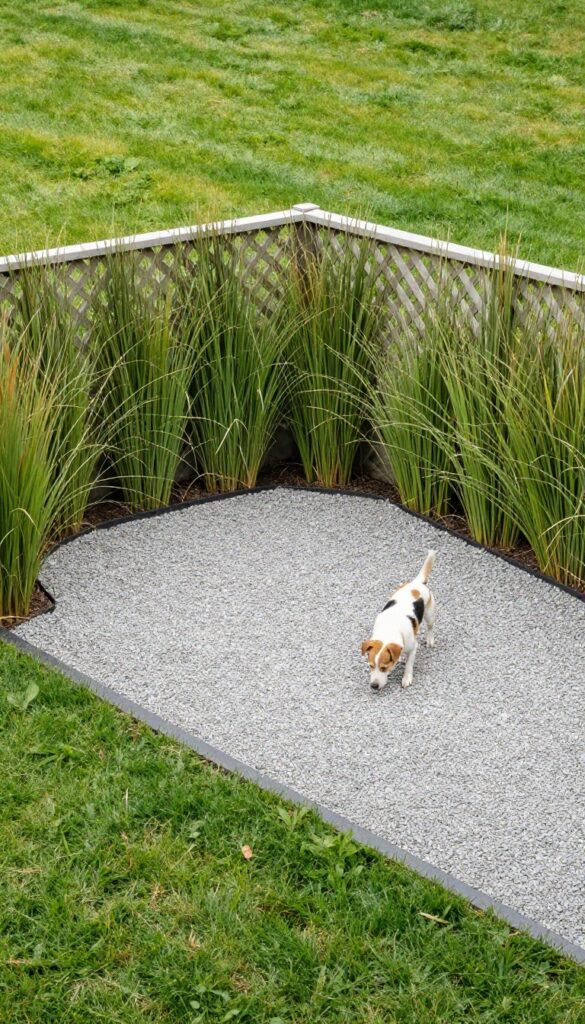
Every dog owner knows the struggle of preserving a nice lawn while giving their pup a designated bathroom spot. A hidden potty area solves that by tucking a functional zone out of sight. Using gravel or mulch keeps things tidy and easy to clean, while screening with plants or a lattice fence makes it blend into your landscape.
It's a simple way to keep your yard looking polished without constant maintenance.
Why It Works
Gravel and mulch drain well, prevent mud, and are easy to rinse down. They also discourage digging and contain odors better than grass. Your dog gets a consistent spot to go, and you spend less time repairing turf.
Best For
This setup is ideal for homes with medium to large yards where you can dedicate a corner. It works great for dogs who prefer a specific surface and for owners who want to preserve their lawn's appearance.
Practical Tip
Choose a fine, washed gravel or large pine bark nuggets (avoid cocoa mulch, which is toxic). Create a border with pavers or landscape edging to keep the material contained. Surround the area with tall ornamental grasses like maiden grass or a bamboo screen for privacy.
Budget-Friendly Option
Skip the lattice fence and use a row of tall potted plants or a simple wooden pallet painted to match your fence. You can also use free wood chips from a local tree service instead of buying bagged mulch.
9. Incorporate Dog-Safe Lighting for Evening Play
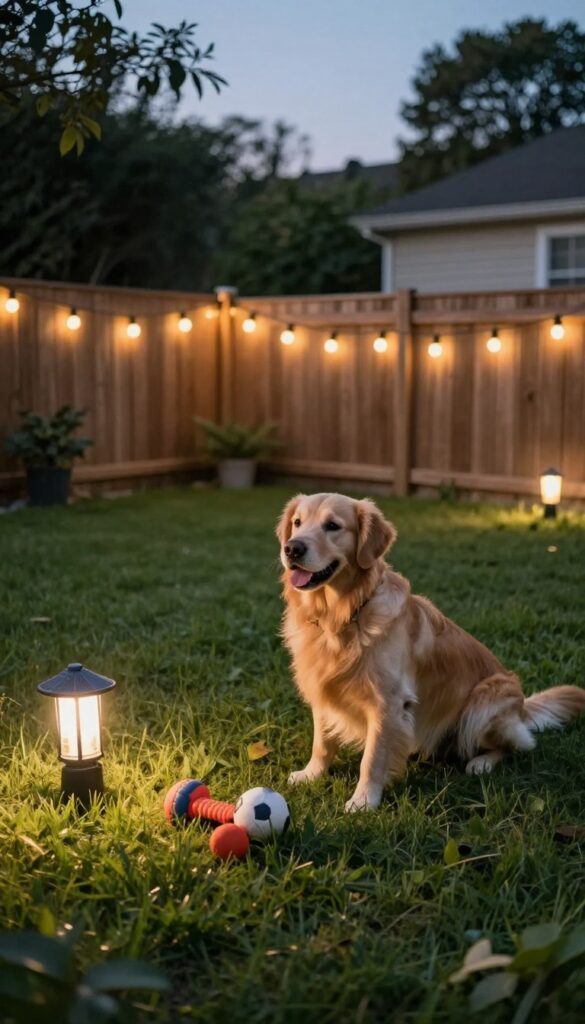
As the sun goes down, your yard doesn't have to go dark. Adding lighting extends playtime into the cooler evening hours, which is perfect for high-energy dogs. The key is choosing fixtures that are safe for curious noses and durable enough to withstand a stray tennis ball.
Solar-powered path lights and string lights create a warm, inviting glow without hiking up your electric bill. They're also easy to install—no wiring required. Just stick them in the ground or hang them along a fence, and you're set for twilight fetch sessions.
Why It Works
Dogs love routine, and evening play gives them a consistent outlet for energy before bedtime. Proper lighting prevents accidents like tripping over toys or stepping into holes your pup dug earlier. Plus, it keeps you visible to neighbors and passing cars, making the yard feel more secure.
The soft glow also helps anxious dogs feel calmer in the dark, reducing nighttime restlessness.
Best For
This idea works great for dogs that have a lot of energy to burn, especially herding breeds, retrievers, or terriers. It's also ideal for owners who work late and need to maximize outdoor time after dark. If you have a small yard or patio, string lights can define the space and make it feel cozier without taking up floor area.
Practical Tip
Place path lights along the perimeter of your yard or near any obstacles like garden beds or furniture. This creates a clear running track for fetch and keeps your dog from crashing into things. Choose fixtures with shatterproof casings and no small parts that could be chewed off.
Solar lights are great because they have low voltage and no cords to trip over. For string lights, hang them high enough that your dog can't jump up and grab them—think at least 8 feet off the ground.
Budget-Friendly Option
If solar lights are out of your budget, try using glow-in-the-dark dog toys or LED collars instead. They cost under $20 and make your pup visible without any yard setup. You can also repurpose old mason jars with LED tea lights for a rustic, cheap lighting option—just make sure the lids are secure so your dog can't knock them over.
FAQ
What ground cover is safest for dogs?
Artificial turf, pea gravel, and cedar mulch are all safe options. Avoid cocoa mulch, which is toxic to dogs.
How can I stop my dog from digging up the garden?
Provide a designated digging pit with sand or loose soil, and redirect your dog there. Bury toys or treats to make it rewarding.
Are there plants that are safe for dogs in the backyard?
Yes, dog-safe plants include sunflowers, marigolds, rosemary, and snapdragons. Always check with the ASPCA list before planting.
How do I keep my dog cool in the backyard during summer?
Provide shaded areas with a canopy or pergola, add a shallow water feature, and ensure fresh water is always available.
What type of fence is best for containing a dog?
A solid wood or vinyl fence at least 6 feet tall works well. Avoid chain-link if your dog is a climber, and check for gaps or loose boards.
Conclusion
Your dog's backyard doesn't need to be perfect—just functional and fun. Pick one or two ideas that suit your space and your pup's habits, then build from there.
Small changes like a shaded lounge spot or a digging pit can make a huge difference in how your dog enjoys the yard. Start simple, see what sticks, and enjoy watching your dog explore their upgraded outdoor space.

I’m Pallab Kishore, the owner of Little Pets Realm — an animal lover and pet care enthusiast sharing easy tips, healthy recipes, and honest advice to help every small pet live a happy, healthy, tail-wagging life.