
Last updated on August 19th, 2026 at 04:15 pm
Dog crates don't have to be an eyesore. With a little creativity, you can tuck your pup's den into a piece of furniture that actually enhances your home.
These 10 crate cabinet ideas blend storage, style, and canine comfort—turning a necessity into a design win. From built-in entryway solutions to clever IKEA hacks, each option keeps your space tidy while giving your dog a cozy retreat.
Ready to hide that crate in plain sight?
1. Built-In Entryway Crate Cabinet
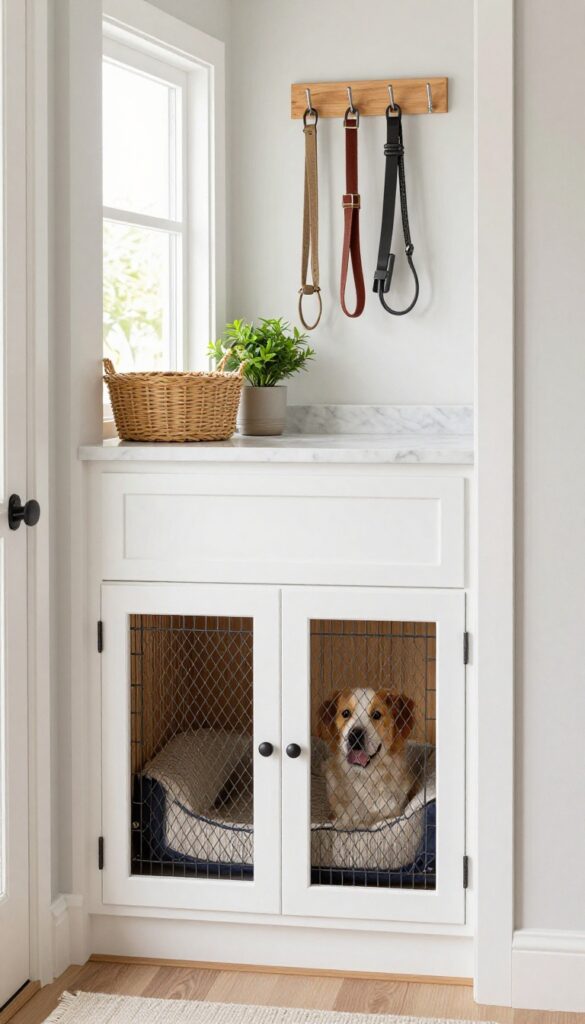
Your entryway is the first thing guests see—and the last place you want a bulky wire crate. A built-in crate cabinet turns that high-traffic zone into a drop zone for dog gear and a cozy den for your pup. Custom cabinetry lets you match existing trim and storage, so the crate disappears into the architecture.
You gain a landing spot for leashes, a shoe cubby, and a quiet corner for your dog to watch the door.
A built-in entryway crate cabinet is the ultimate multitasker. It keeps your dog's space off the floor and out of sight, while adding purposeful storage. Here's how to make it work in your home.
Design For Flow
Position the cabinet near the main entrance but out of the direct traffic path. A bench seat above the crate gives you a place to sit while pulling off boots. Add a cubby or drawer above for leashes, poop bags, and keys.
Paint or stain the cabinet to match your existing entryway furniture for a seamless look.
Ventilation And Access
Wire crate doors can be swapped for a cabinet door with a built-in mesh panel or vent grille. Use a magnetic latch so the door stays closed but opens easily. For easy cleaning, make the crate removable or add a pull-out tray beneath.
Your dog stays comfortable, and you keep the entryway clutter-free.
Smart Storage Add-ons
Install hooks on the inside of the cabinet door for hanging leashes and collars. Add a small shelf for treats and a towel hook for muddy paws. A shallow drawer at the base can hold a food bowl or a water mat.
Every inch works double duty.
2. Repurposed Media Console Crate Hideaway
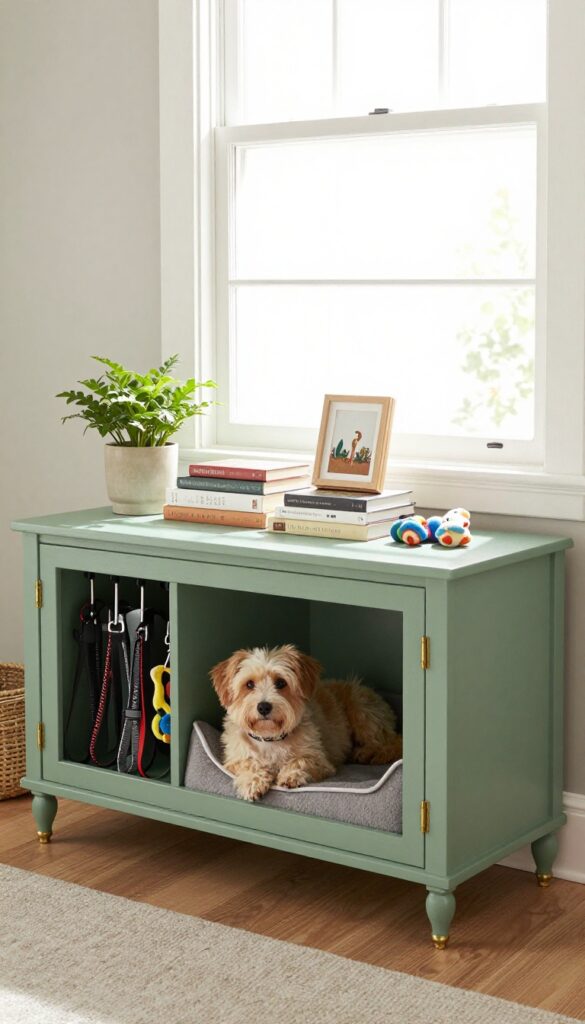
That old media console gathering dust in the garage? It’s about to become the star of your living room. Converting an entertainment center into a dog crate cabinet gives you a custom hideaway that blends right in with your existing furniture.
The best part: you get bonus storage for dog supplies, toys, or even your own media gear.
Start by removing the shelves to create one large opening for your dog’s bed. If the console has doors, you can keep them on or take them off for an open crate look. Add a cozy bed, maybe a washable cover, and your pup has a private den.
Use the side compartments or lower cabinets for storing leashes, treats, and cleaning supplies. If the console is too deep, add a false back panel to limit the space and make it feel more den-like. This project works especially well with vintage wooden consoles that have a mid-century or farmhouse vibe.
Choosing The Right Console
Look for a console that’s at least as wide as your crate and tall enough for your dog to stand and turn around. Solid wood is best for durability, but particleboard can work if you reinforce the structure. Check that the interior depth is comfortable—most dogs prefer a space that’s not too deep.
Ventilation And Safety
Since the console may not have built-in airflow, drill several small holes on the sides or back (out of sight) to keep air moving. If you keep the doors, install a mesh panel or use a baby gate inside the opening so your dog can see out and stay cool.
Styling The Exterior
Give the console a fresh coat of paint or stain to match your decor. Add new hardware like brass pulls or leather handles for an upgraded look. Top it with a lamp, books, or a plant to make it feel like intentional furniture, not a dog crate.
3. Kitchen Island Crate Insert
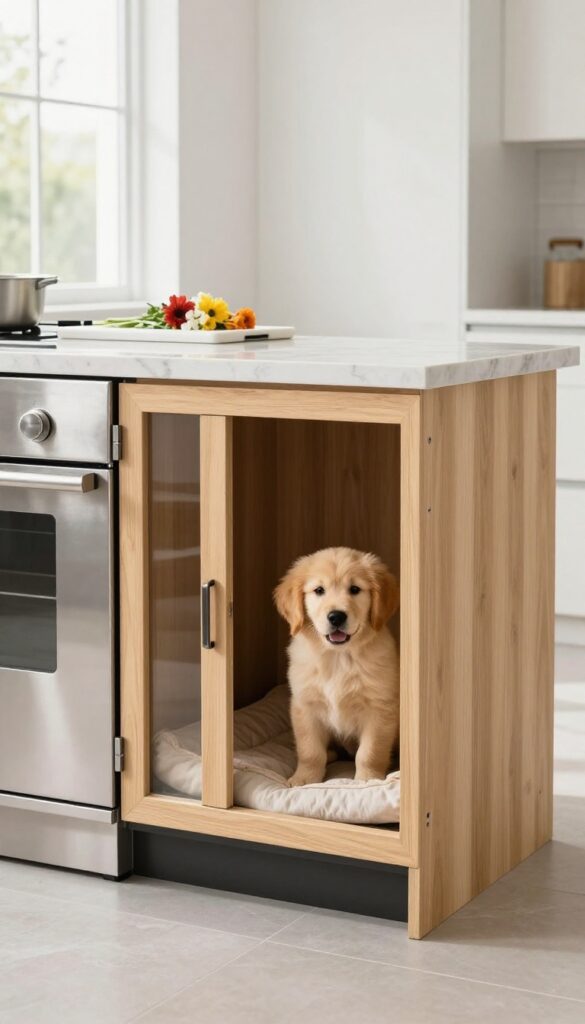
Your kitchen island can do double duty—prep space by day, dog den by night. By building a crate right into the island, you get a seamless look that keeps your pup close while you cook. No more tripping over a crate in the middle of the room.
This idea works best if you're planning a custom island or renovating an existing one. The crate sits on one side, with doors that match your cabinetry. Inside, add a comfy bed and maybe a water bowl holder.
Your dog gets a front-row seat to kitchen action without being underfoot.
Design Considerations
Make sure the crate is well-ventilated—add a small fan or vents if needed. Choose a door style that blends with your cabinets, like a paneled door or a pull-out drawer front. Consider a two-door setup: one for your dog to enter, another for easy cleaning.
Installation Tips
If you're handy, you can retrofit an existing island by removing a lower cabinet and inserting a crate. For a new island, frame the opening to standard crate dimensions. Use heavy-duty slides if you want a pull-out crate tray for easy cleaning.
Safety And Comfort
Ensure the crate is secure and can't tip over. Add a soft bed and maybe a chew toy. Keep electrical cords and sharp objects away from the opening.
Your dog should feel safe, not trapped.
4. IKEA Hack: Kallax Crate Cabinet
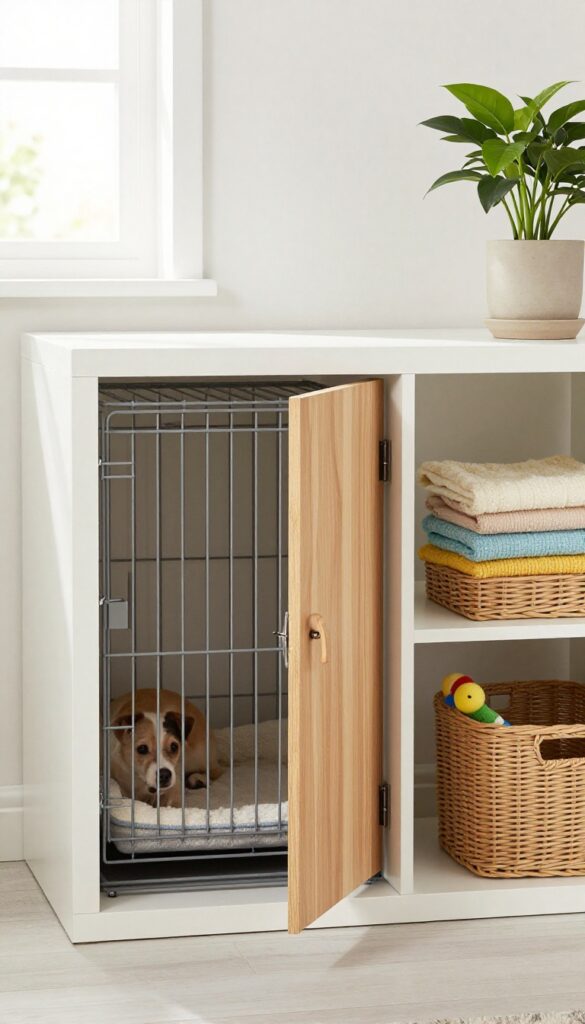
IKEA hacks are a lifesaver for budget-conscious pet parents. The Kallax shelf unit is a perfect candidate because its cube-shaped cubbies are just the right size for a small to medium dog crate. By removing one cubby's shelves and adding a door or curtain, you create a hidden den that blends with your decor.
Plus, the remaining cubbies offer tons of storage for toys, leashes, and other pet essentials.
This hack is surprisingly simple and requires minimal tools. Start with a standard Kallax unit (the 2×2 or 2×4 works best). For the crate cubby, remove the shelf and any dividers to create an open space.
Then, either attach a pre-made cabinet door or hang a curtain rod inside the cubby. Finish by placing a wire crate or a custom-built wooden box inside. The result is a stylish, multifunctional piece that hides the crate and adds storage.
Choosing The Right Kallax Size
Measure your dog's crate first. The 2×2 Kallax (30 3/8" x 30 3/8") fits crates up to about 24" long. For larger dogs, a 2×4 unit (60 3/4" wide) gives you two adjacent cubbies to combine.
Just remove the interior wall between them for a wider opening.
Door Vs. Curtain: Which Is Better?
A door offers a cleaner, furniture-like look but requires hinges and a handle. A curtain is easier and lets your dog see out. Use a tension rod and a fabric panel that matches your room.
Both options keep the crate hidden when not in use.
Styling The Remaining Cubbies
Use the other cubbies for stylish storage. Woven baskets hide leashes and toys, while open bins display dog books or treats. Add a cushion on top for a pet-friendly perch.
The Kallax's simple lines make it easy to integrate into any room.
5. Under-Stairs Crate Nook
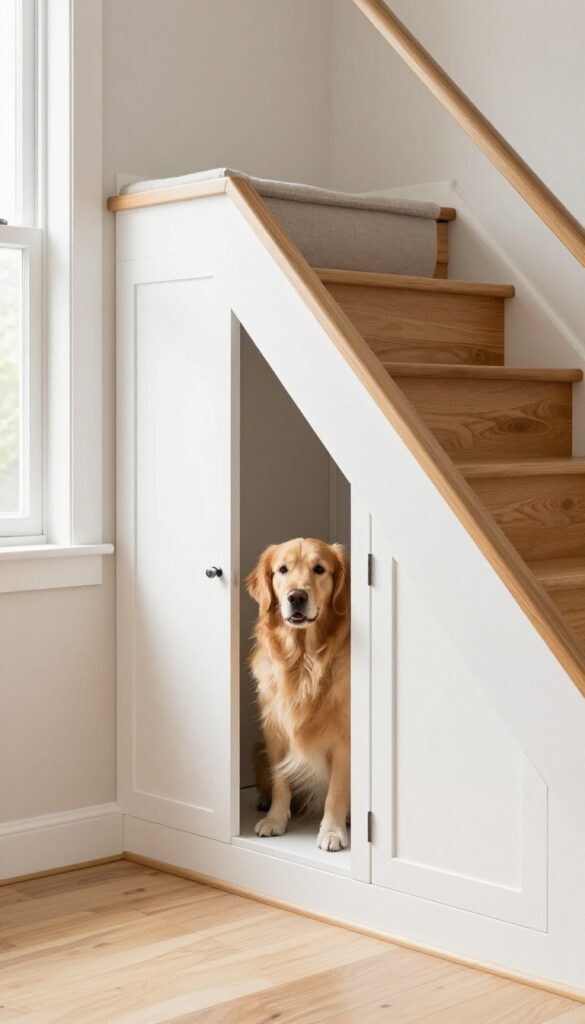
That awkward space under the stairs often becomes a dumping ground for shoes, coats, and random clutter. But with a little carpentry, it can become the ultimate hideaway for your dog's crate. A custom under-stairs nook tucks the crate out of sight while making use of square footage that's otherwise wasted.
The result is a seamless built-in look that feels intentional, not makeshift.
Building an under-stairs crate nook starts with measuring the space. You'll need enough depth and height for your dog's crate—most standard crates fit under a typical staircase. Frame out a simple cabinet with a door that matches your existing trim and baseboards.
Add a vent for airflow, and consider a pull-out tray for easy cleaning. The door can be solid to hide the crate completely, or you can install a mesh or slatted panel so your dog can still see out. Paint or stain the cabinet to blend with the surrounding walls, and add a cushion on top for extra seating or a spot for your pet to perch.
Measure Twice, Build Once
Start by measuring the width, depth, and height of the space under your stairs. Standard crates come in sizes from 24 to 48 inches long, so pick a crate that fits comfortably. Leave a few inches of clearance around the crate for airflow and easy removal.
Sketch out a simple cabinet design with a hinged door or sliding barn door if the space is tight.
Finishing Touches That Matter
Match the cabinet door style and color to your existing stair trim or nearby cabinetry for a truly built-in look. Add a soft-close hinge to prevent slamming, and install a small latch to keep the door secure. Inside, line the floor with a washable mat or a piece of vinyl for easy cleanup.
A small battery-operated motion light inside helps your dog feel safe and cozy.
Multi-purpose Bonus
The top of the cabinet can double as a bench, a plant stand, or a shelf for baskets. If your staircase has a landing, you can build a larger nook that accommodates a crate and extra storage drawers. This idea works especially well in homes with open floor plans where every inch counts.
6. Nightstand or End Table Crate
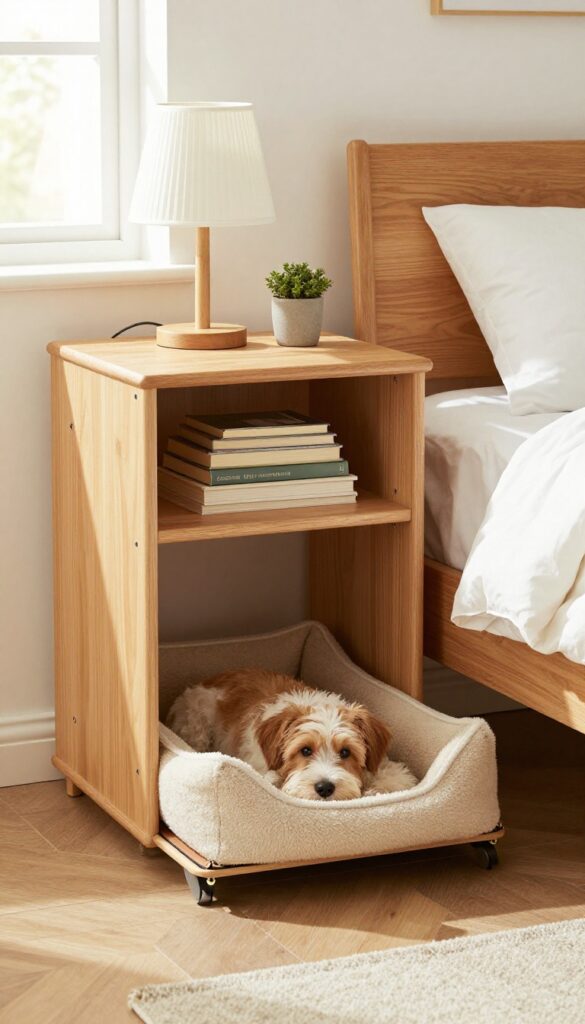
Your bedside table can do more than hold a lamp and a book. With a nightstand or end table that has a large lower compartment—or one you modify to fit a crate—you get a functional piece of furniture that also serves as your dog's private hangout. It's a smart way to keep your pup close without sacrificing floor space or style.
A nightstand crate keeps your dog near you while you sleep or relax, which can be comforting for both of you. Look for a solid wood end table with doors or an open cubby that can accommodate a standard crate. Alternatively, you can remove the bottom shelf of a cabinet-style nightstand and slide a crate inside.
The key is to ensure proper ventilation and easy access for your dog.
Choosing The Right Table
Pick a nightstand or end table that is sturdy enough to support a lamp and other items, with an interior height and width that match your dog's crate. Measure your crate first, then look for furniture with a deep lower section. Solid wood or MDF with a durable finish works best.
Avoid glass shelves or delicate materials that could break.
Modification Tips
If you're handy, you can convert an existing cabinet by removing the bottom shelf and cutting a hole in the back for ventilation. Add a soft bed inside and a small curtain or door to create a cozy den. For a no-drill option, use a tension rod and a fabric panel to hide the crate while allowing airflow.
Styling For Your Space
Match the table's finish to your existing bedroom or living room decor. Top it with a lamp, a stack of books, or a plant to make it blend in. Choose a crate color that complements the furniture—black or white metal crates are easy to match.
Add a rug underneath to tie the look together.
7. Window Seat Crate Combo
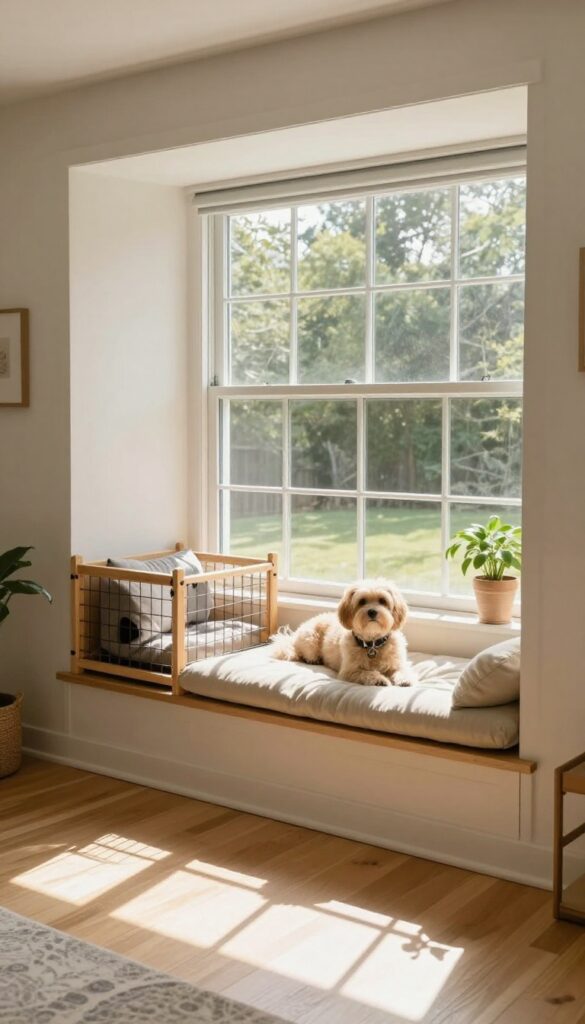
There's something special about a sunny spot by the window, and your dog feels the same way. By building a window seat with a crate built into the base, you give your pup a cozy lookout while adding functional seating and hidden storage to your home. This idea works especially well in living rooms, bay windows, or any area where you can spare a few feet of floor space.
A window seat crate combo is a smart way to maximize square footage. The crate sits underneath the seat cushion, giving your dog a private den with a view. You can use the top as a reading nook, extra seating, or a place to display plants and decor.
Plus, the space inside the crate can double as storage for pet supplies when your dog isn't using it.
Design Tips For A Seamless Look
Match the window seat's trim and paint to your existing window casing or baseboards for a built-in appearance. Choose a cushion that complements your room's color scheme. If you're handy, add a pull-out drawer beneath the crate for storing leashes, toys, and treats.
Safety And Comfort Considerations
Make sure the crate is well-ventilated and positioned away from direct drafts. Use a crate pad or a soft bed inside for comfort. If your window gets a lot of sun, consider adding blinds or curtains to prevent overheating.
Also, secure the crate to the seat frame so it doesn't shift when your dog moves.
Diy Vs. Pre-built Options
You can build a custom window seat from scratch using plywood and 2x4s, or repurpose an existing bench. Pre-built window seat crates are also available from specialty pet furniture retailers. If you're short on time, an IKEA hack using a KALLAX shelf unit can achieve a similar look with less effort.
8. Custom Closet Crate Insert
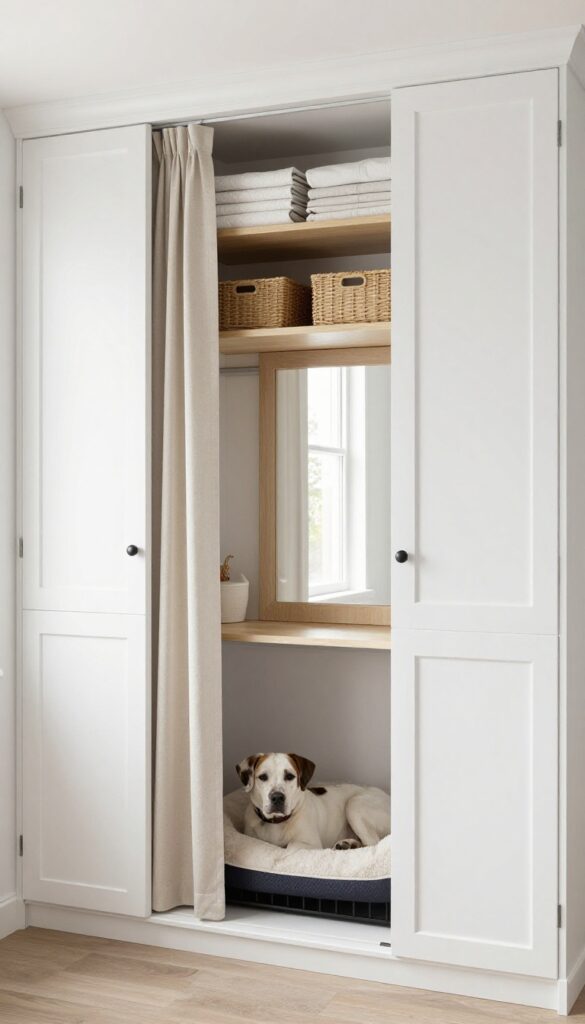
If you have a spare closet, you’re sitting on a goldmine of hiding potential. Converting the lower portion into a crate cabinet keeps your dog’s bed completely out of sight while freeing up floor space elsewhere. The best part?
You can customize the size, finish, and door style to match your room. It’s a stealthy solution that works in a home office, guest room, or even a walk-in closet.
This idea turns an unused closet into a dual-purpose zone. Your dog gets a quiet, den-like space, and you get extra storage above. The key is to remove the closet door or replace it with a pet-friendly alternative like a curtain or a half-door.
Measure your crate to ensure it fits snugly, then build or install a simple shelf above it. Use that upper area for linens, out-of-season clothes, or pet supplies. The result is a seamless, tidy look that hides the crate completely when the door is closed.
Choosing The Right Closet
Not every closet works—look for one that’s deep enough for your crate and has a door that can be modified. A standard reach-in closet is ideal. If the closet has bifold doors, you can remove one panel and install a pet door or a curtain.
For a walk-in closet, designate a corner for the crate and add a small curtain or screen. Avoid closets that are too narrow or cluttered with hanging rods you can’t remove.
Adding A Door Or Curtain
The goal is to hide the crate while giving your dog easy access. A simple curtain rod with a floor-length curtain is the easiest option—just make sure the fabric is washable and dog-friendly. For a more built-in look, install a half-door or a custom cabinet door that matches your existing trim.
You can even add a small pet door insert so your dog can come and go freely while the main door stays closed.
Maximizing Upper Storage
The space above the crate is prime real estate. Install a sturdy shelf or two for storing items you don’t need daily. Use bins or baskets to keep things organized and visually clean.
If the closet is shallow, consider a tension rod for hanging lightweight items like leashes, towels, or dog jackets. Just be sure nothing heavy can fall onto the crate below.
9. Bench with Hidden Crate
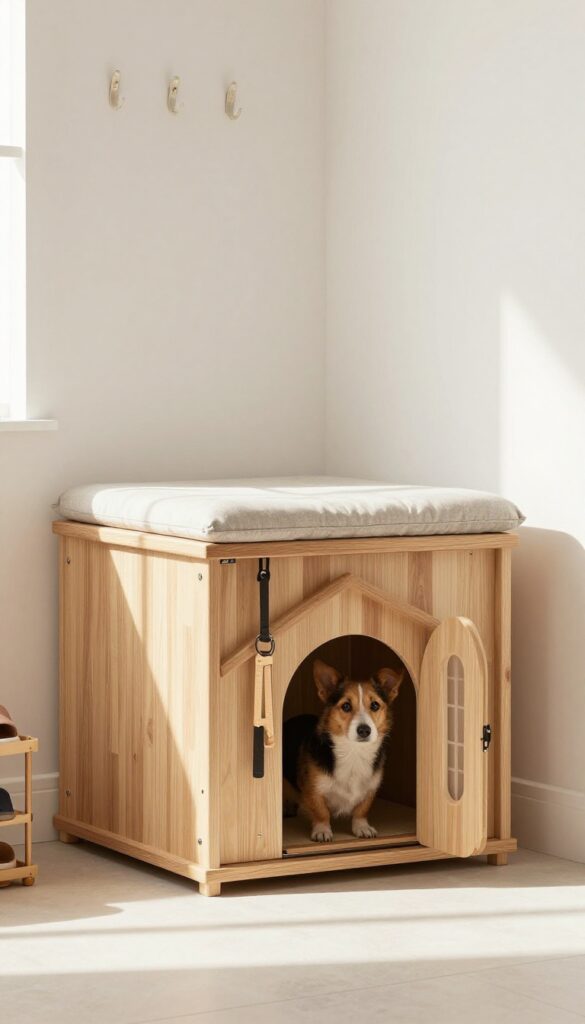
A storage bench with a hidden crate compartment works great in a hallway or mudroom. It provides seating, storage, and a private spot for your dog. This multi-functional piece keeps your entryway tidy and gives your pup a cozy den that's out of sight.
Why It Works
A bench with a built-in crate solves two problems at once: you get a place to sit while putting on shoes, and your dog gets a quiet retreat. The crate is usually tucked under the seat, accessible through a front opening. This design keeps the crate hidden from view, so your entryway looks clean and intentional.
Placement Tips
Place the bench against a wall in your mudroom or hallway, near the door your dog uses most. Add a cushion on top for comfort, and use the bench's storage compartments for leashes, treats, or shoes. If space allows, position it near a window so your dog can watch the world go by.
Customization Ideas
Choose a bench with a removable crate insert for easy cleaning. Paint or stain the bench to match your existing trim or furniture. Add a curtain or door to the crate opening for extra privacy.
You can also install a hook on the side for hanging leashes and collars.
10. Floating Crate Cabinet for Small Spaces
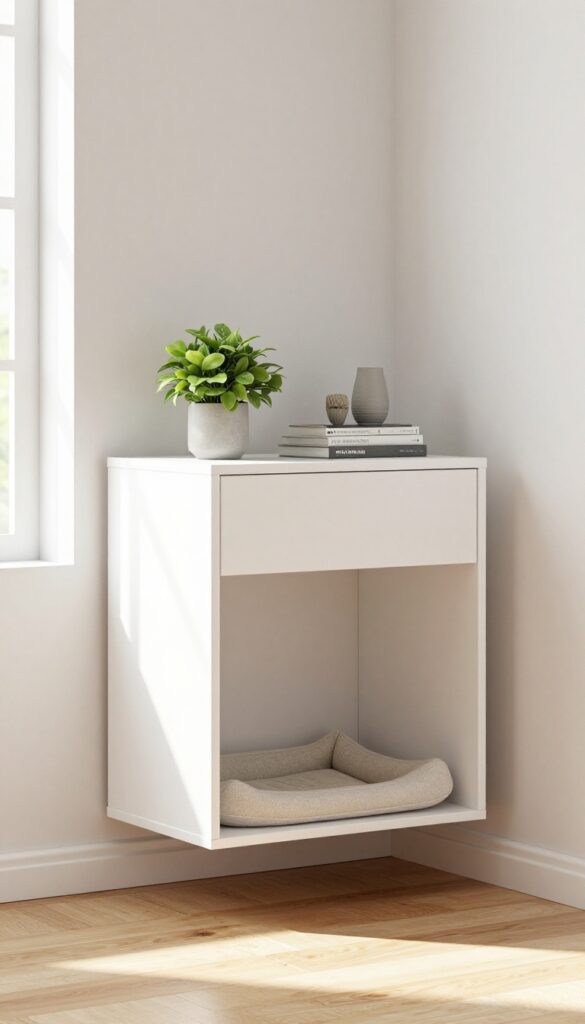
When floor space is at a premium, going vertical is the smartest move. A floating crate cabinet mounts directly to the wall, lifting your dog’s den off the ground and freeing up precious square footage. This setup is perfect for apartments, condos, or any tight corner where a traditional crate would feel bulky.
The elevated design also gives your pup a cozy, den-like perch—many dogs love being up off the floor, especially in busy households. Plus, you can style the cabinet top with plants, books, or decor to make it feel like a intentional part of the room.
A floating crate cabinet combines the functionality of a dog crate with the sleek look of wall-mounted furniture. The crate opening is built into the lower portion, while the upper cabinet offers hidden storage for leashes, treats, or cleaning supplies. Because it’s mounted, you can easily vacuum or mop underneath, keeping the area tidy.
This idea works especially well in entryways, hallways, or next to a sofa where floor space is limited.
Why Go Floating?
Wall-mounted furniture is a game-changer for small spaces. By lifting the crate off the floor, you instantly make the room feel larger and more open. The elevated position also provides your dog with a sense of security—they can see the room from a slightly higher vantage point, which many dogs find comforting.
And since the cabinet is attached to the wall, there’s no risk of it sliding around or being knocked over.
Installation Tips
Proper mounting is crucial for safety. Use heavy-duty wall anchors rated for the combined weight of the cabinet and your dog. Make sure the crate opening is at a comfortable height for your pup to enter and exit—typically 6 to 12 inches off the floor for small to medium dogs.
If you’re not handy, consider hiring a professional to ensure a secure installation.
Styling The Space
The top of the cabinet is prime real estate. Add a small lamp, a stack of books, or a trailing plant to soften the look. You can also paint or stain the cabinet to match your existing furniture.
For a cohesive feel, choose a cabinet with a door that conceals the crate when not in use, or leave it open with a cozy bed inside.
FAQ
What size crate cabinet do I need for my dog?
Measure your dog's height and length while standing and lying down. The crate should be tall enough for them to stand without hitting their head and long enough to stretch out. Add a few inches for comfort.
Can I use a regular cabinet as a dog crate?
Yes, but you'll need to ensure proper ventilation. Cut or drill holes in the sides or back, and add a crate door or a secure mesh panel. Always supervise your dog in a modified cabinet.
How do I make a dog crate cabinet look like furniture?
Choose a cabinet style that matches your existing decor—like shaker, modern, or rustic. Add trim, paint, or hardware to blend in. A solid door that hides the crate works best.
Is it safe to keep my dog in a crate cabinet?
Yes, as long as the cabinet is well-ventilated, escape-proof, and large enough. Never lock a dog in a cabinet without proper airflow, and avoid using cabinets with toxic finishes.
What are the best materials for a DIY crate cabinet?
Plywood or MDF are common for built-ins. For furniture hacks, solid wood is durable. Avoid particleboard if your dog is a chewer.
Use pet-safe paint or sealant.
Conclusion
Bringing a dog crate into your living space doesn't mean sacrificing style for function. The ideas above prove you can hide the kennel, make it blend in, or even turn it into a statement piece—all while keeping your home tidy and your pup comfortable. Start with the option that best fits your room layout and your dog's habits.
Small changes like a cabinet wrap or a side-table conversion can transform how your crate fits into daily life. Your home stays clean, your dog has a cozy den, and everyone wins.

I’m Pallab Kishore, the owner of Little Pets Realm — an animal lover and pet care enthusiast sharing easy tips, healthy recipes, and honest advice to help every small pet live a happy, healthy, tail-wagging life.