
Last updated on August 19th, 2026 at 04:15 pm
Small rooms and dog crates don't have to be at odds. With a little creativity, you can turn that bulky crate into a stylish piece that actually enhances your space.
The trick is choosing designs that pull double duty—hiding the crate while adding function or charm. Whether you're working with a tiny apartment or a cozy bedroom, these nine ideas prove you don't need a mansion to make a crate look good.
From budget hacks to furniture upgrades, each option keeps your pup comfortable and your room looking put together. Let's dive into practical, aesthetic solutions that respect both your square footage and your dog's need for a cozy den.
1. Crate as a Side Table with a Tray Top
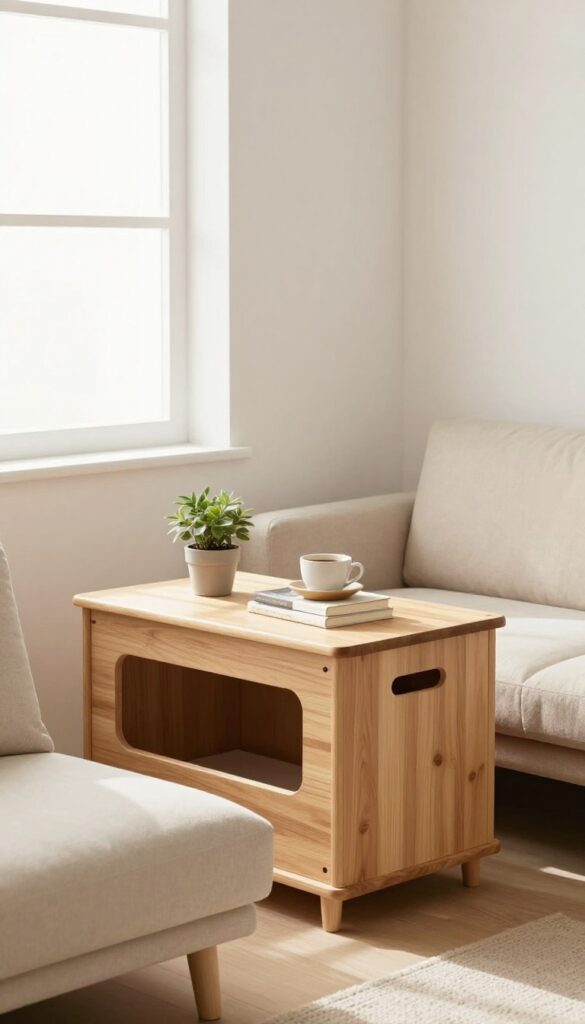
A dog crate doesn't have to be an eyesore. By placing a sturdy tray on top, you instantly turn it into a functional side table. This trick works especially well in small rooms where every piece of furniture needs to earn its keep.
The key is choosing a tray that matches your decor—wood for warmth, acrylic for a modern touch, or metal for industrial vibes. The tray also hides the crate's wire top, making the whole setup look intentional. Place it next to your sofa or bed, and you've got a spot for your morning coffee, a stack of books, or a small lamp.
Your dog gets a cozy den underneath, and you get extra surface space without adding bulky furniture.
Choosing The Right Tray
Pick a tray that's slightly larger than the crate's top to create a stable overhang. Wooden trays with raised edges prevent spills. Acrylic trays keep the look light and airy—perfect for tight spaces.
Make sure the tray is non-slip or add rubber pads underneath for safety.
Styling The Tabletop
Keep the tray uncluttered to maintain the side-table illusion. A small plant, a coaster set, or a decorative bowl works well. Avoid heavy items that might tip over if your dog bumps the crate from inside.
A stack of coasters or a slim vase adds personality without overwhelming the space.
Crate Placement Tips
Position the crate next to a sofa or bed where a side table naturally belongs. If your crate is taller, use it as an end table; shorter crates work as coffee tables. Ensure the crate is on a rug or mat to prevent scratches and noise when your dog moves around.
2. Built-In Crate Under a Window Bench
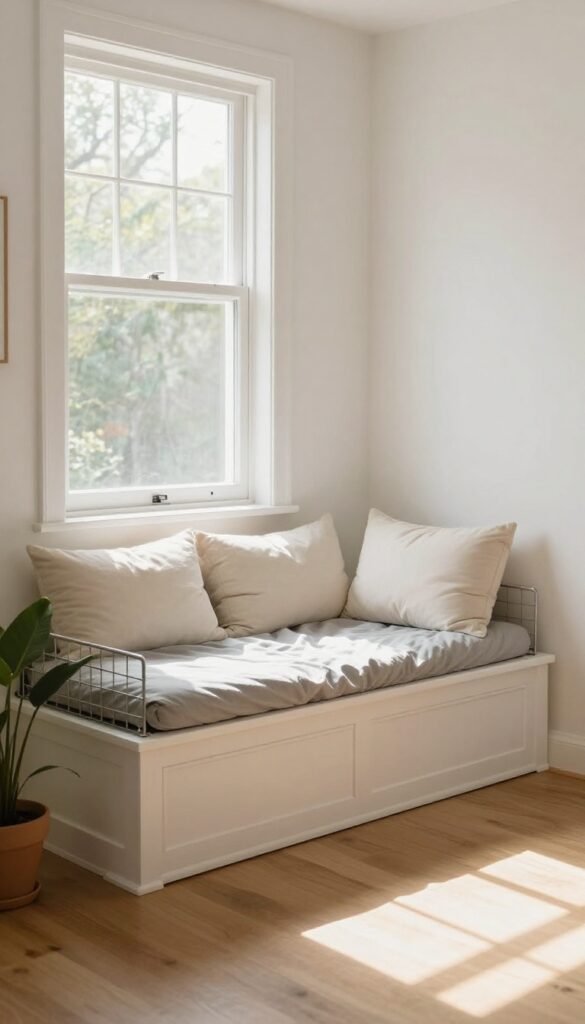
That awkward window nook in your living room or bedroom? It's prime real estate for a built-in dog crate. By framing a crate into a custom bench, you create a cozy den for your pup and a functional seat for yourself.
The key is making it look intentional—like the bench was always meant to be there.
A built-in crate under a window bench is a permanent but beautiful solution for small spaces. It turns an unused corner into a multi-purpose zone: your dog gets a private spot with a view, and you gain extra seating and hidden storage. The structure can be as simple or elaborate as your DIY skills allow, but even a basic frame with a plywood top and cushion transforms the crate into furniture.
Measure your crate first, then build the bench around it. Leave enough clearance for the door to open fully—front or top access both work. Paint or stain the wood to match your trim or walls, and add a thick cushion on top for lounging.
For extra storage, include a hinged lid or pull-out bins beneath the seat cushion. This idea works best if you own your home or have landlord approval for minor construction. But the payoff is huge: a seamless look that makes a small room feel larger and more intentional.
Choosing The Right Crate For A Built-in
Wire crates are easiest to build around because they're lightweight and ventilated. Plastic crates work too, but need more airflow—leave gaps or add side vents. Measure the crate's height, width, and depth, then add an inch or two for wiggle room.
If you use a folding crate, make sure the bench doesn't block the collapse mechanism if you ever need to move it.
Diy Vs. Professional Build
If you're handy with a saw and level, a weekend DIY project can save money. Use plywood, 2x2s, and basic hardware. For a polished look, hire a carpenter to match your existing baseboards and crown molding.
The cost varies, but expect $150–$400 for materials if DIY, or $500–$1, 200 for a pro build, depending on size and finish.
Making It Cozy For Your Dog
Add a washable crate mat or bed inside, and consider a blackout curtain or tension rod with a fabric panel for privacy. Place the crate so your dog can see outside—dogs love watching the world go by. Keep the area clean with a removable tray or liner under the bed.
3. Crate Inside a Console Table
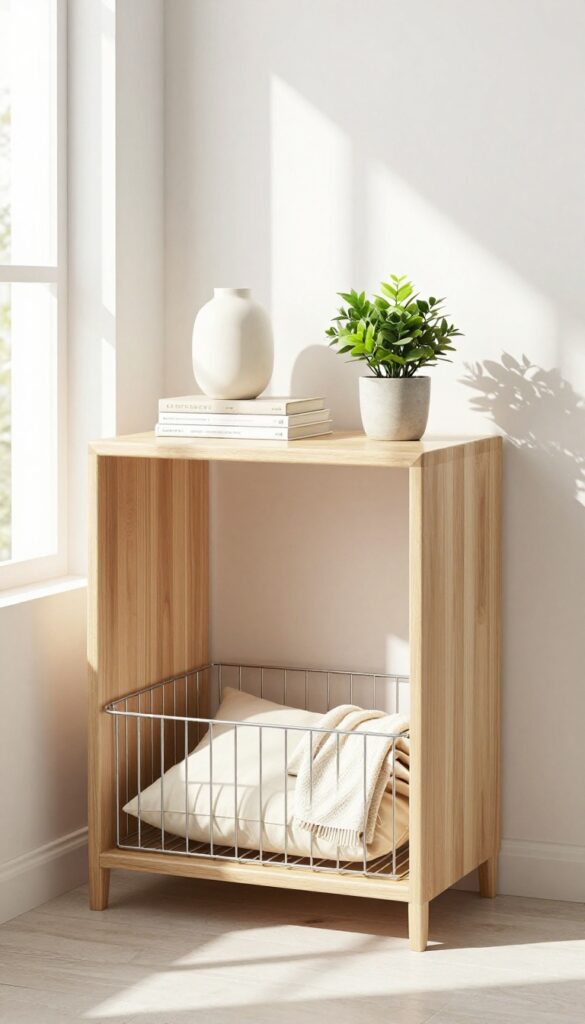
Console tables are often slim and tall, making them perfect for tight spaces. If yours has a lower shelf or an open cubby, you might already have a crate hiding spot. This trick turns your dog's crate into a piece of furniture that belongs in the room.
The key is finding a console table with enough clearance underneath. Measure your crate's height and depth first, then look for a table with an open shelf or cubby that can accommodate it. Slide the crate in from the side or front, depending on the table's design.
The tabletop becomes a landing zone for keys, a lamp, or a stack of books. Your dog gets a cozy den, and you get a stylish entryway or living room piece.
Choosing The Right Console Table
Look for a table with an open lower shelf that is at least a few inches taller and wider than your crate. Solid wood or metal frames work best. Avoid tables with crossbars or center supports that might block the crate.
Measure twice to ensure a snug fit.
Styling The Tabletop
Use the tabletop to distract from the crate below. A tall lamp, a stack of coffee table books, or a decorative tray with a candle draws the eye upward. Add a small plant or a framed photo for a personal touch.
Keep it simple so the table doesn't look cluttered.
Making It Cozy For Your Dog
Place a soft bed or cushion inside the crate for comfort. You can also add a blanket that matches the room's color scheme. If the crate is visible from the side, consider attaching a fabric panel or curtain to the table's front edge for a cleaner look.
4. Decorative Crate Cover with Curtains
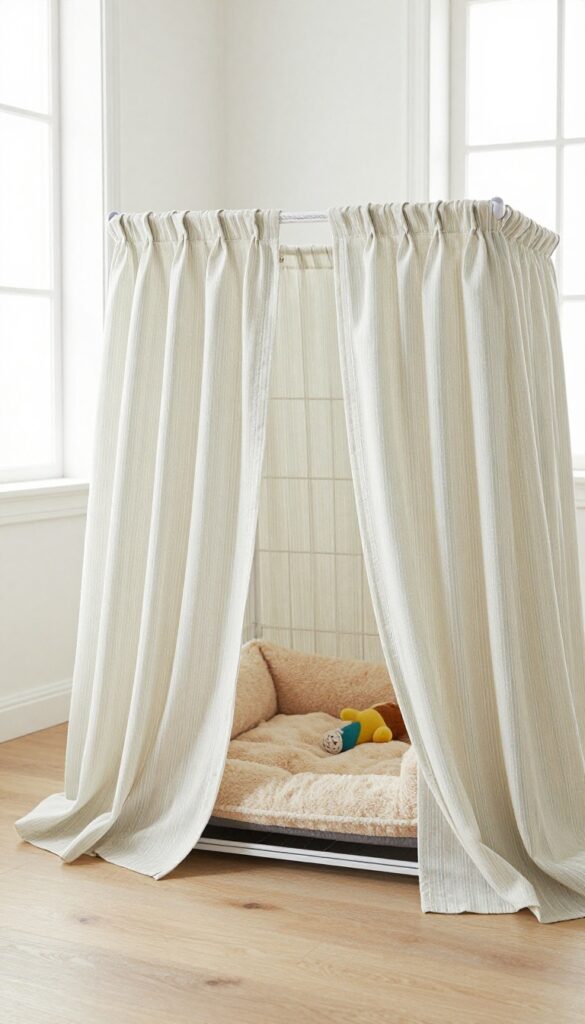
Curtains aren't just for windows. A fabric cover with a rod turns your dog's crate into a charming piece of furniture that blends right in. You can buy a ready-made cover or DIY one with a tension rod and your choice of fabric.
Either way, it softens the hard lines of the crate and makes the space feel intentional.
Choosing The Right Fabric
Stick with fabrics that match your room's vibe. Linen and cotton offer a light, airy feel, while velvet adds a touch of luxury. If you want to hide the crate completely, go with a pattern that distracts the eye—like a subtle stripe or a soft floral.
Just make sure the fabric is breathable so your pup stays comfortable.
Diy Curtain Setup
All you need is a tension rod that fits inside the crate's opening and two panels of fabric. Hem the edges or use no-sew fabric tape for a quick finish. Drape the fabric over the rod and adjust the length so it just grazes the floor.
It takes about 20 minutes and costs under $30.
Making It Cozy Inside
Add a soft bed and a couple of toys inside so the crate feels like a den. Leave one side of the curtain partially open or tie it back with a ribbon so your dog can see out. This setup gives them privacy when they want it and keeps the room looking tidy.
5. Crate as a Nightstand with a Lamp
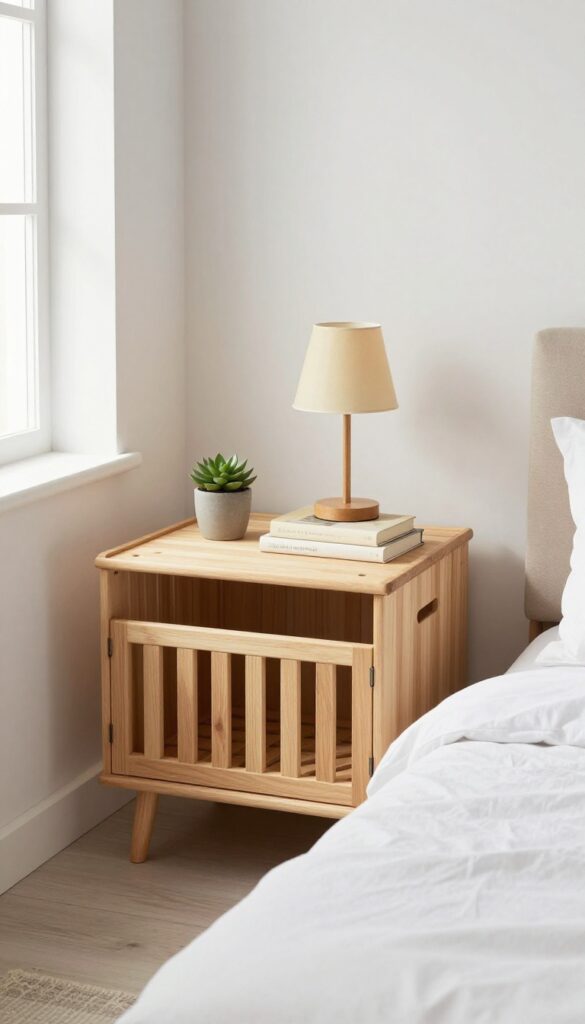
Your bedside table is prime real estate, and your dog's crate can claim a spot there. By placing a small, flat-topped crate next to your bed and topping it with a lamp, a plant, or a stack of books, you turn a bulky necessity into a purposeful piece of furniture. This swap works best with crates that have a sturdy, level surface—think wooden or metal designs with a flat top.
It's a simple, low-cost transformation that blends your pup's den into your bedroom decor.
A crate nightstand keeps essentials within arm's reach while giving your dog a cozy spot to sleep near you. Choose a crate that matches your bed frame's height for a seamless look. Add a warm-toned lamp to soften the crate's industrial edges, and tuck a small tray on top for your phone or glasses.
This setup works especially well in studio apartments or small bedrooms where every piece of furniture must earn its keep.
Choosing The Right Crate
Not every crate makes a good nightstand. Look for models with a flat, solid top—avoid rounded or sloped designs. Wooden crates with a table-like surface are ideal, but a metal crate with a flat top panel can also work.
Measure your bed's height to ensure the crate sits at a comfortable level for reaching your lamp or book.
Styling The Top Surface
Keep the top clutter-free but functional. A small lamp with a fabric shade adds soft light and warmth. Add a tiny succulent or a stack of your current reads for personality.
If your dog is a restless sleeper, secure items with a non-slip mat to prevent toppling.
Safety And Comfort
Ensure the crate is stable and won't tip when your dog moves inside. Place it against the wall or anchor it if needed. Use a crate pad or a folded blanket for your pup's comfort.
Keep cords from the lamp tucked away so your dog can't chew them.
6. Wall-Mounted Crate Shelf Combo
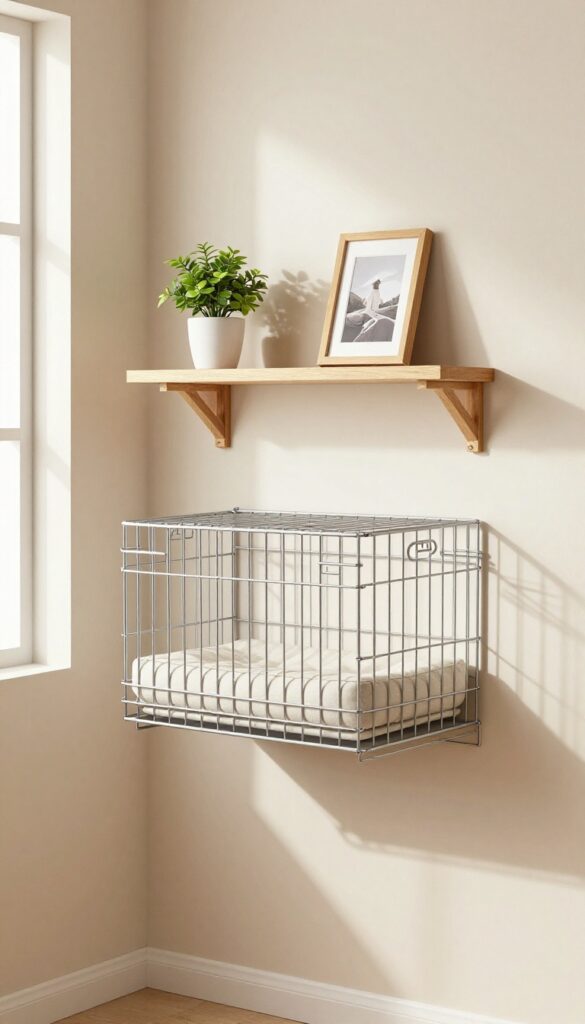
When floor space is tight, look up. Mounting your dog's crate on the wall frees up square footage and turns the crate into a design feature. Pair it with a sturdy shelf above, and you've got a built-in look that's both practical and polished.
A wall-mounted crate shelf combo is a smart solution for small rooms. By elevating the crate, you create a sense of openness and make the area feel less crowded. The shelf above becomes a stage for decor—think framed photos, a small plant, or a stack of books.
Keep the shelf simple and uncluttered to let the crate blend in seamlessly. This setup works especially well in hallways, entryways, or above a low console table.
Choosing The Right Crate
Not all crates are suitable for wall mounting. Look for lightweight, collapsible wire crates with a flat top. Some brands offer wall-mount kits, or you can use heavy-duty brackets rated for the crate's weight.
Measure your dog's size and ensure the crate sits securely without wobbling.
Shelf Style And Placement
The shelf should be at least as wide as the crate and installed about 6 to 12 inches above it. Floating shelves work well for a clean, modern look. Paint the shelf the same color as the wall to make it recede, or choose a contrasting wood tone for warmth.
Keep decor minimal—one or two items—to avoid visual clutter.
Safety And Stability Tips
Anchor the crate and shelf into wall studs using appropriate hardware. Avoid placing heavy items on the shelf that could fall if bumped. Check the setup regularly for any loosening.
If your dog is a jumper or chewer, this combo may not be ideal—use it for calm, older dogs.
7. Crate in a Closet or Nook
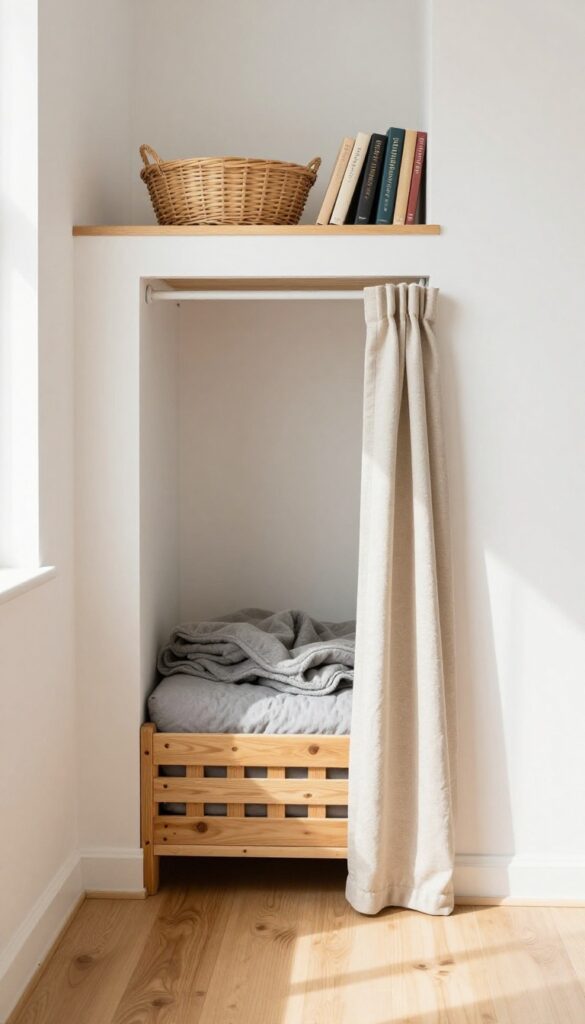
That awkward closet you never use or the shallow nook behind a door? Perfect hiding spot for a crate. By tucking the crate into an existing alcove, you reclaim floor space and give your dog a quiet retreat.
It's one of the simplest ways to make a crate disappear without buying new furniture.
Look around your room for any recessed area—a closet with a sliding door, a bump-out near the entryway, or even the space under a staircase. Measure the crate to ensure it fits snugly. Remove the closet door or swap it for a curtain to keep the crate accessible yet hidden.
Your dog gets a den-like space that feels secure, and you get a clutter-free room.
Choosing The Right Spot
Not every closet or nook works. Pick one that's close to where you spend time so your dog doesn't feel isolated. Avoid damp or drafty areas.
If the nook is deep, pull the crate forward a bit to leave room for airflow behind it.
Making It Cozy
Add a soft bed inside and maybe a blanket over the top for extra coziness. Use the space above the crate for storage—baskets or shelves keep the area functional. A curtain in a color that matches your walls makes the crate blend in seamlessly.
Ventilation And Safety
Ensure the nook has good airflow. If there's no window nearby, leave the crate door open or use a crate with mesh sides. Never block the crate's ventilation holes.
Check that the closet or nook is free of hazards like loose wires or toxic cleaning supplies.
8. Painted or Stained Crate with Plant Accents
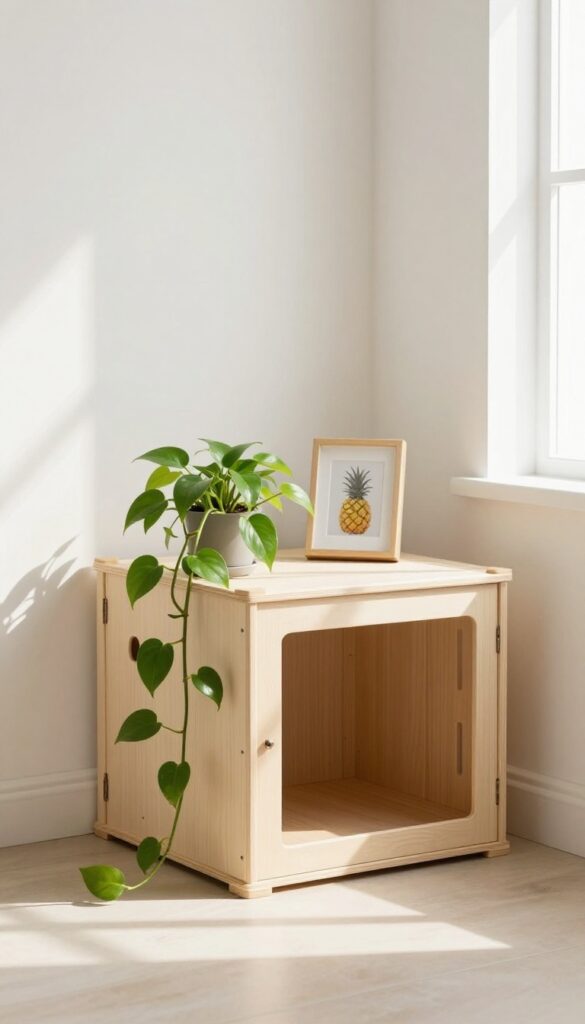
A coat of paint or stain can completely transform a standard wire or wooden crate into a piece that feels intentional. Choose a color that matches your wall, trim, or a dominant accent in the room so the crate blends into the background. Then add a trailing plant on top or right next to it to soften the hard edges and bring in some life.
The combination of color coordination and greenery makes the crate feel like a planned design element rather than an afterthought.
This idea works especially well in small rooms because it doesn't take up any extra floor space—the plant sits on top of the crate or hangs beside it. You can also lean a small framed photo or a stack of books against the crate to further disguise it. The key is to keep the palette simple and let the plant do the heavy lifting.
Choosing The Right Paint Or Stain
For wire crates, use a spray paint designed for metal and apply light coats to avoid drips. Wooden crates take well to chalk paint or a matte finish that hides imperfections. Stick with neutral tones like white, light gray, or beige for a seamless look, or go bold with a deep navy or forest green if you want the crate to pop.
Best Plants For The Job
Trailing plants like pothos, string of pearls, or philodendrons are ideal because they drape over the crate and soften its shape. If your dog is prone to nibbling, choose pet-safe options like spider plants or Boston ferns. Place the plant on a sturdy surface on top of the crate or use a wall-mounted planter nearby.
Placement And Styling Tips
Position the crate against a wall where the plant can trail down without blocking doorways or walkways. Pair the crate with a simple rug underneath to anchor the space. Keep the top of the crate clear of clutter except for the plant and maybe a small tray for keys or a phone.
This keeps the look clean and functional.
9. Crate as Part of a Gallery Wall
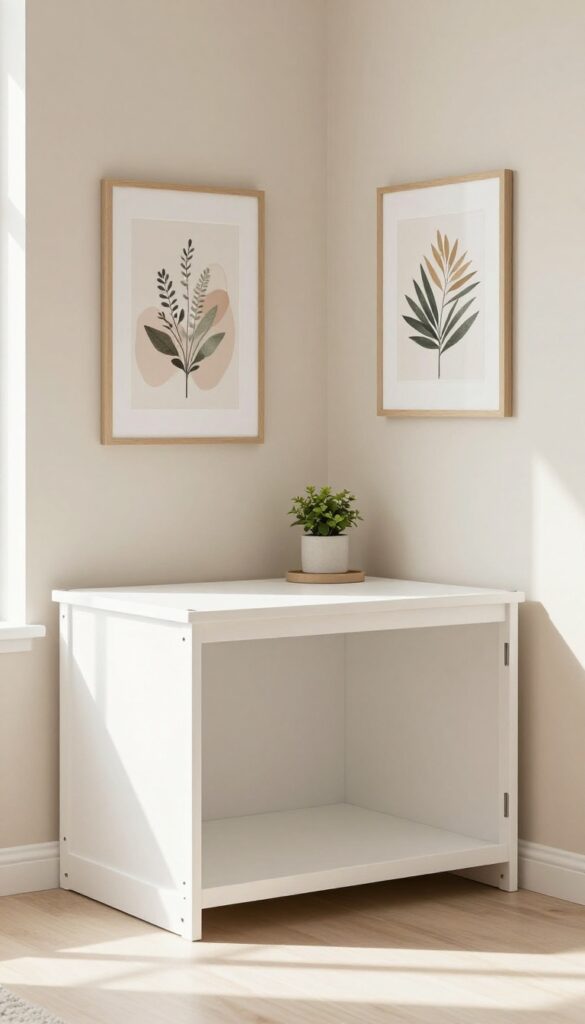
Gallery walls are a go-to for adding personality to small spaces. By incorporating your dog's crate into the arrangement, you turn a functional necessity into a focal point. The key is treating the crate like just another frame—letting it blend in while still serving its purpose.
Hanging art around and above the crate draws the eye outward, making the crate feel intentional rather than intrusive. Choose a neutral or painted crate that complements your frame colors. This trick works especially well in living rooms or home offices where you want a curated look.
Choosing The Right Crate
Opt for a wooden crate with clean lines or a wire crate with a solid back panel. Paint or stain it to match your existing frames. Avoid crates with bold logos or bright colors—they'll compete with the art.
Arranging The Art
Lay out your gallery on the floor first, placing the crate where it will sit. Arrange frames around it, leaving a few inches of breathing room. Use lightweight frames to keep the wall balanced.
Mix in a small shelf or plant for texture.
Making It Work In Tight Spaces
If your room is very narrow, use the crate as the anchor and hang art only above it. In a corner, let the crate sit at an angle and arrange frames asymmetrically. This keeps the look dynamic without overwhelming the room.
FAQ
What size crate works best for small rooms?
Choose a crate that fits your dog's adult size—not too big or too small. For small rooms, opt for a slim, low-profile crate that can double as furniture. Wire crates with a flat top are easiest to style.
Can I use a regular table as a crate cover?
Yes, as long as the table is sturdy and has enough clearance for your dog to enter and exit comfortably. Make sure the crate is fully accessible and not blocked by legs or crossbars.
How do I keep my dog cool in a crate that's part of furniture?
Ensure there's adequate airflow by leaving the crate door open or using a crate with mesh sides. Avoid enclosing the crate completely—leave gaps or use a fan nearby if needed.
Are DIY crate covers safe for dogs?
Yes, if you use breathable fabrics and secure them so your dog can't pull them inside. Avoid heavy drapes that could trap heat. Always supervise your dog with new covers initially.
What's the most budget-friendly idea on this list?
The crate cover with curtains is very affordable—just fabric and a tension rod. Painting or staining an existing crate is also low-cost and can transform its look completely.
Conclusion
Making a dog crate work in a small room is all about seeing it as furniture, not just a cage. With a little creativity, you can find a solution that fits your space and your style without sacrificing your dog's comfort.
Try one of these ideas and see how a few small changes can turn a necessary item into a room accent. Your pup gets a cozy den, and you get a space that feels put together—win-win.

I’m Pallab Kishore, the owner of Little Pets Realm — an animal lover and pet care enthusiast sharing easy tips, healthy recipes, and honest advice to help every small pet live a happy, healthy, tail-wagging life.