
Last updated on August 19th, 2026 at 04:15 pm
Your dog's crate should feel like a cozy retreat, not a punishment zone. The right bed turns that metal or plastic box into a space your pup actually wants to hang out in.
Whether you're dealing with a senior dog who needs joint support or a puppy who chews everything, these 10 ideas cover real solutions for every budget and sleeping style. From memory foam mats to DIY bolster beds, each option solves a specific problem without breaking the bank.
Let's find the perfect fit for your furry friend's corner.
1. Memory Foam Mat for Joint Support
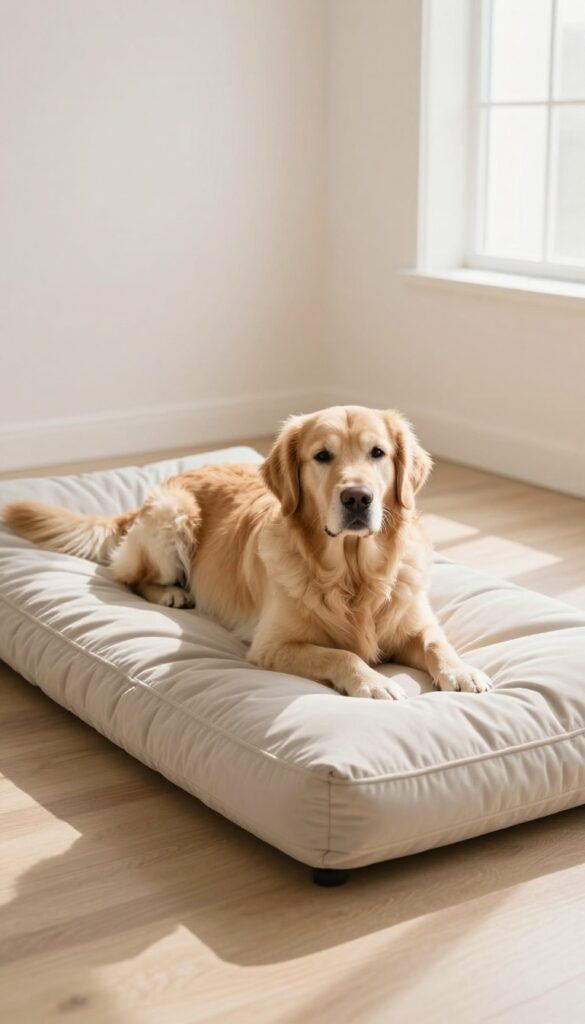
Older dogs and breeds prone to hip dysplasia need extra cushioning. A memory foam mat contours to their body, relieving pressure on joints and making the crate a comfortable place to rest. Look for a washable cover and at least 2 inches of thickness to ensure durability and support.
Memory foam mats are a game-changer for senior dogs or those with arthritis. They distribute weight evenly, reducing pain and improving sleep quality. Many options come with removable, machine-washable covers for easy cleaning.
Choose a mat that fits snugly inside the crate to prevent slipping.
Why Thickness Matters
A mat that's too thin won't provide enough support. Aim for at least 2 inches of high-density memory foam. Thicker mats also last longer and resist flattening over time.
Washable Covers Are A Must
Dogs bring dirt and odors into their crate. A removable cover that you can toss in the washing machine keeps the bed fresh and extends its life. Look for water-resistant liners for accidents.
Best For Breeds Prone To Joint Issues
Large breeds like German Shepherds, Labradors, and Golden Retrievers often suffer from hip dysplasia. Memory foam helps them rest comfortably and may slow joint deterioration.
2. Fleece Blanket Bundle for Burrowers
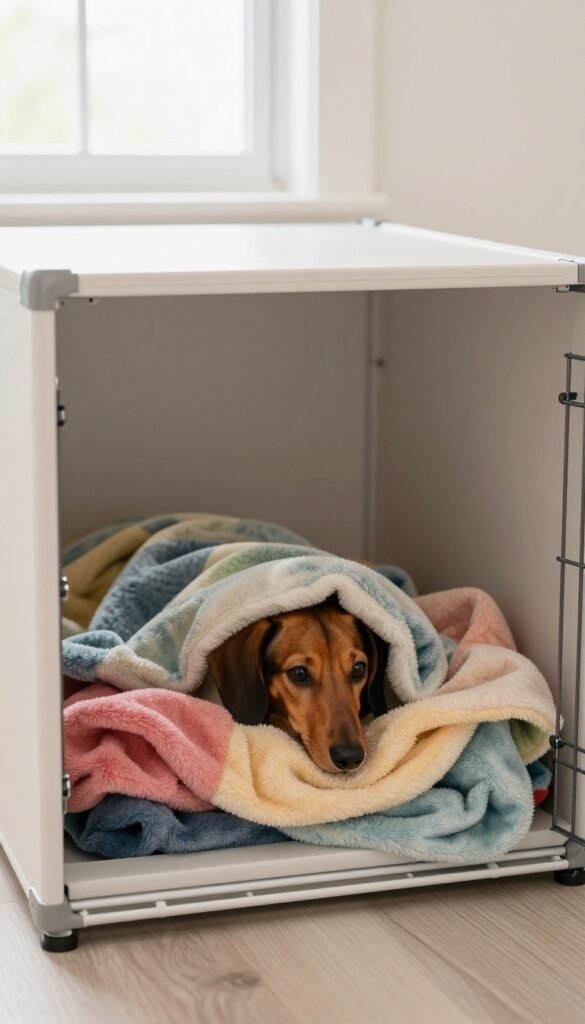
Some dogs have a natural instinct to dig, nest, and burrow before settling down. If your pup spends minutes circling and pawing at their bed, they might be craving a setup they can truly arrange to their liking. A bundle of soft fleece blankets gives them the freedom to create their own cozy cave without any complicated assembly.
Fleece is the perfect fabric for this because it traps warmth without being heavy, and it's machine washable. You can toss a couple of blankets in the crate and let your dog push, pull, and bunch them into whatever shape feels right. It's a low-cost, high-comfort solution that works especially well for terriers, dachshunds, and other burrow-loving breeds.
A fleece blanket bundle is one of the simplest ways to cater to a burrowing dog's instincts. Unlike structured beds, blankets allow your dog to manipulate the material to their exact preference. They can create a nest, a tunnel, or a flat surface—whatever suits their mood.
The key is to use multiple blankets so there's enough material to work with. Start with two or three fleece throws and see how your dog interacts with them. You can always add more or remove one if they prefer less bulk.
Fleece is also a practical choice for crate use. It dries quickly, resists pilling, and holds up well to frequent washing. Many dogs find the texture soothing, and the lack of zippers or stuffing means there's nothing to ingest if they decide to chew.
Just make sure to choose blankets without loose threads or embellishments. For safety, always supervise your dog with new bedding until you're confident they won't shred it.
Why Fleece Works For Burrowers
Fleece has a unique combination of warmth, breathability, and flexibility. It doesn't retain moisture like cotton, so it stays dry even if your dog drools or has an accident. The fabric's slight stretch allows it to conform to your dog's body, creating a snug feeling that mimics the den environment many dogs instinctively seek.
Plus, fleece is quiet—no crinkling or rustling that might startle a nervous pup.
How To Set Up The Bundle
Start by placing one blanket flat on the crate floor. Lay a second blanket on top, slightly offset, so there's overlap. Then fold or crumple the third blanket into a loose pile in one corner.
Let your dog explore and adjust. Some dogs prefer a flat layer with a bunched-up pillow, while others want a deep nest. Observe their behavior and tweak the arrangement.
Over time, you'll learn exactly how they like it.
Cleaning And Maintenance Tips
Fleece blankets are easy to care for. Wash them in cold water on a gentle cycle and tumble dry on low heat. Avoid fabric softeners, as they can reduce the fabric's loft and warmth.
If your dog is a heavy shedder, use a lint roller or brush before washing to remove loose hair. Rotate between two sets of blankets so you always have a clean one ready.
3. Cooling Gel Pad for Hot Sleepers
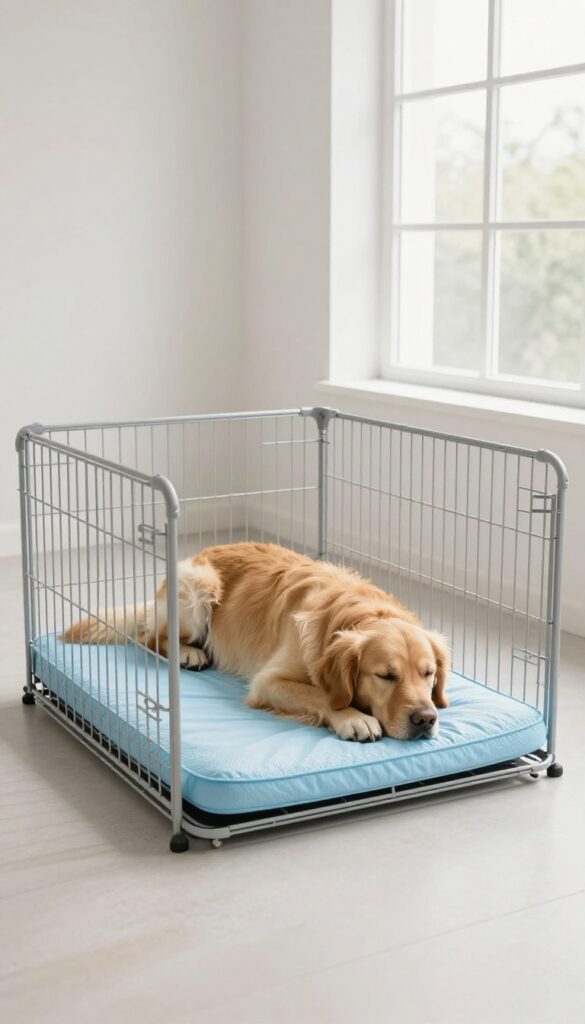
Some dogs just run hot. Whether it's a thick-coated breed or a pup who prefers cool tiles over plush beds, overheating can make crate time miserable. A cooling gel pad offers a simple fix without the hassle of refrigeration or electricity.
These pressure-activated mats stay cool naturally and provide a firm, supportive surface that many dogs find soothing on warm days or during summer months.
Cooling gel pads are a low-maintenance solution for dogs that overheat easily. They are typically made with a non-toxic gel inside a durable, chew-resistant cover. The gel is activated by your dog's weight, so it stays cool without needing to be plugged in or frozen.
This makes them ideal for crates, where airflow might be limited. They are also easy to clean—most have removable, washable covers. Just place one inside the crate and let your dog discover the comfort of a naturally cool surface.
How They Work
Cooling gel pads use a pressure-activated gel that absorbs and dissipates your dog's body heat. When your dog lies down, the gel starts cooling almost instantly. The effect lasts for several hours, and once your dog gets up, the pad recharges and is ready for the next use.
No electricity, no water, no freezing required.
Choosing The Right Size
Measure your crate floor and pick a pad that covers most of the area but leaves a little room for air circulation. A pad that's too small won't provide enough cooling, while one that's too large might fold or bunch up. Most brands offer multiple sizes, from small crates for toy breeds to large ones for Great Danes.
Safety And Durability
Look for pads with a chew-resistant cover, especially if your dog likes to nibble. The gel inside is typically non-toxic, but ingesting it could cause stomach upset. Supervise the first few uses to make sure your dog doesn't try to destroy the pad.
Many pads also have a non-slip bottom to keep them in place inside the crate.
4. Raised Cot Bed for Airflow
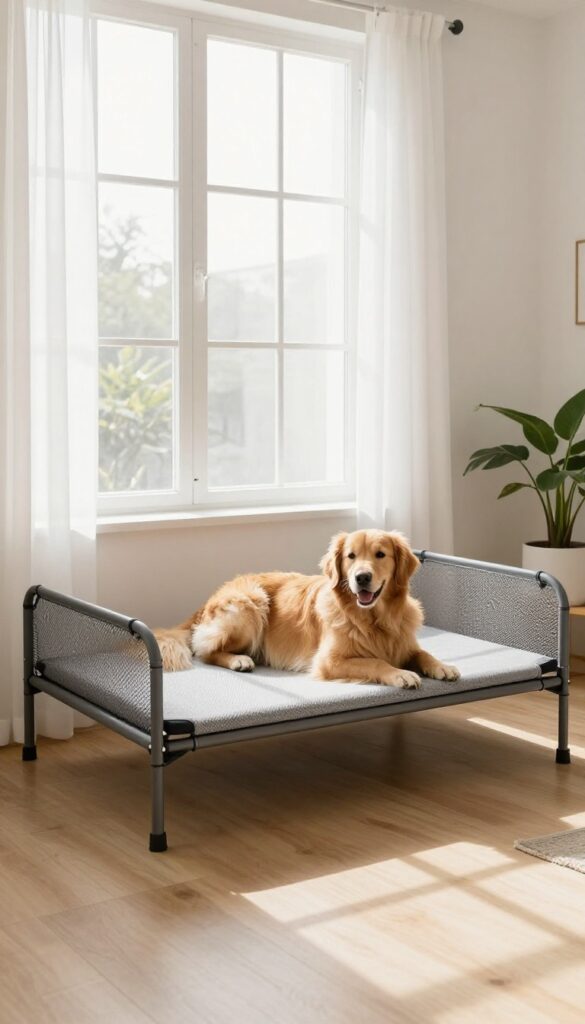
If your dog tends to overheat in their crate or you live in a warmer climate, a raised cot bed might be the perfect solution. These beds lift your pup off the floor, allowing air to circulate freely underneath and keeping them cool. They're also great for dogs with thick coats who struggle to regulate temperature.
Why Airflow Matters
Dogs cool down primarily through panting and their paw pads, but a cool surface helps too. A raised bed prevents heat from getting trapped under your dog's body, which can happen with plush or memory foam beds. The open design also reduces moisture buildup, making it less hospitable for bacteria or odors.
Durable And Easy To Clean
Most raised cot beds are made from a mesh or fabric stretched over a metal or PVC frame. This material is tough enough to withstand scratching and chewing, and it's easy to hose down or wipe clean. Many are also portable, so you can take them camping or to the park.
Who Benefits Most
Raised beds are ideal for heavy shedders, dogs with allergies, or breeds like Huskies and Golden Retrievers that overheat quickly. They also work well for senior dogs who need a firm, supportive surface to get up and down easily.
5. Waterproof Orthopedic Bed for Accidents
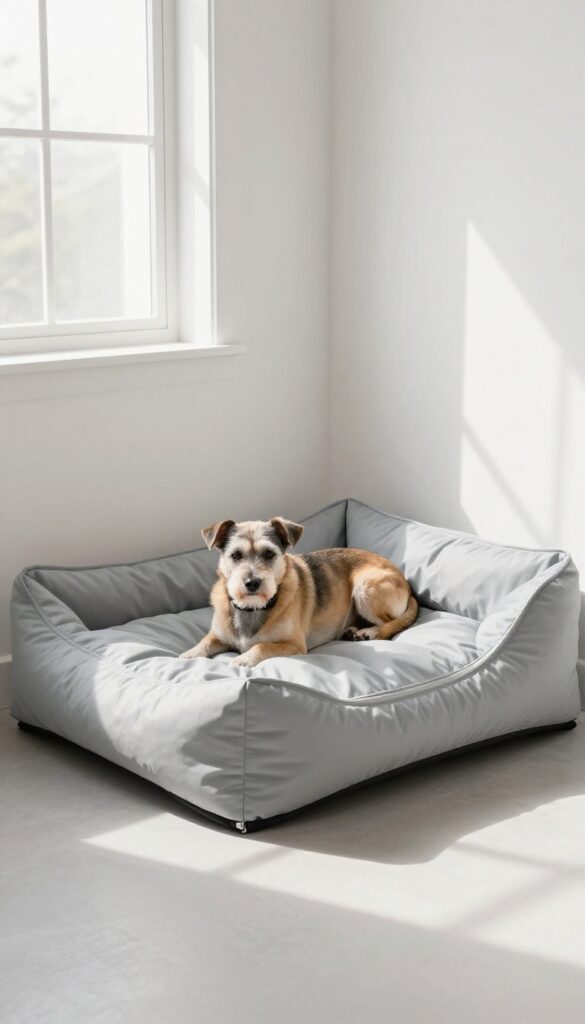
Accidents happen, especially with puppies and senior dogs. A waterproof orthopedic bed gives you peace of mind without sacrificing comfort. The waterproof layer keeps the memory foam dry and odor-free, while the removable cover makes cleanup a breeze.
It's a practical solution that doesn't look or feel like a hospital bed.
Why Waterproof Matters
Standard beds soak up moisture, leading to smells and bacteria. A waterproof liner acts as a barrier, so urine or drool never reaches the foam. This extends the bed's life and keeps your dog's sleeping area hygienic.
Look for beds with a breathable waterproof layer to prevent heat buildup.
Orthopedic Support For Aching Joints
Senior dogs and breeds prone to hip dysplasia need firm support. Memory foam conforms to their body, relieving pressure points. Combine that with waterproofing, and you get a bed that supports both health and cleanliness.
Choose a foam density that won't sag over time.
Easy-clean Design
The best waterproof orthopedic beds have zippered, machine-washable covers. Some even have a waterproof inner cover that protects the foam while the outer cover stays soft. When accidents happen, just unzip and toss the cover in the wash.
No scrubbing, no lingering odors.
6. DIY Bolster Bed from Old Pillows
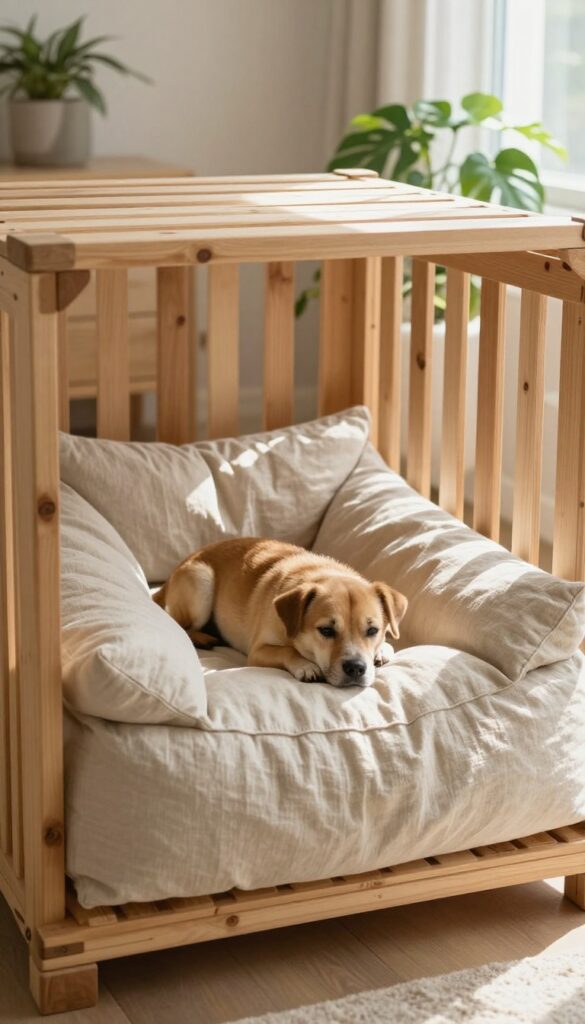
Repurposing old pillows into a bolster bed is a smart, budget-friendly way to give your dog a cozy sleeping spot. This project turns worn-out bedding into a functional crate accessory that provides comfort and security. Plus, it's an eco-friendly option that keeps textiles out of the landfill.
Start by gathering a few old pillows—standard size works well. You'll also need a duvet cover or large fabric that matches your decor. Lay the pillows flat and arrange them around the edges of the crate bed area, forming a U-shape or a full rectangle.
Sew or use safety pins to attach the pillows to the fabric, creating a raised rim. The center remains soft and flat for your dog to curl up on. This design mimics the feeling of being nestled, which many dogs find reassuring.
Adjust the number of pillows based on your dog's size and how much of a rim you want. For extra stability, you can stuff the duvet cover with additional pillow inserts or polyfill. The result is a custom bolster bed that costs almost nothing and can be easily washed by removing the duvet cover.
Why It Works
Dogs often feel more secure when they have something to lean against while sleeping. A bolster rim provides that support, mimicking the feeling of sleeping with littermates or against a wall. This DIY version is especially great for dogs who like to rest their head on something soft.
The pillows create a plush barrier that also helps keep your dog warm in cooler months.
Customization Tips
You can adjust the height and firmness of the bolster by choosing different pillow types. Firmer pillows work better for larger dogs, while softer ones suit smaller breeds. If you're handy with a sewing machine, you can create a removable cover for easy cleaning.
Adding a non-slip fabric or rug pad underneath can keep the bed from sliding around in the crate.
7. Heated Bed for Cold Winters
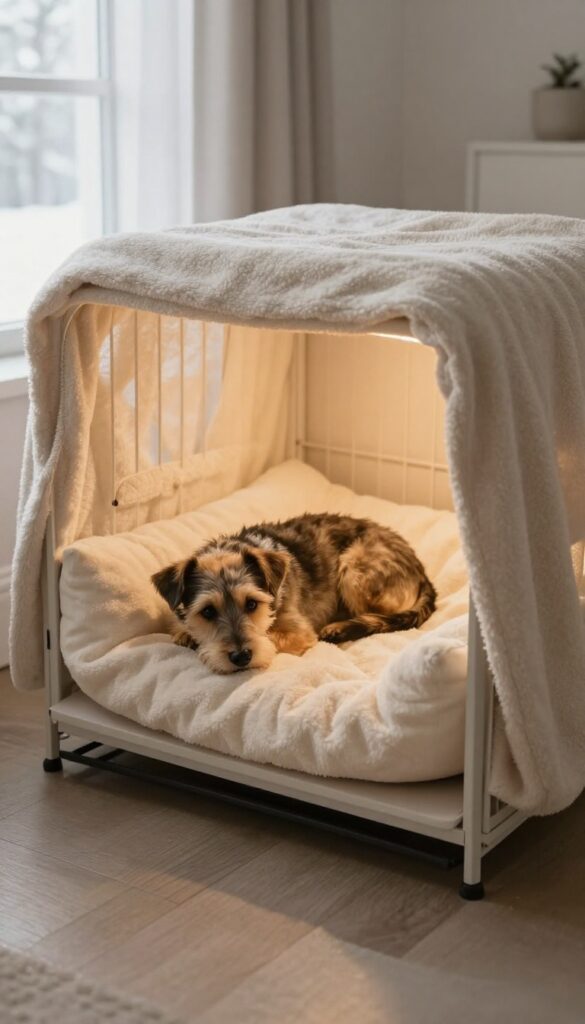
When temperatures drop, your dog will appreciate a little extra warmth in their crate. A heated bed can make that space feel like a toasty sanctuary, especially for short-haired breeds, senior dogs, or puppies who struggle to regulate their body heat. You have two main options: self-warming beds that reflect your dog's own heat, or electric heated beds with adjustable temperature settings.
Both can make a huge difference in comfort during chilly months.
A heated crate bed is a game-changer for winter comfort. It not only keeps your dog warm but can also soothe achy joints and help them settle faster. The key is choosing the right type for your dog's needs and your home environment.
Self-warming Beds
These beds use a reflective inner layer, often made of Mylar or similar material, that traps your dog's body heat and radiates it back. No electricity needed, so they're safe for chewers and easy to take on trips. They're also a great budget-friendly option.
Look for one with a removable, machine-washable cover for easy cleaning.
Electric Heated Beds
Electric beds plug into a wall outlet and provide consistent, adjustable warmth. Many feature thermostatic controls that maintain a safe temperature, and some have auto shut-off timers. Always choose a bed with a chew-resistant cord and a low-voltage design for safety.
Place the cord out of reach or use a cord protector.
Safety Tips For Heated Beds
Never use a human heating pad in a crate—it can overheat or be chewed. For electric beds, regularly inspect the cord for damage. Self-warming beds are generally safer but still need to be durable.
Wash the cover often to keep it clean and inviting.
8. Non-Slip Rubber Mat with Blanket
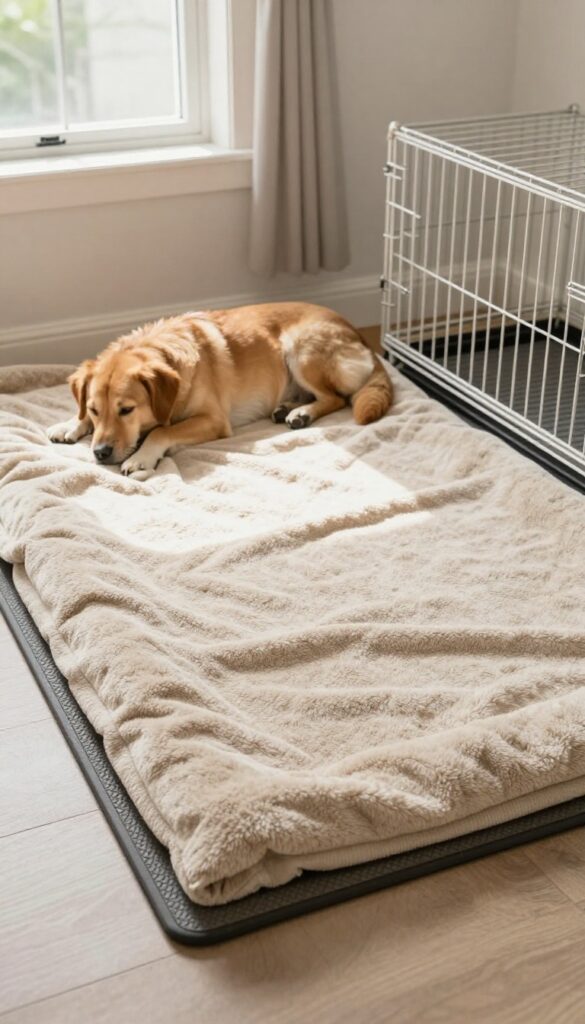
A crate bed that slides around every time your dog shifts position can be annoying and even unsafe. The simple combo of a non-slip rubber mat topped with a soft blanket creates a stable, cozy sleeping surface that stays put. It's a low-cost solution that works especially well for dogs who like to push or rearrange their bedding.
This setup is incredibly easy to assemble and maintain. The rubber mat grips the crate floor, while the blanket provides warmth and comfort. You can swap out the blanket easily for washing, and the mat can be wiped clean.
It's a practical choice for dogs that are hard on their beds or for owners who want a no-fuss option.
Why Rubber Mats Work
Rubber mats designed for pet crates often have a textured surface that prevents slipping. They're durable, easy to clean, and provide a bit of cushioning. Unlike foam or fabric beds, they won't absorb odors or stains as easily.
Just make sure the mat is the right size for your crate so it fits snugly.
Choosing The Right Blanket
Pick a blanket that's soft, washable, and appropriately sized. Fleece or microfiber blankets are popular because they're warm and easy to clean. Avoid blankets with loose threads or buttons that could be chewed off.
A blanket with a bit of weight can also help anxious dogs feel more secure.
Assembly And Maintenance Tips
Place the rubber mat flat on the crate floor, then lay the blanket on top, tucking in any excess so your dog doesn't get tangled. Wash the blanket weekly and wipe down the mat with a damp cloth. If the mat gets chewed, replace it promptly to avoid ingestion hazards.
9. Crate-Specific Bed with Raised Rim
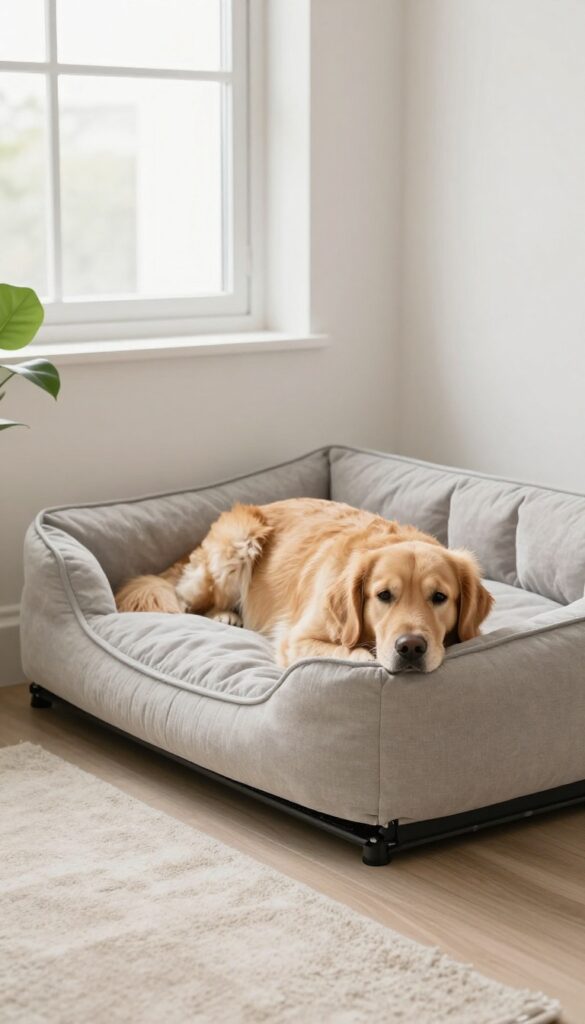
A bed that actually fits your crate makes a world of difference. Many pet brands now make beds designed to match standard crate sizes exactly, with a raised rim around the edge for head and neck support. These beds often come with a non-skid bottom to keep them from sliding around and are machine washable for easy cleaning.
It's a tailored solution that looks neat and feels intentional.
When you buy a bed that's made for your crate's specific dimensions, you eliminate the bunching and shifting that happens with generic beds. The raised rim gives your dog a natural place to rest their head, which many dogs love. Plus, the non-skid bottom means the bed stays put even when your dog jumps in enthusiastically.
Most of these beds have removable, machine-washable covers, so keeping the crate fresh is simple.
Why A Tailored Fit Matters
A bed that's too small leaves your dog uncomfortable on hard plastic, while one that's too large can bunch up against the crate walls. Crate-specific beds are cut to fit snugly, so your dog gets full use of the padding. The raised rim also creates a slight sense of enclosure, which can help anxious dogs feel more secure.
What To Look For
Check for a non-skid bottom—rubberized or grippy fabric works best. Look for a removable cover that's machine washable and dryer safe. Some beds have waterproof liners underneath the cover, which is a bonus for accident-prone pups.
Also, consider the fill: memory foam offers great support for older dogs, while polyfill is lighter and more affordable.
Top Brands To Consider
Kuranda makes durable, elevated crate beds with a rim, but for a plush option, check out PetFusion's crate mats or the AmazonBasics crate bed. For heavy chewers, look for beds with reinforced stitching and tougher fabric like canvas or denier nylon.
10. Convertible Crate Pad for Travel
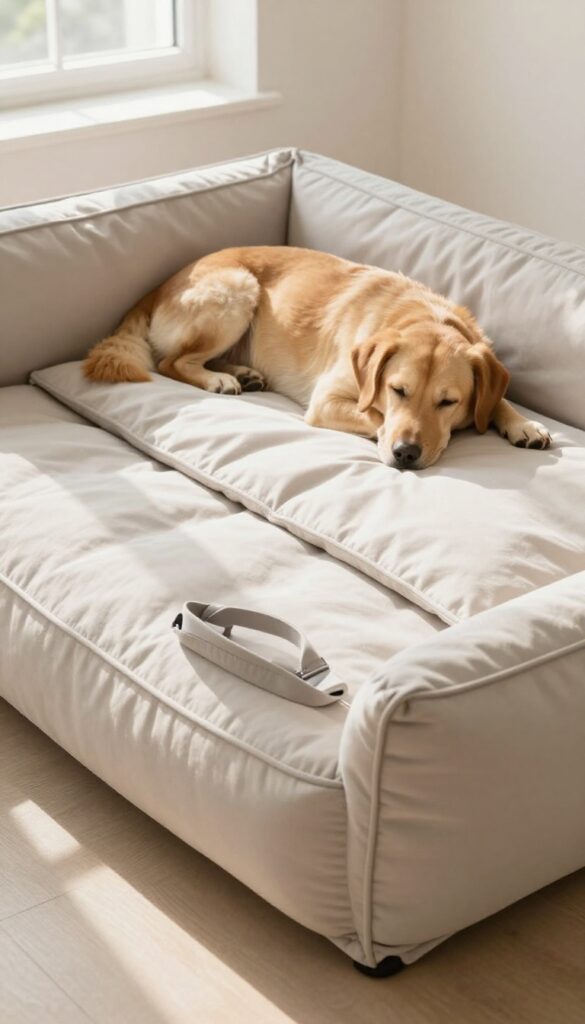
Dogs thrive on routine and familiar scents, especially when they're away from home. A convertible crate pad that doubles as a travel bed gives your pup the best of both worlds: a comfy spot inside their crate and a portable sleeping surface for trips. This two-in-one solution reduces stress during travel and makes settling into new places much easier.
A convertible crate pad is designed to be used flat inside the crate and then folded or zipped into a travel bed. This means your dog's bed goes with you to the cabin, hotel, or grandma's house, providing instant comfort. Look for pads with handles, lightweight materials, and easy-clean fabrics.
Some even have a removable cover that can be tossed in the wash. This type of bed is especially useful for dogs who are anxious travelers—the familiar smell and texture can help them relax.
Why Convertible Works
The main advantage is consistency. Your dog sleeps on the same surface at home and on the road, which reduces anxiety. Many convertible pads use foam that's firm enough for support but flexible enough to fold.
Some models have a zippered compartment that turns the pad into a pillow-style bed, while others simply fold in half and secure with straps. Either way, your dog gets a familiar space wherever you go.
What To Look For
Choose a pad with a non-slip bottom so it stays put inside the crate. Waterproof or water-resistant covers are a must for accidents or spills. Machine-washable materials make cleanup easy.
Also check the weight—lighter pads are better for carrying, but they should still offer enough cushioning. Memory foam options are great for older dogs, while microfiber or fleece tops add coziness.
Travel Tips
Before your trip, let your dog use the pad in their crate for a few days so it picks up their scent. When traveling, place the folded pad in the car or on the hotel floor. If your dog is crate-trained, you can also bring the crate itself and use the pad inside.
For air travel, check airline crate size requirements and make sure the pad fits without being too bulky.
FAQ
How do I measure my dog's crate for a bed?
Measure the length and width of the crate floor from wall to wall. Subtract 2-3 inches from each dimension to ensure the bed fits without bunching up against the sides.
What type of bed is best for a teething puppy?
Look for a durable, chew-resistant bed made from heavy-duty fabric or with a waterproof layer. Avoid beds with loose stuffing that could be ingested. A flat, tough mat is often a good choice.
How often should I wash my dog's crate bed?
Wash the bed cover every 1-2 weeks, or more often if it gets dirty or smelly. Spot clean the inner foam as needed. Regular washing helps prevent odors and bacteria buildup.
Can I use a human pillow in my dog's crate?
Yes, but choose a pillow that is washable and not too thick. A standard bed pillow can work for small to medium dogs, but ensure it doesn't take up too much space or pose a choking hazard.
Are heated beds safe for dogs?
Yes, if used correctly. Choose a bed with an automatic shut-off feature and low voltage. Self-warming beds are generally safer than electric ones.
Always follow the manufacturer's instructions.
Conclusion
Your dog's crate should feel like a safe, comfortable den, not just a place to sleep. The right bed can make all the difference in how your pup relaxes and settles.
Whether you go for a budget-friendly DIY option or invest in an orthopedic mat, the goal is to create a cozy corner your dog loves. Try one of these ideas and watch your furry friend enjoy their crate even more.

I’m Pallab Kishore, the owner of Little Pets Realm — an animal lover and pet care enthusiast sharing easy tips, healthy recipes, and honest advice to help every small pet live a happy, healthy, tail-wagging life.