
Last updated on May 22nd, 2026 at 02:34 pm
A backyard should work for both you and your dog—not become a constant battle over dug-up flower beds or escape routes. With a few smart upgrades, you can create a space that meets your dog's needs while keeping your yard looking great.
These 11 ideas focus on real, practical solutions that handle everything from zoomies to hot afternoons, and most can be done on a budget. Whether you have a tiny patio or a sprawling lawn, you'll find options that make your outdoor space safer, more fun, and easier to maintain.
Let's turn your yard into a place you both love spending time.
1. Secure Fencing That Keeps Them Safe
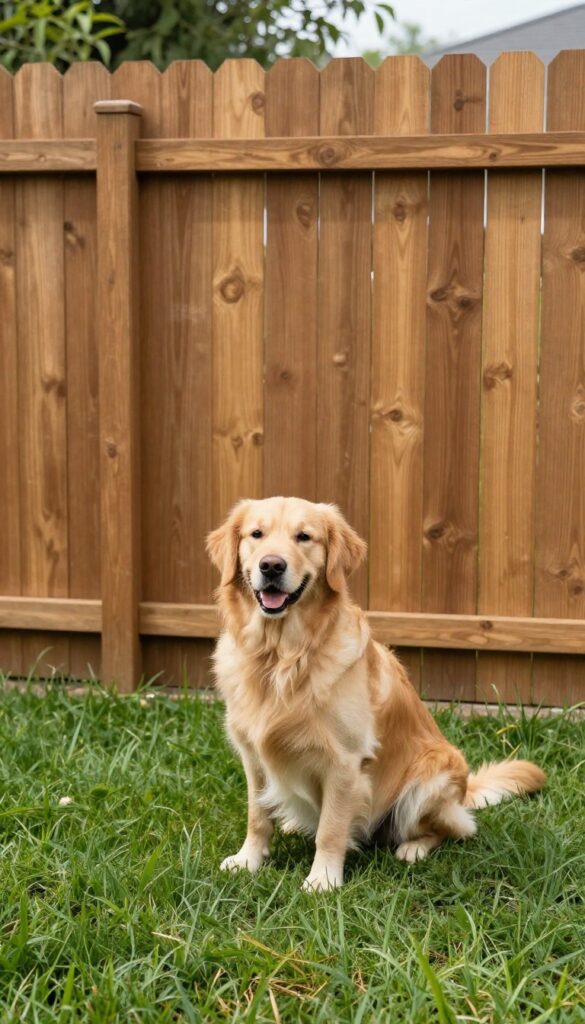
A sturdy fence is the first line of defense for a happy, stress-free backyard. Without it, every squirrel or passing mail carrier becomes a potential escape adventure. The right fence lets your dog run free while you relax, knowing they're contained and safe.
Why It Works
Dogs are natural explorers, and a secure fence removes the temptation to dig or jump out. It also keeps other animals from wandering in, reducing the risk of fights or distractions. A well-built fence gives your dog freedom and you peace of mind.
Best For
This is essential for any dog owner with a yard, especially those with high-energy breeds like Huskies, Beagles, or Terriers that love to dig or climb. It's also a must if you live near busy streets or have neighbor dogs that might provoke your pup.
Practical Tip
Choose a fence height at least 4-6 feet depending on your dog's jumping ability. Bury the bottom 12 inches or use a dig-proof barrier like chicken wire or concrete pavers. Regularly check for gaps, loose boards, or holes near gates.
Budget-Friendly Option
If a full fence is out of budget, consider a portable exercise pen or a heavy-duty dog run attached to your house. You can also reinforce an existing fence with tension wire along the bottom and zip-tie mesh to fill gaps.
2. A Shaded Spot for Hot Days
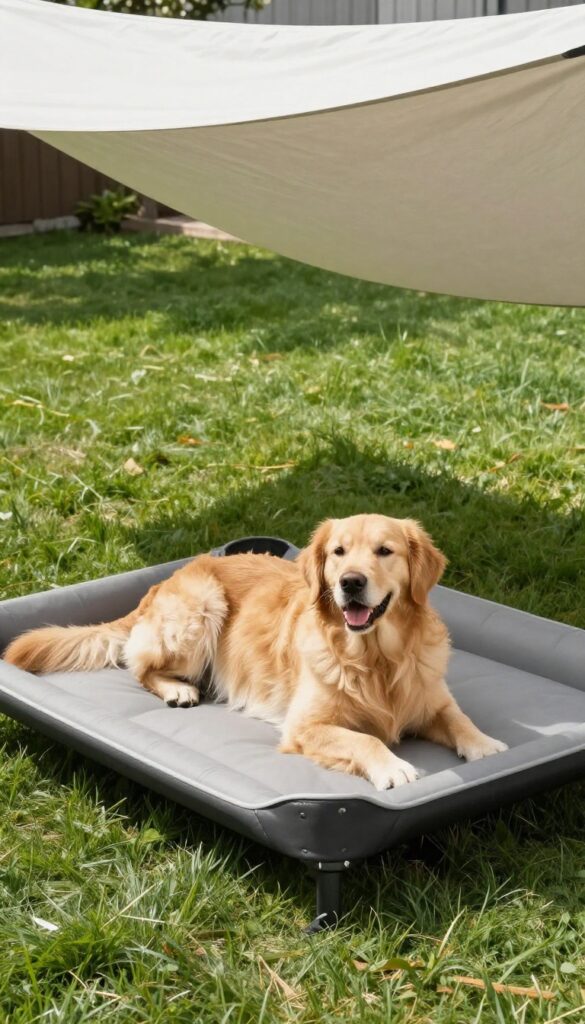
Dogs can overheat quickly during summer play. A dedicated shaded area gives them a place to cool off without having to go inside. Whether it's a shade sail, a canopy, or a large tree, this simple addition keeps your pup comfortable and safe while you both enjoy the yard.
Why It Works
Dogs rely on panting and paw pads to regulate temperature, and direct sun can lead to heat exhaustion. A shaded spot lowers the ambient temperature by several degrees, giving your dog a natural cool-down zone. It also encourages longer, safer outdoor time without forcing them indoors.
Best For
This works for any dog, especially brachycephalic breeds like Bulldogs and Pugs that struggle in heat. It's ideal for yards with limited natural shade or for owners who want to use their outdoor space during summer months.
Practical Tip
Position the shade over a patch of grass or soft ground, and add a durable outdoor bed or a shallow kiddie pool underneath. Make sure the fabric is UV-resistant and anchored securely to withstand wind. Check the spot throughout the day to ensure it stays shaded as the sun moves.
Budget-Friendly Option
If a permanent structure isn't in the budget, a large beach umbrella or a pop-up canopy works well. You can also plant a fast-growing tree like a maple or oak for long-term shade.
3. Digging Pit for Natural Instincts
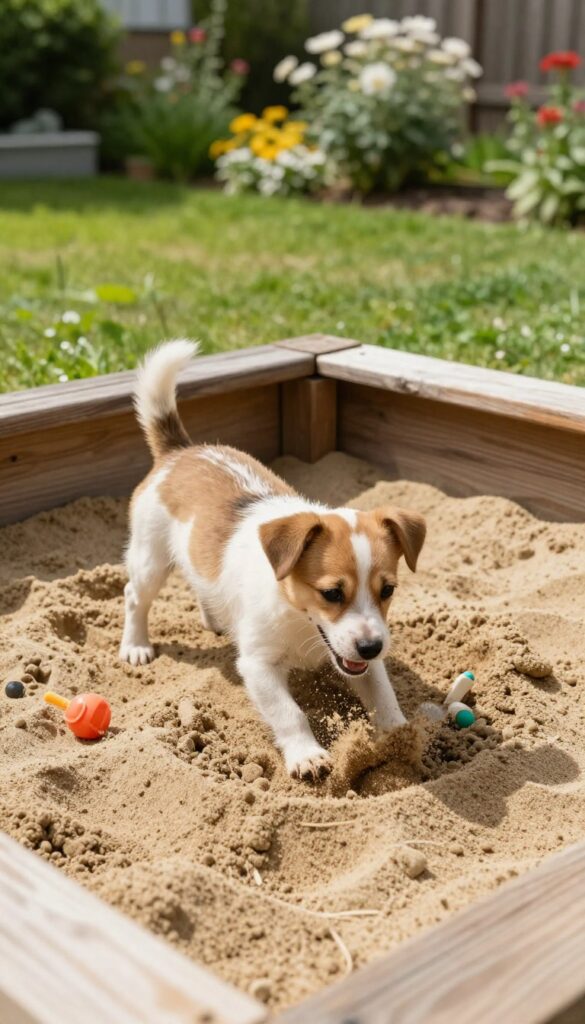
Some dogs just love to dig. Instead of fighting that instinct, give them a dedicated spot where it's not just allowed—it's encouraged. A digging pit channels that natural behavior into one contained area, saving your flower beds and lawn from destruction.
It's a simple setup that makes both you and your dog happier.
Why It Works
Dogs dig for many reasons: to cool off, to hide treasures, or simply because it's fun. By providing a designated pit filled with loose sand or soft soil, you satisfy that urge in a way that works for everyone. The texture feels great under their paws, and they quickly learn this is their special digging zone.
Best For
This idea is perfect for terriers, dachshunds, and other breeds with a strong digging drive. It also works well for any dog that spends a lot of time in the yard and needs an outlet for natural behaviors. Even if your dog isn't a big digger, they may enjoy the new texture and play spot.
Practical Tip
Build a simple frame using untreated lumber or landscaping timbers, about 4 by 4 feet and 12 inches deep. Fill it with play sand or a mix of sand and topsoil. Bury a few toys or treats to encourage initial interest.
Keep the pit covered with a tarp when not in use to keep it clean and dry.
Budget-Friendly Option
No budget for lumber? Use an old kiddie pool or a large plastic storage bin. Just drill a few drainage holes in the bottom, fill with sand, and you're set.
It's a low-cost way to test if your dog enjoys the setup before building something permanent.
4. Dog-Friendly Plants and Landscaping
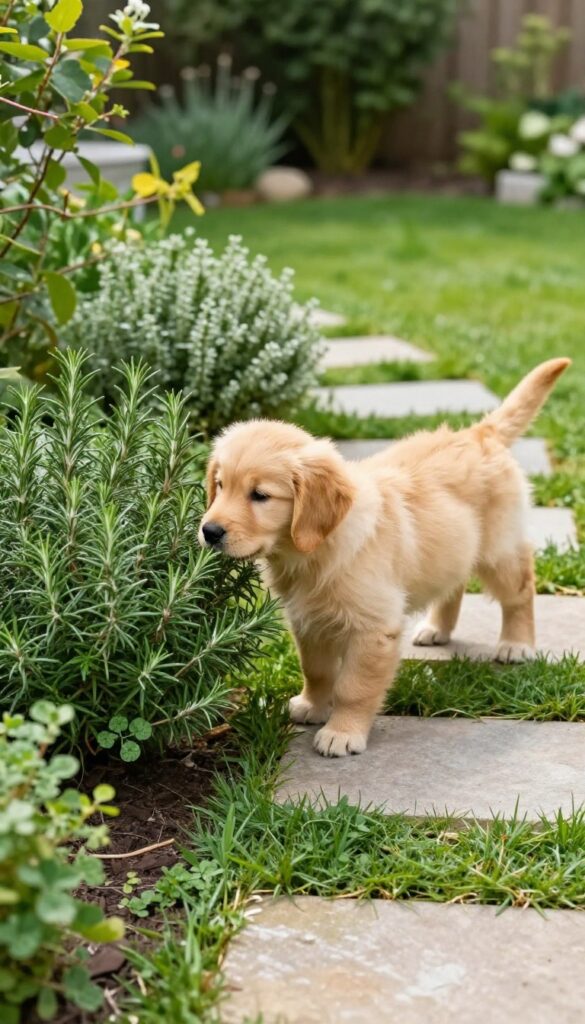
Not all plants are safe for curious noses and nibbling mouths. Choosing dog-friendly greenery and soft ground covers keeps your yard beautiful without the worry. Smart landscaping also means fewer muddy paws and less cleanup for you.
By picking non-toxic plants and avoiding sharp mulches, you create a space that's safe for play and relaxation. This approach blends safety with style, so your yard stays inviting for both two-legged and four-legged family members.
Why It Works
Dogs explore the world with their mouths and paws, so toxic plants or rough textures can lead to health issues or injuries. Selecting safe species and soft surfaces reduces risks while still giving you a lush, attractive yard. It's a simple way to prevent emergency vet visits and keep your dog happy outdoors.
Best For
This is ideal for any dog owner who lets their pet roam freely in the yard—especially puppies, diggers, and dogs that love to chew on plants. It's also great for homes with multiple dogs or households where kids and dogs play together.
Practical Tip
Layer your landscaping with dog-safe shrubs like camellias or rosemary as borders, then fill in with ground covers like clover or creeping thyme that withstand foot traffic. Avoid cocoa mulch (toxic) and opt for pine bark or rubber mulch instead. Create clear pathways with stepping stones to guide your dog's movement and protect the grass.
Budget-Friendly Option
Instead of buying expensive ornamental plants, start with easy-to-grow herbs like basil, mint, or oregano—they're safe, smell great, and are cheap to propagate. You can also use leftover pavers or flat stones to make a simple path.
5. A Splash Zone or Kiddie Pool
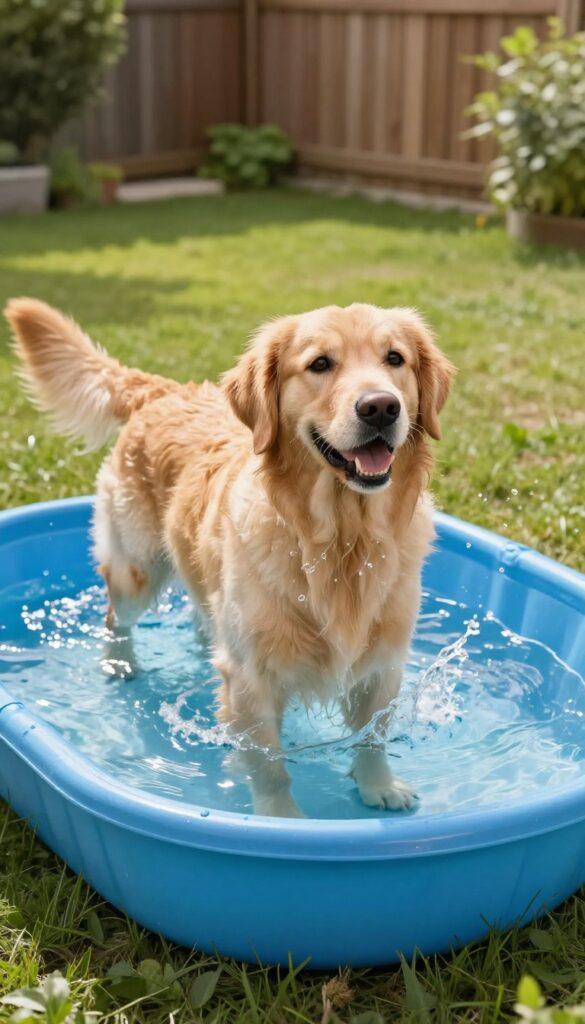
When the temperature climbs, nothing beats a simple splash zone for your pup. A shallow kiddie pool or sprinkler area gives water-loving dogs a place to cool off and burn energy without leaving the yard. It's low-cost, easy to set up, and provides hours of entertainment.
Why It Works
Dogs regulate temperature mostly through panting and paw pads, so a cool water source helps them beat the heat. Splashing and wading also provide light exercise that's gentle on joints, making it great for puppies and senior dogs alike.
Best For
This setup is ideal for water-loving breeds like Labradors, Golden Retrievers, and Portuguese Water Dogs, but any dog that enjoys puddles will love it. It works well in small backyards, patios, or even balconies with a splash mat.
Practical Tip
Place the pool on a flat, shaded area to keep the water cooler longer. Change the water daily to prevent algae and bacteria, and supervise playtime to avoid slipping or drinking too much pool water.
Budget-Friendly Option
Skip expensive dog pools and grab a sturdy plastic kiddie pool from a discount store. Or use a sprinkler attachment on a low setting for a splash pad effect that costs under $10.
6. Agility Equipment for Exercise
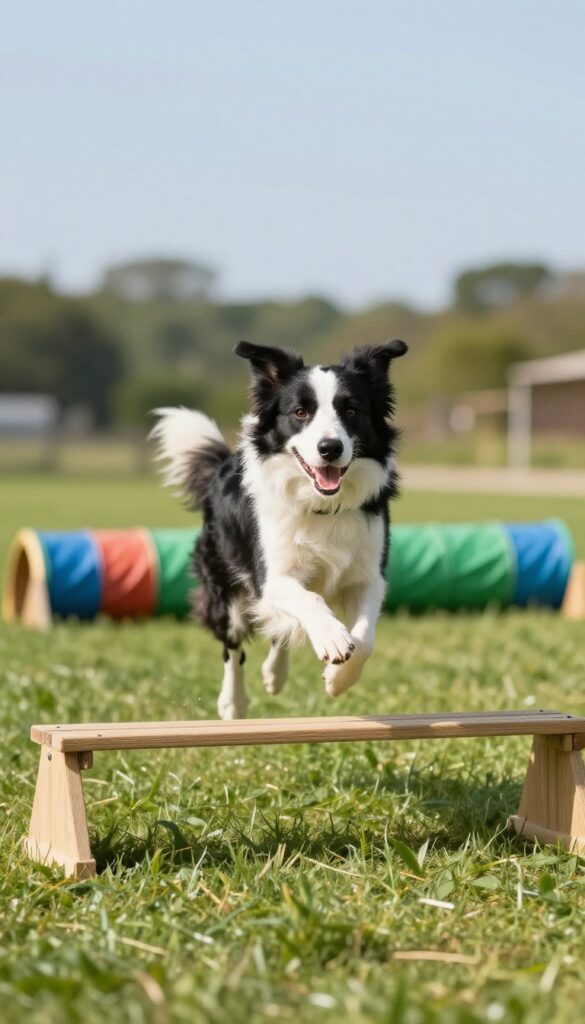
Your backyard can double as a mini dog gym with just a few pieces of agility equipment. Tunnels, jumps, and weave poles turn ordinary playtime into a fun workout that challenges both body and mind. Dogs love the variety, and you'll love how it burns off extra energy without endless fetch.
Why It Works
Agility equipment provides structured physical activity that improves coordination, builds confidence, and strengthens your bond. It's also a fantastic outlet for high-energy breeds who need more than just a walk around the block.
Best For
Best for active dogs like Border Collies, Australian Shepherds, and terriers, but any dog can benefit from the mental stimulation. Works well in medium to large yards with enough room to spread out the obstacles safely.
Practical Tip
Start with a simple tunnel or a low jump to gauge your dog's interest. Place equipment on grass or rubber mats to reduce impact on joints. Always supervise and keep sessions short to avoid frustration or overexertion.
Budget-Friendly Option
DIY your own weave poles using PVC pipes or bamboo stakes pushed into the ground. A hula hoop on a low stand can serve as a jump, and a cardboard box with the ends cut out makes a great starter tunnel.
7. Comfortable Resting Area
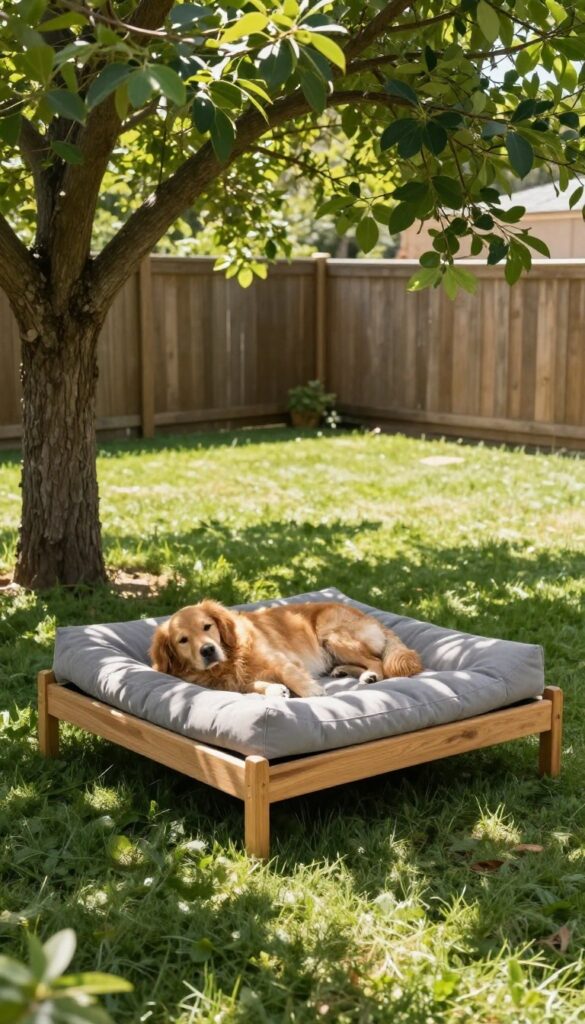
Your dog deserves a cozy spot to retreat to after a round of fetch or a long nap in the sun. A dedicated resting area with a raised bed or outdoor cot keeps them off hot pavement or damp grass, offering a cool, dry place to relax. Placing it in a quiet corner of the yard gives your pup a sense of security and a break from the action.
Why It Works
Raised beds allow air to circulate underneath, keeping your dog cooler in summer and drier after rain. They also protect joints from hard ground, making them ideal for older dogs or breeds prone to arthritis. Plus, the elevated design discourages ants and other pests from bothering your pup.
Best For
This setup works great for any dog, but it's especially helpful for breeds that overheat easily, like Bulldogs or Pugs, and for dogs that spend a lot of time outdoors. It's also perfect for yards with concrete or gravel where the ground gets scorching hot.
Practical Tip
Choose a bed with a removable, washable cover for easy cleaning. Place it under a shade tree or a patio umbrella to keep it out of direct sun. Add a waterproof cushion or a cooling mat for extra comfort during hot spells.
Budget-Friendly Option
If a raised bed is out of budget, use a low wooden pallet as a base and top it with an old outdoor cushion or a folded blanket. Just make sure the pallet is sanded smooth and free of splinters.
8. Poop Station for Easy Cleanup
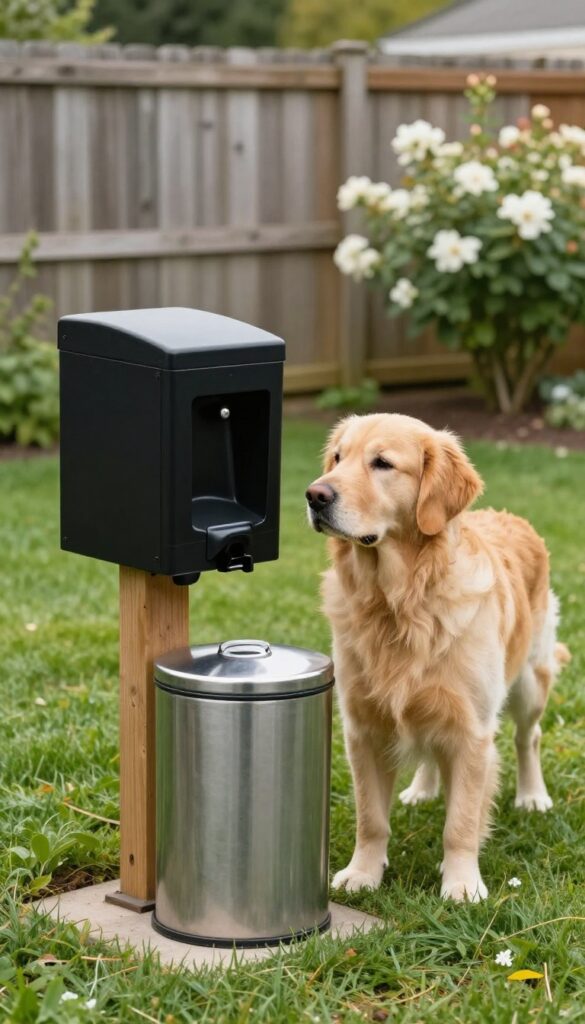
Let's be real: scooping poop is nobody's favorite part of dog ownership. But having a dedicated poop station in your backyard makes the chore way less annoying. Think of it as a little cleanup command center that keeps bags and disposal right where you need them.
A poop station is basically a small area with a waste bag dispenser and a covered trash can. You set it up near where your dog usually does their business, so you can grab a bag, pick up, and toss it without walking halfway across the yard. It's simple, but it saves you time and keeps things tidy.
Why It Works
Having bags and a trash can right where you need them means you'll never have an excuse to leave a pile behind. It makes the daily cleanup routine quick and convenient, so your yard stays cleaner and you avoid the dreaded 'forgot a bag' dash back inside.
Best For
Perfect for any dog owner with a yard, especially if you have a medium or large breed that produces a lot of waste. Also great for busy households where multiple people are responsible for cleanup—everyone knows exactly where to find supplies.
Practical Tip
Choose a small, lidded trash can that seals in odors and keeps out rain and pests. Mount the bag dispenser on a nearby fence or post at a comfortable height. For extra convenience, add a small hook for hanging a scoop or gloves.
Budget-Friendly Option
Skip the fancy dispenser and just use a repurposed mason jar or a small bucket attached to the fence with a hook. A basic lidded paint can works great as a budget-friendly trash container.
9. Water Station That Stays Fresh
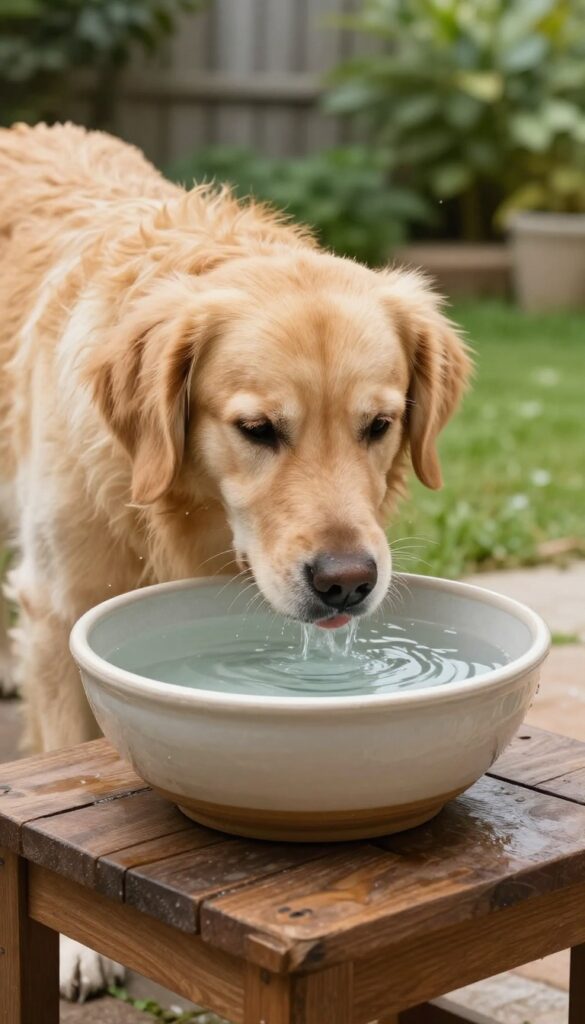
A hot afternoon in the yard is no fun for a thirsty dog. Setting up a dedicated water station with a heavy, tip-proof bowl or an automatic dispenser means your pup always has access to clean, cool water. It's one of those small upgrades that makes a big difference in your dog's comfort and health.
Why It Works
Dogs need constant hydration, especially when playing outside in warm weather. A sturdy water station prevents spills that can attract bugs or create mud, and an automatic dispenser keeps the water level consistent. Regular cleaning stops algae and bacteria from building up, so every drink is fresh.
Best For
This setup works well for any dog owner with a backyard, patio, or balcony. It's especially useful for active breeds like Labradors or Border Collies that spend a lot of time outdoors, and for multi-dog households where multiple pups need to share a water source.
Practical Tip
Place the water station in a shaded area to keep it cooler longer. Use a heavy ceramic or stainless steel bowl that won't tip over during zoomies. Clean the bowl daily and refill with fresh water—if using an automatic dispenser, scrub the reservoir weekly to prevent slime.
Budget-Friendly Option
A simple, heavy ceramic bowl from a thrift store works just as well as a fancy dispenser. Look for one with a wide base and non-slip bottom. Just remember to check and refill it several times a day during hot weather.
10. Sensory Garden for Exploration
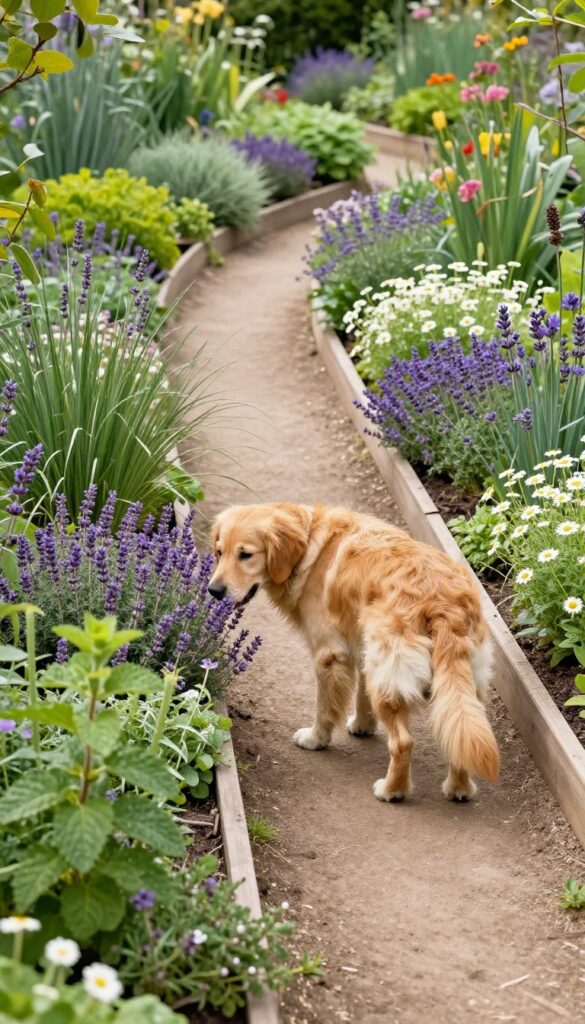
Dogs experience the world through their noses and paws, so why not design a garden that taps into those senses? A sensory garden mixes plants with different textures and scents to create a living playground for your pup. It turns a plain yard into a place where sniffing, brushing, and exploring feels like a daily adventure.
Why It Works
Dogs are naturally curious, and a variety of smells and textures keeps them mentally stimulated without needing toys or training. Lavender can calm anxious dogs, while mint and ornamental grasses encourage gentle play. This kind of enrichment reduces boredom and the digging or barking that often comes with it.
Best For
Perfect for dogs that love to sniff and explore on walks but don't get enough variety in a standard yard. Also great for owners who enjoy gardening and want to share that space with their dog in a safe, intentional way.
Practical Tip
Choose non-toxic, dog-safe plants and avoid anything with thorns or sharp edges. Plant in raised beds or containers to protect tender roots from digging, and leave clear pathways so your dog can wander without trampling everything. A few low-growing herbs like thyme or chamomile along a path add scent underfoot.
Budget-Friendly Option
Start small with a few pots of mint, basil, and lavender from a nursery. Or, scatter seeds for clover or chamomile in a bare patch—they're cheap, soft, and smell great when walked on.
11. Night Lighting for Evening Potty Breaks
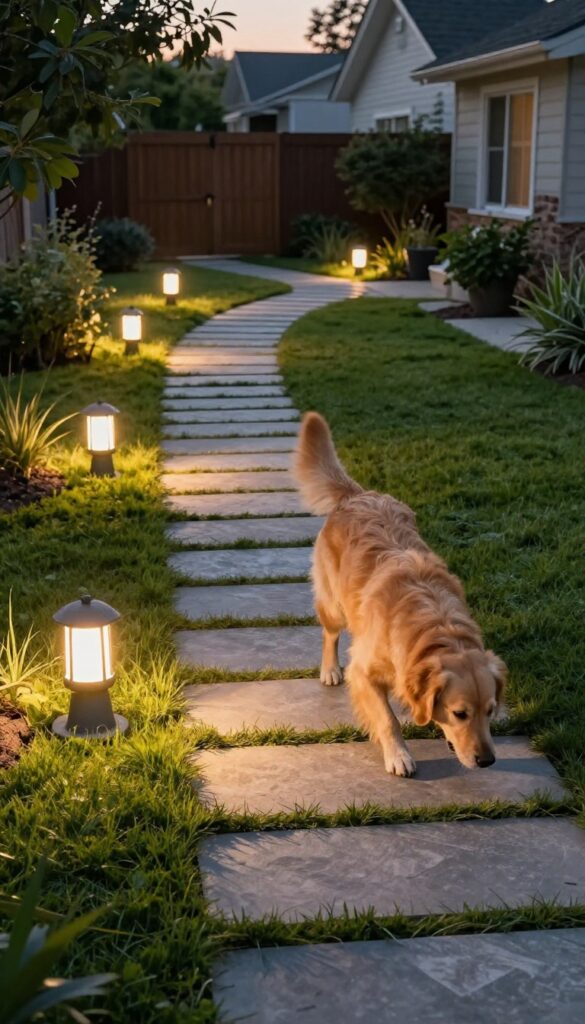
When the sun goes down, your backyard can turn into a dark obstacle course. Night lighting solves that problem, making it easy to see where you're stepping and where your dog is sniffing. Solar lights or low-voltage path lighting gently illuminate walkways and play areas, so you can handle late-night potty breaks without a flashlight.
It's a simple upgrade that adds safety and convenience to your evening routine.
Why It Works
Good lighting prevents accidents—both for you and your dog. You won't trip over toys or garden edges, and your dog can see clearly to find their favorite potty spot. It also helps you spot any hazards like dropped chews or holes dug during the day.
Best For
This works for any yard, but it's especially helpful if you have a senior dog with failing eyesight or if your yard has uneven terrain. It's also great for busy owners who often let the dog out after dark.
Practical Tip
Stick to warm white lights to avoid a harsh glare. Place lights along the main path your dog uses, and consider adding a few near the gate or door for extra visibility. Solar stake lights are easy to install and won't run up your electric bill.
Budget-Friendly Option
Skip expensive landscape lighting and grab a pack of solar-powered pathway stakes from a hardware store. They're cheap, durable, and often last all night.
FAQ
What is the most important backyard feature for a dog?
Secure fencing is the top priority. It keeps your dog safe and prevents escapes. Ensure it's tall enough and has no gaps or dig spots.
How can I protect my garden from my dog?
Create a designated digging pit and use raised beds or barriers around delicate plants. Choose dog-safe plants and avoid toxic varieties.
What should I put in a dog-friendly backyard on a budget?
Start with a shade area, a water station, and a digging pit. Add a kiddie pool or DIY agility items. Many ideas cost little to implement.
How do I keep my dog cool in the backyard during summer?
Provide ample shade, a kiddie pool, and fresh water. Avoid peak heat hours and consider a cooling mat or misting system.
Can I make my backyard fun for a senior dog?
Yes. Focus on comfort with soft resting areas, gentle slopes instead of stairs, and low-impact activities like sniffing gardens or short walks.
Conclusion
Your backyard can become your dog's favorite place with just a few thoughtful upgrades. Start with the ideas that match your space and your pup's personality—whether that's a digging zone, a splash pad, or a cozy shaded spot.
Small changes make a big difference in how much you both enjoy the outdoors. Pick one or two ideas to try this weekend, and watch your dog's tail wag a little more every time you step outside.

I’m Pallab Kishore, the owner of Little Pets Realm — an animal lover and pet care enthusiast sharing easy tips, healthy recipes, and honest advice to help every small pet live a happy, healthy, tail-wagging life.