
You know that feeling when you walk into a messy kitchen after a long day and just want to turn around? A cluttered home adds stress you don't need. The trick isn't cleaning more—it's cleaning smarter.
A daily cleaning schedule turns overwhelming chores into tiny, doable tasks. Instead of saving everything for Saturday, you spread the work across the week. Each day has a focus, so nothing piles up.
These 15 ideas are designed to fit real life. Pick the ones that match your routine and watch your home stay cleaner with way less effort.
1. Start With a 10-Minute Morning Tidy
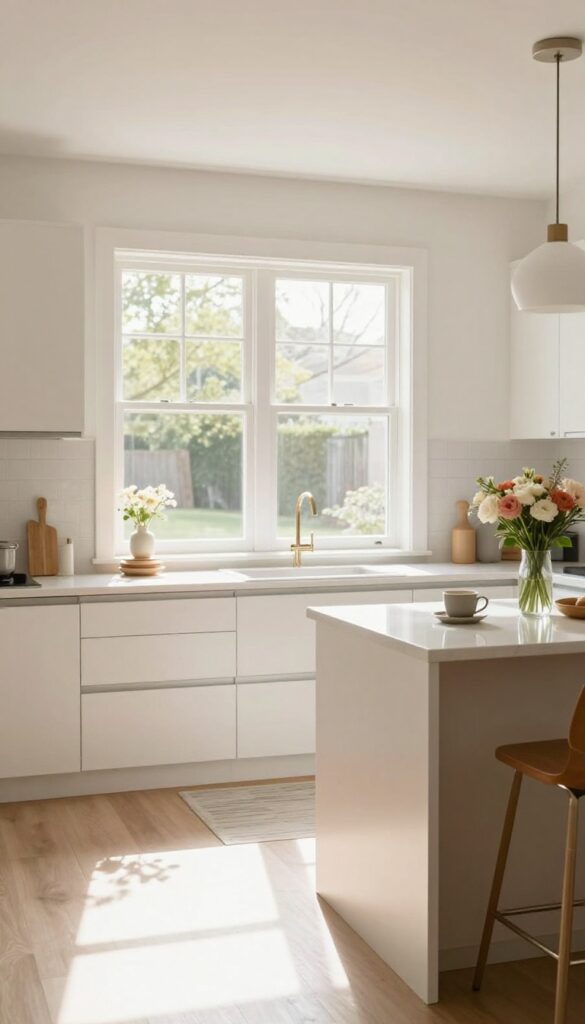
Mornings set the tone for everything that follows. A quick tidy-up after breakfast can transform how your home feels for the rest of the day. You don't need a full deep clean—just ten minutes of focused effort.
The key is to tackle the most visible messes first. Make the beds, put away random items that landed on counters or tables overnight, and give kitchen surfaces a quick wipe. This small win creates a sense of order that carries through to evening.
Why Ten Minutes Works
Ten minutes is short enough to fit into any morning routine, even if you're rushing. It's also long enough to make a noticeable difference. By limiting yourself, you avoid burnout and stay consistent.
What To Focus On
Prioritize high-visibility areas: the kitchen island, living room coffee table, and bathroom vanity. Leave deeper cleaning for later. The goal is a quick reset, not perfection.
Make It A Habit
Set a timer or pair it with your morning coffee. Over time, this becomes automatic. You'll start each day with a clean slate—and that feels surprisingly good.
2. Make Your Bed Every Day
Making your bed takes less than two minutes, but it changes how your whole bedroom feels. A made bed instantly makes the room look neater and more put together. It also sets a productive tone for the day ahead.
This small habit creates a psychological trigger. Once your bed is made, you're more likely to pick up clothes, fluff pillows, or clear surfaces. It's a simple win that builds momentum for other cleaning tasks.
The Two-minute Rule In Action
If a task takes under two minutes, do it immediately. Making your bed fits perfectly here. No need to do hospital corners—just pull up the sheets, straighten the comforter, and arrange the pillows.
Done.
Why It Matters For Your Evening
A made bed also makes your bedroom feel more inviting at night. After a long day, climbing into a tidy bed signals relaxation. It's a small comfort that improves your sleep environment without extra effort.
3. Wipe Down Bathroom Surfaces After Use
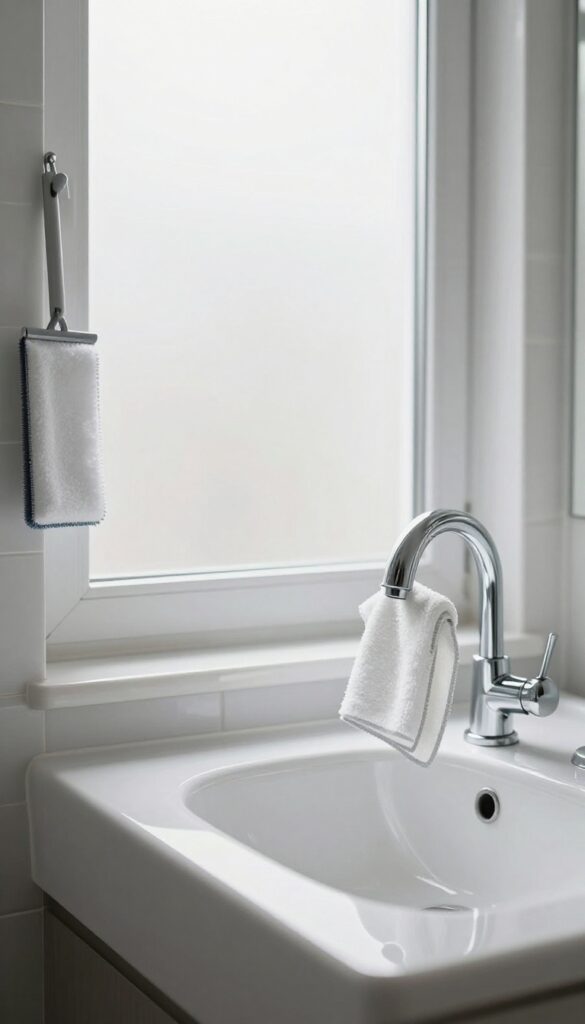
Bathrooms get grimy fast because moisture lingers. Soap scum, hard water spots, and mildew love a wet surface. A quick wipe after each use stops buildup before it starts.
Keep a squeegee or microfiber cloth right in the bathroom. After you shower, spend thirty seconds on the walls and door. After washing your hands, give the sink a swipe.
It's barely any effort, but it keeps everything looking fresh. This habit also cuts down on deep-cleaning time. Less scrubbing means more free time for you.
The Right Tools Make It Easy
You don't need fancy products. A small squeegee for glass doors and a microfiber cloth for tiles and sinks are enough. Microfiber traps grime without streaks, and squeegees remove water fast.
Store them on a hook or caddy so they're always within reach.
What To Wipe And When
After every shower, squeegee the walls and door. If you have a shower curtain, pull it closed so it dries fully. After using the sink, wipe the basin and faucet with a cloth.
Once a week, give the toilet tank and lid a quick pass too.
Why This Habit Works
Soap scum and mildew need time to set. By wiping surfaces dry, you remove the moisture they need to grow. This means less scrubbing later and fewer harsh cleaners.
Your bathroom stays cleaner with almost no extra work.
4. Do a Load of Laundry Daily
Laundry has a way of multiplying when you ignore it. One day you have a small pile, and the next it's a mountain threatening to take over the hallway. The daily load method stops that cycle before it starts.
By running one small load every day, you keep the laundry room from becoming a disaster zone. The key is to pick a consistent time—maybe right after breakfast or before bed—and stick with it. This habit turns a dreaded chore into a quick, painless routine.
Choose Your Load Wisely
Not every load needs to be a full machine. A small load of towels, a few delicates, or a mixed load of everyday clothes works perfectly. The goal is to keep the volume manageable so you can finish the cycle and fold before the next task calls.
If you have a large family, you might run two small loads back-to-back, but the principle stays the same: don't let laundry sit.
Fold Immediately, No Exceptions
The moment the dryer stops, fold or hang everything. This is the step that makes the daily load method actually work. If you let clothes sit in the basket, they wrinkle and you'll be tempted to leave them there.
Set a timer for five minutes if you need to. Once folded, put each item away right then. Your closet stays organized, and you never have to face a pile of clean laundry again.
Make It A Family Habit
Get everyone involved. Assign a family member to start the load, another to switch it, and someone else to fold. Even young kids can match socks or put away their own clothes.
When laundry becomes a shared task, it takes less time and feels less like a burden. Plus, it teaches responsibility and keeps the whole house running smoothly.
5. Clean as You Cook
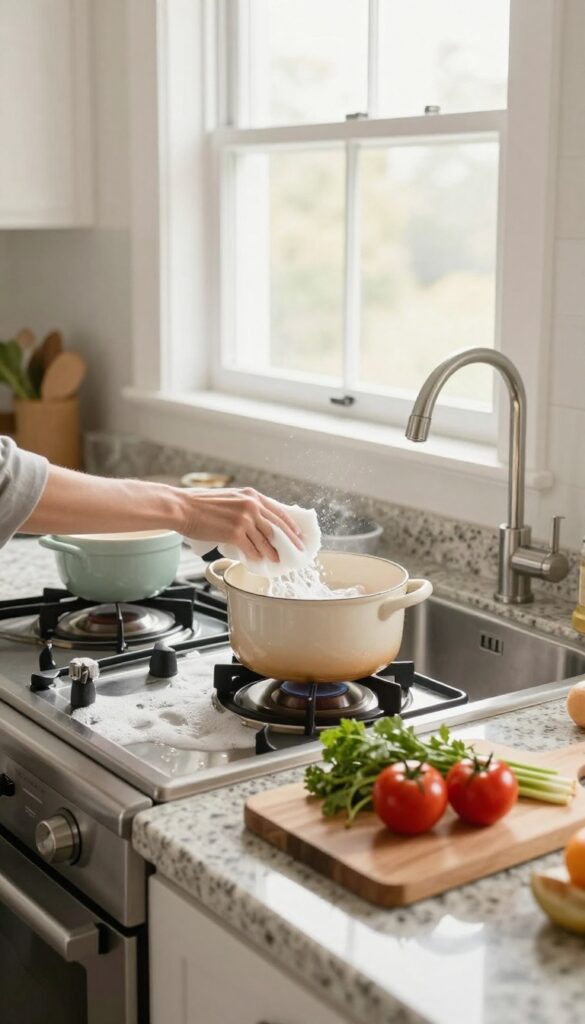
The kitchen is often the messiest room by the end of the day. But what if you could finish cooking and have a clean kitchen at the same time? That's the idea behind cleaning as you cook.
Instead of letting dishes pile up and counters get cluttered, tackle small tasks while your food simmers or bakes. Wash a few dishes, wipe down surfaces, and put away ingredients as you go. By the time dinner is ready, the kitchen is nearly spotless.
You save time and avoid that post-meal cleanup dread.
Start With A Clean Slate
Before you begin cooking, clear the counters and load any stray dishes into the dishwasher. Fill the sink with hot soapy water so you can drop dirty utensils in right away. This small prep makes it easier to stay on top of messes as they happen.
Use Downtime Wisely
While water boils, vegetables roast, or sauce simmers, you have a few minutes of downtime. Use that time to wash the cutting board, wipe the stove, or put away the spices you just used. Every little bit helps.
Finish With A Quick Wipe
Once the meal is plated, do a final sweep: wipe the counters, rinse the sink, and start the dishwasher if it's full. This takes less than two minutes. Then you can sit down and enjoy your meal without a mess waiting for you.
6. Sweep or Vacuum High-Traffic Areas
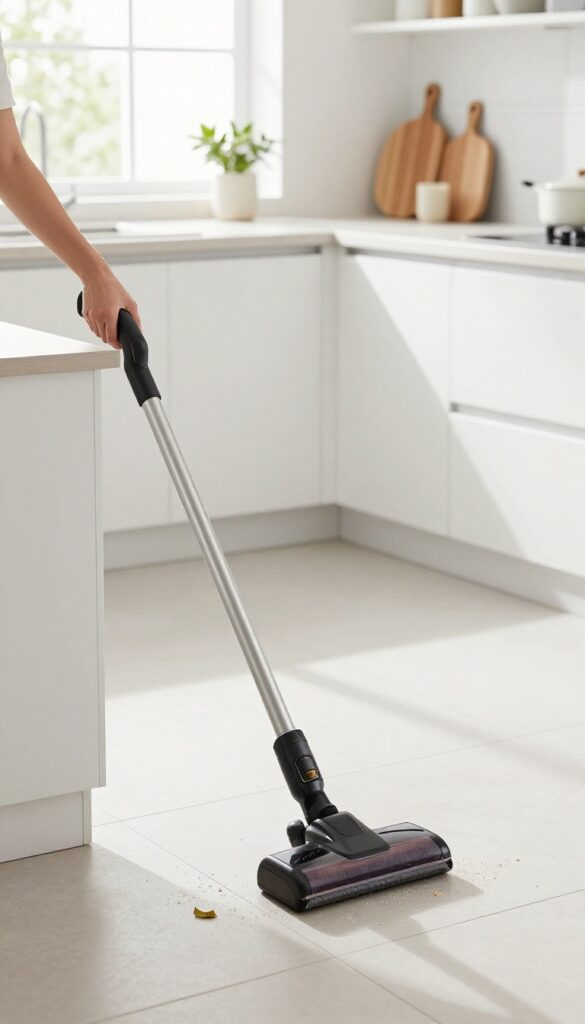
Dirt and dust don't stay put—they travel on shoes, paws, and air currents. The kitchen, entryway, and living room bear the brunt of daily traffic. A quick pass with a broom or stick vacuum keeps debris from spreading to other rooms and saves you from deep-cleaning more often.
Focus On The Kitchen
The kitchen floor collects crumbs, spills, and sticky spots fast. A daily sweep after dinner prevents buildup and keeps pests away. If you have tile or hardwood, a dry mop or cordless vacuum works in under two minutes.
Tackle The Entryway First
Mud, leaves, and grit get tracked in every time someone comes home. Keep a small broom or handheld vacuum by the door. A 30-second pass each evening stops dirt from migrating into carpets and furniture.
Give The Living Room A Quick Once-over
This is where you relax, but it's also where dust and pet hair settle. A light vacuum of the main walkways and under the coffee table keeps the room feeling fresh. No need to move furniture—just hit the open areas.
7. Declutter One Surface Per Day
Flat surfaces are magnets for random stuff—mail, keys, gadgets, and yesterday's coffee cup. Before you know it, your countertops and tables look like a storage unit. The fix is simple: pick one surface each day and clear it completely.
This habit keeps clutter from taking over your most visible spots. It takes five minutes and makes your home look instantly tidier. Plus, it stops the dreaded "surface creep" where one messy table leads to another.
Why One Surface Works
Focusing on a single surface removes the overwhelm of "declutter the whole house. " It's a small, winnable task that builds momentum. Over a week, you'll hit every major flat spot in your home without even trying.
How To Pick Your Surface
Start with the surface that bothers you most—maybe the kitchen island or your nightstand. Each day, rotate to a different one. Keep a list if you need to, but eventually it becomes second nature.
What To Do With The Stuff
Have a basket or tray nearby for items that belong elsewhere. Put them away after you finish clearing. For actual trash, toss it immediately.
For keepsakes or decor, decide if they earn their spot.
8. Empty Trash and Recycling Daily
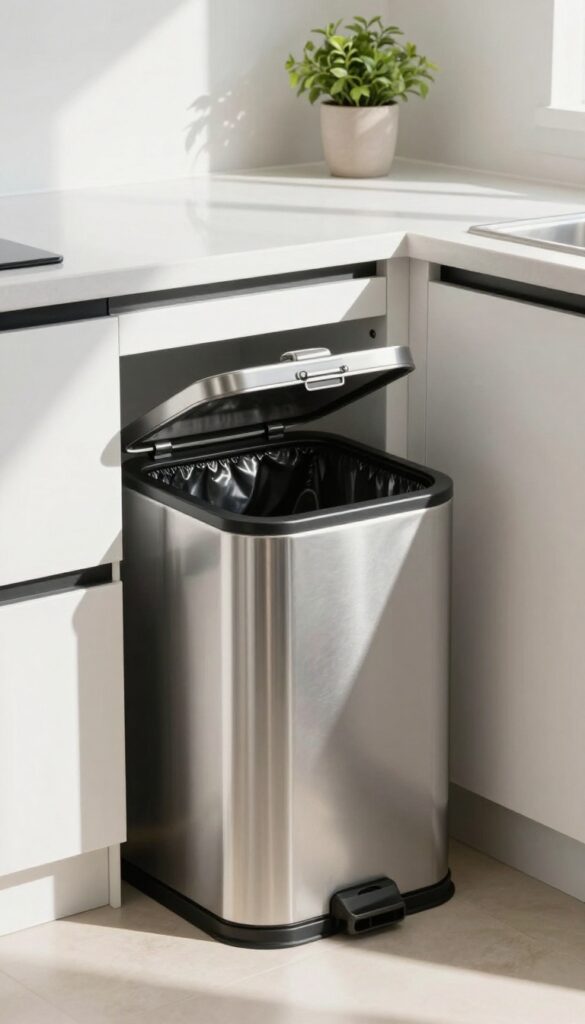
Trash cans are easy to ignore until they're overflowing and stinking up the room. A daily empty keeps odors away and stops you from having to tackle a messy spill later. It's a two-minute habit that saves you from bigger cleanups.
Taking out the trash every evening from the kitchen and bathrooms keeps your home smelling fresh and prevents pests. It also means you start each day with clean cans ready for new waste. Pair this with a quick wipe of the can exterior if needed.
Why Daily Matters
When trash sits overnight, especially food scraps, odors build up and attract fruit flies or ants. A daily dump eliminates that risk. Plus, you avoid the frustration of a full can when you're cooking breakfast.
Make It A Habit
Tie it to an existing routine like after dinner or before brushing your teeth. Keep extra bags under the sink so you can replace liners immediately. In bathrooms, empty small bins into the kitchen bag to consolidate trips.
Recycling Too
Don't forget recycling bins. Rinse containers if they're sticky to avoid smells. If your recycling fills up fast, take it out on the same schedule.
A clean recycling bin encourages everyone to sort properly.
9. Do a Five-Minute Evening Reset
Mornings are rough enough without facing yesterday's mess. A five-minute evening reset is the simplest habit to wake up to a clean slate. It's not deep cleaning—just quick tidying that sets you up for a calmer start.
Spend five minutes before bed returning items to their homes, fluffing pillows, and straightening up. Walk through the main living areas and your bedroom, putting away anything out of place. This small effort prevents clutter from snowballing overnight and makes your morning feel instantly more organized.
What To Tackle
Focus on high-traffic spots: the living room coffee table, kitchen counters, and your nightstand. Return remote controls, books, and dishes to their proper spots. Fluff couch cushions and fold throw blankets.
In the kitchen, wipe down the counter and put away any clean dishes.
Make It A Habit
Set a timer for five minutes and treat it like a non-negotiable part of your bedtime routine. Pair it with something you already do, like brushing your teeth or waiting for your evening tea to steep. Consistency is key—after a week, it'll feel automatic.
Why It Works
A tidy space signals to your brain that it's time to rest. Plus, waking up to a clean room reduces decision fatigue and sets a positive tone for the day. It's a low-effort win that pays off every single morning.
10. Wipe Down Kitchen Appliances
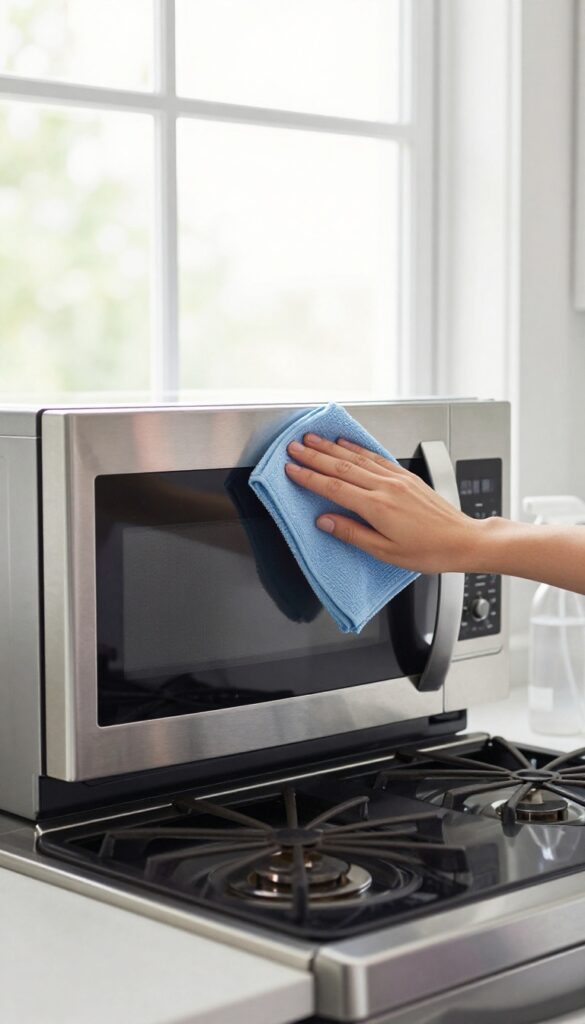
The microwave, stovetop, and refrigerator handles are touchpoints that collect grease and fingerprints fast. A quick daily wipe prevents buildup and keeps your kitchen looking fresh without heavy scrubbing later. It’s a 30-second habit that pays off every time you walk into the room.
Focus on the high-touch areas: microwave door, stovetop surface, and fridge handles. Use a damp microfiber cloth or a gentle all-purpose cleaner. Do it after dinner or while waiting for coffee to brew.
Consistency is key—once it’s routine, you won’t even think about it.
The Right Tools For The Job
Keep a microfiber cloth and a small spray bottle of diluted dish soap or vinegar under the sink. That way you can grab them quickly. Avoid abrasive sponges that scratch stainless steel.
A soft cloth lifts grease without residue.
When To Wipe For Maximum Impact
Right after cooking is ideal because spills are still fresh. If that’s not possible, do it before bed. A quick pass over the stovetop and microwave door takes less than a minute.
The fridge handles only need a once-over—don’t overthink it.
What About The Inside?
This idea is about the exterior. For the microwave interior, a separate weekly wipe is enough. But keeping the outside clean means you’re less likely to dread a deep clean.
It’s a small effort that keeps the whole kitchen feeling tidy.
11. Spot-Clean Floors as Needed
Floor cleaning often feels like a big production—move furniture, sweep, mop, wait for it to dry. But most of the time, your floors don't need a full scrub. They just need a quick touch-up in the spots that actually look dirty.
That's where spot-cleaning comes in.
Keep a Swiffer or damp mop handy for quick spot cleans. A spilled drink or muddy footprint gets dealt with immediately, not later. This habit prevents dirt from spreading and keeps your floors presentable without a weekly marathon.
Why Spot-cleaning Works
High-traffic areas like the kitchen, entryway, and bathroom get dirty fast while other spots stay clean for days. Spot-cleaning targets the mess you can see, saving time and effort. It also stops stains from setting in, which means less scrubbing later.
Tools To Keep Ready
Store a Swiffer, a spray bottle of floor cleaner, and a microfiber cloth in a caddy or under the sink. For hardwood, a dry mop or dusting cloth is perfect for quick pickups. Having supplies within arm's reach makes it easy to act on a spill without hunting for equipment.
When To Spot-clean Vs. Full Mop
Spot-clean whenever you see a visible mark, spill, or crumb pile. Save the full mopping for once a week or when the floor feels sticky or dull. A quick once-over with a damp mop on the main paths can also refresh the room in under five minutes.
12. Organize Your Entryway Daily
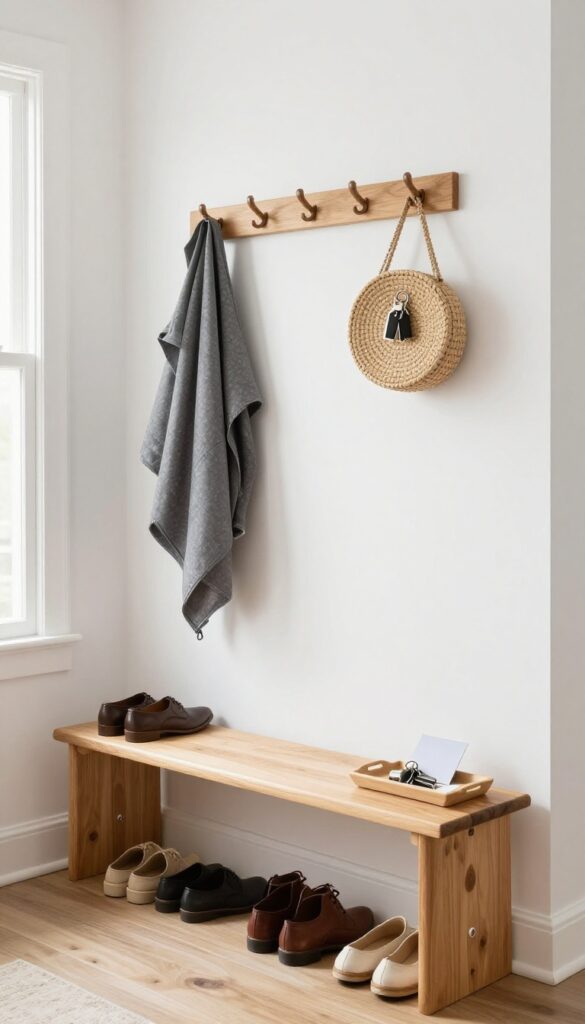
Your entryway is the first thing you see when you walk in—and the last thing you see when you leave. When it's cluttered, that chaos tends to spread through the whole house. A quick daily reset keeps the space functional and calm.
Spend five minutes each evening tidying the entryway. Hang up coats, put shoes on the rack, and sort mail into a recycling pile or a to-do tray. This small habit prevents piles from forming and makes mornings smoother.
Create A Drop Zone
Designate a spot for keys, wallets, and bags—a small tray or hooks work well. Train yourself to place items there immediately. This stops the frantic search for essentials and keeps surfaces clear.
Sort Mail Right Away
Stand by the recycling bin when you open mail. Toss junk immediately, put bills in a designated folder, and set actionable items on a small desk or tray. Don't let mail linger on the counter.
Shoe Storage That Works
Use a shoe bench, cubby, or simple basket near the door. Encourage everyone to remove shoes upon entry. This keeps dirt from tracking through the house and makes the entryway feel organized.
13. Dust One Room Per Day
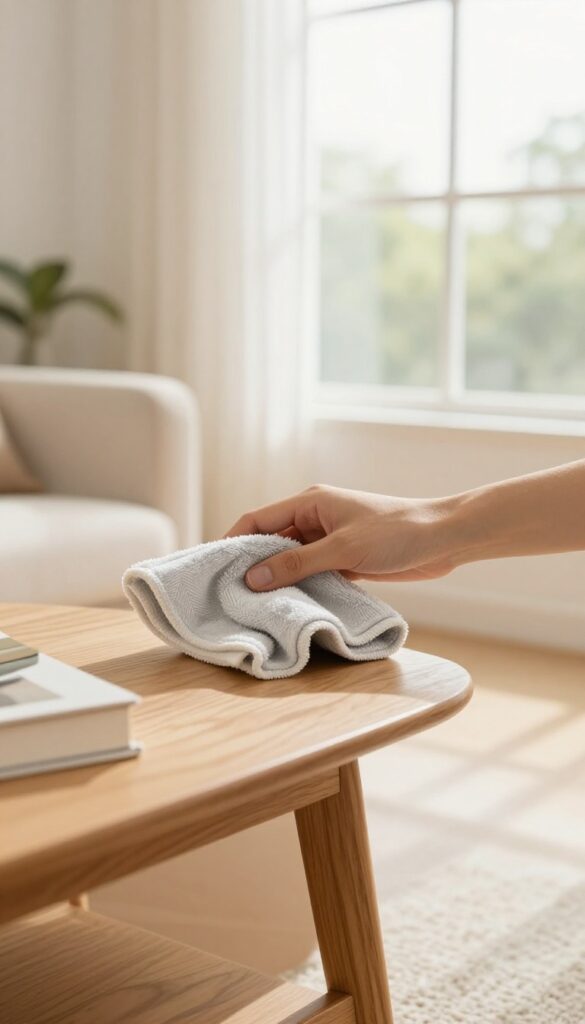
Dusting feels like a never-ending battle, but you can win without dedicating a whole afternoon to it. By focusing on just one room each day, you prevent dust from settling into a thick layer that triggers sneezes and allergies. A quick daily pass keeps surfaces fresh and your home feeling clean with minimal effort.
Pick Your Weapon
Microfiber cloths are the unsung heroes of dusting. They trap particles instead of pushing them around, and they work dry or slightly damp. Avoid feather dusters—they just redistribute dust into the air.
Work Top To Bottom
Start with ceiling fans and high shelves, then move to tabletops, and finish with baseboards. This way, any dust that falls lands on areas you haven't cleaned yet. You'll only touch each surface once.
Make It A Habit
Pair your daily dusting with something you already do, like listening to a podcast or waiting for your morning coffee to brew. Assign each weekday a room—Monday for the living room, Tuesday for the bedroom, and so on. Before you know it, it becomes automatic.
14. Clean Out the Sink After Dinner
The kitchen sink takes a beating every single day. Food scraps, greasy water, and coffee stains turn it into a germ magnet fast. Giving it a quick scrub after dinner takes two minutes and leaves your kitchen feeling instantly cleaner.
A shiny sink sets the tone for the whole room. When you walk in the next morning, you see a clean surface instead of yesterday's mess. It's a small habit that pays off big in how your kitchen looks and smells.
This isn't about deep cleaning—just a quick spray, wipe, and rinse. Keep a spray bottle of all-purpose cleaner or a dish soap solution under the sink. After you finish washing dishes, spray the sink, scrub with a sponge, and rinse.
Dry with a cloth to prevent water spots and make it gleam. Do this every night, and you'll never wake up to a crusty sink again. It also cuts down on odors and keeps drain flies away.
Pair it with running the garbage disposal with a lemon wedge once a week for extra freshness.
Why The Sink Matters
The sink is the most used surface in the kitchen. A clean sink makes everything else look tidier. It also prevents bacteria from spreading to dishes and countertops.
The Two-minute Routine
Spray the entire sink with cleaner, focusing on the drain area. Scrub with a sponge, rinse with hot water, then dry with a microfiber cloth. That's it.
Bonus: Freshen The Disposal
Drop a few lemon peels or a tablespoon of baking soda down the disposal. Run cold water and turn it on for 10 seconds. It neutralizes odors and leaves a clean scent.
15. Set a Timer for a Speed Clean
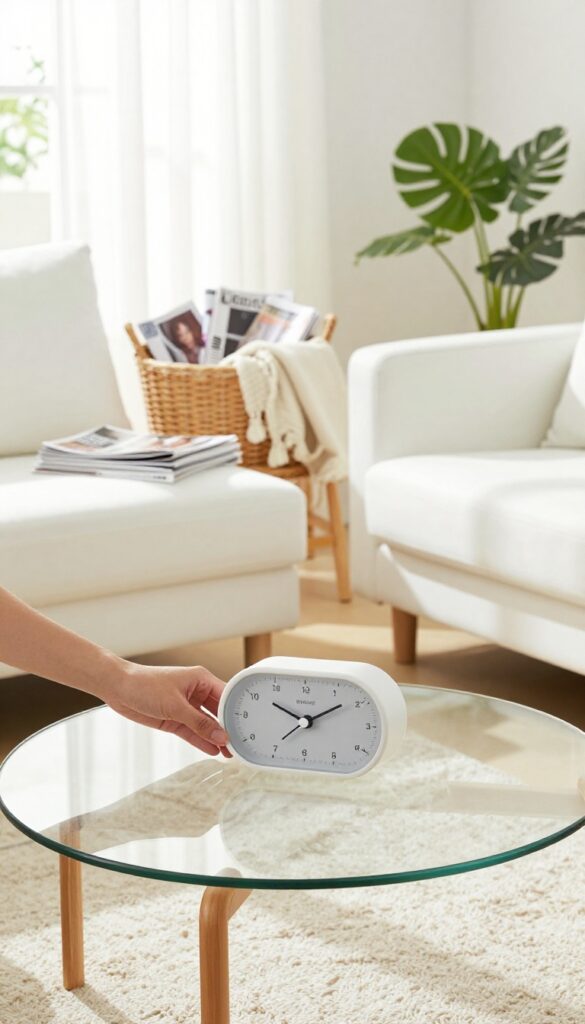
Sometimes the hardest part of cleaning is just getting started. A timer removes that mental block by giving you a clear endpoint. You're not committing to an hour of scrubbing—just 15 minutes of focused effort.
Pick one room that needs attention. Set a timer for 15 minutes and go all out: toss clutter into baskets, wipe surfaces, vacuum visible areas. When the timer beeps, you stop.
Even if the room isn't perfect, it will look and feel dramatically better.
Why 15 Minutes Works
Short bursts of cleaning tap into the Pomodoro technique—your brain stays engaged because the finish line is near. You're less likely to procrastinate when the task feels tiny. Plus, the urgency of a ticking clock makes you move faster and skip perfectionism.
How To Make It A Game
Challenge yourself to beat your own record. Can you clear the coffee table in under two minutes? Wipe the kitchen counters in one?
You can even involve family members and see who can tidy their zone fastest. The competitive edge turns drudgery into fun.
When To Use This Tactic
Speed cleans are perfect for days when you're short on time or motivation. Use them before guests arrive, after a messy meal, or as a quick reset in the evening. They're also great for maintaining rooms that aren't on your regular schedule.
FAQ
How long should a daily cleaning routine take?
Most daily cleaning routines take between 10 and 30 minutes total. The key is consistency, not duration. Short, regular sessions prevent the need for marathon cleaning sessions.
What if I miss a day?
Don't stress. Just pick up where you left off the next day. The goal is progress, not perfection.
Missing one day won't undo your routine.
Can I combine multiple ideas into one day?
Absolutely. Feel free to mix and match ideas based on your schedule. For example, you might do the morning tidy, make your bed, and clean as you cook all in one day.
Do I need special cleaning products?
Not at all. Most tasks only need all-purpose cleaner, microfiber cloths, and a vacuum or broom. You can even use natural solutions like vinegar and baking soda.
How do I stay motivated to clean daily?
Set a timer, play music, or listen to a podcast. Reward yourself after completing your tasks. Also, remember that a clean home reduces stress and saves time in the long run.
Conclusion
A daily cleaning schedule doesn't have to be rigid or overwhelming. Pick two or three ideas from this list that fit your lifestyle and start there. Even small changes make a big difference over time.
The goal is to create a rhythm that works for you, not to achieve perfection. With consistent effort, you'll spend less time cleaning and more time enjoying your home. Start today and see how much easier home days can be.