
A clean couch transforms the entire feel of your living room. But over time, crumbs, spills, and everyday use can leave it looking tired and smelling less than fresh.
You don't need expensive professional services to bring it back to life. With a few simple techniques and common household items, you can tackle most stains and odors yourself.
These 20 couch cleaning ideas range from quick fixes to deep refreshes. Pick the ones that match your sofa's fabric and your schedule, and enjoy a living room that feels truly reset.
1. Vacuum Every Crevice and Cushion
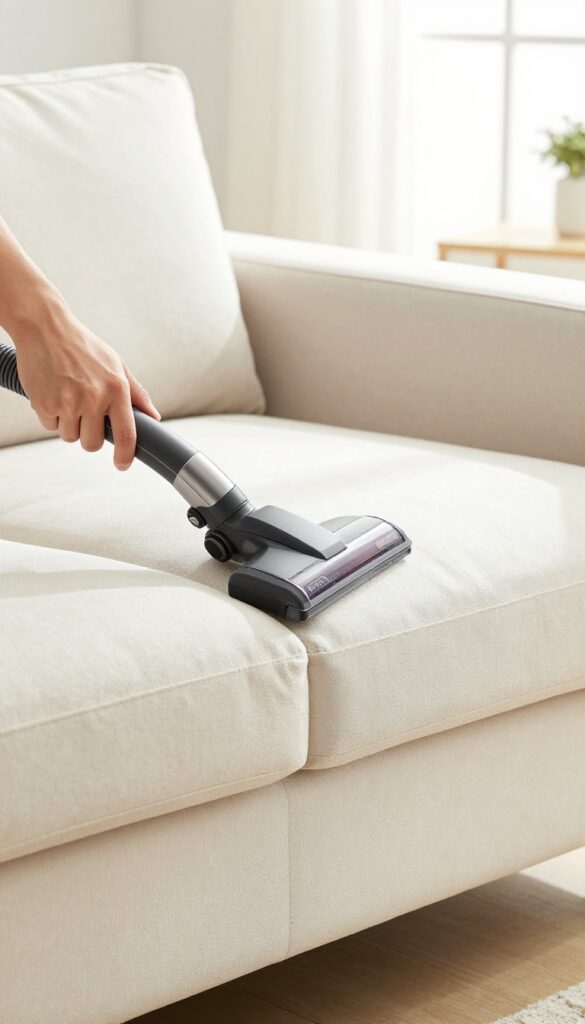
Before you bring out any sprays or scrubbing tools, give your couch a thorough vacuuming. This simple first step removes loose dirt, crumbs, and pet hair that can turn into grime when mixed with moisture. It also prevents you from pushing debris deeper into the fabric during wet cleaning.
Vacuuming might seem obvious, but most people skip the hidden spots where dust and crumbs accumulate. Use the crevice tool to get into seams, along the base, and between seat cushions. Flip cushions if possible and vacuum both sides and underneath.
For pet owners, a rubber squeegee or a lint roller can grab stubborn hair before vacuuming.
Pick The Right Attachment
Use the upholstery brush for flat surfaces and the crevice tool for tight spaces. A soft brush prevents scratching delicate fabrics like velvet or microfiber.
Don't Forget The Frame
Dust and allergens settle on the sides, back, and under the couch. Run the crevice tool along the frame and baseboards to catch everything.
Frequency Matters
Vacuum your couch weekly if you have pets or allergies, and at least monthly for light use. Regular vacuuming keeps dirt from embedding into fibers.
2. Baking Soda for Odor Removal
Baking soda is a powerhouse when it comes to neutralizing couch odors. Unlike sprays that just mask smells, it absorbs and eliminates them at the source. This method is gentle on fabrics and completely chemical-free.
For best results, start by removing all cushions and vacuuming loose debris. Sprinkle a generous layer of baking soda over the entire couch, working it into crevices with a soft brush or your hands. Let it sit for at least 15-20 minutes—longer if odors are strong, like pet smells or smoke.
Then vacuum thoroughly using an upholstery attachment. For a fresh boost, you can add a few drops of essential oil to the baking soda before sprinkling. Repeat monthly to keep your couch smelling clean.
Why It Works
Baking soda is alkaline, which helps it neutralize acidic odor molecules. It also has a porous structure that traps and absorbs smells rather than just covering them up. This makes it effective for a wide range of odors, from food spills to pet accidents.
Tips For Strong Odors
If your couch has deep-set smells, let the baking soda sit overnight. For extra stubborn odors, mix baking soda with a small amount of white vinegar to create a paste, apply it to smelly spots, let it dry, then vacuum. Always test on an inconspicuous area first.
Fabric Compatibility
Baking soda is safe for most fabrics, including microfiber, cotton, linen, and polyester blends. Avoid using it on delicate materials like silk or velvet, as the abrasive texture may cause damage. Check your couch's care tag if you're unsure.
3. White Vinegar Solution for General Cleaning
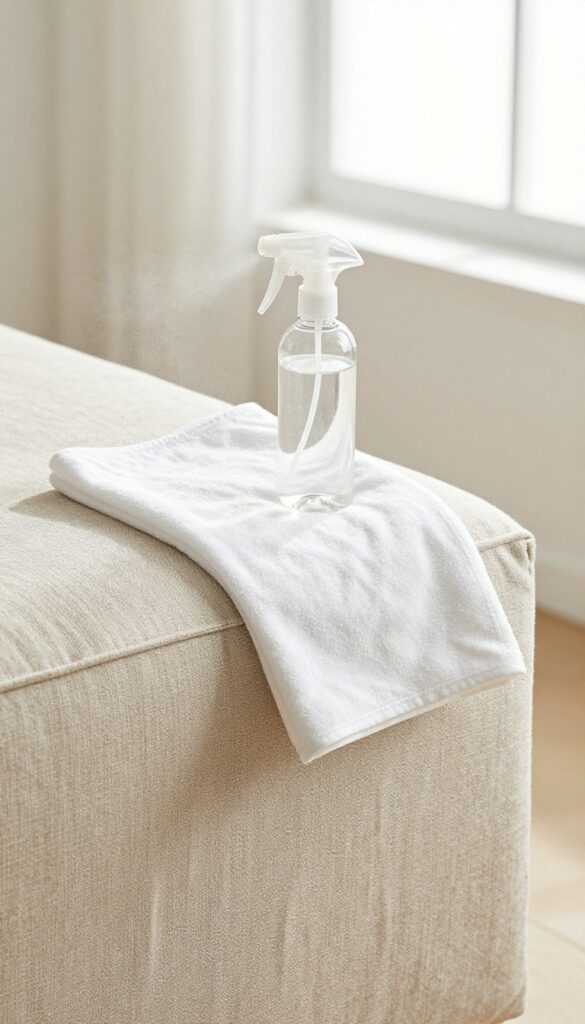
White vinegar is a cleaning workhorse that cuts through grease, lifts dirt, and neutralizes odors without harsh chemicals. For a quick all-purpose couch refresh, mix equal parts white vinegar and water in a spray bottle. Lightly mist the fabric (always test on a hidden area first) and blot with a clean cloth.
The vinegar smell fades as it dries, leaving your sofa fresh and residue-free.
White vinegar is a natural disinfectant and deodorizer that’s safe for most couch fabrics. Its mild acidity breaks down grime and helps restore fabric brightness. This solution works best for general cleaning between deep cleans or after light soiling.
How To Apply The Solution
Fill a spray bottle with a 50/50 mix of white vinegar and water. Test a small, inconspicuous spot to ensure the fabric doesn’t discolor or react. Mist the couch lightly—don’t soak it.
Then blot the area with a clean, dry microfiber cloth, working from the outside of any stain inward. Repeat until the cloth comes away clean. Let the couch air-dry completely.
If any vinegar scent lingers, open a window or run a fan.
Best Fabrics For Vinegar Cleaning
This solution is ideal for cotton, linen, polyester, and most synthetic blends. Avoid using vinegar on silk, velvet, or delicate upholstery that may water-spot or lose texture. For leather or faux leather, use a dedicated cleaner instead.
Always check the manufacturer’s care tag before proceeding.
When To Use This Method
Use the vinegar solution for routine maintenance—every few weeks or after light spills like coffee or juice. It’s also great for refreshing cushions between deep steam cleanings. For heavy stains or set-in odors, pair this with a baking soda pretreatment (see Idea 2) for extra power.
4. Dish Soap for Grease and Food Stains
Grease and food stains are some of the toughest challenges for couch fabric. Whether it's a splash of cooking oil or a blob of pizza sauce, you need a cleaner that cuts through grease without damaging the upholstery. Dish soap is perfect for this job because it's designed to break down oils and fats, yet it's gentle enough for most fabrics.
Dish soap is a surprisingly effective cleaner for greasy stains on couches. Its degreasing power tackles everything from butter smudges to salad dressing spills. The key is to use it sparingly and avoid oversaturating the fabric, which can lead to watermarks or residue buildup.
Why Dish Soap Works
Dish soap contains surfactants that break the surface tension between grease and fabric, allowing the oil to lift away. Unlike harsh solvents, it's mild and safe for most upholstery materials. A tiny amount goes a long way, making it a cost-effective solution for everyday stains.
Step-by-step Application
Mix a few drops of mild dish soap with a cup of warm water. Dip a clean microfiber cloth into the solution, wring it out until damp (not wet), and blot the stain gently from the outside in. Avoid rubbing, which can spread the stain deeper into the fibers.
Repeat until the stain lifts, then blot with a dry cloth to remove excess moisture.
Drying And Preventing Watermarks
After cleaning, let the area air dry completely. To prevent watermarks, place a dry towel over the damp spot and press lightly to absorb remaining moisture. For stubborn residue, follow up with a clean water rinse using the same blotting technique.
Avoid using too much liquid, as soaking can cause the fabric to shrink or discolor.
5. Rubbing Alcohol for Ink and Marker
Ink stains from pens or markers can feel like a permanent eyesore on your couch. But rubbing alcohol, a common household item, can dissolve those pigments without damaging most fabrics. It works quickly and requires minimal effort, making it a go-to for accidental scribbles or leaks.
Dab a cotton ball or clean cloth with rubbing alcohol and blot the ink stain gently. The alcohol breaks down the ink, lifting it from the fibers without spreading. After blotting, use a dry cloth to absorb the dissolved residue.
Repeat if needed, then let the area air dry.
Why It Works
Rubbing alcohol is a solvent that dissolves many types of ink, including permanent marker and ballpoint pen ink. It evaporates quickly, so it won't soak deep into the cushion, and it's safe for most synthetic and natural fabrics when used sparingly.
Step-by-step Method
Test rubbing alcohol on a hidden spot first. Then, dampen a cotton ball with alcohol and blot—don't rub—the stain. Replace the cotton ball as it picks up ink.
Finish by pressing a dry cloth over the area to lift any leftover moisture and ink. Repeat until the stain is gone.
Fabric Precautions
Avoid using rubbing alcohol on delicate fabrics like silk or velvet, as it can cause discoloration or damage. Always check your couch's care label. For leather or faux leather, use a specialized cleaner instead.
6. Hydrogen Peroxide for Organic Stains
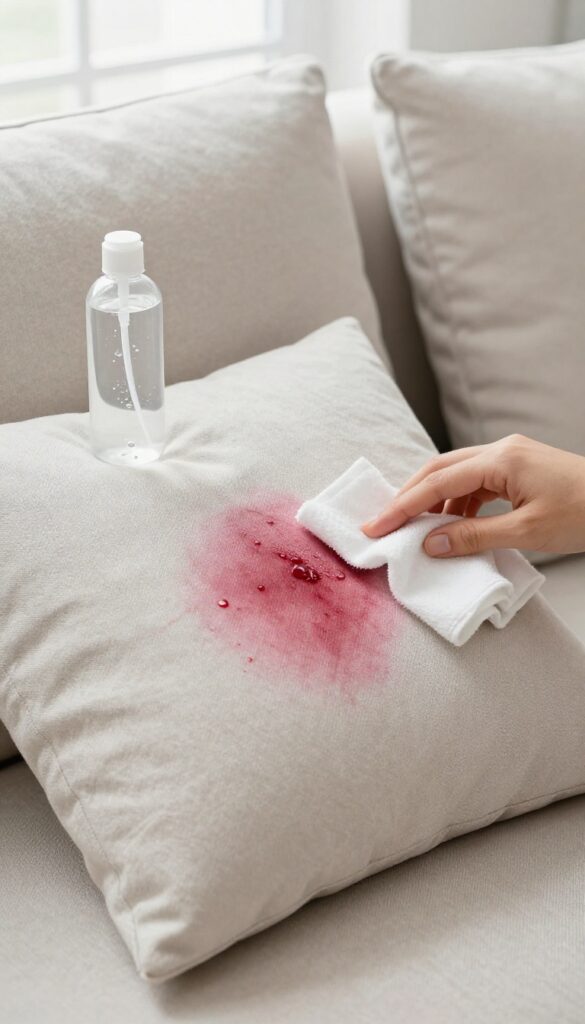
Blood, wine, and coffee stains are some of the toughest to remove from couch fabric, but hydrogen peroxide can be a game-changer. This gentle oxidizer breaks down organic compounds without the harshness of bleach. It's especially effective on light-colored fabrics where you can see the stain clearly.
For blood, wine, or coffee stains, apply a small amount of 3% hydrogen peroxide directly to the stain. Let it fizz for a few minutes, then blot with a damp cloth. Test on an inconspicuous spot first, as hydrogen peroxide can lighten some fabrics.
Repeat if necessary, then let the area air dry.
How It Works
Hydrogen peroxide releases oxygen bubbles that lift organic stains from fabric fibers. The fizzing action helps dislodge the stain, making it easier to blot away. It's most effective on fresh stains, but can also work on set-in ones with a little patience.
Safety First
Always test hydrogen peroxide on a hidden area of your couch before using it on a visible stain. It can bleach or discolor some fabrics, especially darker ones. Wear gloves to protect your hands, and avoid mixing it with other cleaning products, which can create harmful fumes.
Application Tips
Use a clean white cloth to blot the stain after applying hydrogen peroxide. Don't rub, as that can spread the stain. For stubborn stains, you can make a paste with baking soda and hydrogen peroxide, apply it, let it dry, then vacuum it up.
7. Steam Cleaning for Deep Refresh
When your couch needs more than a surface clean, steam is your best friend. The heat and moisture penetrate deep into the fibers, loosening dirt and killing dust mites, bacteria, and odors. You don't need to hire a pro—handheld steam cleaners are affordable, or you can rent a full-size upholstery machine from a hardware store.
Just check your sofa's fabric tag first to make sure steam is safe.
Choosing The Right Steamer
A handheld steamer works well for spot cleaning and small couches. For larger sofas or heavy soiling, rent a commercial upholstery steam cleaner with a wide attachment. Look for one that comes with upholstery detergent and a detailed instruction manual.
Prepping Your Couch
Vacuum the entire couch thoroughly to remove loose dirt and debris. Test the steam cleaner on an inconspicuous area to ensure the fabric doesn't shrink or discolor. Remove all cushions and covers if they are machine-washable.
Steaming Technique
Fill the steamer with hot water and the recommended cleaning solution. Work in small sections, holding the nozzle about an inch from the fabric. Move slowly in overlapping strokes, then use the extraction function to suck up the dirty water.
Let the couch dry completely before using it.
Drying And Aftercare
Open windows or use fans to speed up drying. Avoid sitting on the couch until it's bone dry to prevent mold and mildew. Fluff the cushions and vacuum again once dry to restore the fabric's texture.
8. Enzyme Cleaner for Pet Accidents
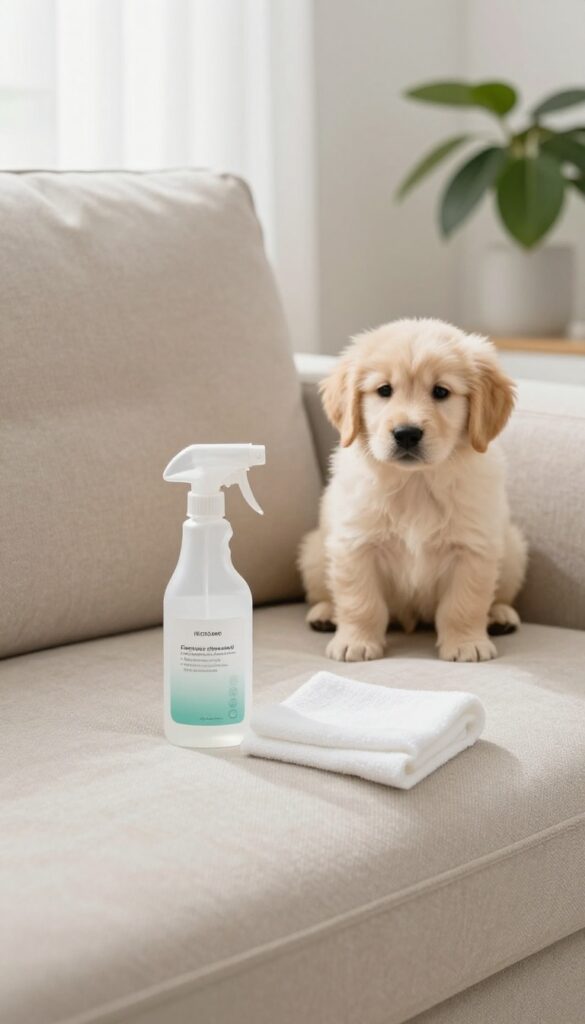
Pet accidents happen, and when they do, regular cleaners often just mask the smell. Enzyme cleaners break down urine proteins and eliminate odors at the source, so your couch smells fresh again. They're a must-have for any pet owner.
How Enzyme Cleaners Work
Enzyme cleaners contain beneficial bacteria that produce enzymes. These enzymes digest the proteins in urine, breaking them down into harmless byproducts. This process removes the stain and the odor, not just covers it up.
Application Tips
Blot up as much urine as possible with paper towels. Spray the enzyme cleaner generously on the affected area, making sure to saturate it. Let it sit for the time recommended on the label—usually 10-15 minutes.
Then blot dry with a clean cloth. Avoid using heat (like a hair dryer) until the stain is completely gone, as heat can set the stain.
Choosing The Right Product
Look for enzyme cleaners specifically designed for pet stains. Some popular brands include Nature's Miracle, Rocco & Roxie, and Simple Solution. Check the label to ensure it's safe for your couch fabric.
Test on an inconspicuous area first.
9. Cornstarch for Grease Stains
Butter, cooking oil, or salad dressing spills on your couch can leave an ugly, dark mark that seems impossible to remove. Before you reach for harsh chemicals, try this pantry staple: cornstarch. It's a gentle, effective way to lift fresh grease without damaging your fabric.
Cornstarch works by absorbing the oil before it sets into the fibers. The key is to act quickly while the stain is still fresh. Once the grease has dried, cornstarch won't be as effective, so speed matters.
How To Apply Cornstarch
As soon as you notice a grease spot, generously sprinkle cornstarch over the entire stain. Use enough to create a thick white layer. Let it sit for at least 15 minutes—longer for heavier spills.
The cornstarch will pull the oil out of the fabric as it sits.
Removing The Cornstarch
After the wait time, brush off the cornstarch with a soft brush or vacuum it up using the upholstery attachment. If the stain is still visible, repeat the process. For stubborn spots, you can gently blot with a clean cloth after the second application.
When To Use This Method
This technique works best on fabric couches, especially cotton, linen, or polyester blends. Avoid using cornstarch on leather or suede, as it can leave a residue. Always test on a hidden area first to make sure the fabric doesn't discolor.
10. Shaving Cream for Upholstery Stains
Shaving cream isn't just for grooming—it's a surprisingly effective stain remover for fabric couches. The foamy texture lifts dirt and grease without harsh chemicals, making it safe for most upholstery. Best of all, you probably already have a can in your bathroom.
Plain shaving cream (not gel or menthol varieties) works wonders on common stains like food, grease, and even some ink marks. The key is to use it promptly and blot, not rub, to avoid spreading the stain. Always test on a hidden area first, especially on delicate fabrics like velvet or silk.
How To Apply Shaving Cream
Squirt a small amount—about the size of a golf ball—directly onto the stain. Using a clean, damp cloth, gently work the cream into the fabric in a circular motion. Let it sit for 10–15 minutes to break down the stain.
Then, wipe away with a separate damp cloth, rinsing the cloth as needed. Repeat if the stain persists.
Best Stains For This Method
Shaving cream is especially effective on greasy stains like butter, salad dressing, or body oils. It also works well on light food stains (ketchup, mustard) and some water-based ink marks. Avoid using it on set-in stains that have already dried, as it may not fully lift them.
Fabric Compatibility Tips
This method is safe for most synthetic fabrics (polyester, nylon, acrylic) and cotton blends. Avoid using on leather, suede, or untreated natural fibers like linen, as the moisture can cause damage. Always check your couch's care tag and do a spot test in an inconspicuous area before proceeding.
11. Professional Upholstery Shampoo for Tough Jobs
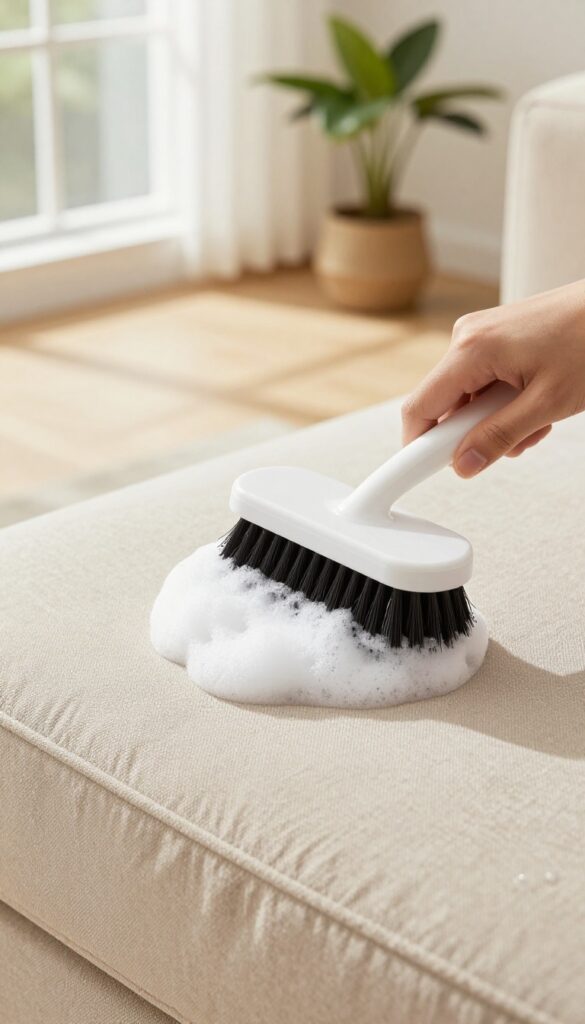
Sometimes a couch is beyond a quick wipe or a homemade spray. Heavy soiling from years of use, deep stains, or stubborn odors call for something stronger. That's where commercial upholstery shampoo comes in—it's designed to cut through grime that everyday cleaners can't touch.
Professional upholstery shampoos are concentrated formulas that create a thick foam. You apply the foam to the fabric, work it in gently with a soft brush or sponge, and let it dry. Once dry, you vacuum up the residue, which pulls dirt and odors out of the fibers.
Always test on a hidden area first and follow the label instructions for dilution and drying time.
Choosing The Right Shampoo
Not all upholstery shampoos are the same. Look for one that matches your fabric type—some are designed for synthetic blends, others for natural fibers. Check the label for specific stain claims, like pet stains or grease.
Avoid anything with harsh bleaches unless your couch is white and colorfast.
How To Apply For Best Results
Start by vacuuming the couch thoroughly to remove loose dirt. Mix the shampoo according to the instructions—usually a small amount with water to create foam. Use a sponge or upholstery brush to apply the foam, working in small sections.
Don't soak the fabric; you want foam, not liquid. Let it dry completely, then vacuum again.
When To Call In A Pro
If your couch is antique, has delicate fabric like silk or velvet, or the stains are set in deep, consider hiring a professional. They have industrial-grade equipment and solvents that can restore your couch without damaging it. But for most everyday heavy soiling, a good upholstery shampoo at home works wonders.
12. Pillow Fluffing and Rotation
Your couch cushions take a beating every single day. The spots where you sit most often start to sag, and the pillows lose their bounce. Fluffing and rotating them regularly is a simple habit that keeps your sofa looking fresh and extends its life.
It's not deep cleaning, but it makes a huge visual difference.
Fluffing redistributes the filling and restores shape. Rotation ensures even wear so no single cushion bears the brunt of daily use. Do this weekly for best results.
How To Fluff Like A Pro
For fiber-filled cushions, grab opposite corners and shake vigorously, then punch the center to break up clumps. For foam cushions, remove covers and beat the foam gently with your hands. You can also toss fiber pillows in the dryer on no heat with a couple of tennis balls for a deep fluff.
Rotation Schedule That Works
Flip cushions over if they're reversible, and rotate them front to back and side to side. Mark the bottom with a small piece of tape or a fabric pen to track positions. Aim to rotate every week or two, especially on couches that get heavy use.
When Fluffing Isn't Enough
If cushions stay flat after fluffing, the filling may be worn out. Consider replacing the inserts or adding a layer of batting. For foam, you can buy new foam cut to size online.
This restores the couch's look without buying a whole new sofa.
13. Sunlight for Natural Bleaching and Deodorizing
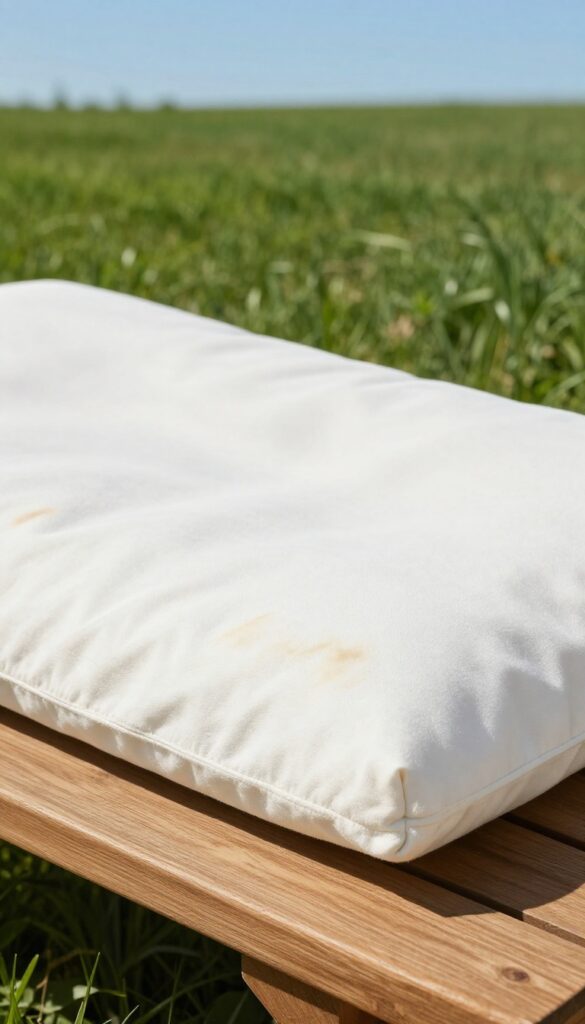
Sunlight does more than brighten your day—it can also work wonders on your couch. Ultraviolet rays are a natural disinfectant, killing bacteria and breaking down odors without any chemicals. Plus, they gently bleach light stains on fabric, making them fade away over time.
This method is especially useful for removable cushion covers that can be taken outside. It's free, eco-friendly, and requires zero scrubbing. Just a few hours of sun exposure can leave your cushions smelling fresh and looking brighter.
On a clear, dry day, take your removable cushion covers outside and lay them flat on a clean surface—a patio table, a blanket on the grass, or even a clothesline. Make sure the side with stains or odors faces upward. Let them bask in direct sunlight for at least 2–3 hours.
For best results, flip them halfway through so both sides get equal exposure. If your cushions aren't removable, you can still use sunlight by opening curtains wide and positioning the couch near a sunny window. Rotate the cushions periodically so all sides get light.
Just be mindful of fabric that might fade easily—test a small hidden area first. Sunlight is a simple, powerful tool that costs nothing and leaves your couch smelling like a fresh summer day.
Best Fabrics For Sunlight Treatment
Sunlight works best on natural fibers like cotton, linen, and cotton-polyester blends. These materials allow UV rays to penetrate and kill bacteria effectively. Microfiber and synthetic blends also benefit, but may fade faster—so limit exposure to 1–2 hours.
Avoid using sunlight on delicate fabrics like silk or wool, as they can become brittle or discolored.
When To Avoid Direct Sunlight
Bright sunlight can cause fading on dark or vibrant colored fabrics. If your couch has deep hues like navy, red, or emerald, test a hidden spot first. Also, skip this method if your cushions have waterproof coatings or memory foam inserts, as heat and UV can degrade those materials.
For such cases, stick to indoor deodorizing methods.
Combining Sunlight With Other Freshening Methods
Boost the deodorizing power by sprinkling baking soda on the cushions before taking them outside. Let the baking soda sit for 15 minutes, then shake it off before sun exposure. The combination of UV rays and baking soda neutralizes even stubborn odors like smoke or pet smells.
After sunning, vacuum the cushions to remove any residue.
14. Dry Cleaning Solvent for Delicate Fabrics
Some couch fabrics come with a stern warning: dry clean only. Water can cause them to shrink, warp, or lose their color. But that doesn't mean you're stuck with every stain forever.
A solvent-based cleaner is your go-to for these delicate materials.
For fabrics labeled 'dry clean only, ' use a solvent-based cleaner. Apply a small amount to a cloth and blot the stain. Avoid water, which can cause shrinking or discoloration.
What You'll Need
Pick up a commercial dry cleaning solvent from a hardware store or online. You'll also need a clean white cloth, a soft brush, and good ventilation. Avoid colored cloths that might bleed dye onto your couch.
How To Apply
Test the solvent on a hidden area first. Then dab a small amount onto your cloth—don't pour directly on the fabric. Blot the stain gently from the outside in.
Never rub, as that can push the stain deeper or damage the fibers.
When To Call A Pro
If the stain is large or set in, or if you're nervous about damaging the fabric, it's smart to hire a professional dry cleaner. They have the right tools and experience to handle delicate materials safely.
15. Lint Roller for Pet Hair and Lint
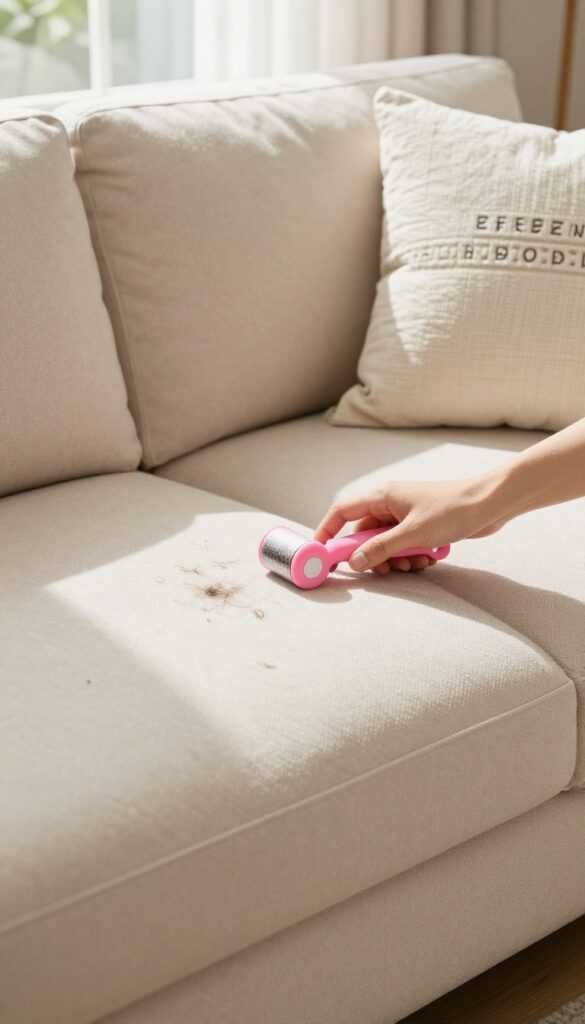
Pet hair and lint can make a couch look unkempt even if it's clean. A lint roller is the simplest tool for a quick fix. Keep one handy in your living room, and you can refresh your sofa in seconds without any setup or cleanup.
Why It Works So Well
The adhesive sheets grab loose hair, dust, and crumbs that vacuum attachments might miss. It's especially effective on textured fabrics where hair gets trapped. No batteries, no noise, just instant results.
Where To Keep It
Stash a lint roller in a side table drawer or a basket near the couch. That way you can grab it during commercials or while chatting. Having it within arm's reach makes it more likely you'll use it regularly.
Pro Tip For Maximum Use
Buy a lint roller with a long handle for larger surfaces, or use a reusable fabric shaver for deeper lint removal. For quick touch-ups between deep cleans, the classic sticky roller is unbeatable.
16. Microfiber Cloth for Dust and Spills
Microfiber cloths are a couch cleaner's best friend. They attract dust like a magnet and soak up spills without scratching even the most delicate fabrics. Keep a stack handy for quick daily touch-ups.
A dry microfiber cloth picks up dust, pet hair, and crumbs without pushing them deeper into the fabric. For fresh spills, a slightly damp cloth lifts liquid before it sets. The key is using the right cloth for the job and washing them properly to keep them effective.
Dry Dusting First
Before you tackle stains, run a dry microfiber cloth over the entire couch. The electrostatic charge grabs dust and hair that a vacuum might miss. Work from top to bottom so debris falls onto areas you haven't cleaned yet.
Damp Spot Cleaning
For spills, wet a clean microfiber cloth with water (or a mild cleaner if safe for your fabric) and wring it out until just damp. Blot the stain gently—never rub, which can push it deeper. Repeat with a dry cloth to absorb excess moisture.
Washing And Care
Microfiber cloths lose their magic when coated with fabric softener or dryer sheets. Wash them separately in warm water with mild detergent, and air dry or tumble on low heat. This keeps them lint-free and ready for the next cleaning.
17. Upholstery Brush for Lifting Dirt
Vacuuming alone often misses the deeply embedded dirt and pet hair that settle into your couch fibers. An upholstery brush changes that by agitating the fabric first, loosening debris so your vacuum can actually pull it out. It's a simple step that makes a big difference in how clean your sofa looks and feels.
Using an upholstery brush is a two-step process that takes just a few extra minutes. First, gently brush the entire surface of your couch in a back-and-forth motion, focusing on areas where people sit most. The bristles work the dirt loose without damaging the fabric.
Then follow up with your vacuum's upholstery attachment to suck away everything the brush freed. This technique is especially effective for microfiber, cotton, and polyester blends. For delicate fabrics like velvet or silk, use a very soft brush and light pressure to avoid leaving marks.
Choosing The Right Brush
Not all upholstery brushes are the same. Look for one with soft, dense bristles that won't scratch or snag your fabric. A brush with a wooden or sturdy plastic handle gives you better control.
If your couch has a lot of pet hair, a rubber-bristled brush works wonders by creating static that attracts fur.
Brushing Technique Tips
Always brush in the direction of the fabric's grain to avoid pilling. For stubborn spots, use small circular motions. Avoid pressing too hard—you want to lift dirt, not grind it deeper.
Brush one section at a time and vacuum immediately after to prevent loosened dirt from settling back in.
How Often To Brush
For high-traffic couches, brushing once a week keeps dirt from building up. In homes with pets, every few days is better. If your couch looks dusty or feels rough to the touch, it's time for a quick brush-and-vacuum session.
18. Spot Cleaning with Club Soda
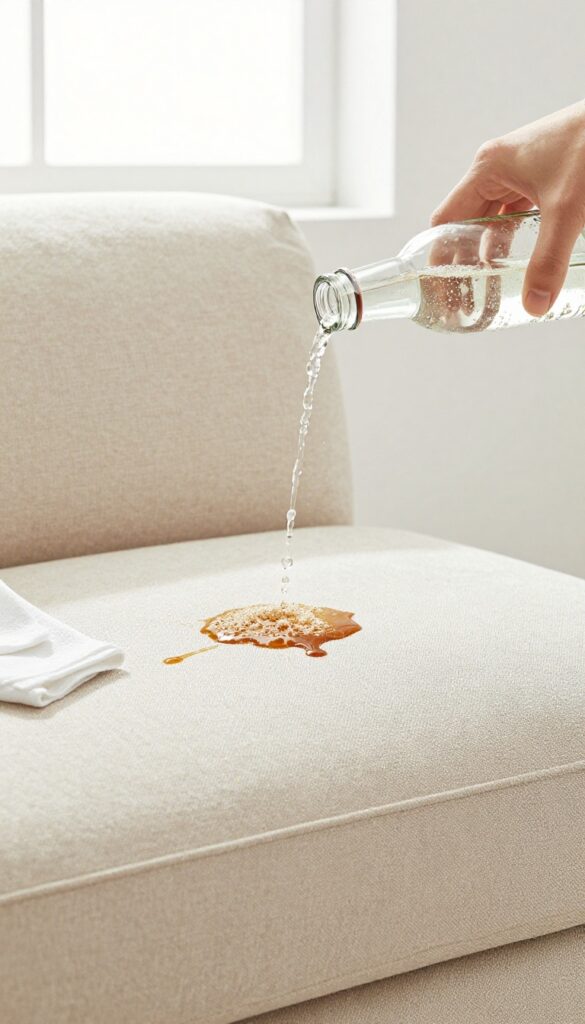
Club soda isn't just for mixing drinks—it's a surprisingly effective spot cleaner for fresh spills on your couch. The carbonation helps lift liquid from the fibers before it sets, while the mild salts in the soda can help break down stains. Keep a bottle handy for quick action when accidents happen.
When a spill occurs, act fast. Pour a small amount of club soda directly onto the spot—just enough to cover it. Let it fizz for a few seconds, then blot gently with a clean, dry cloth.
Repeat until the stain lifts. Avoid rubbing, which can push the spill deeper into the cushion.
Why Club Soda Works
The carbonation creates bubbles that help dislodge dirt and liquid from fabric fibers. The minerals in club soda (like sodium bicarbonate) also help neutralize odors and break down some stain compounds. It's gentle enough for most upholstery fabrics.
Best For Fresh Stains
Club soda works best on recent spills—think coffee, juice, or wine that just happened. For dried or set-in stains, you'll need a stronger cleaner. Always test on an inconspicuous spot first, especially on delicate fabrics like silk or velvet.
Blotting Technique Matters
Use a white cloth to avoid color transfer. Start from the outside of the stain and work inward to prevent spreading. Press firmly, then lift—don't scrub.
Continue blotting until the cloth comes away clean, then let the area air dry.
19. Fabric Protector Spray for Future Prevention
You've put in the elbow grease to get your couch clean. Now, keep it that way with a simple preventive step. Fabric protector spray creates an invisible barrier that helps liquids bead up instead of soaking in, giving you precious time to blot spills before they become stains.
Most fabric protectors work on a variety of upholstery materials, but always check the label first. Apply after a thorough cleaning and let it dry completely before using the couch. Reapply every few months or after each deep clean to maintain protection.
This small habit can double the time between major cleanings.
Choosing The Right Protector
Look for sprays labeled for upholstery or fabric furniture. Avoid products meant for outdoor gear or shoes—they can be too harsh. Test on an inconspicuous spot first to ensure no discoloration.
Brands like Scotchgard and ForceField are popular and reliable.
Application Tips
Work in a well-ventilated area and cover nearby items. Hold the can about 6 inches from the fabric and spray in an even, sweeping motion. Don't oversaturate—a light, uniform coat is enough.
Let it dry for at least 24 hours before sitting on the couch.
When To Reapply
Reapply after every deep cleaning or every three to six months, depending on usage. High-traffic couches or homes with kids and pets may need more frequent applications. A simple test: sprinkle a few drops of water on the fabric.
If they soak in quickly, it's time for a new coat.
20. Regular Maintenance Schedule
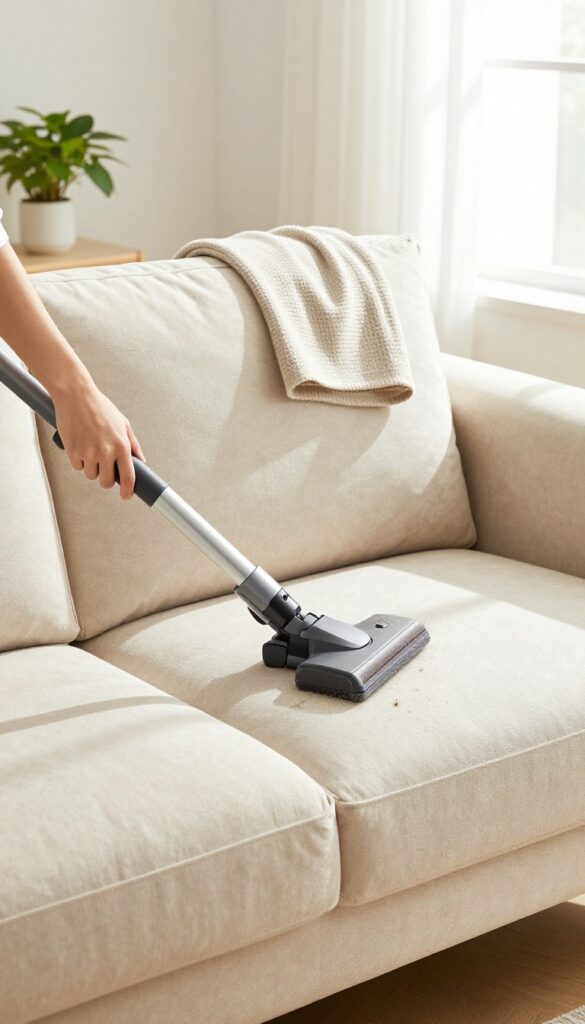
A little consistency goes a long way when it comes to couch care. Instead of waiting for stains to set or odors to build up, a simple routine keeps your sofa looking fresh between deep cleans. Think of it like brushing your teeth—daily upkeep prevents bigger problems later.
With just a few minutes each week, you can dramatically extend the life of your upholstery and keep your living room feeling clean and inviting.
Set a routine: vacuum weekly, spot clean as needed, and deep clean every 3-6 months. Consistency keeps your couch looking great and extends its life.
Weekly Vacuuming
Give your couch a quick once-over with the upholstery attachment every week. This removes dust, crumbs, and pet hair before they settle deep into the fibers. Pay extra attention to crevices and under cushions where debris likes to hide.
Spot Cleaning As Needed
Don't let spills sit. Blot (don't rub) fresh stains with a clean cloth, then treat with a gentle cleaner appropriate for your fabric type. Keeping a small stain-removal kit nearby makes it easy to act fast.
Seasonal Deep Clean
Every few months, give your couch a thorough cleaning. Steam clean or use a fabric-safe shampoo to lift embedded dirt and refresh the fibers. This is also a good time to rotate cushions for even wear and fluff them up for a like-new feel.
FAQ
How often should I clean my couch?
Vacuum weekly and spot clean spills immediately. Deep clean every 3-6 months, or more often if you have pets or children.
Can I use bleach on my couch?
Bleach is too harsh for most upholstery and can cause discoloration or damage. Stick to mild cleaners like dish soap or vinegar solutions.
What's the best way to remove pet urine smell?
Use an enzyme cleaner specifically designed for pet stains. It breaks down the urine proteins and eliminates odors at the source.
How do I clean a microfiber couch?
Microfiber is durable. Vacuum regularly, and for stains, use rubbing alcohol on a cloth to blot. Avoid water, which can leave marks.
Is steam cleaning safe for all fabrics?
No. Check your couch's care label. Steam is safe for most synthetic and cotton blends, but avoid it on silk, wool, or delicate fabrics.
Conclusion
Your couch doesn't need to be a source of stress. By rotating through a few of these cleaning ideas, you'll keep it looking great and lasting longer without dedicating your whole weekend to the task.
Start with the method that targets your biggest problem area—whether that's pet hair, stains, or just everyday dust. A little regular attention means your living room stays the fresh, inviting space you deserve.