
Narrow side yards often become wasted space, but with a few smart choices, they can become your dog's favorite spot. The key is picking a surface that handles running, digging, and bathroom breaks without turning into a muddy mess.
Let's look at nine practical options that fit tight spaces and keep cleanup simple. Each idea focuses on real-world use—what works for your dog's paws, your drainage needs, and your weekend schedule.
From artificial turf that rinses clean to gravel bases that let rain pass through, you'll find solutions that make a narrow strip feel roomy and functional.
1. Artificial Turf for Easy Cleanup
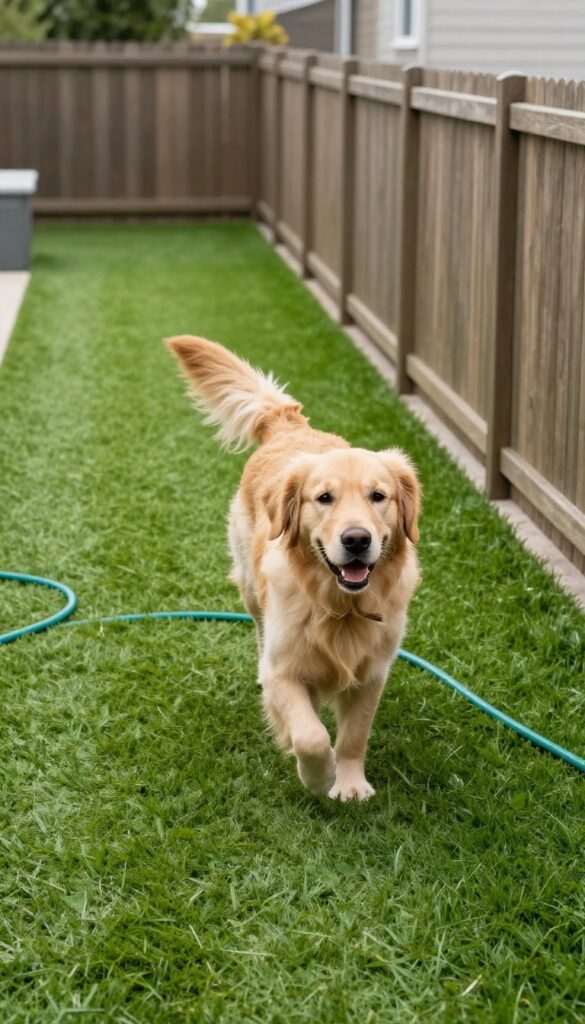
Artificial turf gives your narrow side yard a manicured look while handling everything your dog throws at it. It drains quickly, so rain doesn't create puddles, and a quick spray with the hose washes away urine or mud. Dogs love the soft, springy feel under their paws, and you get a green space without the maintenance of real grass.
Why It Works
The permeable backing lets liquids pass through, preventing standing water and odors. It's durable enough for running and digging, yet gentle on joints. Plus, you can spot-clean with enzyme cleaner to keep it fresh.
Best For
Best for dogs that love to run and play, especially in homes with limited yard space. It's ideal for owners who want a low-maintenance, mud-free zone that stays usable year-round.
Practical Tip
Install a shock-absorbent underlayment to add cushioning for older dogs or breeds prone to joint issues. Use a pet-safe infill like silica sand to help the turf stand up and reduce heat absorption.
Budget-Friendly Option
If full turf installation is too pricey, try interlocking artificial grass tiles. They're easier to install yourself, still drain well, and can be replaced individually if damaged.
2. Gravel Base with Drainage
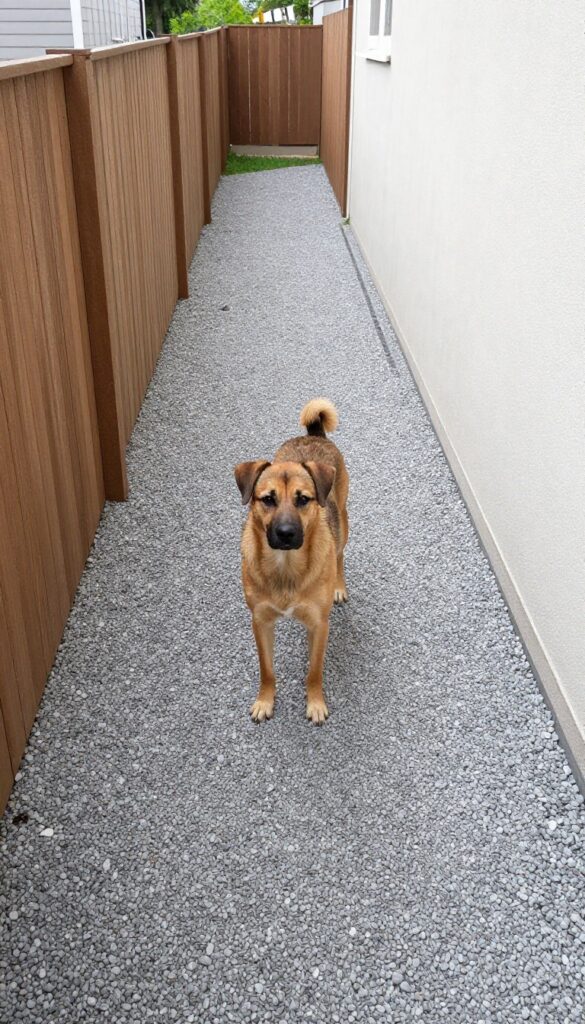
Pea gravel or crushed stone offers a stable, mud-free surface that lets rainwater pass right through. A proper drainage layer underneath keeps the area dry and odor-free, making it a low-maintenance choice for narrow spaces.
This setup works especially well for dogs who love to dig or splash in puddles. The stones stay put underfoot, and you can rake up waste easily without the mess of mud or grass.
Many dog owners appreciate how gravel stays cool in summer and drains quickly after rain. It's a durable option that doesn't require constant watering or mowing.
Why It Works
Gravel creates a firm surface that won't turn into mud, even after heavy rain. The drainage layer prevents standing water and reduces smells, so your side yard stays fresh and usable year-round.
Best For
This idea is ideal for active dogs who run and play hard, especially in rainy climates. It's also great for owners who want a low-maintenance surface that doesn't need watering or mowing.
Practical Tip
Use a weed barrier fabric beneath the gravel to prevent plants from poking through. Spread the gravel at least 2-3 inches deep for good coverage, and rake it occasionally to keep it level and clean.
Budget-Friendly Option
If pea gravel is pricey in your area, look for crushed granite or decomposed granite—they cost less and compact nicely. You can also mix in sand to reduce cost while maintaining drainage.
3. Mulch or Wood Chips for Comfort
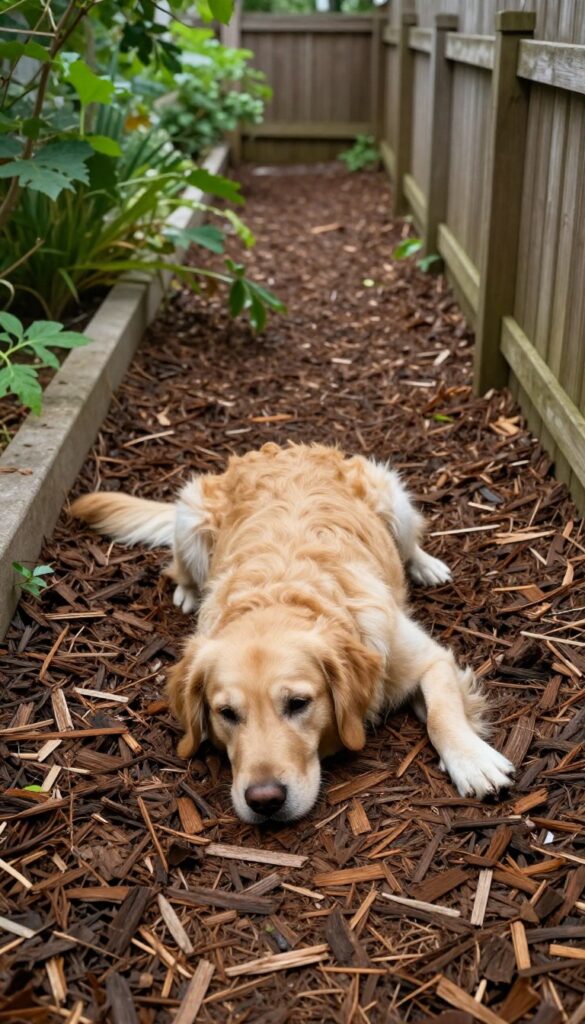
A layer of shredded hardwood mulch or cedar chips brings a natural, soft surface to your dog's run. It's budget-friendly and easy to refresh, making it a popular choice for narrow spaces.
Dogs love the cushiony feel under their paws, and the material helps absorb odors naturally. Plus, it blends seamlessly into garden settings.
Why It Works
Mulch provides excellent drainage, so puddles don't form after rain. It also stays cooler than concrete or gravel on hot days, keeping your dog comfortable during playtime. The soft texture reduces impact on joints, which is great for older dogs or those prone to injuries.
Best For
This surface works well for small to medium dogs that enjoy digging or lounging outdoors. It's ideal for renters or homeowners on a budget who want a quick, removable solution. Avoid it for dogs that chew wood, as splinters can be a hazard.
Practical Tip
Apply a 3- to 4-inch layer over landscape fabric to prevent weeds and keep the mulch in place. Rake it weekly to redistribute material and spot-clean waste promptly. Replace the top layer every six months to maintain freshness and prevent compaction.
Budget-Friendly Option
Instead of buying bagged mulch from a garden center, check with local tree removal services for free or low-cost wood chips. They often need to dispose of them and will deliver a load for a small fee.
4. Poured Concrete with a Slight Slope
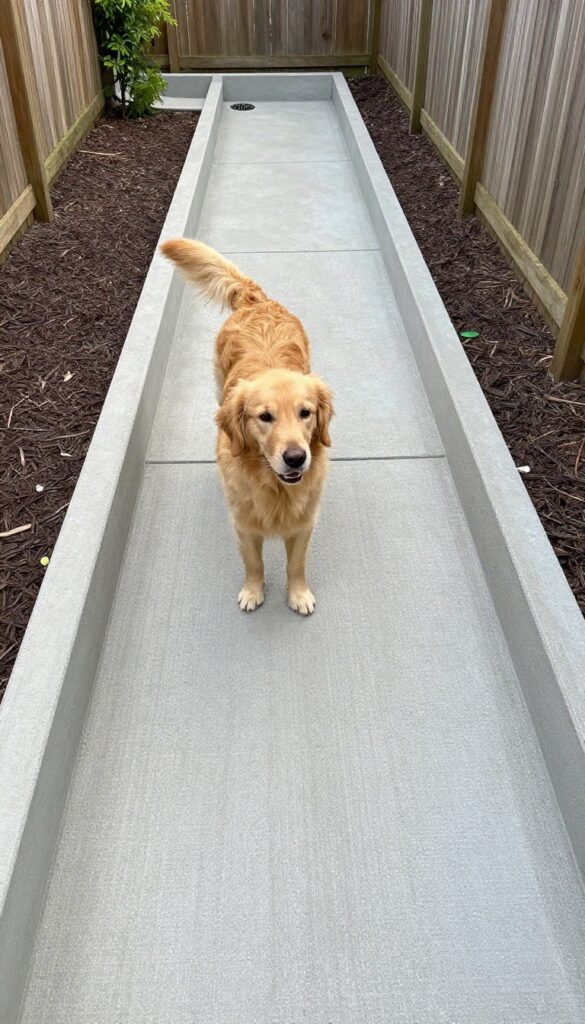
A concrete pad might sound too plain, but it's one of the most practical surfaces for a narrow dog run. It gives you a solid, easy-to-clean base that stands up to heavy use. Adding a slight slope ensures water drains away instead of pooling, so your dog stays dry after rain or a hose-down.
Sealing the concrete prevents stains from accidents and keeps cracks from forming over time.
Why It Works
Concrete is durable and non-porous when sealed, so odors and bacteria don't soak in. A quick rinse with a hose removes dirt, mud, and waste, making daily cleanup effortless. The slight slope directs runoff to a drain or garden bed, eliminating puddles and slippery spots.
Best For
This surface works great for dogs who love to dig or chew, since concrete can't be torn up. It's also ideal for homes in rainy climates or for owners who want a low-maintenance, long-lasting solution.
Practical Tip
To make it more comfortable, lay outdoor rubber mats or artificial turf over part of the concrete for softer footing. Use a broom finish on the concrete to add traction and prevent slipping when it's wet.
Budget-Friendly Option
If pouring concrete is too pricey, interlocking concrete pavers are a good alternative. They still offer a solid surface but are easier to install yourself and allow for drainage between joints.
5. Paver Stones with Grass Gaps
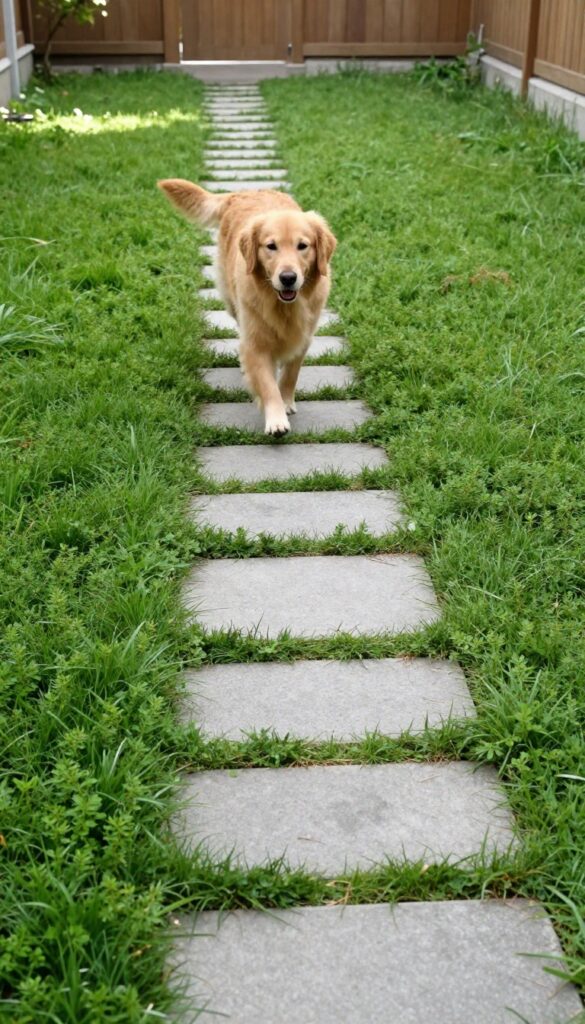
Paver stones with gaps for grass or ground cover blend the stability of a hard surface with the softness of natural ground. This design creates a defined path that feels gentle on paws and drains well, so you avoid mud puddles after rain. It's a simple way to make a narrow side yard look intentional and inviting for your dog.
Why It Works
The combination of solid pavers and living gaps gives your dog a stable walking surface while maintaining a natural texture underfoot. Grass or creeping thyme in the gaps absorbs moisture and reduces muddy paws, and the pavers prevent digging in high-traffic areas. This mix also helps the space feel larger than a plain concrete run.
Best For
This works well for dogs that love to trot along a clear path but also enjoy sniffing greenery. It's ideal for side yards with moderate foot traffic and partial sunlight, where grass can thrive in the gaps. Dogs with joint issues benefit from the slight cushion of the ground cover.
Practical Tip
Use rectangular pavers set about two inches apart, and fill the gaps with a low-growing ground cover like creeping thyme or dwarf mondo grass. Keep the ground cover trimmed short to prevent it from trapping debris or attracting pests. A border of larger stones along the edges helps contain the grass and keeps your dog on the path.
Budget-Friendly Option
If new pavers are too pricey, look for reclaimed brick or concrete chunks at salvage yards. You can also use large flat stones from a landscape supply for a fraction of the cost.
6. Rubber Pavers for Traction
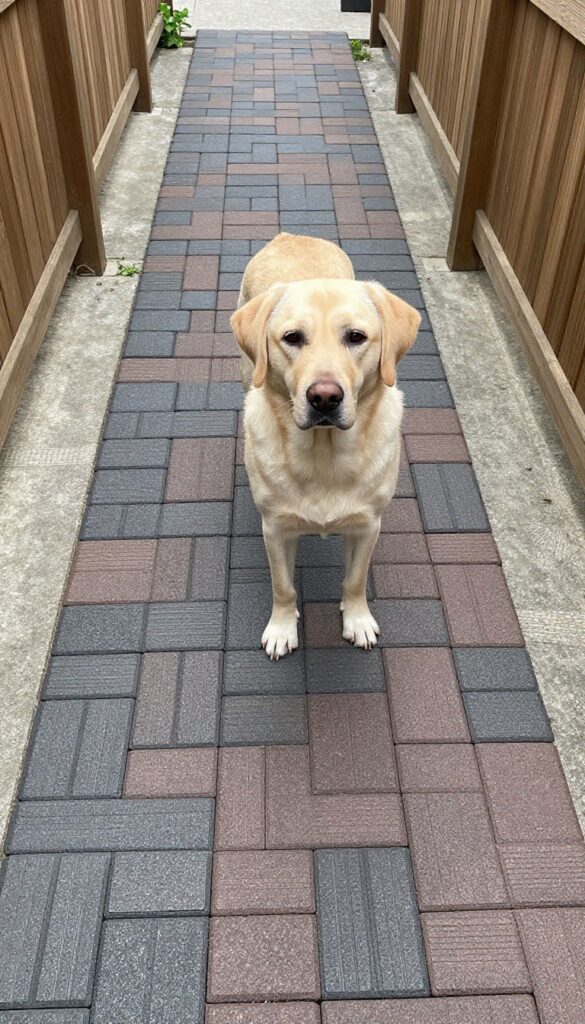
Rubber pavers bring the durability of a hard surface with the comfort of a soft one. They interlock like puzzle pieces, creating a stable, slip-resistant floor that stays put even during zoomies.
These pavers come in colors like charcoal, brown, or brick red, so they can match your home's look. They install right over dirt, grass, or concrete—no special tools needed.
Many dog owners love them because they cushion joints for older pups and provide solid footing for energetic diggers. Plus, they drain well and rinse clean with a hose.
Why It Works
Rubber pavers are naturally slip-resistant, which helps dogs gain traction on wet or sloped surfaces. The slight give underfoot reduces impact on hips and elbows, making them ideal for breeds prone to joint issues. They also hold up to digging and scratching without breaking apart.
Best For
This surface suits older dogs with arthritis, high-energy breeds that need good grip, and narrow runs with a slight slope where gravel or turf might shift. It also works well for dogs who like to dig, since the pavers are too heavy to move.
Practical Tip
Install rubber pavers over a compacted base of sand or fine gravel to ensure they stay level. Leave a small gap along fences for drainage and easy hosing. Sweep debris off regularly, and scrub with mild soap if odors develop.
Budget-Friendly Option
For a lower-cost alternative, use rubber stall mats from a farm supply store. They come in large rolls and can be cut to fit. Just anchor the edges to prevent curling.
7. Raised Deck or Platform
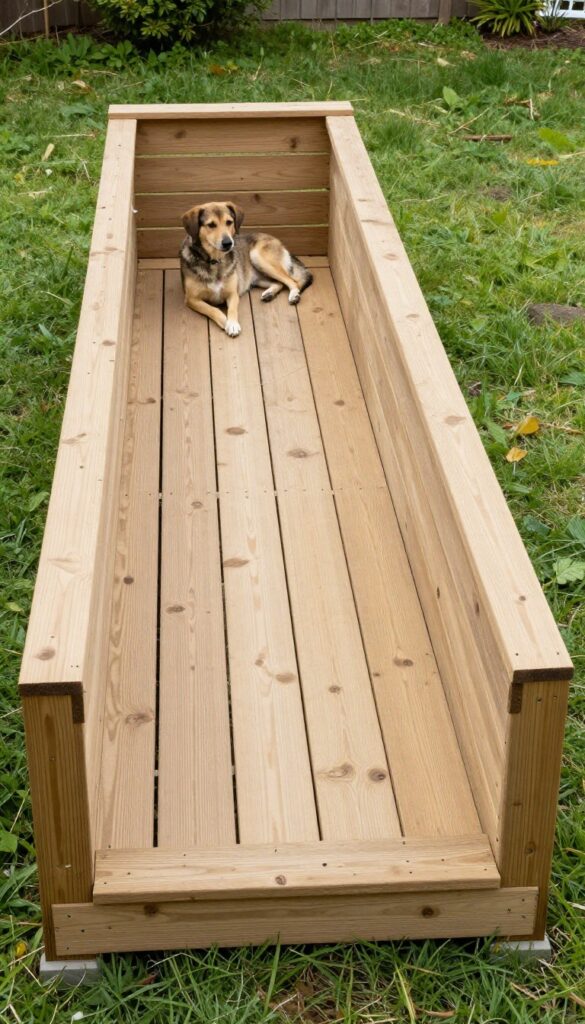
A low wooden deck lifts your dog run above the mud, creating a clean, dry surface even after heavy rain. The open slats allow air to circulate underneath, which helps keep the area fresh and reduces odors. Many dog owners love this option because it feels like an extension of the home's outdoor living space.
Why It Works
The raised design prevents your dog from tracking dirt and moisture into the house. It also discourages digging since there's no direct access to soil. Composite decking resists rot and splinters, making it a safe, long-lasting choice for active dogs.
Best For
This idea works great for dogs that love to lounge outside but hate wet grass. It's also perfect for homeowners who want a clean, low-maintenance surface that blends with existing decking or patio furniture.
Practical Tip
Use composite decking boards with a textured, slip-resistant surface to give your pup good traction. Leave small gaps between boards for drainage, and consider adding a removable section for easy hosing underneath.
Budget-Friendly Option
If composite decking is too pricey, pressure-treated pine with a weatherproof sealant is a budget-friendly alternative. Just check for splinters regularly and sand down any rough spots.
8. Synthetic Grass with Infill
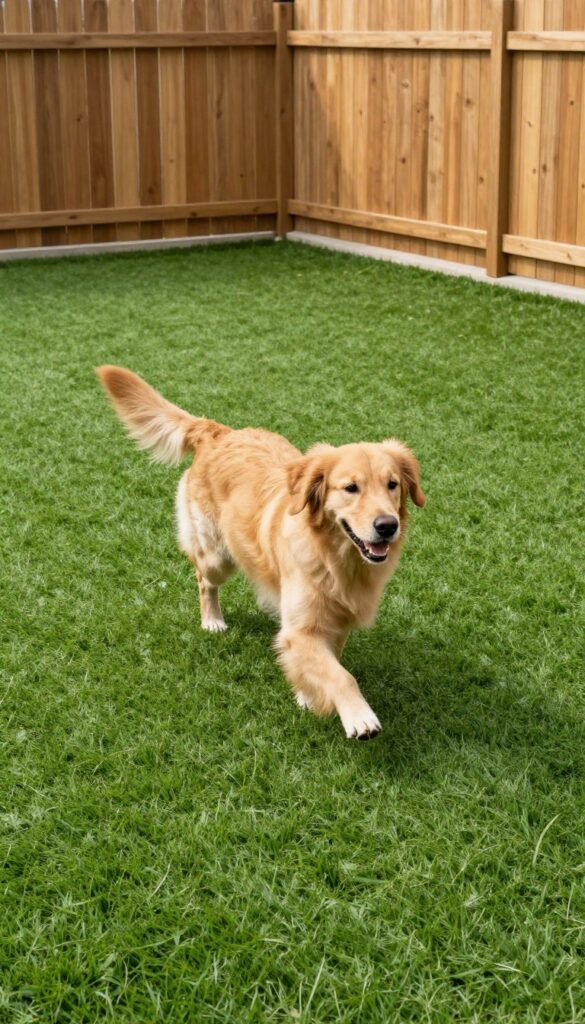
Synthetic grass with infill brings the lush look of a real lawn without the mud, bare patches, or constant watering. A layer of antimicrobial infill helps neutralize odors and keeps the surface fresh even with daily use. For narrow side yards, this surface stays green year-round and gives dogs a soft, stable place to run and play.
Why It Works
The infill adds weight and stability, preventing the grass from shifting or wrinkling as your dog dashes back and forth. It also cushions joints, making it gentler on older dogs or breeds prone to hip issues. Plus, the antimicrobial properties reduce bacteria growth, so the run stays cleaner and smells better between cleanings.
Best For
This is a top choice for dogs who love to dig, roll, or scratch at the ground—the infill makes it less tempting and more durable. It's also ideal for owners who want a low-maintenance, always-green surface in a yard that gets limited sunlight or heavy use.
Practical Tip
Choose a synthetic grass with a pile height around 1.5 to 2 inches for a natural feel that's easy to clean. Rinse the turf weekly with a hose and use a pet-safe enzyme cleaner monthly to break down urine residue. For drainage, make sure the base layer has at least 4 inches of crushed rock or gravel underneath.
Budget-Friendly Option
If full synthetic turf with infill is out of budget, consider outdoor carpet tiles designed for pets. They provide a similar soft, cleanable surface and can be replaced individually if one section wears out.
9. Pea Gravel Over Landscape Fabric
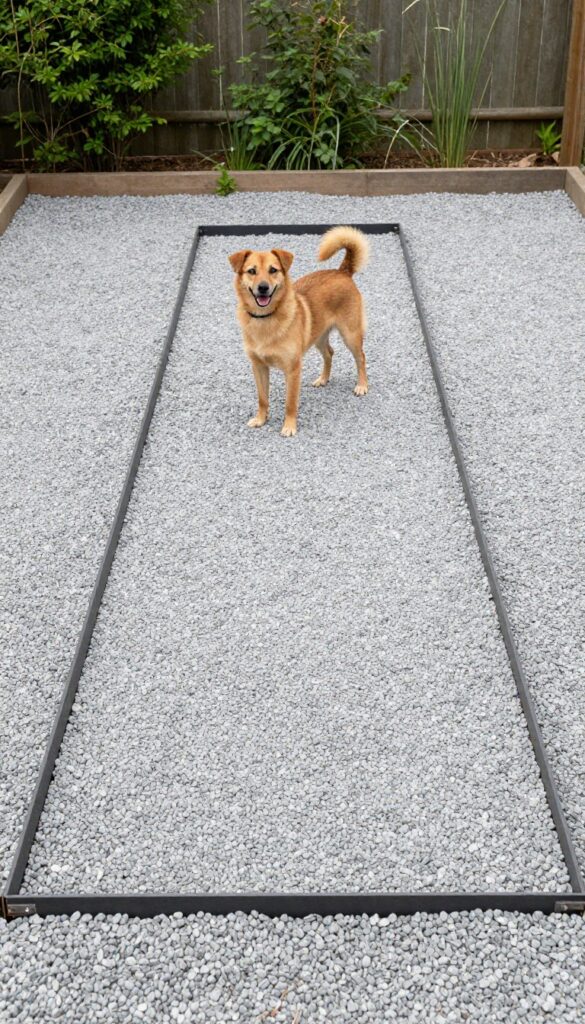
Pea gravel offers a clean, permeable surface that drains quickly, so you won't deal with puddles after a rainstorm. By laying landscape fabric underneath, you block weeds and stop the stones from mixing with the soil below. The result is a low-maintenance dog run that stays firm under paws and easy to refresh with a rake.
Why It Works
Pea gravel is naturally weed-resistant when paired with fabric, and its rounded edges are gentle on dog paws. It drains fast, so urine won't pool, and you can easily scoop solid waste or hose down the area without creating mud.
Best For
This setup works well for small to medium dogs that don't dig obsessively, and for owners who want a budget-friendly, quick-draining surface in a narrow side yard with good drainage.
Practical Tip
Use a 3–4 inch layer of pea gravel over heavy-duty landscape fabric. Install a border of metal or plastic edging to keep the gravel contained. Rake the surface weekly to keep it level and remove debris.
Budget-Friendly Option
Skip the landscape fabric and use old cardboard or newspaper layers instead. They'll block weeds for a season and break down naturally, but you'll need to replace them yearly.
FAQ
How wide does a side yard dog run need to be?
A minimum width of 3 feet works for most dogs, but 4 to 5 feet is more comfortable for turning around and playing.
What is the best surface for a dog run in a narrow space?
Artificial turf or pea gravel are top choices because they drain well, are easy to clean, and stay comfortable for dogs.
Do I need a fence for a side yard dog run?
Yes, a secure fence at least 4 feet high is recommended to prevent escapes. Consider adding a gate for easy access.
How can I keep my dog cool in a narrow side yard run?
Provide shade with a canopy, shade cloth, or plant tall shrubs along the fence. Always ensure fresh water is available.
Can I install a dog run on a slope?
Yes, but you may need to terrace the area or use a surface like gravel that won't wash away. Proper drainage is key.
Conclusion
Turning a narrow side yard into a functional dog run is simpler than you might think. Start with one or two ideas that match your space and your dog's energy level—whether that's adding artificial turf for easy cleanup or installing a shade sail for comfort.
Your pup will appreciate having a dedicated spot to stretch their legs and sniff around. Pick a project to tackle this weekend, and watch how much more your dog enjoys that once-underused strip of yard.

I’m Pallab Kishore, the owner of Little Pets Realm — an animal lover and pet care enthusiast sharing easy tips, healthy recipes, and honest advice to help every small pet live a happy, healthy, tail-wagging life.