
Last updated on August 19th, 2026 at 04:15 pm
Your dog deserves a backyard that's more than just a patch of grass. With a few smart upgrades, you can create a space that's safe, fun, and easy to maintain for both of you.
From budget-friendly shade solutions to a designated digging pit that saves your flower beds, these 13 ideas are designed for real homes and real dogs. Whether you're tackling a full makeover or just adding one or two features this weekend, each idea is practical and dog-approved.
Let's turn your yard into a place your pup will love—and you'll actually enjoy spending time in.
1. Designated Digging Pit
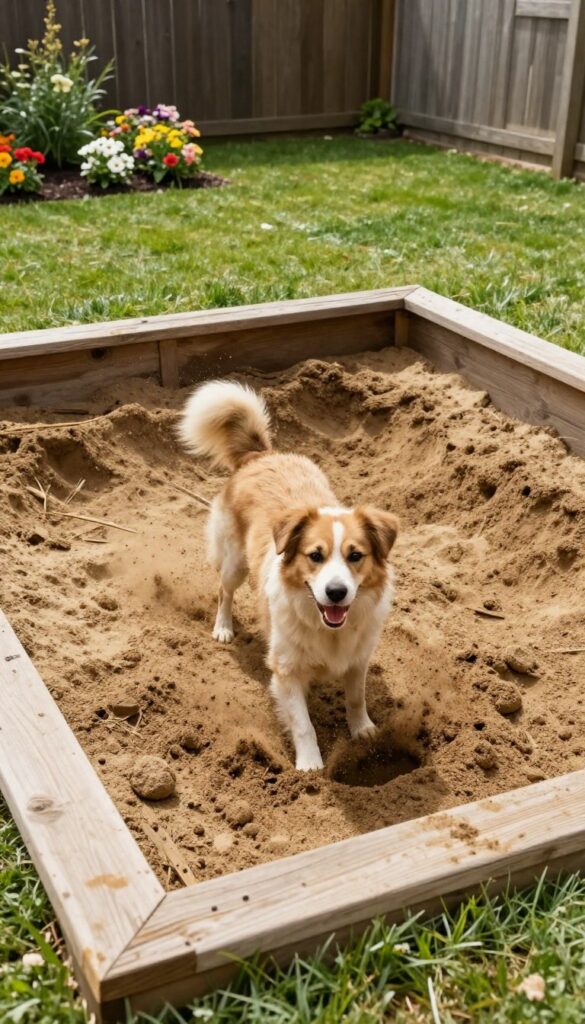
Dogs dig for all sorts of reasons—boredom, instinct, or just to cool off. Instead of fighting that natural urge, give them a spot where it's totally allowed. A designated digging pit can save your lawn, flower beds, and garden from getting torn up.
Plus, it's a simple weekend project that pays off in fewer muddy paws and less frustration.
Where To Put It
Pick a spot that's out of the main traffic flow but still visible from the house. A corner of the yard or an area near a fence works well. Make sure it's not too close to trees with roots that could get damaged.
You want your dog to see the pit and choose it over your petunias.
What To Fill It With
Use a mix of sand and topsoil so it's easy to dig and drains well. Some owners add a layer of pea gravel at the bottom for drainage. Avoid clay or heavy dirt that turns into mud.
The texture should be inviting—think soft and loose, not compacted.
How To Train Your Dog To Use It
Bury a few treats or favorite toys just under the surface to spark interest. Praise them when they dig in the pit, and gently redirect them if they start digging elsewhere. Over time, they'll learn that the pit is the only acceptable digging zone.
Consistency is key, but most dogs catch on fast.
2. Shade Solutions on a Budget
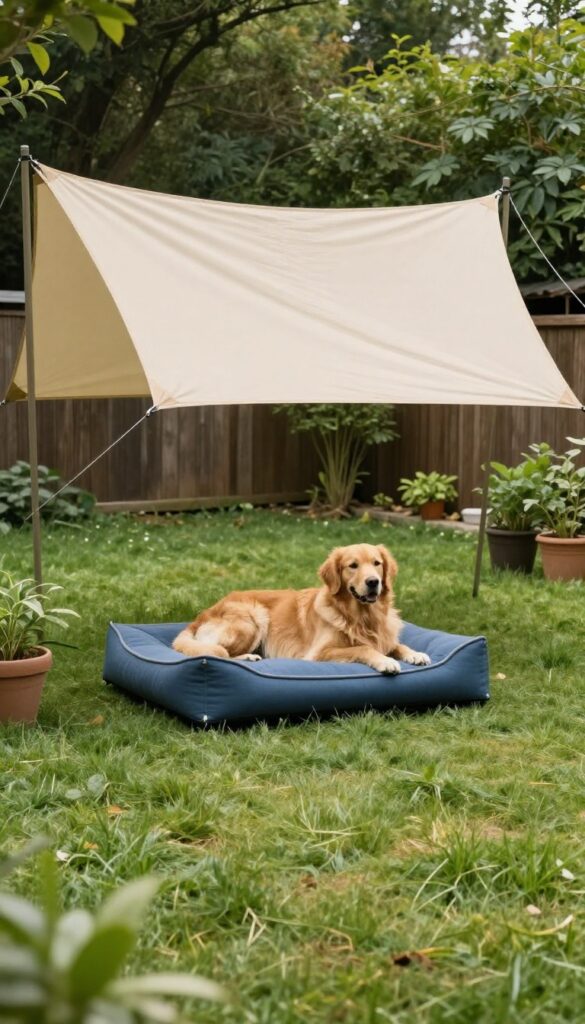
Dogs overheat fast, especially in summer. Creating cool spots in your yard doesn't have to cost a fortune. With a little creativity, you can keep your pup comfortable without breaking the bank.
Shade Sails: Affordable And Adjustable
Shade sails are a popular choice because they're inexpensive and easy to install. You can find them at hardware stores or online for under $50. Attach them to trees, fence posts, or your house to create a cool zone over your dog's favorite lounging spot.
Make sure to angle them so they block the afternoon sun.
Umbrellas: Portable And Versatile
A large patio umbrella is another budget-friendly option. It's portable, so you can move it wherever your dog likes to hang out. Look for one with a sturdy base to prevent tipping.
Pair it with a dog bed or a towel for an instant shady retreat.
Fast-growing Trees: Natural And Long-lasting
If you're willing to wait a season or two, planting fast-growing trees like river birch or red maple can provide natural shade for years. They also cool the air through evaporation and add beauty to your yard. Just make sure the tree species is non-toxic to dogs.
3. DIY Agility Course
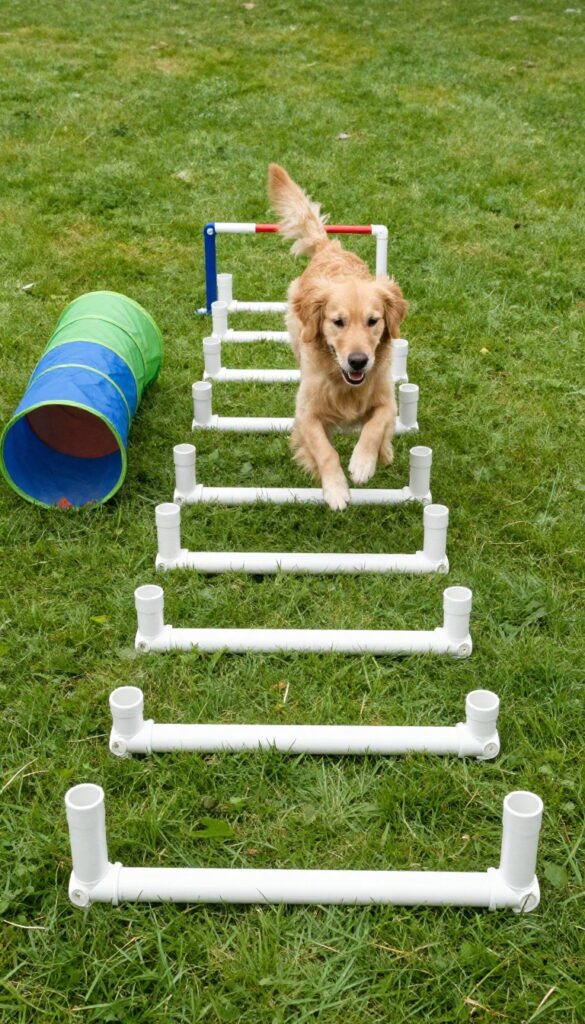
You don't need a professional setup to give your dog a fun workout. A DIY agility course can be built with common materials from the hardware store, and it's a fantastic way to burn off energy and strengthen your bond. Your pup will love the challenge, and you'll love how easy it is to set up and store.
Building a backyard agility course is easier than you think. Start with simple jumps using PVC pipes and connectors—they're lightweight, adjustable, and won't hurt your dog if they knock them over. For weave poles, stick a few PVC pipes into the ground or use traffic cones.
A tunnel can be made from a children's play tunnel or a large cardboard box with both ends open. The key is to start with a few obstacles and gradually add more as your dog learns. Always use positive reinforcement and keep sessions short and fun.
Jumps And Hurdles
PVC jumps are the backbone of any agility course. Cut a 4-foot PVC pipe into two uprights and a crossbar. Use T-connectors to attach the crossbar, and add end caps to the bottom of the uprights so they don't fill with dirt.
You can adjust the height by using different lengths of crossbar or by adding extra connectors. Place the jumps a few feet apart and encourage your dog to go over them with treats or a toy.
Weave Poles And Tunnels
For weave poles, insert 5 to 6 PVC pipes into the ground in a straight line, spaced about 2 feet apart. If you don't want permanent poles, use weighted bases or push them into potted plants. A tunnel can be a children's collapsible tunnel from a toy store, or you can make one from a large cardboard box with both ends open.
Start with the tunnel short and straight, then gradually make it longer or add a slight curve.
Training Tips For Success
Always start with low heights and simple patterns. Use high-value treats and lots of praise. Keep training sessions to 5-10 minutes to avoid frustration.
Let your dog watch you set up the course so they get curious. If they seem unsure, lure them through with a treat. Never force your dog to do an obstacle—agility should be fun, not scary.
4. Pet-Safe Plants and Borders
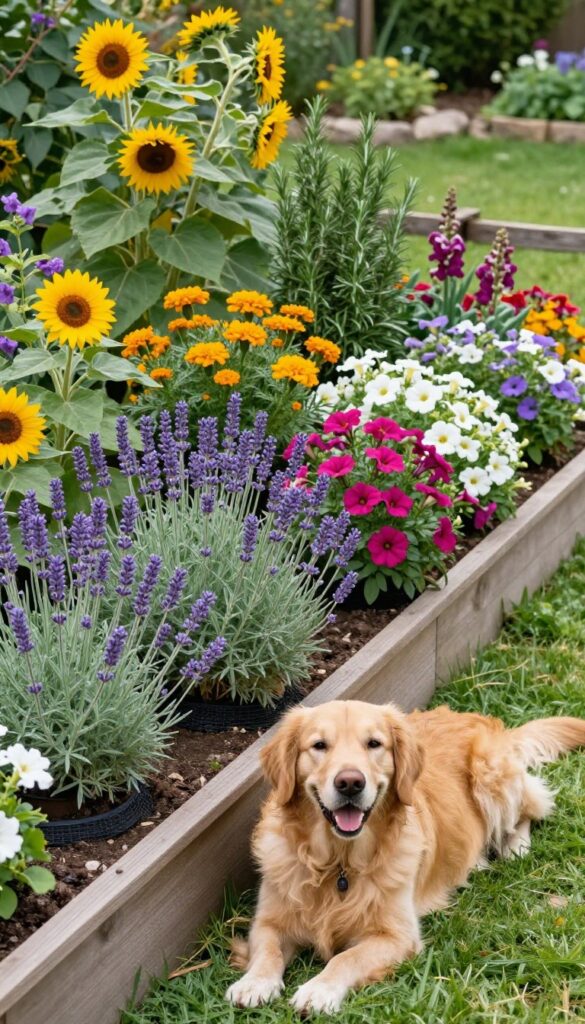
Not every plant is a friend to your dog. Some common garden favorites—like azaleas, lilies, and sago palms—can be toxic if chewed or swallowed. The good news is you can still have a lush, colorful yard by choosing dog-safe alternatives.
Thoughtful plant selection and smart borders keep your pup safe and your garden looking great.
Top Dog-safe Plants
Swap out risky plants for varieties that are non-toxic and tough enough to handle a curious nose. Lavender adds a calming scent and is safe for dogs. Sunflowers bring cheerful height and are completely harmless.
Rosemary is a hardy, aromatic herb that works well as a border plant. Other great options include marigolds, snapdragons, and petunias. Always double-check the scientific name before buying, as common names can be misleading.
Raised Beds For Protection
Raised garden beds are a simple way to keep your plants out of reach. They also create a clear visual boundary that many dogs respect. Build beds at least 18 inches tall to deter jumping.
Use sturdy materials like cedar or composite wood. Line the bottom with hardware cloth to prevent digging from underneath. This keeps your veggies and flowers safe while still giving your dog plenty of room to roam.
Creating Safe Borders
Borders aren't just for looks—they can steer your dog away from delicate areas. Use low fencing, decorative stones, or dense shrubs to create a natural barrier. Avoid using cocoa bean mulch, which is toxic if ingested.
Instead, choose pine bark or rubber mulch. A well-defined border also helps your dog understand which parts of the yard are off-limits, reducing stress for both of you.
5. Cooling Station for Hot Days
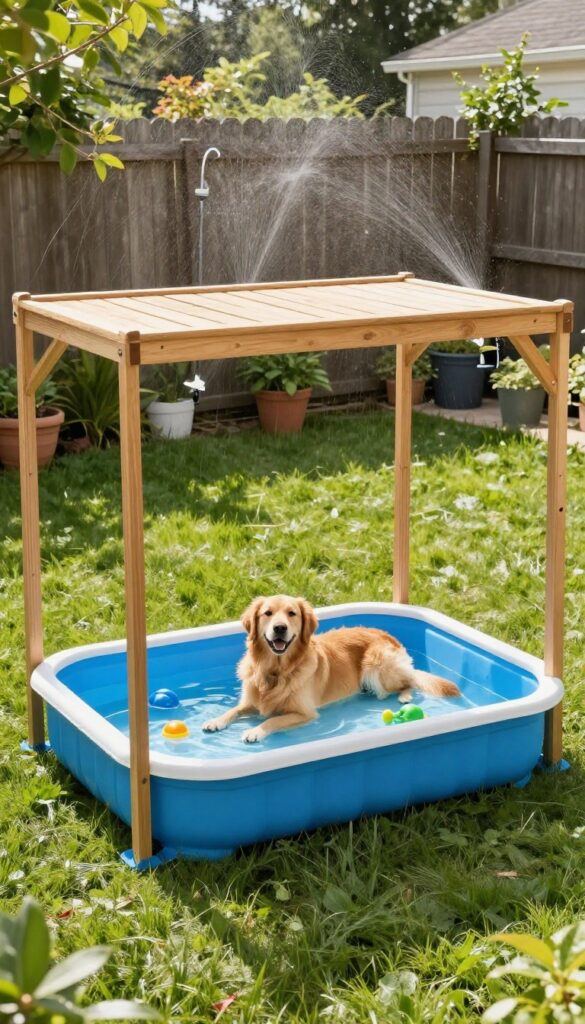
When the temperature spikes, your dog needs a place to chill out fast. A dedicated cooling station gives them relief without you having to constantly refill water bowls or drag them inside. It's a simple setup that pays off in comfort and safety.
A cooling station can be as elaborate or as simple as you want. The key is to give your dog options for cooling down and a shaded spot to rest afterward. Here's how to build one that works for your yard and your pup.
Misting Systems And Splash Pads
A misting system attaches to your garden hose and creates a fine spray that lowers the air temperature. You can set it up along a fence or over a patio area. Splash pads are another favorite—flat, non-slip mats that connect to a hose and spray water upward.
Both are easy to install and provide instant fun.
Kiddie Pools And Shallow Tubs
A simple kiddie pool is a classic choice. Fill it with a few inches of cool water and toss in some toys. Make sure the pool has a textured bottom to prevent slipping.
For small yards, a sturdy plastic tub works just as well. Change the water daily to keep it clean.
Shaded Rest Area With Cooling Mat
After splashing around, your dog needs a place to dry off and cool down. Set up a shaded spot with a canopy or under a tree. Place a cooling mat—filled with gel or water—inside.
These mats activate with your dog's weight and stay cool for hours. Add a fresh water bowl nearby.
6. Secure Fencing Check
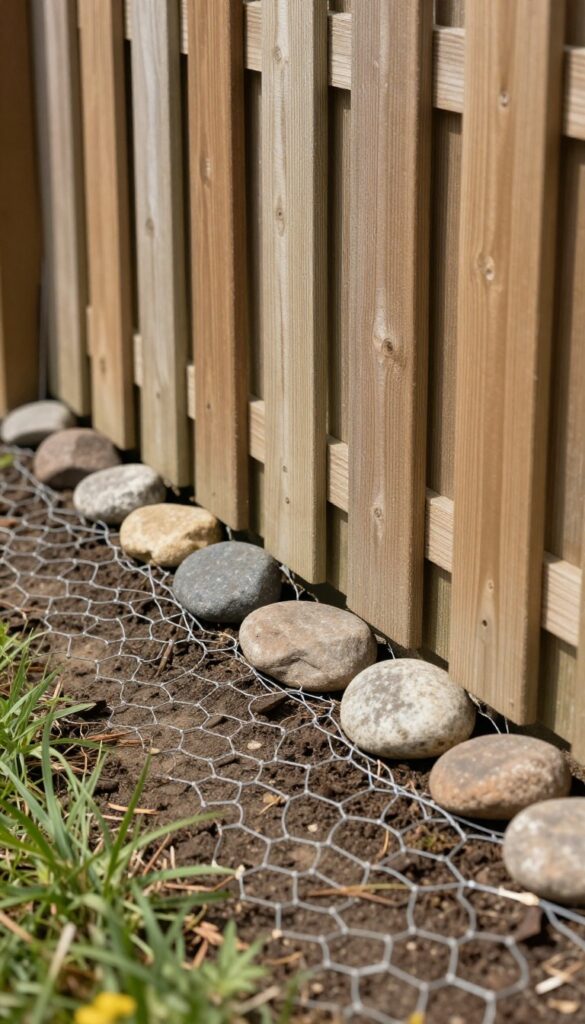
A fence that looks solid might still have weak spots your dog can exploit. Gaps under gates, loose boards, and areas where the ground has settled are common escape routes. Taking a few minutes to inspect and reinforce your fence can prevent accidents and give you peace of mind.
Walk the entire perimeter of your yard, looking for any gaps or loose sections. Pay special attention to corners and gate hinges, where dogs often push or dig. For diggers, bury chicken wire a few inches below the soil along the fence line, or lay large rocks at the base.
For climbers, consider adding a roller bar at the top of the fence—it spins when your dog tries to grab it, making it impossible to get a foothold. If you have a wooden fence, check for rot or loose boards and replace them promptly. A secure fence is the foundation of a safe backyard.
Common Weak Spots
Gates are notorious for having gaps at the bottom or sides. Over time, the ground can shift, creating a space just wide enough for a determined dog to squeeze through. Also check where the fence meets the house or other structures—these junctions can develop gaps as materials expand and contract.
Reinforcement Options
For diggers, burying hardware cloth or chicken wire 6–12 inches deep along the fence line is highly effective. You can also lay a row of large river rocks or paving stones at the base. For jumpers or climbers, install a fence extension or a roller bar.
Another option is to add a lean-in extension at the top, which makes it harder for dogs to get a grip.
Maintenance Tips
Inspect your fence at least twice a year, especially after heavy rain or wind. Tighten any loose screws or nails, and replace rotting wood. If you have a chain-link fence, check for bent posts or torn mesh.
A little upkeep goes a long way in keeping your yard escape-proof.
7. Potty Area with Gravel or Mulch
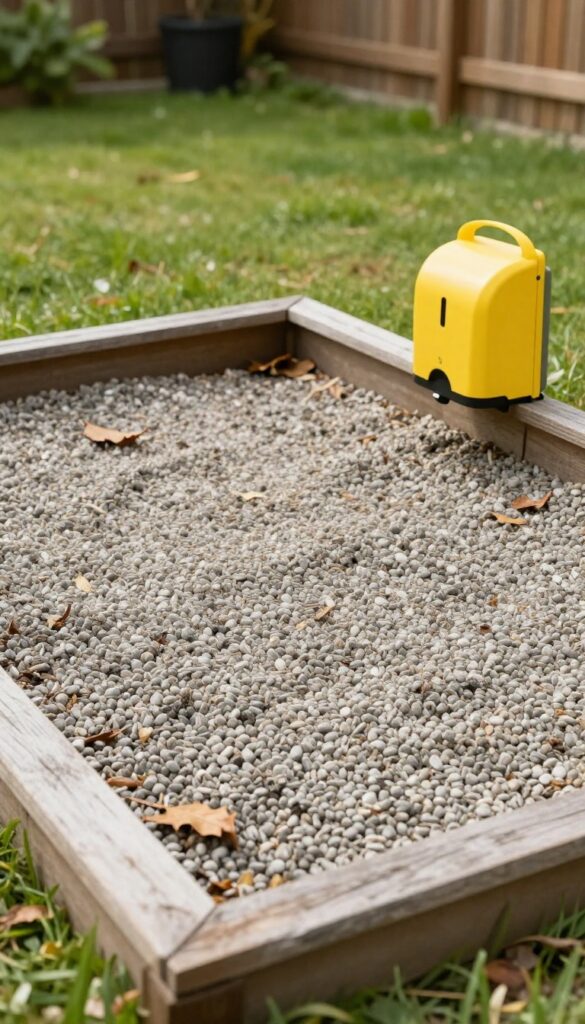
Let's be real—cleaning up after your dog in a muddy yard gets old fast. A dedicated potty area with gravel or mulch solves that problem. It gives your pup a clear spot to go, and you get an easy-to-clean zone that doesn't turn into a swamp after rain.
Pea gravel and mulch both drain well and dry quickly. They also trap odors and are simple to scoop. Plus, having a designated potty spot helps train your dog to keep the rest of the yard clean.
Choosing The Right Material
Pea gravel is smooth, won't hurt paws, and lasts for years. Mulch is softer and cheaper but needs annual replacement. Avoid bark nuggets—they can stick to fur and attract insects.
Whichever you pick, lay a weed barrier underneath to keep the area tidy.
Training Your Dog To Use It
Start by taking your dog to the spot on a leash every time they need to go. Use a cue word like 'potty' and reward them immediately after they go. Consistency is key—within a week or two, most dogs learn to head there on their own.
Maintenance Tips
Scoop daily and hose down the area weekly to prevent buildup. For gravel, rake it occasionally to keep it level. With mulch, top it off each season and replace it annually to keep it fresh and odor-free.
8. Toy Storage Station
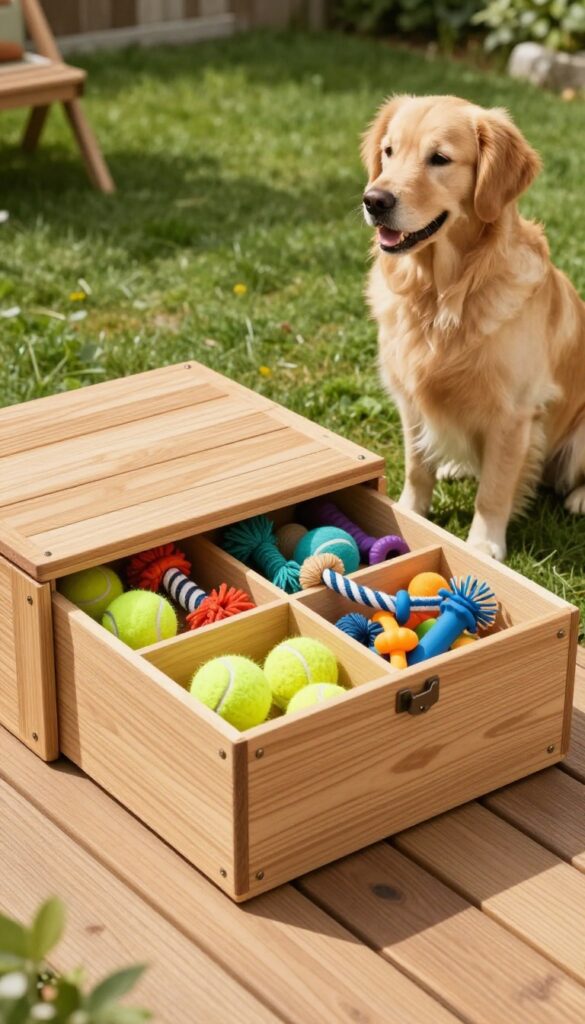
Dog toys have a way of taking over the yard. They get left in the rain, chewed to bits, and scattered everywhere. A dedicated toy storage station keeps everything organized, dry, and easy to grab when playtime starts.
Plus, rotating toys keeps your pup from getting bored with the same old fetch routine.
A simple deck box or weatherproof bin works great for storing balls, ropes, and chew toys. Choose one with a lid that seals tightly to keep out rain and pests. Place it near the play area so you and your dog can access it easily.
For extra organization, use separate bins for different types of toys—one for fetch toys, another for chew toys, and maybe a third for water toys if you have a pool or sprinkler.
Choosing The Right Container
Look for a container that's durable, UV-resistant, and easy to clean. Plastic deck boxes are lightweight and affordable, while wooden ones blend in better with landscaping. Make sure the lid is secure enough that your dog can't pop it open—a latch or lock is a good idea if you have a determined chewer.
Toy Rotation Strategy
Dogs get bored with the same toys day after day. Keep a stash of toys in the garage or house, and swap them out every week or two. This makes old toys feel new again and extends their lifespan.
It also gives you a chance to inspect toys for damage and toss any that are falling apart.
Keeping Toys Clean And Dry
Wet toys can get moldy and gross. After a rainy day or a splash in the water, wipe toys down with a towel before storing them. Once a month, toss machine-washable toys in the laundry or hand-wash rubber toys with soap and water.
A clean toy station means fewer germs and longer-lasting toys.
9. Dog-Friendly Paths
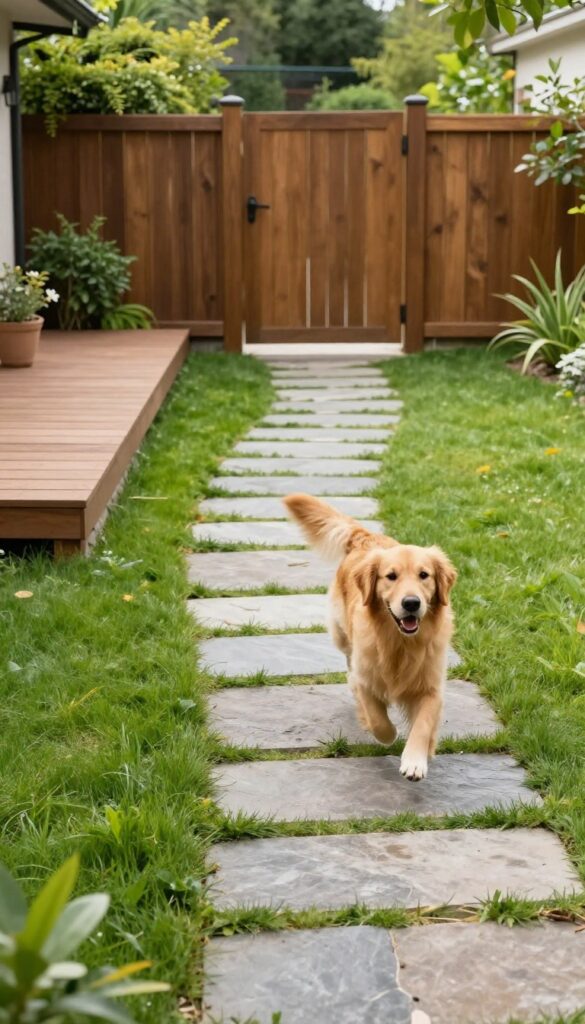
If your dog loves to race around the yard, you know the struggle of muddy paw prints tracking through the house. A well-planned path can keep things cleaner and save your lawn from turning into a dirt track. The trick is choosing materials that are durable, comfortable for paws, and easy to maintain.
Dog-friendly paths are all about smart surfacing. Flagstone stays cool and provides solid footing, but make sure the stones are set level to avoid tripping hazards. Pavers offer a similar look with more design flexibility, and they can be spaced with gravel or grass in between for a softer feel.
Bark chips are a budget-friendly option that cushions paws and drains well, but they need to be topped up regularly. Whatever you choose, lay a weed barrier underneath to keep maintenance low. Paths should be wide enough for your dog to walk or run comfortably—at least 2 to 3 feet—and positioned along their usual routes, like from the door to the favorite potty spot or the gate.
Material Matters
Flagstone and pavers are long-lasting and easy to clean, just hose them off when they get muddy. Bark chips are softer and more natural-looking, but they can scatter and need occasional replenishing. Avoid sharp gravel or decomposed granite that can irritate paw pads or get stuck between toes.
Path Placement Tips
Watch where your dog naturally runs and place paths along those lines. A path from the back door to the fence gate or to a designated potty area can reduce wear on the lawn. Curved paths feel more organic and can guide your dog around flower beds or garden zones.
Maintenance Made Easy
Install edging to keep bark chips or gravel in place. For flagstone or pavers, sweep sand into the joints to prevent weeds. A quick weekly rinse or sweep will keep paths clean and paw-friendly.
If you use bark chips, top them up once or twice a year to maintain depth.
10. Elevated Lounging Spot
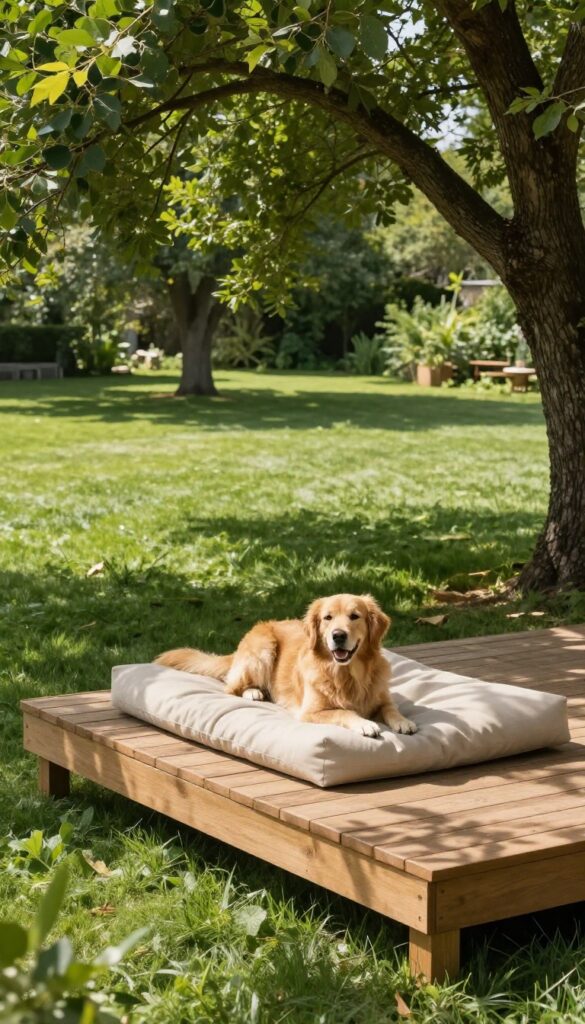
Dogs love to survey their kingdom from a comfortable perch. An elevated lounging spot gives your pup a vantage point to watch the yard while staying cool on hot days. It also keeps them off damp grass and away from bugs.
Building a low platform or buying an elevated dog bed is a simple weekend project. Place it under a shade tree or awning for natural cooling. Your dog will appreciate the airflow underneath, and you'll appreciate less dirt tracked indoors.
Why Elevation Matters
Elevated beds promote air circulation, which helps regulate body temperature in summer. They also provide a sense of security for dogs that like to observe their surroundings. Plus, they're easier on joints for older pups.
Diy Vs. Store-bought
You can build a wooden platform with basic tools for under $50, or buy a durable mesh bed online. If you go DIY, use pressure-treated lumber and sand down any rough edges. For store-bought, look for chew-resistant fabric and removable covers.
Placement Tips
Position the spot where your dog can see the yard entrance and where you spend time. Avoid direct sun exposure during peak hours. Adding a small canopy or planting a shade tree nearby extends comfort throughout the day.
11. Water Station with Automatic Refill
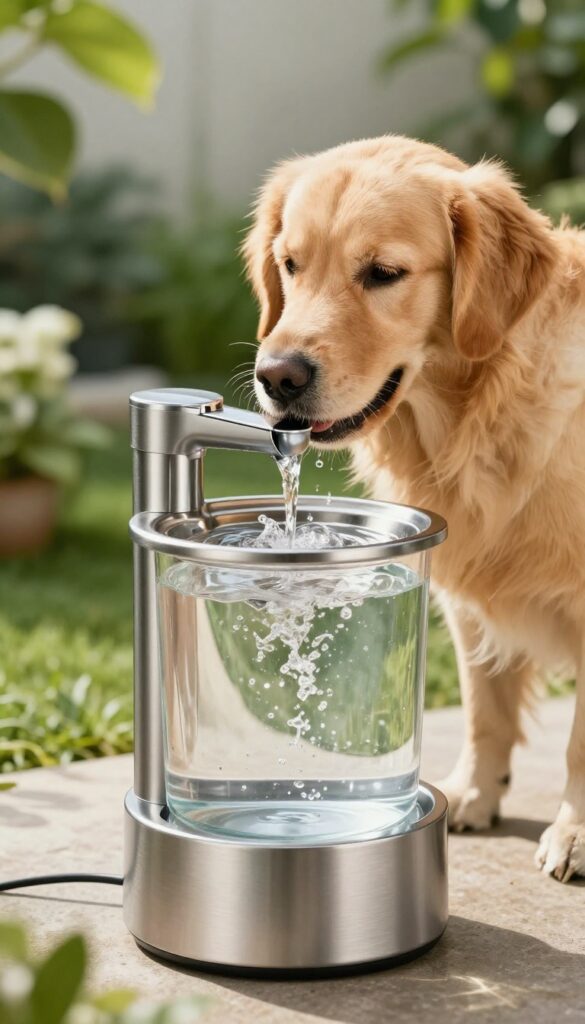
Keeping your dog hydrated during outdoor play is essential, but constantly refilling a bowl gets old fast. An automatic water station solves that problem by providing a continuous supply of fresh, cool water. Whether you buy a pet fountain or build a simple DIY system, this upgrade is a game-changer for hot days.
A dedicated water station ensures your pup always has access to clean water without you having to check it every hour. It also encourages drinking, which is crucial for preventing overheating and dehydration. Plus, moving water stays cooler and fresher than standing water.
Pet Fountain Vs. Diy Float Valve
Pet fountains are convenient and often include filters to keep water clean, but they can be pricey and require electricity. A DIY option using a bucket and a float valve is cheap, works without power, and holds a large volume. Both are effective—choose based on your budget and access to outlets.
Placement Tips For Maximum Use
Set up the station in a shaded area to keep water cooler longer. Place it away from high-traffic zones to avoid spills, but close enough to where your dog plays. Elevate the bowl slightly to reduce strain on your dog's neck, especially for larger breeds.
Maintenance Made Simple
Even with an automatic system, you'll need to clean the bowl or fountain regularly to prevent algae and bacteria. Empty and scrub it every few days, and check the float valve for debris. For fountains, replace filters as recommended to keep water tasting fresh.
12. Sensory Garden Corner
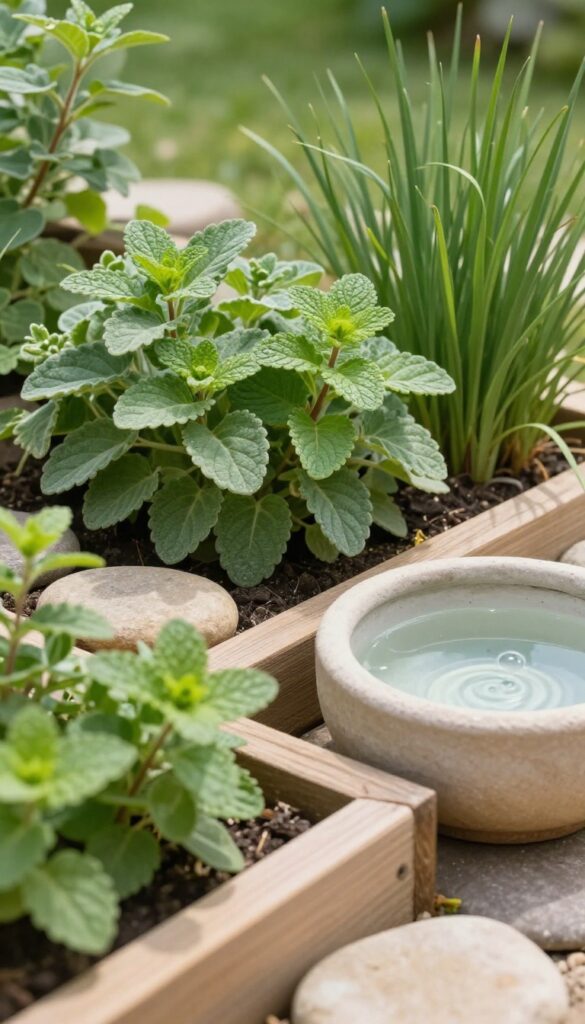
Dogs experience the world through their noses and paws, so why not create a dedicated spot that engages those senses? A sensory garden corner is a small, safe area where you plant a mix of textures and scents that your dog can explore without you worrying about toxic plants. It's like a tiny adventure zone right in your backyard.
Choose a sunny or partly shaded corner and fill it with dog-safe plants that offer different sensations. Soft lamb's ear for gentle brushing, fragrant mint for sniffing, and sturdy grass for pawing. Add a few flat stones for cool texture and a shallow dish of water for a splash.
Keep it fenced or bordered so your dog knows this is their special exploration zone.
Plant Selection Tips
Stick with non-toxic, pet-safe plants like basil, rosemary, thyme, and catnip. Avoid anything with thorns or known irritants. Mix heights and leaf shapes to create variety.
Check with your vet or local extension office if you're unsure about a specific plant.
Layout And Safety
Define the area with low edging or logs so your dog understands the boundary. Use organic soil and skip chemical fertilizers. Place the garden away from any plants that might be toxic, and supervise the first few visits to make sure your dog doesn't dig up or eat too much.
13. Nighttime Lighting for Safety
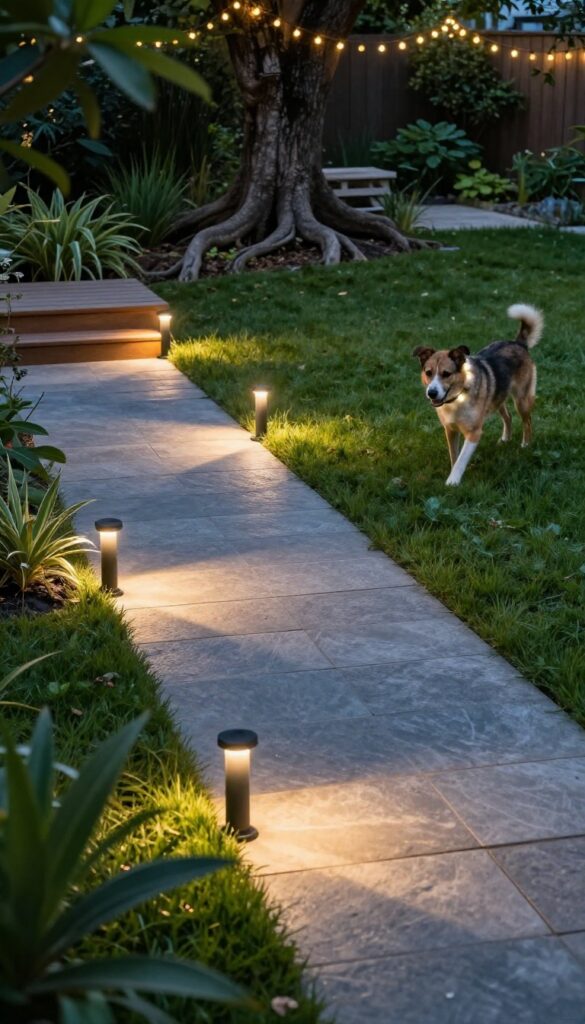
After sunset, your backyard can become a hazard zone for both you and your dog. Poorly lit paths, uneven ground, and hidden obstacles increase the risk of trips and falls. Adding thoughtful lighting solves these problems while extending the hours you can safely enjoy your yard together.
Light Up Pathways And Steps
Solar path lights are an easy, wireless option to mark walkways and steps. Place them along the edges of paths your dog uses most, especially near gates or the door. For stairs, consider low-voltage LED strip lights attached to the risers.
They provide clear visibility without blinding glare.
Spotlight Potential Hazards
Identify trouble spots like garden edges, tree roots, or uneven lawn areas that could cause injury. Use small spotlights or stake lights to illuminate these areas. Motion-activated lights work well for corners or spots you don't need lit all night, saving energy while still providing safety when needed.
Help You See Your Dog After Dark
A well-lit yard lets you keep an eye on your pup during late-night potty breaks or play sessions. Overhead string lights or a floodlight on a timer can brighten the main play area. For extra visibility, attach a small LED collar light to your dog—it's a simple backup that makes them easy to spot.
FAQ
What is the cheapest way to make my backyard dog-friendly?
Start with a designated potty area using mulch or gravel, add a simple shade spot with an umbrella, and create a digging pit from an old sandbox.
How do I stop my dog from digging under the fence?
Bury chicken wire or paving stones along the fence line, or install a concrete footer. You can also place large rocks or plant dense shrubs as a barrier.
What plants are safe for dogs in the backyard?
Safe options include sunflowers, marigolds, rosemary, lavender, and snapdragons. Avoid sago palm, azalea, and tulip bulbs.
How can I keep my dog cool in the backyard during summer?
Provide plenty of shade, a kiddie pool or misting system, and always have fresh water available. Consider a cooling mat or elevated bed.
Do I need to fence my entire yard for a dog?
Not necessarily. You can create a fenced-in dog run or use a tie-out with a trolley system. However, a secure perimeter fence is safest for most dogs.
Conclusion
Your backyard can be a haven for both you and your dog without requiring a complete overhaul. Start with one or two changes that fit your space and your pup's personality—whether it's a digging pit, a splash zone, or a cozy shaded spot.
Small, thoughtful upgrades will make your yard more fun and functional for everyone. Your dog gets a safe place to play, and you get a backyard you'll actually enjoy spending time in.

I’m Pallab Kishore, the owner of Little Pets Realm — an animal lover and pet care enthusiast sharing easy tips, healthy recipes, and honest advice to help every small pet live a happy, healthy, tail-wagging life.